Phytelephas sp. (Ivory-nut Palm)
Botanical name: Phytelephas sp.
Common names: Ivory-nut Palm, Tagua Palm
Family: Arecaceae / Palmae
Origin: South America
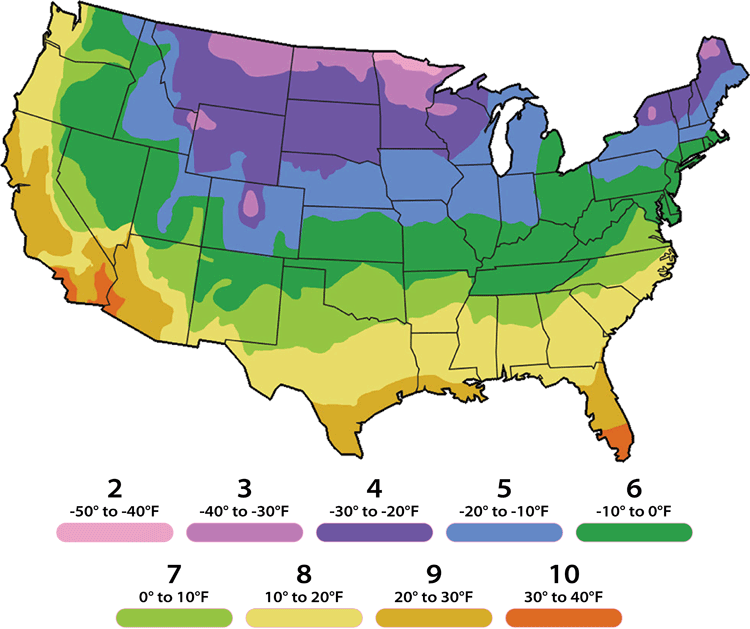
USDA Zone: 9-10
 Plant form: Small tree
 Mature height: 10-20 ft
 Sun exposure: Full sun or bright light indoor
 Cold tolerance: Frost sensitive. Protect from freezing.
 Watering: Regular
 Suitable for: Outdoors in the suitable USDA zone; small gardens, containers, and indoor growing
 Ethnomedical: Ethnomedical plant, traditionally used in folk or indigenous medicine
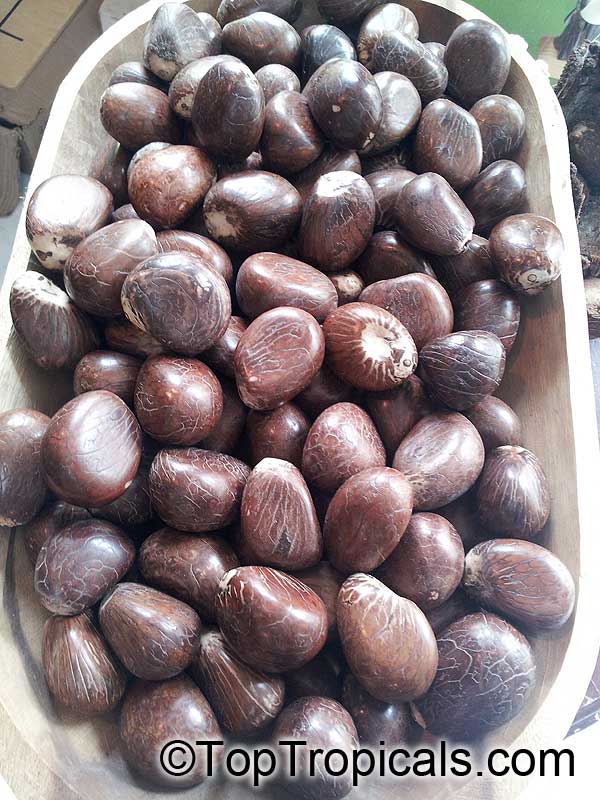
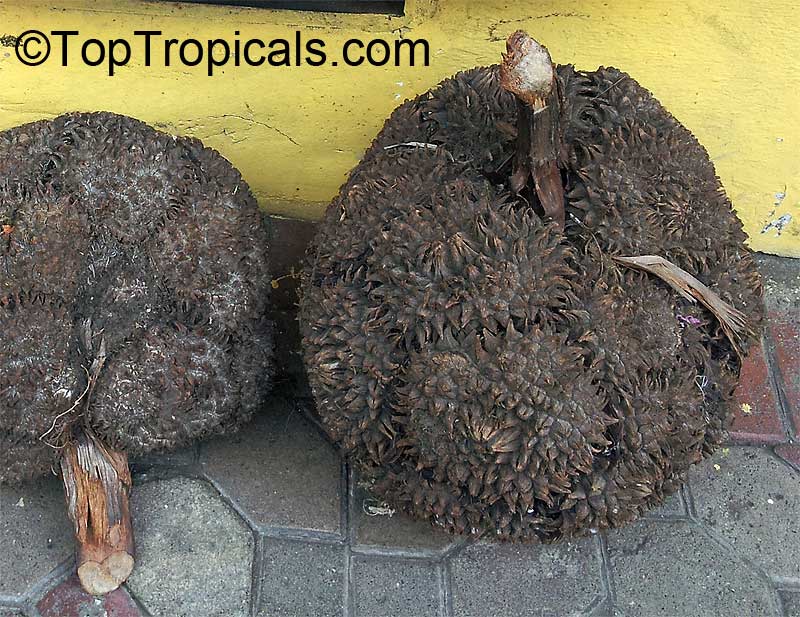
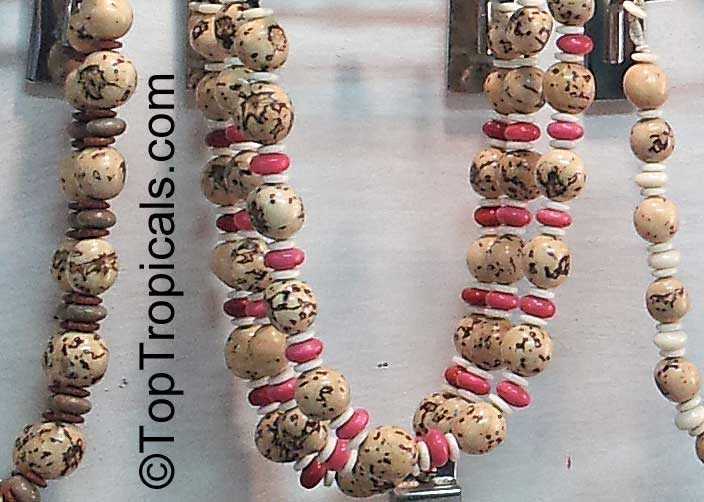
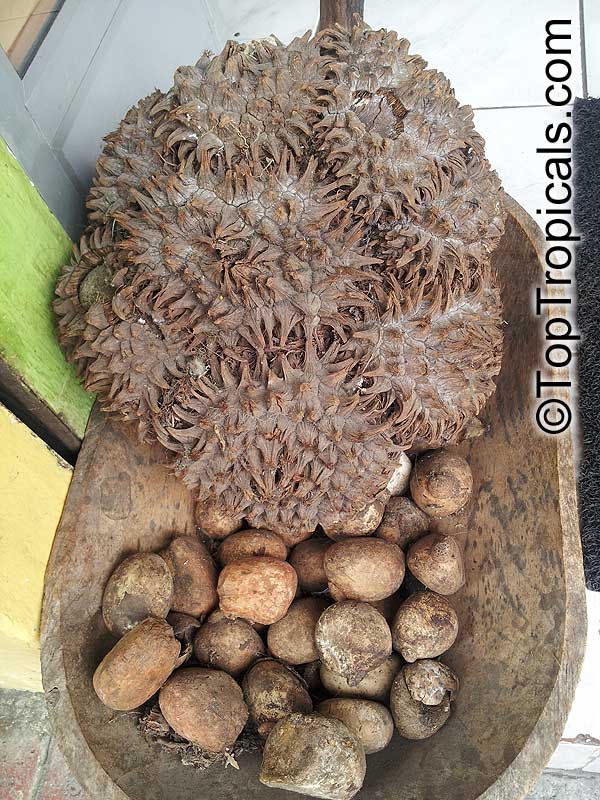
Phytelephas grows under large rain forest trees along streams and on wet hillsides. Large pinnate leaves up to 20 feet tall arise from a woody trunk that is often leaning or growing from a longer horizontal trunk above the moist ground. Female palms bear clusters of large, brown fruits, the size of grapefruits or melons. Each fruit is studded with numerous woody, pointed horns and contains four or more large seeds. The content of the immature fruit is a tasteless crystalline liquid. When it starts to ripen this turns into a sweet and pleasant milky substance, transforming later to a gelatinous viscous consistency and finally becoming an extraordinarily hard product similar in color, appearance and feel to natural ivory. When dried out, it can be carved just like elephant ivory; it is often used for beads, buttons, figurines and jewelry, and can be dyed.