Manfreda undulata (False Agave)

Botanical name: Manfreda undulata
Common names: False Agave, Chocolate Chips
Family: Asparagaceae
Subfamily: Agavoideae
Origin: Mexico, Central America
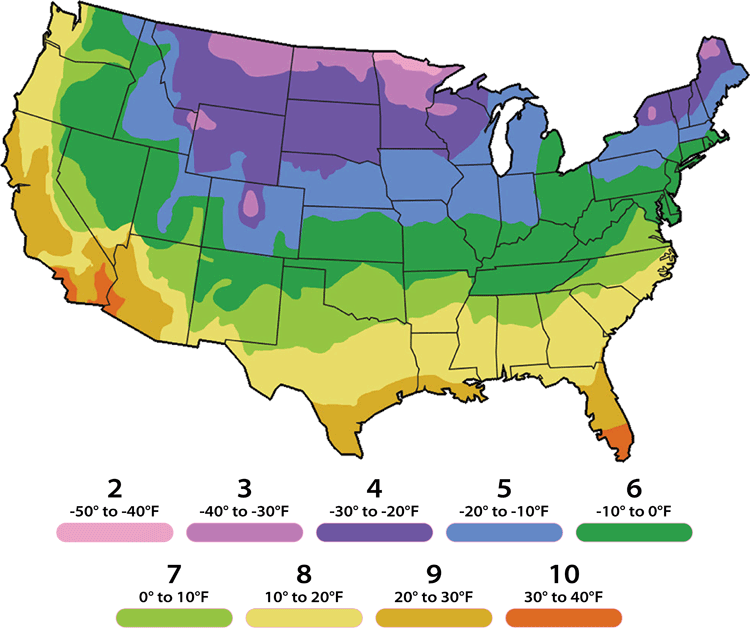
USDA Zone: 8-10
 Plant form: Small
 Mature height: 2-5 ft
 Sun exposure: Full sun or bright light indoor
 Cold tolerance: Tolerates light freezing to about 30°F for short periods (mature plants). Young plants must be protected.
 Watering: Moderate
 Flower color: Unusual color
 Suitable for: Outdoors in the suitable USDA zone; small gardens, containers, and indoor growing
 Foliage color: Ornamental foliage
Manfreda undulata is a rhizomatous succulent perennial in the Asparagaceae family, native to Tamaulipas in northeastern Mexico. It forms a low, spreading rosette of long, narrow, arching leaves with strongly undulating margins and fine marginal teeth. The foliage may be green to glaucous, with irregular brown to nearly black spots, sometimes on both surfaces. The cultivar 'Chocolate Chips' is distinguished by particularly pronounced leaf waviness and dense dark spotting. In late spring to early summer, tall flower stalks, sometimes reaching six feet, bear unusual flowers with dark burgundy-brown buds opening to reveal greenish tepals, and long, strongly exserted burgundy stamens and styles. Unlike many agaves, the plant survives flowering and can bloom repeatedly.
Manfreda undulata prefers full sun to partial shade, with afternoon protection in hot climates, and well-drained soil. Established plants tolerate drought but benefit from occasional summer watering. Deep containers accommodate the fleshy roots. Winter watering should be reduced substantially. The plant is root-hardy in approximately USDA Zones 8-10, although foliage may die back during winter and regrow in spring.


