Malus sp. (Apple)

Botanical name: Malus sp.
Common name: Apple
Family: Rosaceae
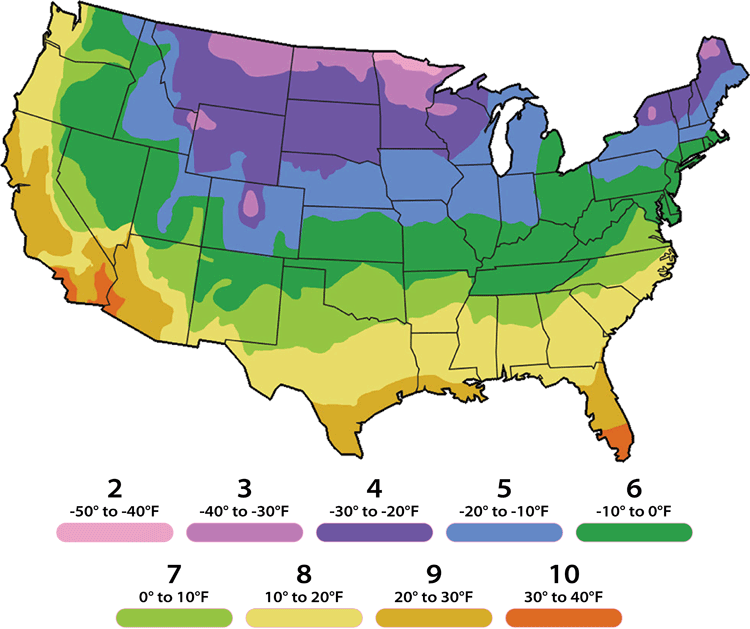
USDA Zone: 4-9

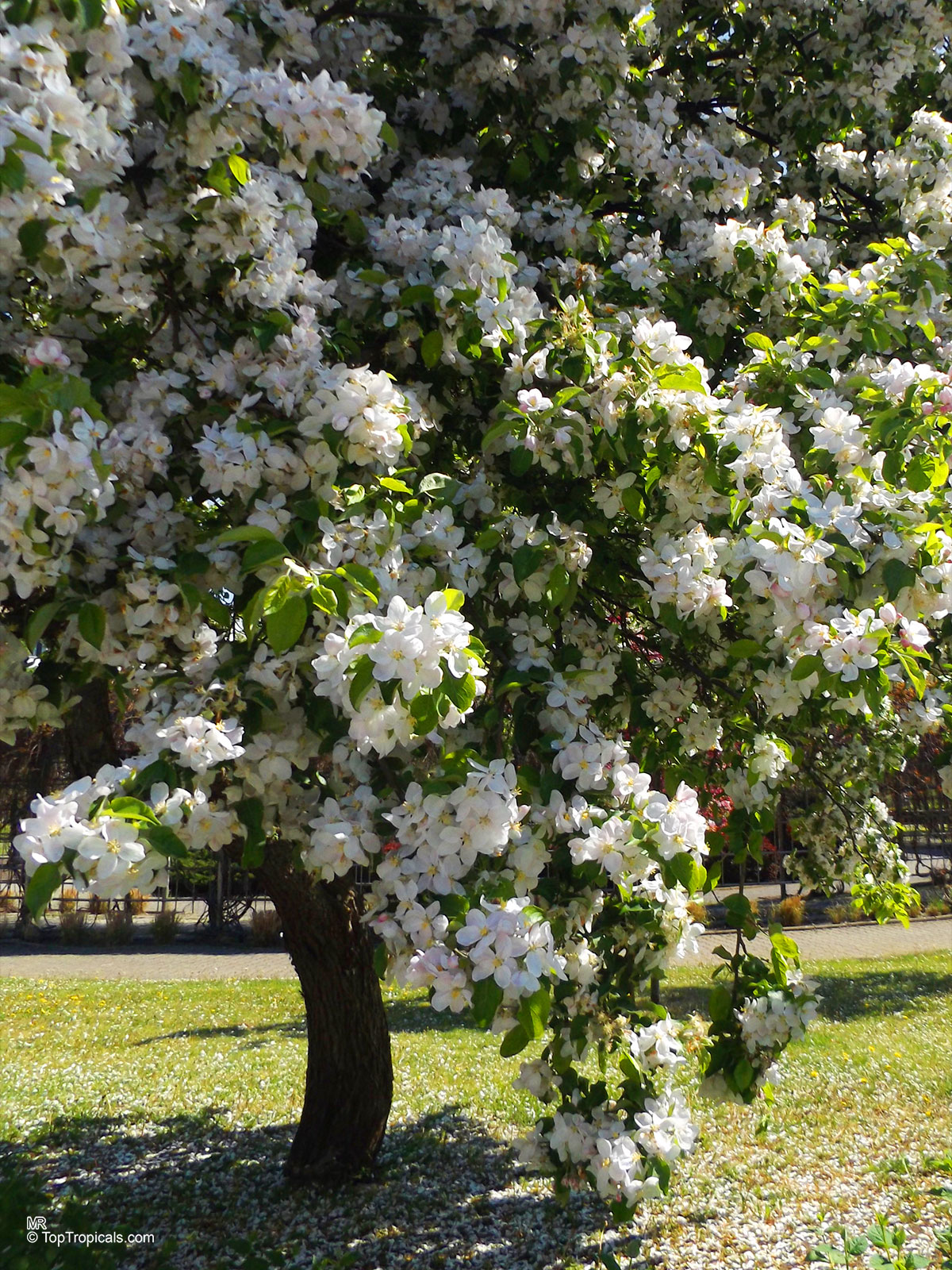
 Plant form: Small tree; suitable for bonsai
 Mature height: 10-20 ft
 Sun exposure: Full sun or bright light indoor
 Cold tolerance: Tolerates light freezing to about 30°F for short periods (mature plants). Young plants must be protected.
 Watering: Regular; moderate
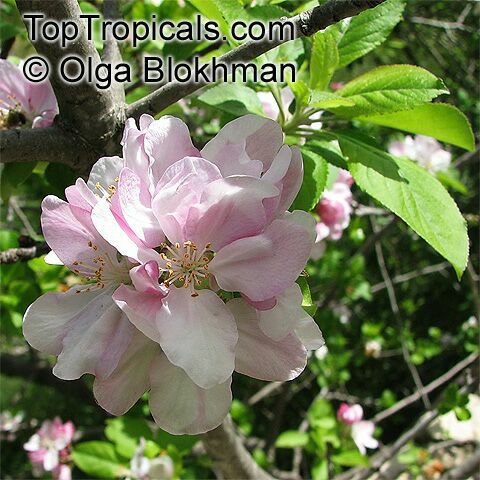
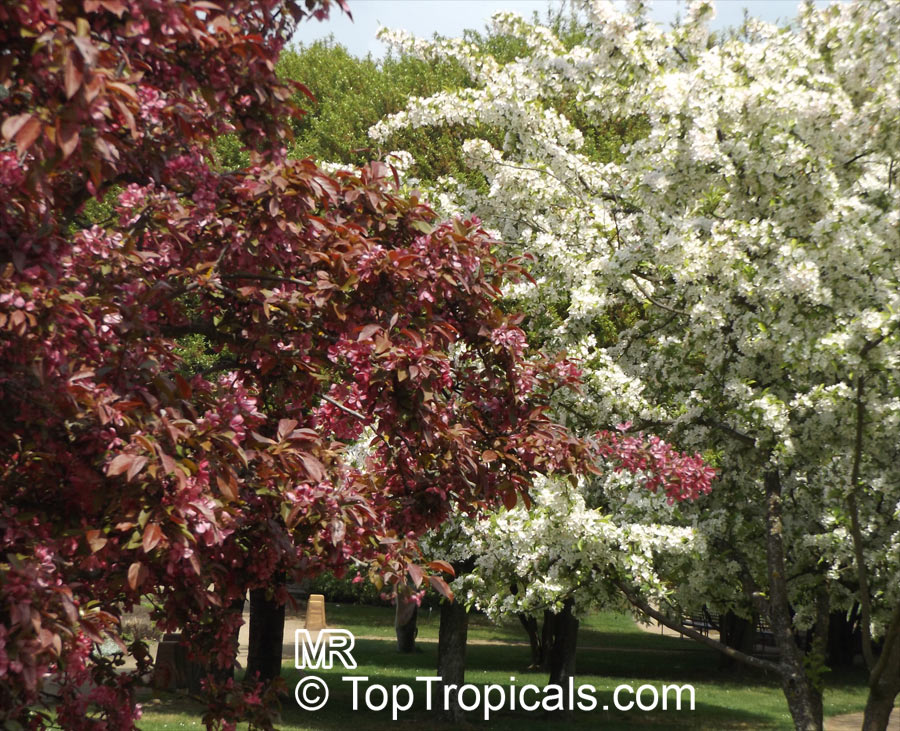
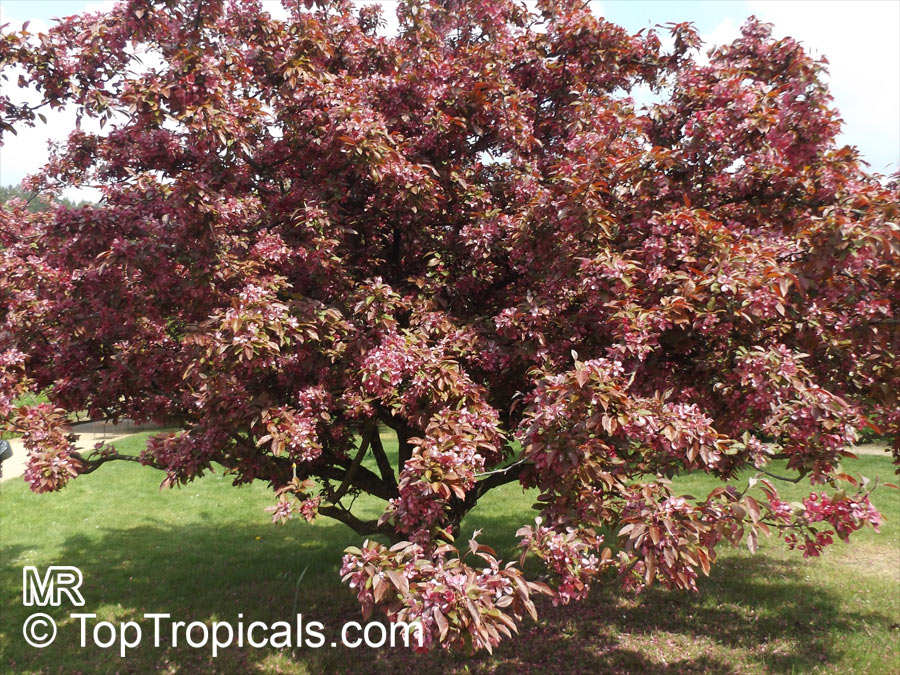
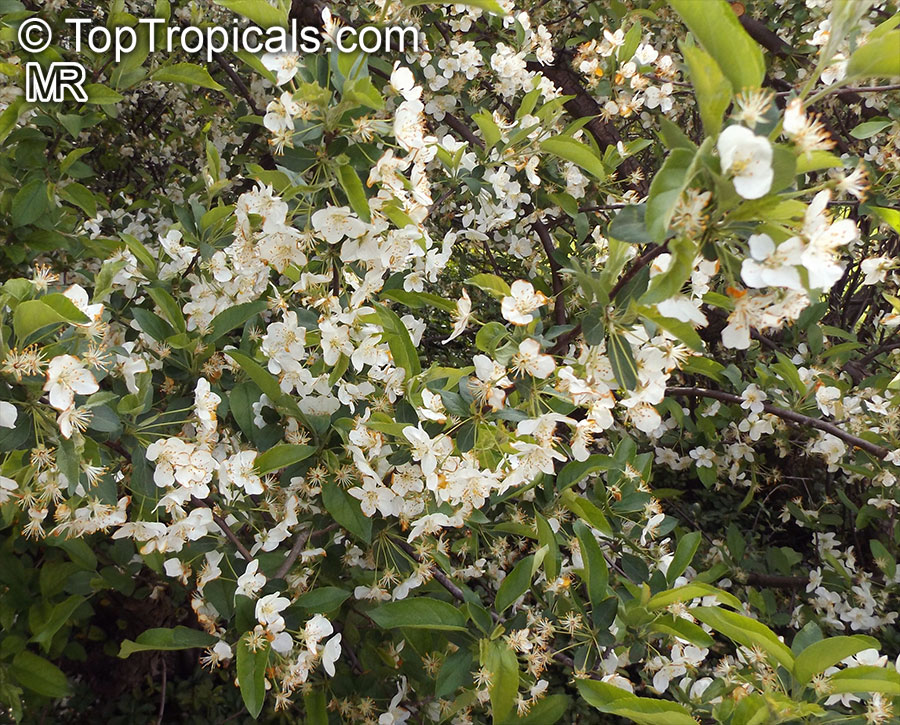
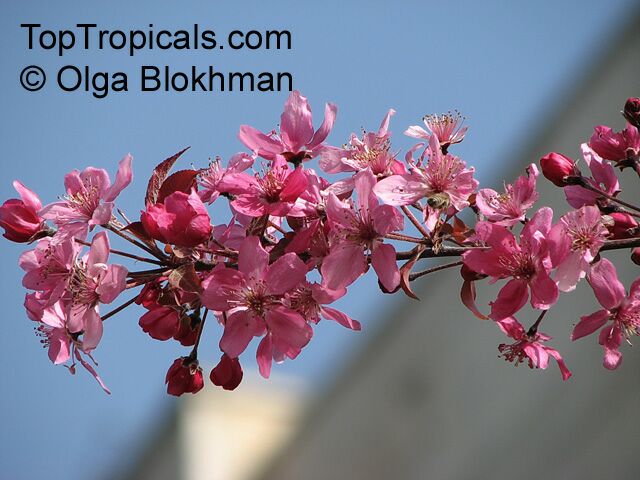
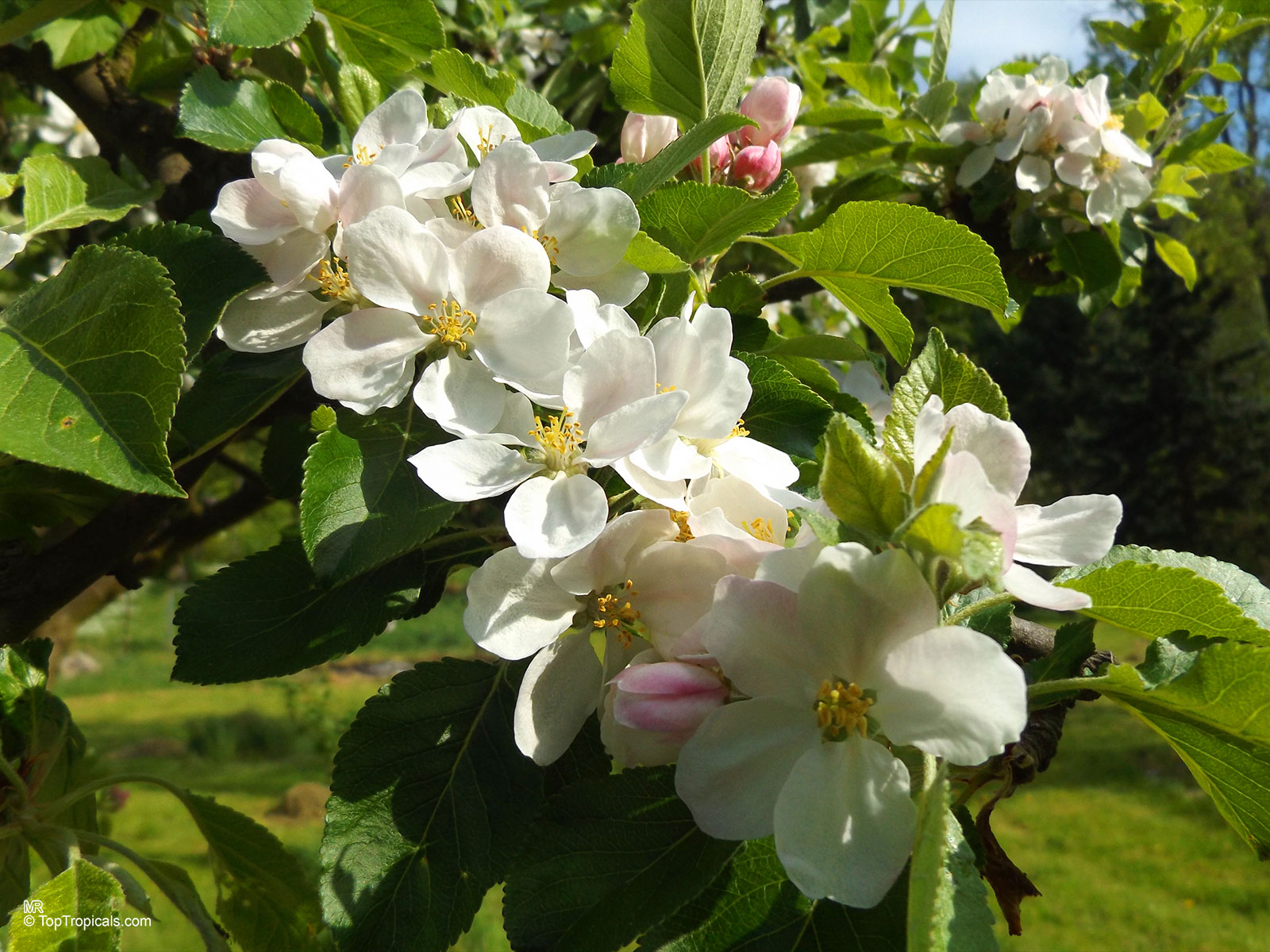
 Flower color: Pink; white and off-white
 Suitable for: Outdoors in the suitable USDA zone; small gardens, containers, and indoor growing
 Foliage: Deciduous
 Fragrance: Fragrant; perfume plant
 Wildlife: Attracts butterflies and hummingbirds
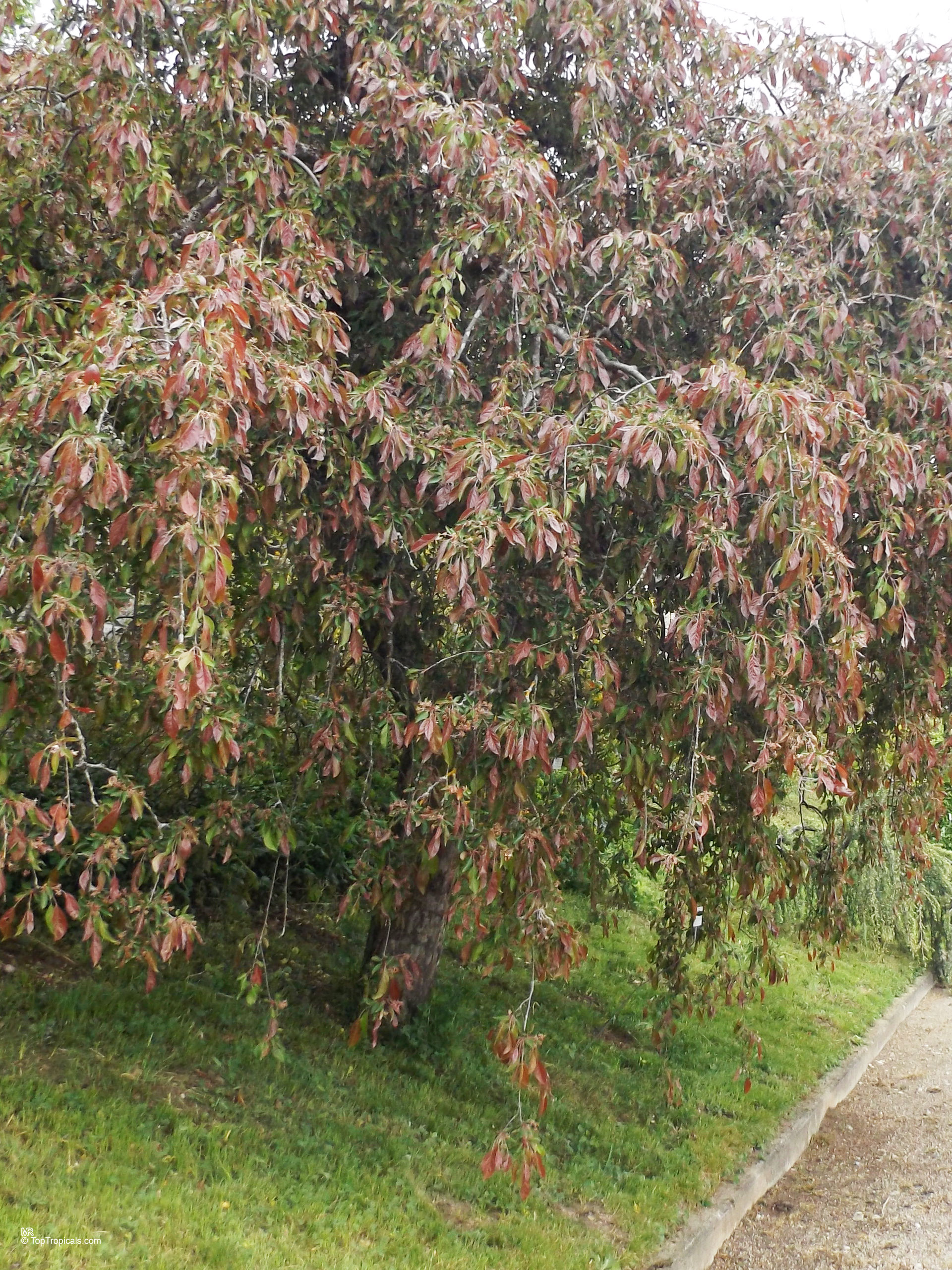
Malus is a genus of deciduous trees native to temperate regions of the Northern Hemisphere and widely cultivated for both ornamental display and fruit production.
These trees are valued for their seasonal interest, combining spring flowering, summer foliage, and autumn fruit display.
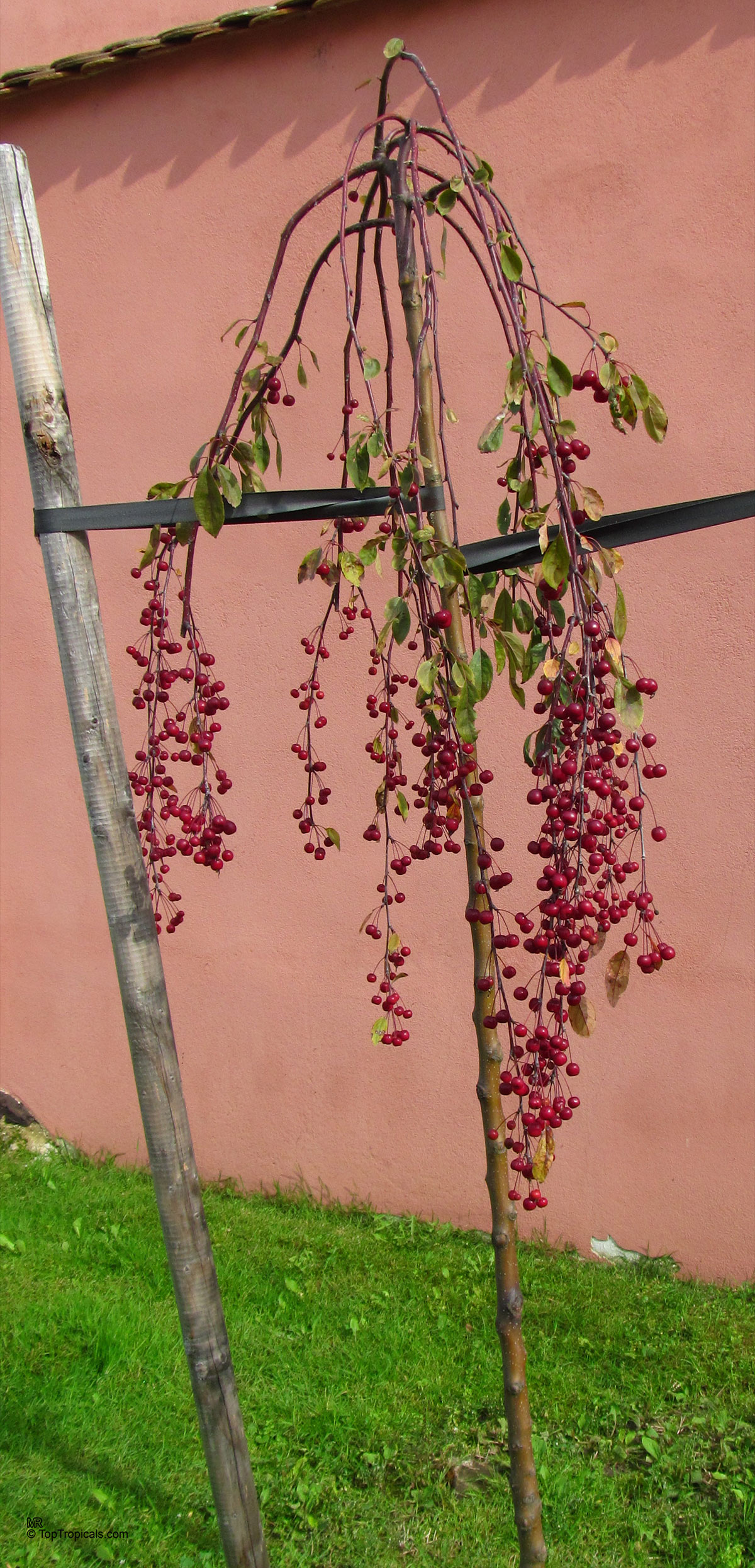
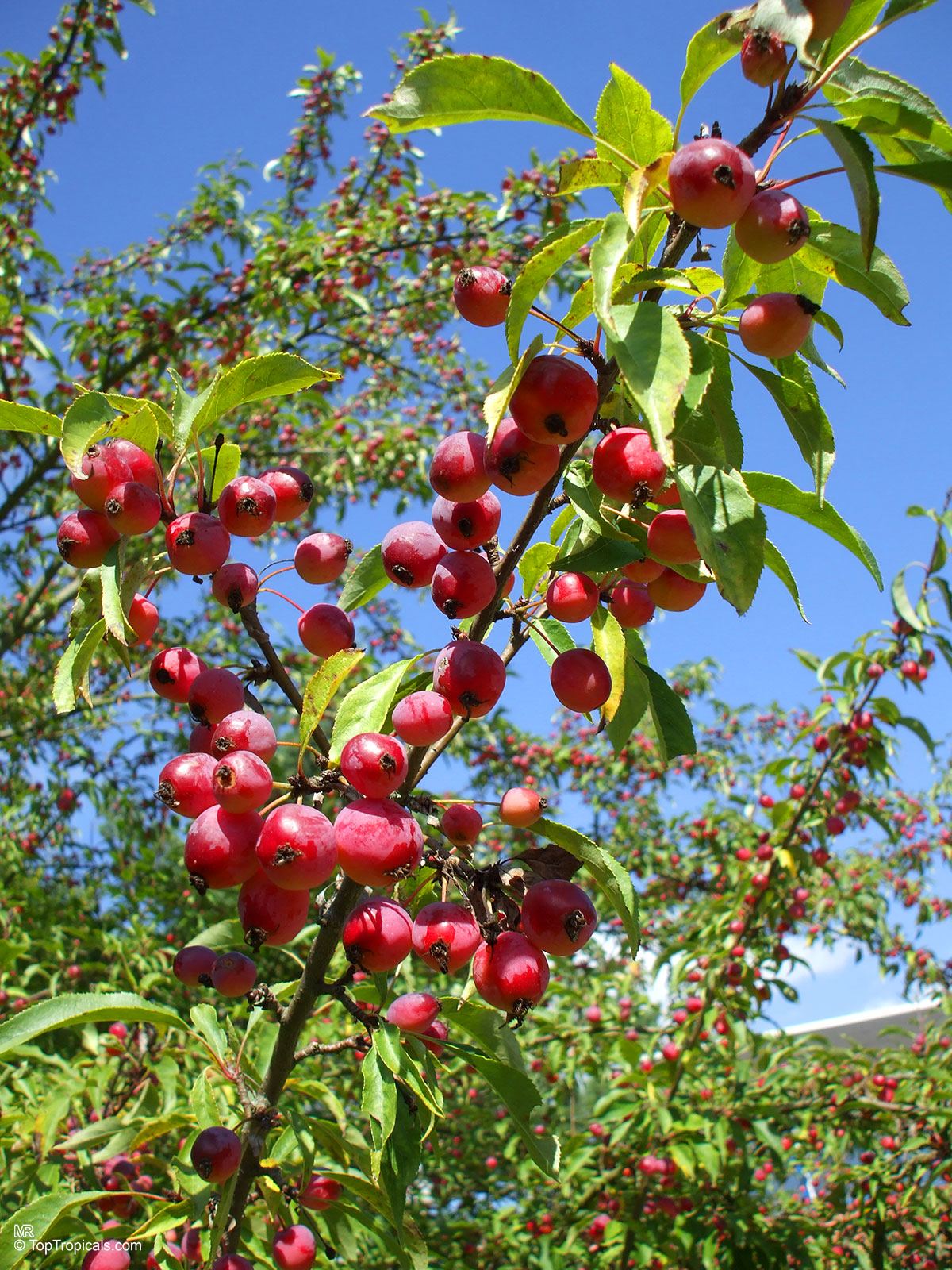
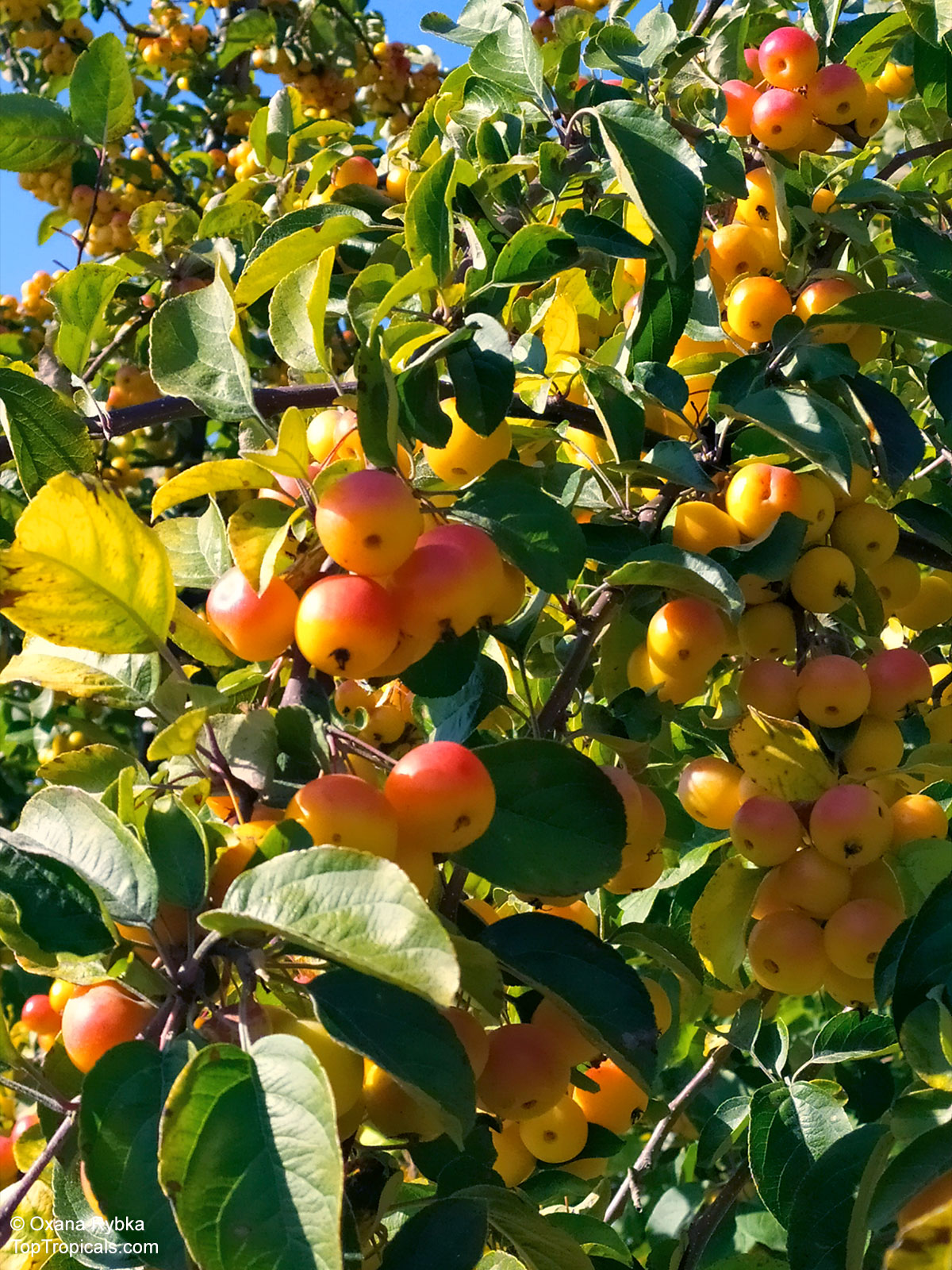
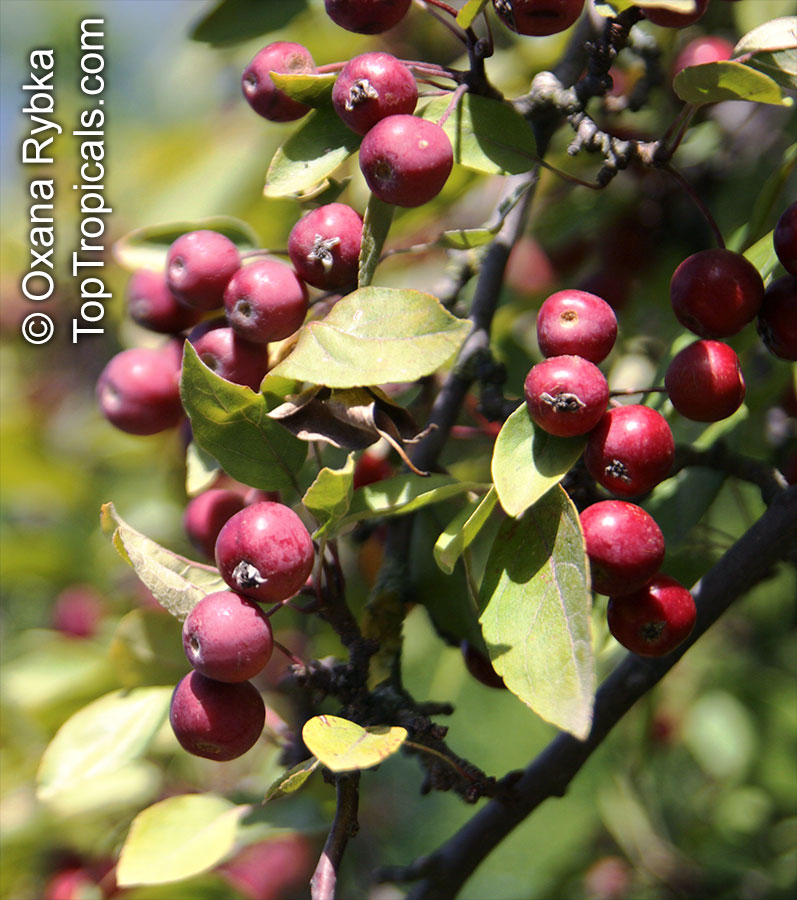
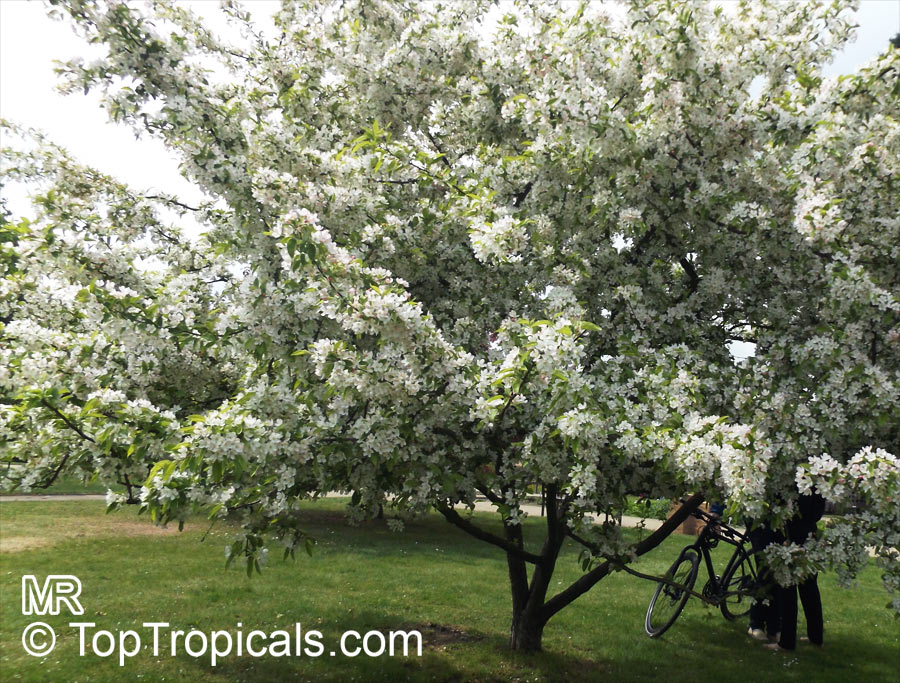
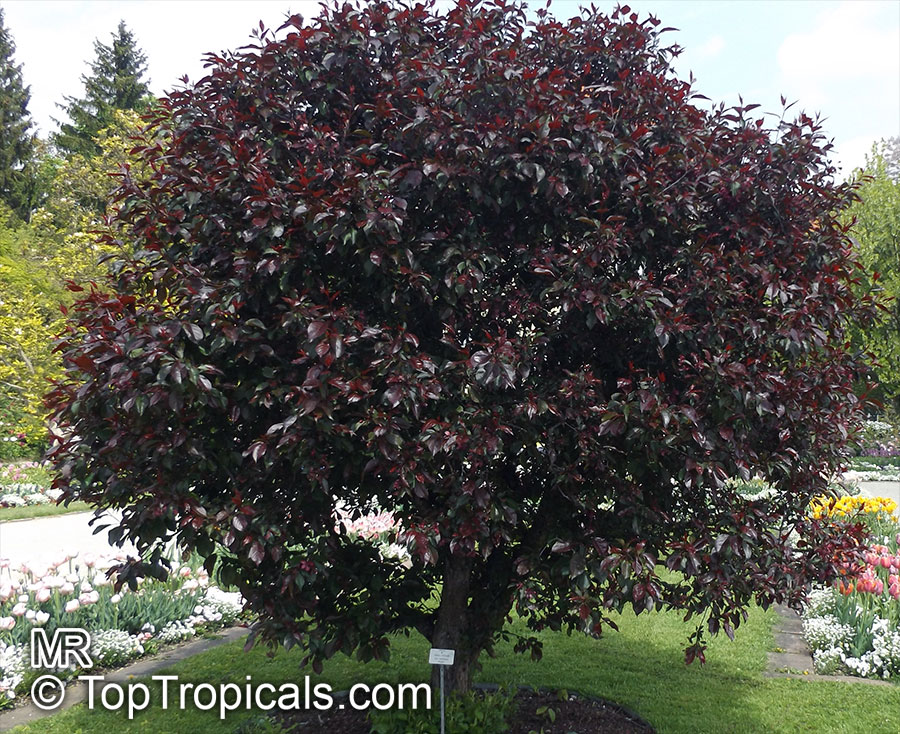
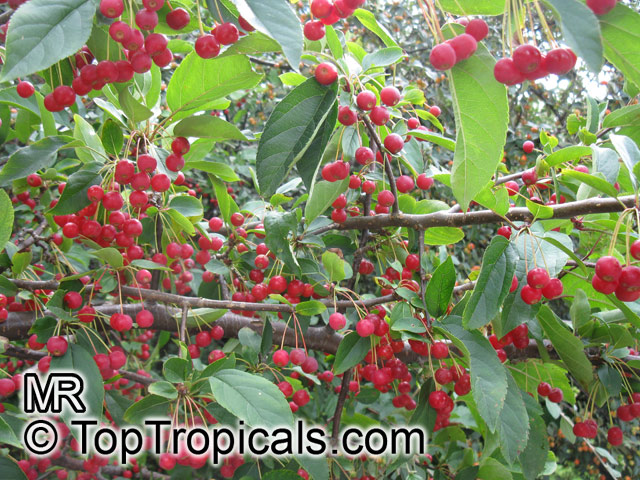
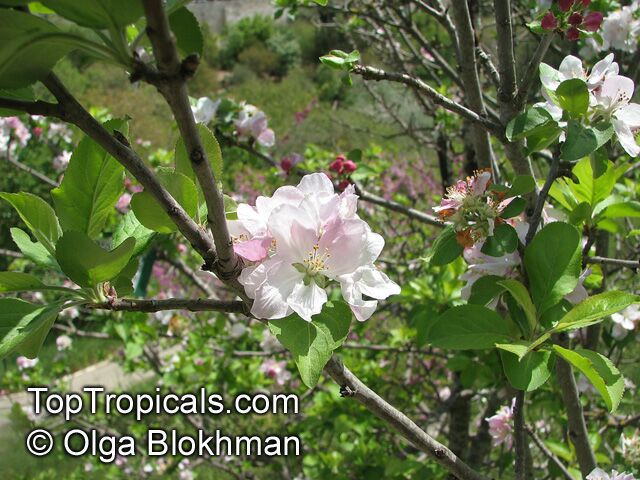
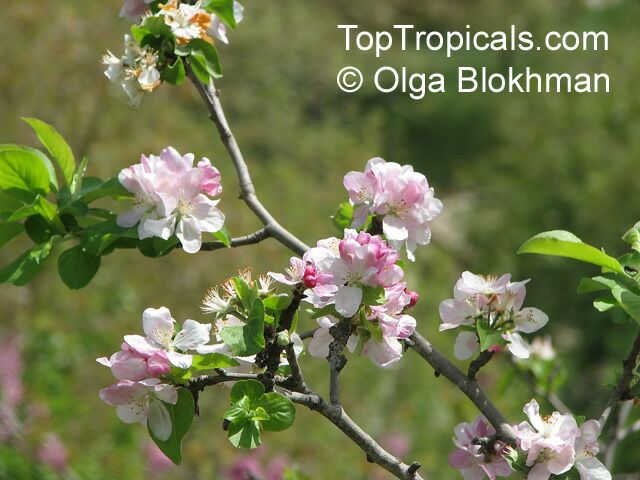
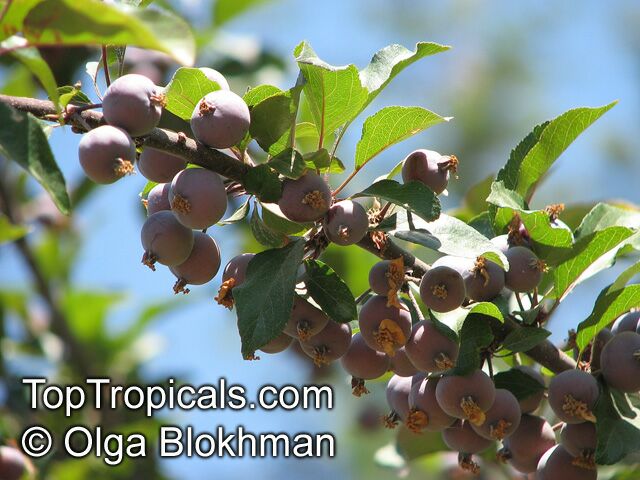
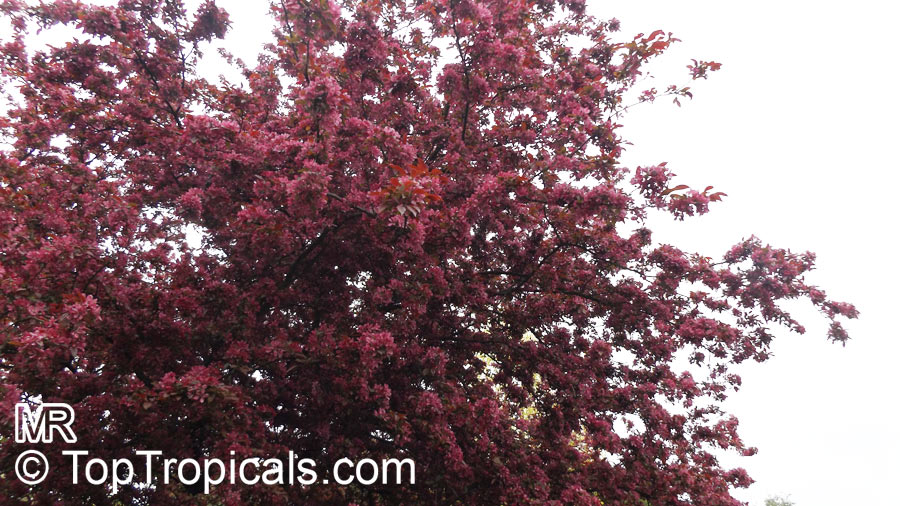
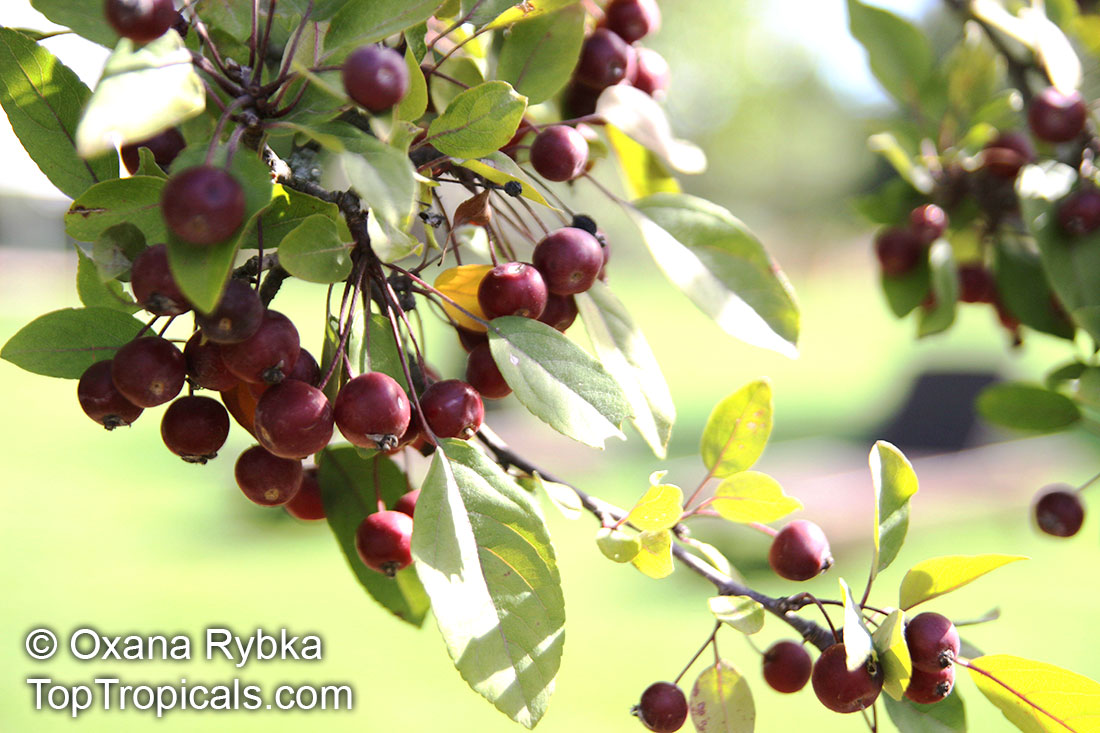
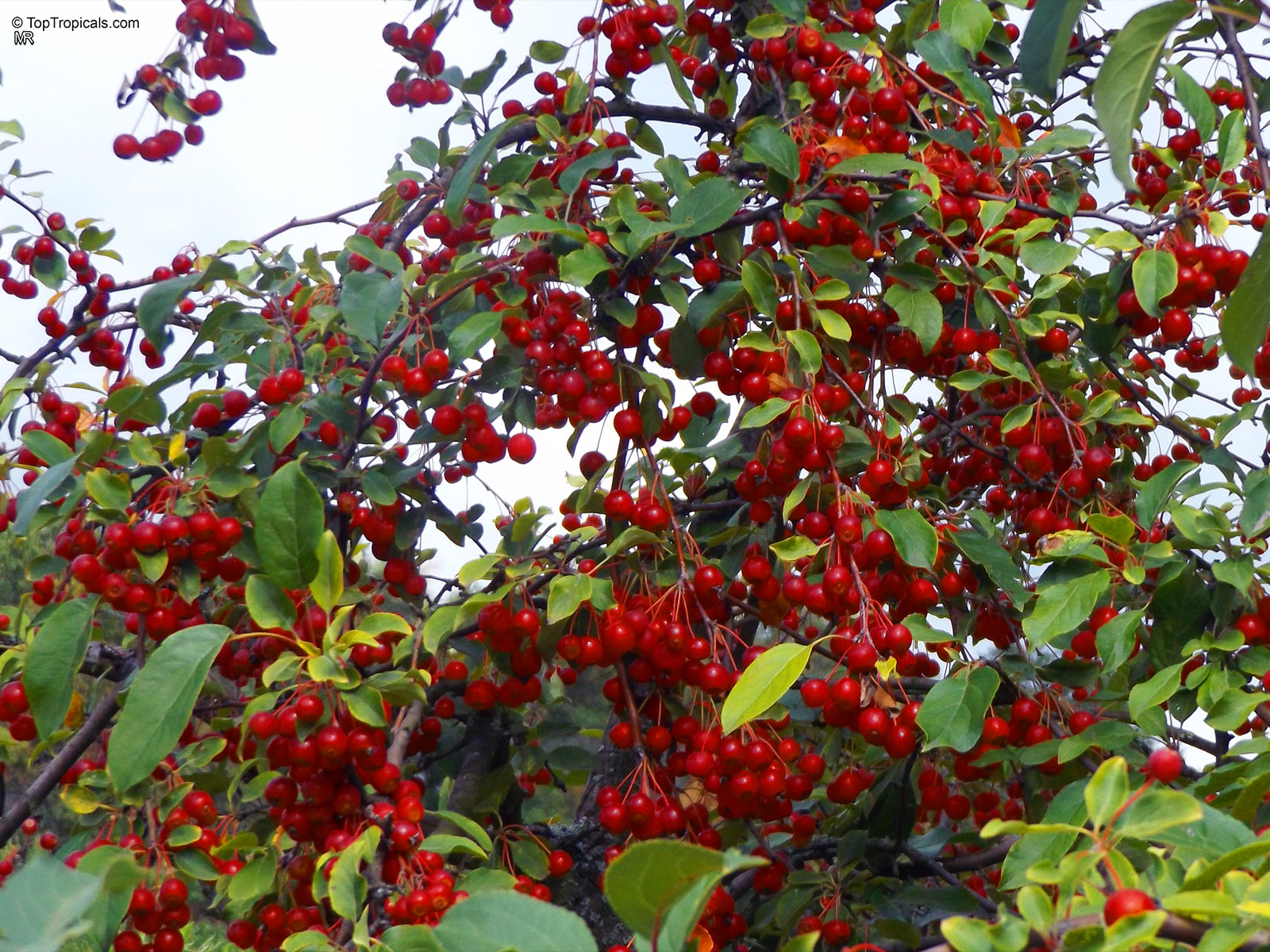
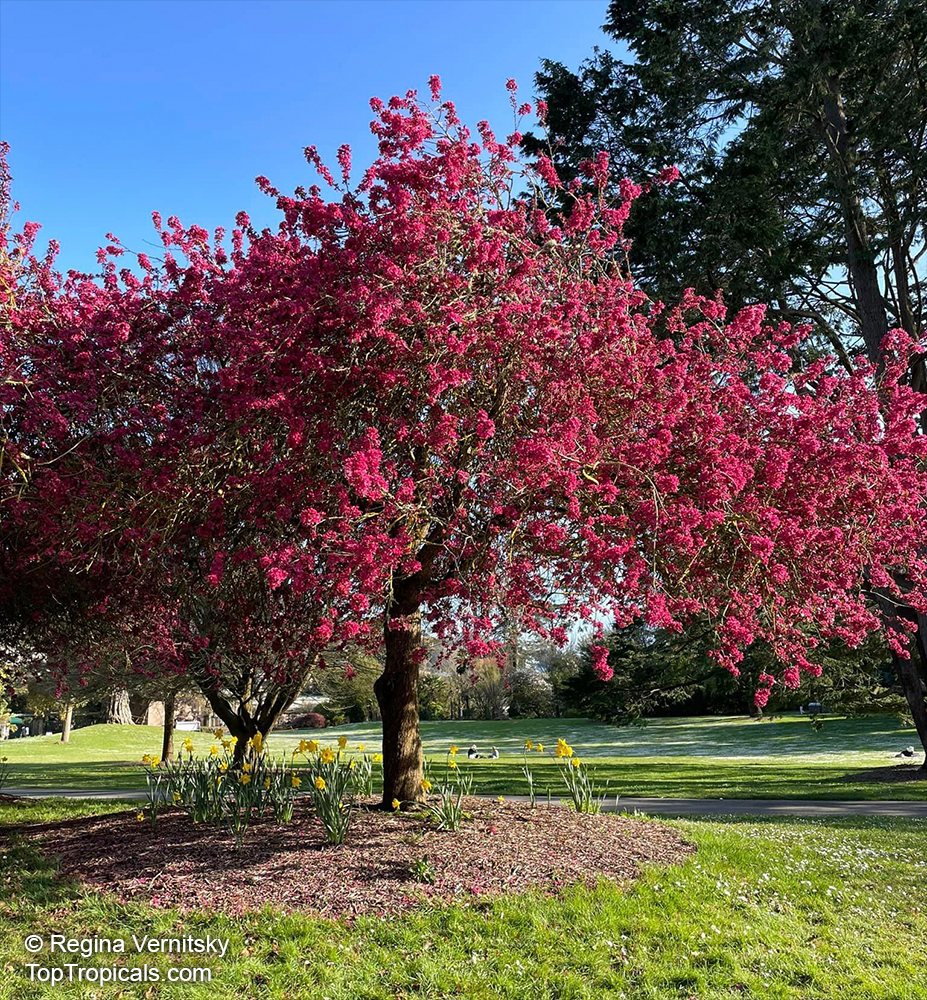
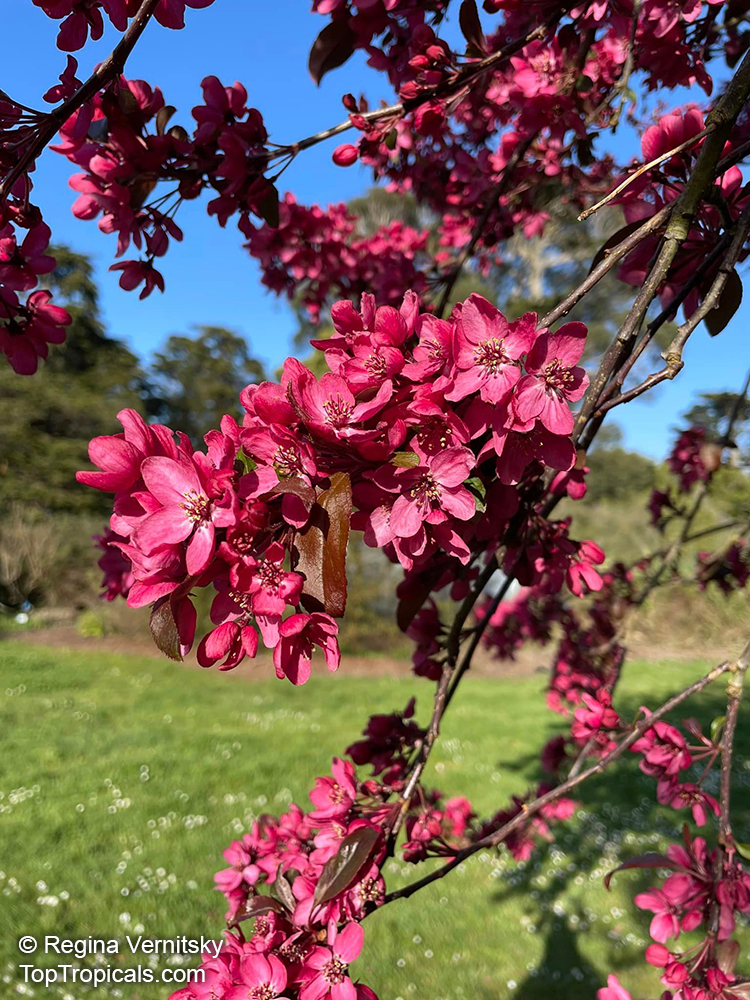
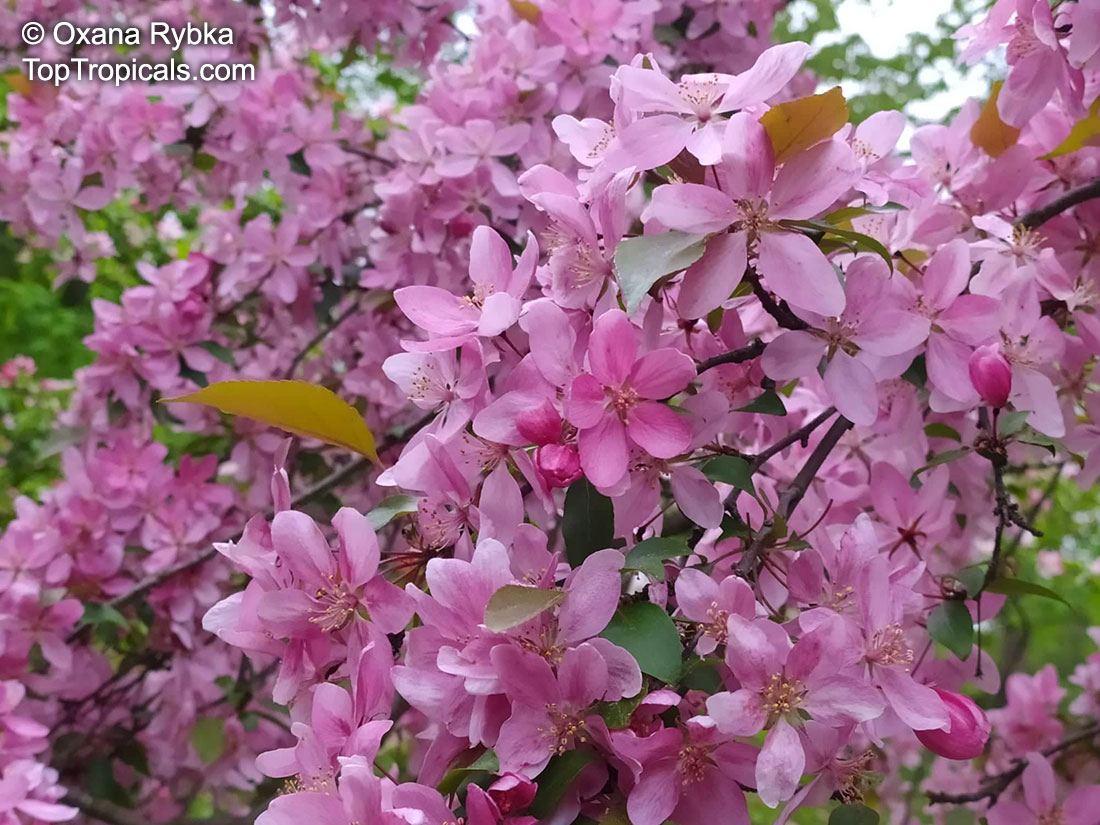
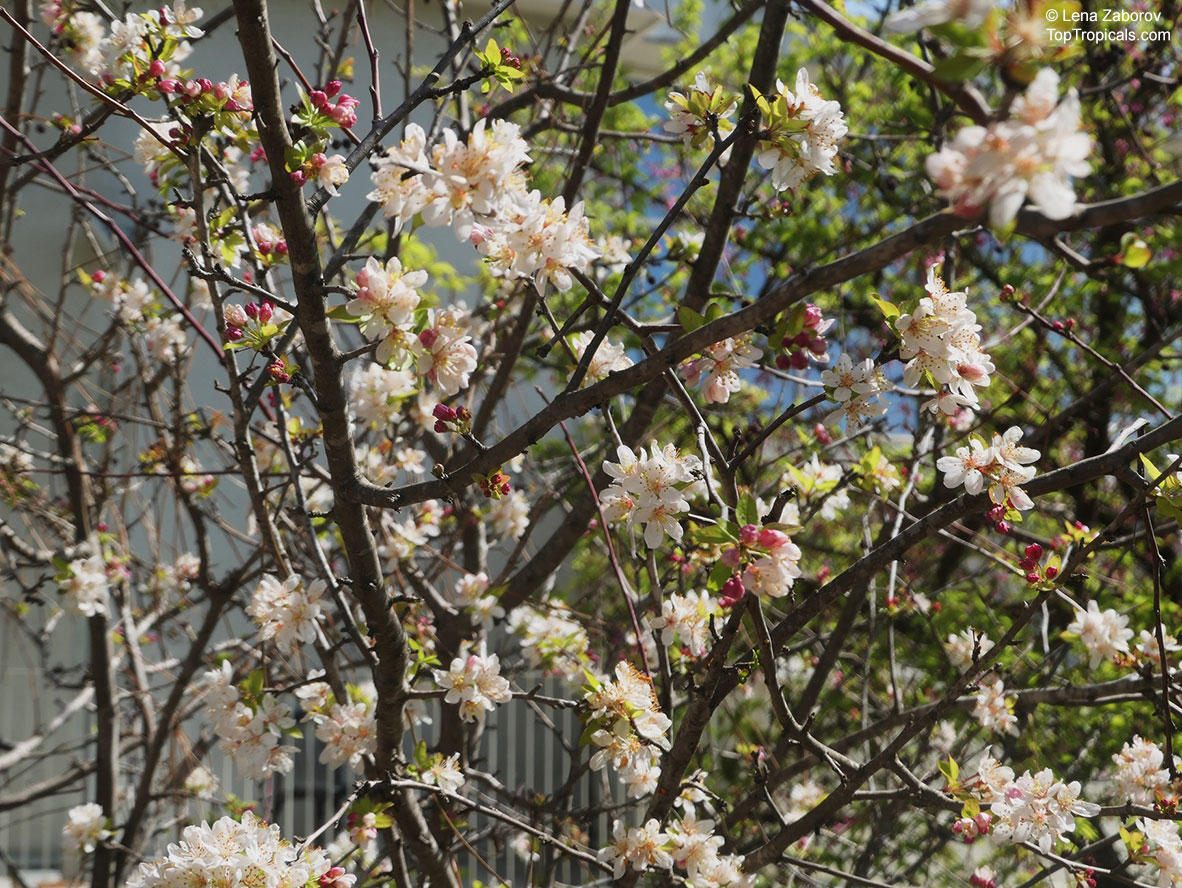
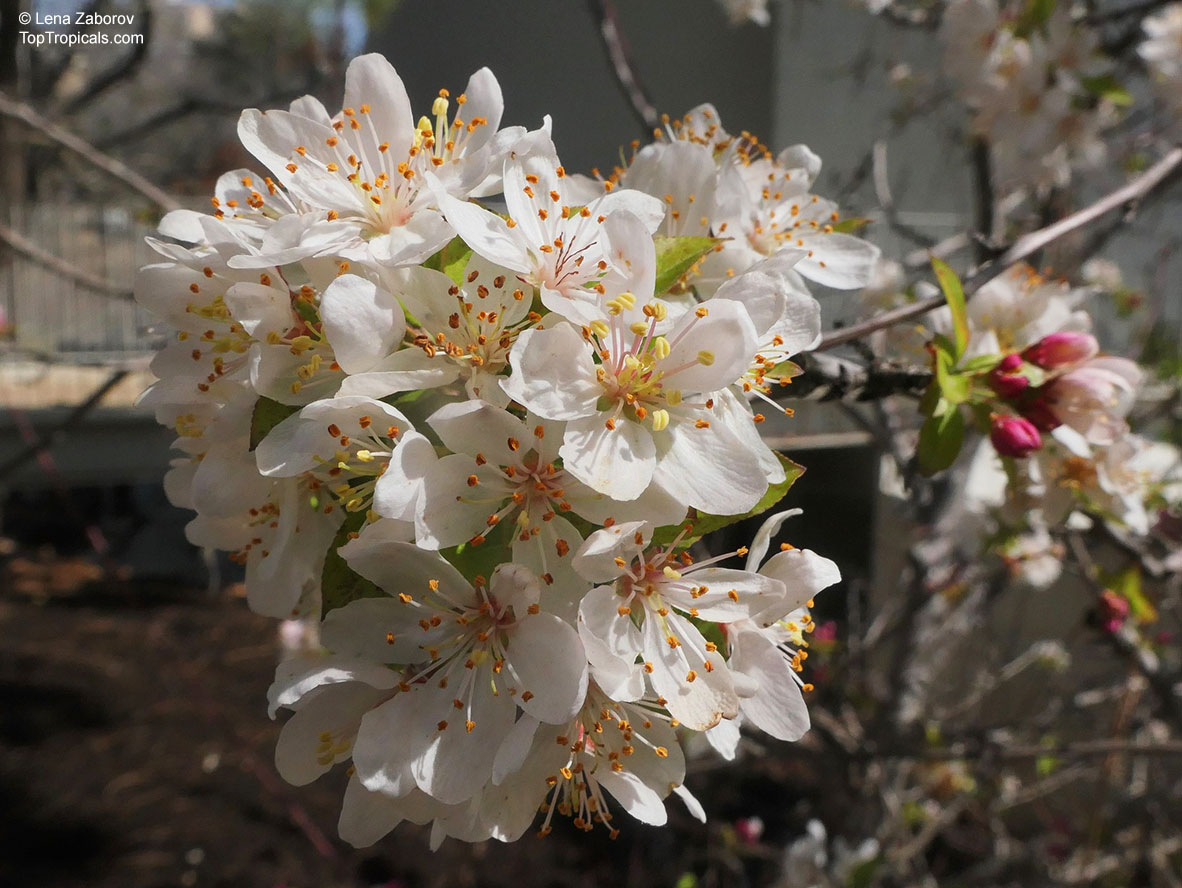
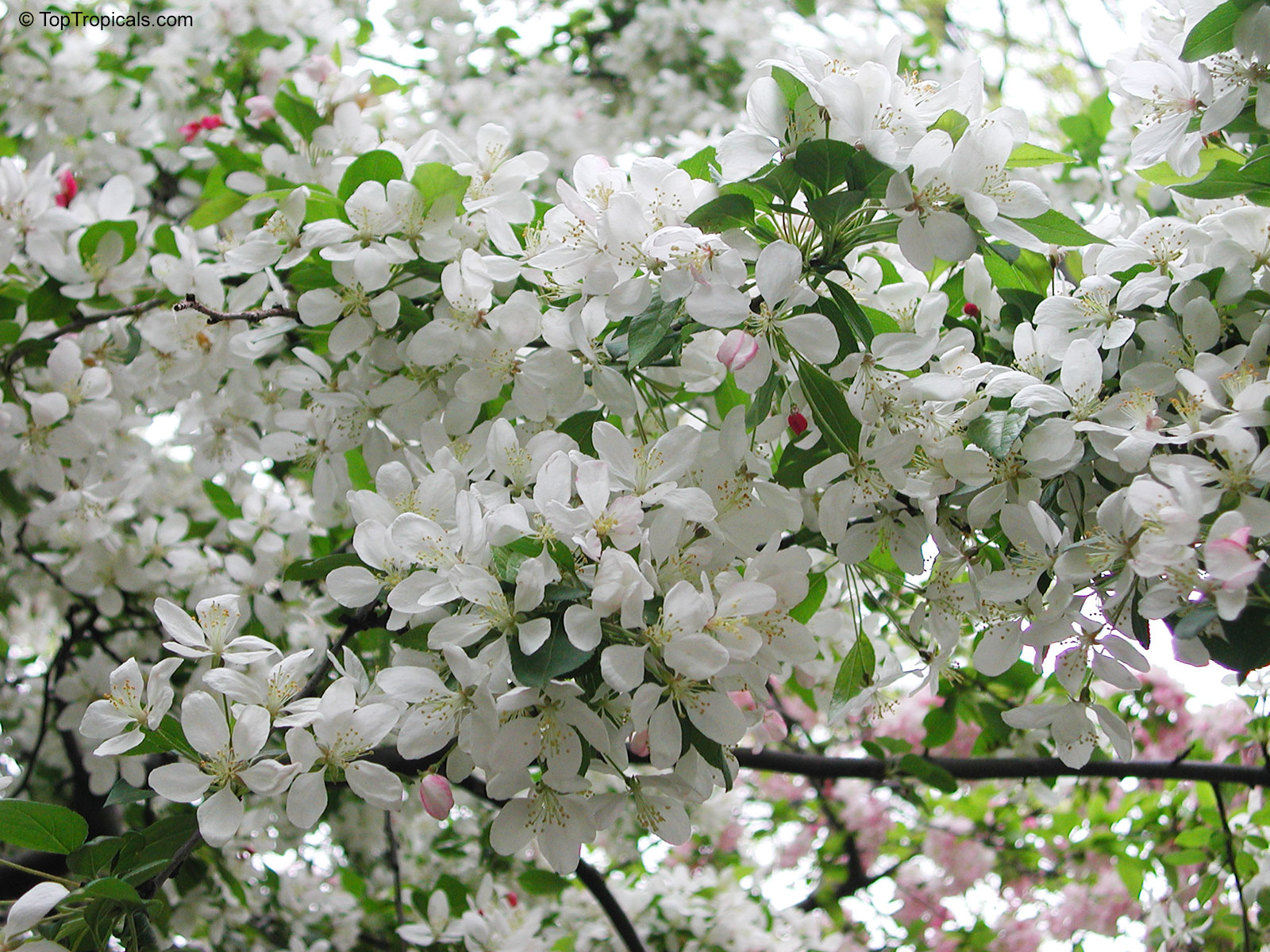
Malus species grow as small to medium-sized trees with spreading to upright crowns and simple, often finely serrated leaves that turn yellow to red in autumn. In spring, they produce abundant blossoms in shades of white, pink, or deep rose, followed by pome fruits that range from large edible apples to small ornamental crabapples. Growth and fruiting performance depend strongly on sunlight, soil fertility, and winter chill, with most species thriving in well-drained soils and full sun. In USDA Plant Hardiness Zones 4 8, Malus species are widely grown as orchard trees, landscape specimens, or flowering ornamentals, valued for their adaptability, seasonal beauty, and long history of cultivation.
Similar plants: Malus sp. (Apple)