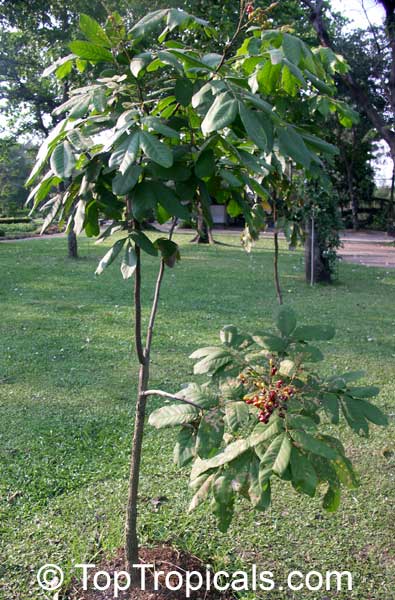
Lepisanthes rubiginosa (Rusty Sapindus)
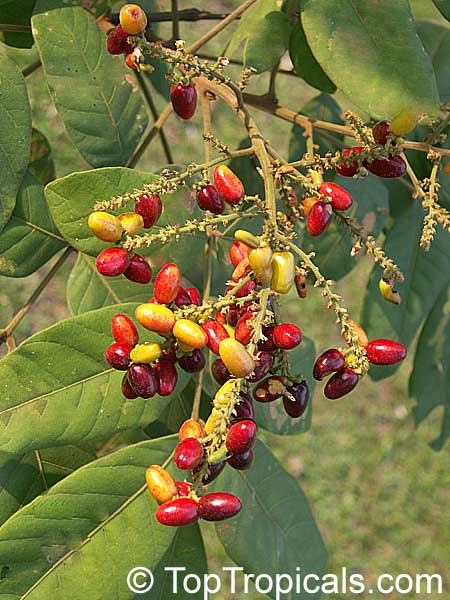
Botanical names: Lepisanthes rubiginosa, Sapindus rubiginosus, Erioglossum rubiginosum
Common name: Rusty Sapindus
Family: Sapindaceae
Origin: South Asia, Southeast Asia, New Guinea, northwestern Australia, New Caledonia
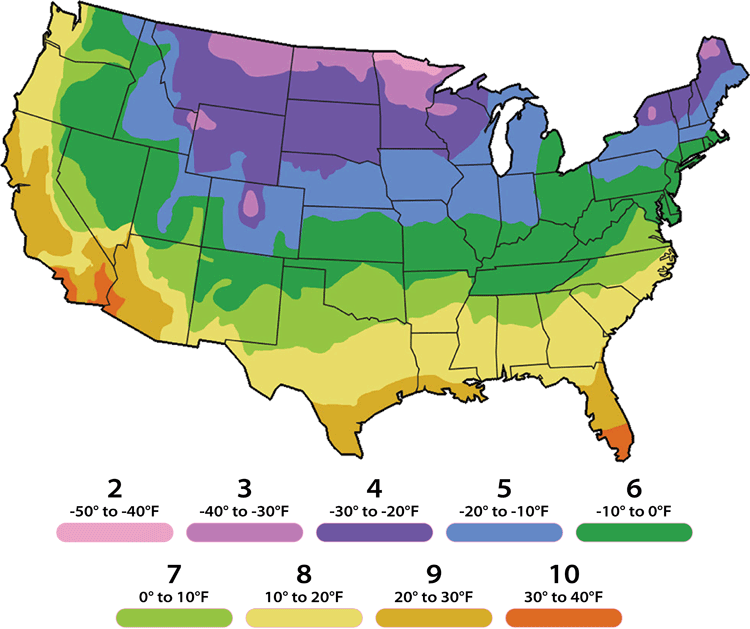
USDA Zone: 10-11
 Plant form: Small tree
 Mature height: 10-20 ft
 Sun exposure: Full sun or bright light indoor
 Cold tolerance: Frost sensitive. Protect from freezing.
 Watering: Regular; moderate
 Flower color: White and off-white
 Suitable for: Outdoors in the suitable USDA zone; small gardens, containers, and indoor growing
 Ethnomedical: Ethnomedical plant, traditionally used in folk or indigenous medicine
Lepisanthes rubiginosa is an evergreen shrub or small tree in the Sapindaceae family, native to tropical South and Southeast Asia. It usually grows about 10-30 ft (3-9 m) tall and develops a dense crown with pinnate leaves composed of several glossy leaflets. Young foliage may emerge reddish or bronze, adding ornamental interest. Small flowers are produced in branched clusters and are followed by fleshy, rounded to ovoid fruits that mature from green through reddish shades to dark red or purplish black. The fruits contain one or more relatively large seeds surrounded by a thin layer of edible pulp and are eaten locally, although the species is much less widely cultivated as a fruit tree than its relatives lychee and rambutan.
Lepisanthes rubiginosa grows best in warm, humid tropical conditions, in full sun to partial shade and fertile, well-drained soil with regular moisture. Established plants tolerate short dry periods, but young trees benefit from consistent watering. It is primarily suited to USDA Zones 10-11 and should be protected from frost and prolonged cold. Its moderate size, attractive foliage, and colorful fruit make it suitable for tropical gardens and mixed edible landscapes. Plants are commonly propagated from seed, while young specimens can also be maintained in large containers.
Similar plants: Lepisanthes rubiginosa (Rusty Sapindus)