Juniperus sp. (Juniper)
Botanical name: Juniperus sp.
Common name: Juniper
Family: Cupressaceae
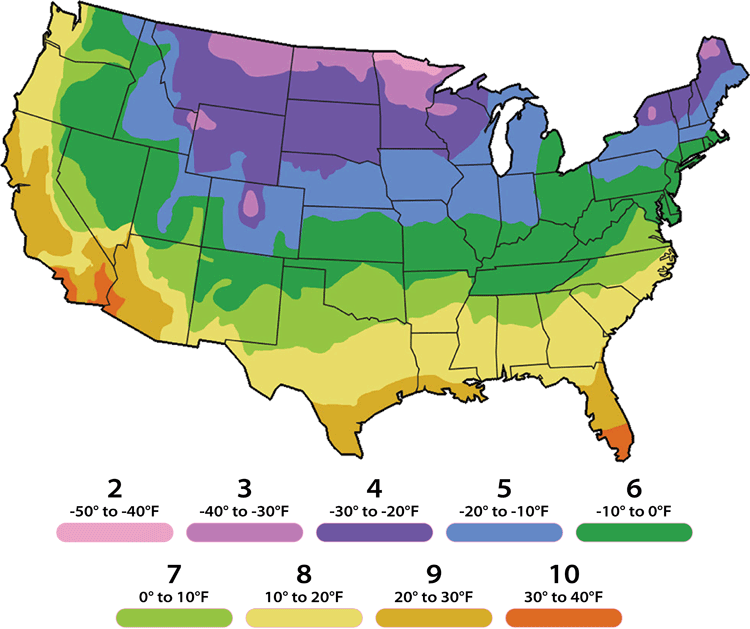
USDA Zone: 2-11


 Plant form: Large or medium tree; suitable for bonsai
 Mature height: 20 ft or more
 Sun exposure: Full sun or bright light indoor
 Cold tolerance: Tolerates light freezing to about 30°F for short periods (mature plants). Young plants must be protected.
 Watering: Moderate
 Suitable for: Outdoors in the suitable USDA zone; large gardens
 Thorns: Thorny or spiny
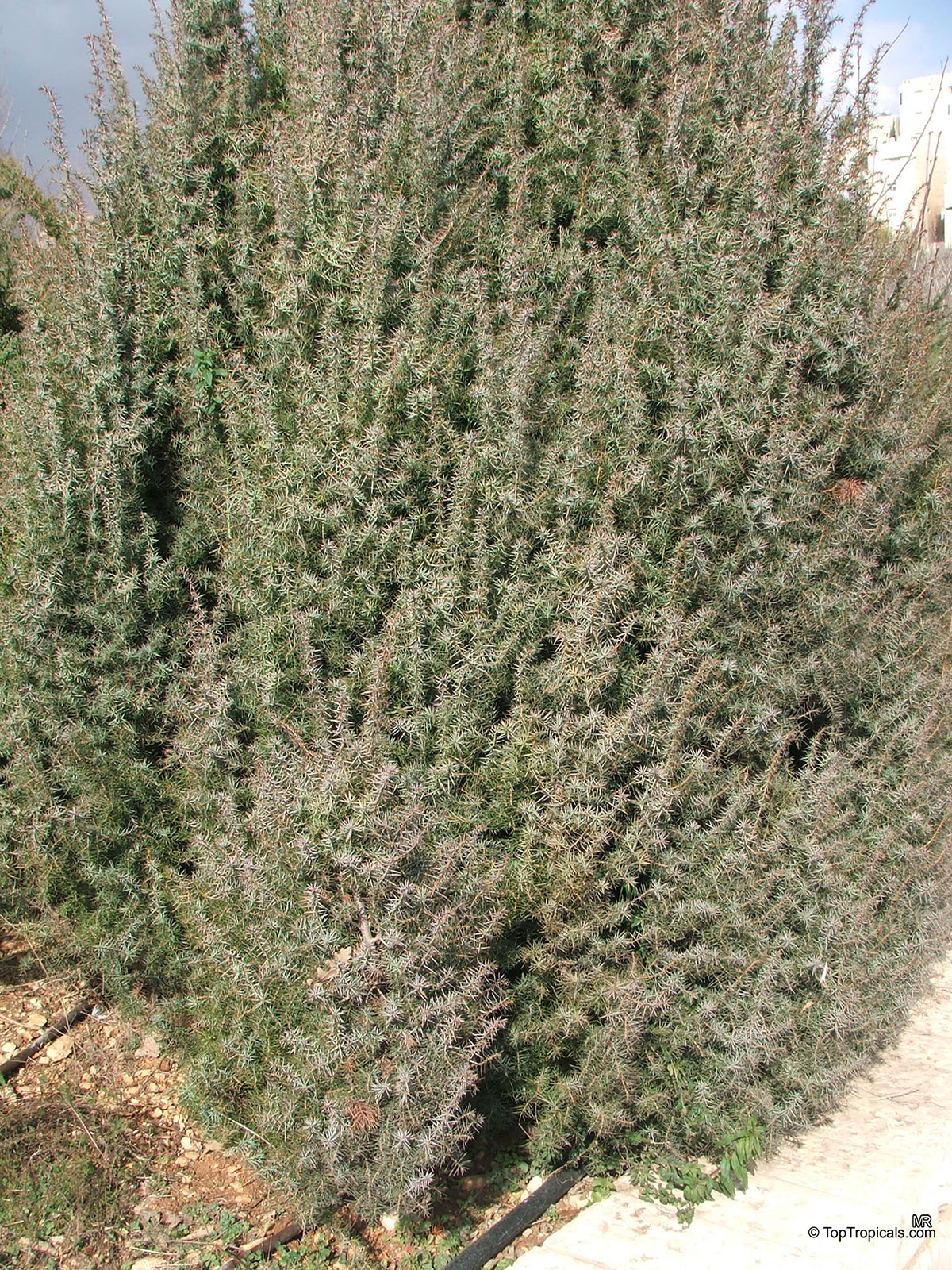
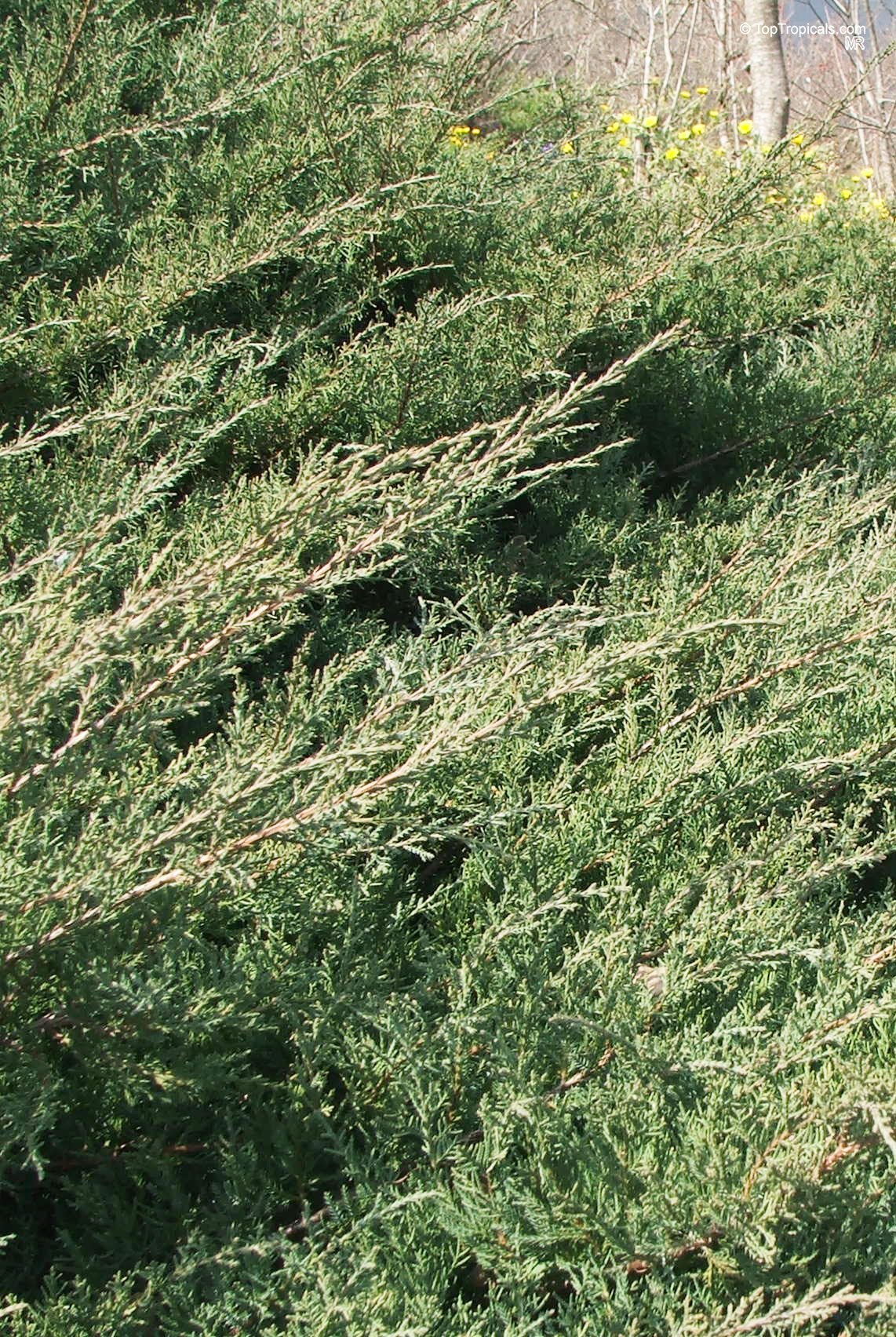
Juniperus is a genus of evergreen conifers in the cypress family (Cupressaceae), valued for their aromatic foliage, hardiness, and wide landscape adaptability. Native across much of the Northern Hemisphere - from arid deserts and rocky mountains to cold temperate forests and coastal habitats - the genus encompasses low spreading groundcovers, upright shrubs, and large long-lived trees, making it one of the most horticulturally versatile conifer groups.
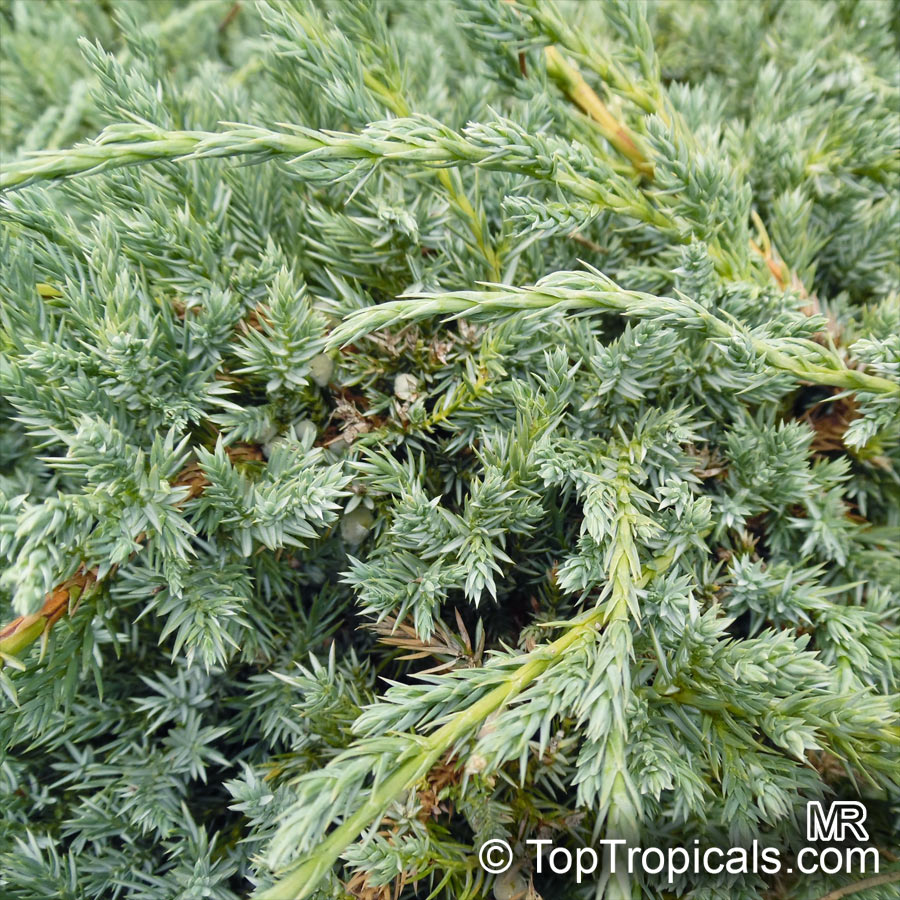
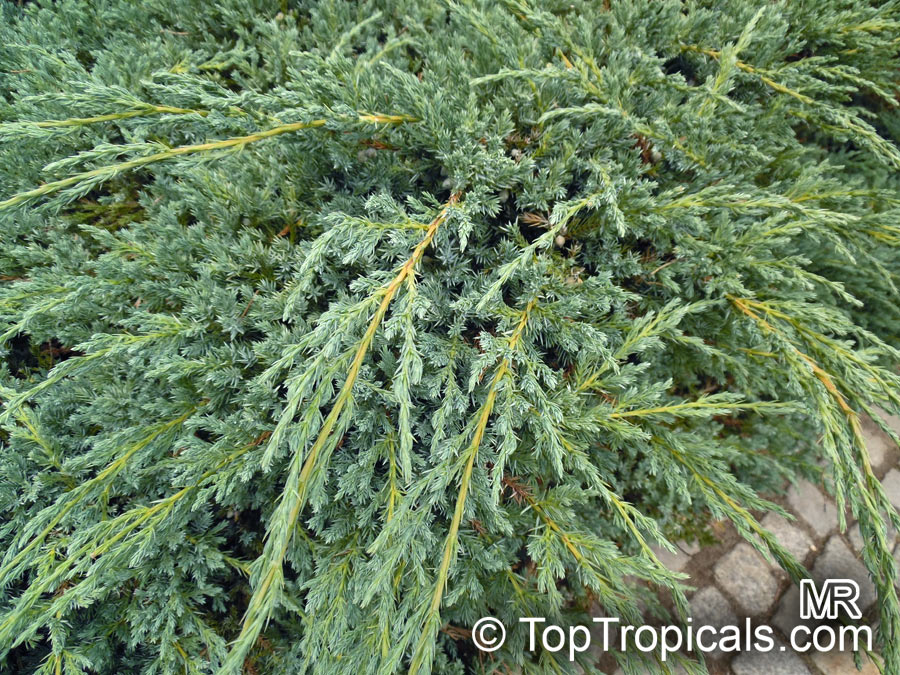
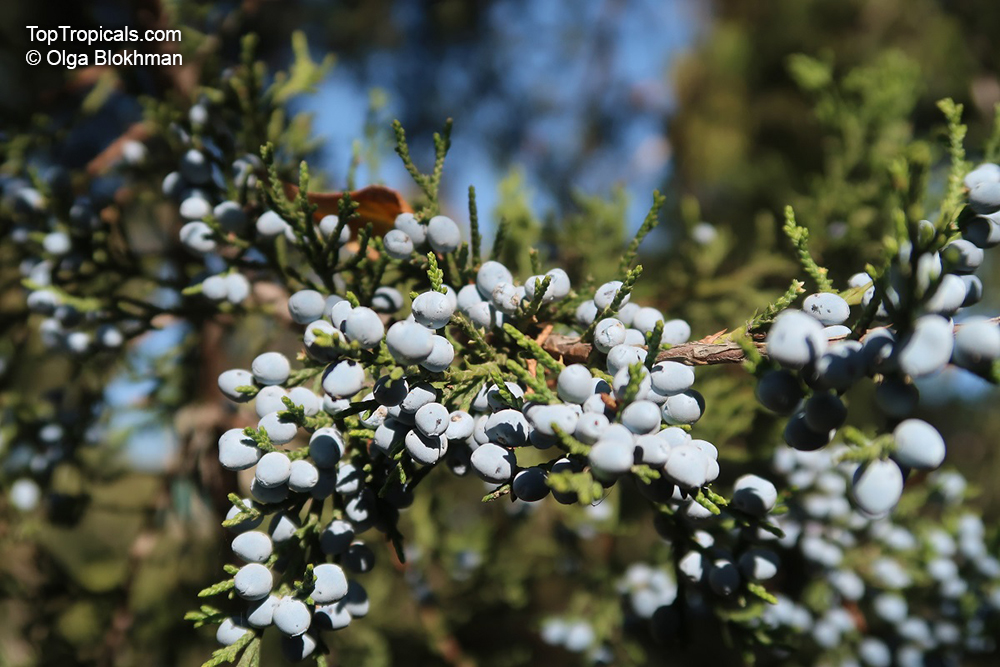
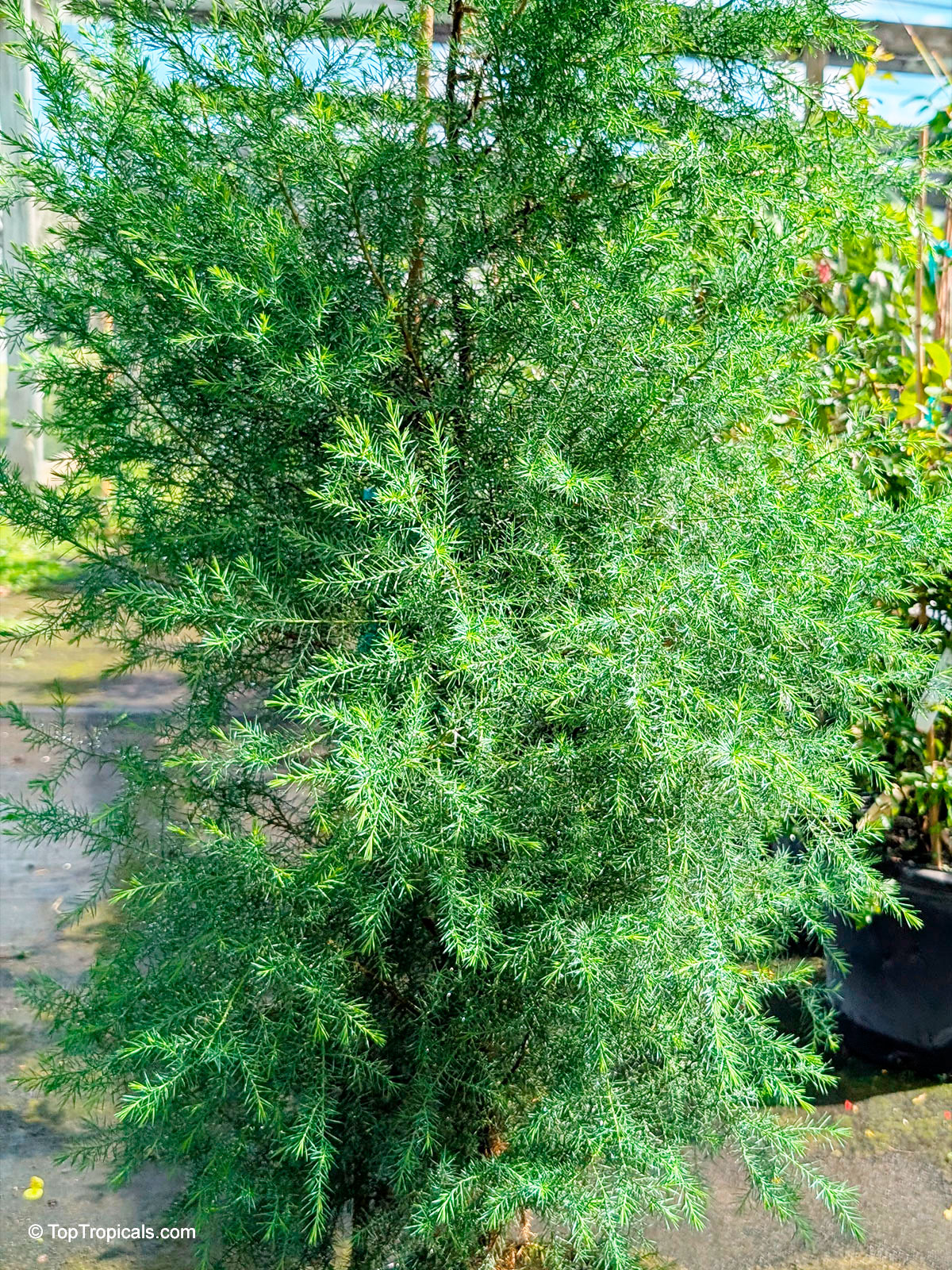
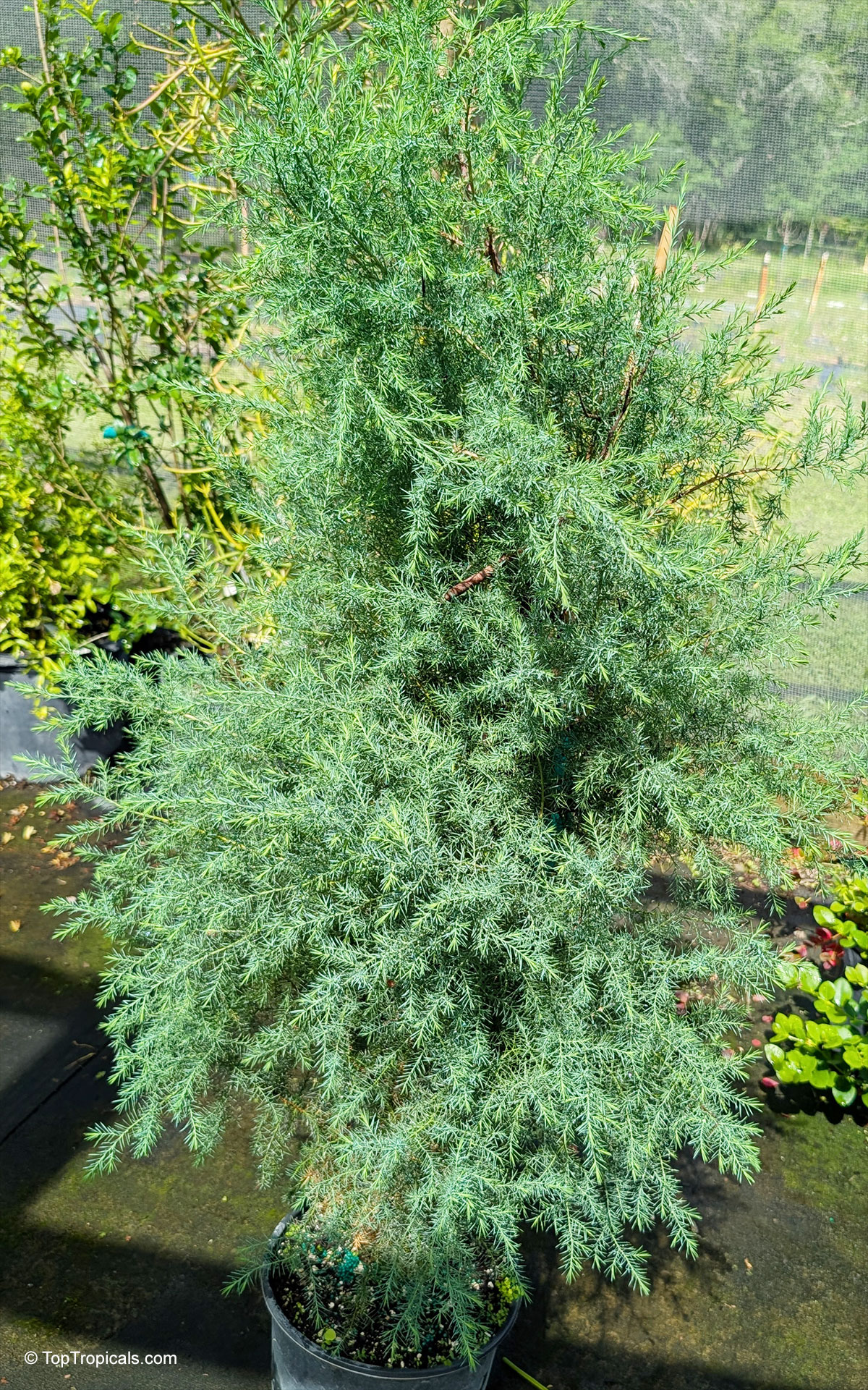
Foliage varies by species and age: juvenile leaves are often sharp and needle-like, while mature growth tends to become scale-like and closely pressed to the stems. Coloration ranges from deep green to blue-gray, silver, yellow-green, and glaucous blue. Many species also produce berry-like seed cones - commonly called juniper berries that mature to blue, purple, or black, and are prized for ornamental, culinary, or aromatic purposes.
Juniperus species generally prefer full sun, excellent drainage, and moderate to low moisture once established. Many are highly tolerant of drought, wind, poor soils, and temperature extremes, making them widely used in xeriscaping, erosion control, bonsai culture, and formal landscape design. Cold tolerance varies by species, but the genus includes some of the most cold-hardy evergreens available, with coverage spanning USDA Zones 2-11.
Similar plants: Juniperus sp. (Juniper)