Curio sp. (Trailing Senecio)
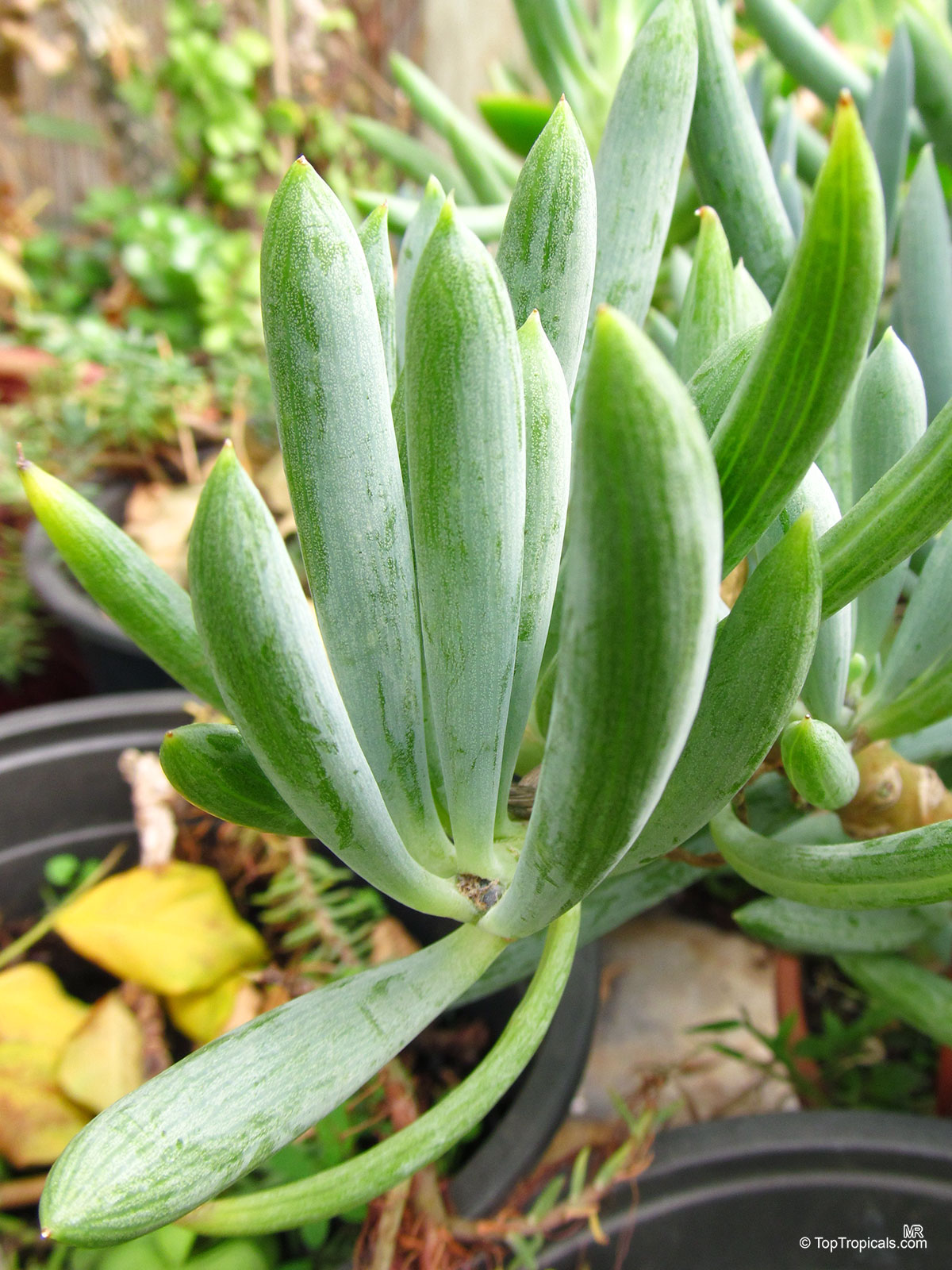
Botanical name: Curio sp.
Common name: Trailing Senecio
Family: Asteraceae
Origin: South Africa
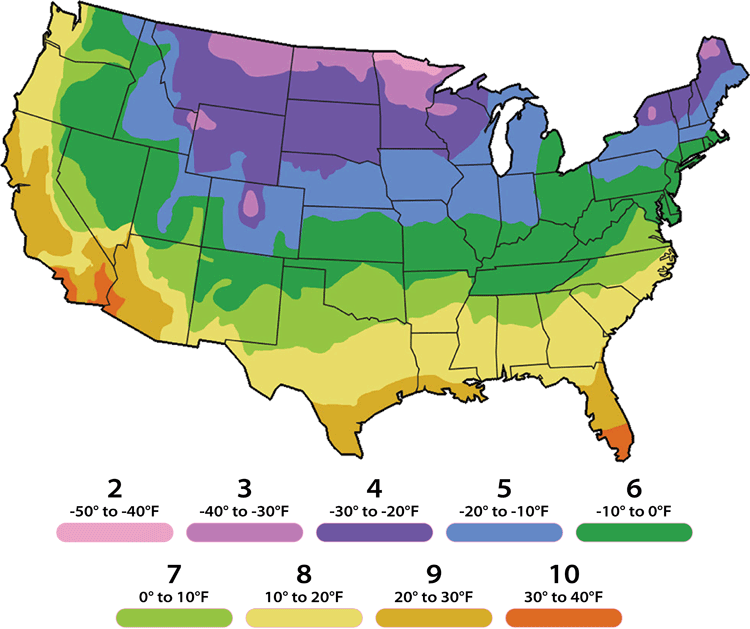
USDA Zone: 9-11
Cold tolerance: 30°F
 Plant form: Small
 Mature height: 2-5 ft
 Sun exposure: Full sun or bright light indoor; semi-shade
 Cold tolerance: Frost sensitive. Protect from freezing.
 Watering: Moderate
 Suitable for: Outdoors in the suitable USDA zone; small gardens, containers, and indoor growing
Curio is a genus of succulent plants in the daisy family (Asteraceae) that includes trailing, upright, and shrubby species valued for their unusual foliage forms and drought tolerance.
The genus Curio was separated relatively recently from the large and historically broad genus Senecio as part of modern taxonomic revisions within the tribe Senecioneae. Many plants still commonly sold under old Senecio names have since been reassigned to Curio, although the former names remain widespread in horticulture and online plant trade references.
What makes Curio plants distinctive?
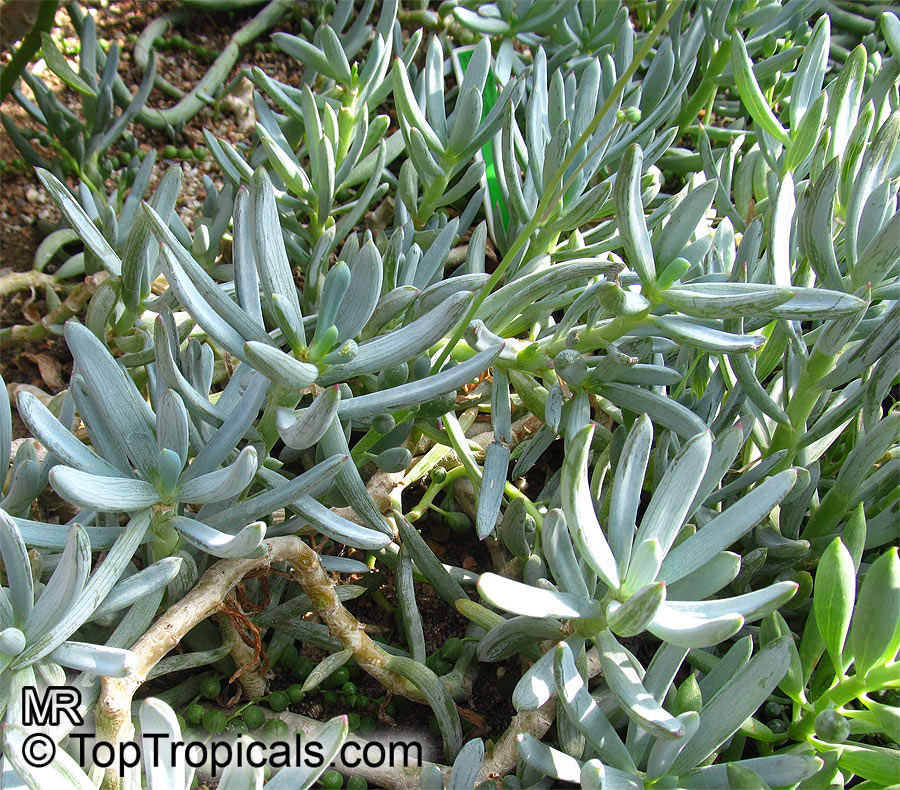
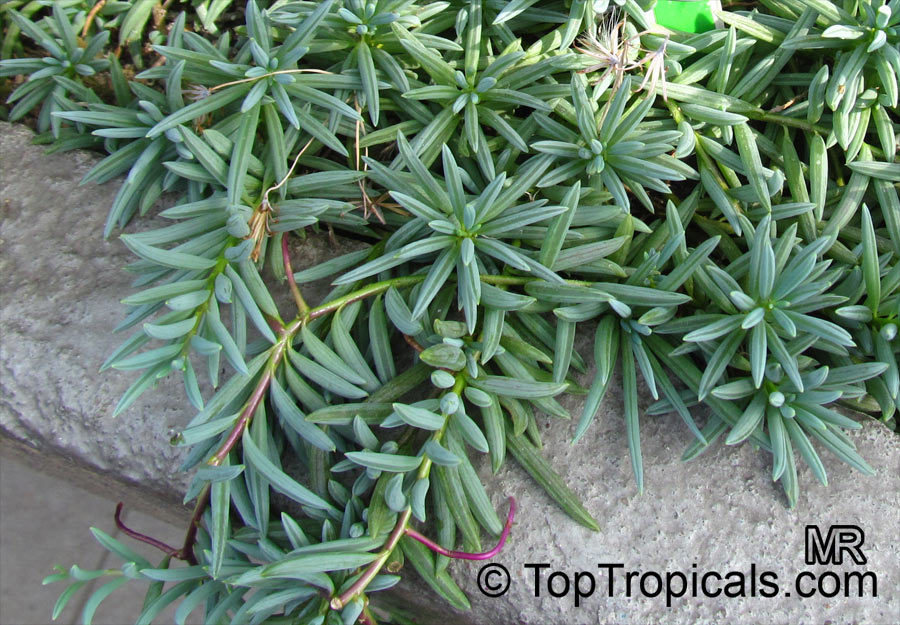
Curio species are primarily native to arid and semi arid regions of southern Africa and show a wide range of succulent adaptations to drought. Depending on the species, plants may have bead like, curved, cylindrical, or finger shaped leaves, as well as trailing, upright, or shrubby growth forms. Some are valued for cascading stems in hanging baskets, while others are grown as sculptural container or landscape plants.
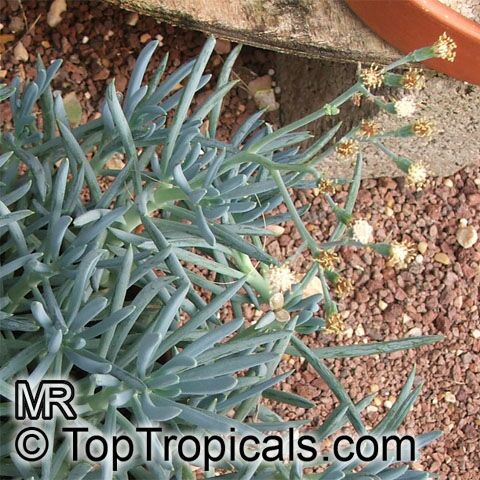
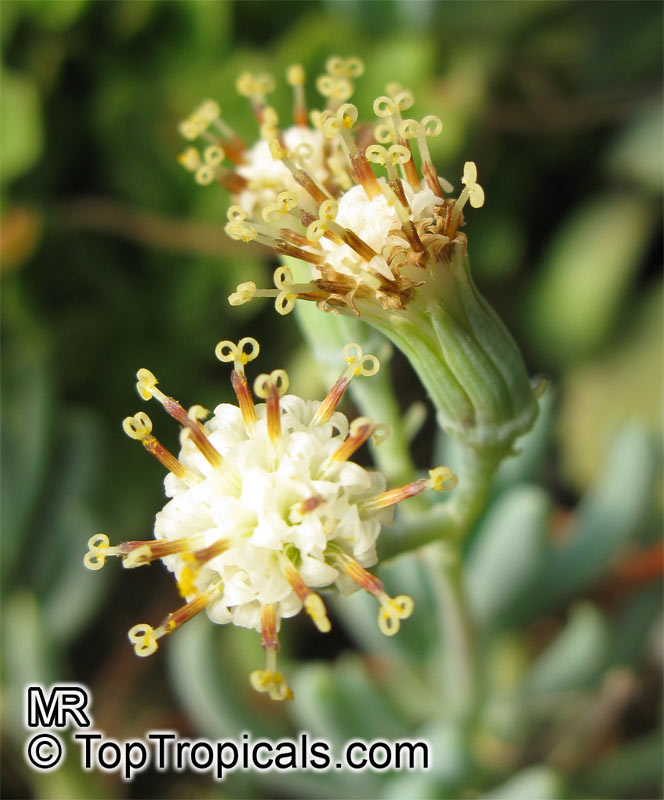
The foliage is often waxy or glaucous, helping reduce water loss and protect against intense sun. Flowers are usually small and daisy like in shades of white, cream, or yellow. Curio species generally prefer bright light, excellent drainage, and dry conditions. Most are suitable for USDA Zones 9-11, with some tolerating brief drops to around 25-30F when kept dry.
Similar plants: Curio sp. (Trailing Senecio)