Citrus x sinensis (Orange)
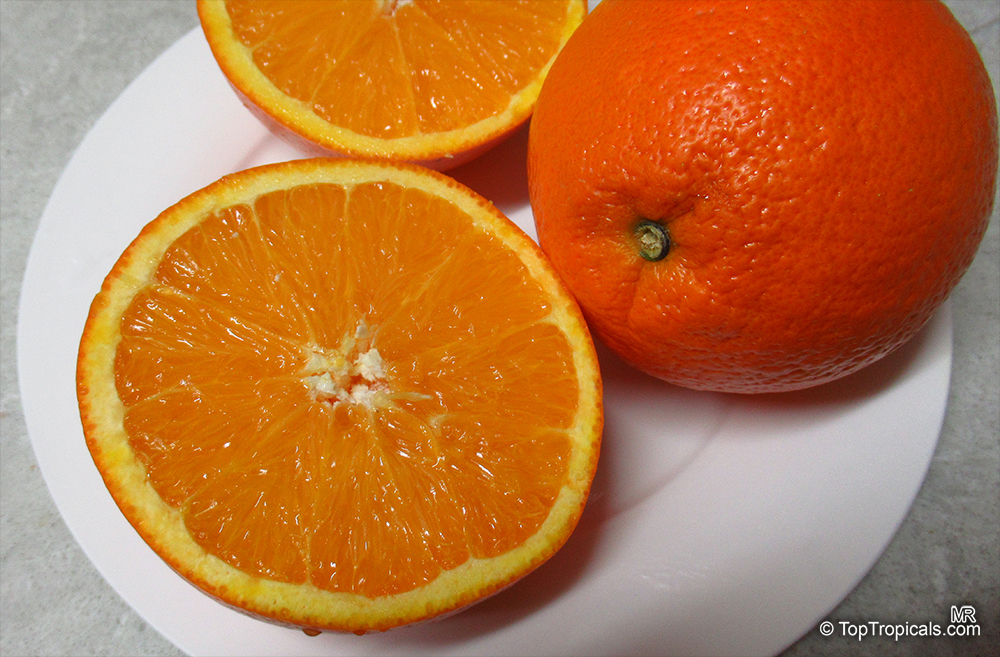
Botanical name: Citrus x sinensis
Common name: Orange
Family: Rutaceae
Origin: Asia
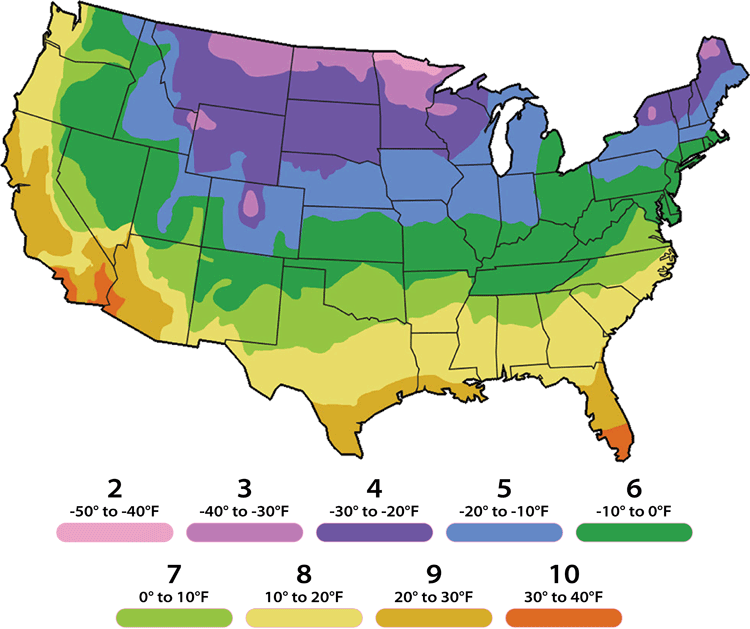
USDA Zone: 9-11
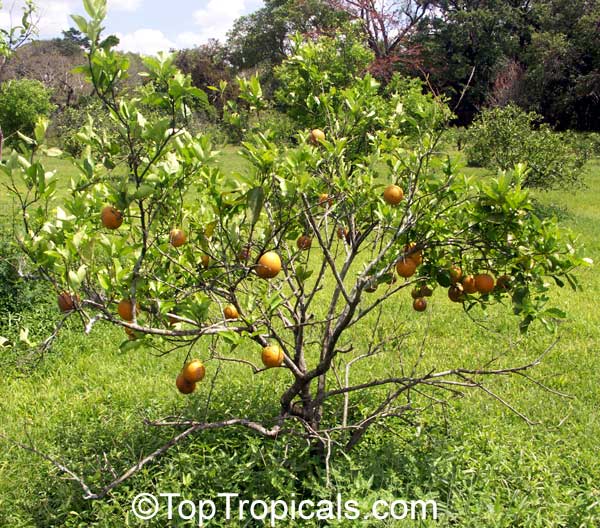
 Plant form: Small tree
 Mature height: 10-20 ft
 Sun exposure: Full sun or bright light indoor; semi-shade
 Cold tolerance: Frost sensitive. Protect from freezing.
 Watering: Moderate
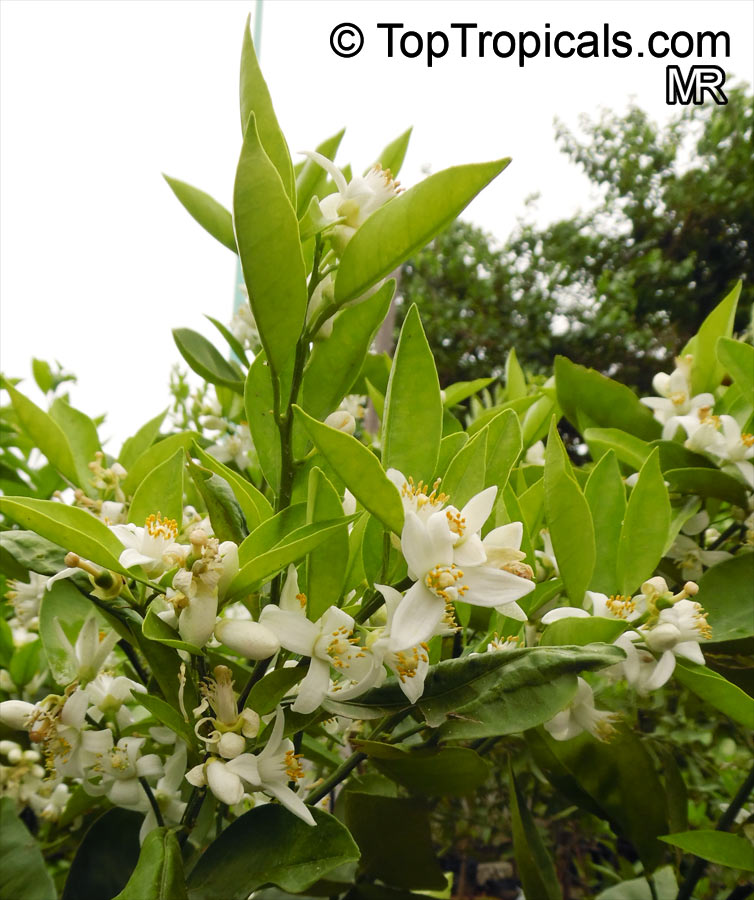
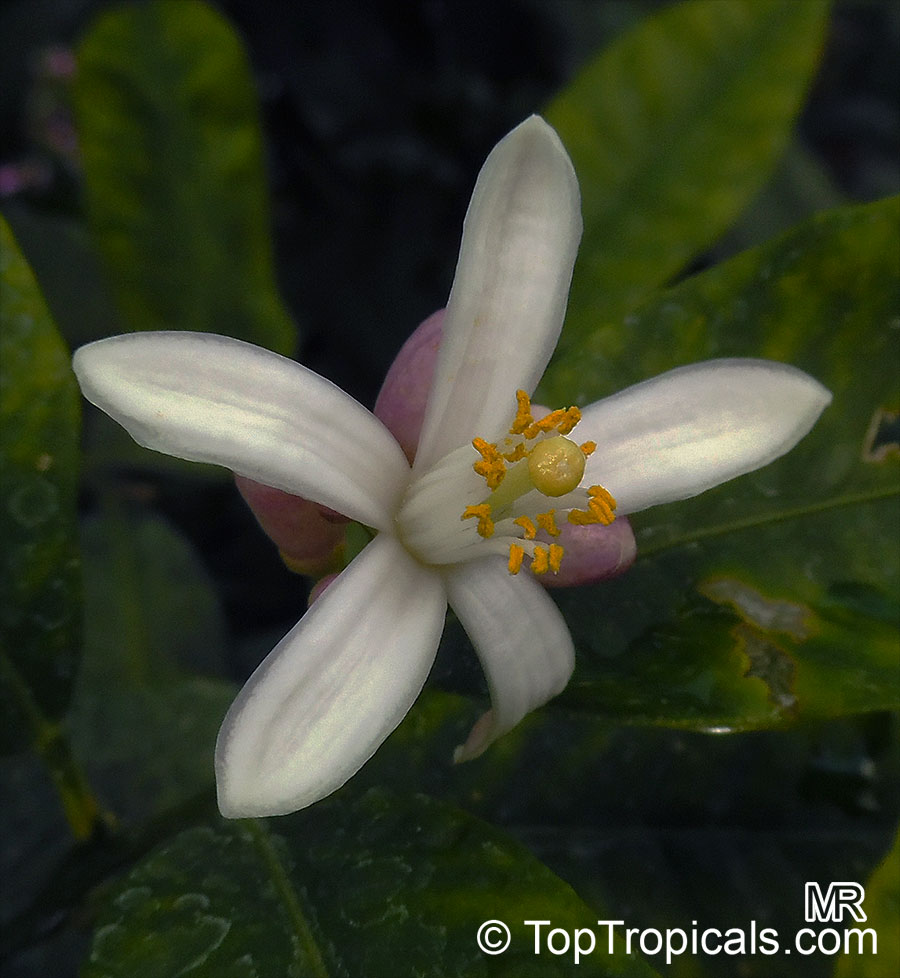
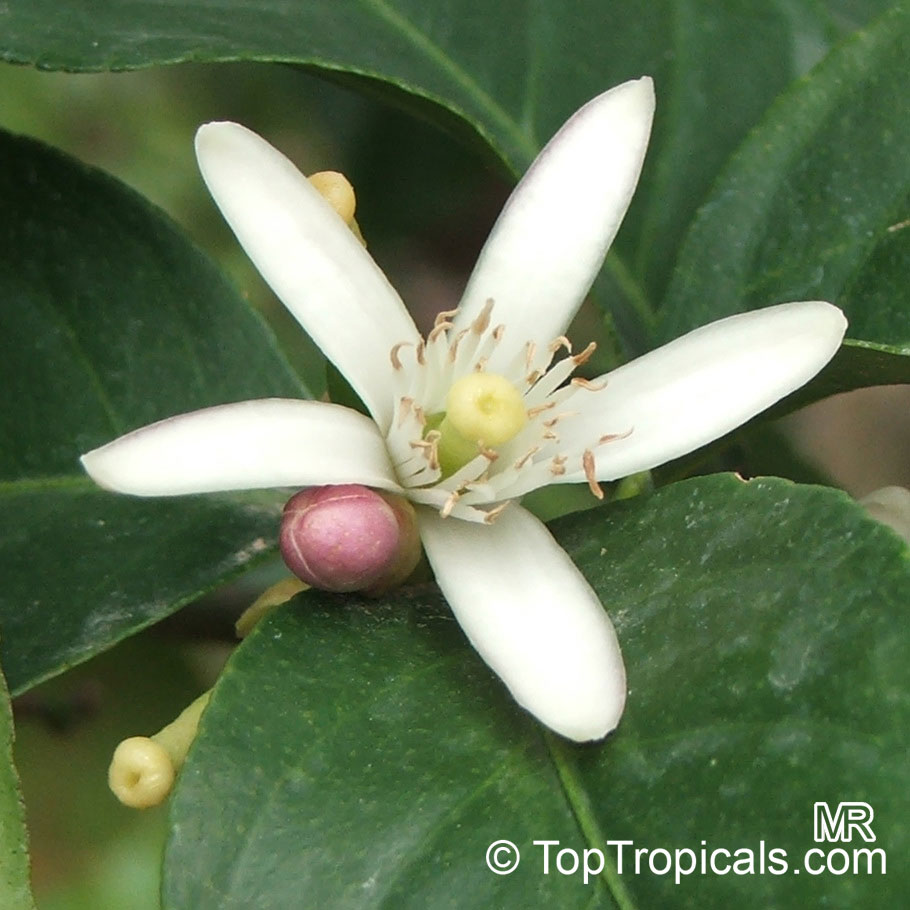
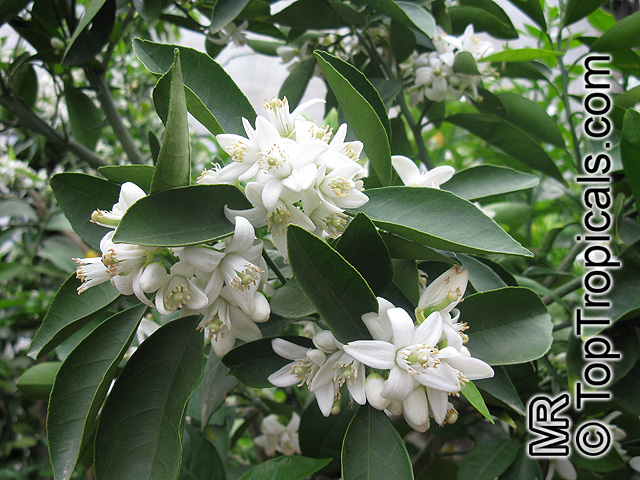
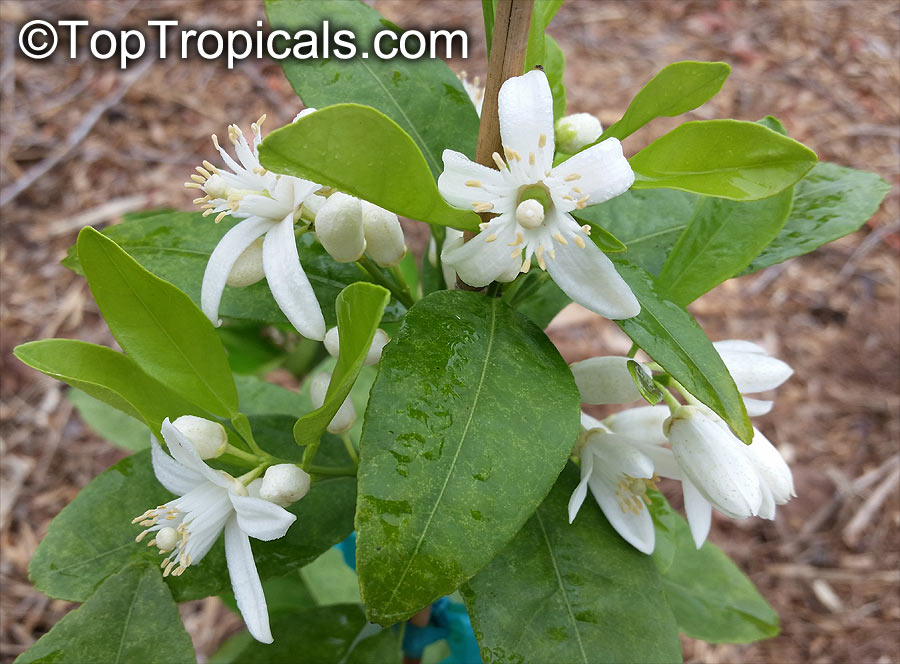
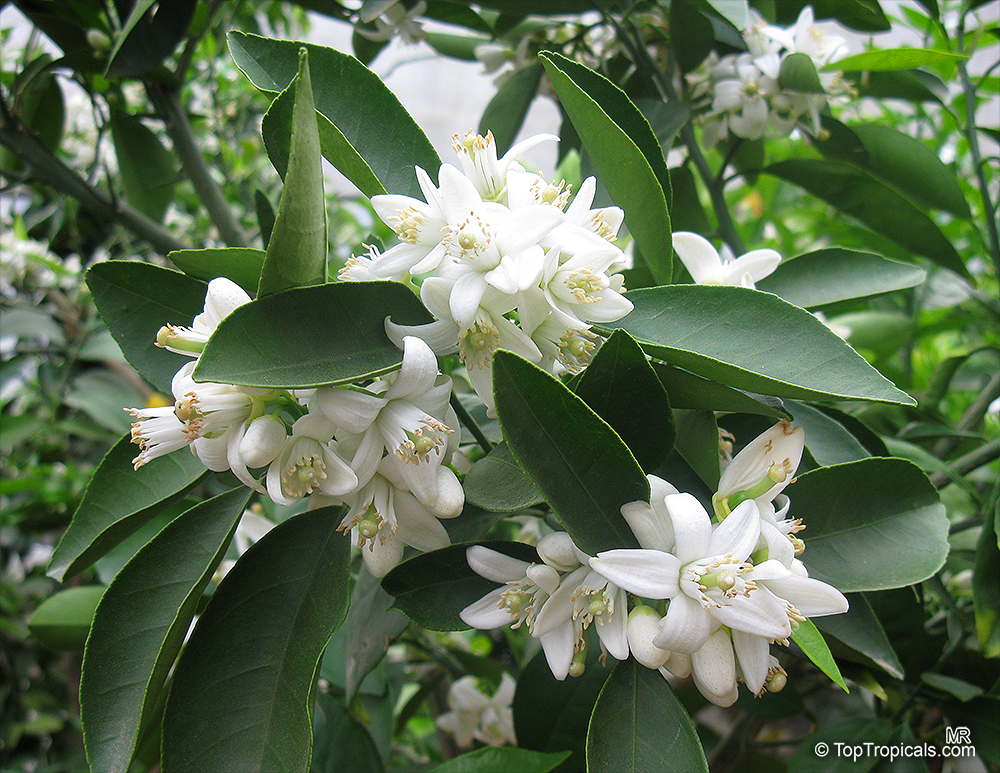
 Flower color: White and off-white
 Suitable for: Outdoors in the suitable USDA zone; small gardens, containers, and indoor growing
 Thorns: Thorny or spiny
 Fragrance: Fragrant; perfume plant
 Wildlife: Attracts butterflies and hummingbirds
 Ethnomedical: Ethnomedical plant, traditionally used in folk or indigenous medicine
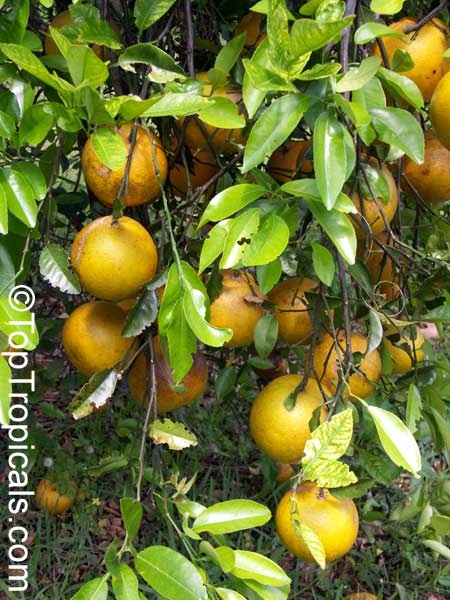
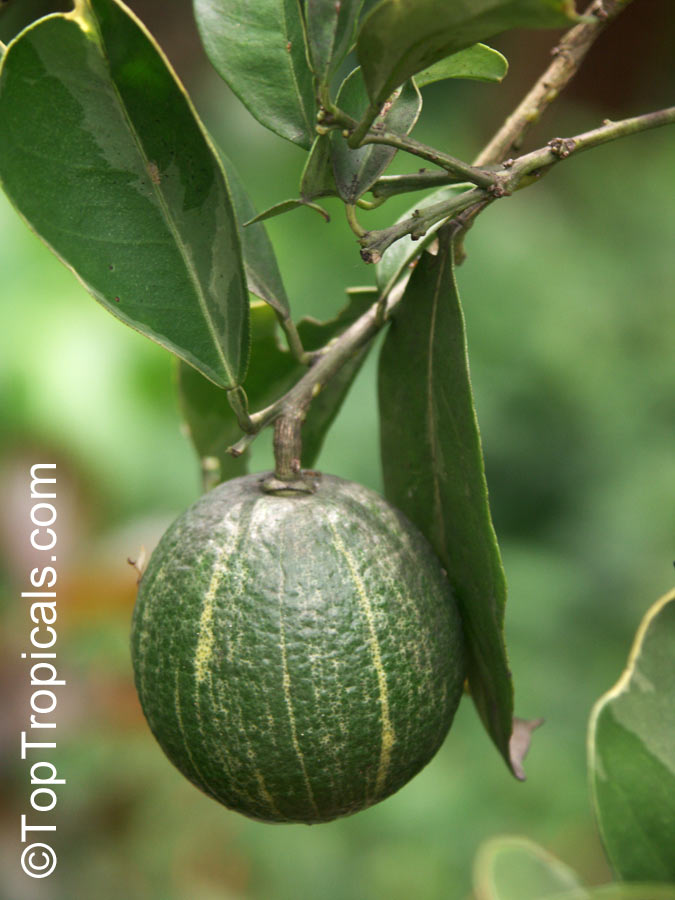
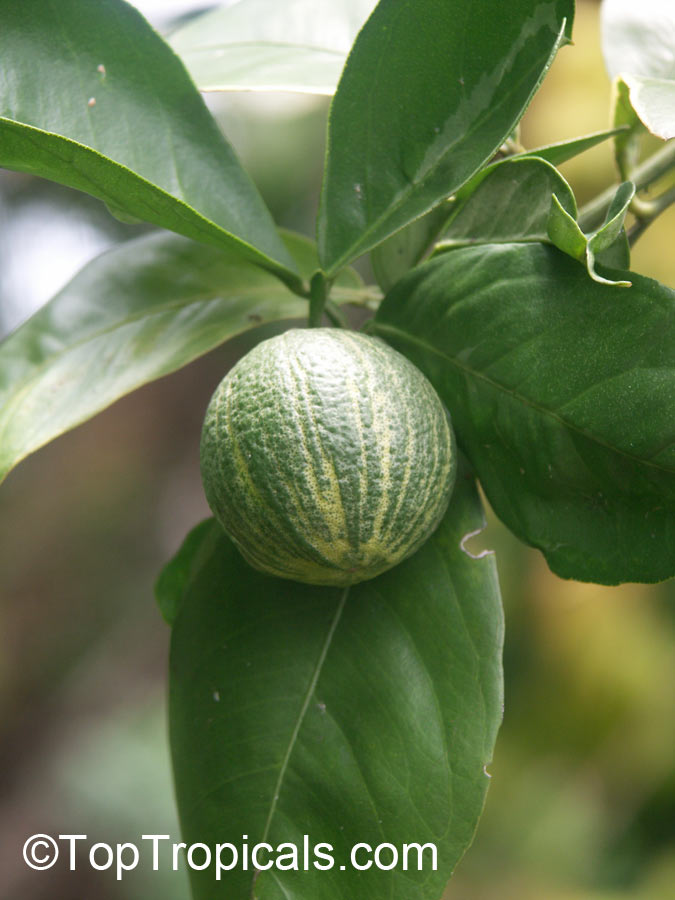
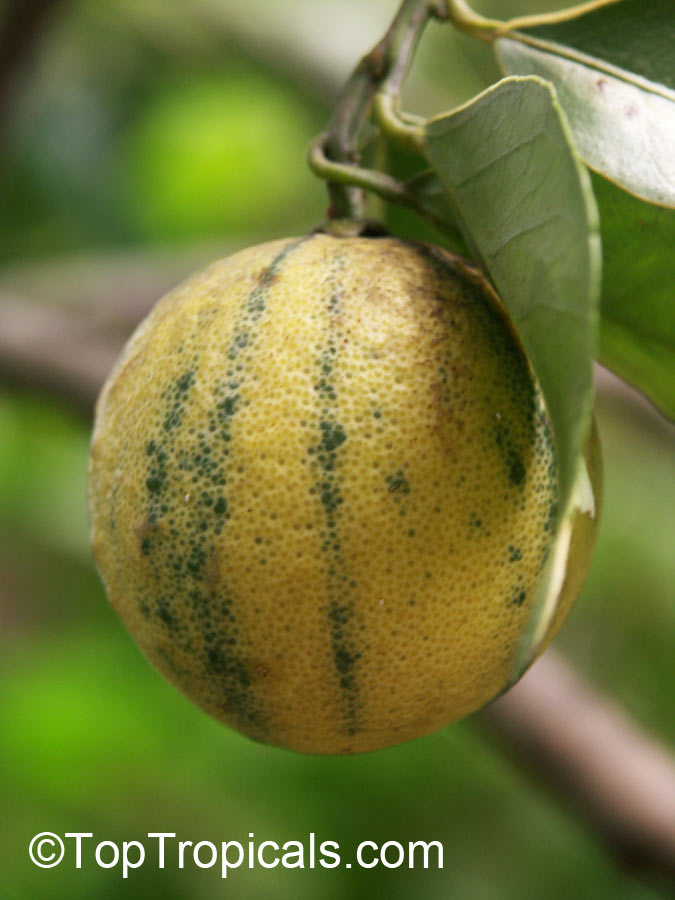
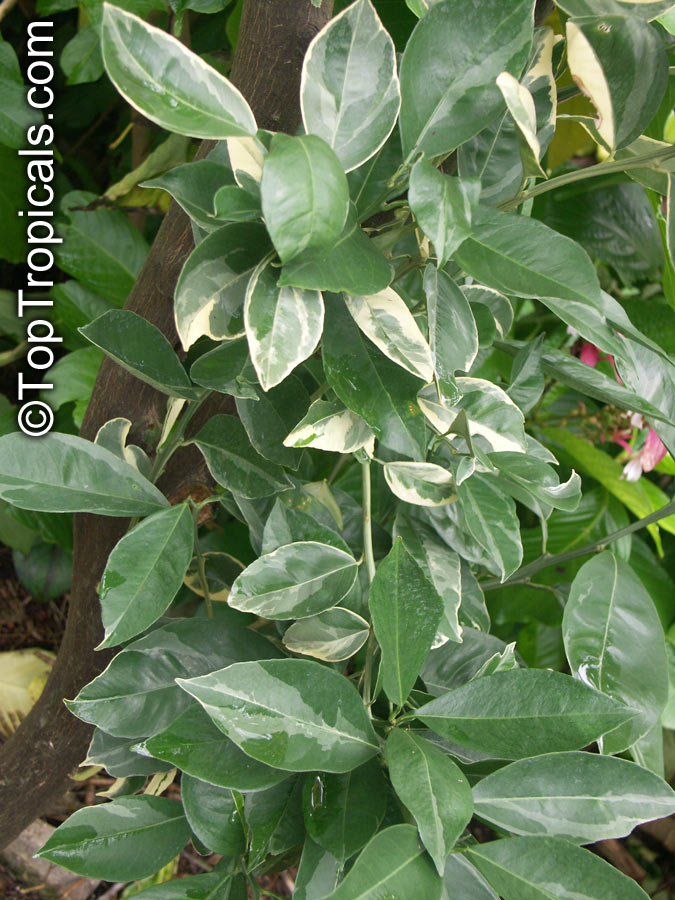
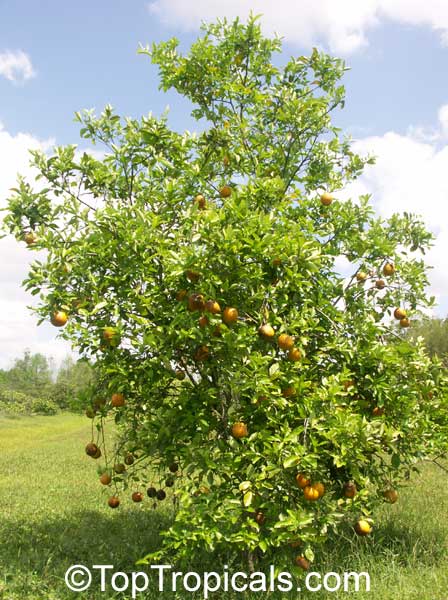
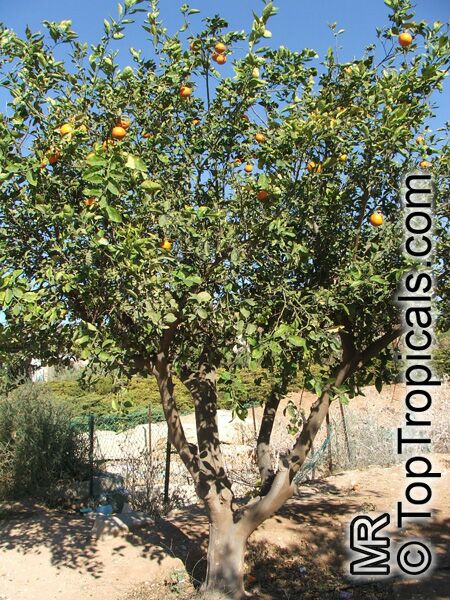
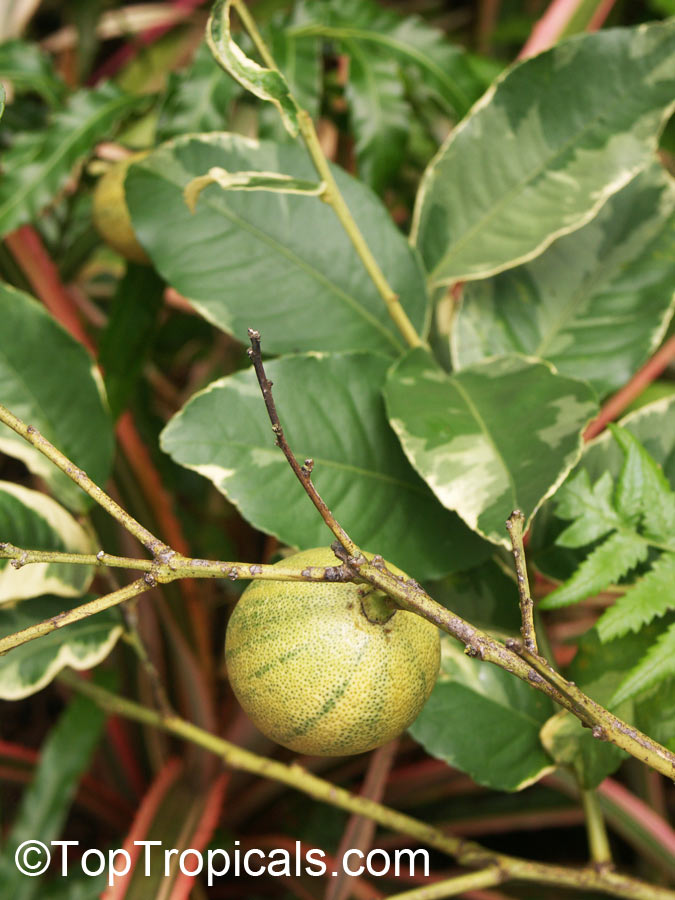
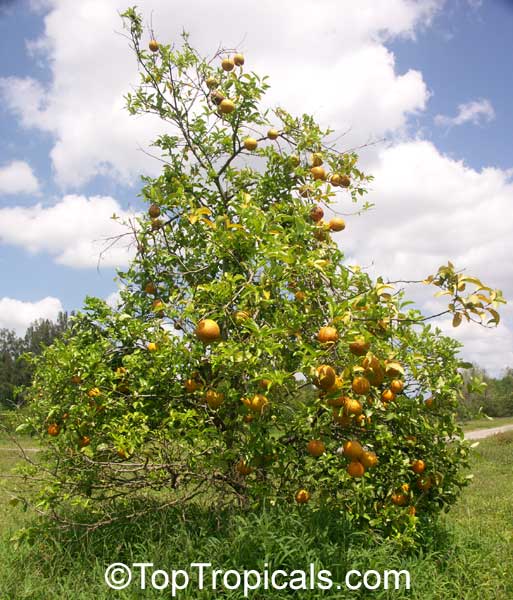
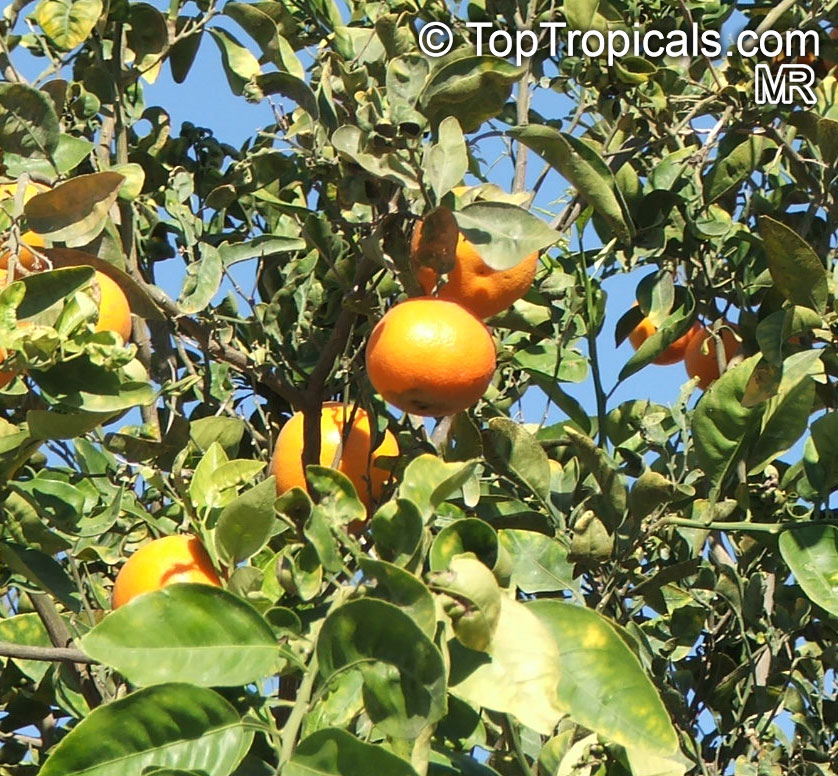
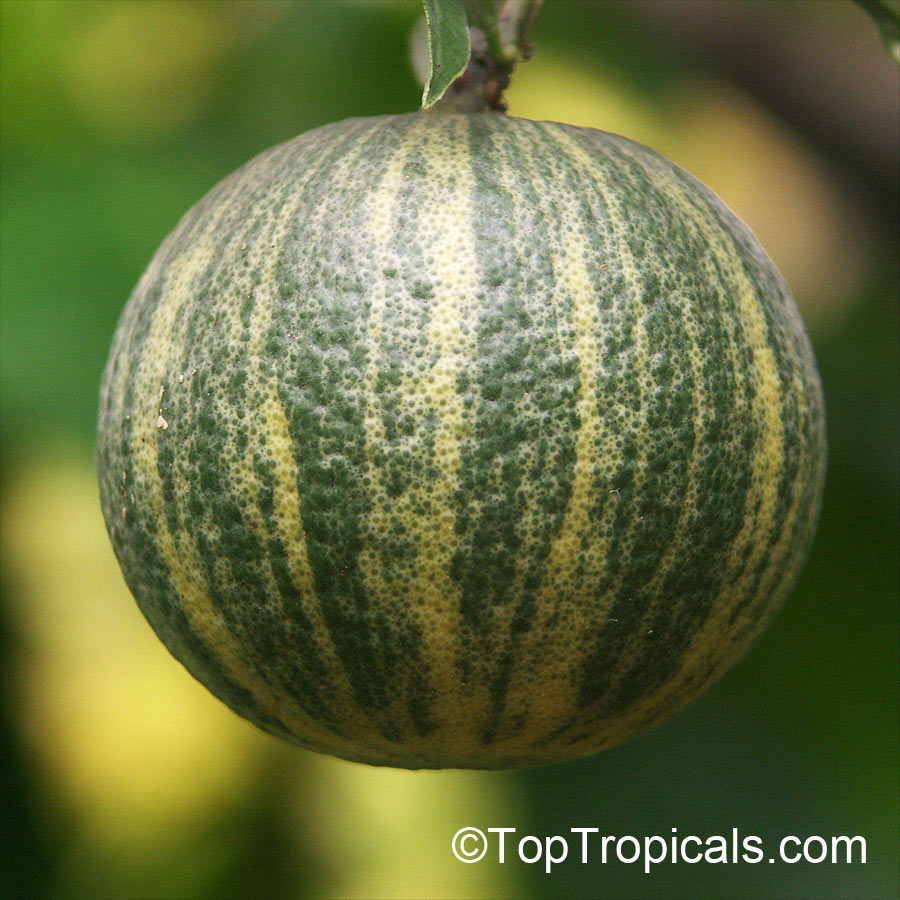
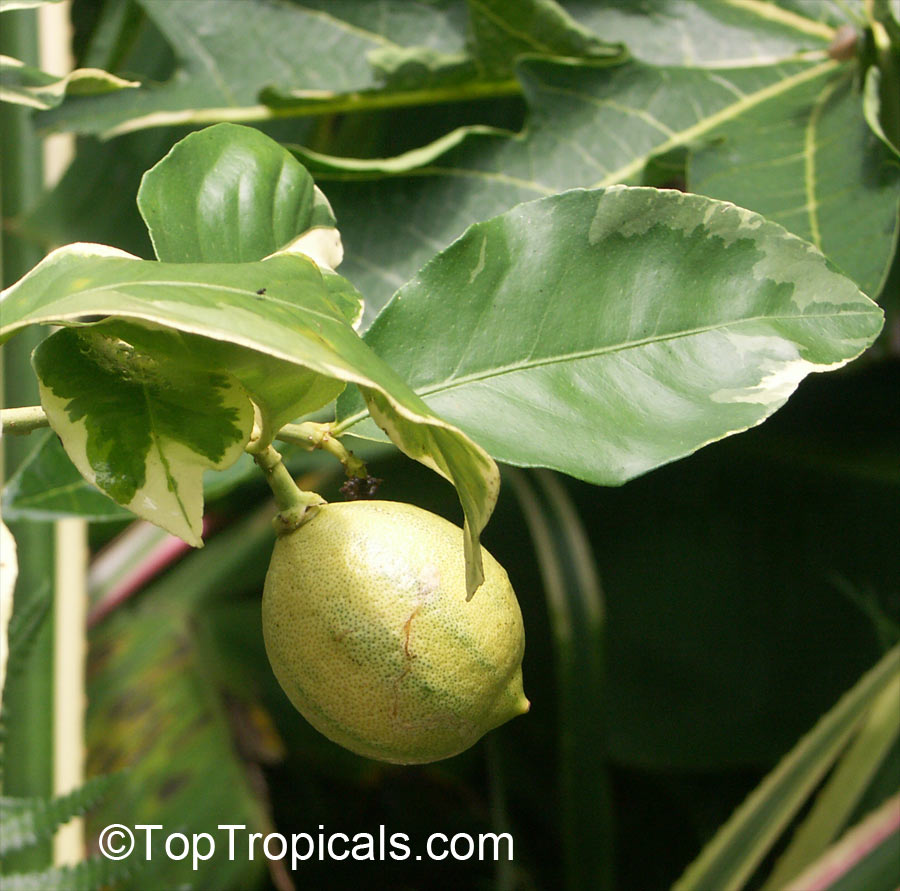
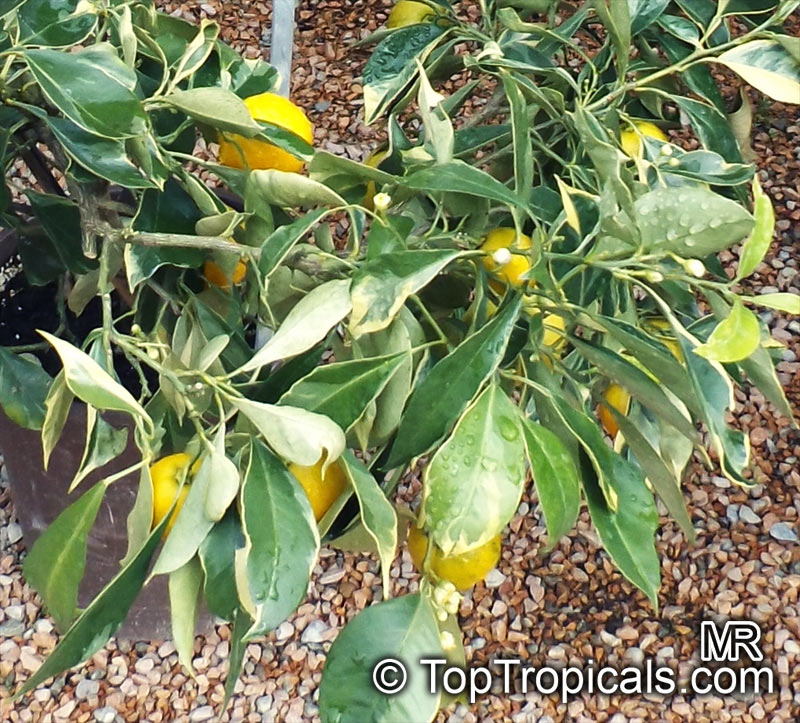
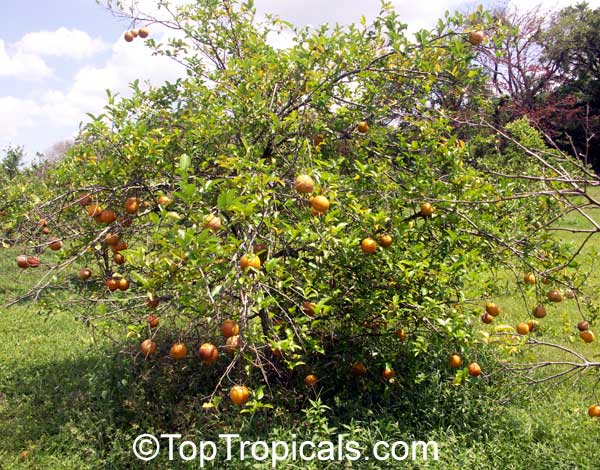
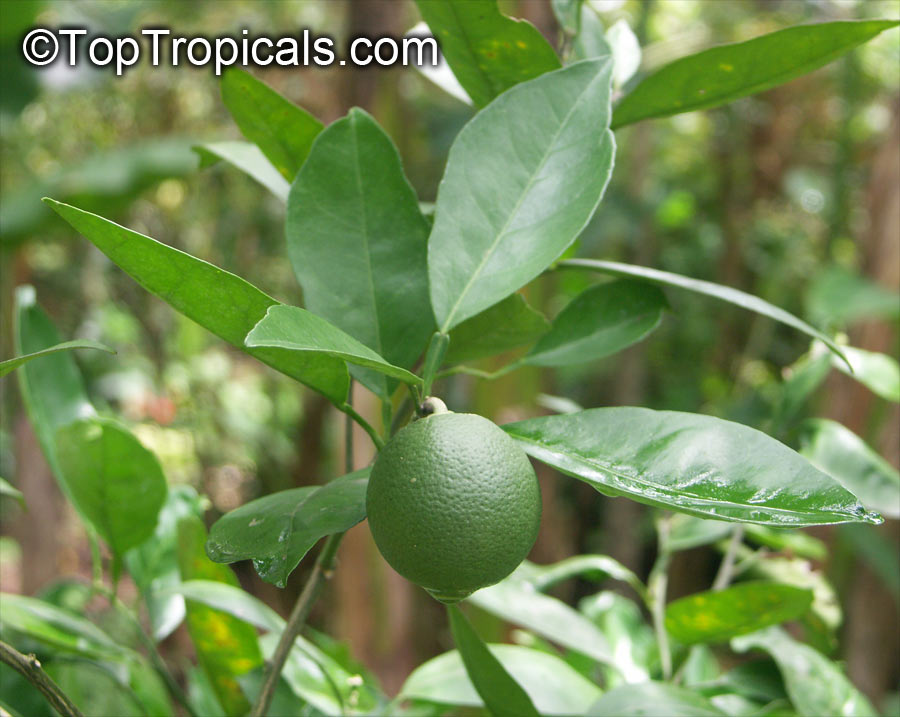
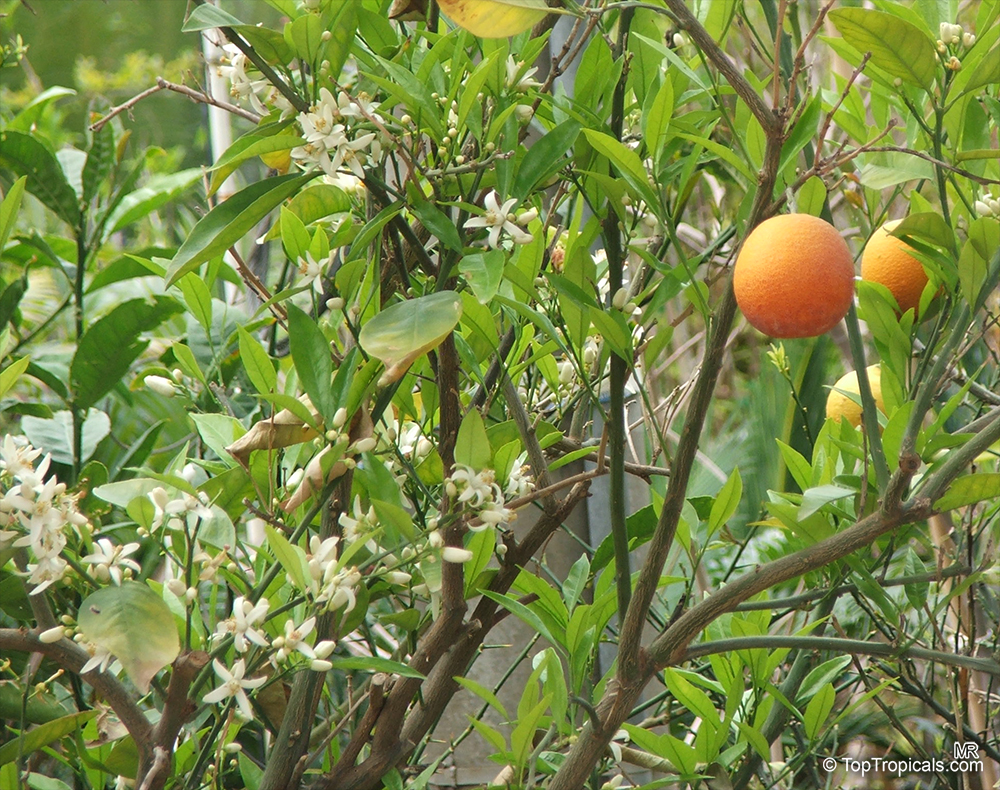
Orange refers to a citrus tree (Citrus sinensis) and the fruits of this tree. It is a hybrid of ancient cultivated origin, possibly between Pomelo (Citrus grandis) and Tangerine (Citrus reticulata). It is a small tree, growing to about 30ft tall, with thorny shoots and evergreen leaves 2-4in long. The fruit originated in southeast Asia, in either India, Vietnam or southern China.
Oranges are widely grown in warm climates worldwide, and the flavors of orange vary from sweet to sour. The fruit is commonly peeled and eaten fresh, or squeezed for its juice. It has a thick bitter rind that is usually discarded, but can be processed into animal feed by removing water using pressure and heat. It is also used in certain recipes as flavoring or a garnish.
Similar plants: Citrus x sinensis (Orange)
- Citrus aurantifolia (Mexican Lime)
- Citrus australasica (Finger Lime)
- Citrus australis (Australian Lime)
- Citrus bergamia (Bergamot orange)
- Citrus hystrix (Indonesian lime)
- Citrus junos (Yuzu)
- Citrus limetta (Sweet Lime)
- Citrus limon 'Pink' (Pink Lemonade Lemon)
- Citrus limon (Lemon)
- Citrus limon 'Ponderosa' (Giant Lemon)