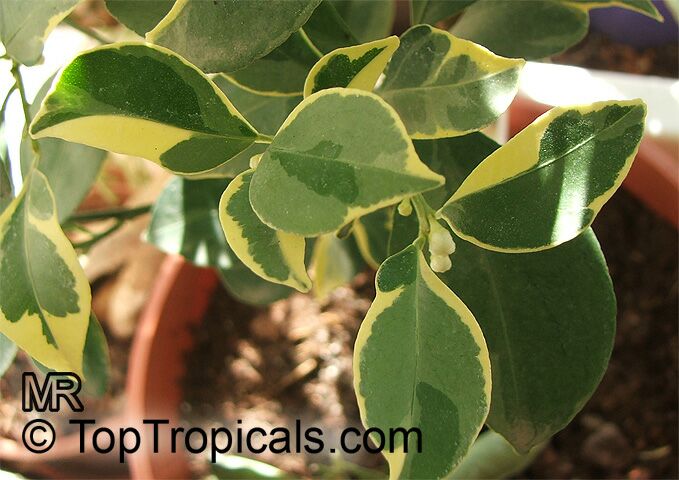
Citrofortunella sp. (Calamondin)
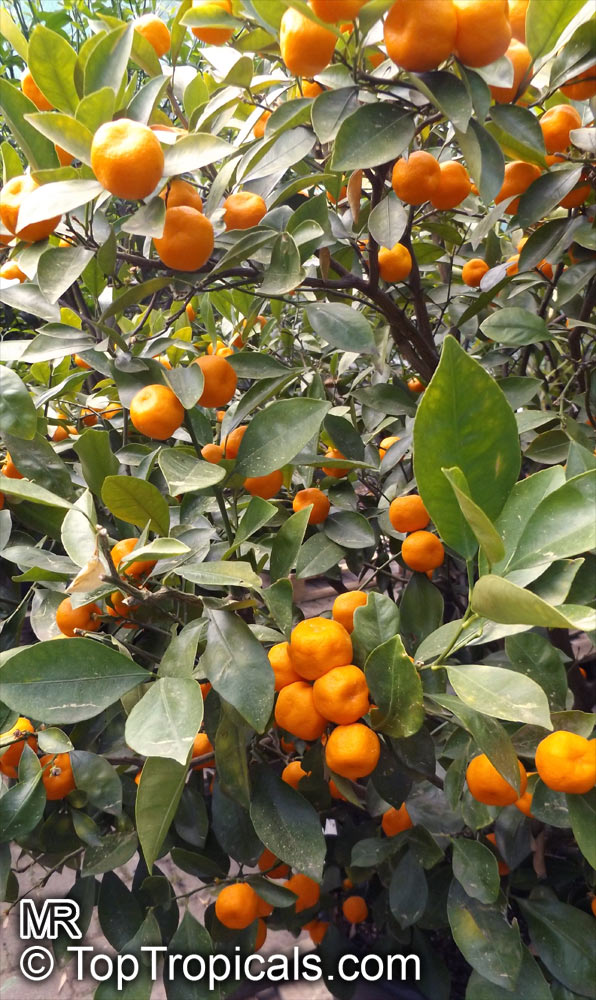
Botanical name: Citrofortunella sp.
Common name: Calamondin
Family: Rutaceae
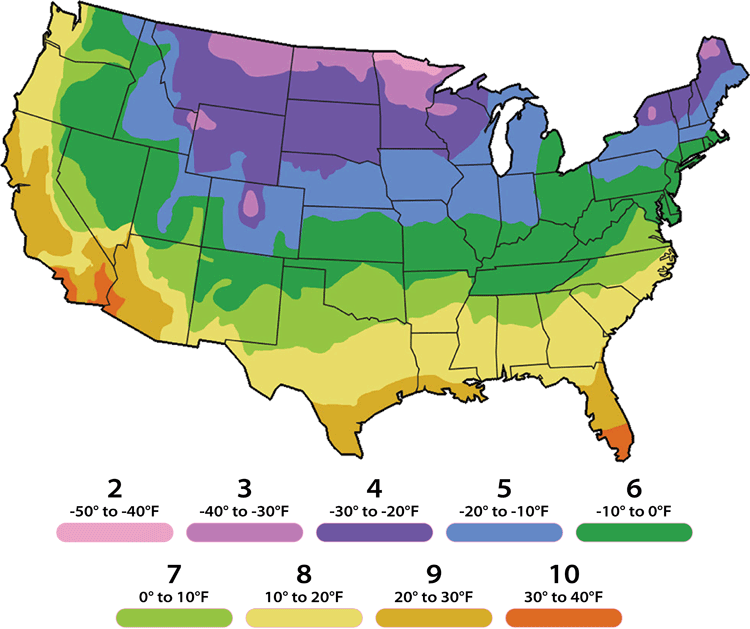
USDA Zone: 8-10


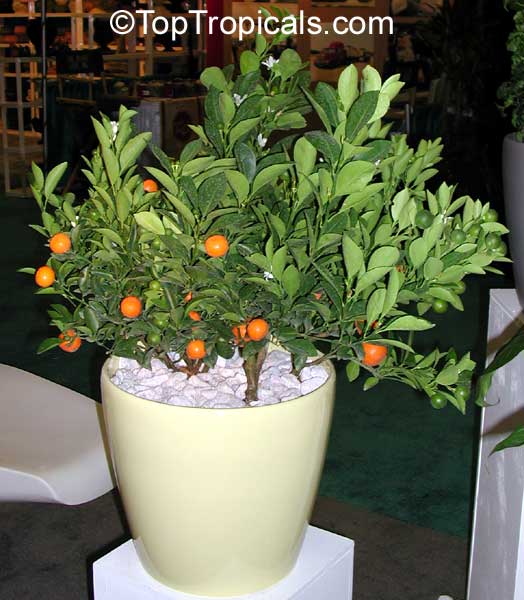
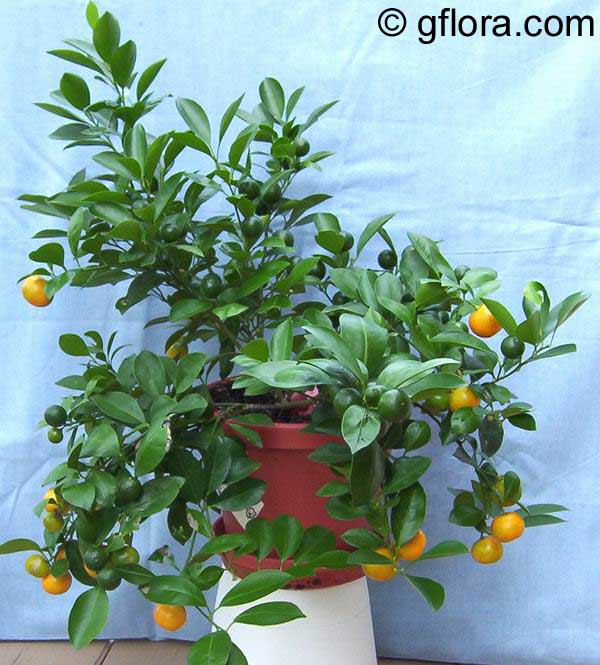
 Plant form: Large bush or small tree; suitable for bonsai
 Mature height: 10-20 ft
 Sun exposure: Full sun or bright light indoor; semi-shade
 Cold tolerance: Tolerates light freezing to about 30°F for short periods (mature plants). Young plants must be protected.
 Watering: Moderate
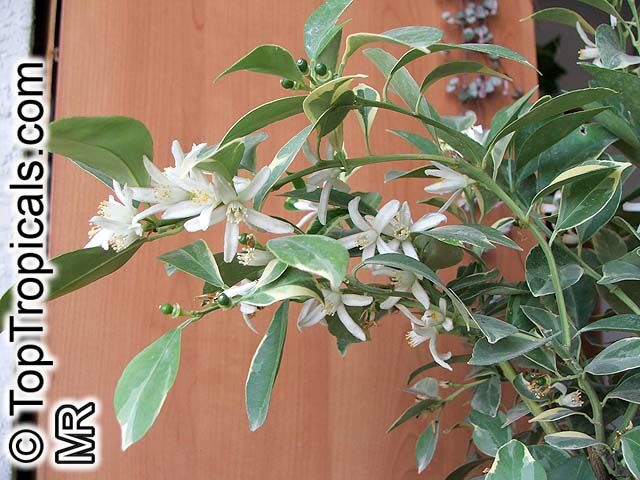
 Flower color: White and off-white
 Suitable for: Outdoors in the suitable USDA zone; small gardens, containers, and indoor growing
 Fragrance: Fragrant; perfume plant
 Wildlife: Attracts butterflies and hummingbirds
 Ethnomedical: Ethnomedical plant, traditionally used in folk or indigenous medicine
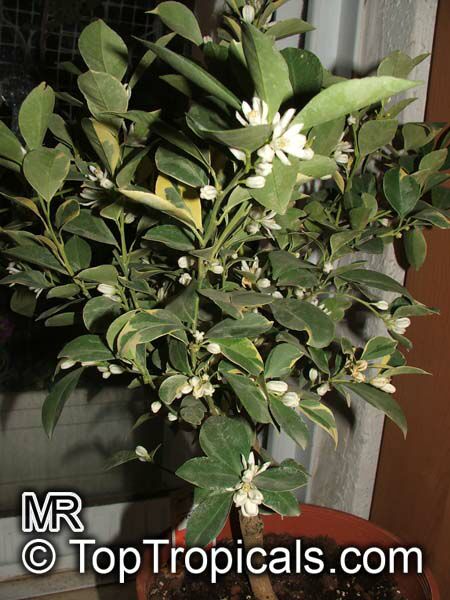
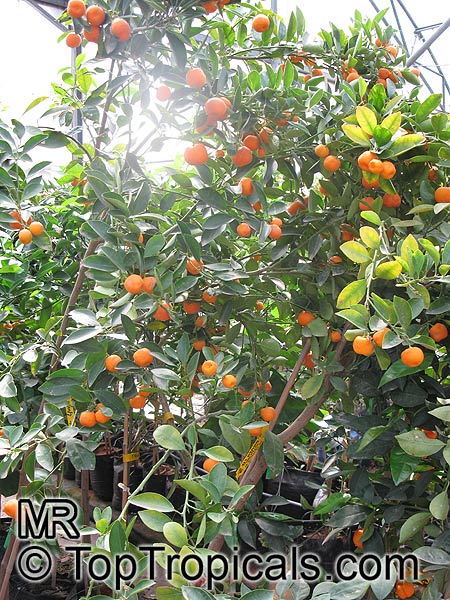
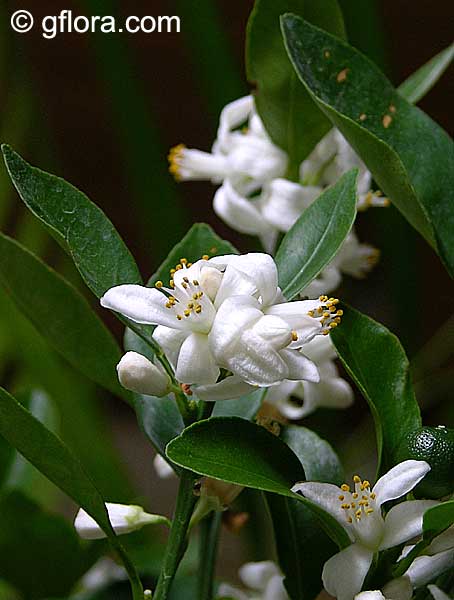
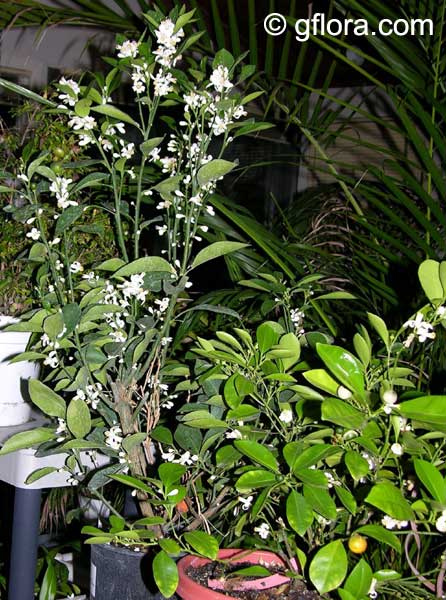
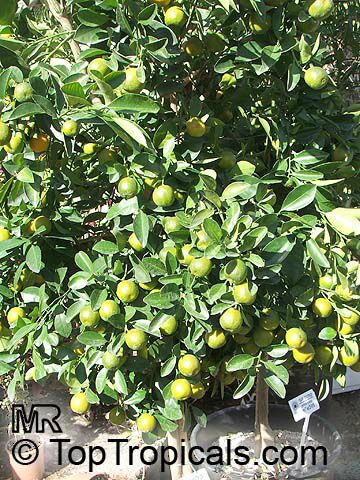
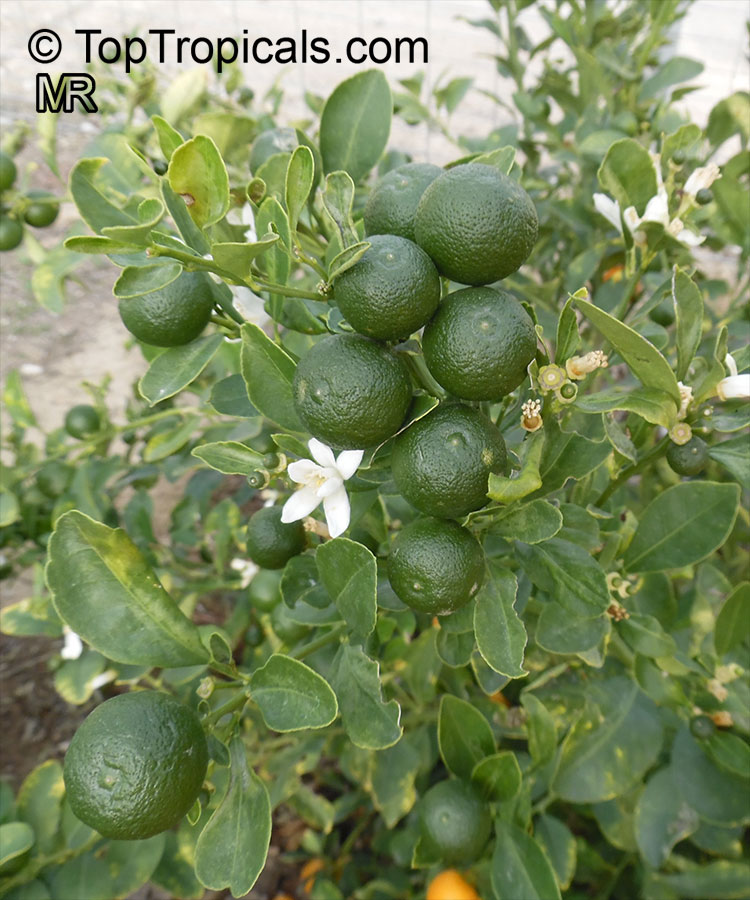
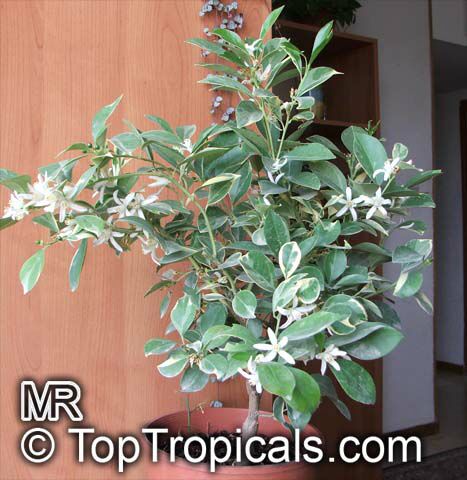
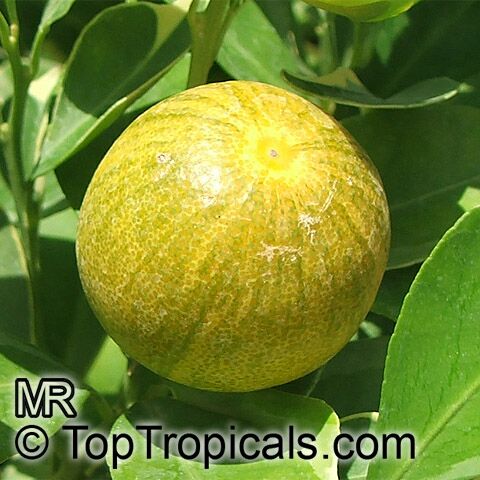
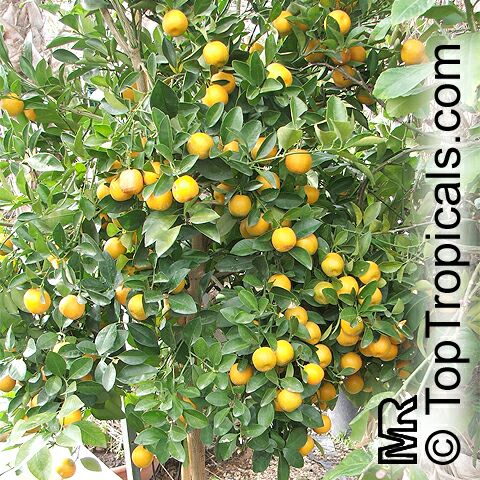
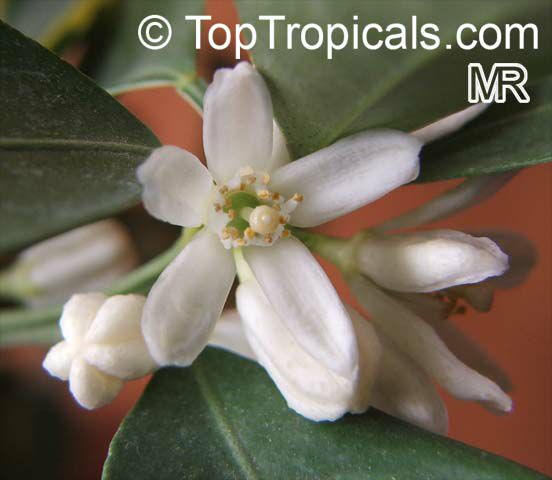
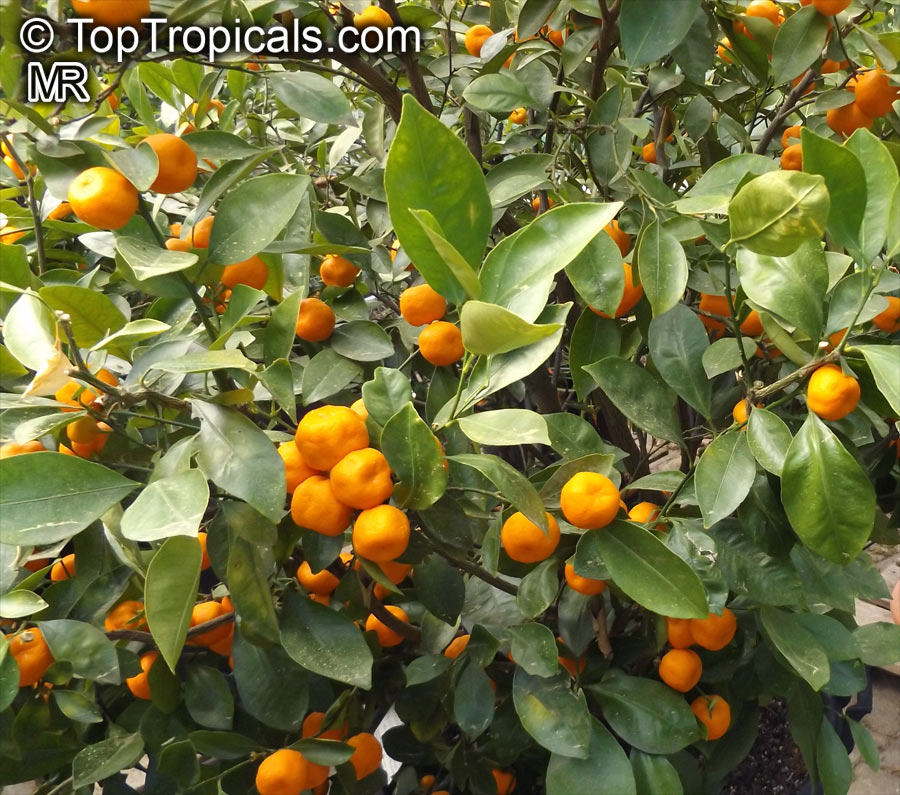
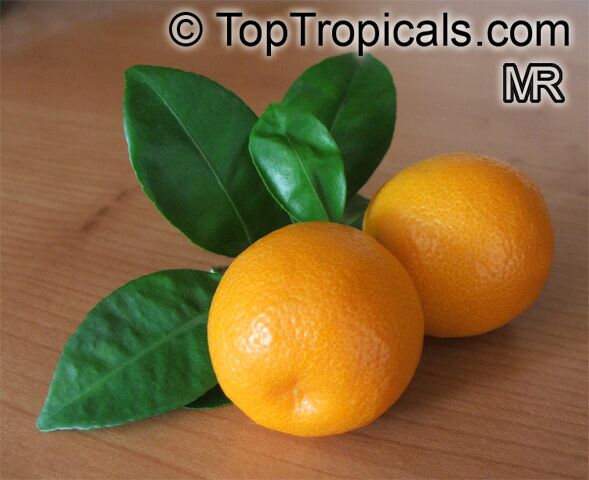
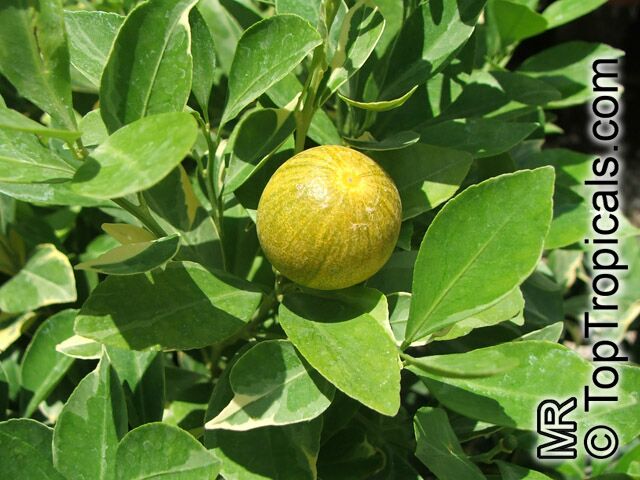
Citrofortunella sp., also known as Calamondin, is a bi-generic hybrid Citrus aurantifolia x Fortunella sp that is commonly used in bonsai cultivation. It is an evergreen, frost-tender tree that can reach heights of 5-10 feet as a shrub or 10-20 feet as a small tree. The plant boasts fragrant, white to off-white flowers that attract both butterflies and hummingbirds, as well as abundant fruit that can be consumed fresh or cooked.
Not only is the fruit of Calamondin edible, but it also possesses a wide range of ethnomedical properties, including antiseptic, antifungal, expectorant, and carminative uses. With proper care, the mature plant can tolerate temperatures as low as 20 degrees Fahrenheit for short periods of time and is hardy in USDA zones 8-11. It has the potential to produce many fruits per growing season and is rich in vitamins, minerals, and antioxidants.
The ideal growing conditions for Calamondin include well-draining, moist soil in full sun. The plant prefers a very sunny position. It is important to neither overwater or underwater the plant, as too much or too little water can cause yellowing and death.
Similar plants: Citrofortunella sp. (Calamondin)