Cinnamomum zeylanicum (Cinnamon)
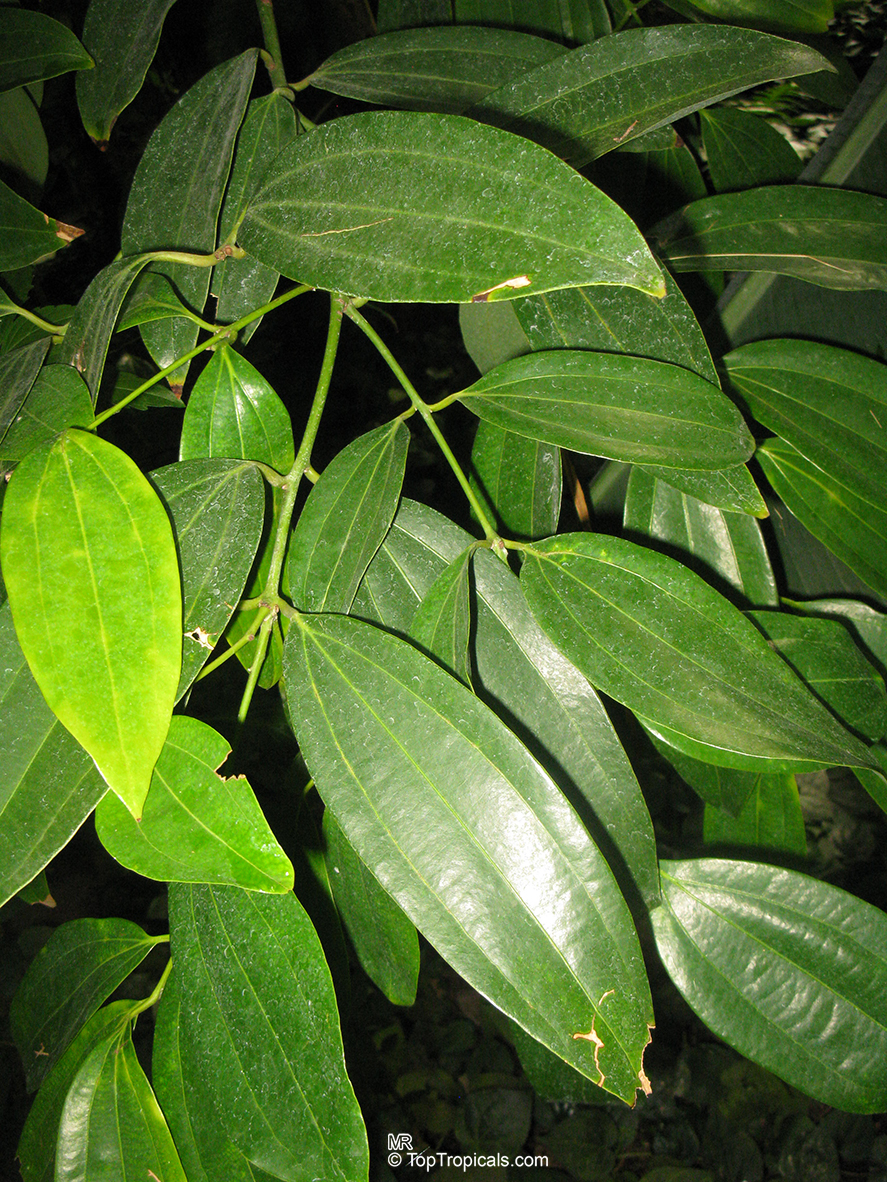
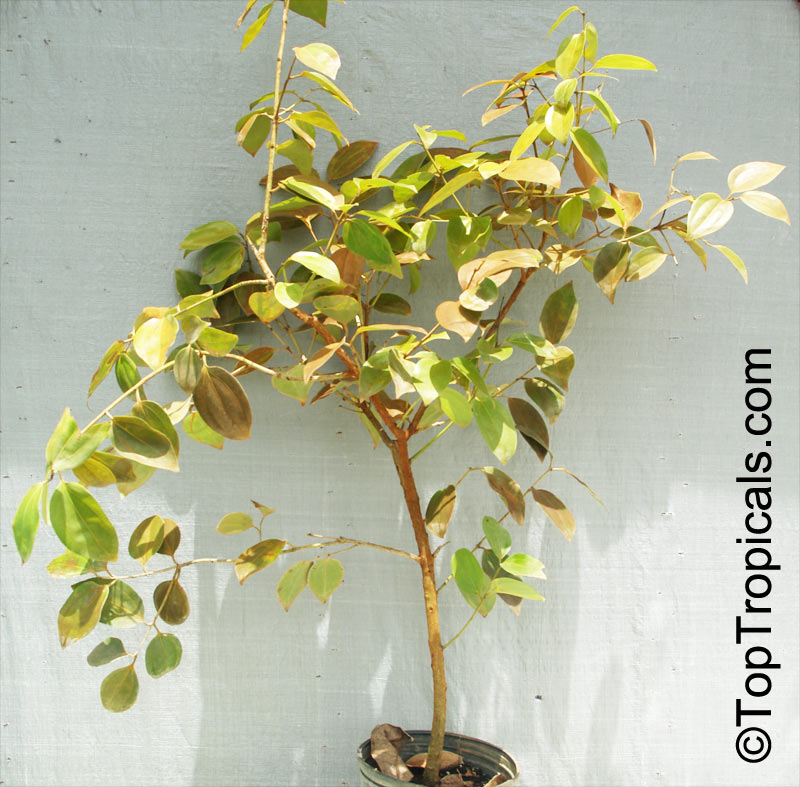
Botanical names: Cinnamomum zeylanicum, Cinnamomum verum
Common name: Cinnamon
Family: Lauraceae
Origin: Sri Lanka (Ceylon)
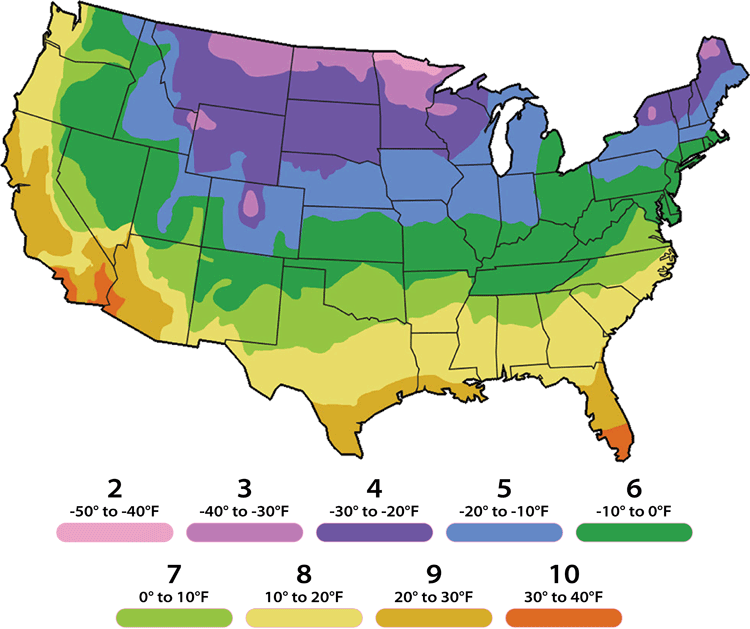
USDA Zone: 9-11

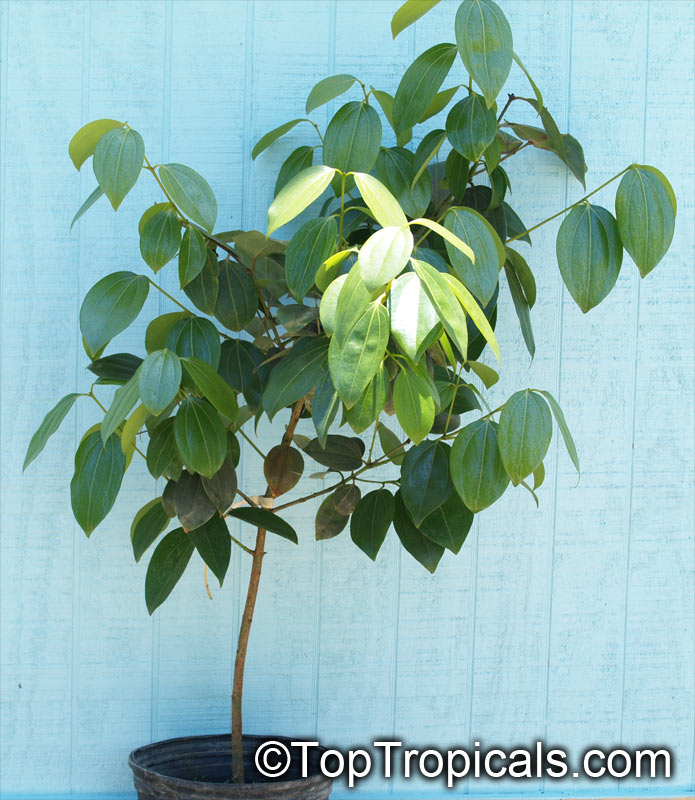
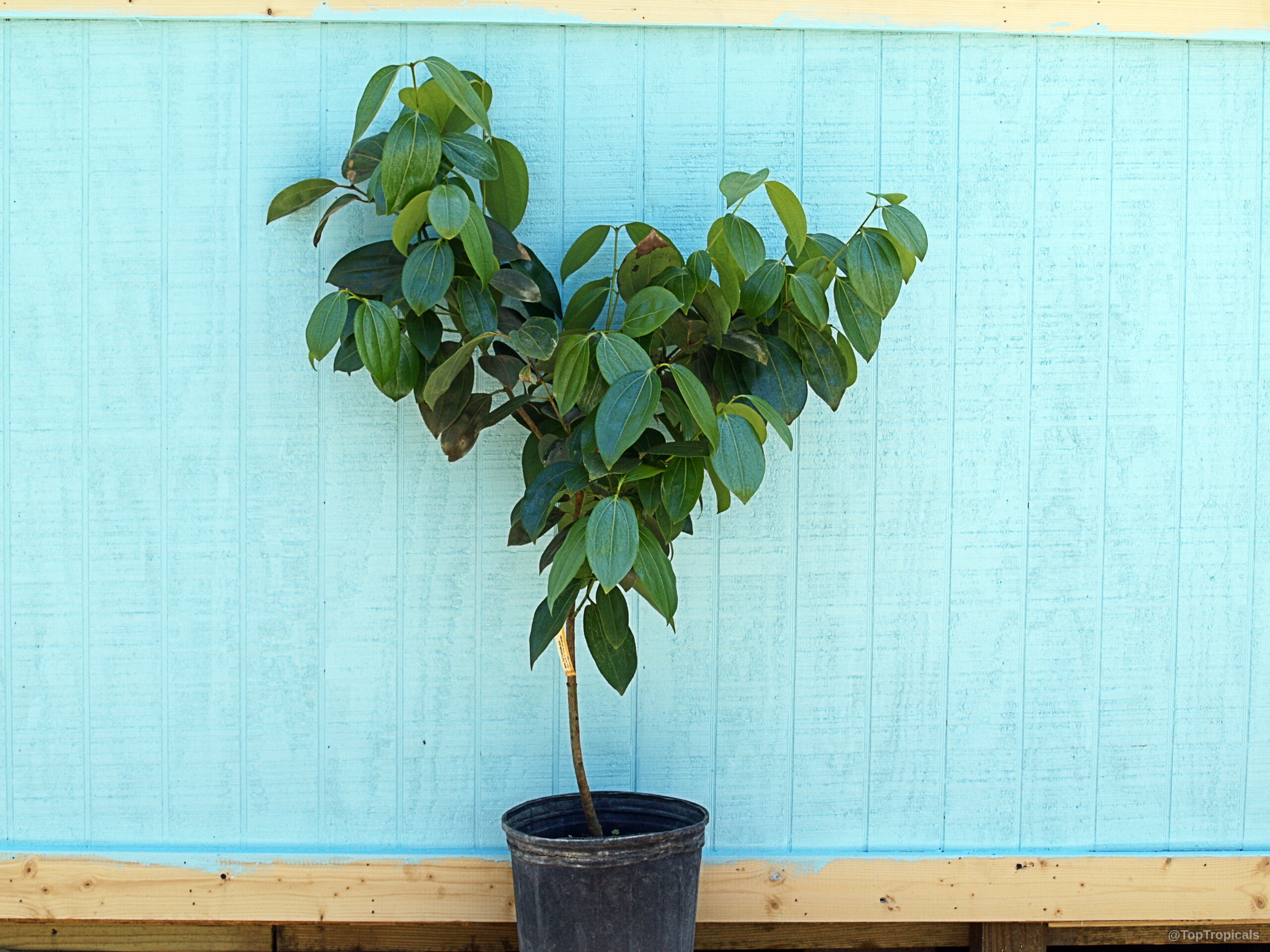
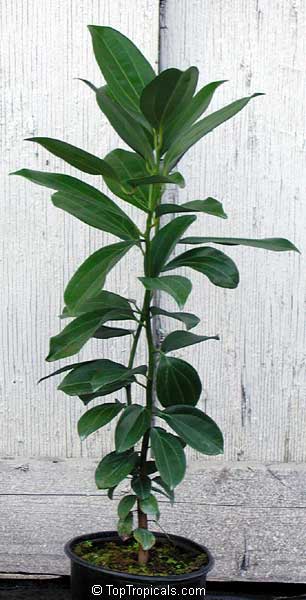
 Plant form: Large bush or small tree
 Mature height: 10-20 ft
 Sun exposure: Full sun or bright light indoor
 Cold tolerance: Tolerates light freezing to about 30°F for short periods (mature plants). Young plants must be protected.
 Watering: Regular
 Suitable for: Outdoors in the suitable USDA zone; small gardens, containers, and indoor growing
 Foliage color: Ornamental foliage
 Fragrance: Fragrant; perfume plant
 Flood tolerance: High
 Ethnomedical: Ethnomedical plant, traditionally used in folk or indigenous medicine
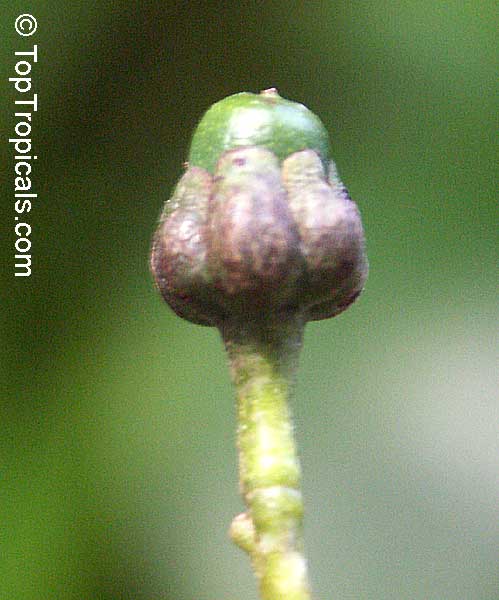
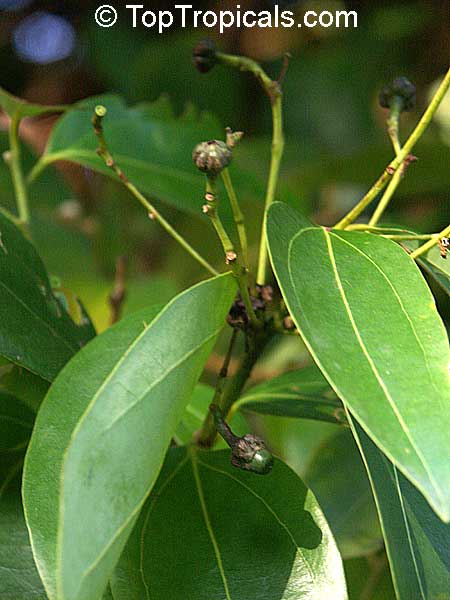
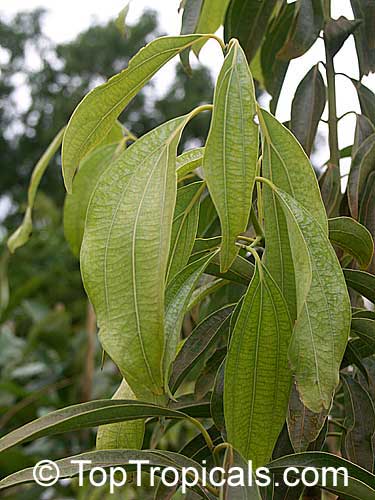
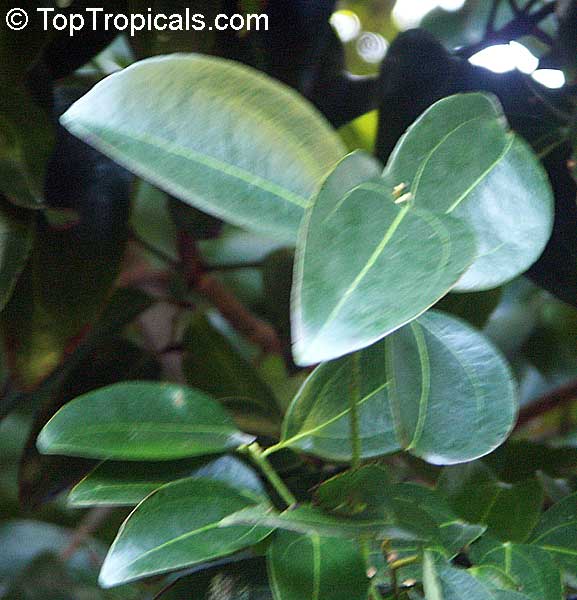
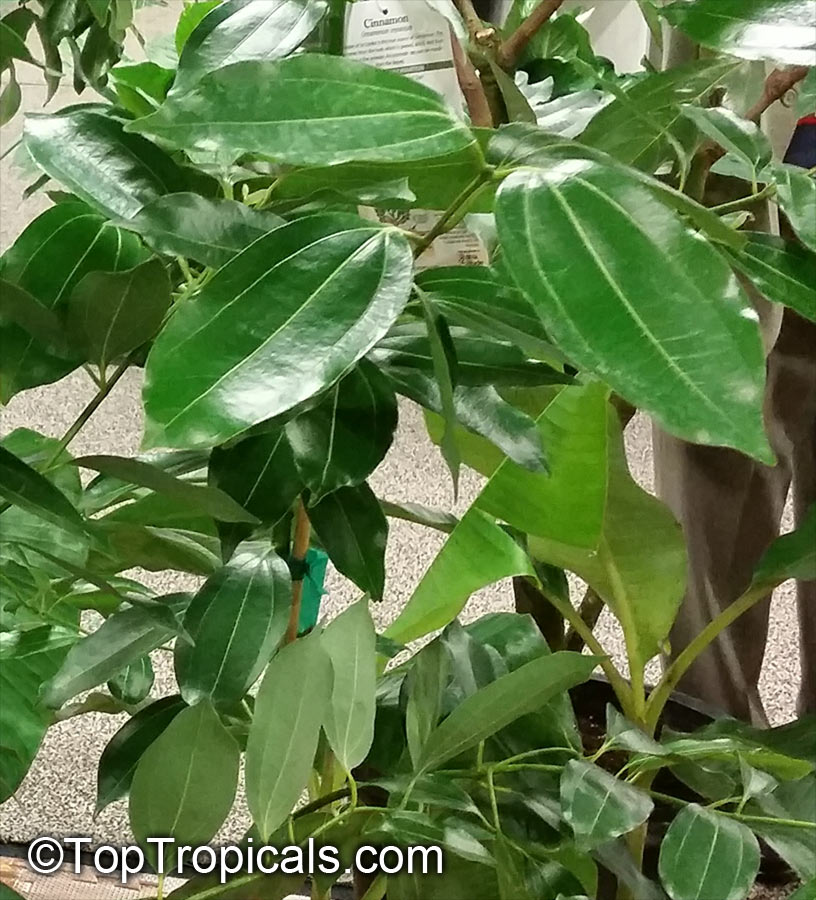
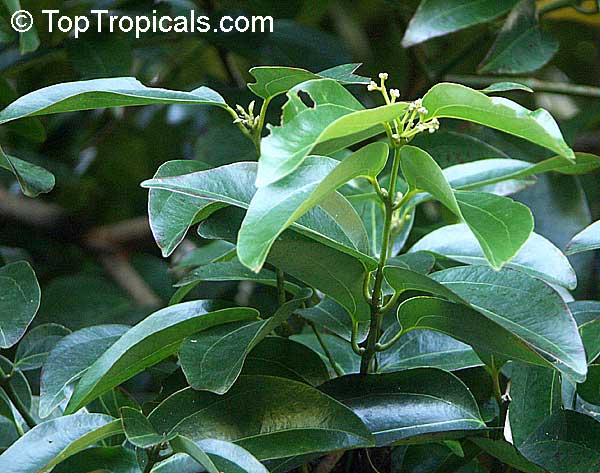
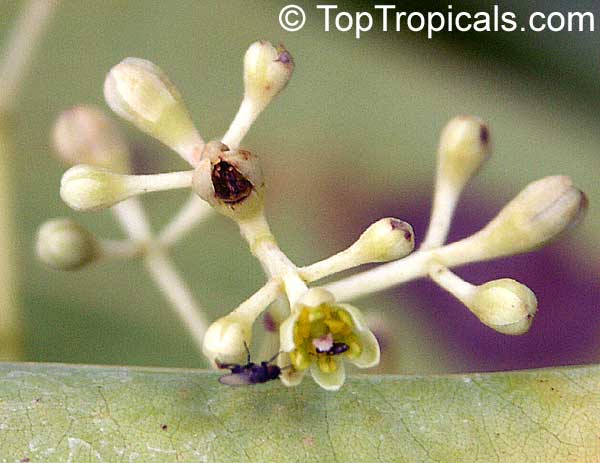
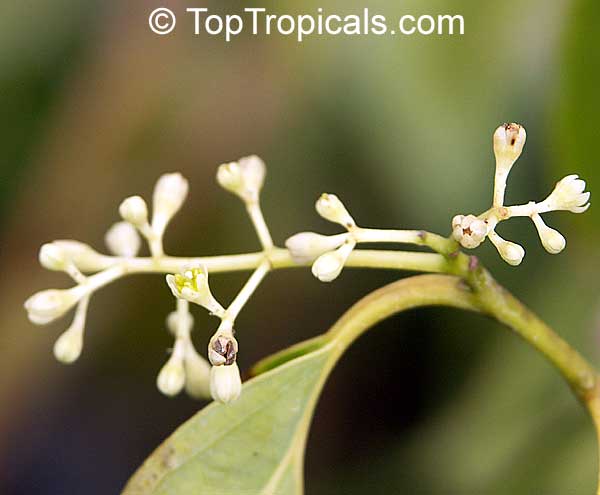
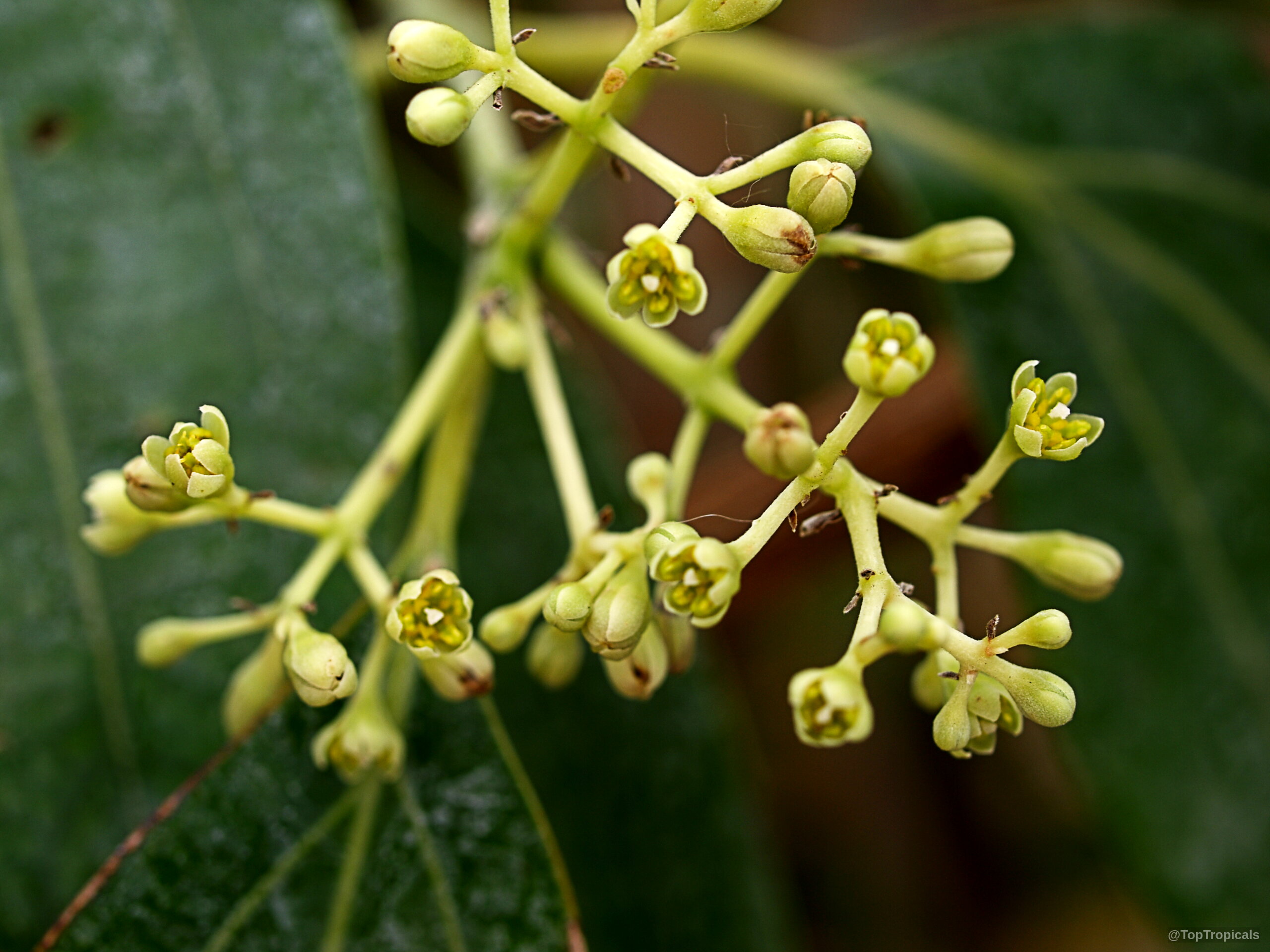
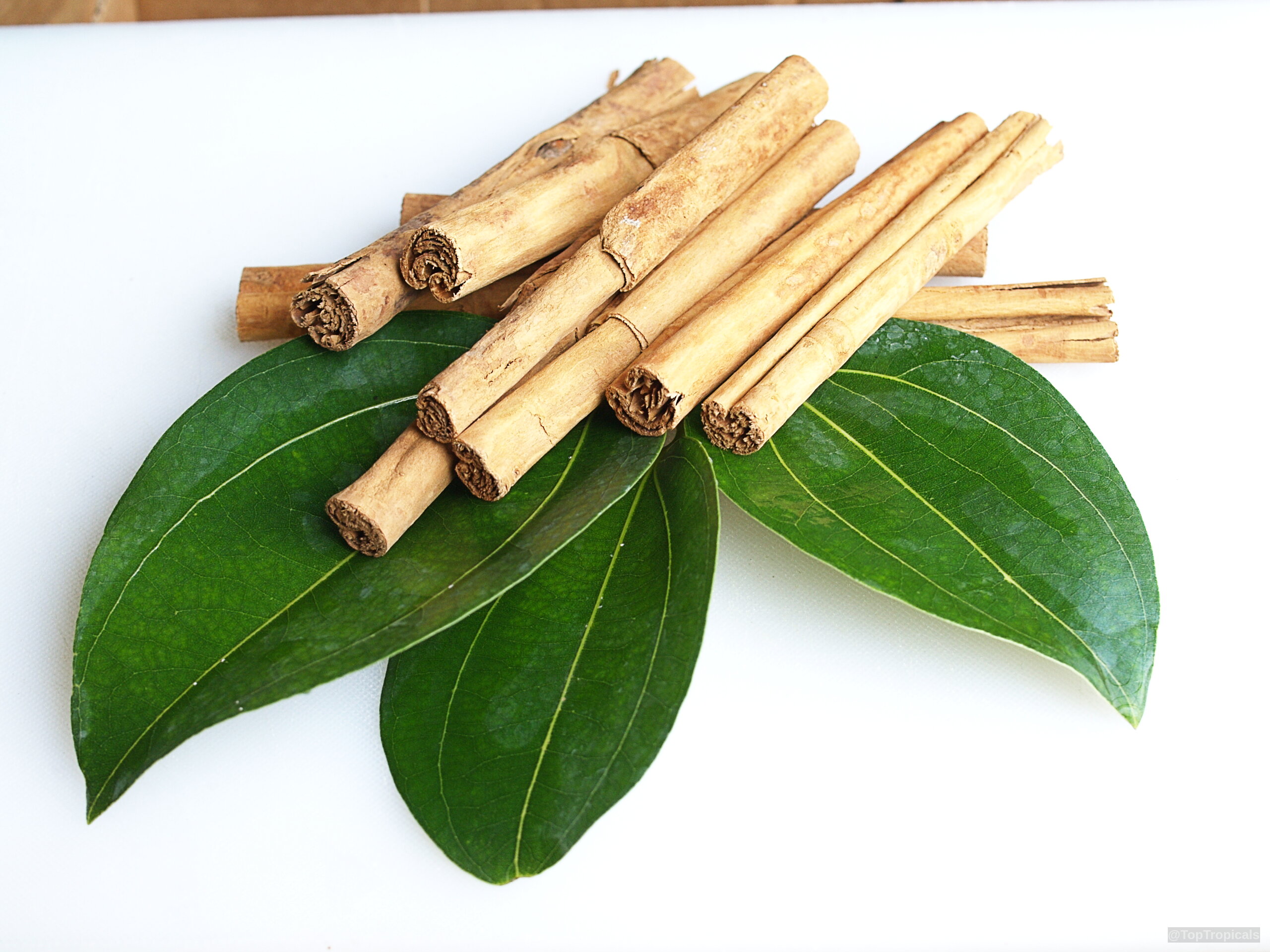
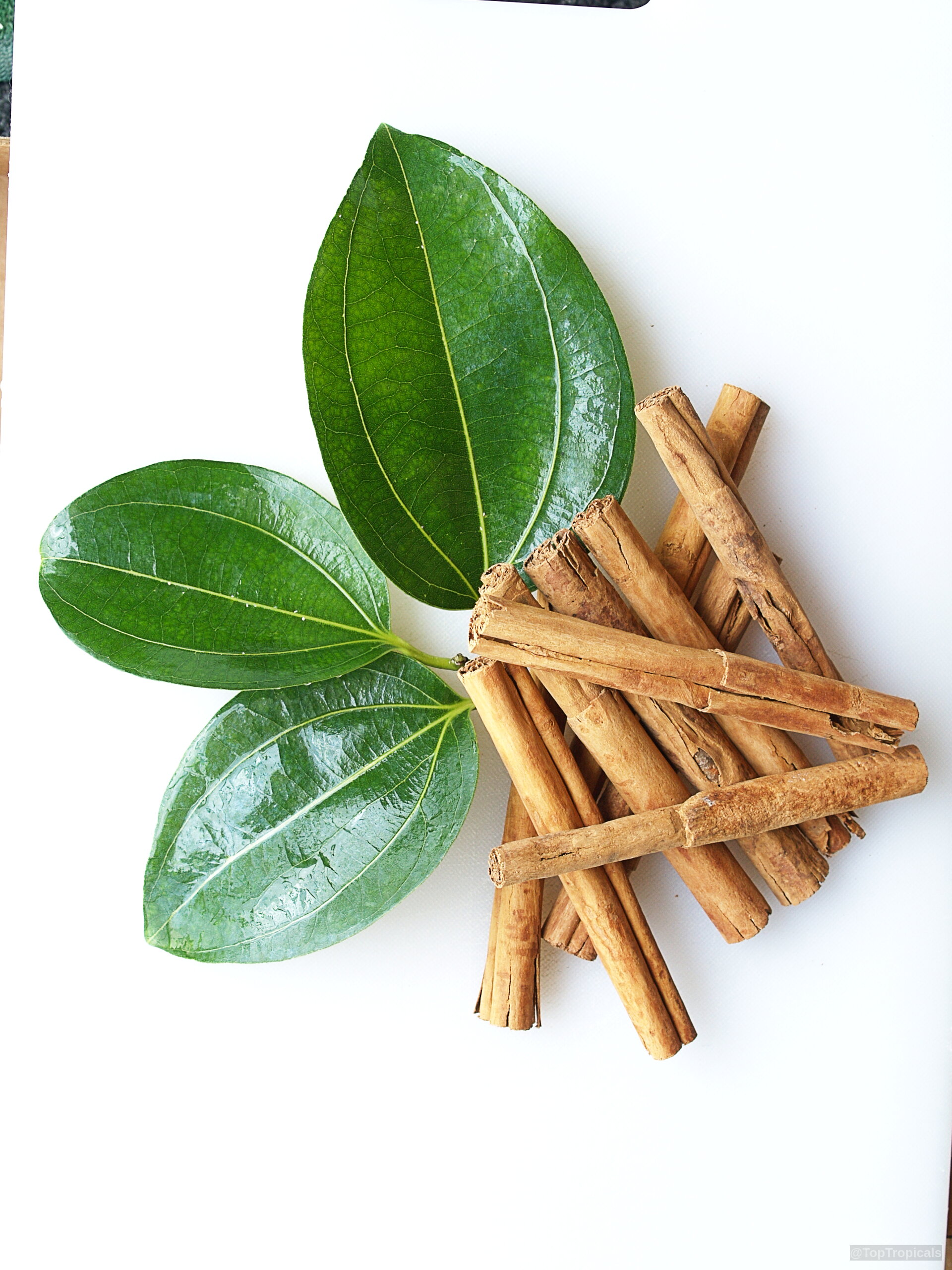
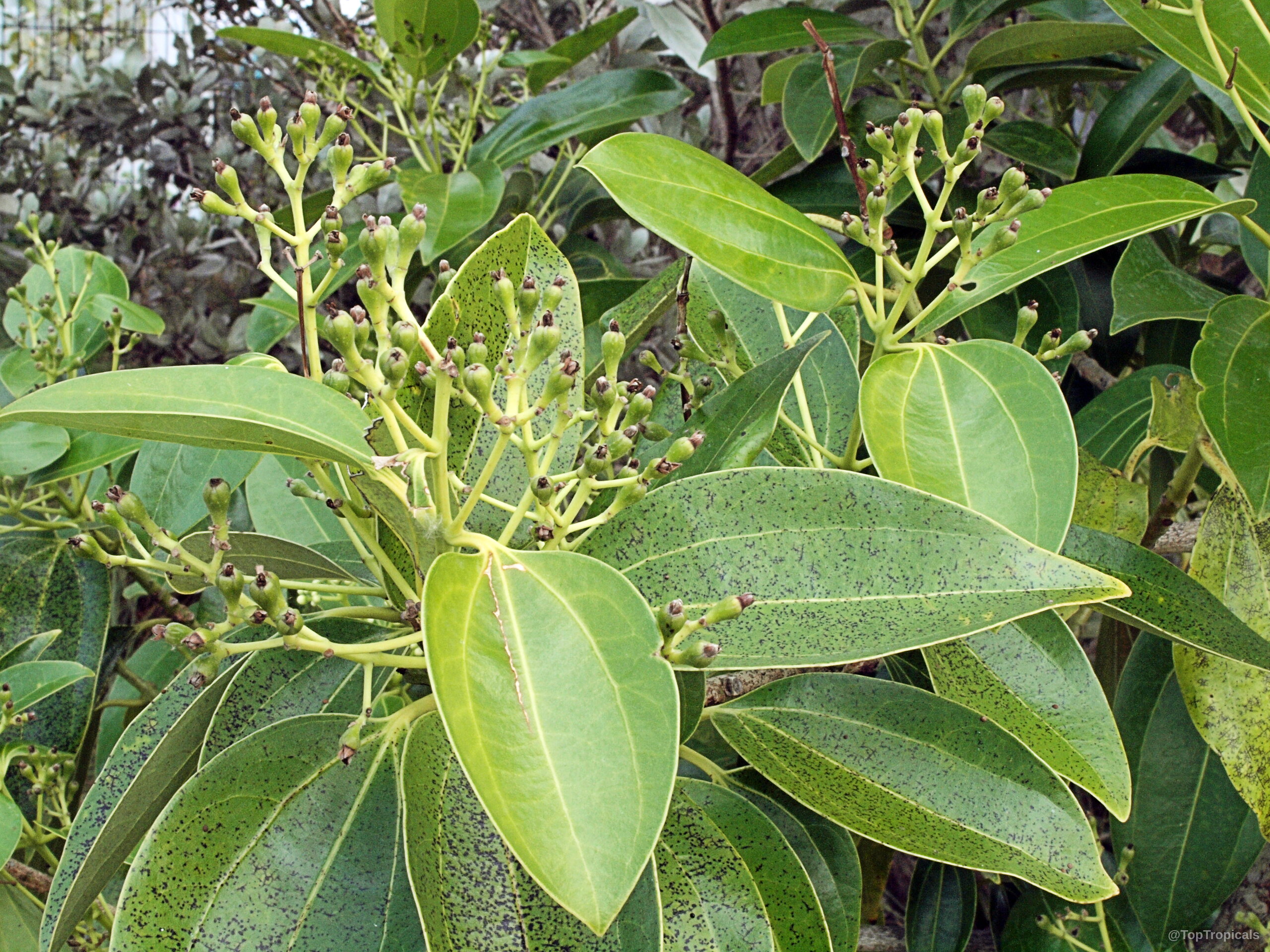
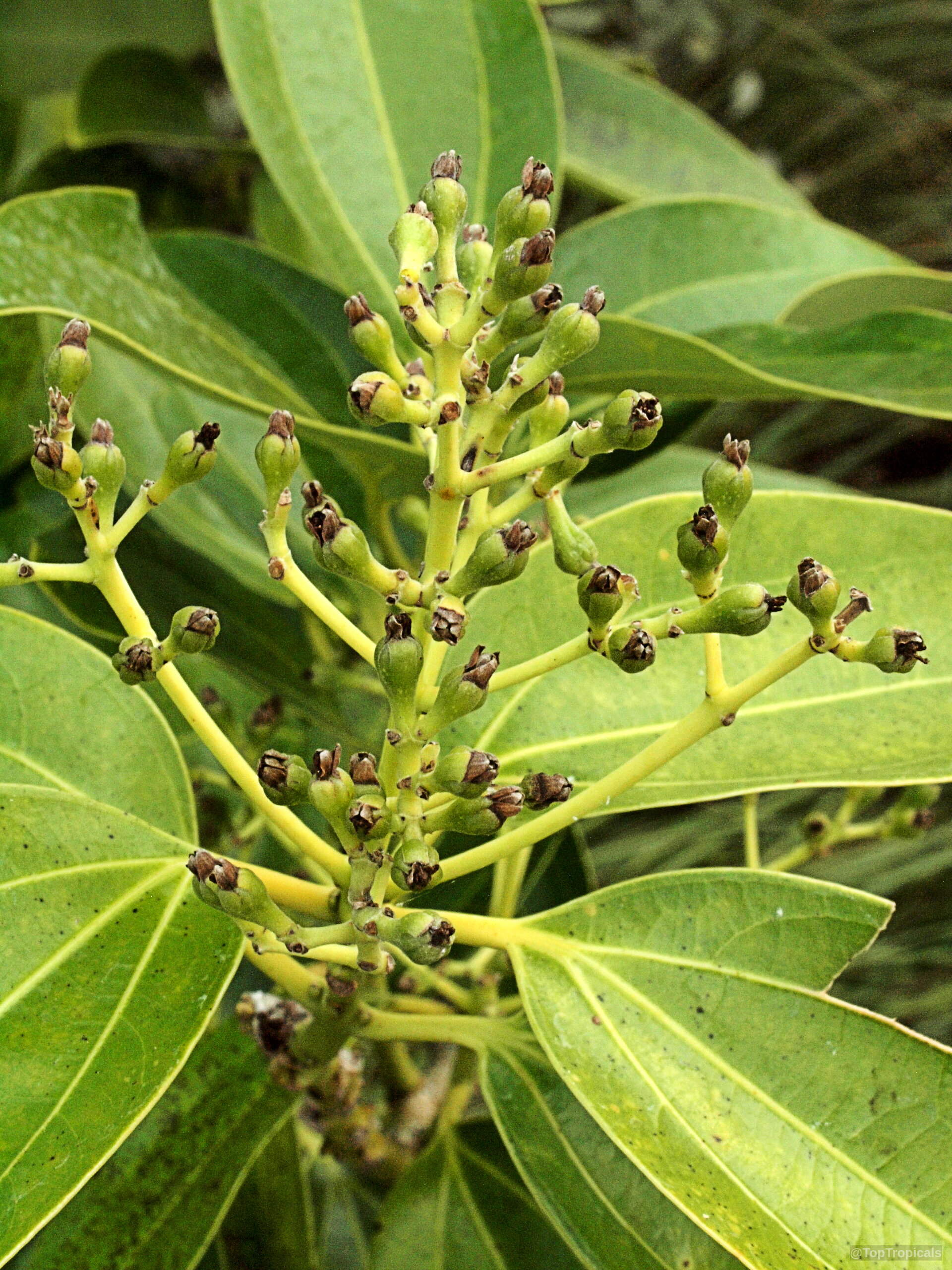
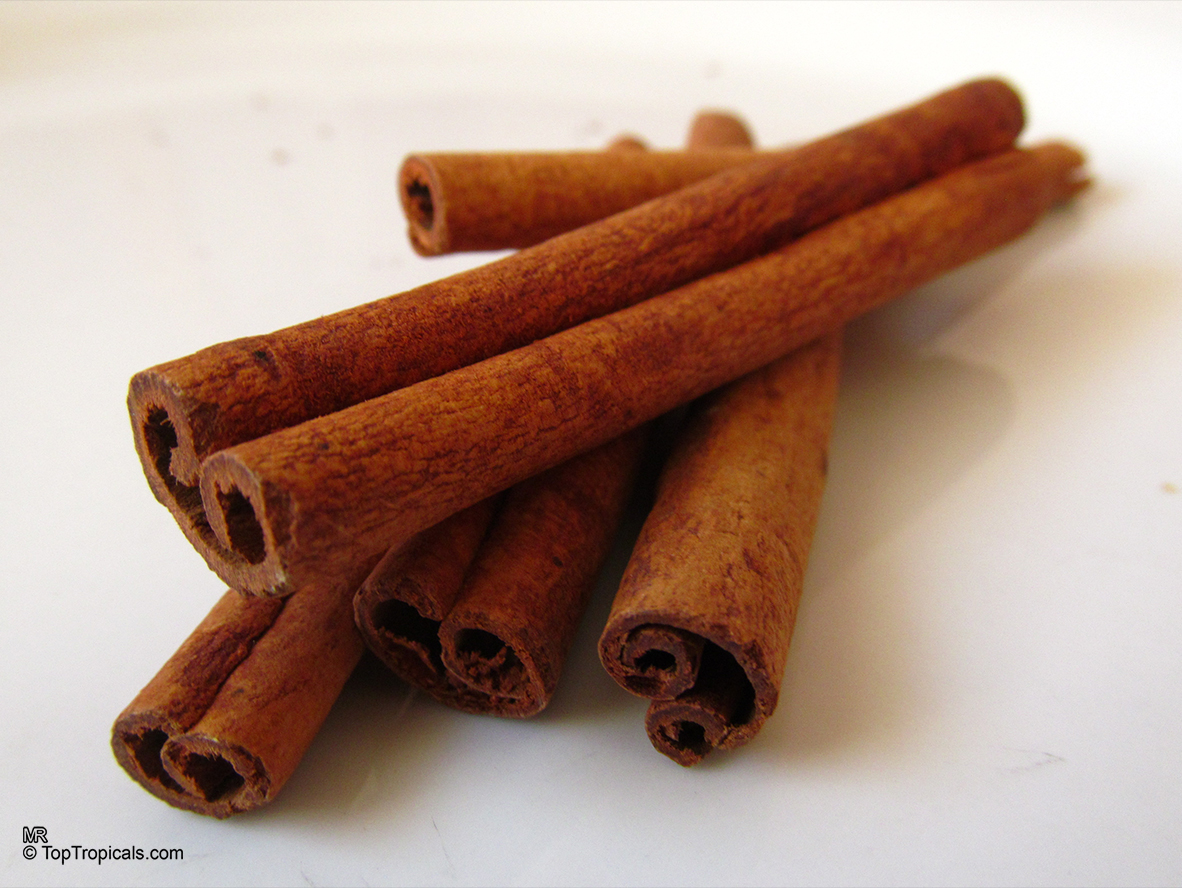
Evergreen shrub or small tree with dark, leathery, aromatic, veined leaves, numerous inconspicuous yellow flowers and blackish berries. In cultivation young trees are cut back twice a year and sucker shoots develop from the roots. These long slender shoots furnish the bark that is the commercial product. Leaves are used as tea. Cinnamon is a very popular culinary spice and is also used in candy, gum, incense, toothpaste and perfumes. The oil is used in medicine as a carminative, antiseptic and astringent and source of cinnamon extract. According to the recent studies, Cinnamon may prevent or at least delay a type of diabetes that develops with age, say researchers in the US.
Clinical trials of a cinnamon extract are due to begin within a year, but nutritionist Richard Anderson says patients with type II or non-insulin-dependent diabetes could benefit now by adding the spice to their food or drink. "We recommend people take a quarter to a full teaspoon a day of cinnamon, perhaps in orange juice, coffee or on oatmeal," he says.
Similar plants: Cinnamomum zeylanicum (Cinnamon)




Read more about Cinnamon.
Recommended Fertilizer: SUNSHINE Robusta - Rapid Growth Booster