Canna glauca (Aquatic Canna)
Botanical name: Canna glauca
Common names: Aquatic Canna, Maraca Amarilla, Water Canna
Family: Cannaceae
Origin: Tropical America
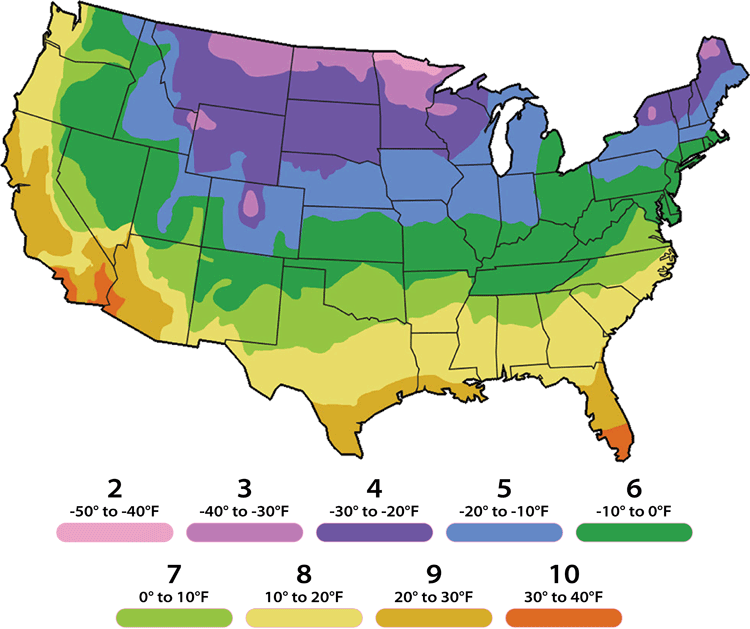
USDA Zone: 8-11
 Plant form: Small
 Mature height: 2-5 ft
 Sun exposure: Full sun or bright light indoor
 Cold tolerance: Frost sensitive. Protect from freezing.
 Watering: Keep soil moist; bog or aquatic
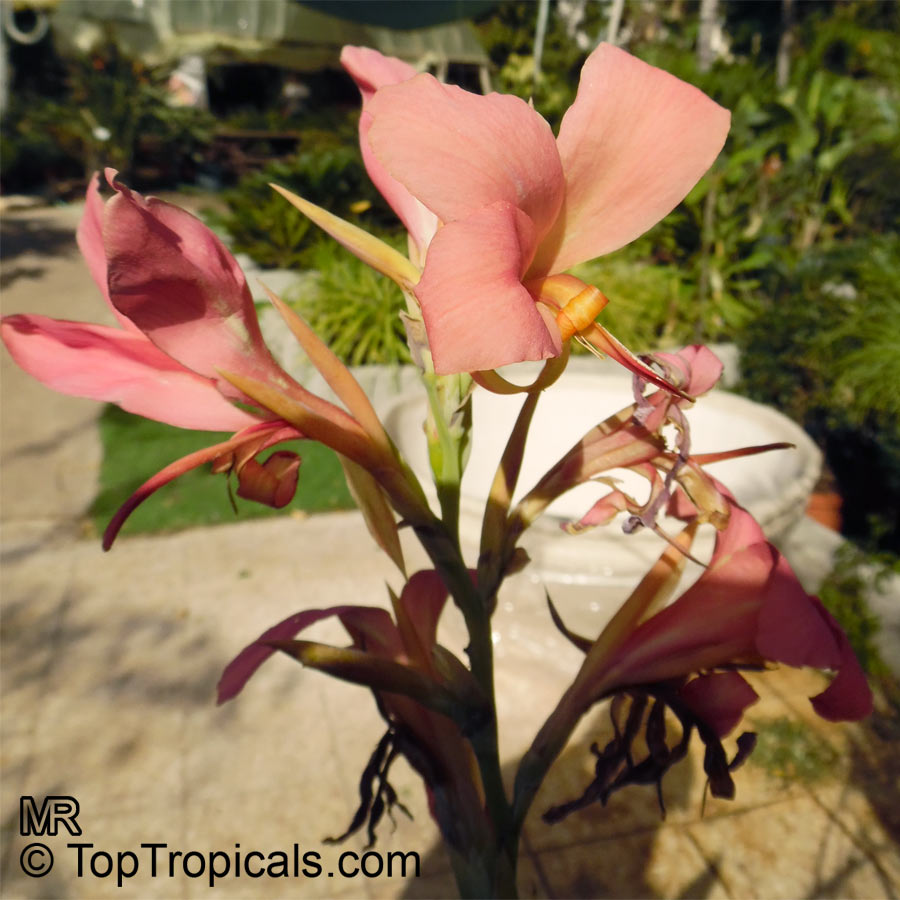
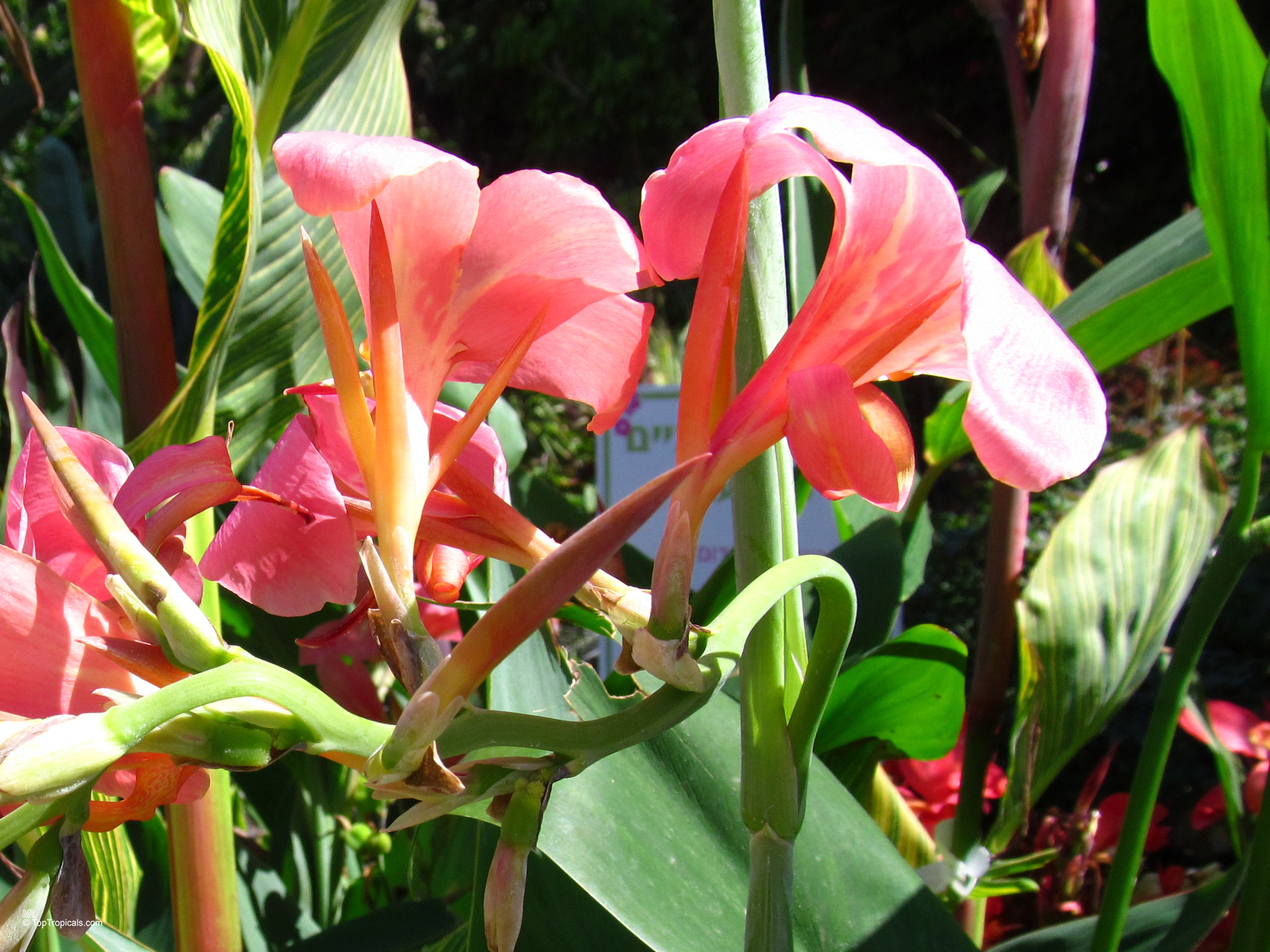
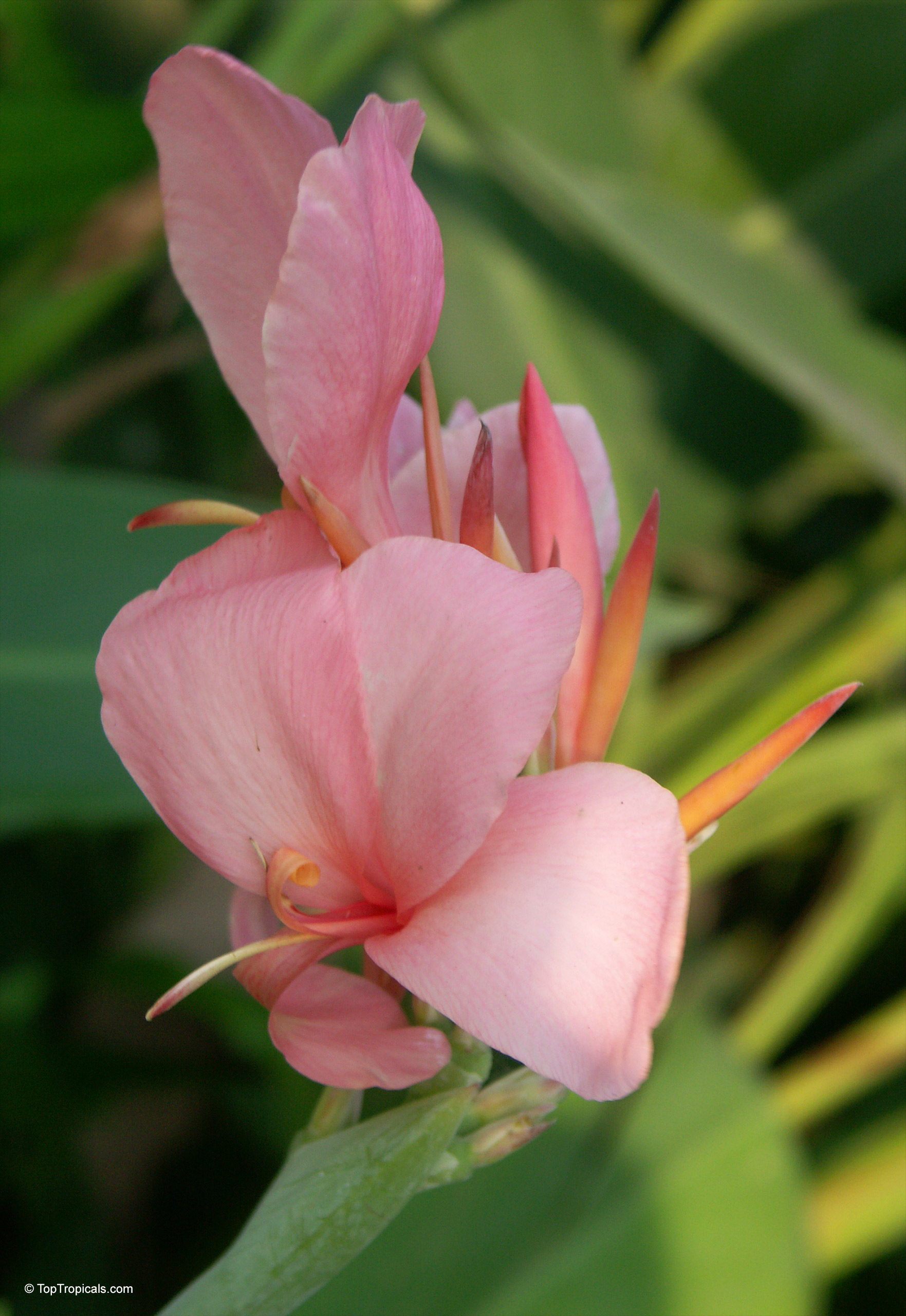
 Flower color: Pink; yellow, orange
 Suitable for: Outdoors in the suitable USDA zone; small gardens, containers, and indoor growing
 Flood tolerance: High
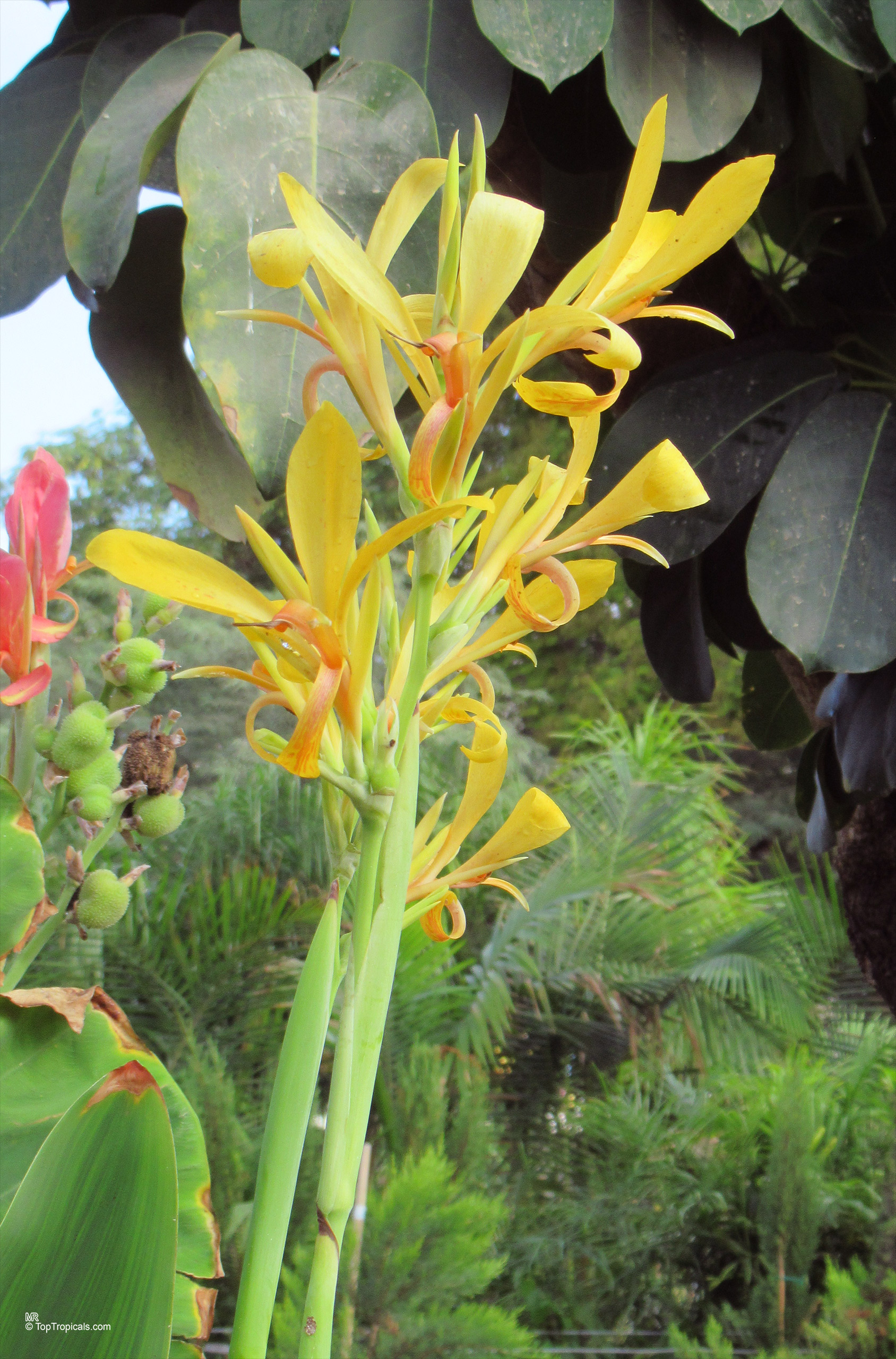
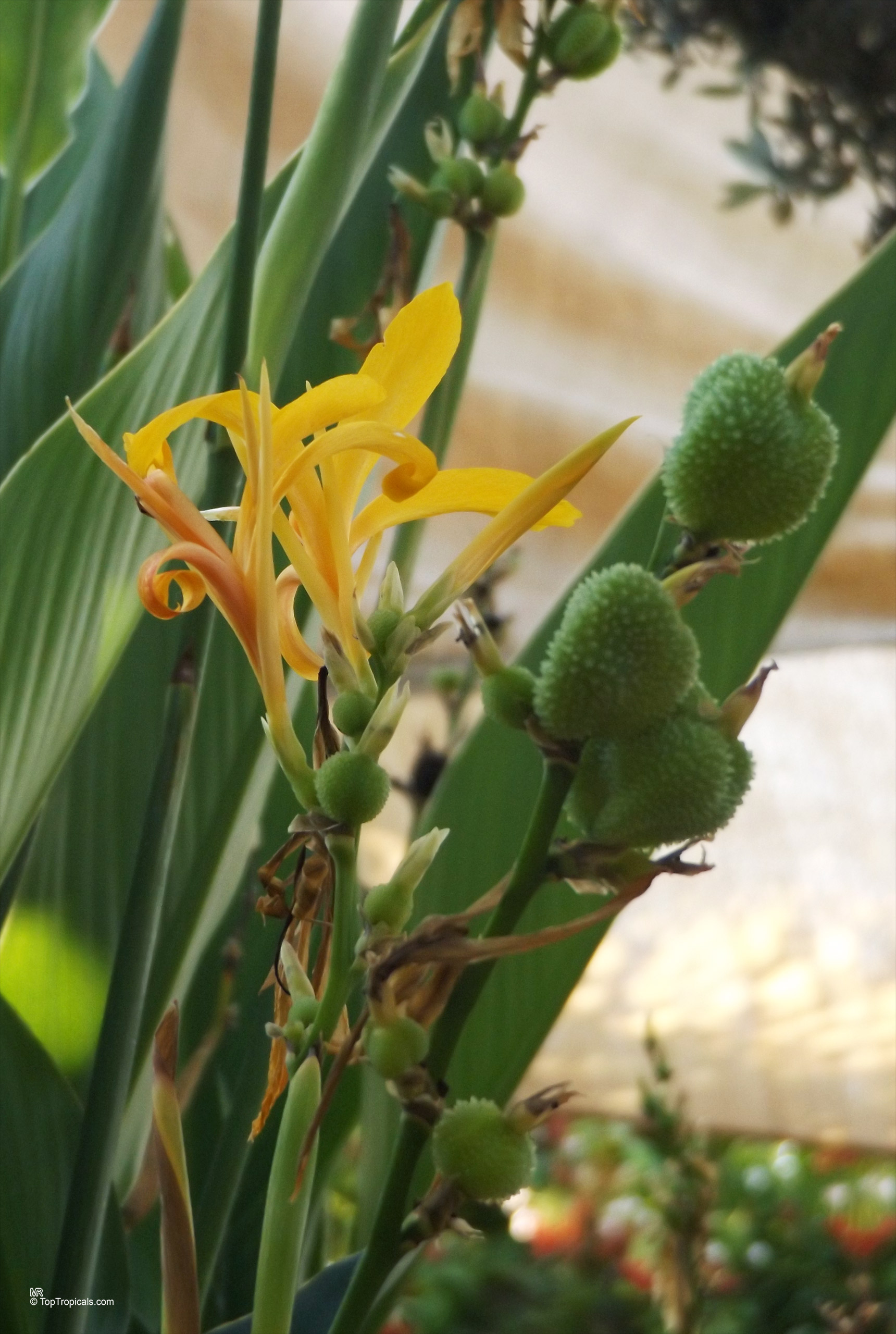
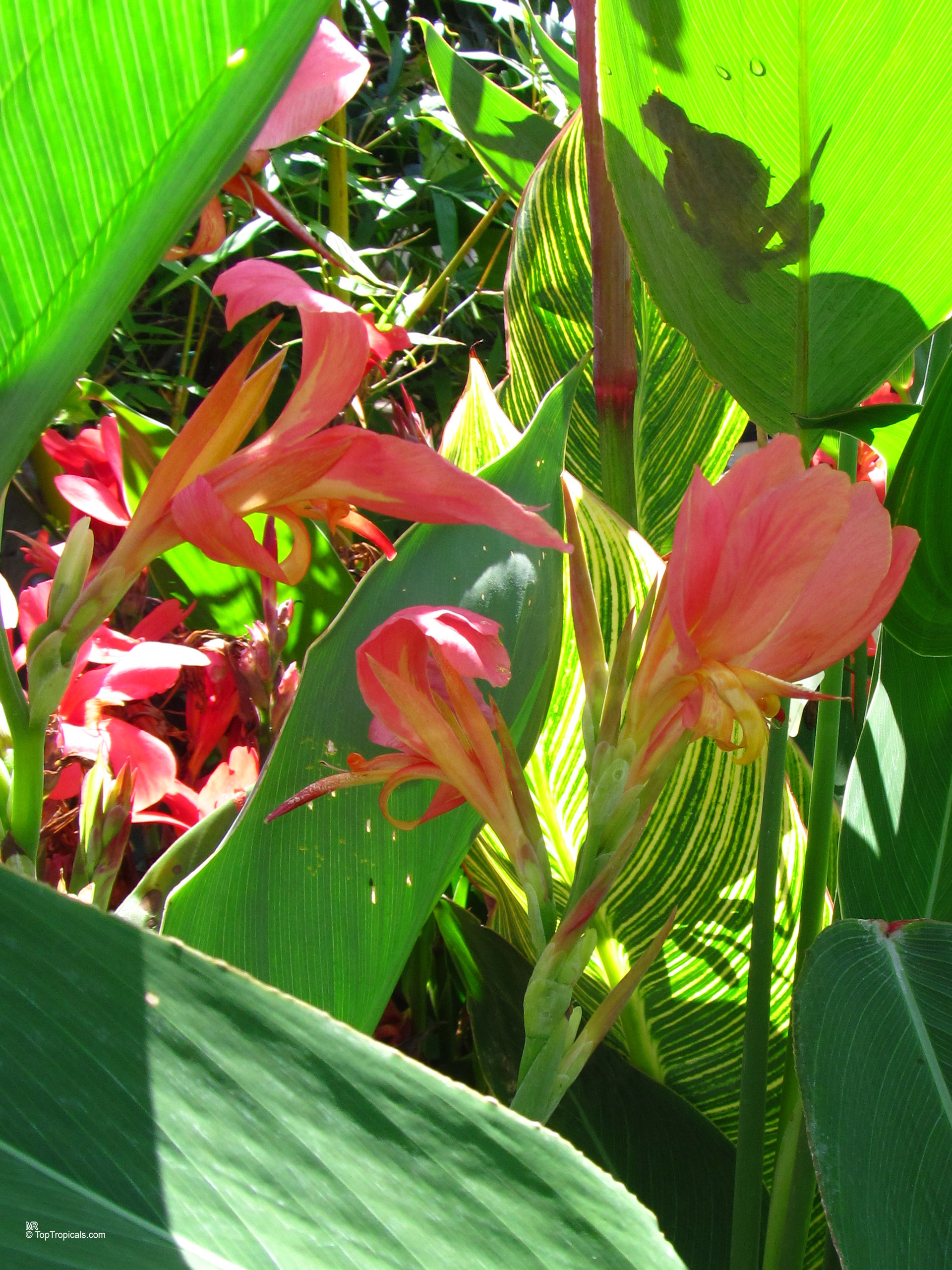
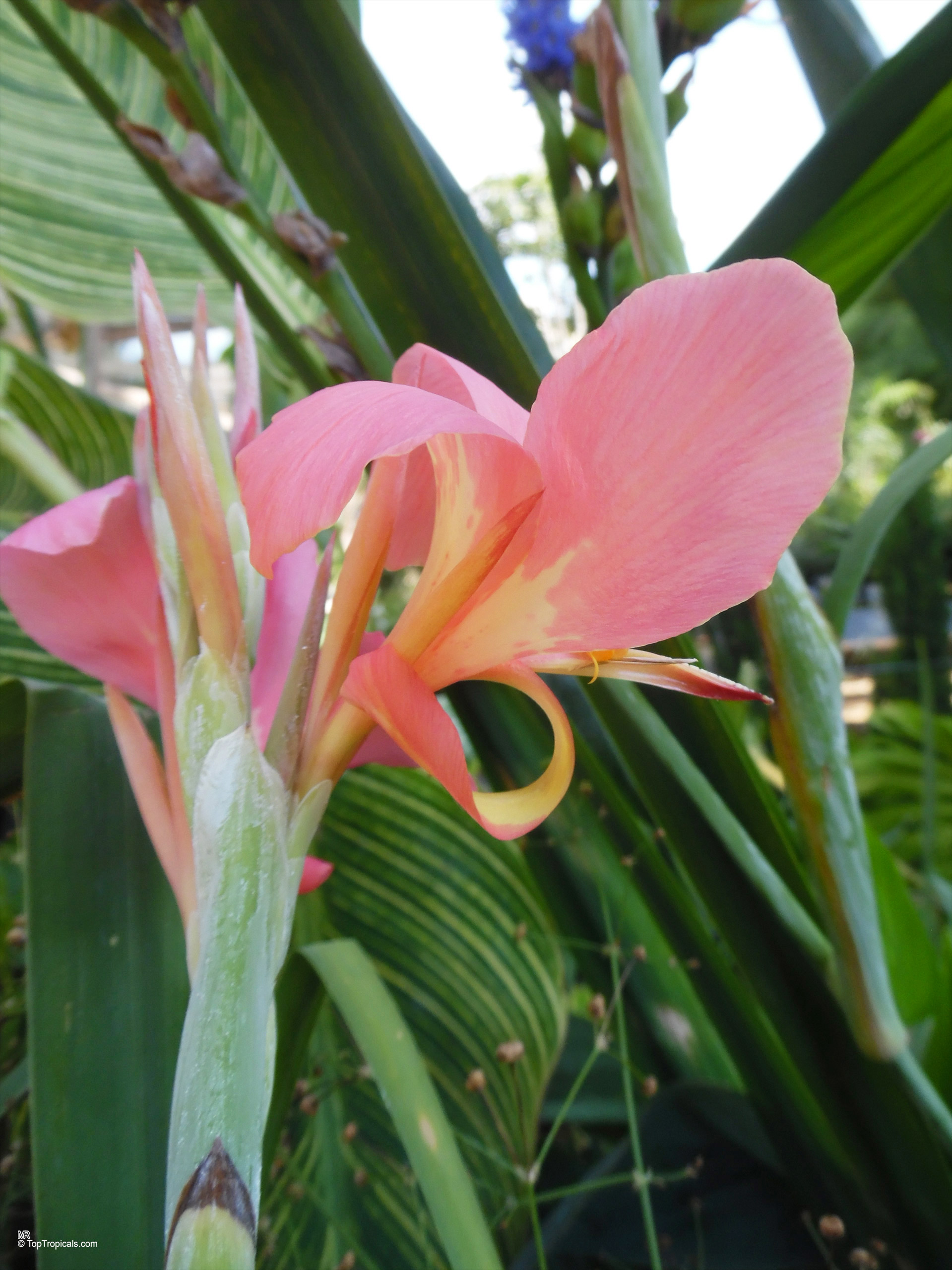
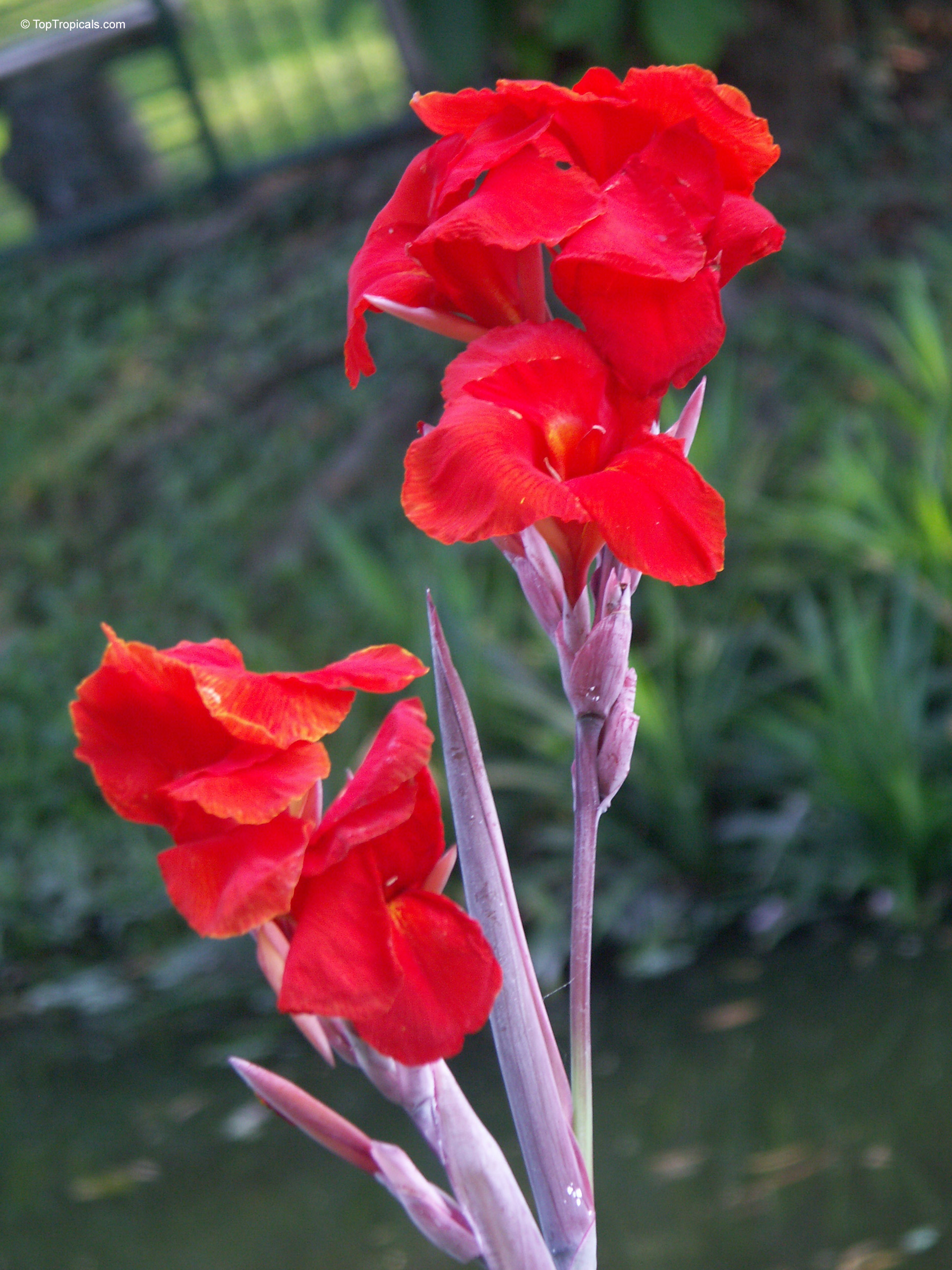
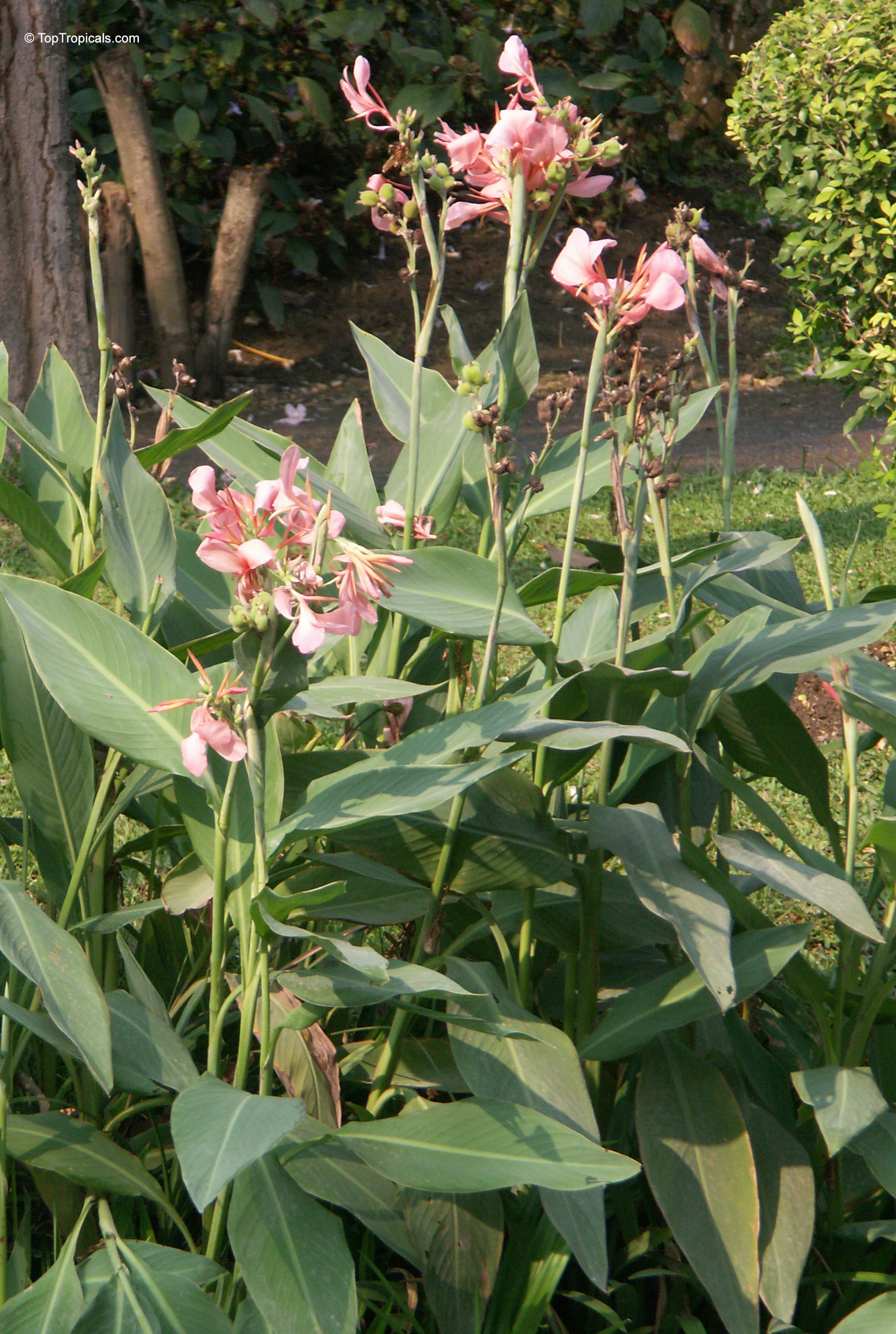
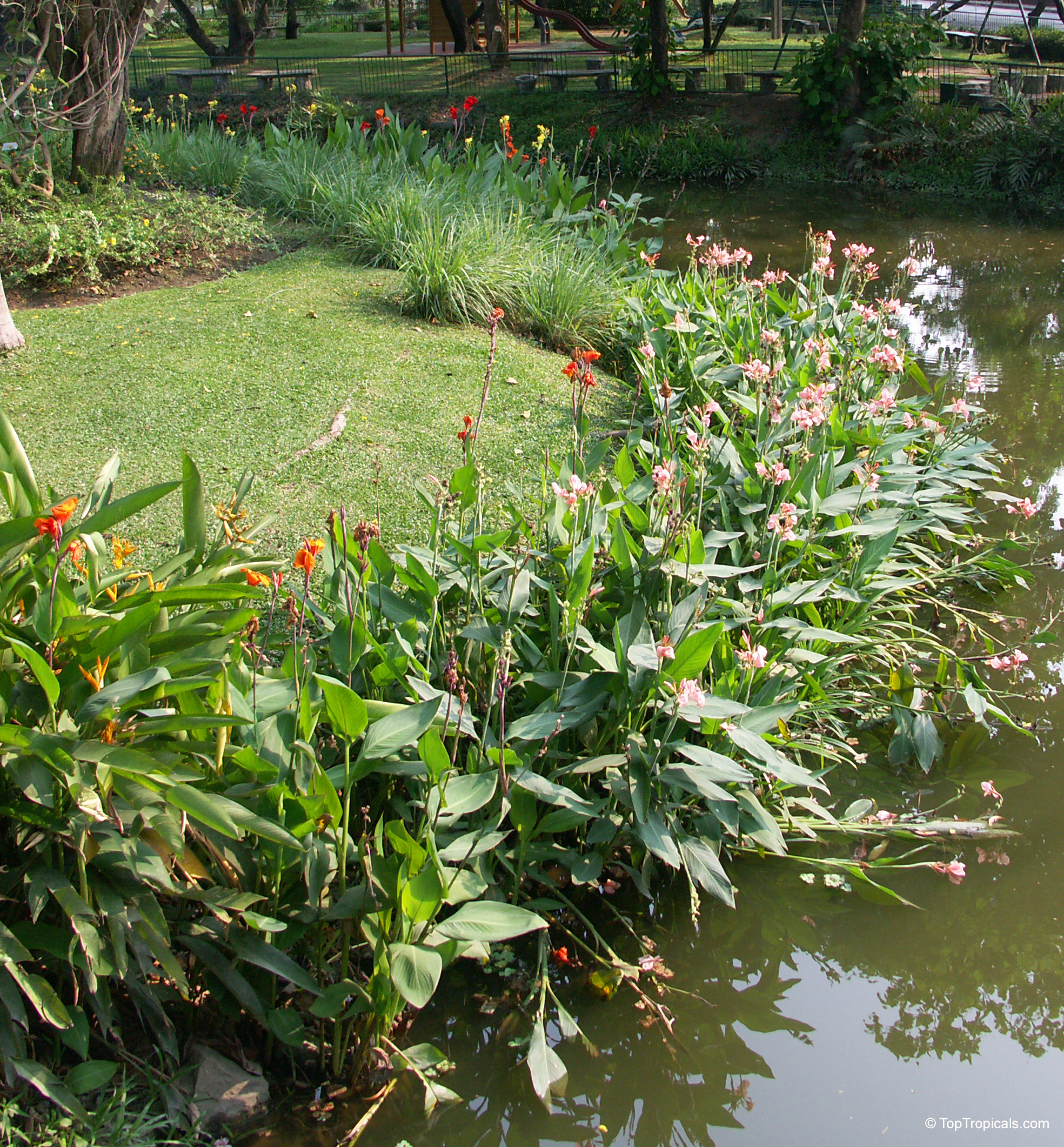
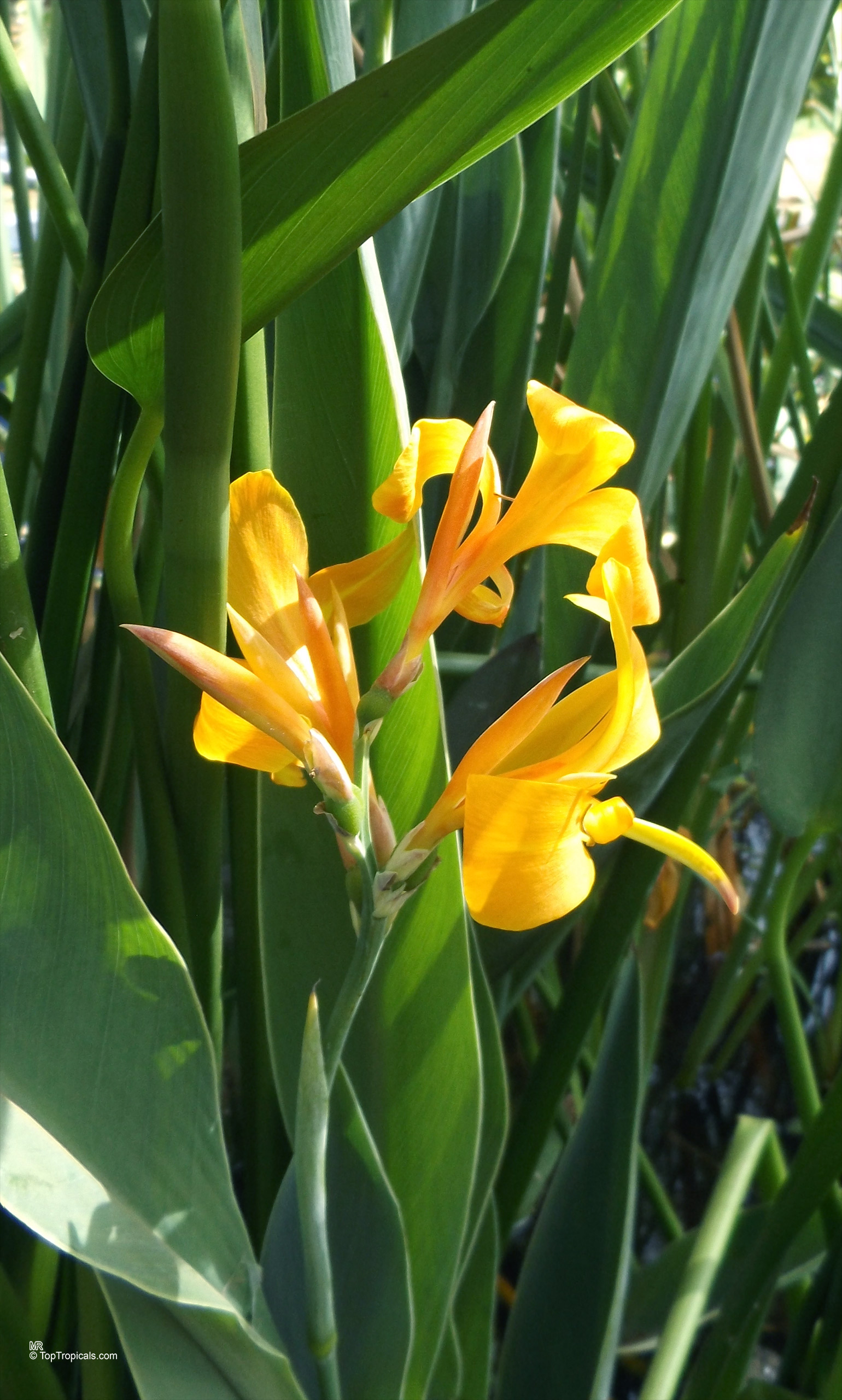
Canna glauca, commonly known as Water Canna, is a rhizomatous perennial in the Cannaceae family, native to wetlands from the southeastern United States and Mexico through Central America and parts of South America. It typically grows 3-6 ft (0.9-1.8 m) tall, with slender upright stems and distinctive narrow, blue-green to gray-green leaves. The flowers are relatively delicate compared with the large blooms of modern garden cannas and are usually yellow, sometimes with orange markings. Canna glauca is also important in horticulture as a parent of water-loving hybrids, especially the popular Longwood Hybrids, developed for growing in shallow water. Well-known cultivars in this group include 'Endeavor' with red flowers, 'Ra' with yellow flowers, 'Erebus' with soft pink flowers, and 'Taney' with orange flowers.
Water Canna grows best in full sun and consistently moist to wet, rich soil and can thrive at pond margins or in shallow standing water. It is also suitable for ordinary garden beds if supplied with abundant moisture during active growth. Plants spread by rhizomes and flower during the warm season. Canna glauca is generally suitable for USDA Zones 8-11; in colder climates, rhizomes can be lifted and stored frost-free over winter. Its narrow glaucous foliage and tolerance of aquatic conditions distinguish it from most commonly cultivated cannas.
Similar plants: Canna glauca (Aquatic Canna)