Bursera microphylla (Elephant Tree)
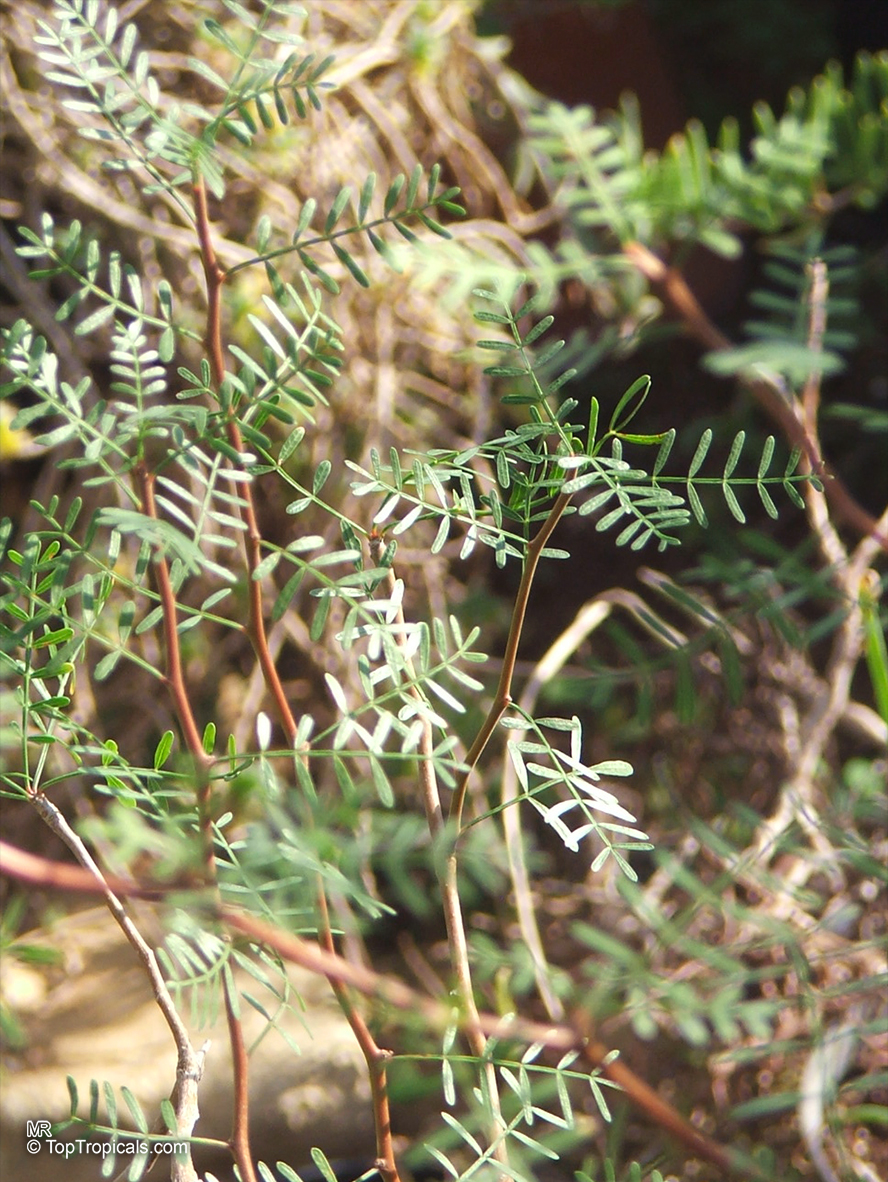
Botanical name: Bursera microphylla
Common names: Elephant Tree, Torote Colorado, Copal
Family: Burseraceae
Origin: Southern California, Mexico
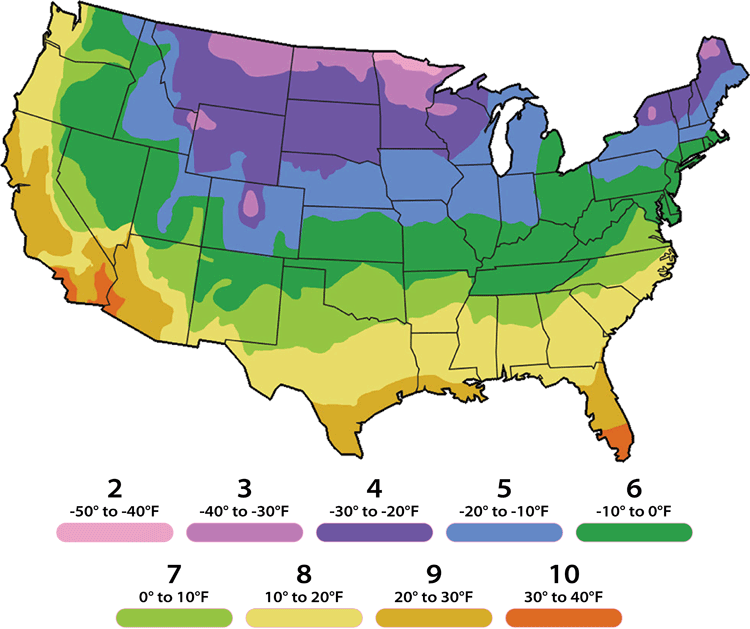
USDA Zone: 9-11


 Plant form: Small tree; plant with caudex; suitable for bonsai
 Mature height: 10-20 ft
 Sun exposure: Full sun or bright light indoor; semi-shade
 Cold tolerance: Frost sensitive. Protect from freezing.
 Watering: Moderate
 Suitable for: Outdoors in the suitable USDA zone; small gardens, containers, and indoor growing
 Foliage: Deciduous
 Fragrance: Fragrant; perfume plant
 Ethnomedical: Ethnomedical plant, traditionally used in folk or indigenous medicine
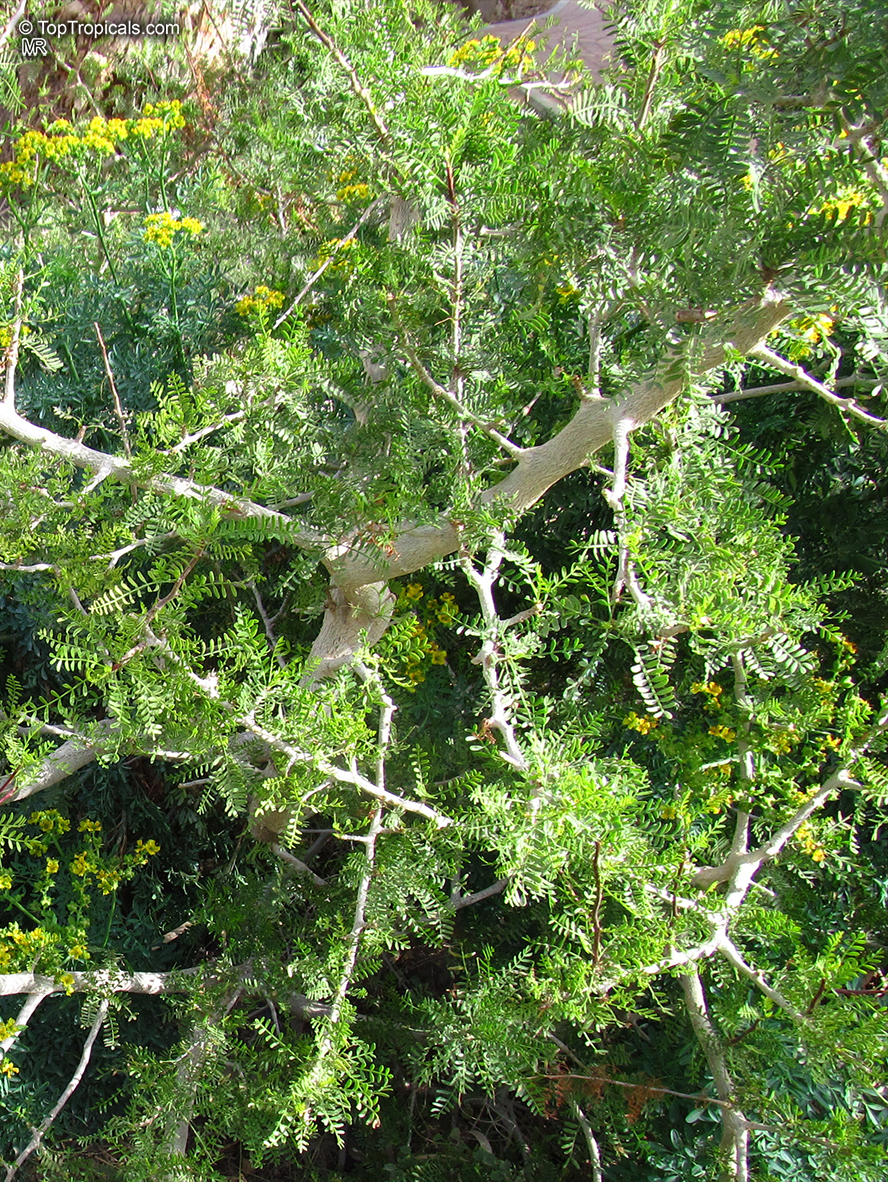
It can be used as a bonsai specimen and can be grown in USDA Zone 9-11. It makes an attractive, small tree that is 10-20 ft tall.
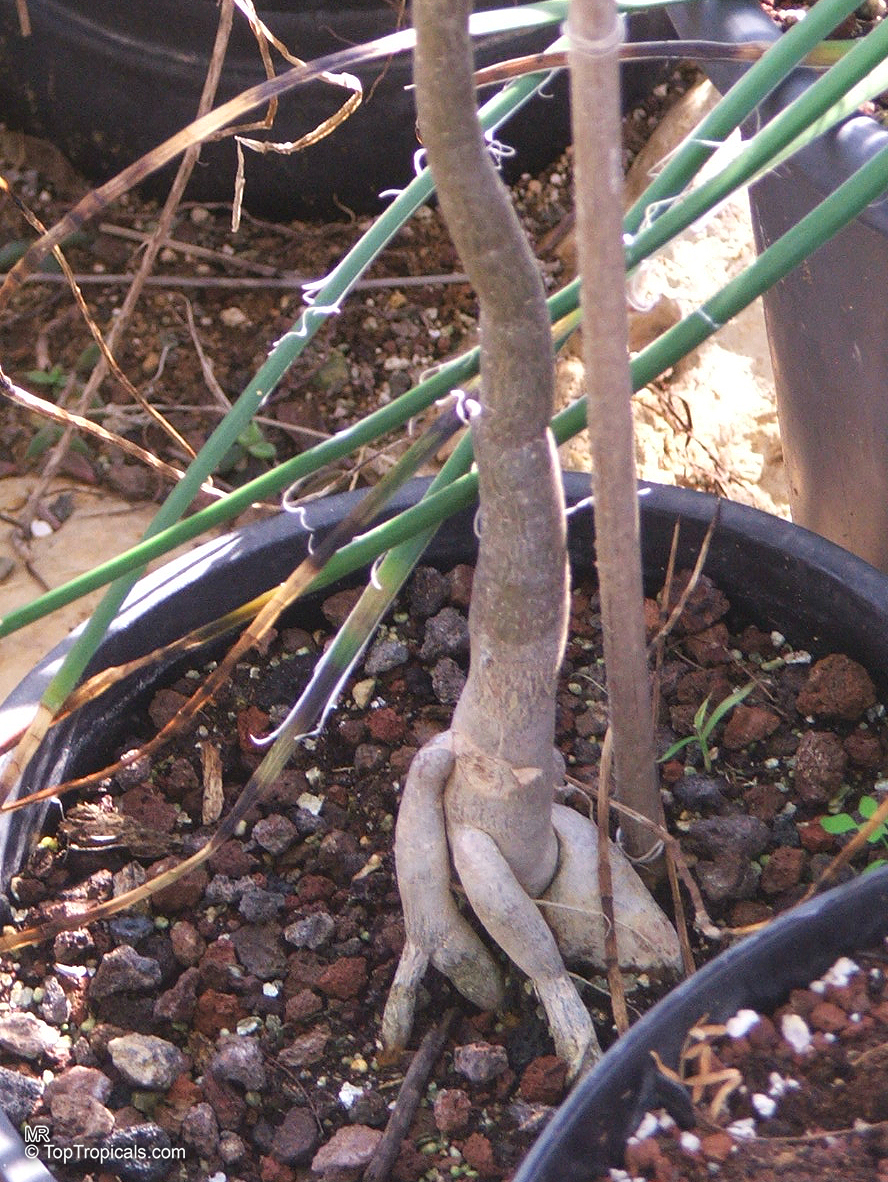
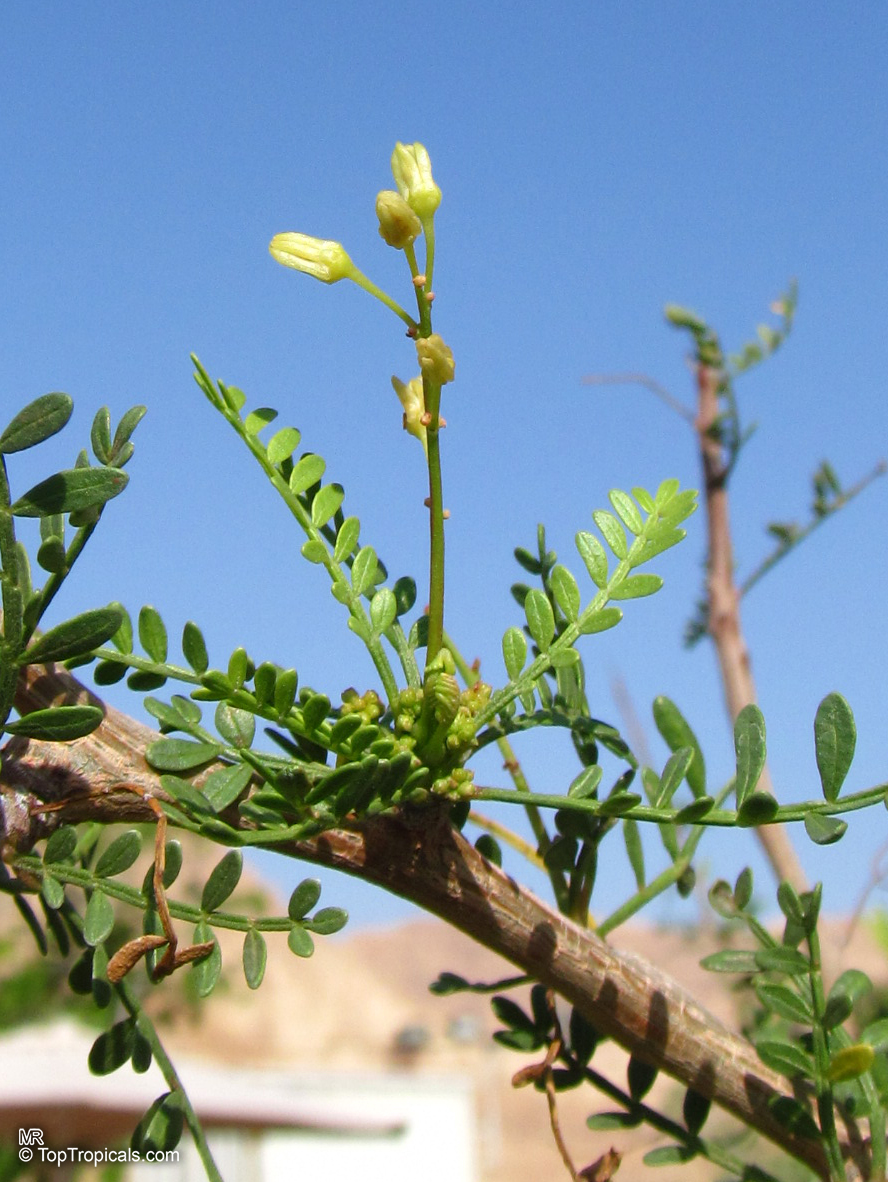
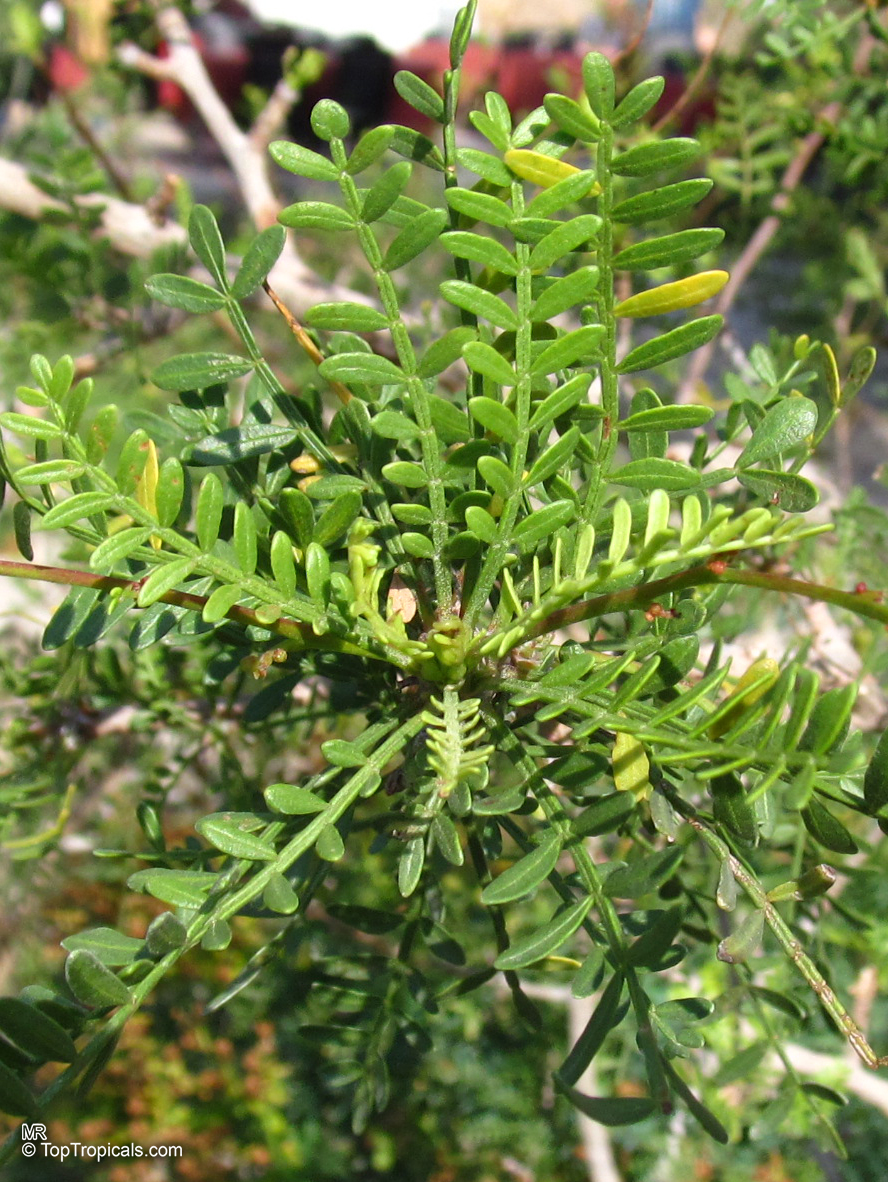
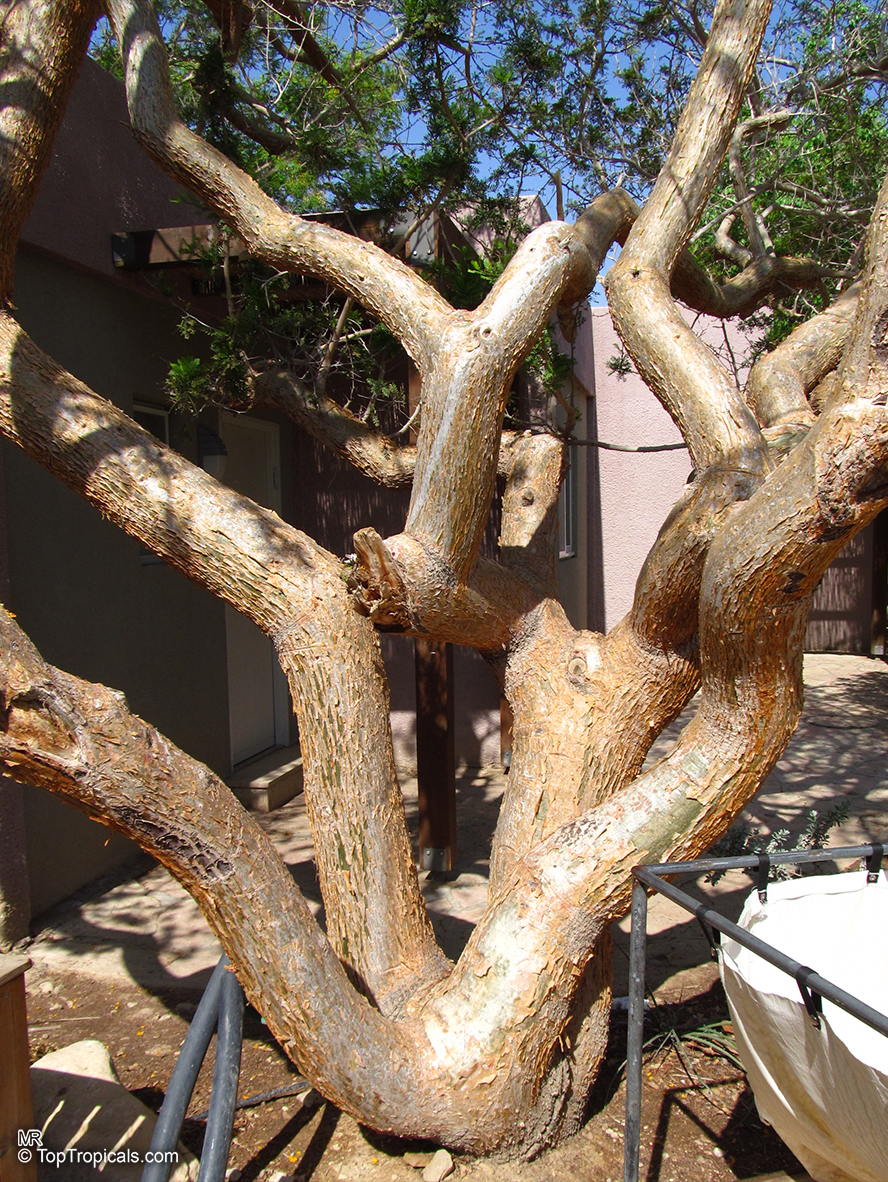
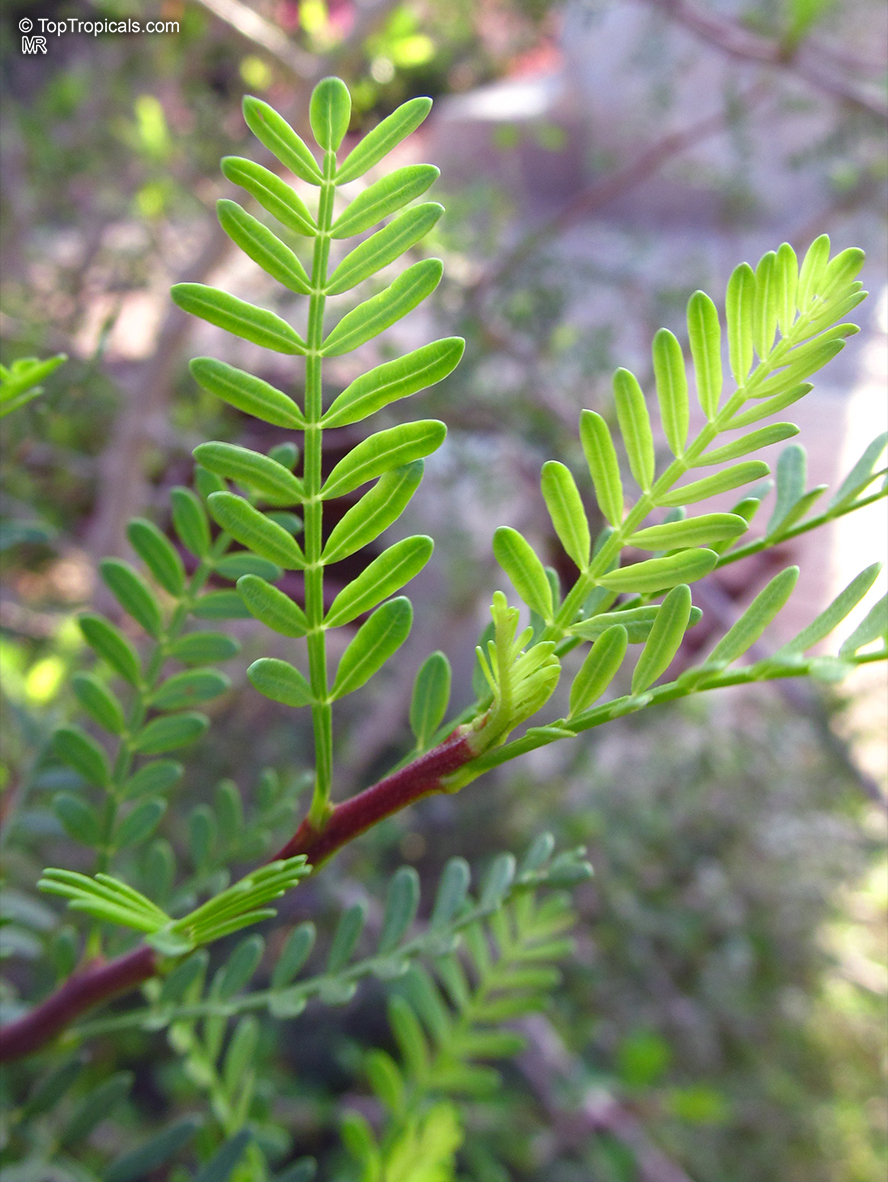
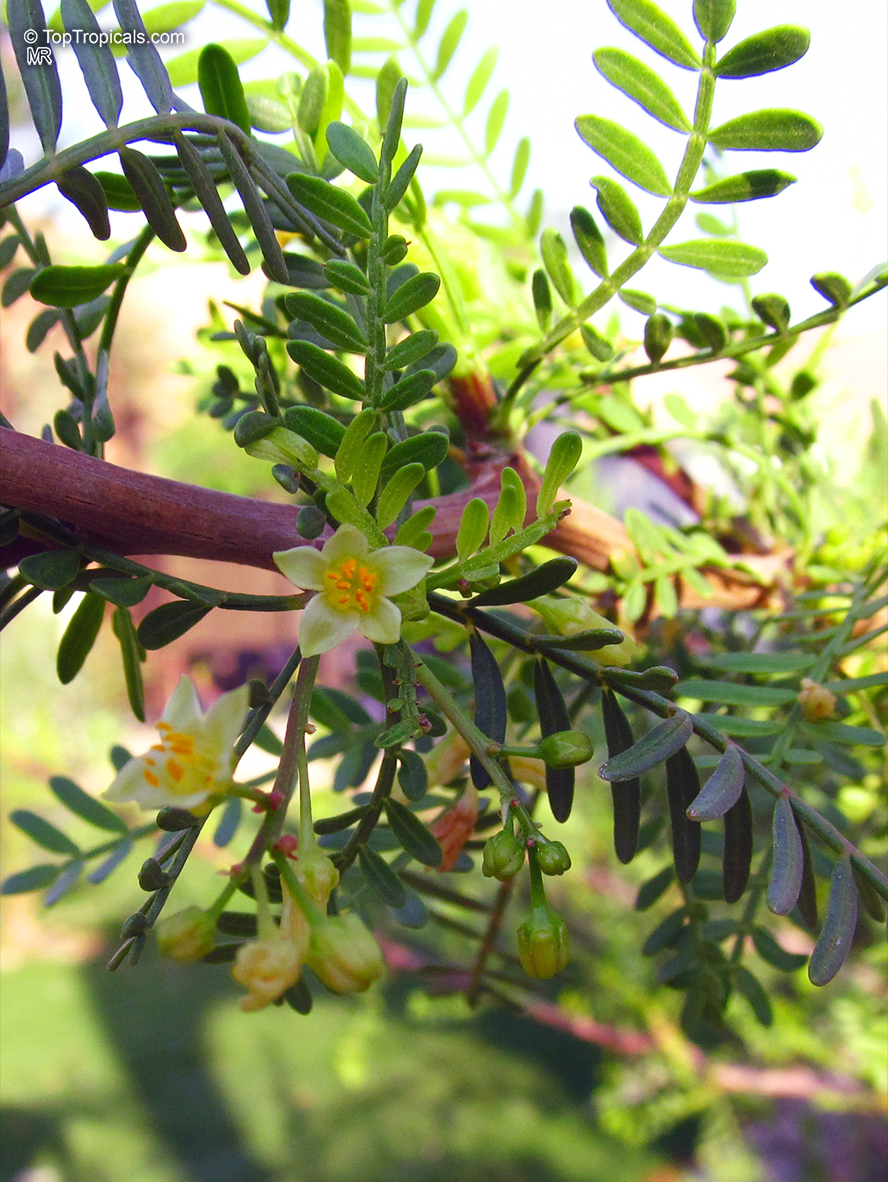
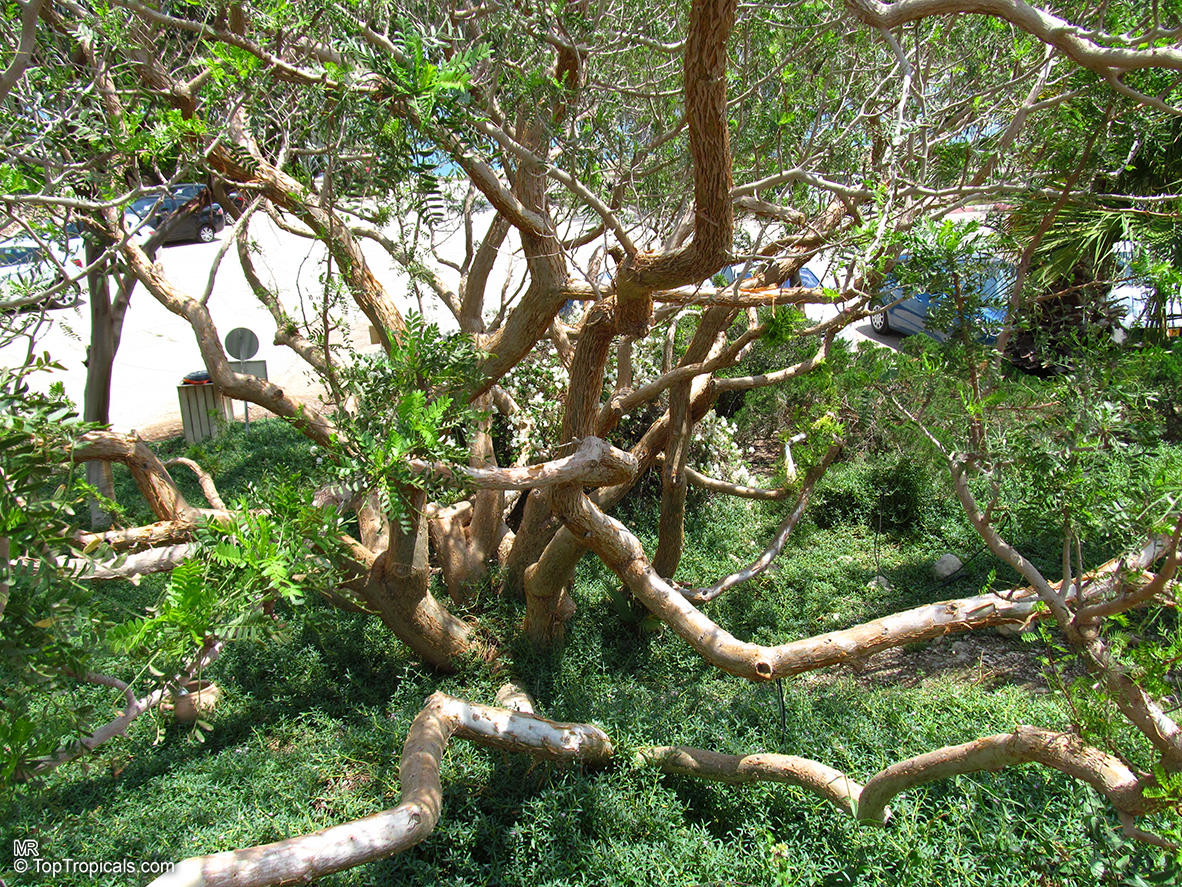
The Elephant Tree is a beautiful, deciduous plant that is native to Southern California and Mexico. Its distinct feature is its swollen, succulent caudex and a tall, twisting trunk that gives it the appearance of a miniature Elephant. Its pinnate leaves are fragrant and have a strong scent of camphor.
The Elephant Tree can thrive in full sun and semi-shade. It prefers moderate water. Despite its capacity to withstand droughts, it must not be kept constantly dry or moist for too long. The plant is especially useful for xeriscaping or for adding flavor to a garden. It is sure to be a standout in all types of landscapes.
It can be used as a bonsai specimen, as its propensity for drought resistance enables it to withstand harsh growing conditions. For bonsai enthusiasts, the Elephant Tree offers a truly unique addition to the garden.
The Elephant Tree is a popular ethnomedical plant with immense potential in healing and treating symptoms. Its roots and leaves are used as a source of medicinal compounds, such as Gum Burseran, a type of resin extracted from its bark.
Growing the Elephant Tree in a pot in cold regions is possible. However, the plant must be kept warm during the colder months. It should be placed in a sunny location to provide the light and heat it needs. The soil should be kept moist, and the plant should be fertilized every two months. To guarantee its survival, it is recommended to use a thick layer of mulch to protect the roots and to ensure they don't get too dry during winter. Moreover, potted specimens must be ensured that they don't experience great fluctuations in temperature.
Similar plants: Bursera microphylla (Elephant Tree)