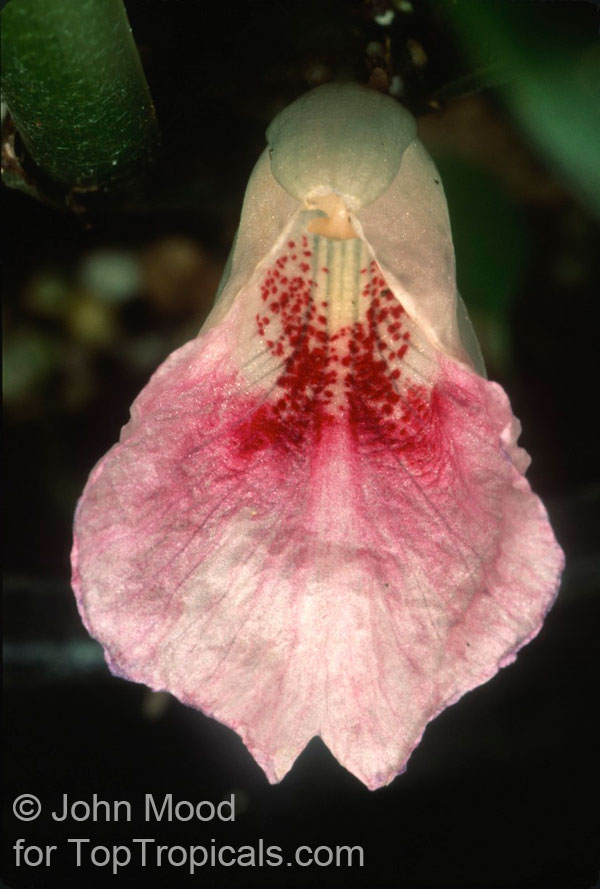
Boesenbergia rotunda (Chinese Keys)
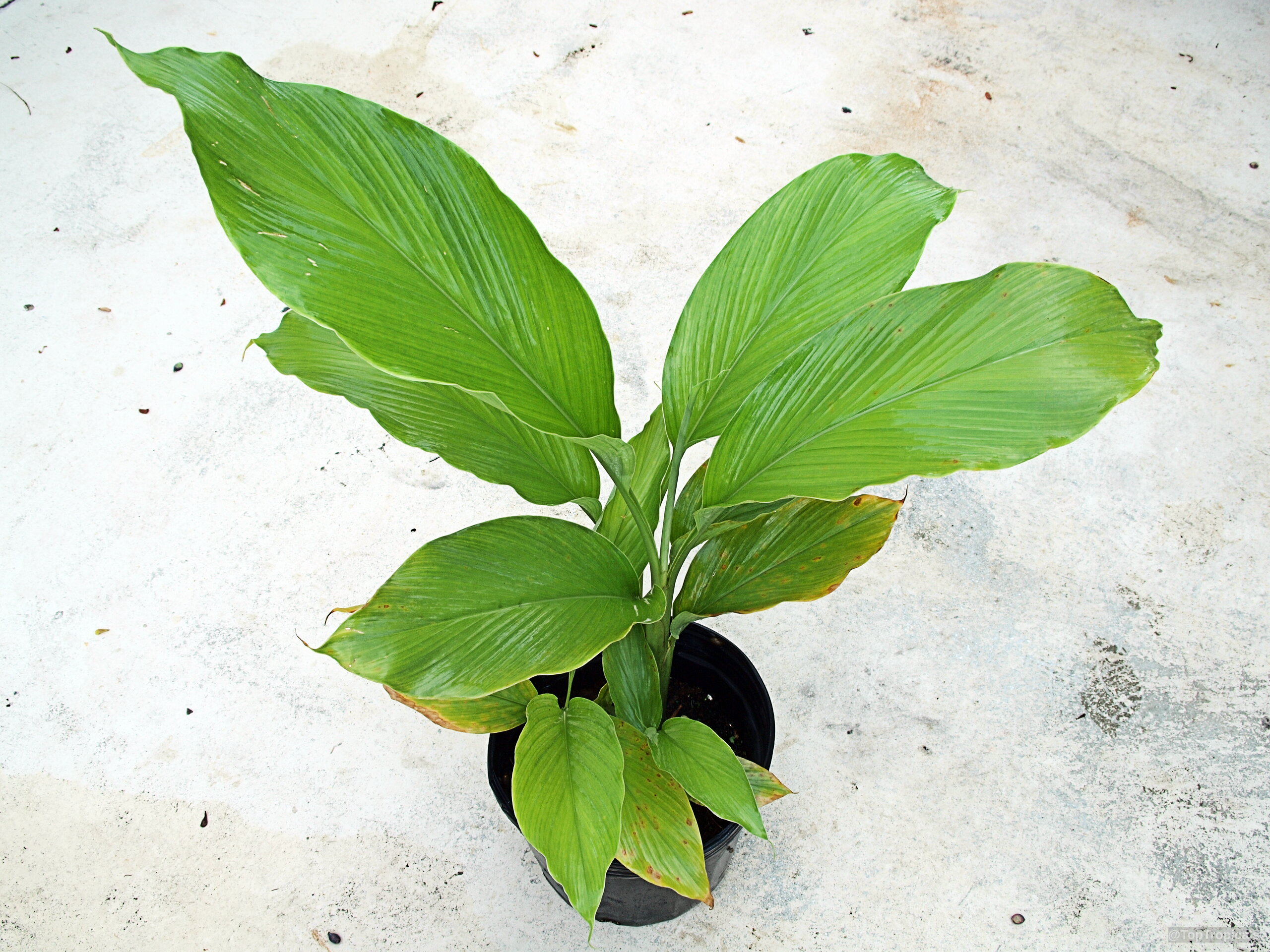
Botanical names: Boesenbergia rotunda, Curcuma rotunda
Common names: Chinese Keys, Fingerroot, Lesser Galangal, Chinese Ginger
Family: Zingiberaceae
Origin: Southeast Asia
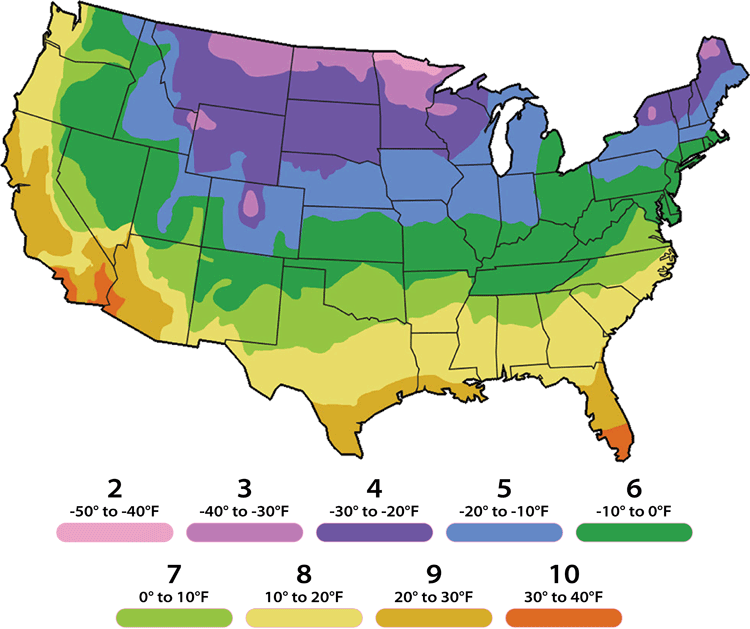
USDA Zone: 9-10
 Plant form: Small
 Mature height: 2-5 ft
 Sun exposure: Semi-shade
 Cold tolerance: Frost sensitive. Protect from freezing.
 Watering: Regular; moderate
 Flower color: Pink; white and off-white
 Suitable for: Outdoors in the suitable USDA zone; small gardens, containers, and indoor growing
 Ethnomedical: Ethnomedical plant, traditionally used in folk or indigenous medicine
Boesenbergia rotunda, or Chinese Keys, is a small shrub native to Southeast Asia and grows to a height of 2-5 feet. It has large, glossy leaves, and its pink to off-white flowers are tubular and aromatic, and appear in terminal inflorescences. It is often planted for ornamental purposes, and its rhizomes are typically used as a vegetable in main dishes, or eaten raw when young.
When grown in USDA Zone 9-11, the plant should be placed in semi-shade and be given regular, but moderate watering. It is also important to give Boesenbergia rotunda an adequate amount of nitrogen to ensure its continued vitality. In colder regions, it can be grown in a pot, and should be transferred indoors during the winter.
Boesenbergia rotunda bears interesting, edible fruits, and has an impressive ethnomedical history. The small, hard fruits are often used as a spice or herb, and have a slightly sweet and sour taste. In traditional medicine, the plant is touted for its medicinal uses, and believed to have antispasmodic, anti-inflammatory and analgesic properties. Eating the fruit can also directly benefit health, as it is said to improve circulation, ease stomach pain, and relieve menstrual cramps. In addition, it is thought to help improve digestion and reduce inflammation. One mature plant can produce up to sixty fruits per season.
Similar plants: Boesenbergia rotunda (Chinese Keys)
- Boesenbergia collinsii (Boesenbergia)
- Boesenbergia sp. (Chinese Ginger)
- Curcuma alismatifolia (Siam Tulip)
- Curcuma australasica (NativeTurmeric)
- Curcuma longa (Spice Turmeric)
- Curcuma roscoeana (jewel of Burma)
- Curcuma sp. (Turmeric)
- Curcuma sp. ''Katie'' (Curcuma Katie)
- Curcuma sp. ''Garnet'' (Garnet Ginger)
- Curcuma sp. ''Strawberry Sundae'' (Strawberry Sundae Curcuma )