Curcuma sp. (Turmeric)
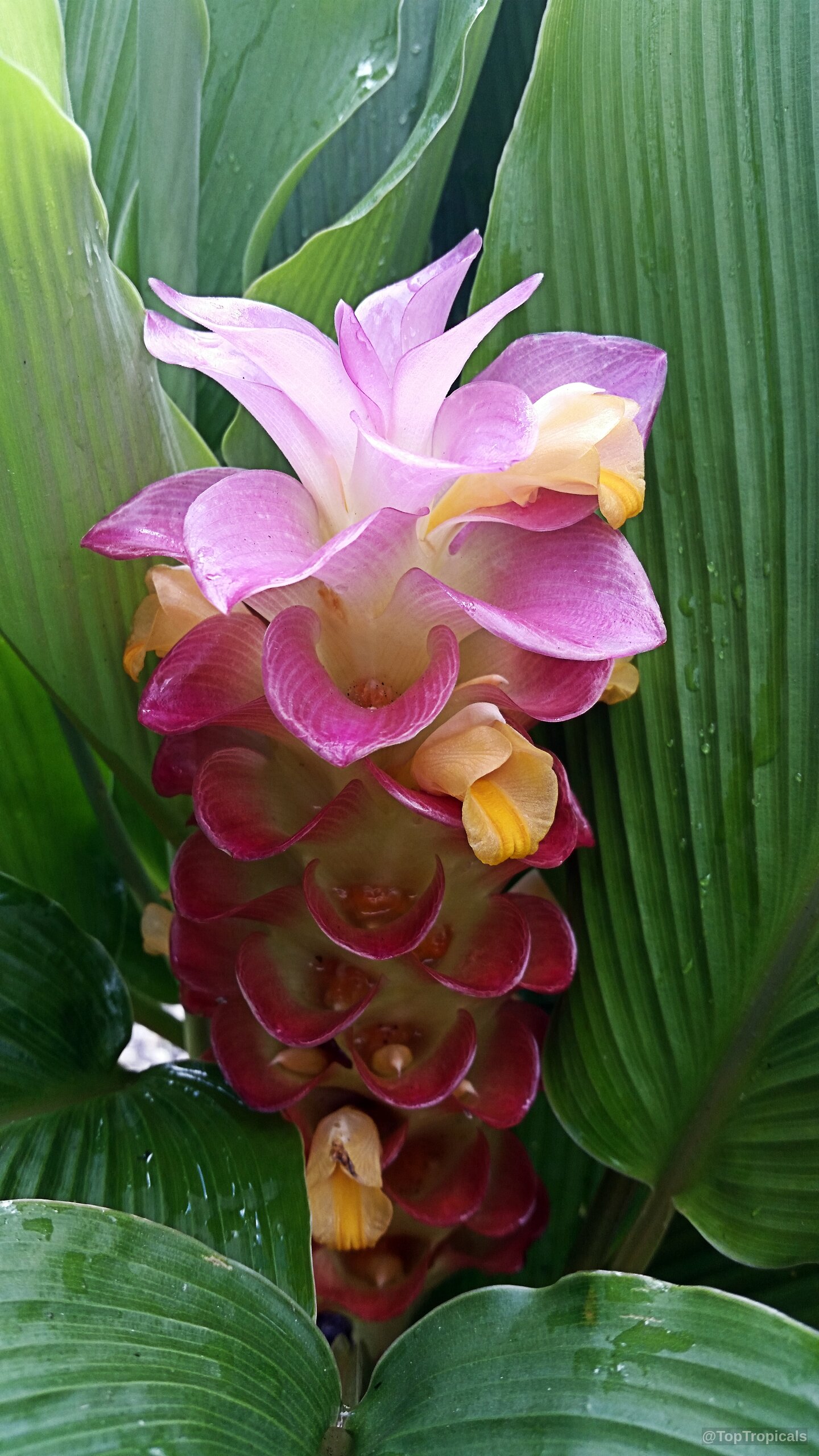
Botanical name: Curcuma sp.
Common names: Turmeric, Siam Tulip
Family: Zingiberaceae
Origin: Southeast Asia, Thailand
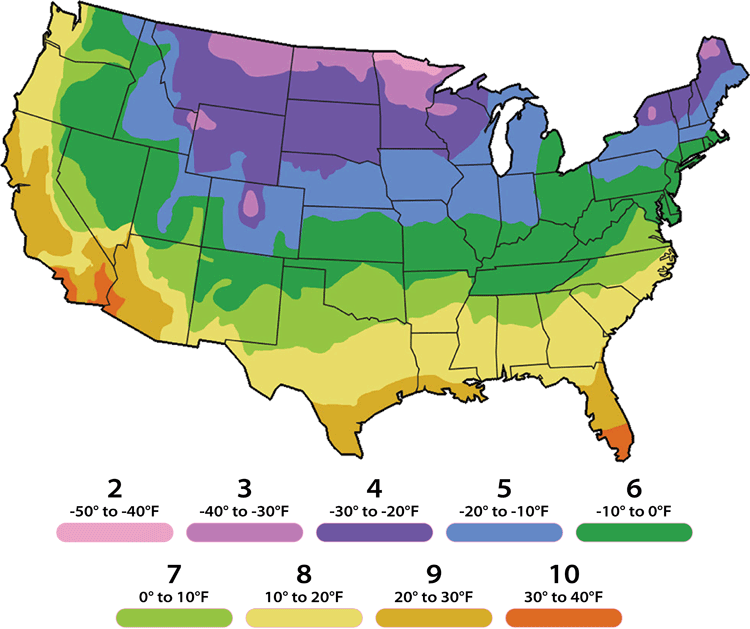
USDA Zone: 8-11
 Plant form: Small
 Mature height: 2-5 ft
 Sun exposure: Semi-shade; shade
 Cold tolerance: Tolerates light freezing to about 30°F for short periods (mature plants). Young plants must be protected.
 Watering: Regular; keep soil moist


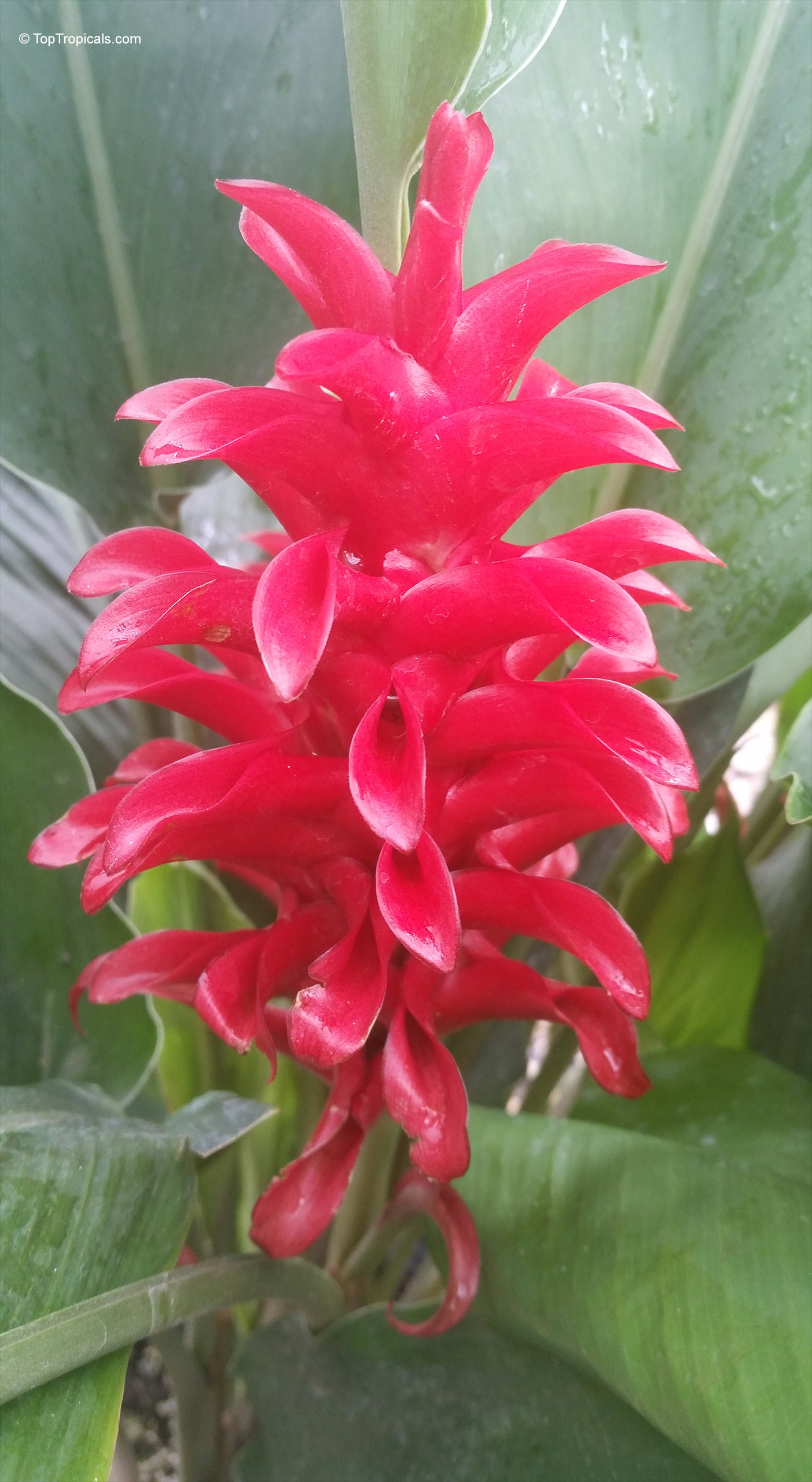
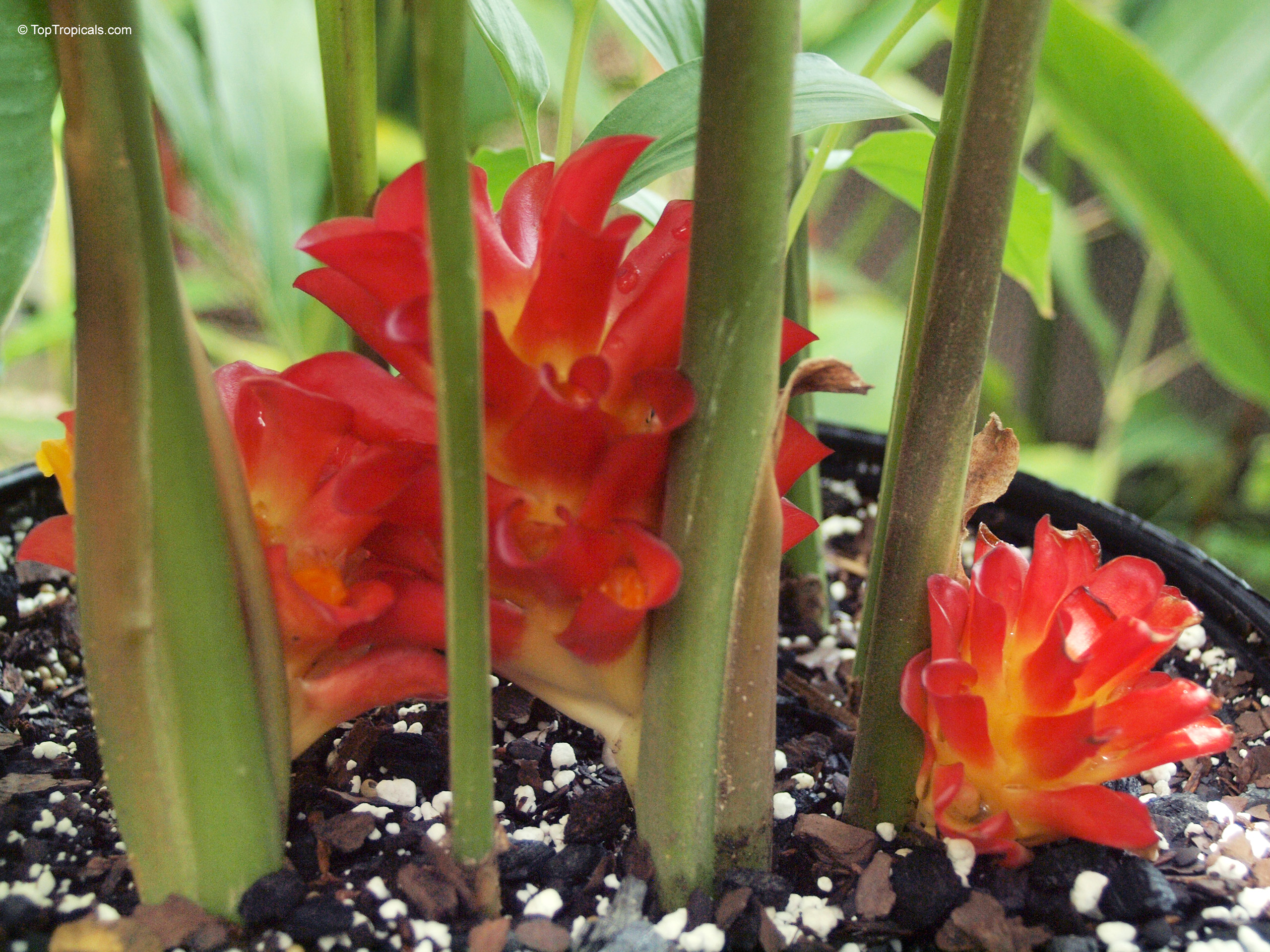
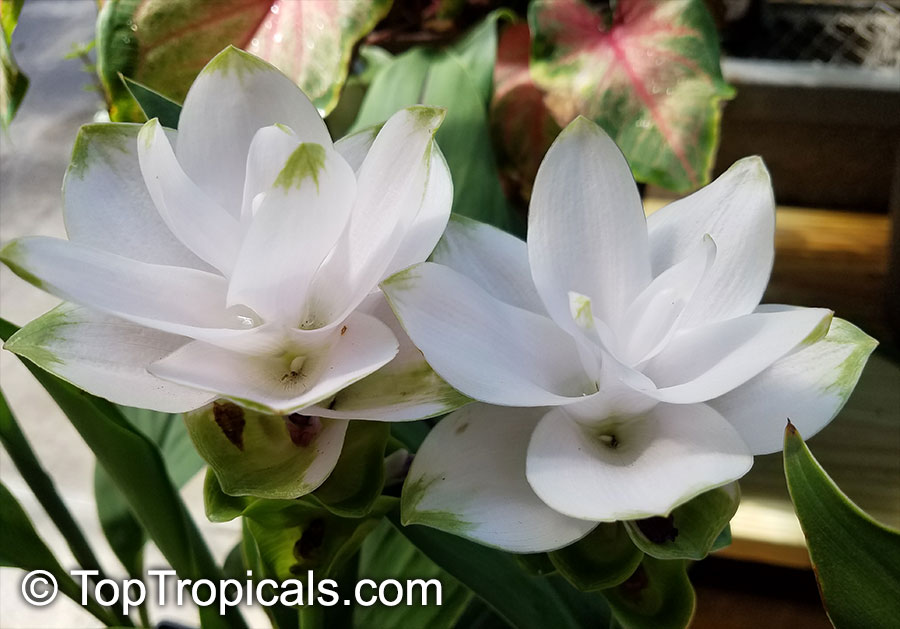
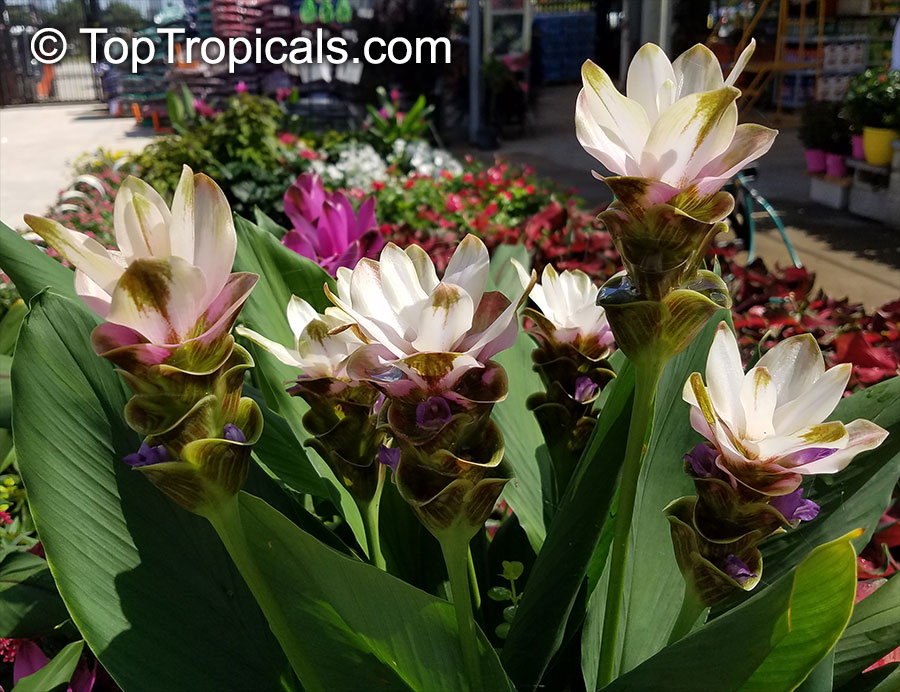
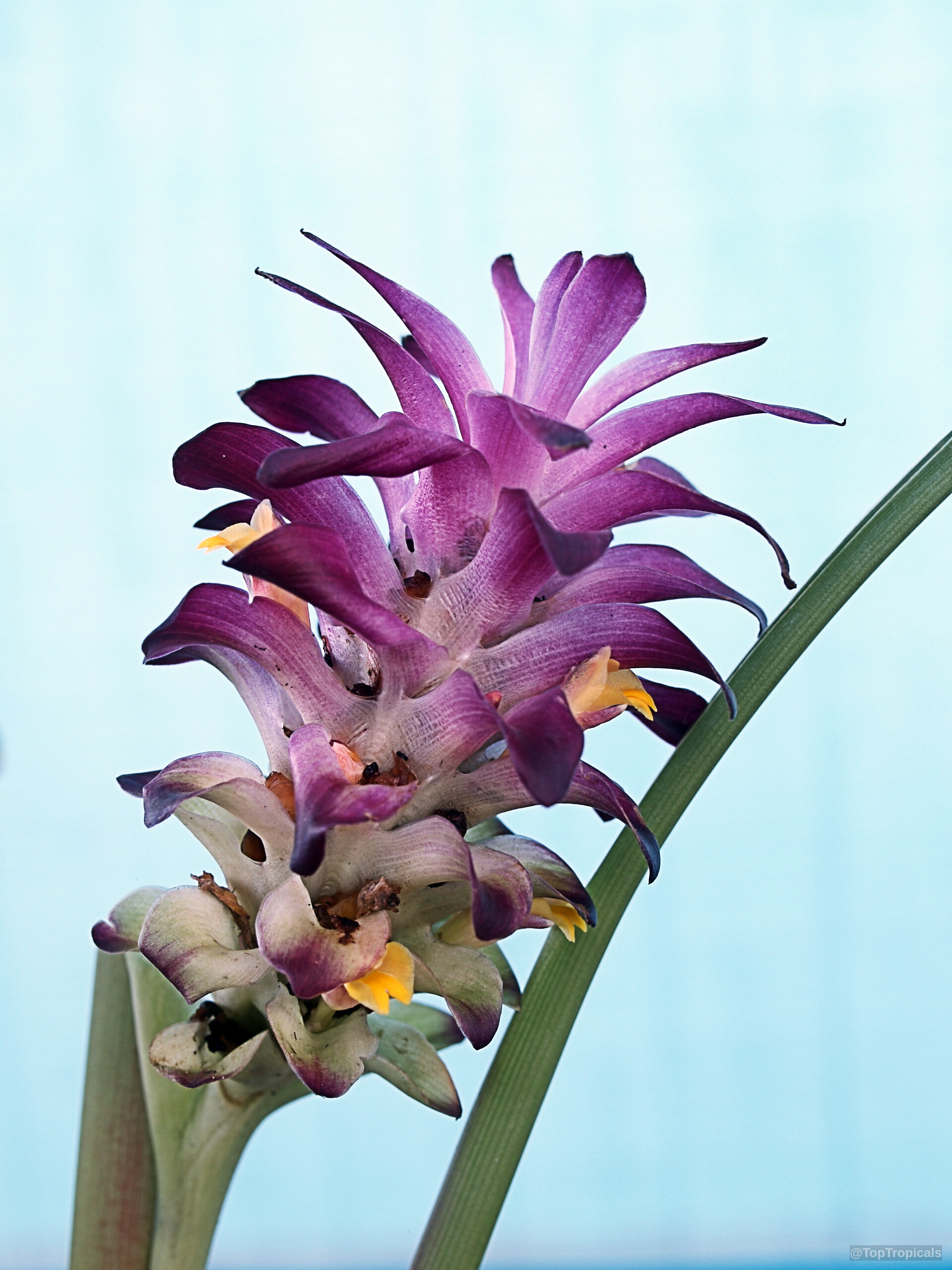
 Flower color: Pink; blue, lavender, purple; red, crimson, vinous; yellow, orange
 Suitable for: Outdoors in the suitable USDA zone; small gardens, containers, and indoor growing
 Foliage: Deciduous
 Ethnomedical: Ethnomedical plant, traditionally used in folk or indigenous medicine
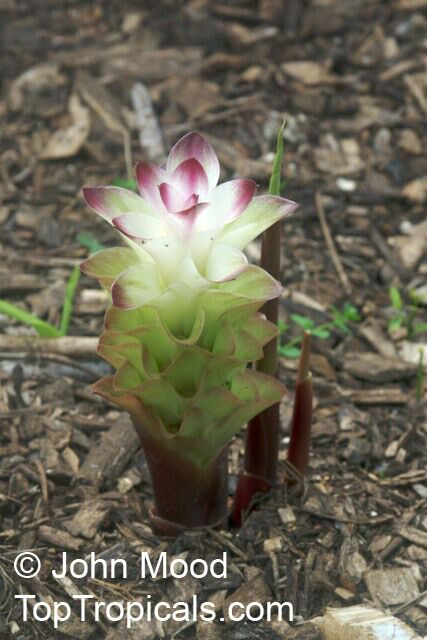
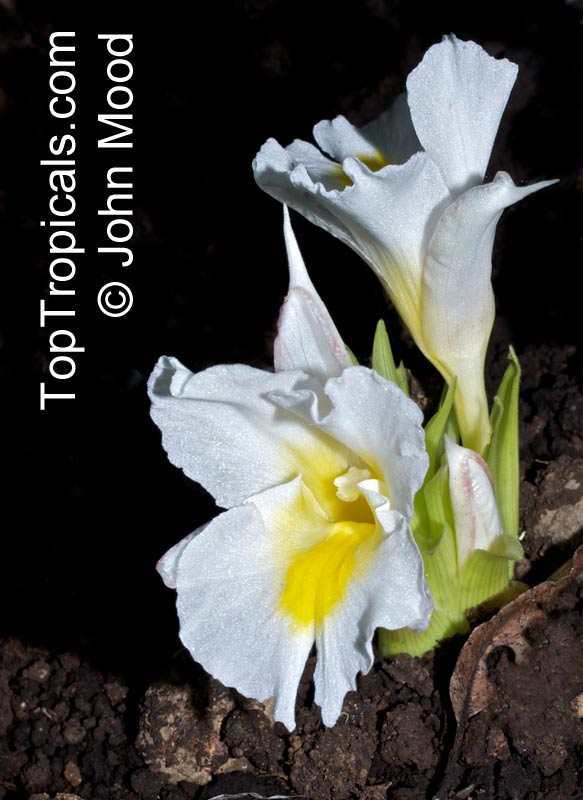
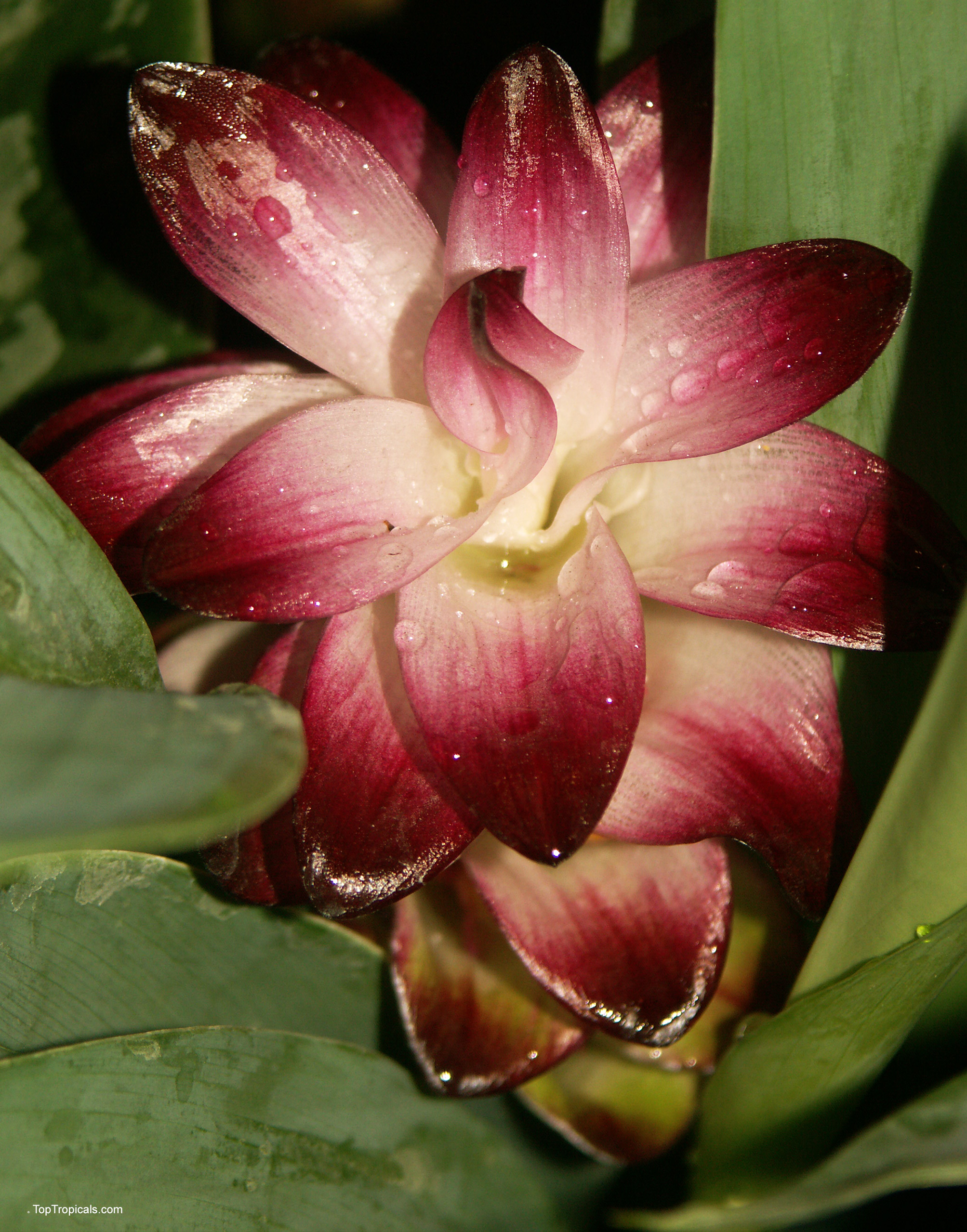
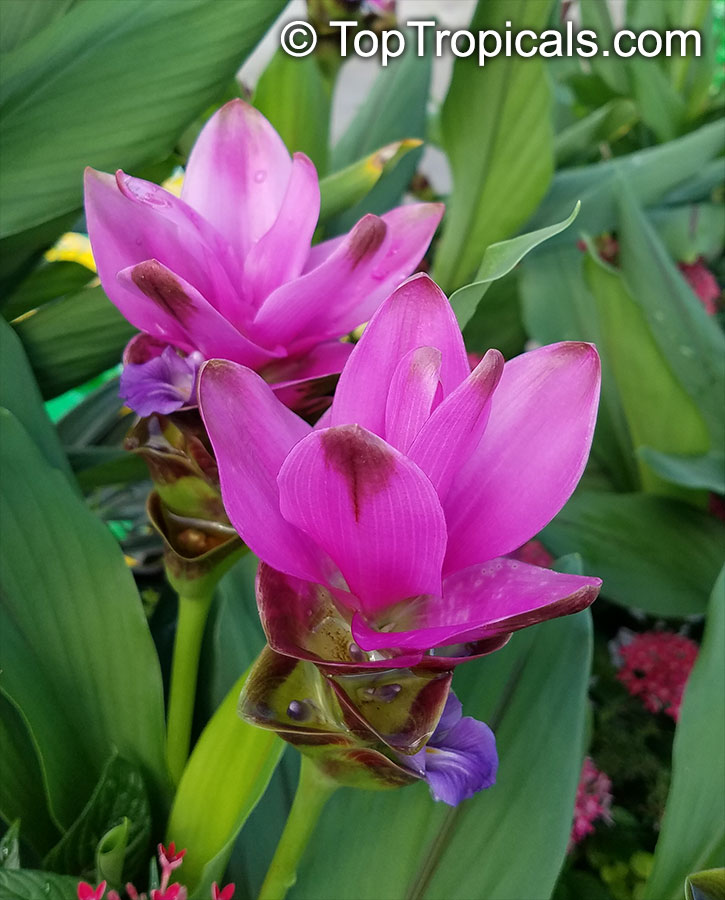
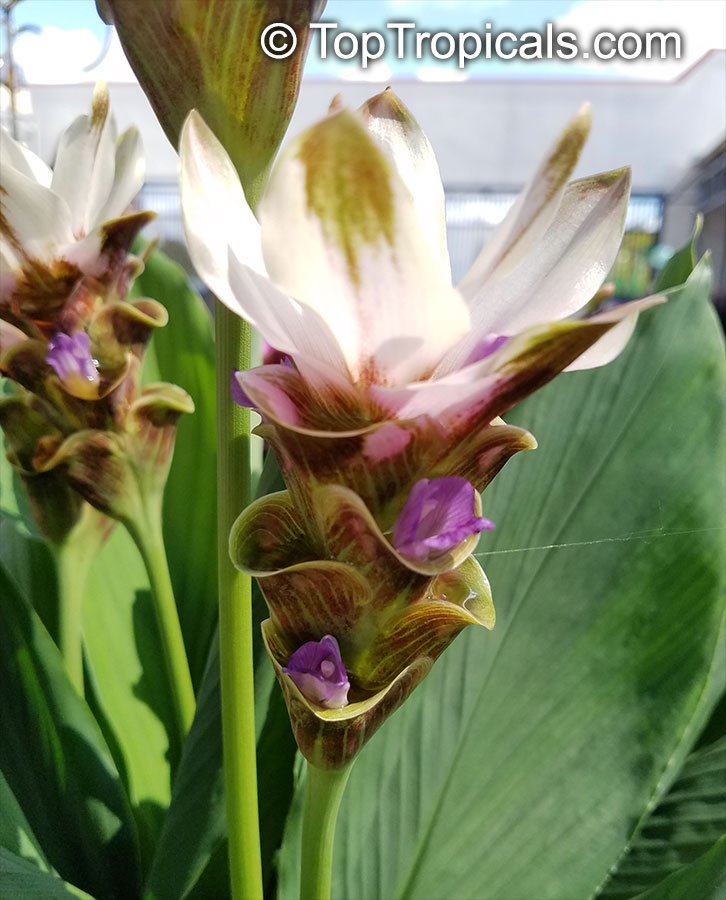
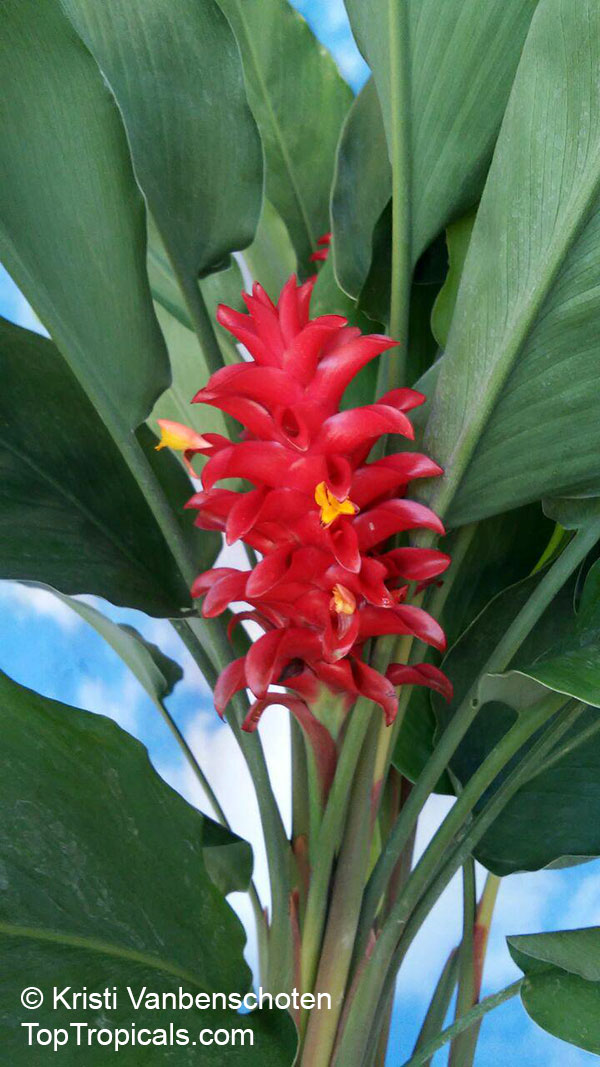
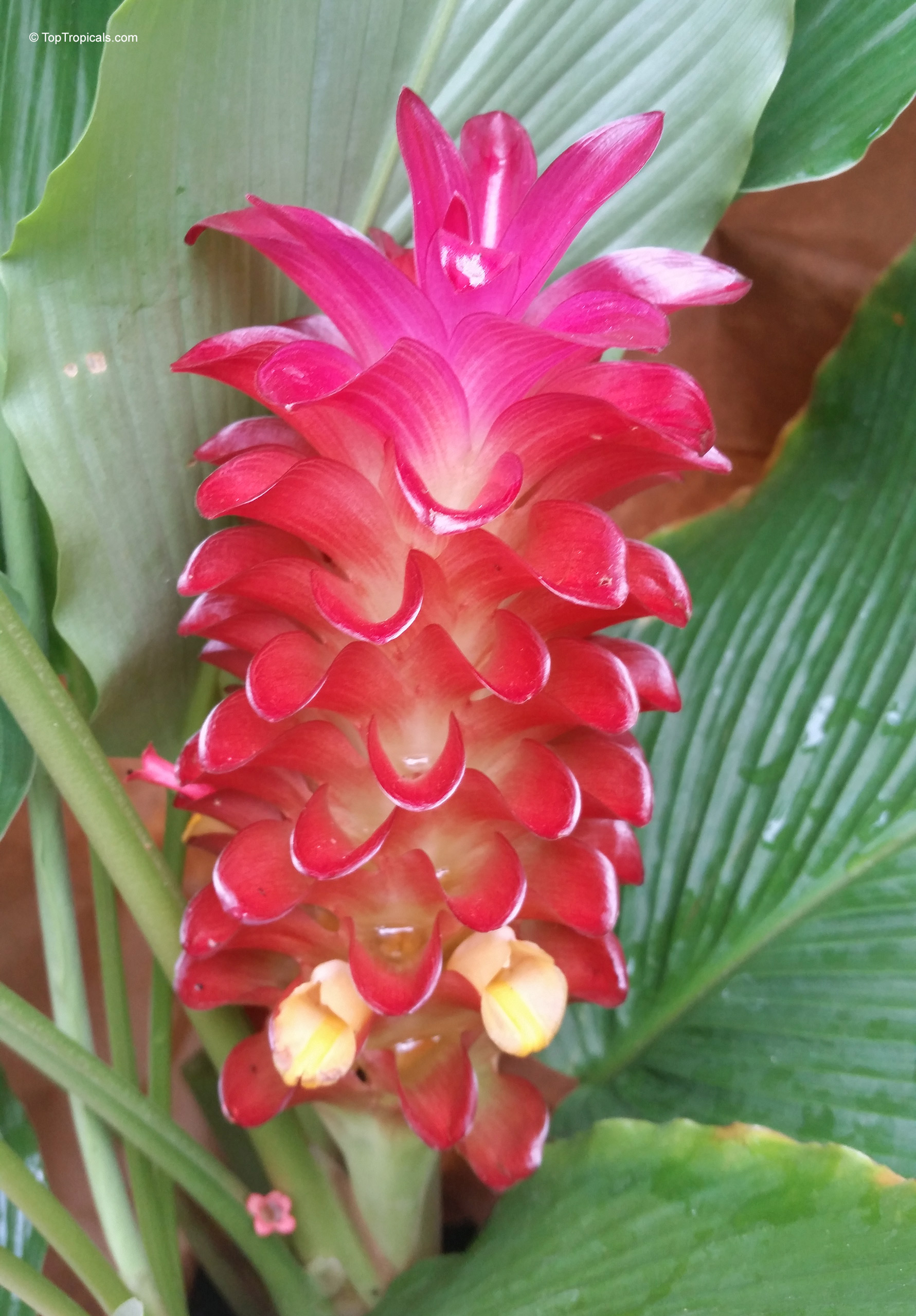
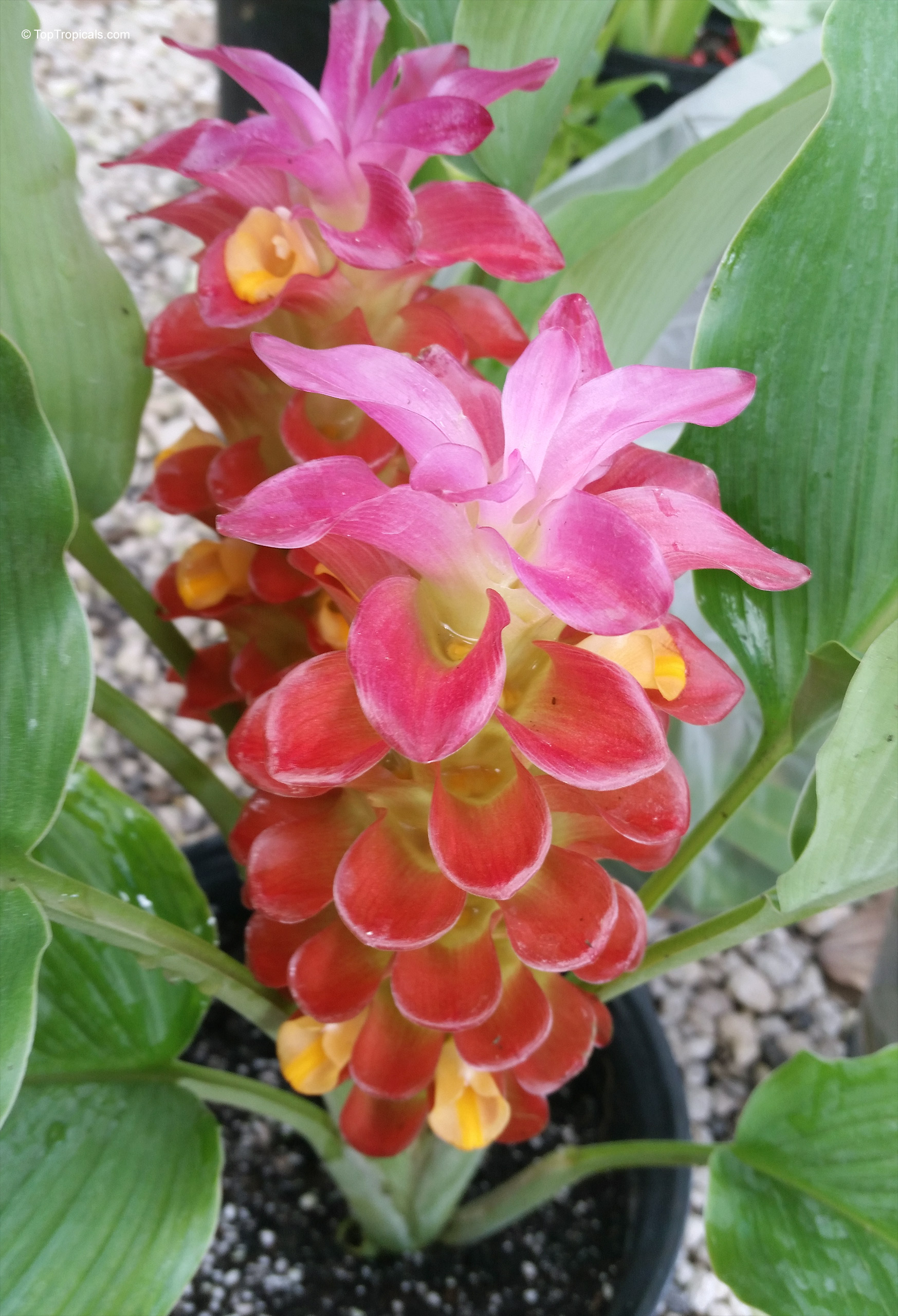
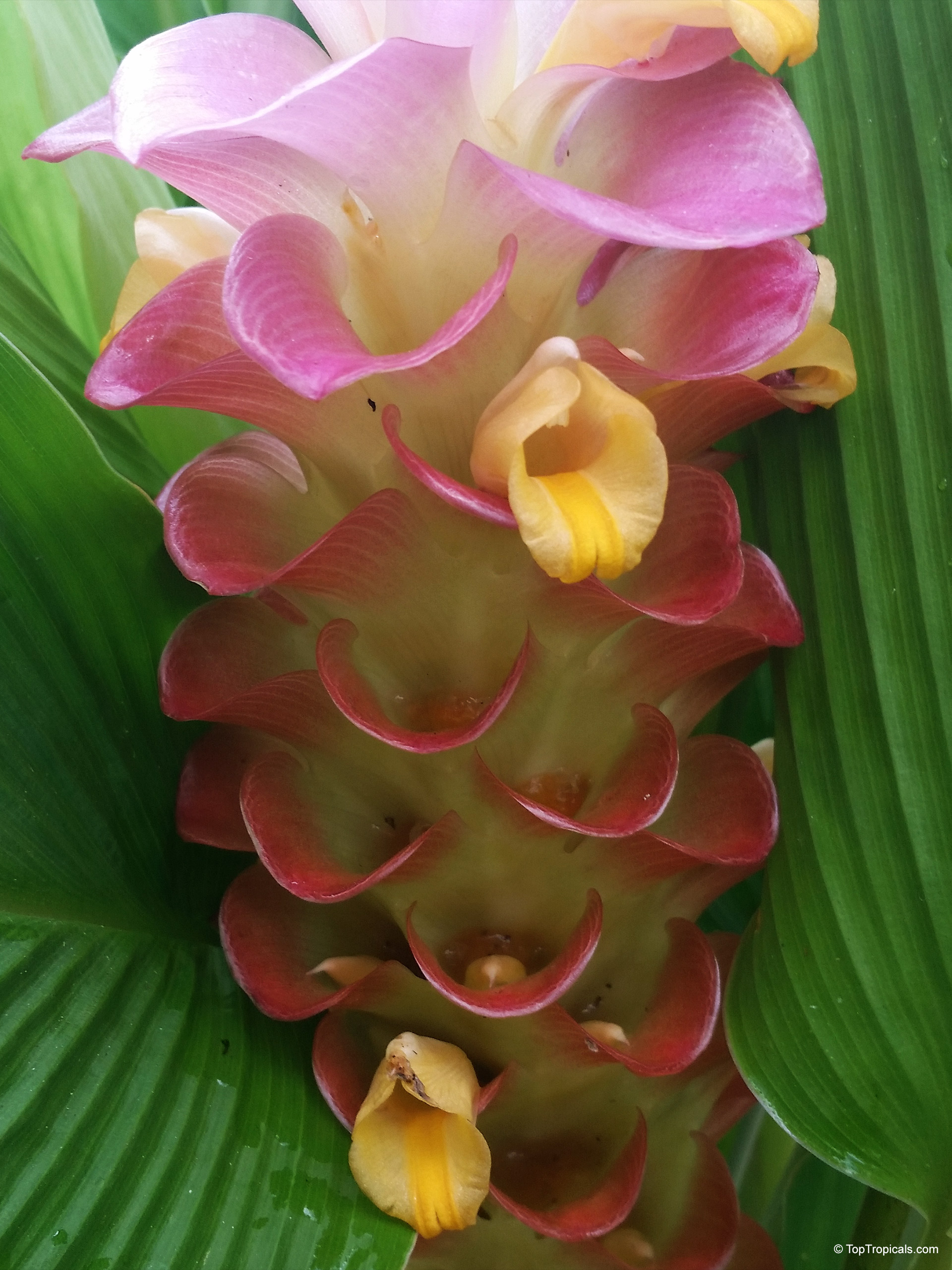
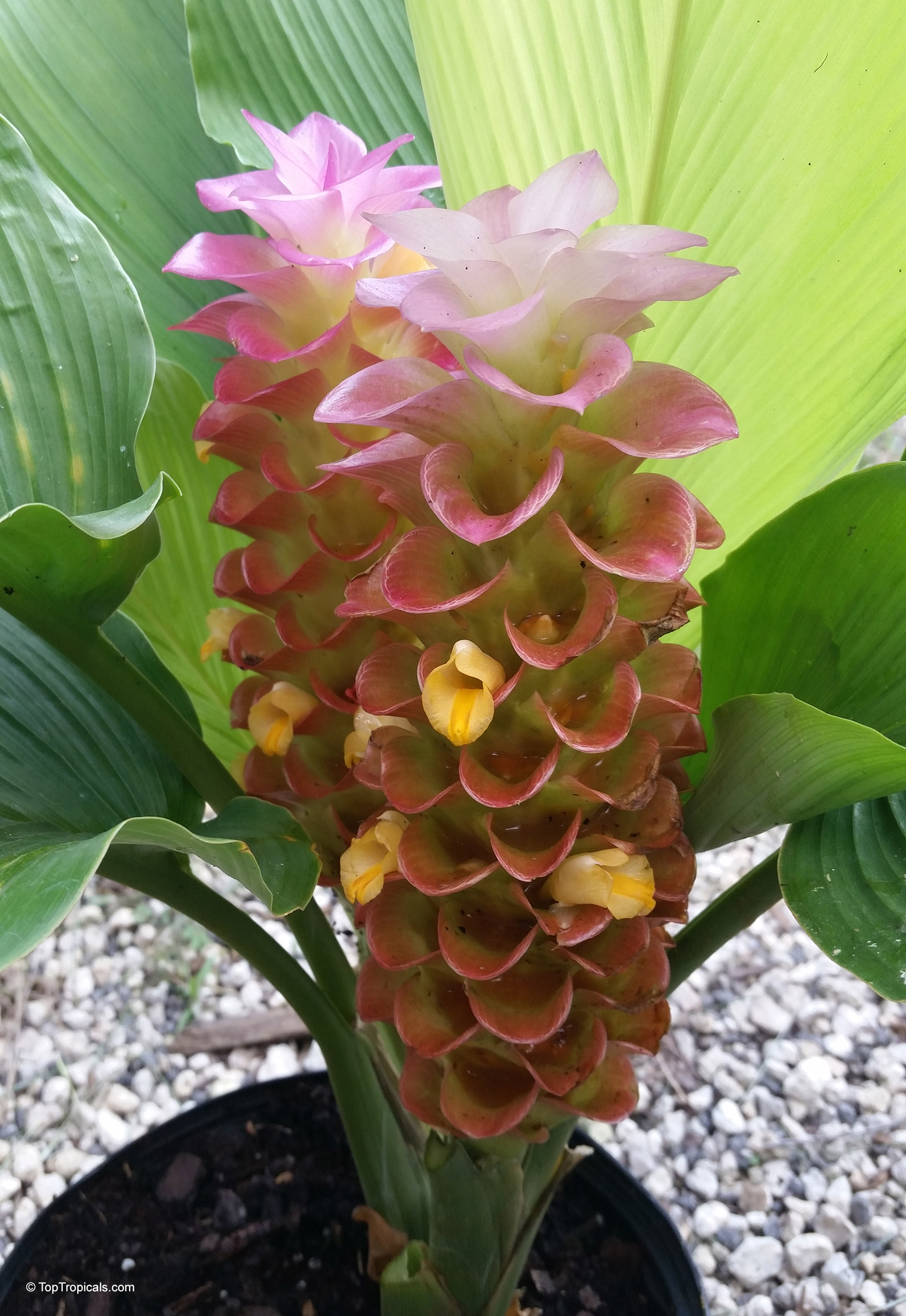
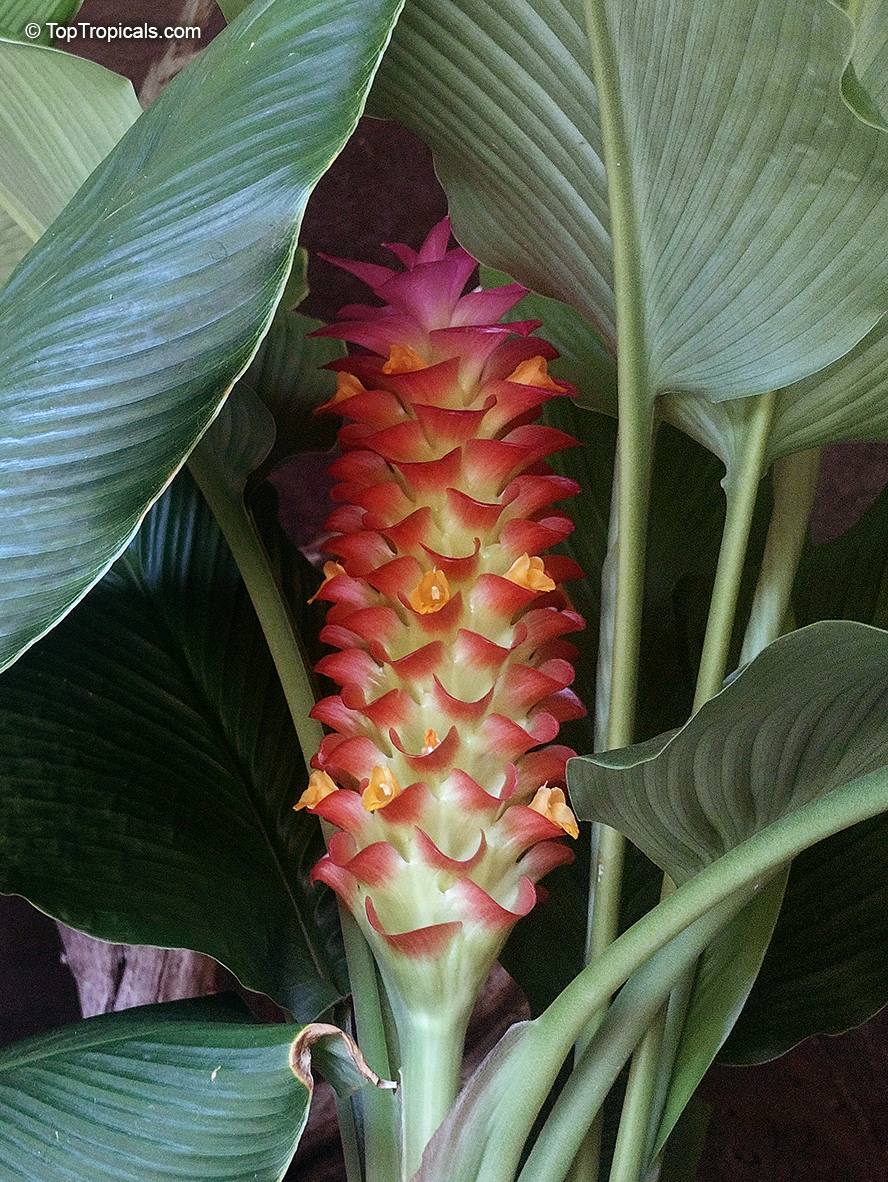
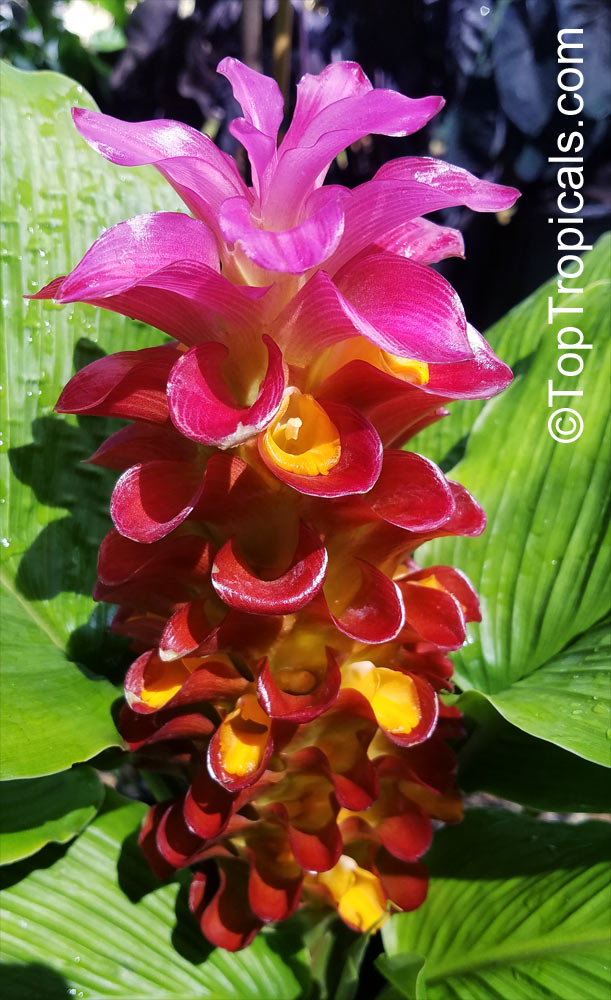
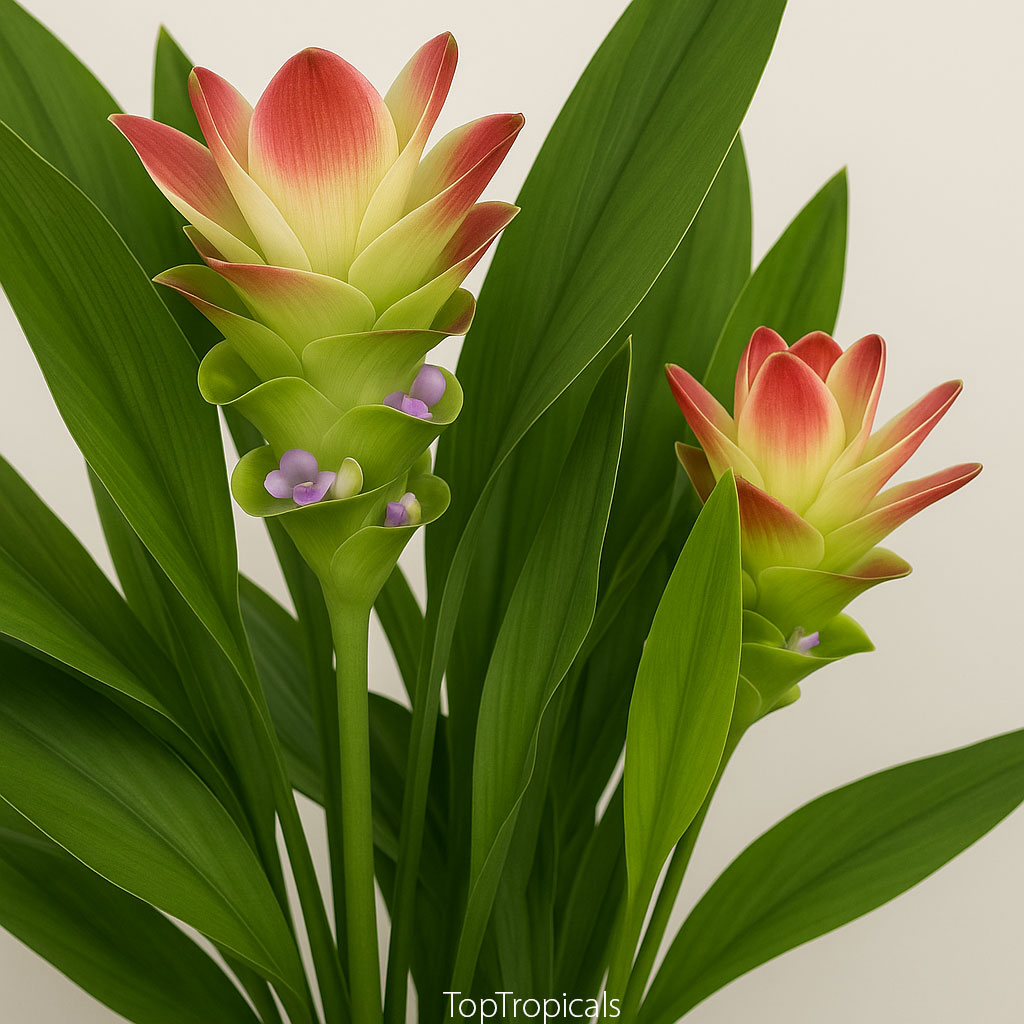
Curcuma is a genus of rhizomatous herbaceous perennials in the Zingiberaceae family, comprising more than 100 species native to tropical and subtropical Asia, with some species extending to northern Australia and the western Pacific. Plants arise seasonally from underground rhizomes and typically form clumps 1-5 feet (30 cm-1.5 m) tall, with broad, often prominently pleated leaves. Many ornamental species and cultivars produce striking inflorescences composed of overlapping bracts in shades of white, pink, purple, red, orange, yellow, or green, with the smaller true flowers emerging between them. Some ornamental Curcumas, particularly selections derived from Curcuma alismatifolia and related species, are commonly known as Siam Tulips and are valued as both garden and cut flowers.
Curcumas grow best in warm conditions, bright filtered light to partial shade, and fertile, well-drained soil with regular moisture during active growth. Most undergo a pronounced seasonal dormancy, when the foliage dies back and watering should be greatly reduced until new shoots emerge. Cold tolerance varies among species, but many ornamental Curcumas are suited to USDA Zones 8-11 with winter protection toward the colder end of the range; elsewhere the rhizomes can be overwintered indoors. Several members of the genus are important food, spice, or medicinal plants, most notably Curcuma longa, whose dried rhizomes are the source of turmeric, but these uses should not be assumed for ornamental species or cultivars. The genus offers a particularly diverse range of foliage, colorful long-lasting bracts, and growth forms for tropical gardens, containers, and cut-flower production.
Cultivars: Curcuma sp. (Turmeric)
- Curcuma sp. ''Garnet'' (Garnet Ginger)
- Curcuma sp. ''Katie'' (Curcuma Katie)
- Curcuma sp. ''Strawberry Sundae'' (Strawberry Sundae Curcuma )
Similar plants: Curcuma sp. (Turmeric)

Recommended Fertilizer: SUNSHINE Robusta - Rapid Growth Booster
Last one
Recommended Fertilizer: SUNSHINE Robusta - Rapid Growth Booster