Deuterocohnia sp. (Abromeitiella)
Botanical names: Deuterocohnia sp., Abromeitiella sp.
Common name: Abromeitiella
Family: Bromeliaceae
Subfamily: Pitcairnioideae
Origin: Argentina, Bolivia, Brazil
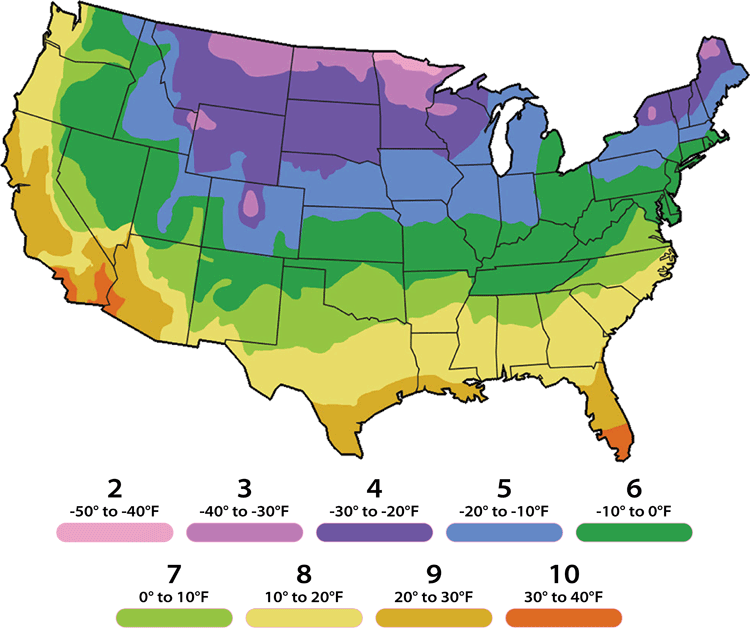
USDA Zone: 9-11
Cold tolerance: 25°F
 Plant form: Small
 Mature height: 2-5 ft
 Sun exposure: Full sun or bright light indoor
 Cold tolerance: Frost sensitive. Protect from freezing.
 Watering: Moderate
 Suitable for: Outdoors in the suitable USDA zone; small gardens, containers, and indoor growing
 Foliage color: Ornamental foliage
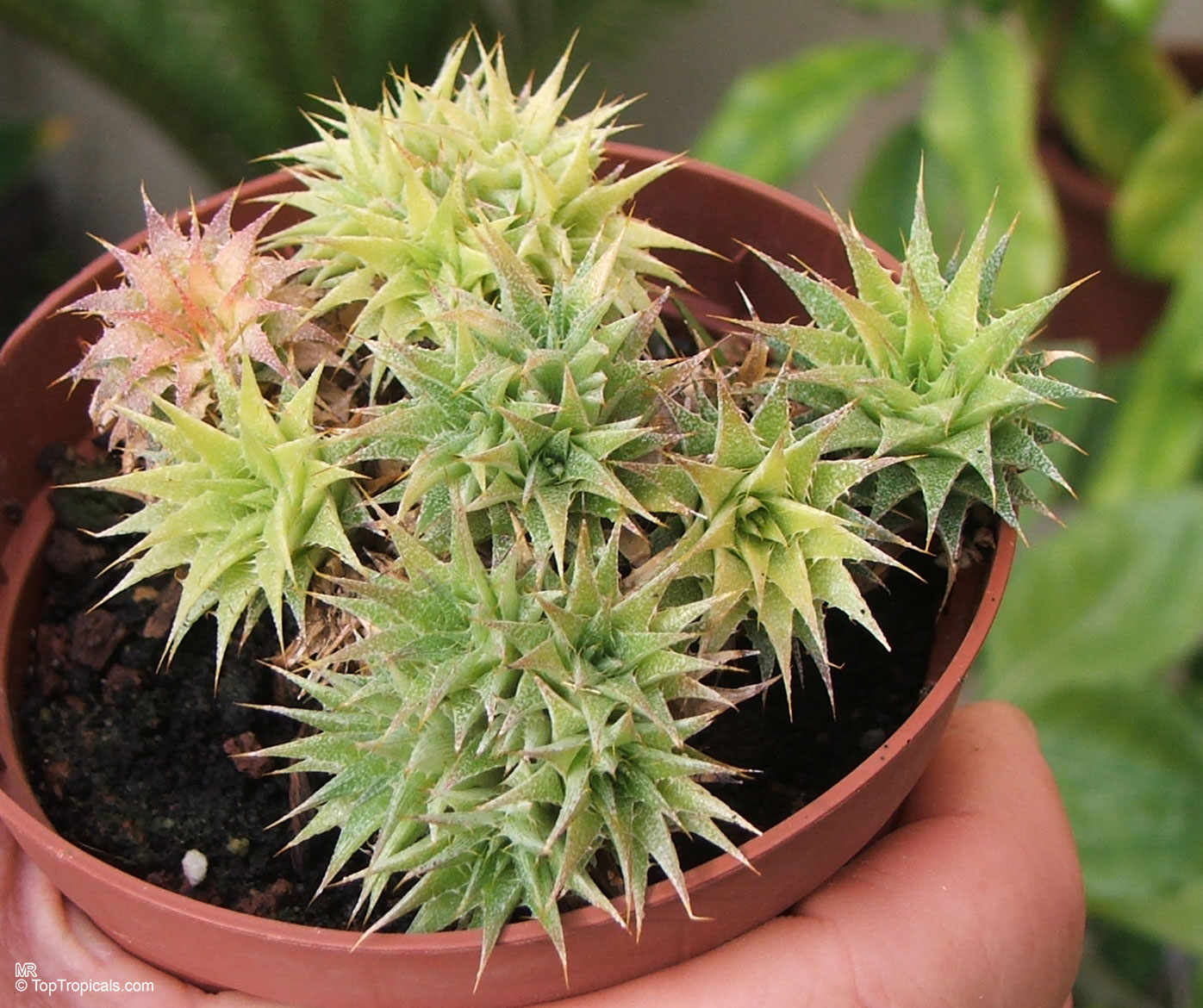
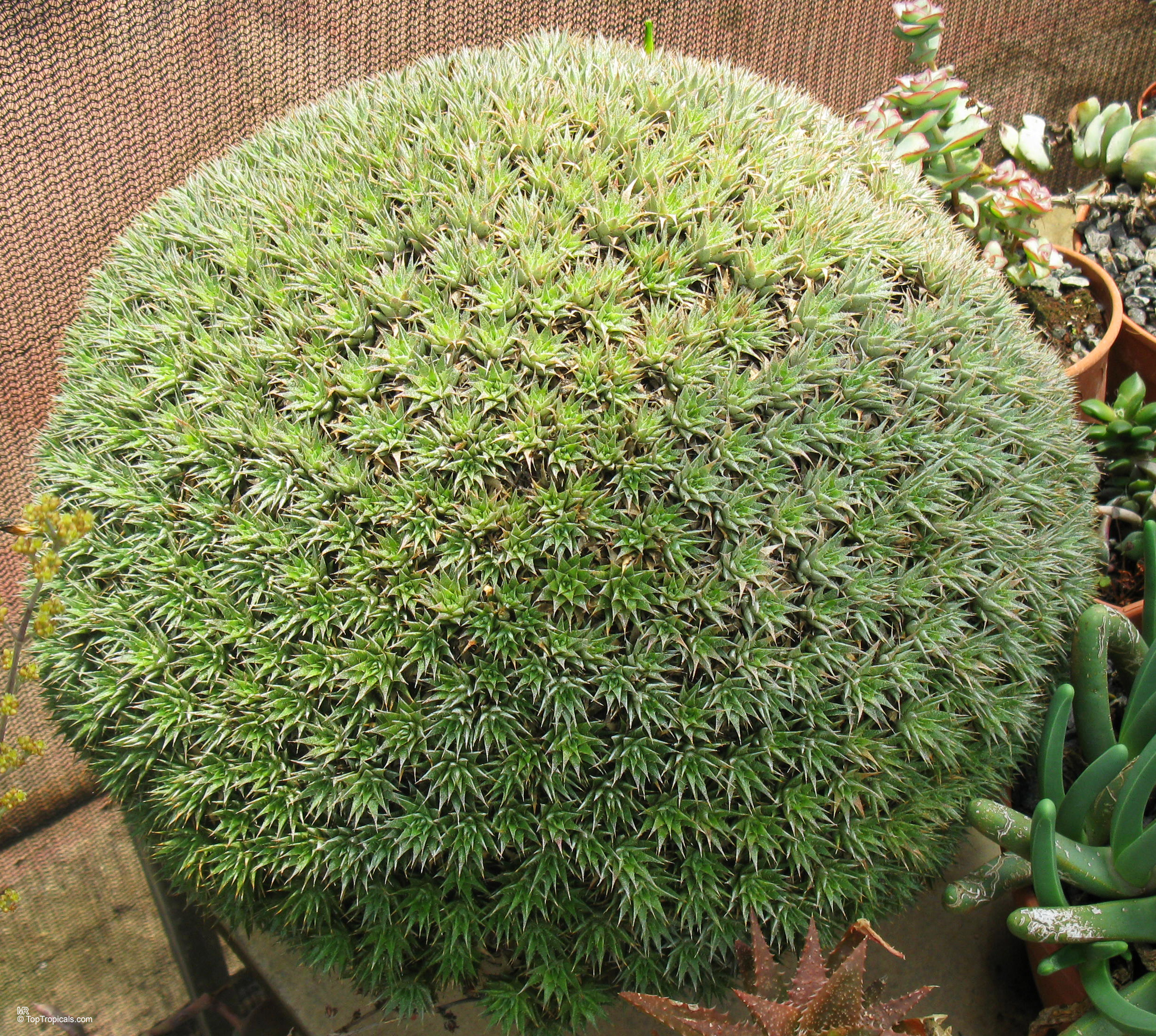
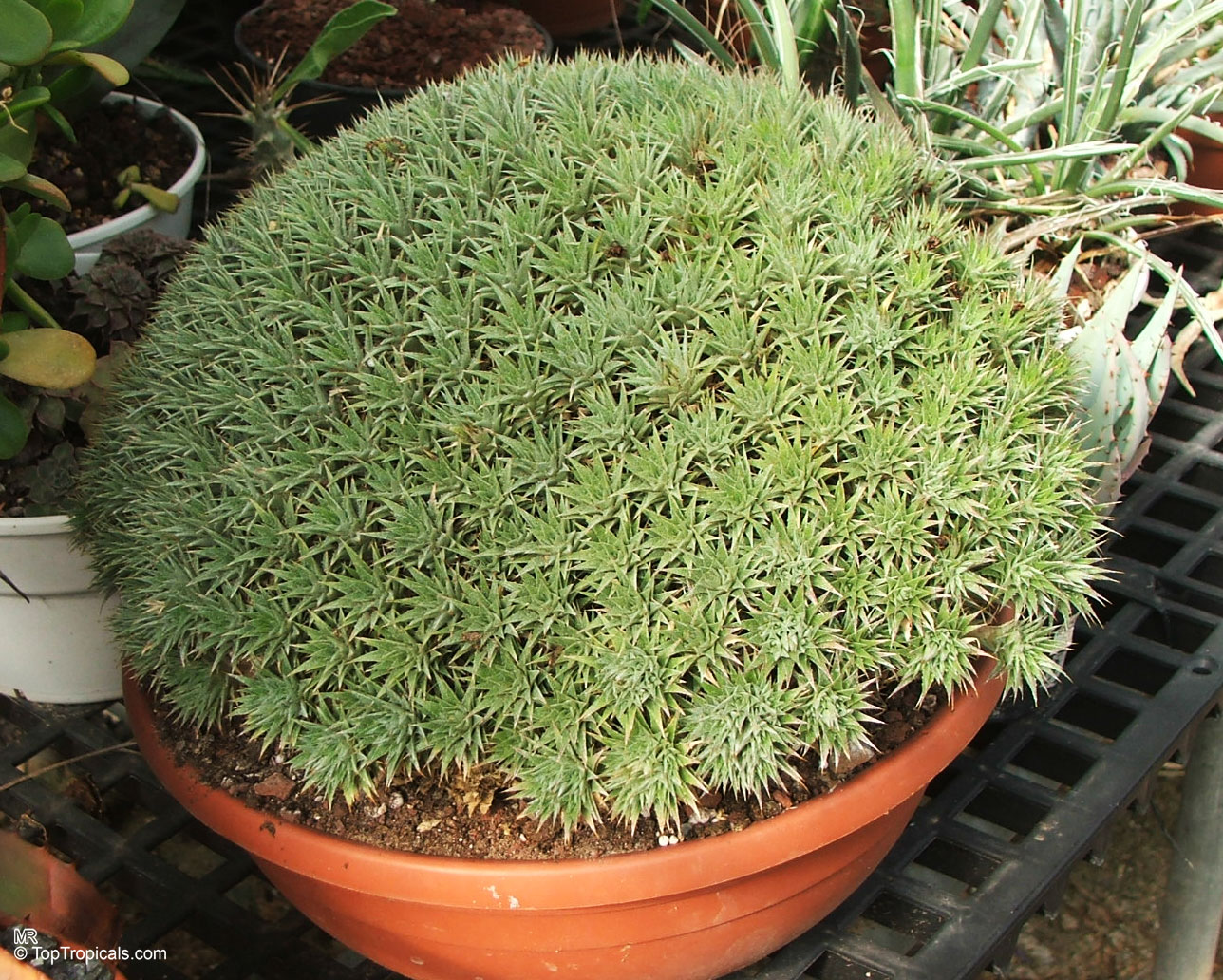
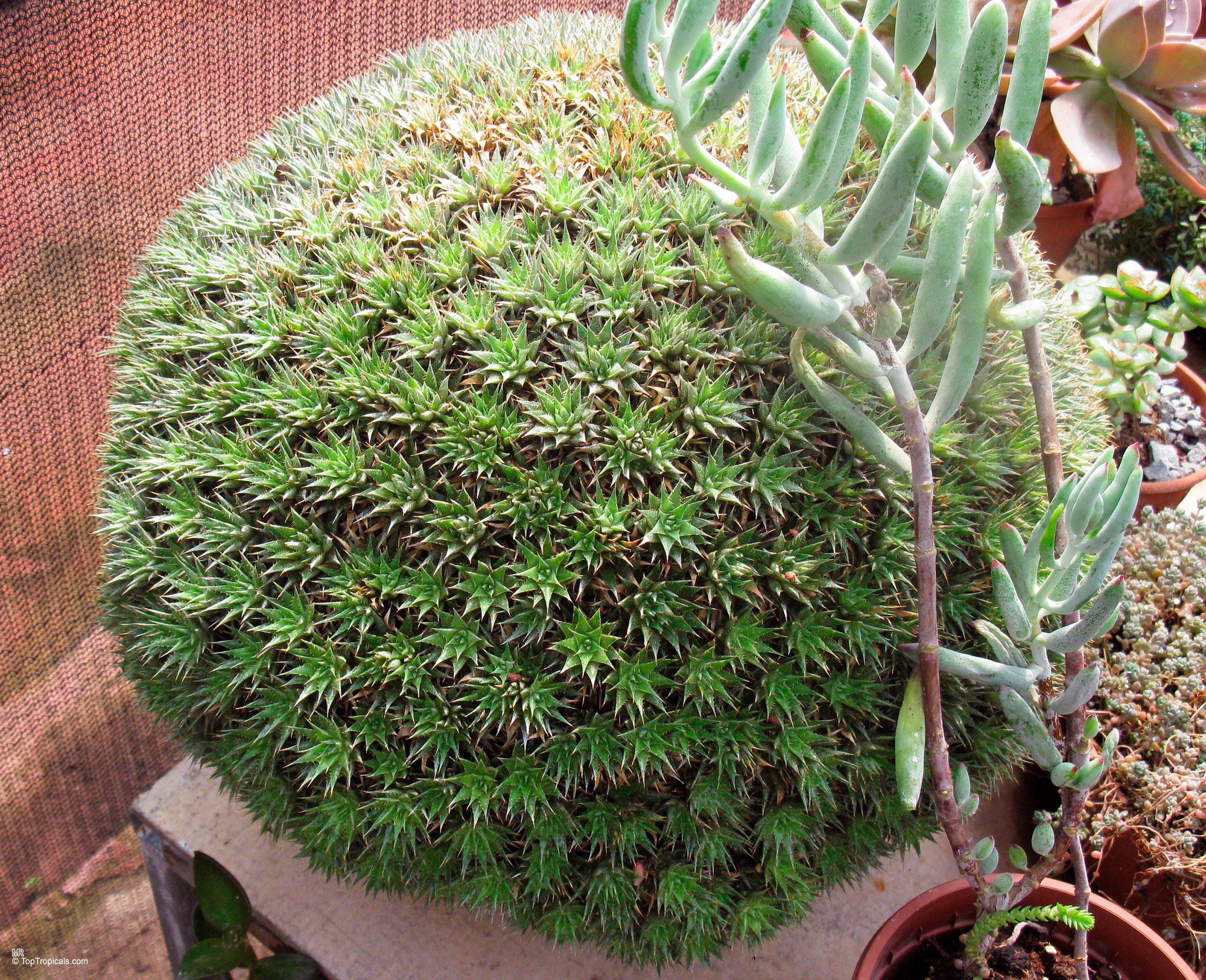
Deuterocohnia is a genus of terrestrial bromeliads in the Bromeliaceae family, native to the dry Andean regions of South America, particularly Bolivia, Peru, and northwestern Argentina. These plants inhabit rocky slopes, cliffs, and arid mountain valleys, where they are adapted to intense sunlight, limited rainfall, and poor soils. Most species form dense rosettes of stiff, narrow, succulent leaves with sharply toothed margins, often developing extensive cushions or colonies through vegetative offsets. Depending on the species, individual rosettes range from a few inches to over 2 feet across. The flowers are tubular, usually greenish-yellow, yellow, or orange, and are borne on simple or branched inflorescences. Some species produce remarkably long-lived flowering stems that continue developing and flowering over several seasons. The genus now includes species formerly classified in Abromeitiella, such as Deuterocohnia brevifolia, a miniature species forming dense, compact cushions.
Deuterocohnia species prefer full sun to bright partial sun and sharply drained, mineral-rich soil. They are drought-tolerant once established and require relatively little water, especially during cool weather. Their architectural rosettes and unusual growth habits make them attractive for rock gardens, succulent collections, and container cultivation. Cold tolerance varies by species, with cultivation generally suited to USDA Zones 9b-11. Some high-altitude species can withstand brief frosts around 25-28 F when kept dry, but prolonged freezing and cold, wet conditions may cause serious damage.