Garden Blog - Top Tropicals

Date: 12 Dec 2023

Easy compact bush for sandy soil
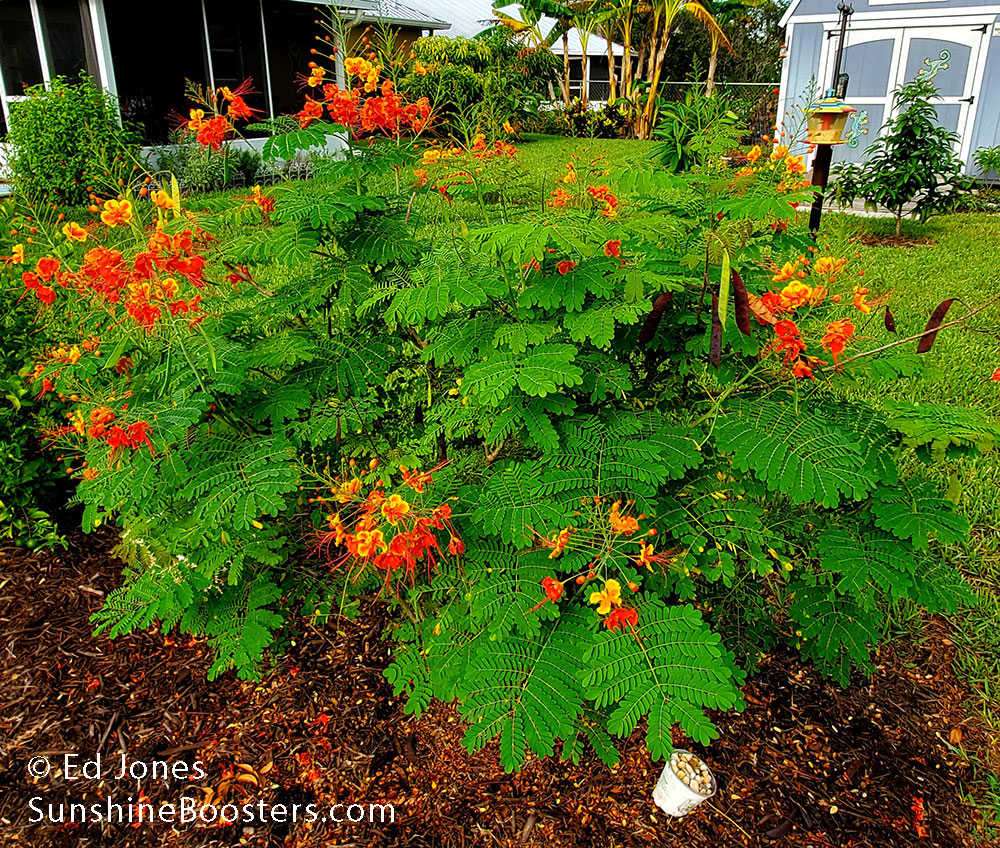
Caesalpinia pulcherrima - Red Dwarf Poinciana, Bird of Paradise

Caesalpinia pulcherrima - Red Dwarf Poinciana, Bird of Paradise.

Q: Can you recommend a flowering bush that will be in full sun and in sandy soil. I do not want it to exceed 10 feet.

A: For a garden specimen bush that is medium size and tolerates poor soils, we can recommend to choose from the plants below. These are all easy to grow, not fussy about soil and water, and stay compact and require minimal or no trimming at all.

Calliandra surinamensis - Powderpuff - 6-8 ft
Hibiscus mutabilis Cotton Candy - Mallow Hibiscus - 5-6 ft
Dombeya seminole - Tropical Rose Hydrangea 4-6 ft
Allamanda schottii - Dwarf Allamanda Bush 3-4 ft
Brunfelsia pauciflora Compacta - Dwarf Yesterday-Today-Tomorrow - 4-5 ft
Calliandra schultzii - Dwarf calliandra - 4-5 ft
Plumbago auriculata Imperial Blue
Caesalpinia pulcherrima - Red Dwarf Poinciana, Bird of Paradise - 2-4 ft
Hibiscus schizopetalus - Coral Hibiscus - 5-6 ft
Jatropha integerrima compacta - 4-5 ft
Clerodendrum bungei - Glory Bower - tolerates shade, 4-5 ft
Eranthemum pulchellum - Blue Sage, Lead Flower (prefers shade) - 4-5 ft
Magnolia figo - Banana Magnolia - small tree, 6-8 ft
Megaskepasma erythrochlamys - Brazilian plume (tolerates shade) - 5-6 ft
Tibouchina lepidota - Ecuador Princess, Jules Dwarf - 3-4 ft
Leonotis leonurus - Lions Ears - 3-4 ft

Also, for your further reference, check out the reference chart Hedges with Benefits Chart to see different flowering bushes that are great for hedges as well as garden specimens, depending on your specific needs.
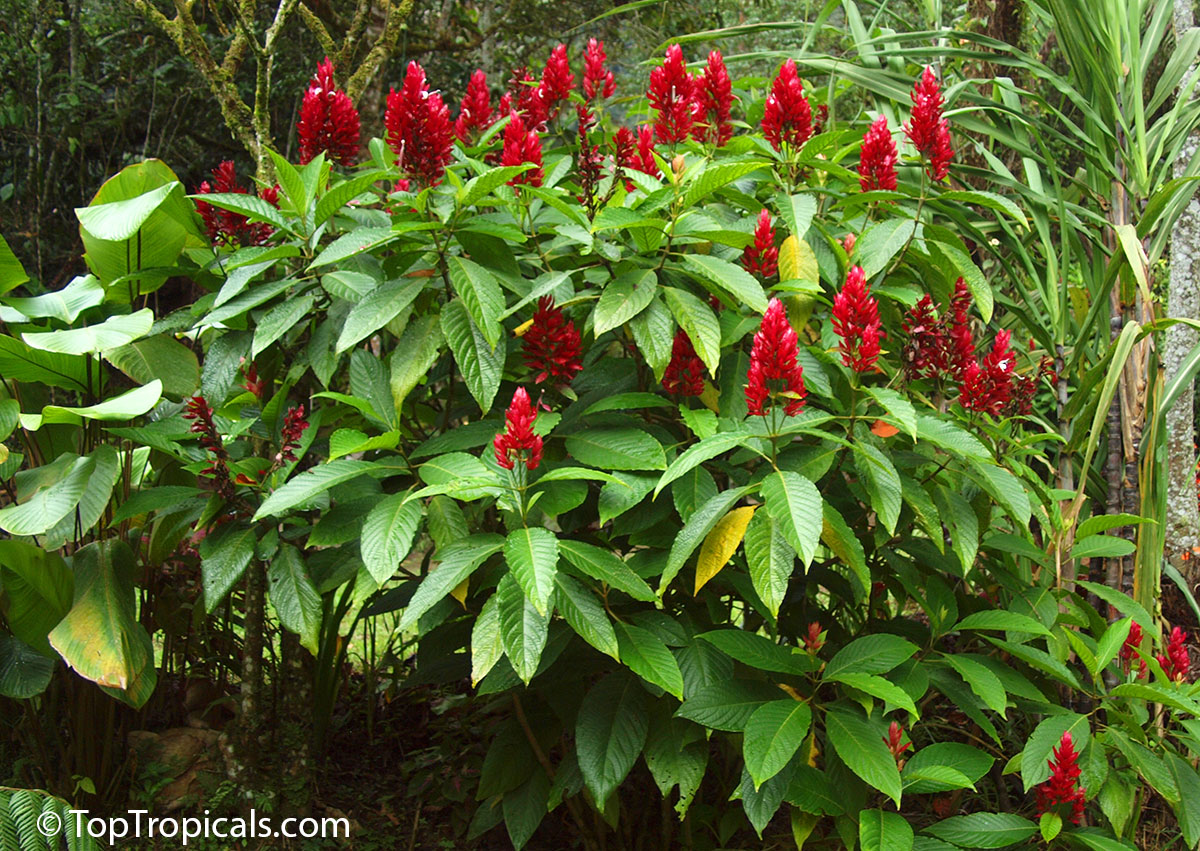
Megaskepasma erythrochlamys - Brazilian plume

Megaskepasma erythrochlamys - Brazilian plume.
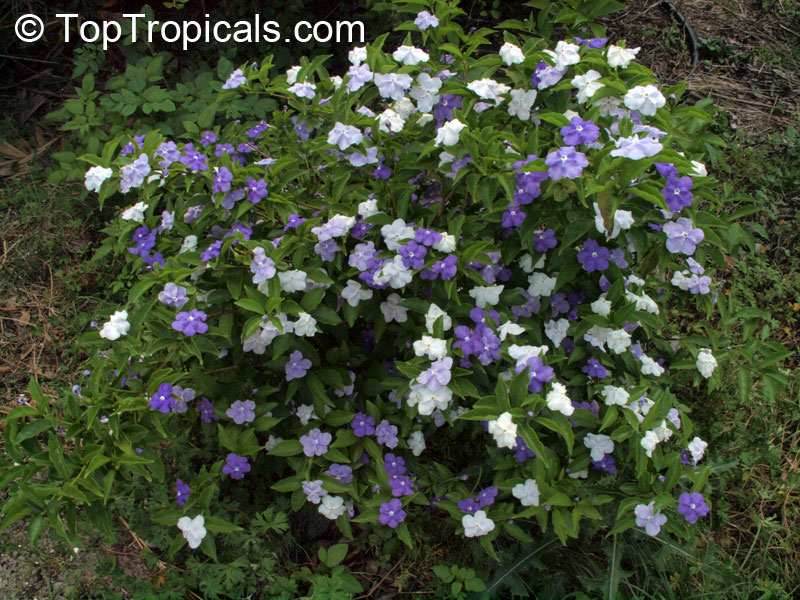
Brunfelsia pauciflora Compacta - Dwarf Yesterday-Today-Tomorrow

Brunfelsia pauciflora Compacta - Dwarf Yesterday-Today-Tomorrow.
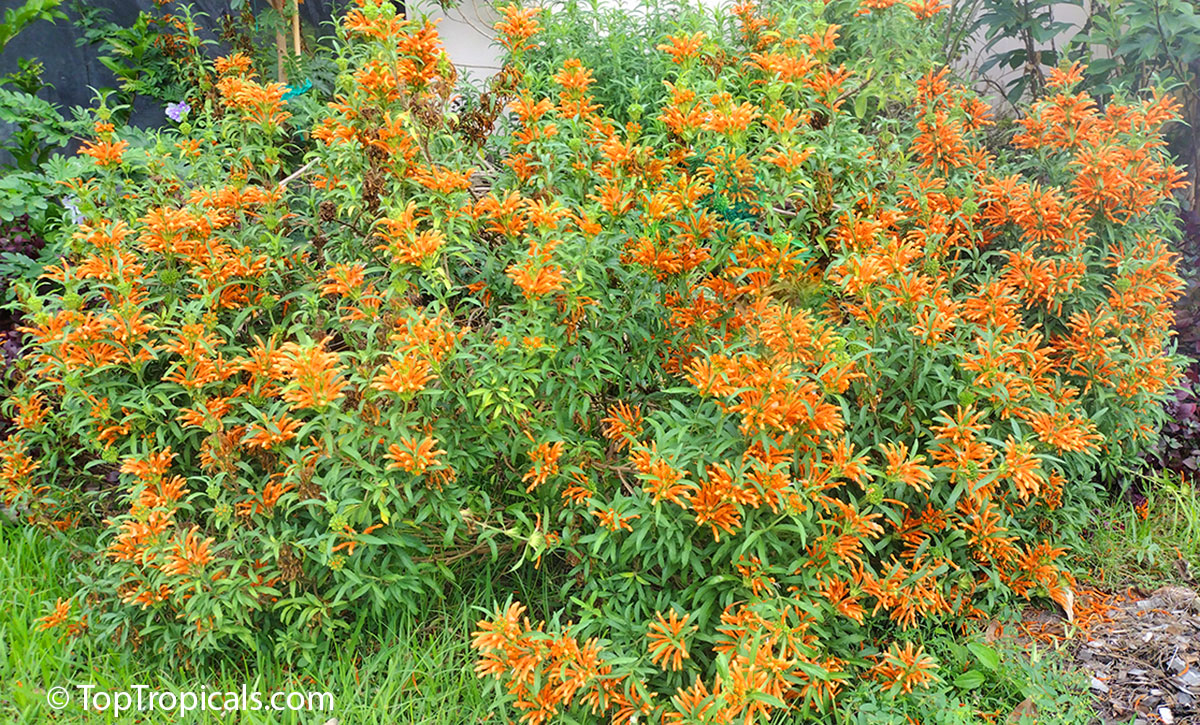
 Leonotis leonurus - Lions Ears

Leonotis leonurus - Lions Ears.

Date: 23 Dec 2023

Butterfly Bush: Fast, Pretty, Low Maintenance...

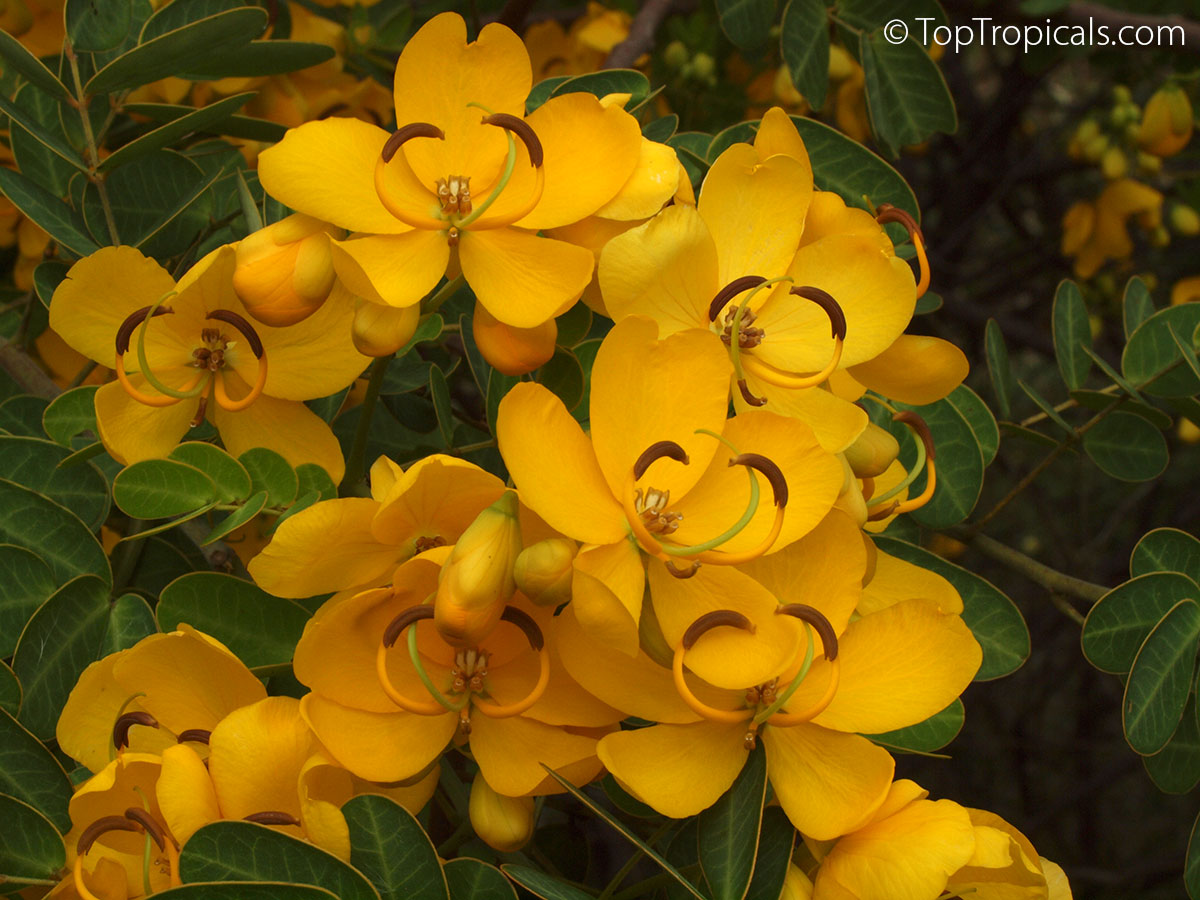
Cassia (Senna) bicapsularis - Butterfly Bush

Five unbeatable reasons to plant Butterfly Cassia

Q: I am trying to find some easy flowering shrub to screen the ugly corner of my neighbor's yard, can you suggest something fast growing and pretty?

A: One of our favorite flowering shrubs in Florida is the Cassia bicapsularis, commonly known as Scrambled Egg Bush or Butterfly Bush. It is one of the most desirable plants for the southern landscape. It has all the benefits any gardener may dream of, whether a beginner or an expert:

1. Very fast growing, can screen unwanted views and create a beautiful flowering hedge. Cassia bicapsularis is known for its rapid growth, making it an excellent choice for quickly transforming an unsightly corner into a vibrant and lush area. Its dense foliage and attractive yellow blooms add both beauty and privacy to your outdoor space.

2. Easy to grow, not fussy about soil or water, drought and flood tolerant, cold tolerant. Butterfly Bush is incredibly adaptable and resilient. It thrives in a variety of soil types, is not demanding when it comes to water, and can withstand both drought and occasional flooding. Additionally, it is cold tolerant and can withstand occasional frosts once established.

3. Blooms for many months, featuring especially in winter flowers from Fall to spring. Very pretty, large "sunny" flowers resembling bright yellow butterflies, hence the name. It is a generous bloomer, gracing your garden with vibrant yellow flowers for an extended period, particularly from fall to spring. The large, sunny blooms not only add visual appeal but also attract pollinators, enhancing the ecological balance of your garden.

4. Attracts lots of butterflies. As the common name suggests, the Butterfly Bush is a magnet for butterflies. If you enjoy the presence of these beautiful winged creatures in your garden, planting Cassia bicapsularis is an excellent way to encourage and support butterfly populations.

5. Low maintenance. Butterfly Bush can be trimmed and controlled at the desired shape if needed, but if you have room for a big bush in a full sun area - just let it go and it will form a nice dense bush without any pruning: this shrub is a low-maintenance delight. While it can be pruned and shaped according to your preferences, it also flourishes when left to grow naturally. Its ability to form a dense and attractive bush without constant pruning makes it an ideal choice for those seeking a fuss-free gardening experience.

If you're looking for a fast-growing, low-maintenance, and aesthetically pleasing solution to screen an unsightly corner, Cassia bicapsularis is an unbeatable choice. It ticks all the boxes for a beautiful and resilient flowering shrub in the southern landscape.

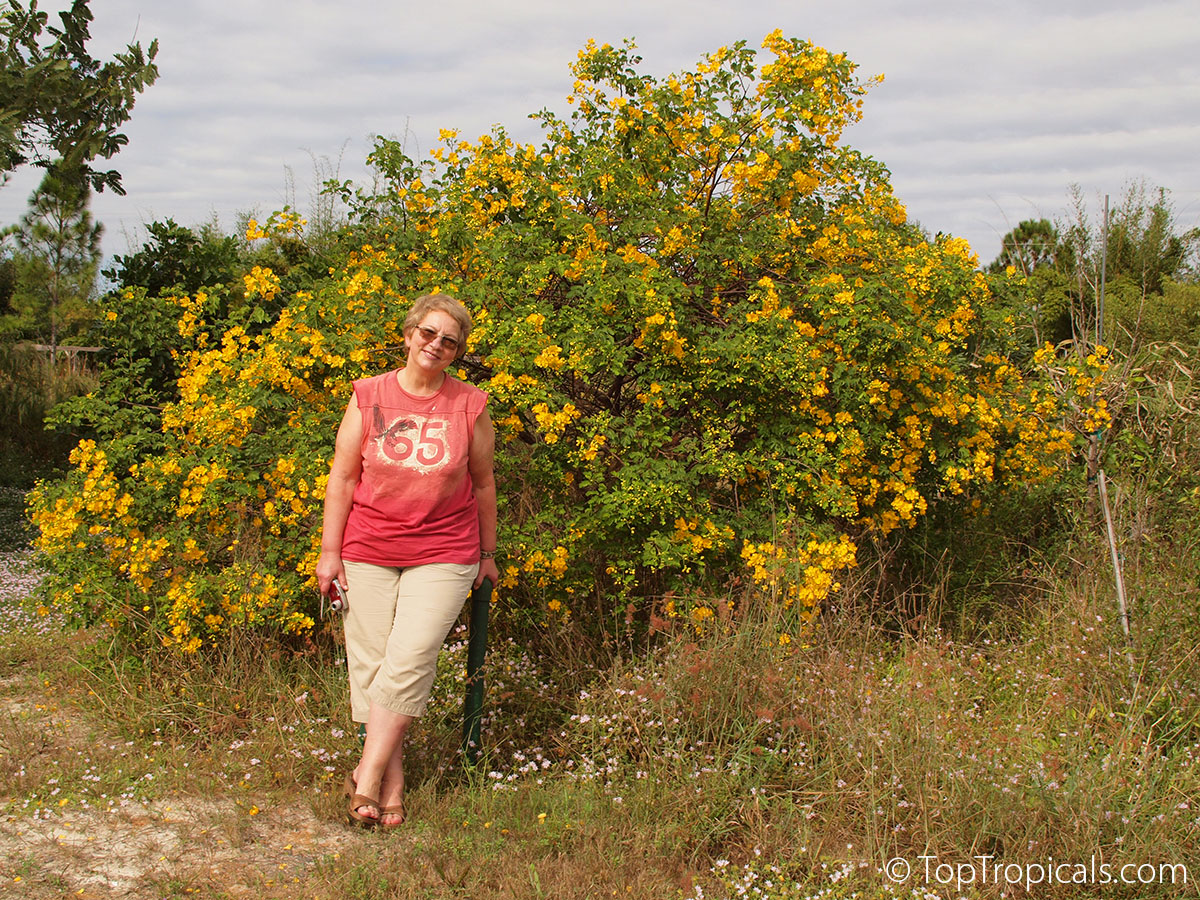
A lady standing next to Cassia (Senna) bicapsularis - Butterfly Bush

"...Without a doubt, Butterfly Cassia became one of my favorite plants during my visit to Florida for Christmas a few years ago. I only wish I could have taken it back home with me to Latvia. If only my windowsill hadn't already reached its greenhouse capacity!.." - Alex Butova.

To see more options for flowering shrubs, check out the reference chart Hedges with Benefits Chart.

Date: 22 Apr 2020

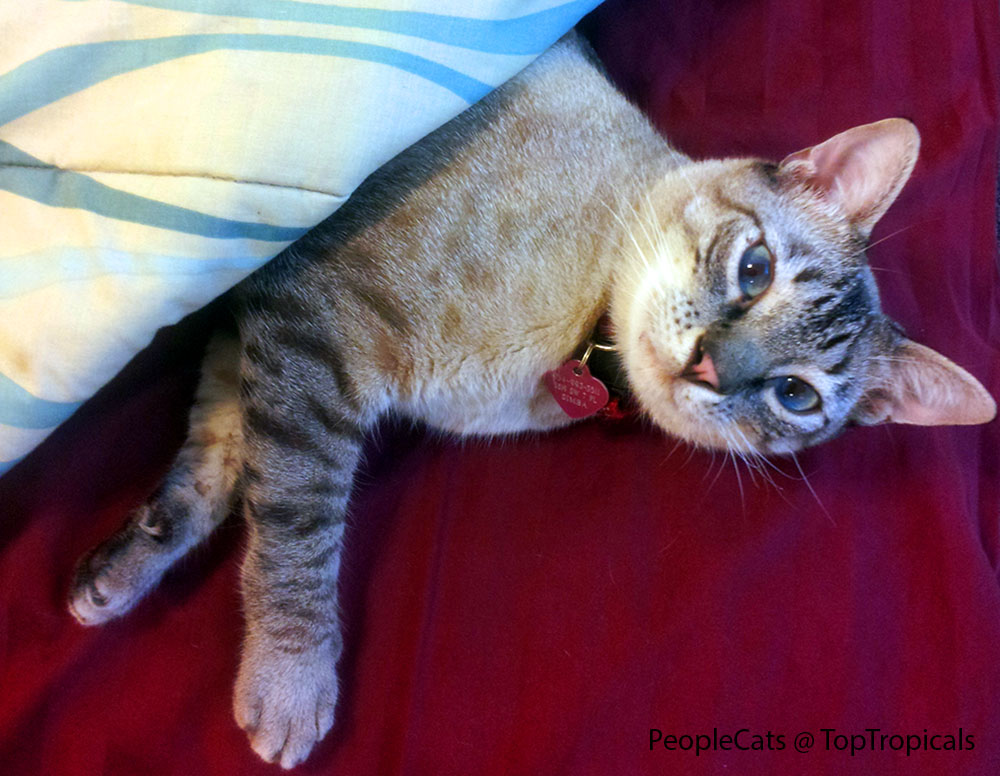
PeopleCats saving us from COVID-19!

Cat owners have higher immunity for COVID-19?

In our previous newsletter, we were talking about cats fighting the coronavirus and how to help them to recover.
The research made by Sabina Olex-Condor, a Polish doctor who works in a clinic in Madrid, showed that due to cross-immunity (cats are a known reservoir of coronaviruses) cat owners have milder sympthoms of COVID-19! Perhaps this is due to the fact that in a cross-reaction antibodies are produced to the virus, and owners of cats are more protected from COVID19... Read more)
Now that quarantine has been introduced almost universally because of coronavirus, dog owners are also in a better position - they can officially go outside for a short while. But the benefit of dogs (and other pets) is not only that. Scientists from the Italian city of Catanzaro found in the course of the study, that those who have a four-legged pet, have very mild symptoms of the COVID-19. A similar effect was observed in those in contact with cattle... To find an explanation for this phenomenon, the researchers compared viruses. It turned out that the disease of bulls, cows and other cattle is similar to Chinese coronavirus by 38.4%, and the virus of dogs by 36.9%. This means that owners of animals already have some kind of immunity. So the owners of cats and dogs, as a rule, tolerate coronavirus easier or completely asymptomatic. Read more...

Stay safe and healthy with your PetPeople!

TopTropicals PeopleCat Club

Thank you everybody for supporting us in helping PeopleCat Community!
Make your kind donation today and receive a surprise gift from us. Every little bit helps! Thank you and God bless you and your pets!

Date: 13 Sep 2025

Which dog would you take home: golden, black or chocolate?