Small plant 2-5 ft - Plant Encyclopedia Results
| Number of plants found: 1923 | Next | 
|
Go to page: | 1 | 2 | 3 | 4 | 5 | Last |
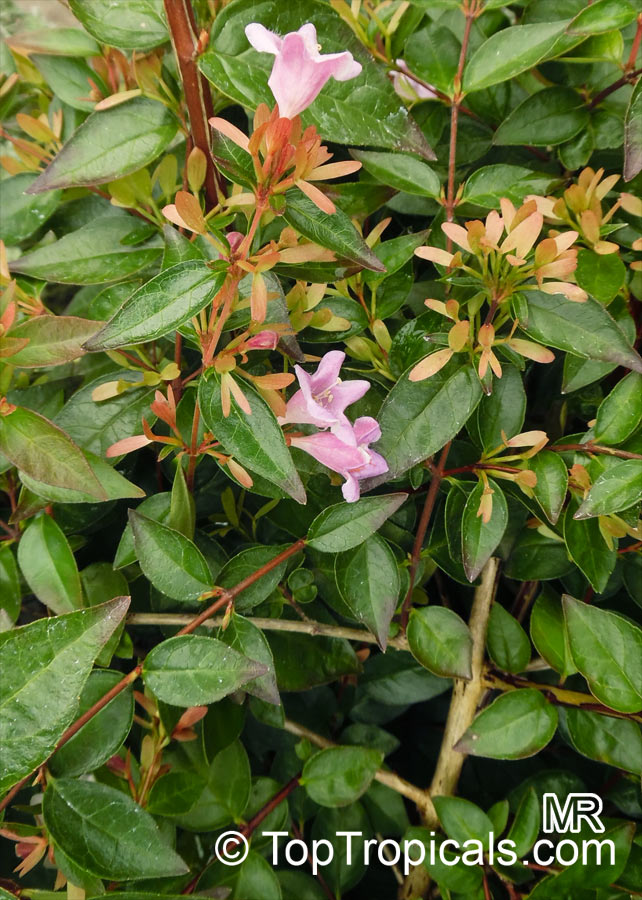
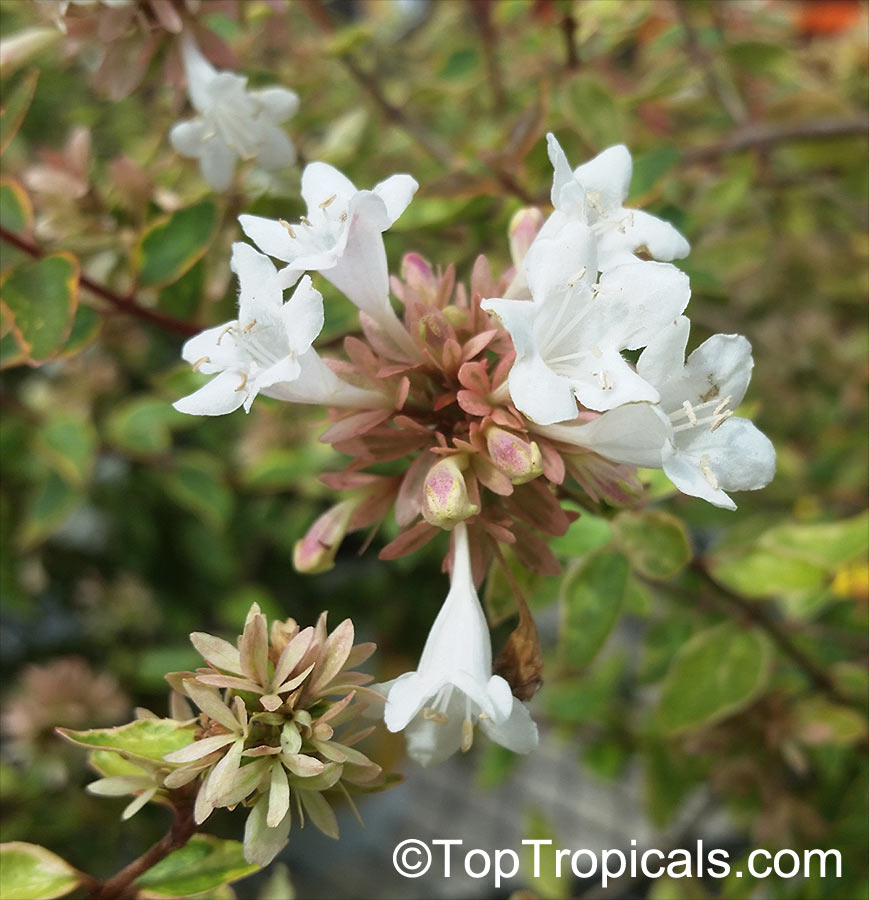
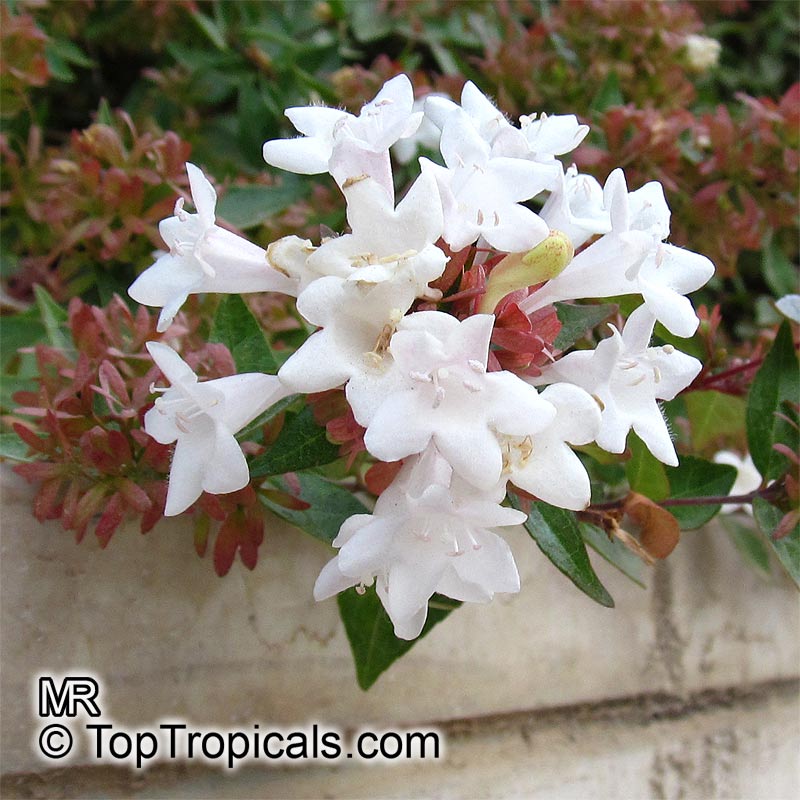
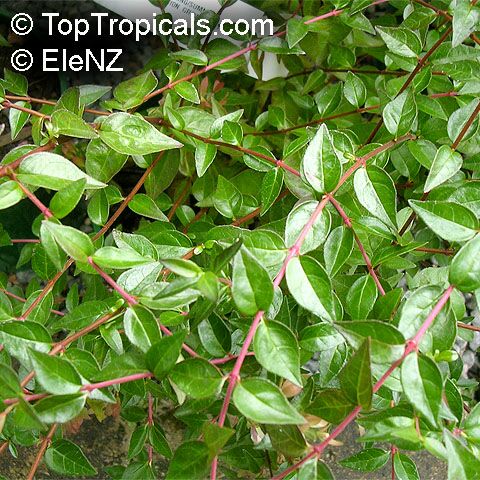
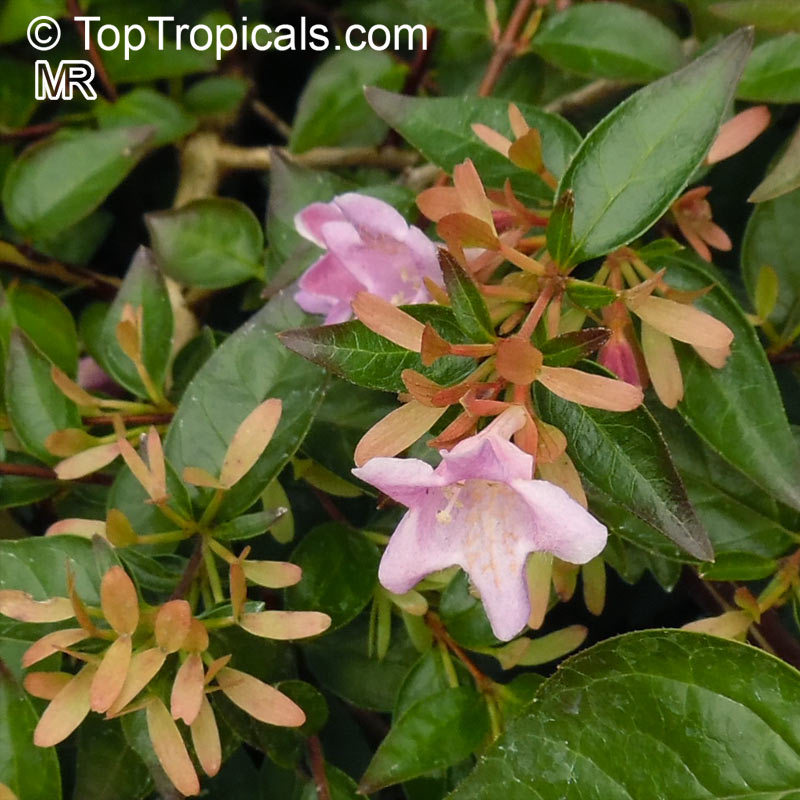
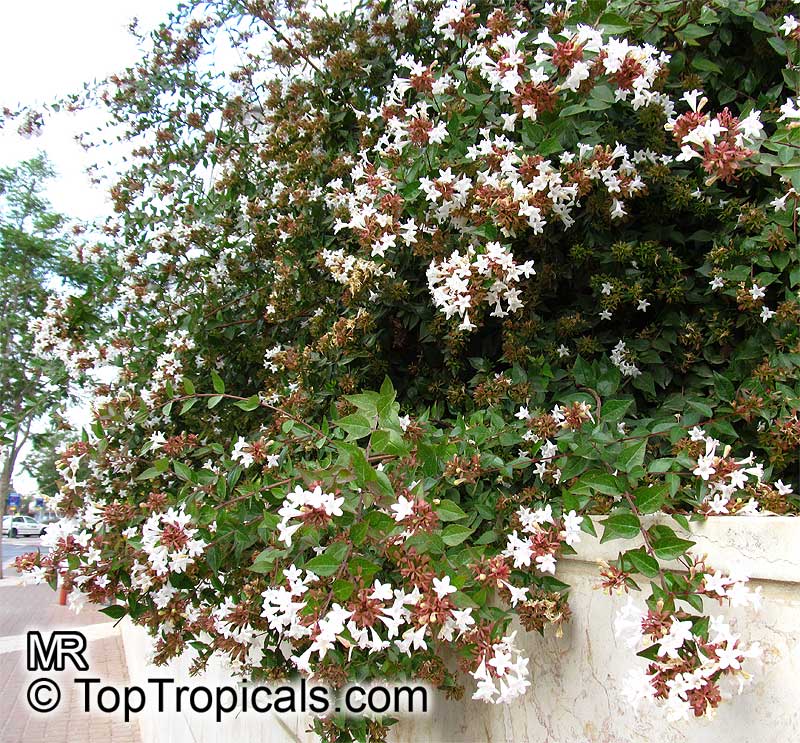
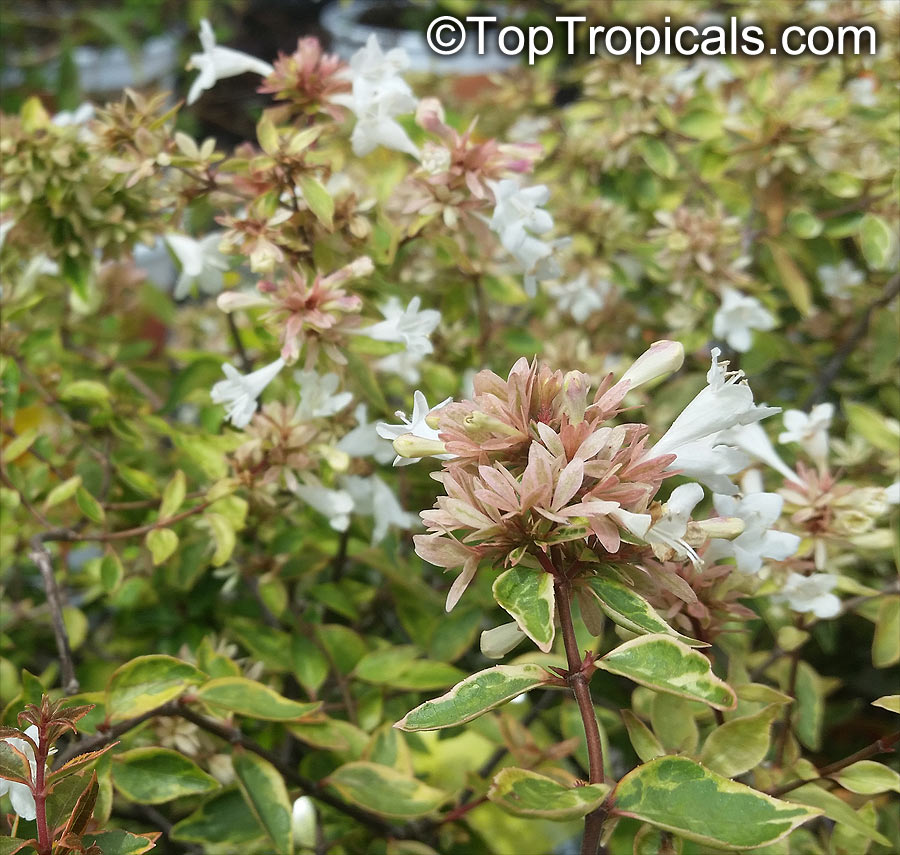
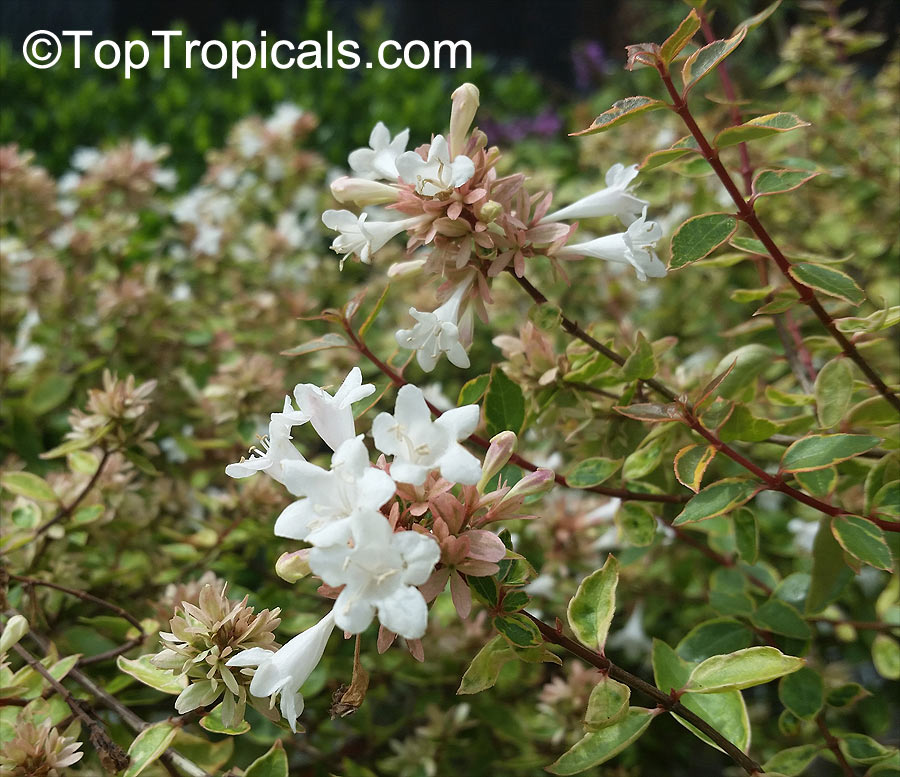
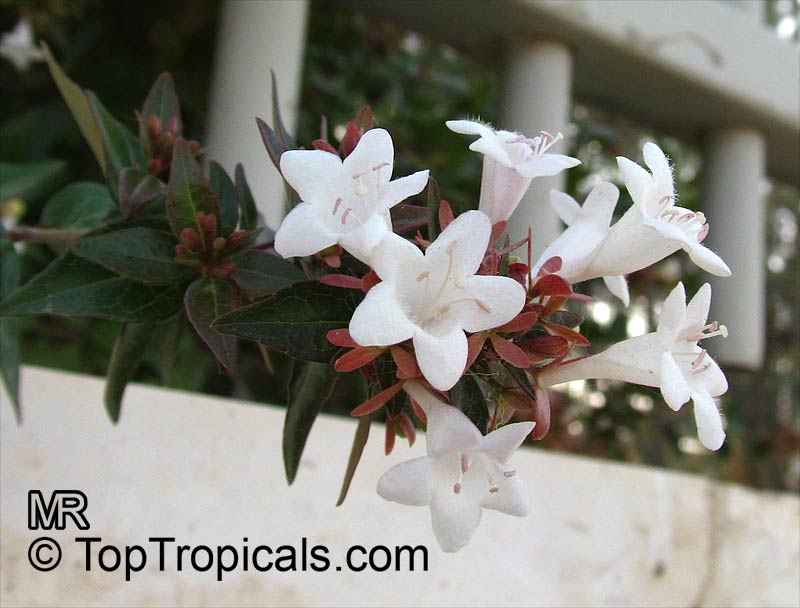
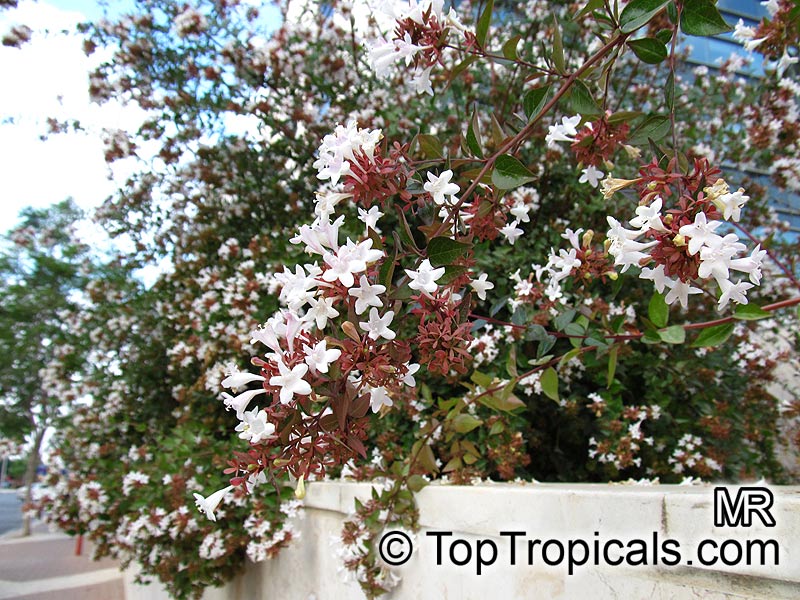
Botanical name: Abelia grandiflora
Common name: Glossy Abelia
Family: Caprifoliaceae
Origin: China
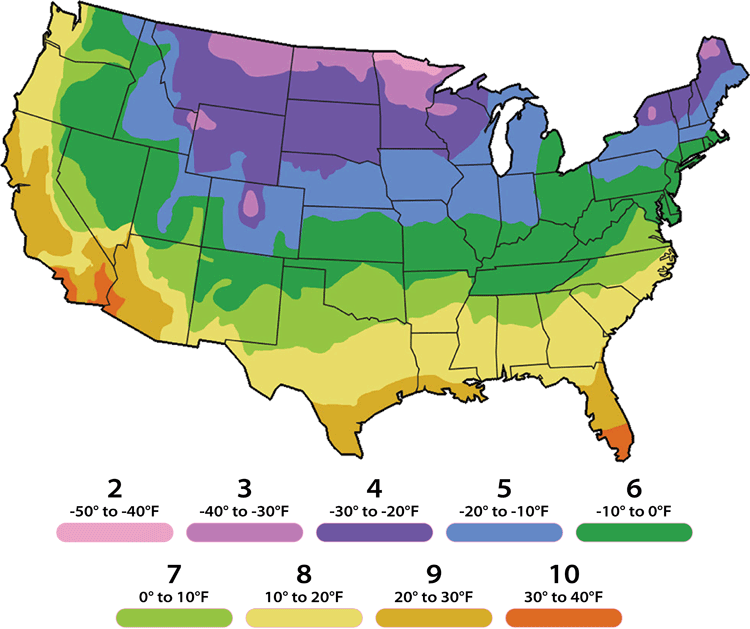
USDA Zone: 8-9


Abelia is a popular evergreen or semi-evergreen shrub with a rounded, fountain-like growth habit. It is fast-growing, growing up to 4-8 feet tall and 4-6 feet wide. Its leaves are fine-textured, glossy, oval, and dark green, usually 2 inches long, and the new growth has a bronze color. Abelia produces small, white and pink tubular flowers in clusters at the end of its stems, from summer to fall. The flowers are barely one inch long, but they are slightly fragrant - which attracts hummingbirds and butterflies.
This shrub is a great choice for planting near a pool, as it loves both full sun and semi-shade exposure. When watering it, allow the soil to dry out between waterings. It is mostly pest- and disease-free. Mature Abelias can withstand temperatures as low as 30 degrees Fahrenheit for a limited time.
Hyperacanthus amoenus is another popular evergreen shrub. It has pinkish red flowers with off-white petals that are fragrant, followed by green fruits that turn brown when ripe. This shrub is easy to grow, needing only full sun and regular watering - though it should be in USDA Zones 8 -9 for full protection from cold weather. For areas with colder climates, it is recommended to keep the plant in a pot and move it indoors in winter. In such a case, extra care should be taken to make sure it has enough water, light and fertilizer. Pruning may also be necessary to ensure the plant remains within the size desired.
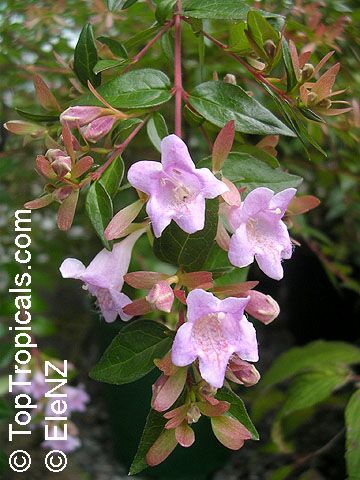
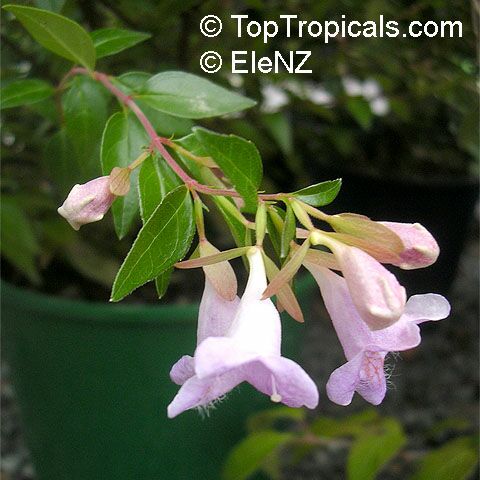
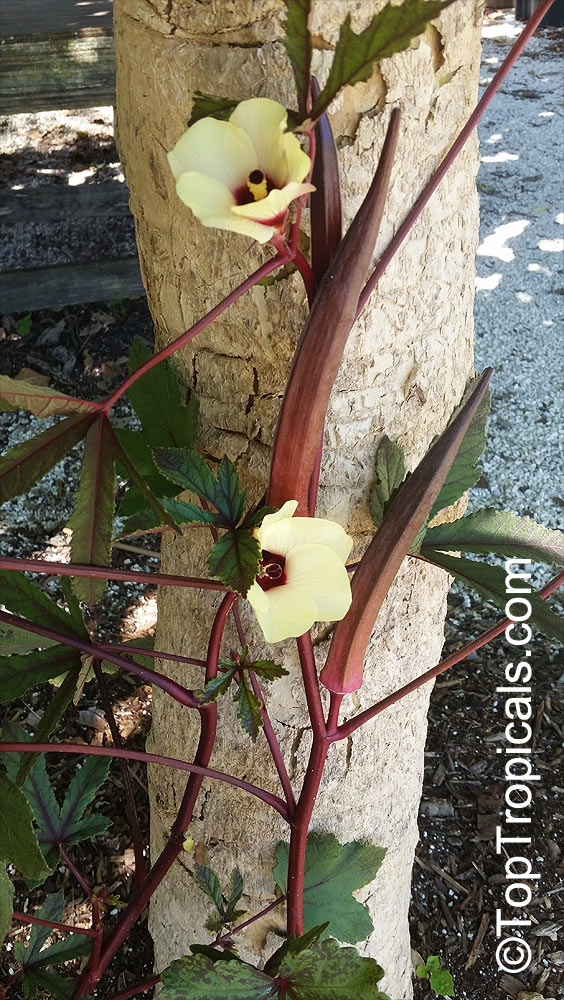
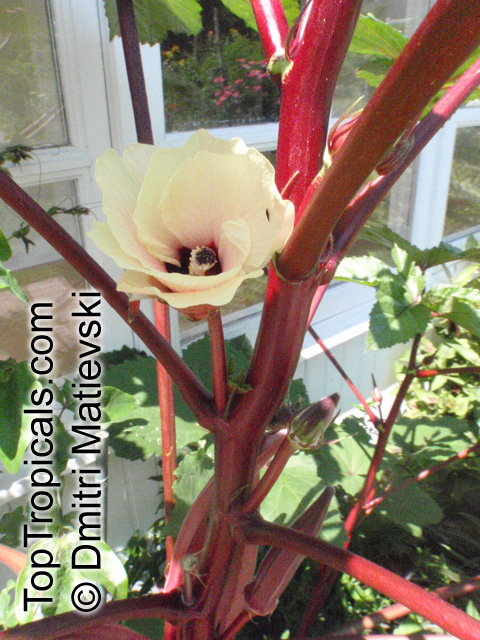
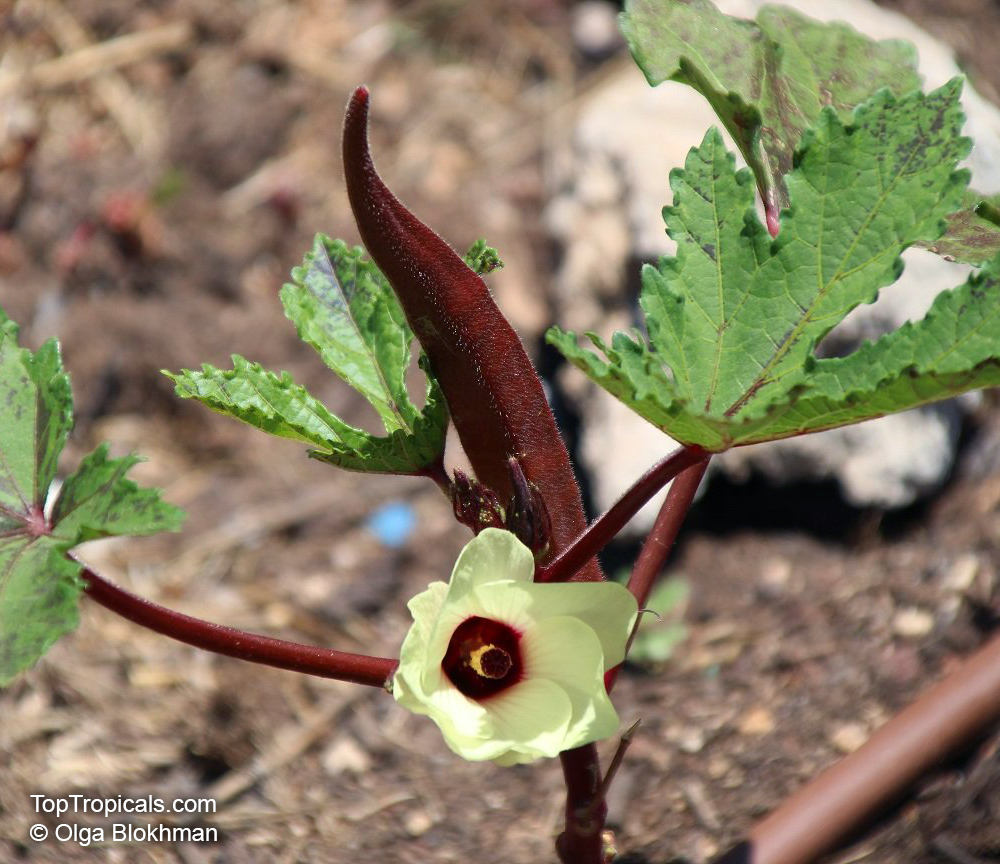
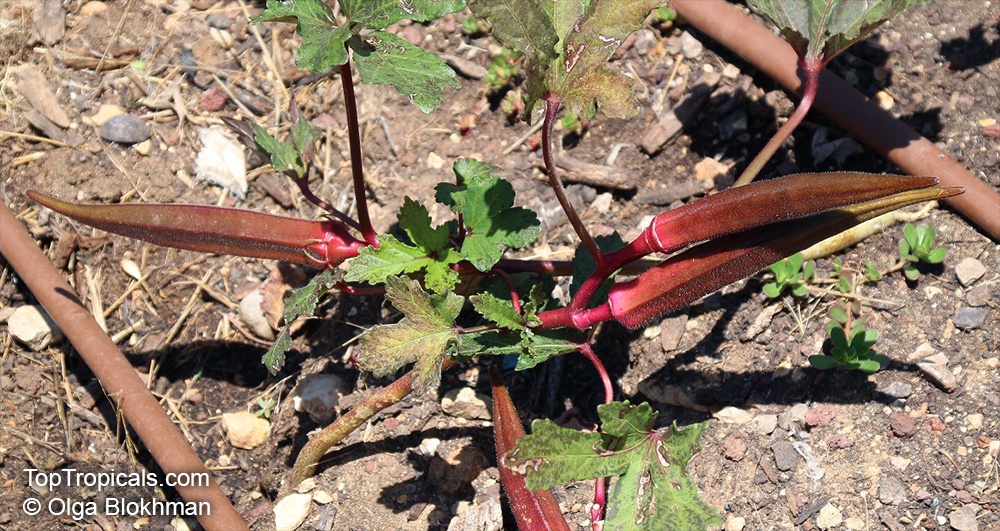
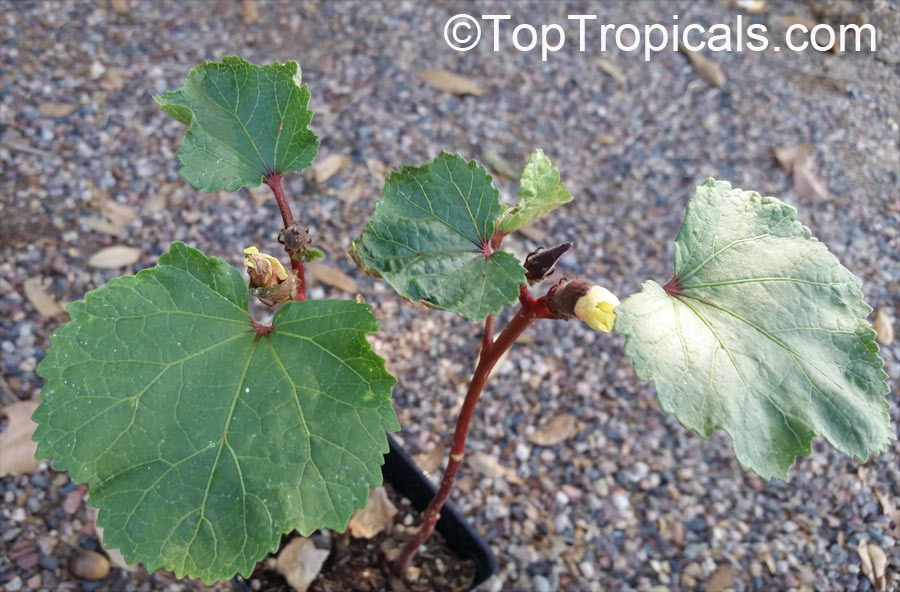
Botanical names: Abelmoschus esculentus, Hibiscus esculentus
Common names: Okra, Bamia, Gombo
Family: Malvaceae
Origin: Africa
USDA Zone: 9b-11


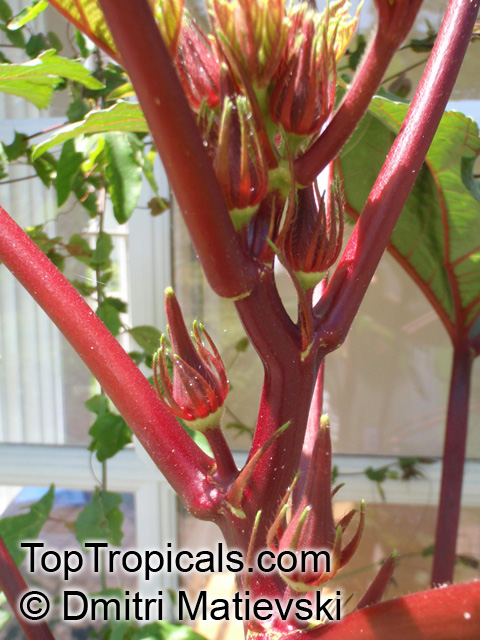
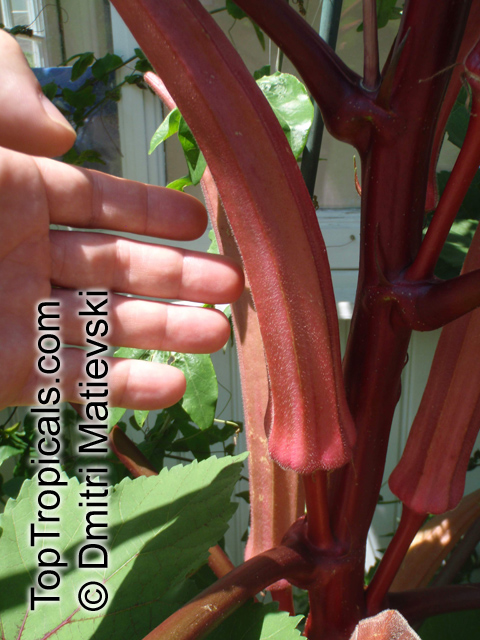
Abelmoschus esculentus, commonly known as okra, is a flowering plant that is native to Africa. It is a large, fast-growing shrub, growing 5-10 ft tall and producing beautiful white, off-white, and yellow-orange flowers. This plant runs on a shorter lifecycle than most other shrubs, taking only 120-165 days to mature.
Okra does best when grown in warm climates, where it can receive strong direct sunlight, and regular watering. It has adapted over time to thrive in USDA hardiness zones 9-11. As it is a climacteric crop, it benefits greatly from warm, humid days and cool nights.
Regular water needs will depend on the local climate, but okra requires moderate regular watering, even during seasonal to periodical droughts. Soil with a high drainage level and well-aerated conditions will help the plant thrive and reach its full potential.
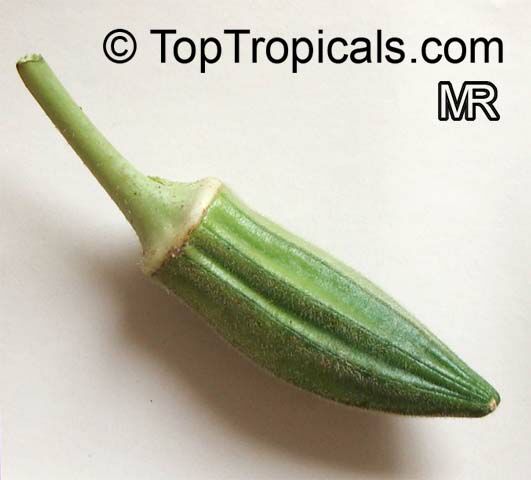
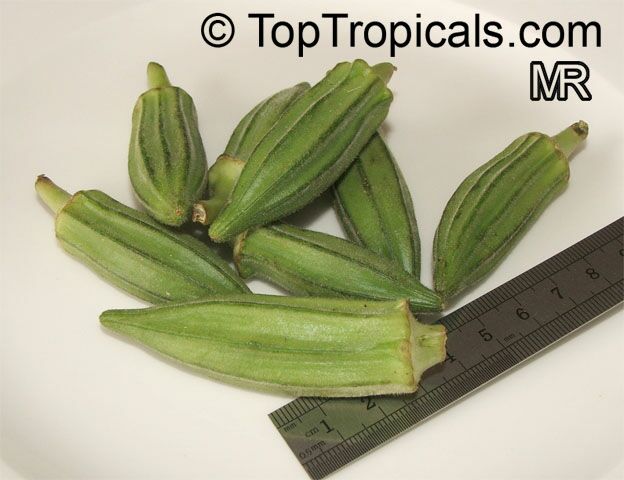
The plant produces striking large edible seeds within green, finger-like pods. Young, tender okra can be used in stir-fry or soups either blanched or pickled, and raw okra is often used in cold salads. When cooked, it is similar to asparagus. In terms of taste, some describe it to be similar to a combination of mushrooms and eggplant.
Okra is packed with nutrients, including vitamin C, calcium, and potassium. It also contains a healthy amount of dietary fibers, which can help maintain healthy digestion. Health benefits of okra also includes its ability to strengthen the immune system, lower stress, and improve skin and hair health.
In terms of yield, the plant can produce up to few hundred pods per plant, depending on the variety and local climate conditions. Therefore, okra is a great choice whether you are looking to have some fresh fruits in your household.


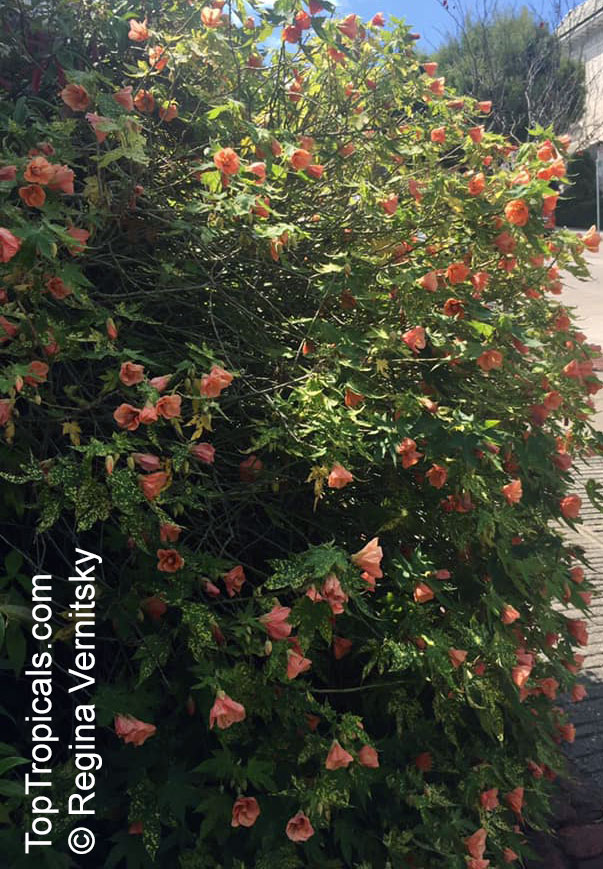
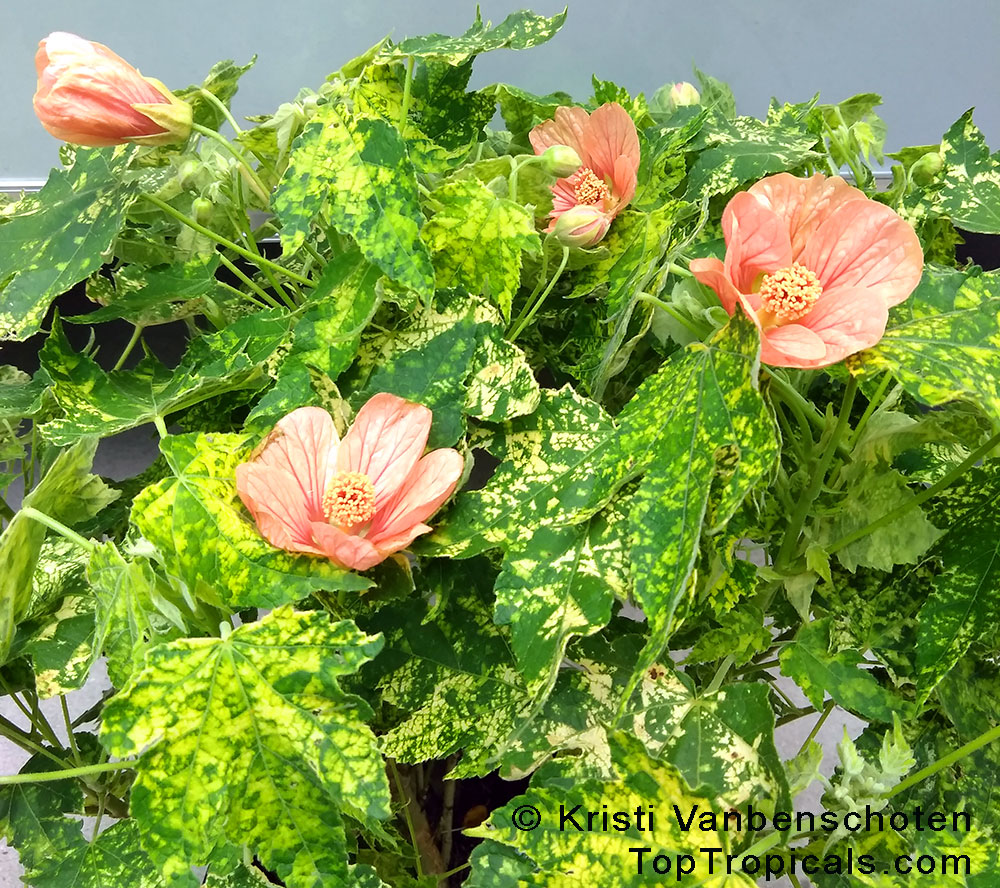
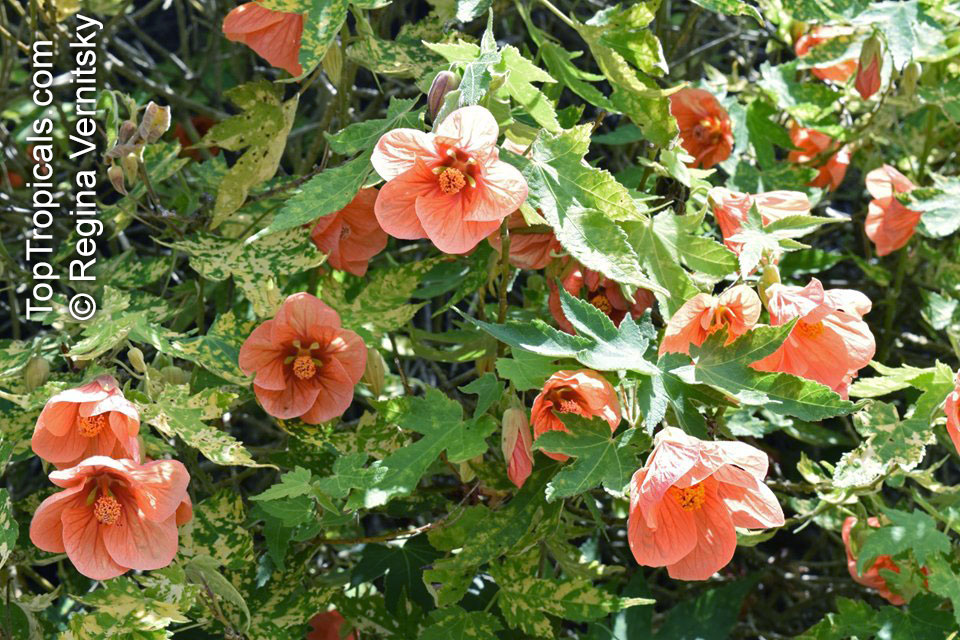
Botanical name: Abutilon pictum
Common names: Golden Rain Flowering Maple, Thompsons Flowering Maple, Bell Flower
Family: Malvaceae
Origin: South America
USDA Zone: 8-10

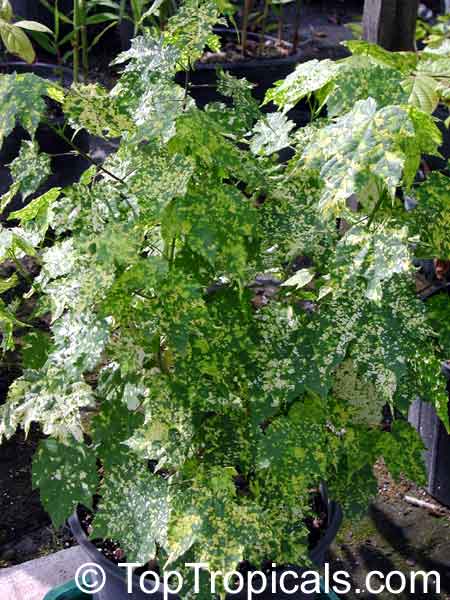
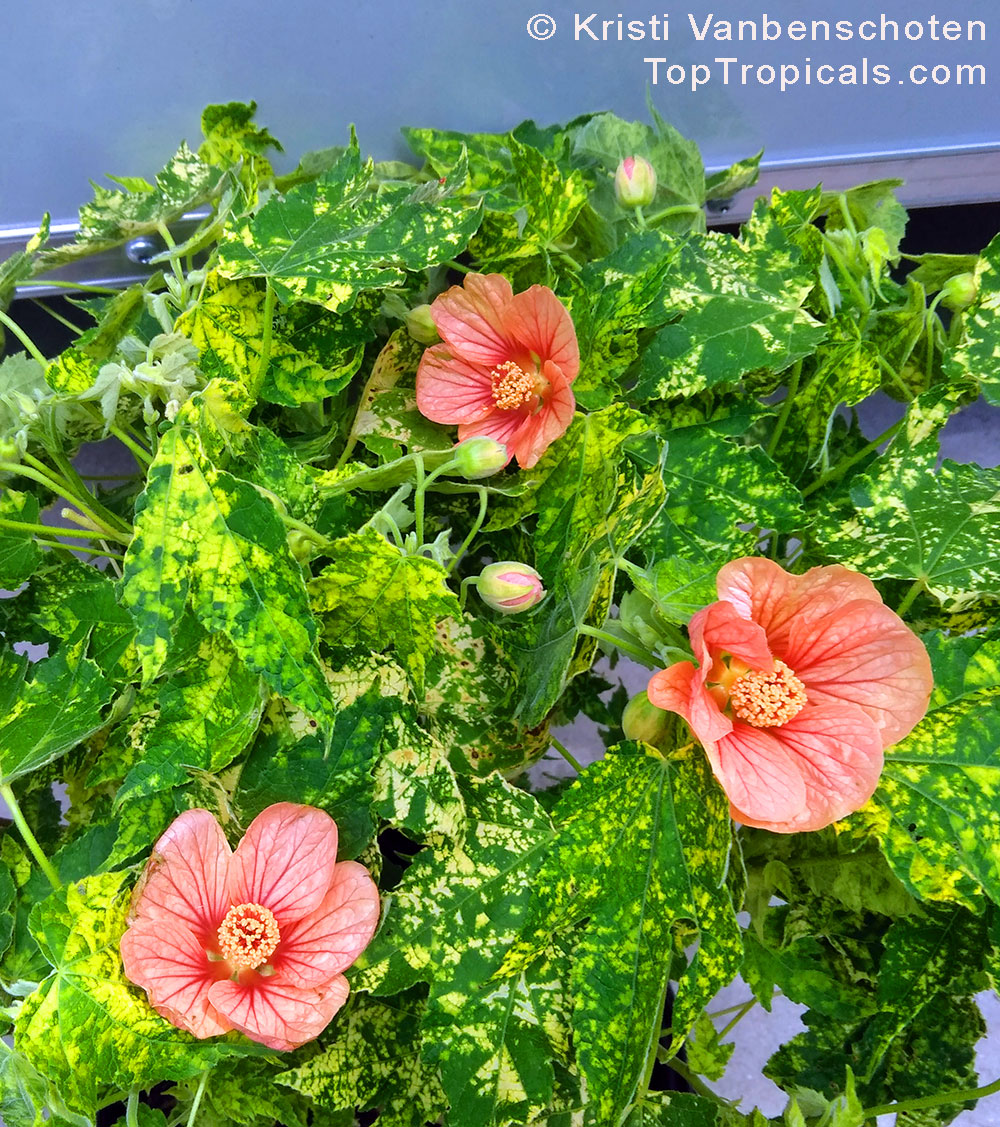
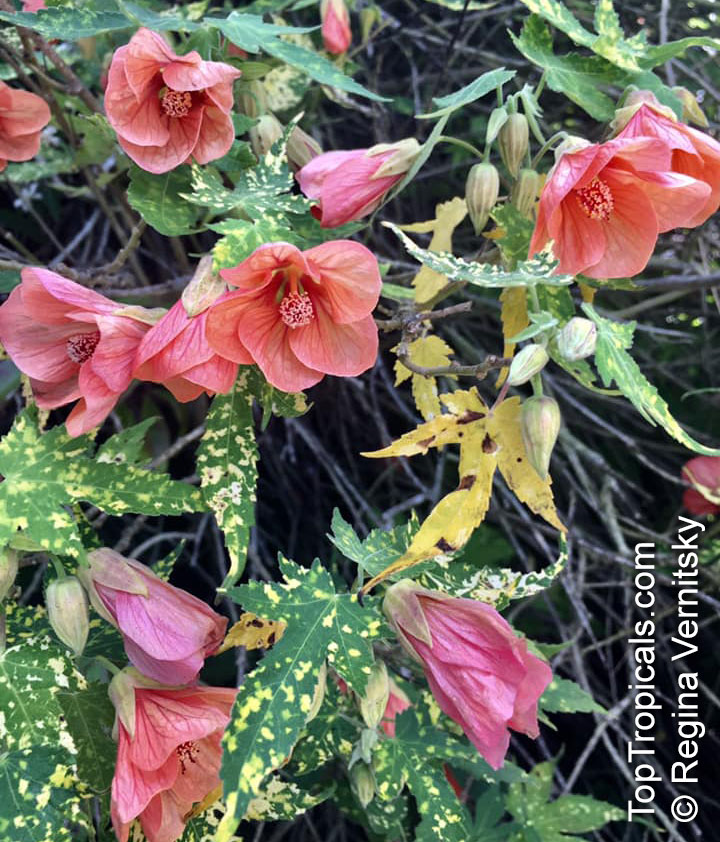
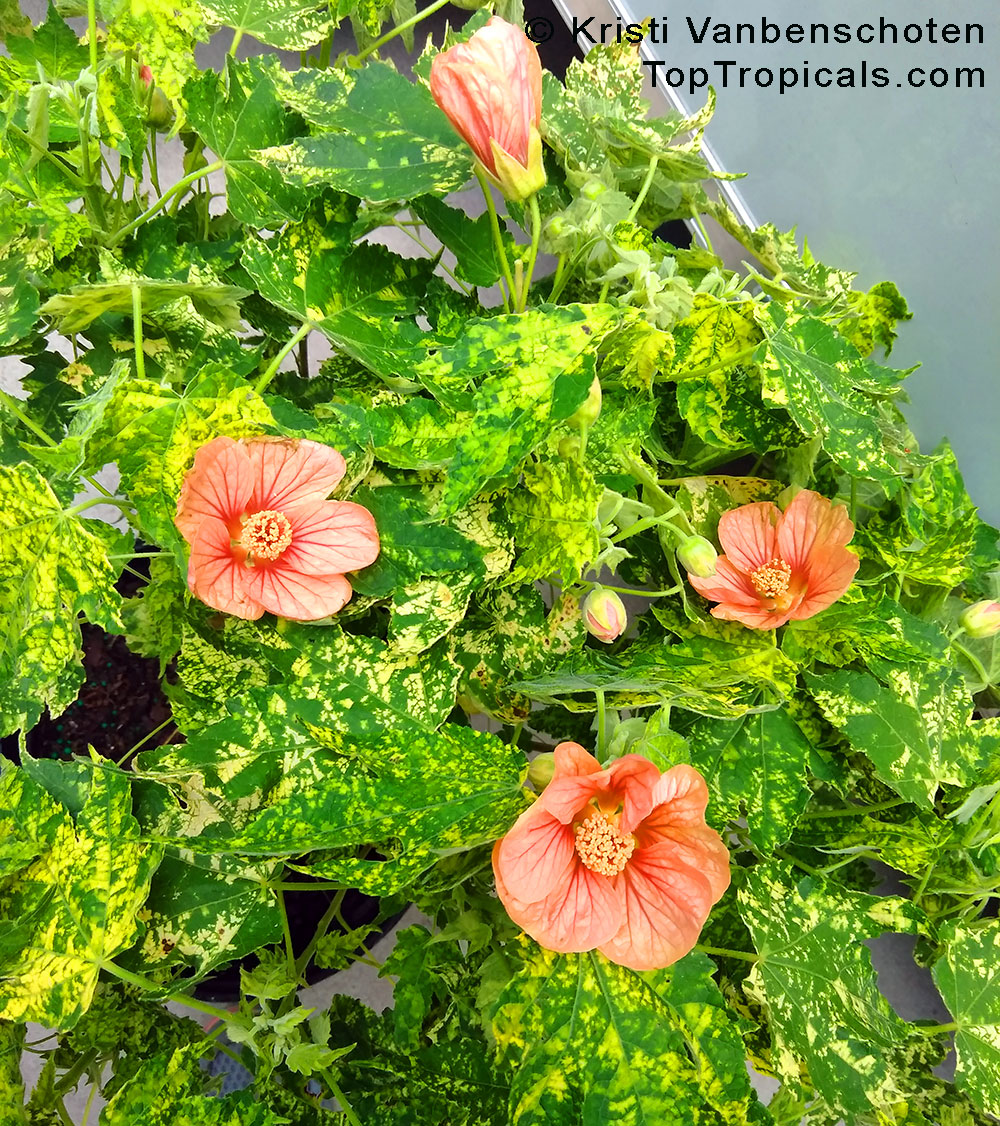
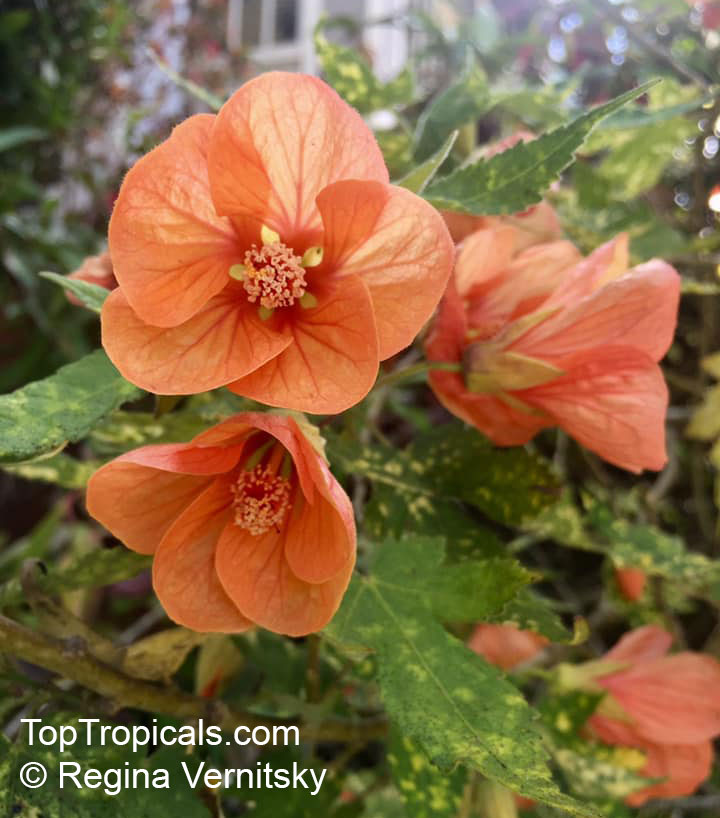
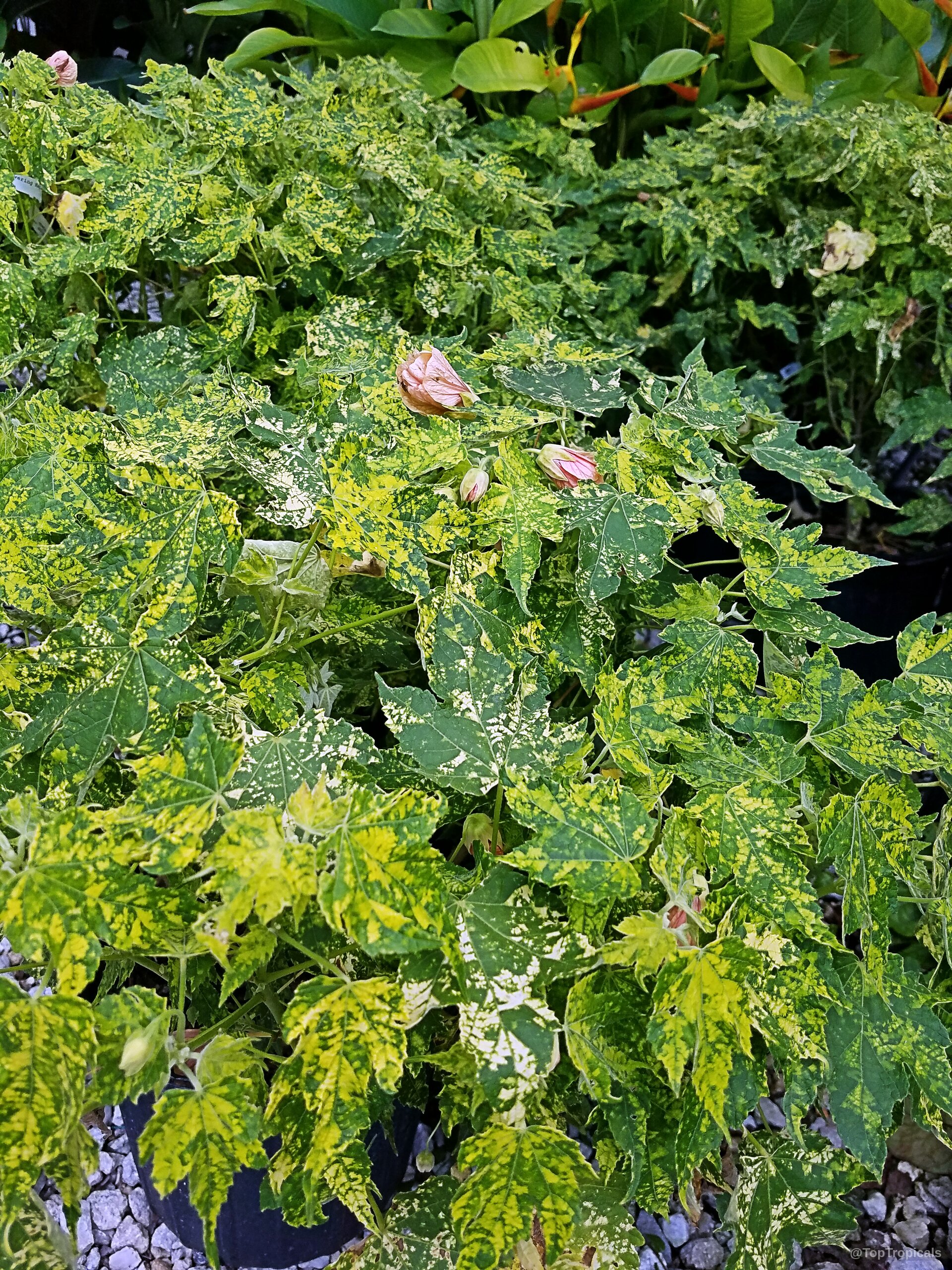
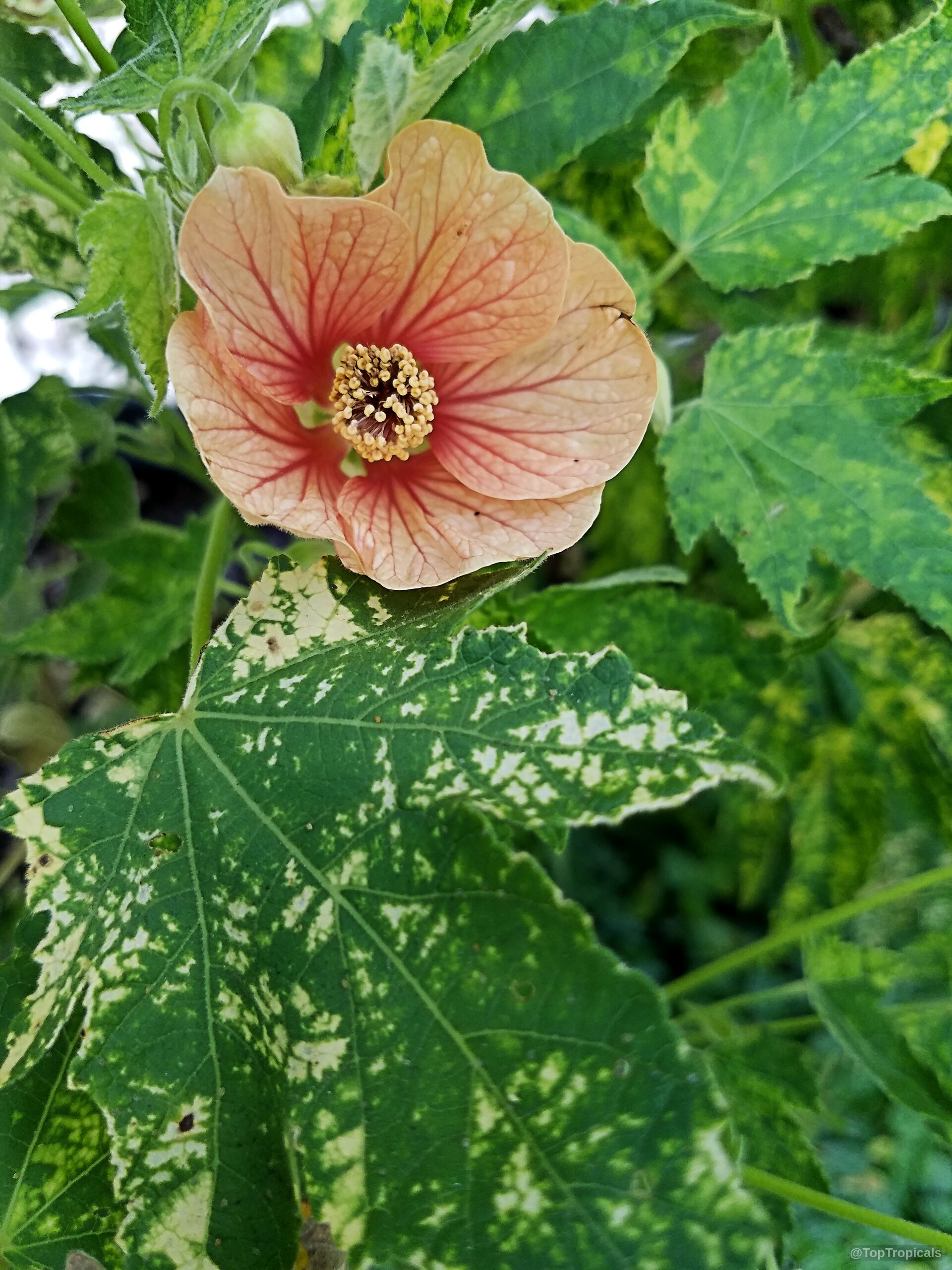
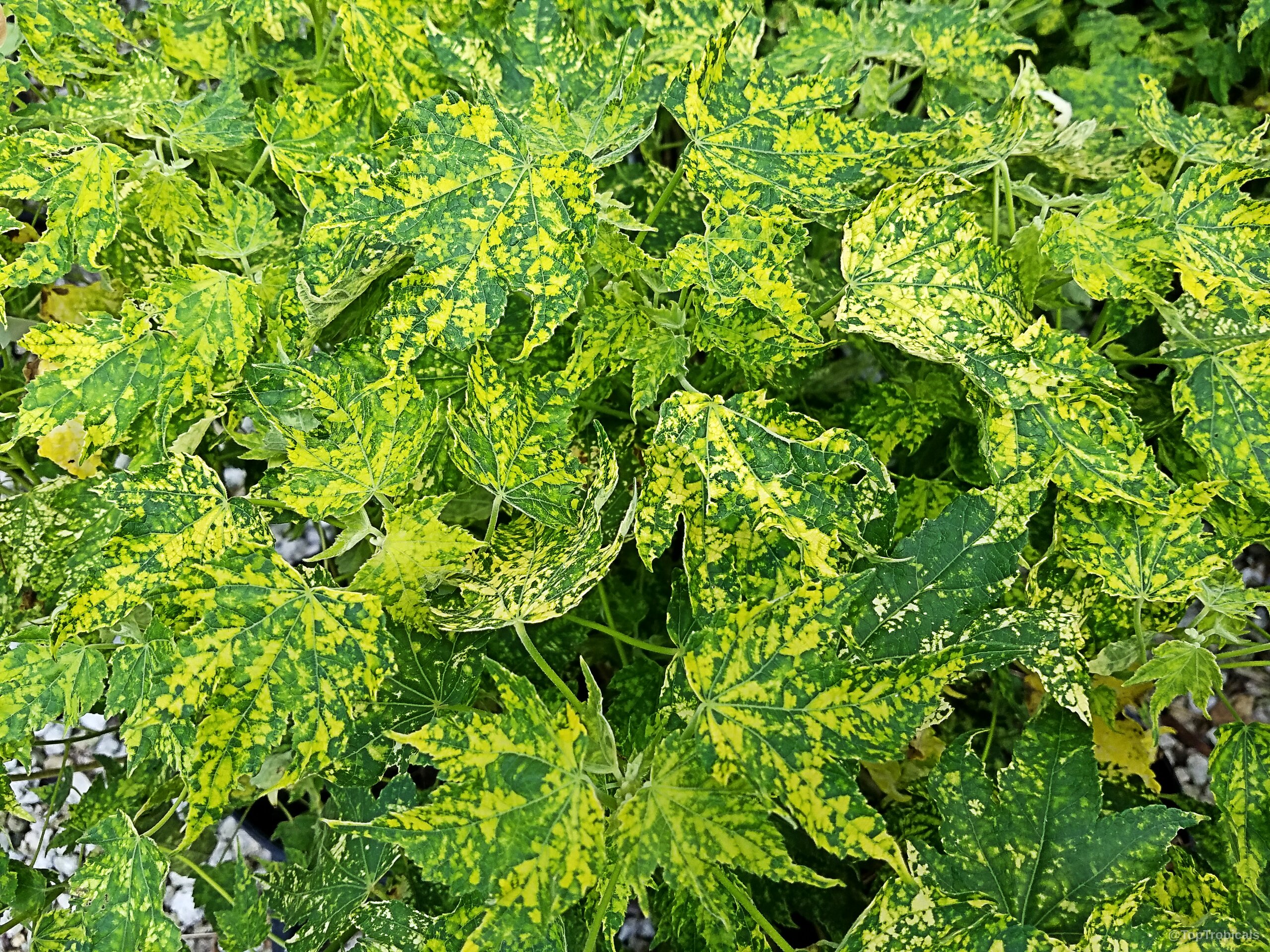
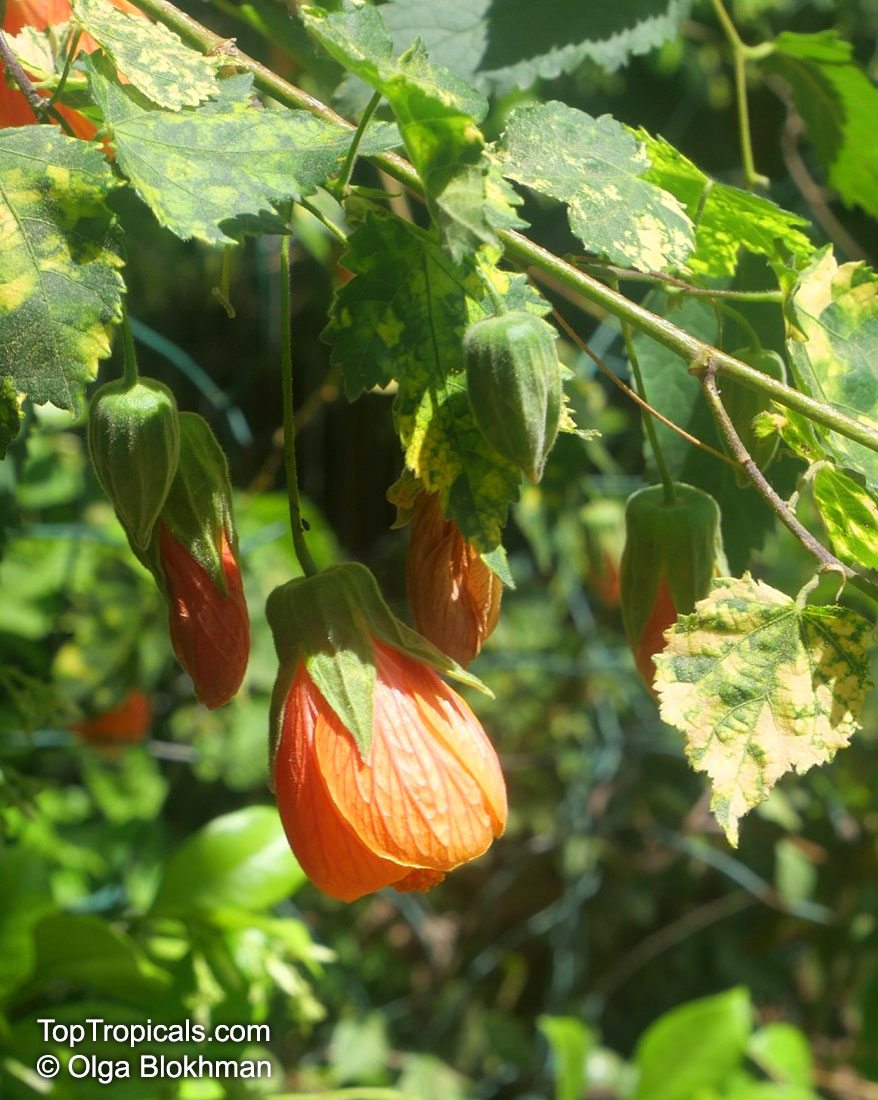
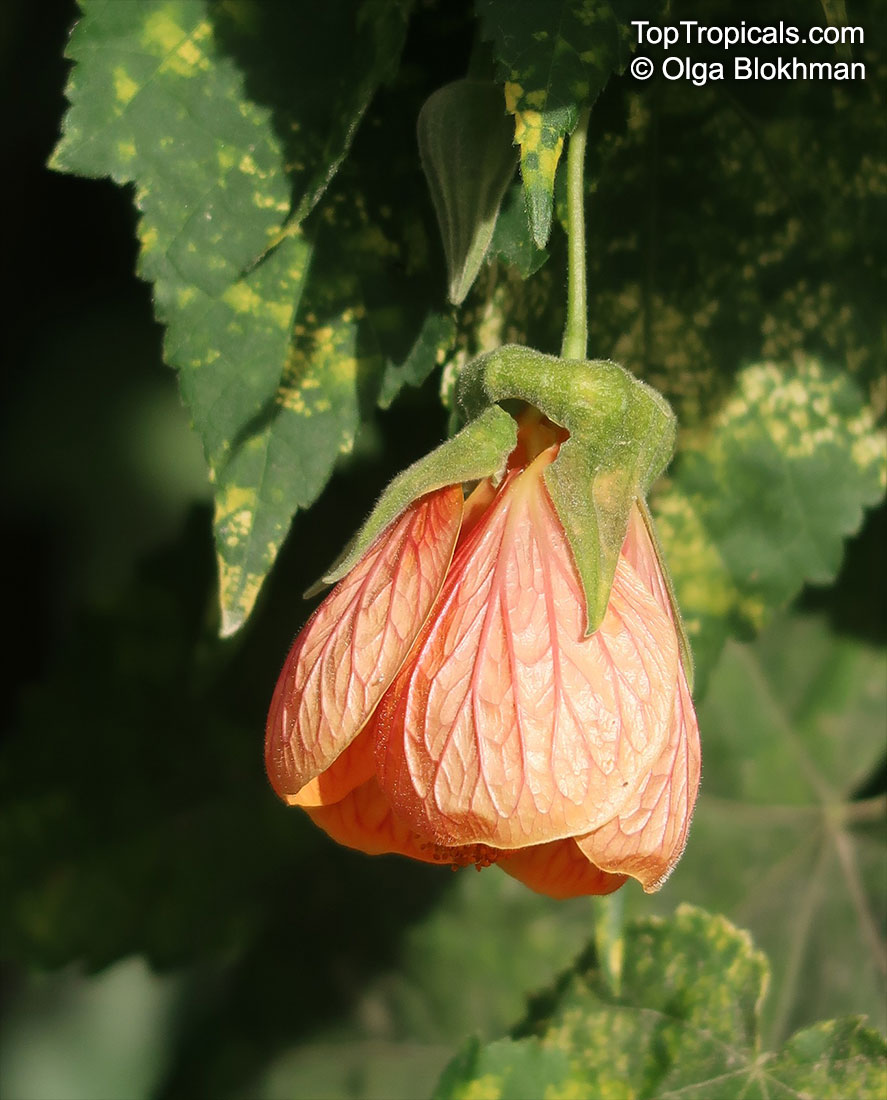
Abutilon pictum, also known as the Golden Rain Flowering Maple, is a fast-growing tropical flowering shrub that is prized for its speckled, maple-shaped leaves and showy, coral-orange flowers. This striking shrub is a great accent or border plant for areas that don't experience frost, as it can easily be espaliered against a wall. Abutilon pictum Thompsonii, a variety with golden leaf variegation and peach colored flowers with red veins, is an especially showy container specimen and a beautiful addition to any bright patio or indoor location.
Abutilon pictum is native to South America and is grown in USDA Plant Hardiness Zones 8-10. It requires a wa


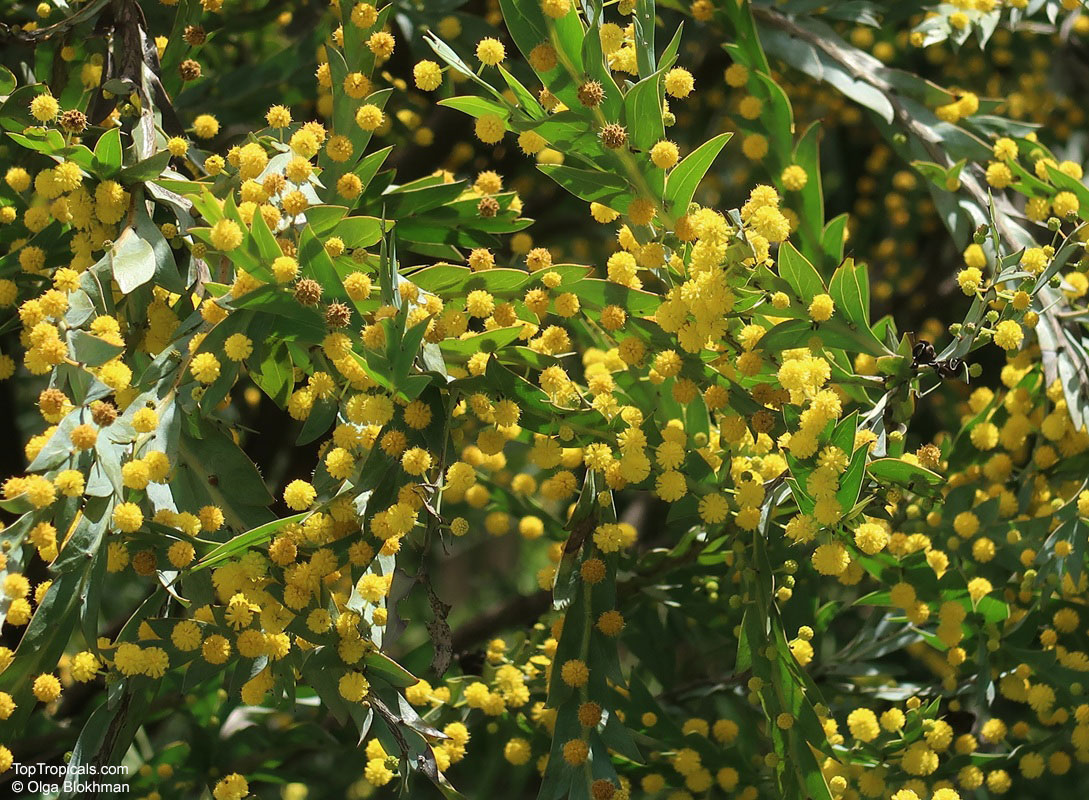
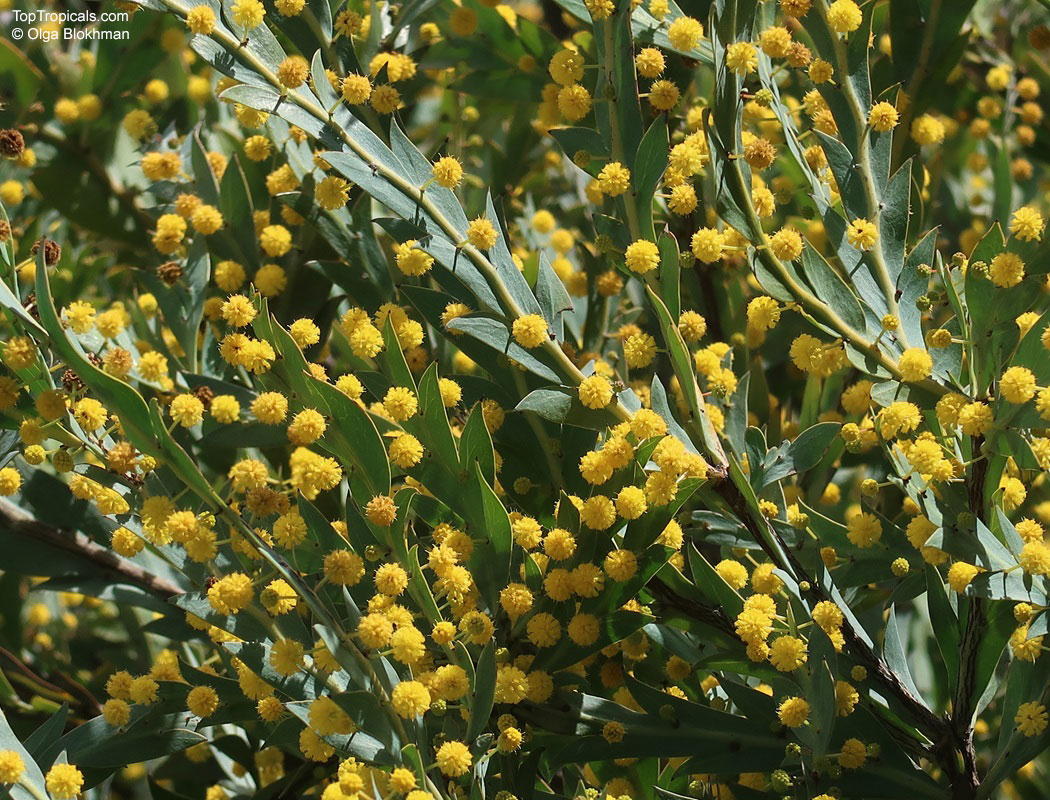
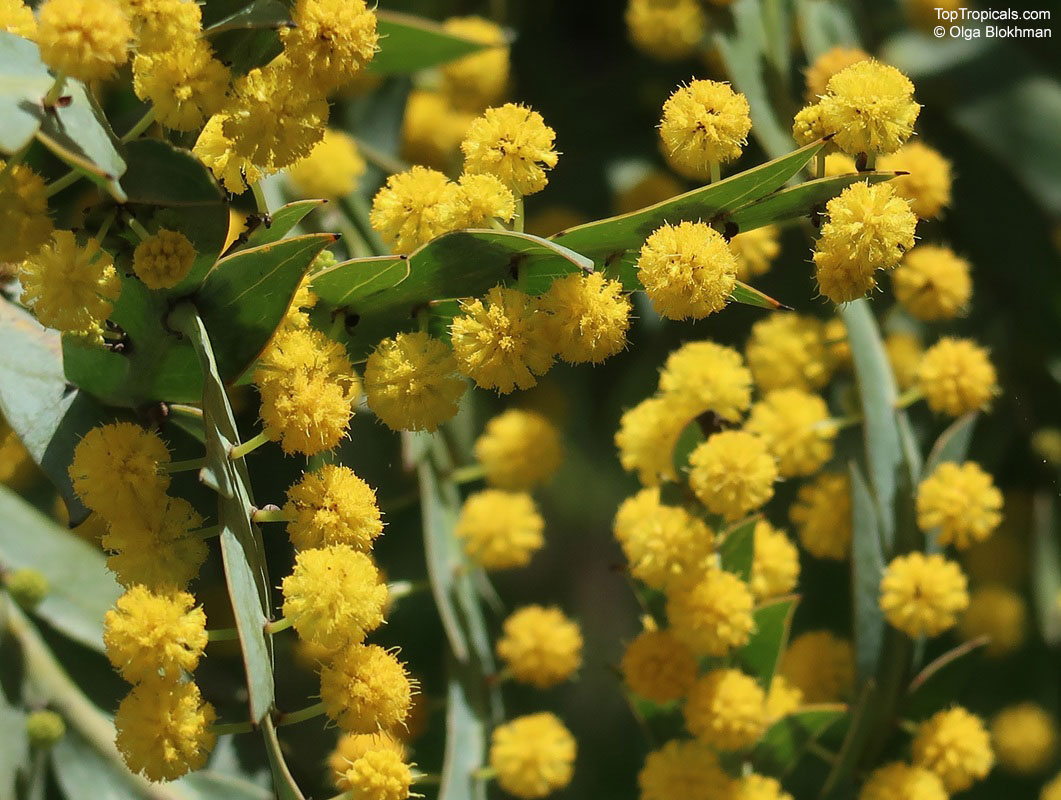
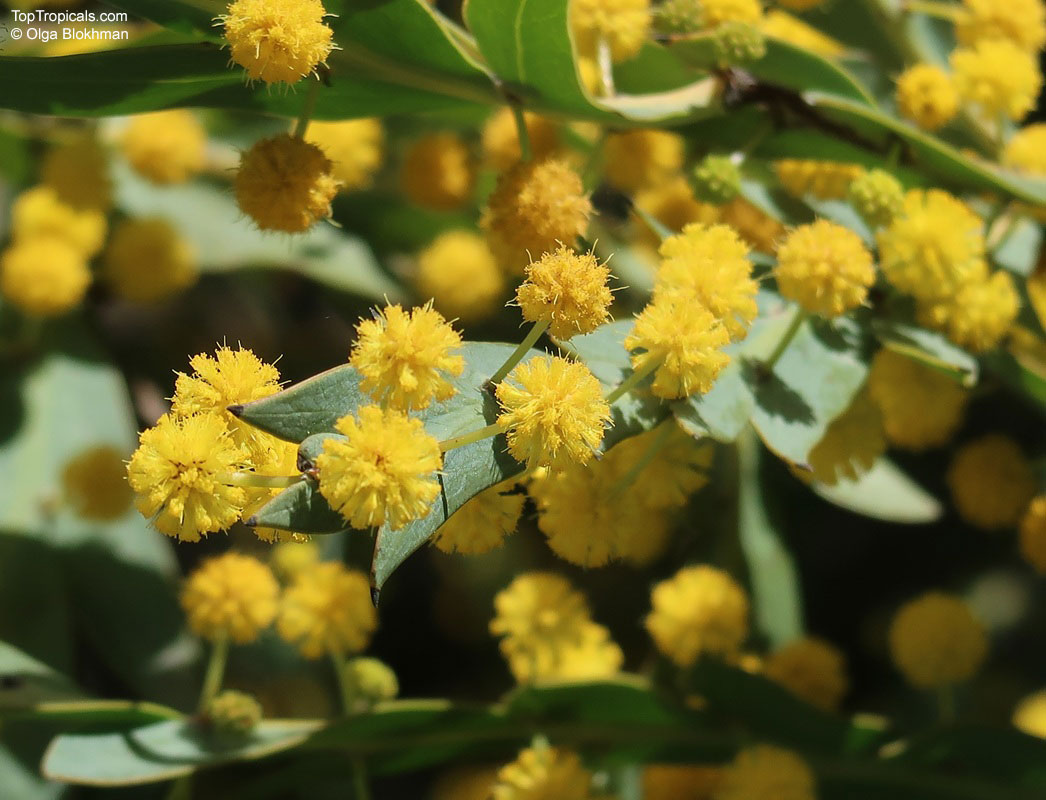
Botanical name: Acacia glaucoptera
Common names: Clay Wattle, Queen Wattle
Family: Fabaceae
Subfamily: Mimosoideae
Origin: Western Australia
USDA Zone: 9-11
Cold tolerance: 25 F


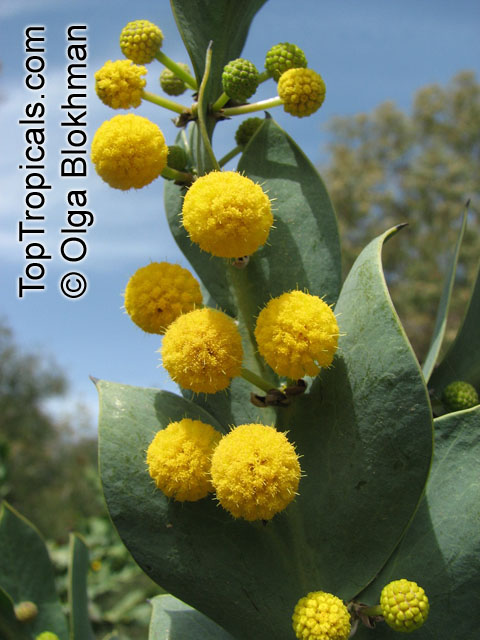
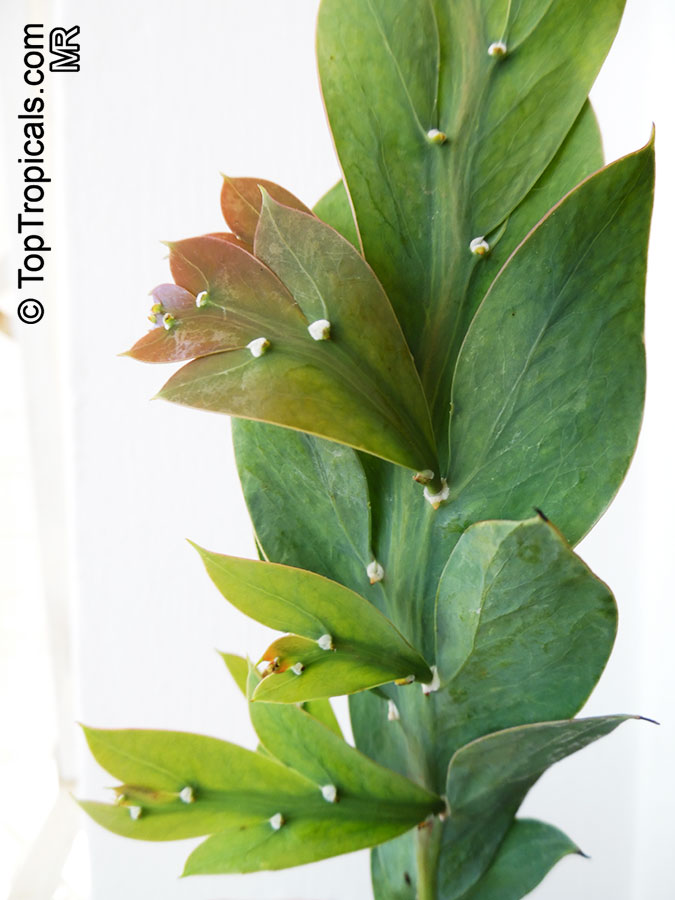
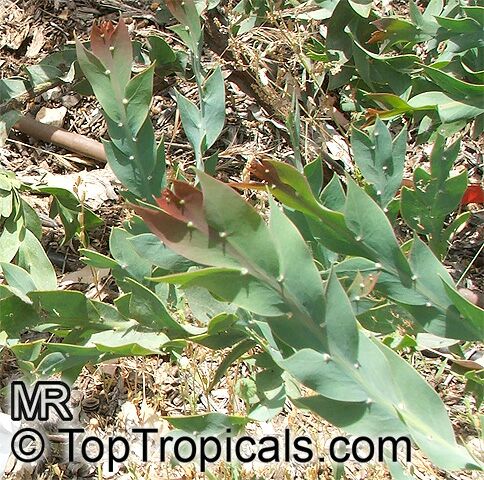
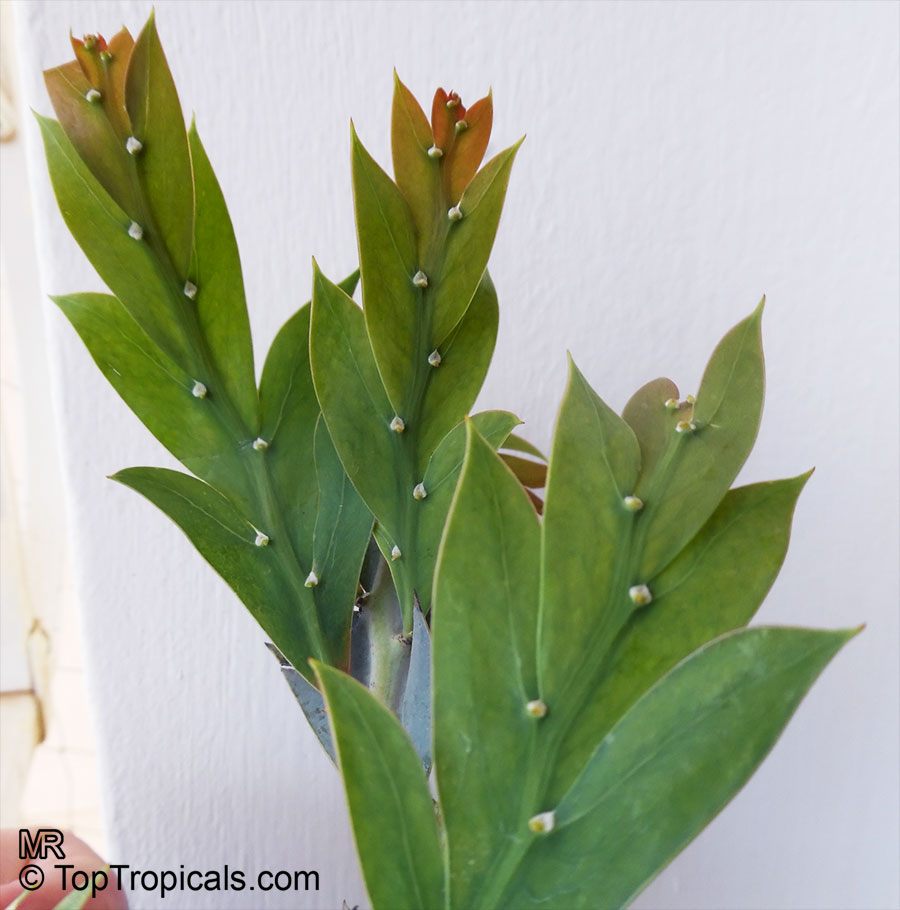
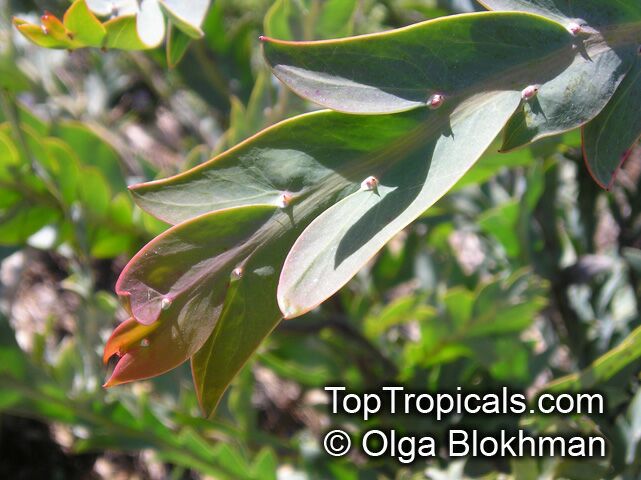
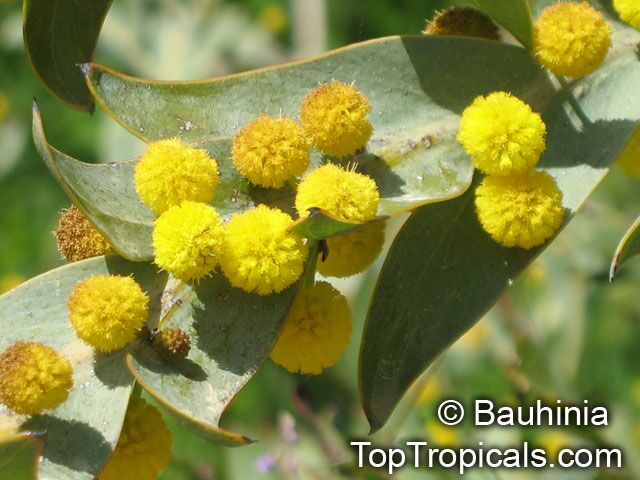
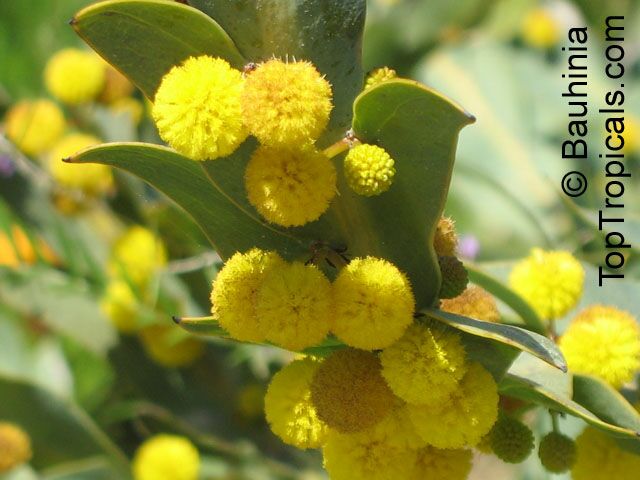
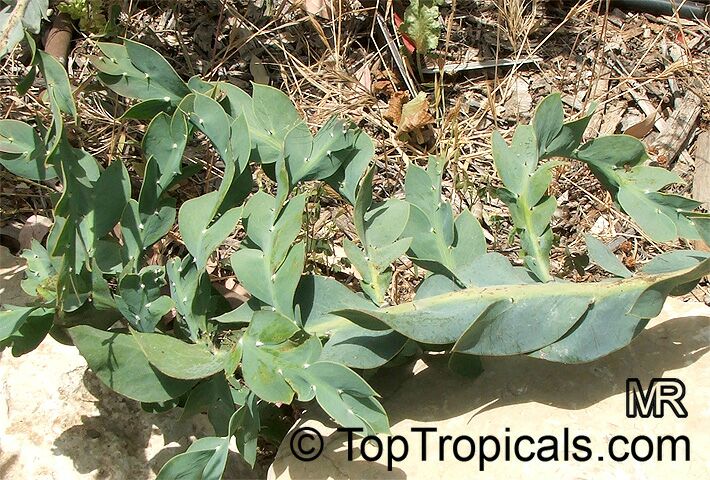
A native to Western Australia, Acacia glaucoptera (Clay Wattle) is a small plant, natively growing up to 2-5ft tall. It is an ornamental shrub, featuring an eye-catching foliage that is light to medium green, with a glaucaous-white and a distinctive broad-winged phyllodes. The yellow to orange-colored and globular-shaped flowers are the biggest highlight of this plant, appearing from central stems in spring.
Acacia glaucoptera can be grown in full sun, semi-shade, and higher temperate regions. It can be grown in USDA Zone 9-11. It is a highly drought-tolerant shrub that does well in dry conditions. It also does well in a container and attracts numerous butterflies and hummingbirds. Moderate watering is recommended for the shrub, with regular pruning, which will help promote a compact and bushy growth.
In colder regions, Acacia glaucoptera is an ideal plant for growing in a pot as they need protection from extreme cold and frost conditions. When growing in a pot, find a suitable location where the plant will get enough sunlight and water. Pay attention to the pot size; a large pot is necessary for growth. Water the plant when required, keeping the soil moist. In winter, water the plant less frequently but never let the soil dry out completely. Apply a balanced fertilizer every month to provide the necessary nutrients.
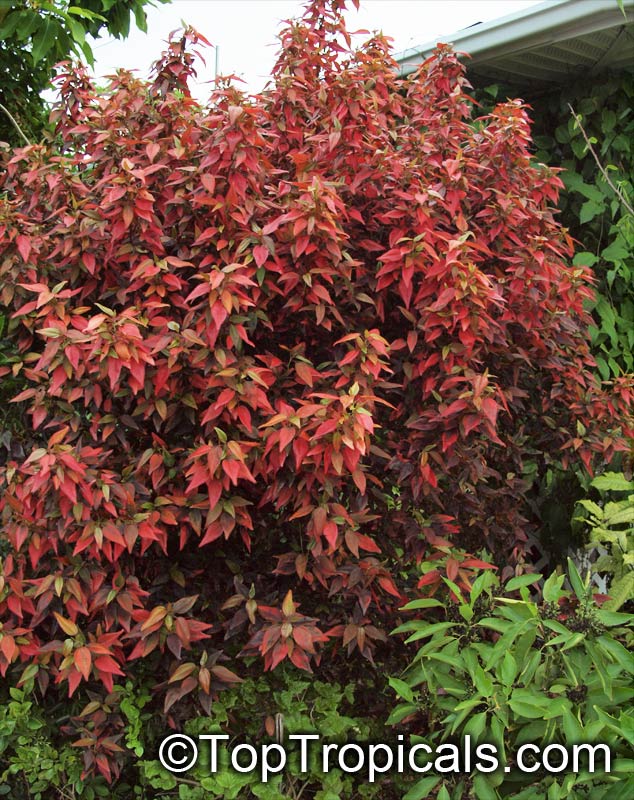
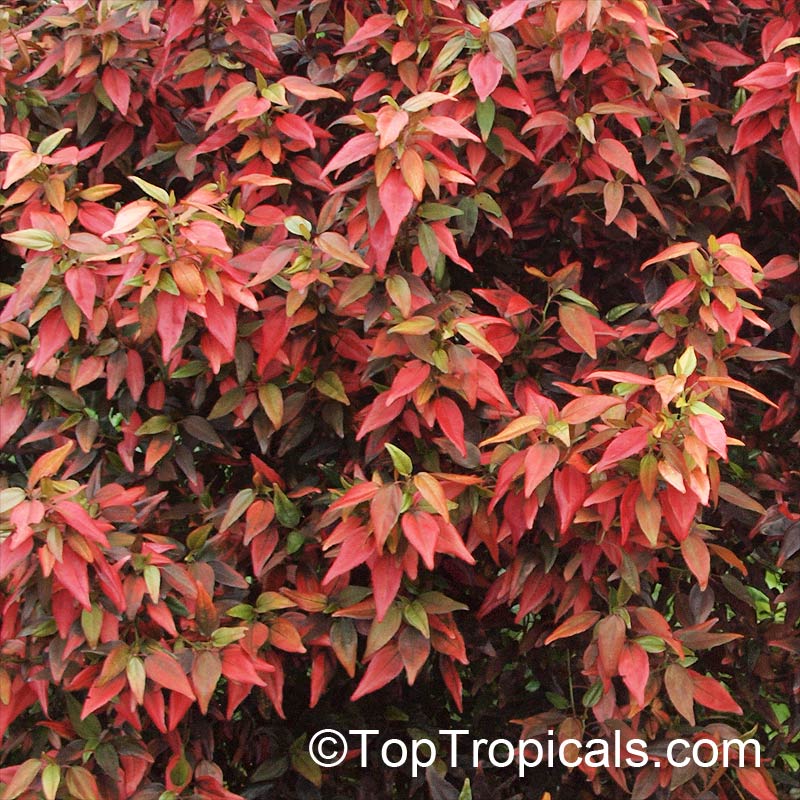
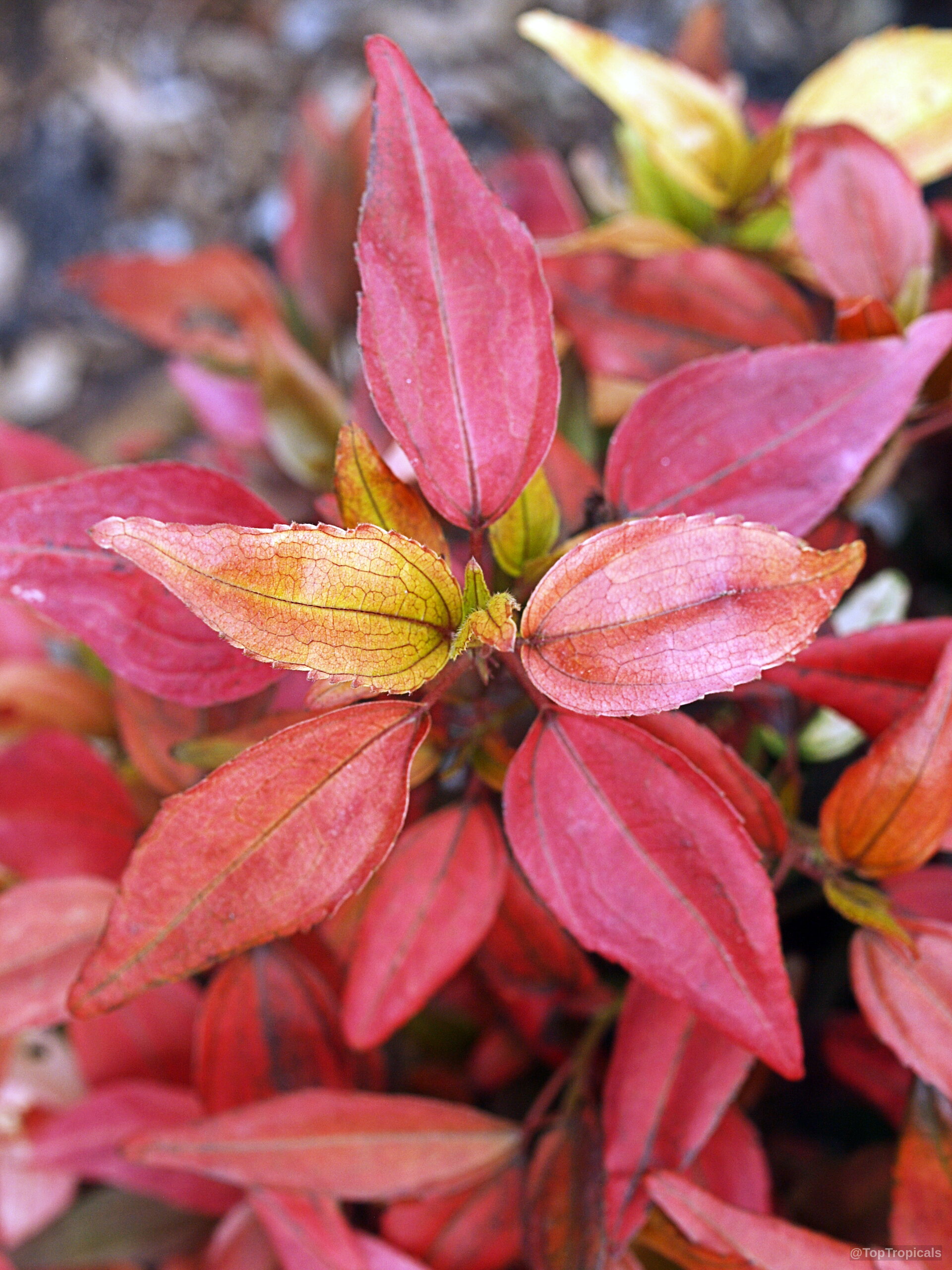
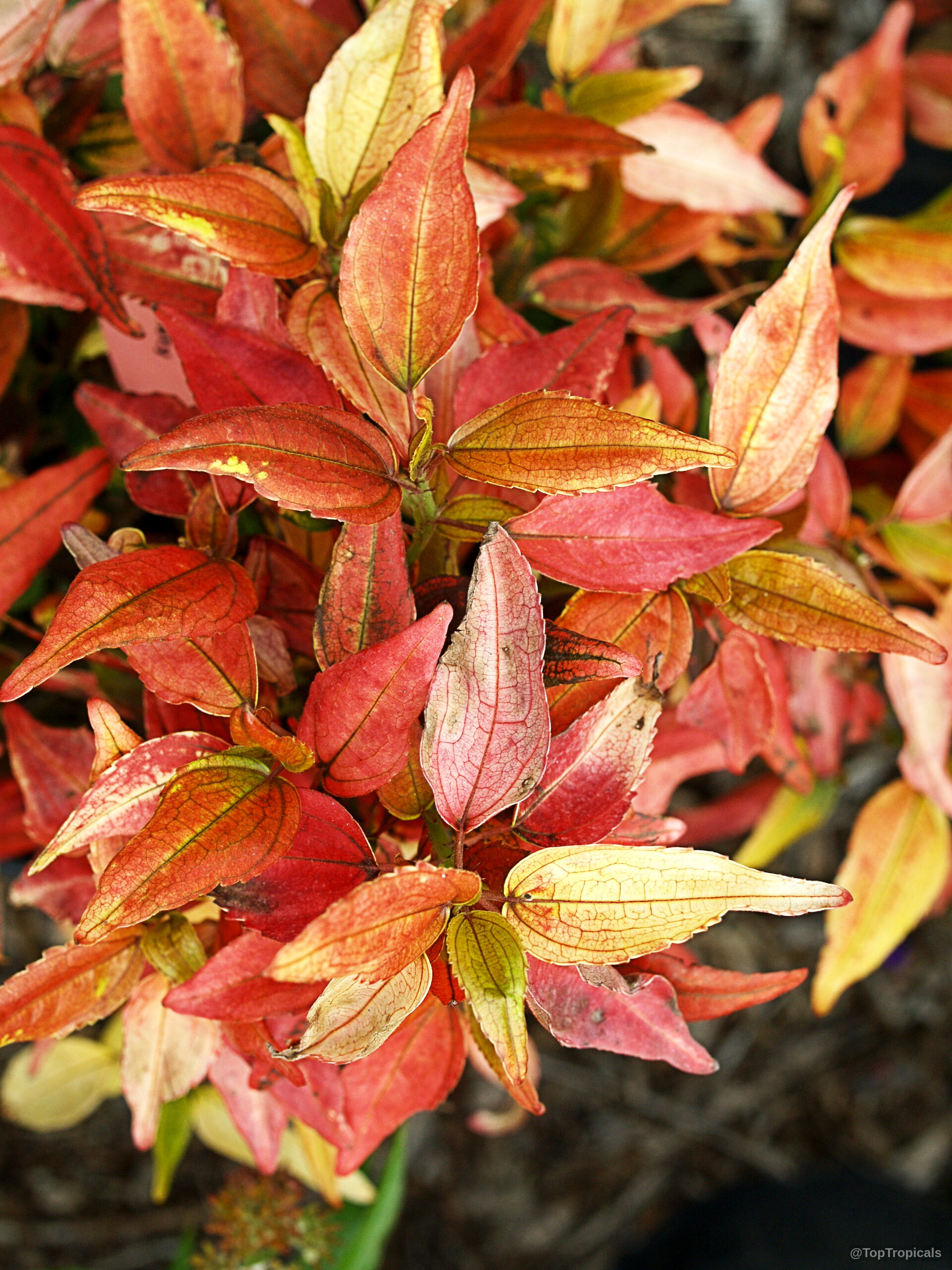
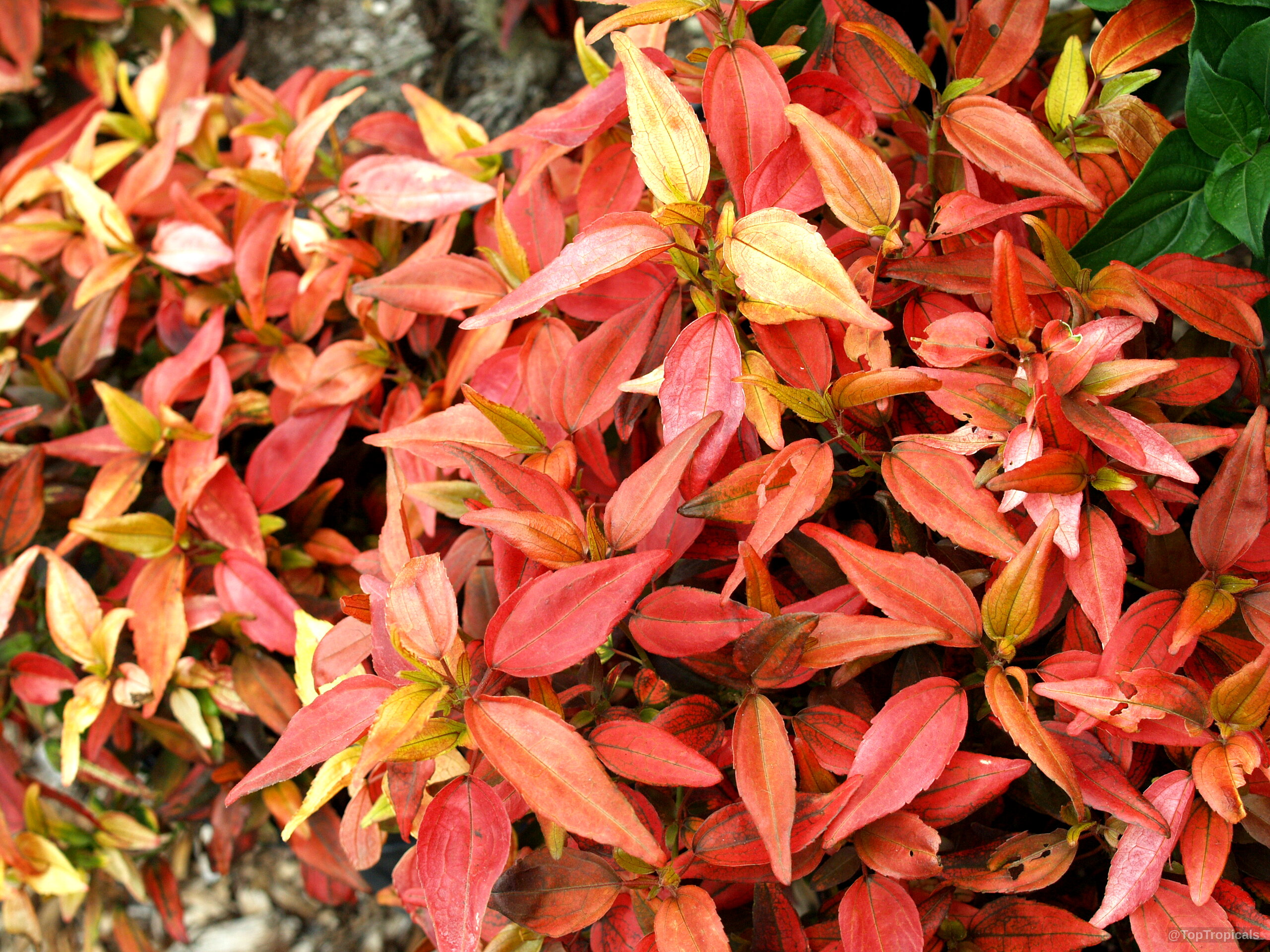
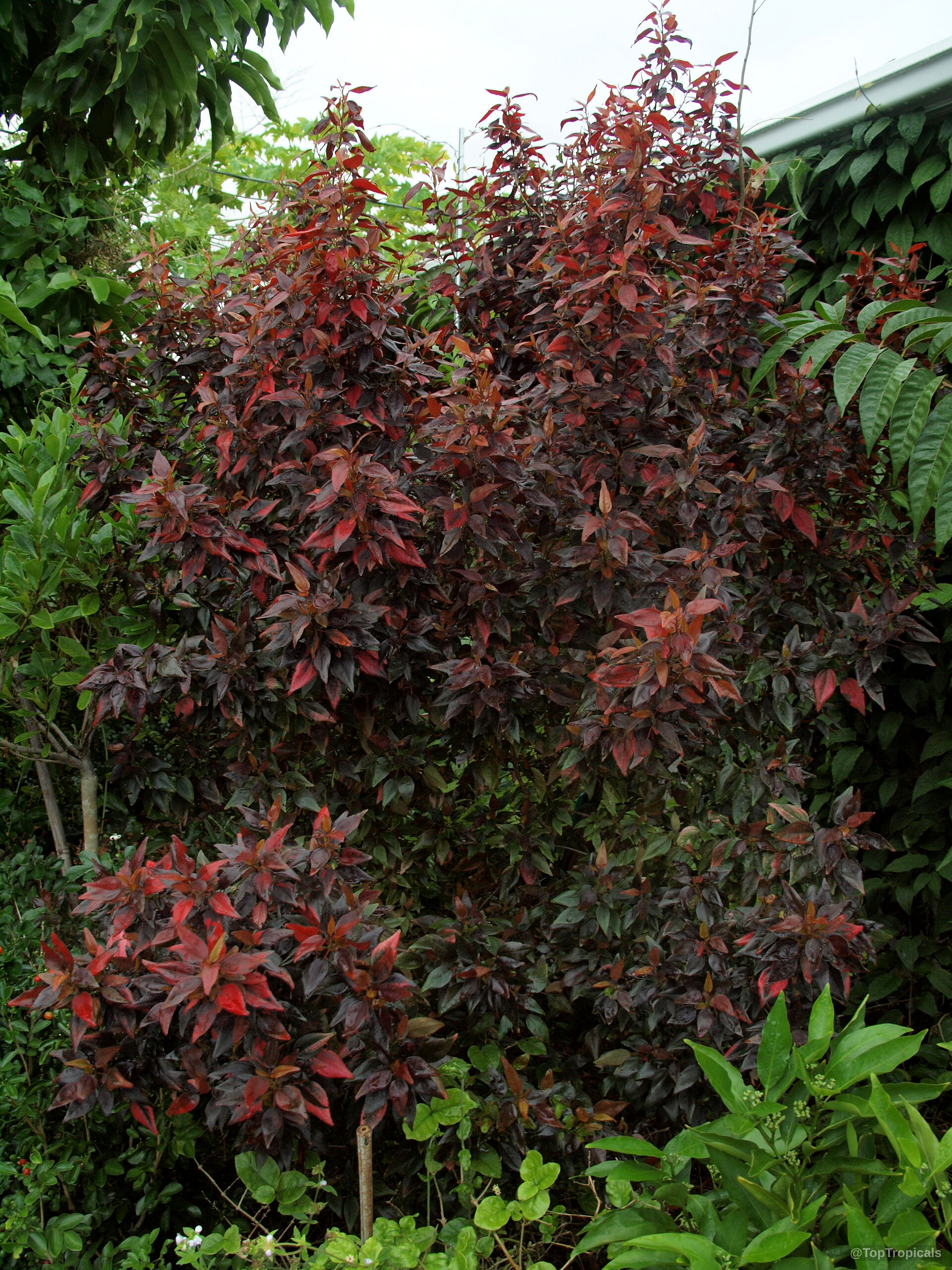
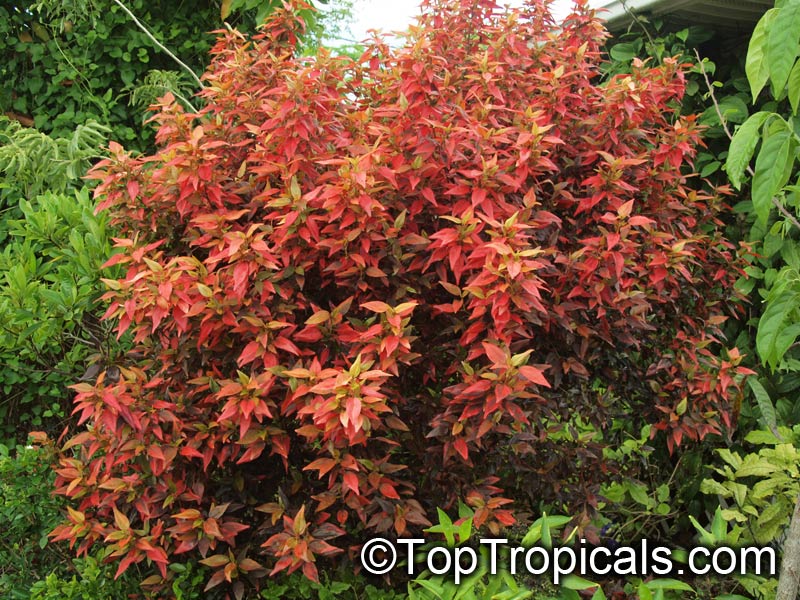
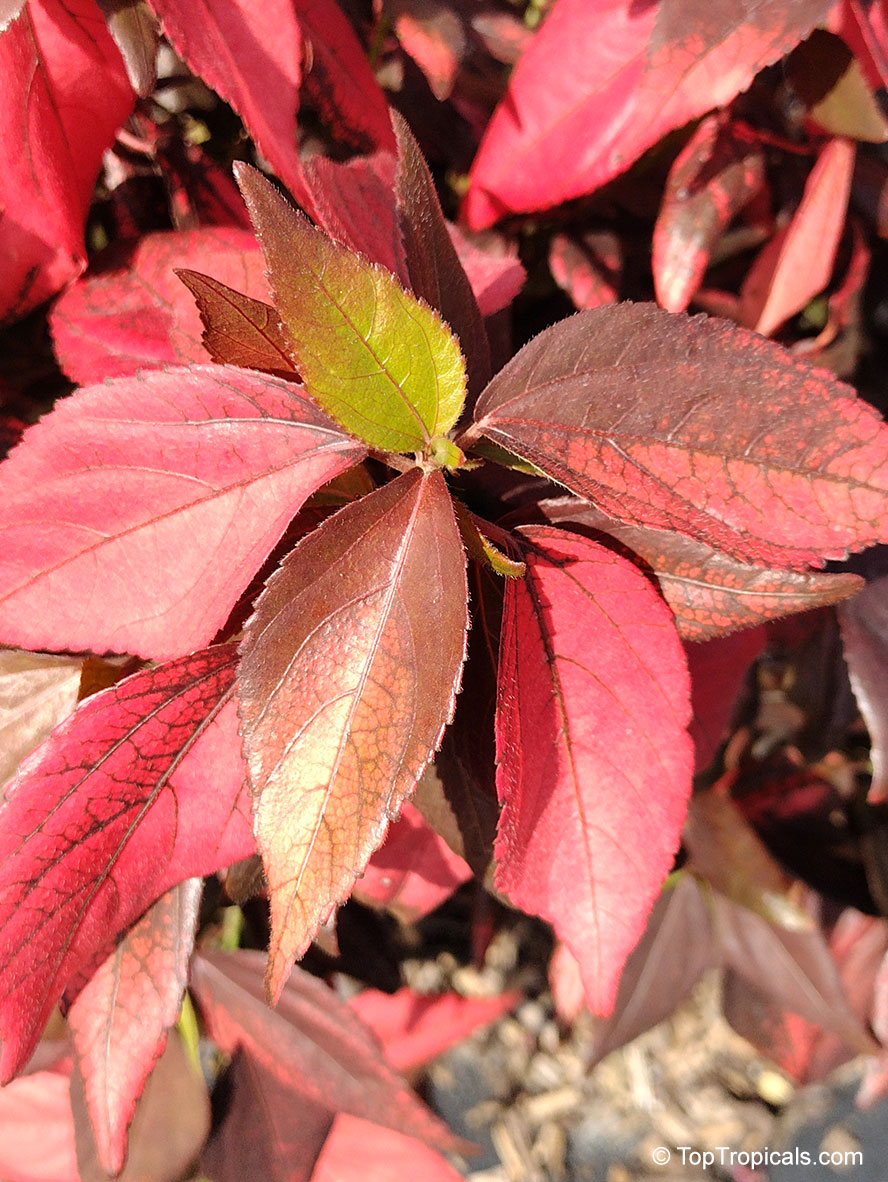
Botanical name: Acalypha sp.
Common name: Flame Copper leaf
Cultivar: Inferno
Family: Euphorbiaceae
Origin: South Pacific Islands
USDA Zone: 10-11
New hybrid of Copper Leaf with bright red-orange-yellow leaves. This shrub provides year-round color in your landscaping in full sun location. The more sun, the brighter the color. In shade leaves may turn pale and green.
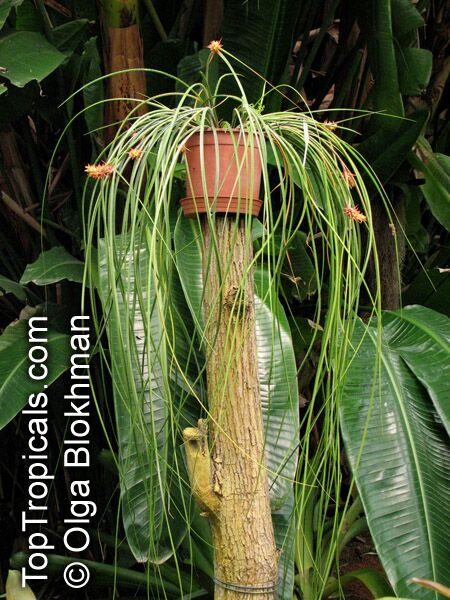
Botanical name: Acanthostachys strobilacea
Common name: Pinecone Bromeliad
Family: Bromeliaceae
Subfamily: Bromelioideae
Origin: Brazil, Paraguay, Argentina
USDA Zone: 9-10


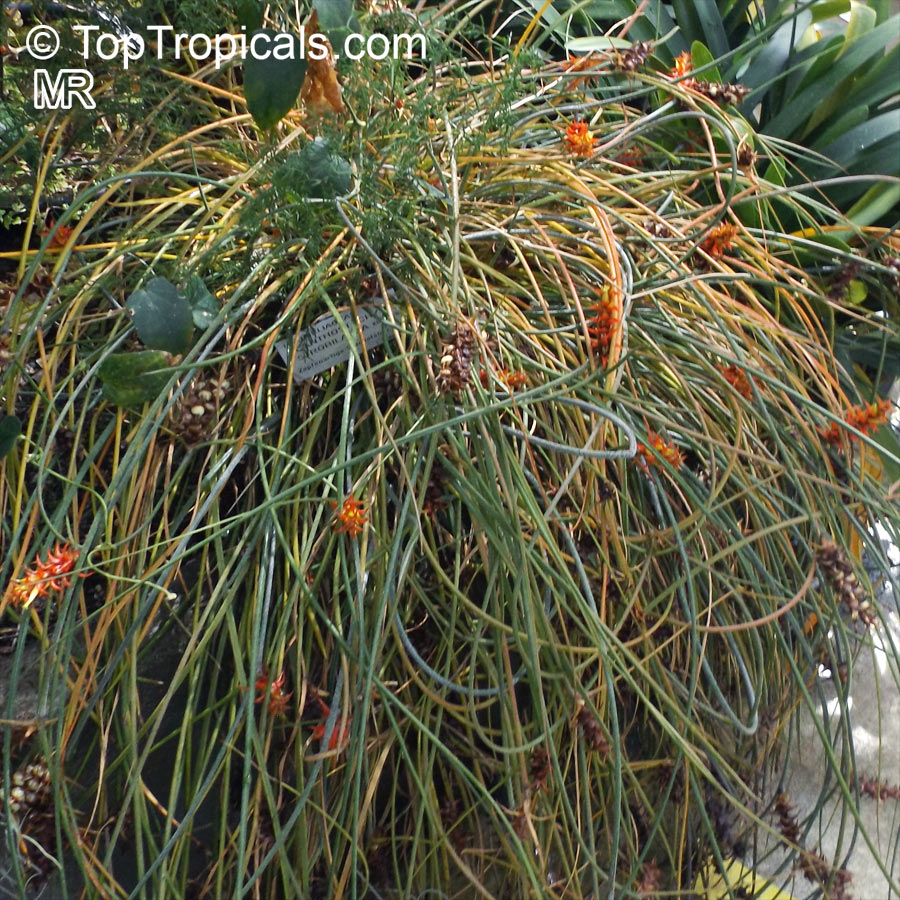
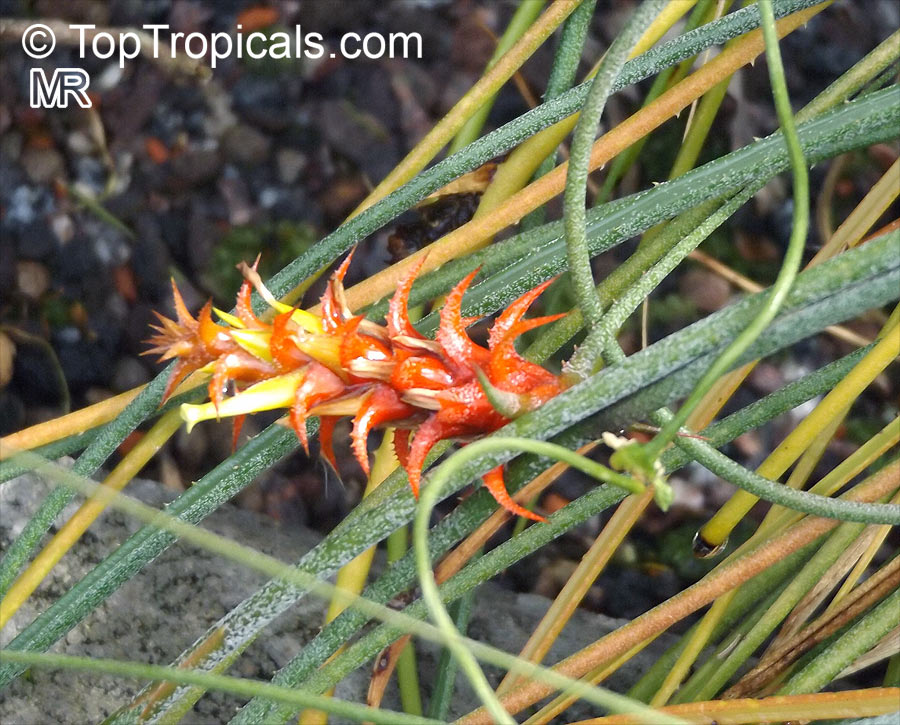
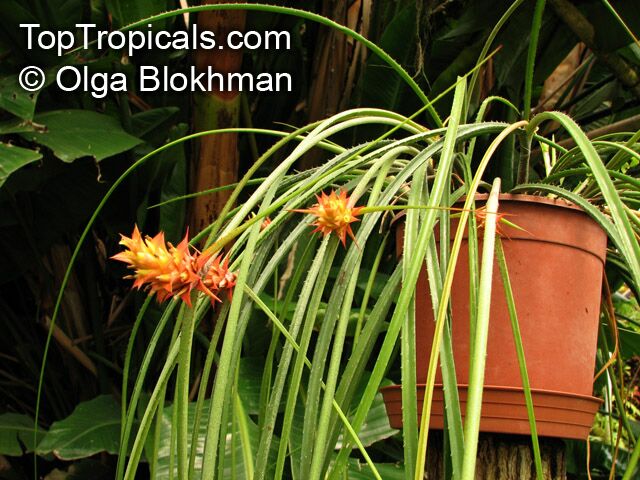
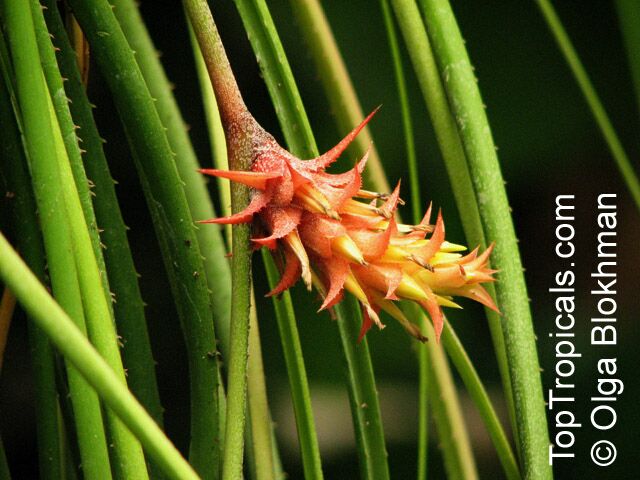
Native to Brazil, Paraguay, and Argentina, Acanthostachys strobilacea (Pinecone Bromeliad) is a small shrub that grows to reach 2-5ft in height. This attractive epiphyte requires a moderate amount of water and semi-shade to grow and thrive, making it the perfect plant for a hanging basket in a sunny or partially-shaded location. Its leaves are a deep green with gray scurf and spines, while its flowers range in color from yellow to orange.
Despite its exotic appearance, Acanthostachys strobilacea is low-maintenance, making it ideal for gardeners who don't have much time to spare on tending to their plants. In addition, it is drought-tolerant and can even thrive in xeriscaped environments.
For those who live in USDA Zone 9-11, Acanthostachys strobilacea is well-suited for growing in containers. The plant can be successfully grown in cold regions as long as its soil is kept moist. In cooler climates, the plant should be moved to a sheltered area during the winter months to ensure the soil does not become too cold and wet, as this could damage the roots. Furthermore, when growing in a pot, it is important to ensure the pot is well-drained and to water the plant regularly and deeply.
Overall, Acanthostachys strobilacea is a beautiful and exotic plant that is low-maintenance and drought-tolerant, making it a great addition to any sunny or partially-shaded garden. With the right care, it can thrive in its environment and bring a unique beauty to any garden.
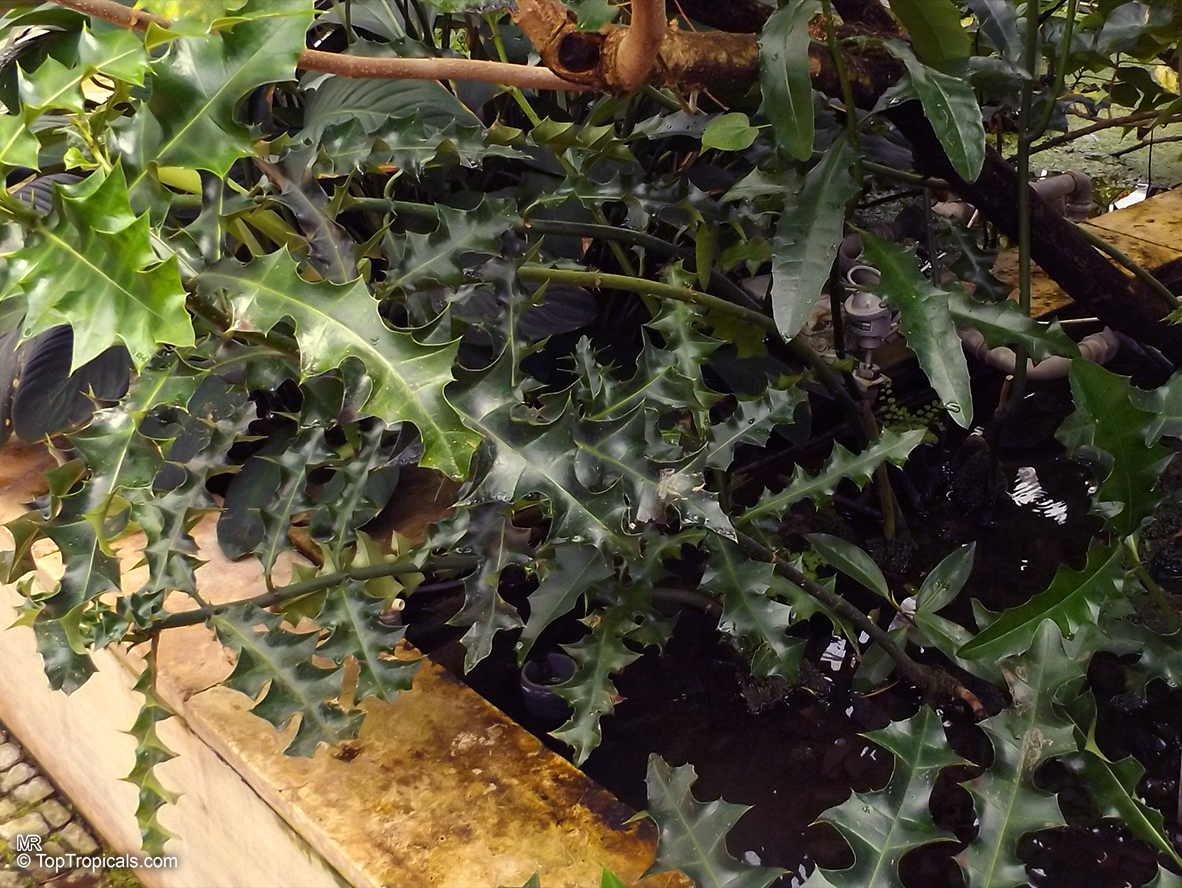
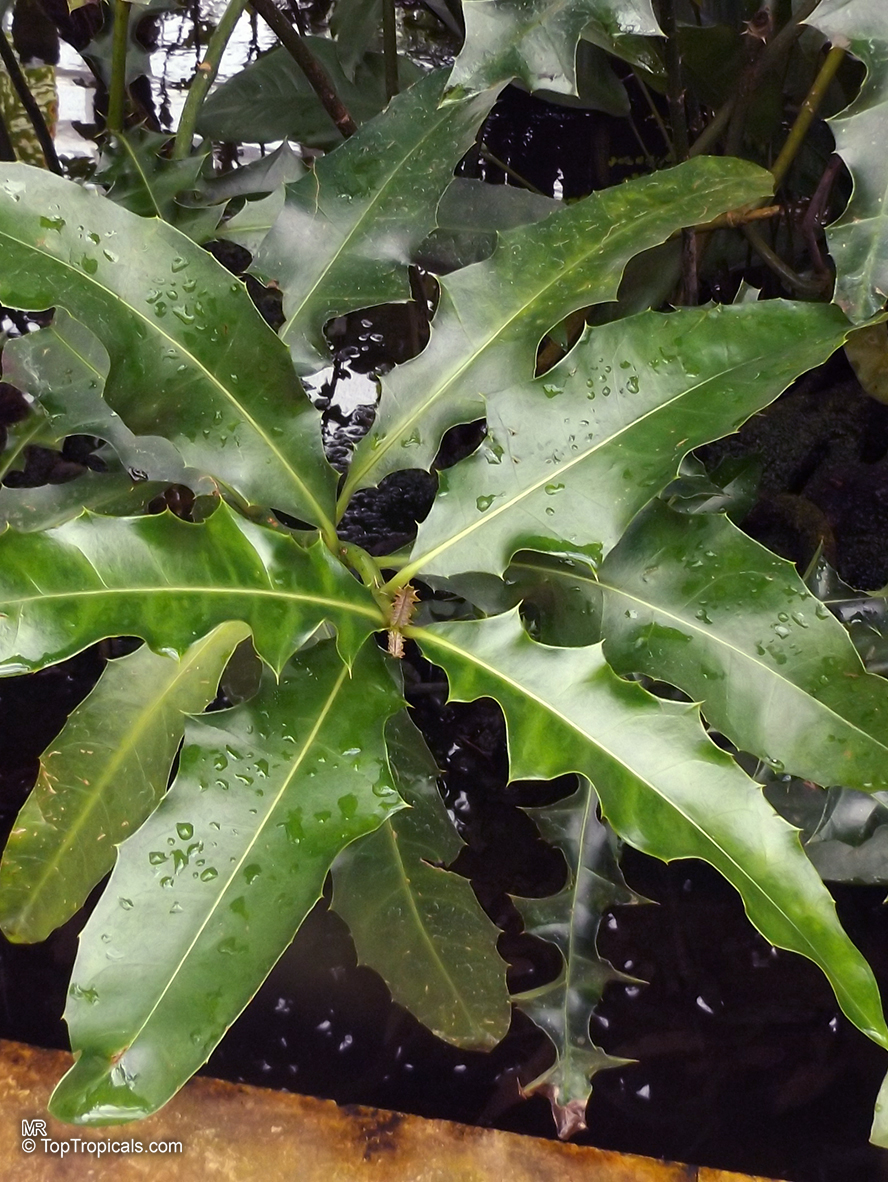
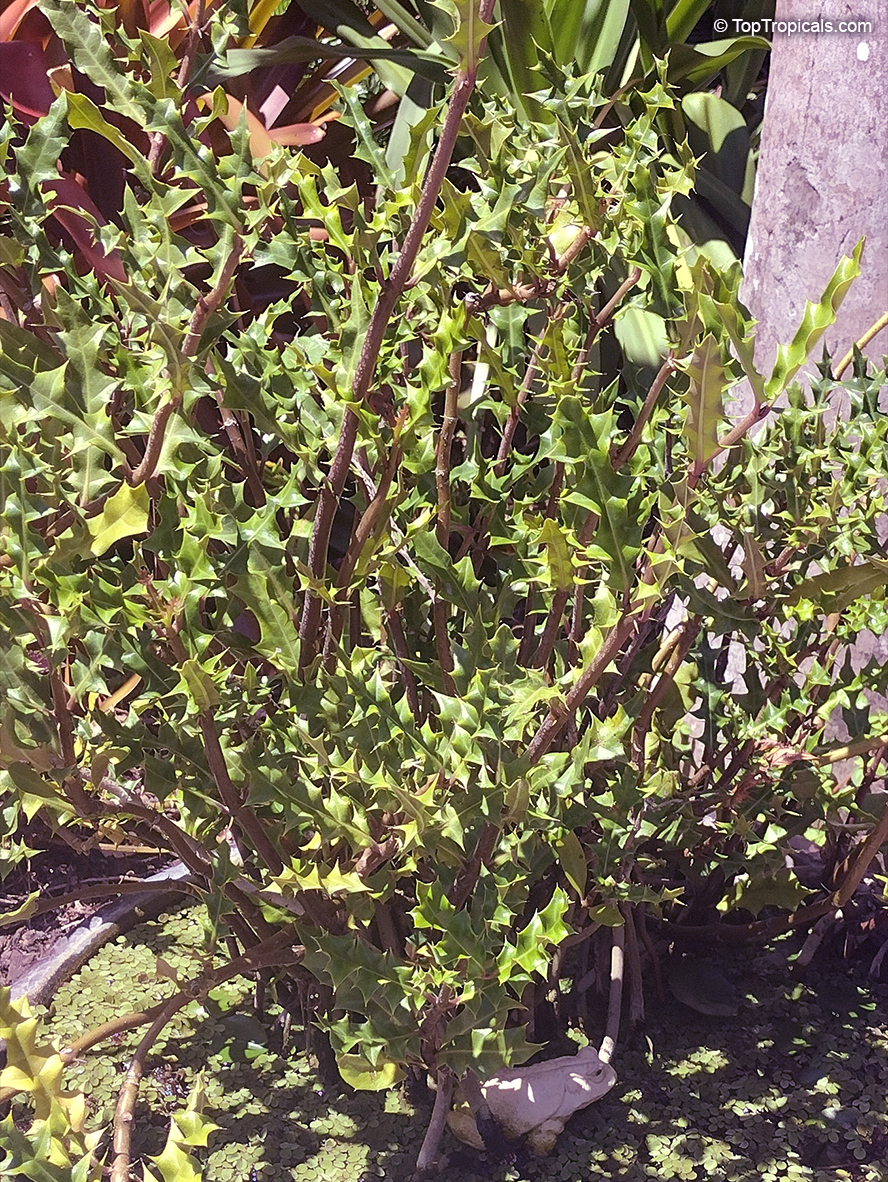
Botanical name: Acanthus ilicifolius
Common names: Holly-leaved Acanthus, Sea Holly, Holy Mangrove
Family: Acanthaceae
Origin: India, Polynesia
USDA Zone: 8-10


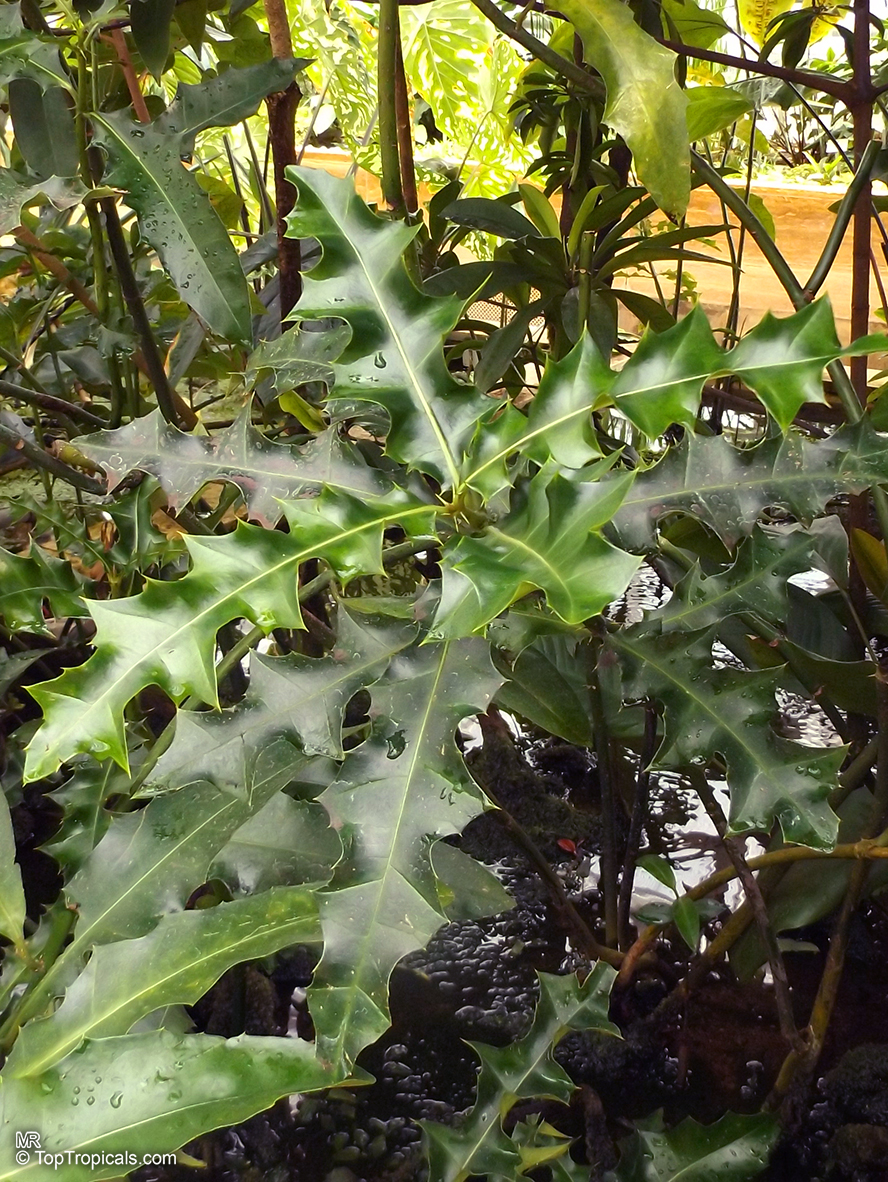
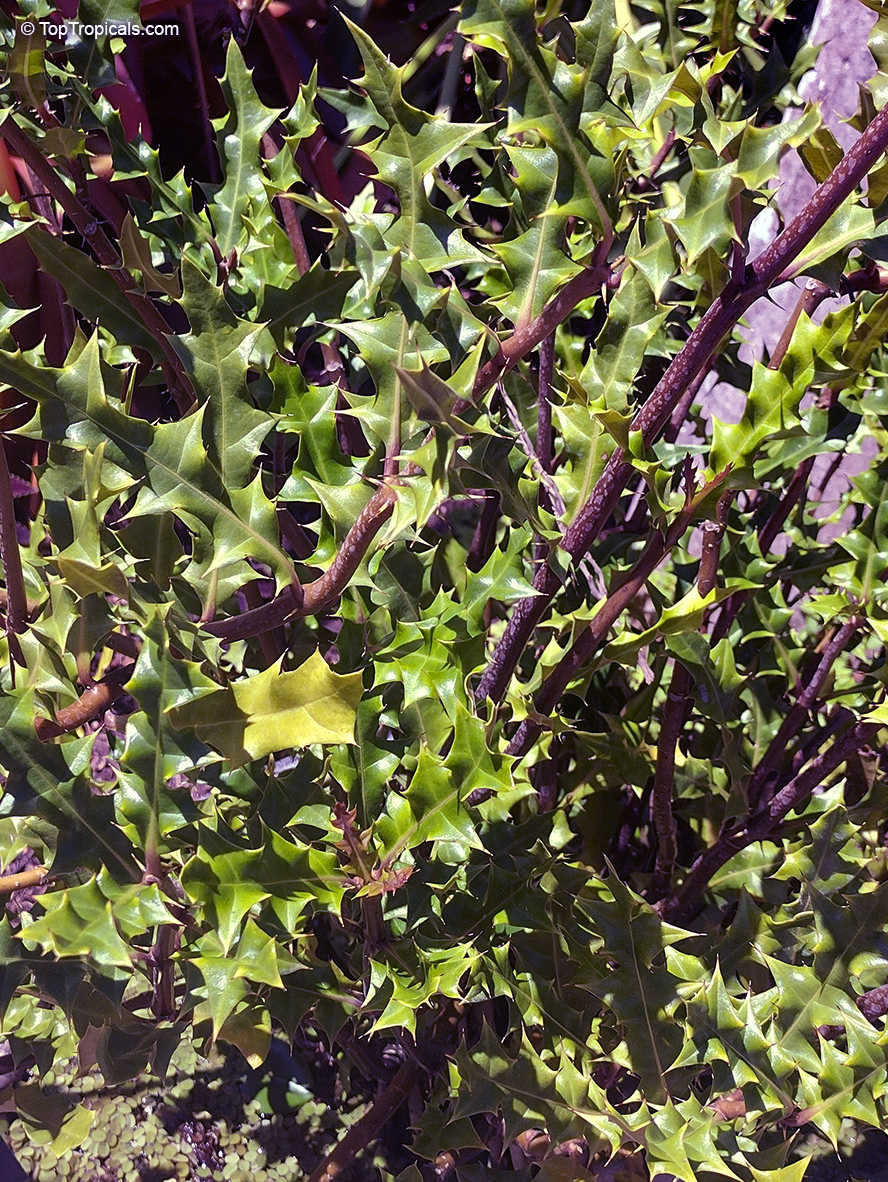
Acanthus ilicifolius, or Holly-leaved Acanthus, is a perennial plant native to India and Polynesia. This plant can reach a large size, typically growing up to 5-10 ft tall. It has a semi-woody and sprawling structure, with thin stems coated in a glossy green hue speckled with white. The leaves are oval-shaped with a pair of spines at each angle.
Holly-leaved Acanthus prefers full sun to semi-shade and can be grown either in a bog or aquatic environment. It requires plenty of moisture as well as regular watering to stay healthy and vibrant. This plant also tolerates flooding and salty conditions near the seaside very well. Therefore, it can be a great addition to any garden in the USDA hardiness zone of 8-11.
The Holly-leaved Acanthus is adorned with clusters of beautiful blue, lavender and purple flowers. It is also an ethnomedical plant, hence its use in traditional medicine. Its stems are thorny or spiny and may require careful handling when handling.
When growing Holly-leaved Acanthus in a pot, it is essential to keep the soil moist and use quality organic potting soil. A location with some protection from the elements is preferred in colder regions as well as a winter mulching of thick straw to prevent frost damage. Additionally, it is important to keep an eye out for any pests and diseases that may occur and act appropriately to keep the plant healthy.
Botanical name: Acanthus montanus
Common names: Alligator Plant, Mountain Thistle
Family: Acanthaceae
Origin: West and Central Africa
USDA Zone: 9-11
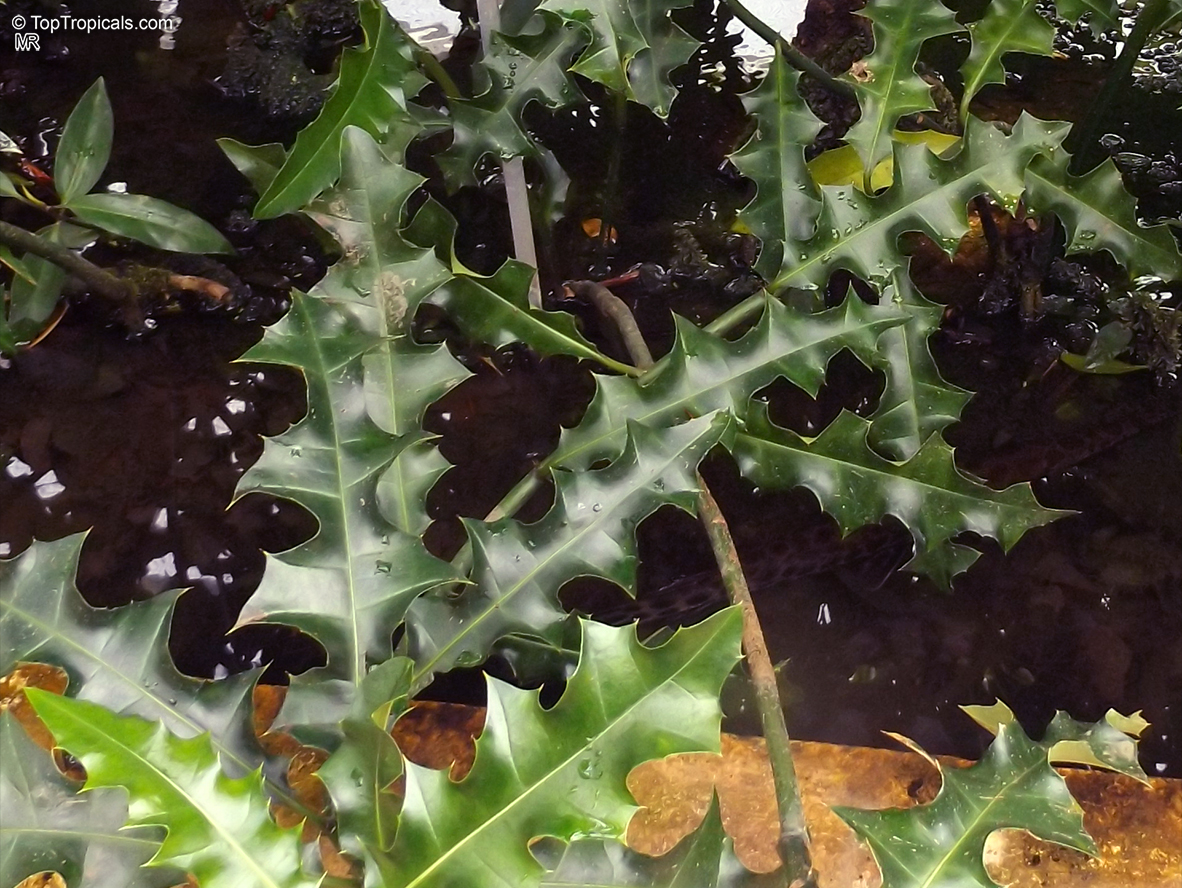
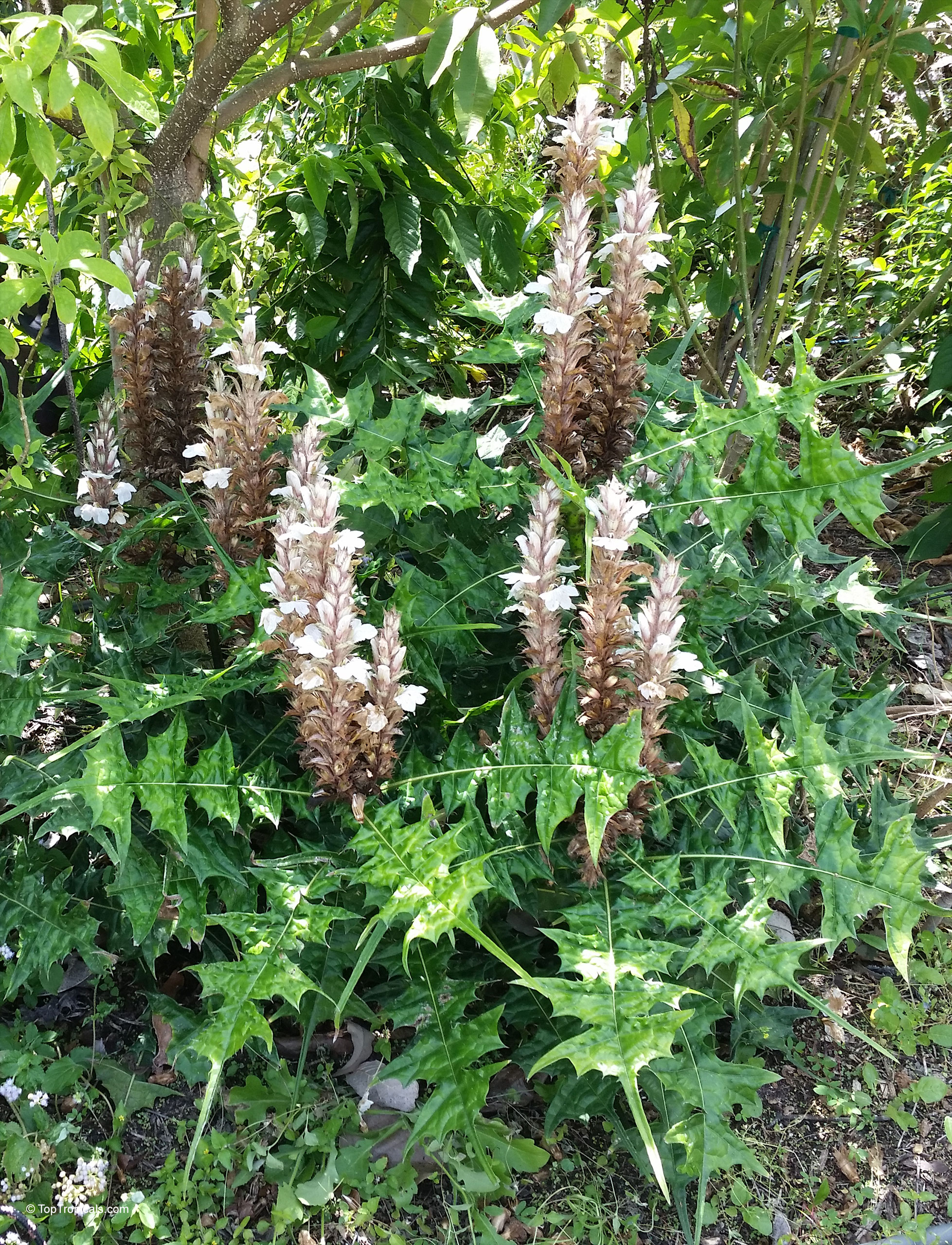
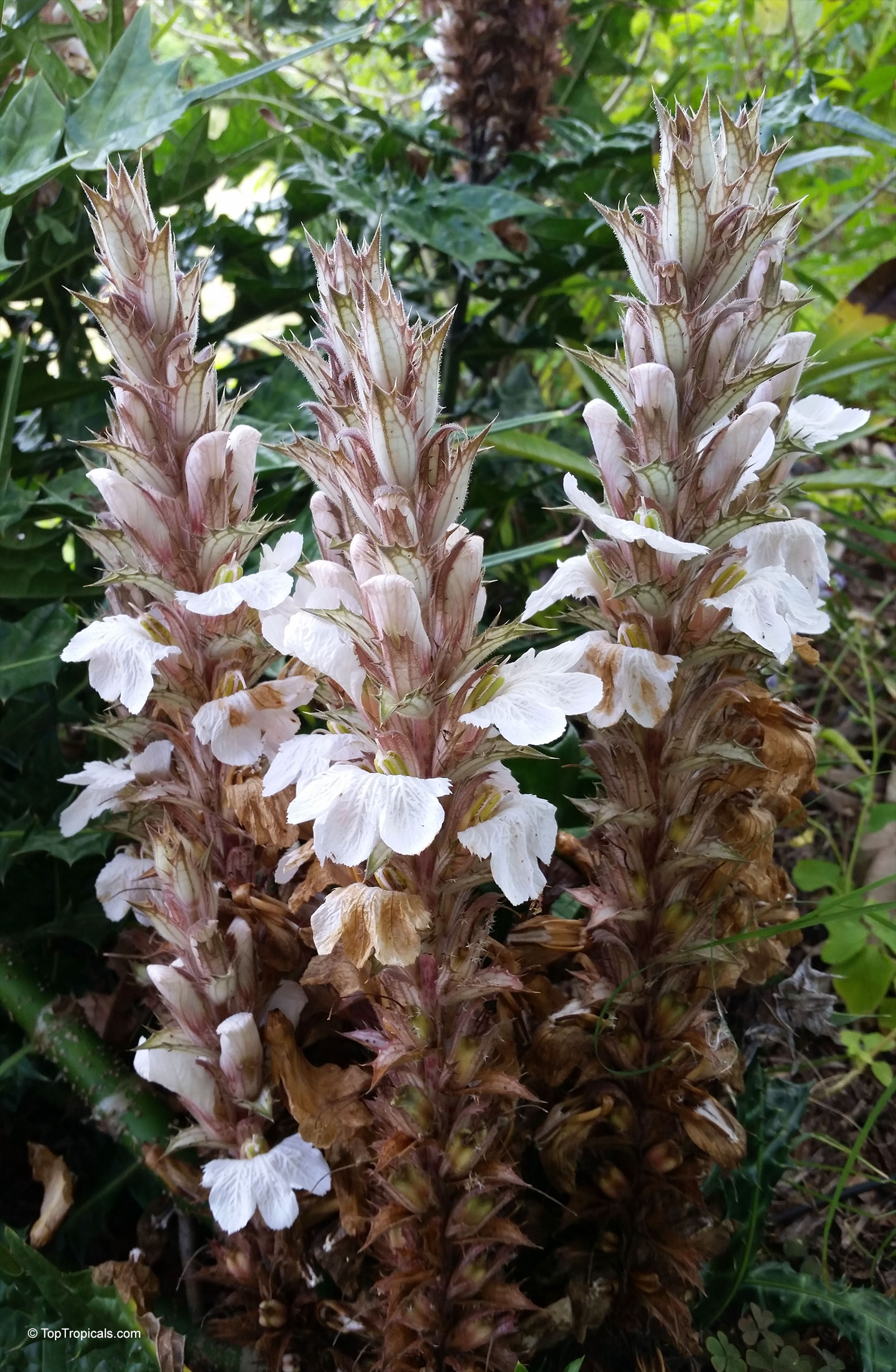
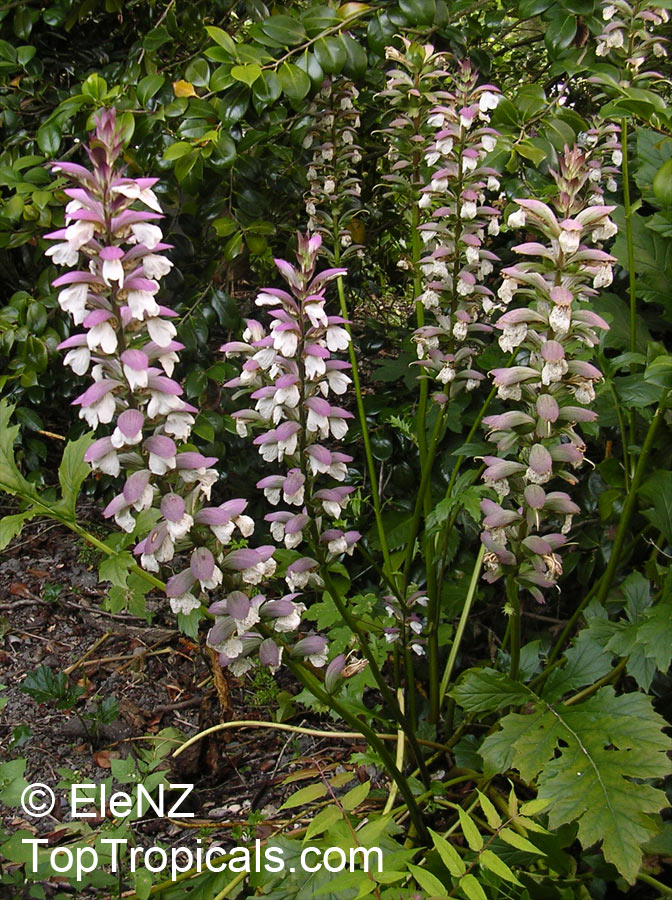
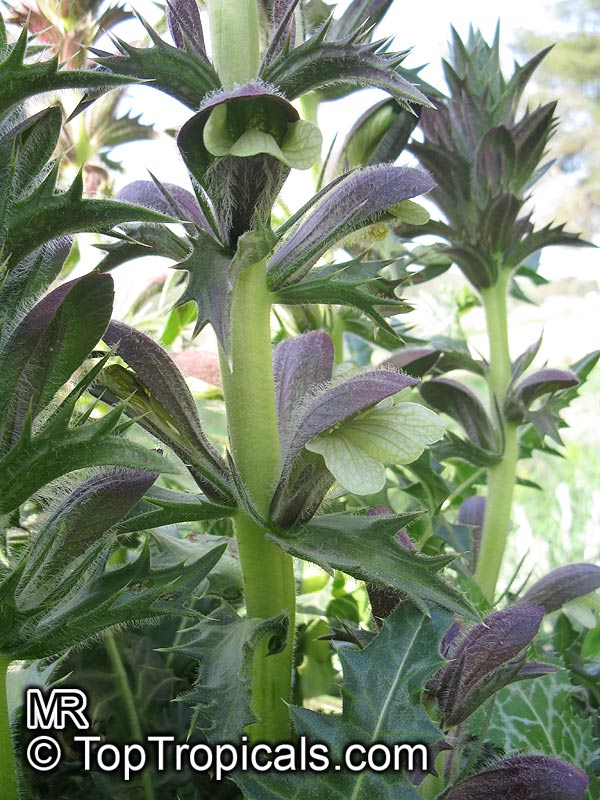
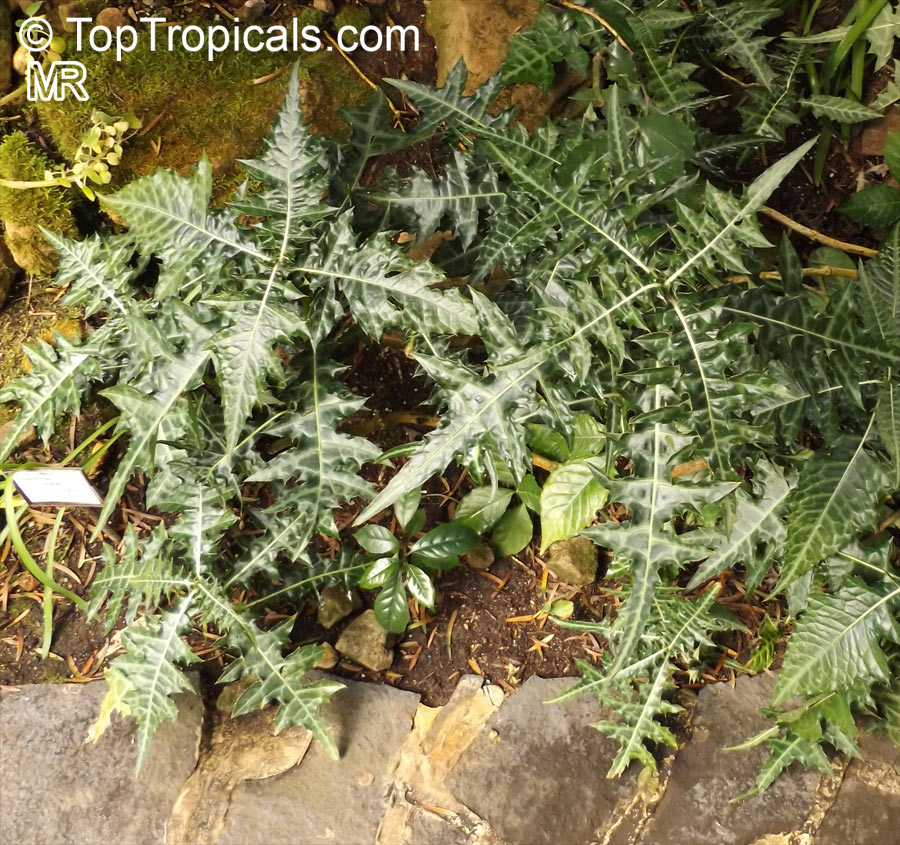
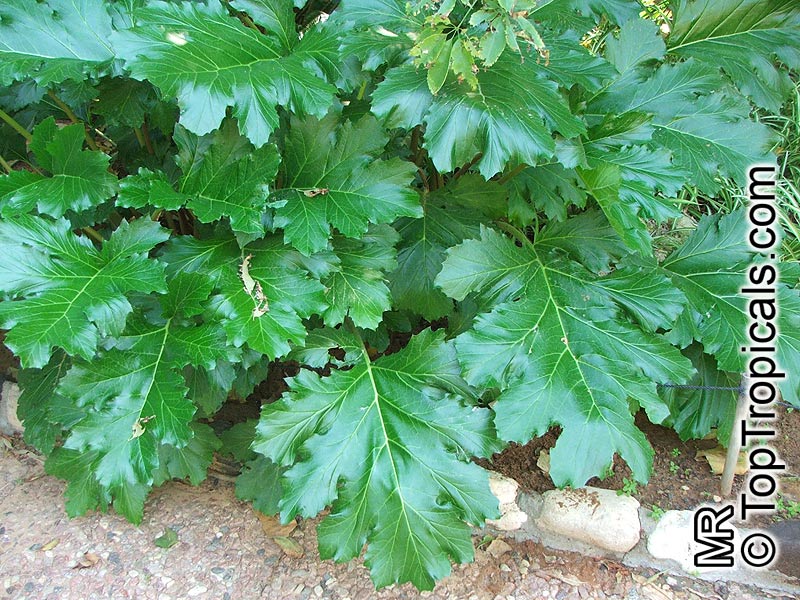
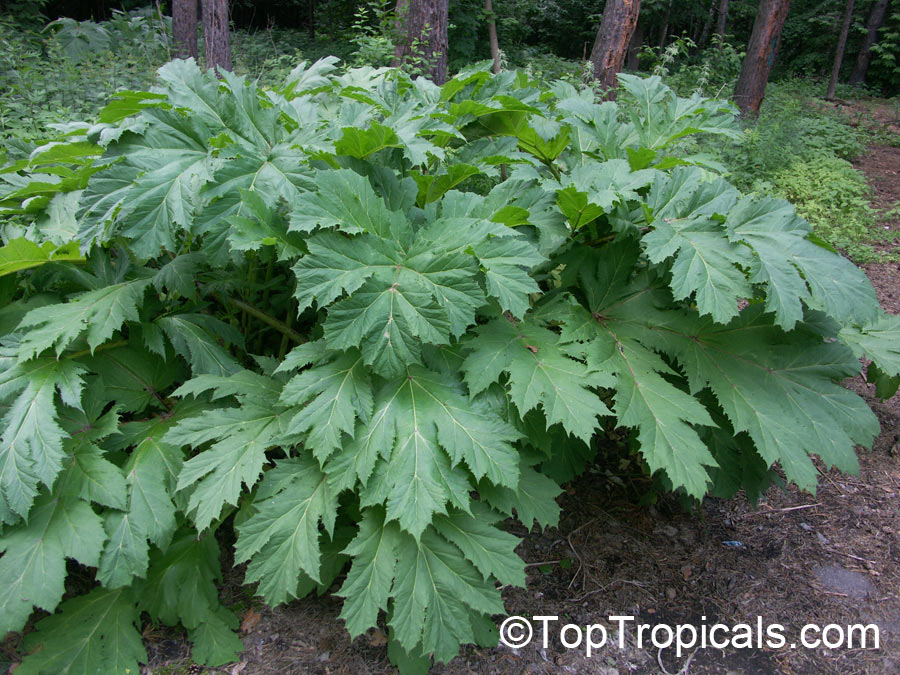
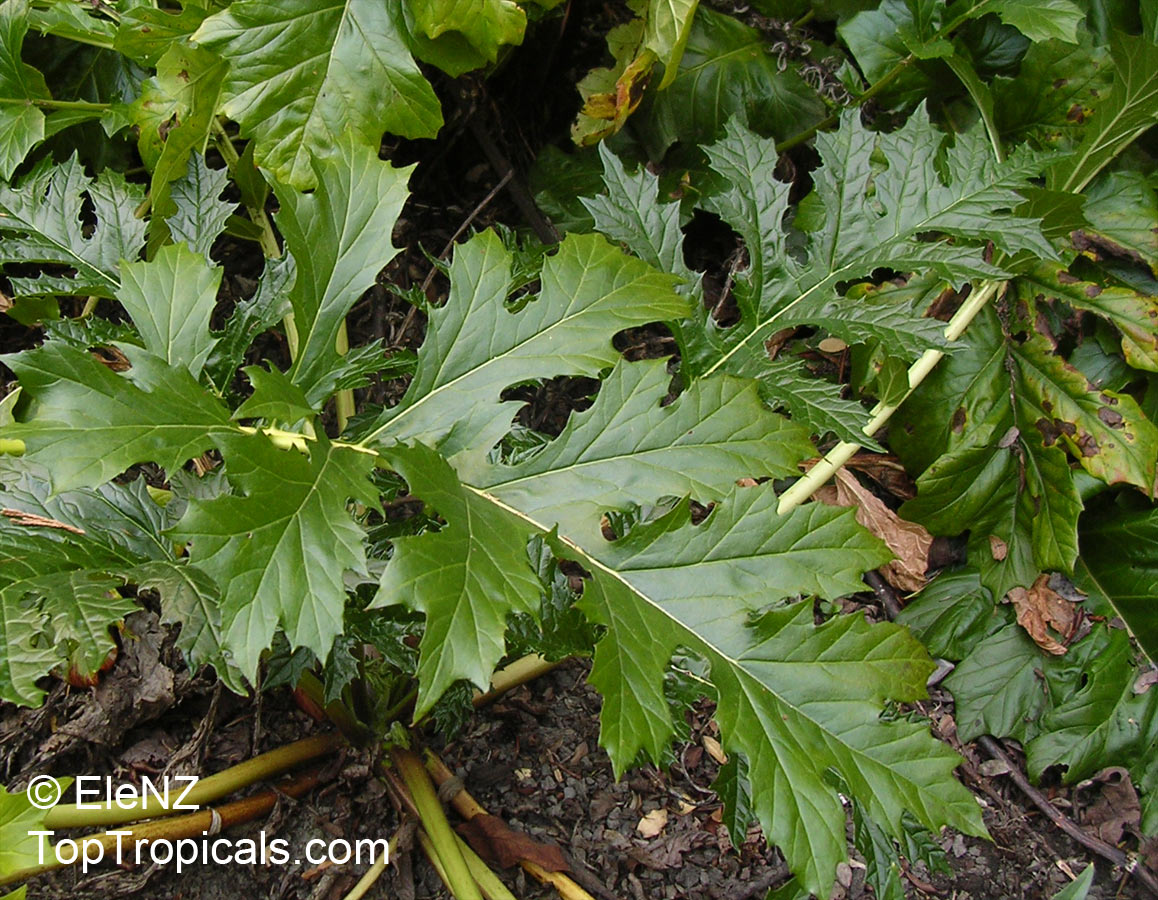
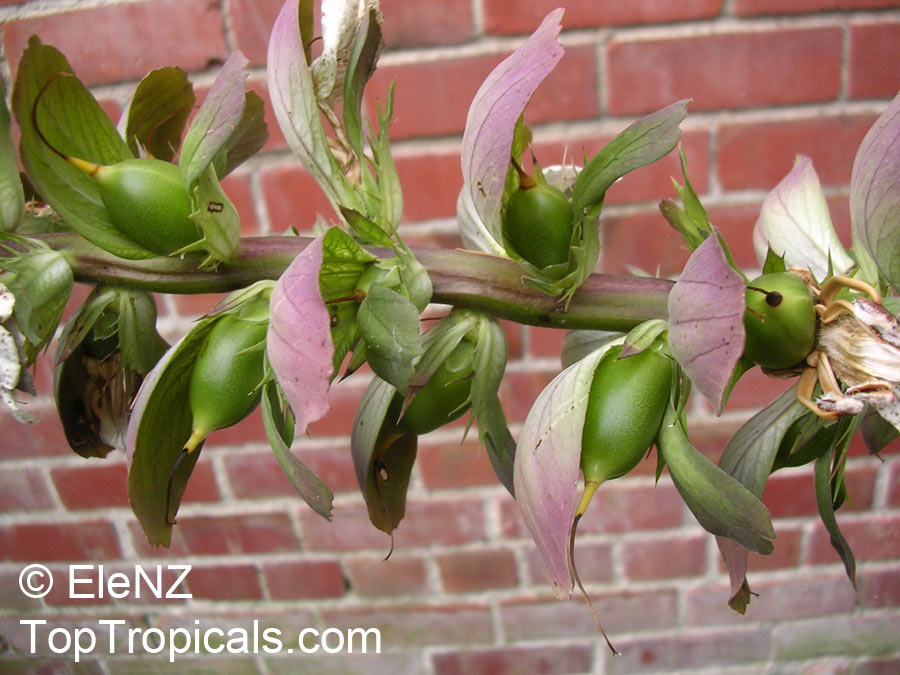
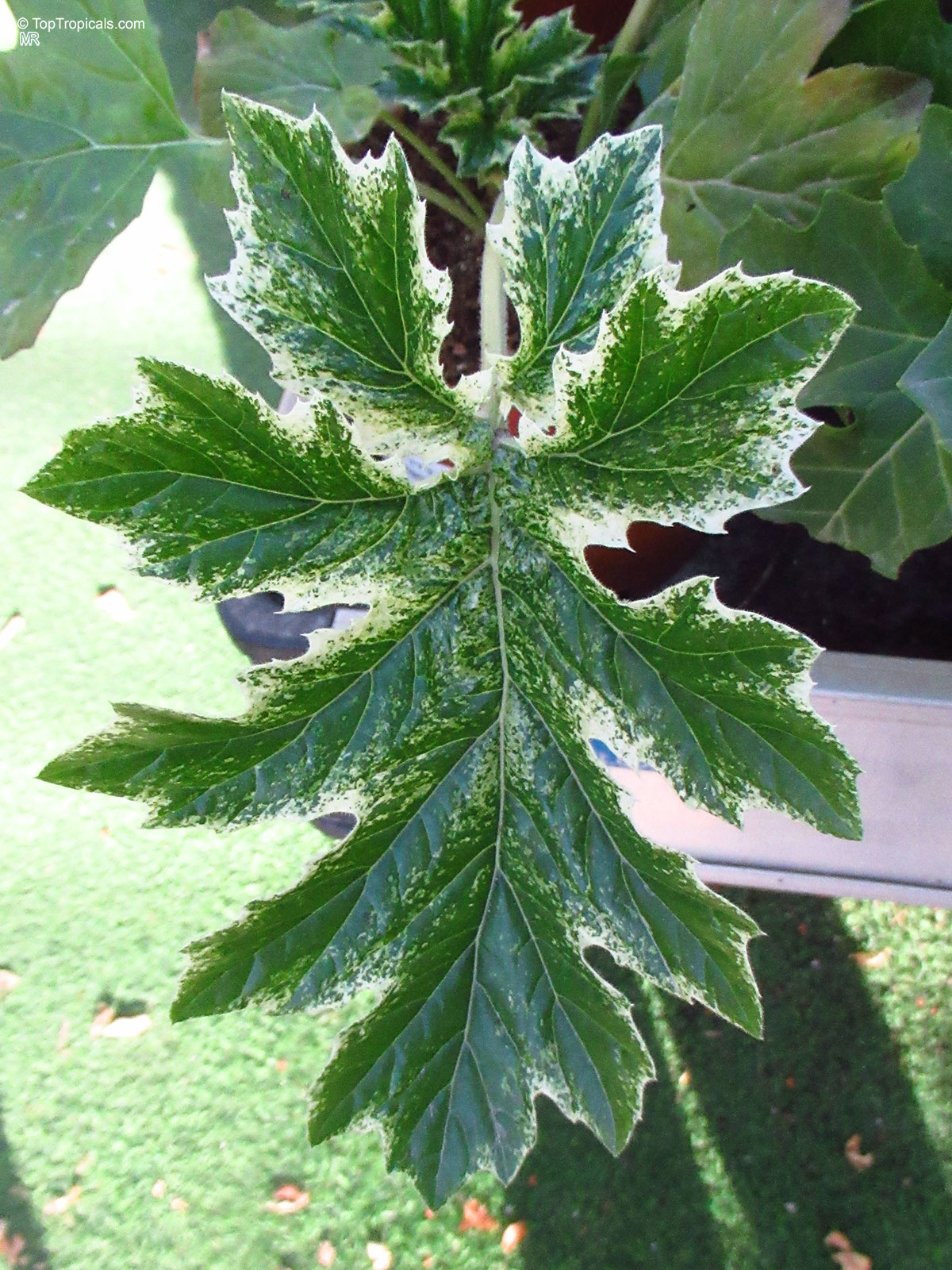
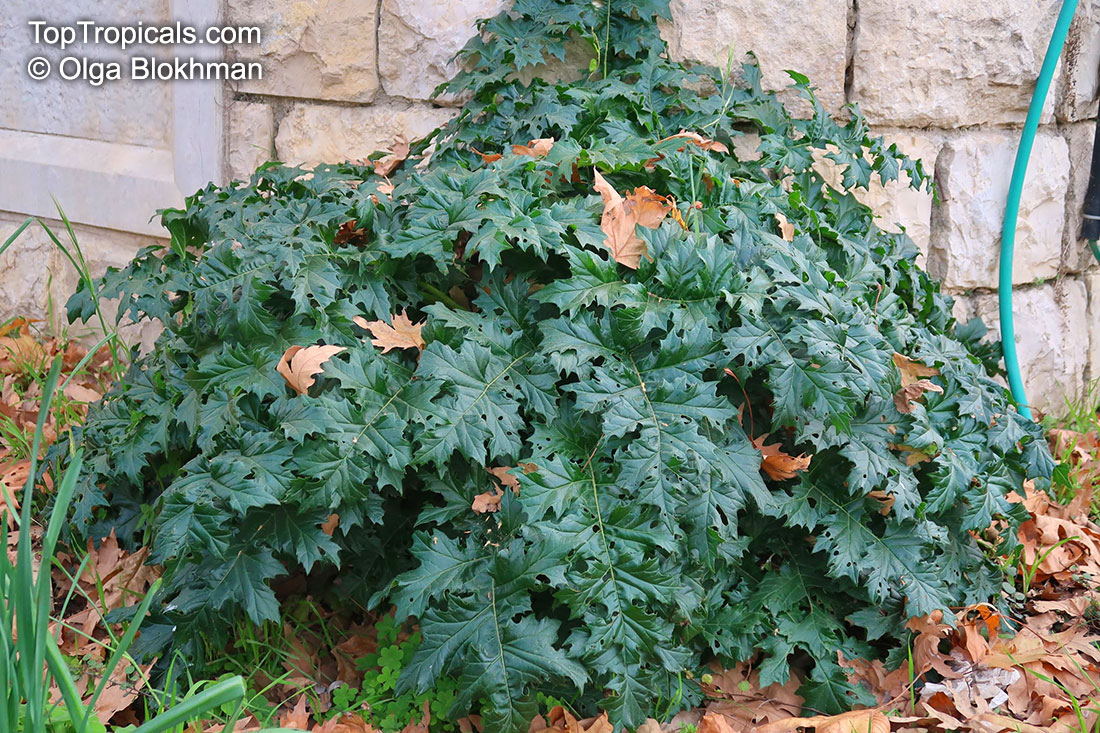
Acanthus montanus, commonly known as Mountain Thistle, Bear's Breeches, or Alligator Plant, is a robust evergreen perennial in the Acanthaceae family native to tropical West and Central Africa. It forms a dense clump of large, glossy, deeply lobed dark green leaves that may reach 2 to 3 feet (60 to 90 cm) in length, while flowering stems can grow 4 to 6 feet (1.2 to 1.8 m) tall. The bold foliage creates a dramatic tropical effect, making this species an excellent choice for shaded borders and woodland-style gardens.
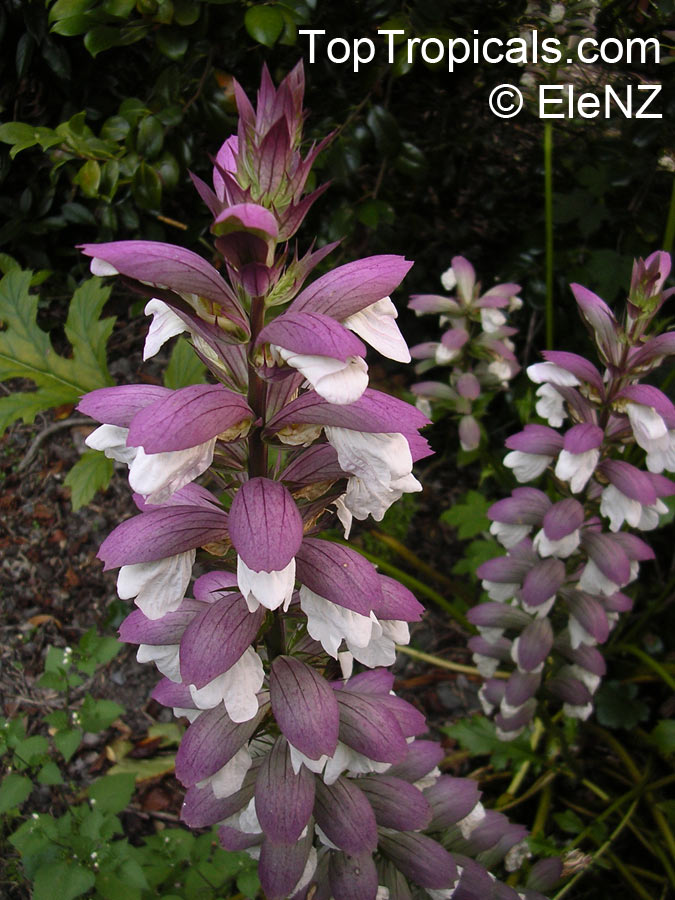
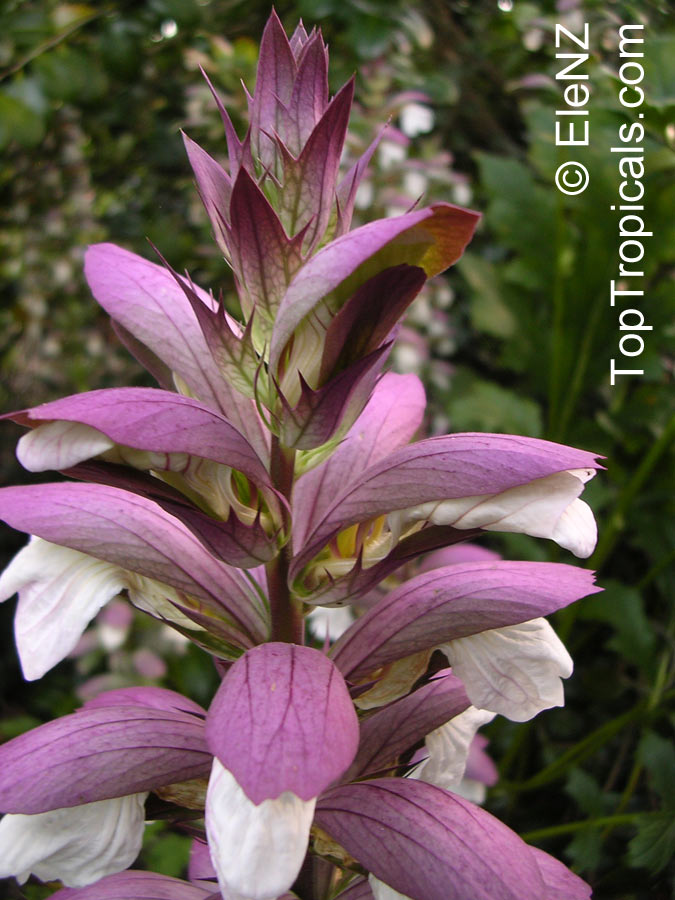
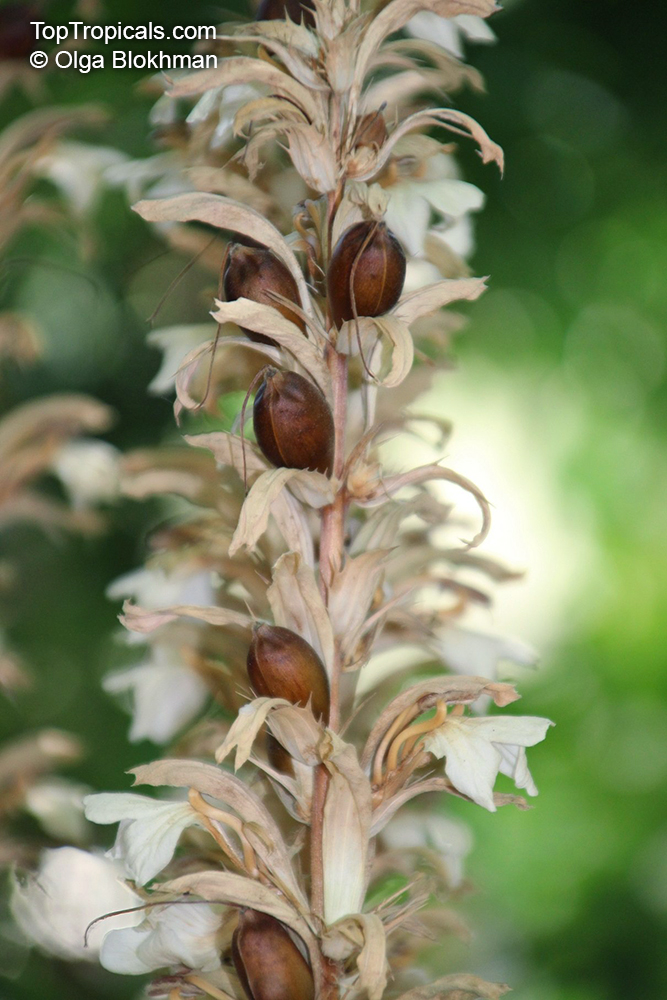
Tall spikes of hooded white to pale pink flowers with purple bracts appear above the foliage over an extended season, attracting bees, butterflies, and other pollinating insects. Acanthus montanus grows best in partial shade or filtered sun and fertile, well-drained soil with regular moisture, although established plants tolerate short dry periods. It is well suited to tropical and subtropical gardens and also performs well in large containers. Hardy in USDA Zones 9b-11, this striking species is valued for its architectural foliage, impressive floral display, and reliable performance in warm climates.
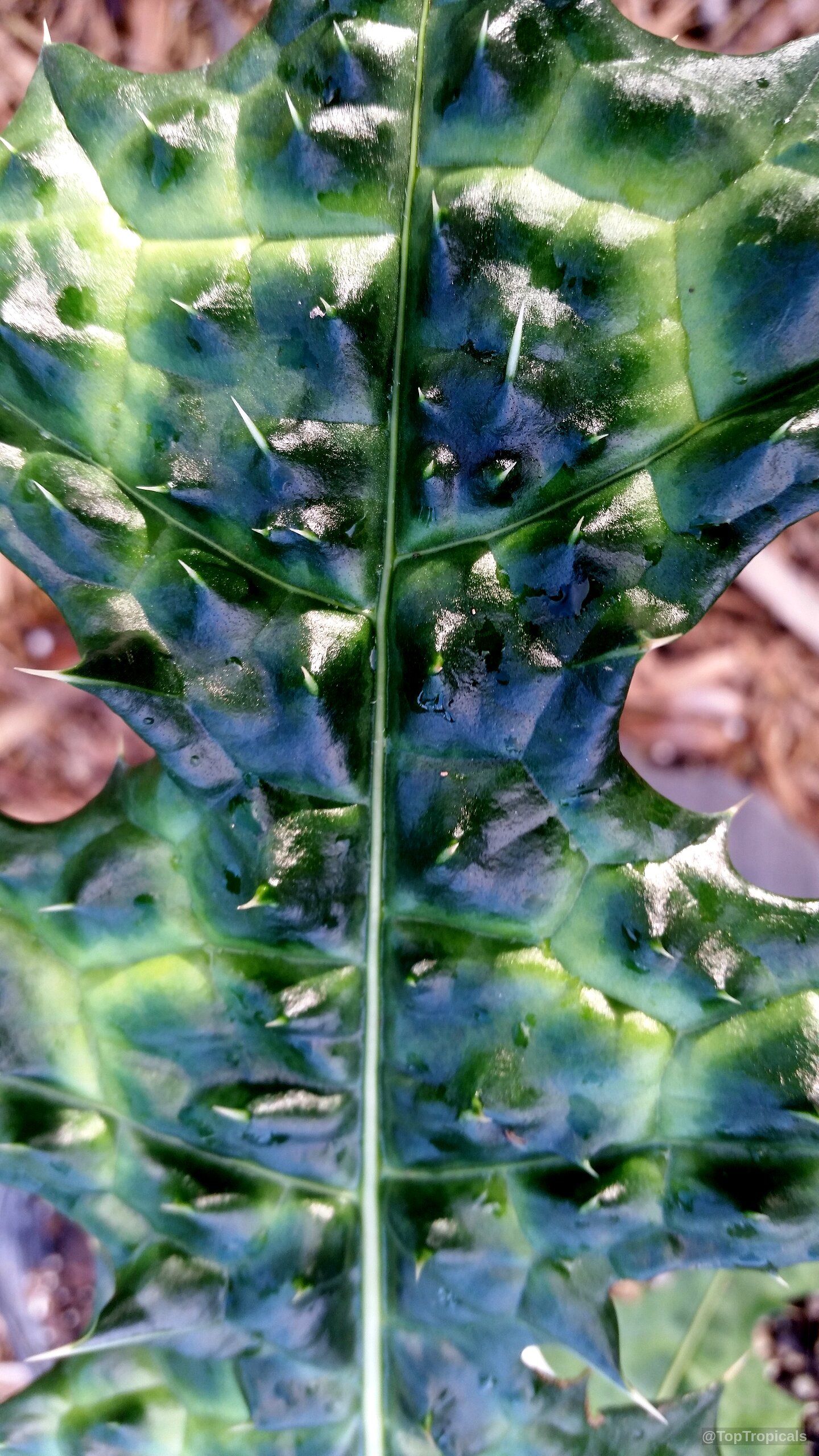
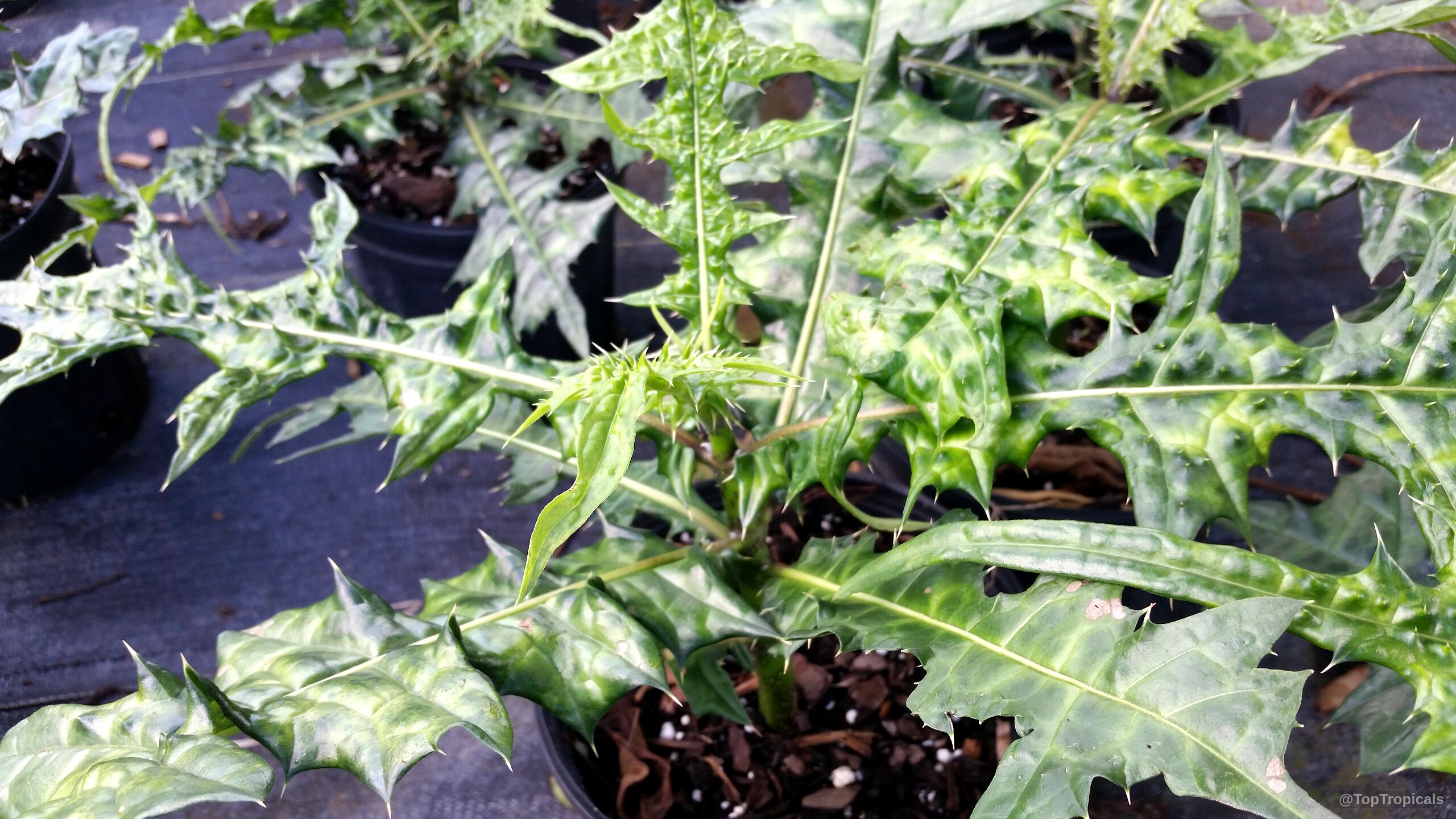

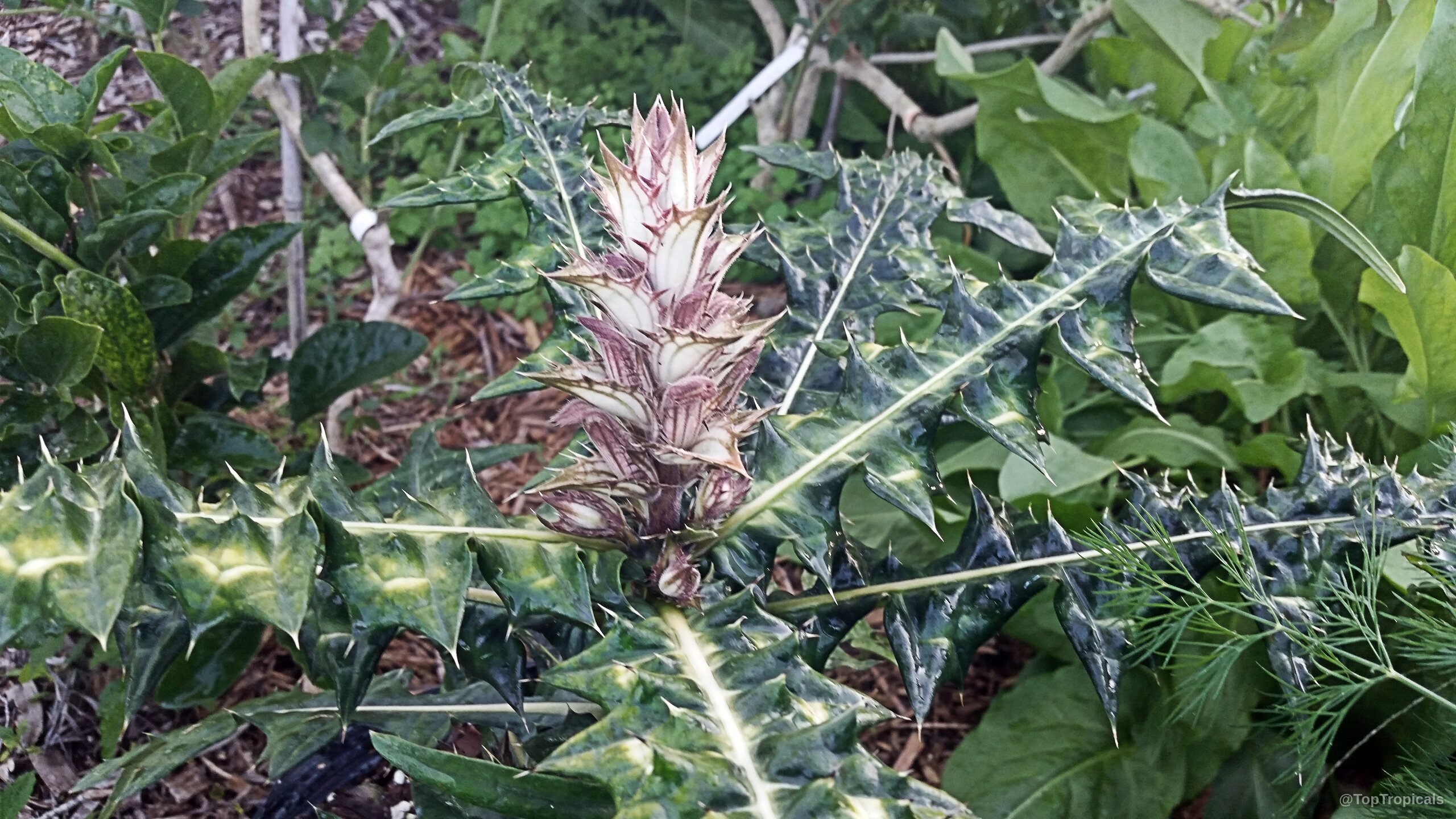

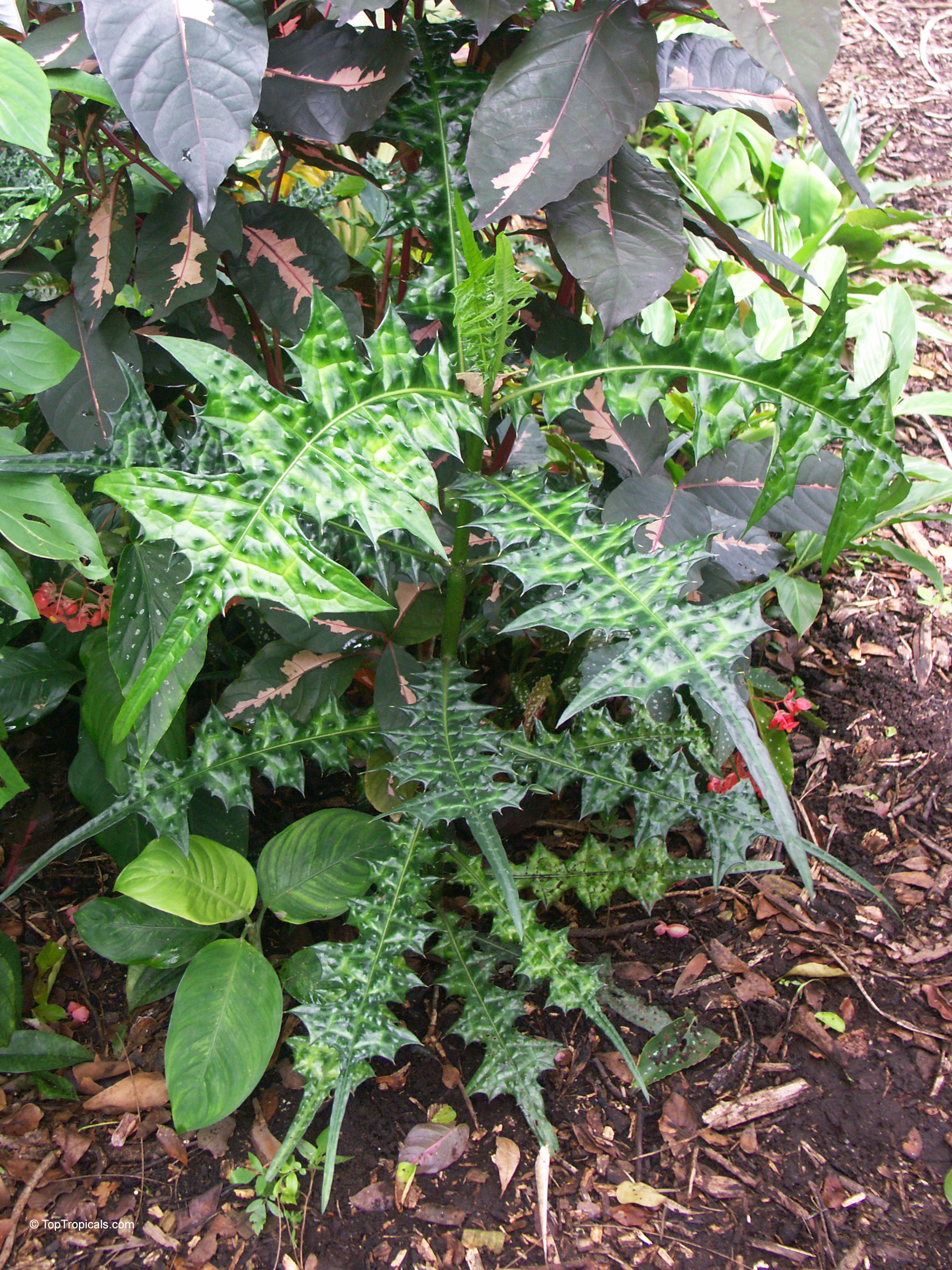
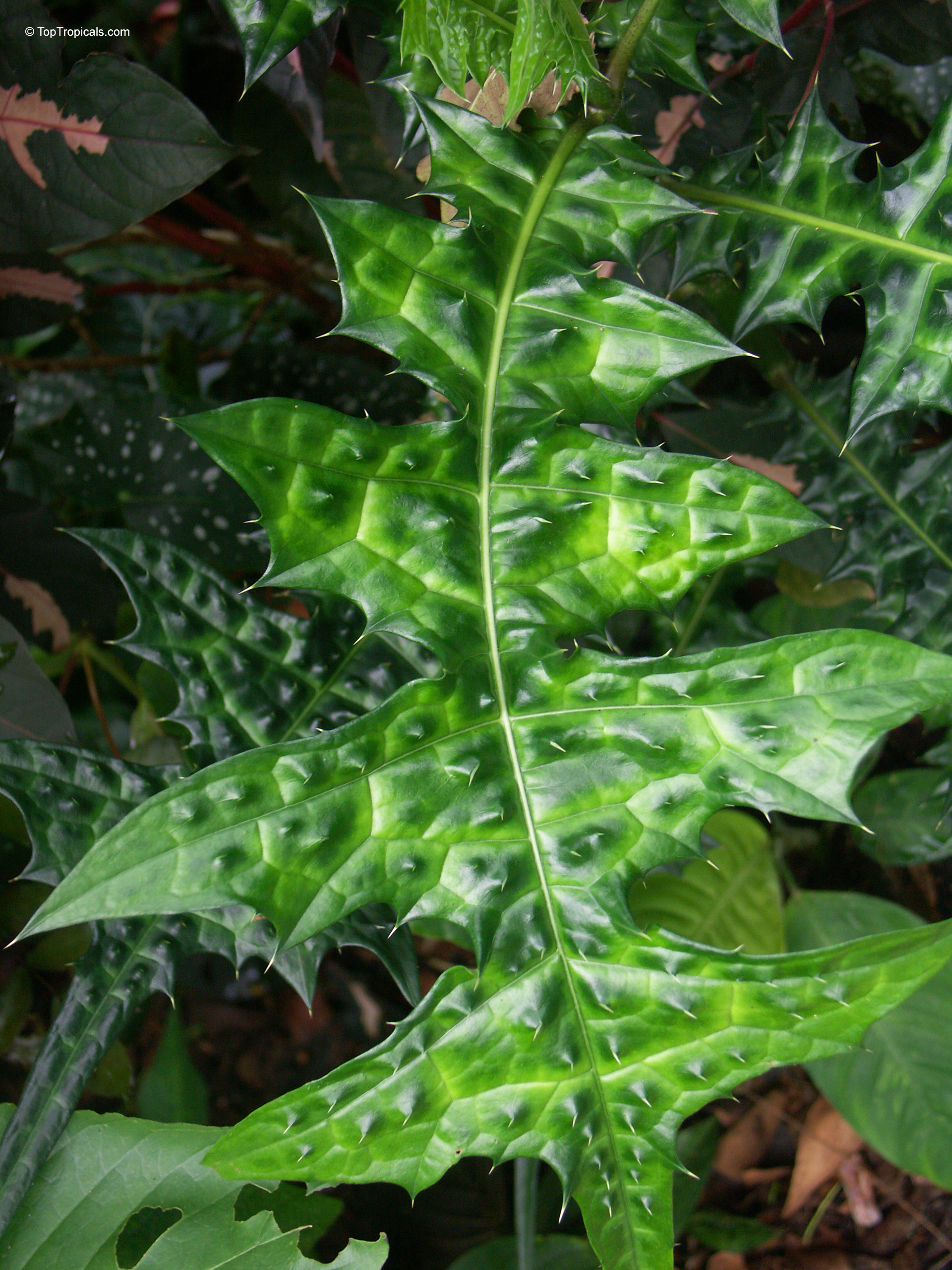
See picture of alligator skin.
Recommended Fertilizer: SUNSHINE Megaflor - Bloom Nutrition Booster
Botanical name: Acanthus sp.
Common names: Acanthus, Bear's Breeches, Mountain Thistle, Alligator Plant
Family: Acanthaceae
Origin: Mediterranean Basin, Asia
USDA Zone: 9-11


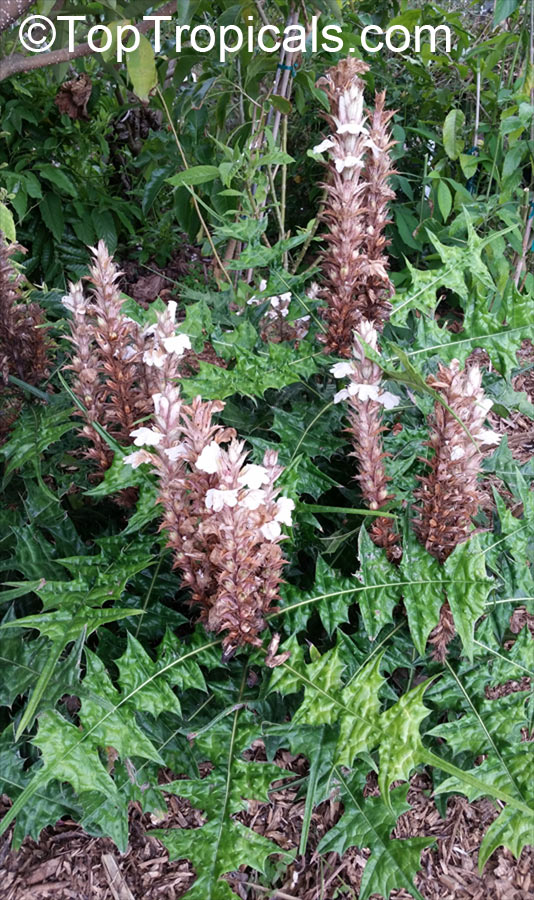
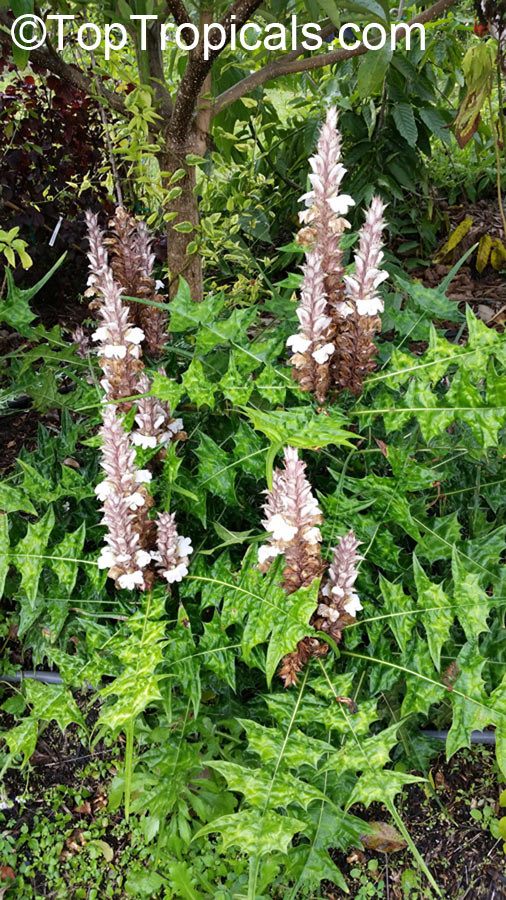
Acanthus sp., also known as Acanthus, Bear's Breeches, grows in full sun to partial shade and will thrive in most soils, provided they are well-drained. It is a thinly branched unusual perennial with interesting foliage, basal clusters of oblong to lance-shaped glossy, dark green leaves reaching up to 12 inches long. The leaves have silver marks and wavy margins. It produces showy pink flowers in the summer to fall.
The plant needs regular watering, but should not be over watered, as this can lead to root rot. It is a deciduous plant so it will lose its leaves during the winter months. It is a somewhat spiny, but attractive plant. For colder regions, it is recommended to grow Acanthus in a pot and move them indoors once it gets too cold to leave the plant outside. In these cases the plant should be placed in a south-facing window and watered regularly.
Acanthus montanus, Alligator Plant: if you love plants that make visitors stop and ask, "What is that?", the Alligator Plant belongs in your garden. Its spectacular, glossy leaves feature raised veins and deep lobes that resemble the hide of an alligator, giving it year-round appeal even when not in bloom. During the warm season, impressive flower spikes covered with delicate pink and white blossoms add another layer of beauty. A rare and rewarding choice for shaded tropical gardens and collectors alike.



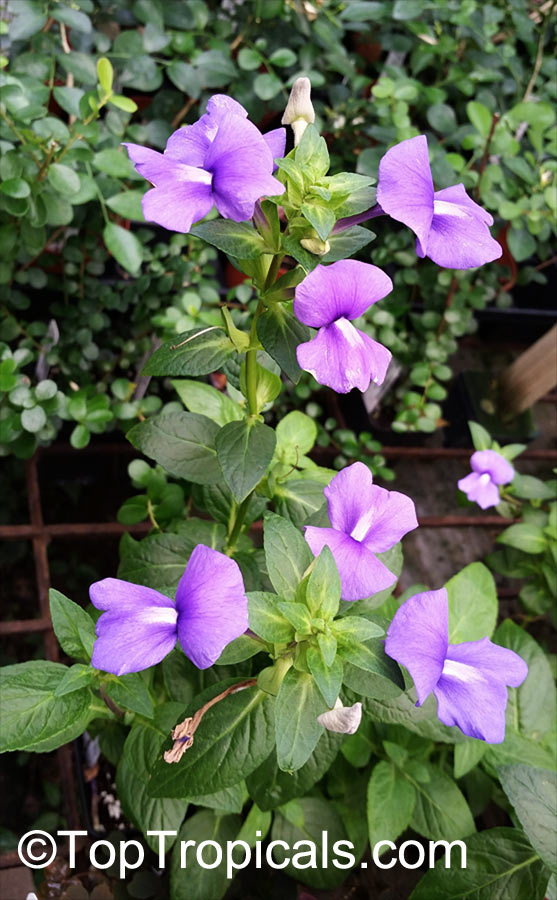
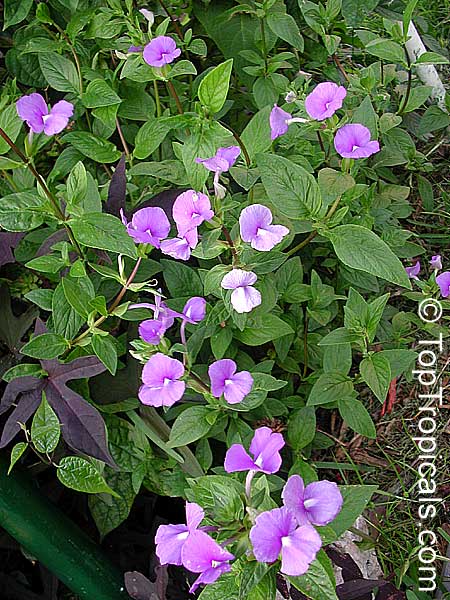
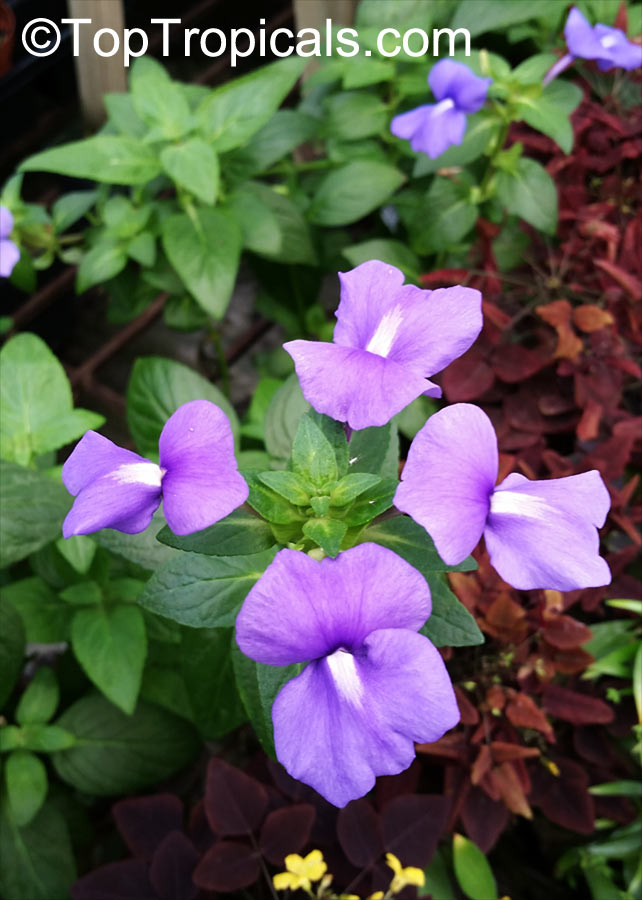
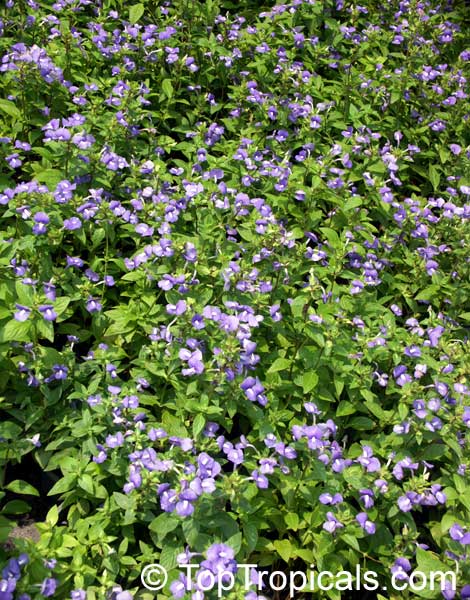
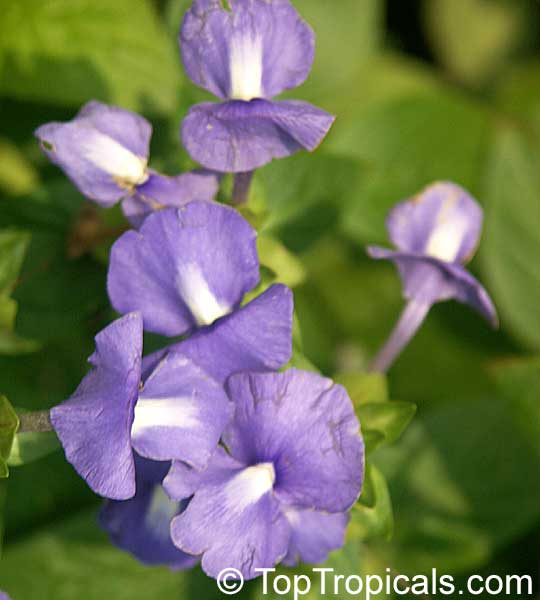
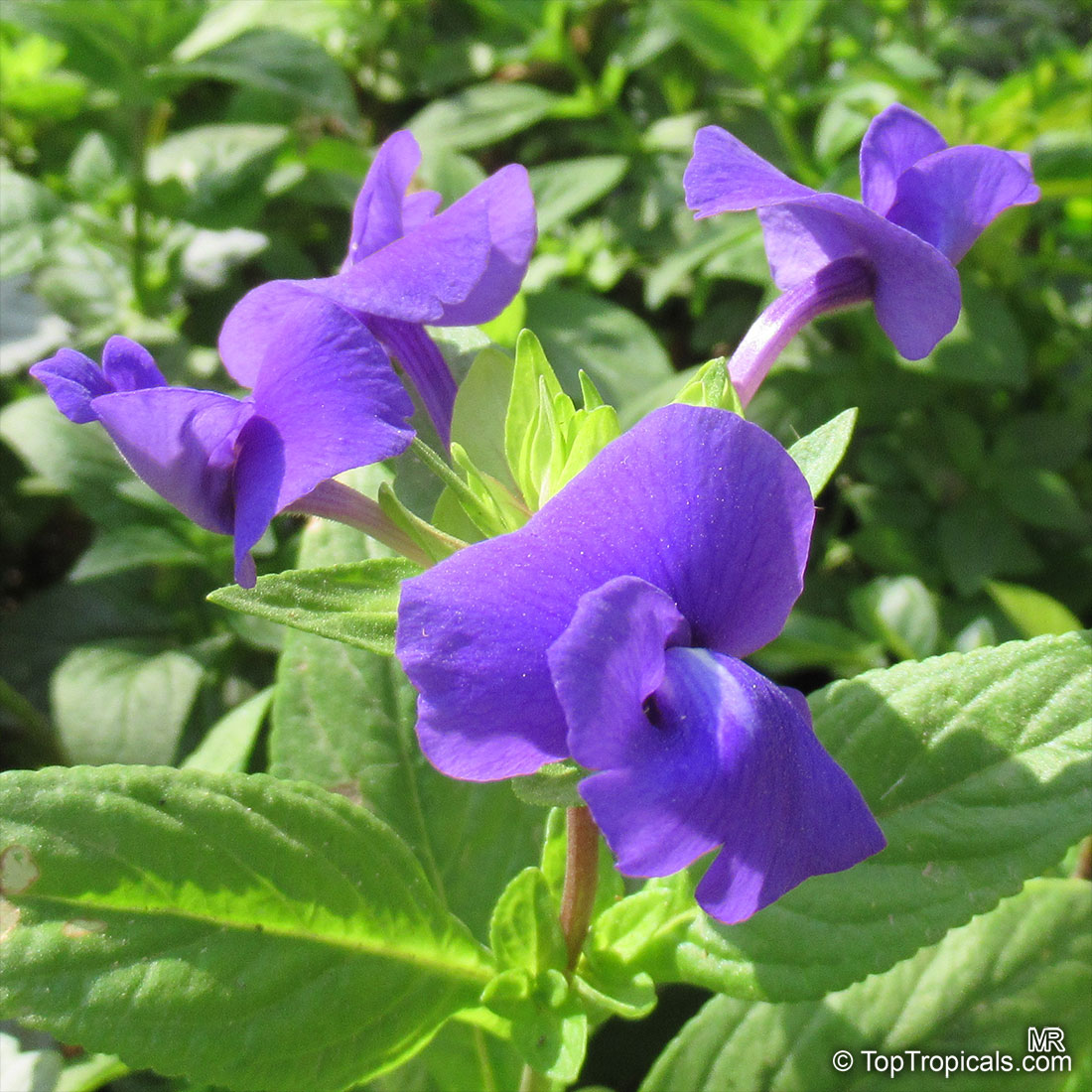
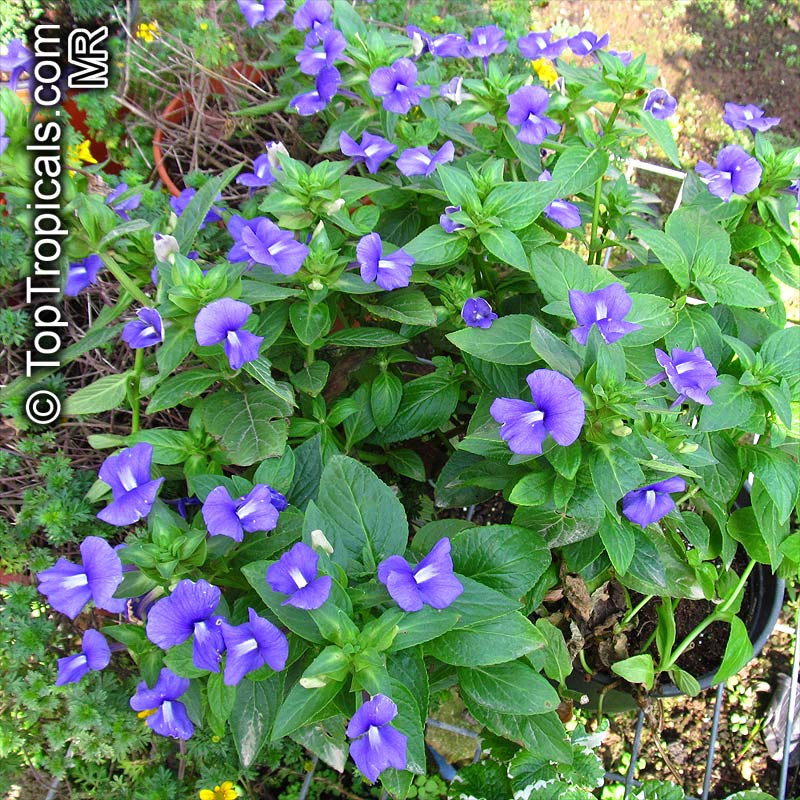
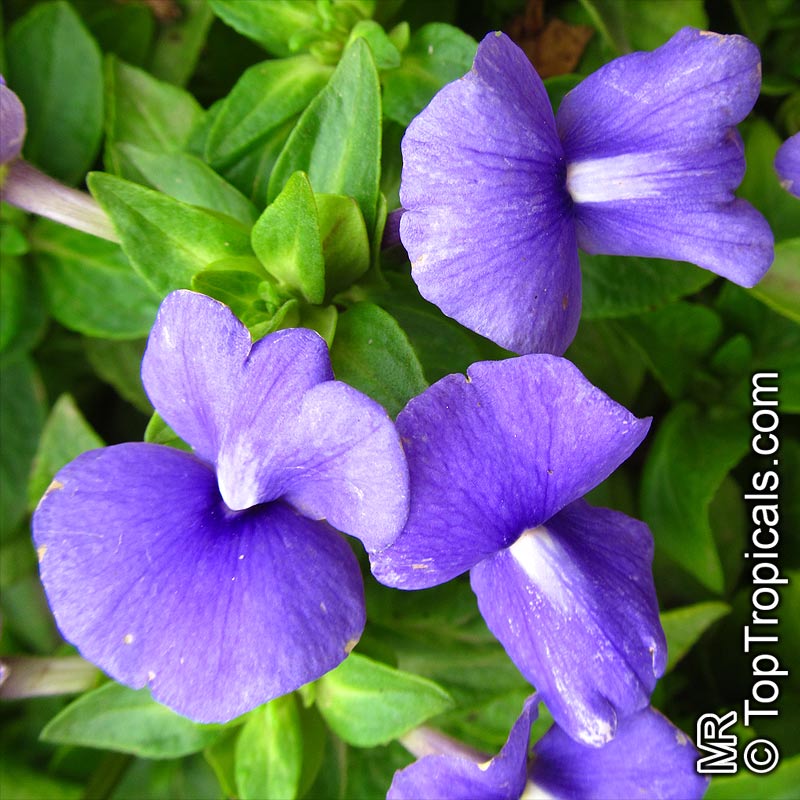
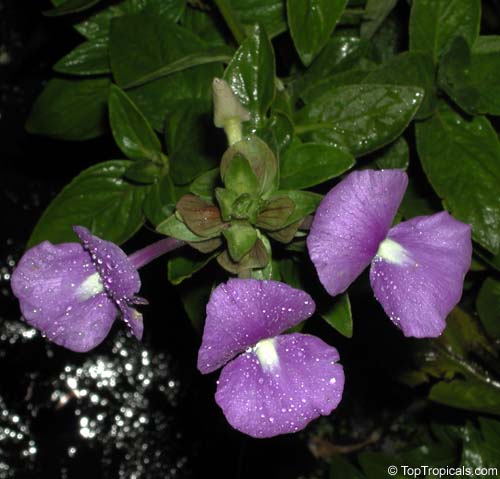
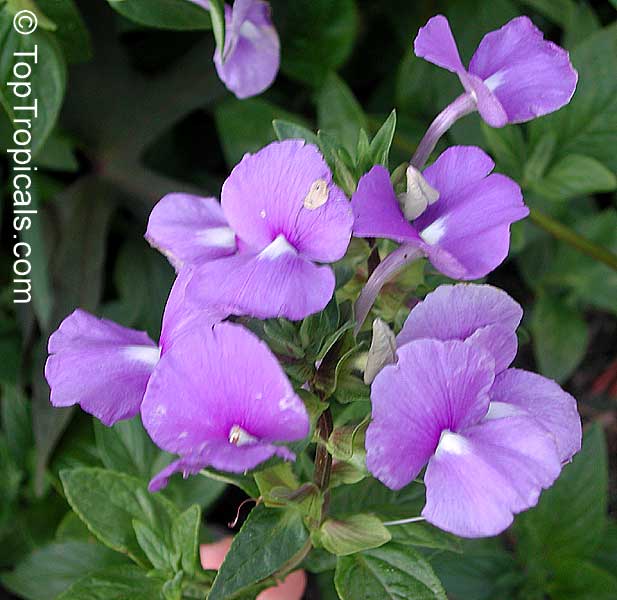
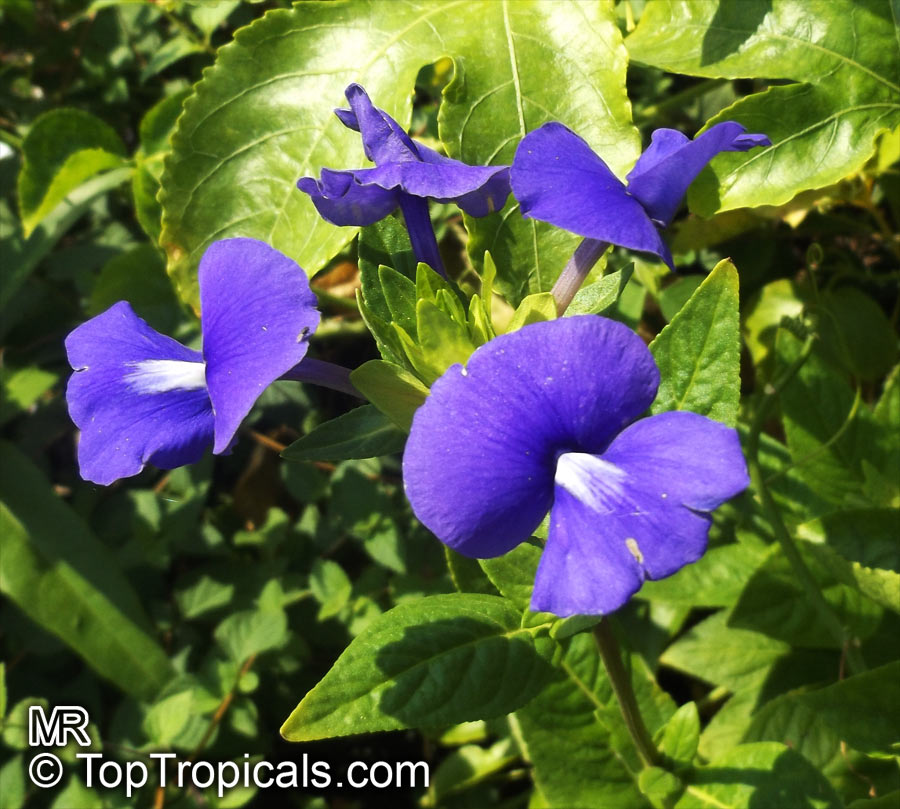
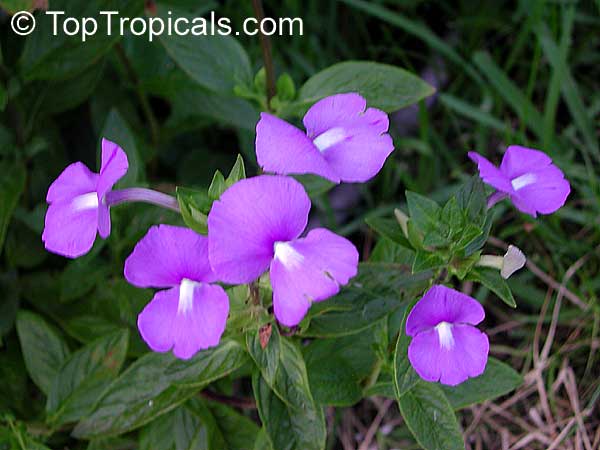
Botanical names: Achetaria azurea, Otacanthus caeruleus
Common names: Brazilian Snapdragon, Amazon Blue
Family: Plantaginaceae
Origin: Brazil
USDA Zone: 9-10
Free branching spreading small shrub with bluish mauve flowers with white eye. Leaves are very fragrant resembling pine scent. Everbloomer. Prefers acid soil.

| Next | |
Use link to repeat this search:
https://toptropicals.com/cgi-bin/garden_catalog/cat.cgi?search_op=and&keyword_op=and&language=e&number=10&no_change_lang=1
&v1=sss&user=tt&sale=1&first=0