Seaside, salt tolerant plant - Plant Encyclopedia Results
| Number of plants found: 494 | Next | 
|
Go to page: | 1 | 2 | 3 | 4 | 5 | Last |
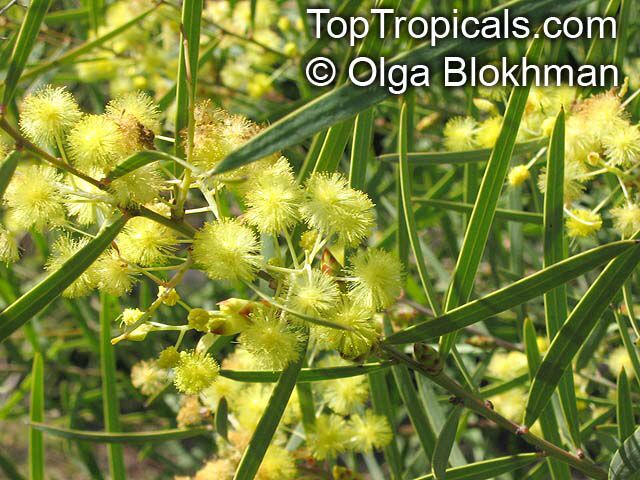
Botanical name: Acacia iteaphylla
Common name: Willow-leaf Wattle
Family: Fabaceae
Subfamily: Mimosoideae
Origin: Australia
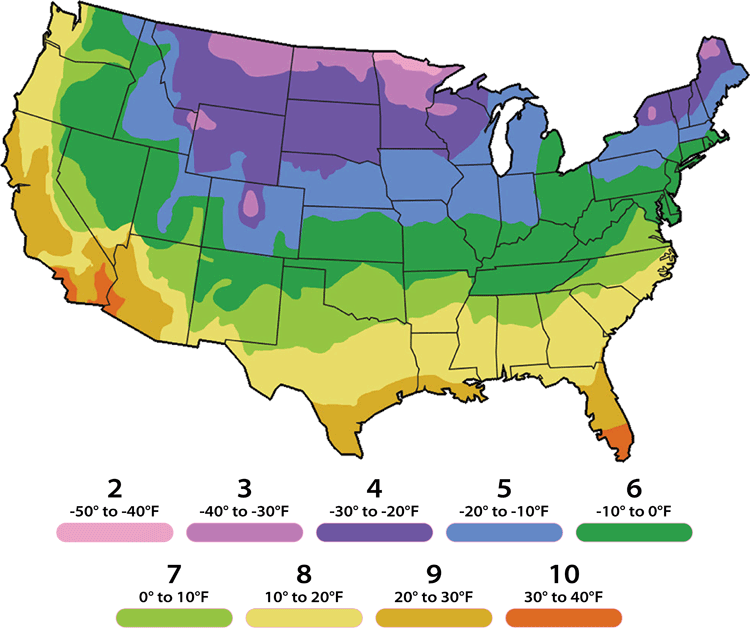
USDA Zone: 9-10


Acacia iteaphylla grows best in a well drained sunny position. It is moderately frost tolerant and moderately salt tolerant.
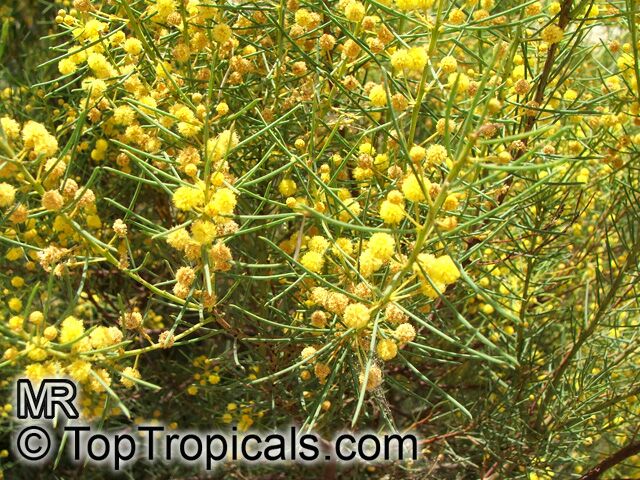
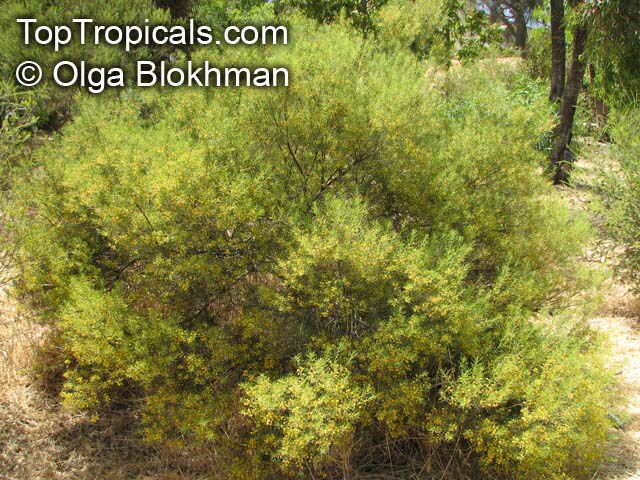
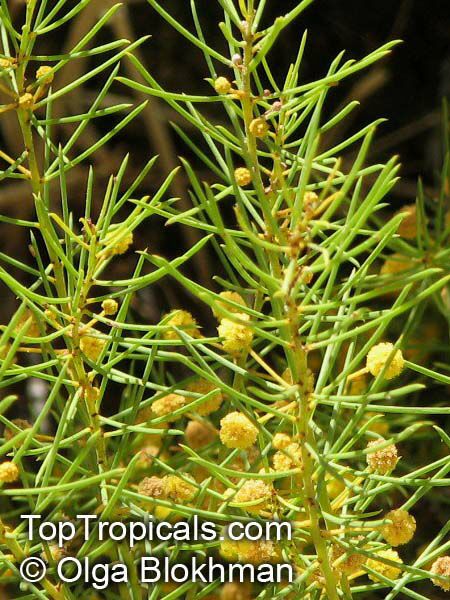
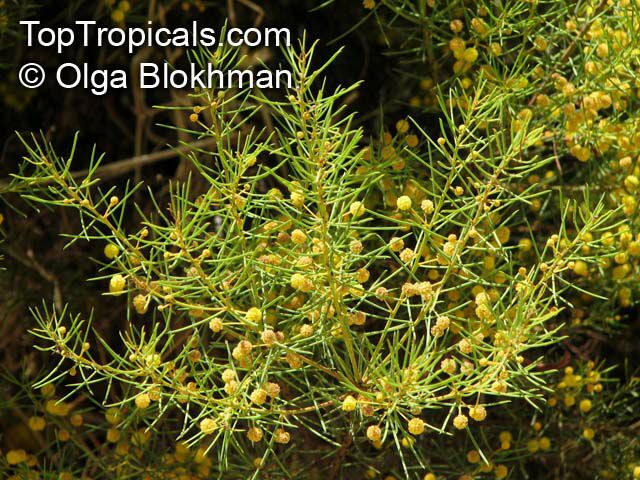
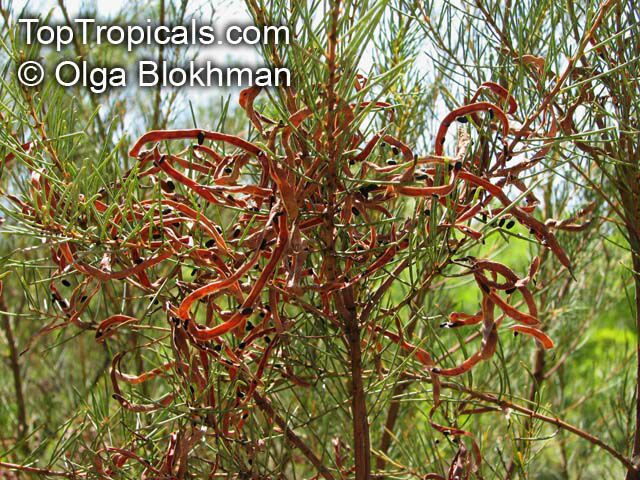
Botanical name: Acacia nematophylla
Common name: Acacia
Family: Fabaceae
Subfamily: Mimosoideae
Origin: Australia
USDA Zone: 9-10

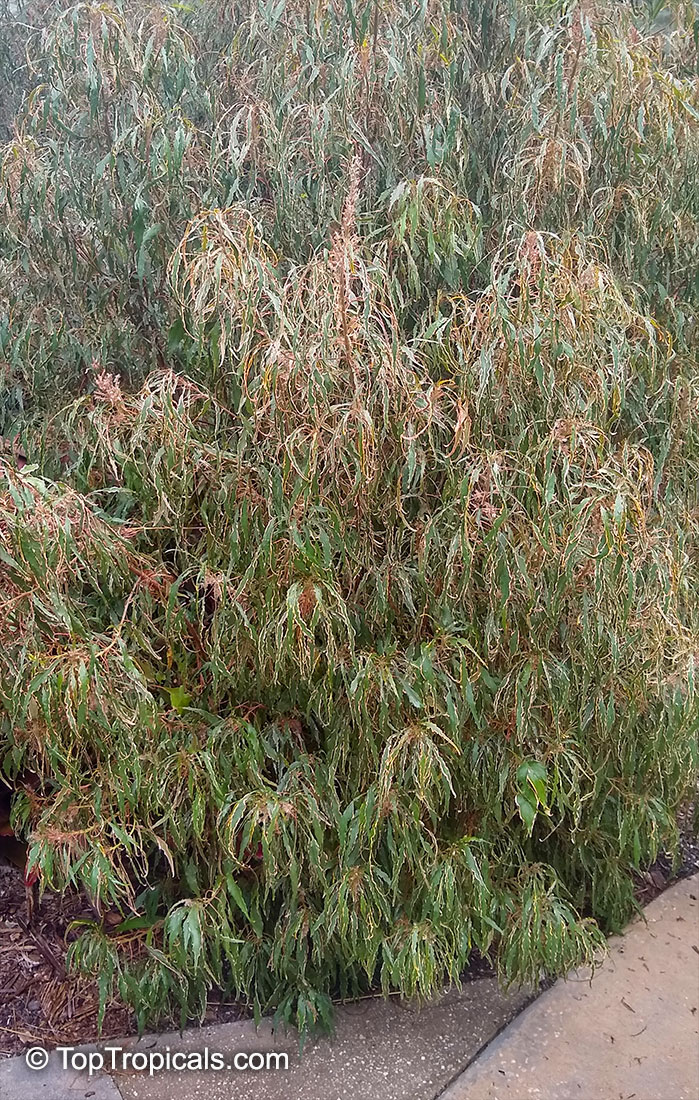
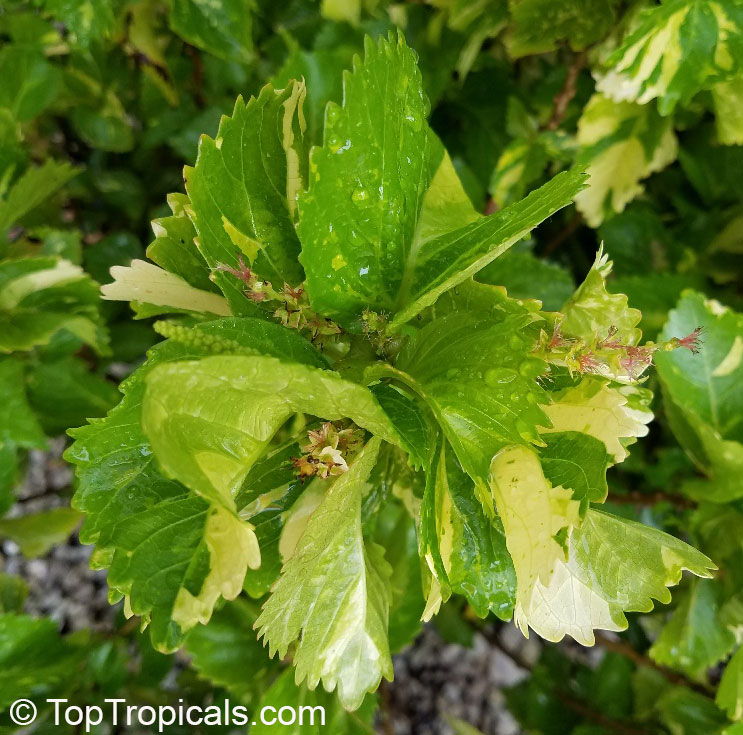
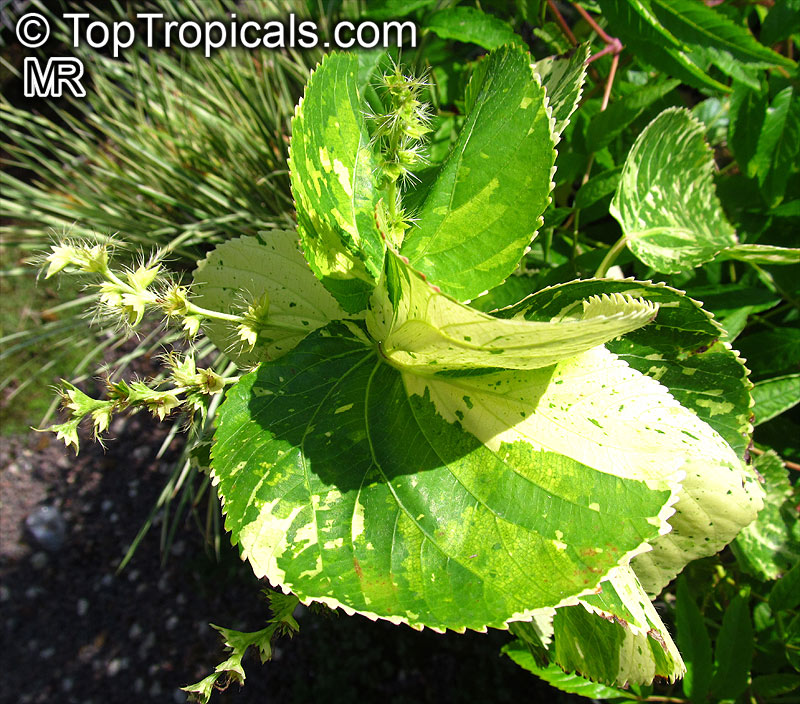
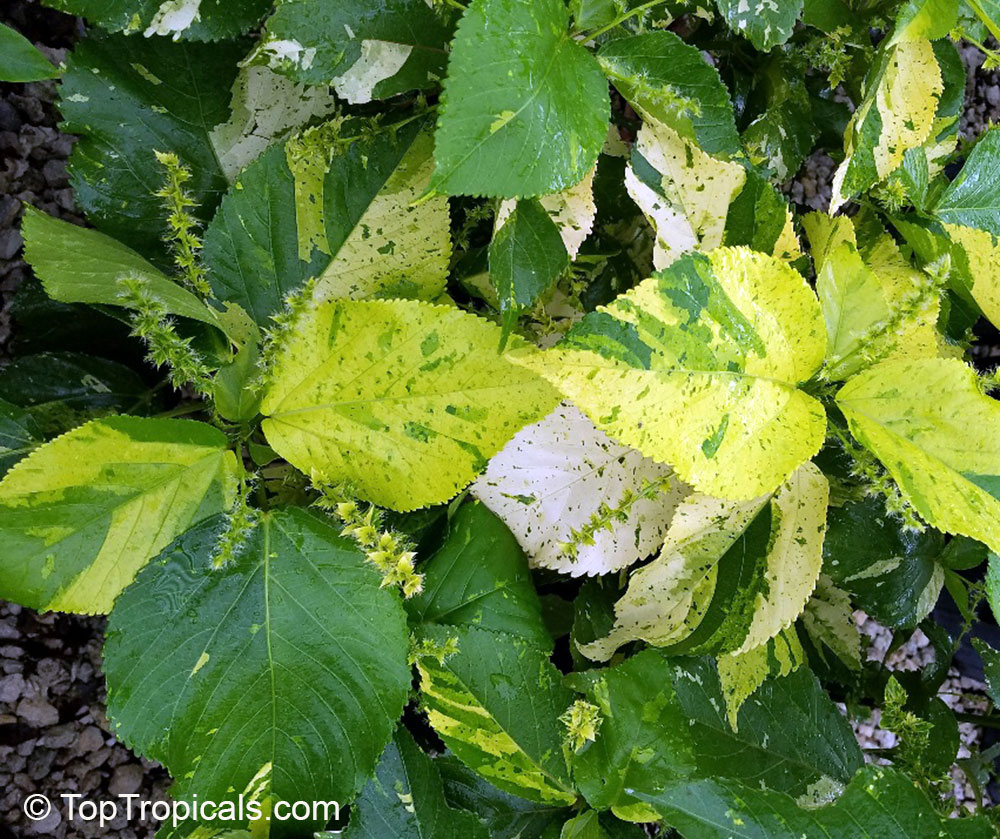
Botanical name: Acalypha godseffiana
Common names: Copper Leaf, Beefsteak Plant, Fire dragon, Jacobs coat, Match-me-if-you-can, Three-seeded Mercury
Family: Euphorbiaceae
Origin: Fiji
USDA Zone: 9b-11

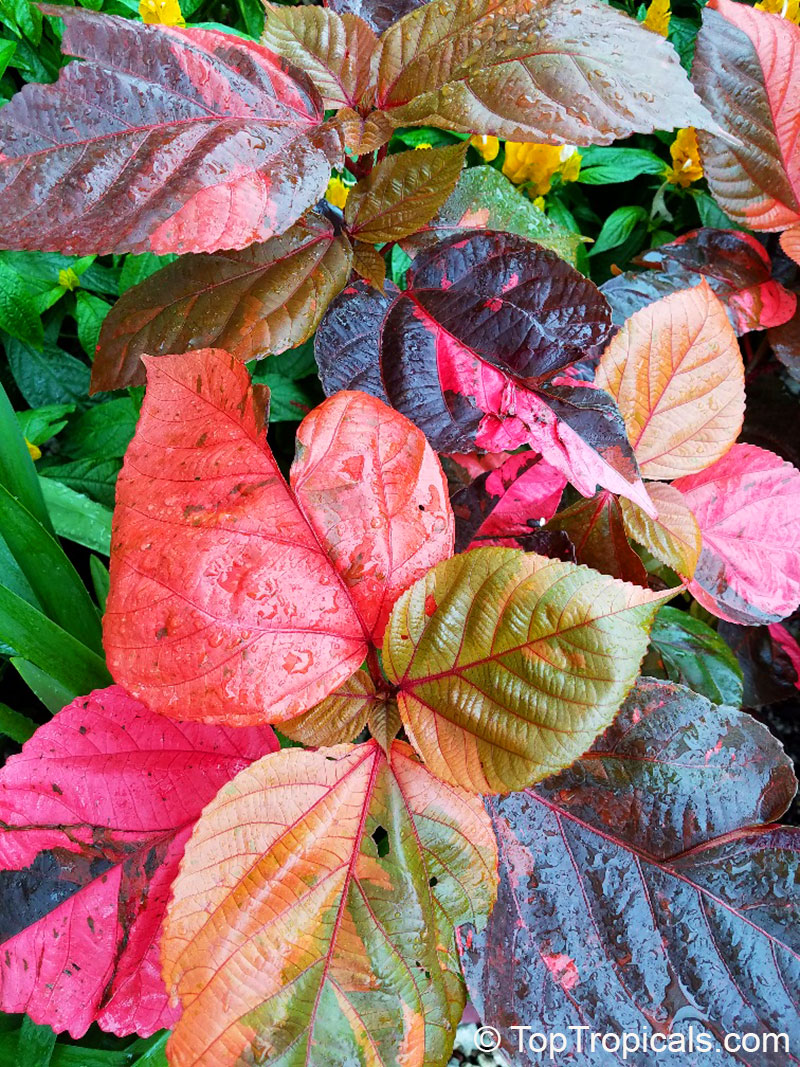
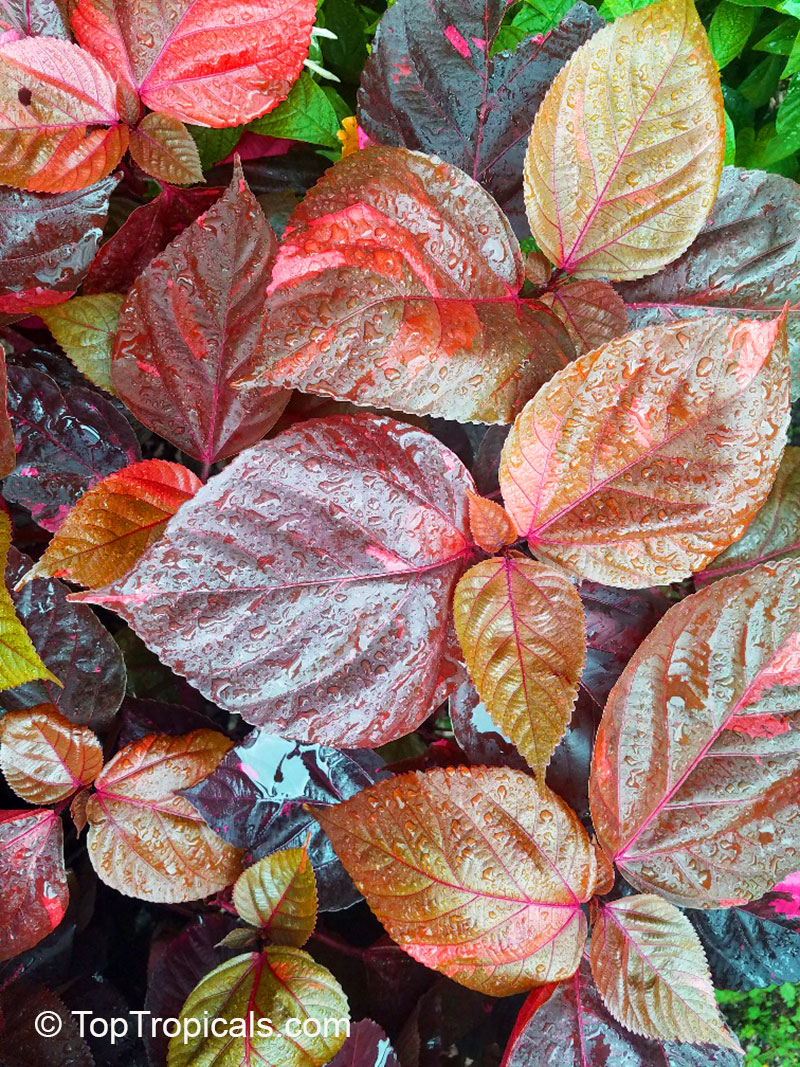
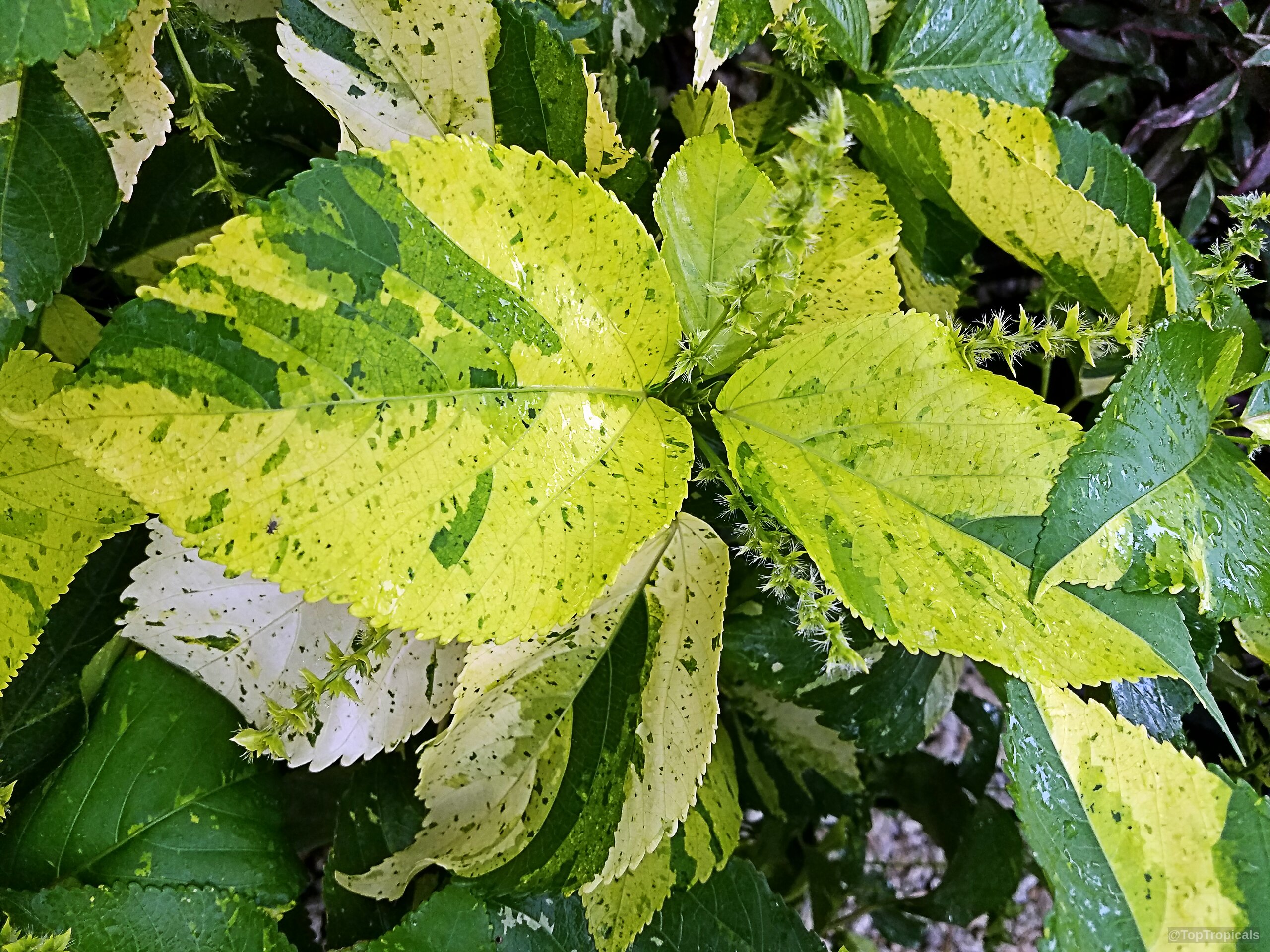
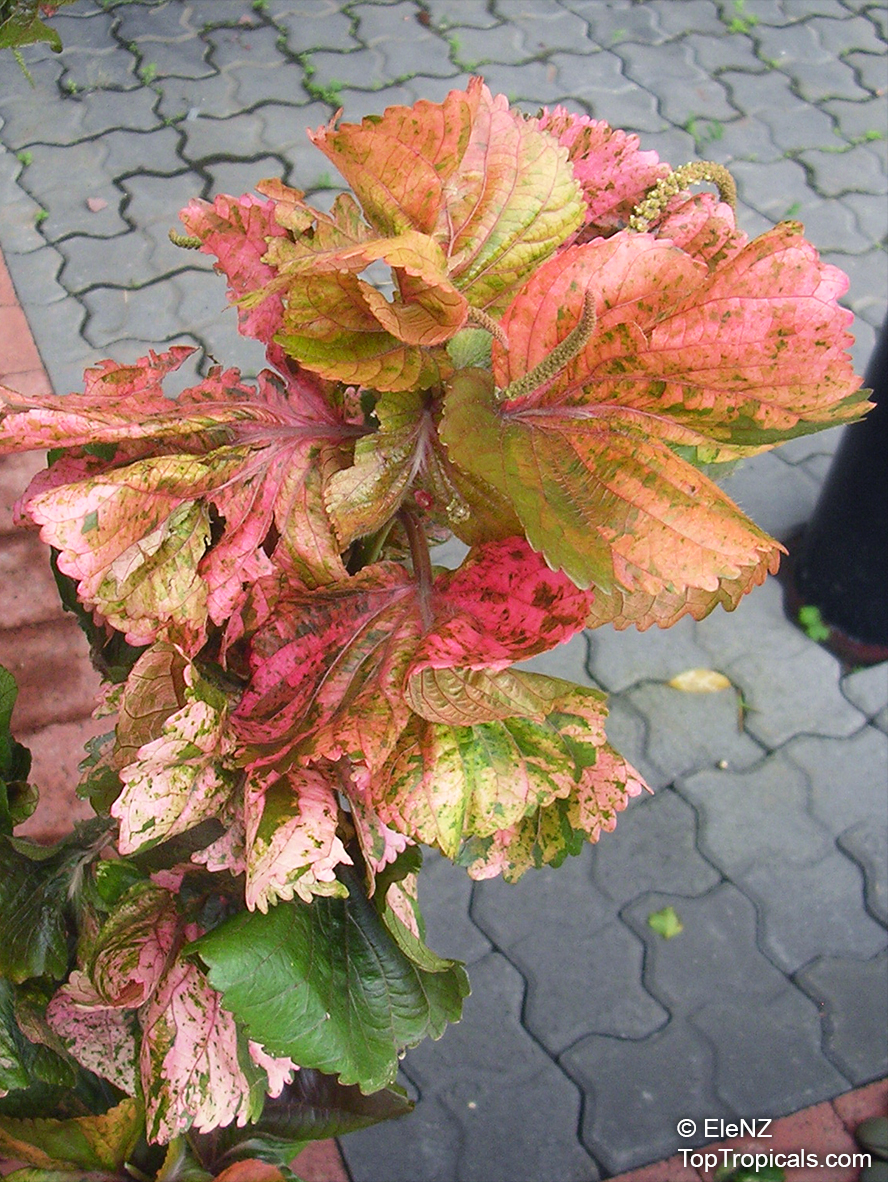
Acalypha godseffiana, also known as Copperleaf or Joseph's Coat, is a tropical shrub that is native to the East Indies and the Pacific. It is prized for its colorful and striking foliage, which ranges in shade from red and yellow to orange, bronze, copper, green, and white in full sunlight, and is mostly variegated green in the shade. The more sun it receives, the brighter the foliage will appear.
Acalypha godseffiana is a fast-growing plant that is often used as an informal hedge or massed bedding plant by tropical gardeners. It prefers full sun and well-drained soil and should be carefully pruned to prevent it from becoming leggy. When established, it is drought-tolerant and can thrive in USDA zones 9-11 in its natural habitat.
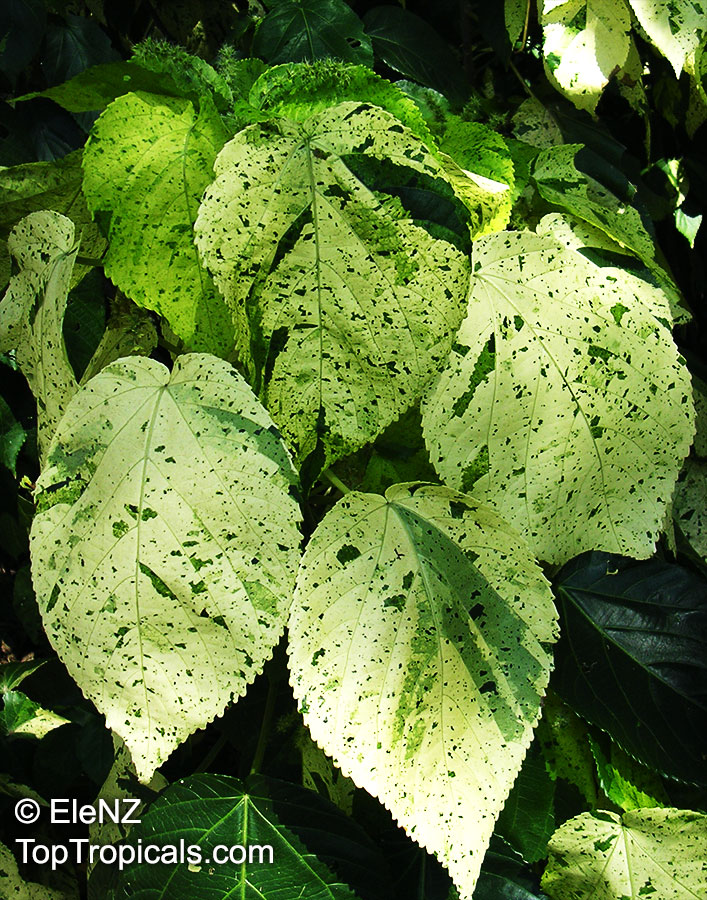
There are a number of cultivars of Acalypha godseffiana available, which come in a variety of colors such as green and white, green and yellow, red, bronze, copper, or brown. The leaves also vary in form, with some being flat and others undulating. The flowers of this plant are inconspicuous.
Acalypha godseffiana is a popular choice for tropical gardens due to its attractive foliage and easy care requirements. Just be sure to provide it with full sun and well-drained soil, and remember to prune it regularly to maintain its shape and size.
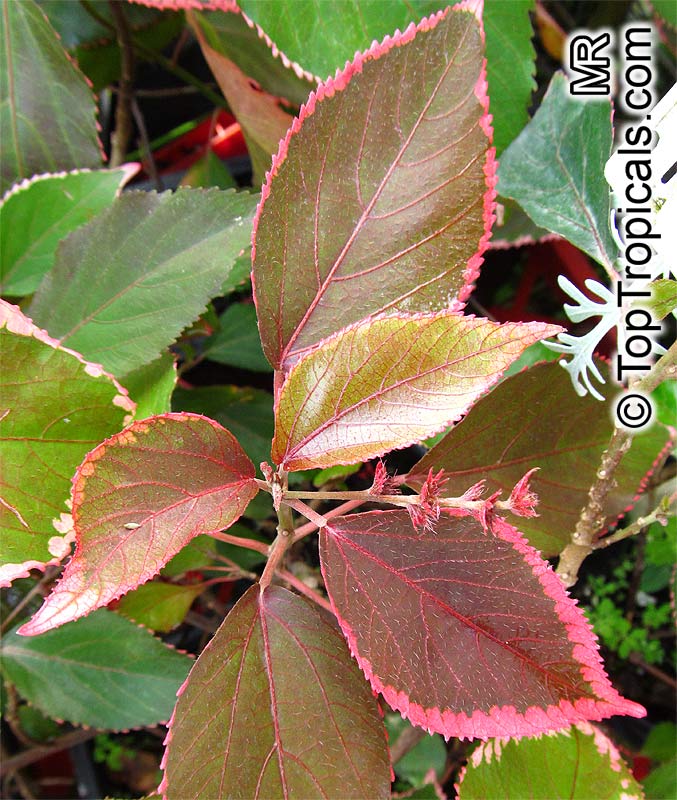
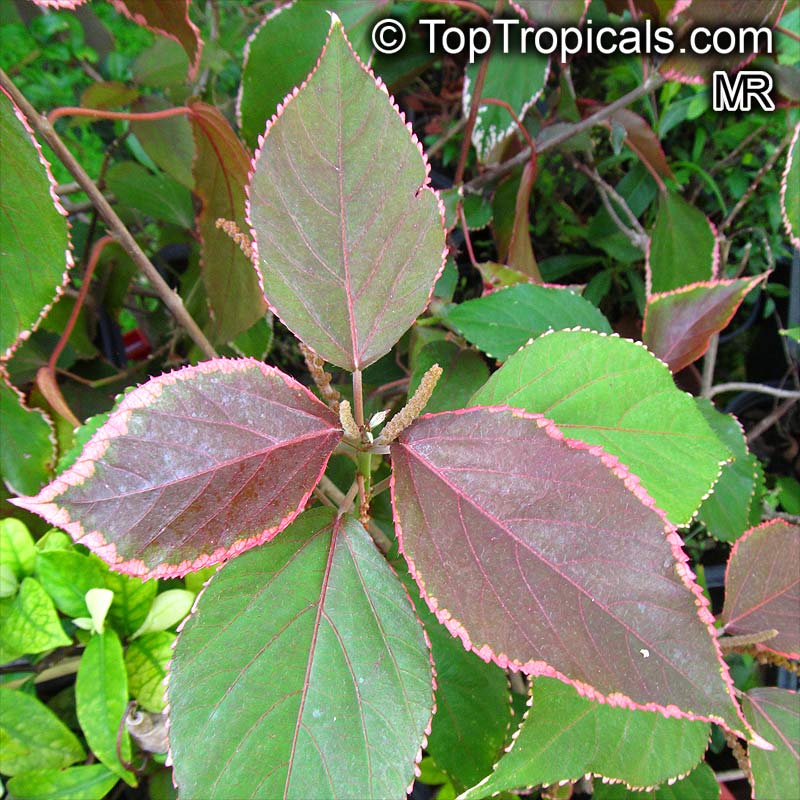
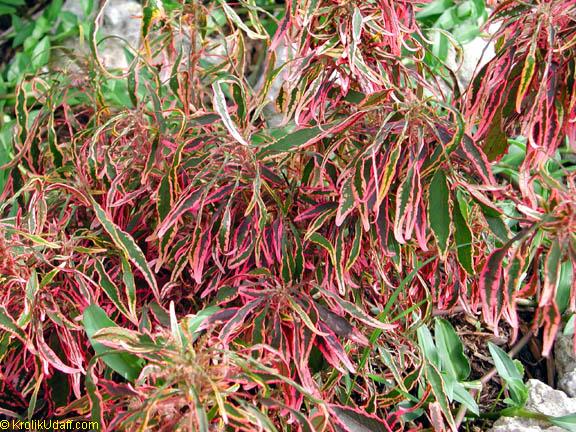
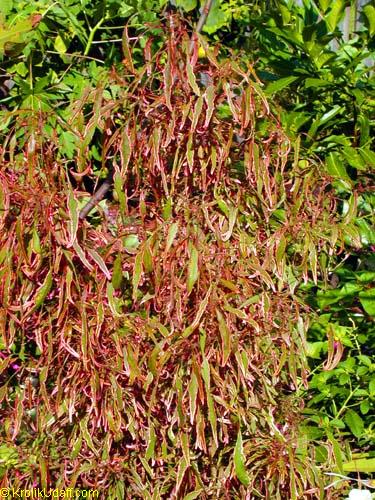
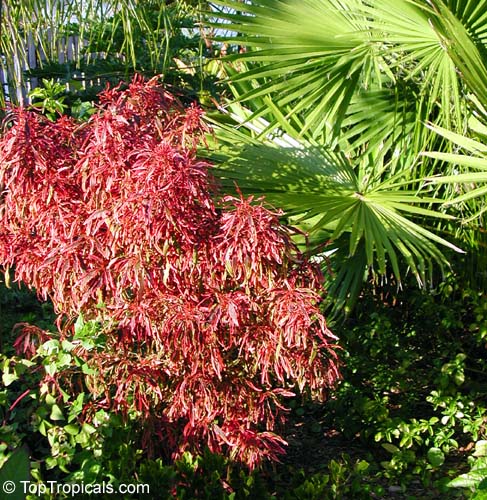
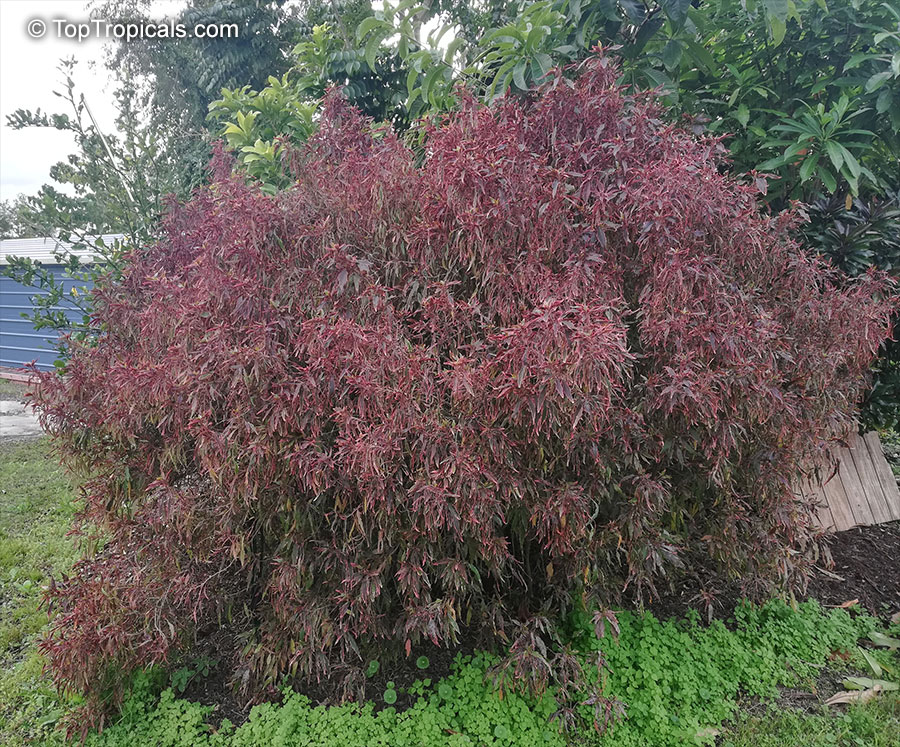
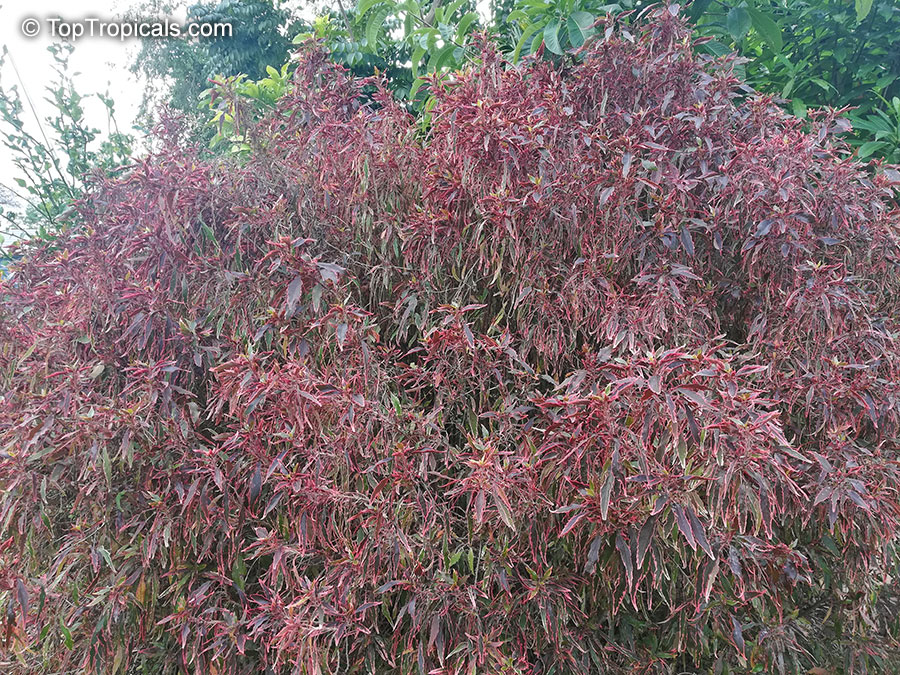

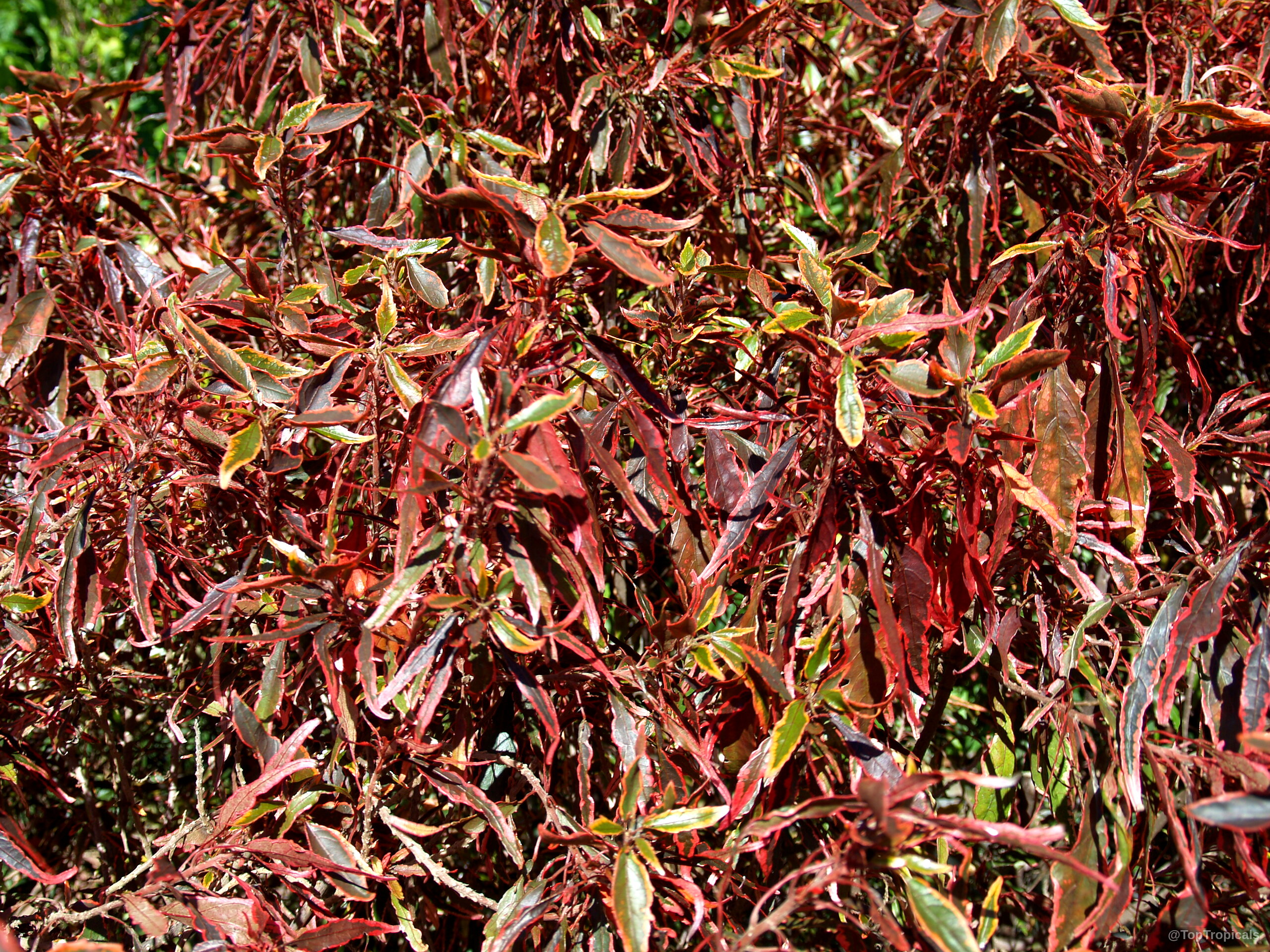

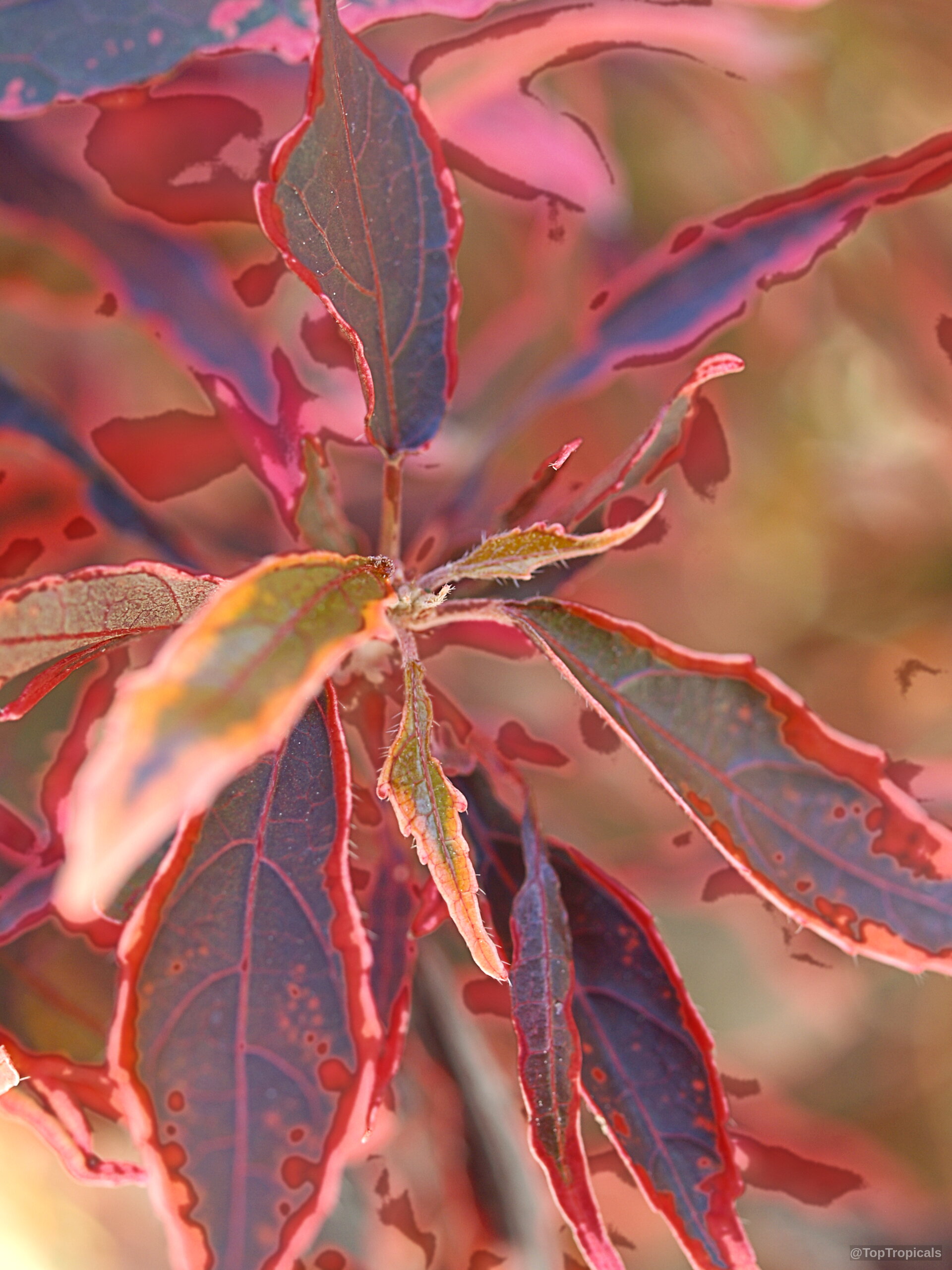
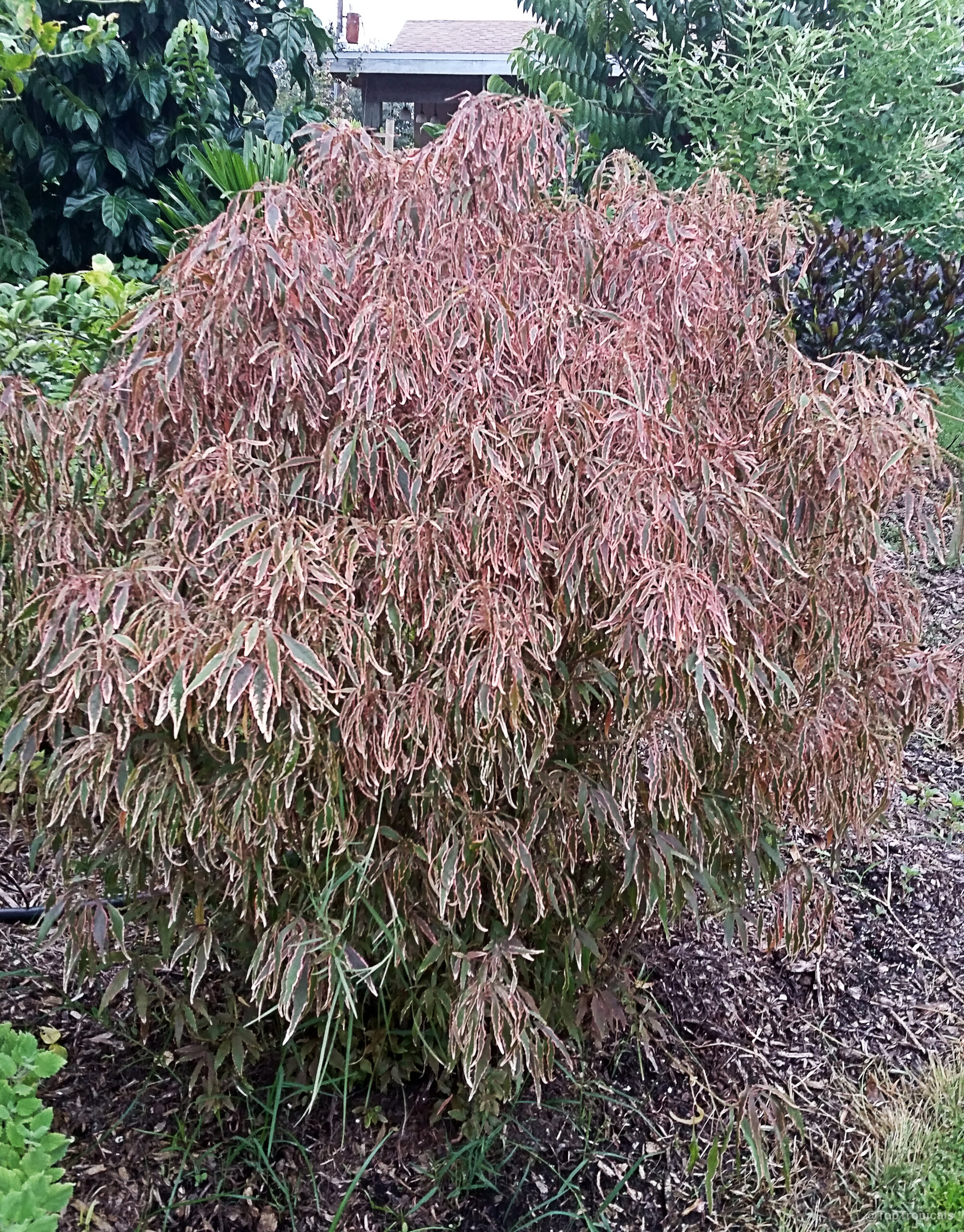

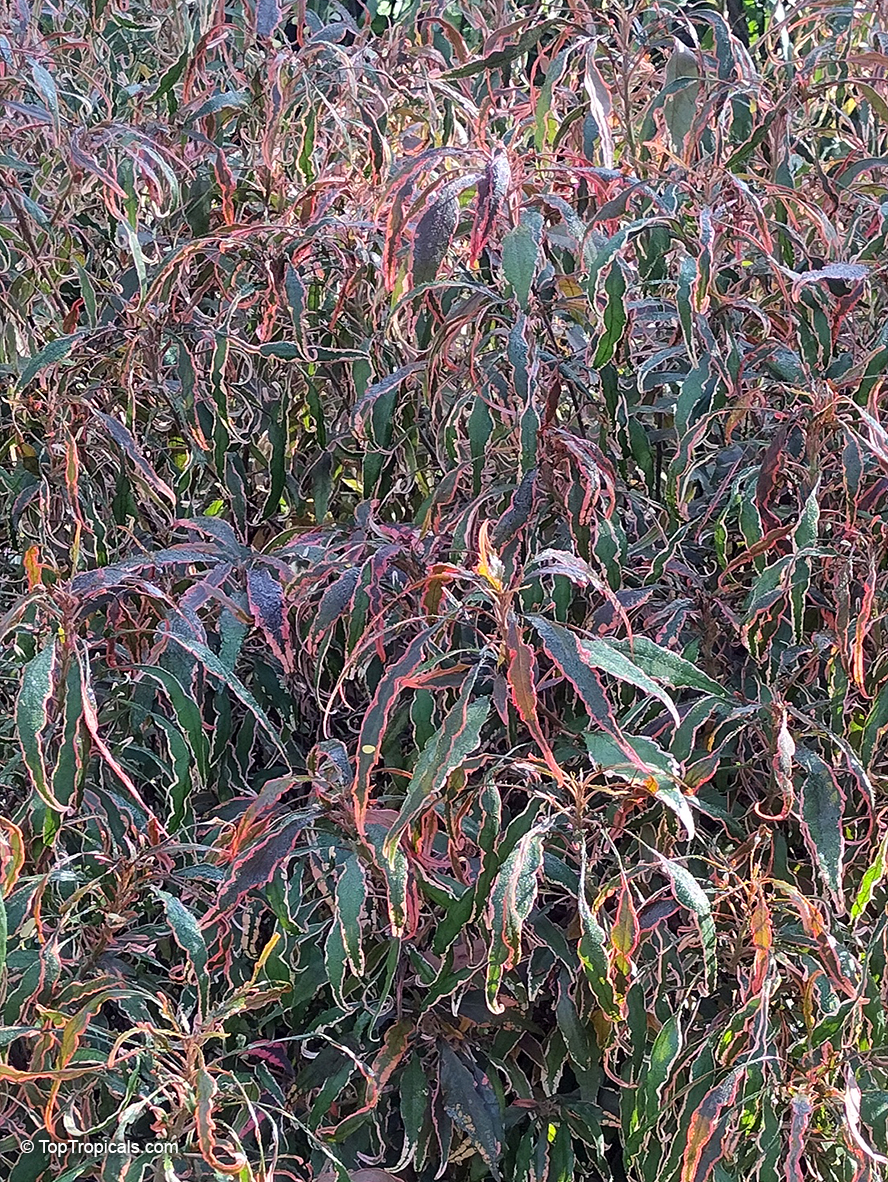
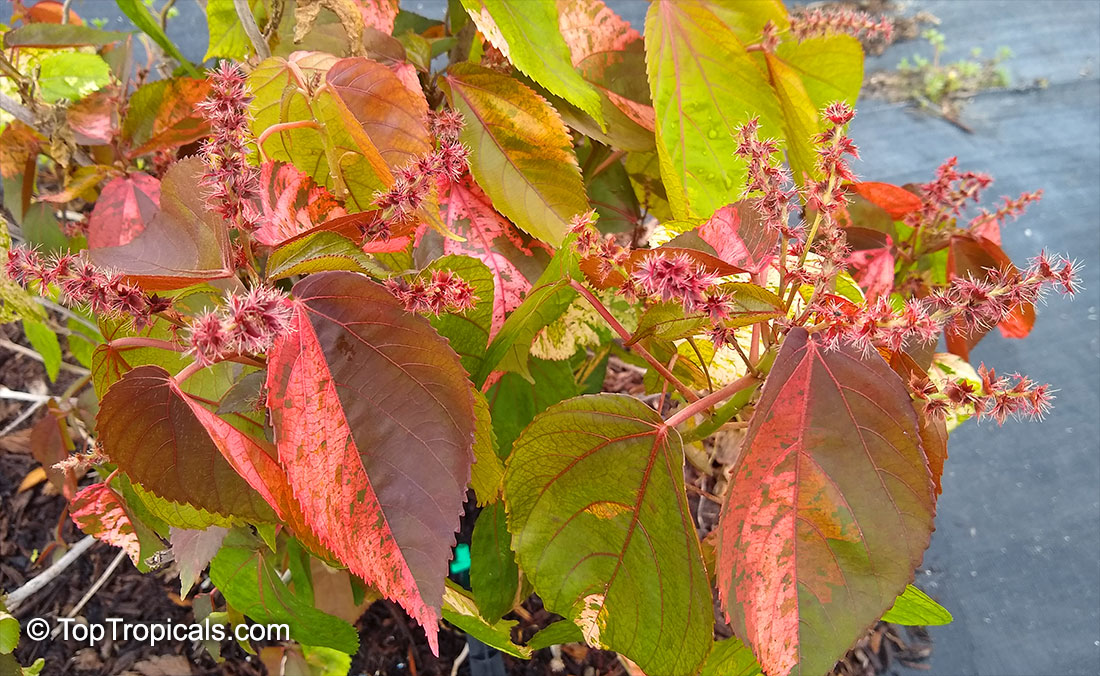
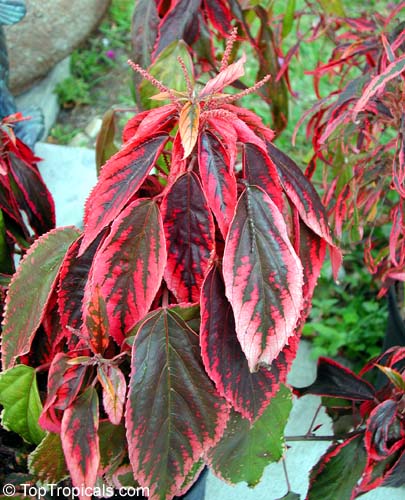
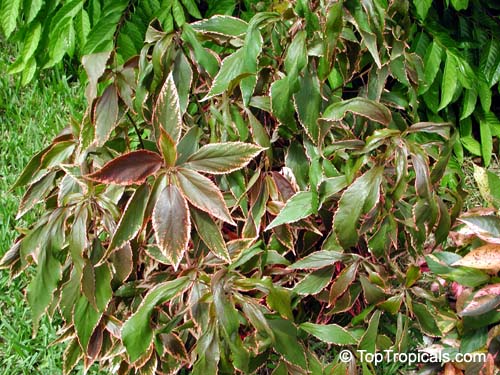
Botanical name: Acalypha godseffiana
Common names: Copper Leaf, Beefsteak Plant, Fire Dragon, Jacobs Coat
Cultivar: Heterophylla
Family: Euphorbiaceae
Origin: Fiji
USDA Zone: 9-10
A very colorful tropical shrub grown for its attractive reddish leaves. Beautiful foliage of mixed shades of red, yellow and green. Leaves, much smaller than ordinary copper leafs, they are orange/red in the full sun and mostly variegated/green in the shade. The more sun the more colorful the leaves will get. Fast growing, a native of the East Indies and the Pacific, this is one of the most striking foliage shrubs and is widely used by tropical gardeners. The leaves also vary in form, some being flat and others undulating, while the flowers are inconspicuous. In a garden, where they are often used as informal hedges or in massed beds, all Acalypha species require full sun, well-drained soil, and careful pruning to prevent them from becoming leggy. They are easily propagated by cuttings.
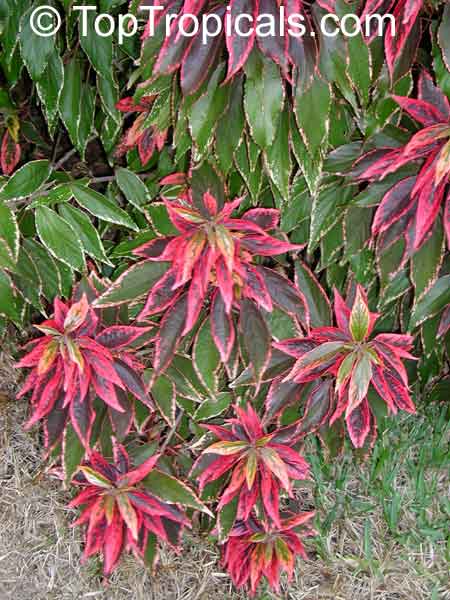
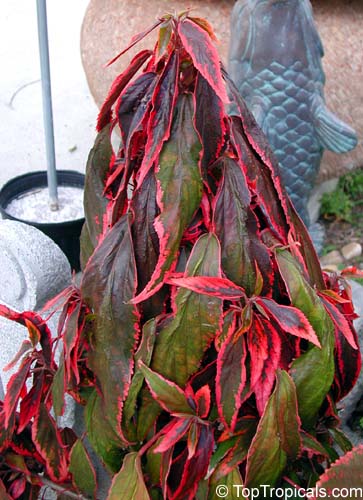
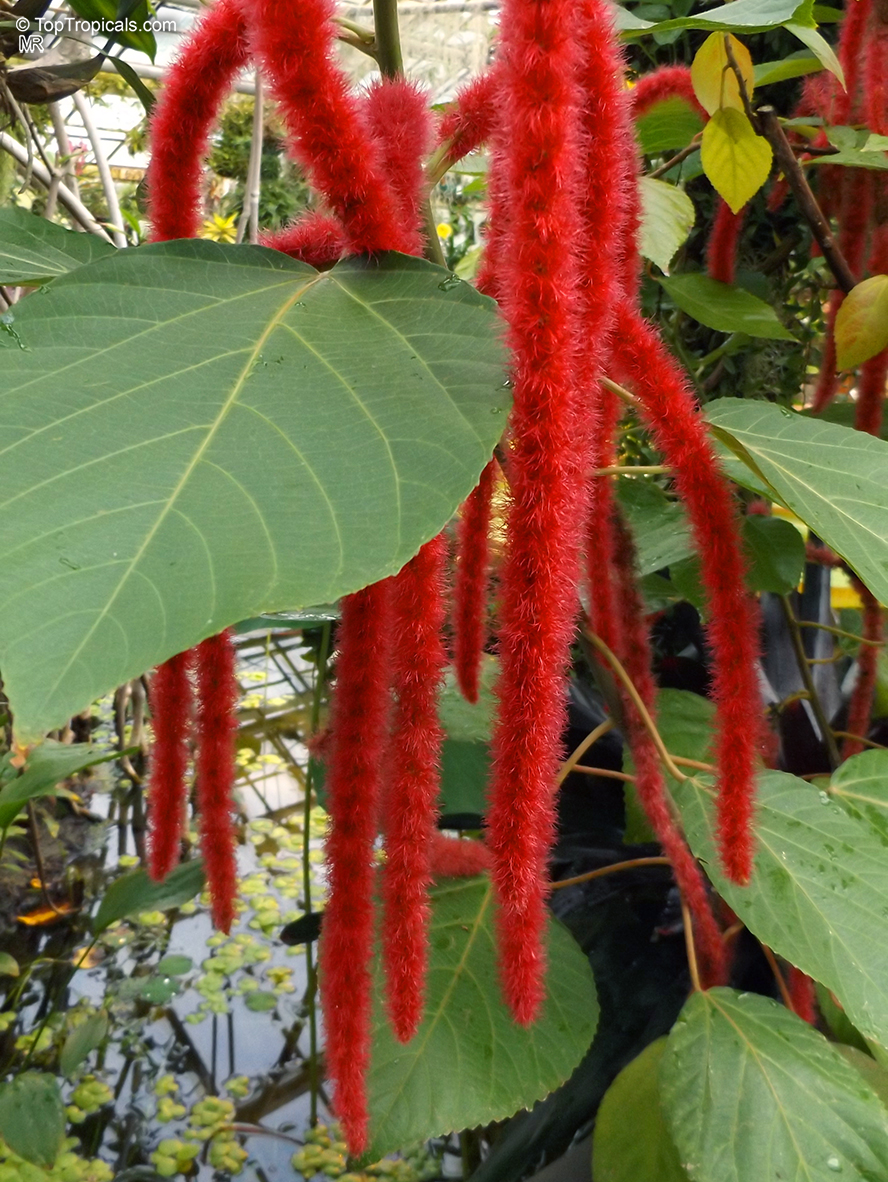
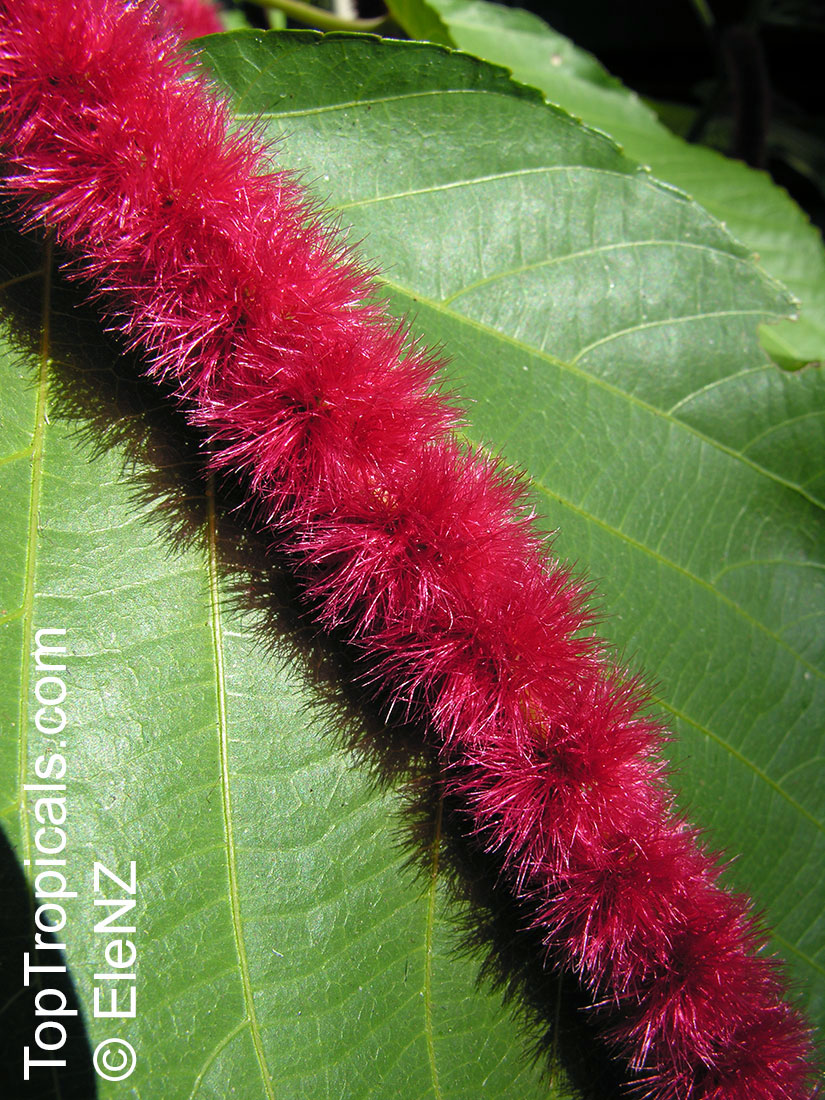
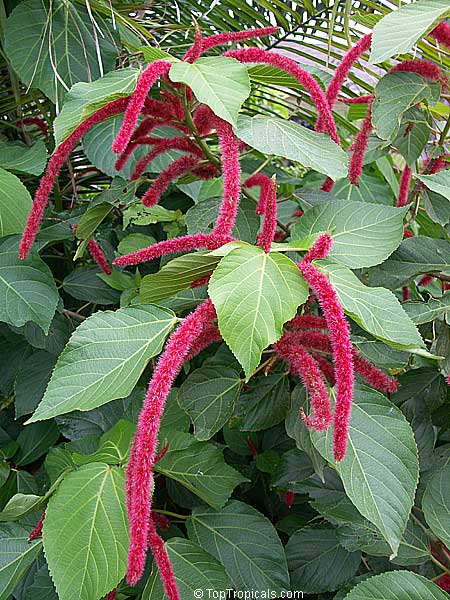
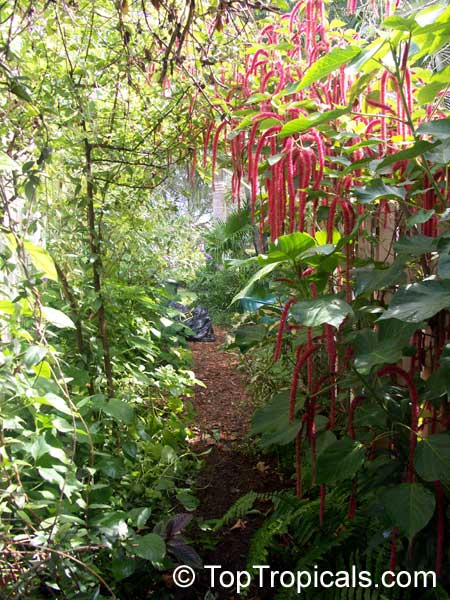
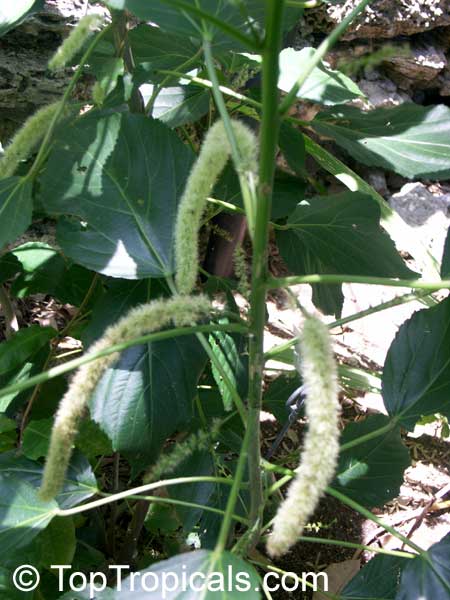
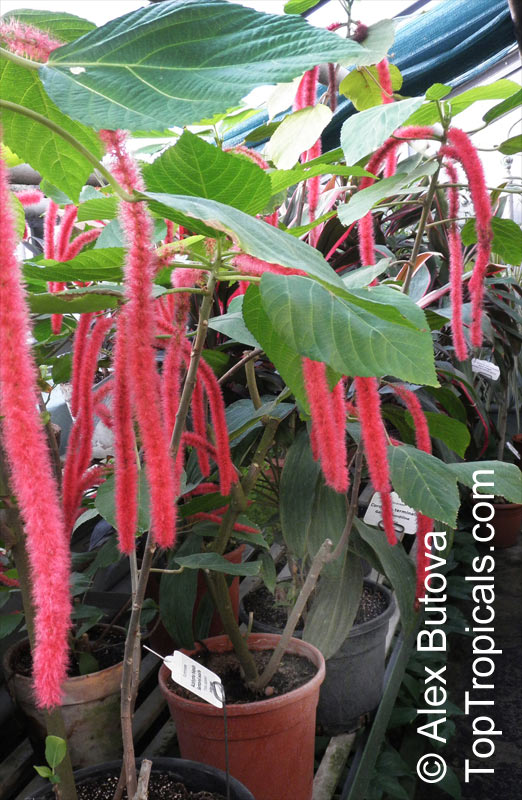
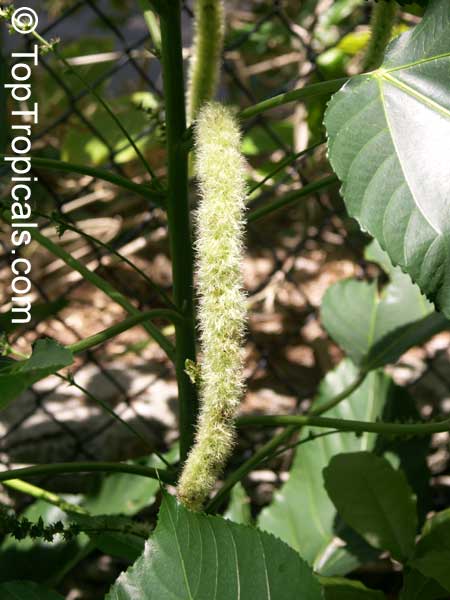
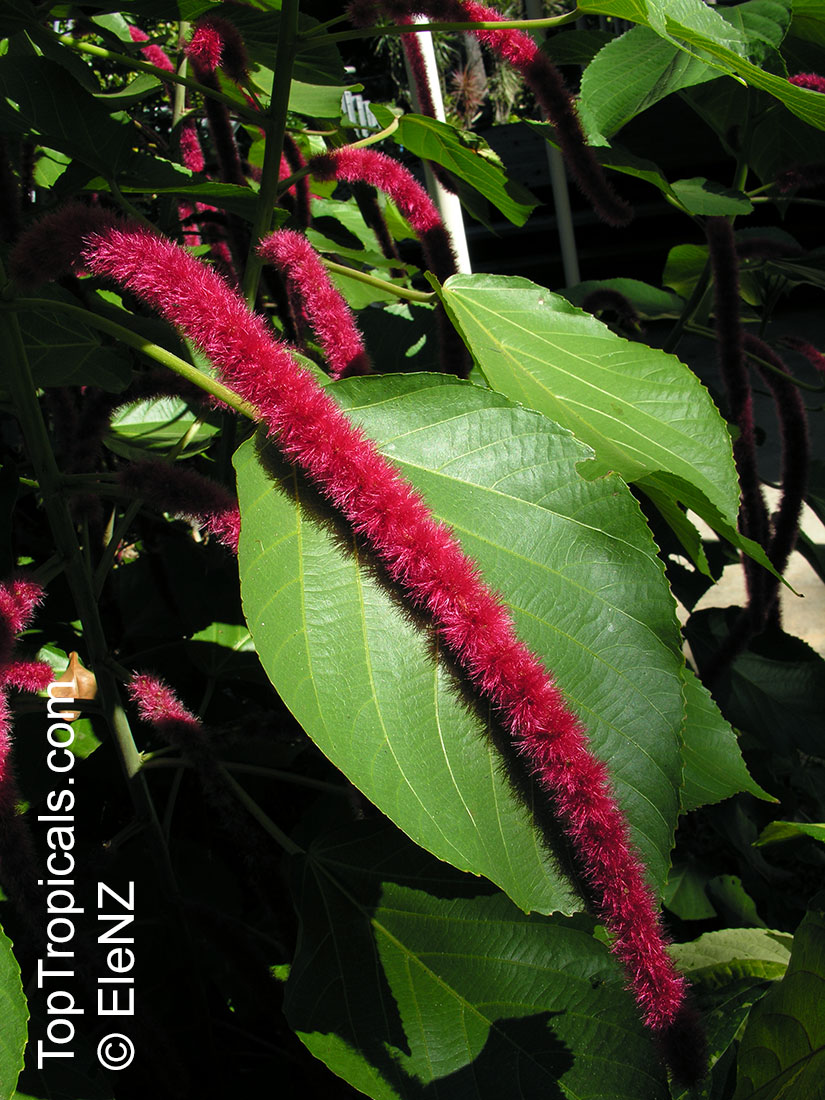
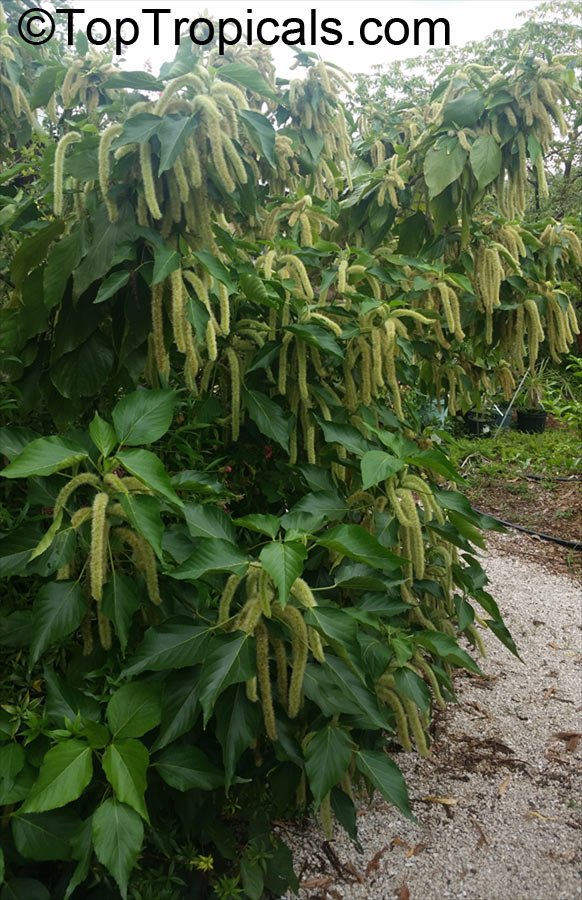
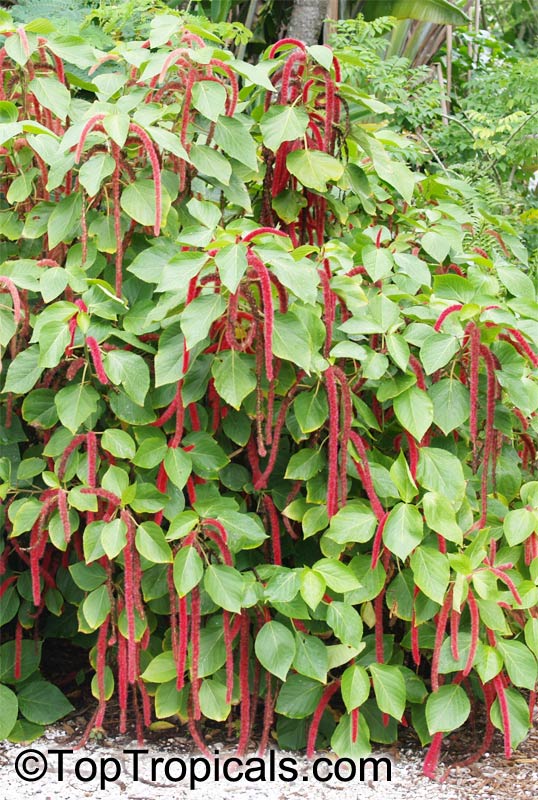
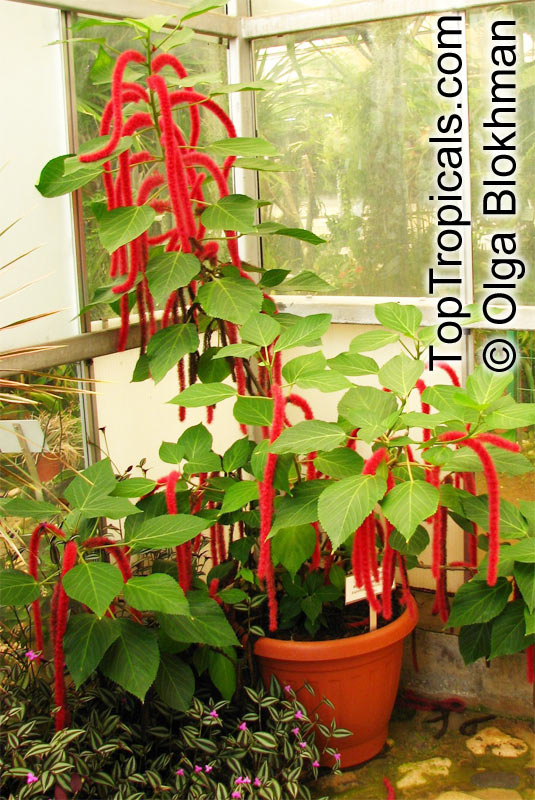
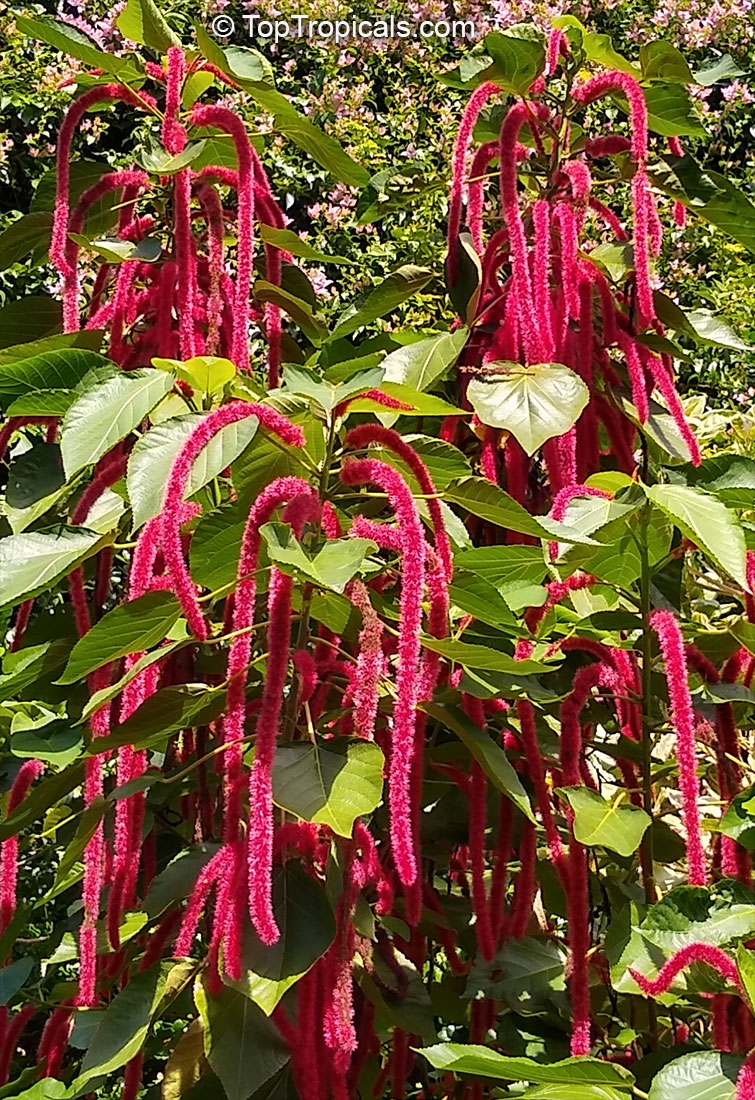
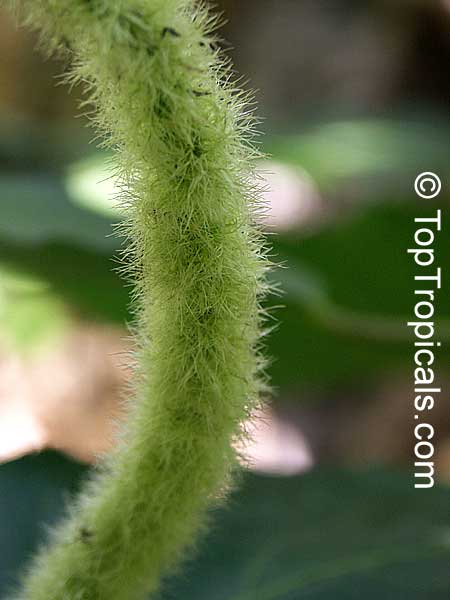
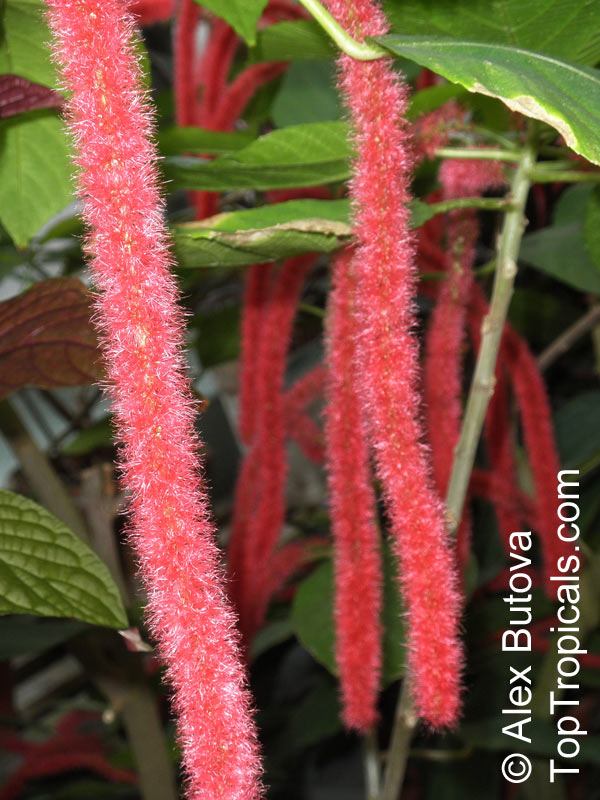
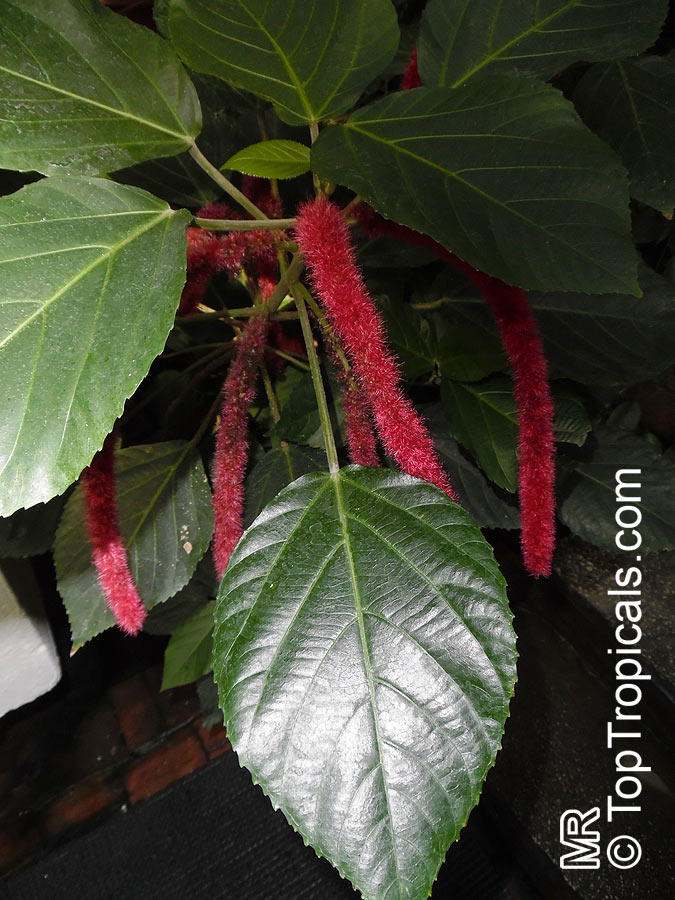
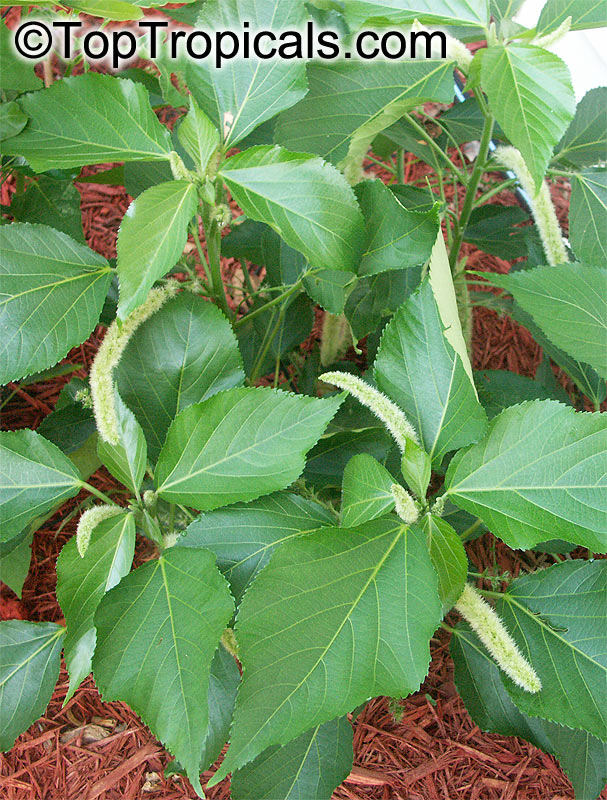
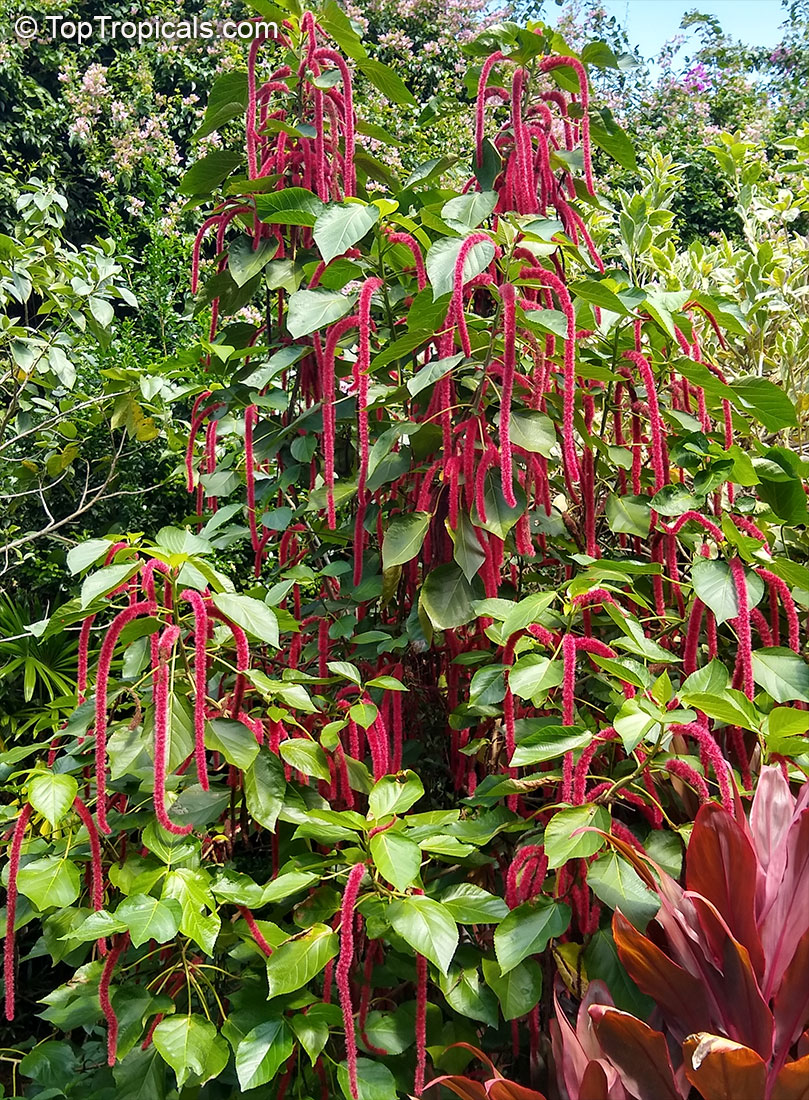
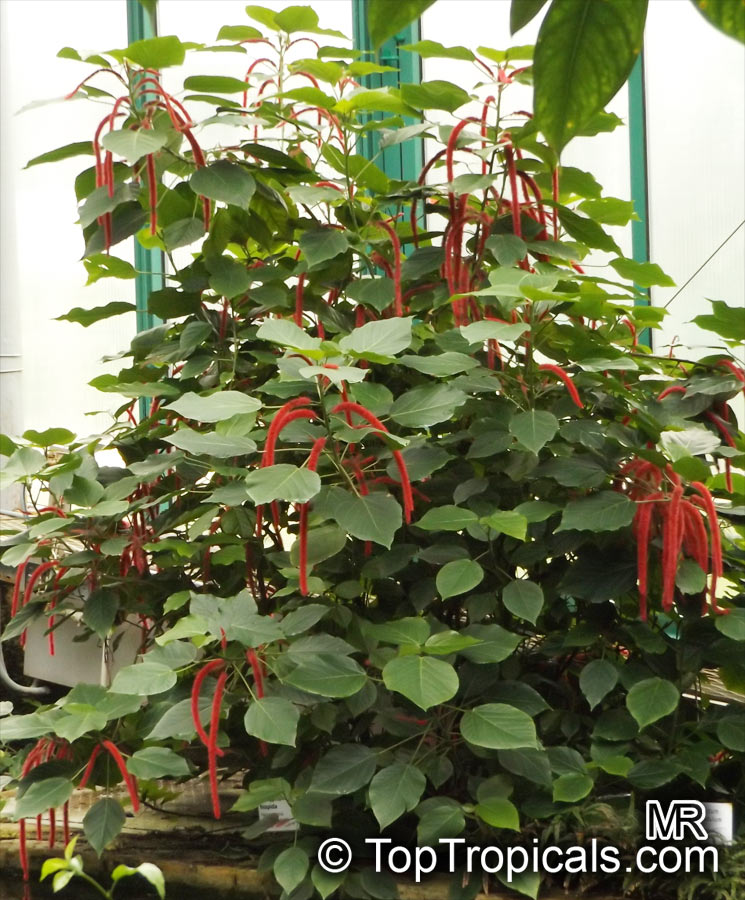
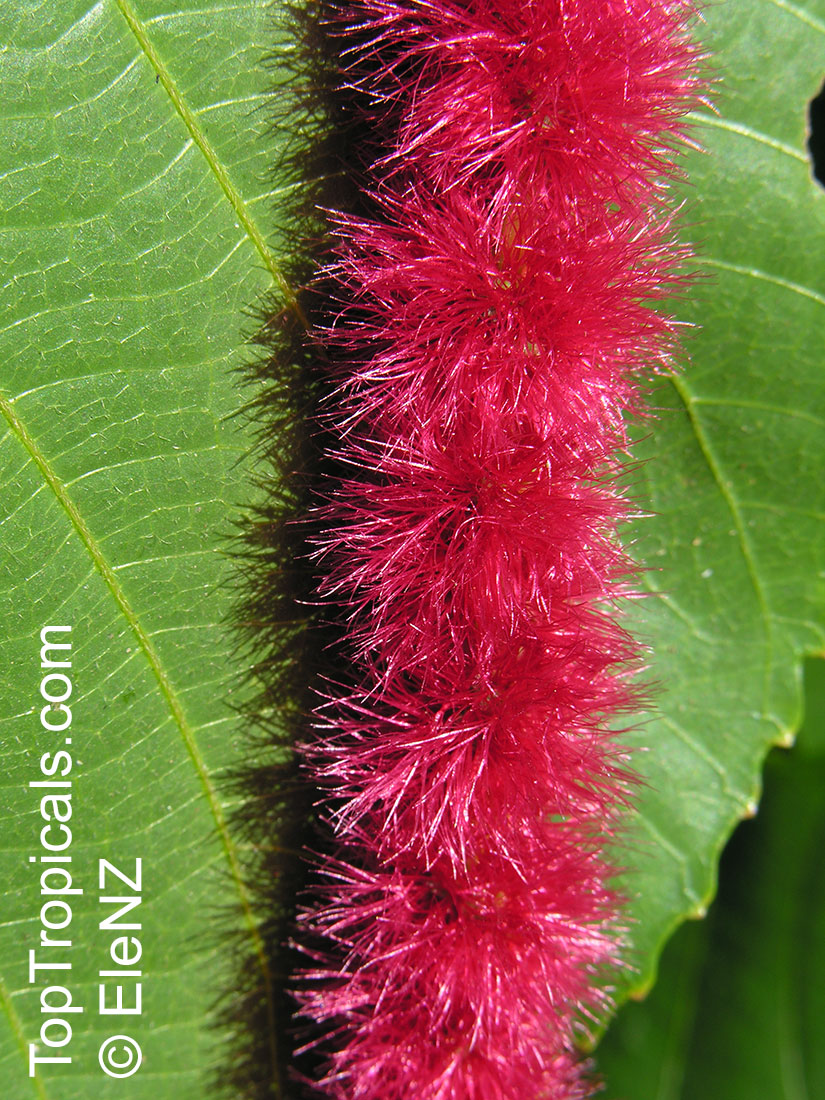
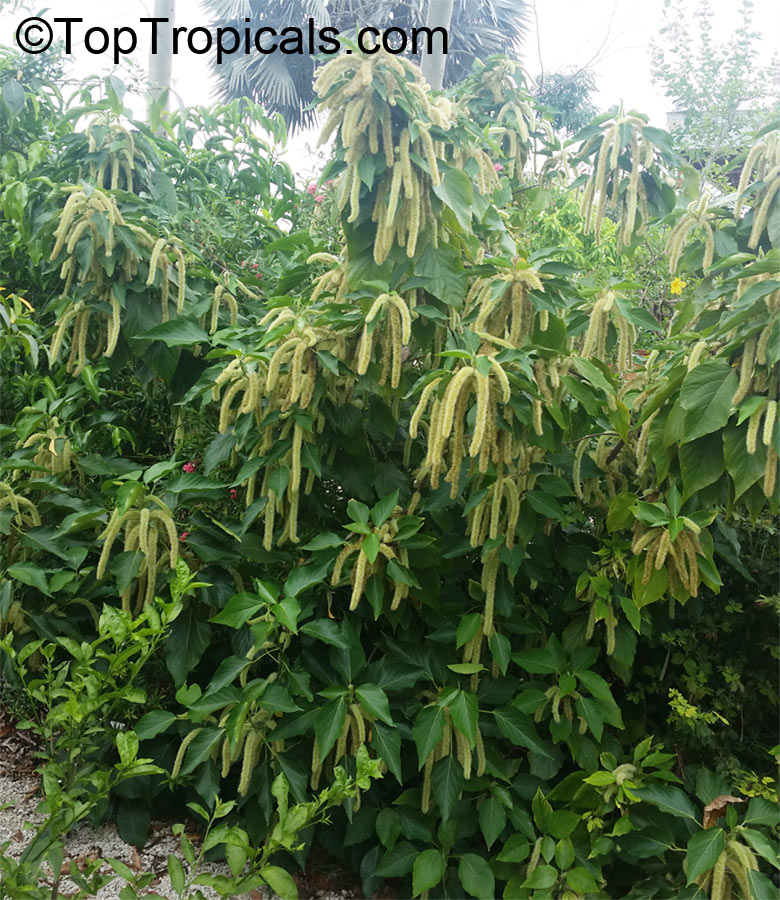
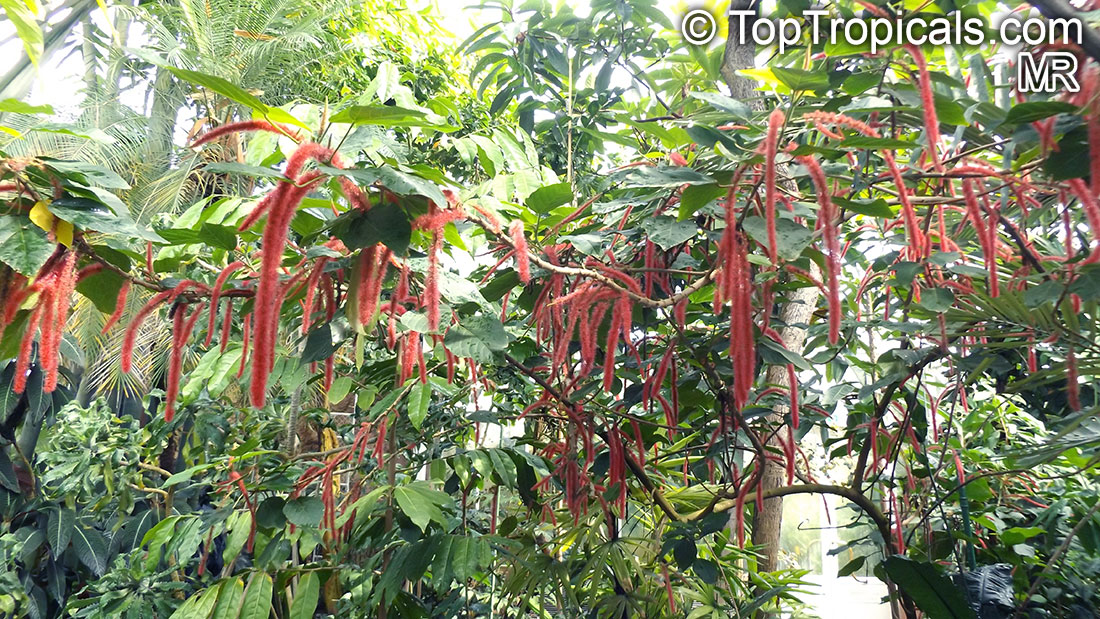
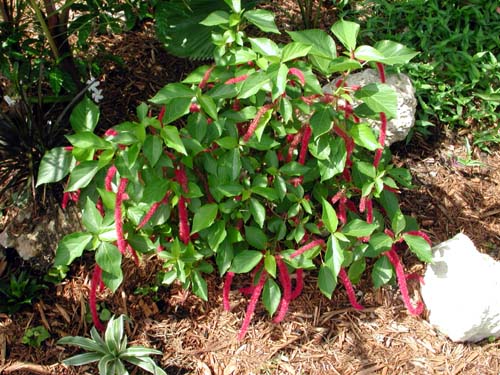
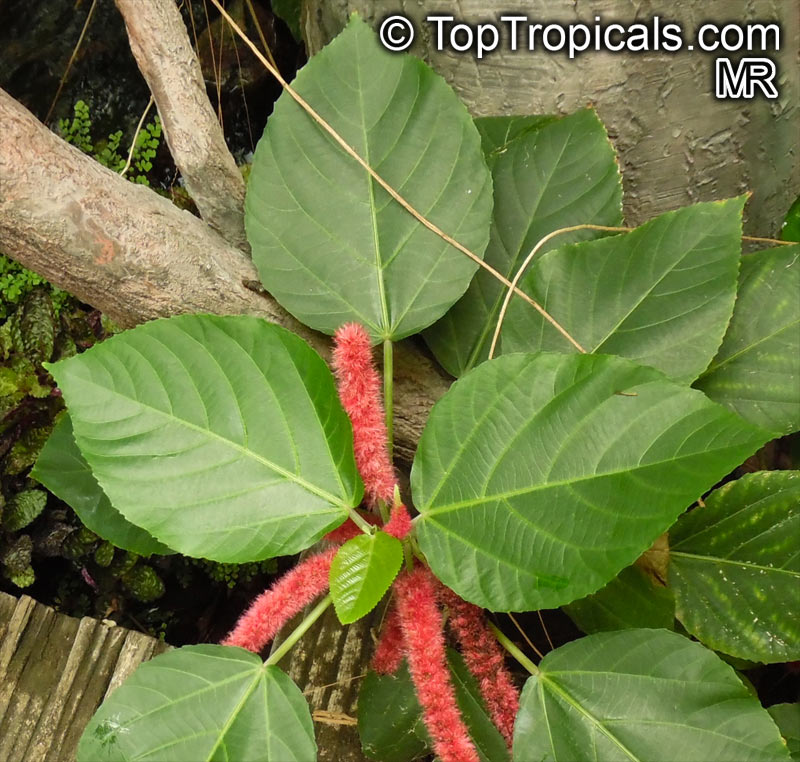
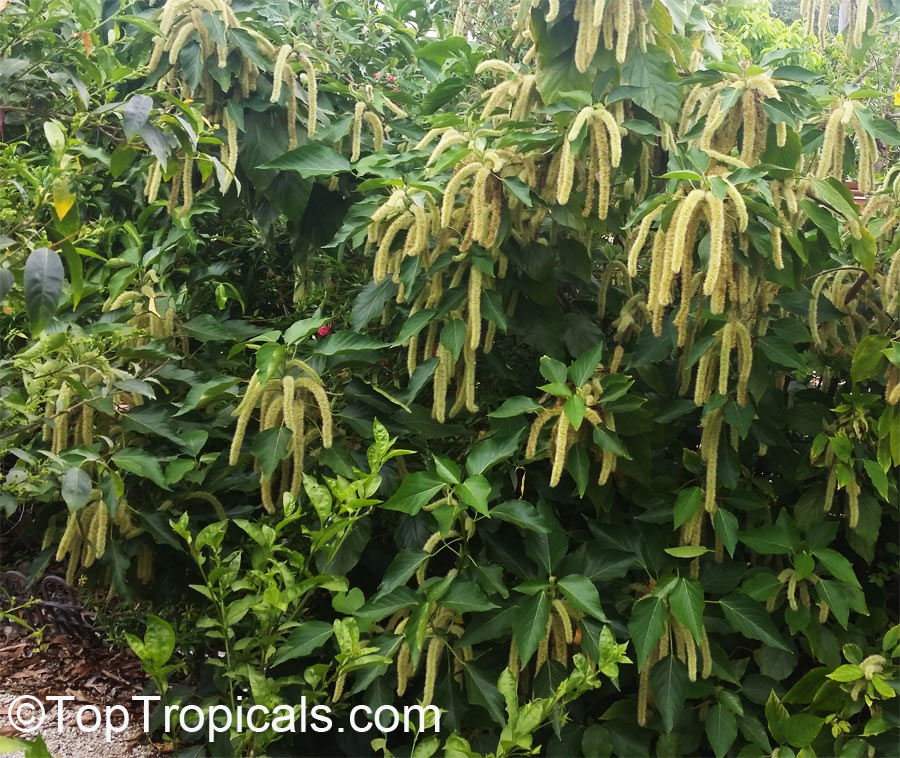
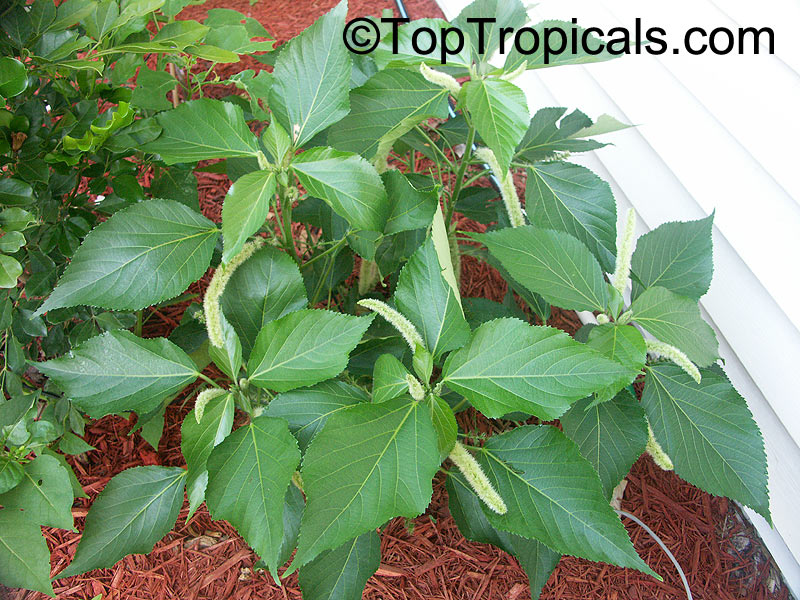
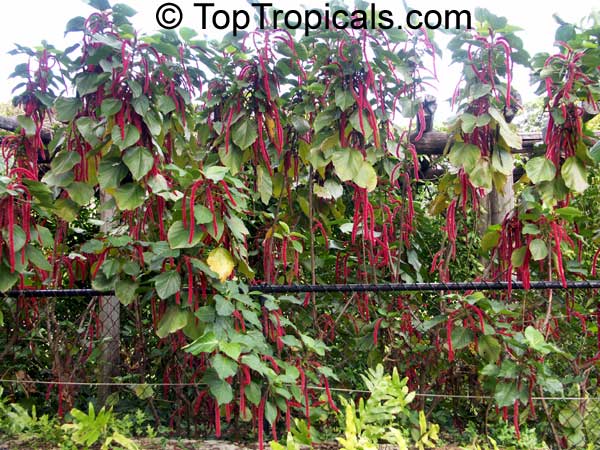
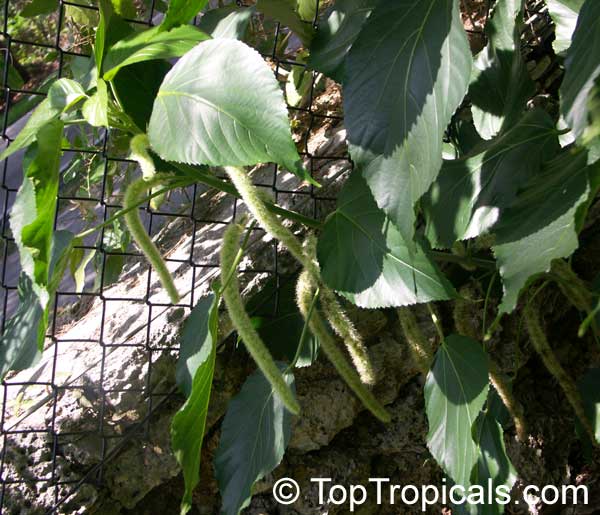
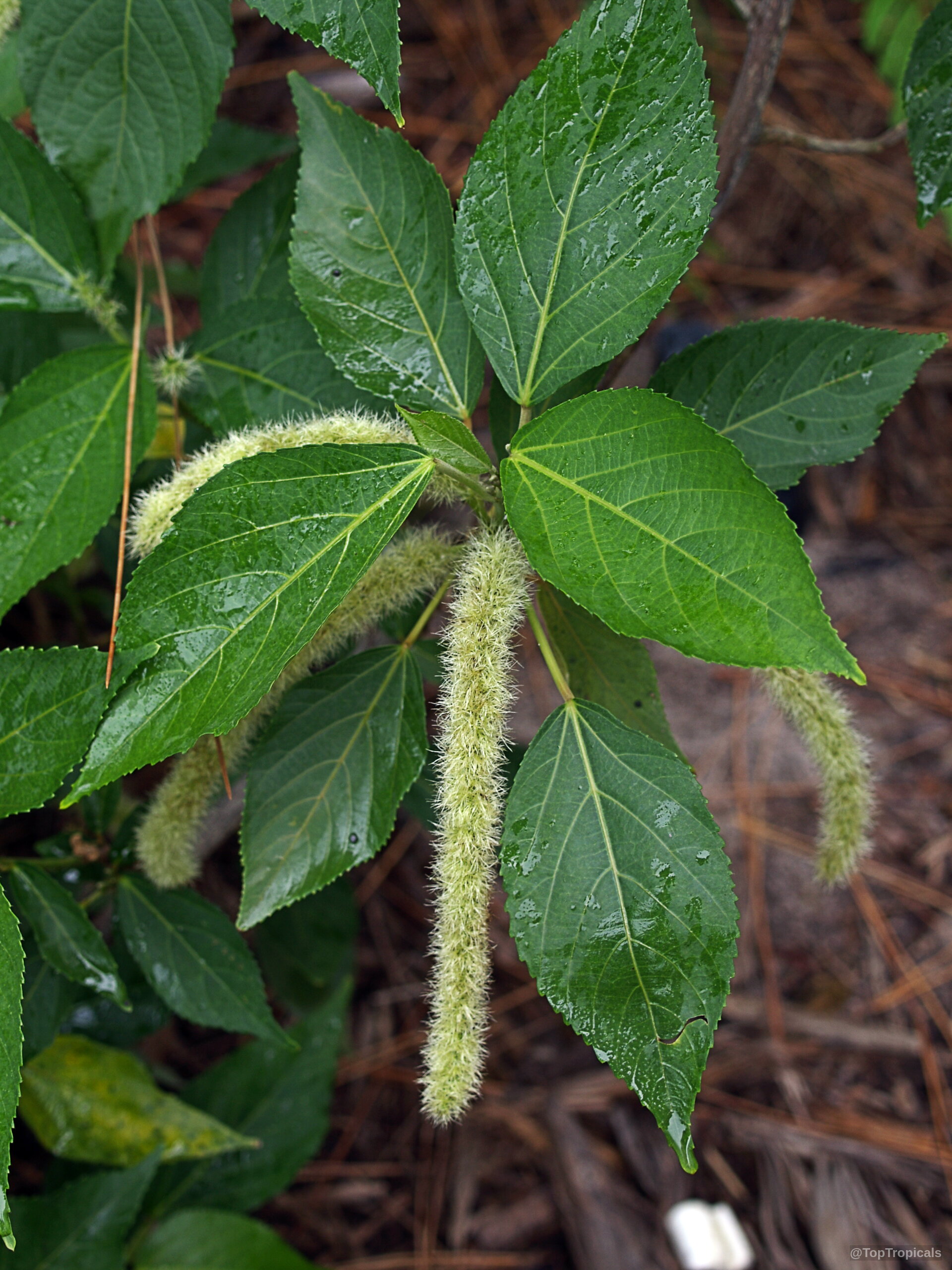
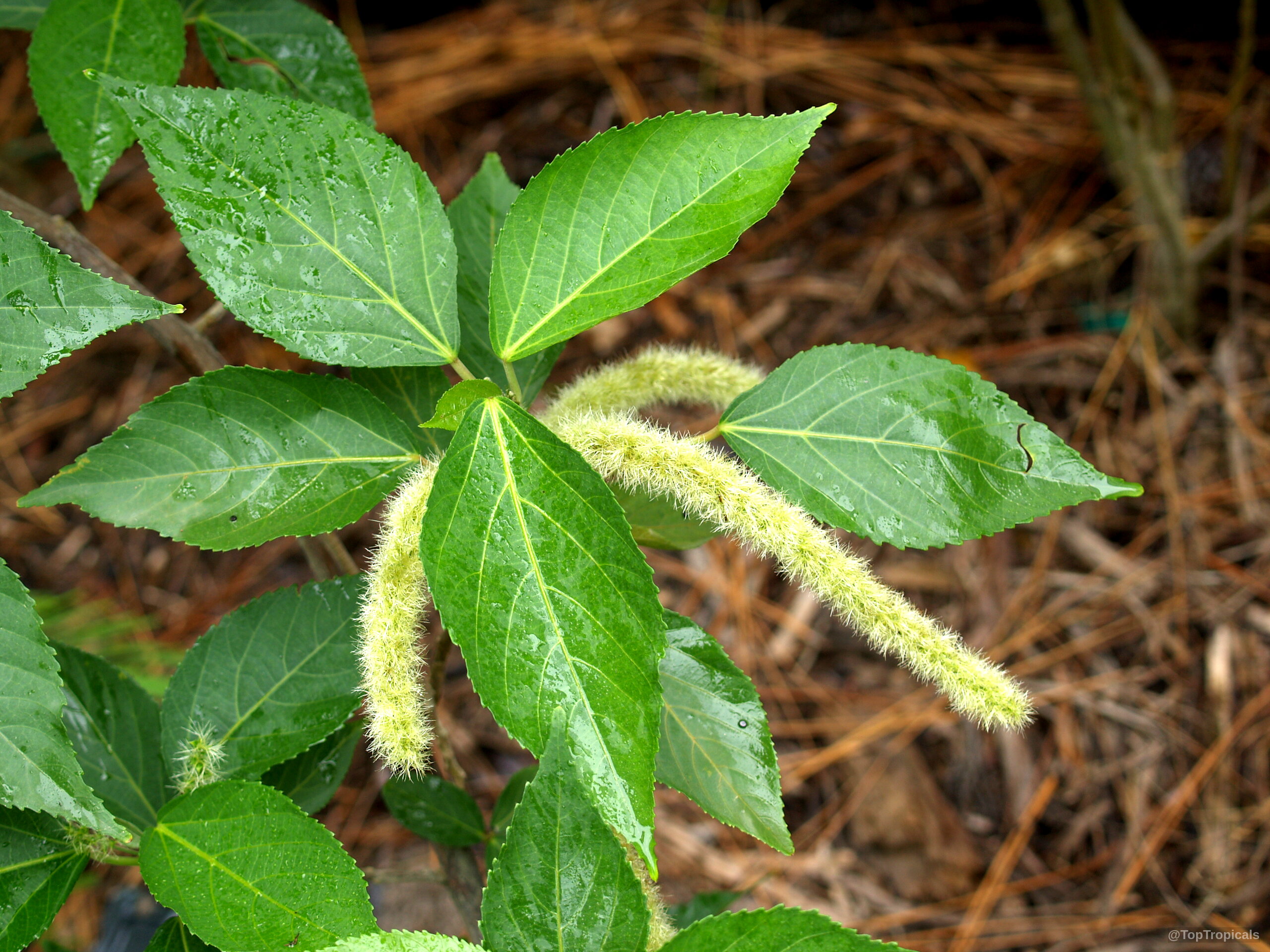
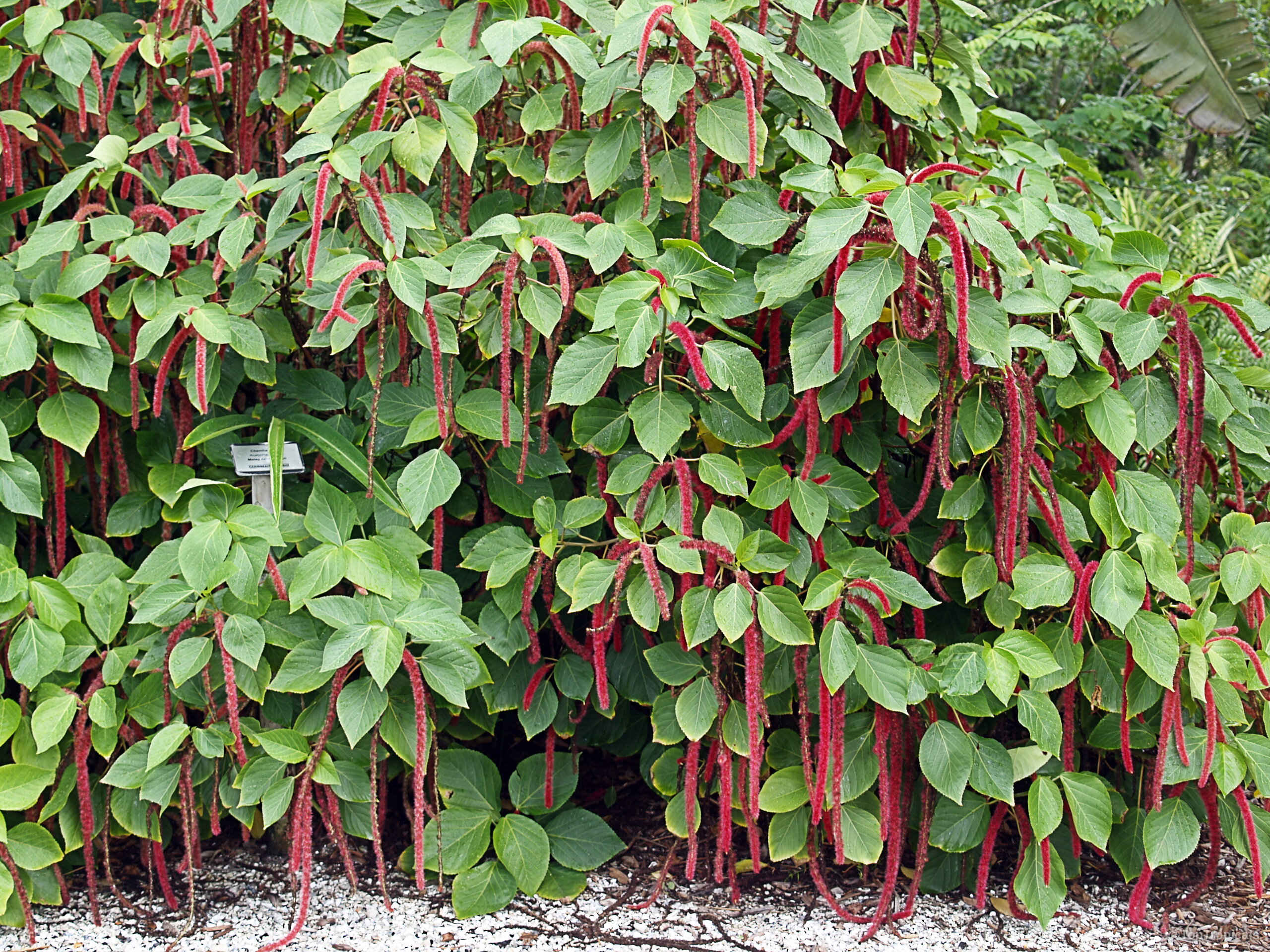
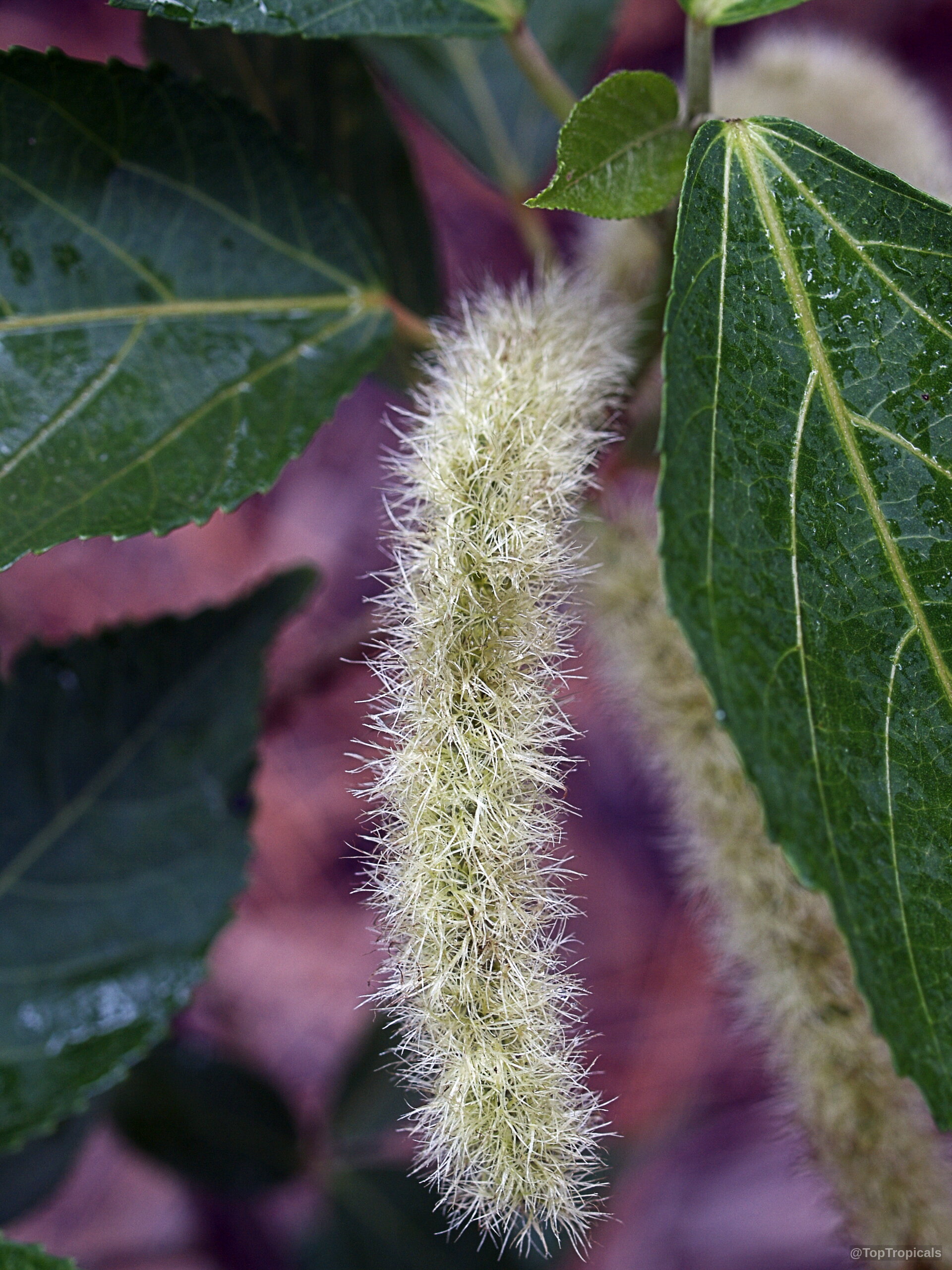
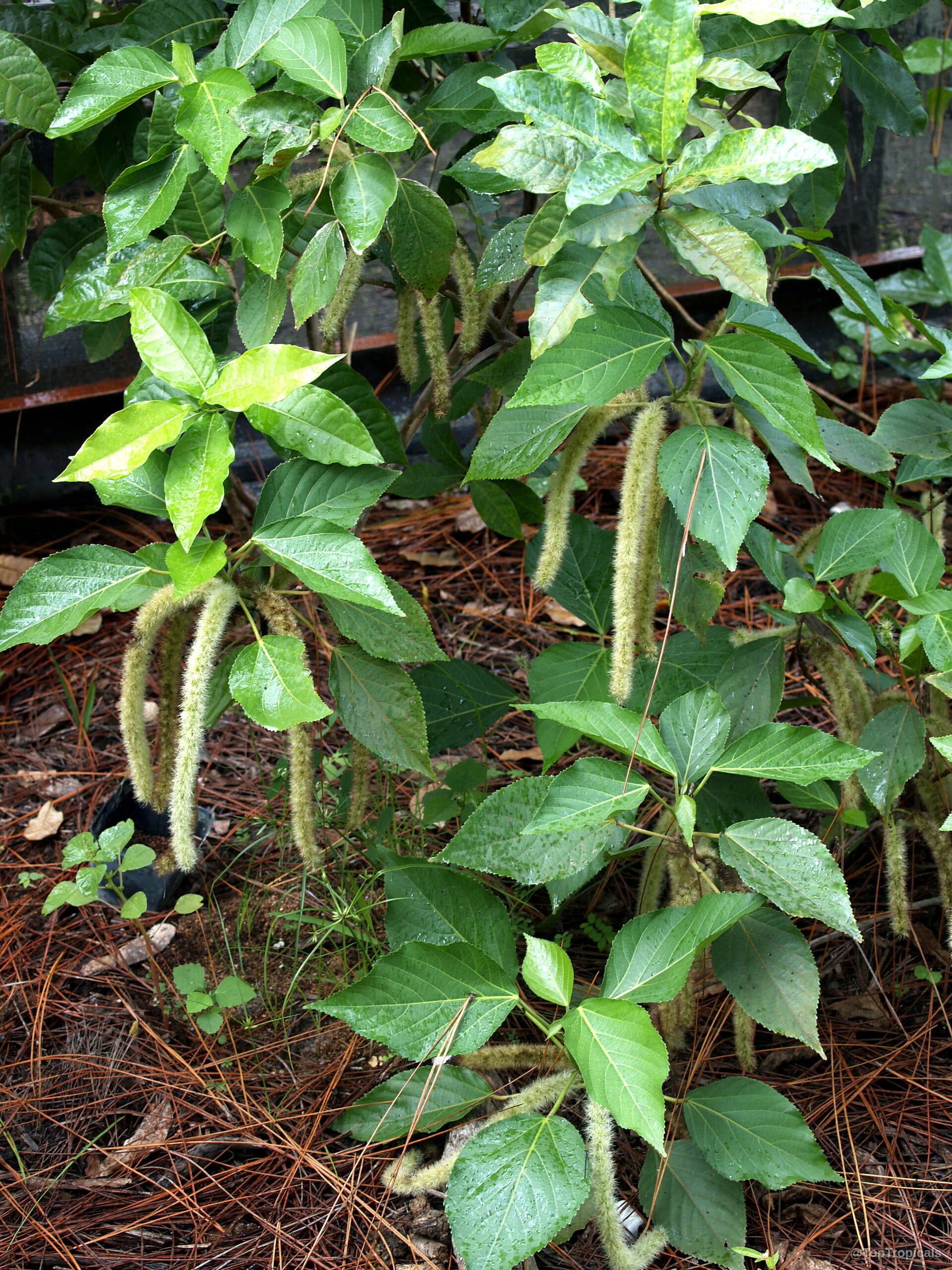
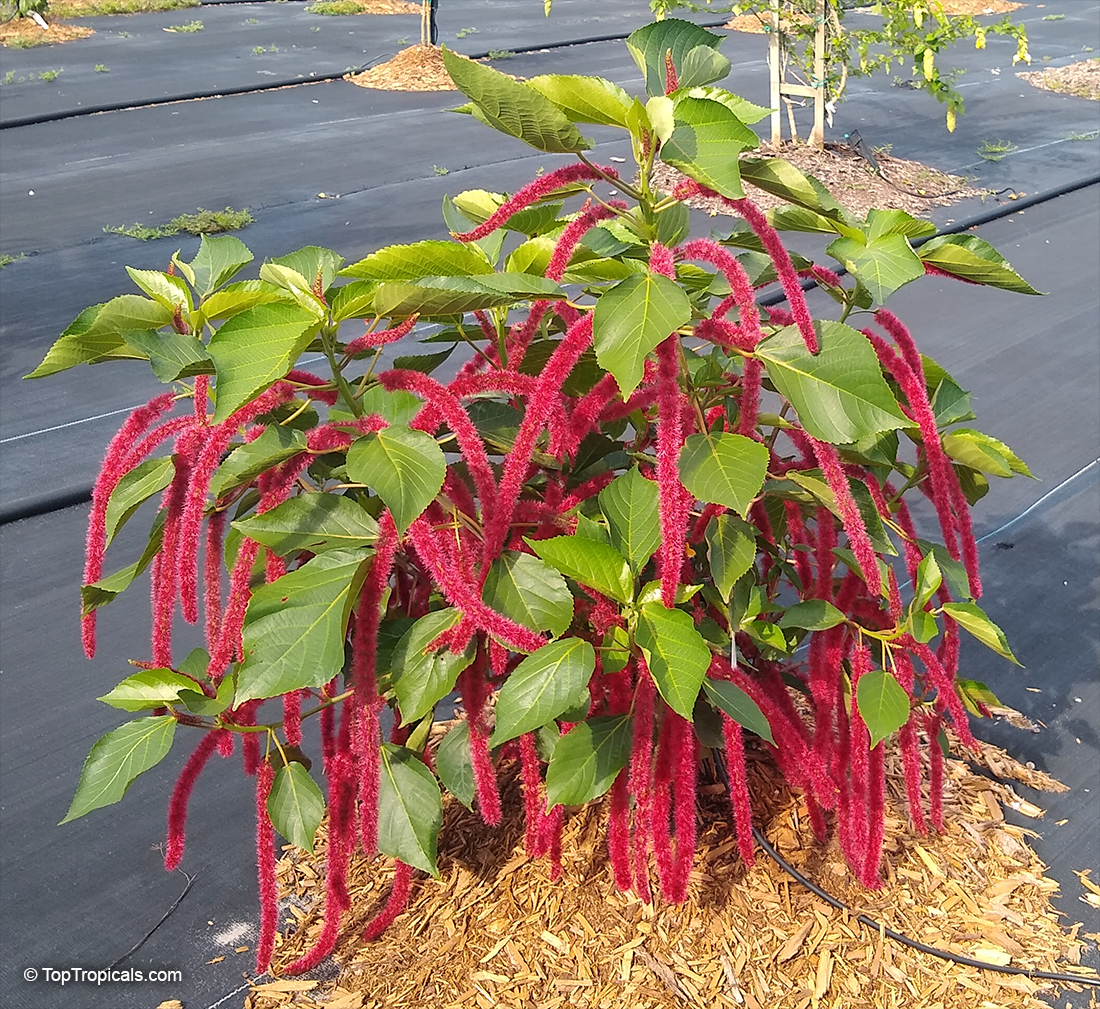
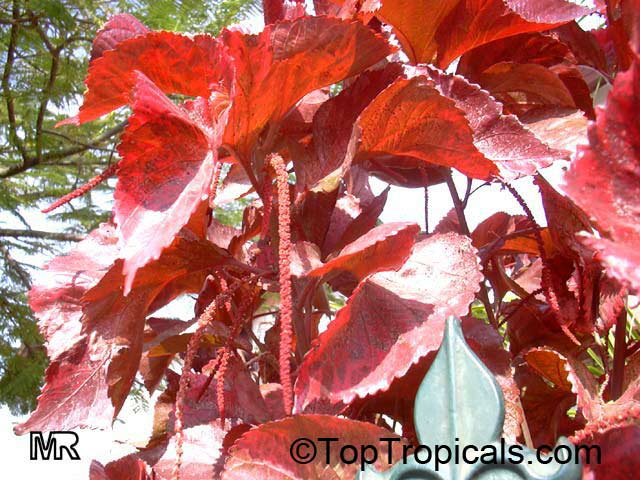
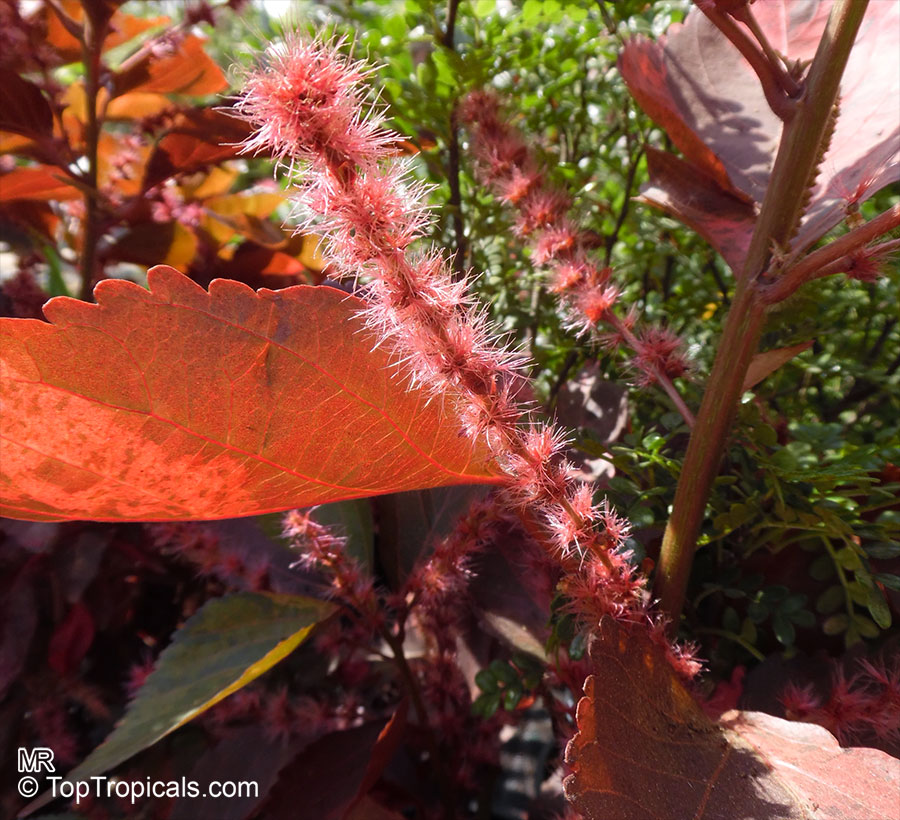
Botanical name: Acalypha hispida
Common names: Cat Tail, Chenille Plant, Red Hot Cattail, Foxtail, Red Hot Poker
Family: Euphorbiaceae
Origin: East Indies
USDA Zone: 9-11


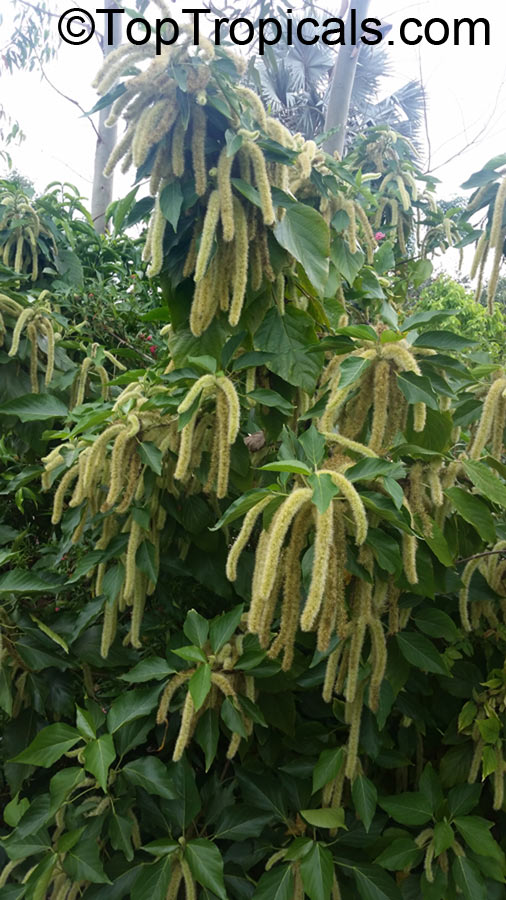
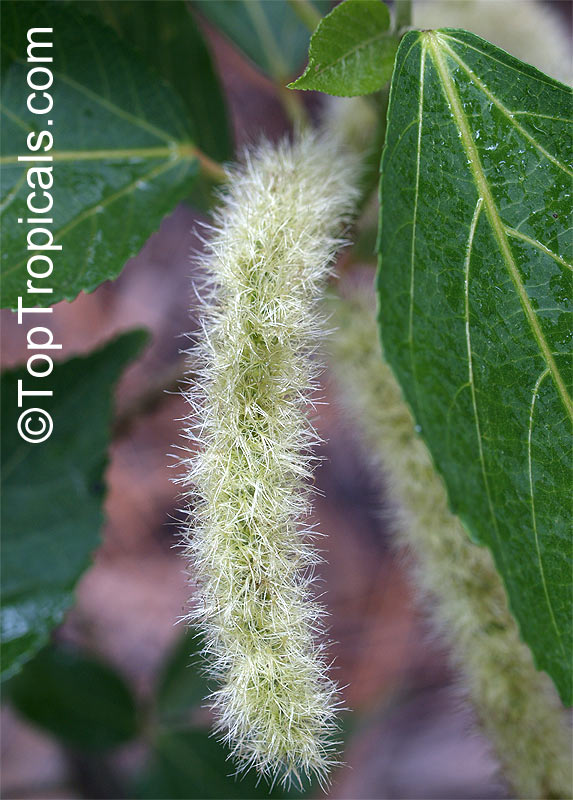
Acalypha hispida grows as a large shrub 5-10 feet tall. If trimmed, it can be grown as a hedge or even maintained at a low height shrubs. The plant produces flowers in a variety of shades, including the traditional cat tail red, as well as pink, white, off-white, and crimson or vinous colored varieties. The shrub blooms year round in warmer climates and spring through fall in cooler climates, producing masses of long, bright inflorescences that hang down and give rise to its popular name of "Cat Tails". The brightly colored pendulous tassels are extremely showy. This is a tough and versatile plant which is salt-tolerant and seaside-resistant, and can withstand temperatures down to the 30s F for a short period of time.Acalypha hispida can typically be grown in USDA Zones 9-11.
When growing Acalypha hispida in zones cooler than zone 9, the plant should be grown in a pot and brought in for the winter to a cold, but not freezing, area. The soil should be kept moist, and fertilizer should be used sparingly, but may be beneficial from April to August. Acalypha hispida should be pruned often to maintain a healthy shape and prevent overgrowth. To encourage flowering, the new growth should be trimmed during the winter months.

Recommended Fertilizer: SUNSHINE Megaflor - Bloom Nutrition Booster
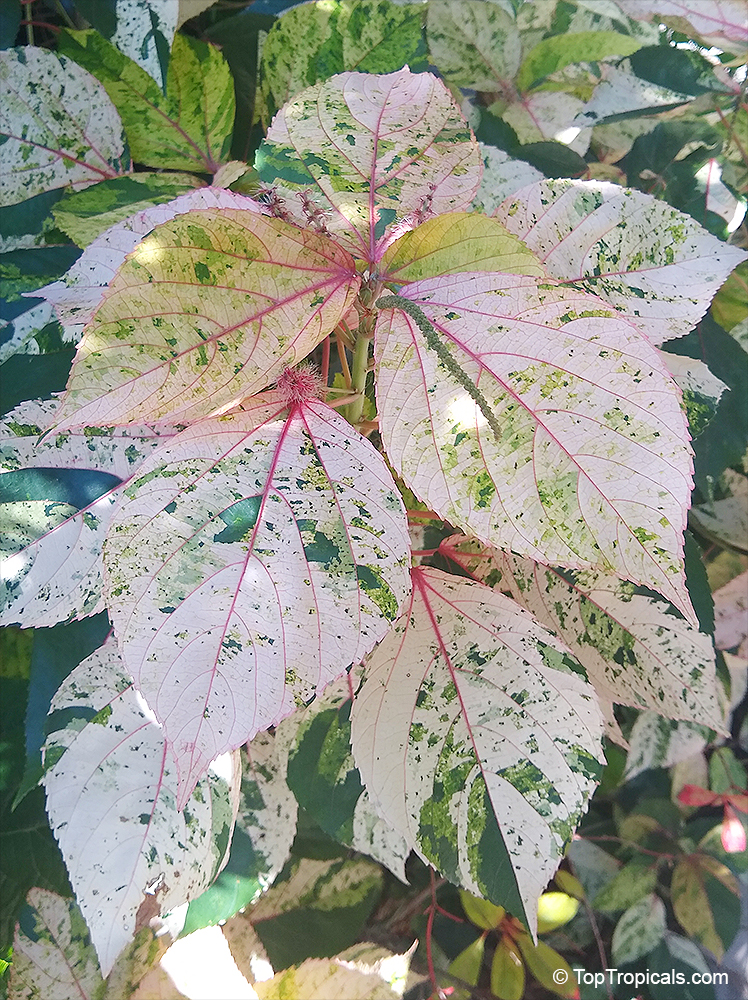
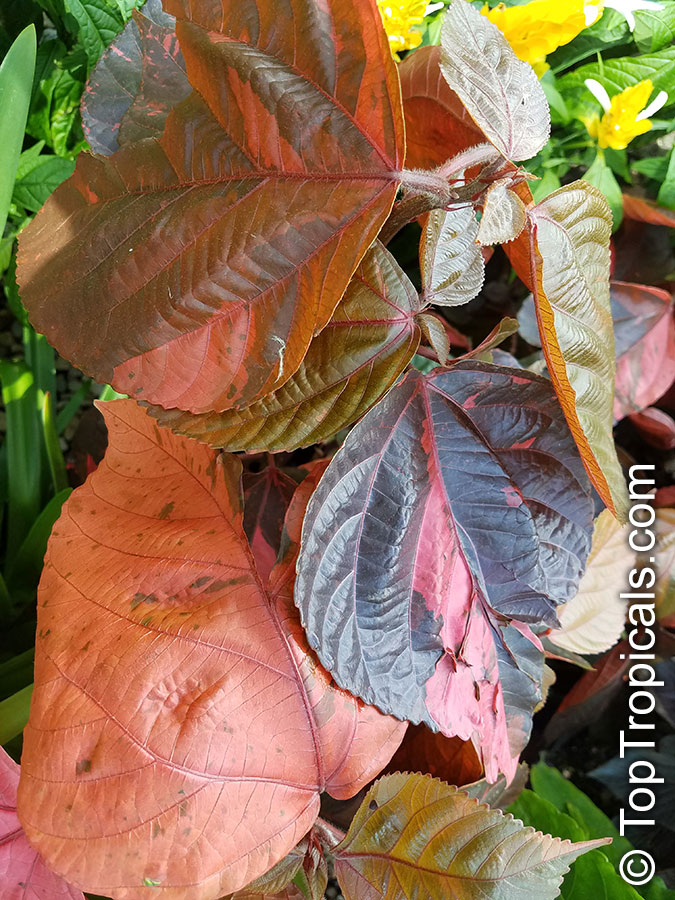
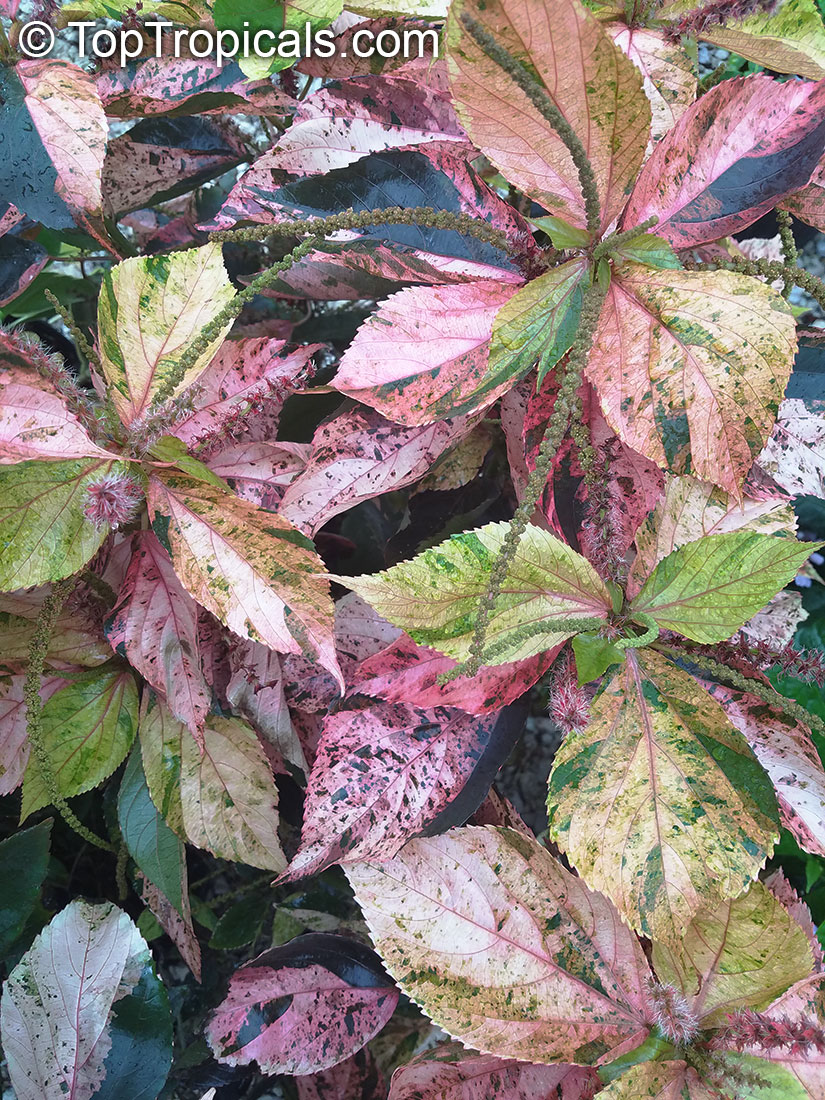
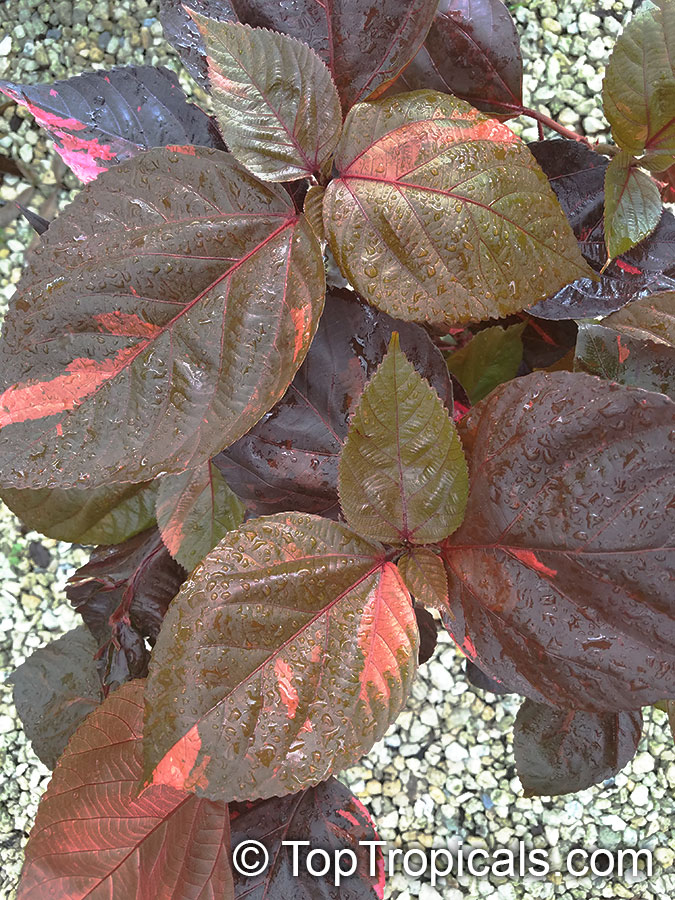
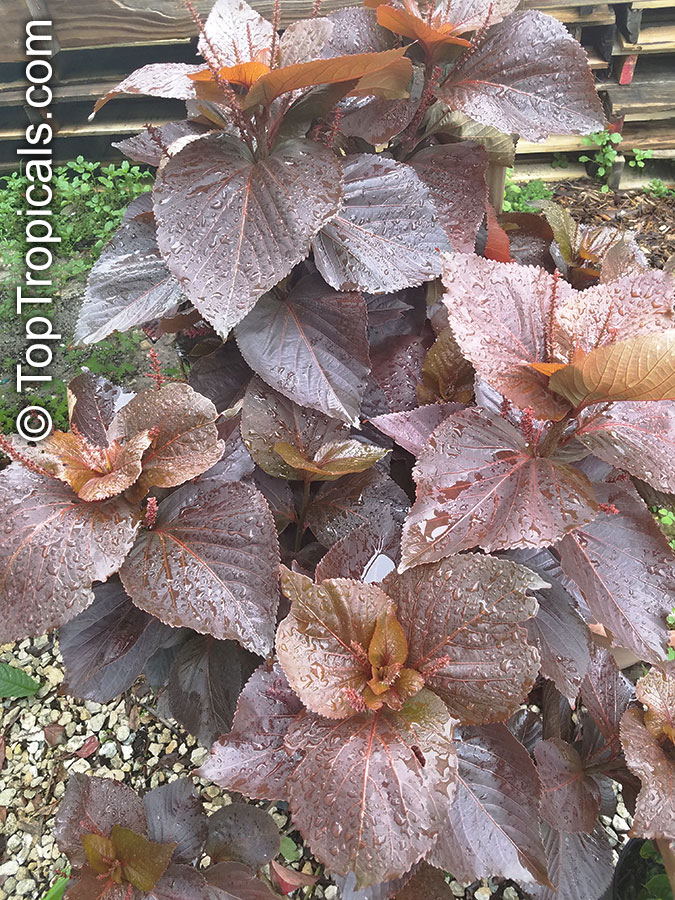
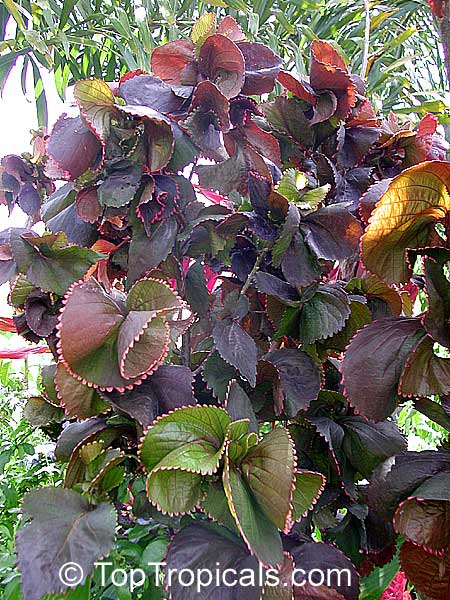
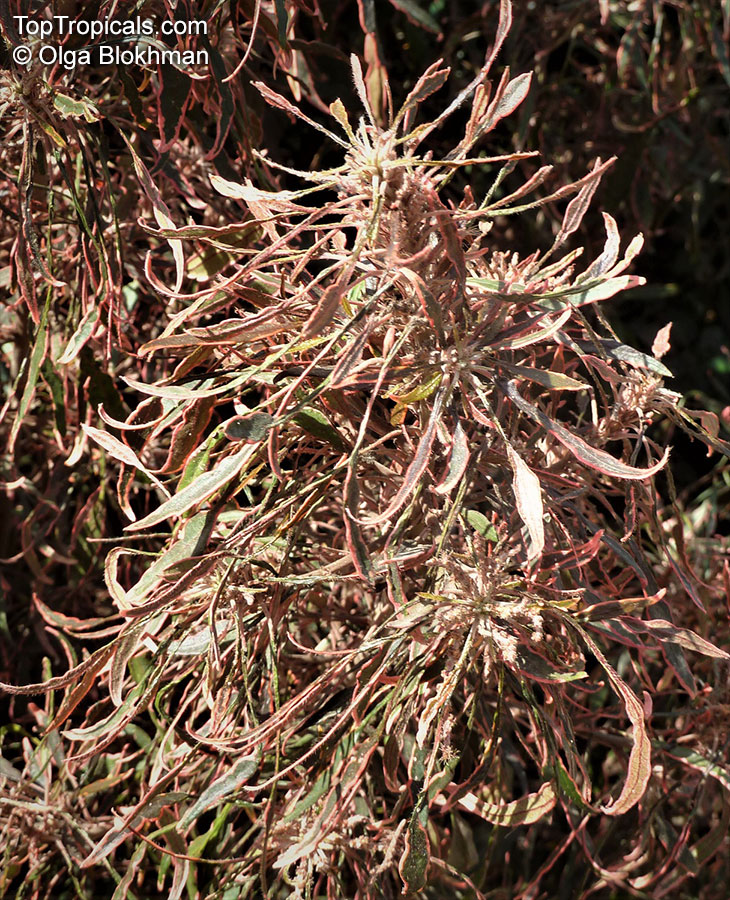
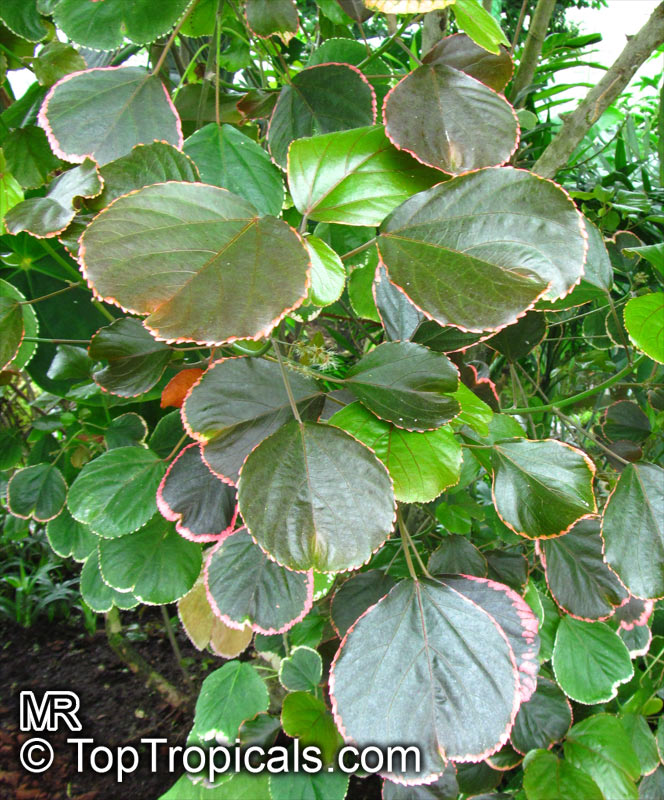
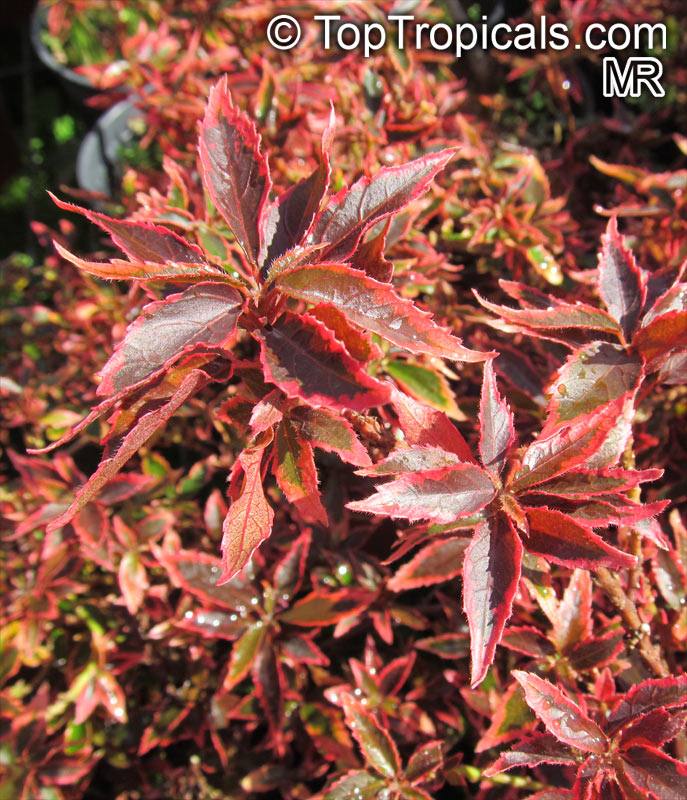
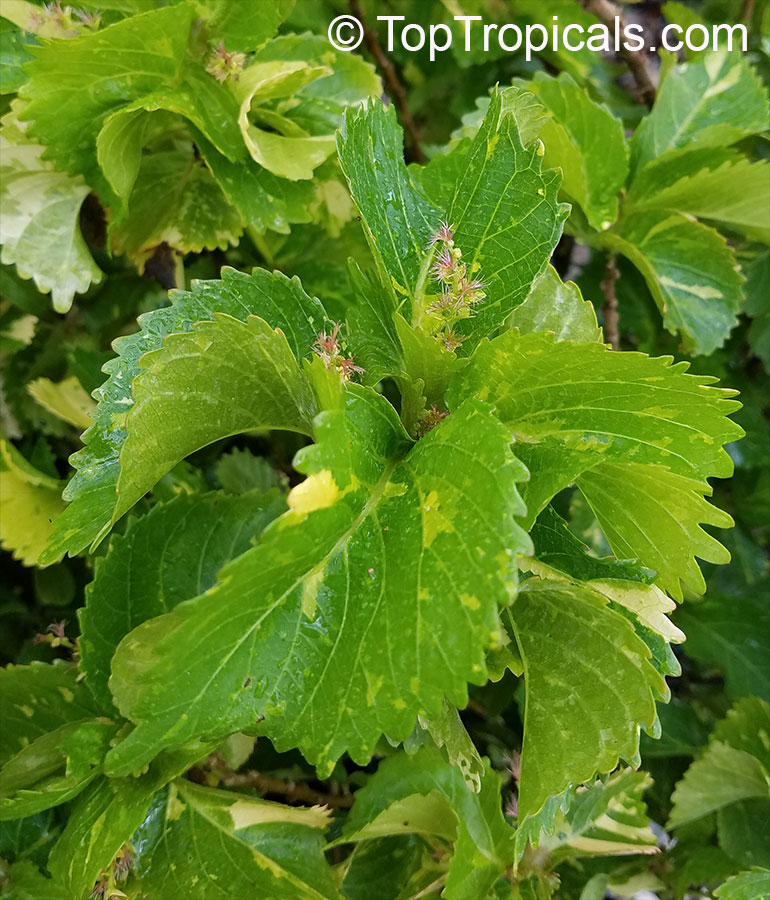
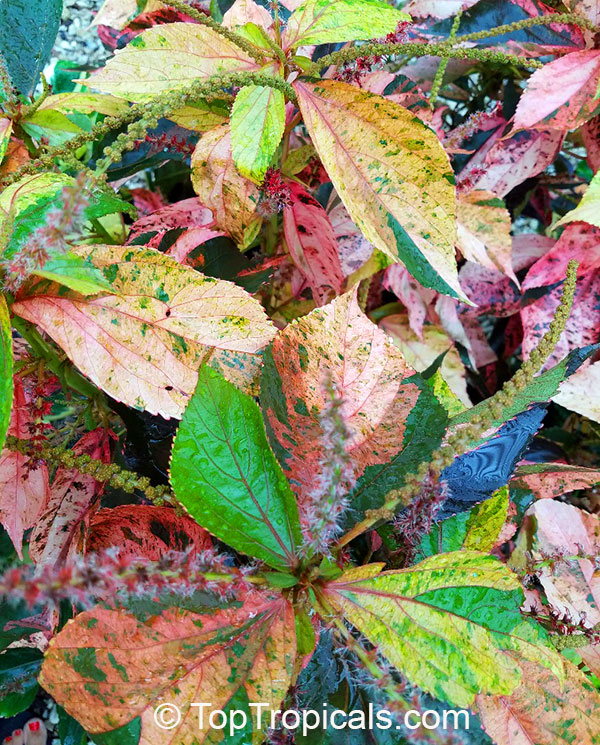
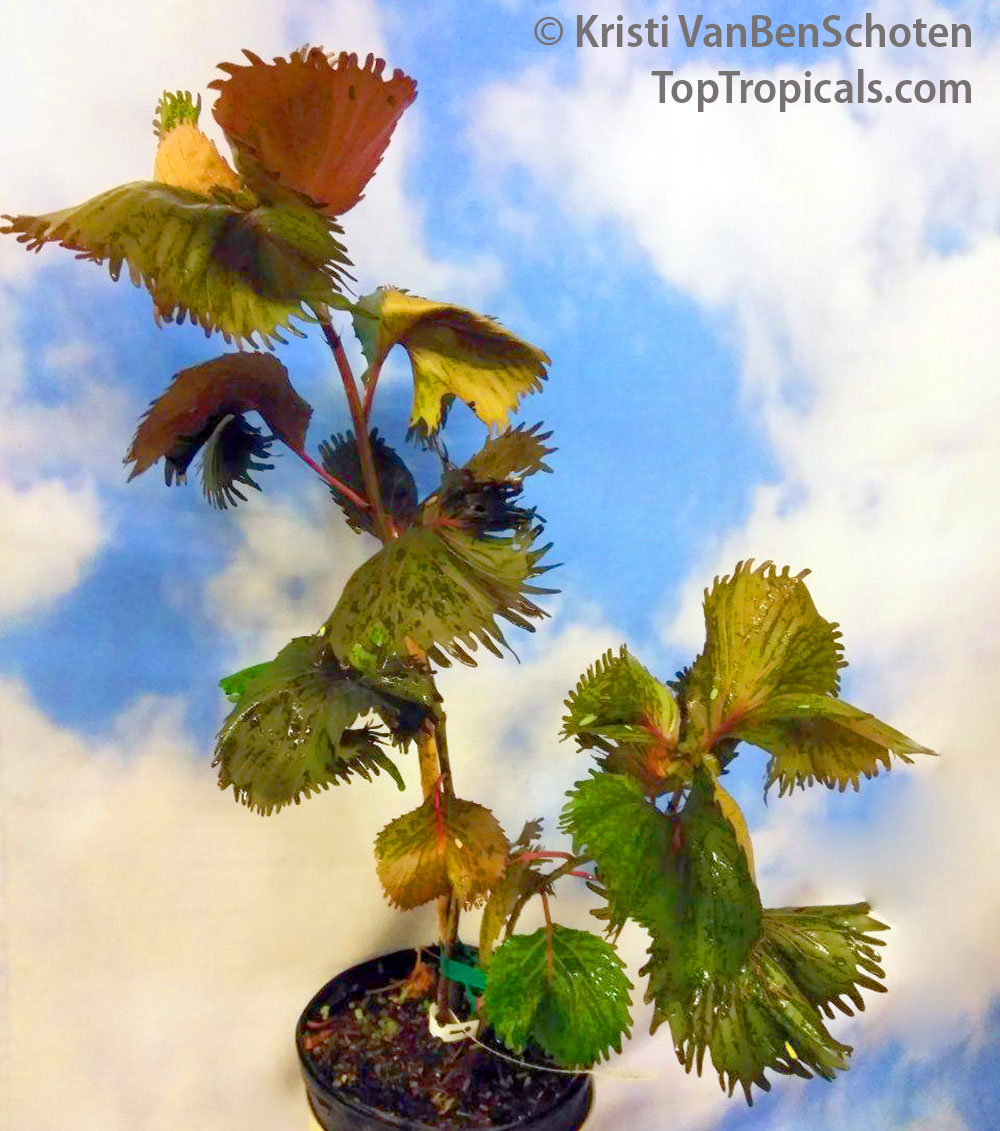
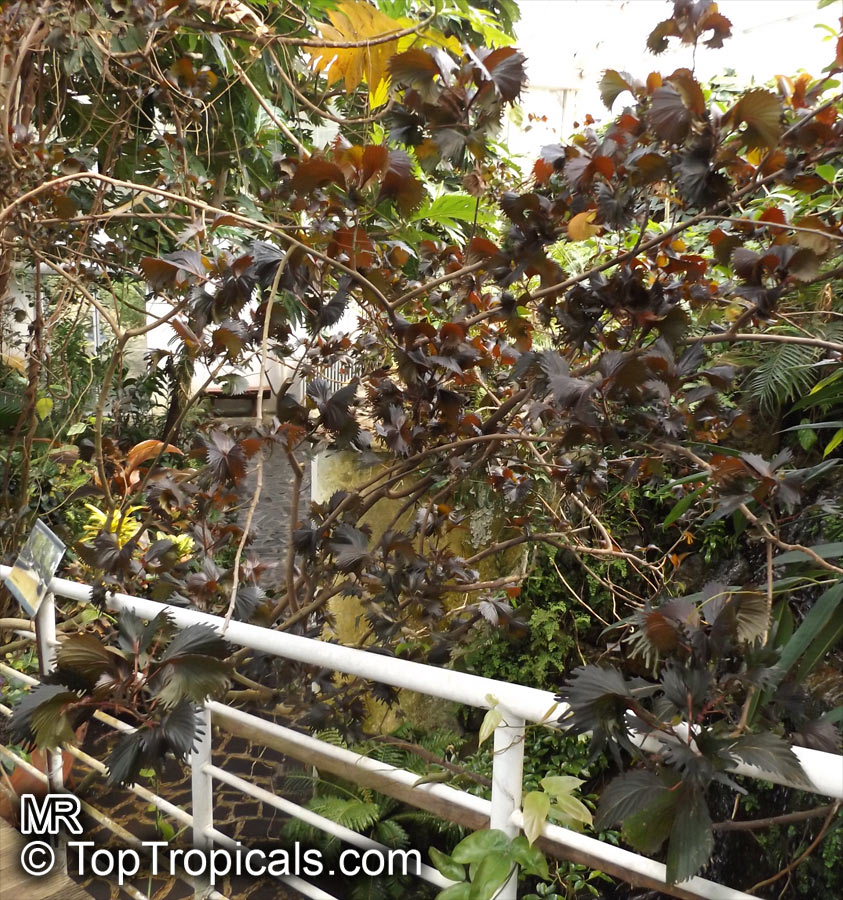
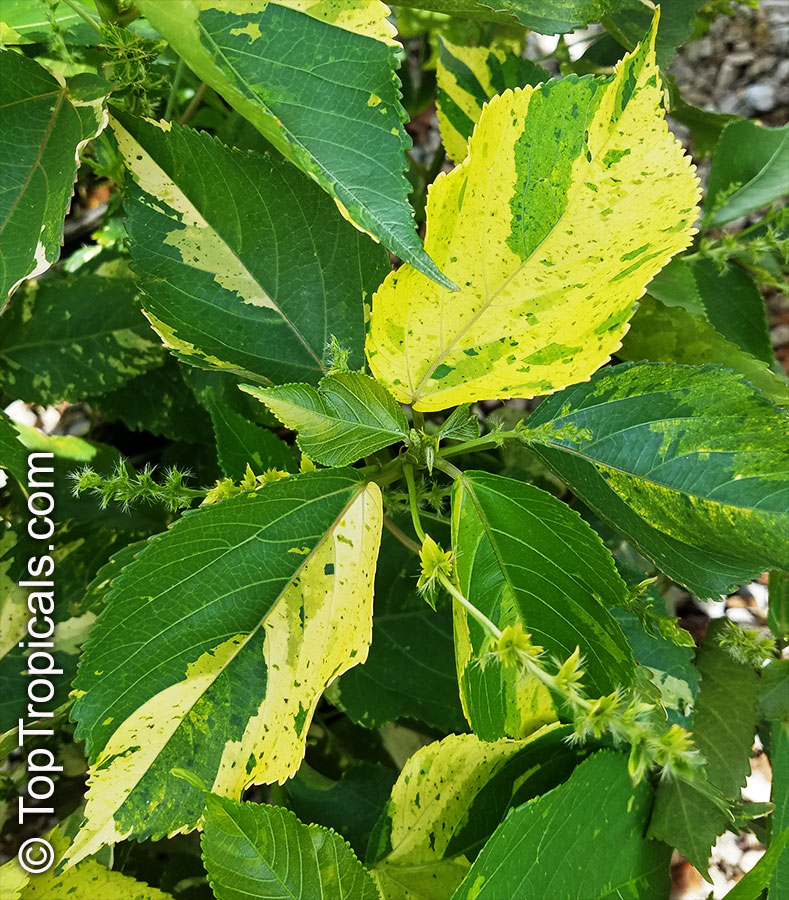
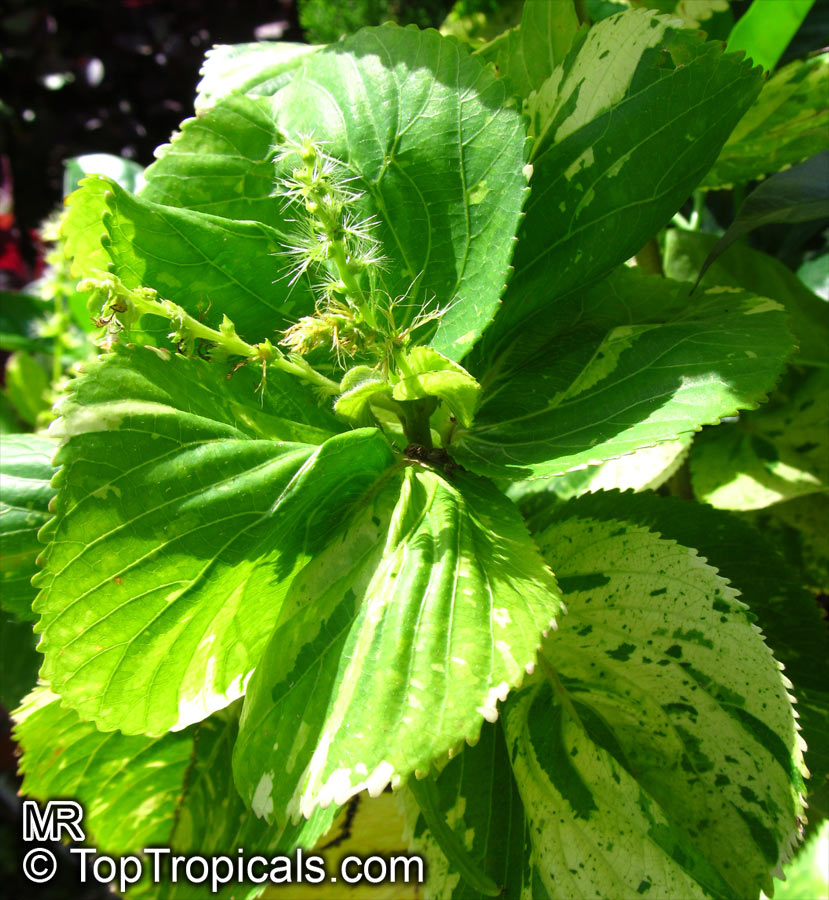
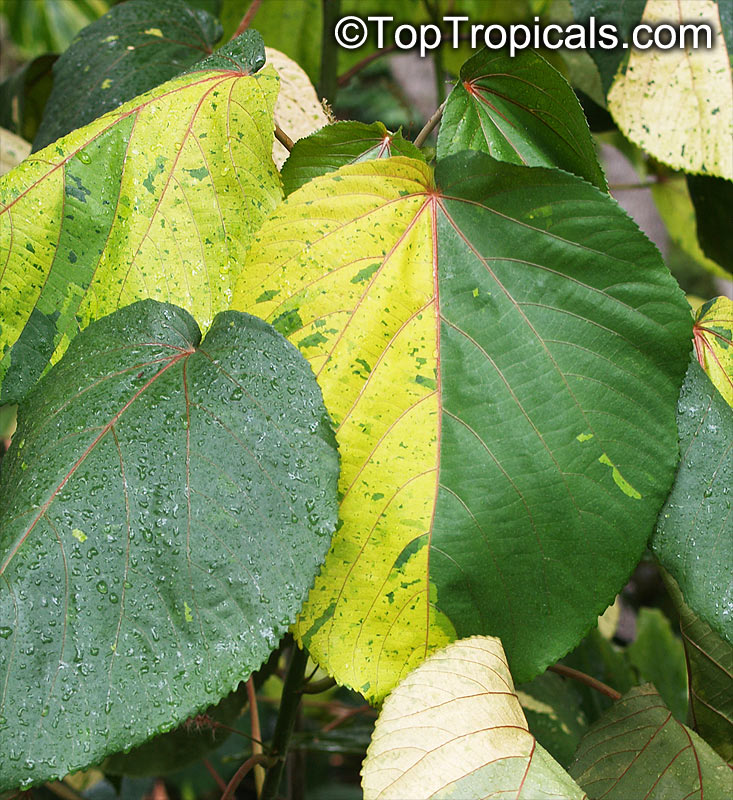
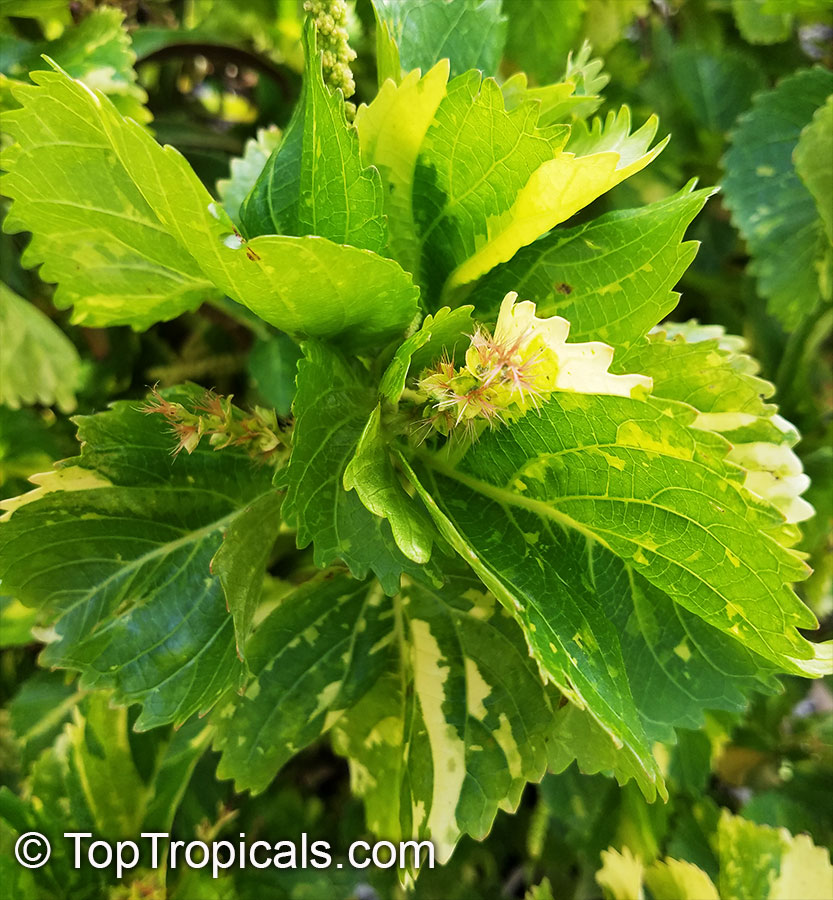
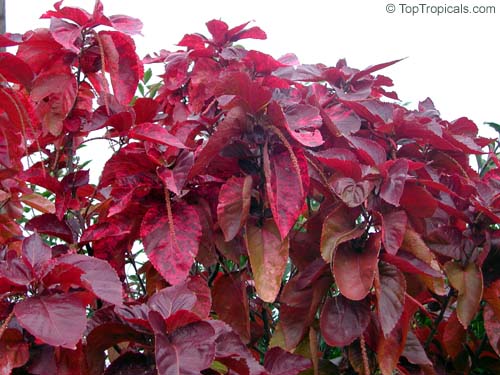
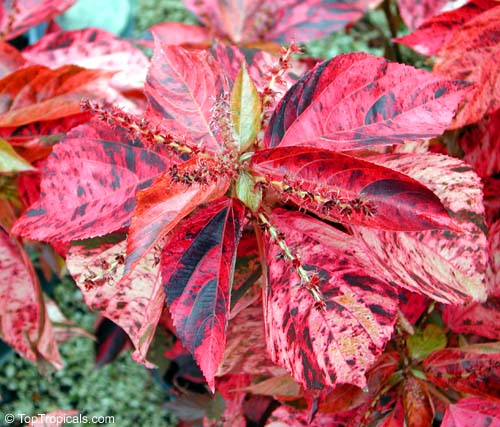
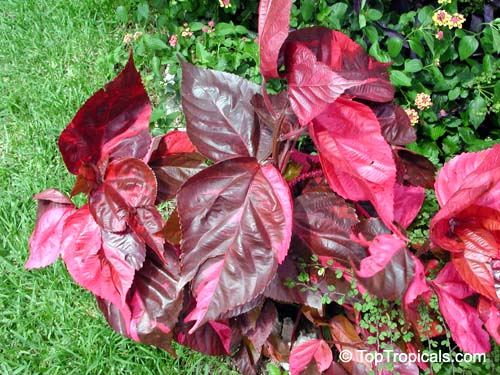
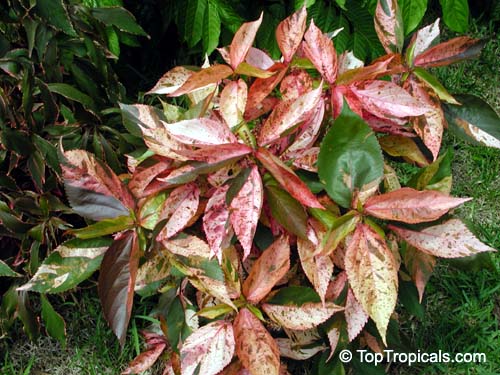
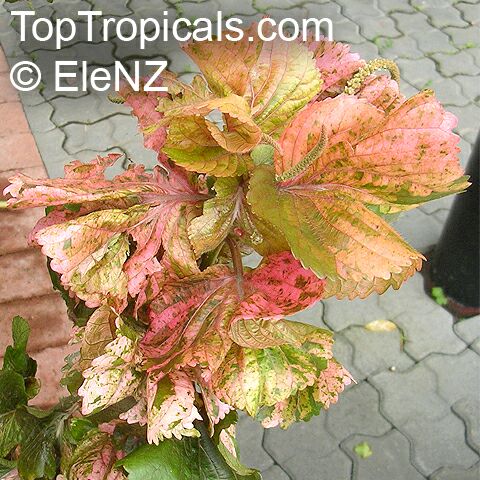
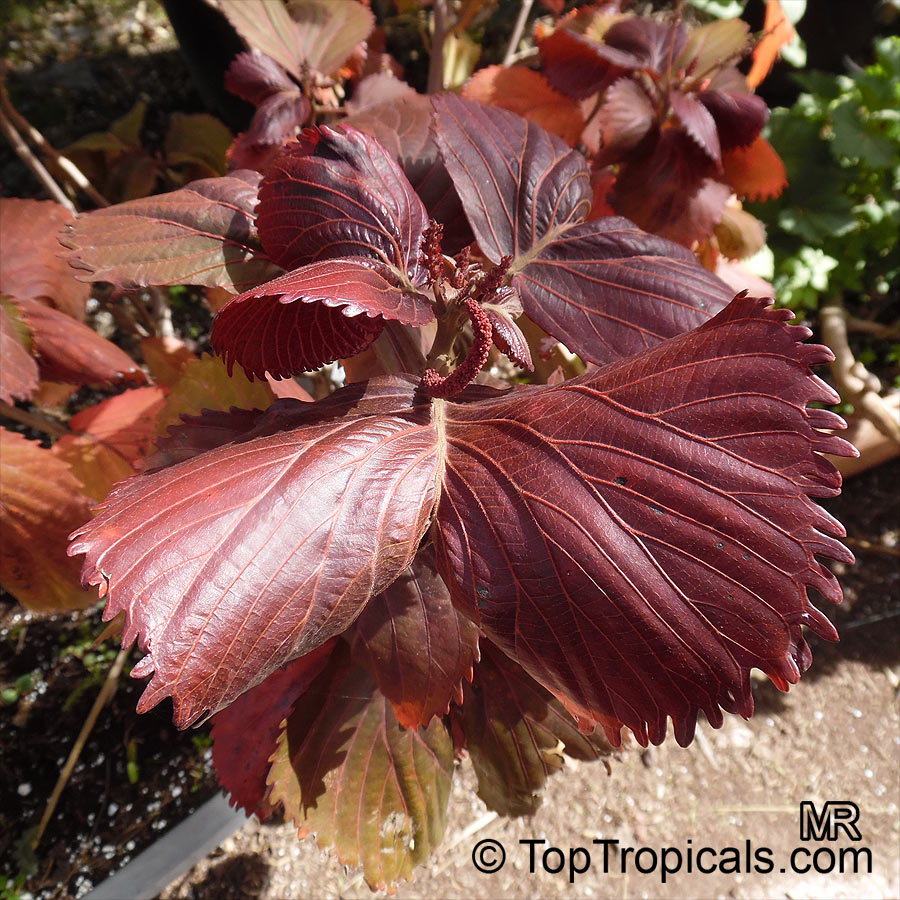
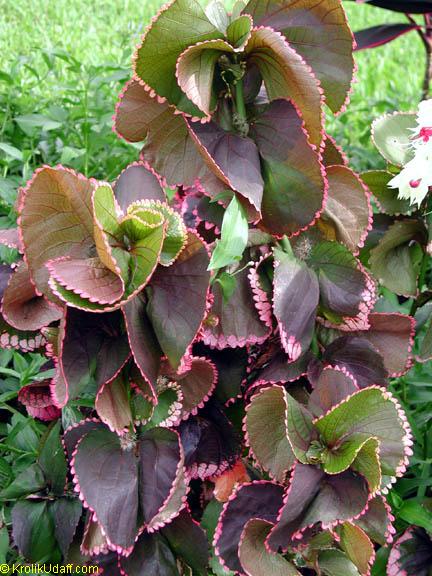
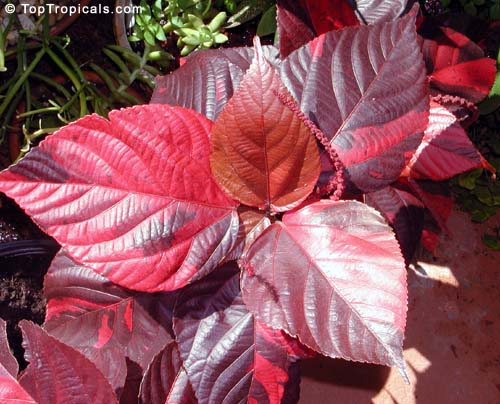
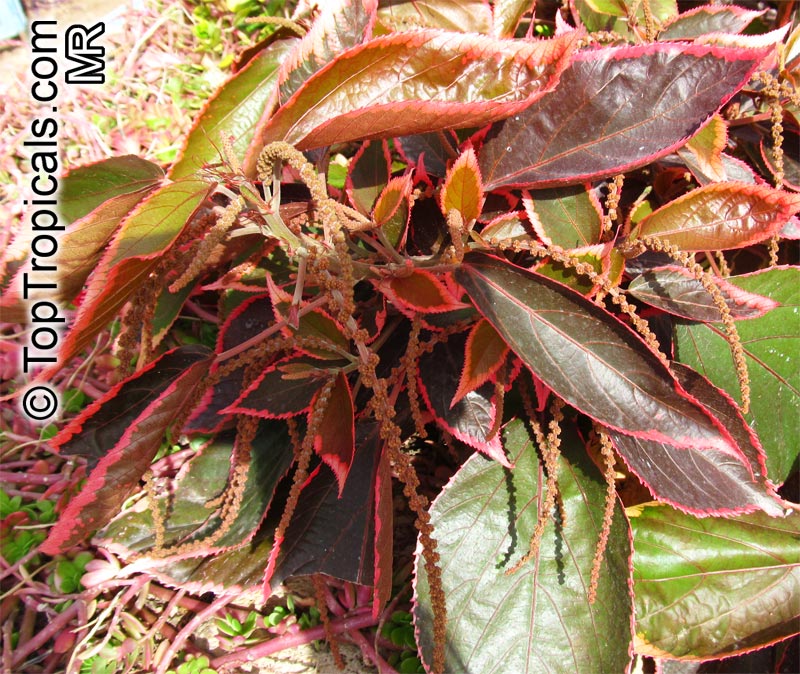
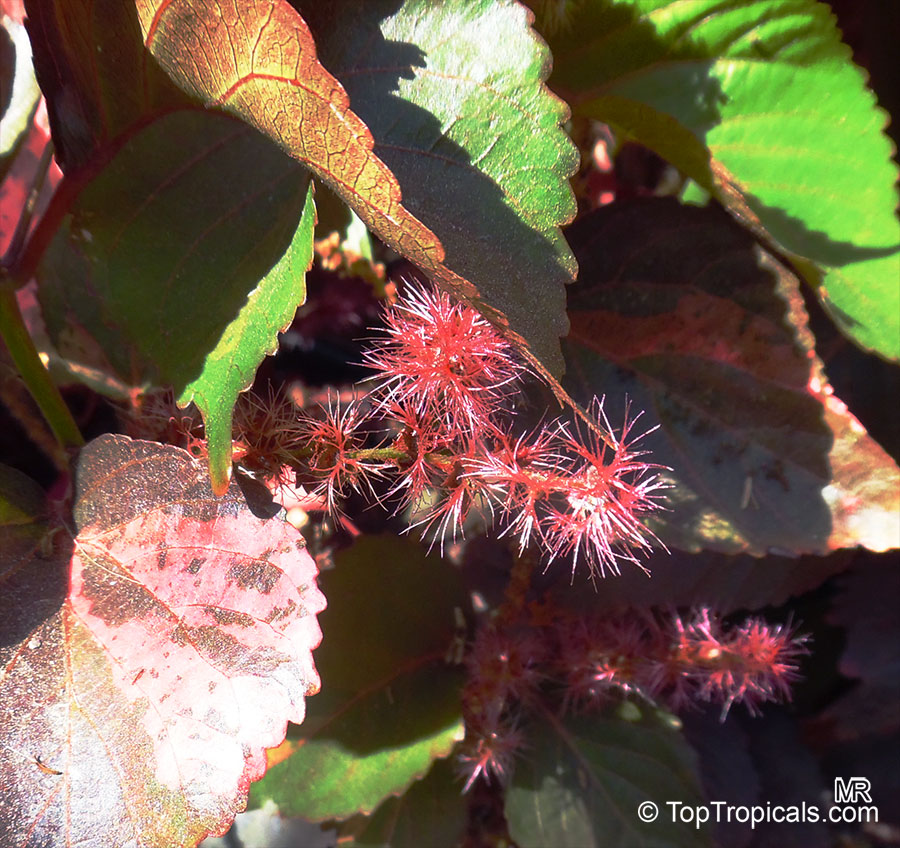
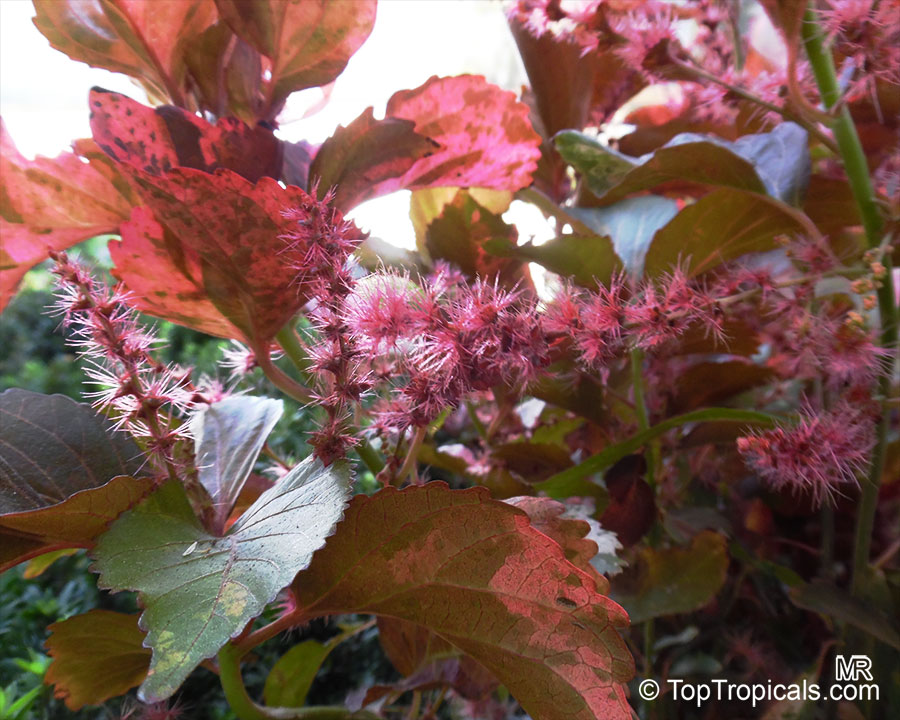
Botanical name: Acalypha wilkesiana
Common names: Fire Dragon Acalypha, Hoja de Cobre, Copper Leaf
Family: Euphorbiaceae
Origin: Fiji
USDA Zone: 10-11
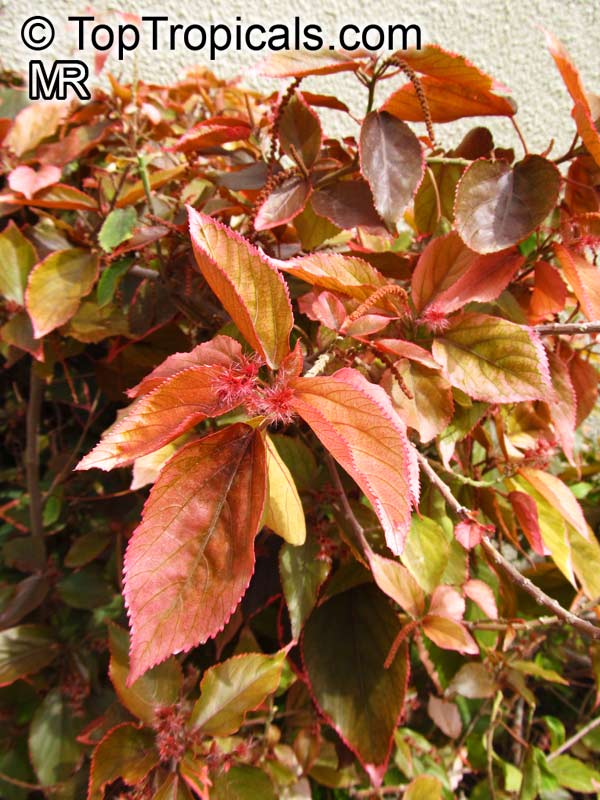
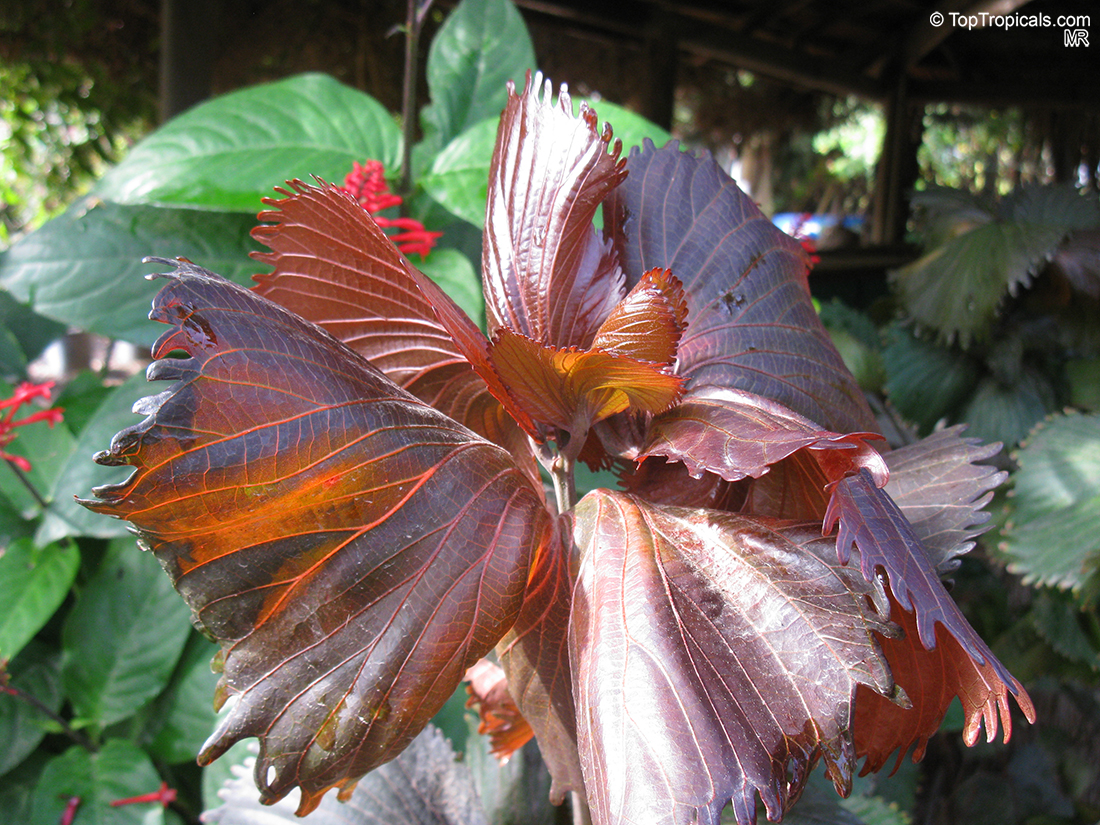
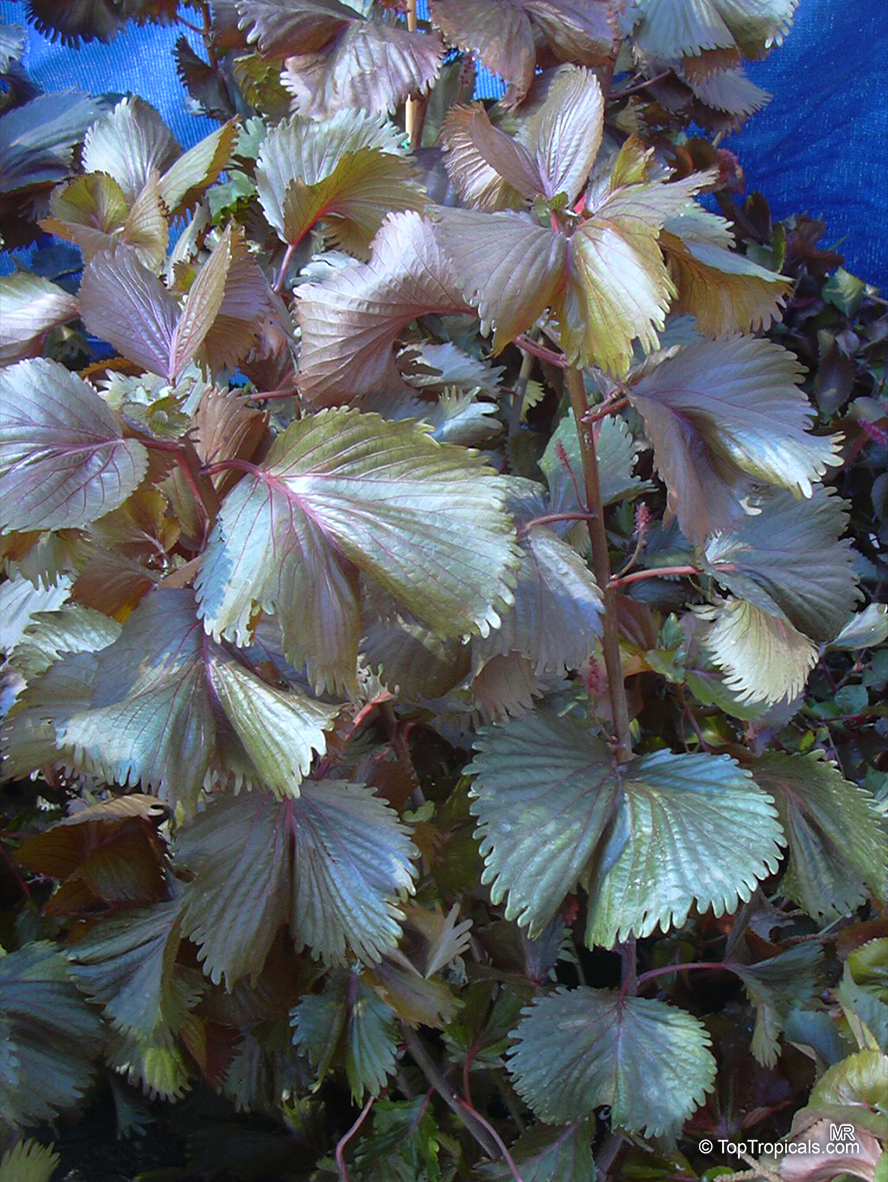
Acalypha wilkesiana (Fire Dragon Acalypha) is a large shrub, typically growing 5-10 ft tall. It produces beautiful ornamental foliage and is a great choice for tropical gardens and seaside areas thanks to its salt tolerance. The plant needs to be grown in full sun or semi-shade and will require moderate amounts of water. It is mostly grown in USDA Zones 9-11 and can be grown in cooler regions as a pot plant if provided with extra protection against cold temperatures.
When it comes to growing and caring for A. wilkesiana, the most important thing to remember is to prune it regularly. Pruning should be done at least once every six months and should involve removing any damaged or dead leaves and stems. Additionally, the plant should be provided with regular fertilization, as this will help keep it healthy and promote better growth. If growing in a pot in a cold region, it is essential to use a container that is big enough, otherwise the plant's root system won't have enough room to grow and the plant won't thrive. Furthermore, the pot should be kept moist throughout the growing season and should be brought indoors during winter months to protect it from cold temperatures.
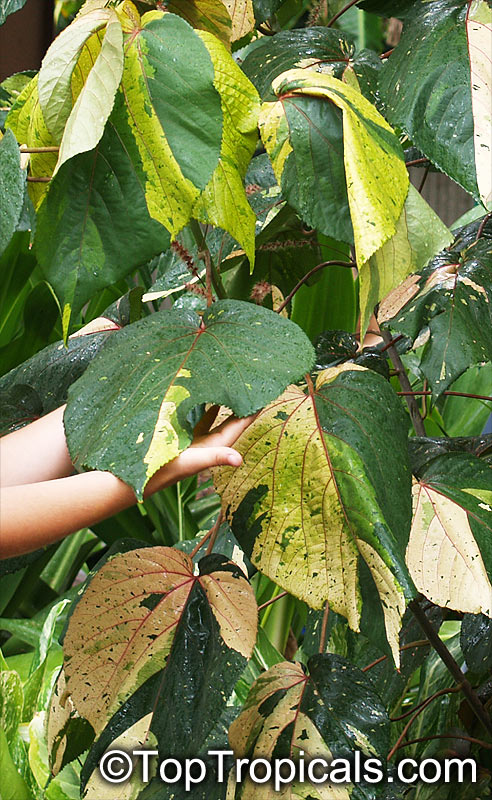
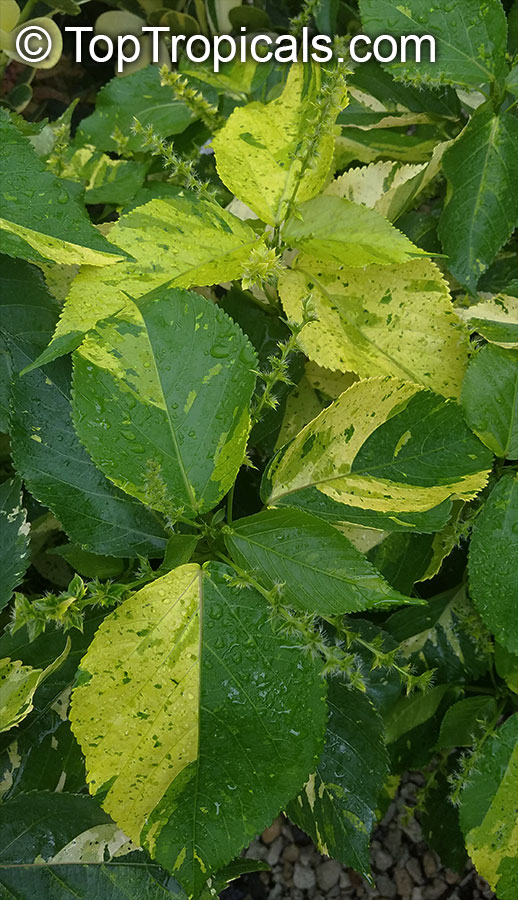
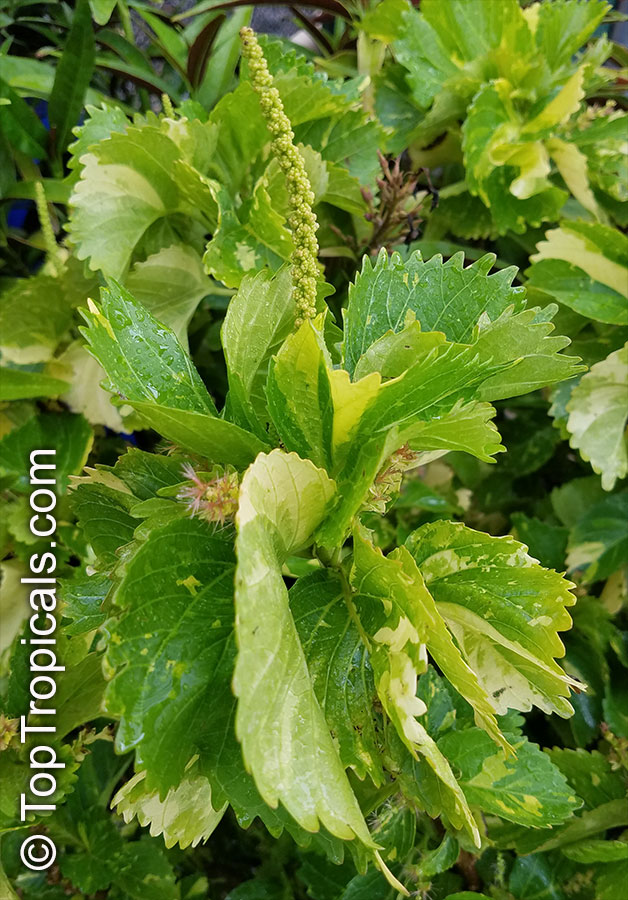






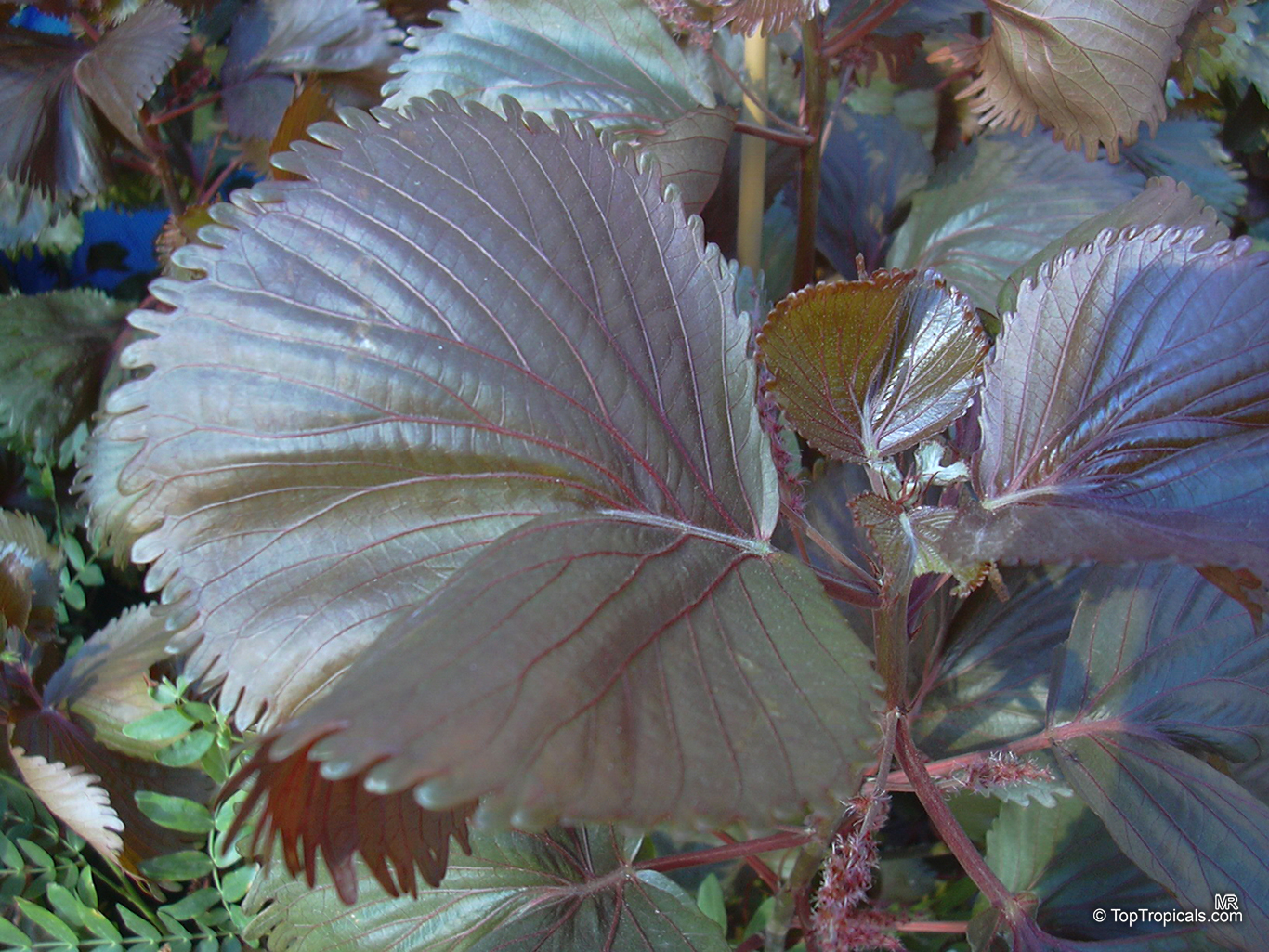
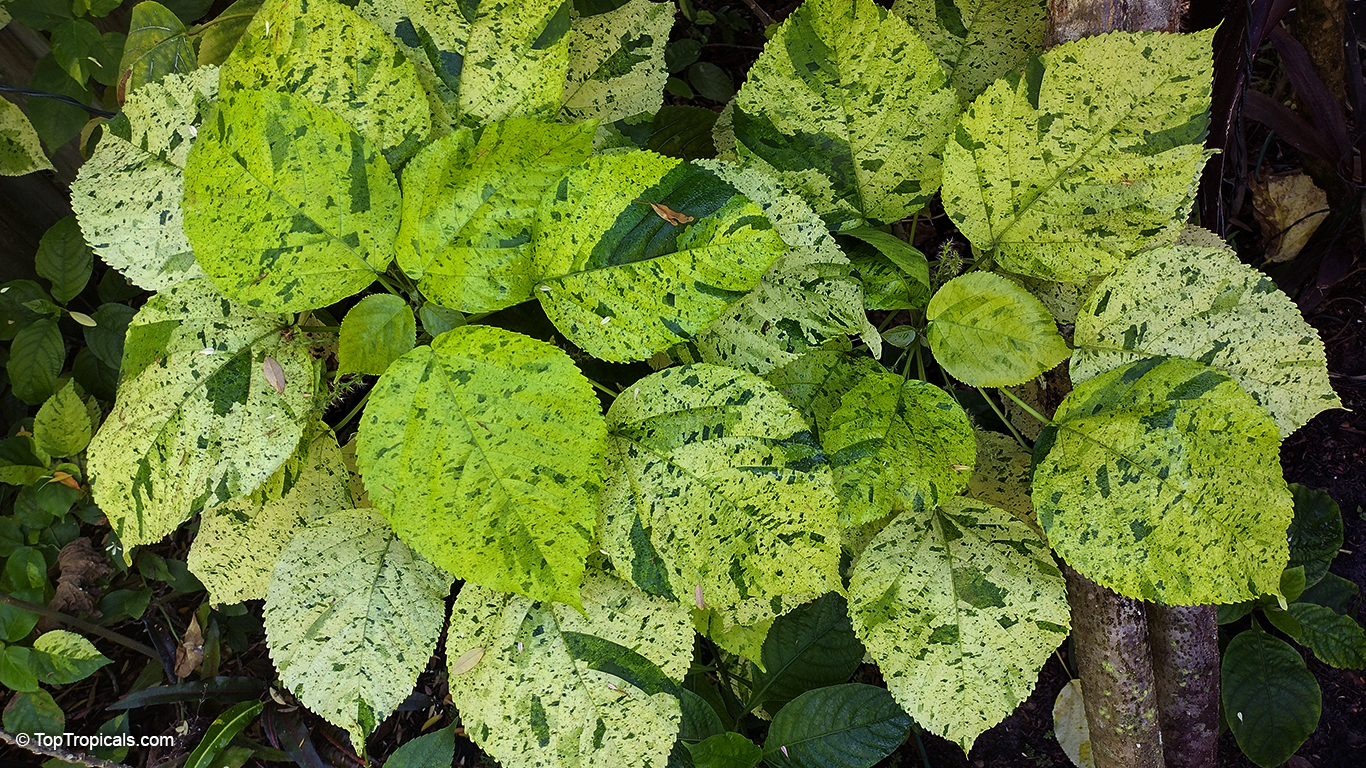
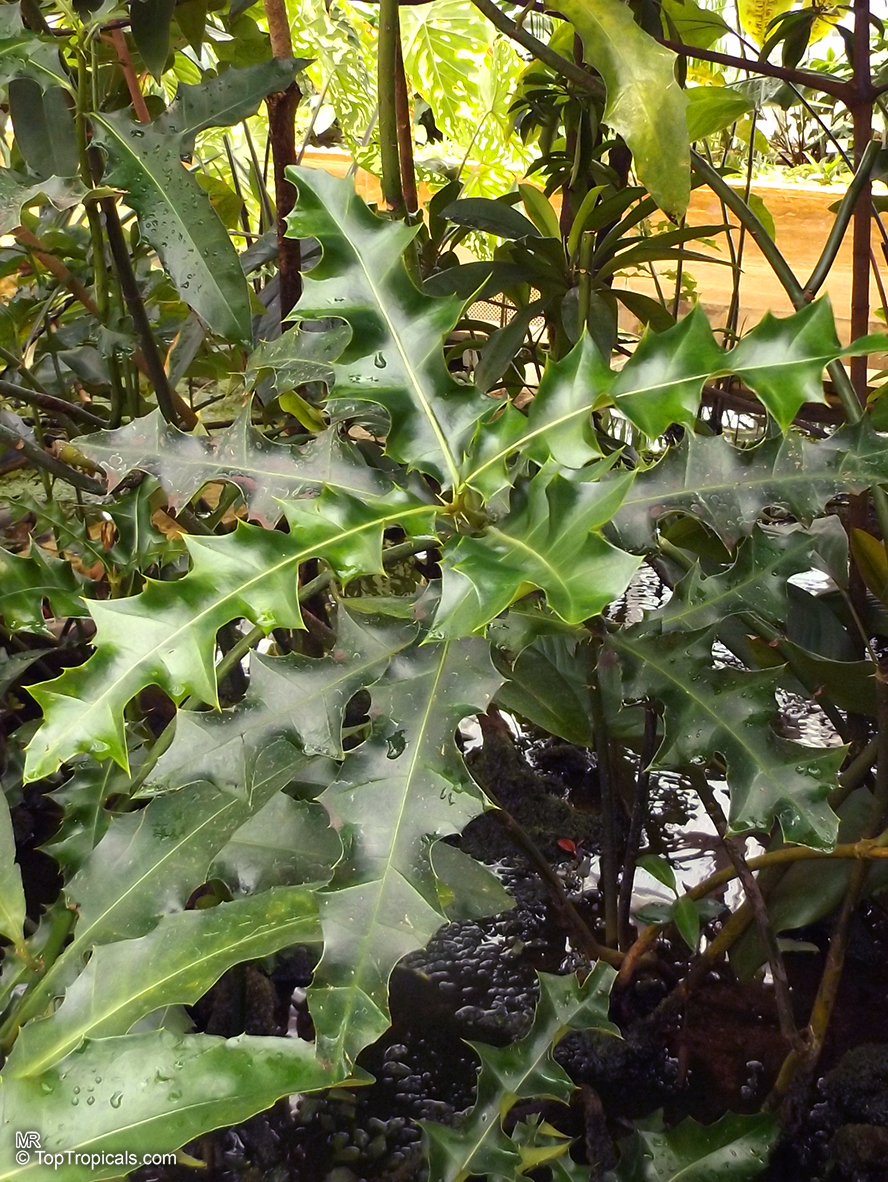
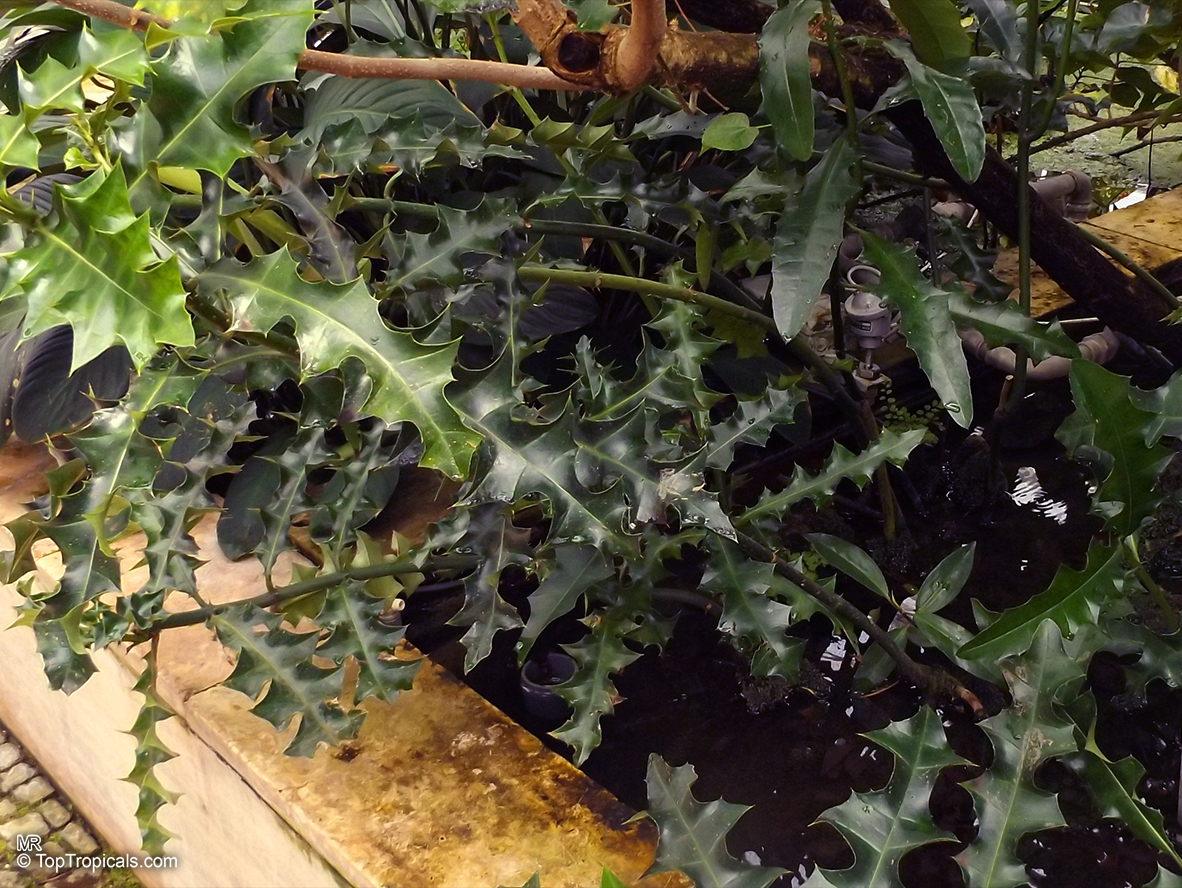
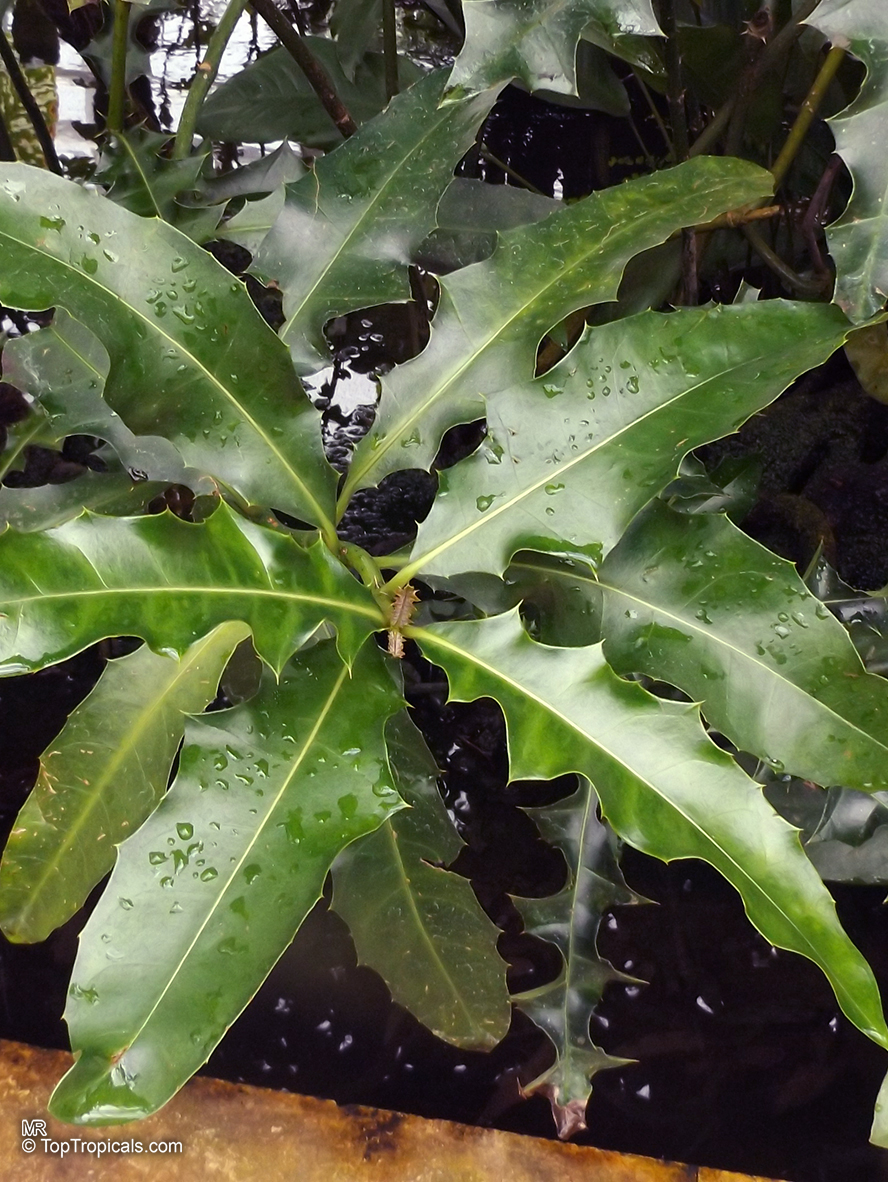
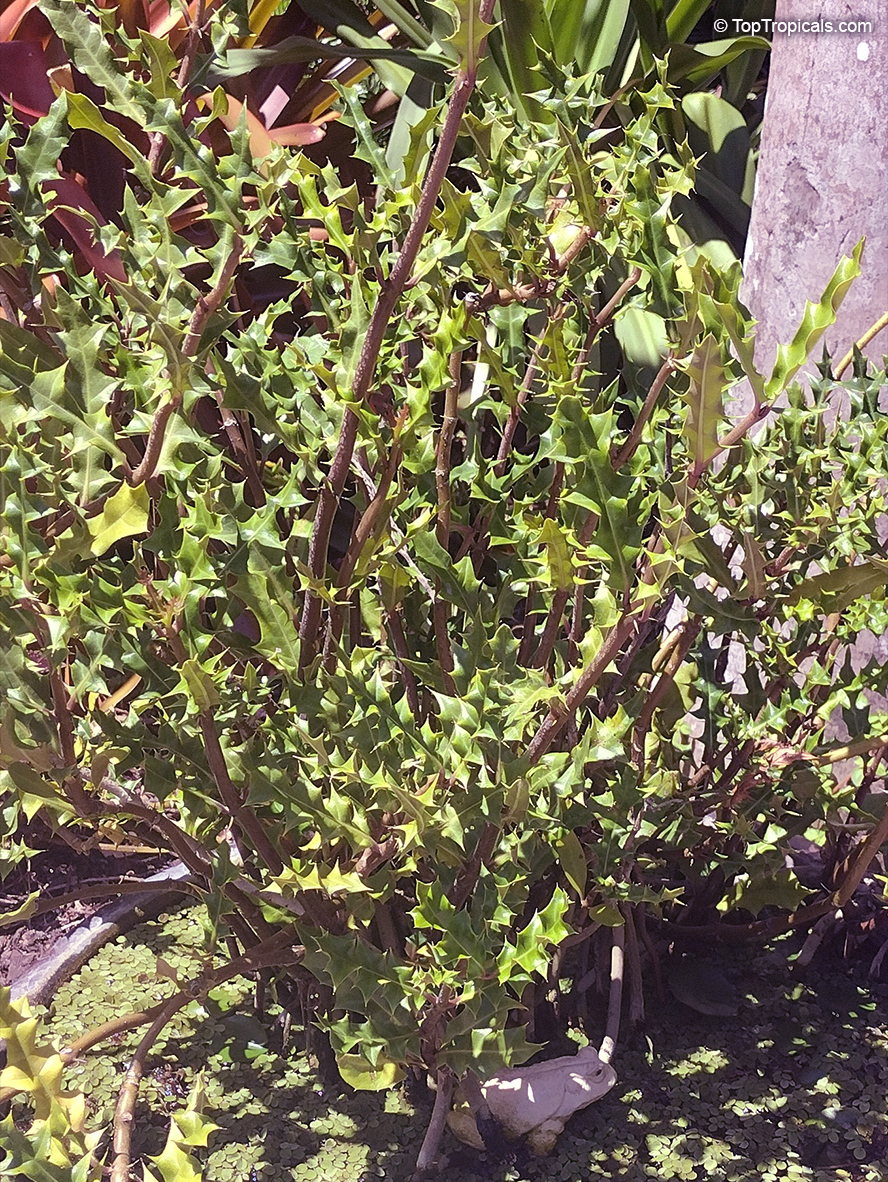
Botanical name: Acanthus ilicifolius
Common names: Holly-leaved Acanthus, Sea Holly, Holy Mangrove
Family: Acanthaceae
Origin: India, Polynesia
USDA Zone: 8-10


Acanthus ilicifolius, or Holly-leaved Acanthus, is a perennial plant native to India and Polynesia. This plant can reach a large size, typically growing up to 5-10 ft tall. It has a semi-woody and sprawling structure, with thin stems coated in a glossy green hue speckled with white. The leaves are oval-shaped with a pair of spines at each angle.
Holly-leaved Acanthus prefers full sun to semi-shade and can be grown either in a bog or aquatic environment. It requires plenty of moisture as well as regular watering to stay healthy and vibrant. This plant also tolerates flooding and salty conditions near the seaside very well. Therefore, it can be a great addition to any garden in the USDA hardiness zone of 8-11.
The Holly-leaved Acanthus is adorned with clusters of beautiful blue, lavender and purple flowers. It is also an ethnomedical plant, hence its use in traditional medicine. Its stems are thorny or spiny and may require careful handling when handling.
When growing Holly-leaved Acanthus in a pot, it is essential to keep the soil moist and use quality organic potting soil. A location with some protection from the elements is preferred in colder regions as well as a winter mulching of thick straw to prevent frost damage. Additionally, it is important to keep an eye out for any pests and diseases that may occur and act appropriately to keep the plant healthy.
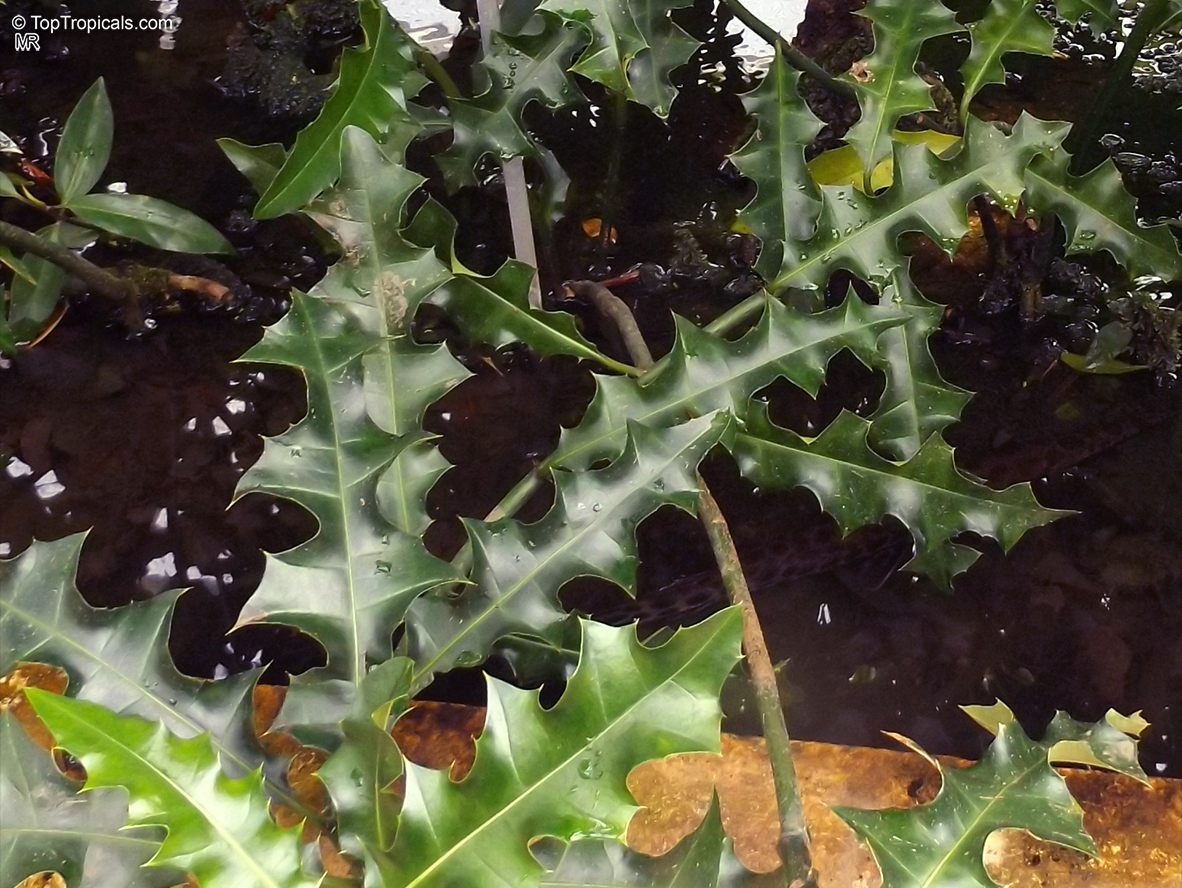
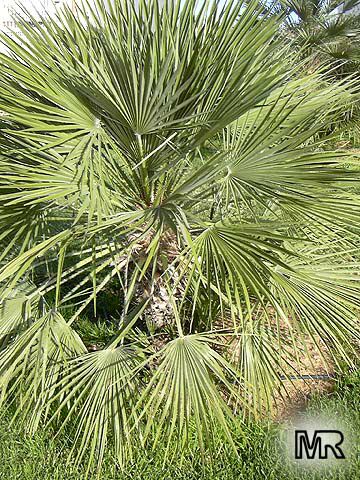
Botanical name: Acoelorrhaphe wrightii
Common names: Paurotis, Silver Saw Palmetto, Everglades Palm
Family: Arecaceae / Palmae
Origin: Indies, Bahamas, Central and South Florida.
USDA Zone: 9-11


The leaves of the Acoelorraphe wrightii (Paurotis) are light green color, palmate and pinnate. Although it is a small palm, its leaves give it an especially lush and airy texture. Paurotis can tolerate salt wind and slightly salty soils. It is also known to be cold hardy to the low 30s F for a short time, but it must be covered with a blanket or a cover during those times.
It is best to keep the plants moist and then gradually reduce the amount of water as the plant matures. If you are in a cold region and want to grow this plant in a pot, you will need to make sure it is in a well-draining location. The pot should be placed in a semi-shaded area and mulch should used around the base of the pot. Regular watering and feeding should also be given throughout the growing season.
Overall, Acoelorraphe wrightii (Paurotis) is a great palm to grow in USDA zone 9-11. It requires full sun or semi-shade and regular water to thrive, making it an excellent choice for any garden, especially near a seaside location.
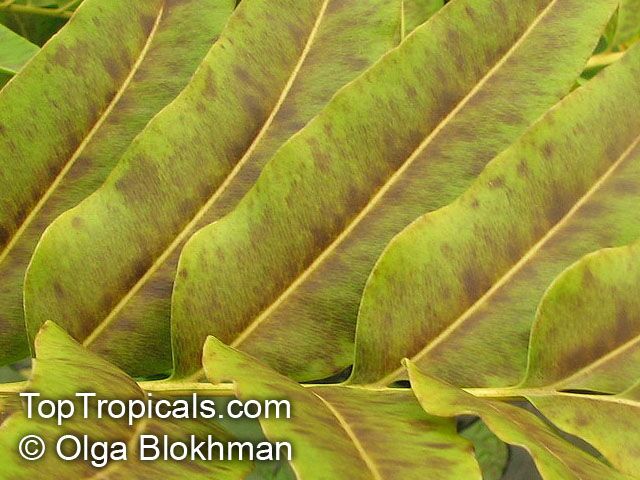
Botanical name: Acrostichum aureum
Common names: Piai Raya, Golden Leather Fern, Mangrove Fern
Family: Pteridaceae
Origin: Pantropical
USDA Zone: 9-10
Acrostichum aureum, also known as Piai Raya, is a small plant that grows to a height of between 2 and 5 feet tall. Native to Pantropical, it grows in USDA Zone 9-11 and is a great plant for adding ornamental foliage to gardens and yards. It is a flood and seaside tolerant plant and can even tolerate salt.
This plant prefers full sun to semi-shade, and can also be grown in boggy or aquatic soil. It needs regular water to keep it looking its best, so make sure to water it every few days during dry spells. Additionally, Piai Raya has ethnomedical properties, and has been known to be used for medicinal purposes.
Growers in cold regions should take special care when growing this plant in a pot. It is best to select a pot with several drainage holes, and the soil mix should be one that readily drains. Additionally, ensure that the pot is well insulated, as the roots are vulnerable to extreme temperatures. Ensure that the soil is also kept moist and fertilize every couple of weeks. With a bit of extra care, Acrostichum aureum can thrive in colder climates.
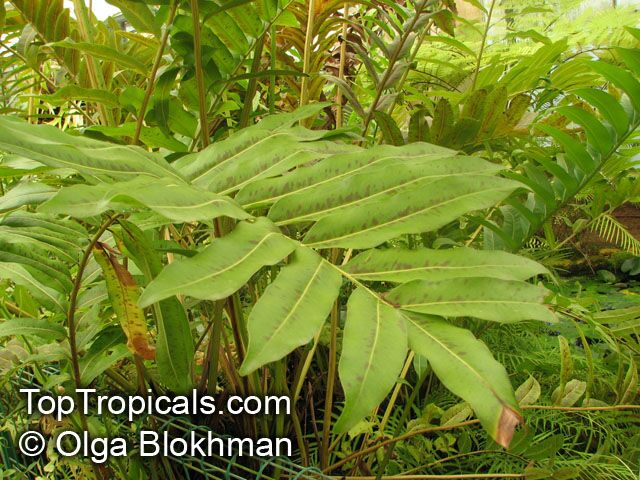
Botanical name: Adenanthera pavonina
Common names: Red Sandalwood, Coral Bean Tree, Saga, Sagaseed Tree, Red-bead Tree, Raktakambal, Kokriki
Family: Fabaceae
Subfamily: Caesalpinioideae
Origin: India
USDA Zone: 10-11
Cold tolerance: 35°F


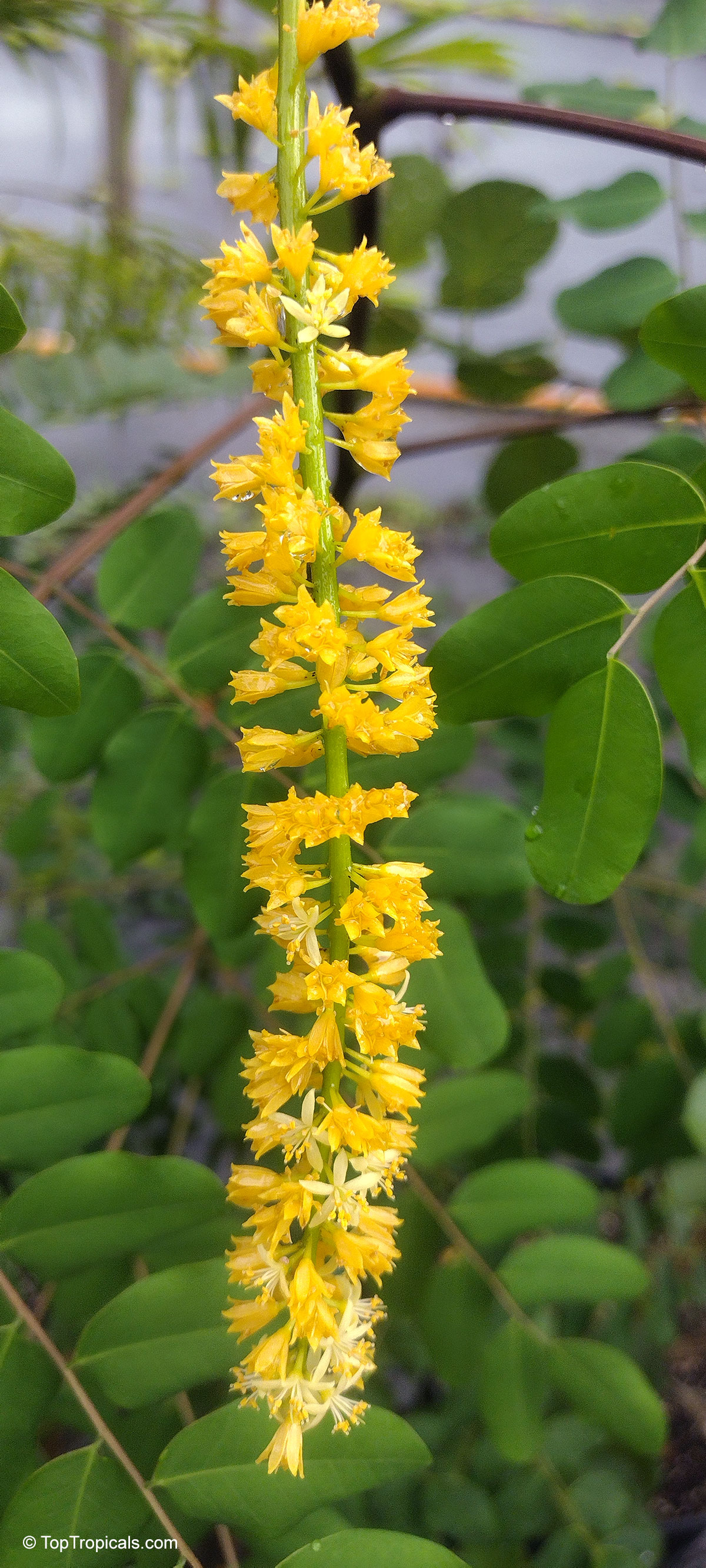
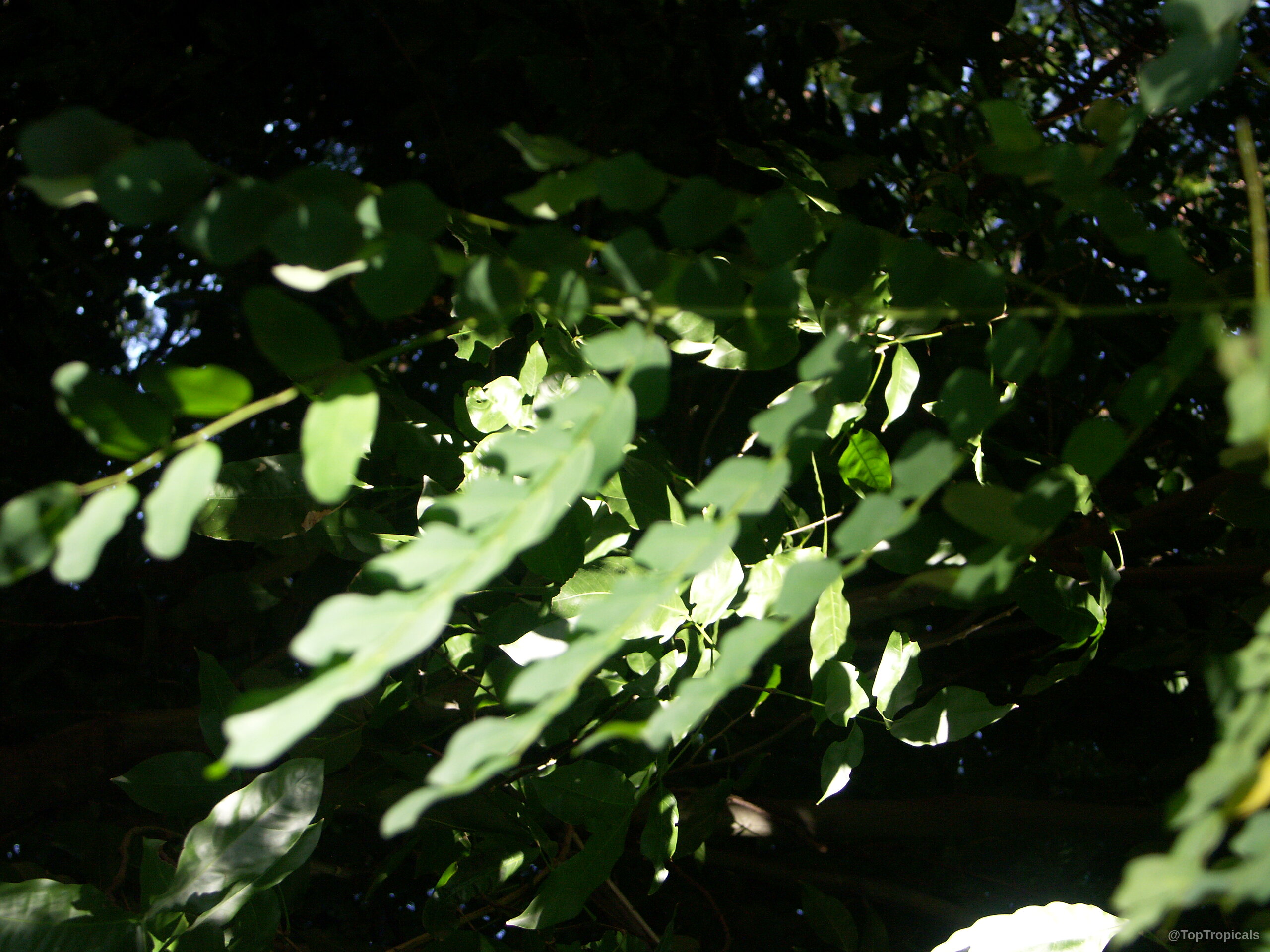
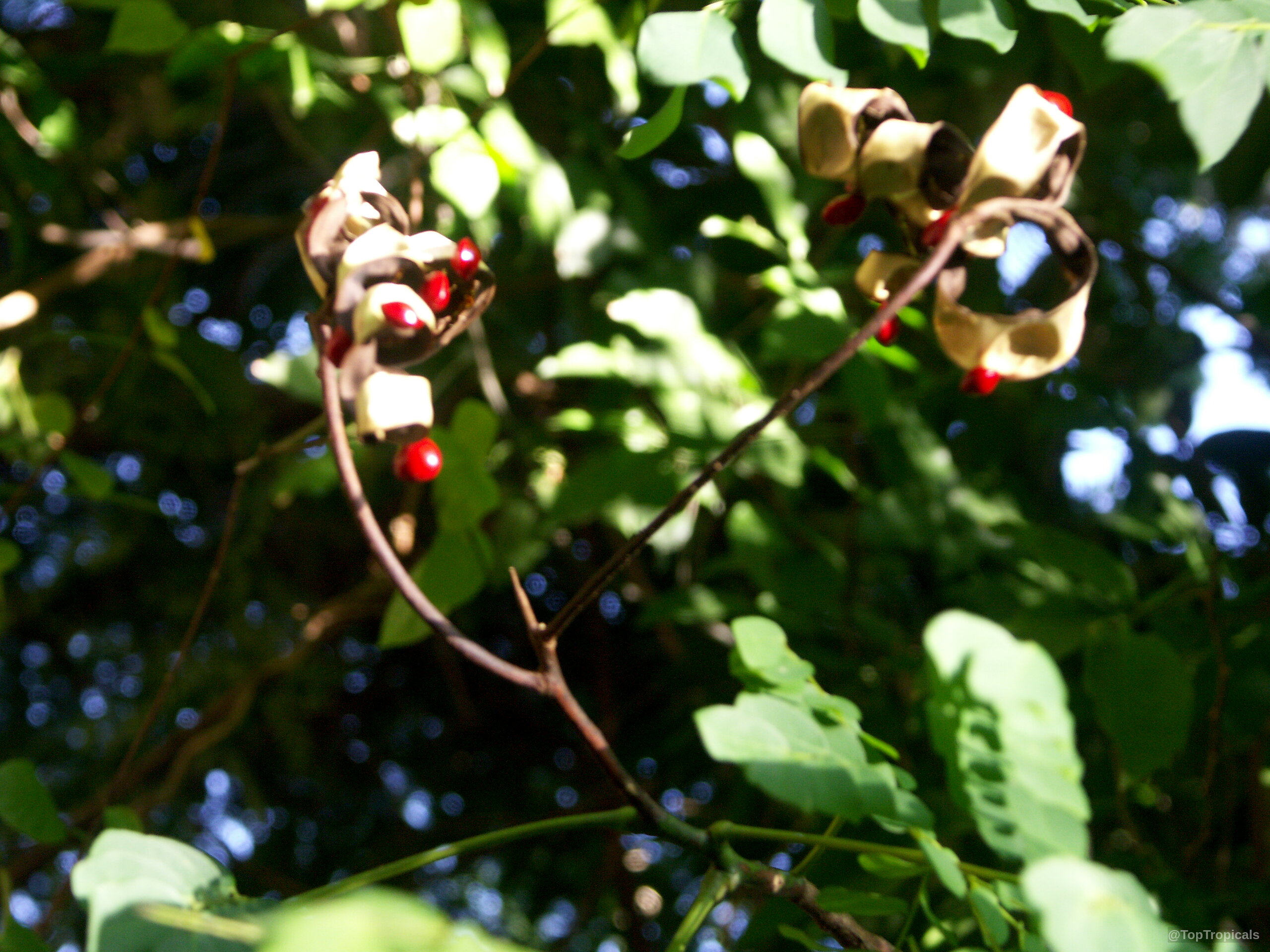
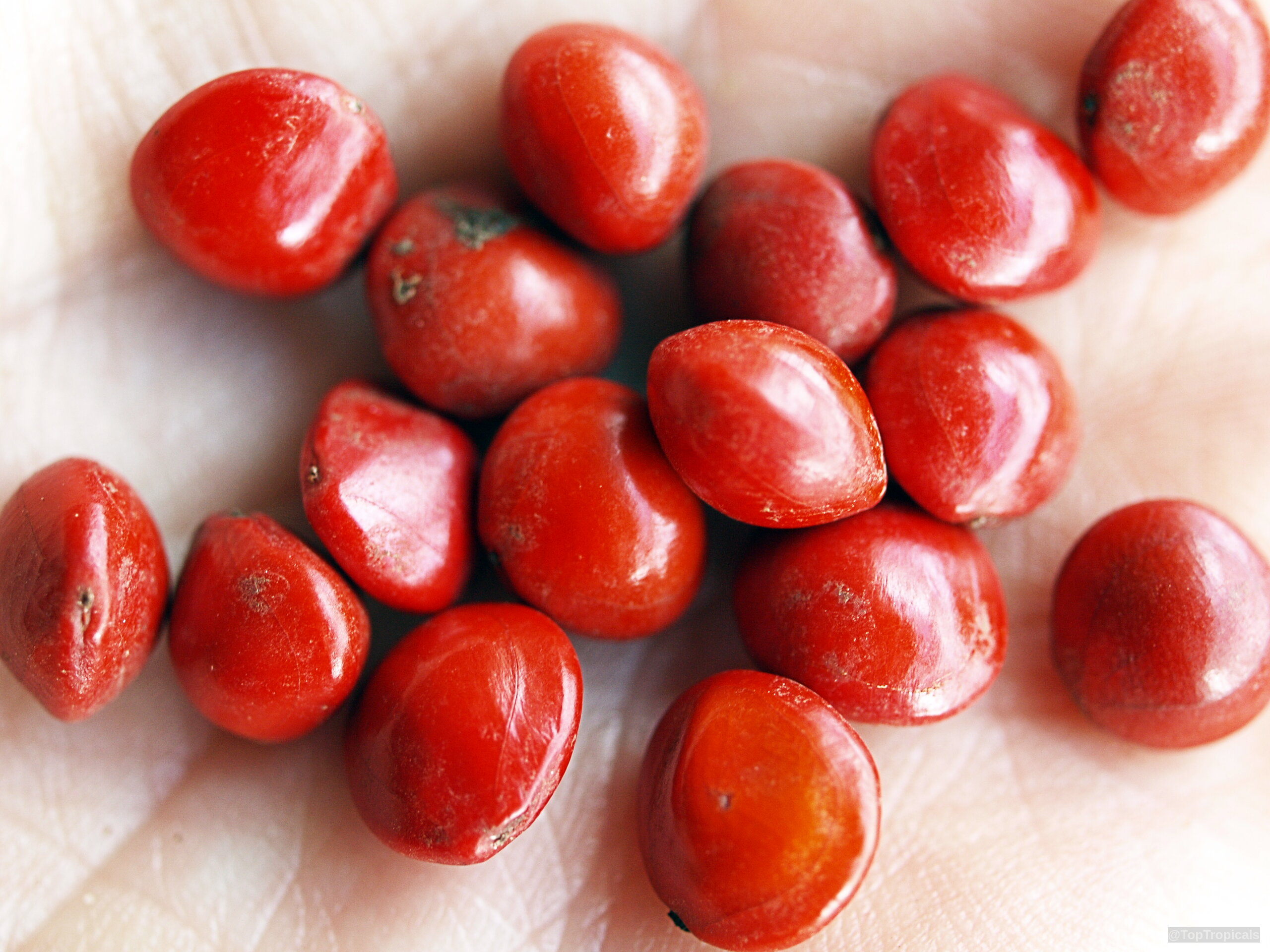
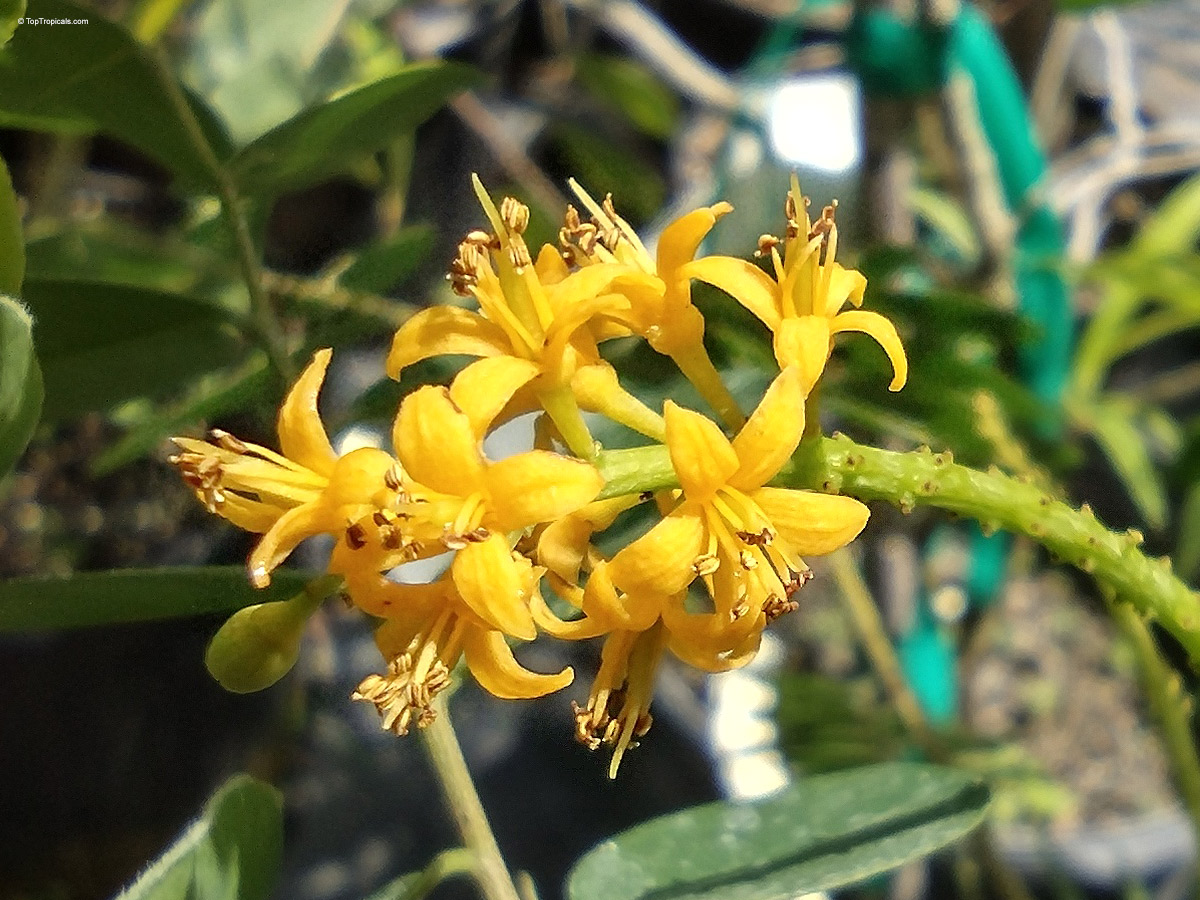
Adenanthera pavonina, commonly known as Red Bead Tree, Red Sandalwood, or Coralwood, is a deciduous to semi-evergreen tree in the Fabaceae family, native to tropical Asia, from India and Sri Lanka through Southeast Asia. It has been widely introduced and naturalized in other tropical regions. In favorable conditions, it develops a broad, spreading crown and may reach 40-60 feet tall, although cultivated trees are often smaller. The foliage consists of large, feathery, bipinnate leaves with numerous small, oval leaflets. Small, fragrant, yellowish-white flowers appear in slender, elongated clusters, followed by narrow pods whose valves twist as they split open at maturity, revealing exceptionally hard, glossy, bright scarlet seeds. These striking seeds are relatively uniform in weight and have traditionally been used as beads, ornaments, and small weights for weighing gold and other precious materials.
Adenanthera pavonina thrives in full sun and well-drained soil, tolerating seasonal drought once established. It grows rapidly in warm climates and is cultivated as a shade and ornamental tree, particularly for its elegant foliage and decorative seeds. Suitable for USDA Zones 10-11, it is sensitive to frost, especially when young. The raw seeds may be unsafe to consume, although traditionally processed seeds have been used as food in some regions.
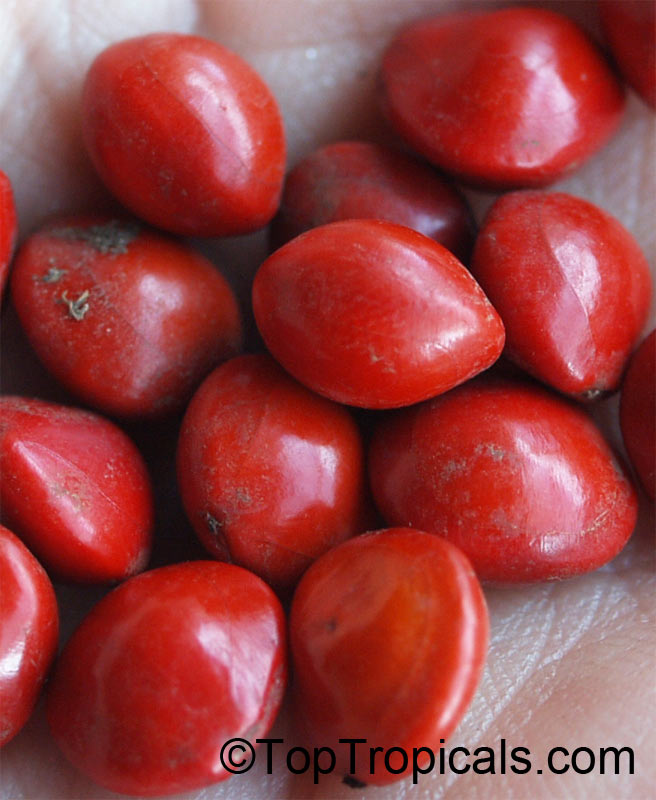
Plant seeds 1" deep in otting mix, keep warm, damp and in bright light. Scarify to expedite germination.
Ordering seeds info
RECOMMENDED SUPPLIES:
Seed Germination Mix #3, professional grade
SUNSHINE-Epi - Seeds and cuttings booster
SUNSHINE Bombino - Young Plant Booster
| Next | |
Use link to repeat this search:
https://toptropicals.com/cgi-bin/garden_catalog/cat.cgi?search_op=and&keyword_op=and&language=e&number=10&no_change_lang=1
&v1=sea&user=tt&sale=1&first=0