Plant with caudex - Plant Encyclopedia Results
| Number of plants found: 136 | Next | 
|
Go to page: | 1 | 2 | 3 | 4 | 5 | Last |
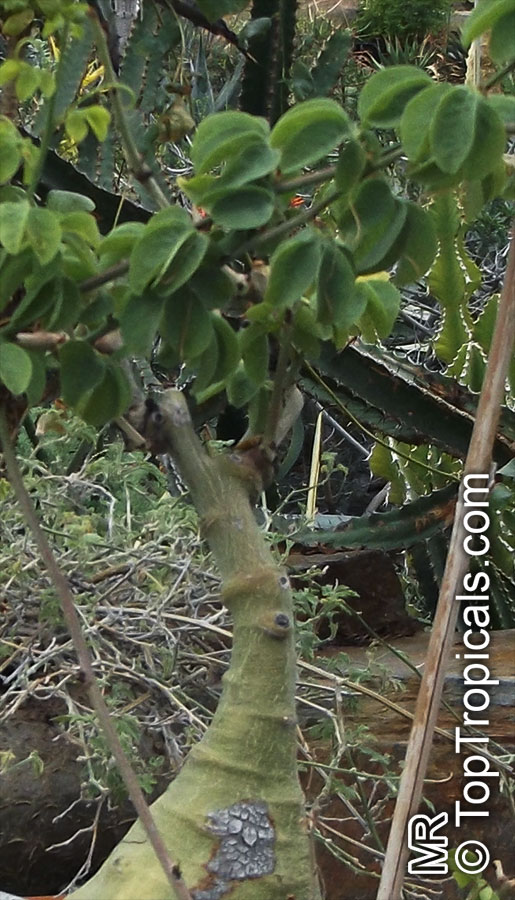
Botanical name: Adenia fruticosa
Common name: Adenia
Family: Passifloraceae
Origin: South Africa
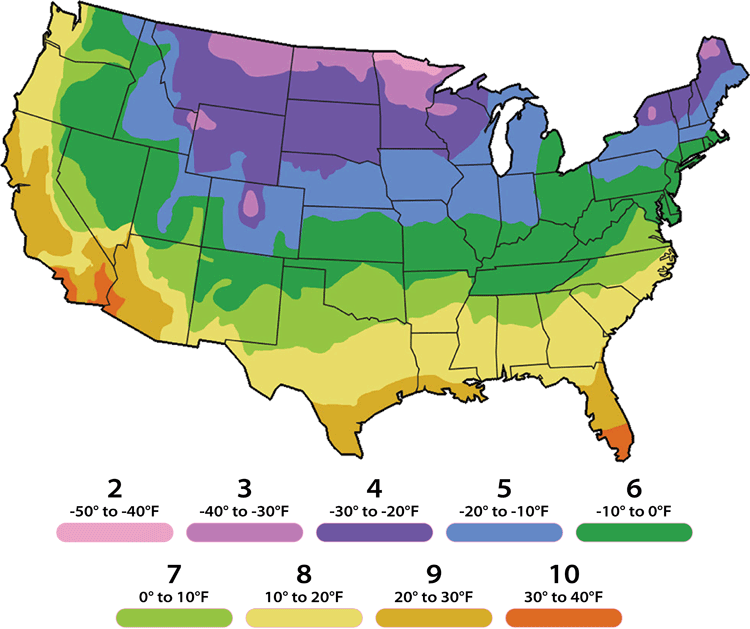
USDA Zone: 9-10


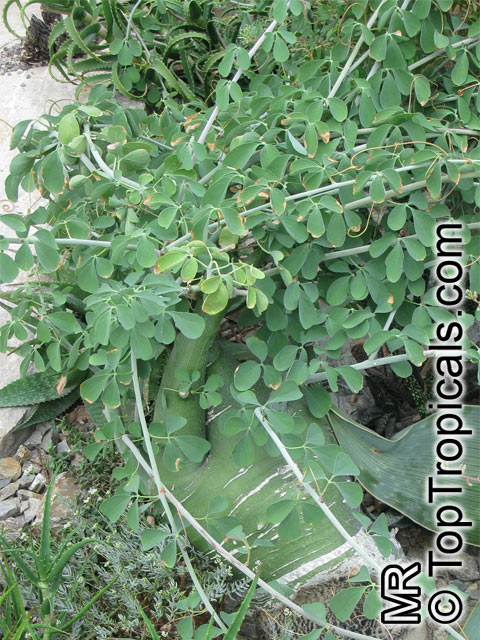
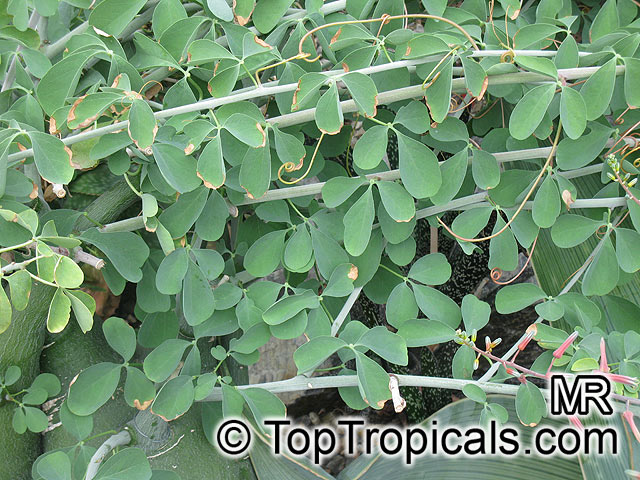
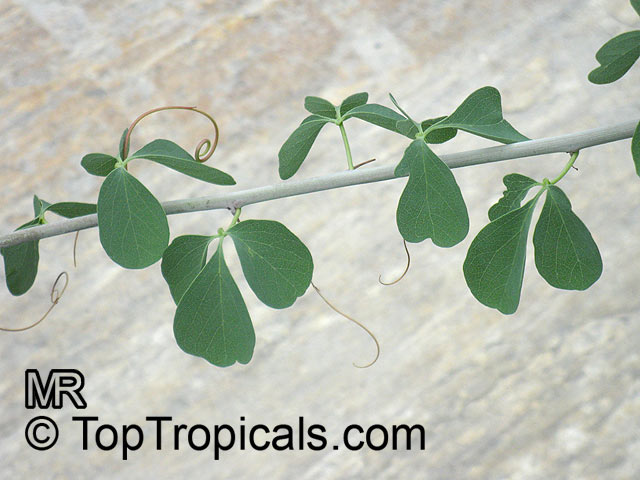
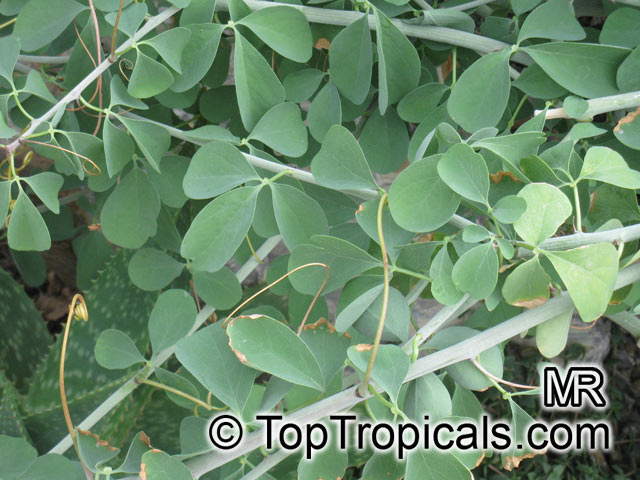
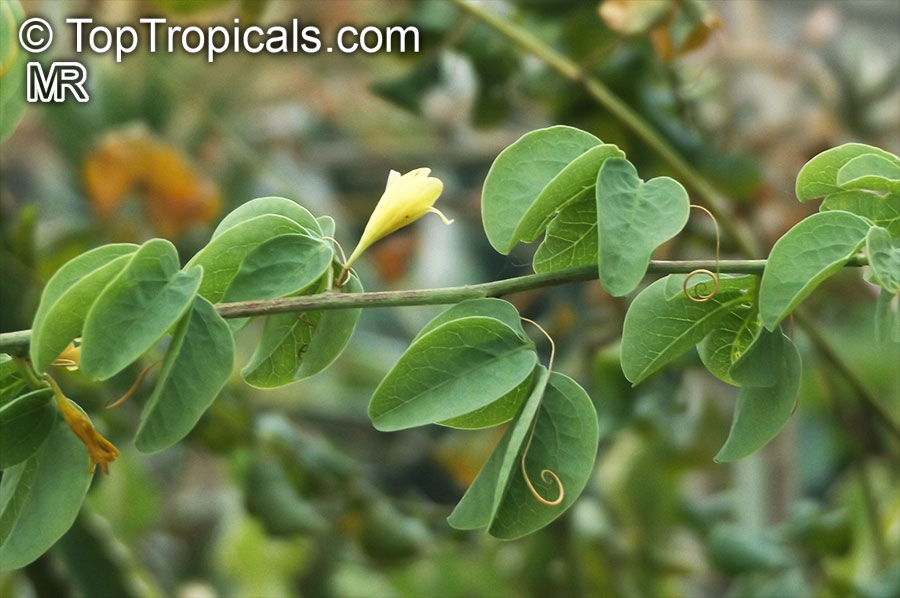
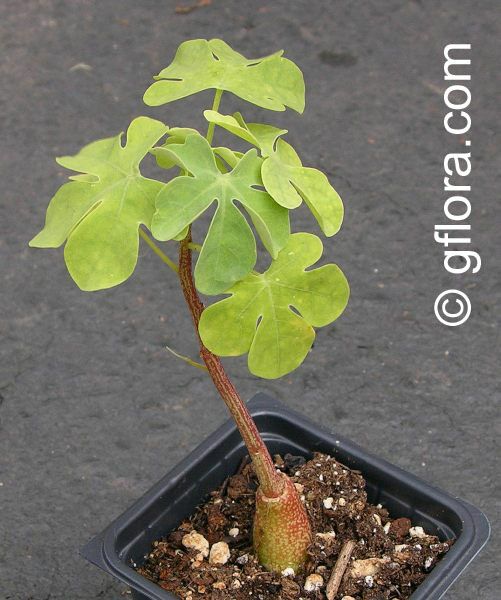
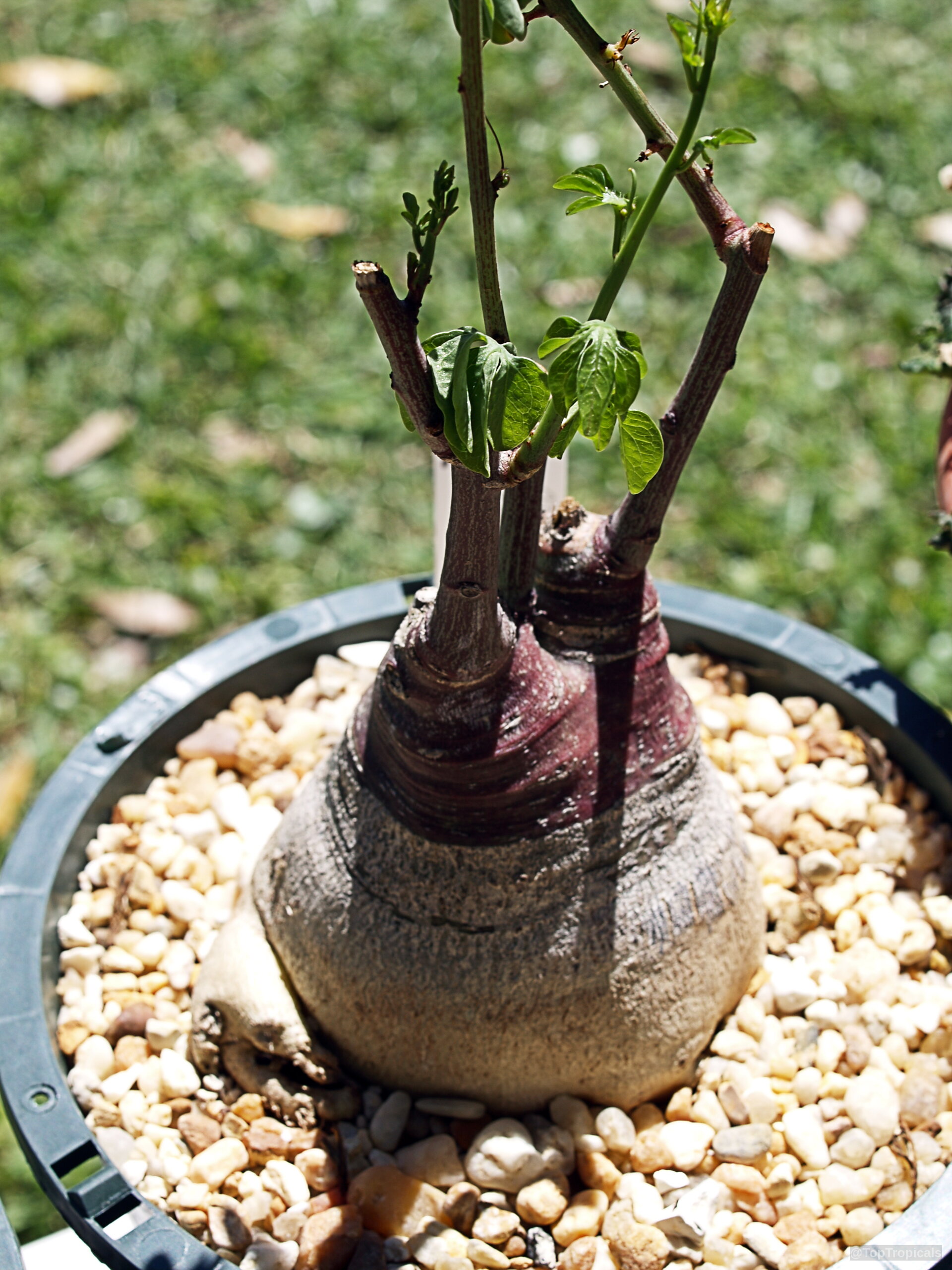
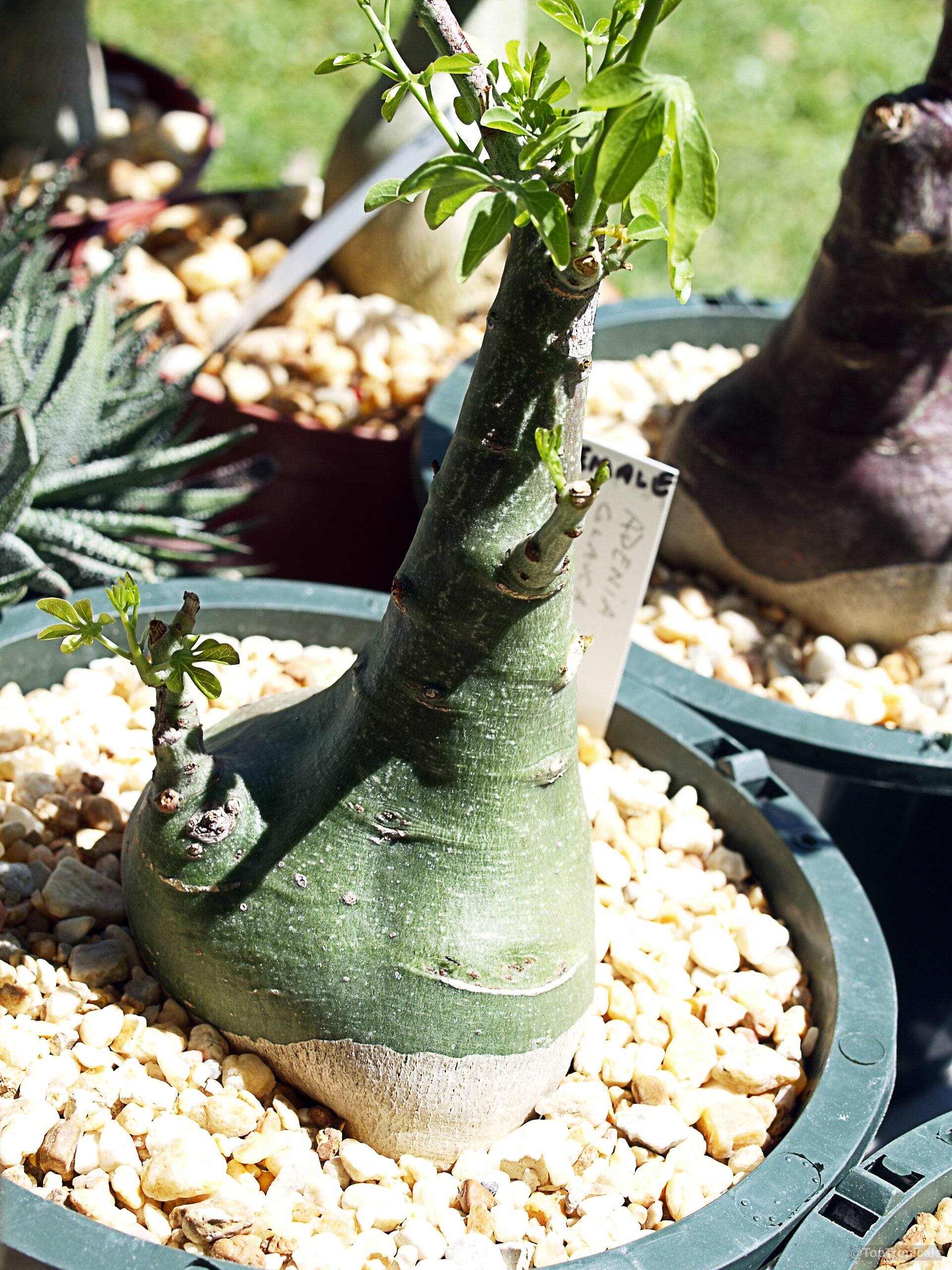
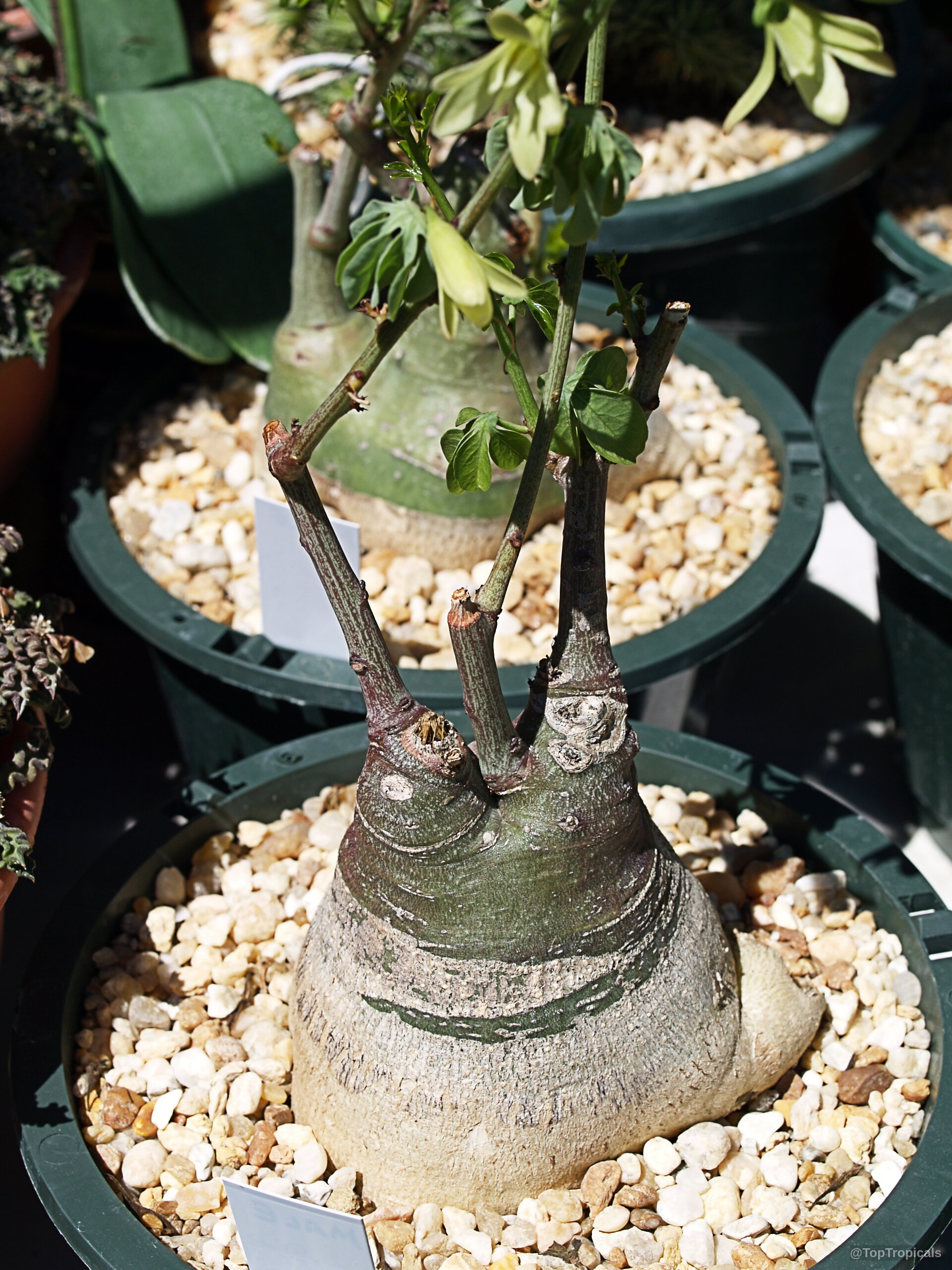
Botanical name: Adenia glauca
Common name: Adenia
Family: Passifloraceae
Origin: Southern Africa, Botswana
USDA Zone: 10


This is a mature plant, it has a very thick, green caudex. The flowers are lemon colored, and are sweetly scented.
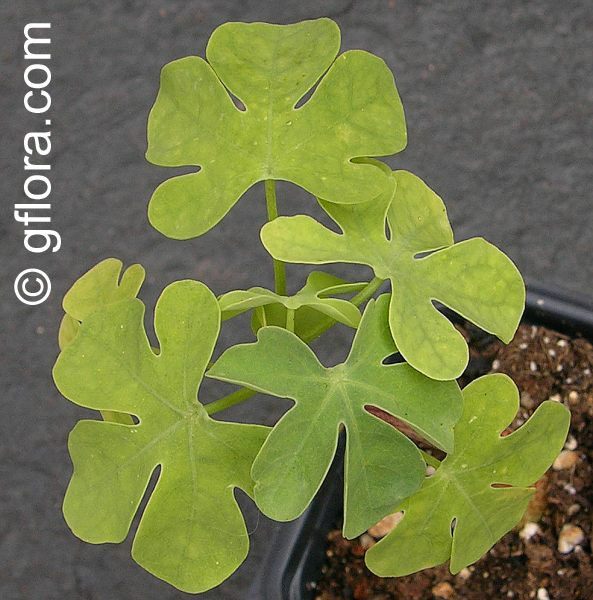
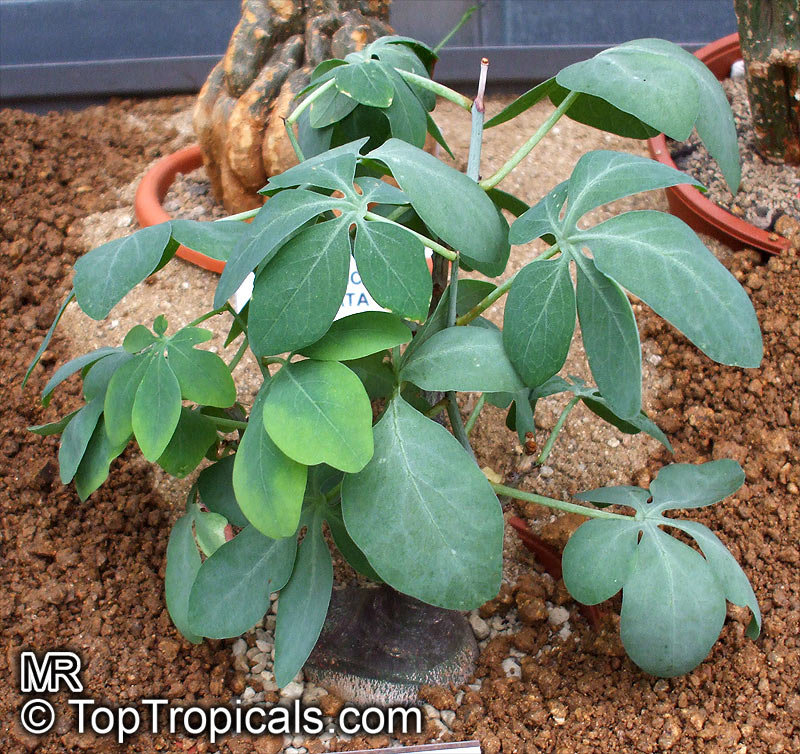
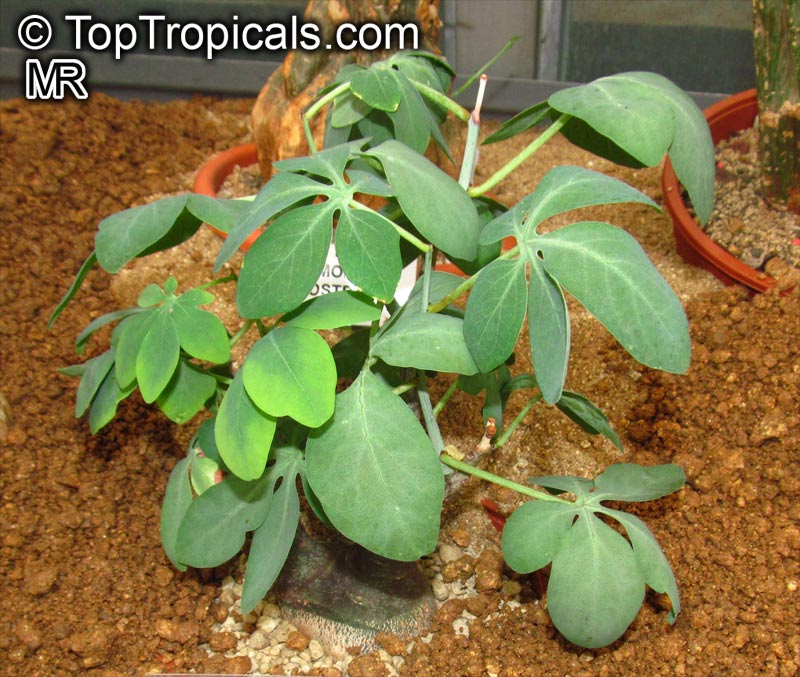
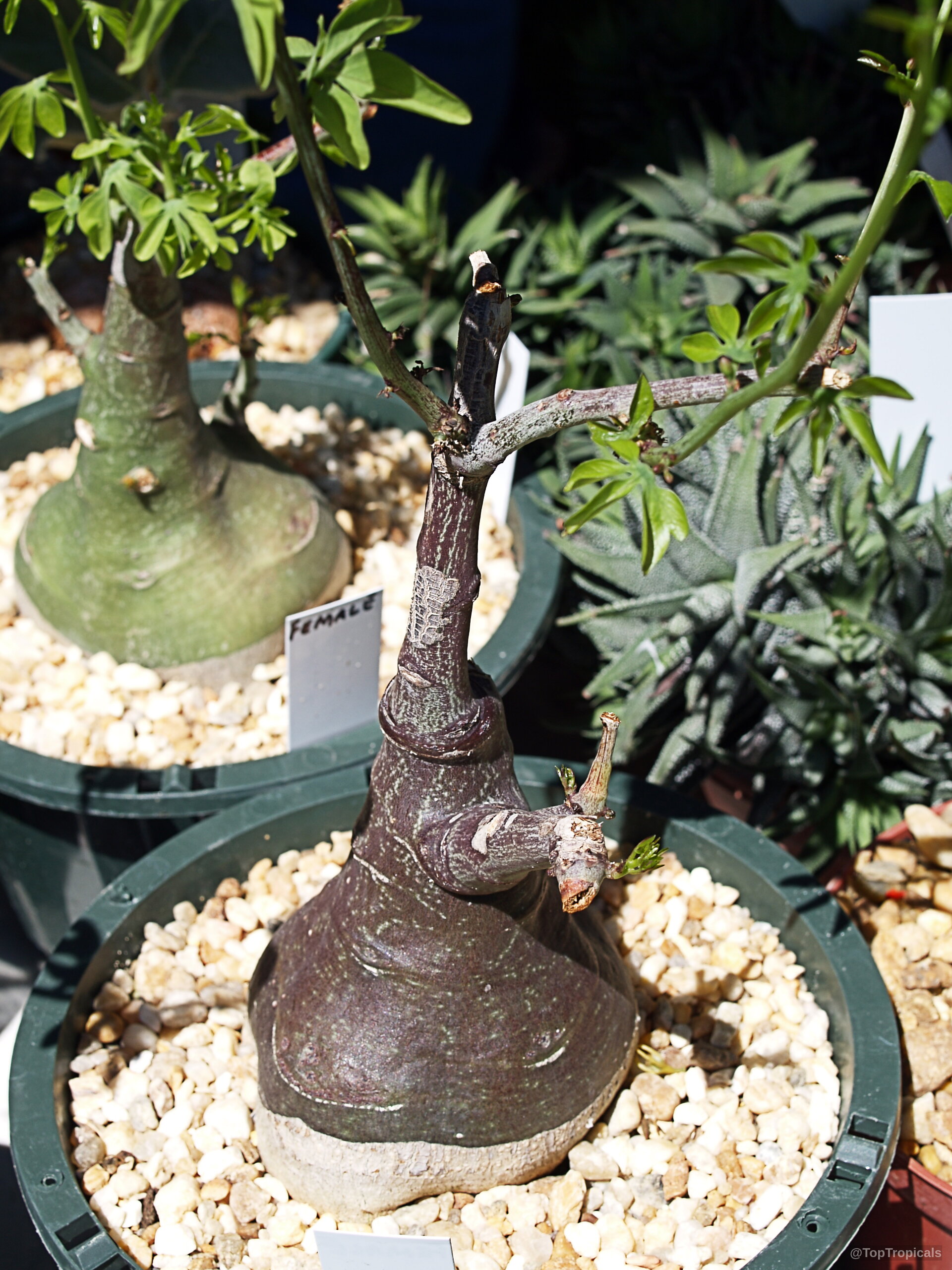
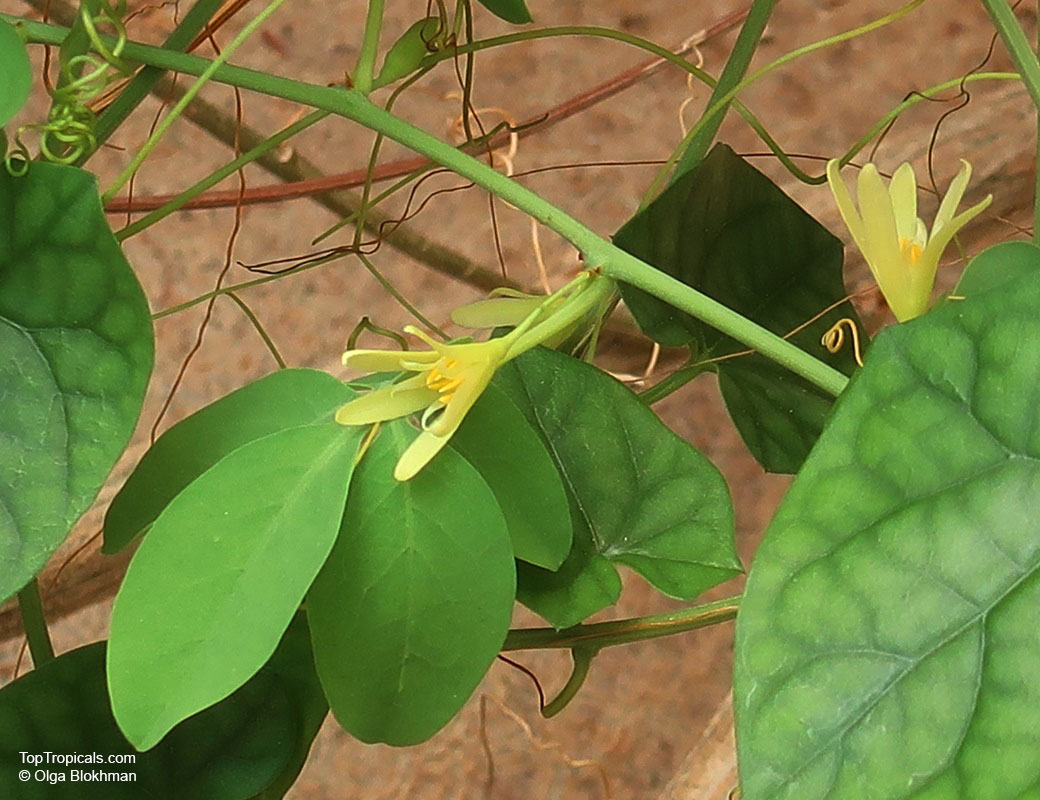
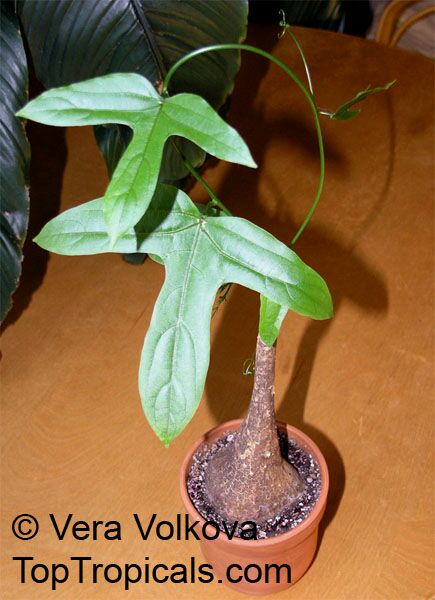
Botanical names: Adenia heterophylla, Modecca heterophylla
Common name: Adenia
Family: Passifloraceae
Origin: Southern Asia, Australia
USDA Zone: 9-10
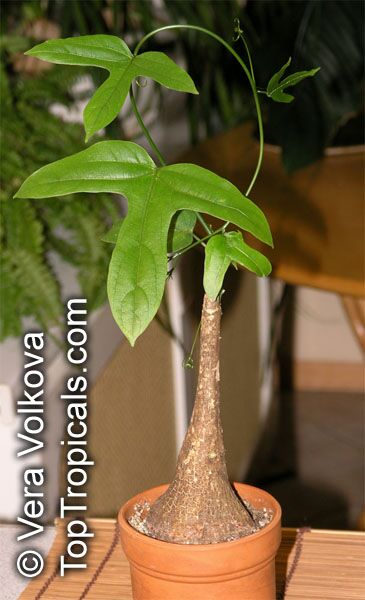
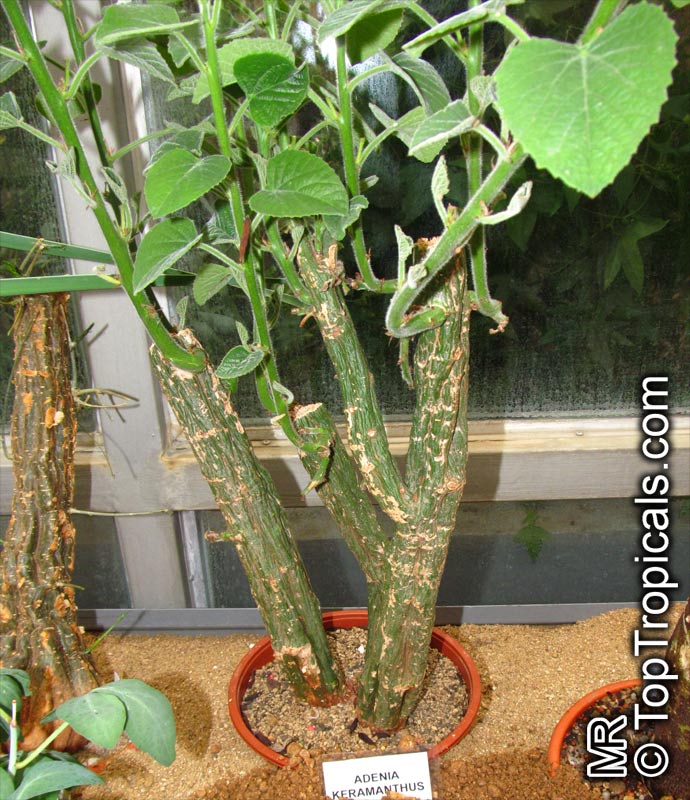
Botanical name: Adenia keramanthus
Common name: Adenia
Family: Passifloraceae
Origin: South Africa
USDA Zone: 9-10
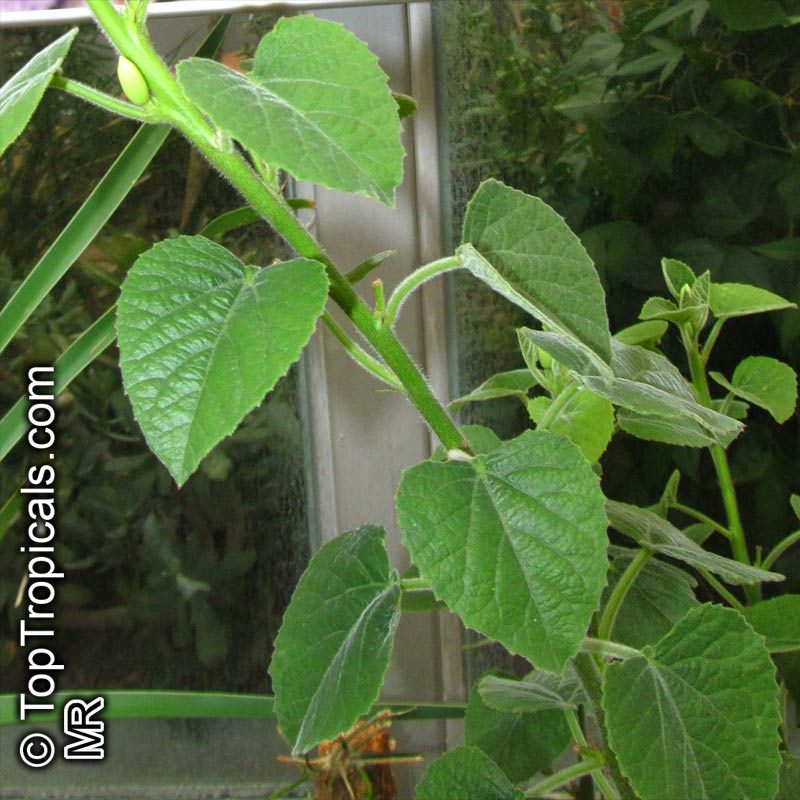
The flowers are green, and beside seeds, it might be possible be cuttings as well.
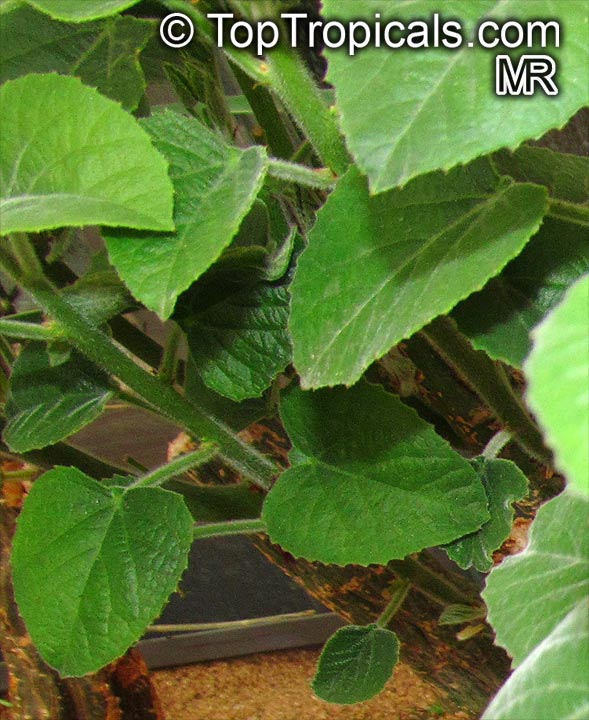
Botanical name: Adenia stylosa
Common names: Adenia, Candlestick Plant
Family: Passifloraceae
Origin: Madagascar
USDA Zone: 9-10
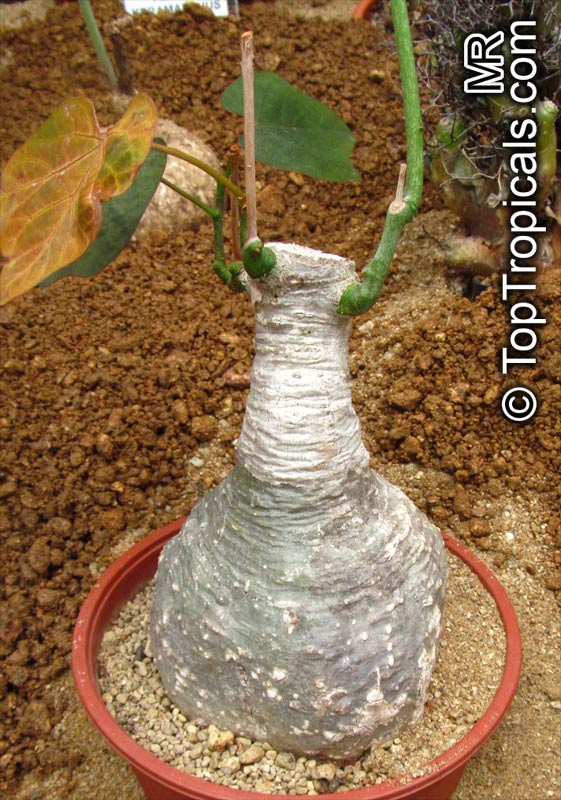
Adenia stylosa is a native plant of Madagascar that will grow into a small shrub 2-5 feet in ideal conditions. This plant likes full sun and moderate water with excellent drainage to ensure its growth. The caudex of Adenia stylosa can grow up to 25-30 cm in diameter, while the vine-like branches grow up to one meter or more. As they mature, they produce small greenish-white flowers.
Adenia stylosa can be grown in USDA Zone 9-11 making it an easy to care for and relatively hardy plant. Plant Adenia stylosa in well-drained soil, preferably sandy, and prune regularly to give it the best possible shape. Moderate watering is recommended in hot and dry weather, while during cold and rainy periods the soil should remain slightly damp. However, avoid overwatering or you will risk root and stem rot.
Adenia plants can also be grown in pots, but it's important to stick to the same guidelines mentioned above. Those living in colder regions will also need to protect their plants from the cold. When winter approaches, cover your plant with a frost blanket or move it to a spot with more shelter. This will ensure that your Adenia plants thrive despite the cold season.
Botanical names: Adenia venenata, Modecca abyssinica
Common name: Adenia
Family: Passifloraceae
Origin: Tropical Africa
USDA Zone: 9-10


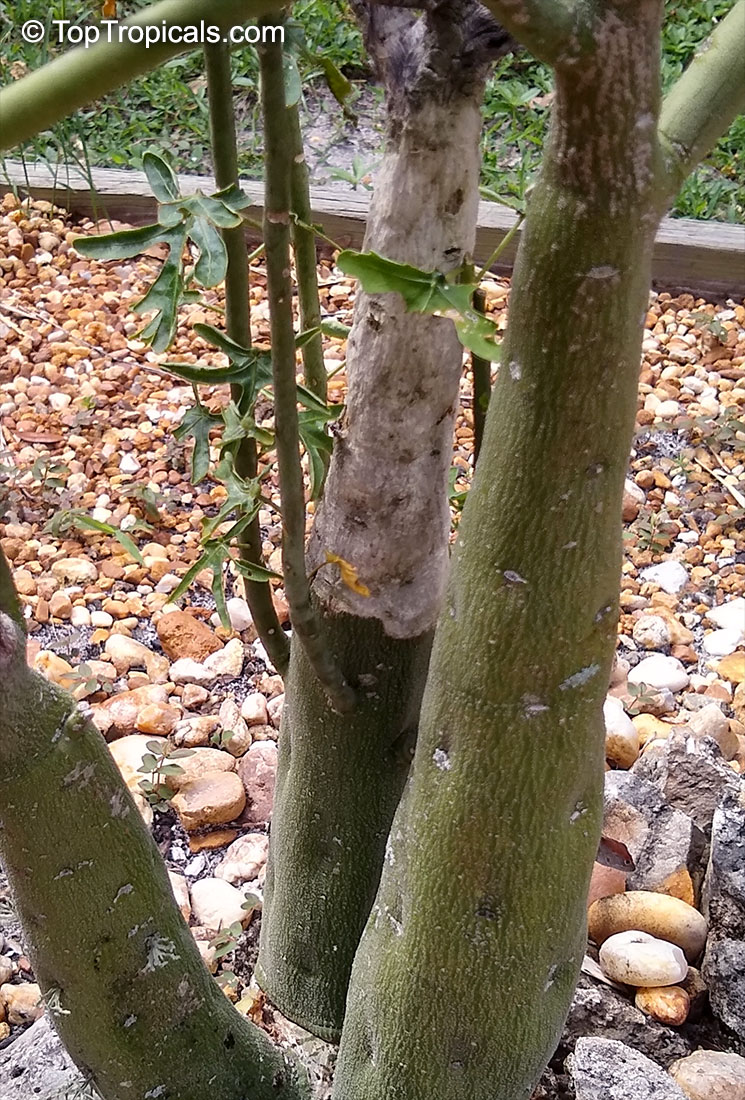
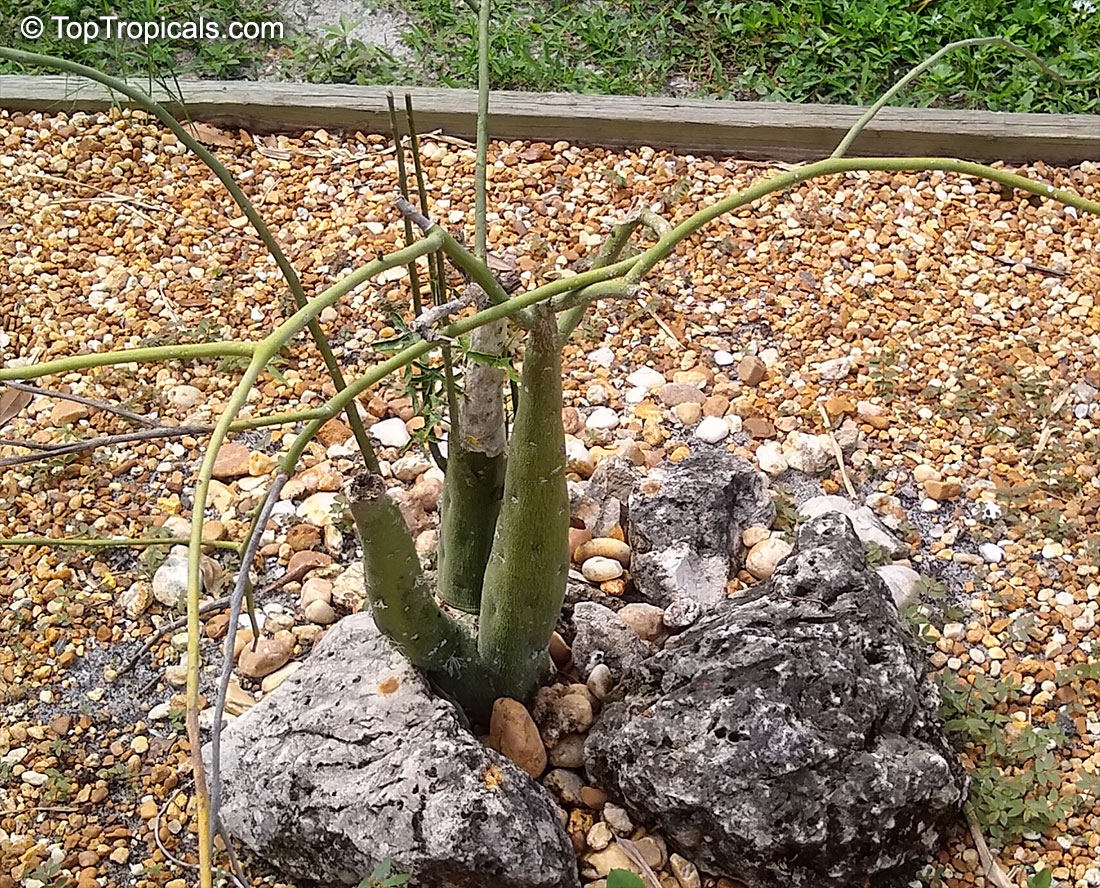
Adenia venenata is naturally found in tropical eastern and southern Africa regions. It prefers full sun and moderate water conditions. It can tolerate dry conditions and is deciduous, meaning it will lose its leaves in drought or when temperatures drop. It grows best in USDA Zone 9-11 but can be grown in colder regions if planted in a pot and brought inside in winter.
When growing Adenia venenata in colder regions, it is best to bring it inside during winter. Make sure to leave it in a pot with plenty of drainage holes and a well-draining potting mix. In colder regions, it is best to water Adenia venenata sparingly. To ensure adequate moisture and nutrition, feed it with a balanced fertilizer during growing season.
Overall, Adenia venenata is an easy to care for plant that is sure to add beauty to any garden.
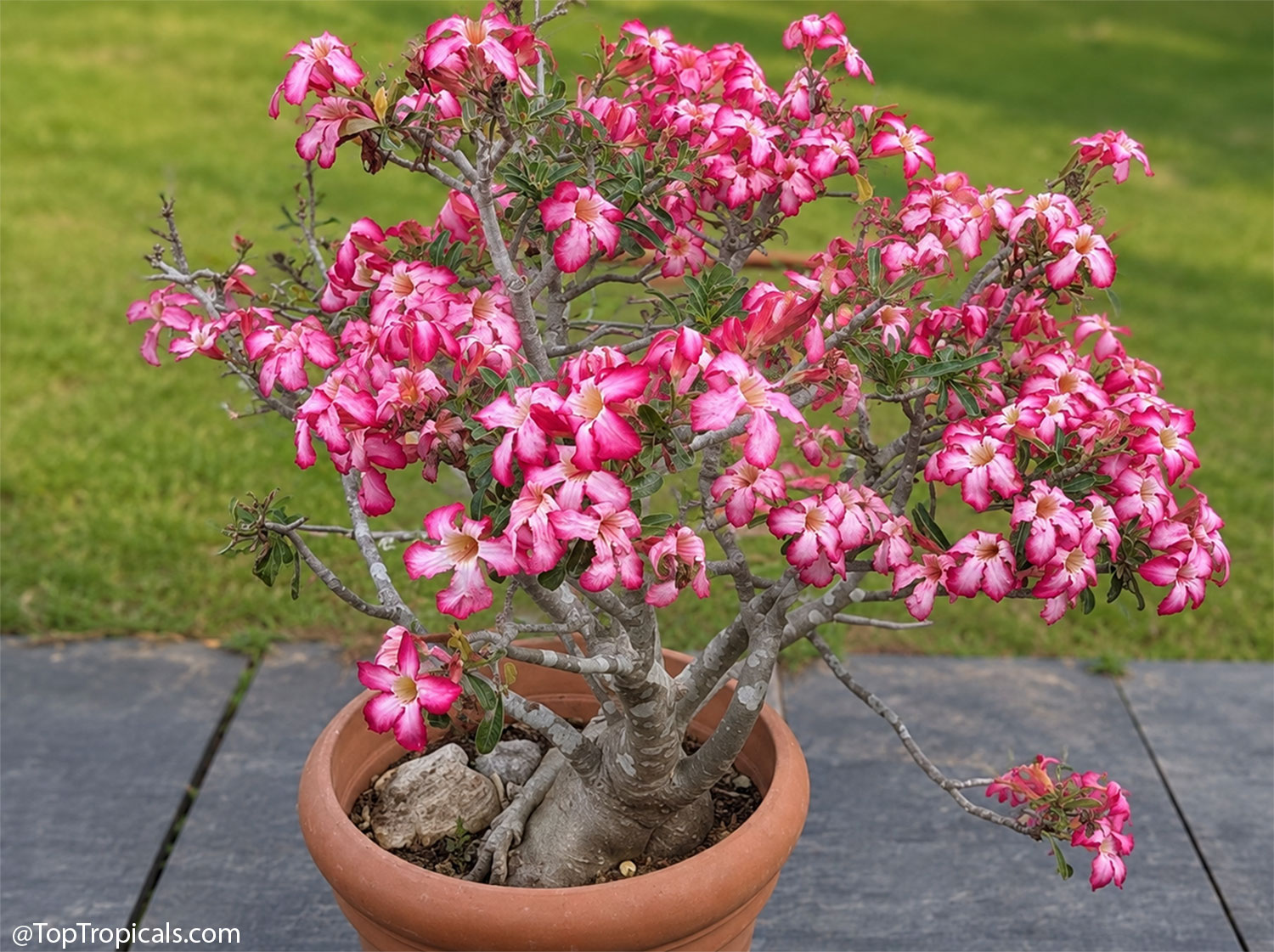
Botanical name: Adenium arabicum
Common name: Desert Rose
Family: Apocynaceae
Origin: Arabia and East Africa
USDA Zone: 9-11


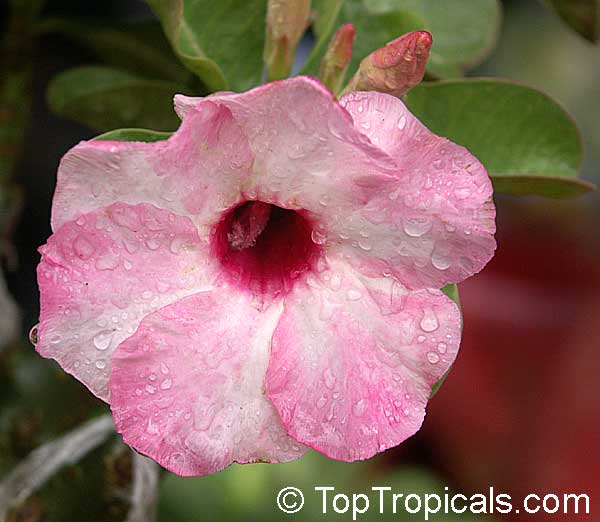
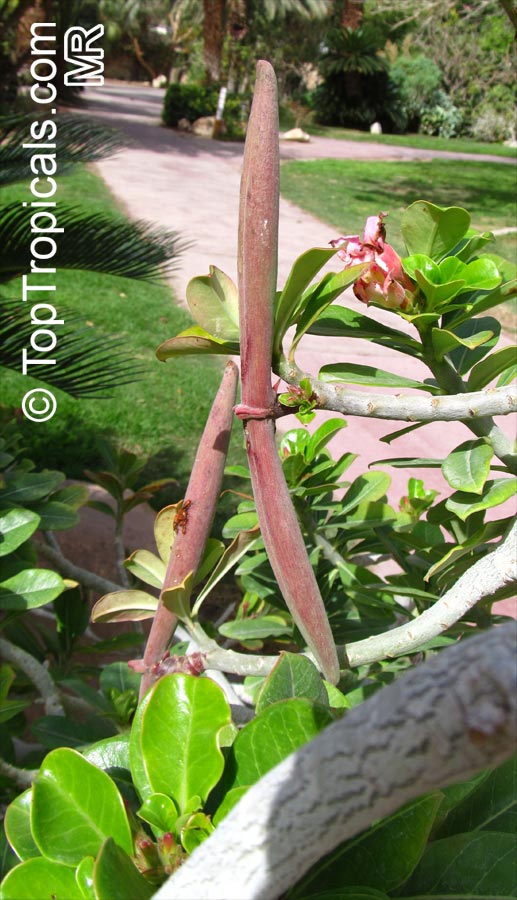
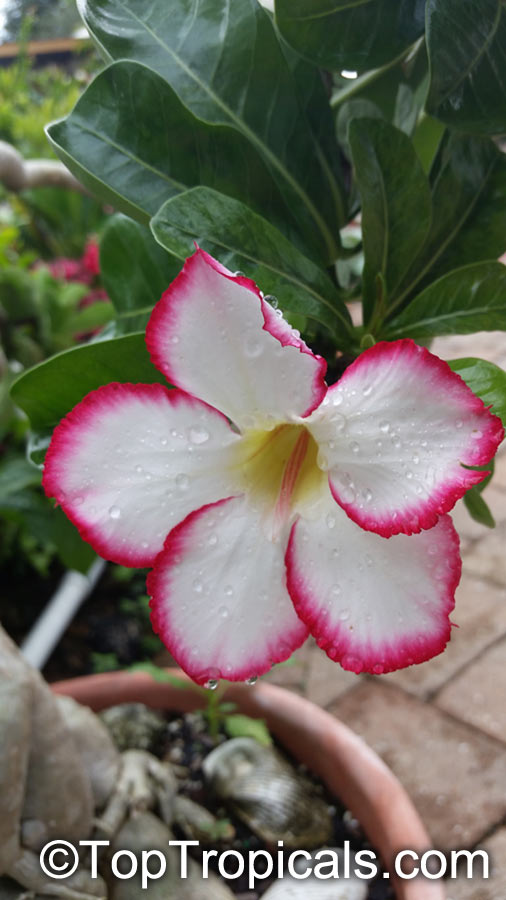
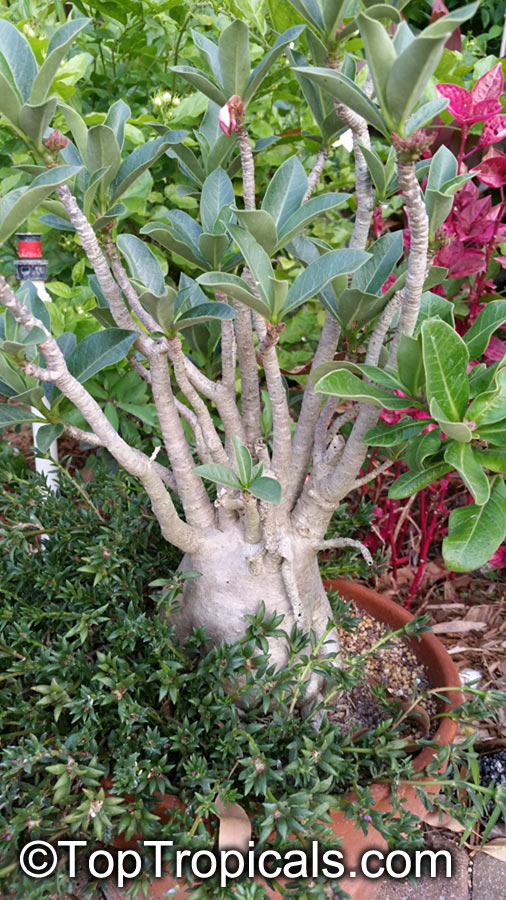
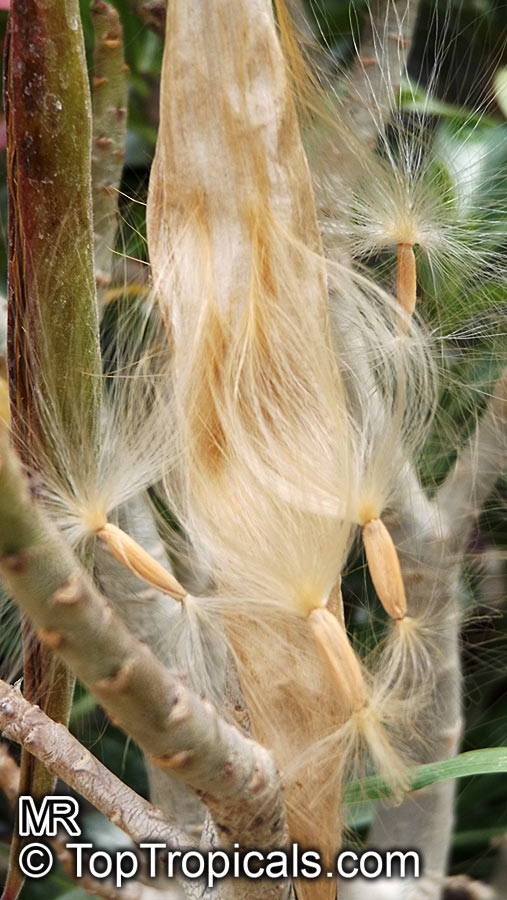
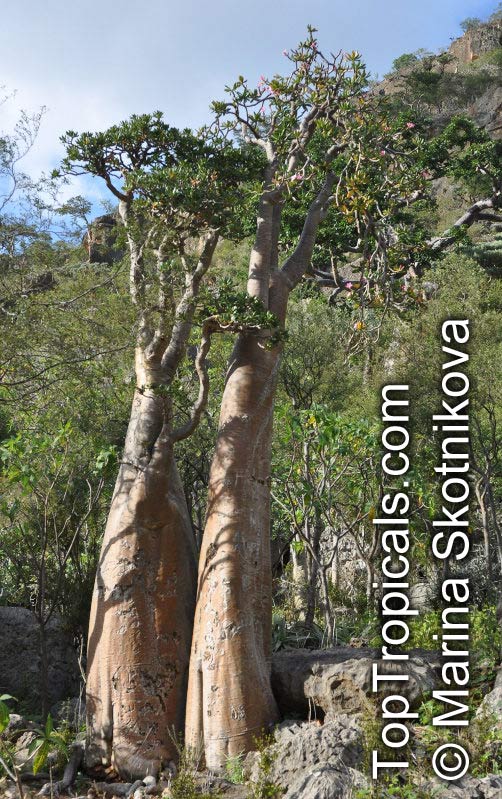
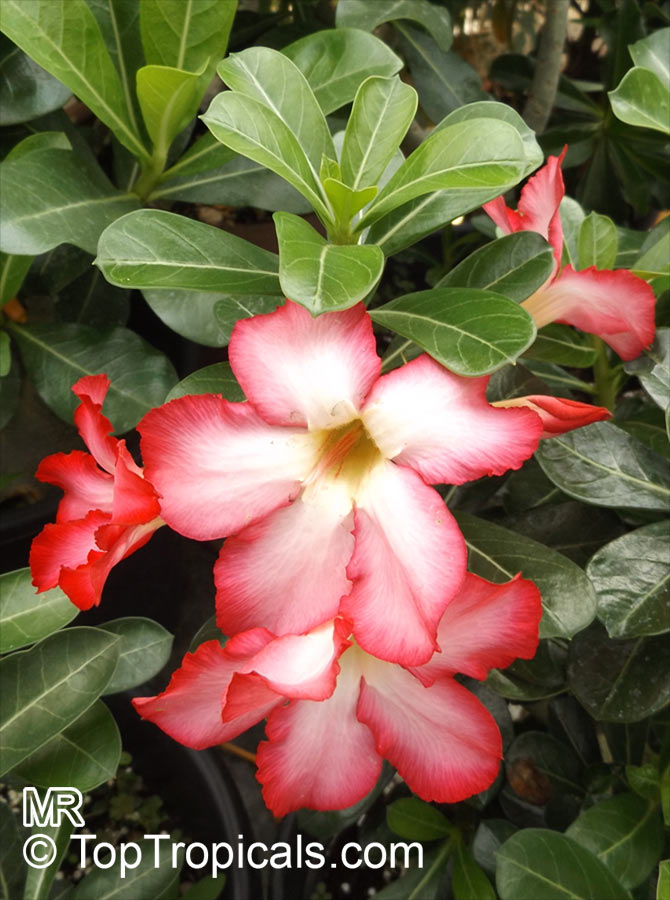
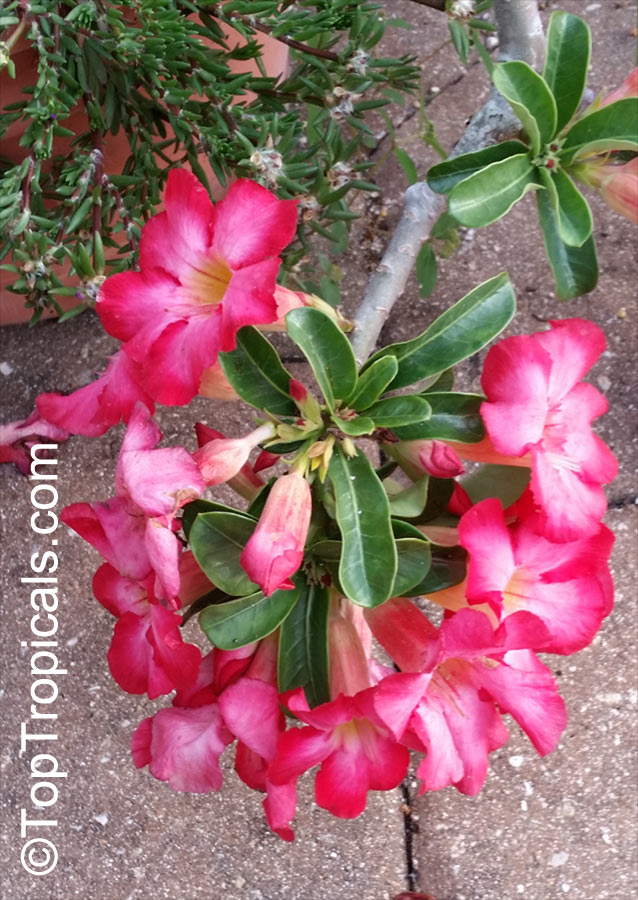
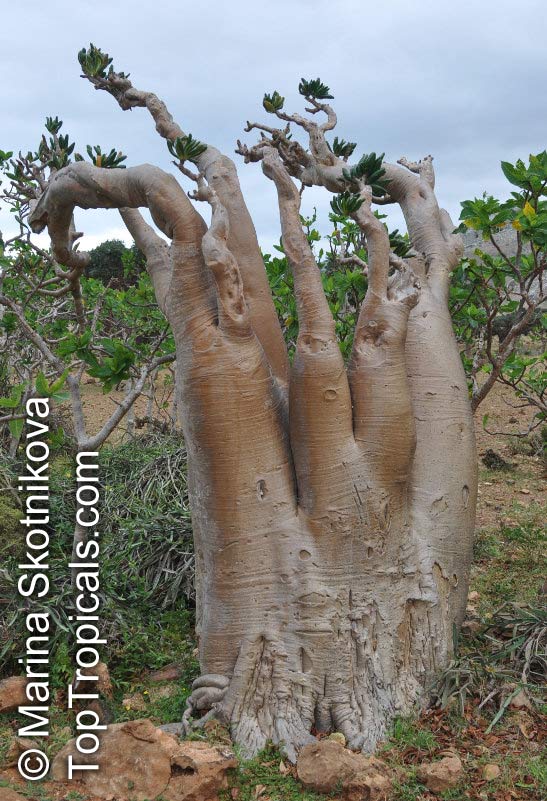
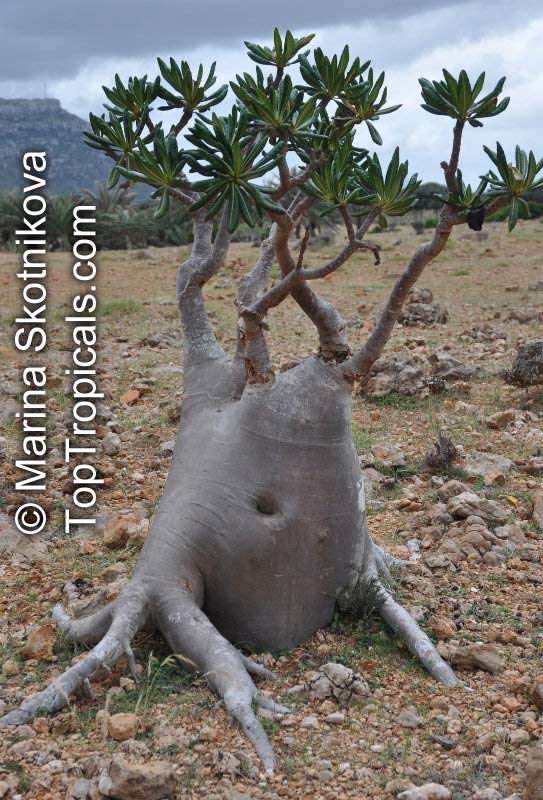
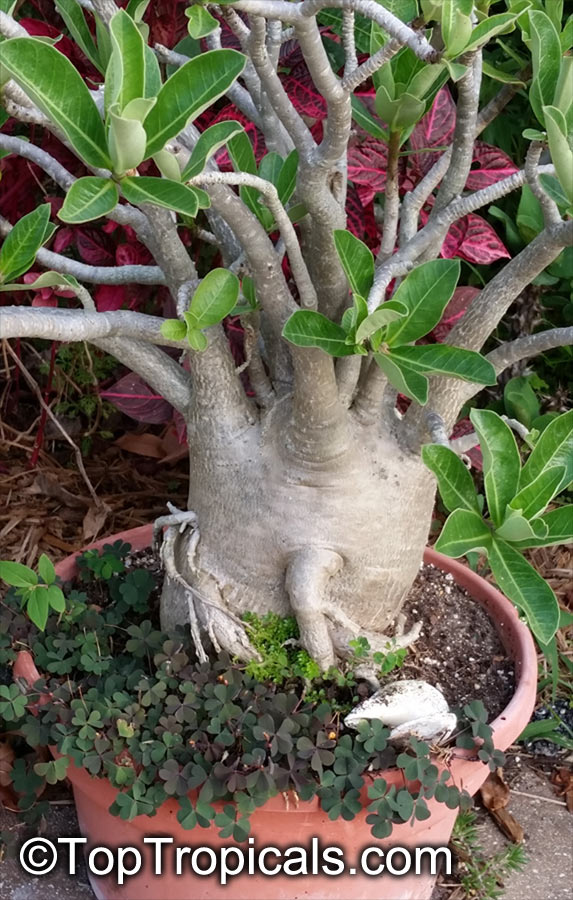
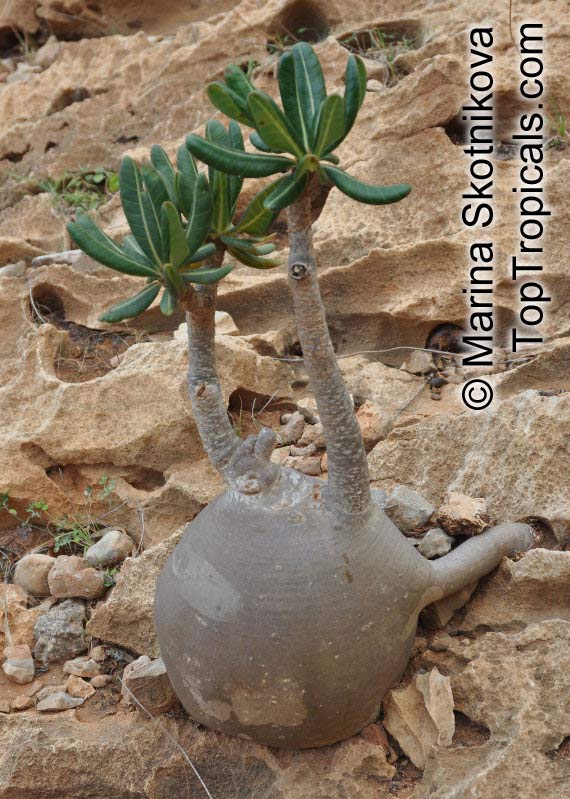
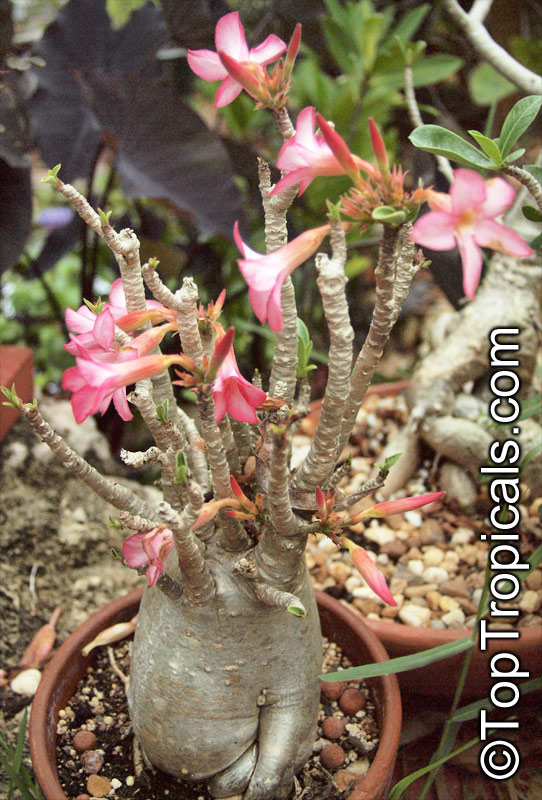
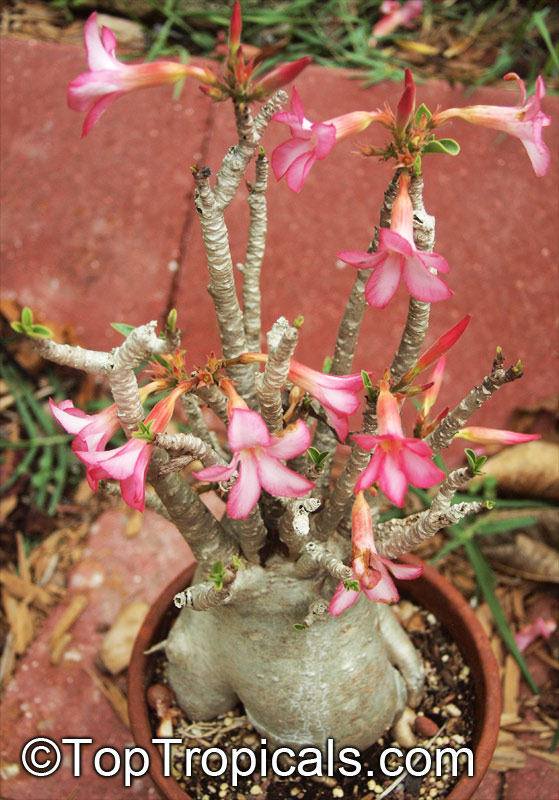
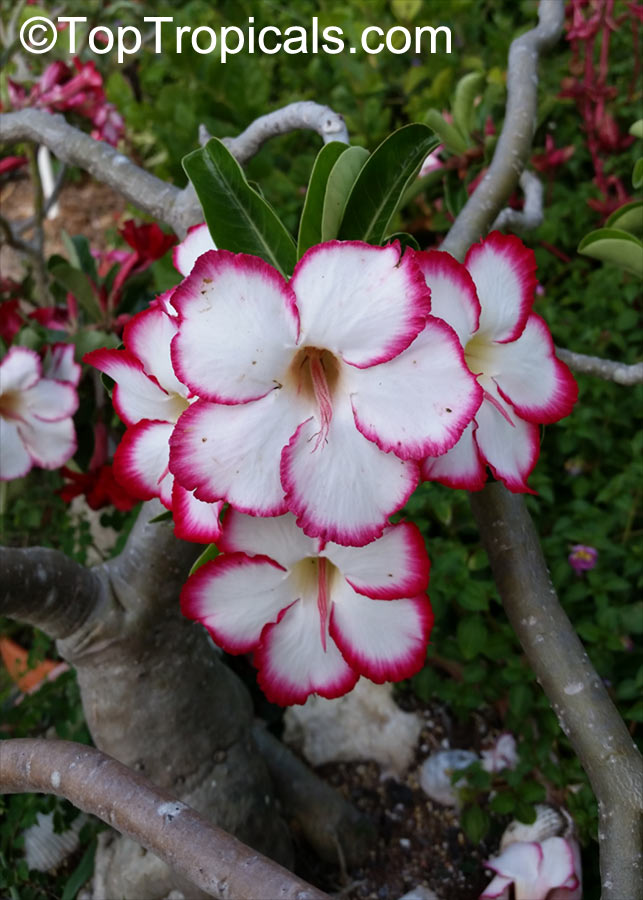
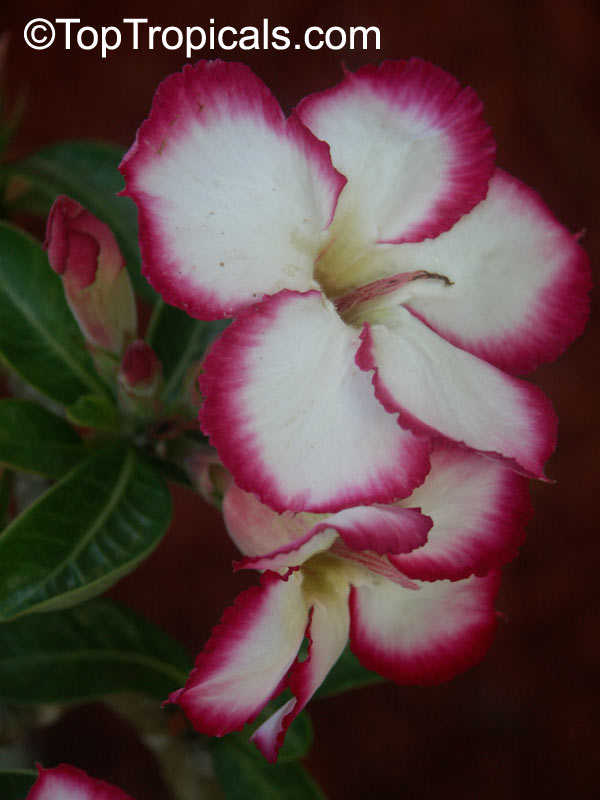
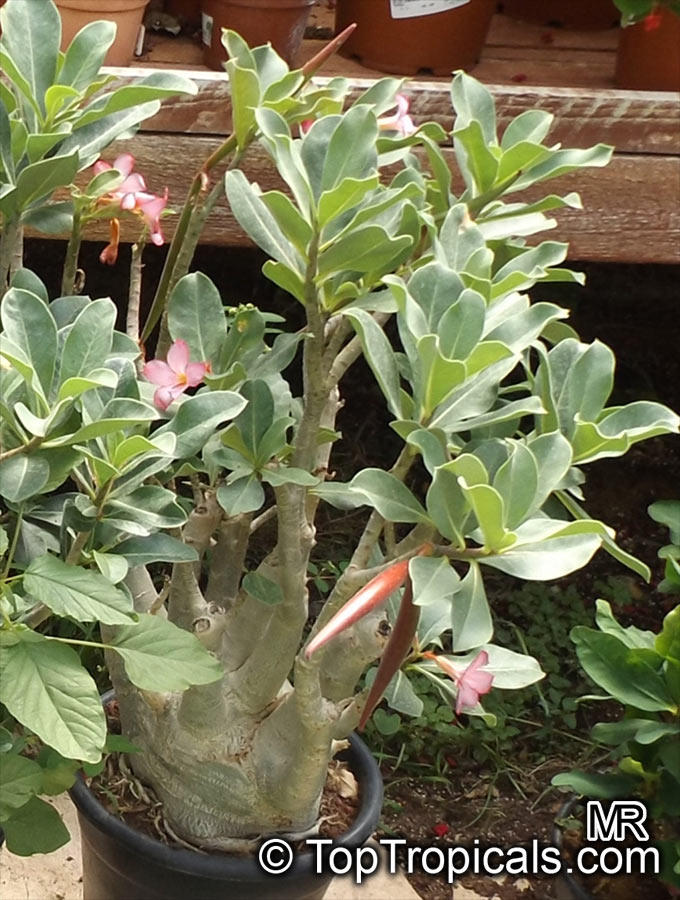
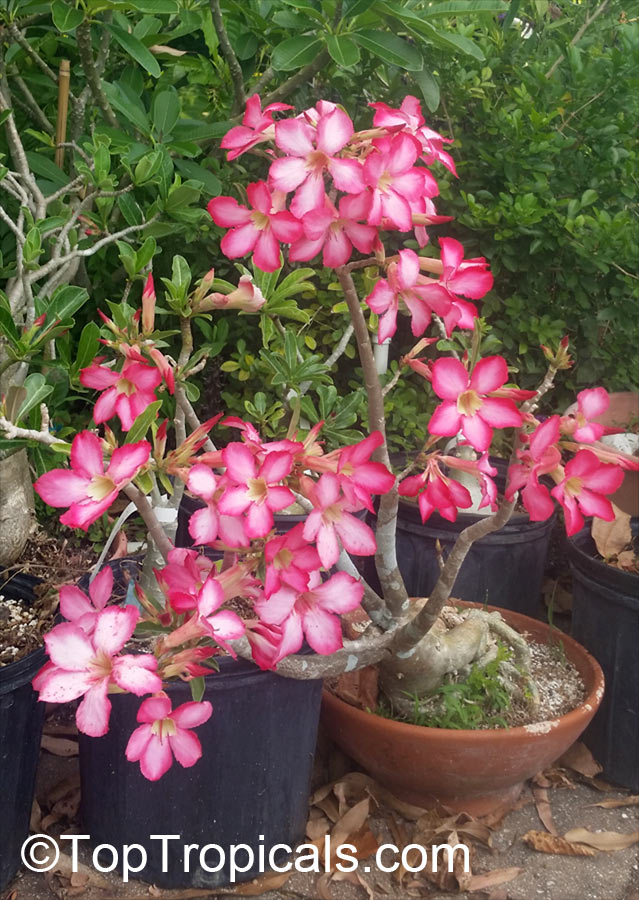
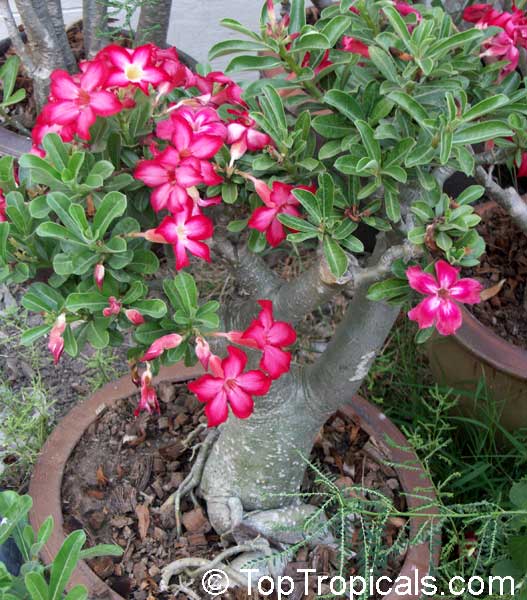
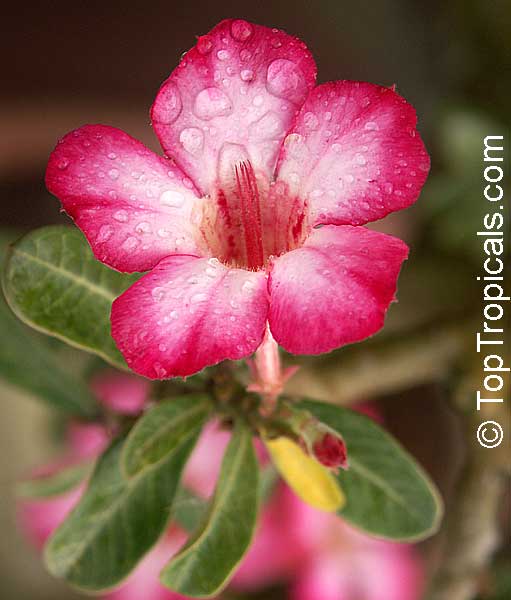
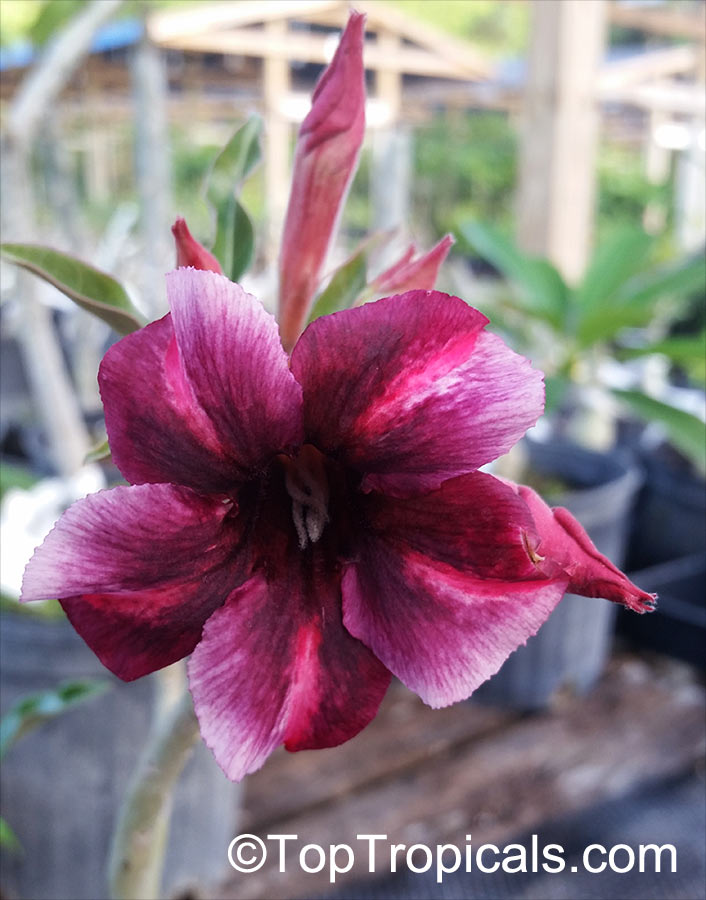
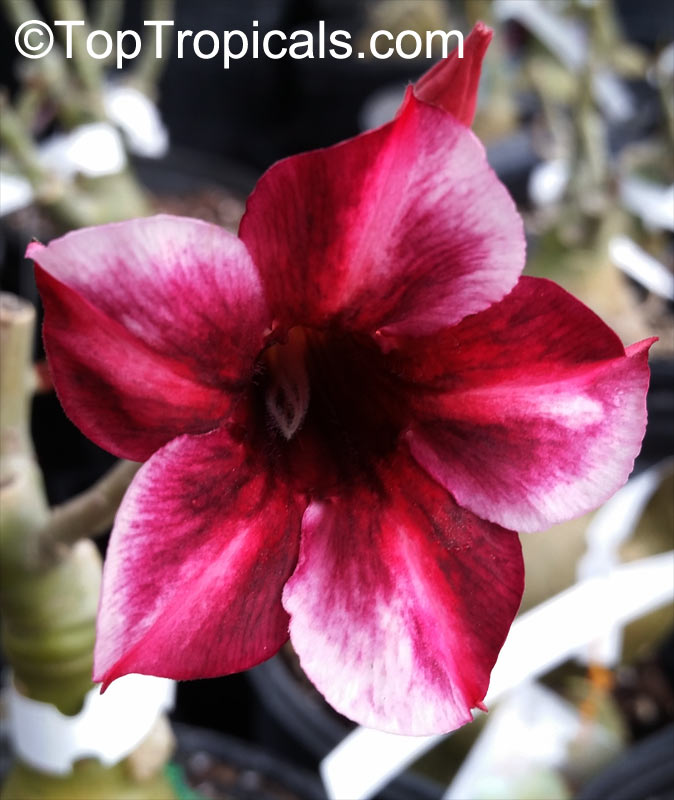
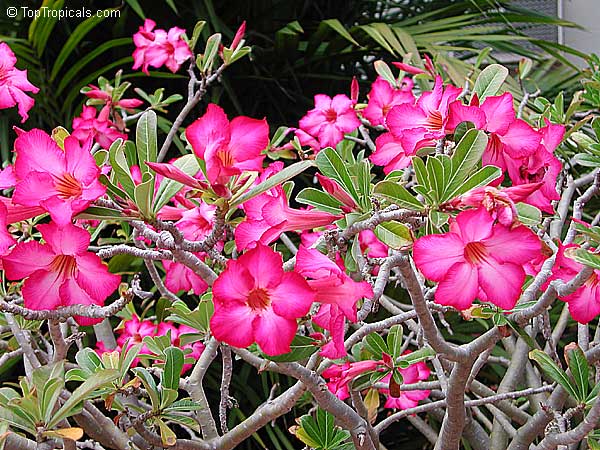
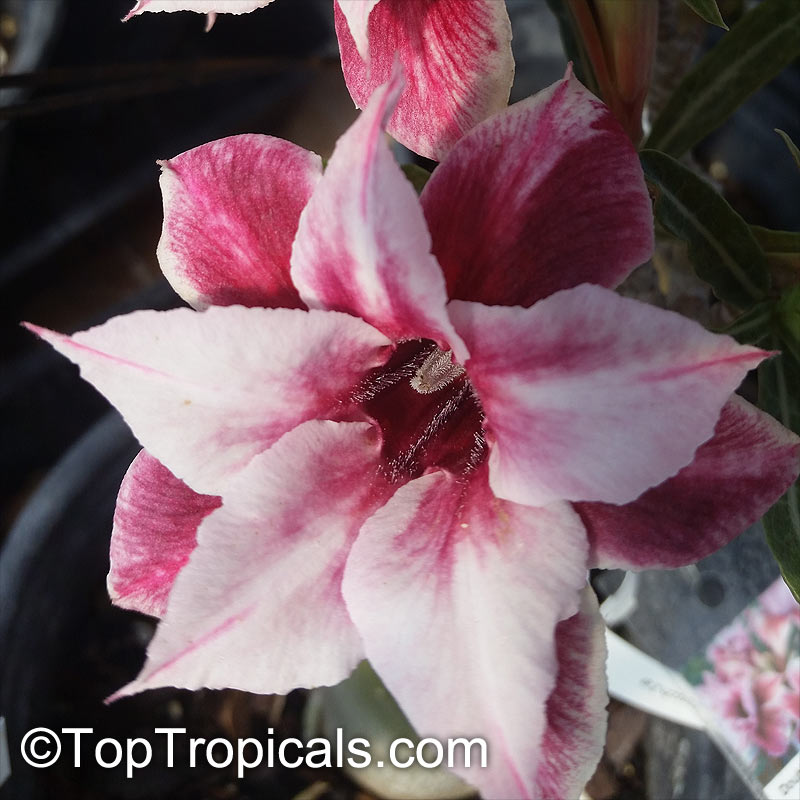
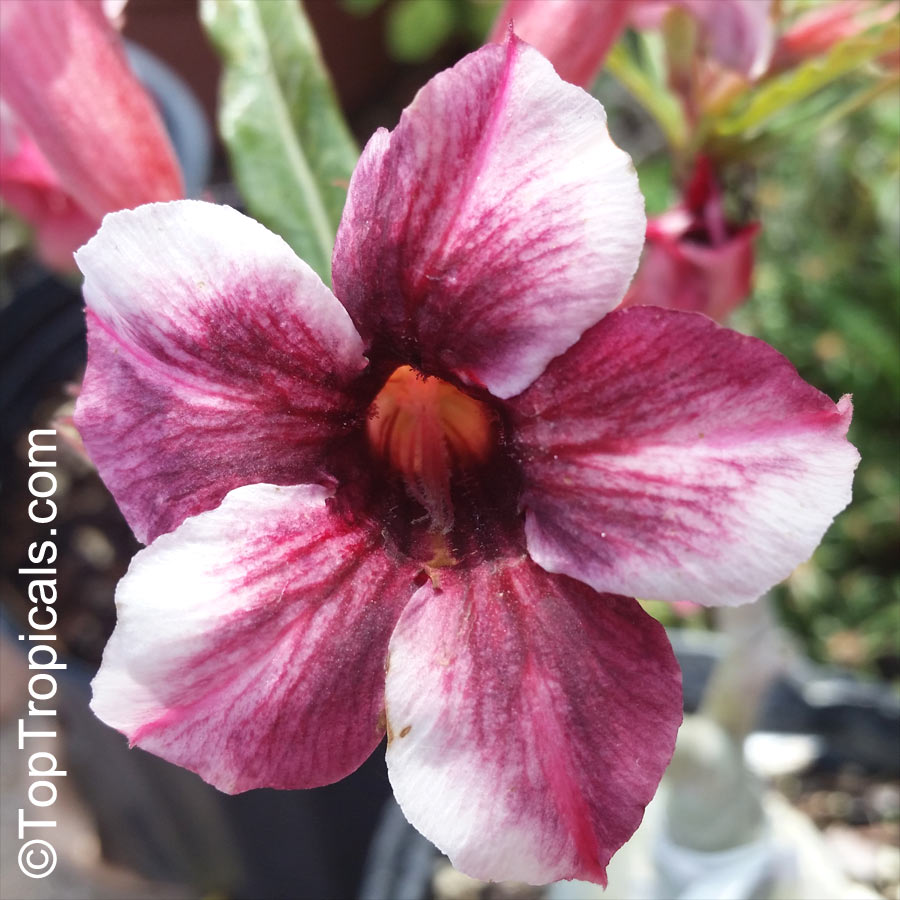
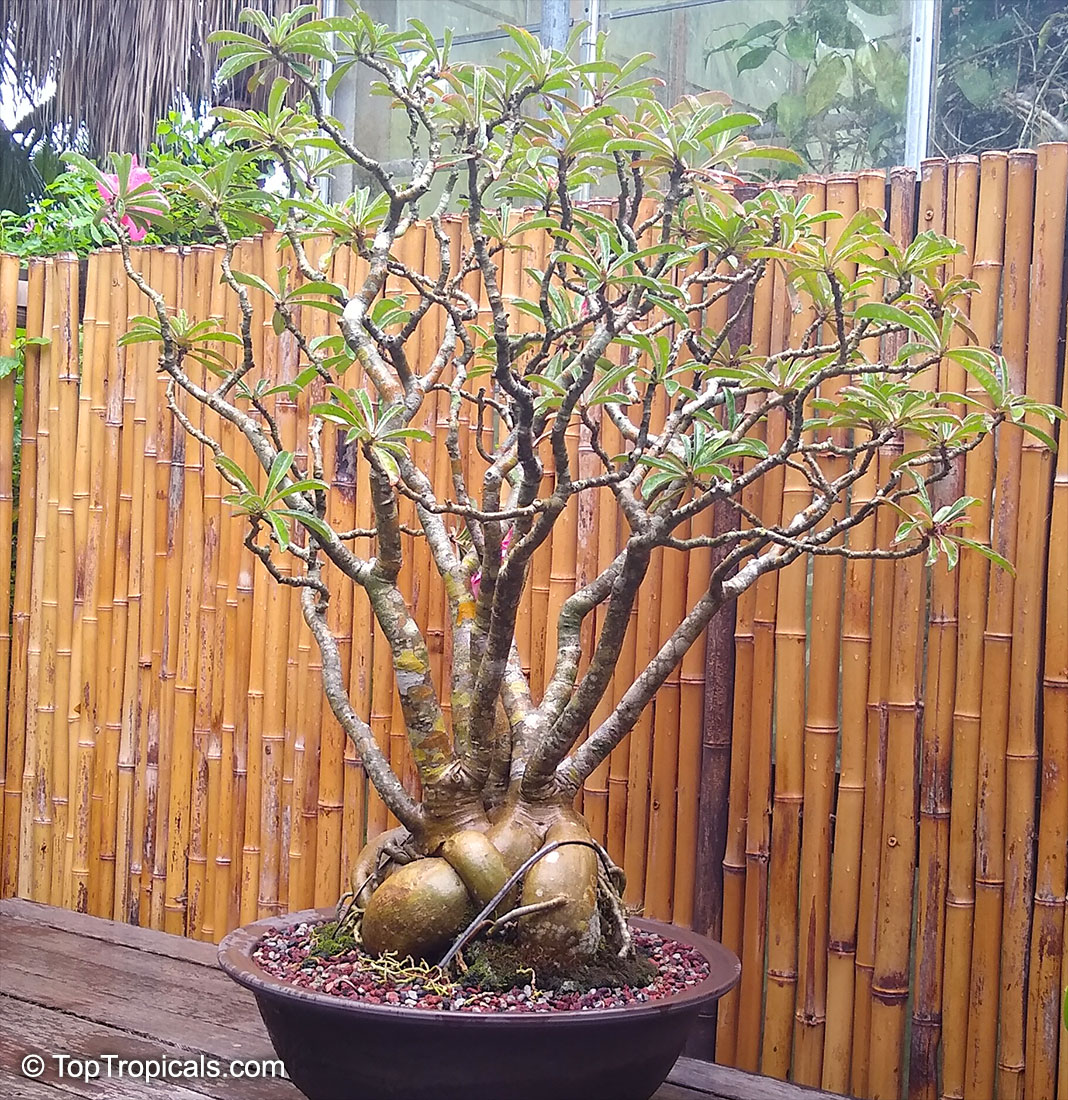
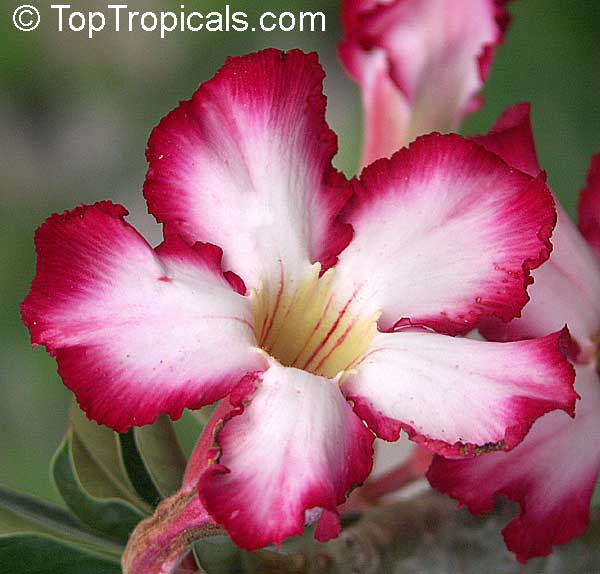
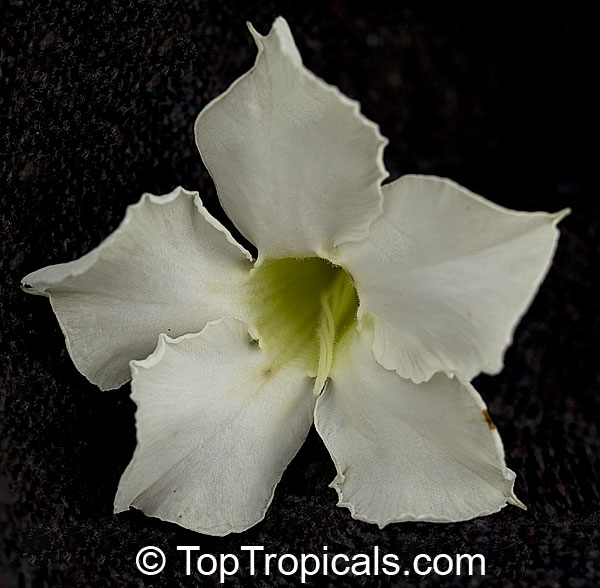
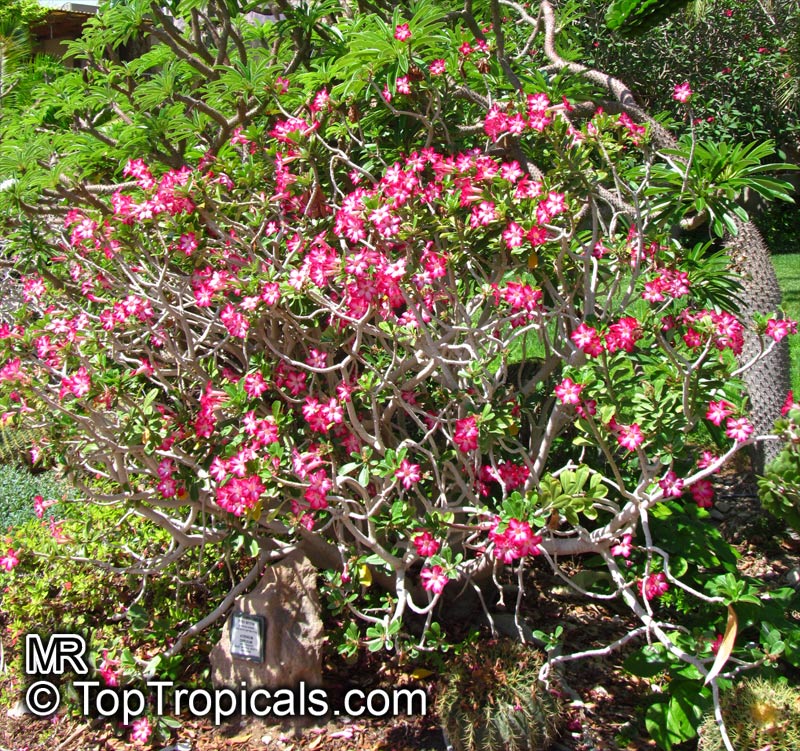
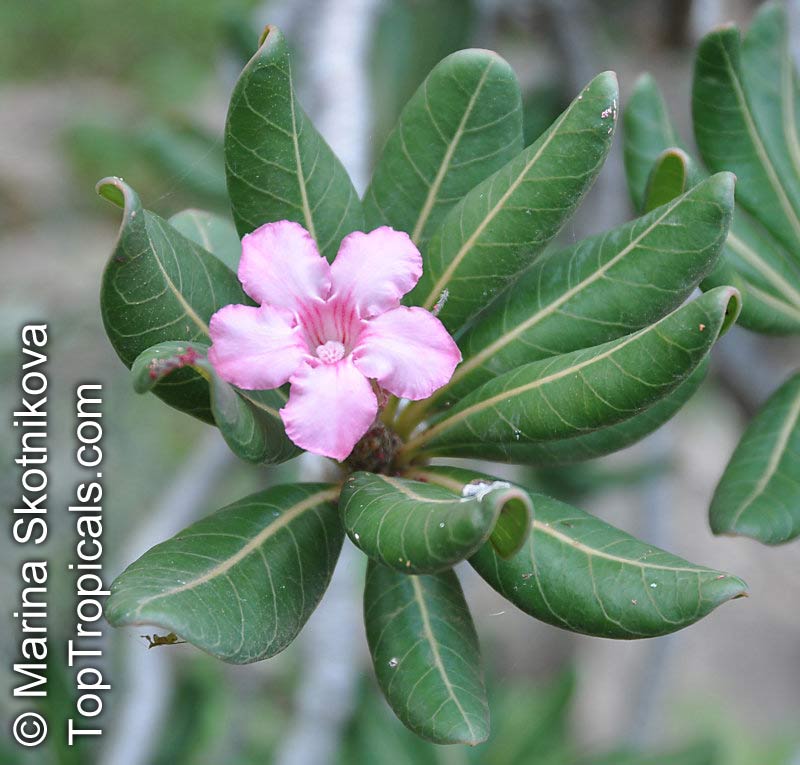
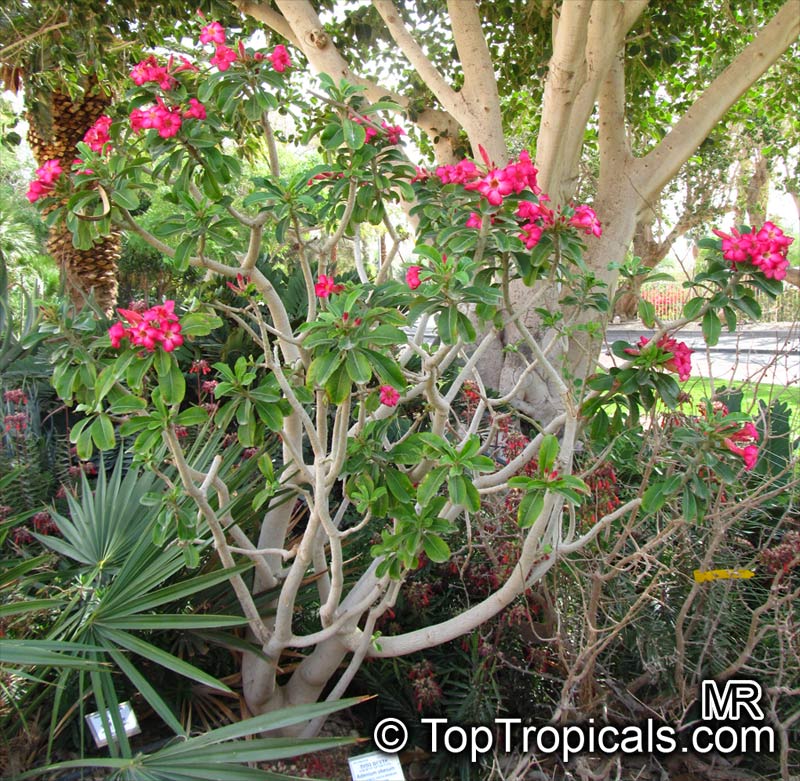
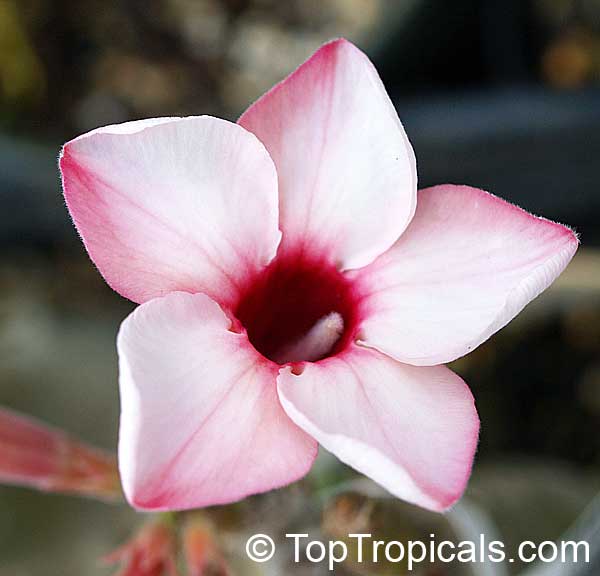
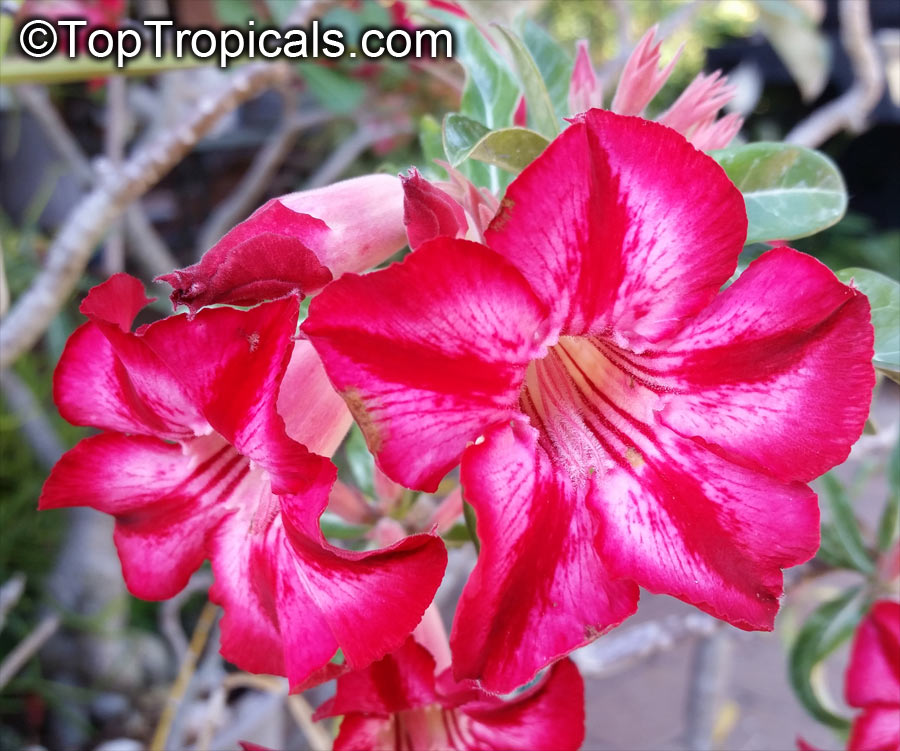
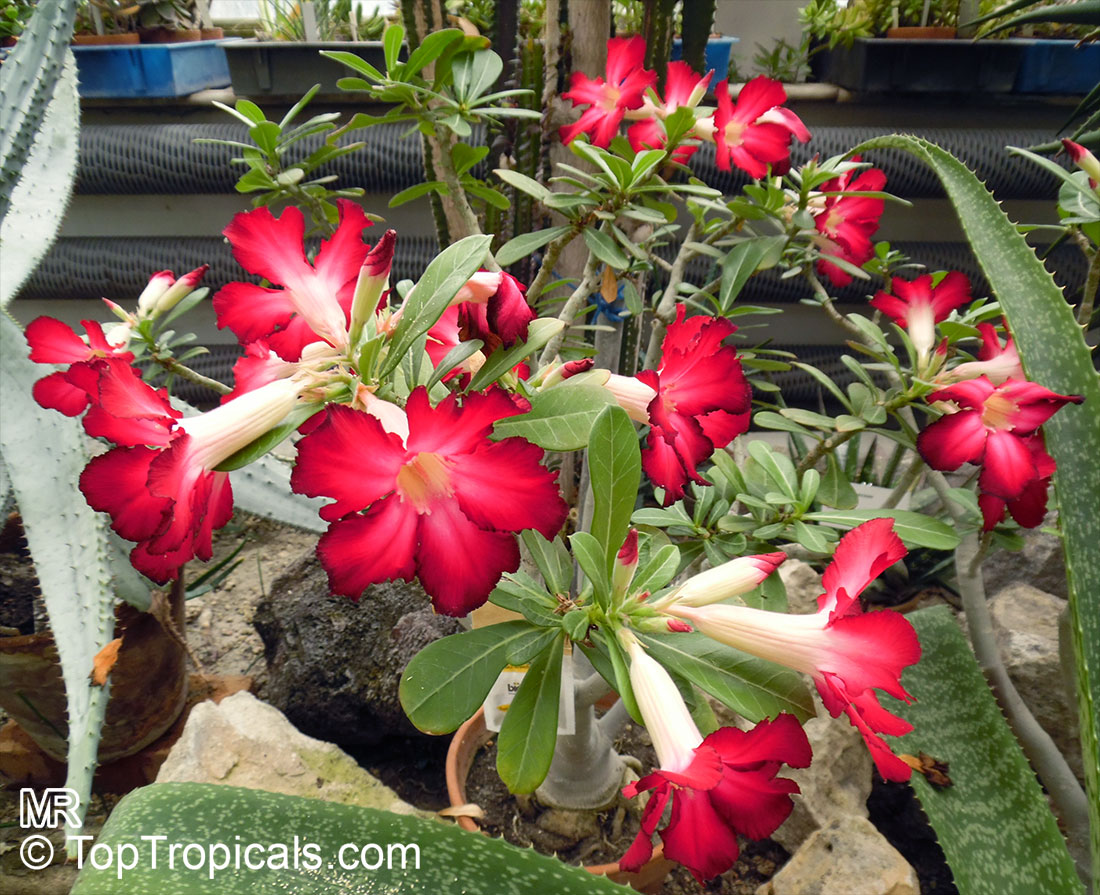
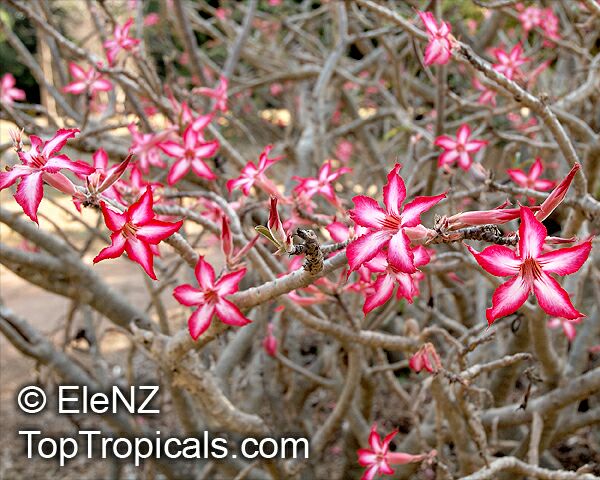
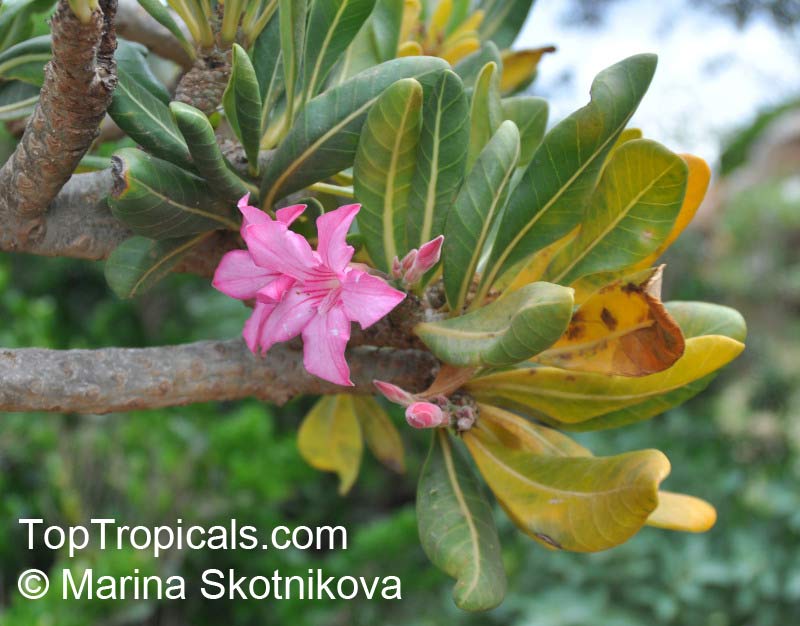
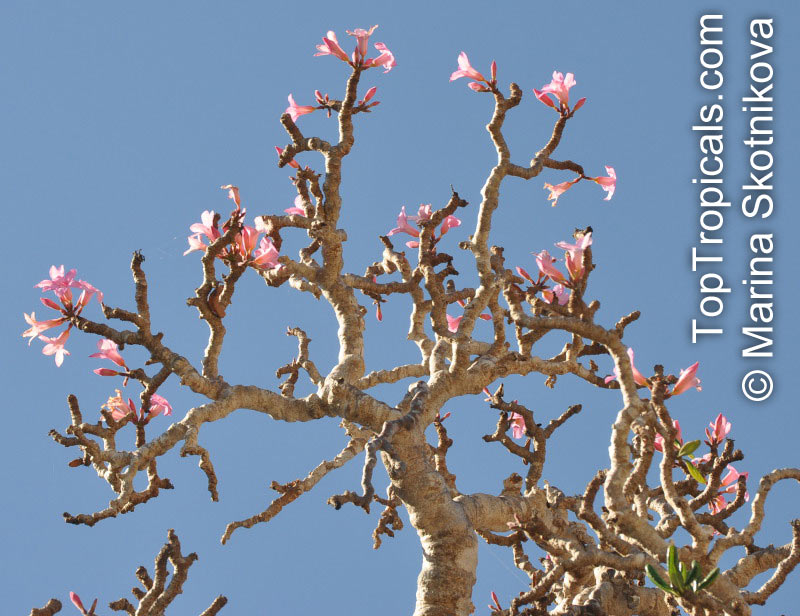
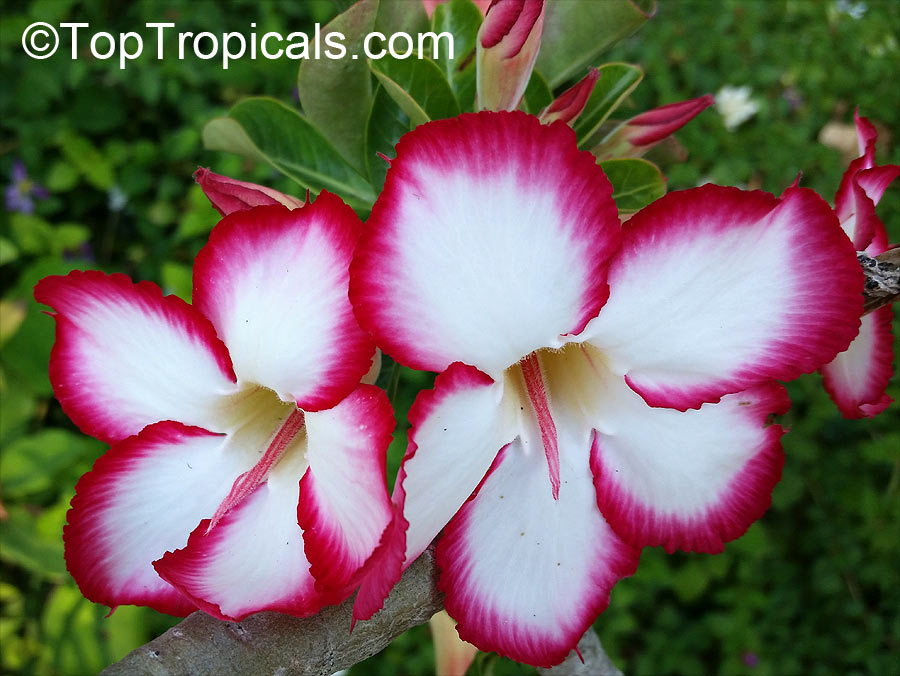
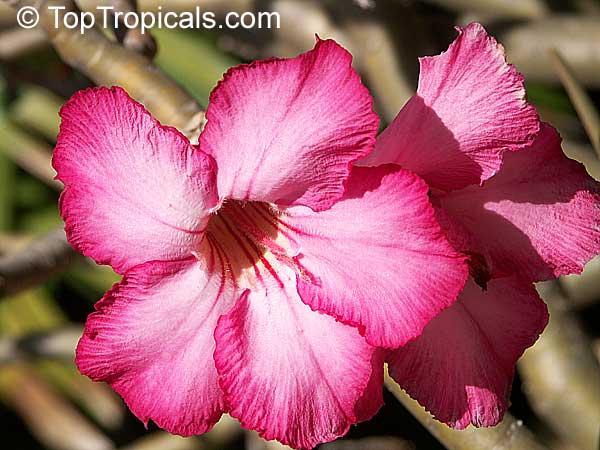
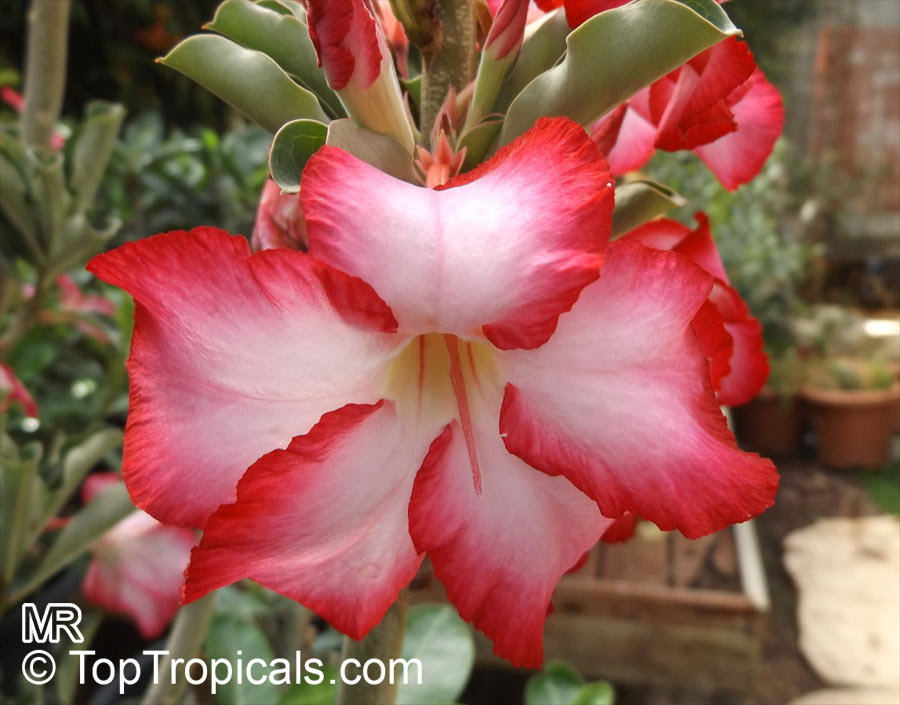
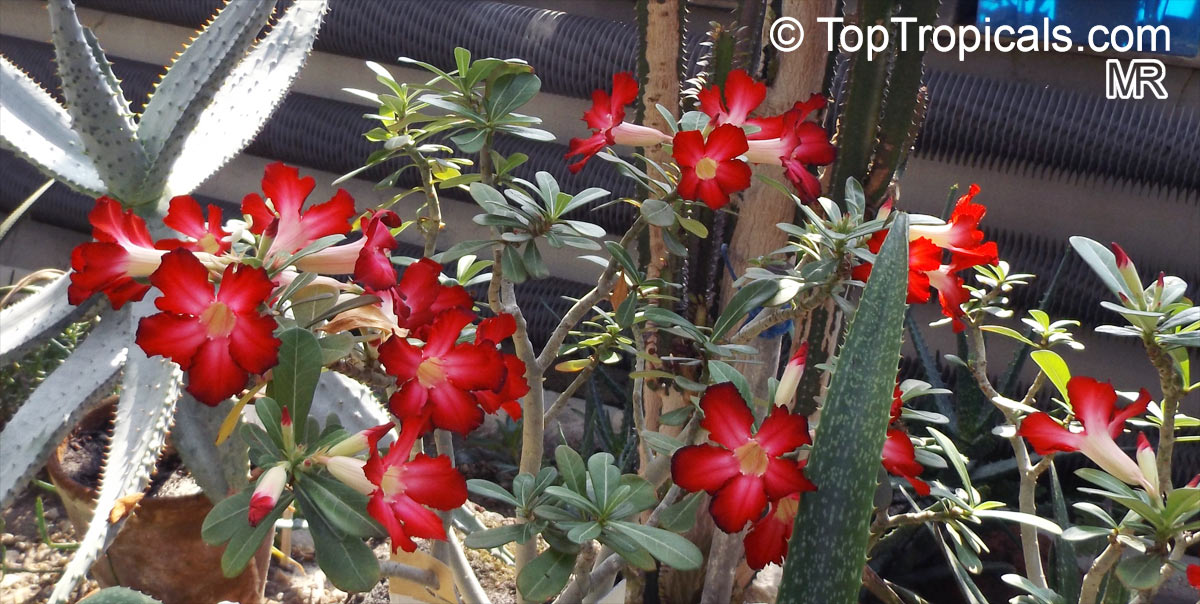
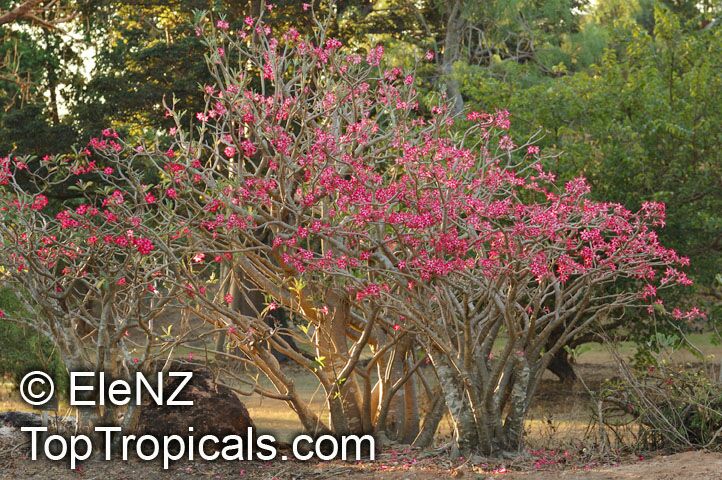
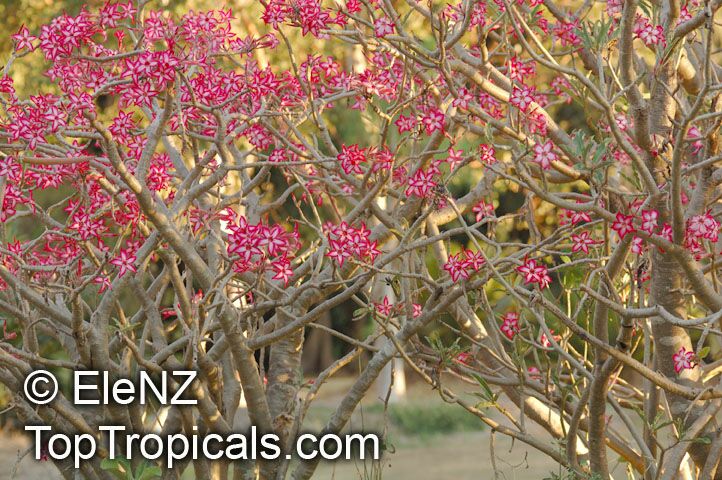
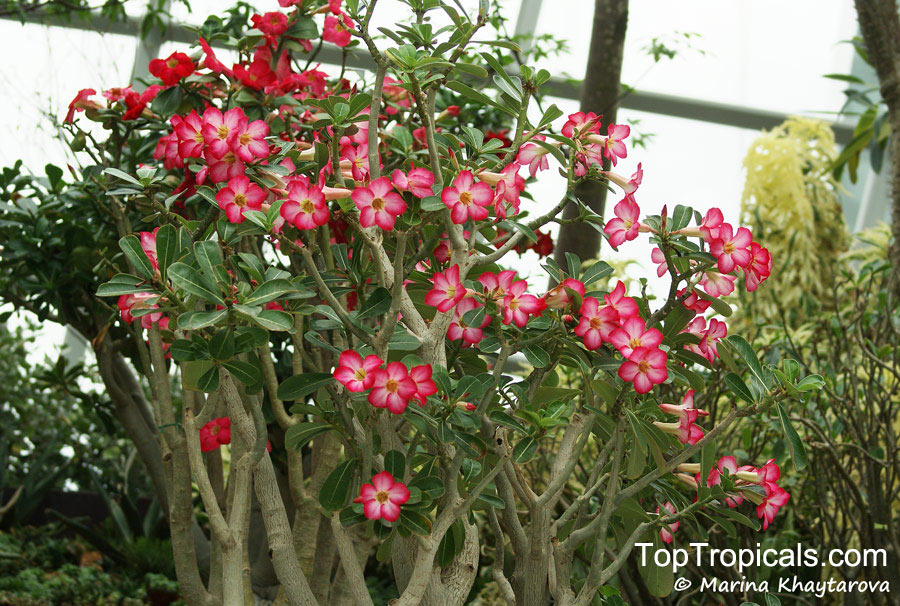
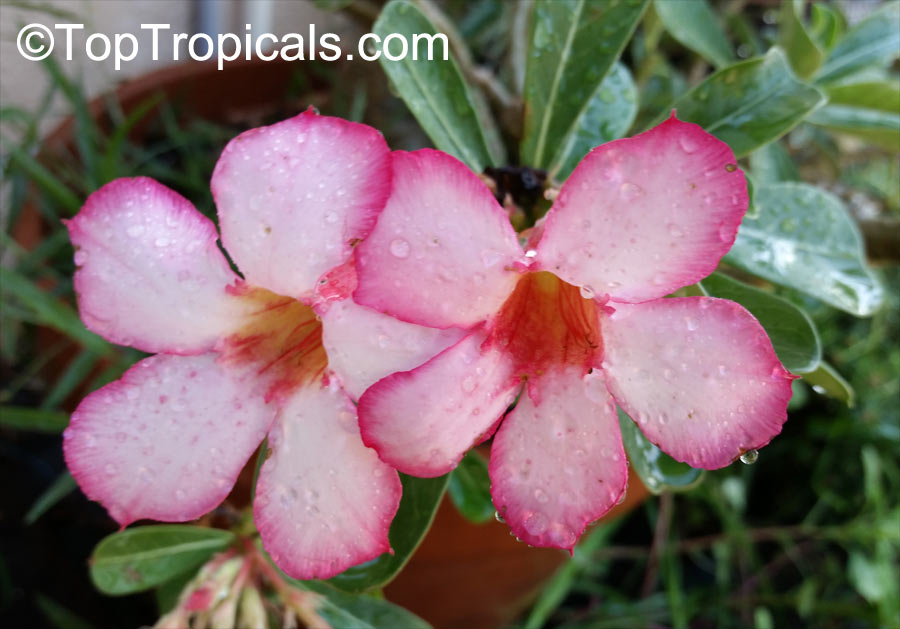
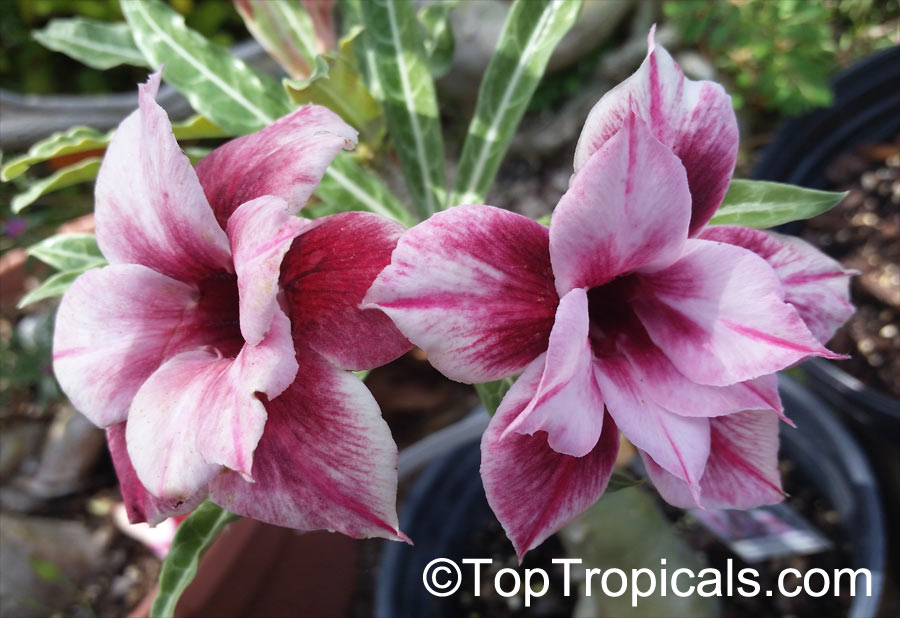
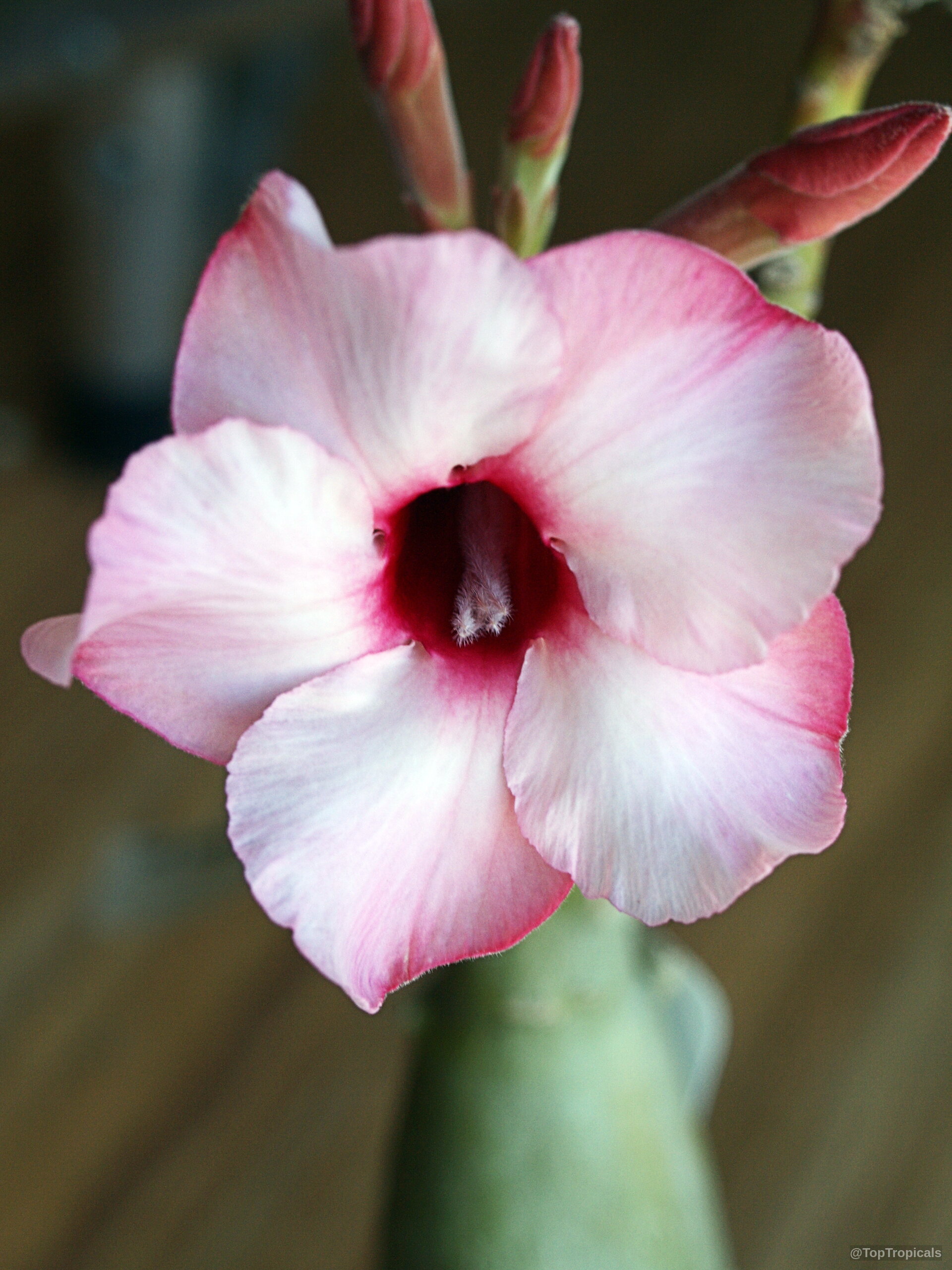
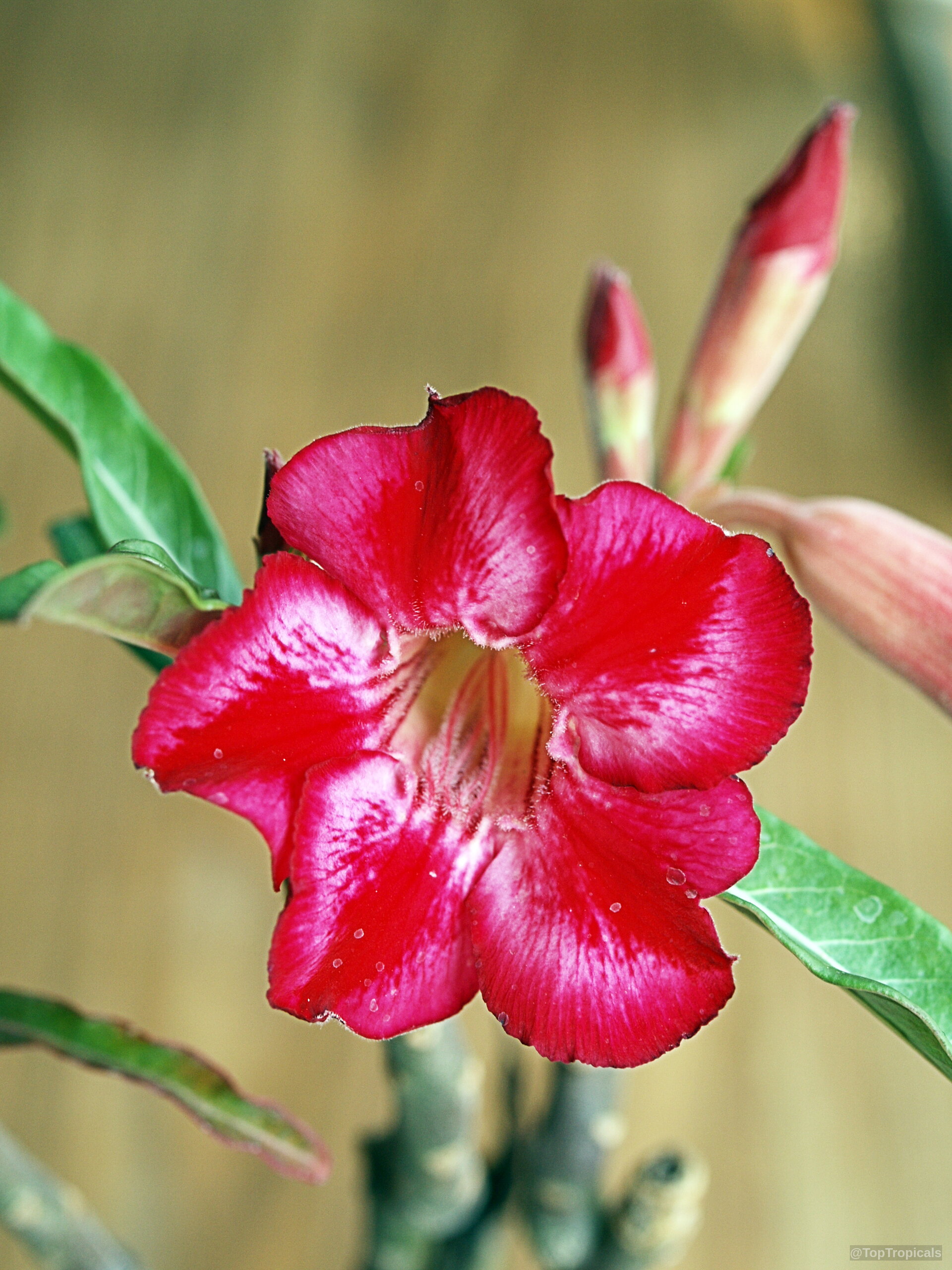
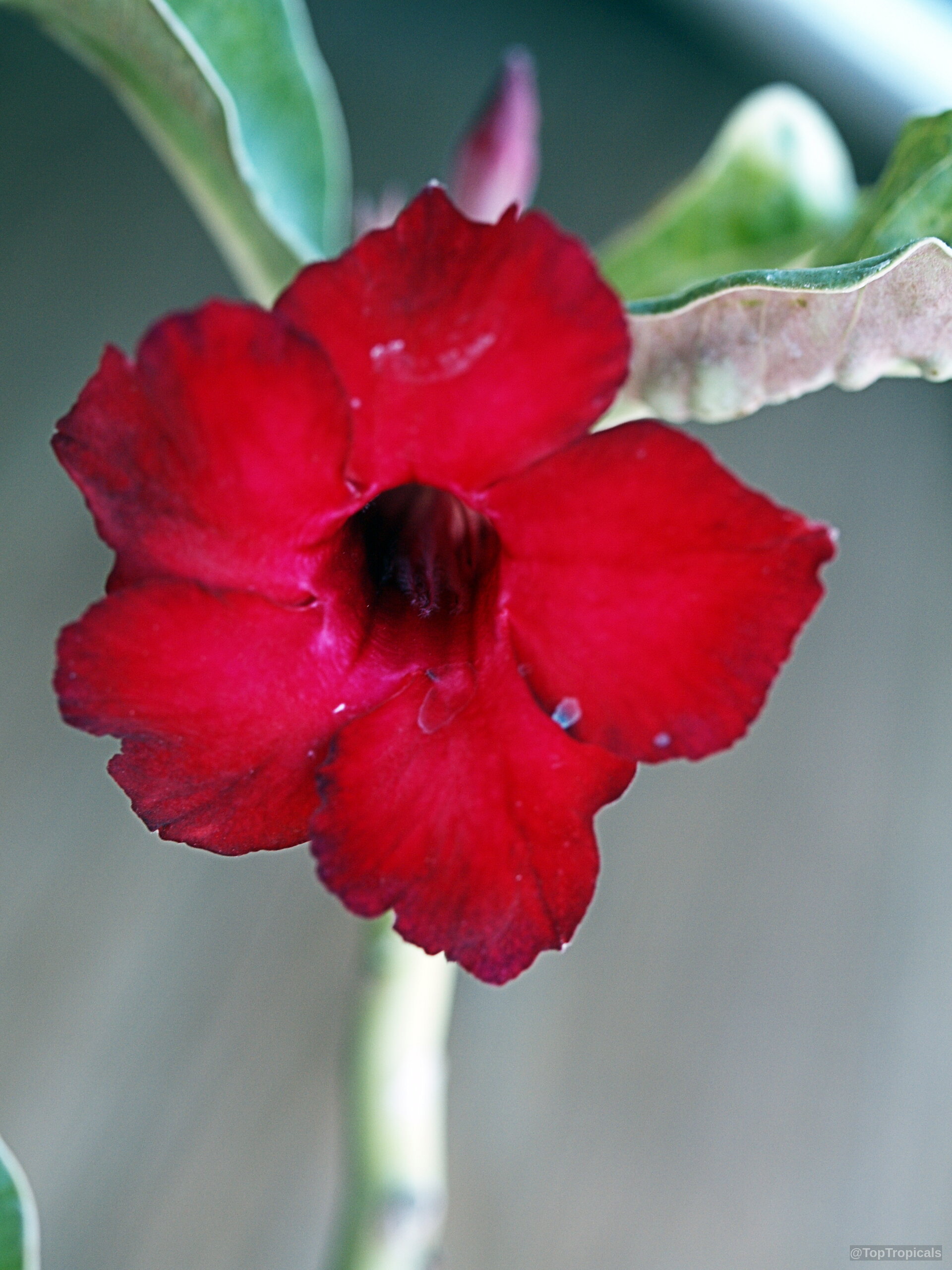
Growing to a height of about 4-5ft, this succulent plant is a member of the same family as Plumeria. Its swollen, often twisted trunk is pale gray. The leaves are glossy and club-shaped, and the flowers, which appear almost continuously, are trumpet-shaped, and range from white and bright pink to crimson red. It exudes a highly toxic sap which in some places is used as a poison for arrows. Adenium is not generally grown in moist tropical gardens but is often seen as a decorative pot plant; it may also be used in rock gardens. It needs full sun and a well-drained potting mixture. Exotic multi-color varieties can be grafted on the same plant. See other exotic species of Adenium, photo gallery of exotic varieties and Thai Adeniums - milti-colored, multi-grafted. More info about Adenium
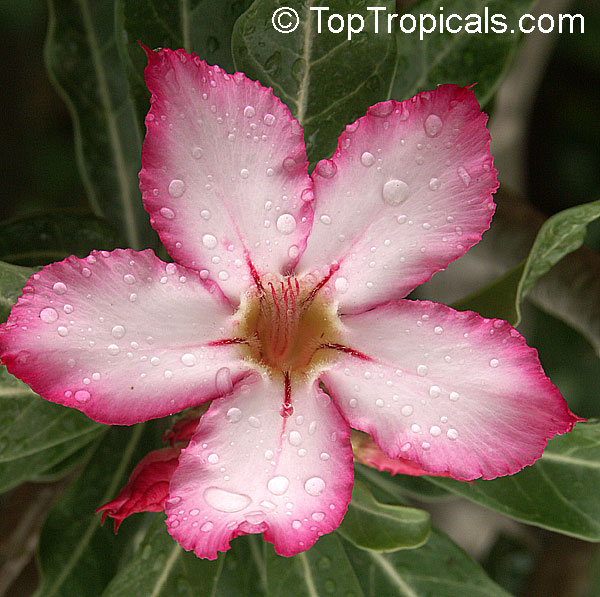
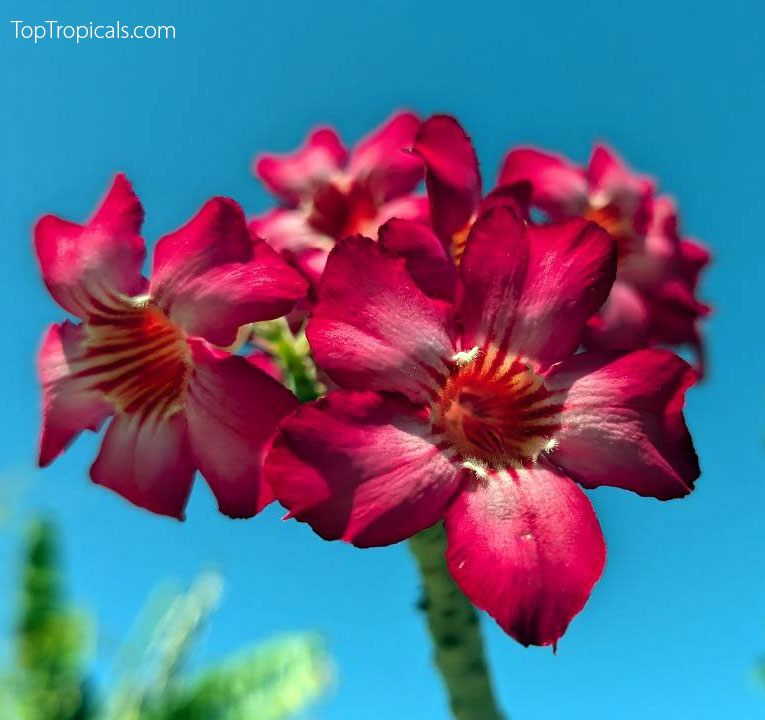
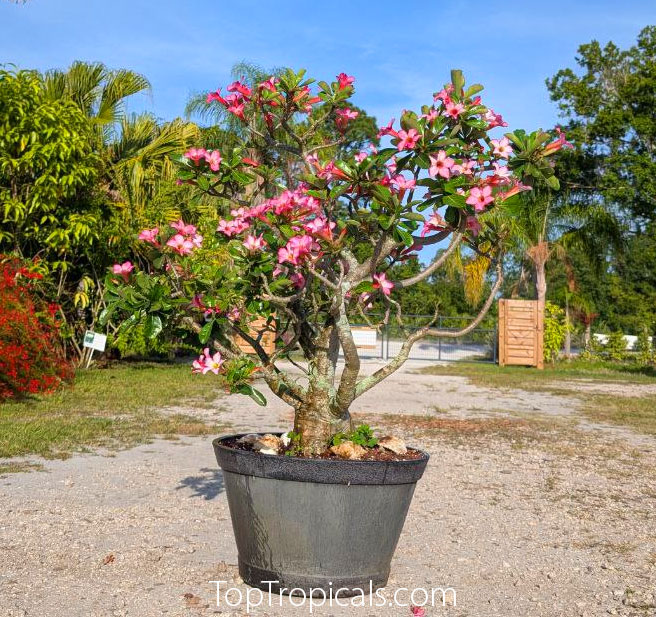
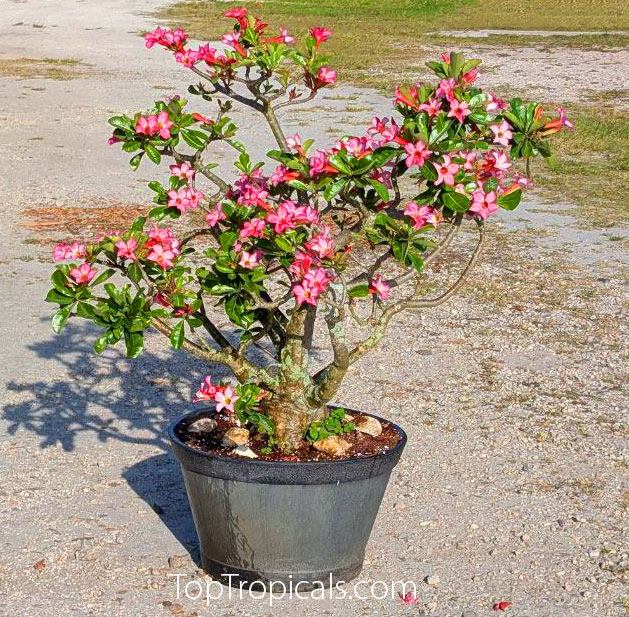
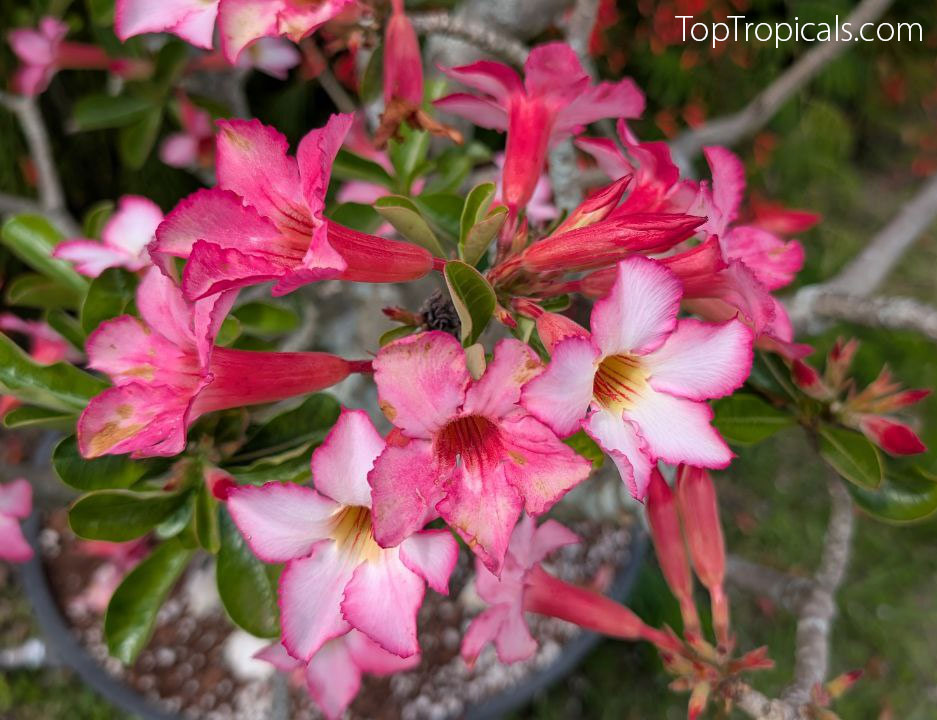
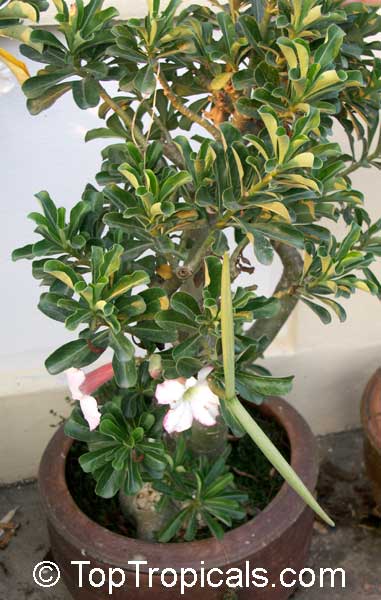
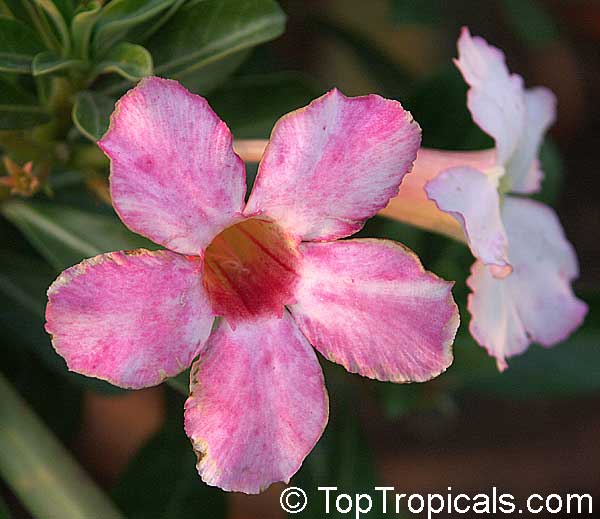
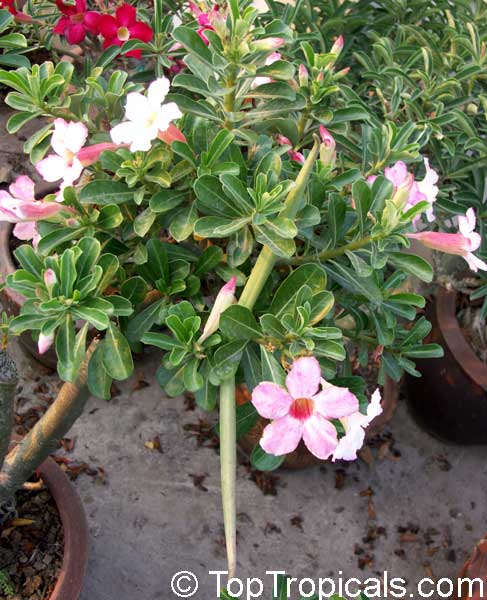
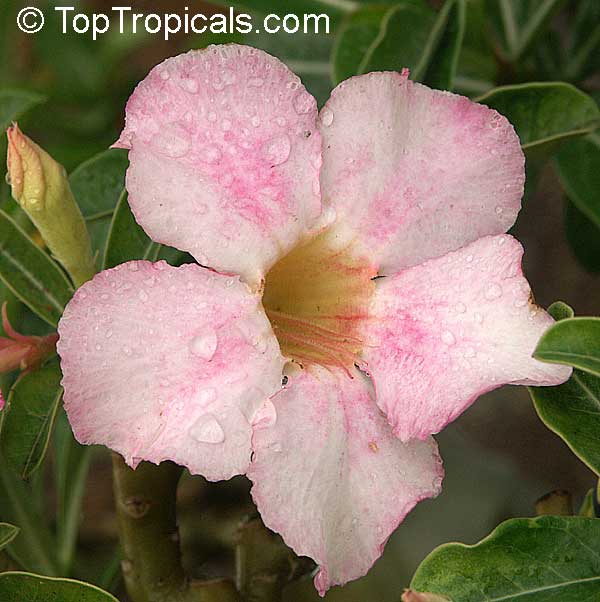
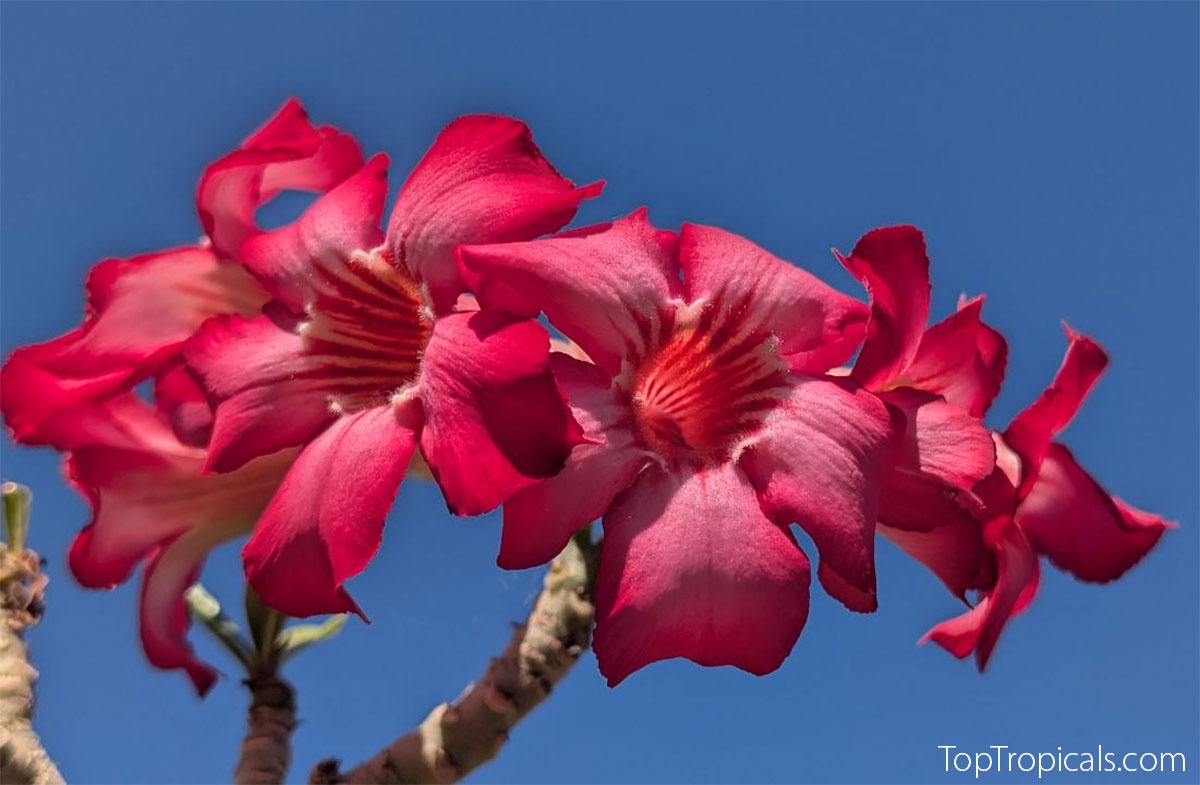
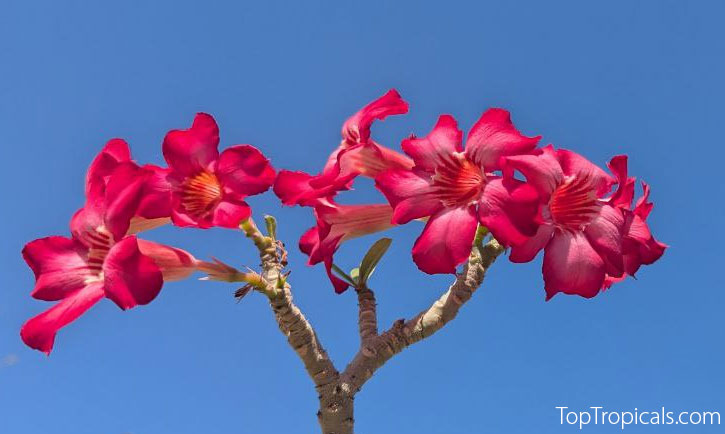
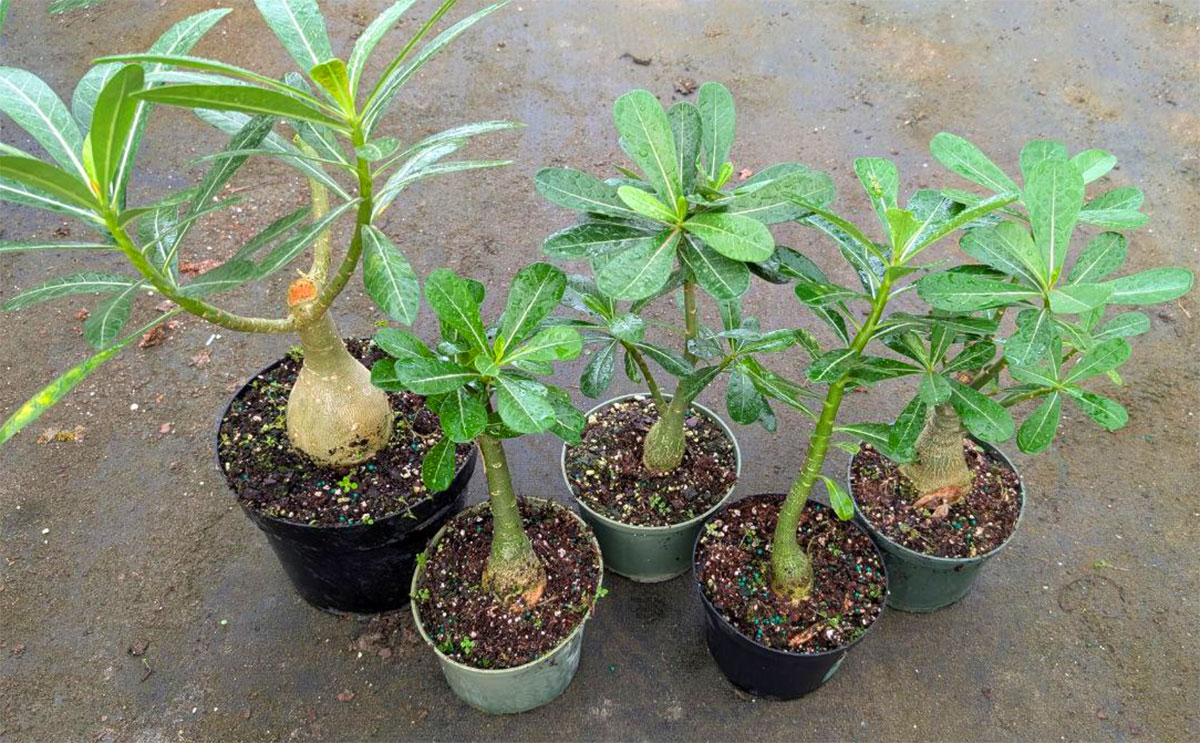
See picture of the actual size of plants for sale (sizes vary).
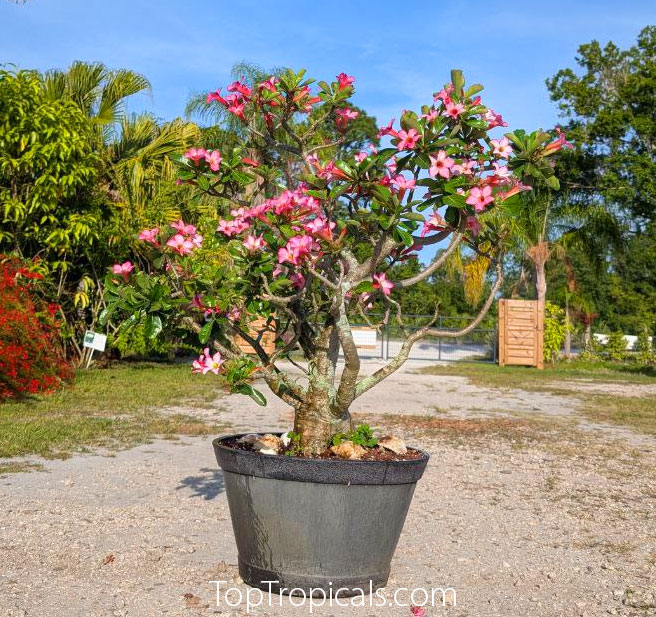
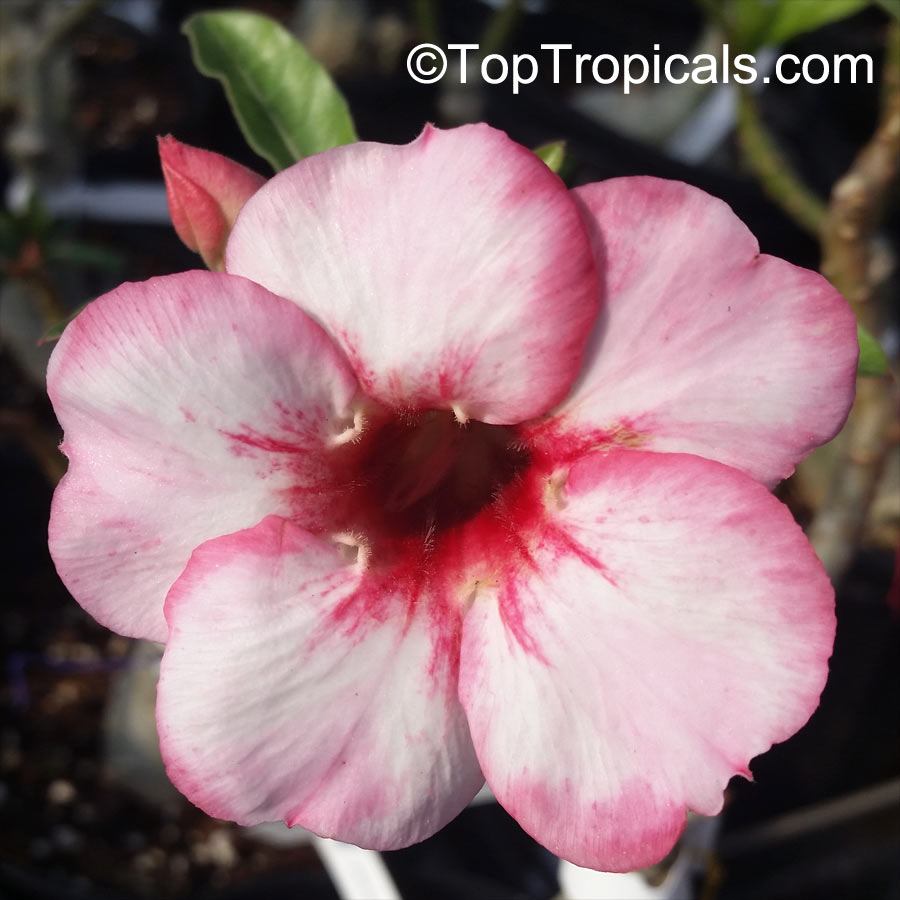
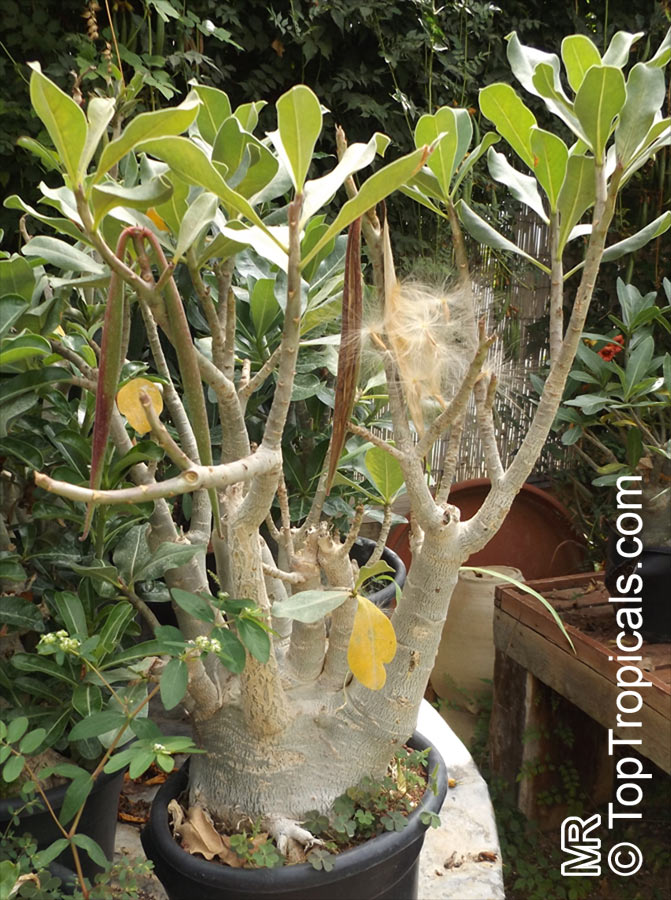
See picture of the mature plant in 5 gal pot (4 years old) and picture of flower. The plants we have for sale are 3-5 years old, in 1-2 gal pots, with large caudex, some already bloomed!
Recommended Supplies: SUNSHINE Megaflor - Bloom Nutrition Booster
SUNSHINE-Epi - Caudex booster
Adenium Soilless Mix
Botanical name: Adenium boehmianum
Common name: Desert Rose
Family: Apocynaceae
Origin: Arabia and East Africa
USDA Zone: 9-10
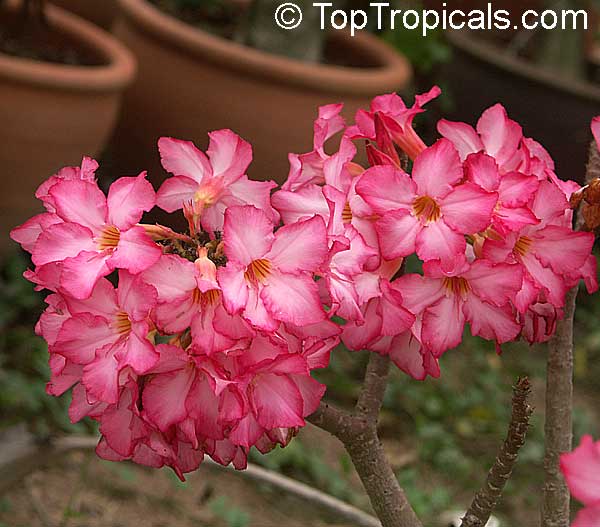
Growing to a height of about 4-5ft, this succulent plant is a member of the same family as Plumeria. Its swollen, often twisted trunk, is pale grey. The leaves are glossy, and club-shaped and the flowers, which appear almost continuously, are trumpet-shaped and range from white and bright pink to crimson red. It exudes a highly toxic sap that in some places,is used as a poison for arrows. Adenium is not generally grown in moist tropical gardens but is often seen as a decorative pot plant; it may also be used in rock gardens. It needs full sun and a well-drained potting mixture. Exotic multi-color varieties can be grafted on the same plant. See other exotic species of Adenium, photo gallery of exotic varieties and Thai Adeniums - milti-colored, multi-grafted. More info about Adenium

Botanical name: Adenium multiflorum
Common name: Desert Rose
Family: Apocynaceae
Origin: Arabia and East Africa
USDA Zone: 9-10

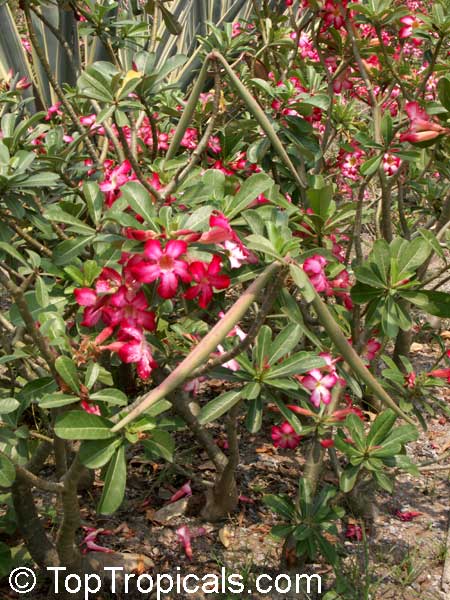
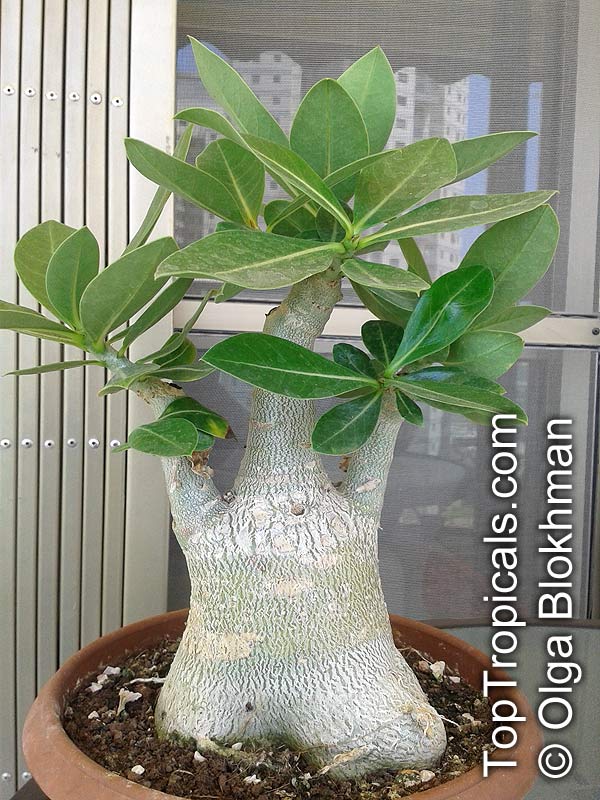
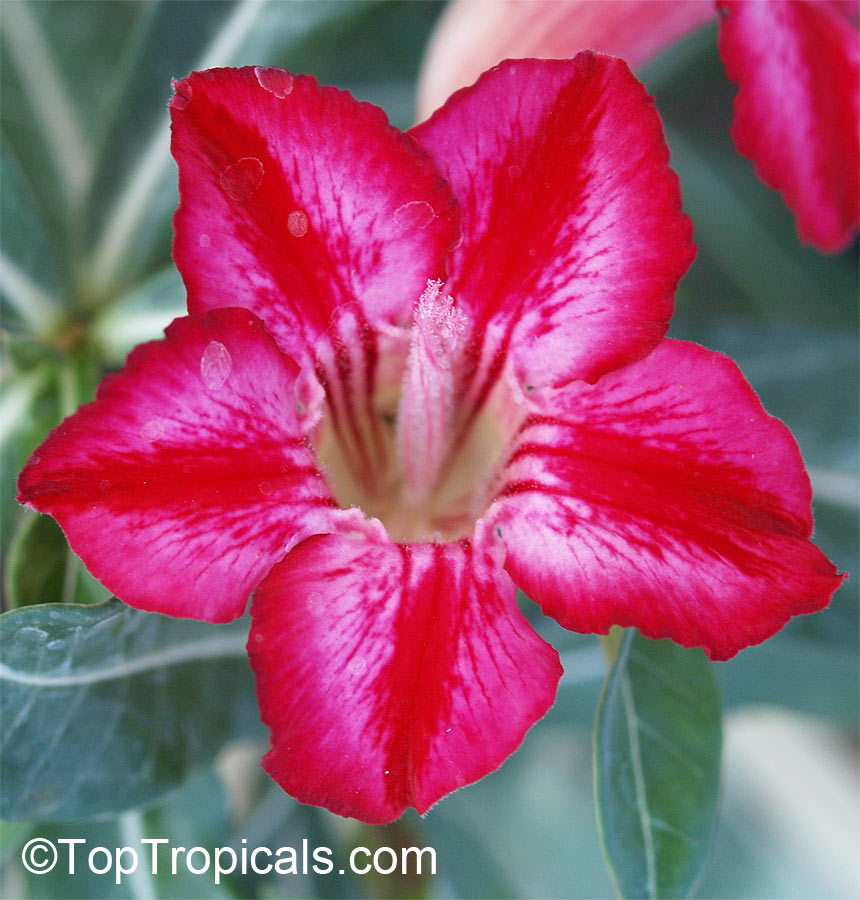
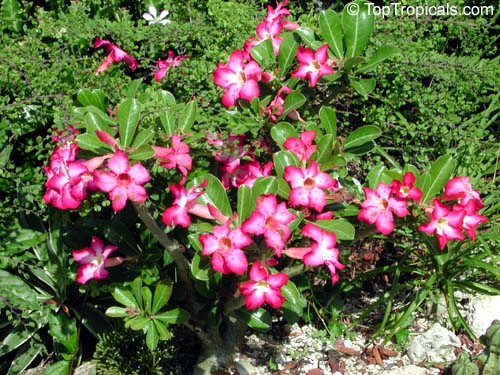
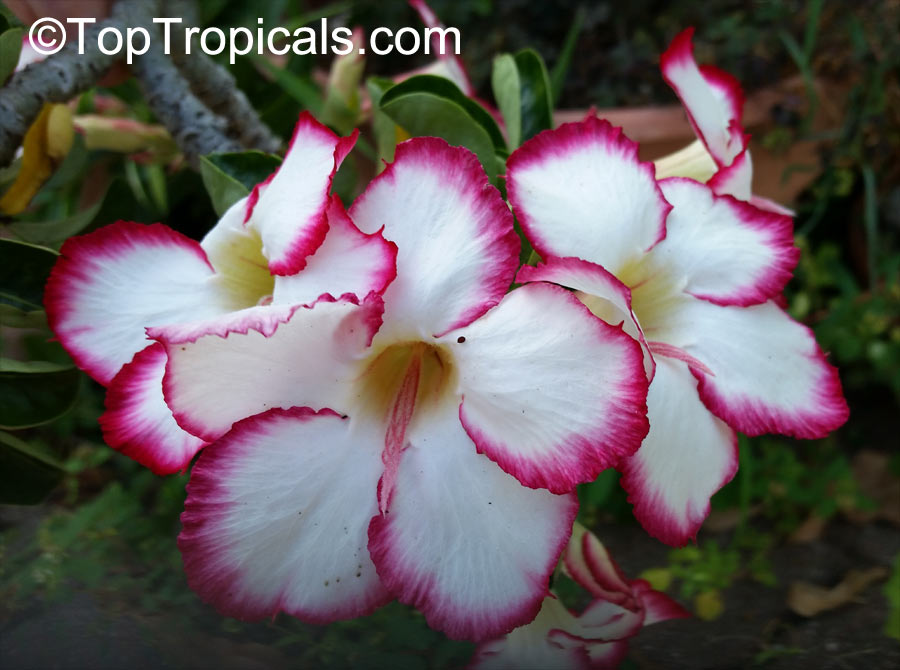
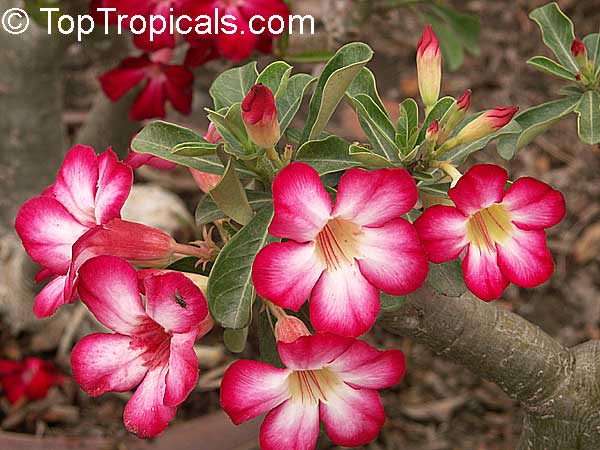
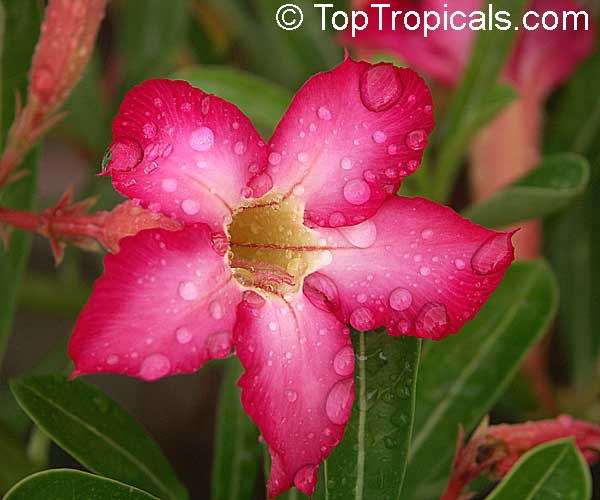
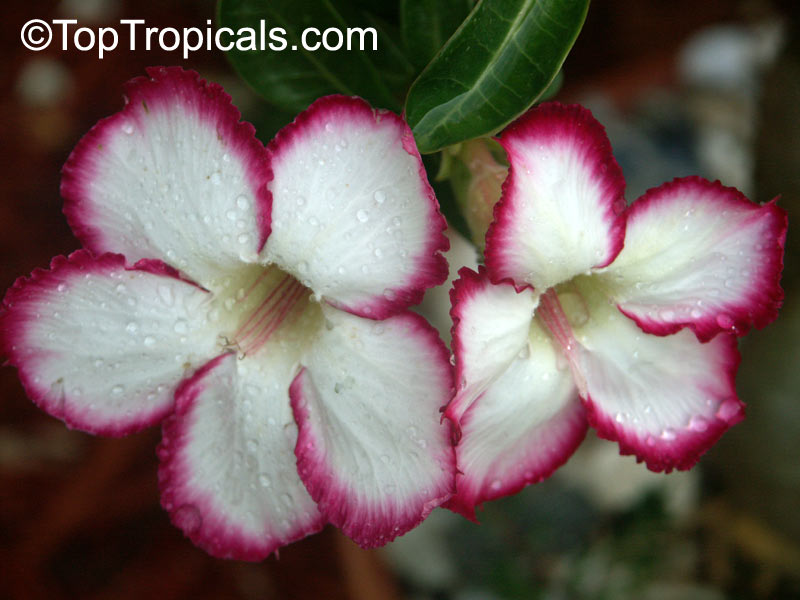
Growing to a height of about 4-5ft, this succulent plant is a member of the same family as Plumeria. Its swollen, often twisted trunk, is pale grey. The leaves are glossy and club-shaped. The flowers appear almost continuously, are trumpet-shaped, and range from white and bright pink to crimson red. It emits a highly toxic sap which in some places is used as a poison for arrows. Adeniums are not generally grown in moist tropical gardens but are often seen as a decorative pot plant; they may also be used in rock gardens. They need full sun and a well-drained potting mixture. Exotic multi-color varieties can be grafted onto the same plant. See other exotic species of Adenium, photo gallery of exotic varieties and Thai Adeniums - milti-colored, multi-grafted.
See article about Adenium.
Botanical name: Adenium obesum
Common names: Desert Rose, Impala Lily
Family: Apocynaceae
Origin: Arabia and East Africa
USDA Zone: 9-12

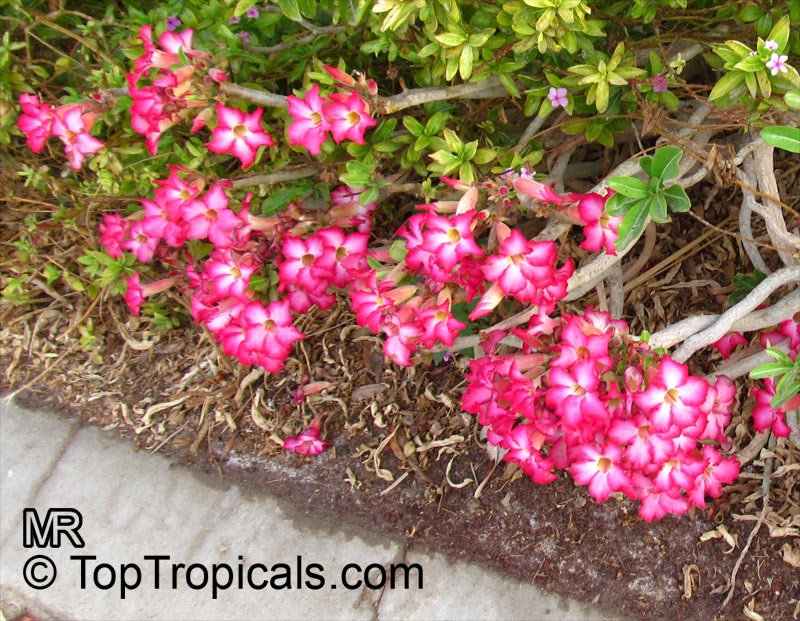
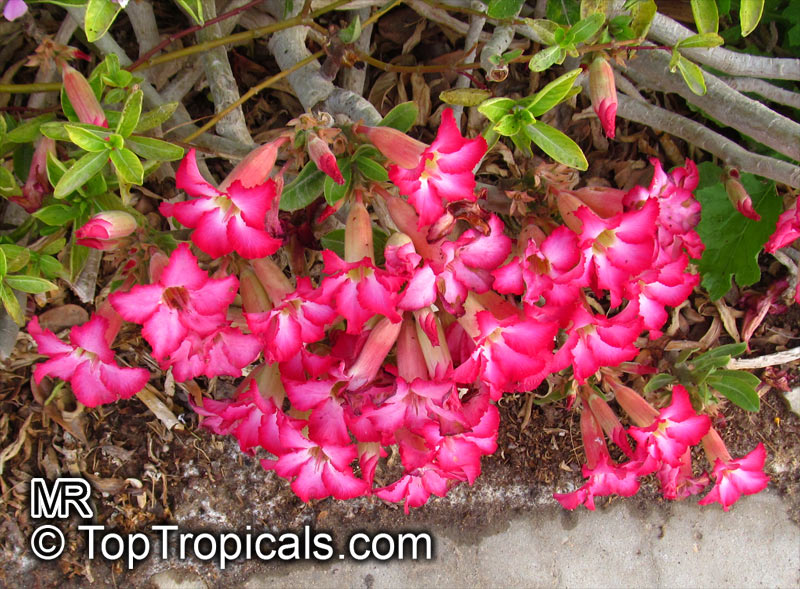
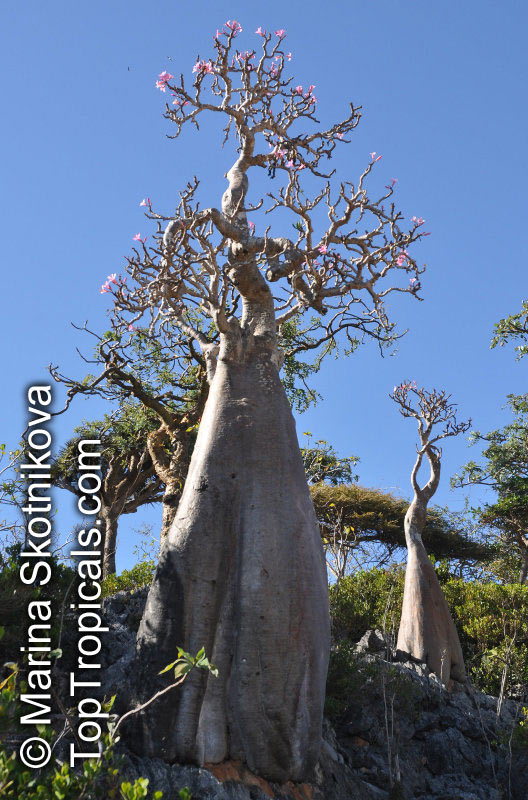
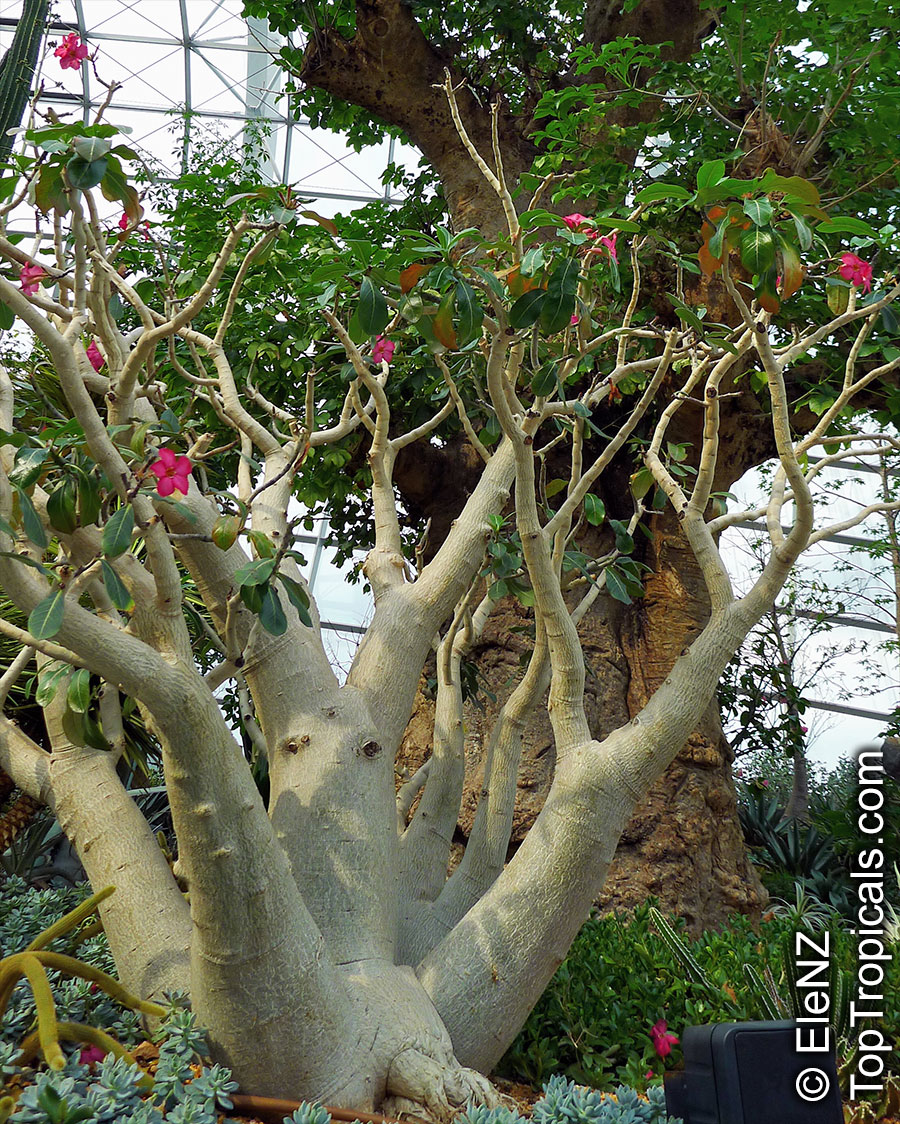
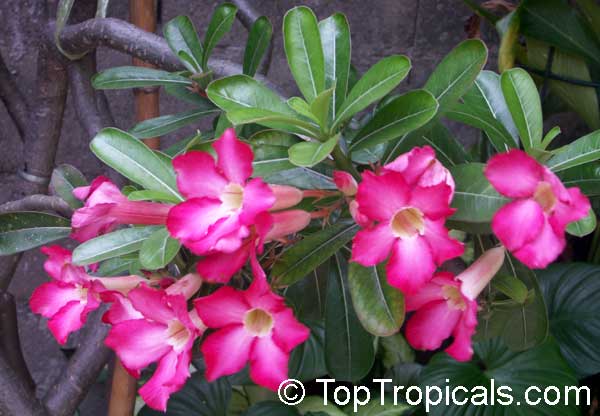
Growing to a height of about 4-5ft, this succulent plant is a member of the same family as Plumeria. Its swollen, often twisted trunk, is pale grey. The leaves are glossy, and club-shaped. The flowers appear almost continuously, are trumpet-shaped and range from white and bright pink to crimson, red. It exudes a highly toxic sap, which in some places is used as a poison for arrows. Adeniums are not generally grown in moist tropical gardens but are often seen as a decorative pot plants. They may also be used in rock gardens.They need full sun and a well-drained potting mixture. Exotic multi-color varieties can be grafted onto the same plant. See other exotic species of Adenium, photo gallery of exotic varieties and Thai Adeniums - milti-colored, multi-grafted.
See article about Adenium.





| Next | |
Use link to repeat this search:
https://toptropicals.com/cgi-bin/garden_catalog/cat.cgi?search_op=and&keyword_op=and&language=e&number=10&no_change_lang=1
&v1=cdx&user=tt&sale=1&first=0