Thyme - Plant Encyclopedia Results
| Number of plants found: 17 | Next | 
|
Go to page: | 1 | 2 |
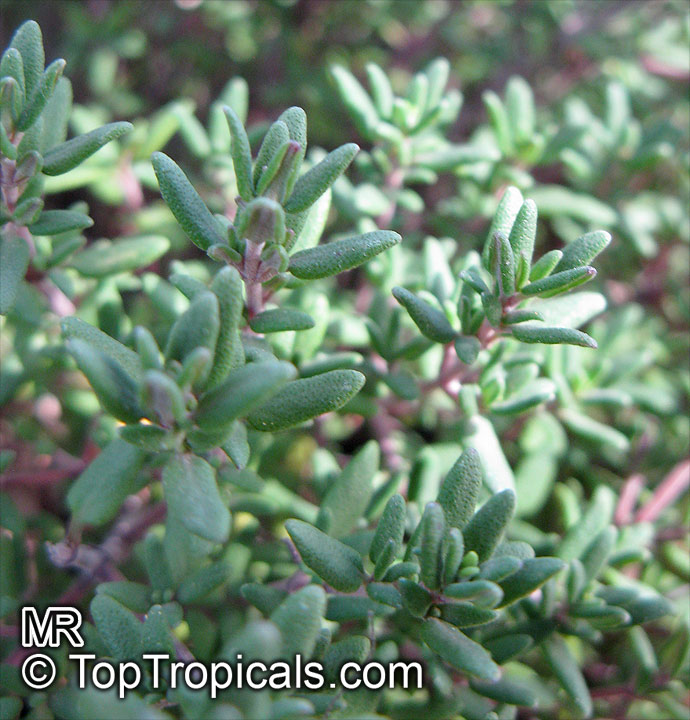
Botanical name: Thymus vulgaris
Common name: Garden Thyme
Family: Lamiaceae
Origin: Southern Europe
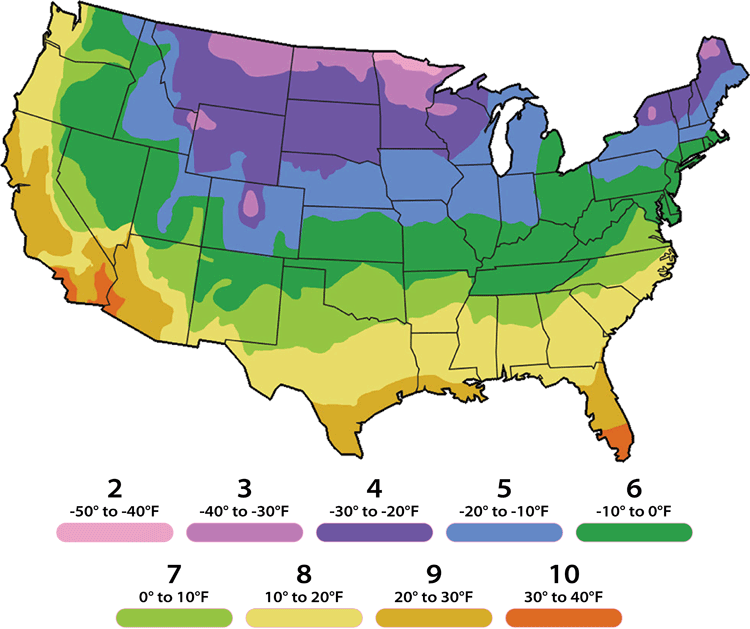
USDA Zone: 5-9


Thymus vulgaris is a bushy, low-growing herbaceous perennial. Can be grown in USDA Zone 5-9. It flourishes best in full sun and should remain healthy and pest-free with regular water. The leaves are green and furry, and produce clusters of tiny white, off-white, blue, lavender, or purple fragrant flowers from summer to early fall. Thyme is also well known for its ethnomedical properties and use as a spice or herb.
Growing thyme in a pot is the most viable option in cooler areas, as it can be moved indoors during prolonged periods of snow and frost. When pot-growing thyme, the moist, well-drained soil, reduce watering in winter to prevent root-rot.
Overall, Thymus vulgaris is a striking, fragrant and rewarding plant, a great addition to any herb garden that rewards with foliage and delicate flowers all summer long. Not only is it aesthetically pleasing but also provides culinary and medical uses. It is easy to maintain and incorporate into your garden or natural border and can even thrive in cooler climates with a little extra care.
Thyme is an important spice of European cuisines, especially in South Europe. It is especially typical for France, where fresh branches of thyme, tied up into bundles together with other fresh herbs, are added to soups, sauces and stews, being removed before serving.
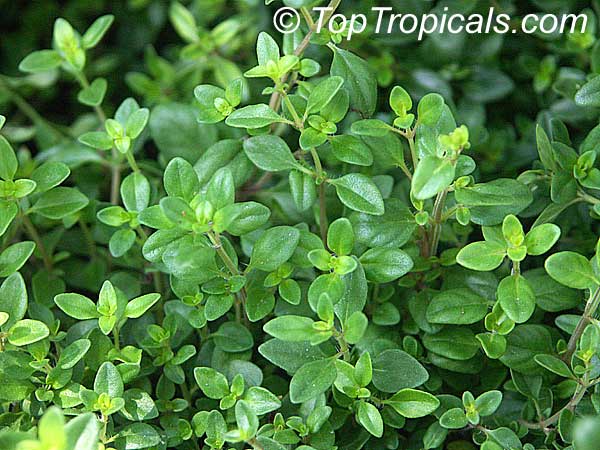
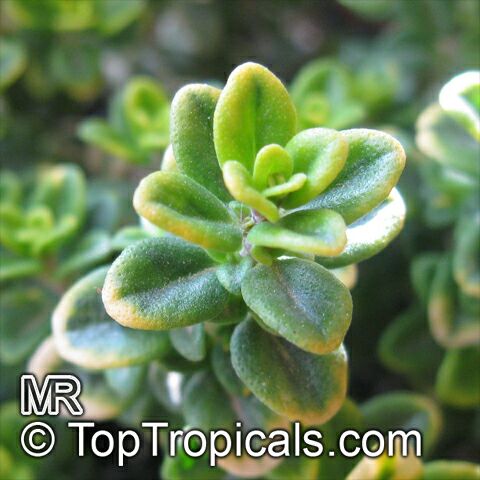
Botanical name: Thymus citriodorus
Common name: Lemon Thyme
Family: Lamiaceae
USDA Zone: 4-10


Hybrid of Thymus pulegioides x Thymus vulgaris.
Besides being an ornamental beauty, the leaves taste as great as they smell. It is often recommended for baked fish, in marinades, fried vegetables, fruit salad, custards.
It contains a fragrant oil, thymol, that repels aphids and moths and so can be grown beneficially next to plants plagued by these insects.
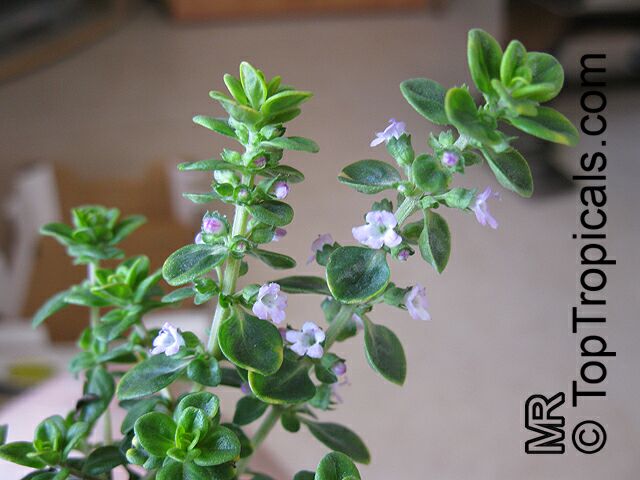
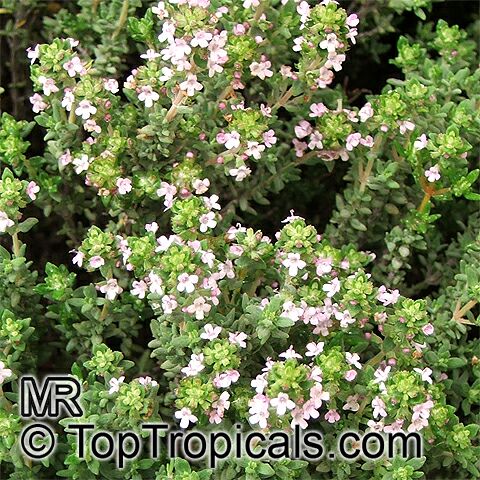
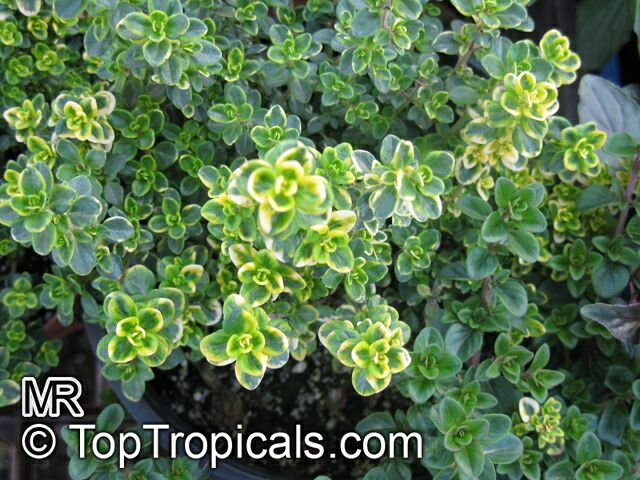
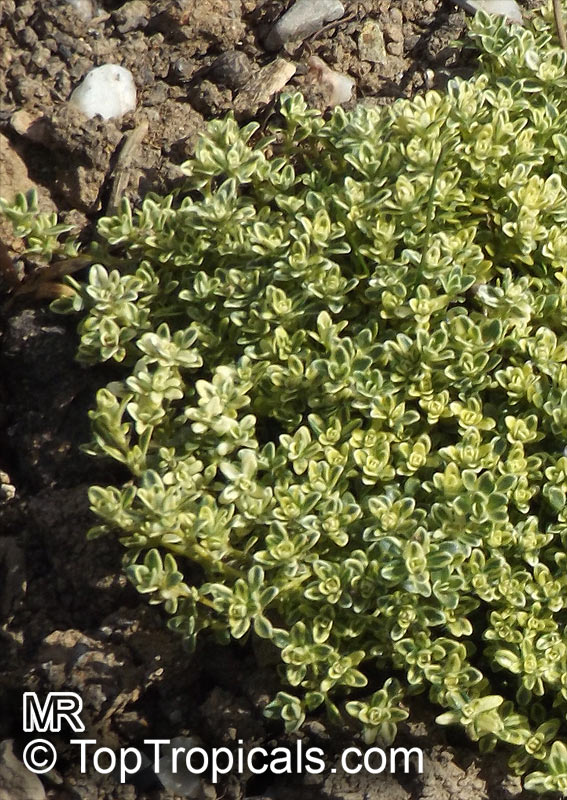
Botanical name: Thymus praecox
Common name: Creeping Thyme
Family: Lamiaceae
Origin: Europe
USDA Zone: 5-9

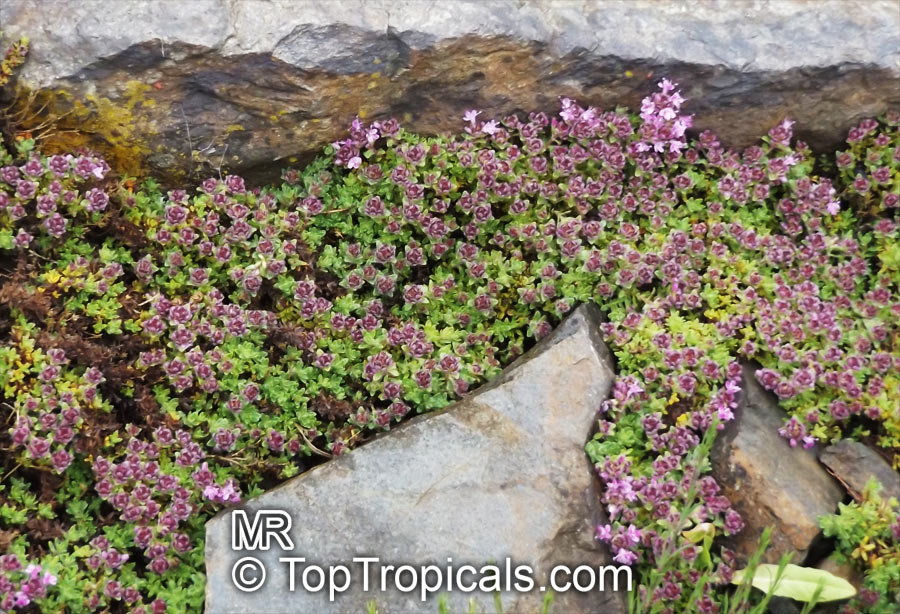
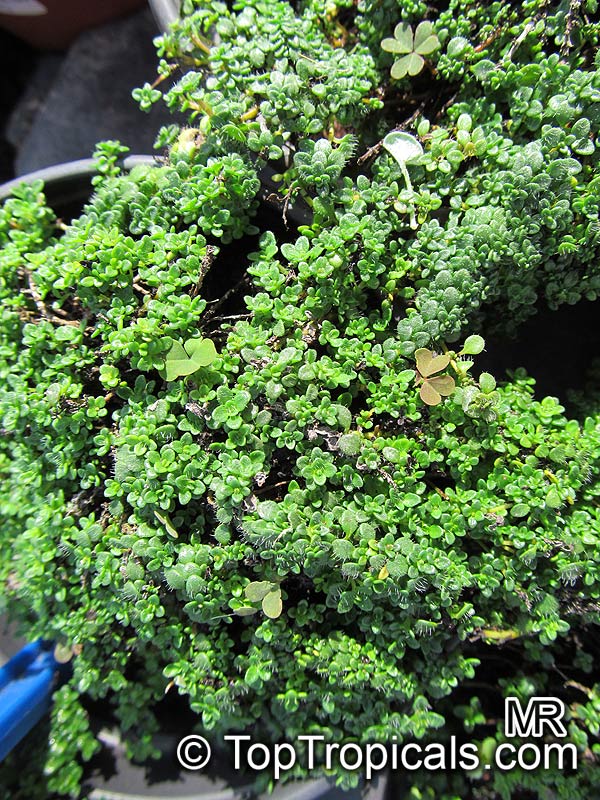
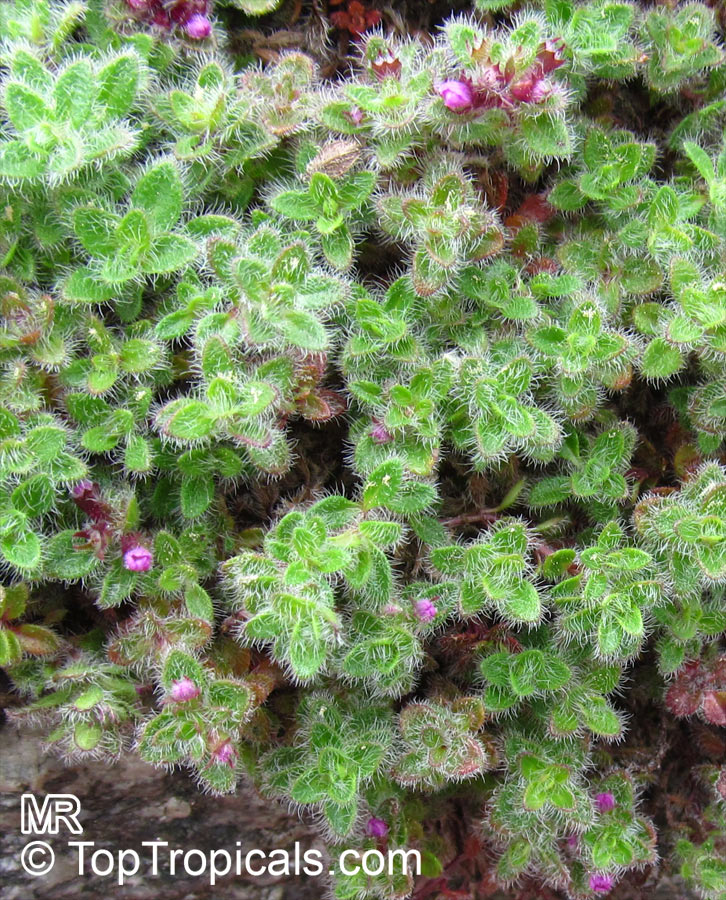
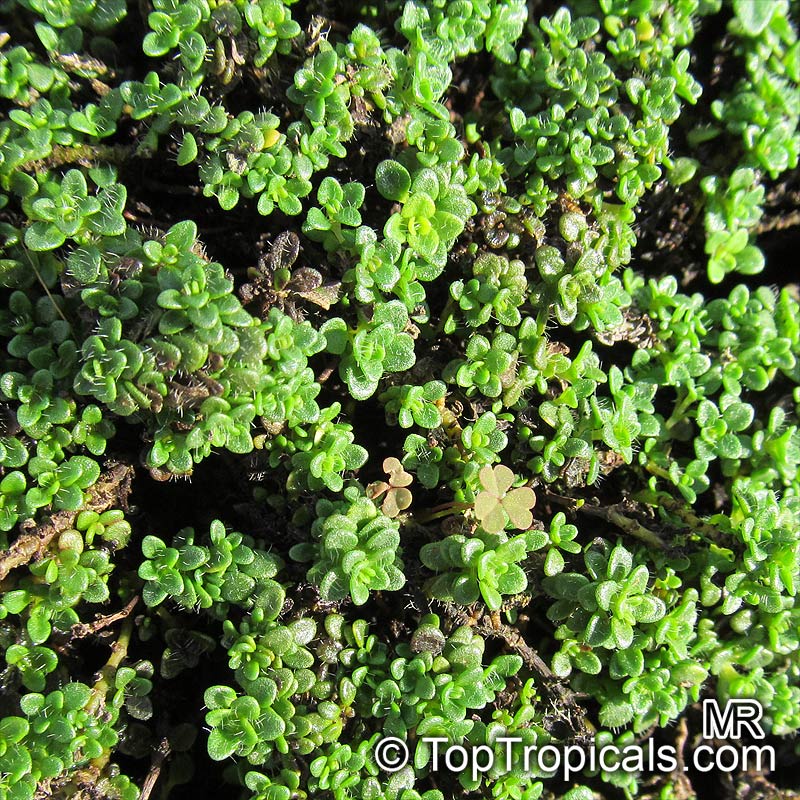
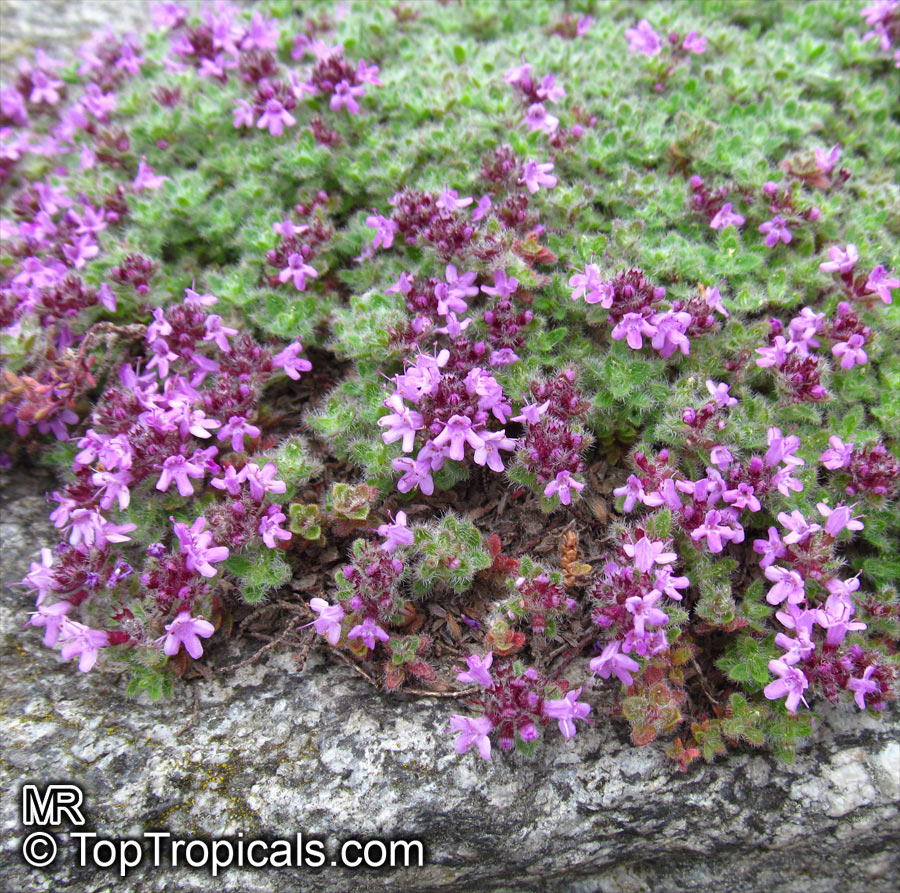
Thymus praecox is a creeping dwarf evergreen shrub with woody stems and a taproot. It forms matlike plants that root from the nodes of the squarish, limp stems. Creeping and mounding variants of Thymus praecox are used as border plants and ground cover around gardens and stone paths. It is rather similar to Thymus serpyllum.
Botanical name: Thymus pulegioides
Common names: Broad-leaved Thyme, Lemon Thyme
Family: Lamiaceae
Origin: Europe
USDA Zone: 4-8
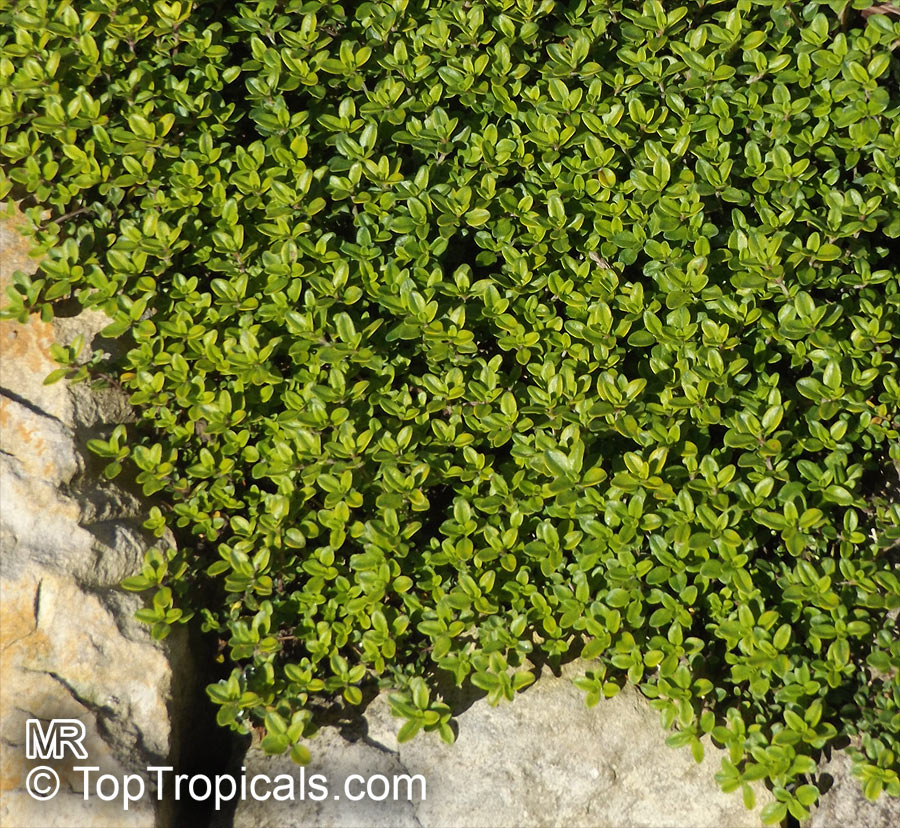
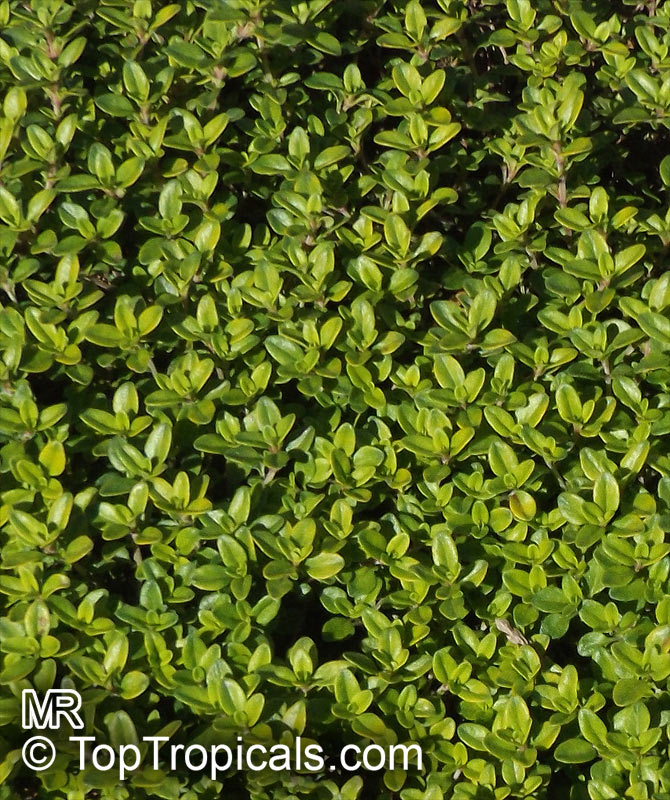
Thymus pulegioides is a creeping dwarf evergreen shrub with woody stems and a taproot. It is rather similar to Thymus serpyllum but it is larger, the leaves are wider and all the stems form flowering shoots.
Botanical name: Thymus serpyllum
Common names: Wild Thyme, Creeping Thyme
Family: Lamiaceae
Origin: Europe, North Africa
USDA Zone: 4-10
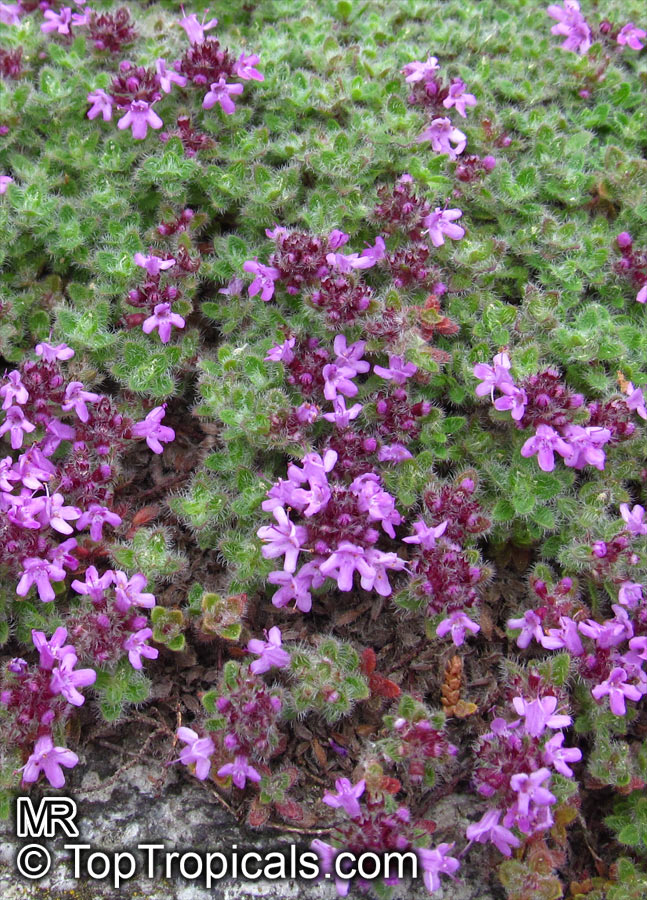
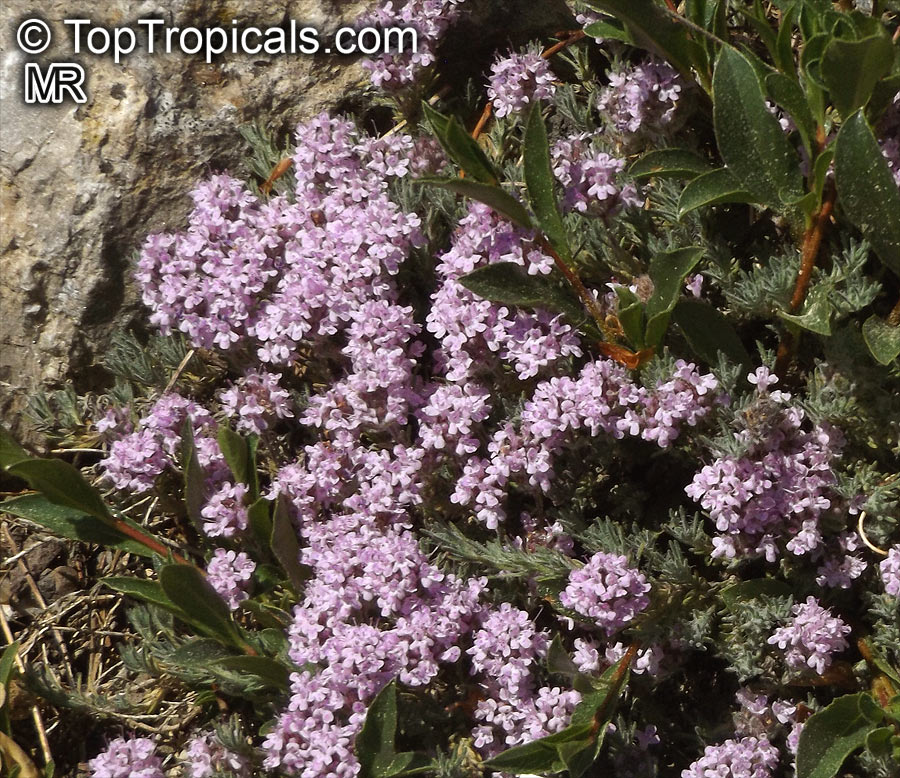
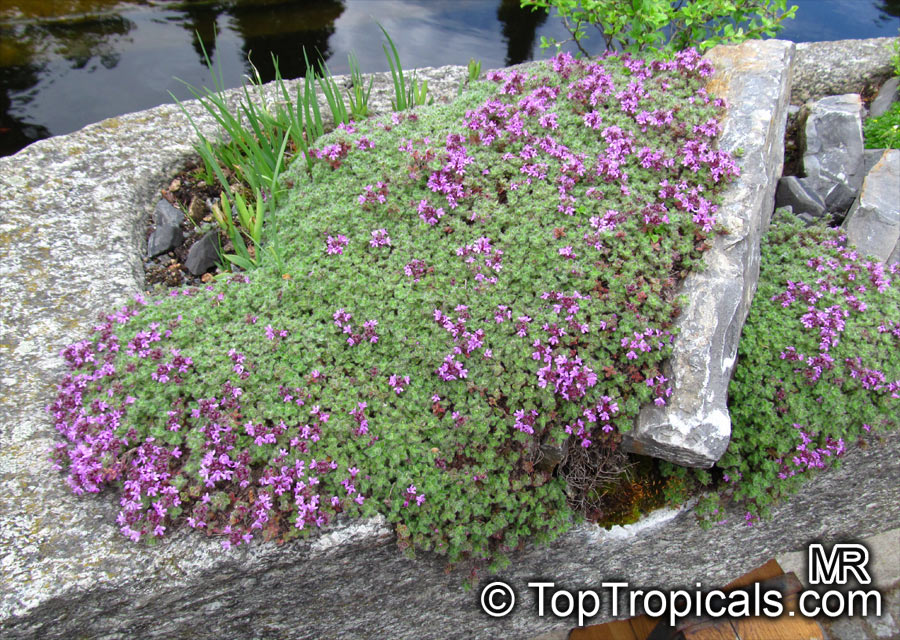
Thymus serpyllum is a creeping dwarf evergreen shrub with woody stems and a taproot. It forms matlike plants that root from the nodes of the squarish, limp stems. Creeping and mounding variants of Thymus serpyllum are used as border plants and ground cover around gardens and stone paths. Thymus serpyllum is an important nectar source plant for honeybees.
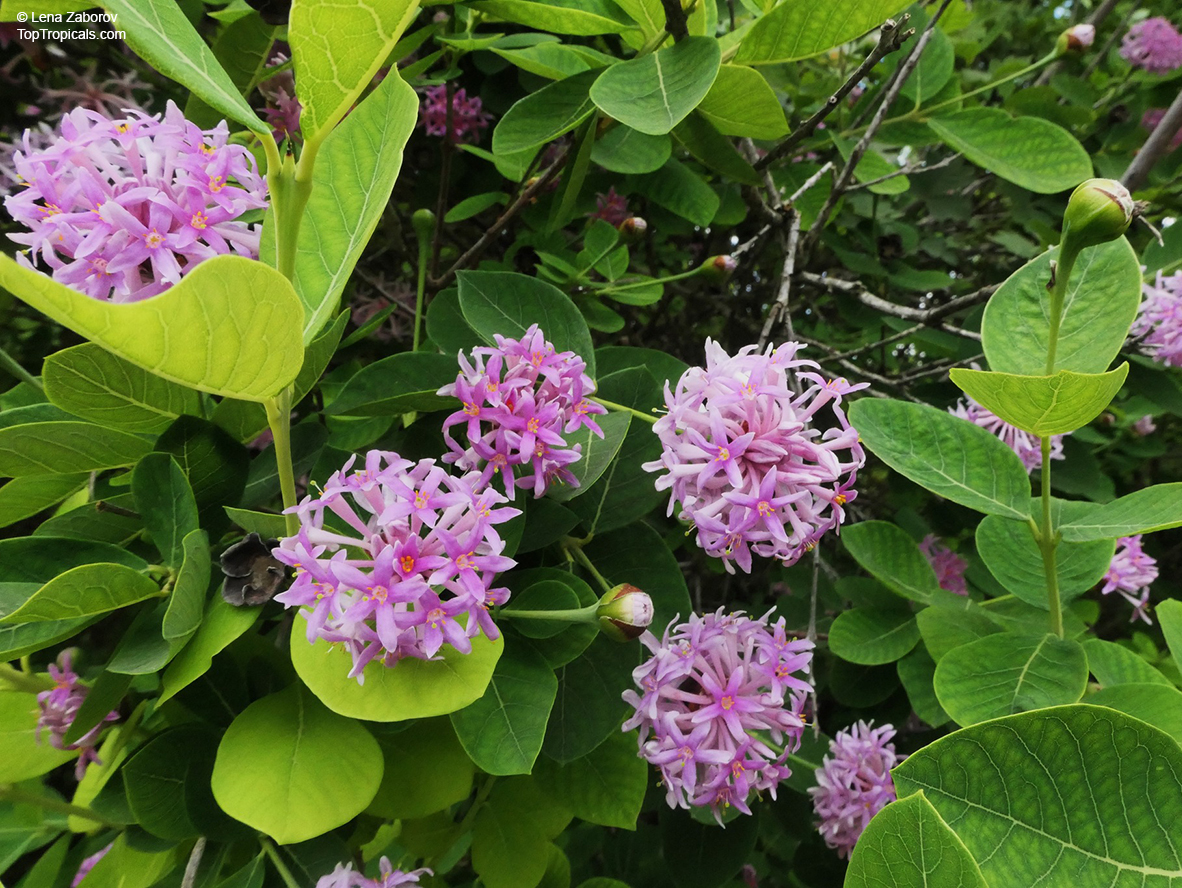
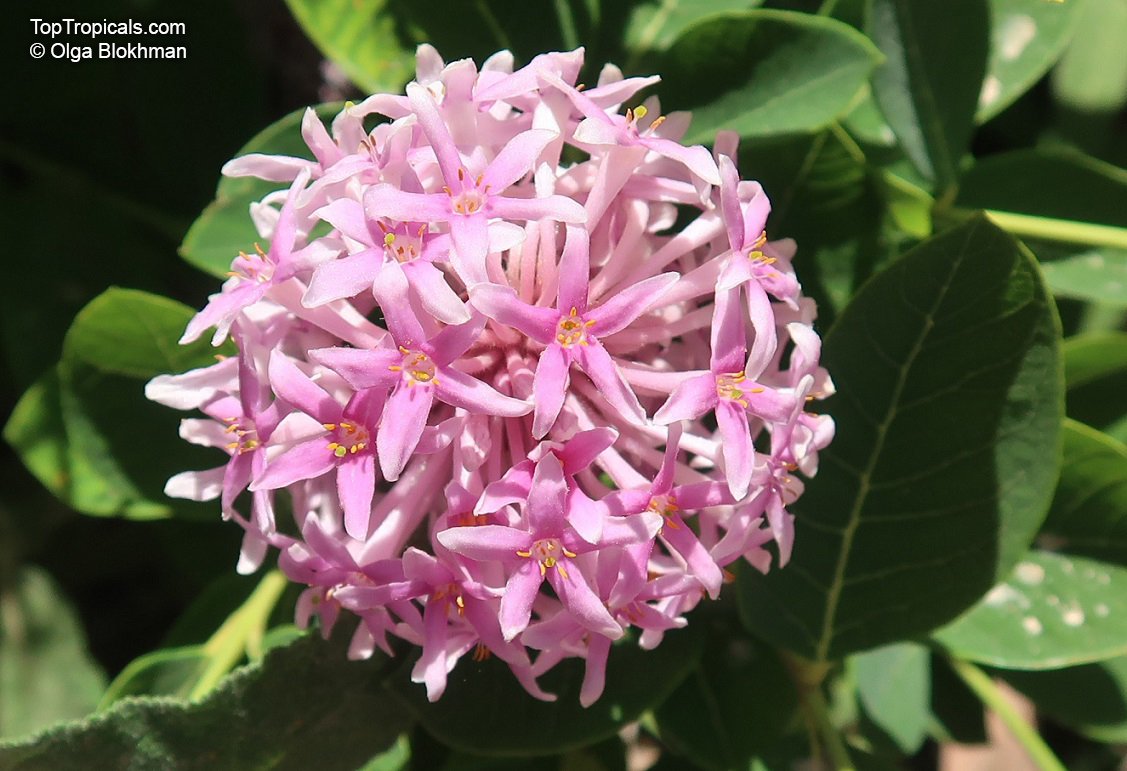
Botanical name: Dais cotinifolia
Common names: Pompon tree, Pincushion tree, Kannabast
Family: Thymelaeaceae
Origin: South Africa
USDA Zone: 9-11


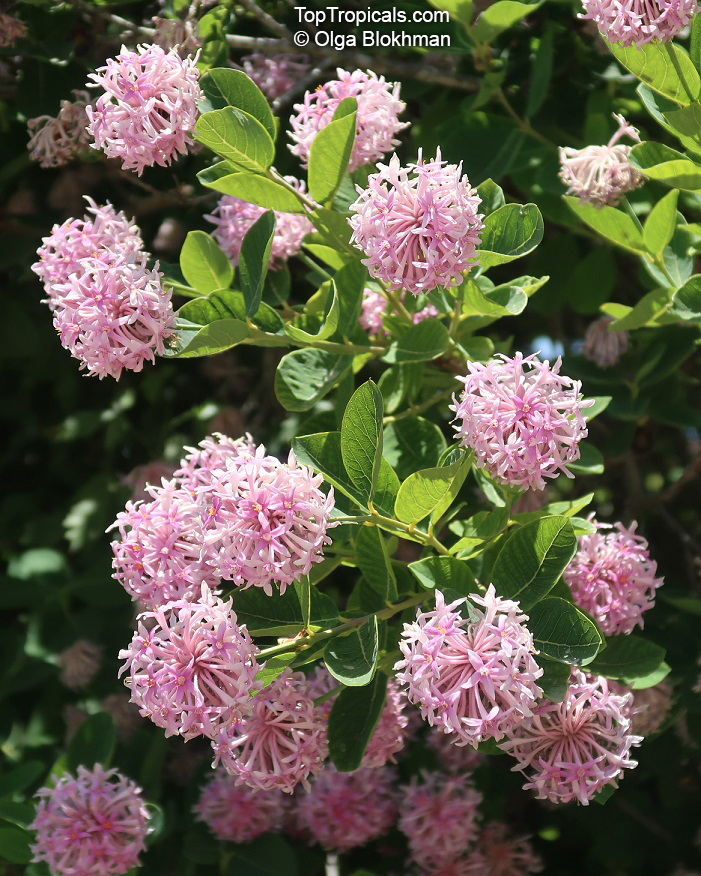
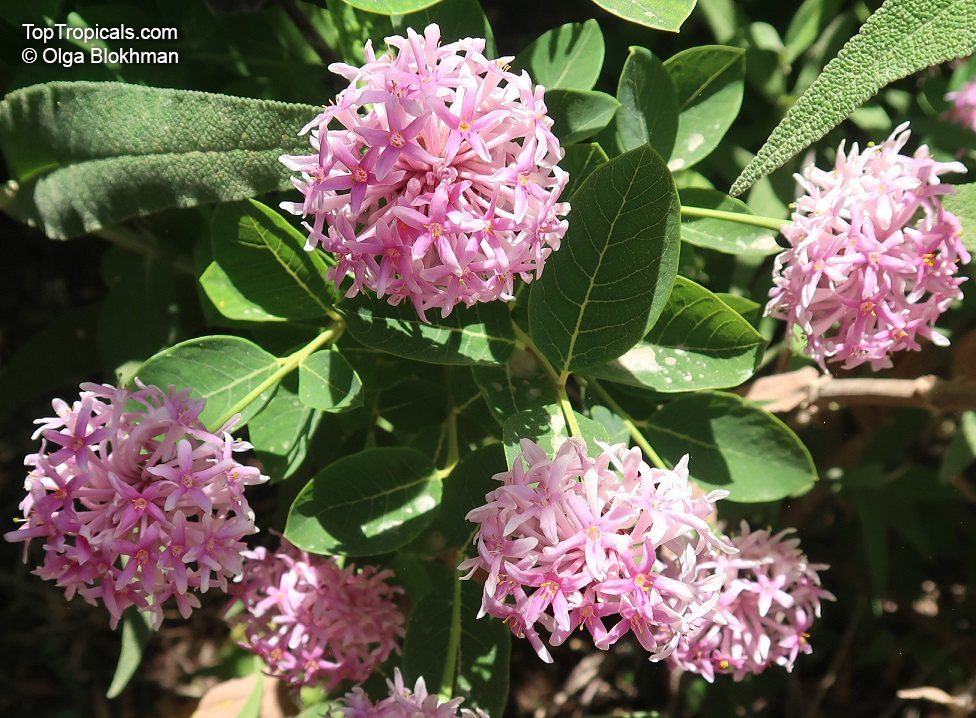
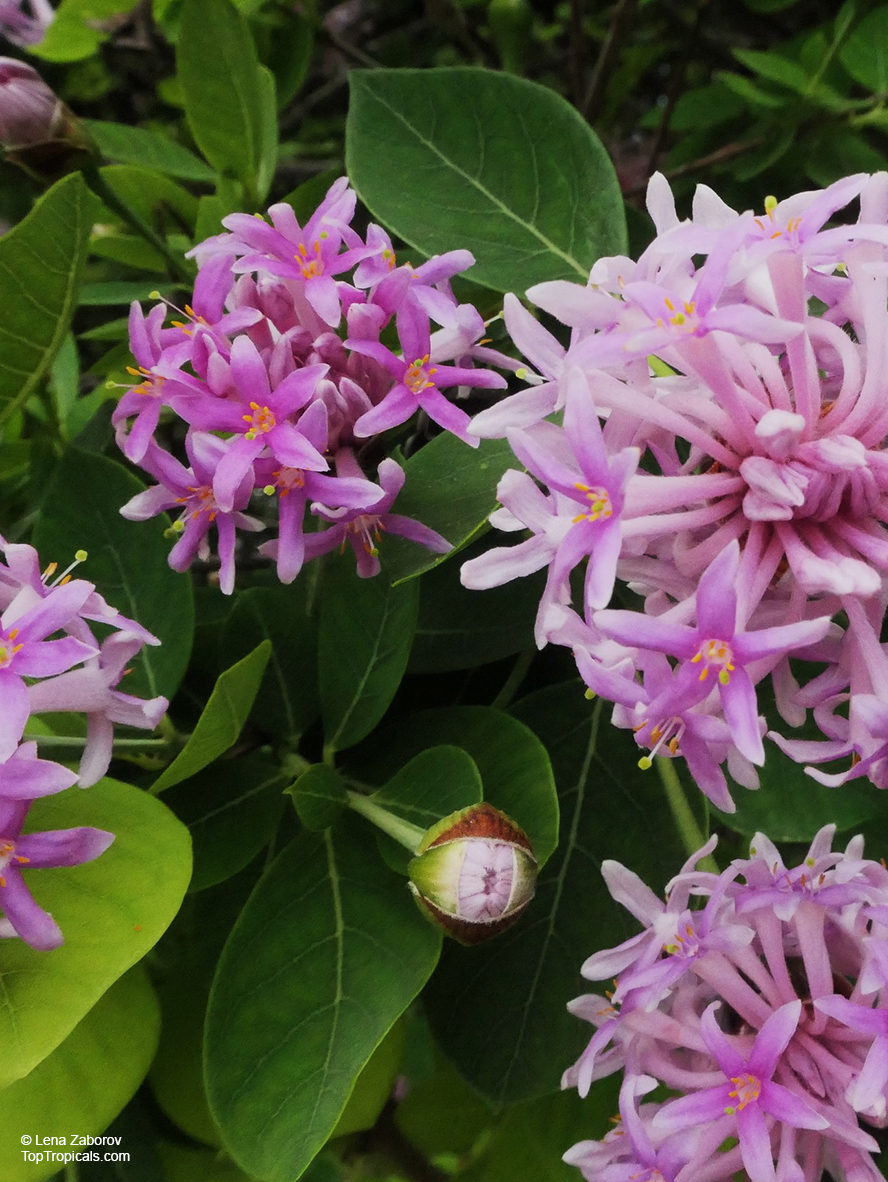
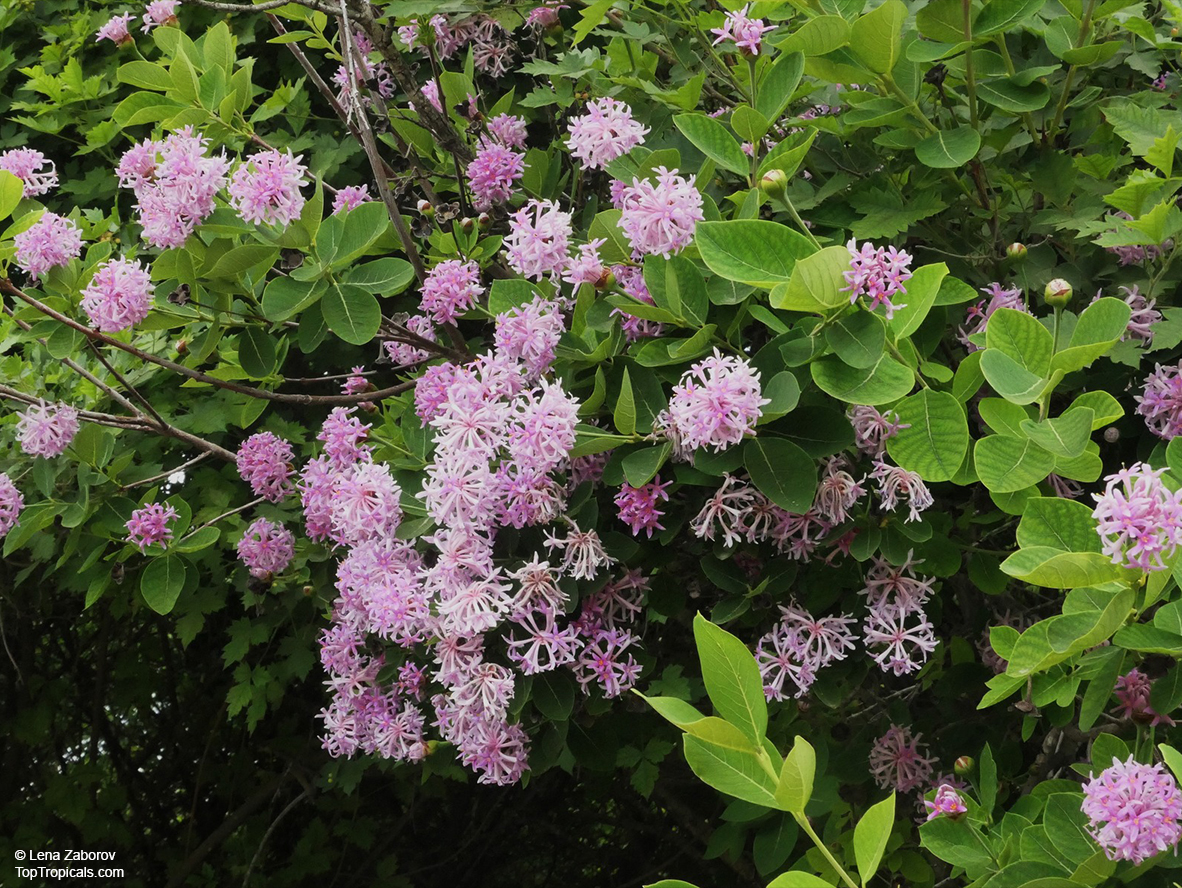
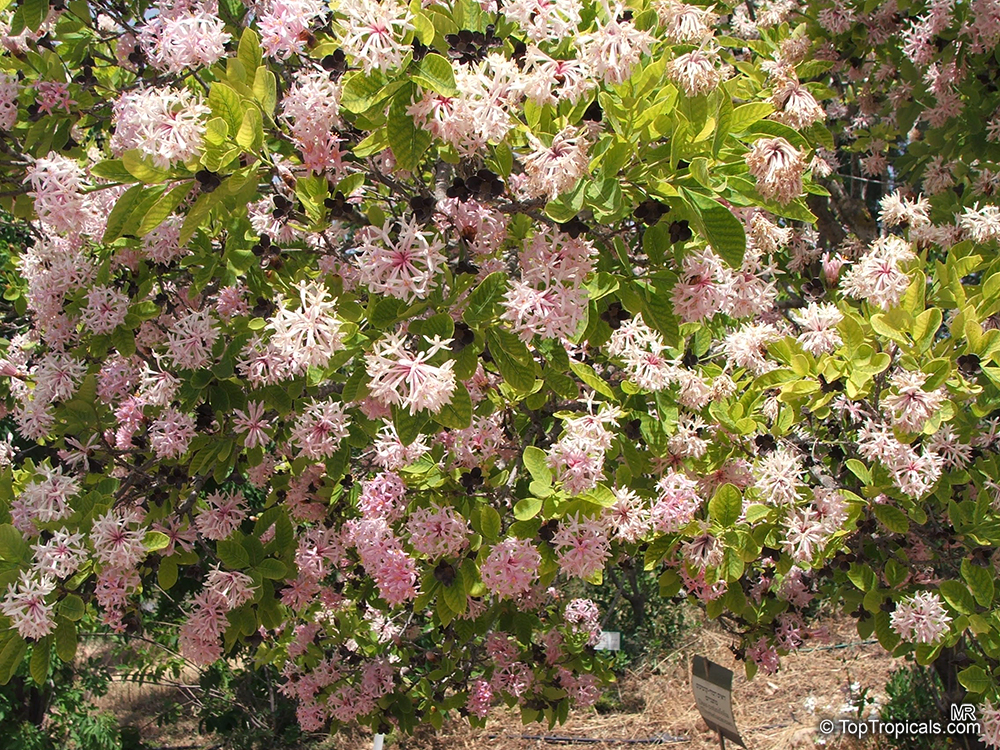
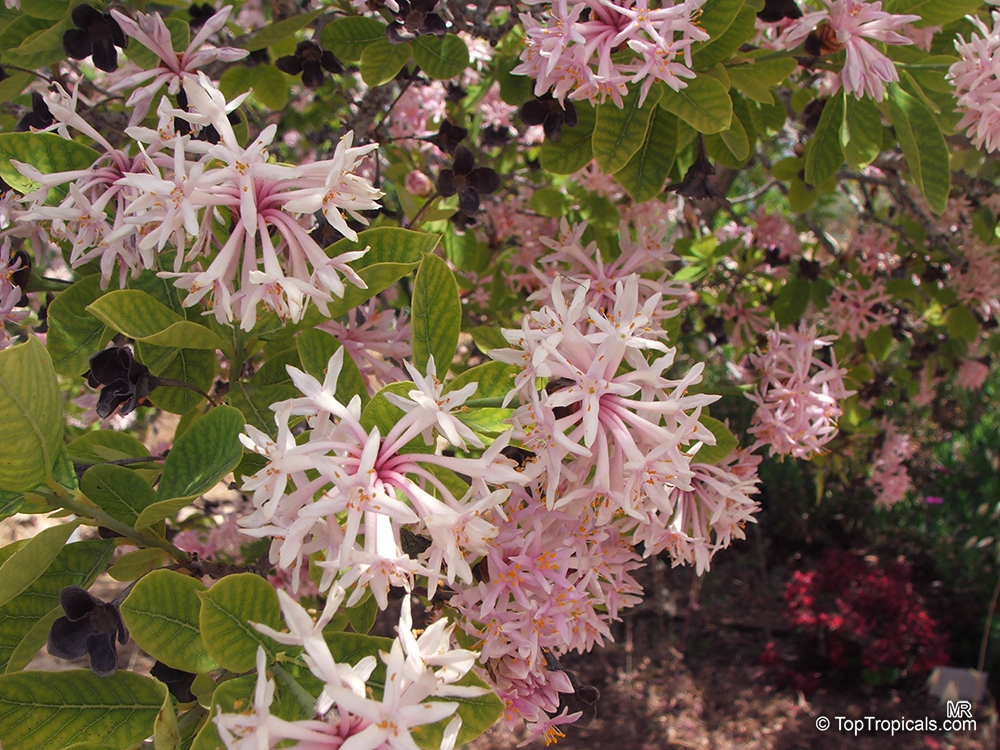
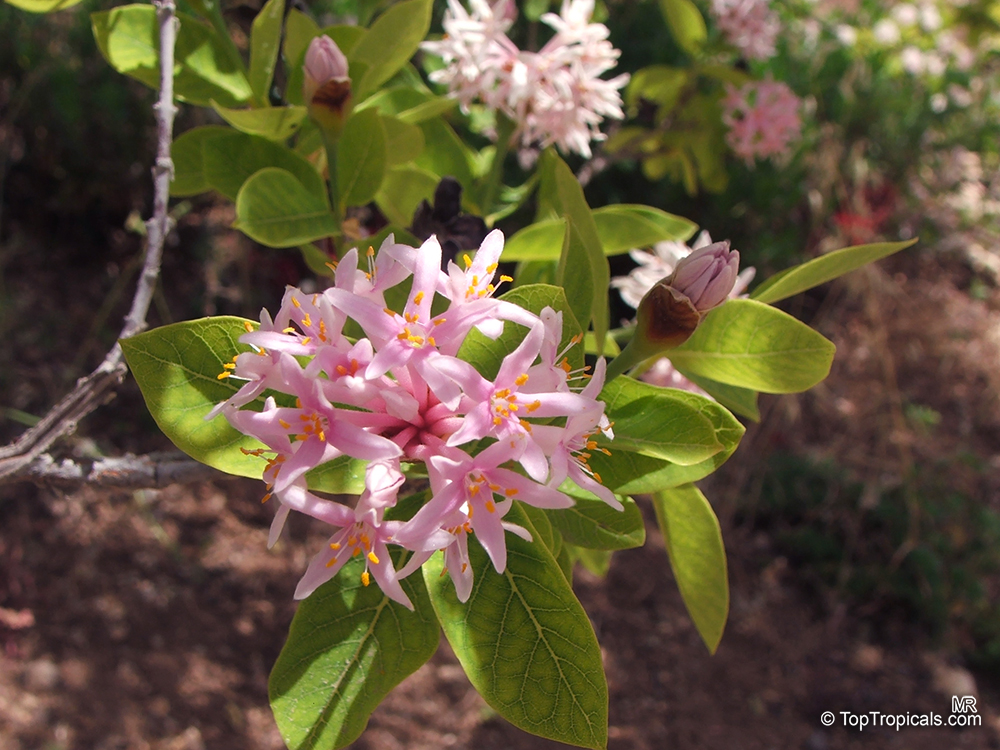
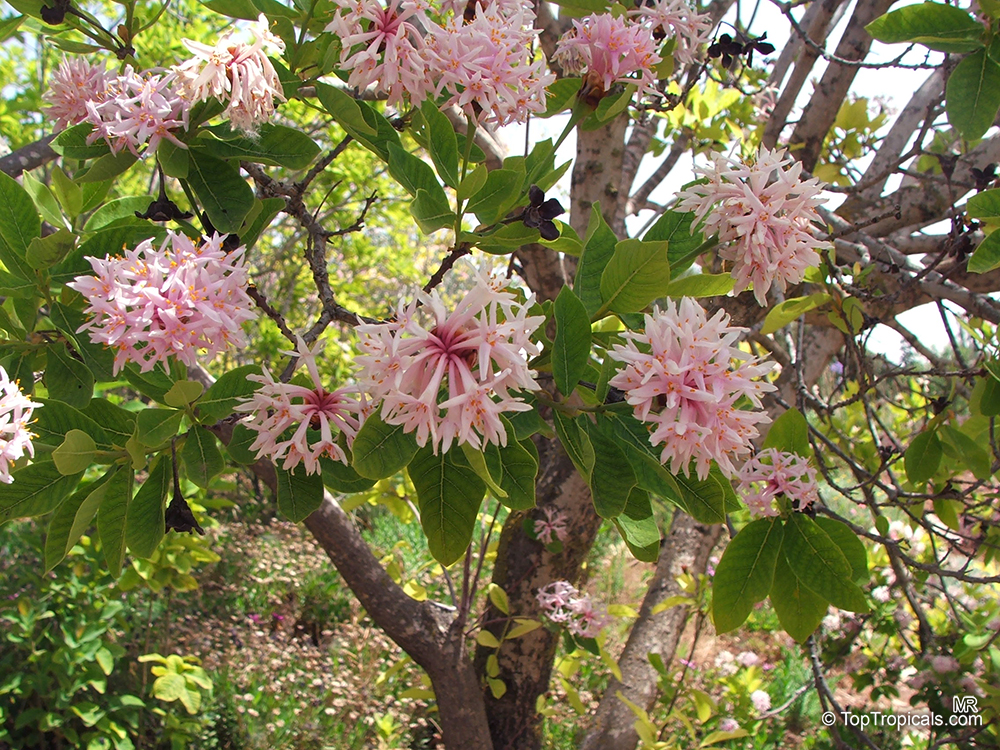
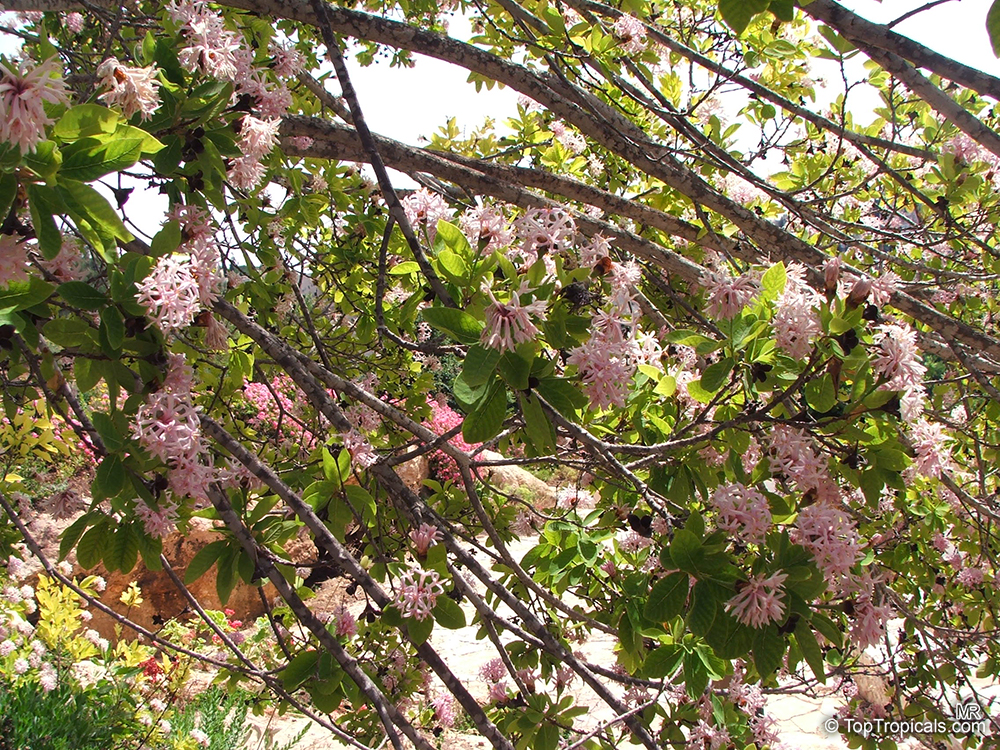
The Pompon Tree (Dais cotinifolia) is one of the most popular and beloved native trees, due to its versatility; it is small enough to fit in most gardens but strong enough to be used as a street tree. During the winter season, it often resembles a giant candy floss when in full bloom; its branches transform into dense balls of soft pink flowers, each piece cloaking multiple small blooms. These flowers ooze out of the green, cup-like bracts that last for around three weeks.
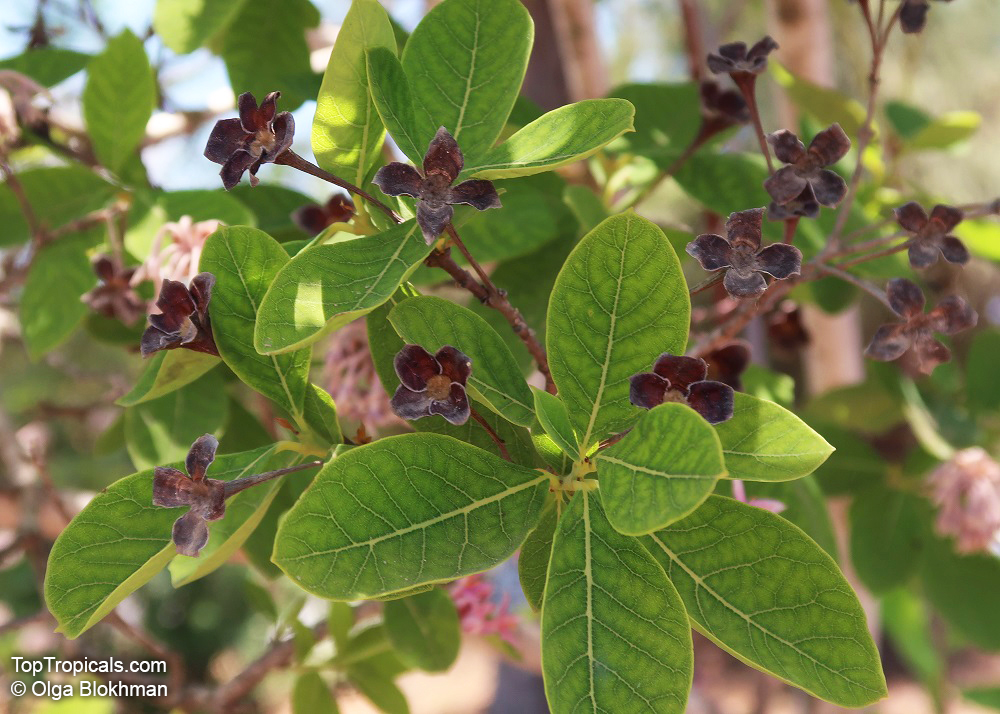
Month to two months after the flowering stage, a dense abundance of black seeds are produced, and ready to be harvested. This deciduous beauty can reach between 10-20 ft when fully grown and needs to be situated in a sunny spot to flourish. Although it is fairly drought resistant once it is established, mulching of compost around the base of the tree is recommended to reduce water runoff, discourage weed growth, and provide steady sustenance of nutrients in the soil.
It is hardy in USDA zones 9-11, and considered to be freezing tolerant down to 30s F, despite this extra caution should be taken and best kept in a warmer environment within colder climates. For container-growing, the soil should be kept at a lightly moist state, with sufficient mulching and drainage. Regular misting of the foliage with water is also advisable. With the correct care, the Pompon Tree will provide many years of show-stopping splendor in any garden.
Botanical name: Daphne sp.
Common name: Winter Daphne
Family: Thymelaeaceae
Origin: China
USDA Zone: 6-9

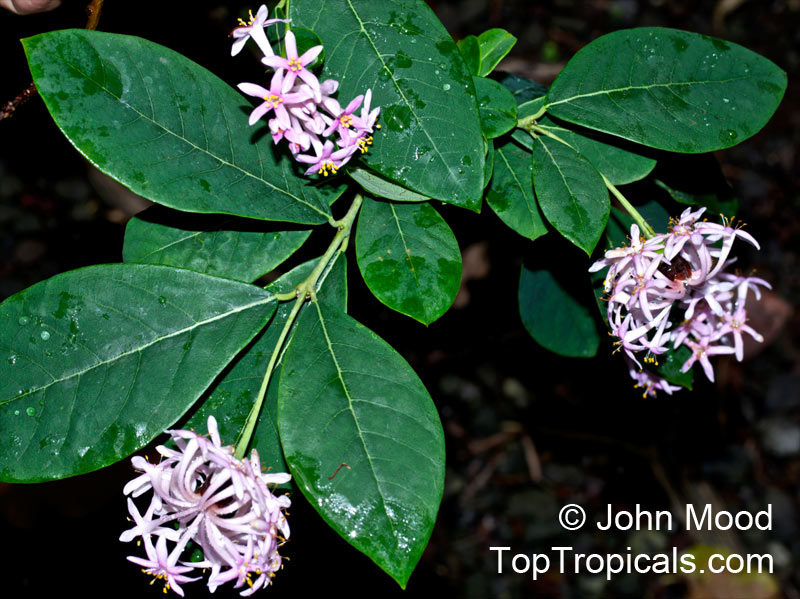
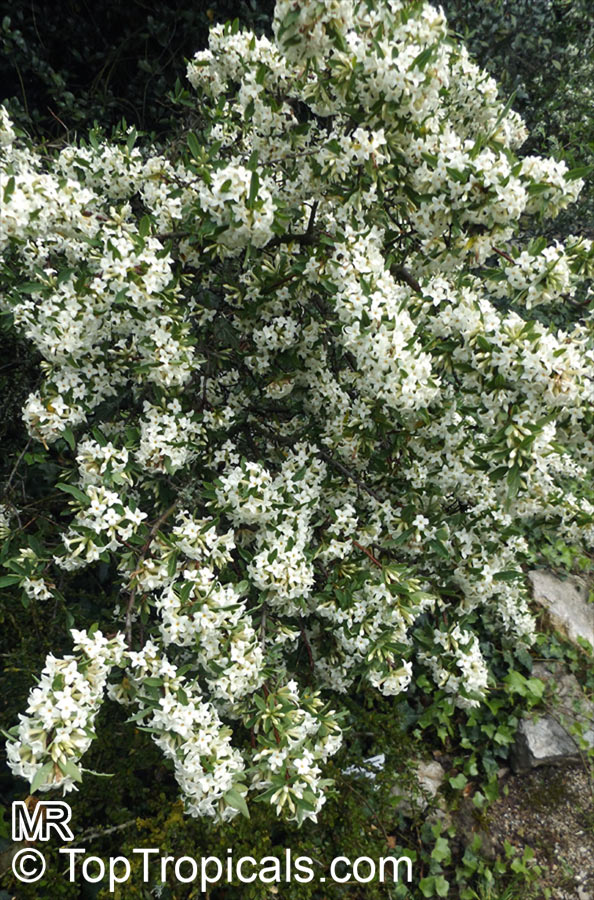
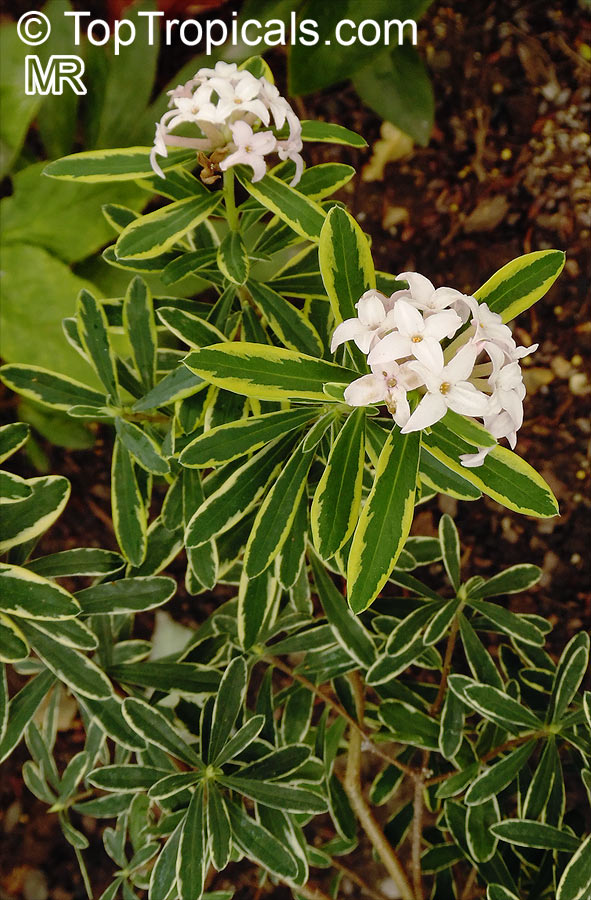
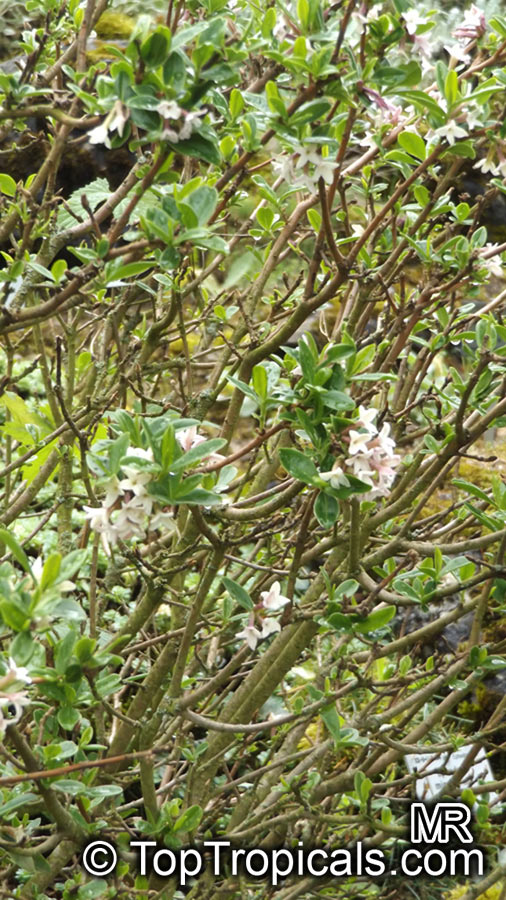
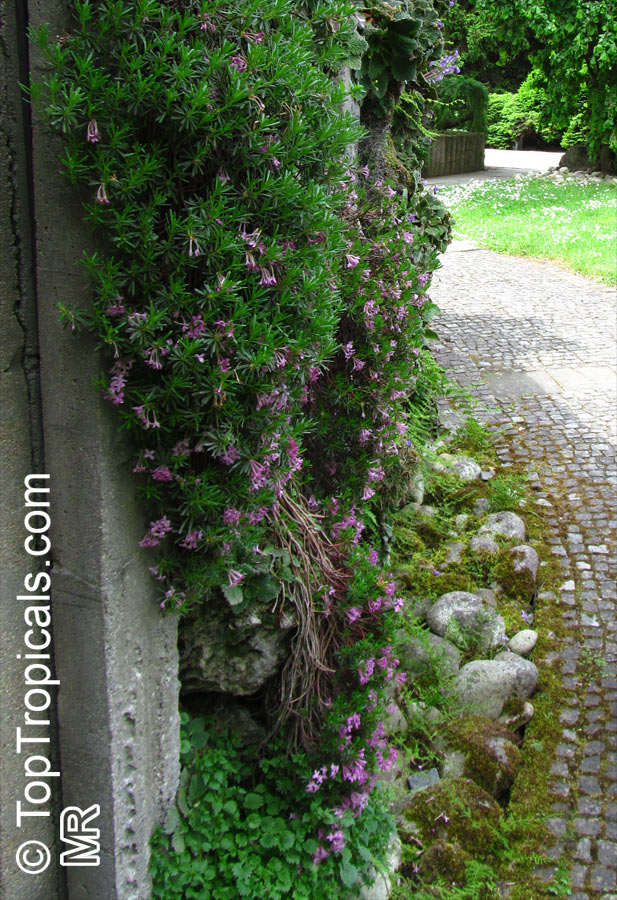
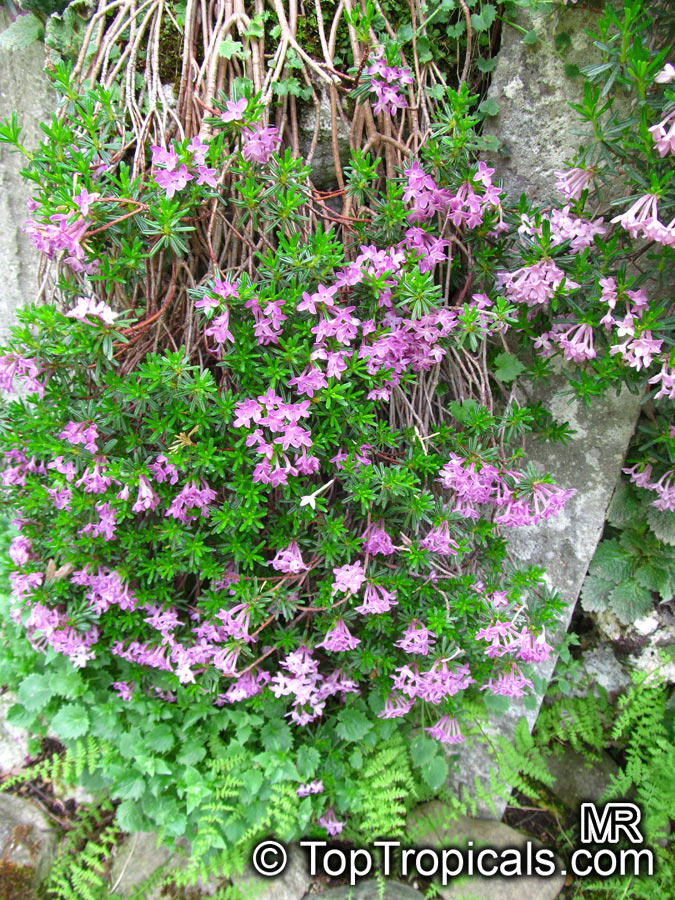
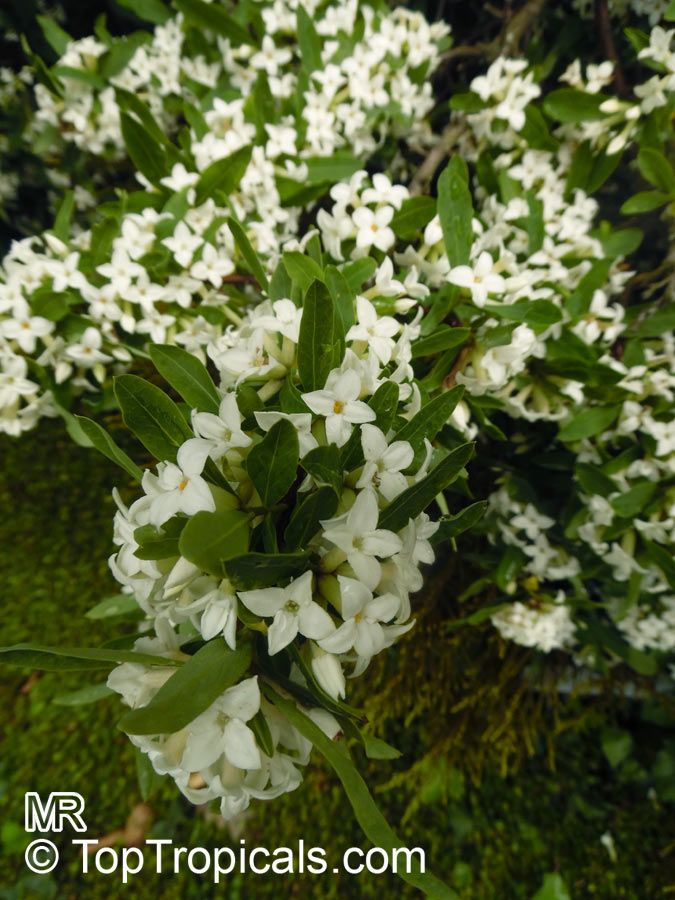
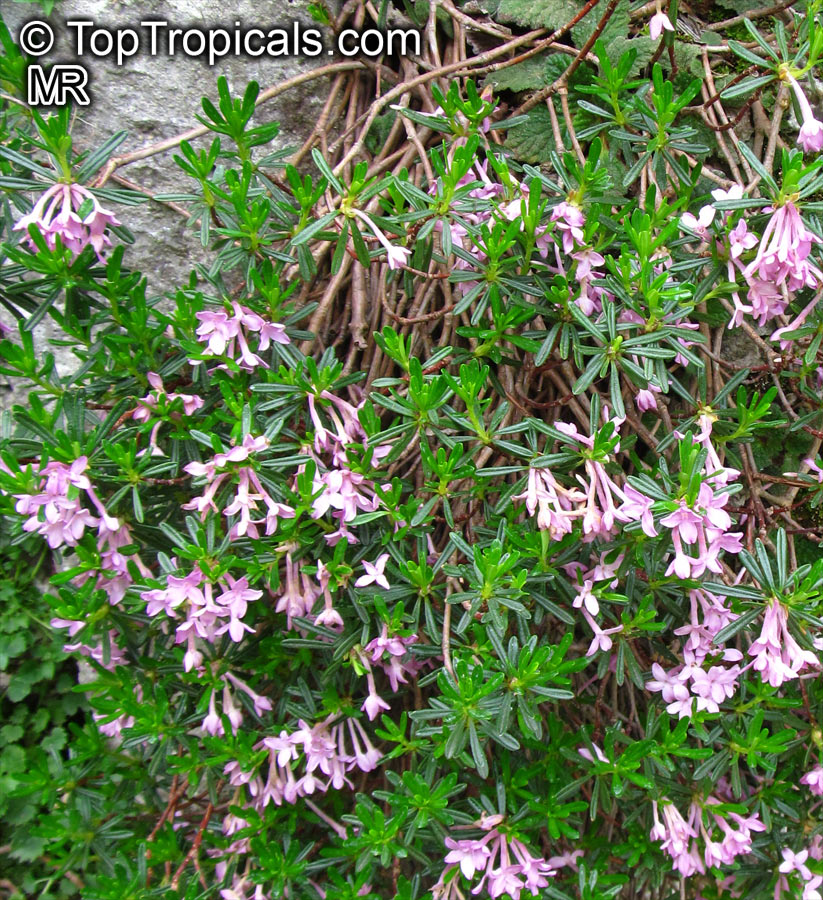
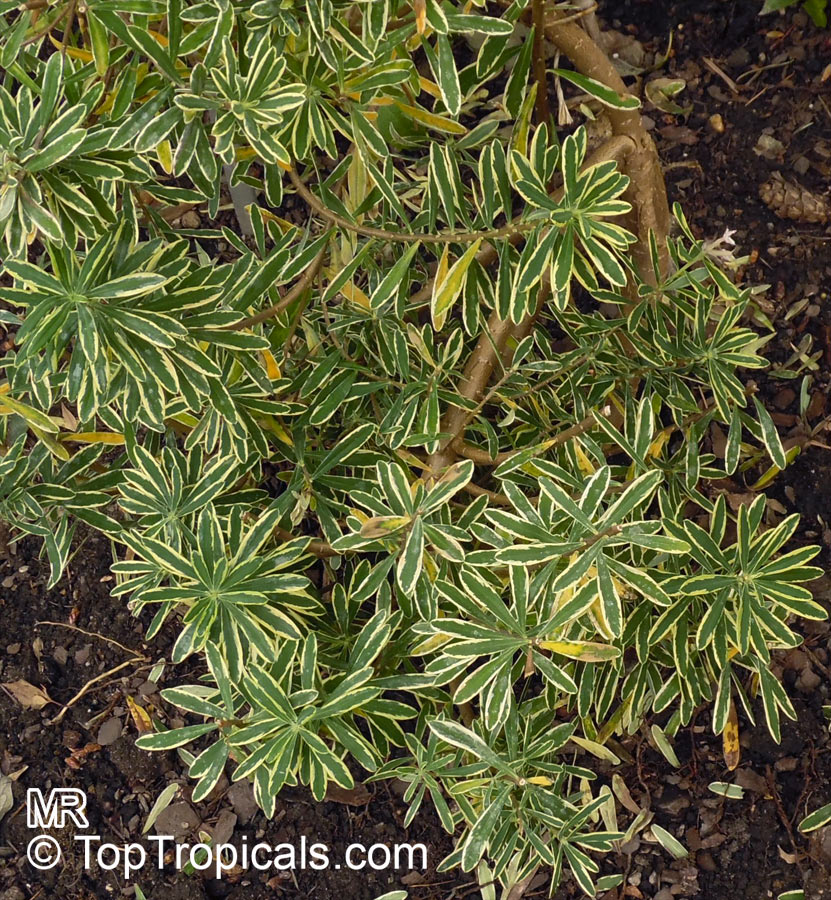
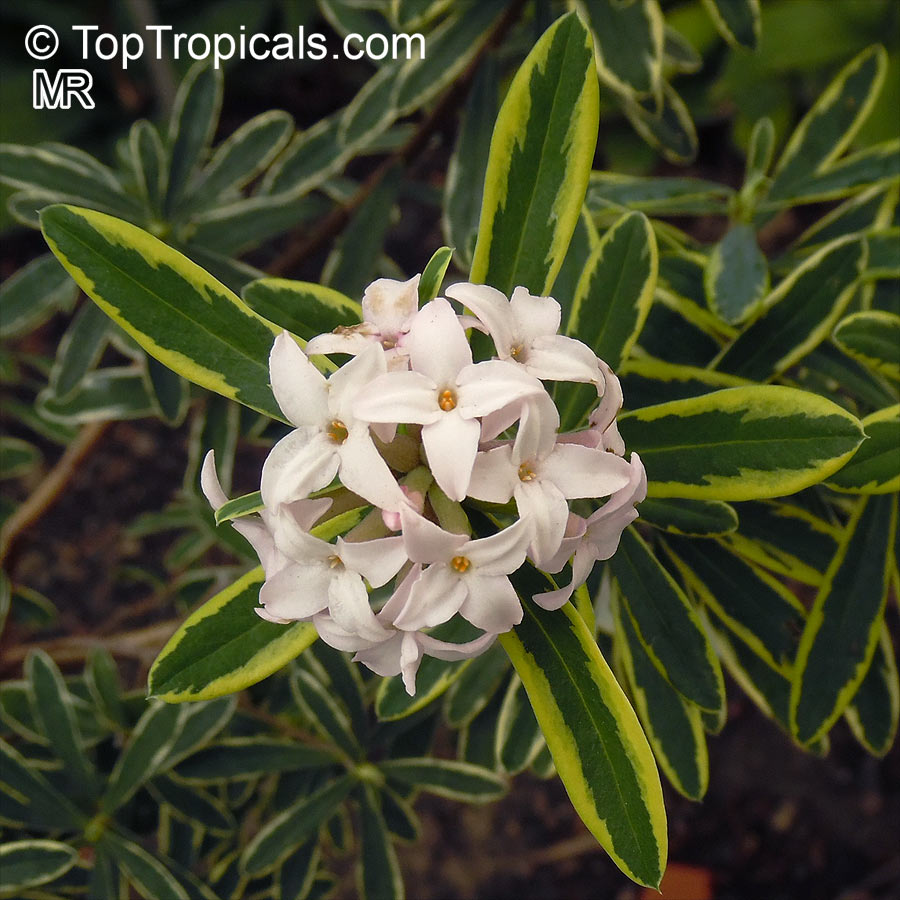
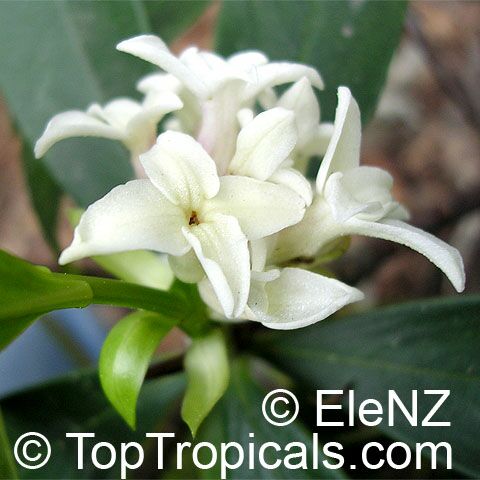
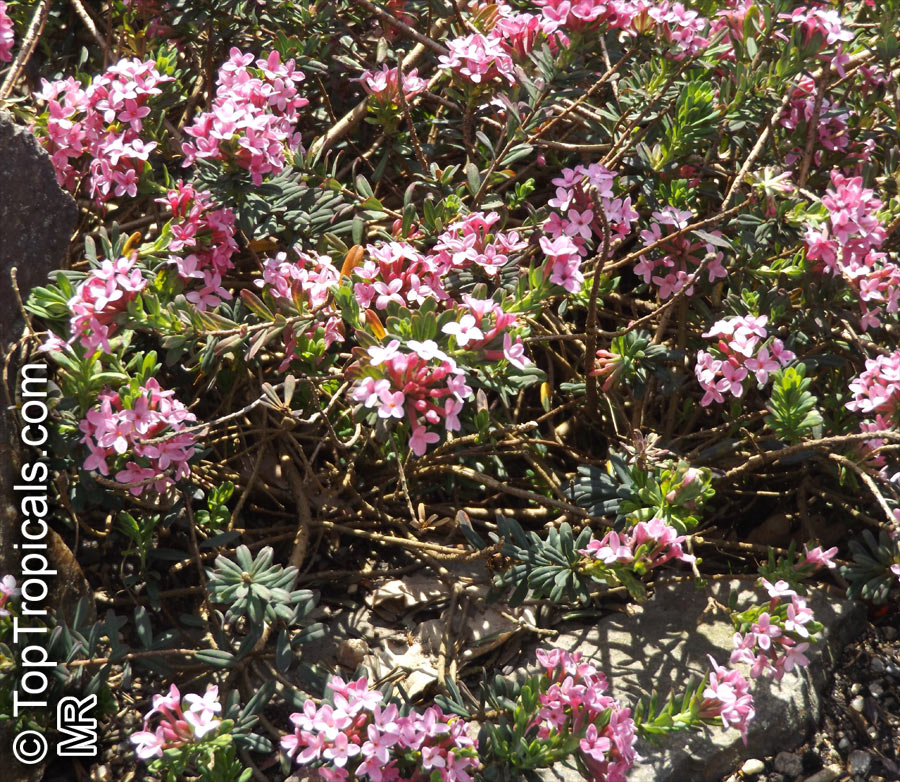
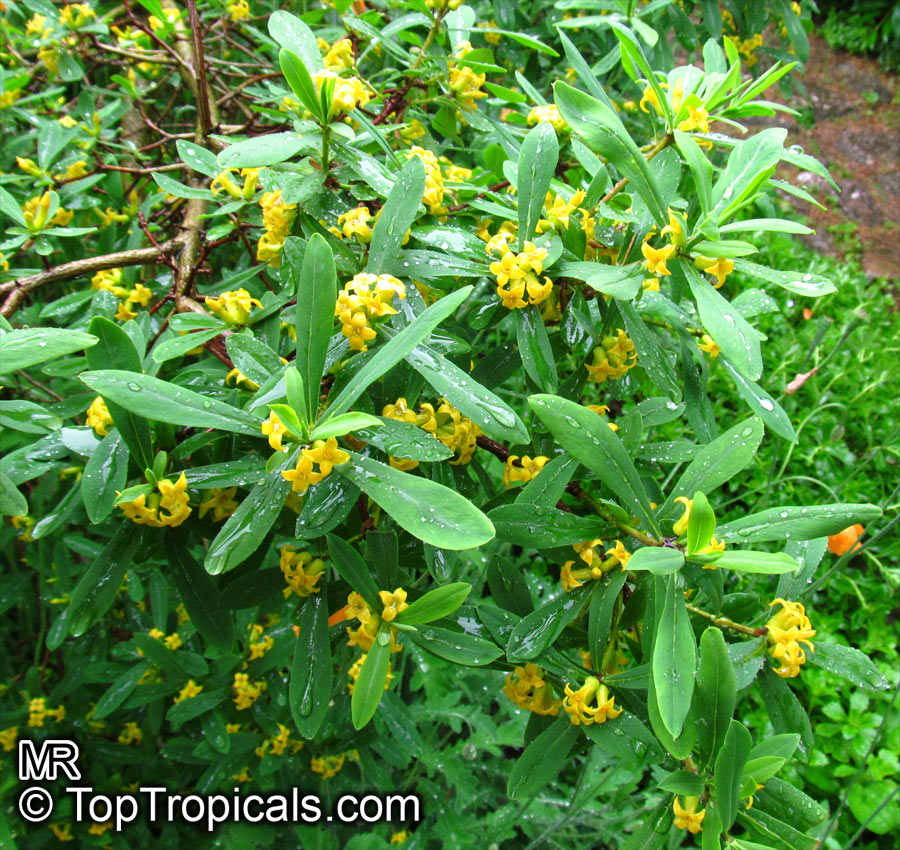
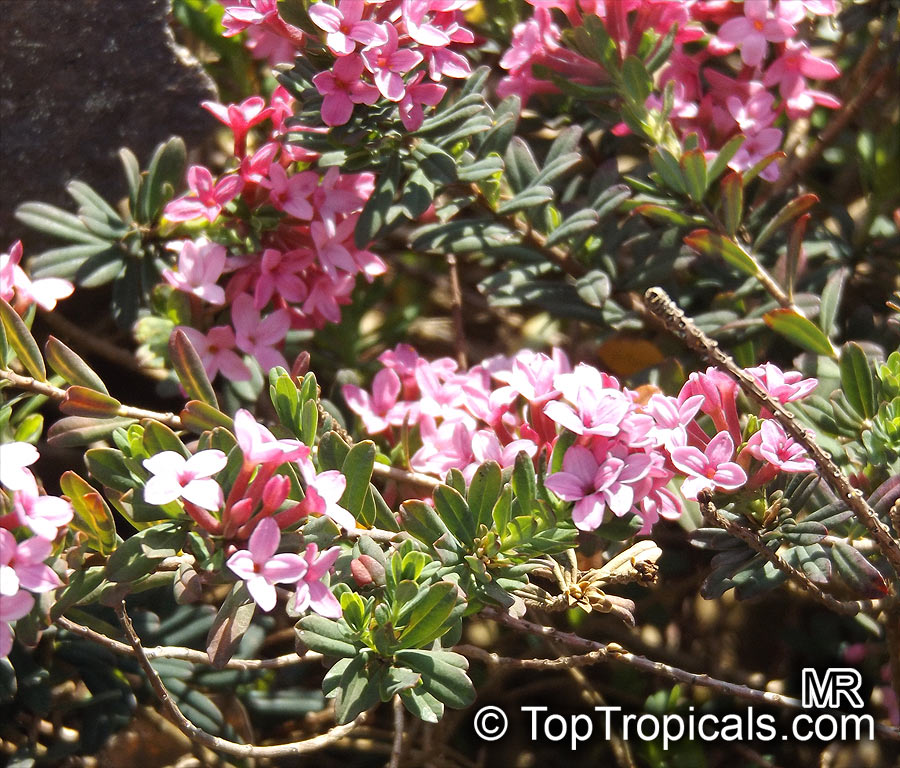
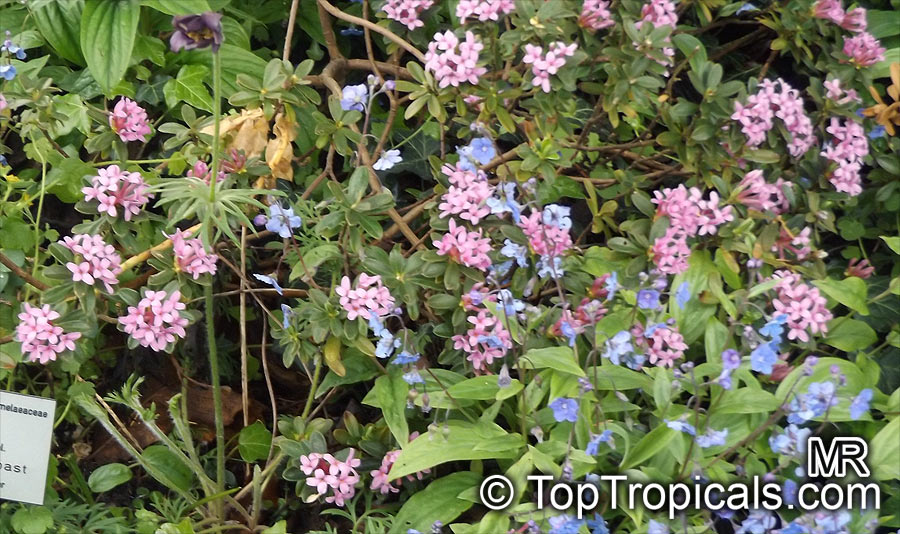
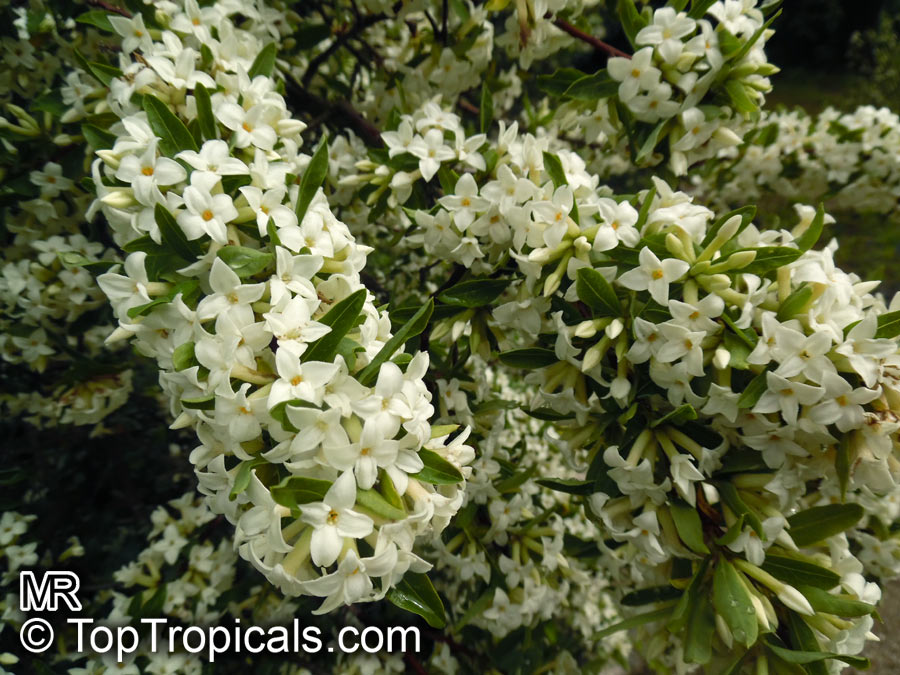
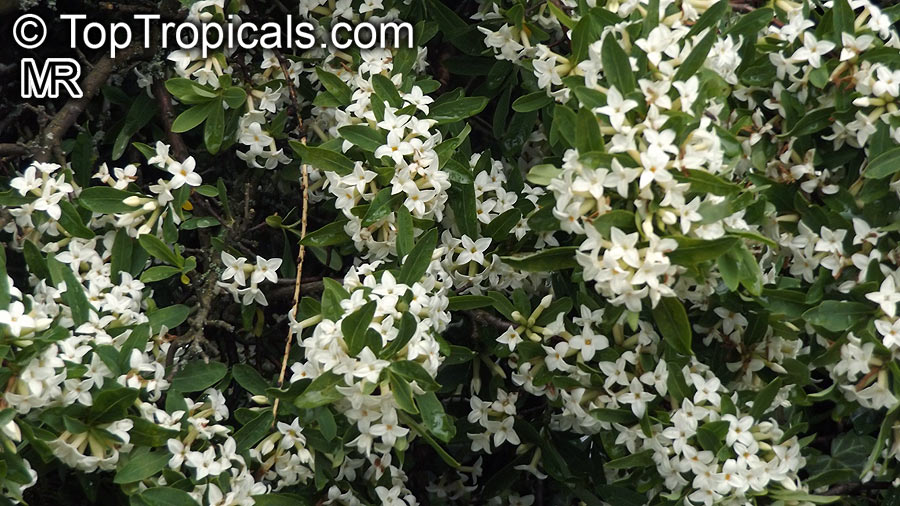
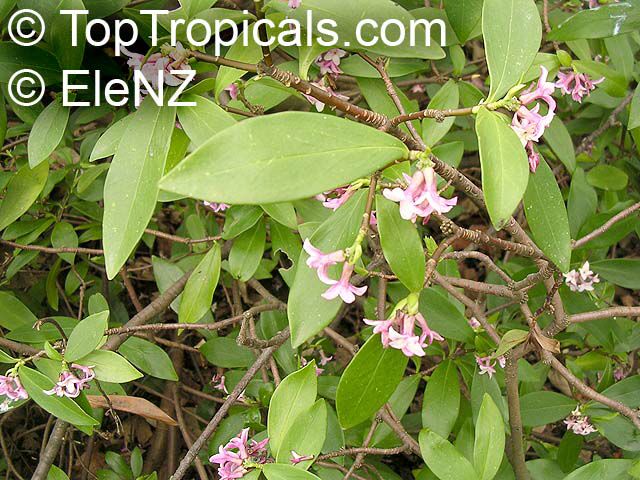
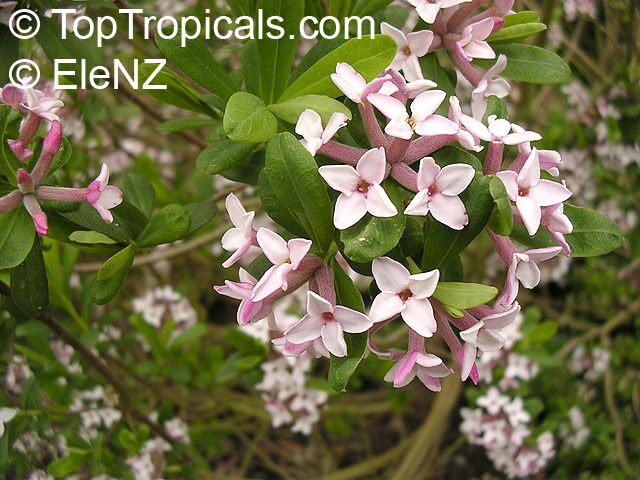
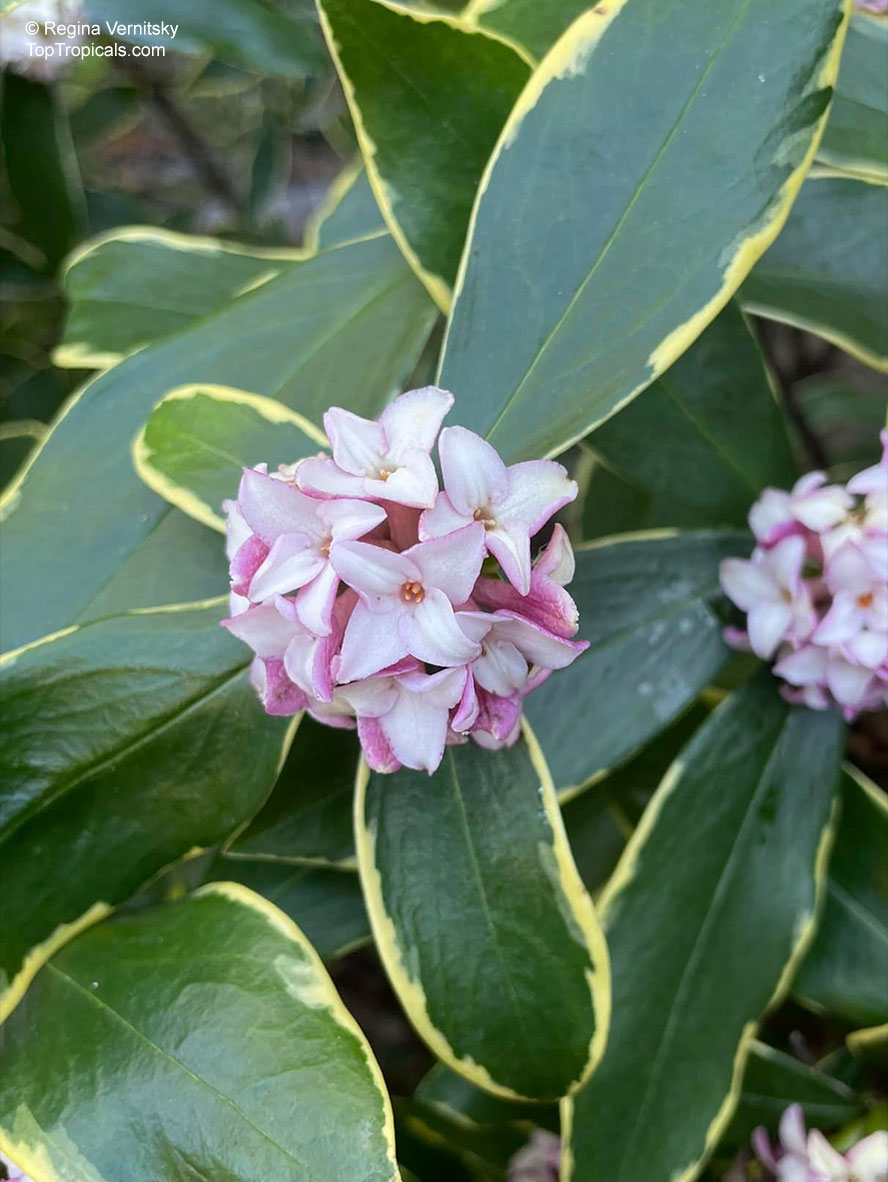
The Winter Daphne (Daphne sp.) is an evergreen, slow-growing shrub native to China that grows between 2-5 feet on average. Its foliage is usually lance-shaped, with deep green and cream-colored margins. During winter, clusters of sweet-smelling flowers emerge in shades of pink. The Daphne also produces occasional off-white and white flowers. This plant enjoys full sun, but can also tolerate semi-shade. Winter Daphne plant care calls for moderate water, making them well-suited to low-water garden styles. However, to avoid problems with root rot, it is advised to water this shrub deeply but infrequently.
Winter Daphne can be grown in USDA hardiness zones 6-9. When growing this plant in cold regions, it is best to grow it in a container, as it can be easily brought inside in the winter. The container must also have access to full sun and ample drainage. It is also important to reduce watering in the winter to avoid root rot. This evergreen shrub can also be pruned in the late winter, and pruning should be done properly in order to preserve the natural shape of the shrub. Finally, it is important to note that the Winter Daphne plant is toxic if ingested and so should be kept away from animals and young children.
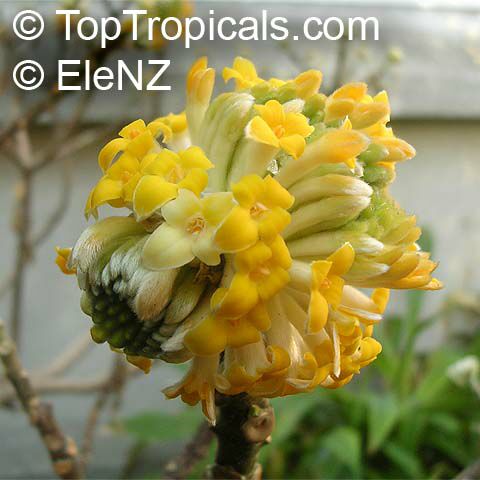
Botanical name: Edgeworthia chrysantha
Common name: Giant Leaf Paper Plant
Family: Thymelaeaceae
Origin: China
USDA Zone: 7-10


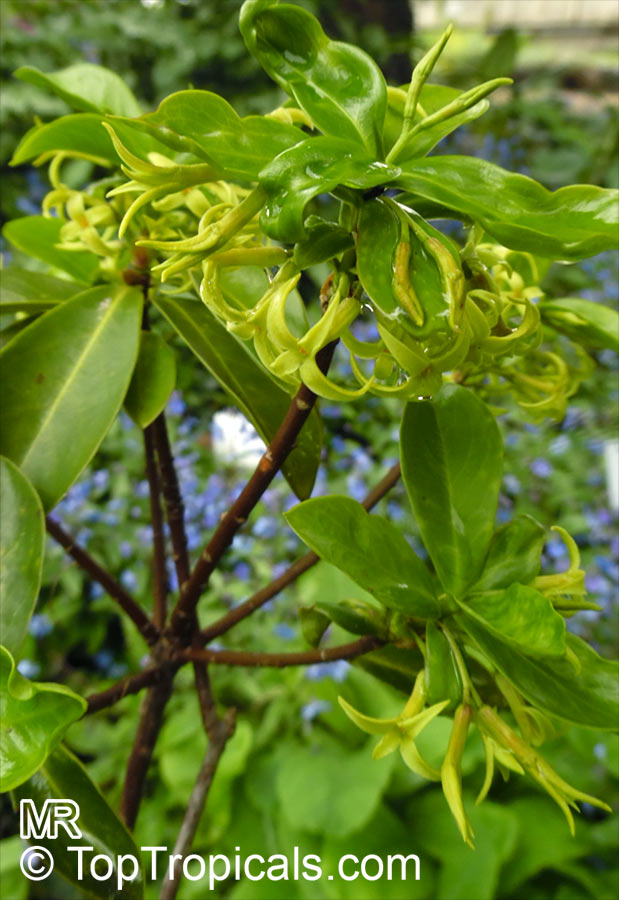
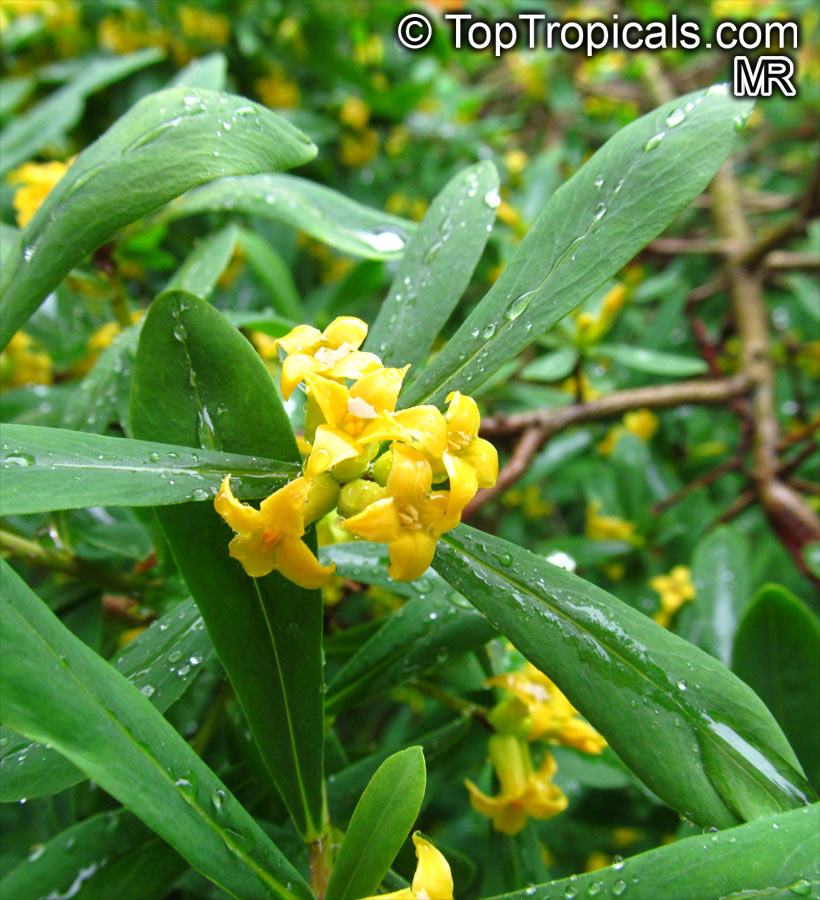
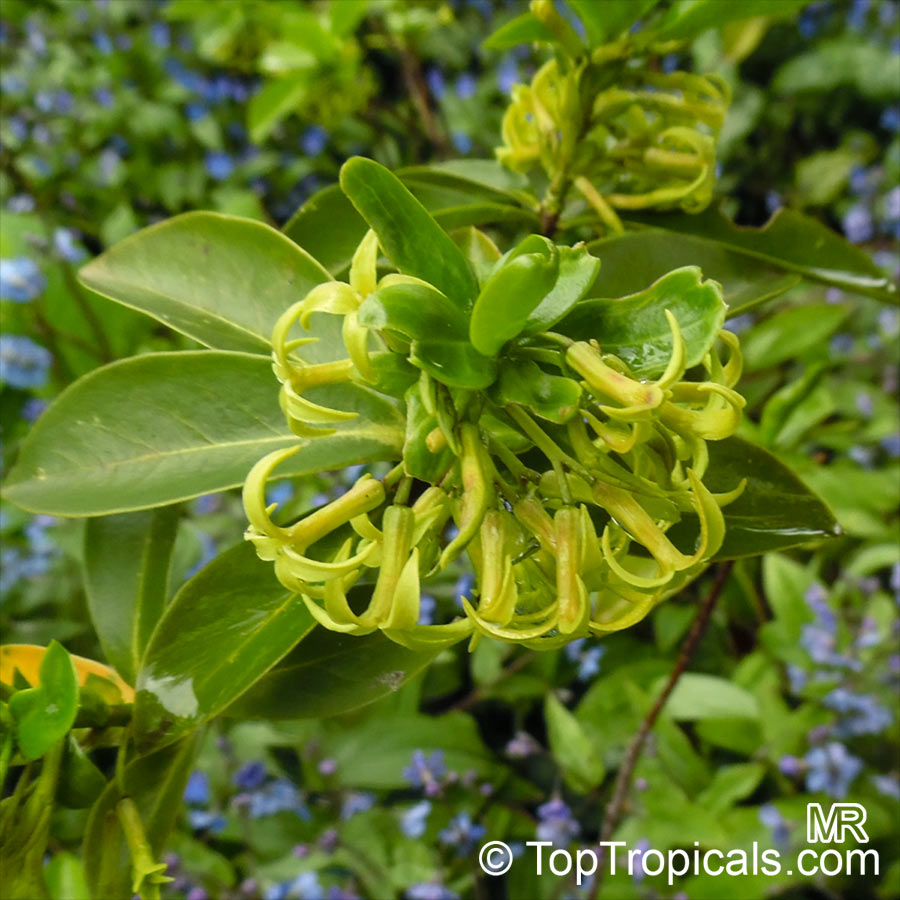
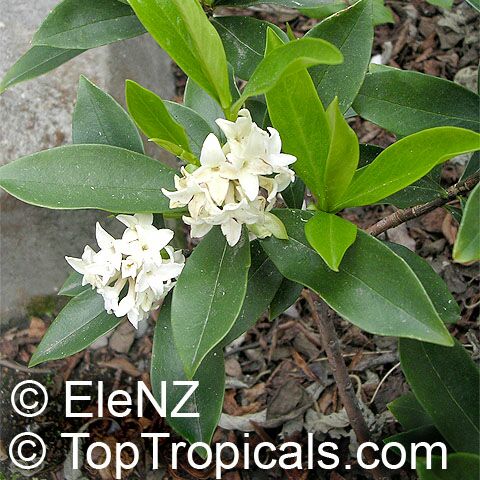
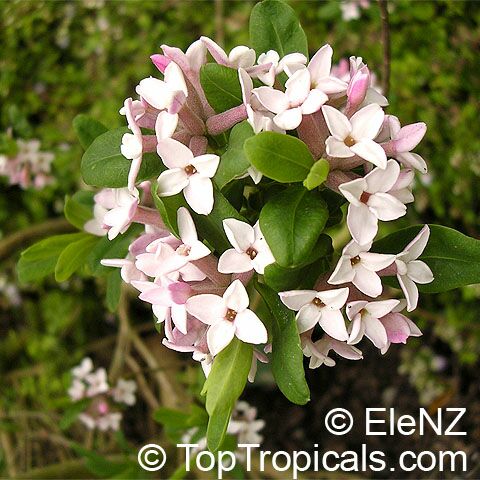
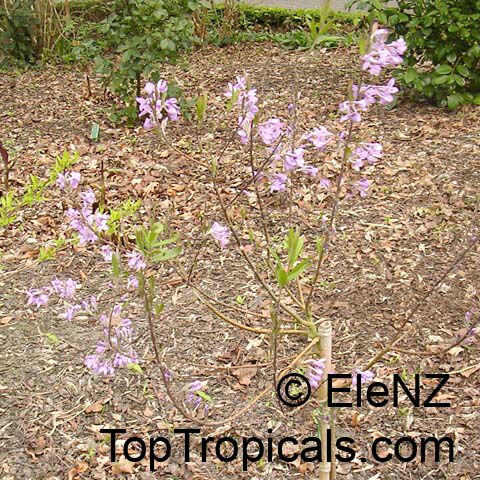
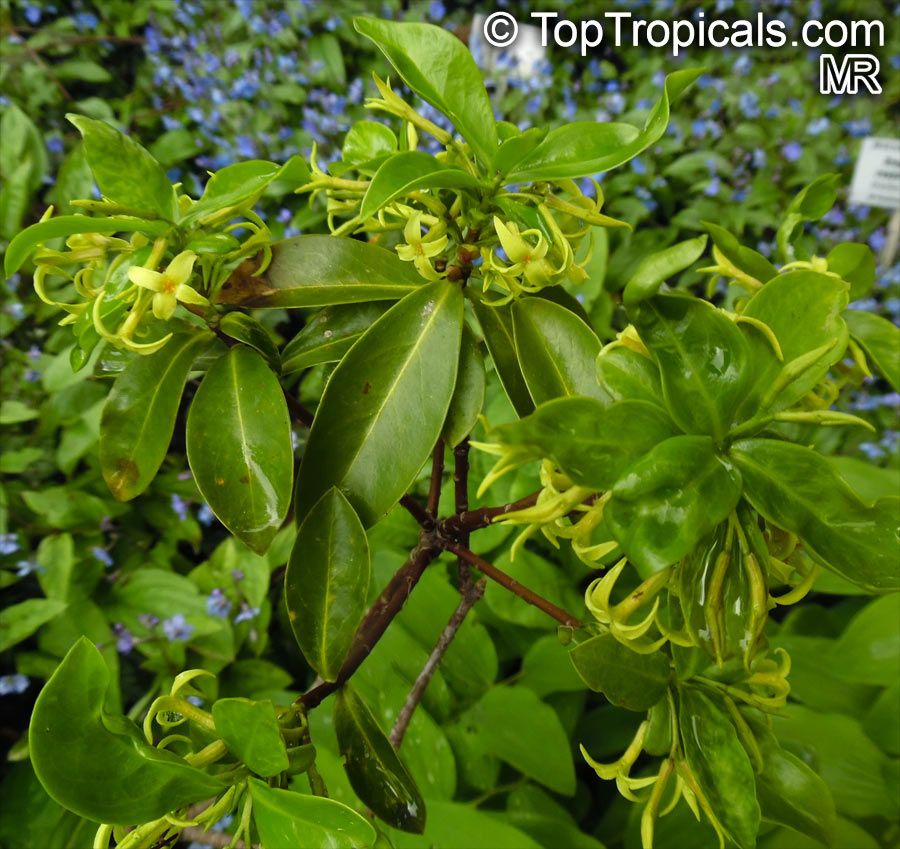
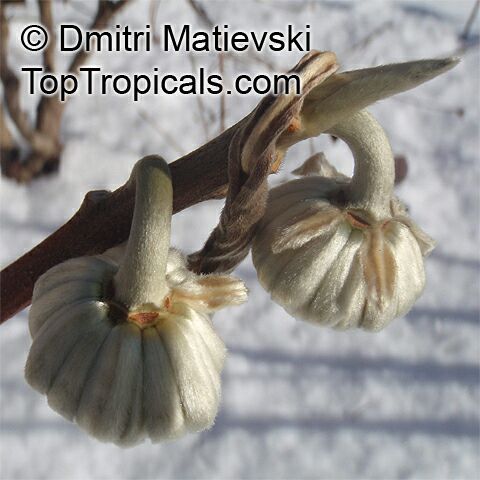
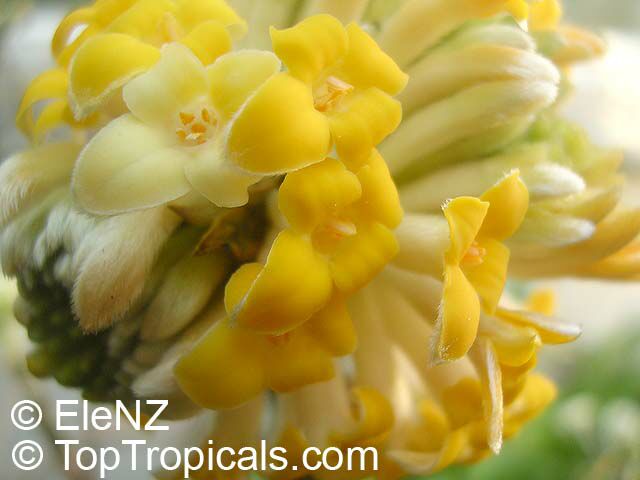
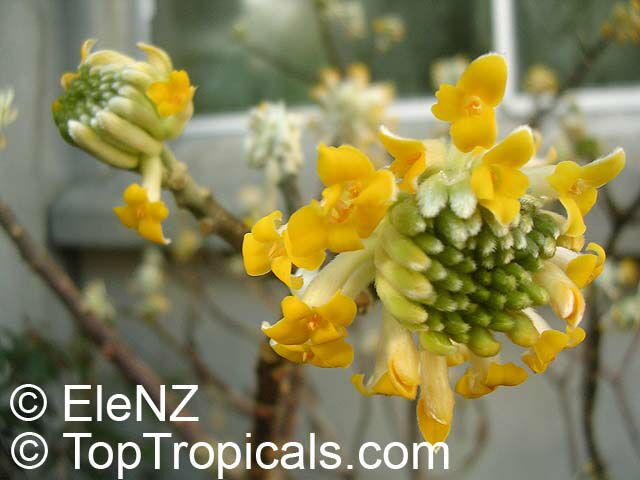
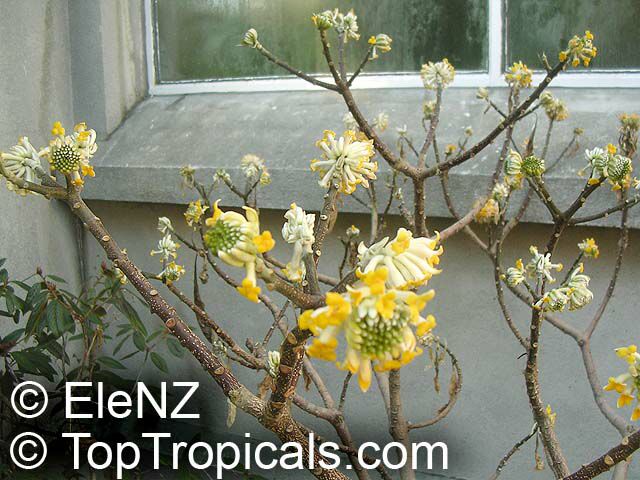
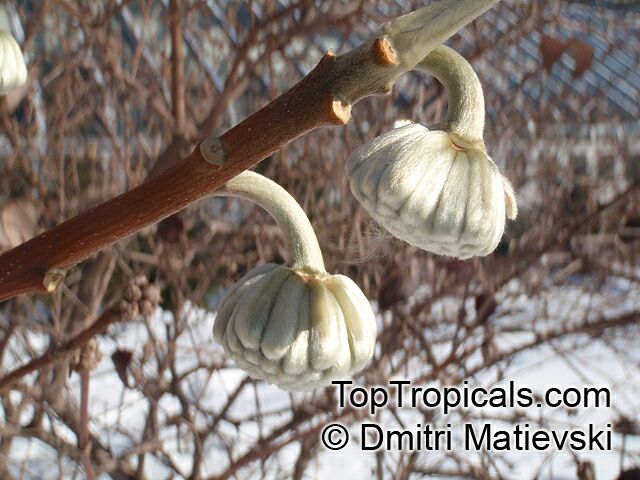
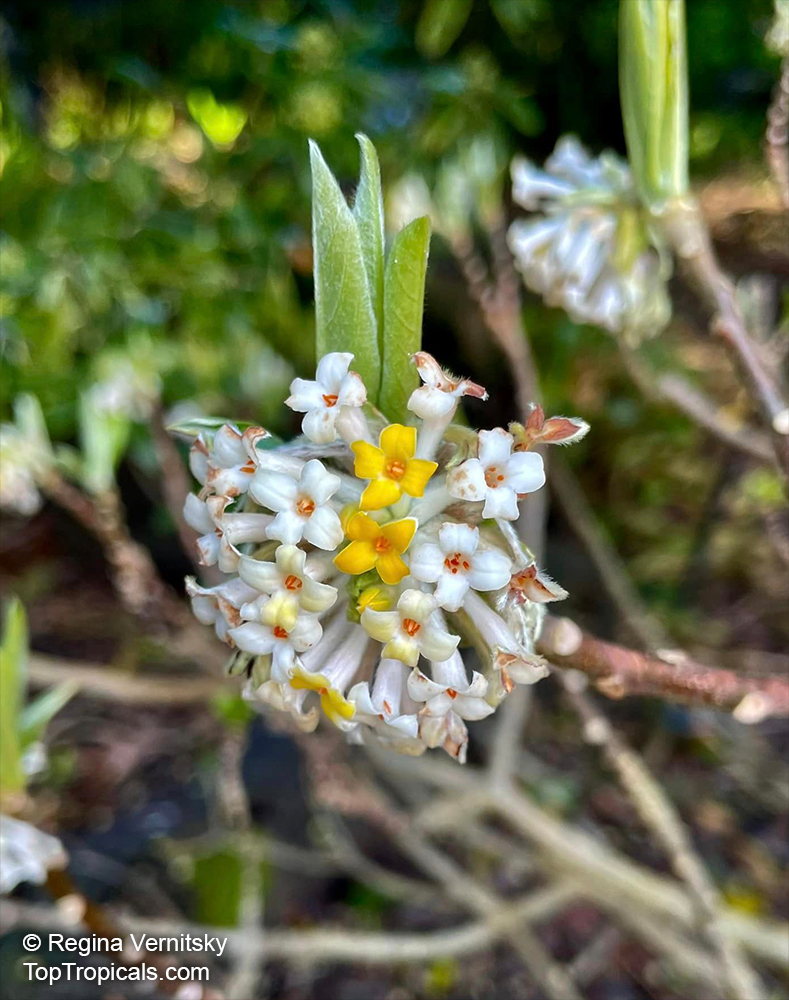
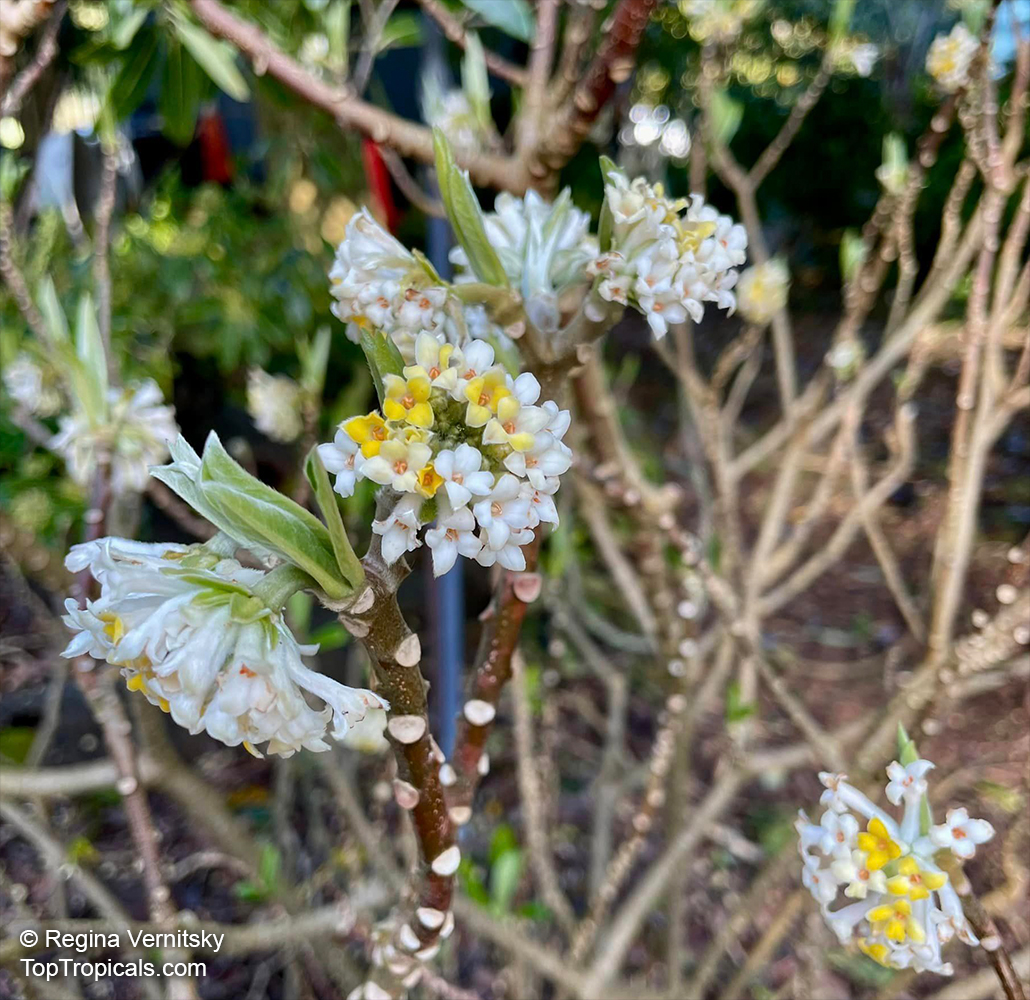
Edgeworthia chrysantha is a heavily-wooded deciduous shrub. The genus Edgeworthia comprises three very similar species from China and Japan. It is named after Michael Pakenham Edgeworth (1812-81), a part-time botanist, plant collector and employee of the East India Company. Apparently E. papyrifera has white flowers, not the yellow of E. chrysantha, though some botanists regard them variations of one species. The foliage is attractive, especially when young, but this is a plant grown for its flowers. They are bright yellow aging to creamy white, tubular and about 1cm long. Individually they are nothing much, but they are densely packed in 8cm diameter globose heads. The are very fragrant and open until late winter from buds that have been obvious from late autumn. The flowers are followed by dry, purplish-green berries known technically as drupes. A moist, well-drained, humus-enriched soil is best.
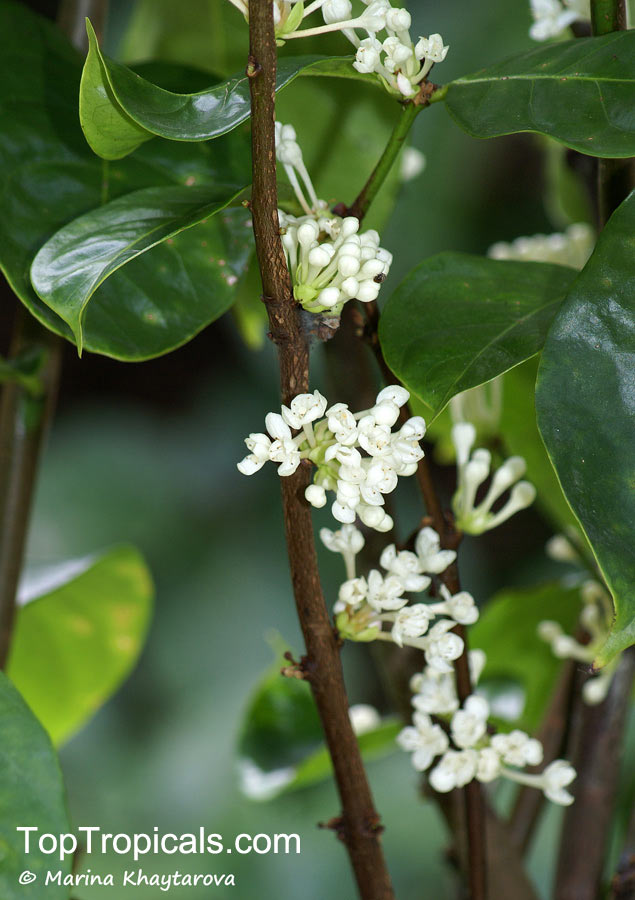
Botanical name: Phaleria capitata
Common names: Ongael, Phaleria Jack
Family: Thymelaeaceae
Origin: New Guinea, Indonesia
USDA Zone: 9-10
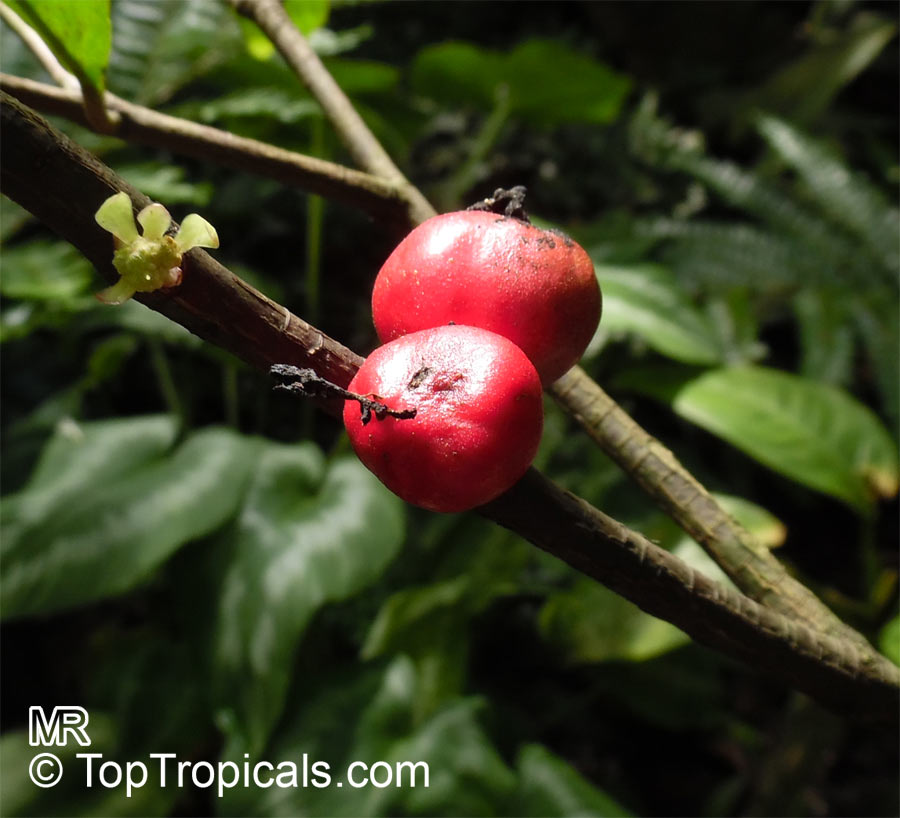
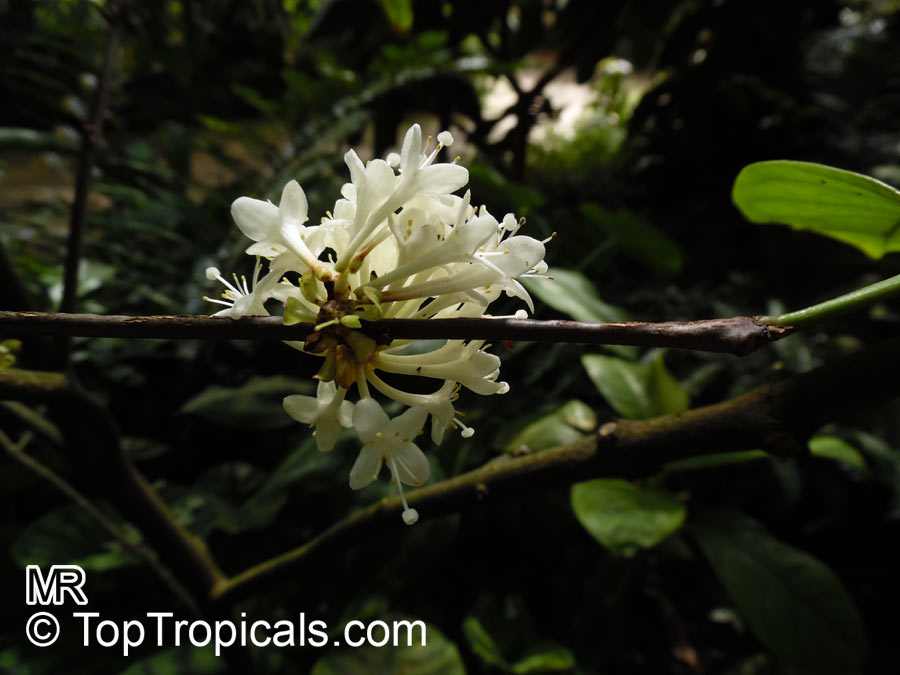
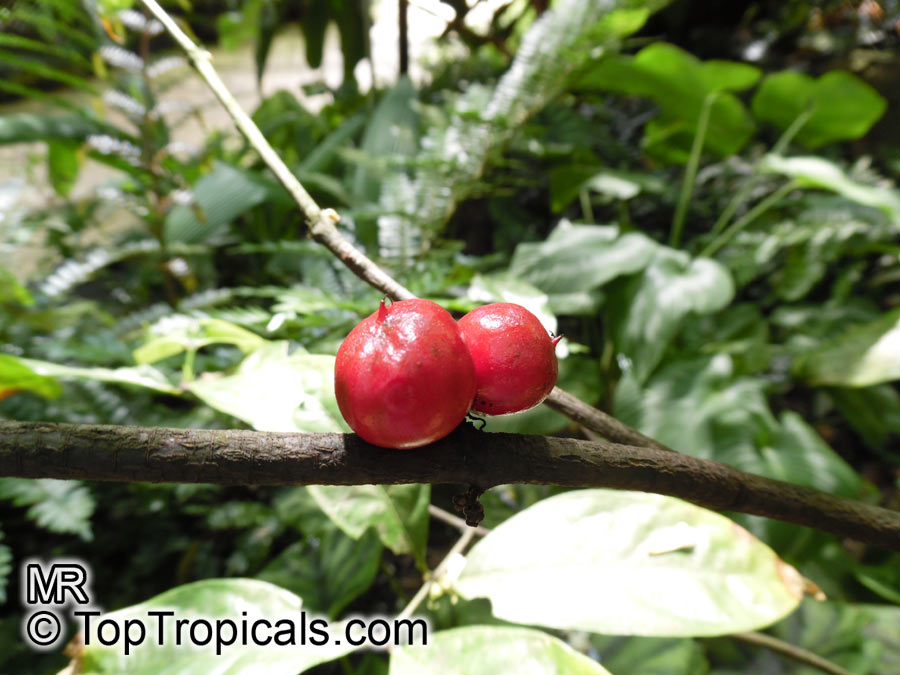
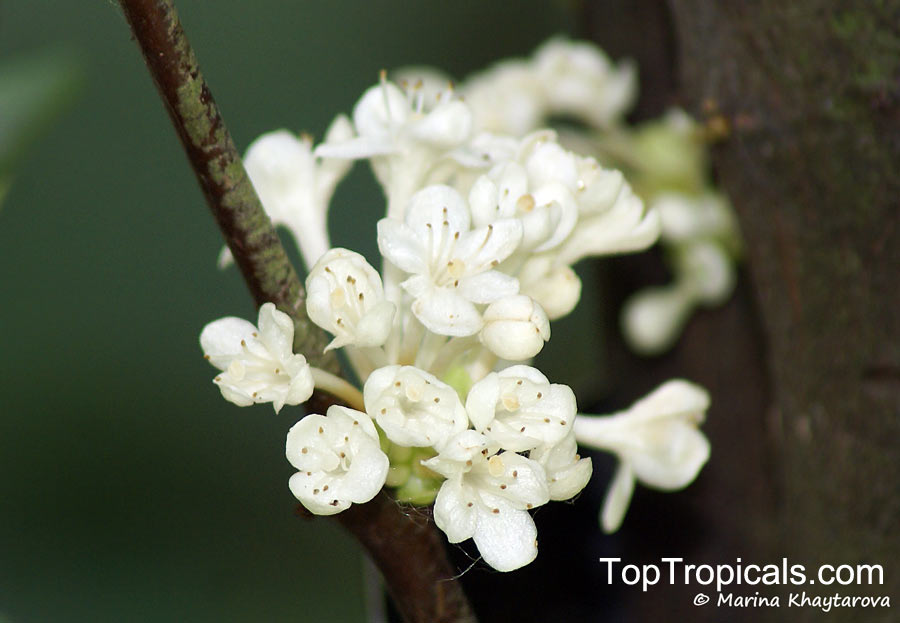
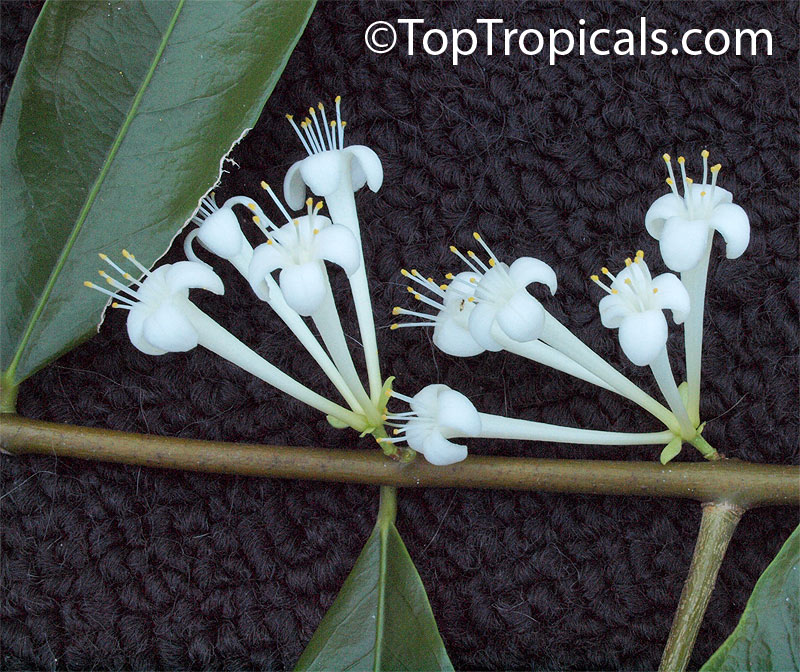
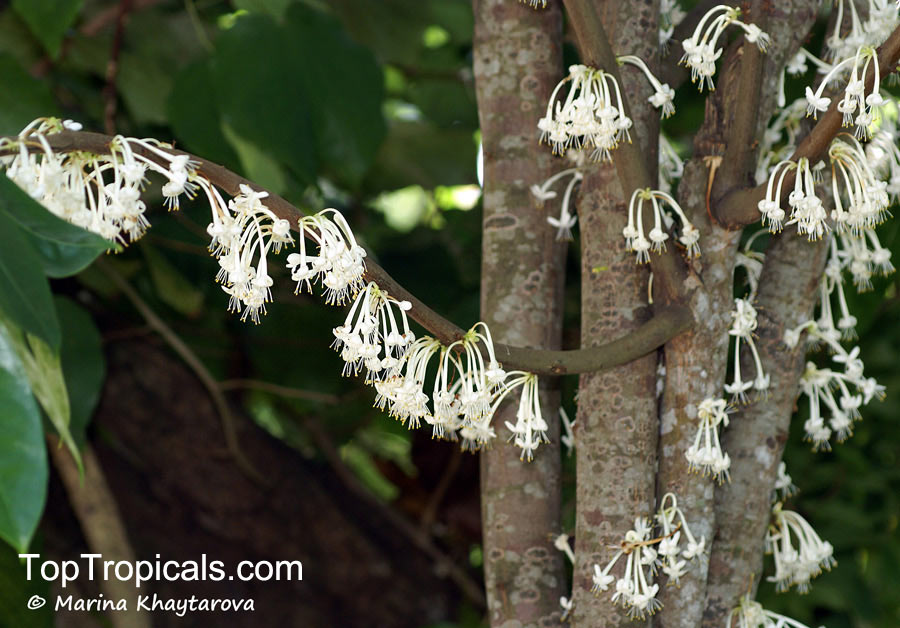
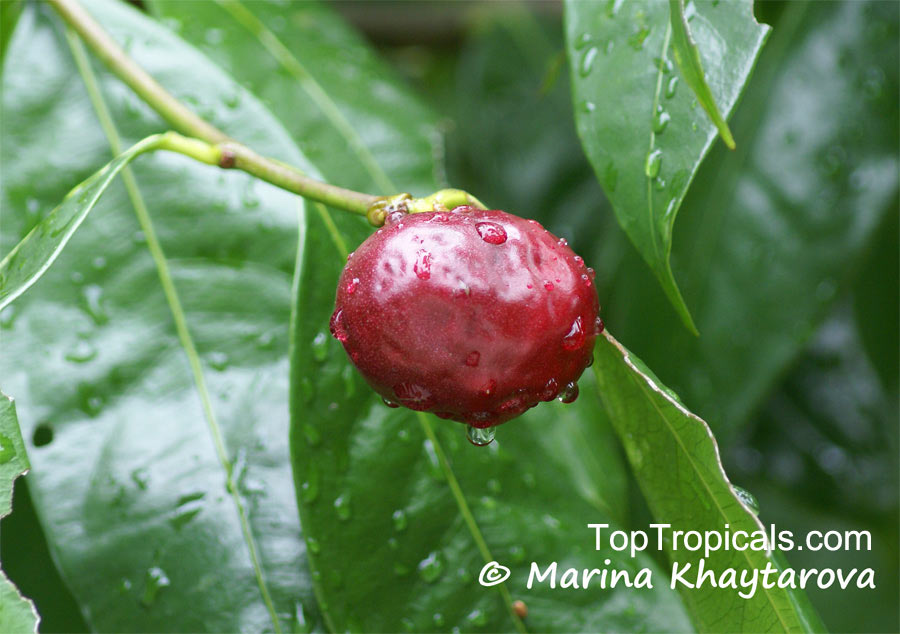
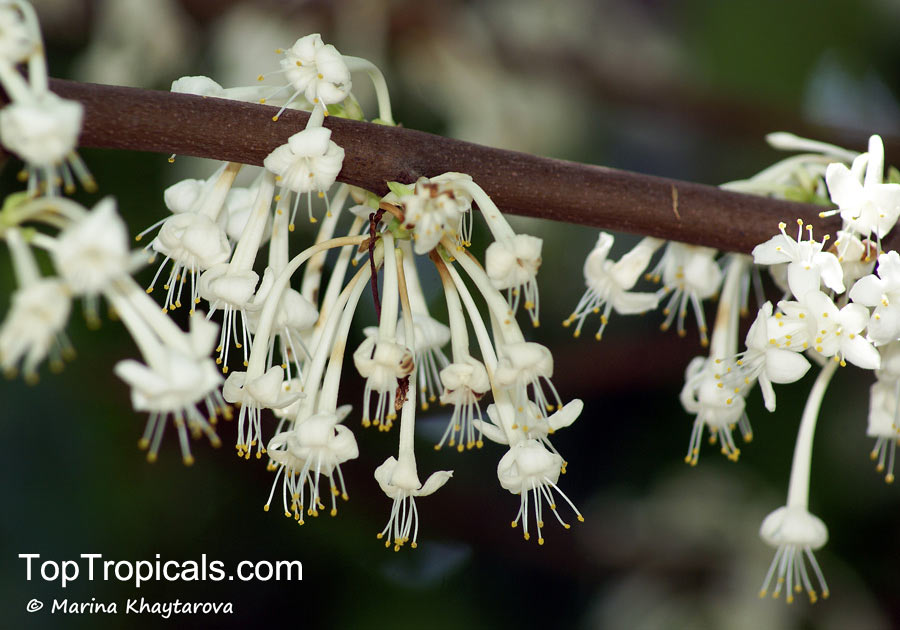
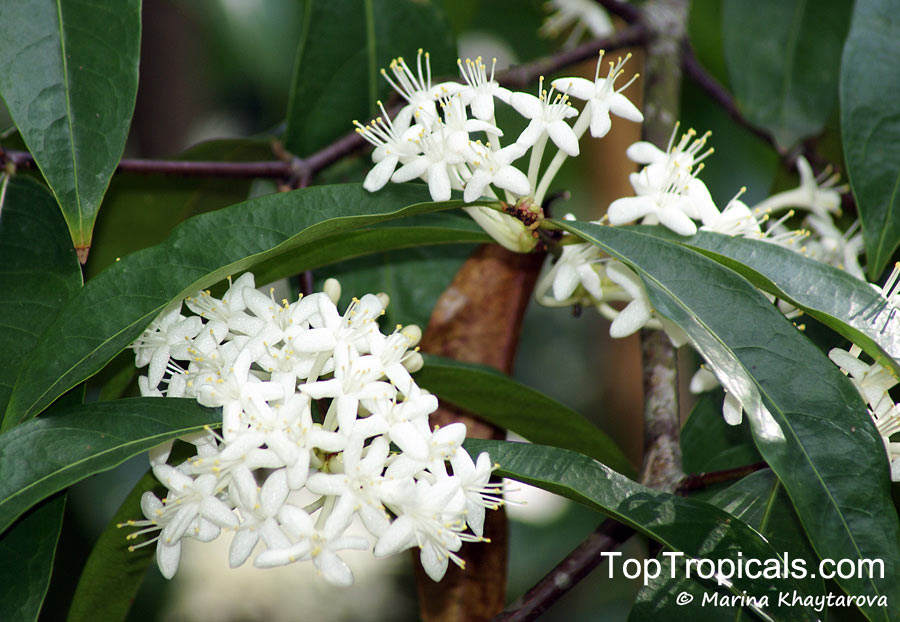
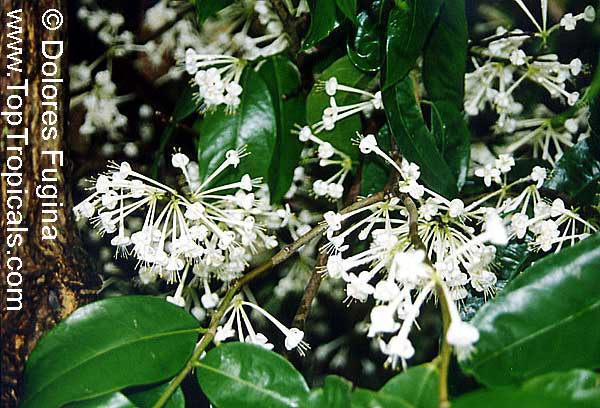
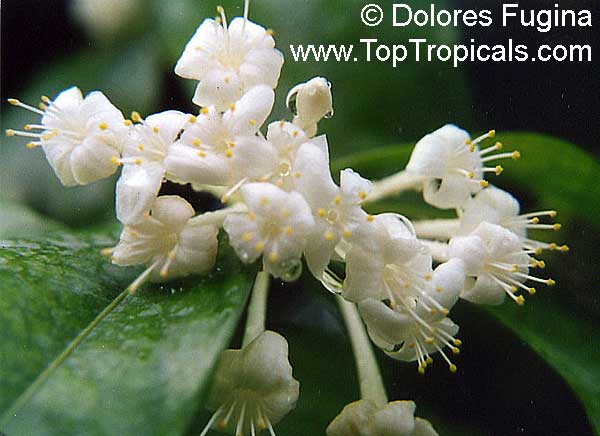
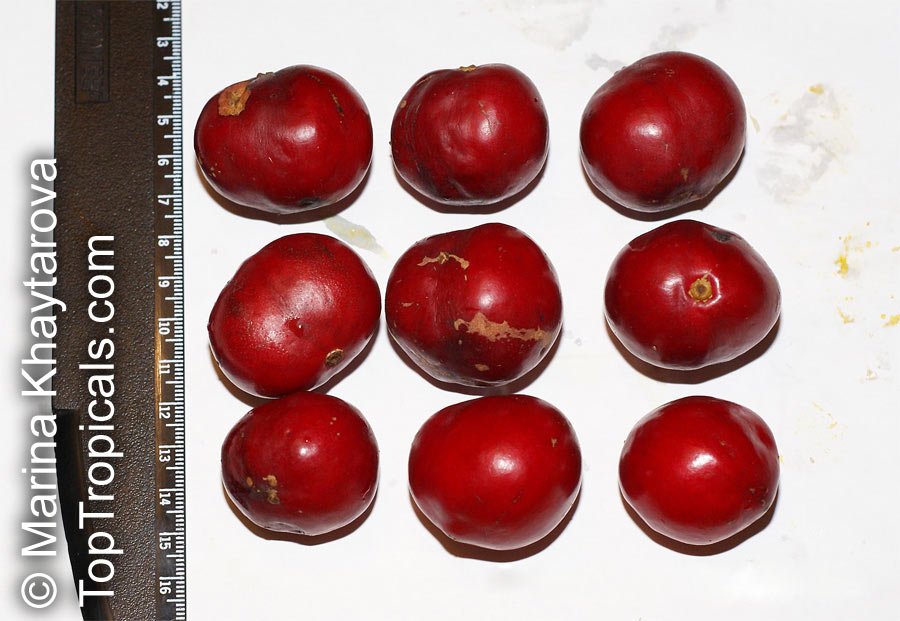
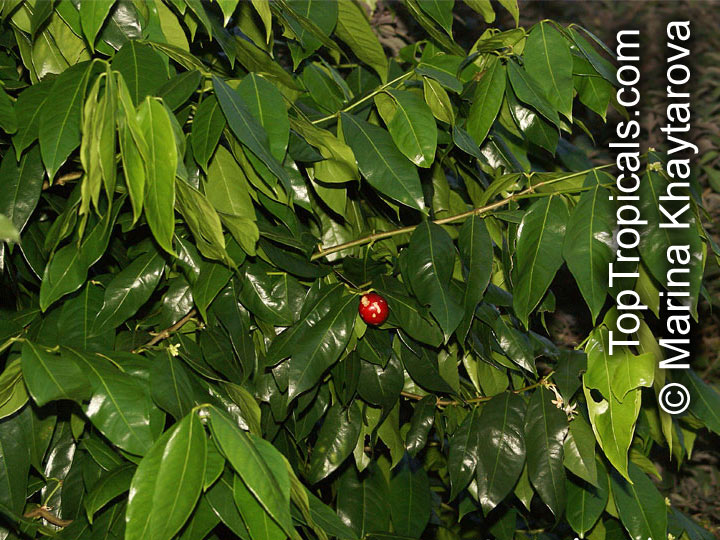
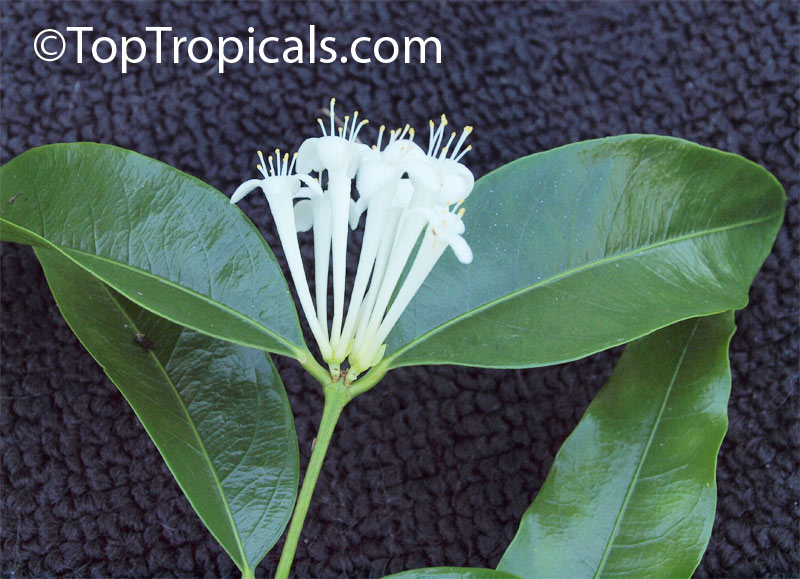
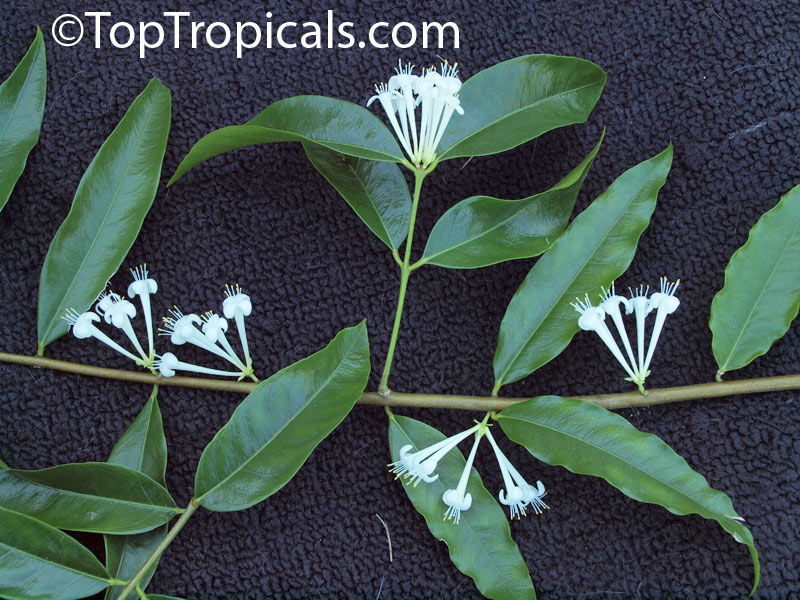
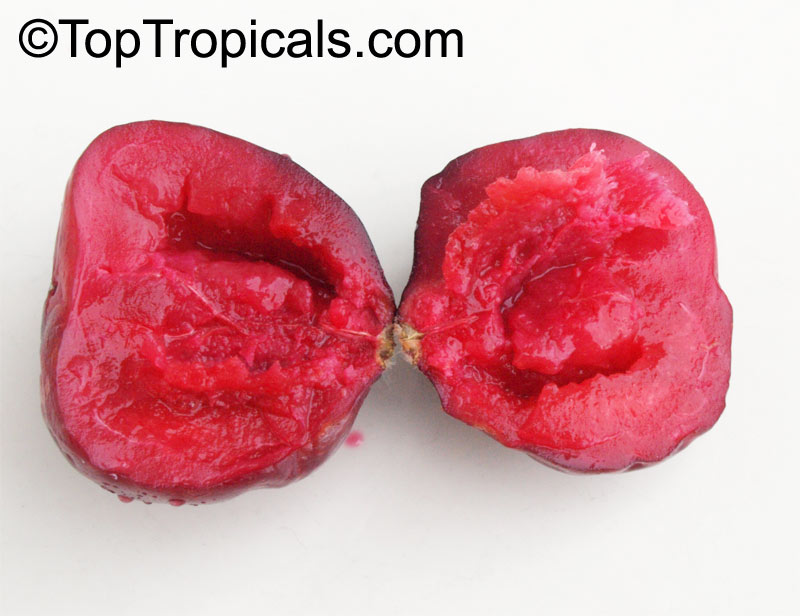
A bushy Australian rainforest tree or shrub with clusters of fragrant white flowers. The flowers look like Jasmine while the fruits are red like berries.
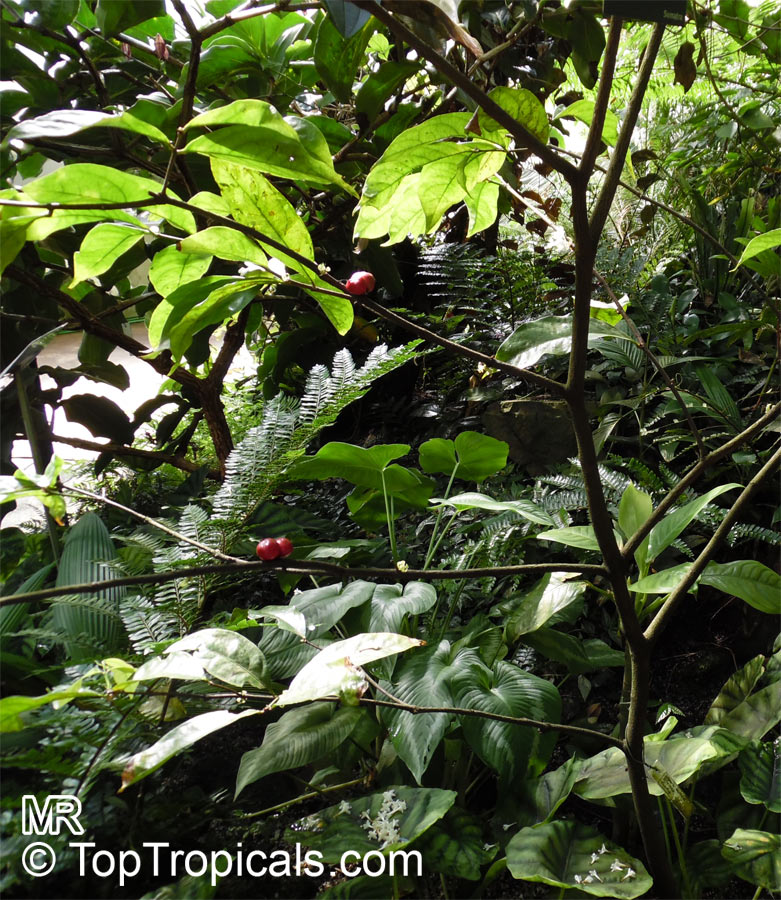
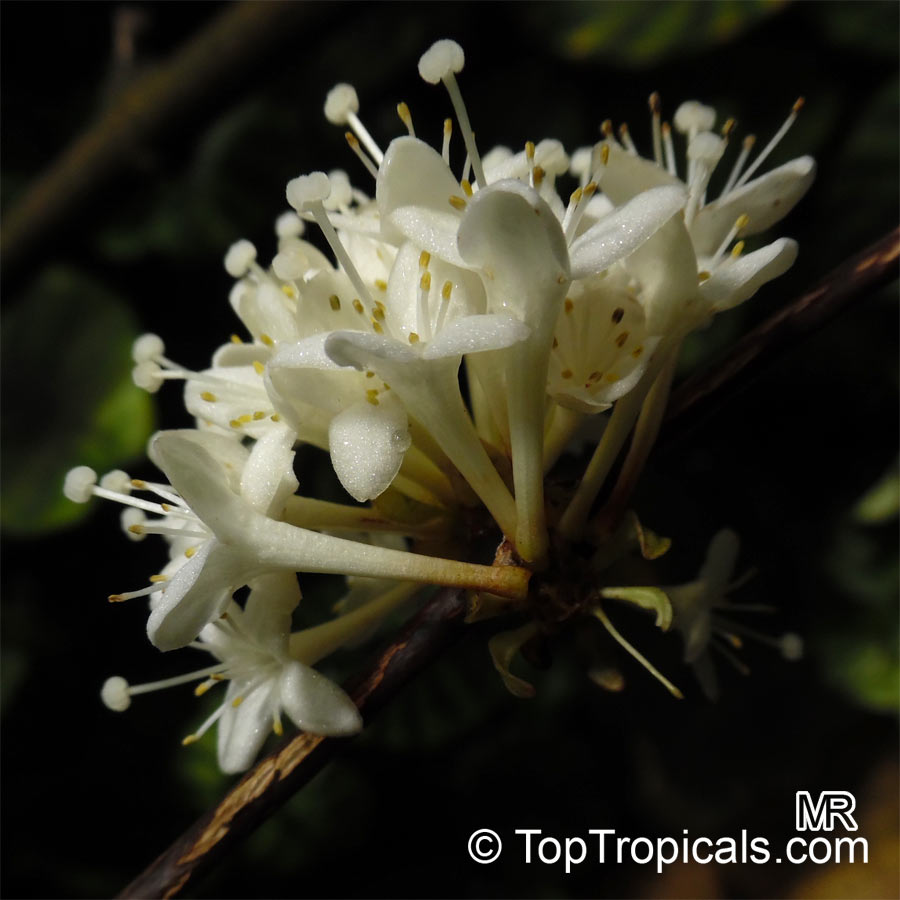
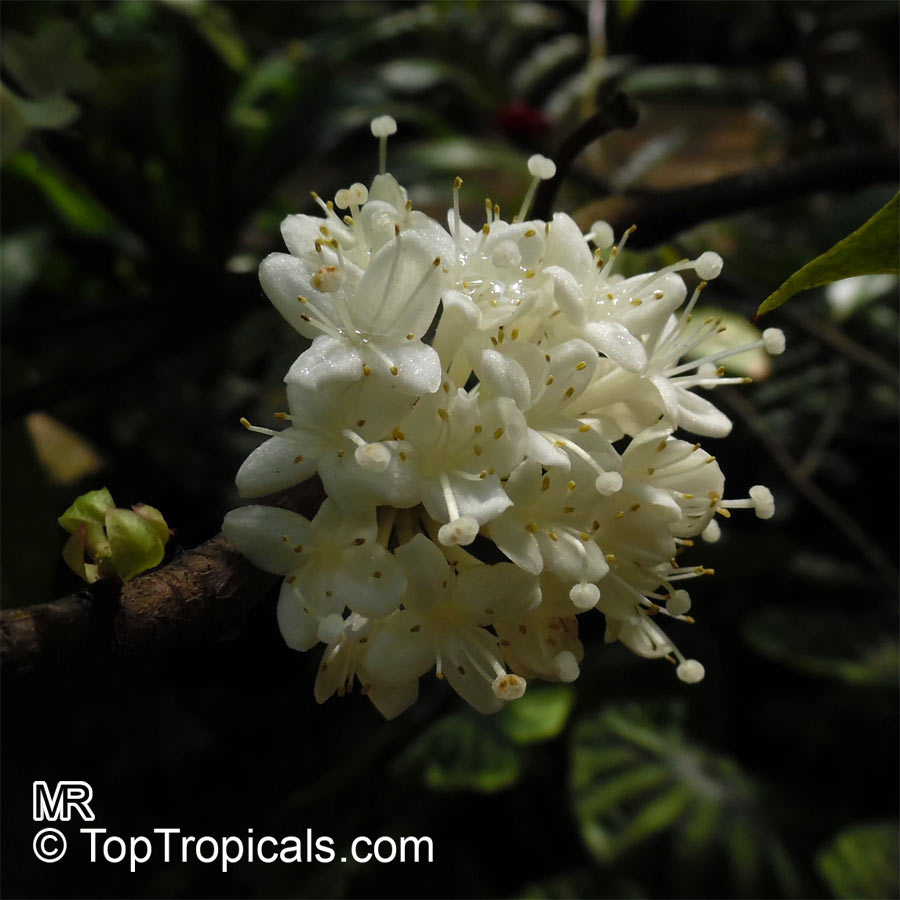
Botanical name: Phaleria clerodendron
Common name: Scented Daphne
Family: Thymelaeaceae
Origin: Australia
USDA Zone: 9-10

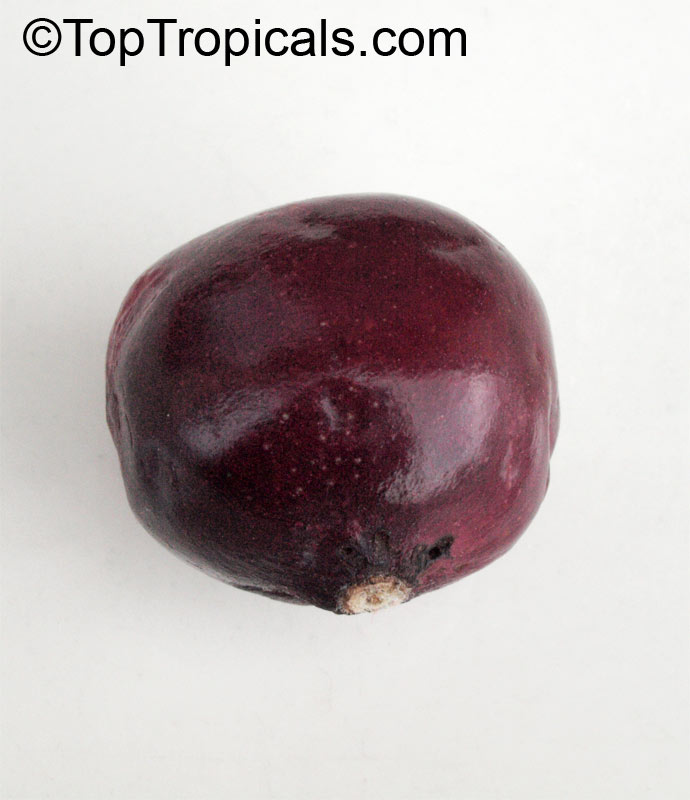
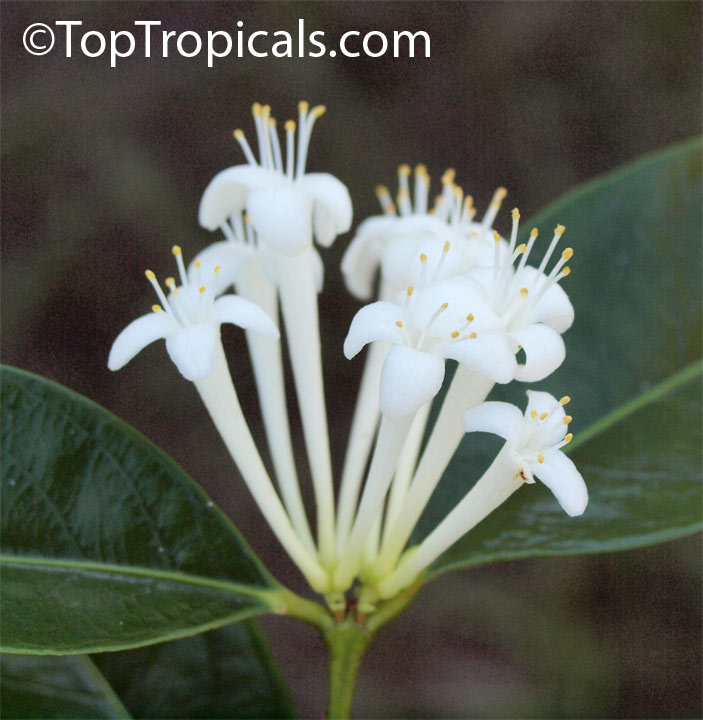
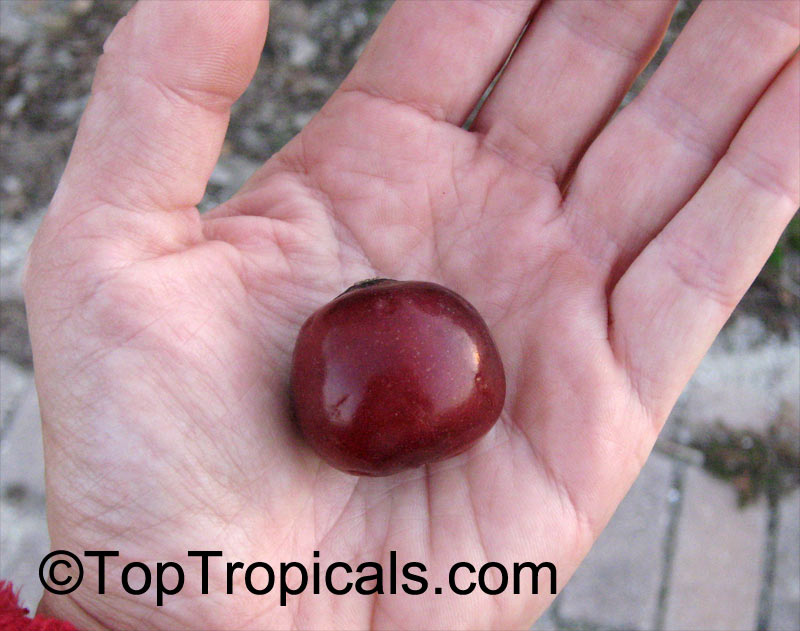
Phaleria clerodendron (Scented Daphne) is a beautiful plant that is best suited for areas that receive full sun to semi-shade and require regular watering. It can grow up to 5-10ft tall as a shrub or up to 20ft when grown as a small tree. The fragrant white flowers of the plant are an attractive addition to any garden and are known to attract a variety of butterflies and hummingbirds. However, its sap can be very irritating to the skin and should be handled with care.
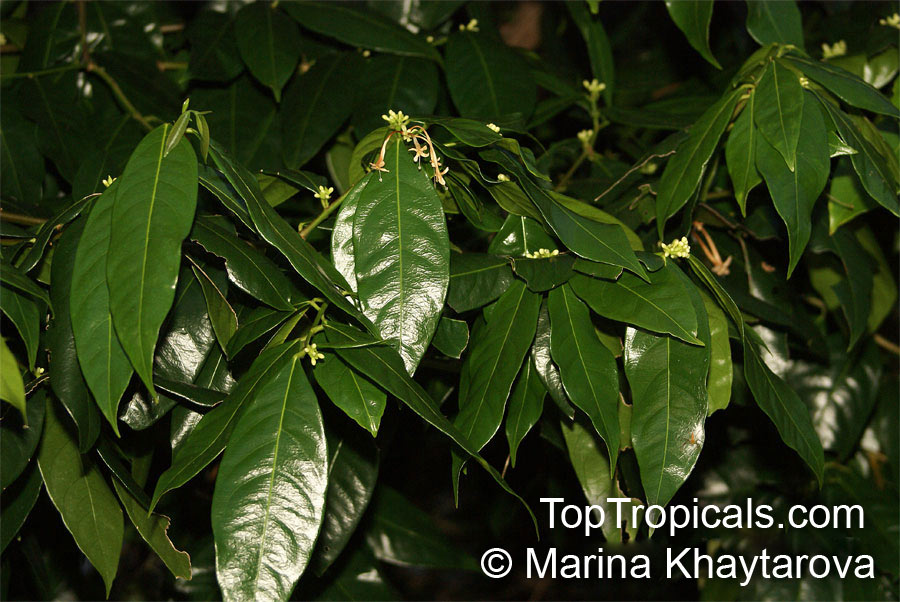
This small tree or large shrub is a rare gem in home cultivation. It is a bushy rainforest plant with dark glossy green leaves that can grow up to 18 inches long. The plant produces spectacular white, strongly pineapple scented, tubular flowers on the trunk and larger branches with the onset of rain. The scent of masses of flowers permeates through the garden, making it a great addition to any outdoor space. The plant is fast-growing in a moist site with bright or filtered light and can tolerate moist soils. Fruit-eating birds also relish the glossy fruit of the plant, although the flesh of the fruit is stringy and is reputed to be poisonous to humans.
This plant can be grown in USDA Zones 9-11. In cold weather, the plant generally loses its leaves and can look unattractive.
Overall, Phaleria clerodendron is a stunning and easy-to-care-for plant that can add a touch of beauty and fragrance to any garden.

| Next | |
Use link to repeat this search:
https://toptropicals.com/cgi-bin/garden_catalog/cat.cgi?find=Thyme&search_op=and&keyword_op=and&language=e&number=10
&no_change_lang=1&user=tt&sale=1&first=0