Mahogany - Plant Encyclopedia Results
| Number of plants found: 14 | Next | 
|
Go to page: | 1 | 2 |
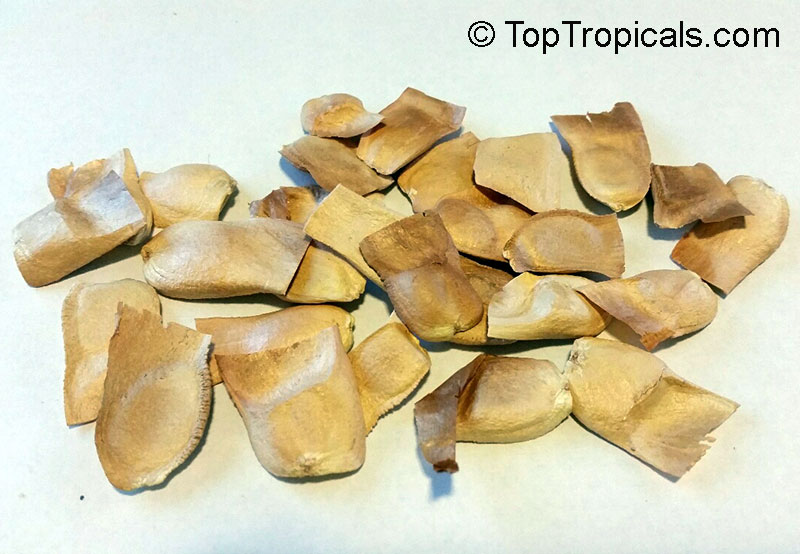
Botanical name: Entandrophragma caudatum
Common names: Mountain Mahogany, Half-peeled Banana
Family: Meliaceae
Origin: South Africa
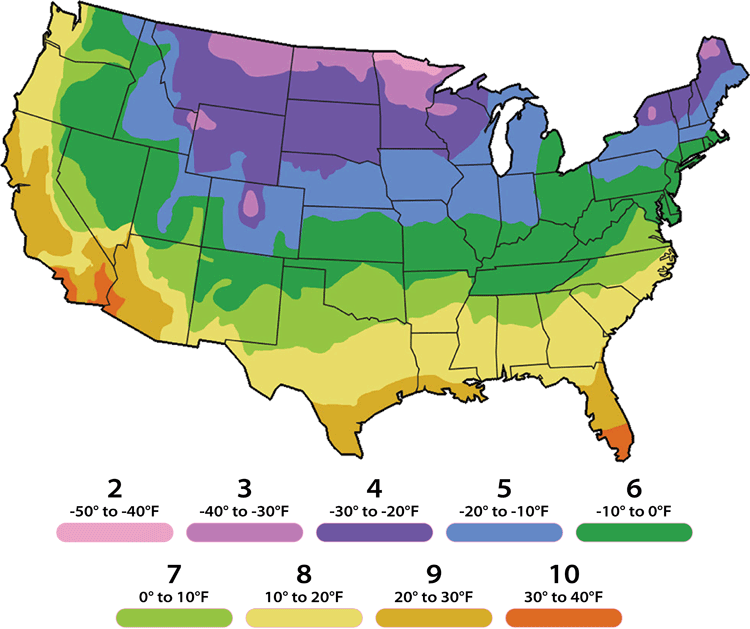
USDA Zone: 9-11


The Mountain Mahogany (Entandrophragma caudatum) is a beautiful tree that can grow up to 20 feet tall with a dense crown of glossy, dark green leaves. It blooms with fragrant white to yellowish flowers during the autumn and winter months and produces distinctive woody fruit capsules. This tree is frost-tolerant and can withstand temperatures as low as 30 degrees Fahrenheit for short periods of time. It is native to Southern Africa.
Caring for the Mountain Mahogany is easy as it thrives in full sun and only requires moderate water. It is suitable for USDA zones 9-11 and is fairly drought tolerant once it is established. If you live in a cooler region, you can still grow this tree by planting it in a well-draining pot with some insulation and keeping it in a sheltered location. To do this, you can place the pot against walls or close to your house for protection from cold temperatures and use a potting mix that is well-draining, light, and airy. Remember to also protect the pot from heavy rainfall and make sure it has proper drainage holes. If you live in a colder climate, it is best to keep the pot inside or in a protected area during the winter months.
The Mountain Mahogany is a deciduous tree that is commonly found in river valleys and open woodlands on rocky slopes and ridges. Its fruit is cigar or club-shaped when green and turns into a woody, pale brown capsule when mature. The fruit has the appearance of a half-peeled banana and contains large, winged seeds that can be carried by the wind.

Botanical name: Swietenia mahagoni
Common name: West Indian Mahogany
Family: Meliaceae
Origin: Caribbean, southern Florida
USDA Zone: 9-11

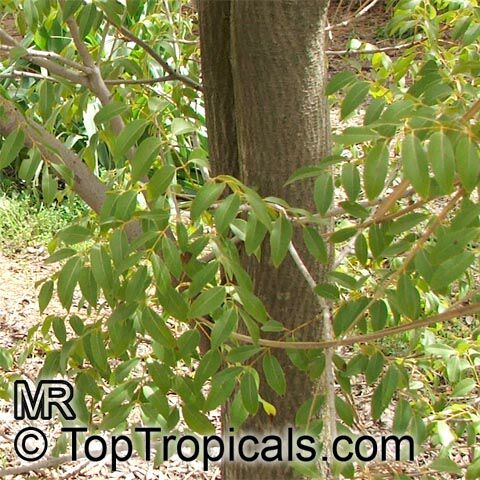
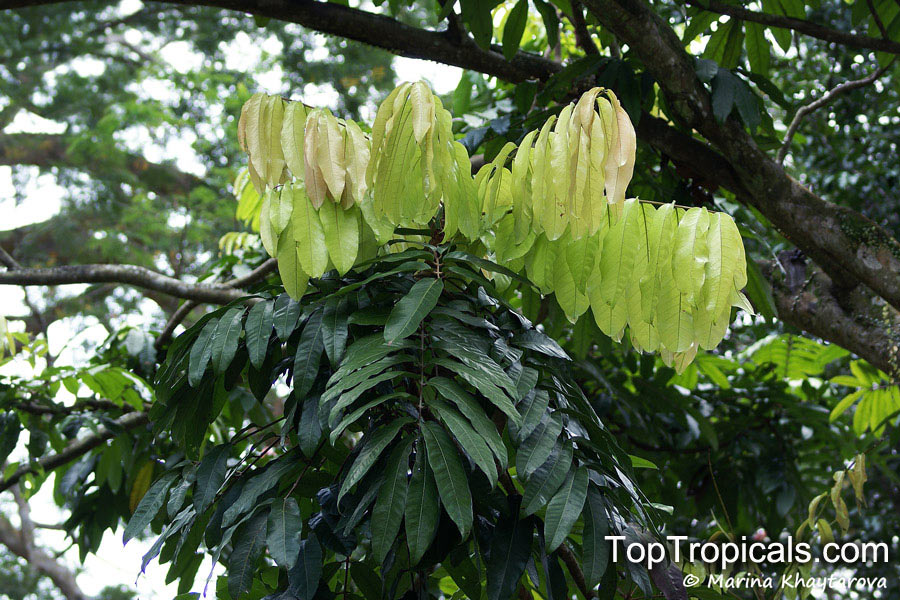
This large, evergreen tree can reach heights of up to over 20 feet, and its gracefully spreading branches give it an open, rounded crown. Its bark has a smooth, reddish-brown appearance which becomes increasingly ridged and furrowed with age. The green, glossy leaves are oblong in shape, and in a favorable setting, the tree can produce fragrant and beautiful flowers.
Swietenia mahagoni is native to the Caribbean islands and southern Florida and tends to thrive in areas with plenty of full sun and a consistently moist, well-drained soil. It does not tolerate drought, but it is still necessary to avoid overwatering. Regular waterings are important for young, immature plants, but older, established trees may only require it during extended periods of dryness.
It should be noted that once it is mature, the Swietenia mahagoni can tolerate short periods of time in temperatures as low as the mid-30s Fahrenheit with minimal damage. This makes it a great choice for growers in USDA Hardiness Zones 9-11 who would like to plant this unique, beautiful tree in their gardens.
For those who may be considering growing this tree in colder zones, the Swietenia mahagoni can be grown in a container and brought indoors during the winter months. This ensures that it is protected from the cold temperatures while still providing the tree with plenty of sun, water and other essential nutrients.
Overall, Swietenia mahagoni is a remarkable tree with a beautiful appearance and a very versatile, durable wood. There is a reason why it was the origin of the true mahogany woods, and when properly cared for, it can bring a great deal of beauty to a garden.
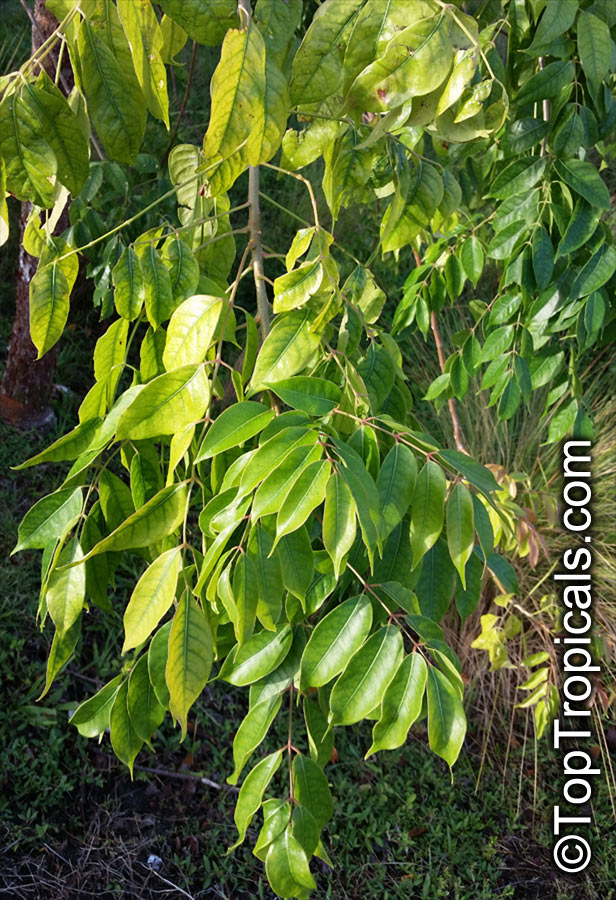
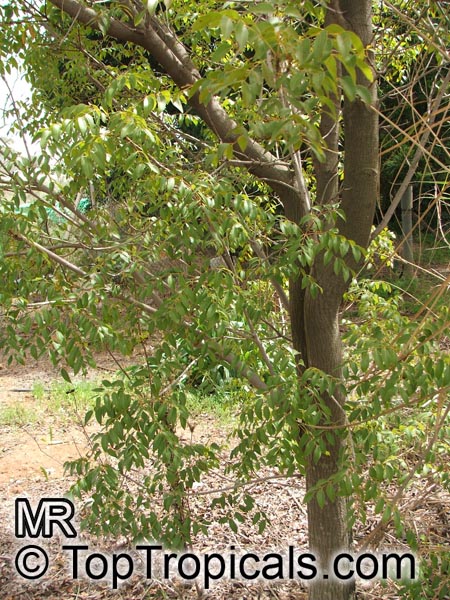
Botanical name: Carapa guianensis
Common names: Crabwood, Andiroba, Bastard-mahogany
Family: Meliaceae
Origin: Tropical America
USDA Zone: 9-10


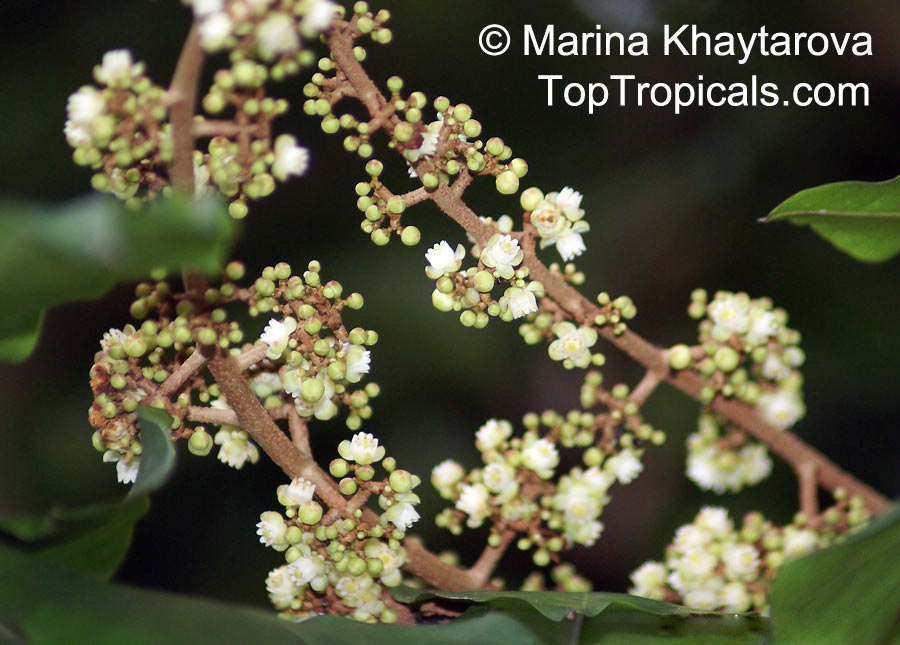
Native to the tropical forests of South America, Carapa guianensis, commonly known as Crabwood or Andiroba, is an impressive tree that can reach heights of more than 20 feet. At maturity, the tree trunk can become quite large and its bright green leaves, which remain evergreen through most of the year, can reach 3-5 inches long. This tree boasts showy clusters of white and off-white flowers that appear in spring and summer, giving rise to edible fruits with hairy brown and orange nuts.
Andiroba's ethnomedical uses are quite impressive, since the oil from its seeds is an effective agent for treating skin conditions, insect repellent, and even furniture polish. Its wood is highly sought after by sawmills due to its soft yet durable properties. In addition, Andiroba is a flood-tolerant tree, being able to survive in flooded conditions for extended periods of time.
Growing and caring for Andiroba is possible in USDA Zones 9-11, although it is best suited for warmer climates. When it comes to placement, Andiroba will prefer full sun and semi-shade, and regular watering is a must. In cold regions, it is recommended to plant Andiroba in a pot and keep it indoors during cold months, in order to ensure proper care and avoid freezing during freezing temperatures.


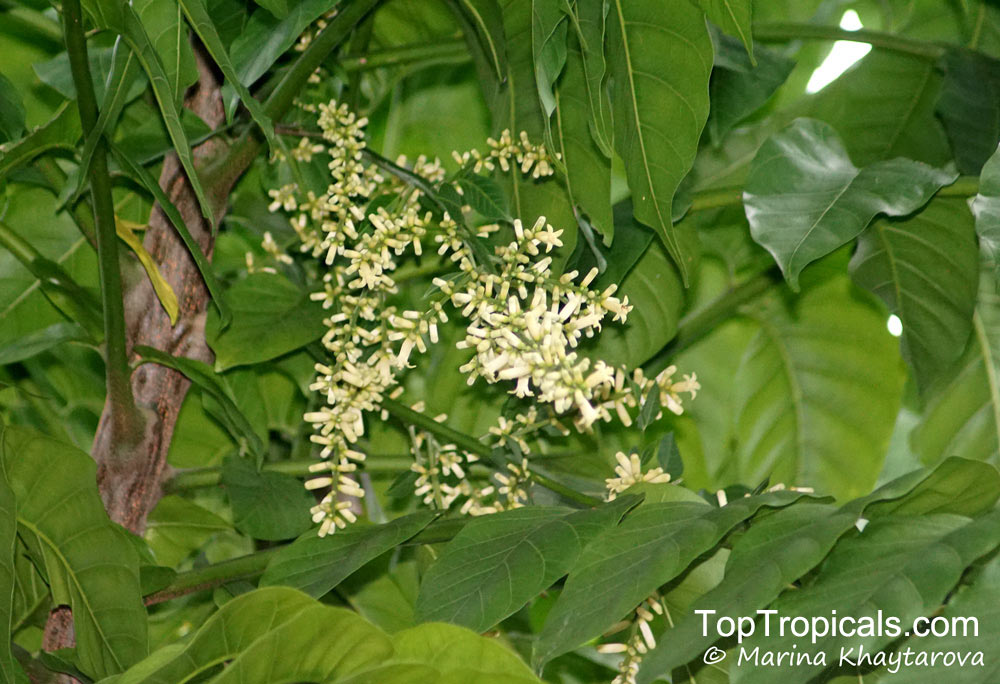
Botanical name: Dysoxylum gaudichaudianum
Common name: Ivory Mahogany
Family: Meliaceae
Origin: Australia
USDA Zone: 9-10
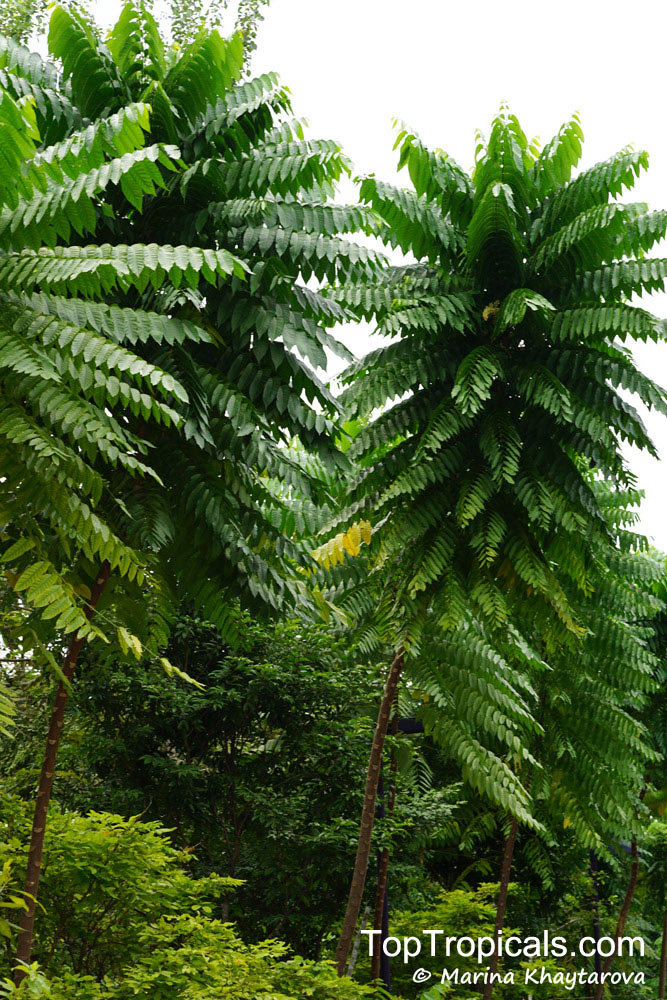
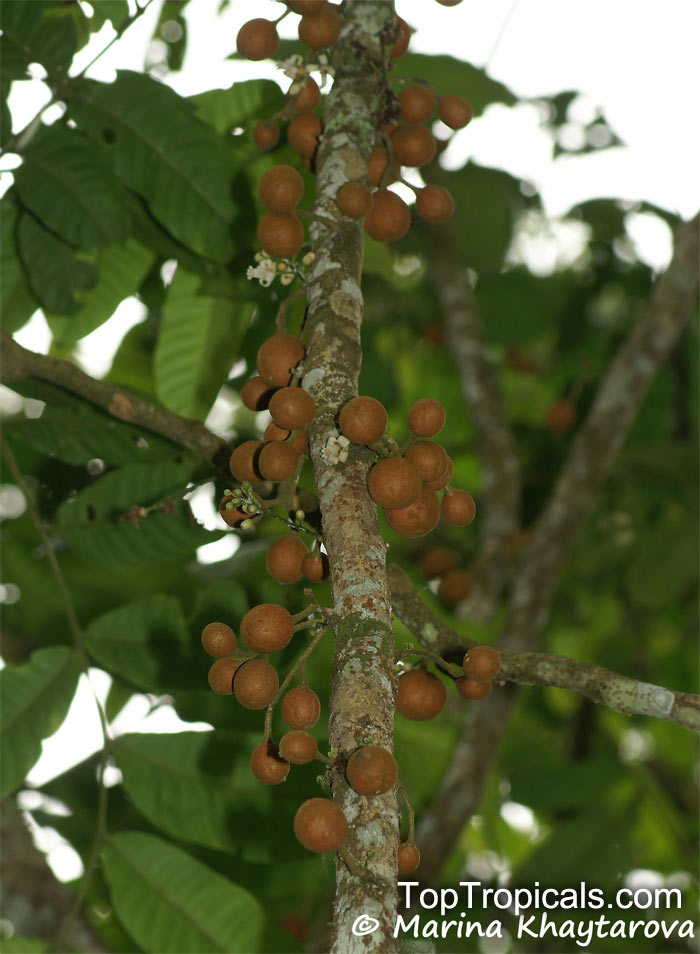
Botanical names: Dysoxylum parasiticum, Dysoxylum caulostachyum
Common name: Yellow Mahogany
Family: Meliaceae
Origin: Malesia, New Guinea
USDA Zone: 9-10
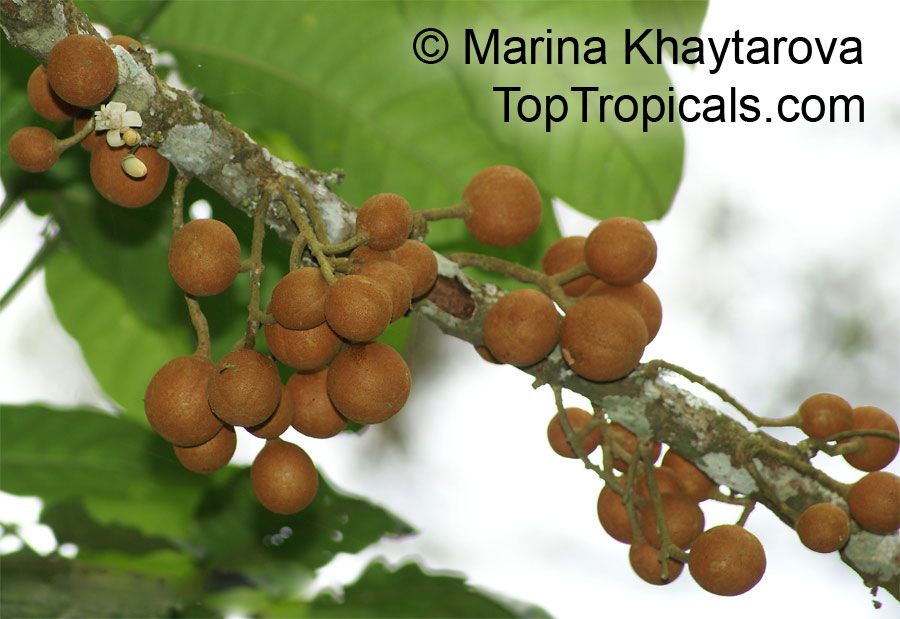
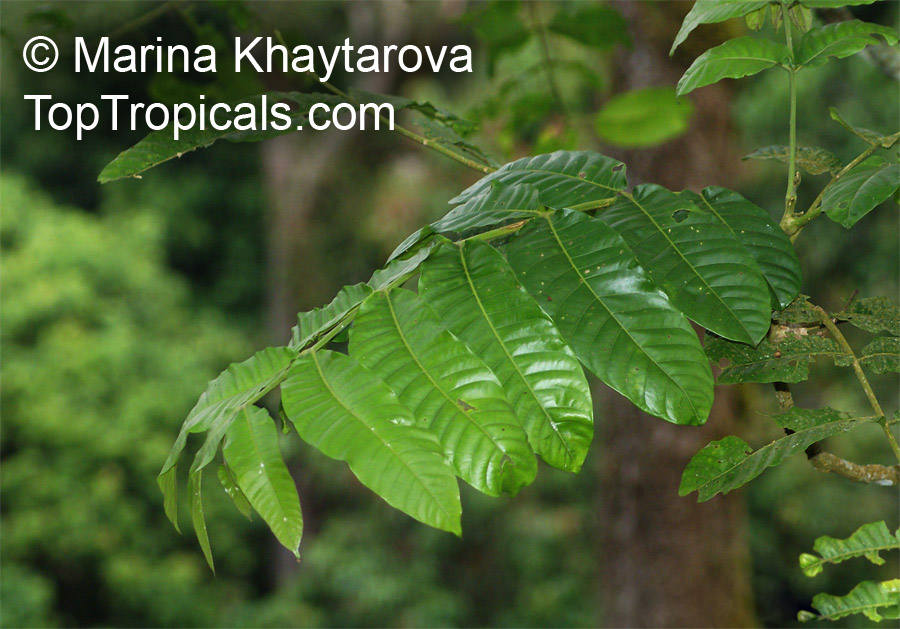
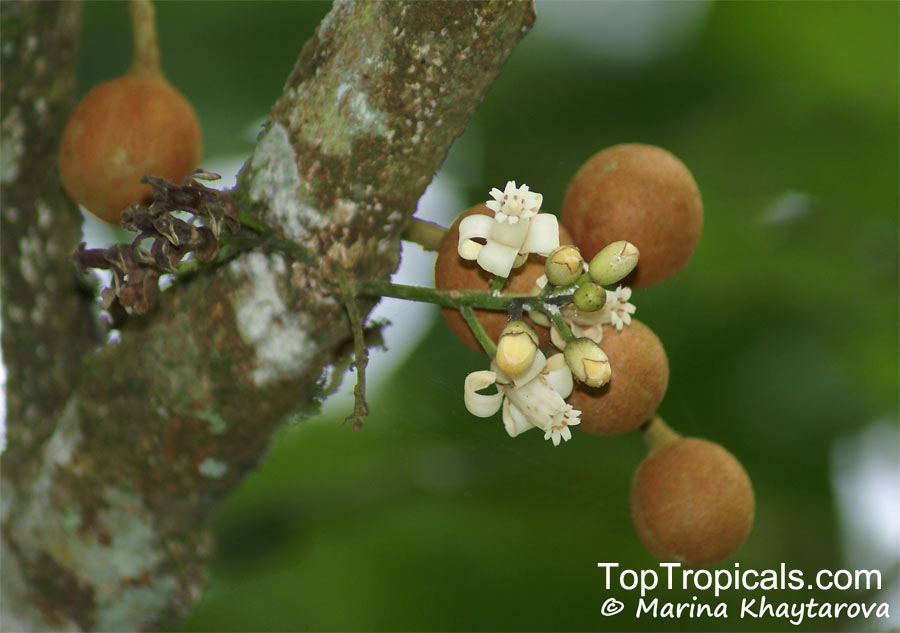
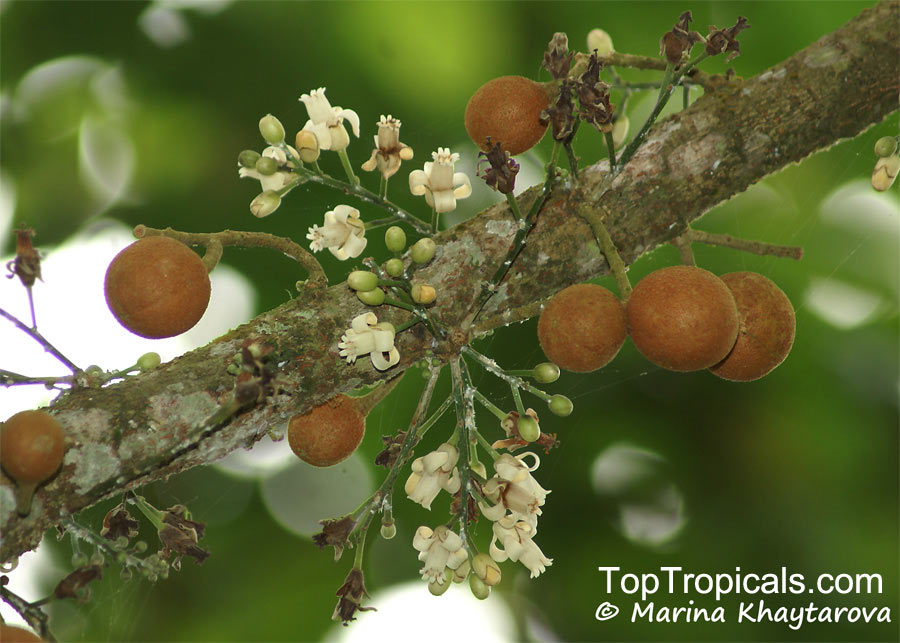
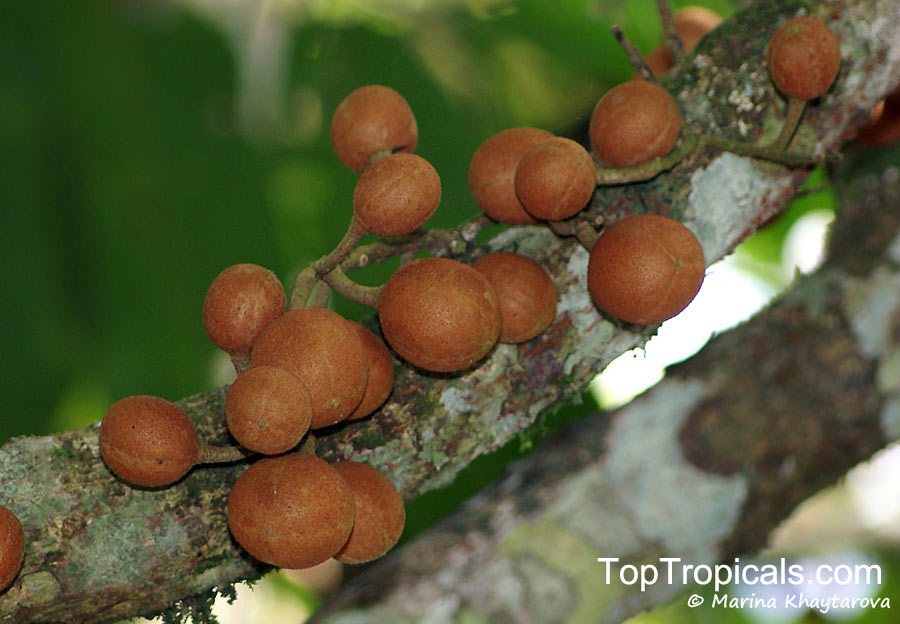
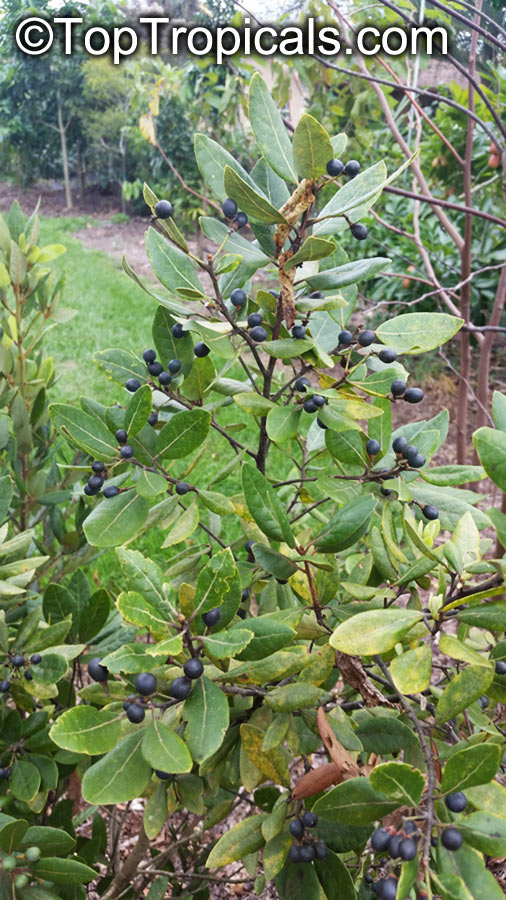
Botanical names: Persea borbonia, Laurus borbonia, Persea littoralis
Common names: Redbay, Florida Mahogany, Sweet Bay, Silk Bay, Laurel Tree
Family: Lauraceae
Origin: Florida
USDA Zone: 9-10


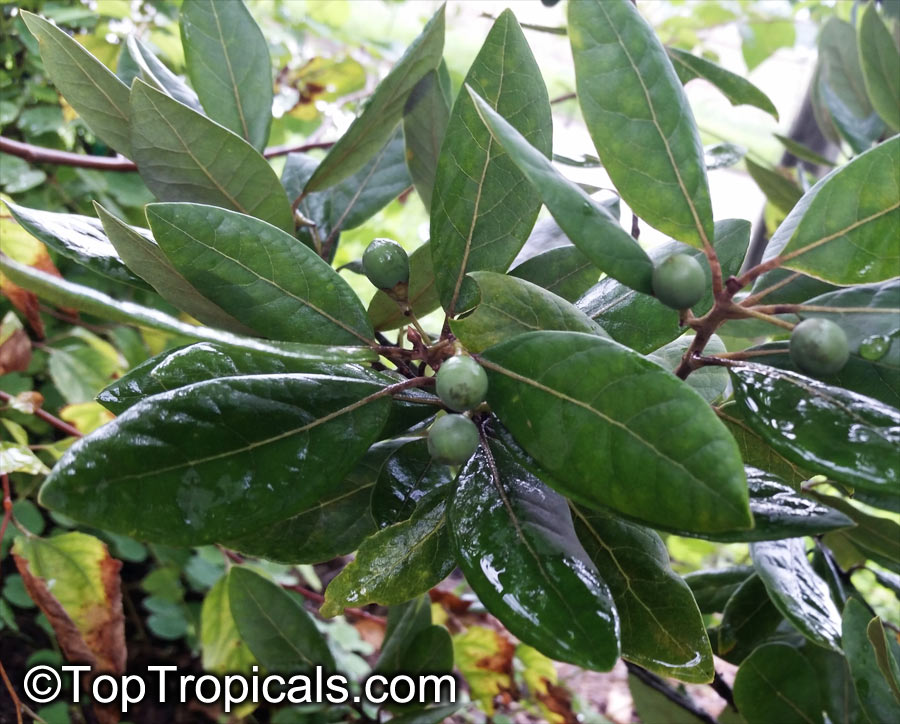
Persea borbonia is a relative of Avocado and Bay Leaf, the leaves of this aromatic herb tree are used for seasoning. he spicy leaves can be used to flavor soups and meats. Try crushing one of their leaves and you will smell an aroma similar to the bay leaves in your kitchen.
The plant develops a dense, pyramidal crown with gently drooping branches. The bark of the Persea borbonia is reddish-brown with irregular furrows that separate flat-topped ridges. Small round fruits appear on the tips of branches. The fruit is a small bright blue to shiny black drupe. The inside of these fruits looks like a miniature avocado complete with green, squishy flesh and a dark seed. In fact, an even closer relative to swamp bay than the culinary bay is the edible avocado (Persea americana). This plant is highly salt tolerant and tolerates flooding. Persea borbonia is usually associated with lowlands, hardwood swampy forests and moist or swampy conditions, but occurs in a variety of habitats, ranging from edges of fields and ditches to dry sandy areas, ridges and even dunes near the coast.
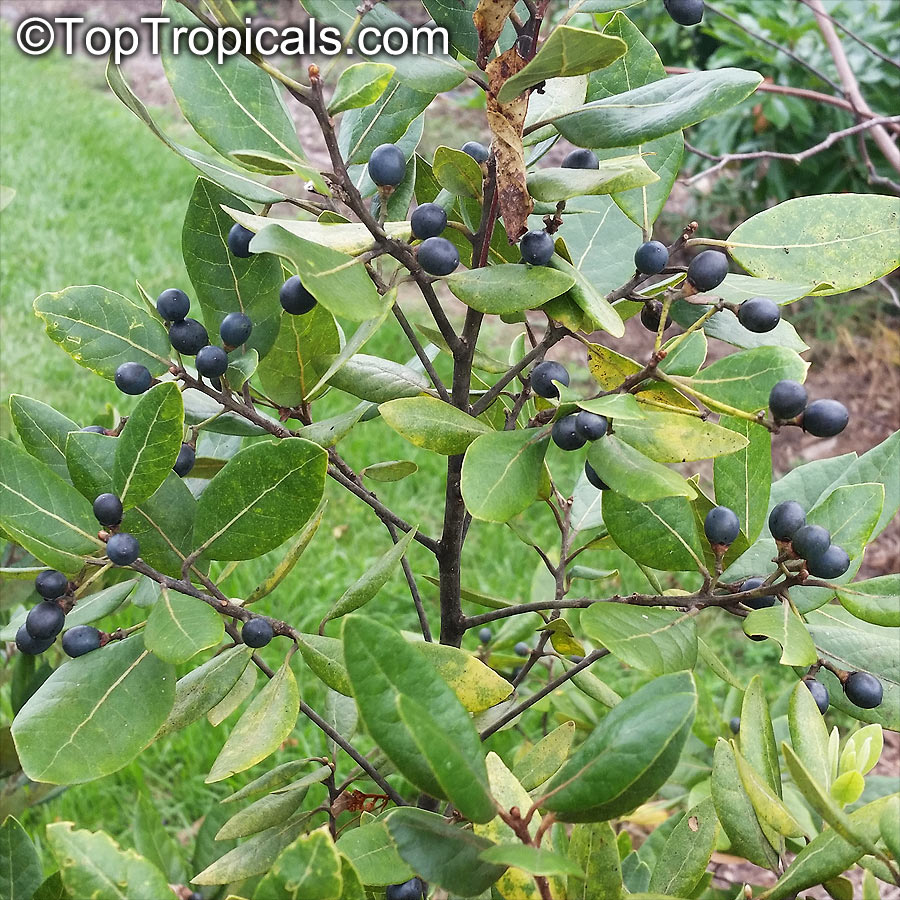
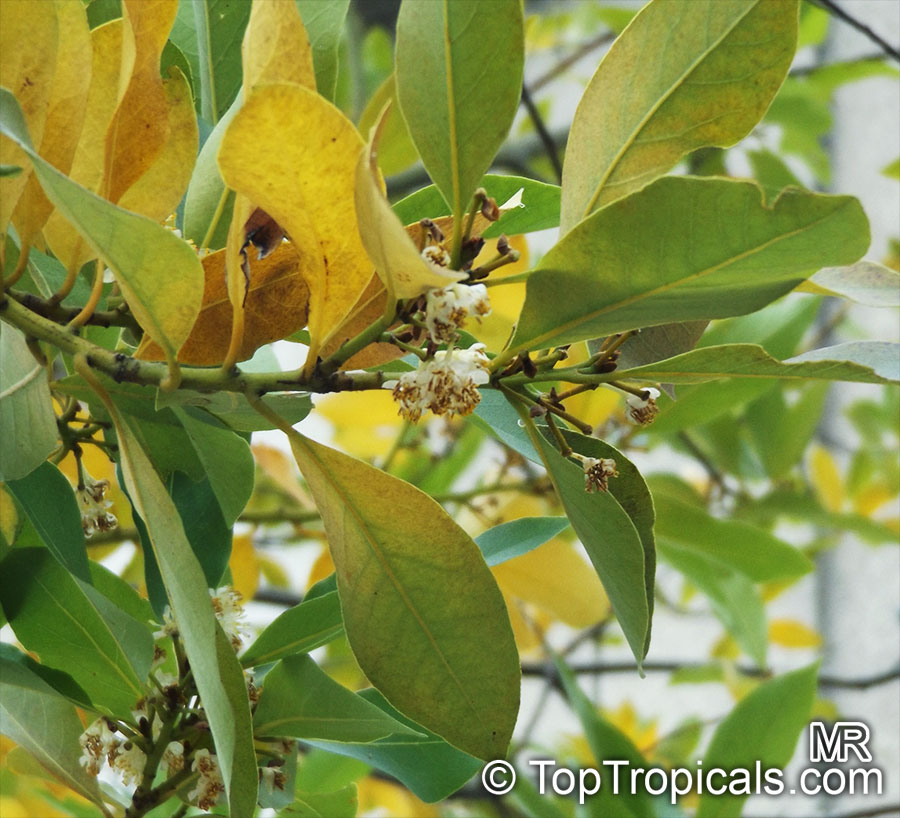
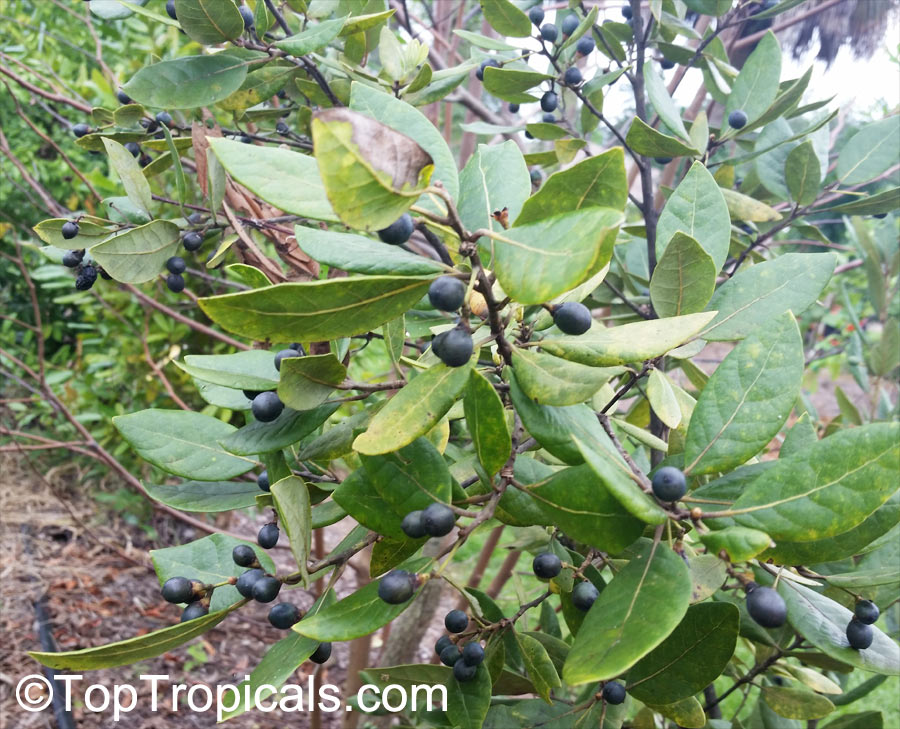
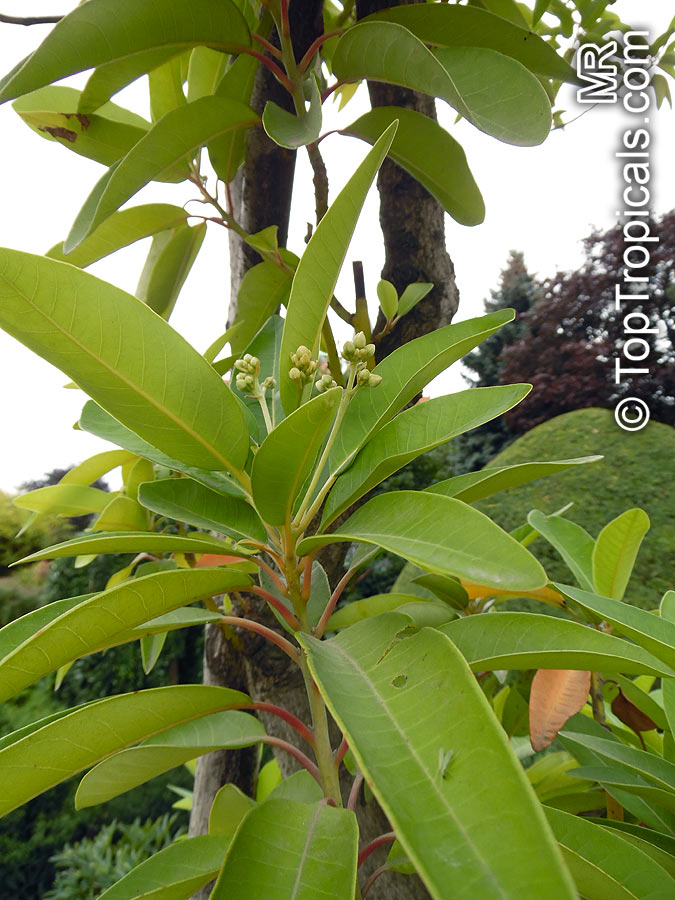
Botanical names: Persea indica, Laurus indica
Common name: Madeira Mahogany
Family: Lauraceae
Origin: Canary Islands
USDA Zone: 9-10
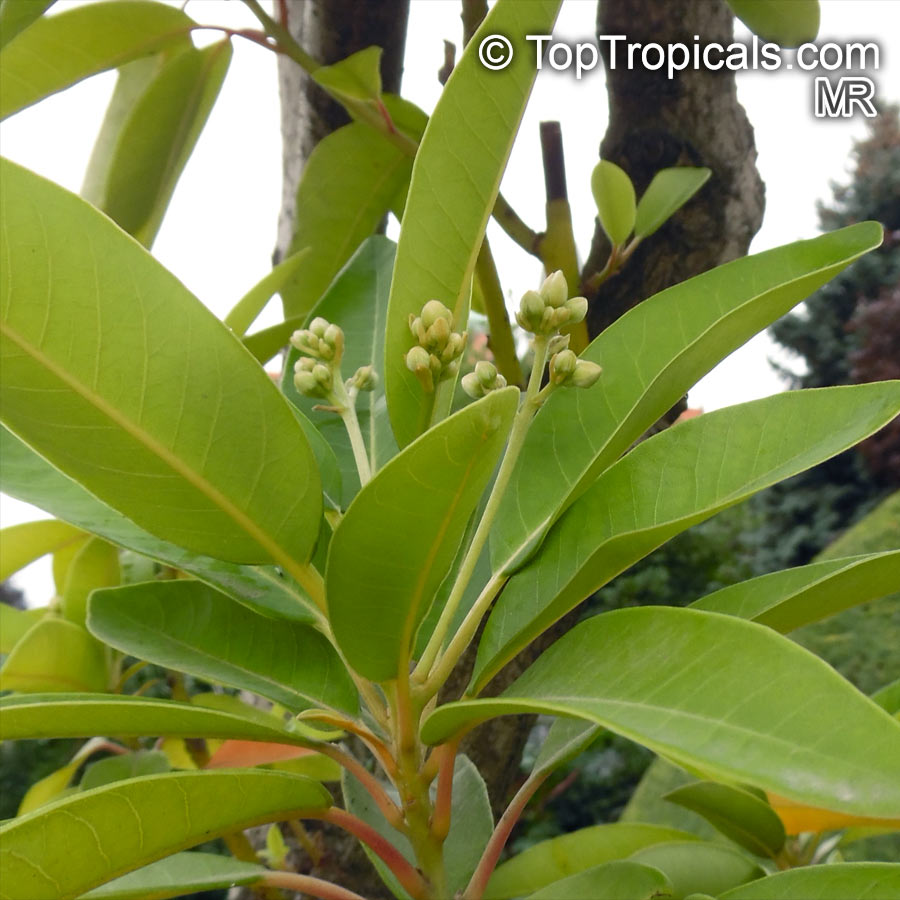
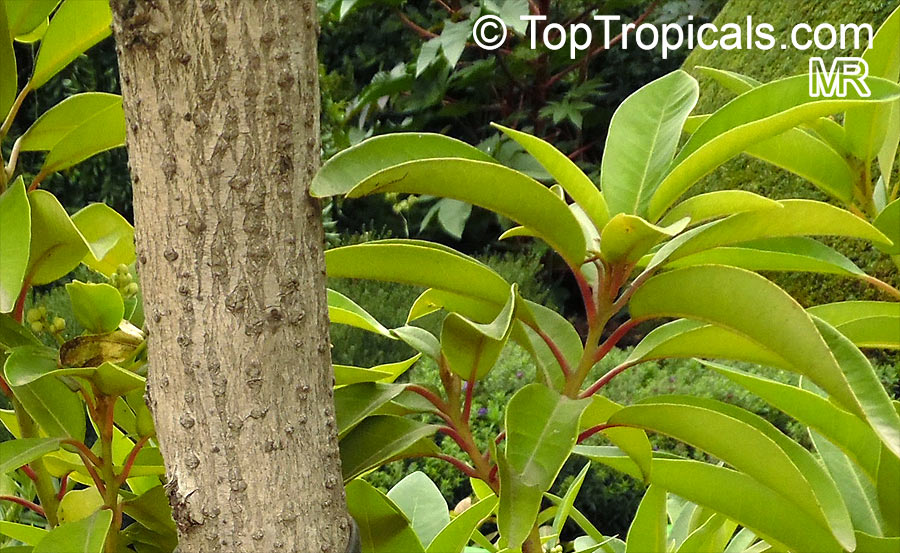
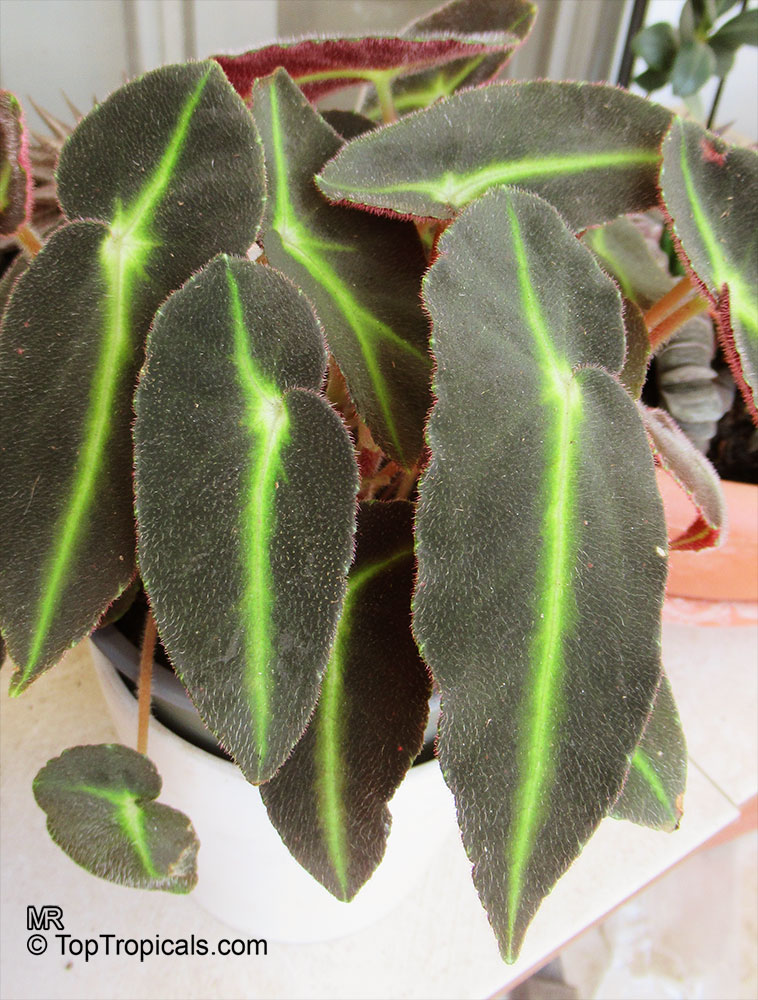
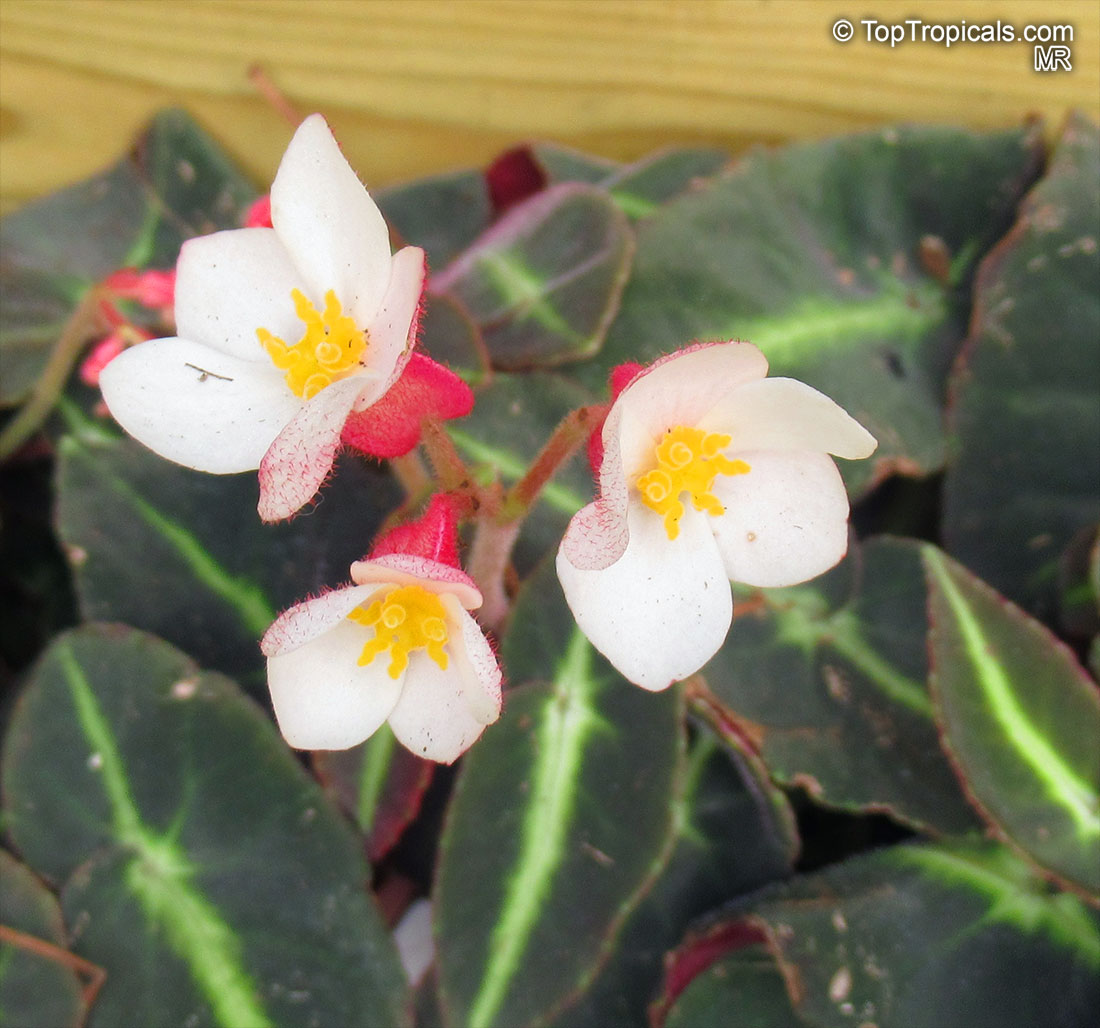
Botanical name: Begonia listada
Common name: Striped Begonia
Family: Begoniaceae
Origin: Brazil
USDA Zone: 9-10


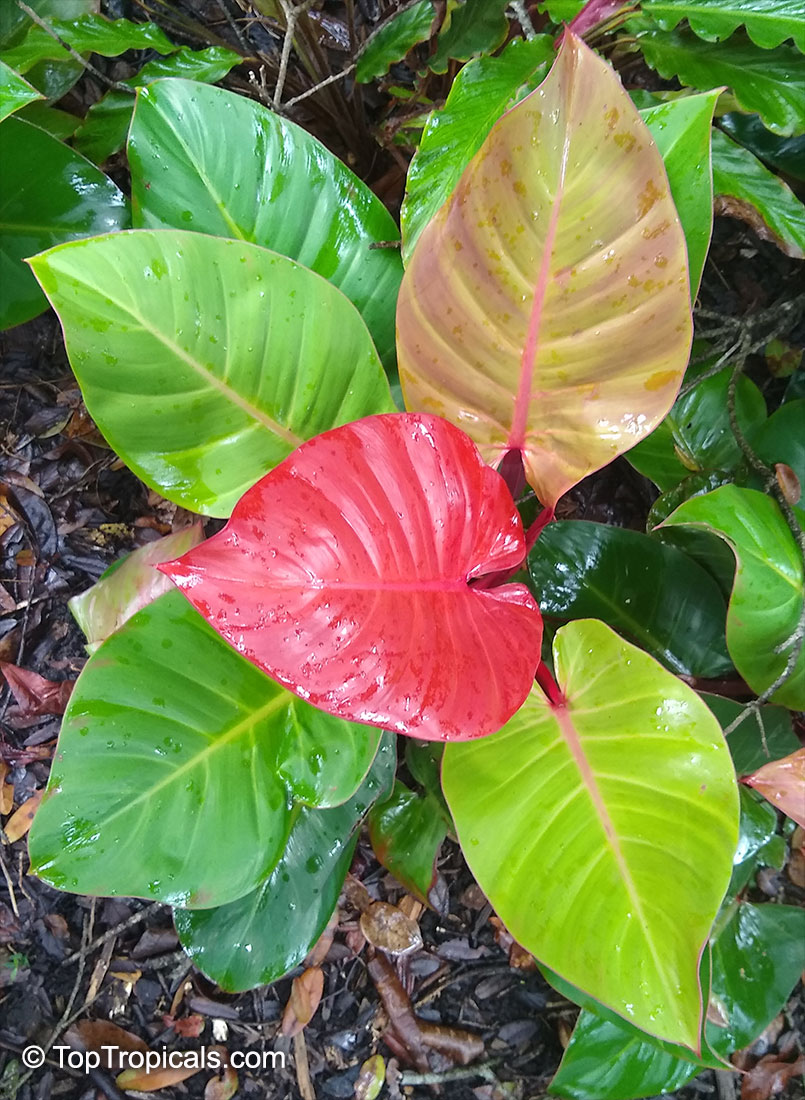
Each leaf features a bright green stripe that dissects the center of the velvet dark green leaves. The underside of each leaf is a rich mahogany color.
Begonia listada is well suited to a bright position, free from direct sunlight.
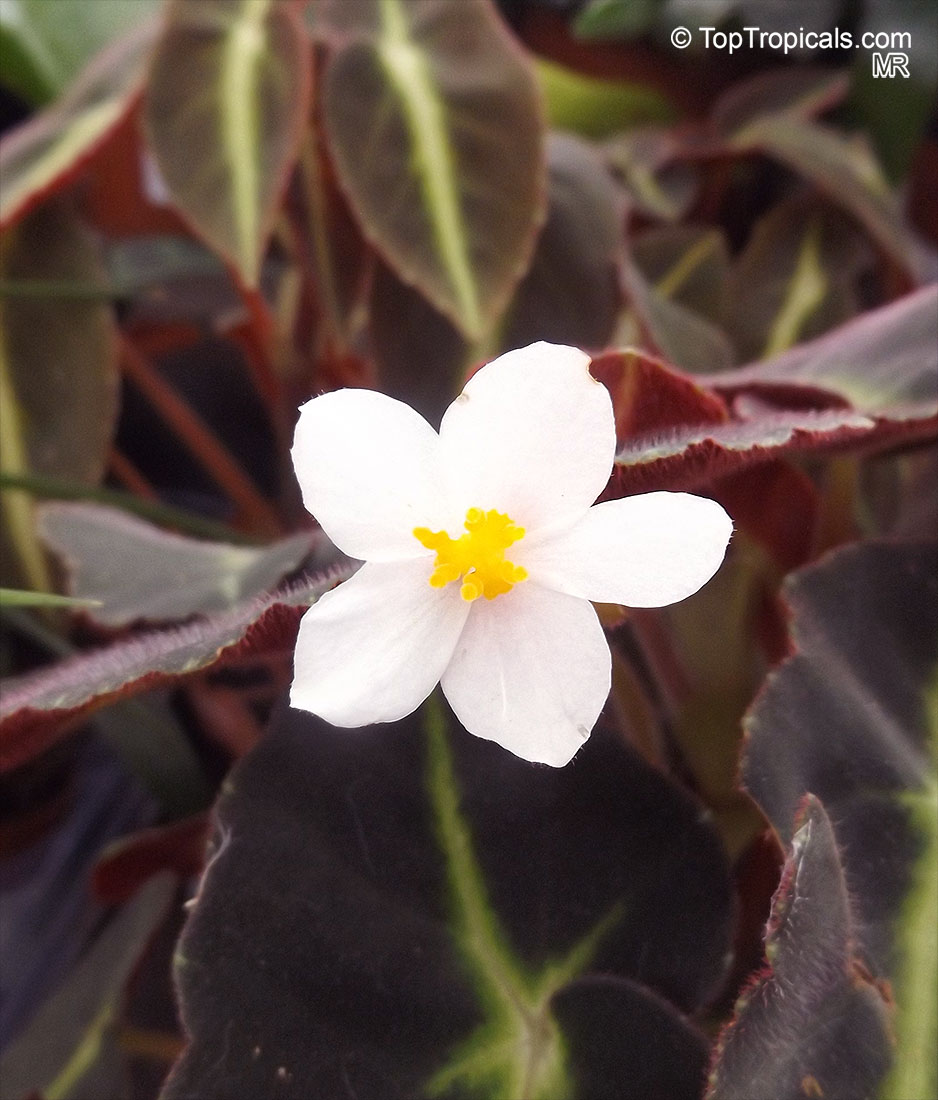
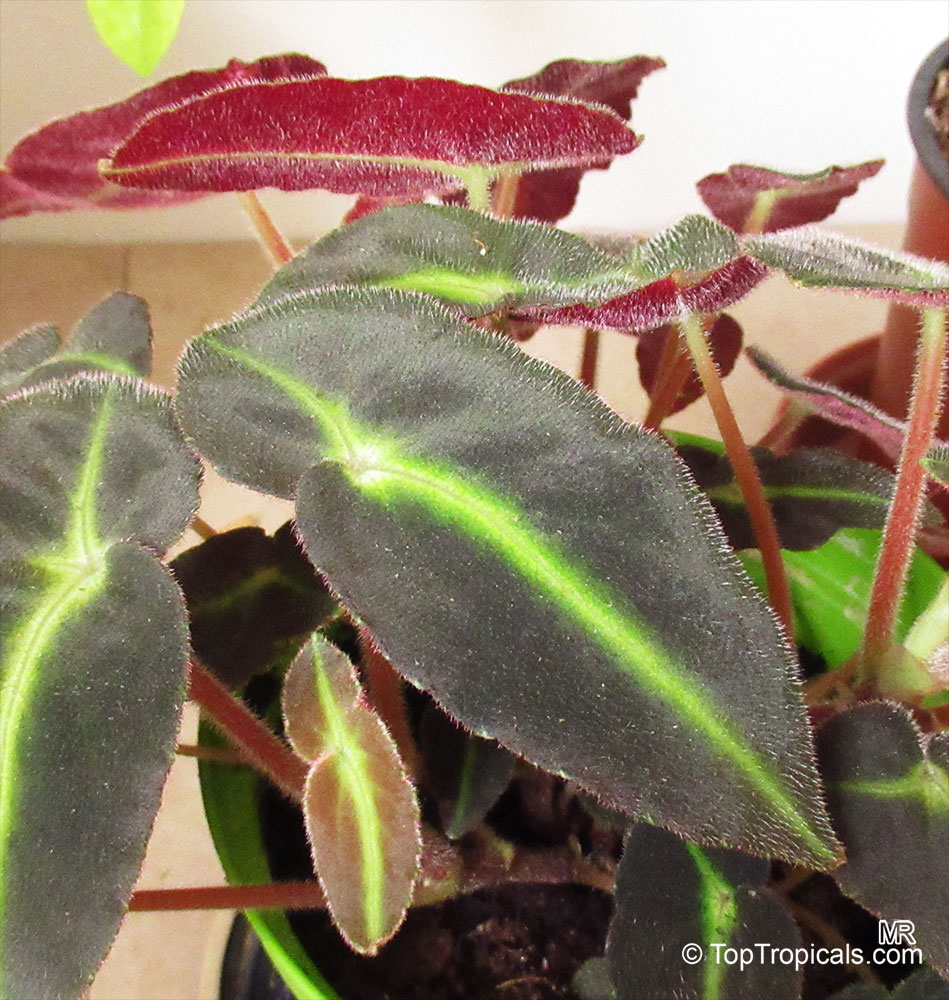
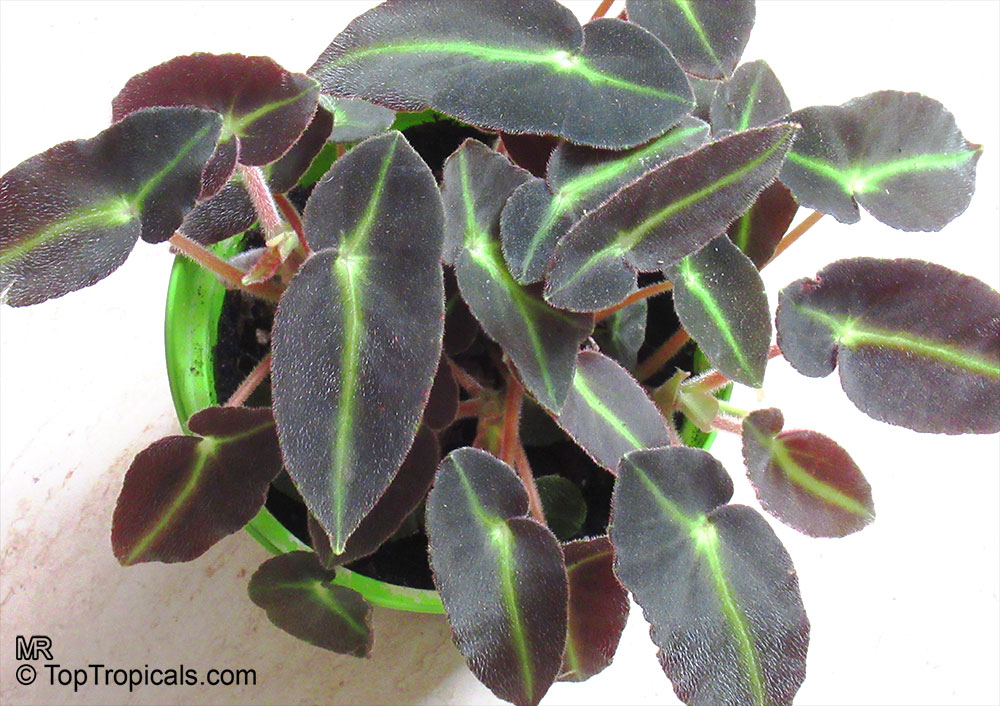
Botanical name: Philodendron sp.
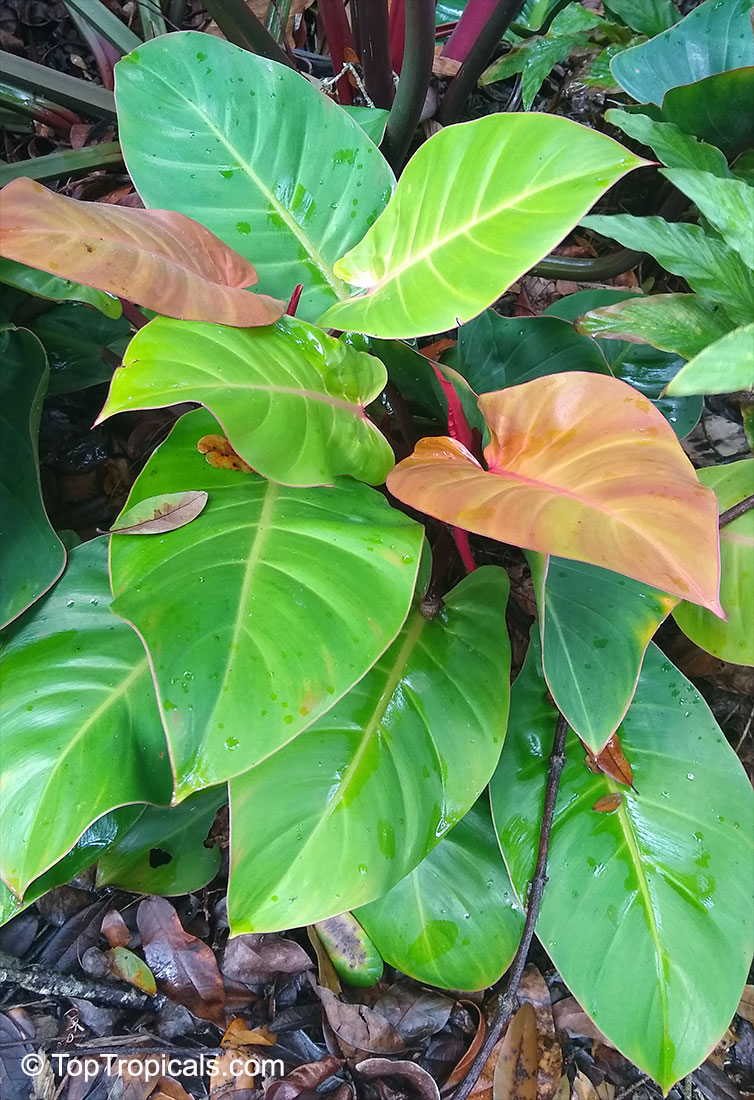
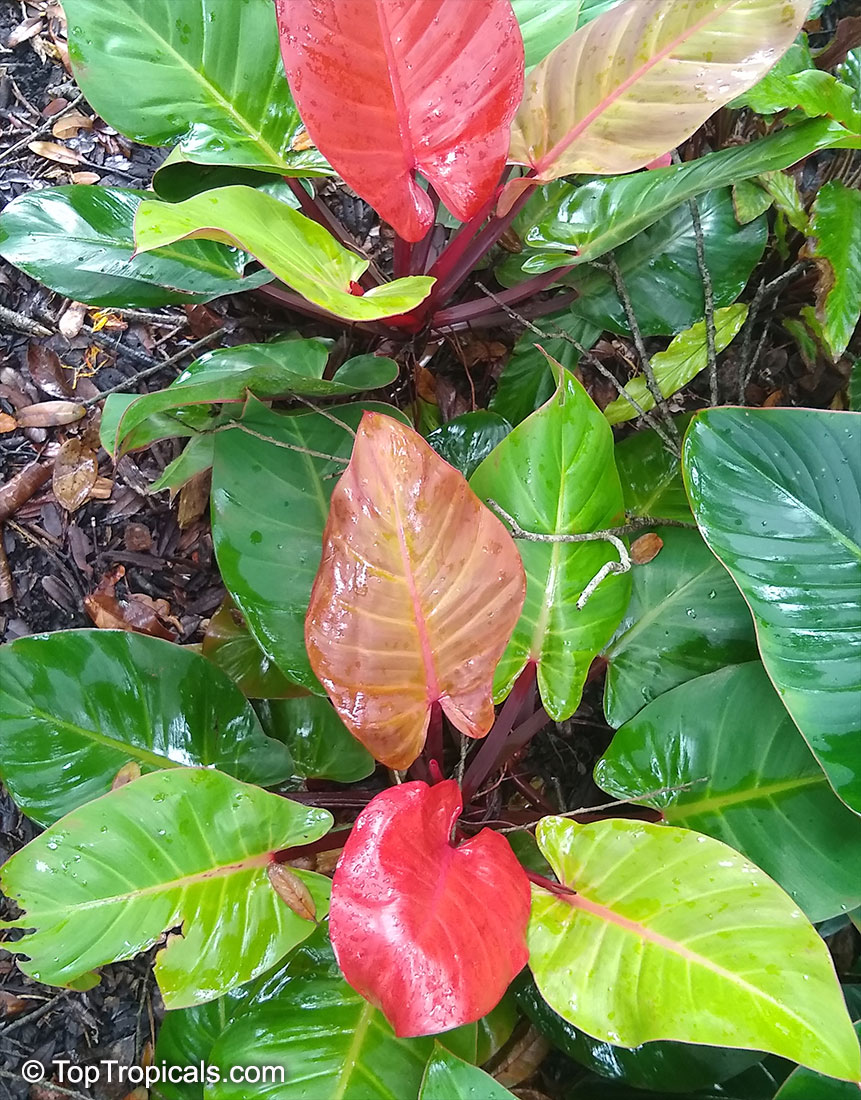
Cultivar: McColley's Finale
Family: Araceae
USDA Zone: 9-10
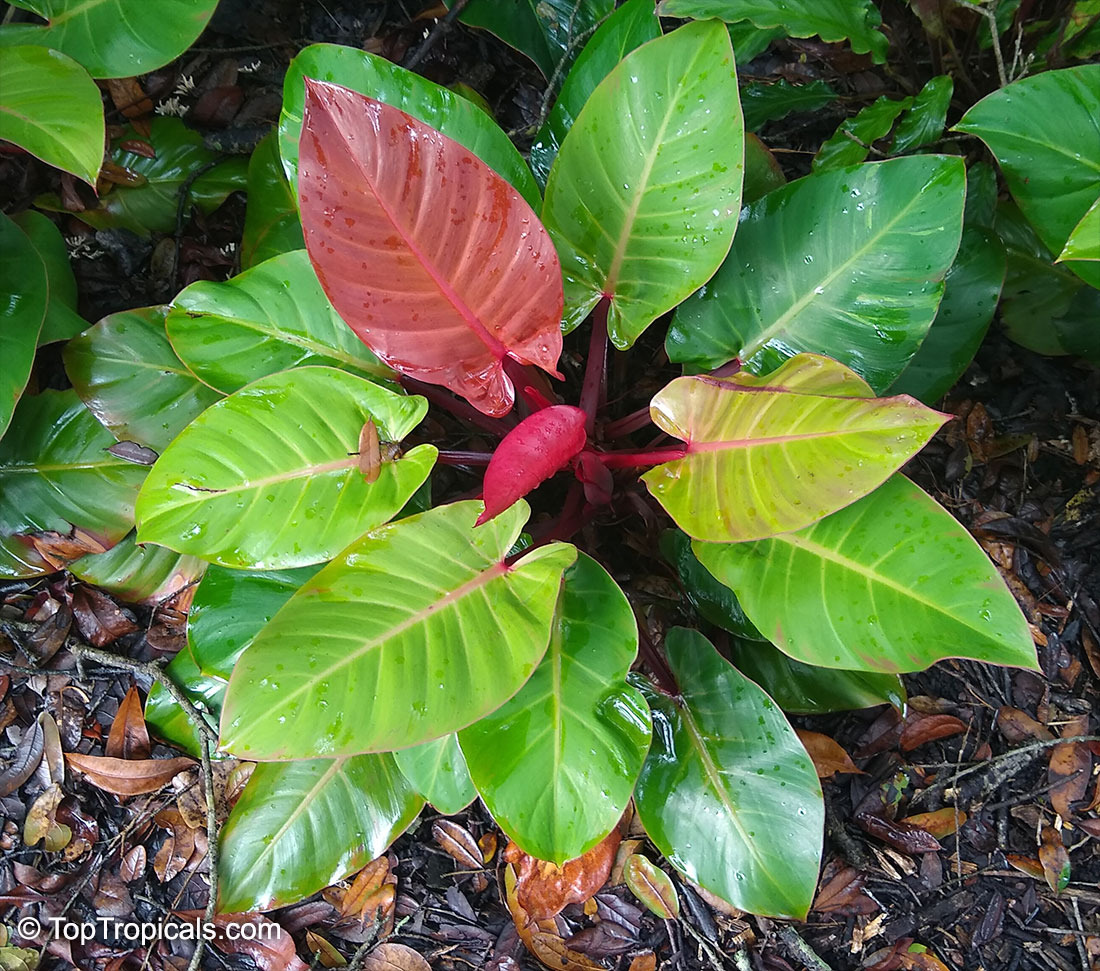
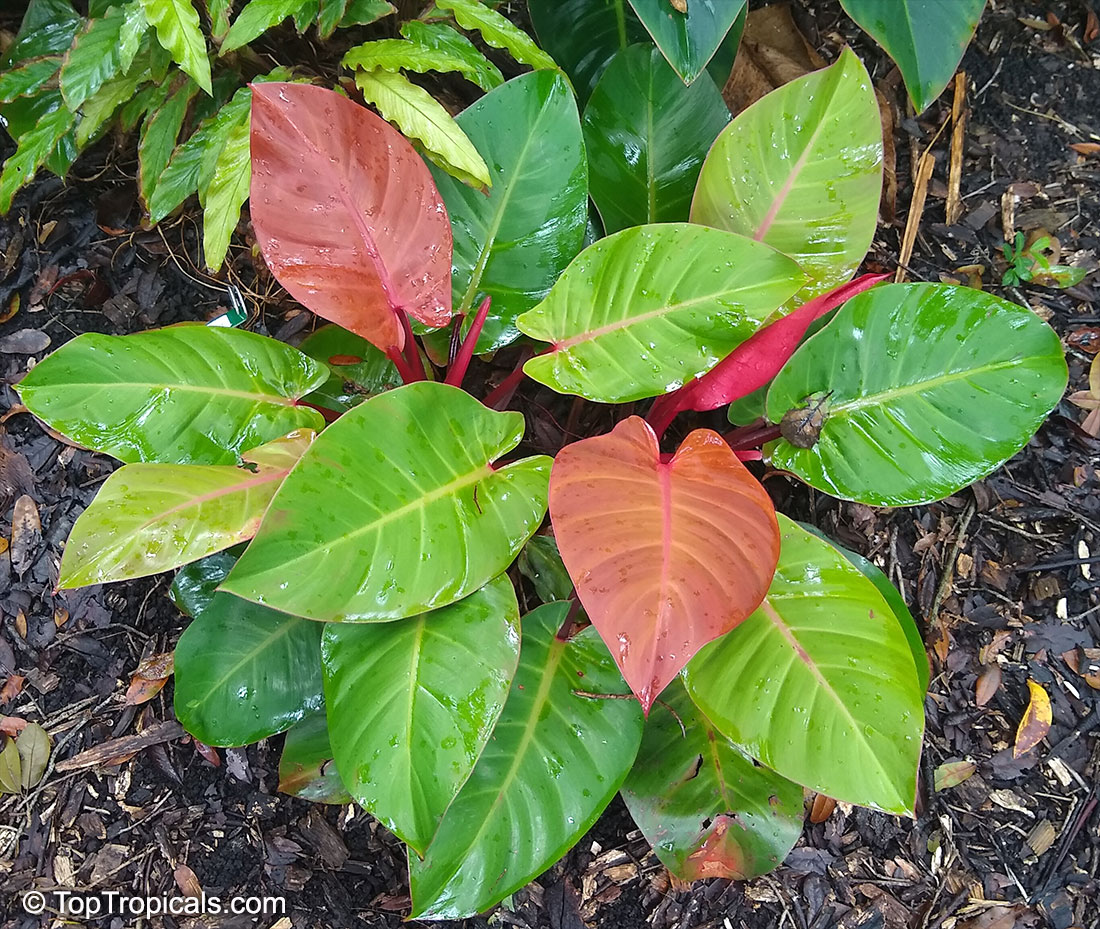
The Philodendron 'McColley's Finale' is an evergreen tropical hybrid featuring an array of colorful and captivating foliage. This hybrid was developed by Robert H. McColley in the late 1960s and resembles other Philodendron plants such as Prince of Orange, Royal King, and Black Cardinal.
Philodendron 'McColley's Finale' is a low-maintenance plant that is native to South and Central America. It typically grows between a height of 2-5 feet and prefers semi-shaded environments. When mature, the leaves are bright and spotted with red, and eventually transition to a rich mahogany and deep emerald green.
In order to ensure optimal health, the air around the Philodendron 'McColley's Finale' should not be too dry. It should also be kept in partial shade or moderate sunlight, with soil that is slightly damp but never soaking wet. Philodendron 'McColley's Finale' is best suited for locations with USDA Hardiness Zones of 9-11, and is preferably planted in a clay or plastic container. If the plant is exposed to cold temperatures, its pot should be insulated to protect against freezing.
When the temperature rises, it is important to water the Philodendron 'McColley's Finale' to provide it with the necessary nourishment for growth. Additionally, a well-balanced fertilizer will encourage faster blooming. With the recommended water and soil balance, the Philodendron 'McColley's Finale' can produce a unique, exotic foliage. Its availability from the hybridized McColley family makes it an ideal choice for gardeners around the globe.

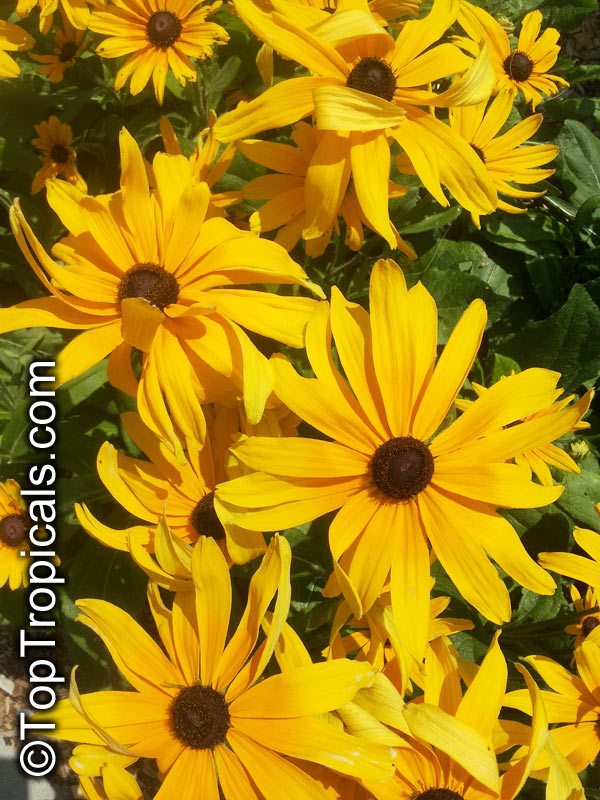
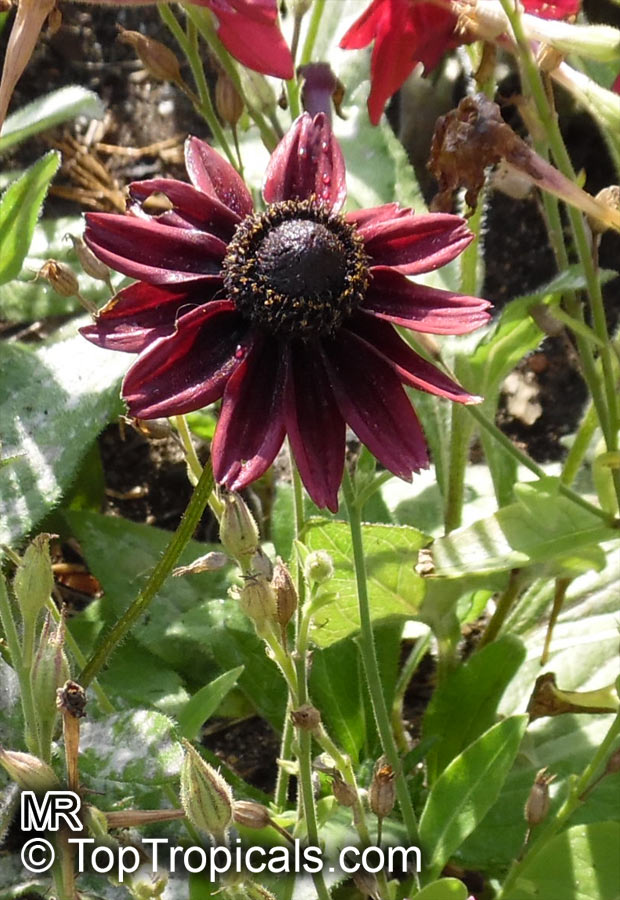
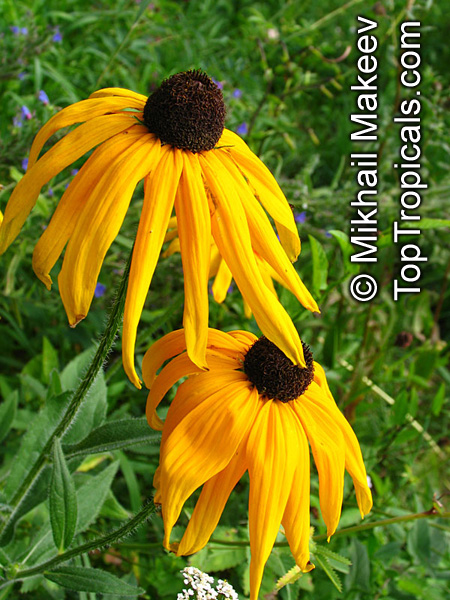
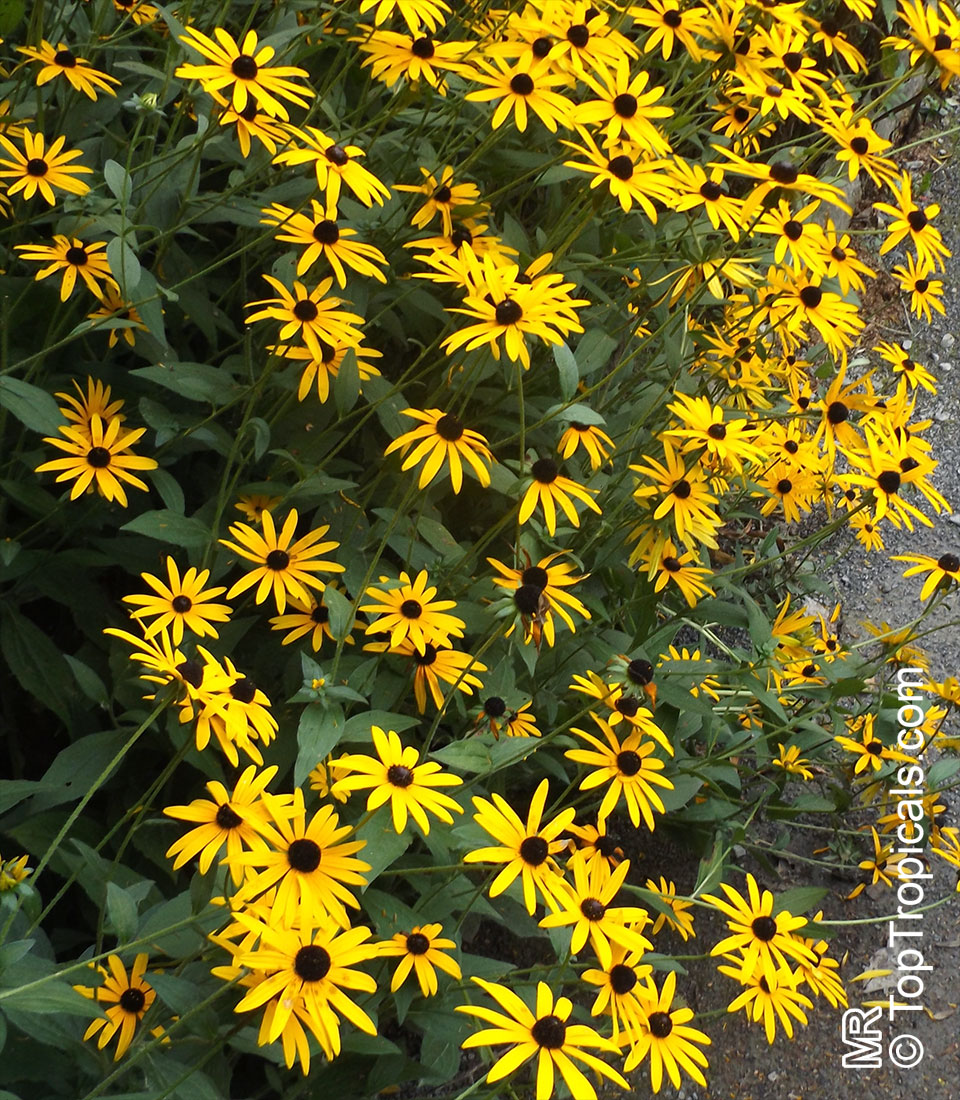
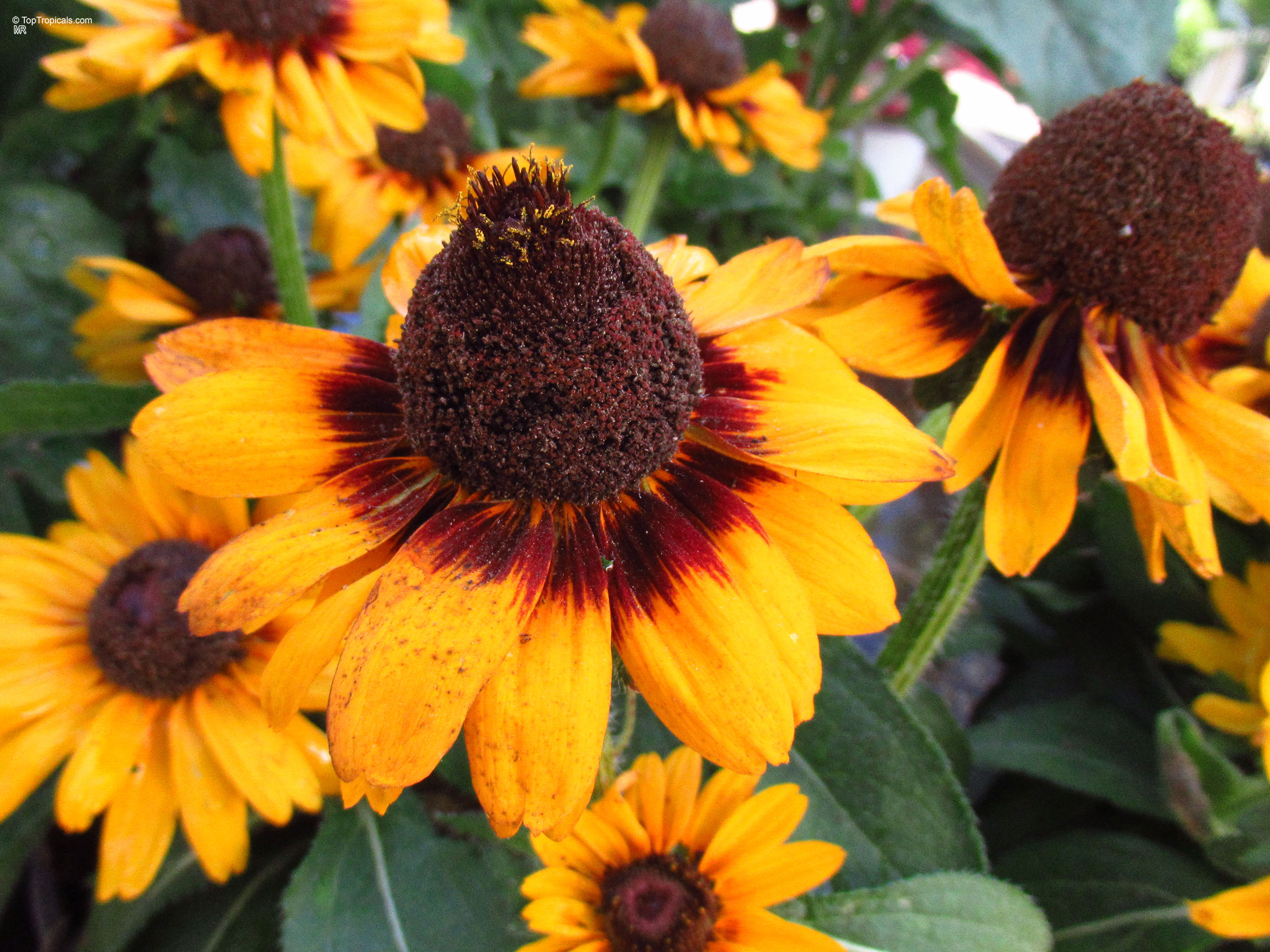
Botanical name: Rudbeckia sp.
Common names: Black-eyed Susan, Coneflower
Family: Asteraceae
Origin: North America
USDA Zone: 3-9


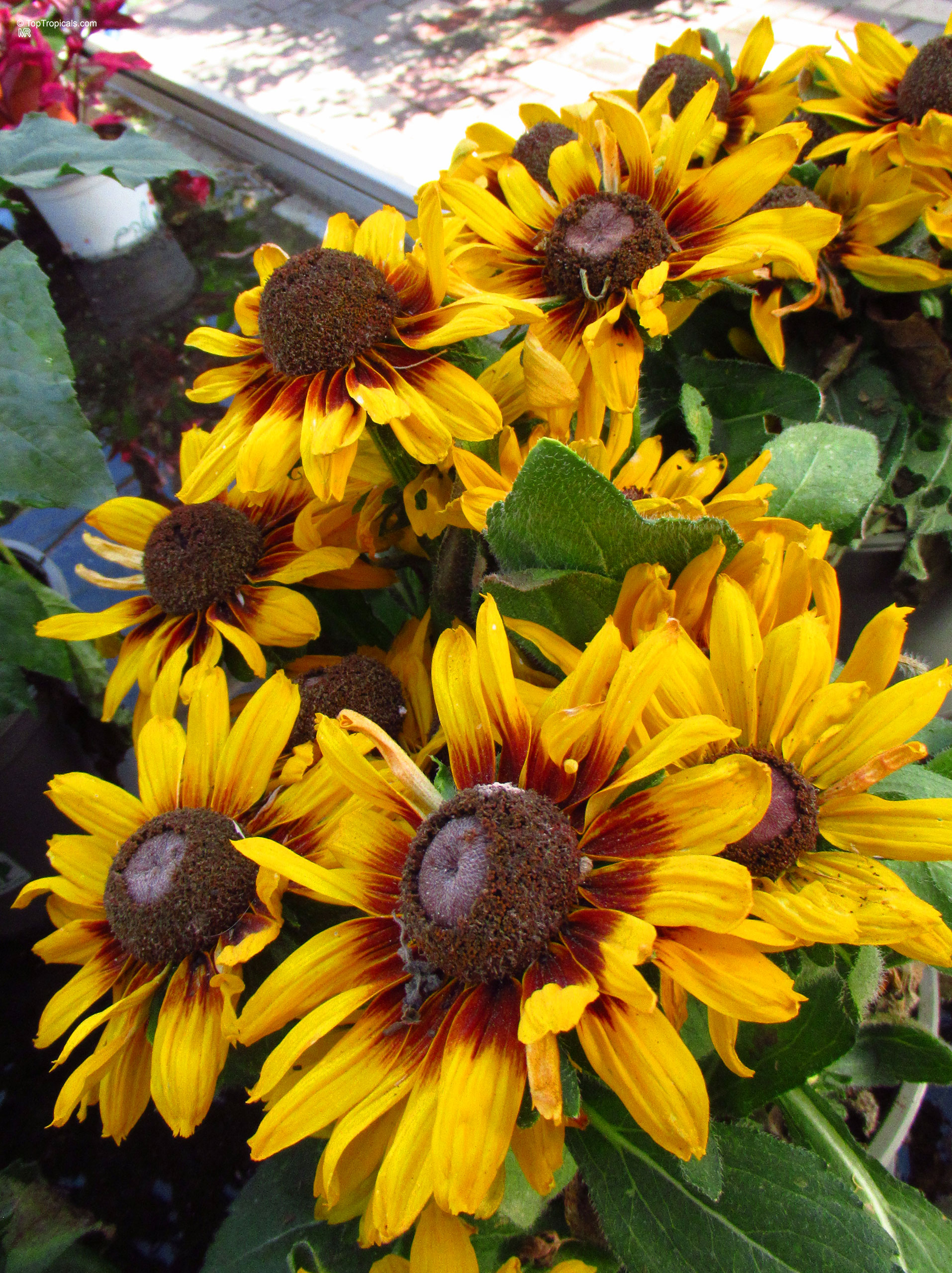
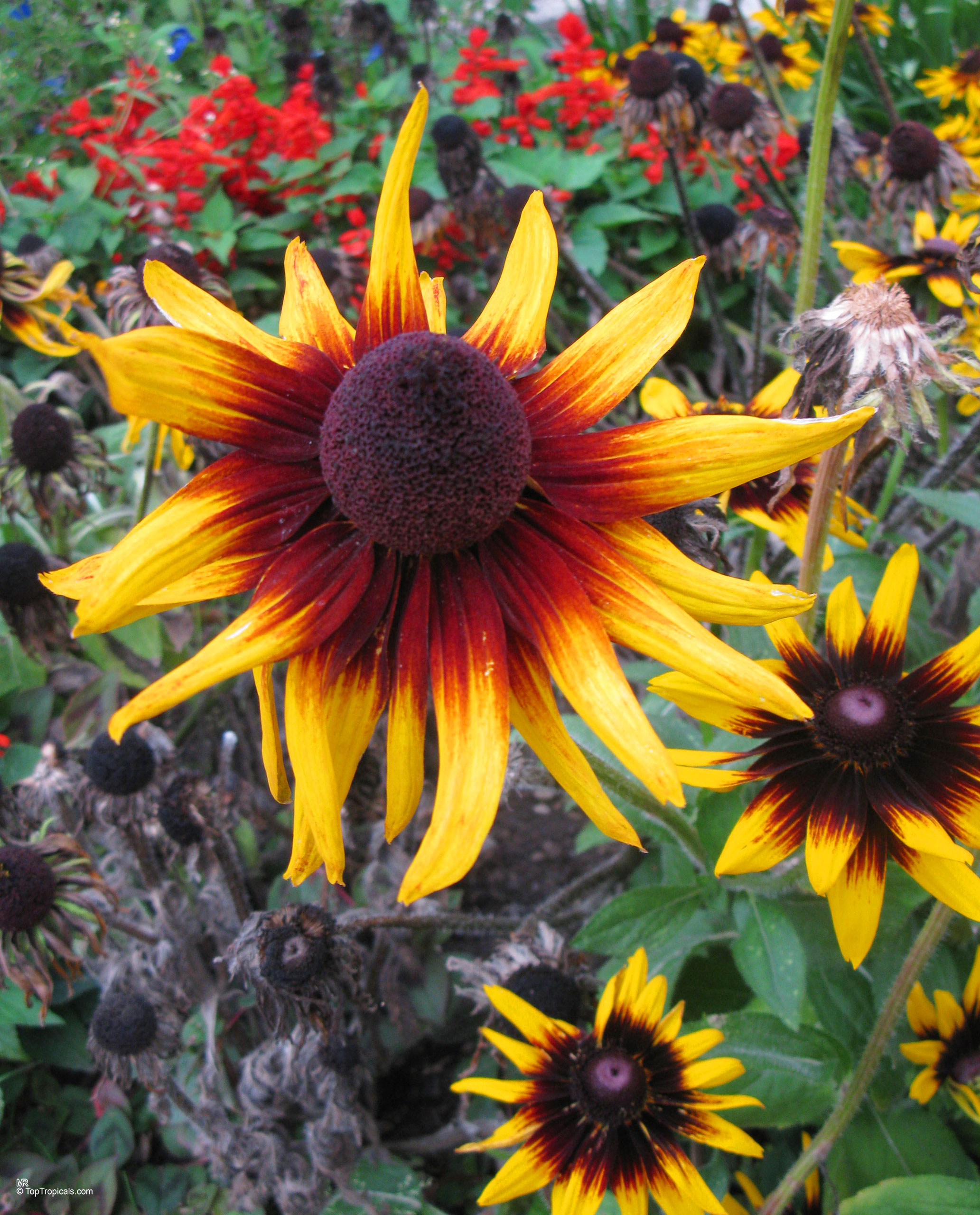
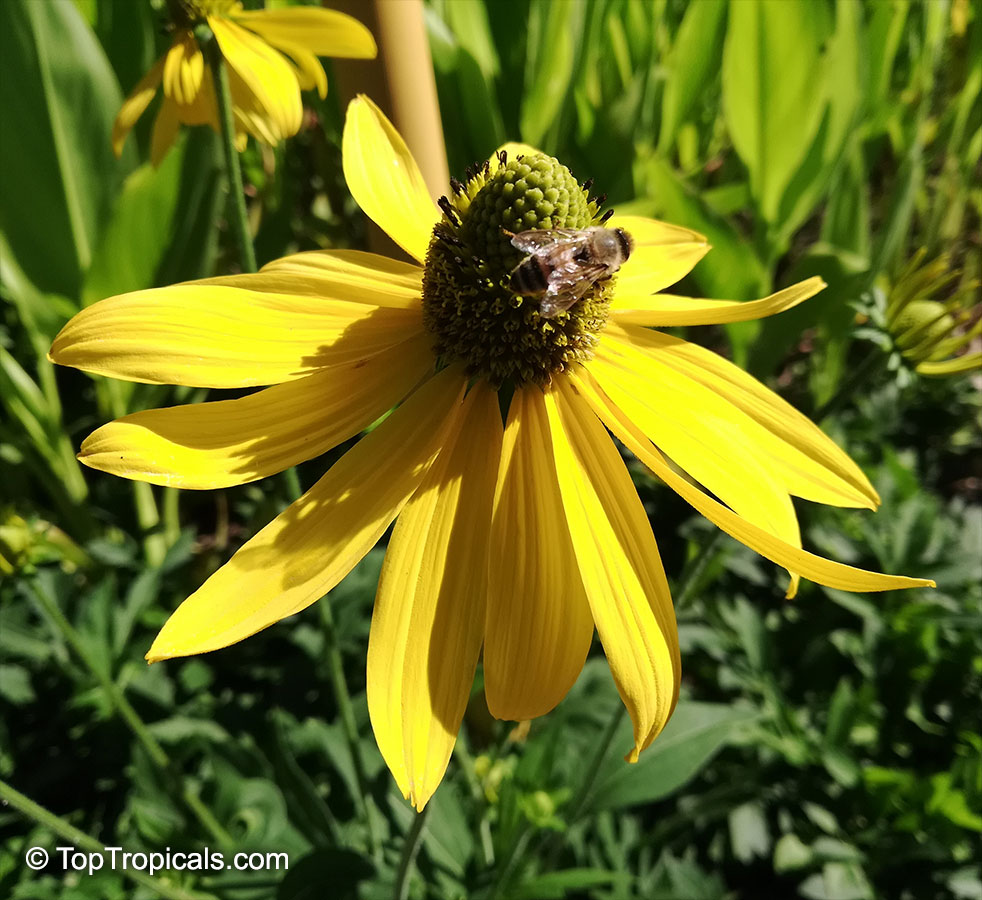
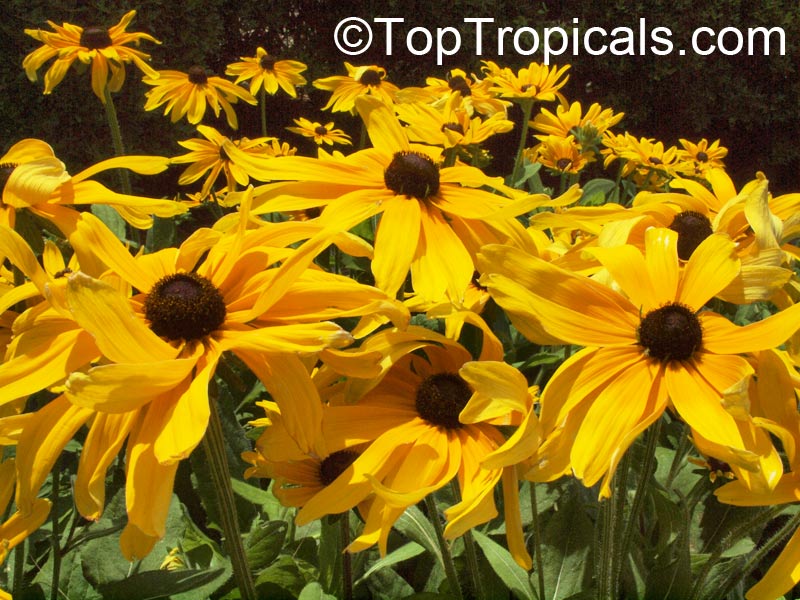
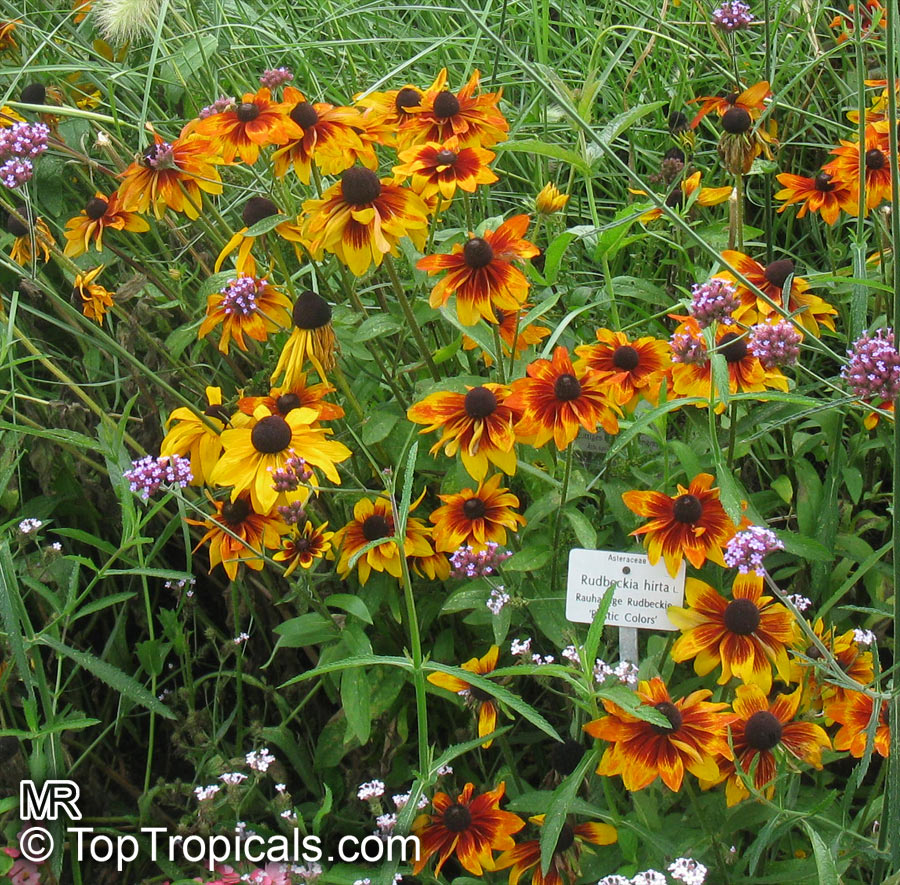
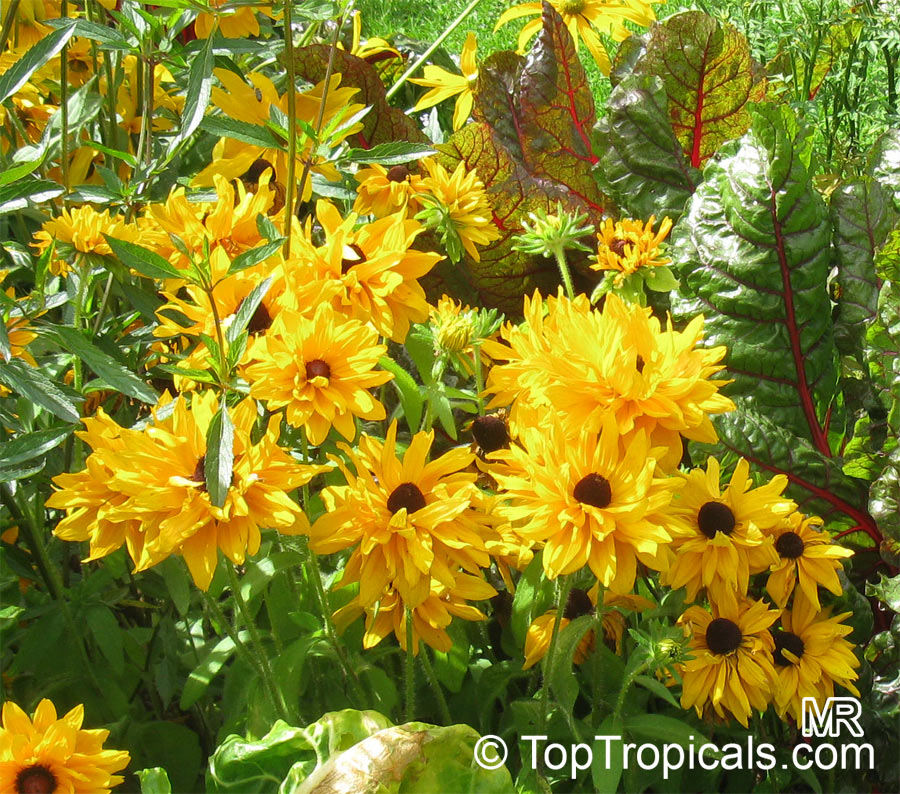
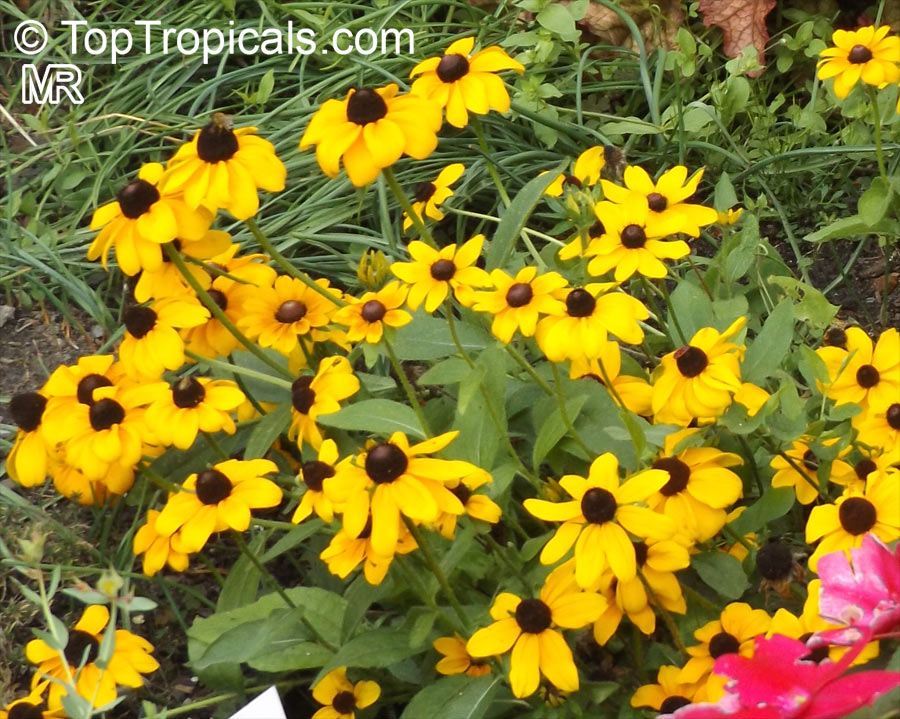
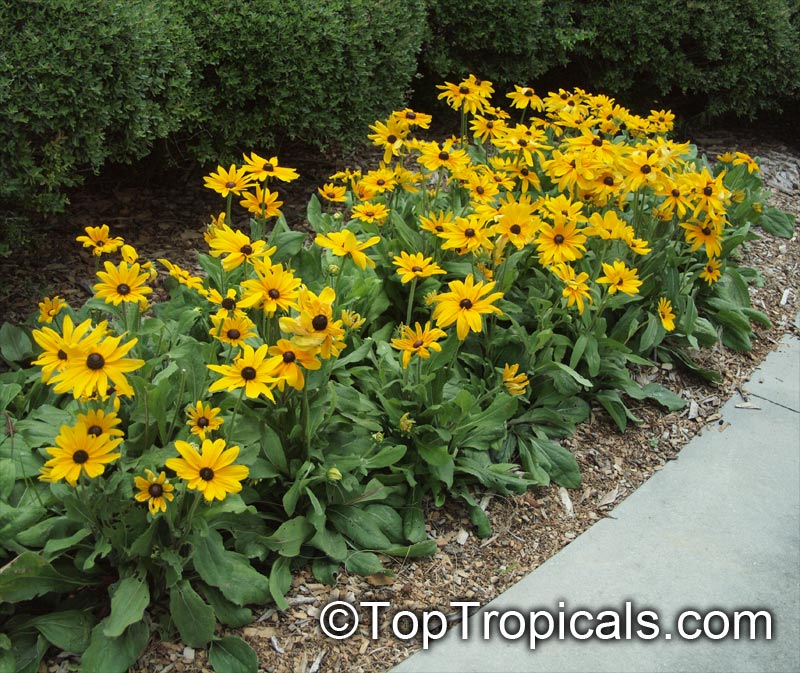
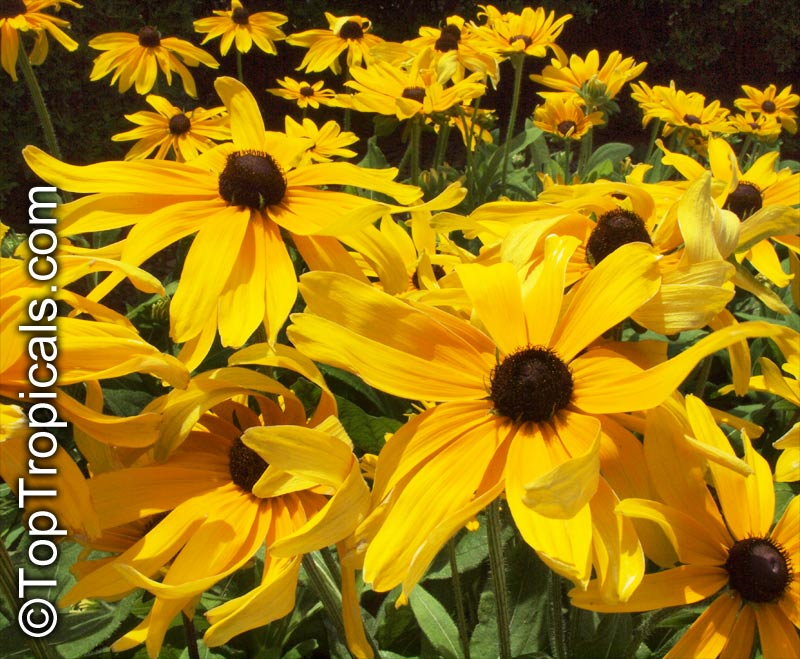
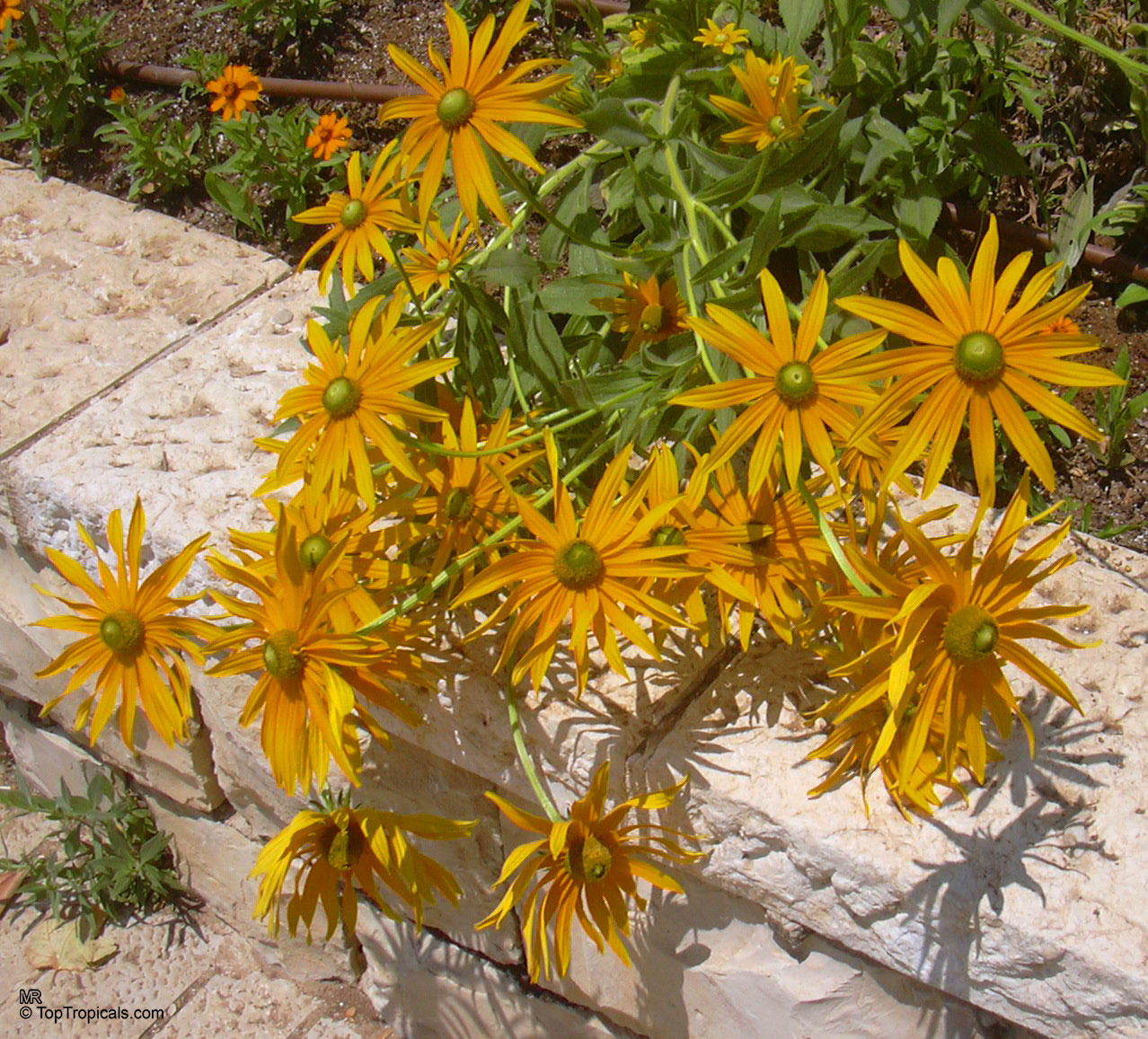
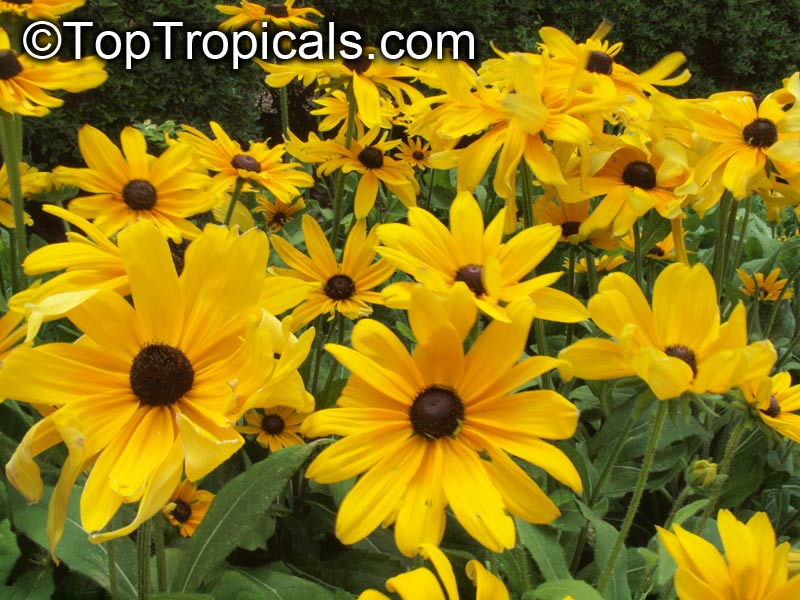
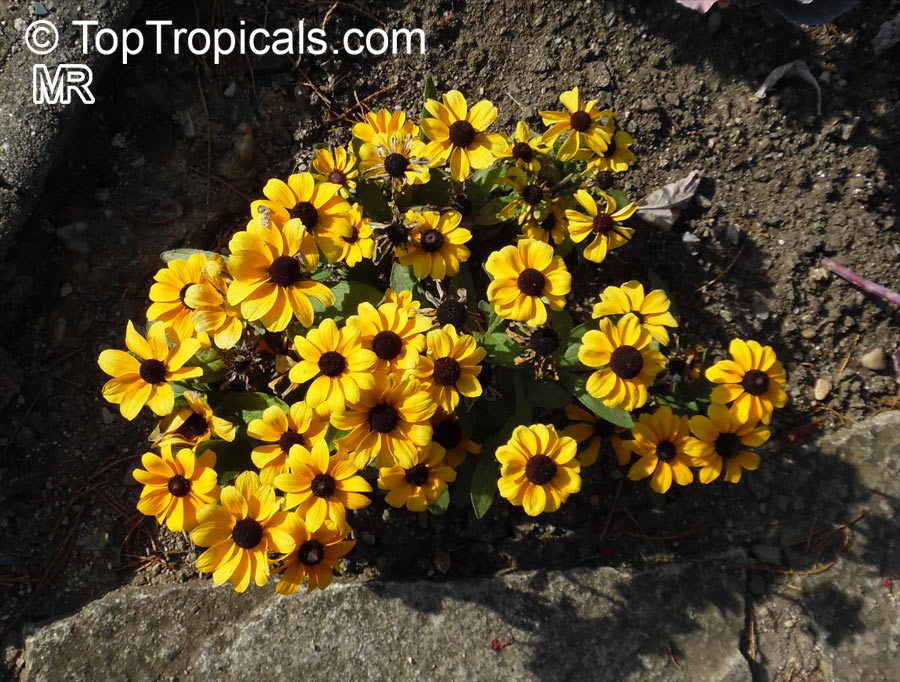
Rudbeckia is a genus of flowering plants in the Asteraceae family comprising about 25 species native to North America. Commonly known as Black-eyed Susans and Coneflowers, these annuals, biennials, and herbaceous perennials are noted for their cheerful daisy-like blooms and long flowering season. Depending on the species, plants range from compact selections under 12 inches (30 cm) tall to robust perennials reaching 7 feet (2.1 m), with upright stems and coarse green foliage.
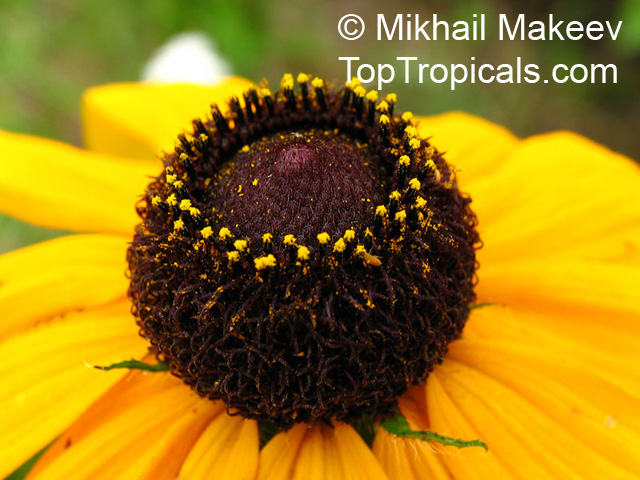
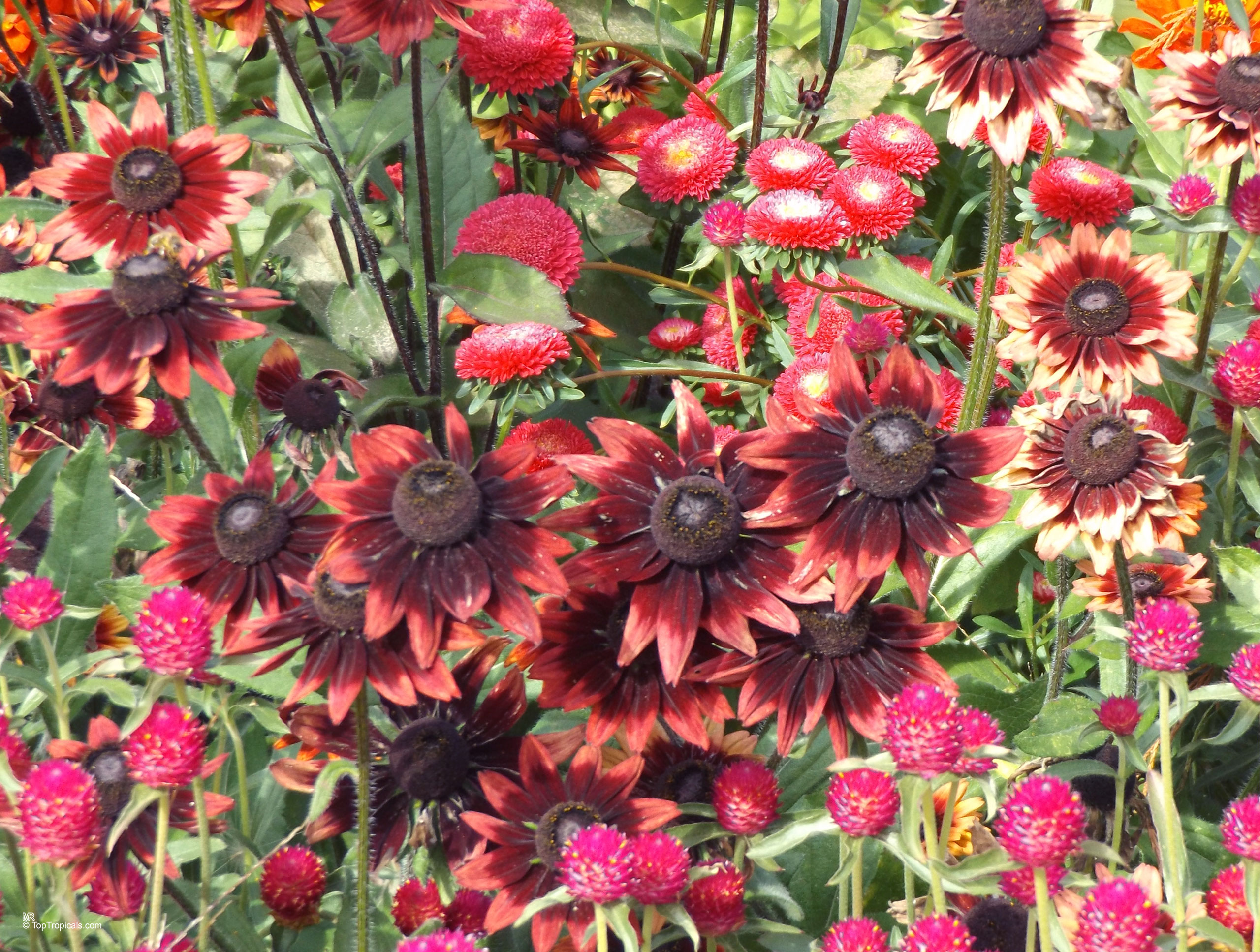
The bright yellow, golden, orange, bronze, or mahogany ray florets surround a distinctive raised central cone, usually dark brown or nearly black. Blooming from summer into fall, Rudbeckias provide abundant nectar and pollen for bees, butterflies, and other beneficial insects. They grow best in full sun and well-drained soil and tolerate heat, drought, and a wide range of garden conditions once established. Most perennial species are hardy in USDA Zones 3-9. Their long-lasting blooms, dependable performance, and versatility have made Rudbeckias enduring favorites for borders, cottage gardens, prairie plantings, wildflower meadows, naturalized landscapes, public plantings, and cut flower arrangements.
| Next | |
Use link to repeat this search:
https://toptropicals.com/cgi-bin/garden_catalog/cat.cgi?find=Mahogany&search_op=and&keyword_op=and&language=e&number=10
&no_change_lang=1&user=tt&sale=1&first=0