Magnolia - Plant Encyclopedia Results
| Number of plants found: 35 | Next | 
|
Go to page: | 1 | 2 | 3 | 4 |
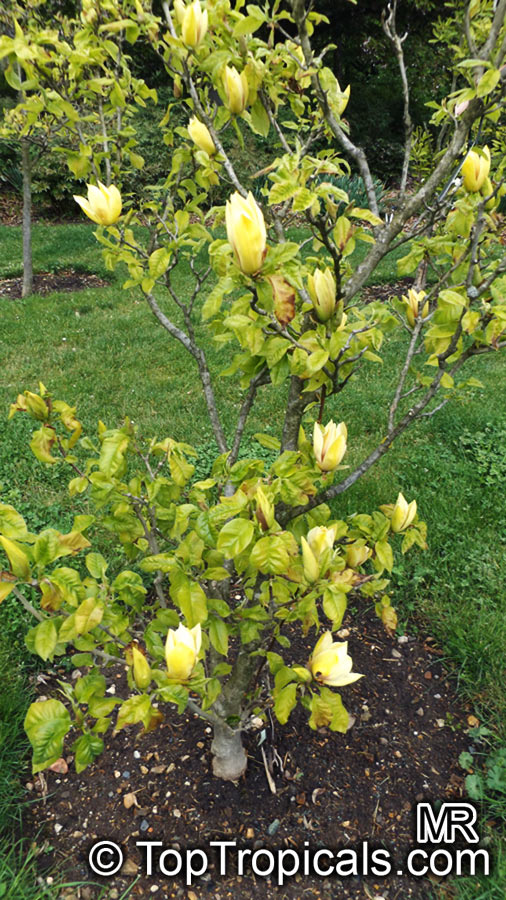
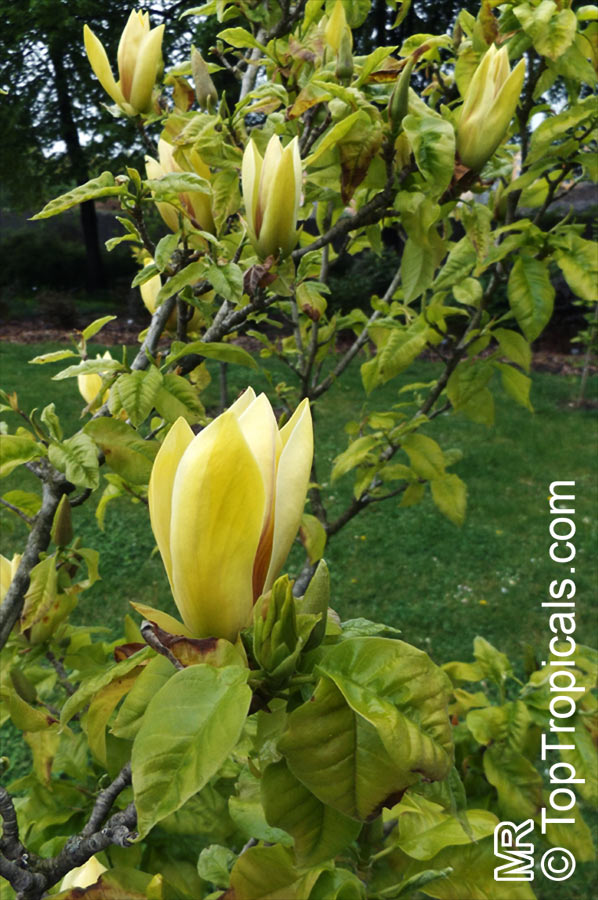
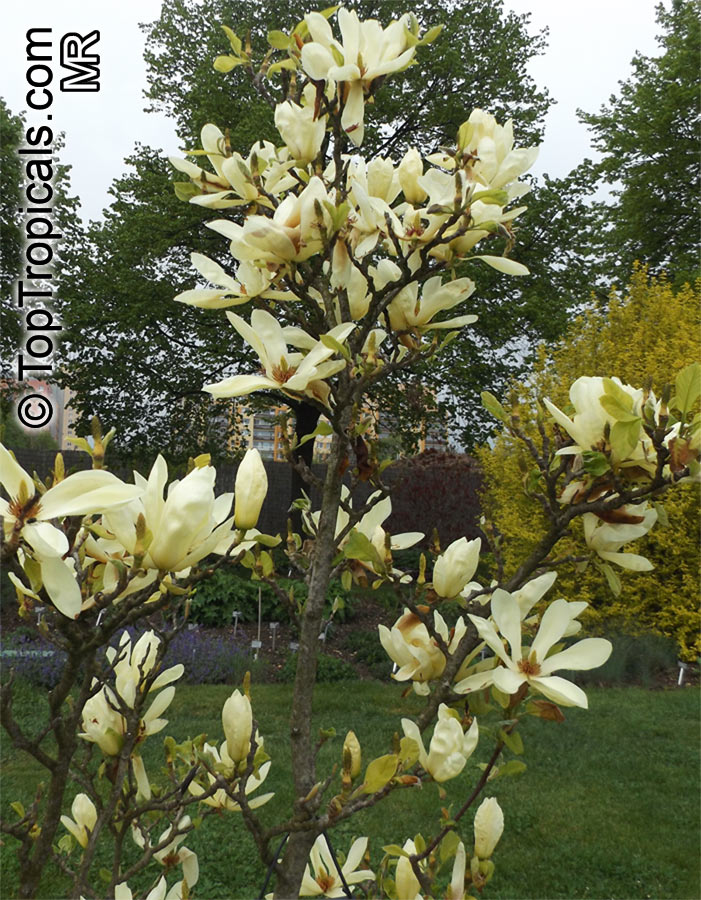
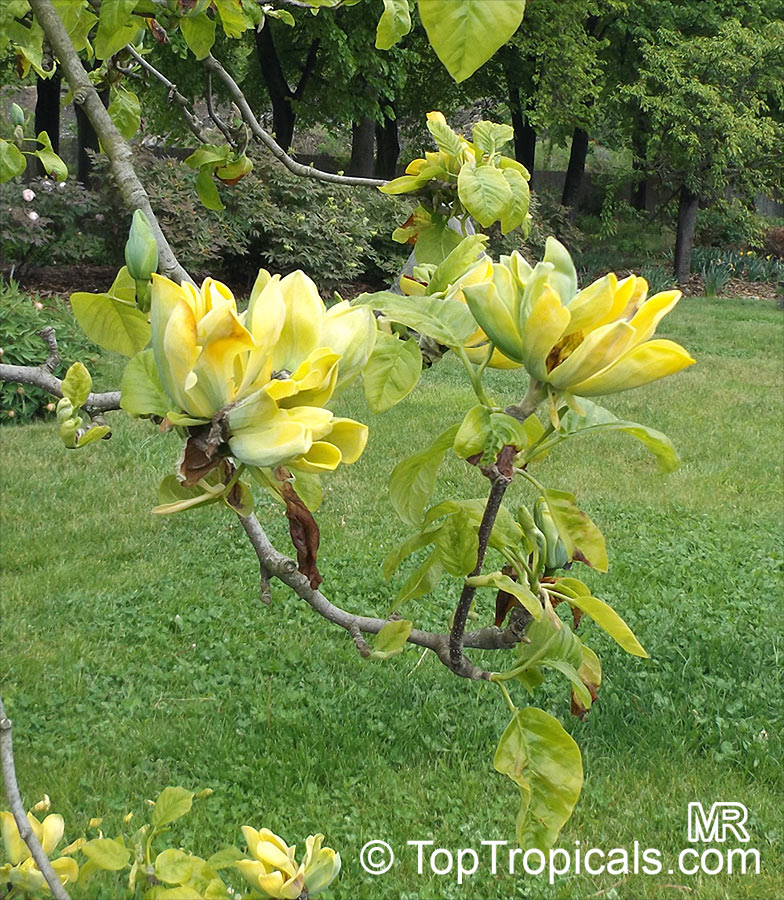
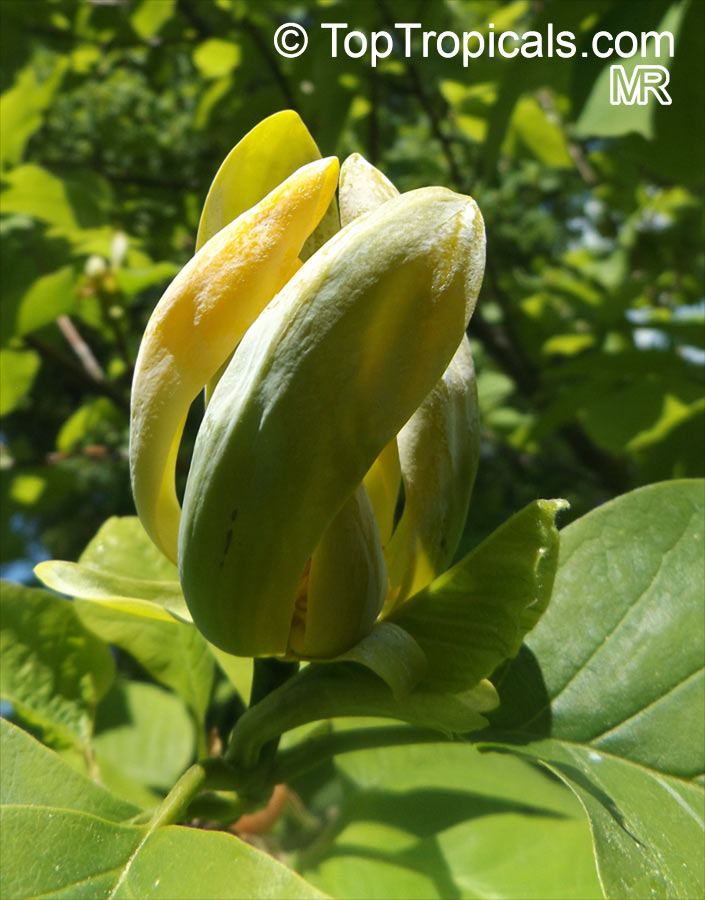
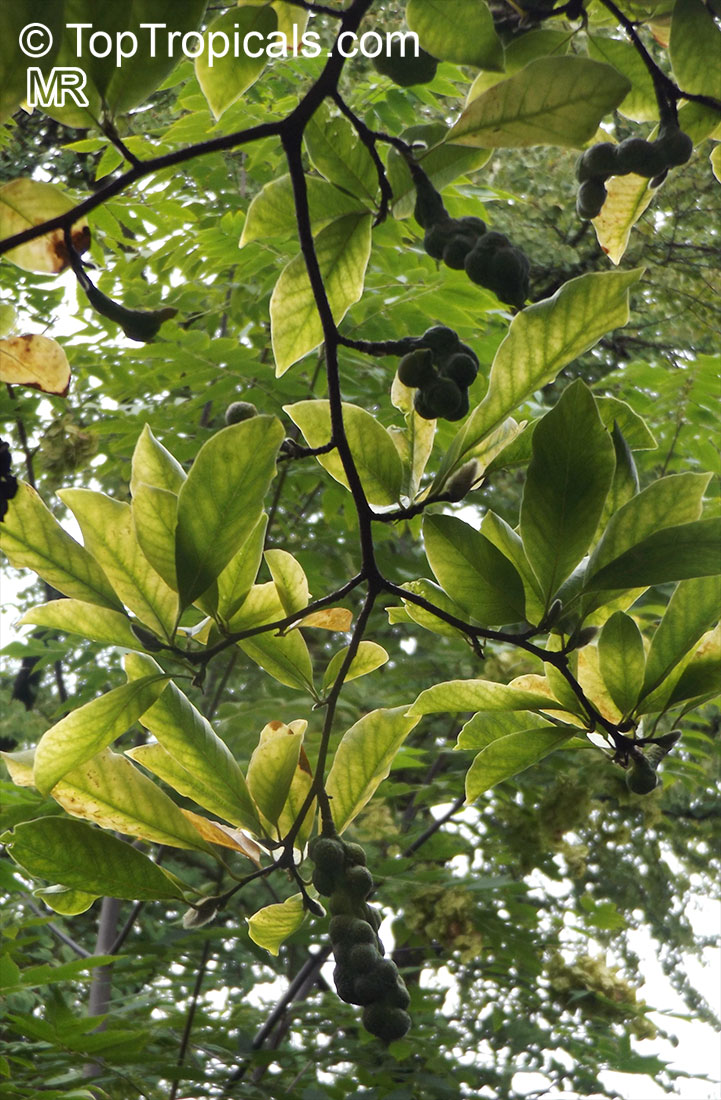
Botanical name: Magnolia acuminata
Common names: Cucumber Tree, Cucumber Magnolia
Family: Magnoliaceae
Origin: North America
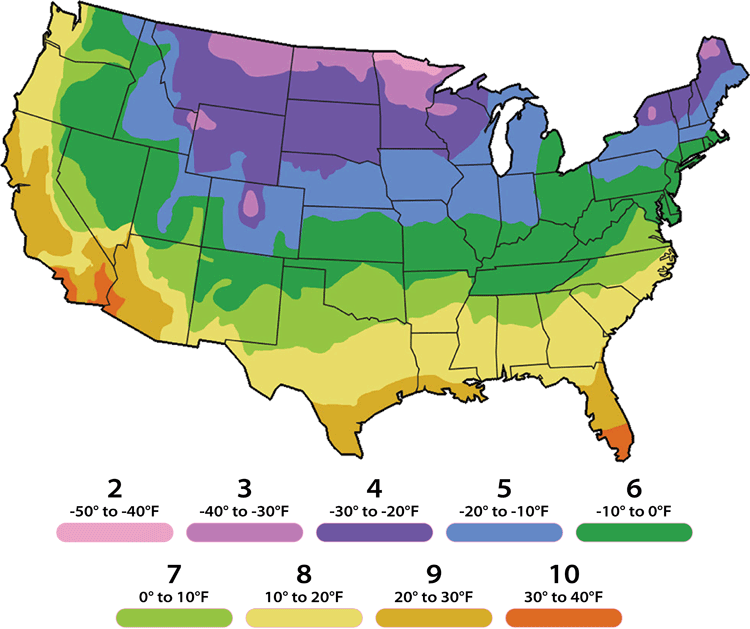
USDA Zone: 4-8
Cold tolerance: -15°F


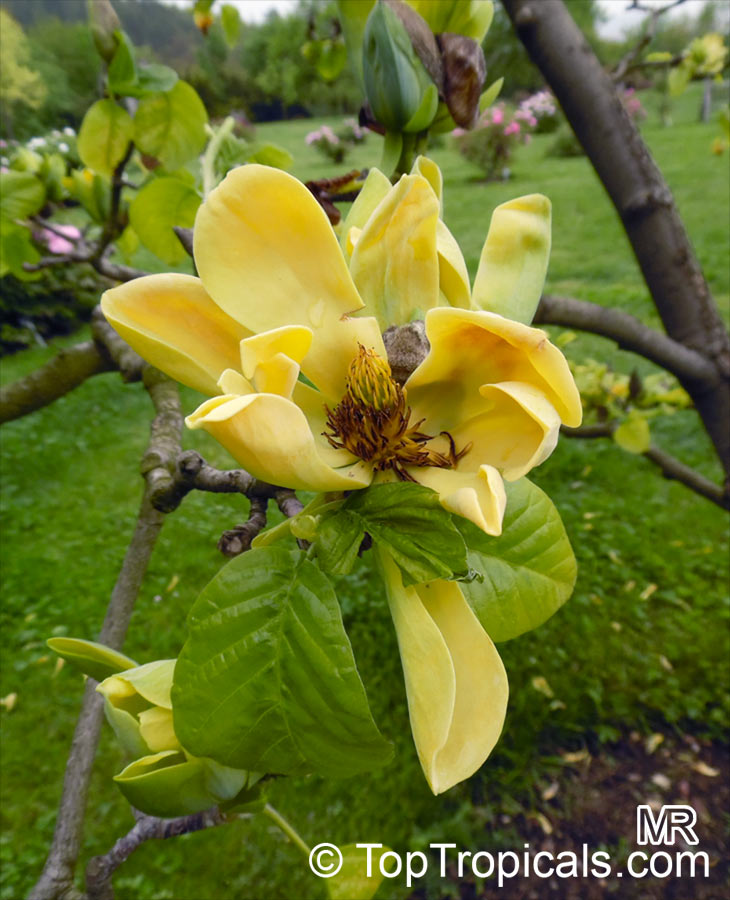
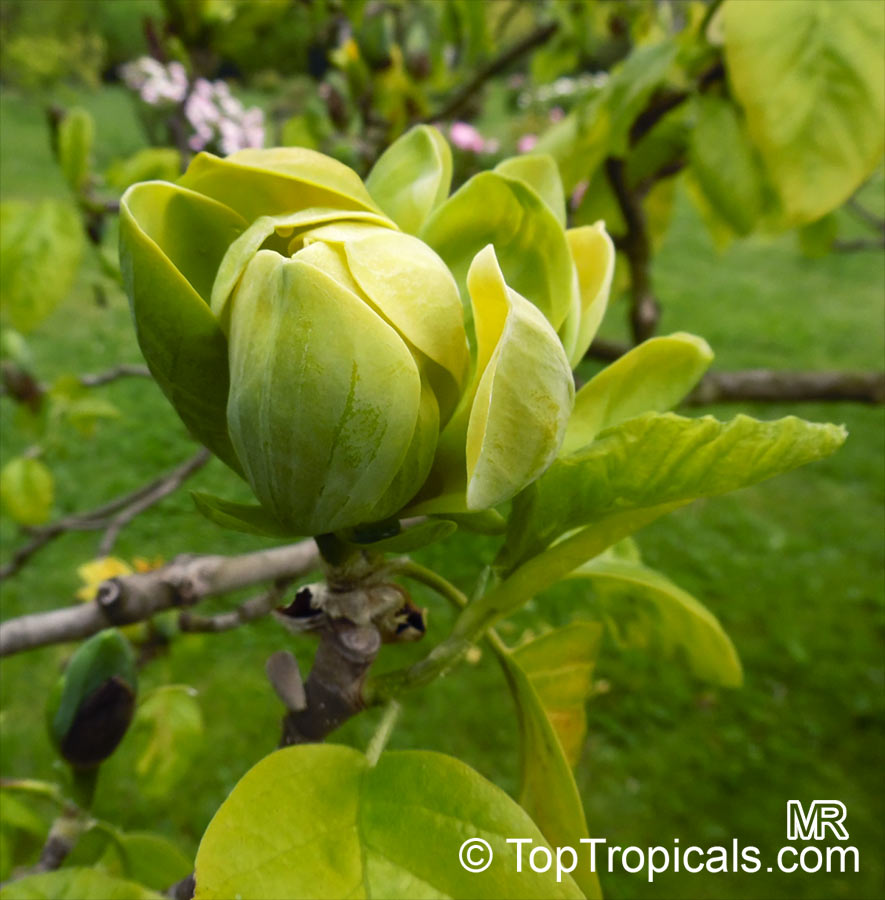
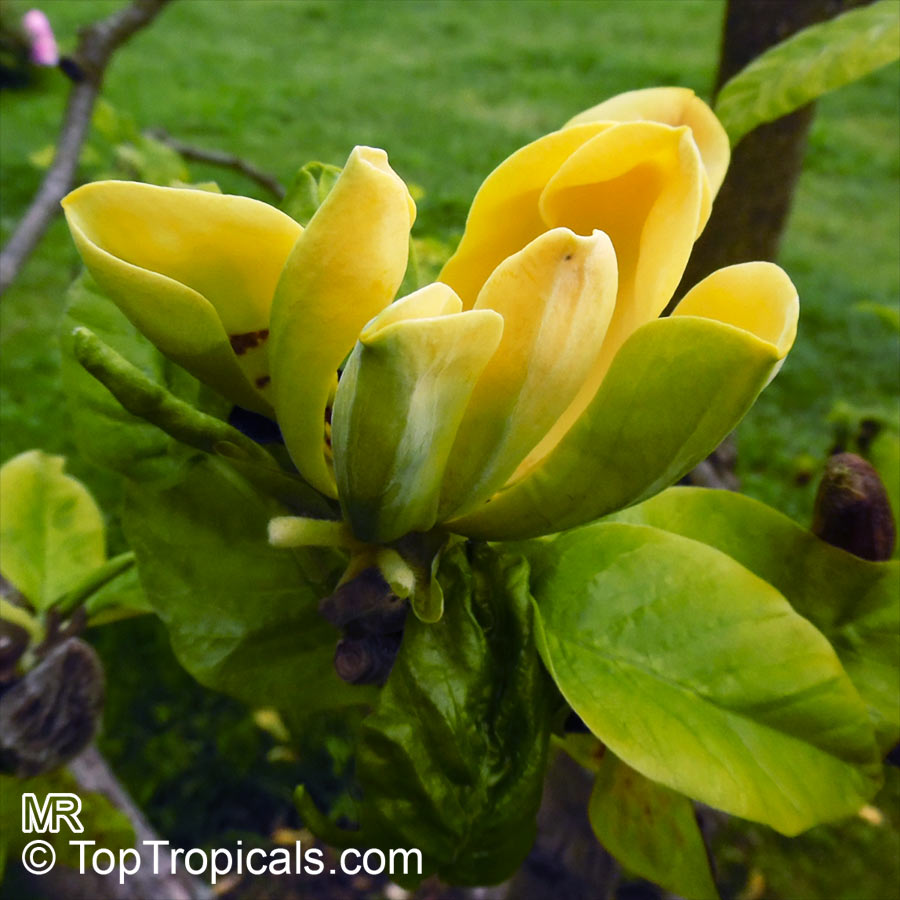
This small to medium-sized deciduous tree native to North America grows 10-20 ft tall and wide, with an upright oval canopy. The leaves are shiny dark green with whitish undersides and contrasting yellow fall foliage. The name Cucumber Tree refers to the unripe fruit, which is green and often shaped like a small cucumber.
It has scented rabbit-like white to off-white flowers in late spring and sometimes again in fall. Small yellow and orange fruit adorn the tree in summer. The tree requires full sun and semi-shade and moderate watering, either equally distributed throughout the season or more frequent during dry periods. With regular water and good drainage, it will grow in fertile, evenly moist, slightly acid soils.
For colder regions, this tree can be grown in a pot. It is recommended that the roots are kept covered and insulated from the cold with plenty of good quality compost, and the pot should be placed in a sheltered, sunny spot during the winter. USDA Zone for this tree is 4-8.
This is an ideal tree for lawn or garden, providing interest all year round. The cucumber fruits are inedible but attract birds, squirrels and other wildlife when ripe. Magnolia acuminata is a popular ornamental that can brighten any yet and make a great feature tree in the garden.
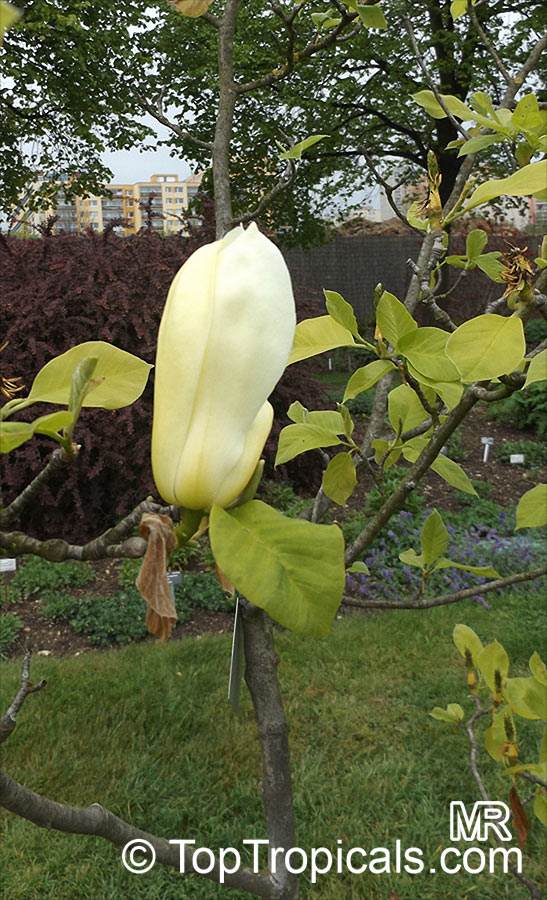
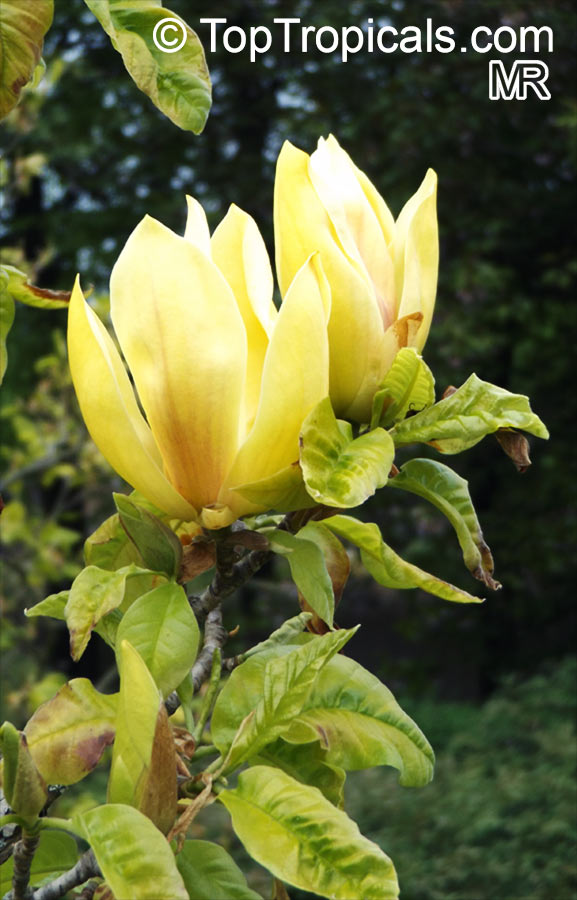

Botanical names: Magnolia coco, Liriodendron coco, Magnolia pumila
Common names: Dwarf Magnolia, Cempaka Telur, Cempaka Gondok, Coconut Magnolia
Family: Magnoliaceae
Origin: China
USDA Zone: 9-10
Cold tolerance: 30°F


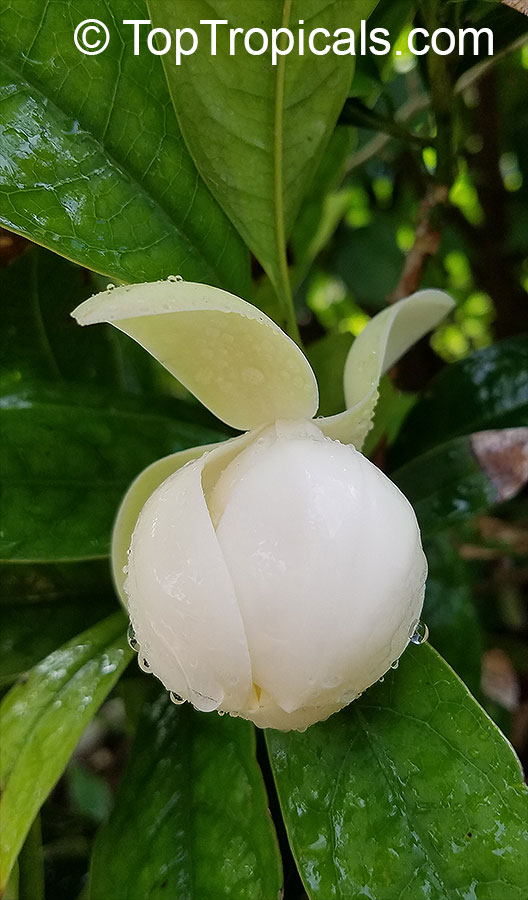
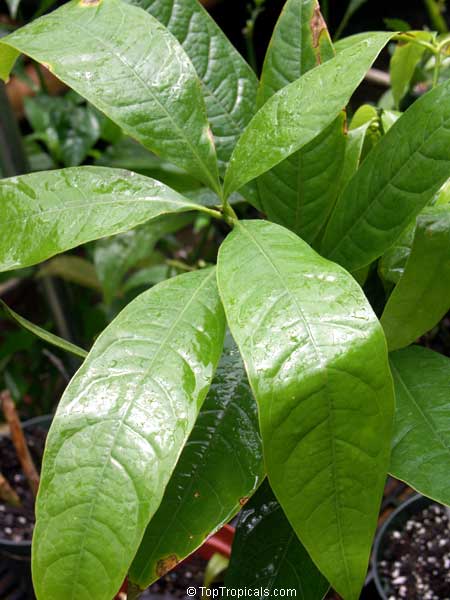
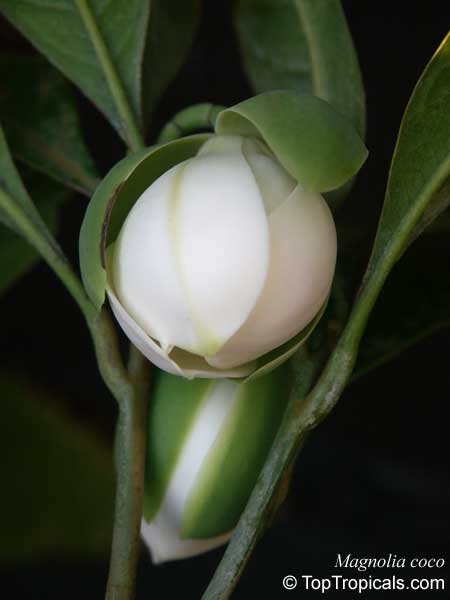
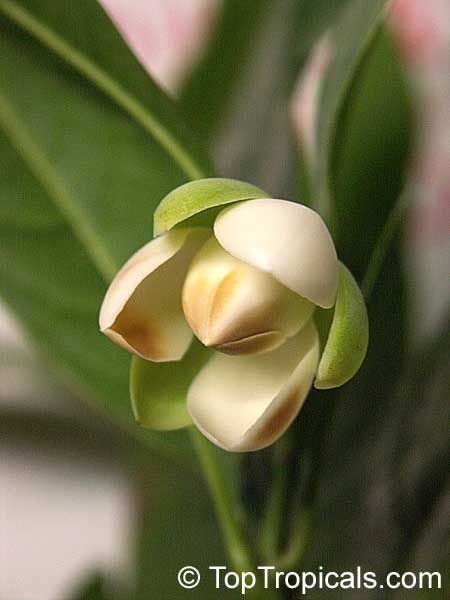
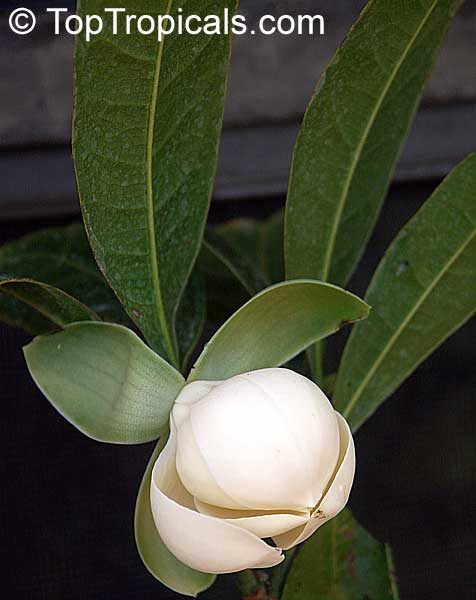
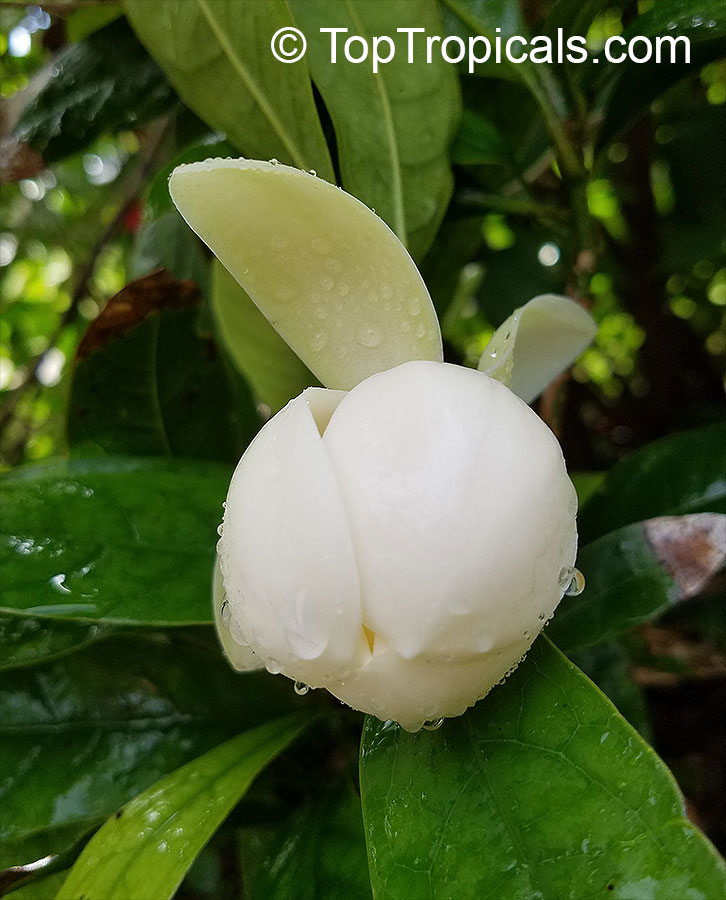
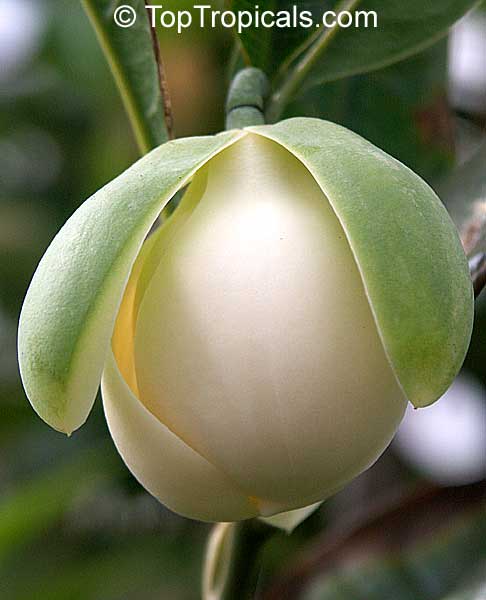
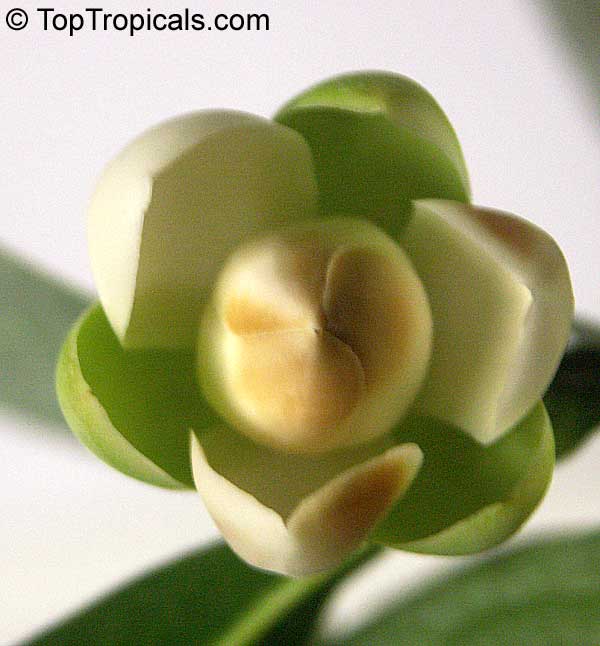
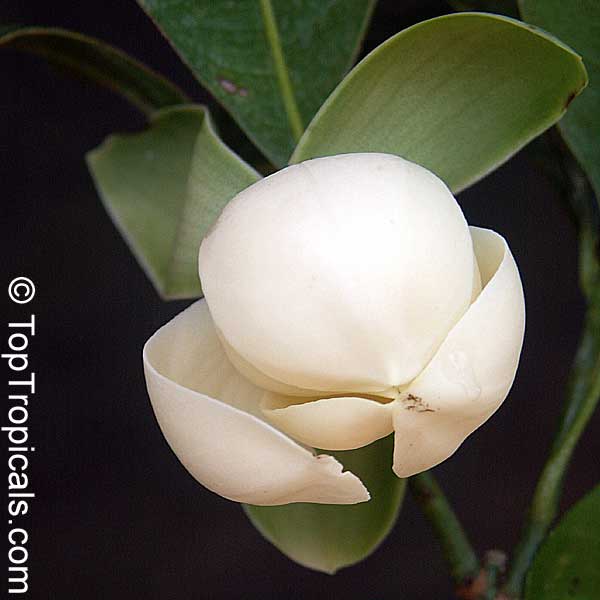
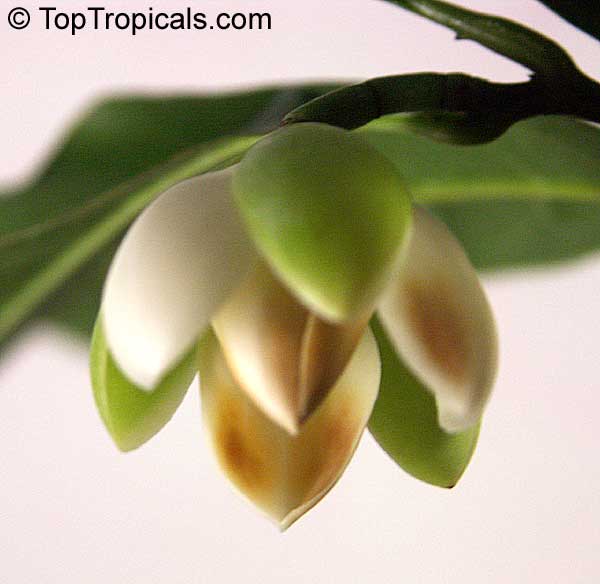
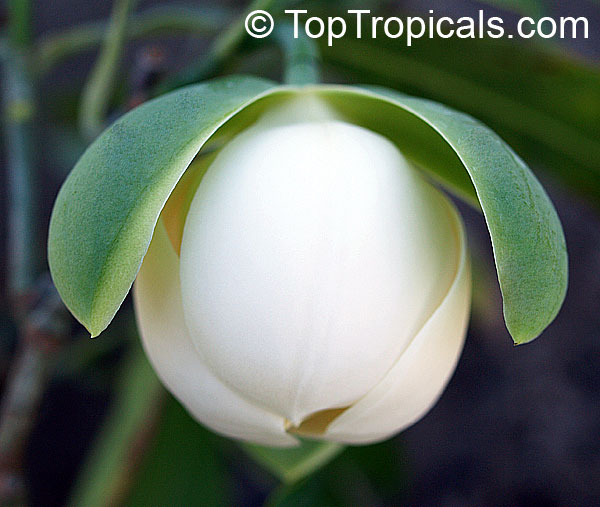
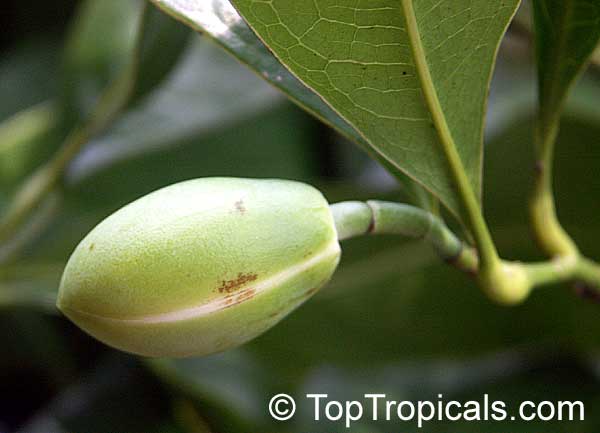
Magnolia coco was introduced into England in 1786 by Lady Amelia Hume. It has not proven hardy enough to widespread cultivation. The flowers are small and very fragrant. They usually last only a day and open in the evening, the tepals falling by morning. This species is a good houseplant, the most suitable magnolia for indoors, thanks to its small size and slow growth rate. Its long flowering period provides indoor fragrance and color about nine months of a year. Most of magnolias lack nectaries, but the Magnolia coco is a nice exception. It secrets a nectar-like substance at the base of the tepals and between the stigmas. Indoors it can be grown as a small house plant in a pot where it gets only 2-3 ft tall and blooms in young age. In habitat it ts a woody medium size shrub, 3-6ft. Flowers come in single, rounded as an egg before opening, 1-2" diameter with white petals and green sepal, intensely fragrant. Ideal for patios and small gardens. Fragrance is outstanding especially in early morning. Blooms from spring to fall. This plant grows better with less direct sunlight on lowlands. Requires regular watering in container. Can be grown indoors in a well-lit spot. Other names used incorrectly for this plant are Michelia coco and Michelia pumila, but this is a true magnolia. The blooms are at the ends of the branches, rather than from the leaf axils as they are in the Michelia group. M. lilliifera is similar to M. coco - as both species have those egg shaped flowerbuds. In M. coco however, the bud is shaped more like a baby coconut, hence the name Magnolia coco, Coconut Magnolia. Hardy to zones 9-10. This is a tropical plant. Min temp 45-50F, but it can survive light frost with some leaves damage (they get dry on edges from cold). If you want to have this plant nice looking year round, it is better to protect it - move inside while cold nights or weeks. It is easy since it is a dwarf plant and can be grown in a pot. However if you planted it in ground, it will be OK during mild winter, and new leaves will grow in spring. Does not require pruning since it is slow growing and has naturally bushy shape. Fertilize nce a month with bloom booster fertilizer during hot months. No pests noticed.
See Article about Tropical Magnolias.
See also Plants with scents as heady as incense: Enchanted Magnolias - Joy in your life...
Botanical name: Magnolia cylindrica
Common name: Huang-shan Magnolia
Family: Magnoliaceae
Origin: China
USDA Zone: 5-9
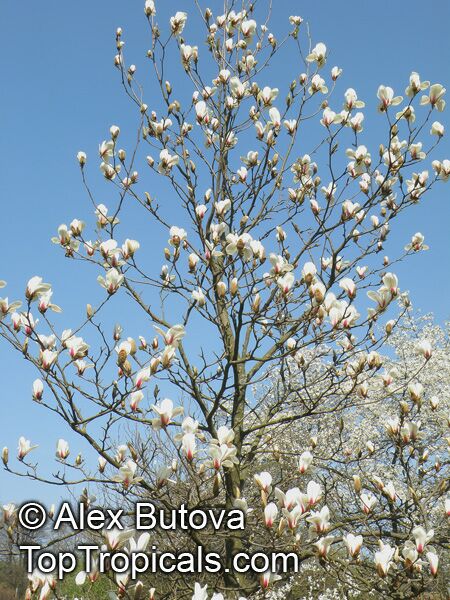
The Huang-shan magnolia, also known as Magnolia Cylindrica, is an attractive and hardy plant that can grow into a moderately large shrub or a small tree, reaching heights of 5-10 ft and 10-20 ft, respectively. The plant thrives in full sun or semi-shade and requires regular, but moderate watering. Its flowers are large, fragrant, and white or off-white in color.
While the Huang-shan magnolia can be grown in USDA zones 7-10 with little effort, it is worth noting that in colder regions, it is best to grow it in a pot to have more control over the temperature. In this case, the plant should be kept in a pot with near-neutral soil and placed indoors during winter. Regular watering and fertilizing are also essential when the plant is grown in a pot.
Endemic to China, the Huang-shan magnolia is named after Mount Huang, where it can be found growing naturally. Sadly, this plant is threatened by habitat loss. It is a deciduous shrub or small tree with thin, lanceolate, dark green leaves. The cup-shaped flowers are pure white and fragrant, and they appear before the young leaves in early spring. The plant produces cylindrical-shaped fruits. The flowering period is typically from March to April, although some species may bloom as late as September.
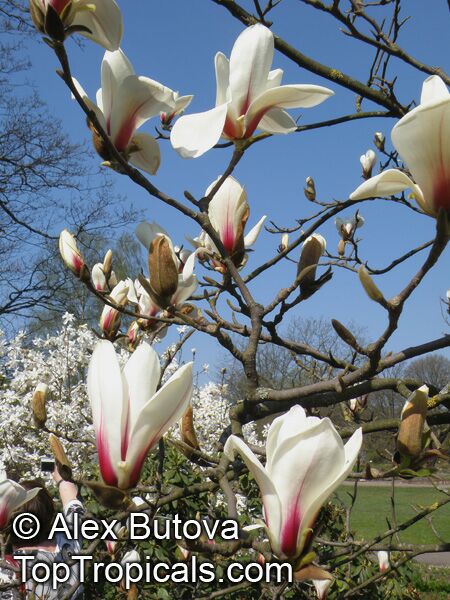
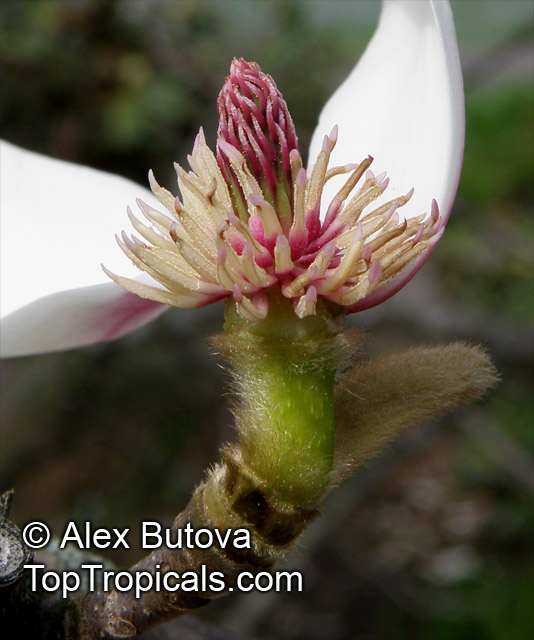
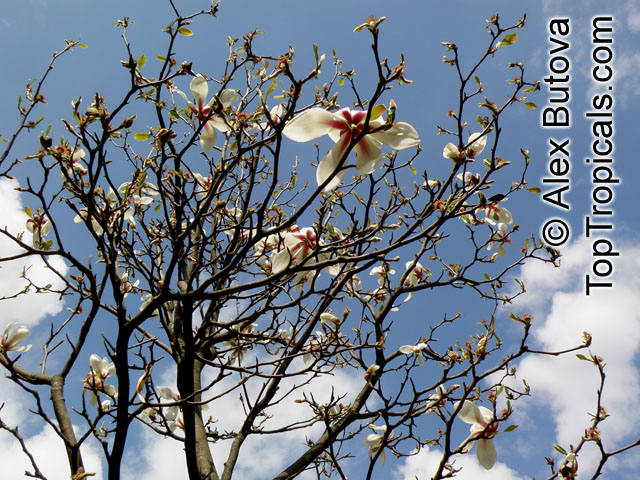

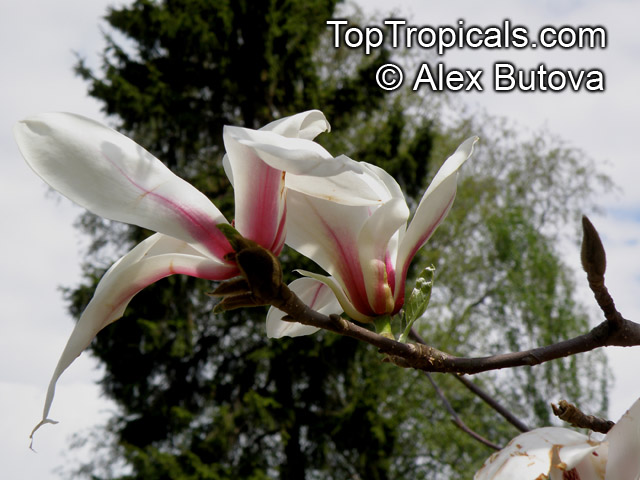
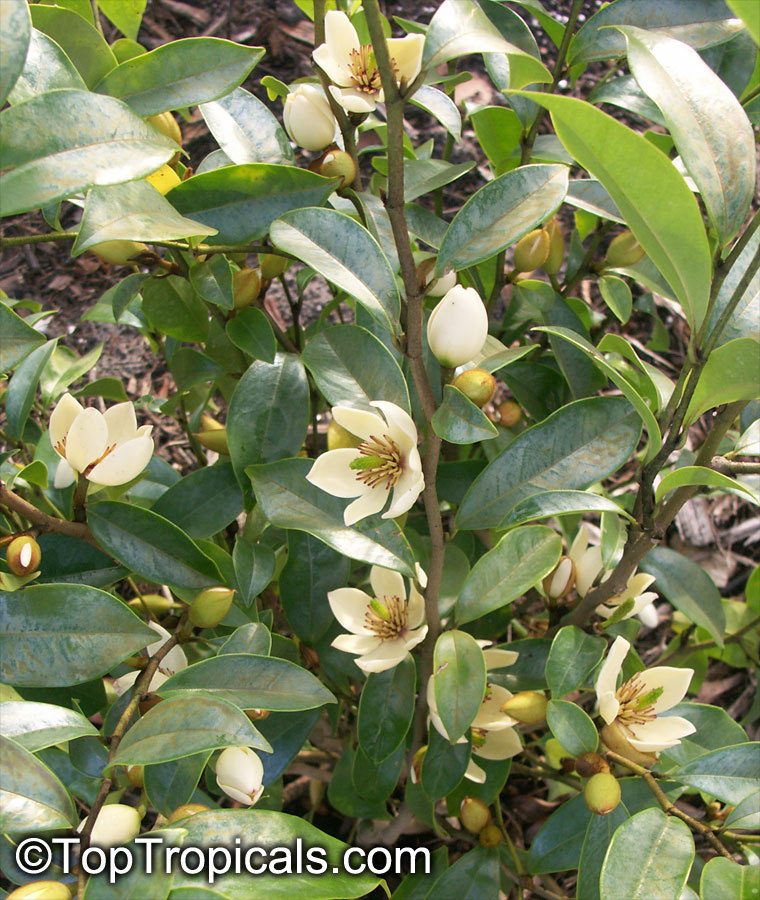
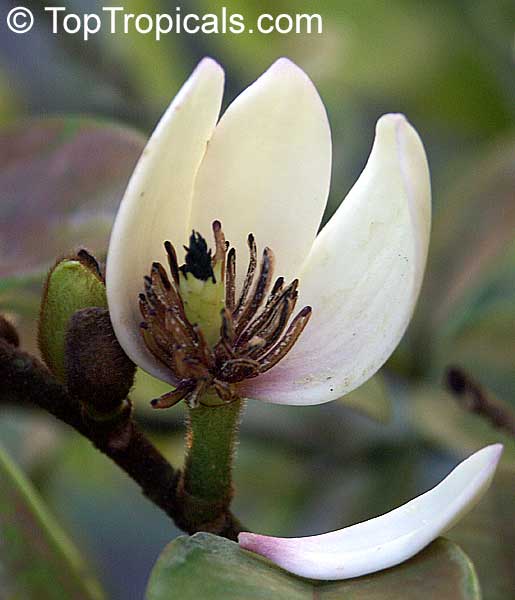
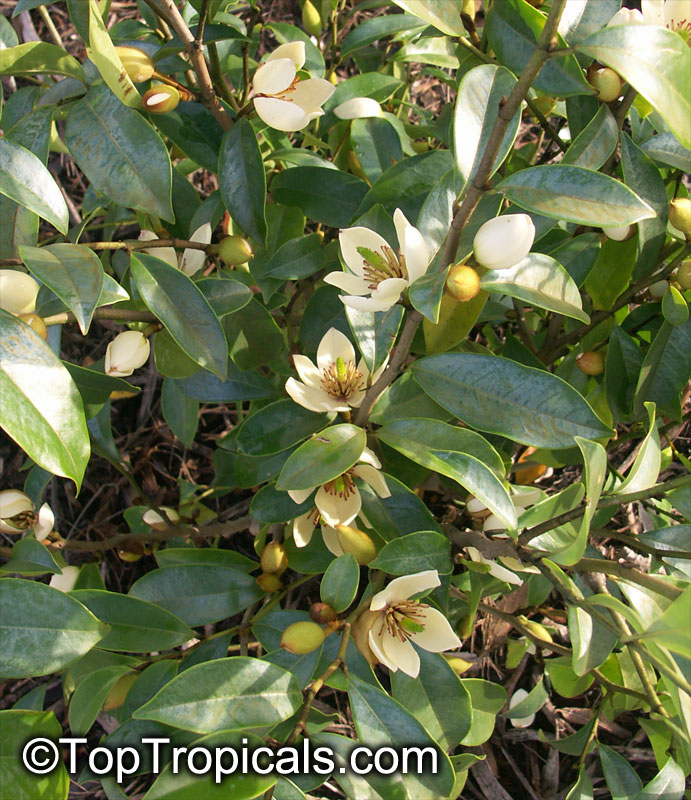
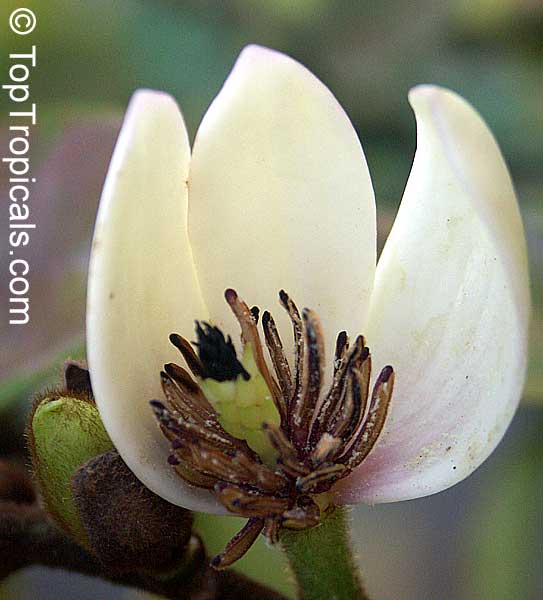
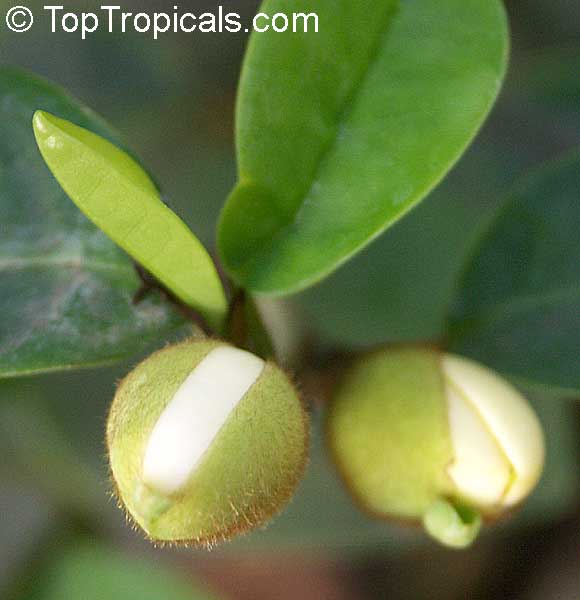
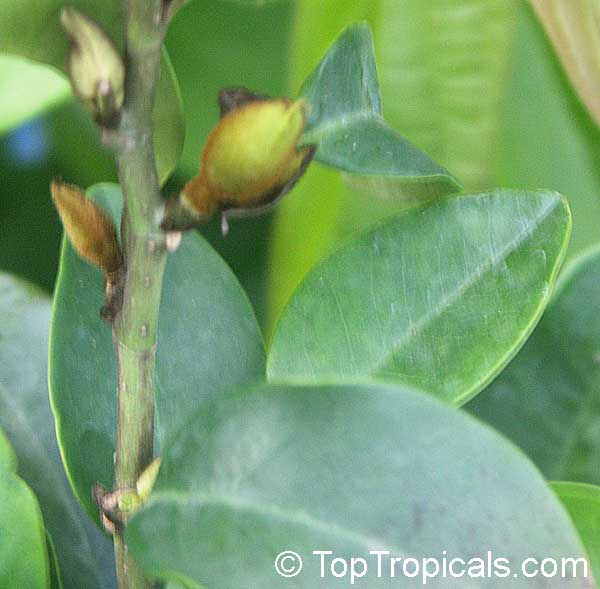
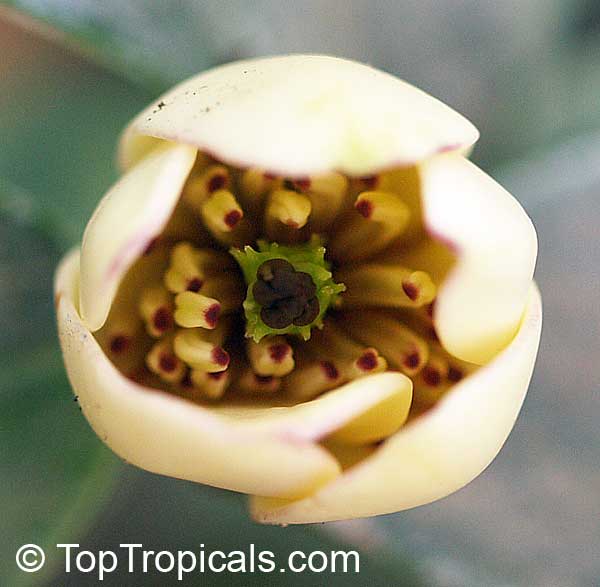
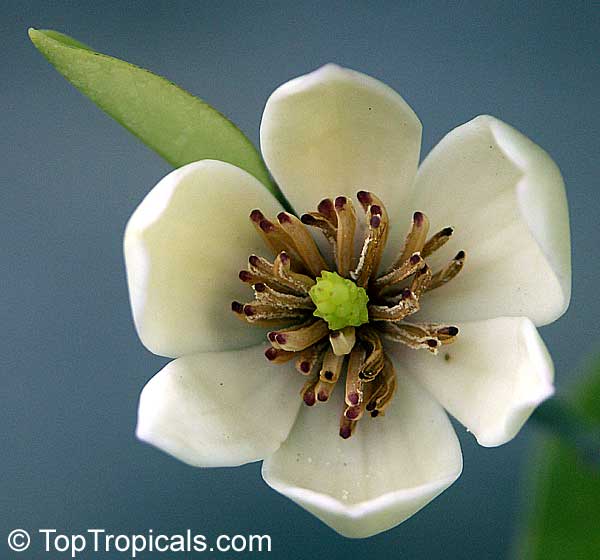
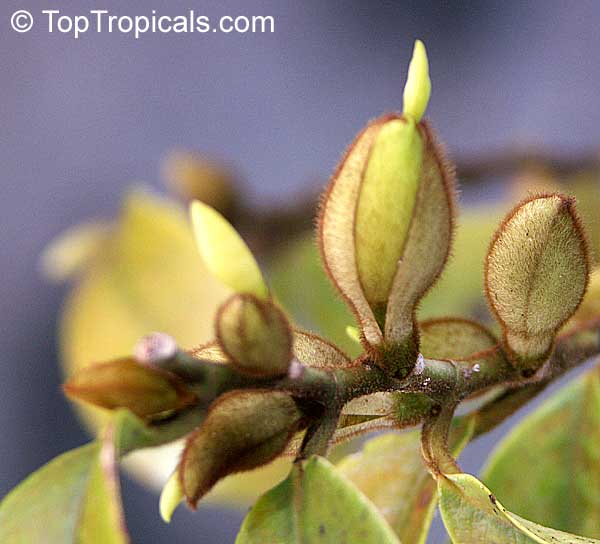
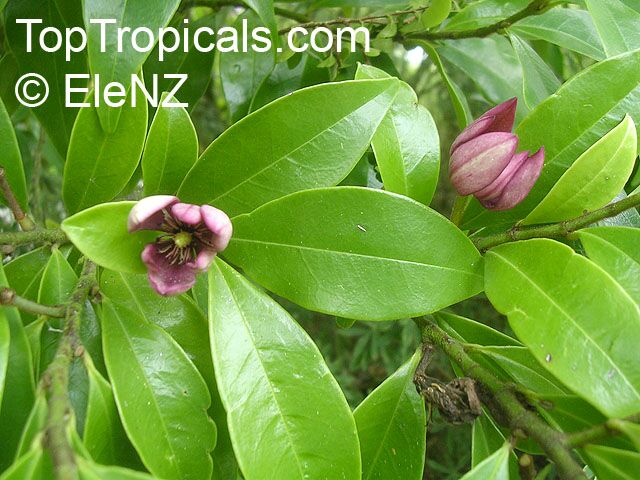
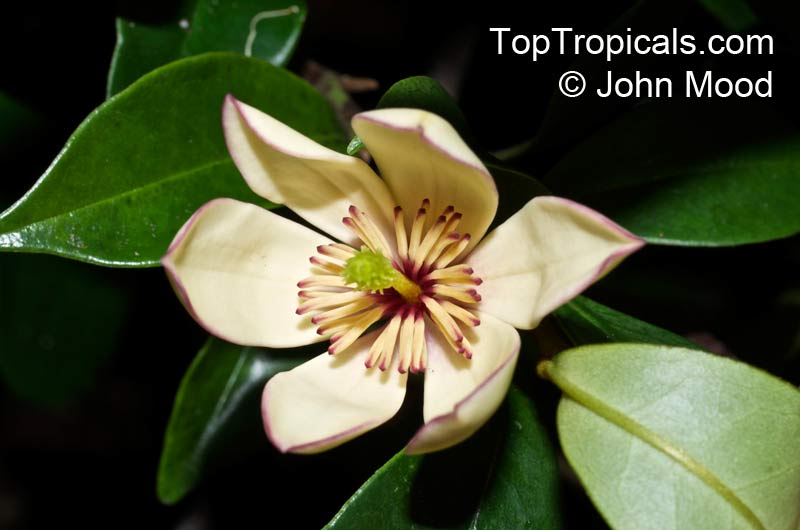
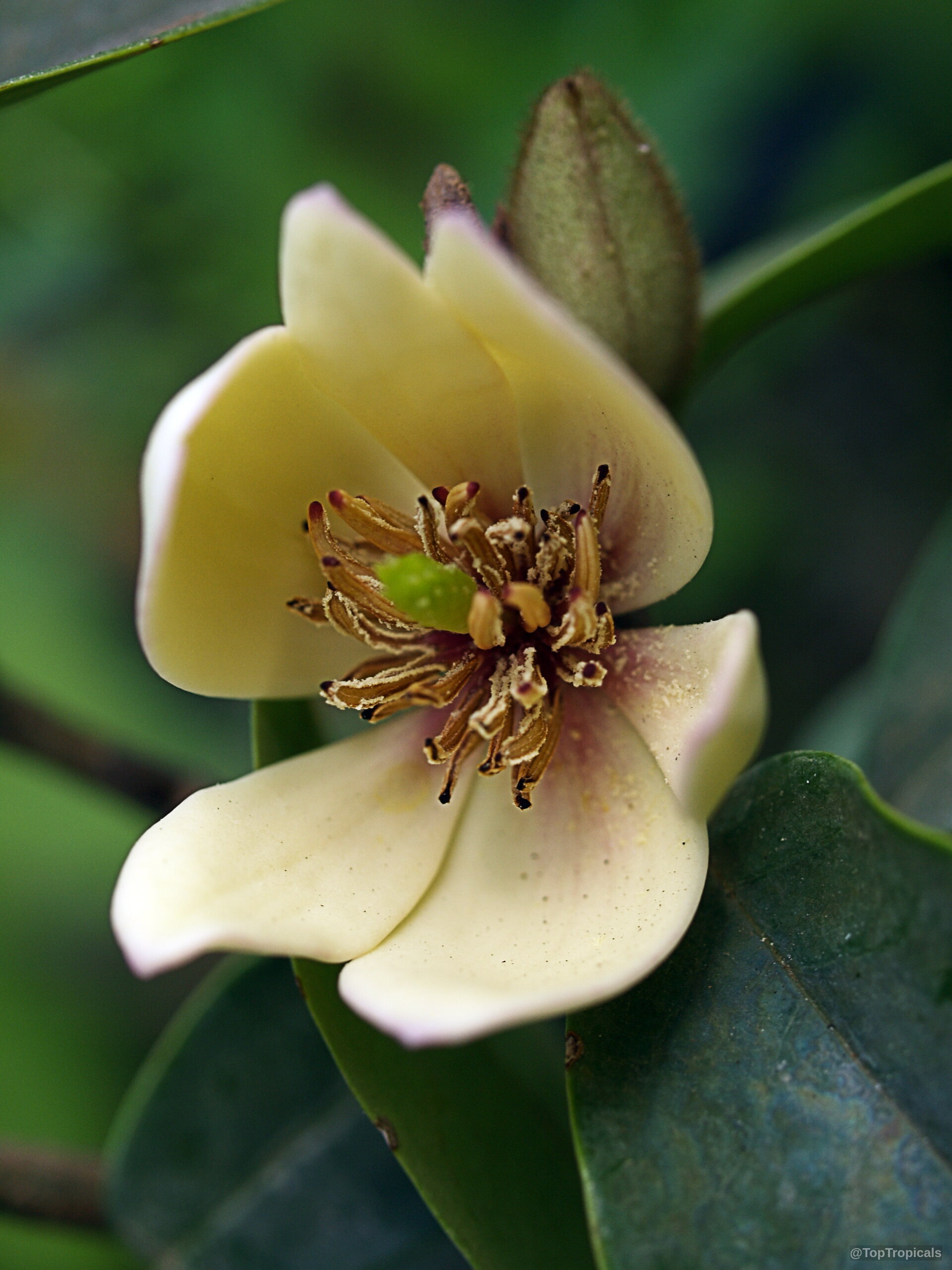
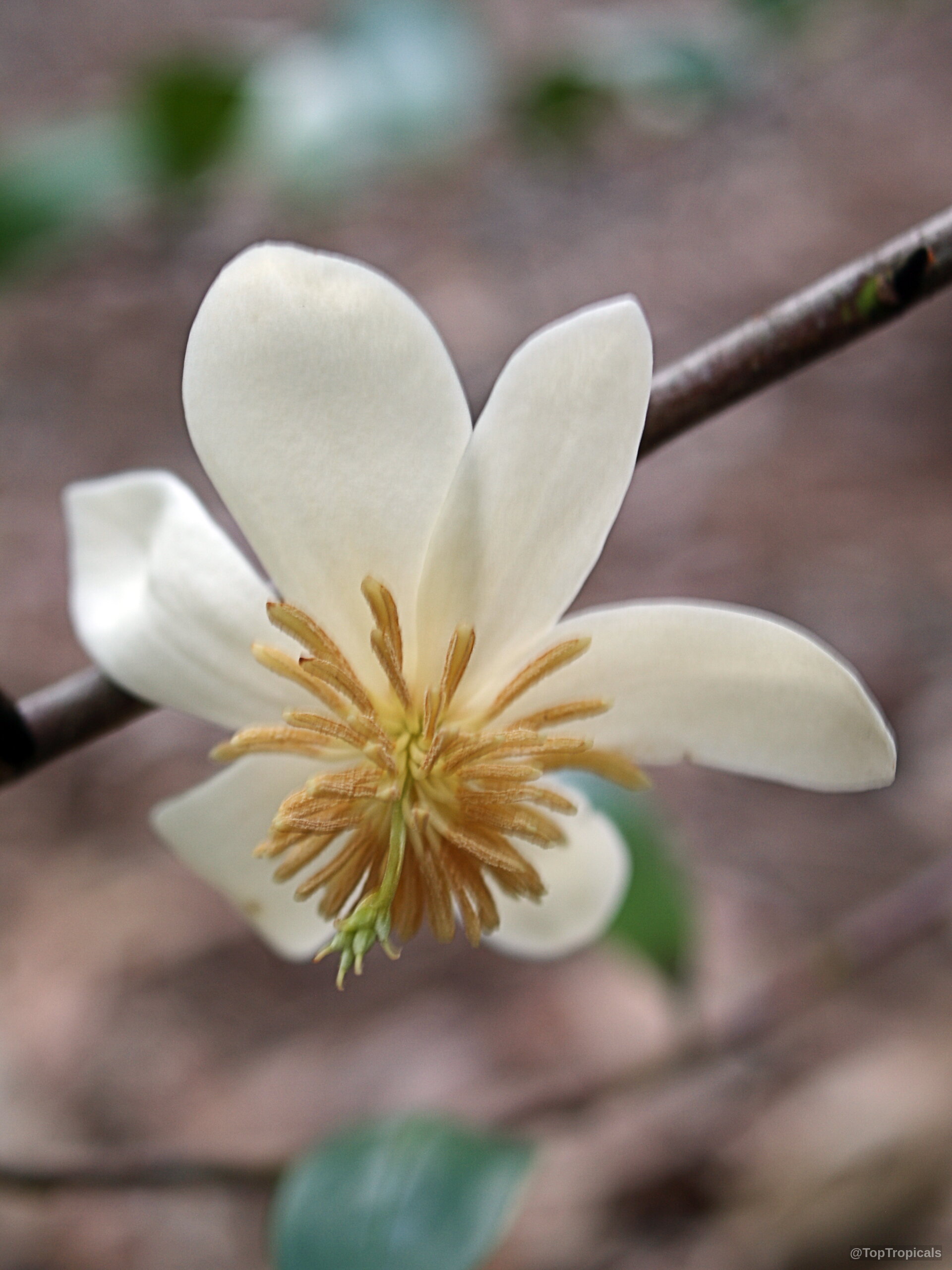
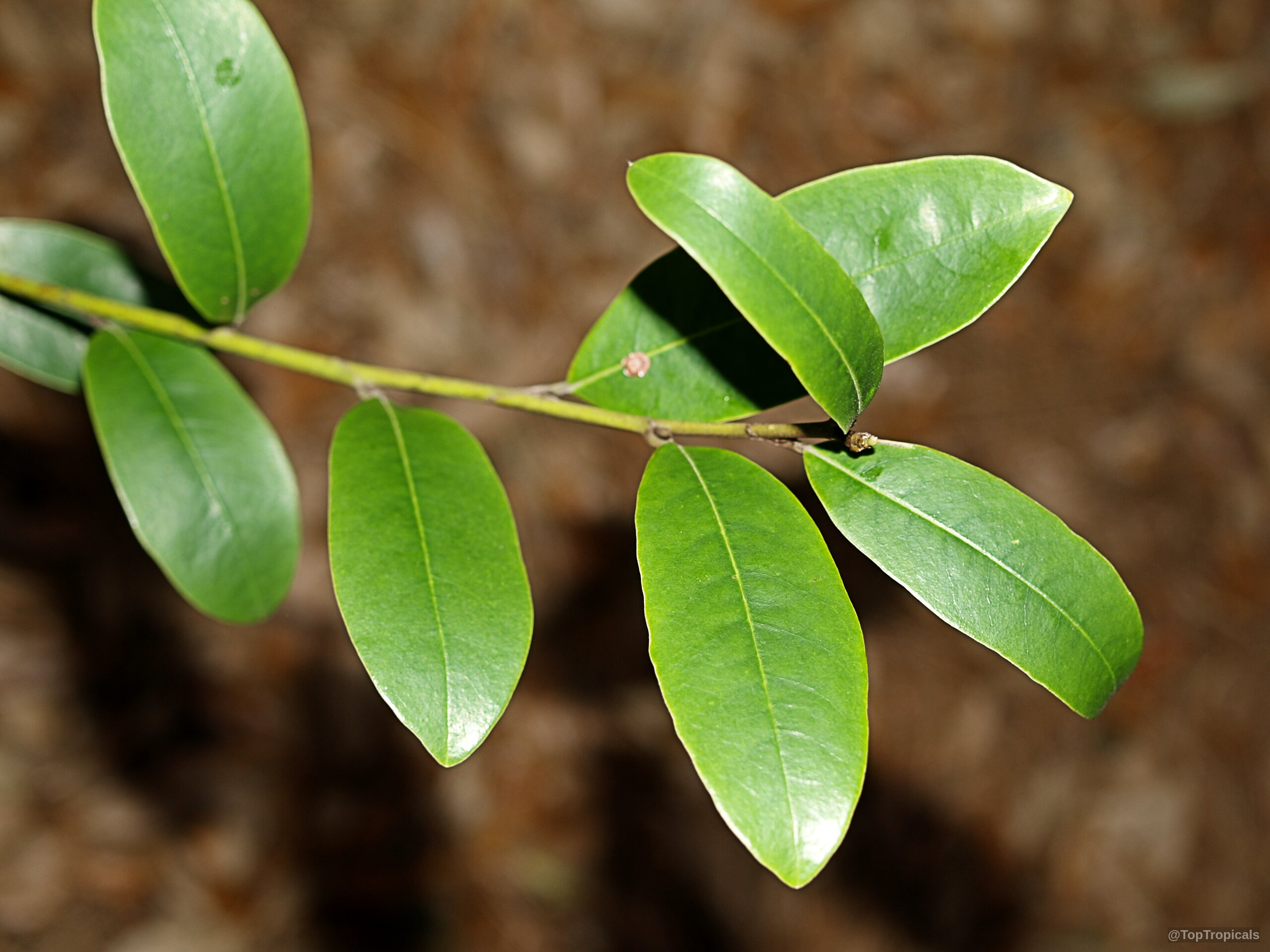
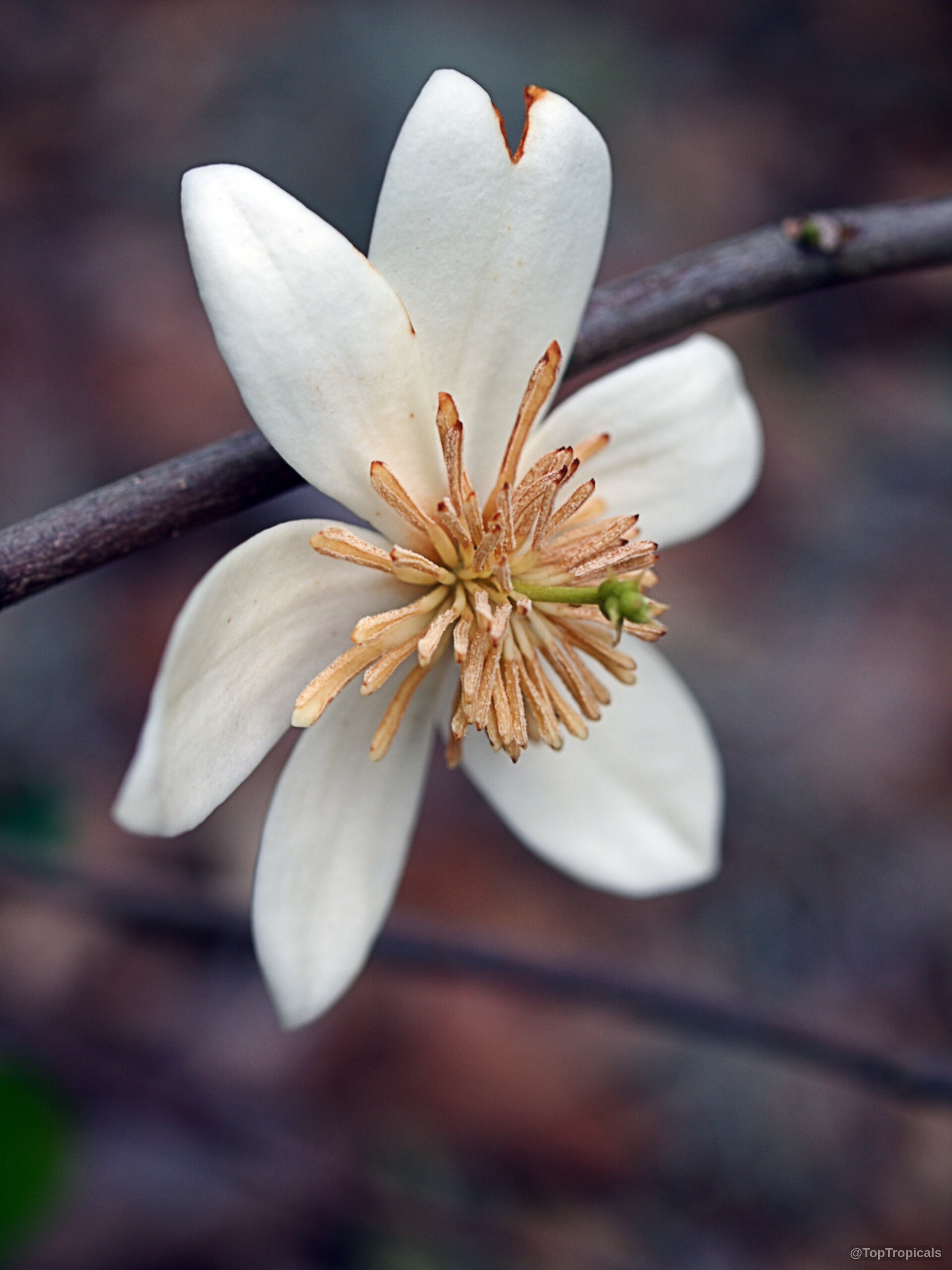
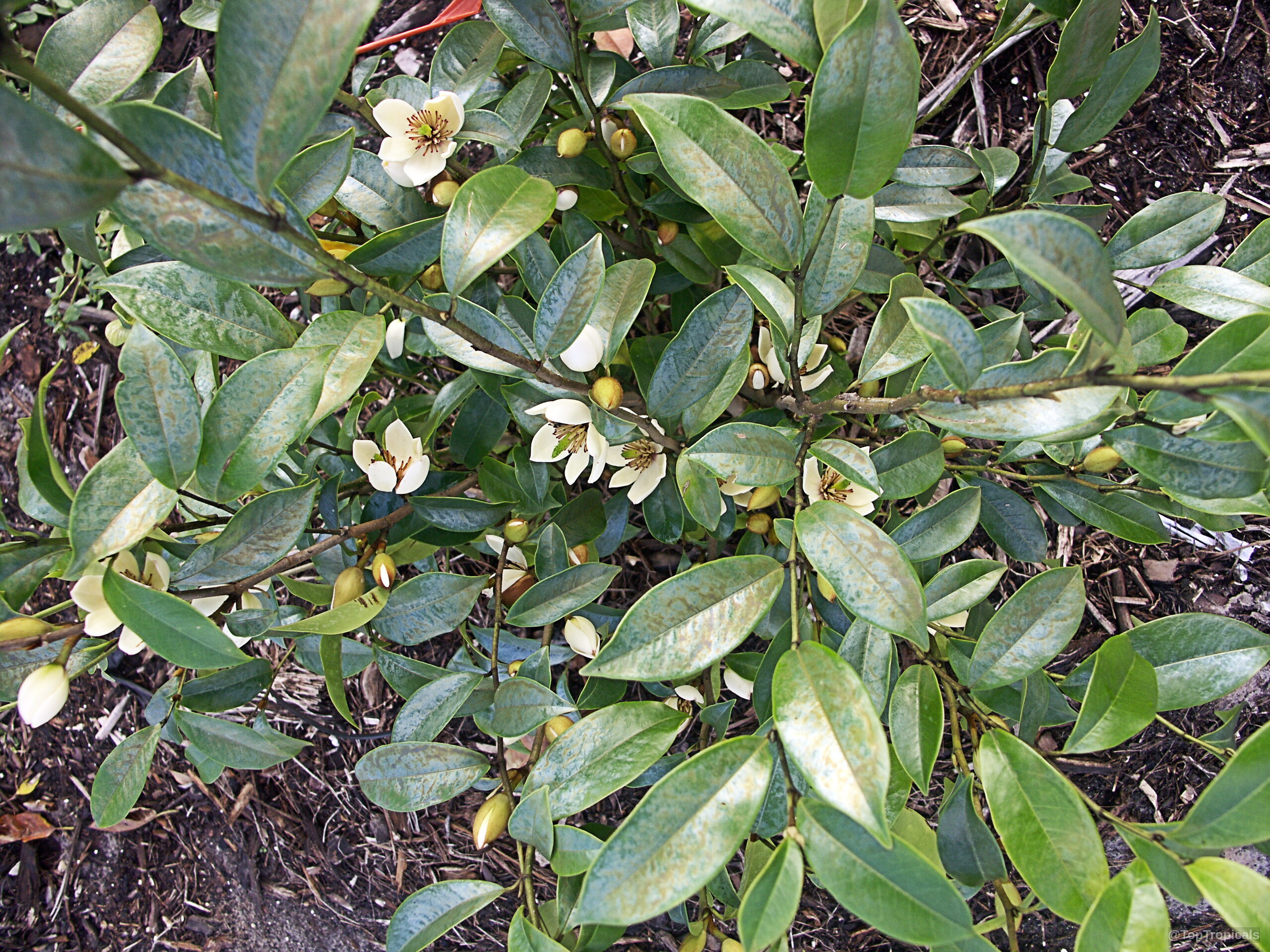
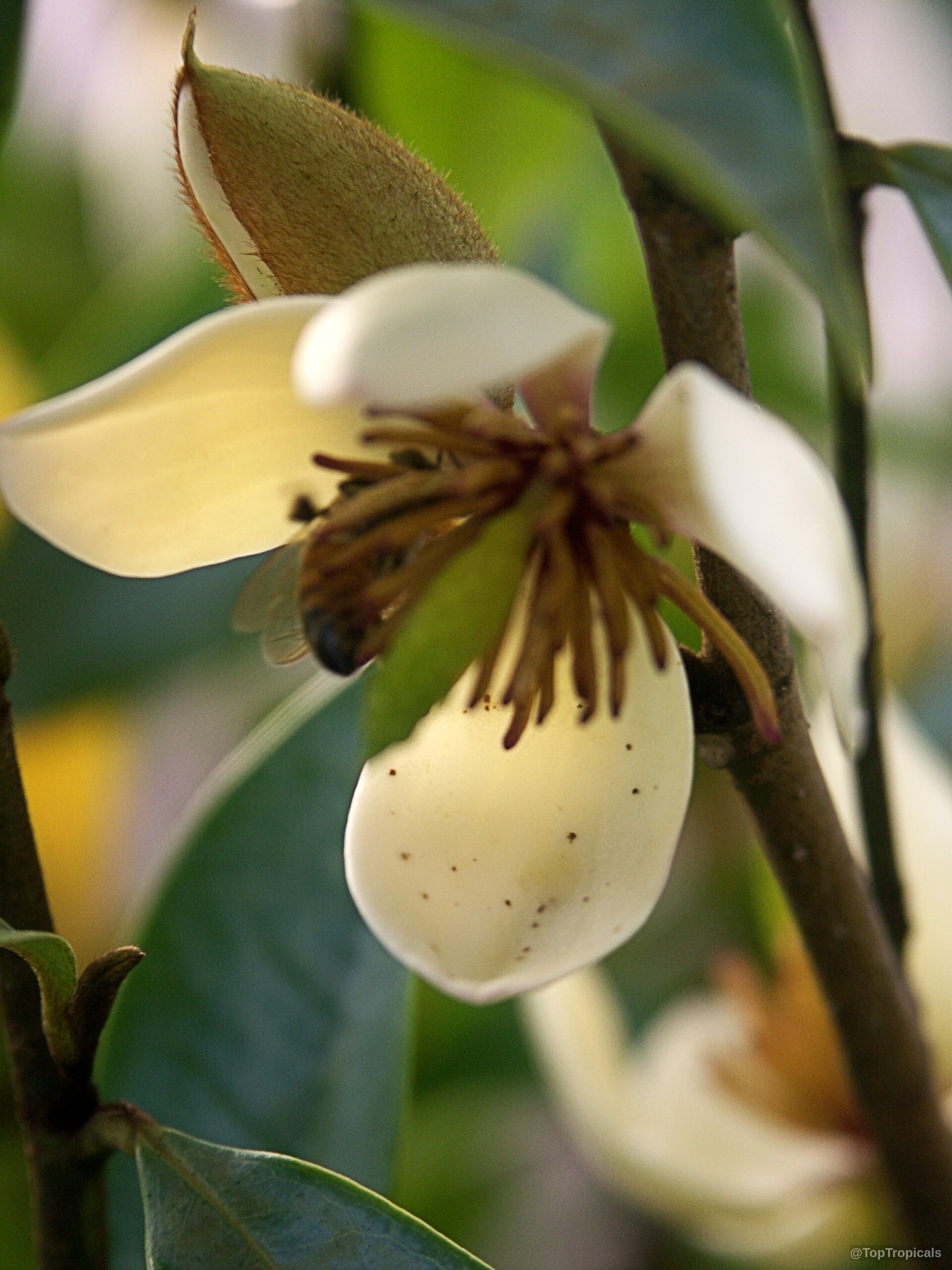
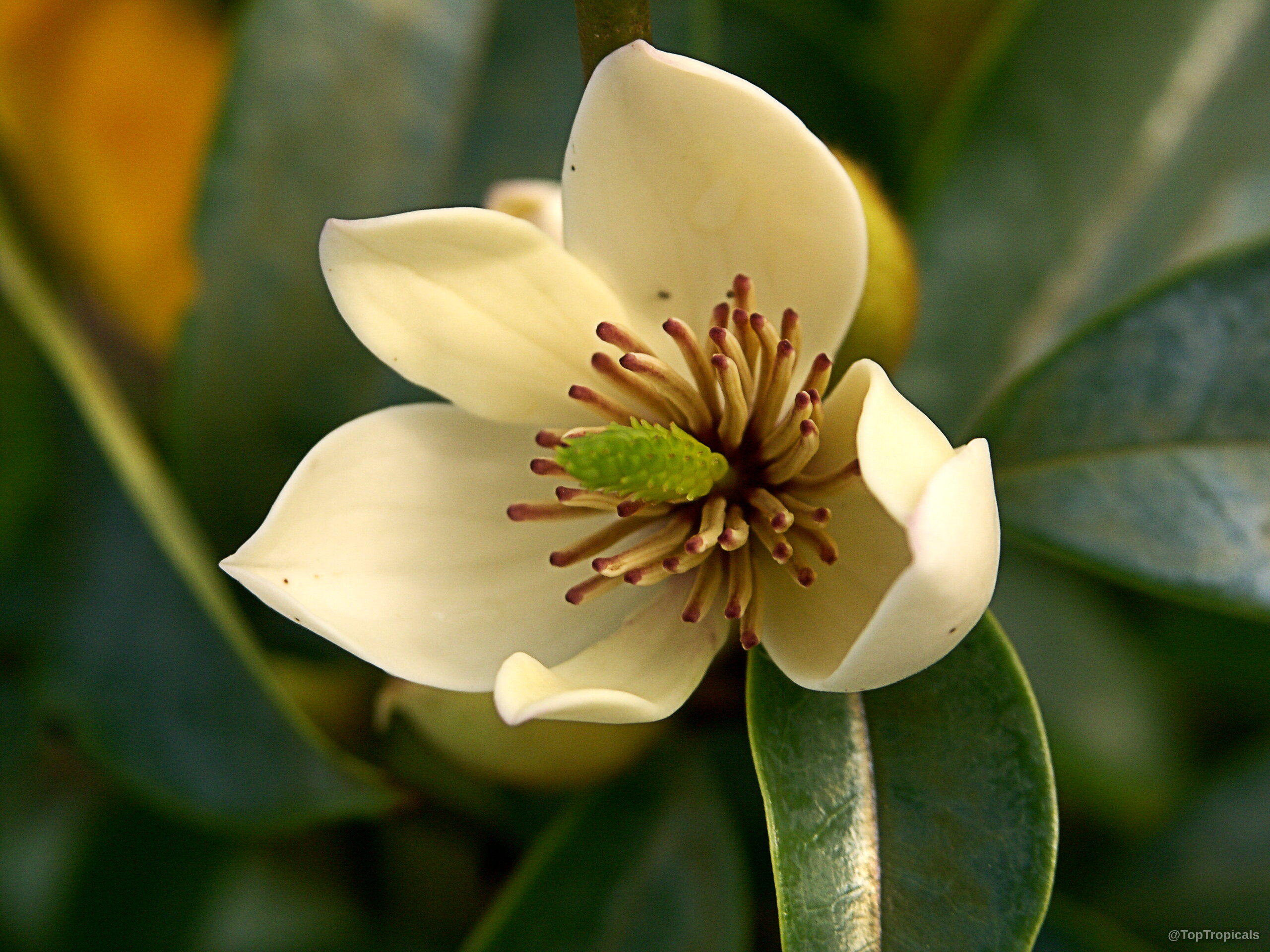
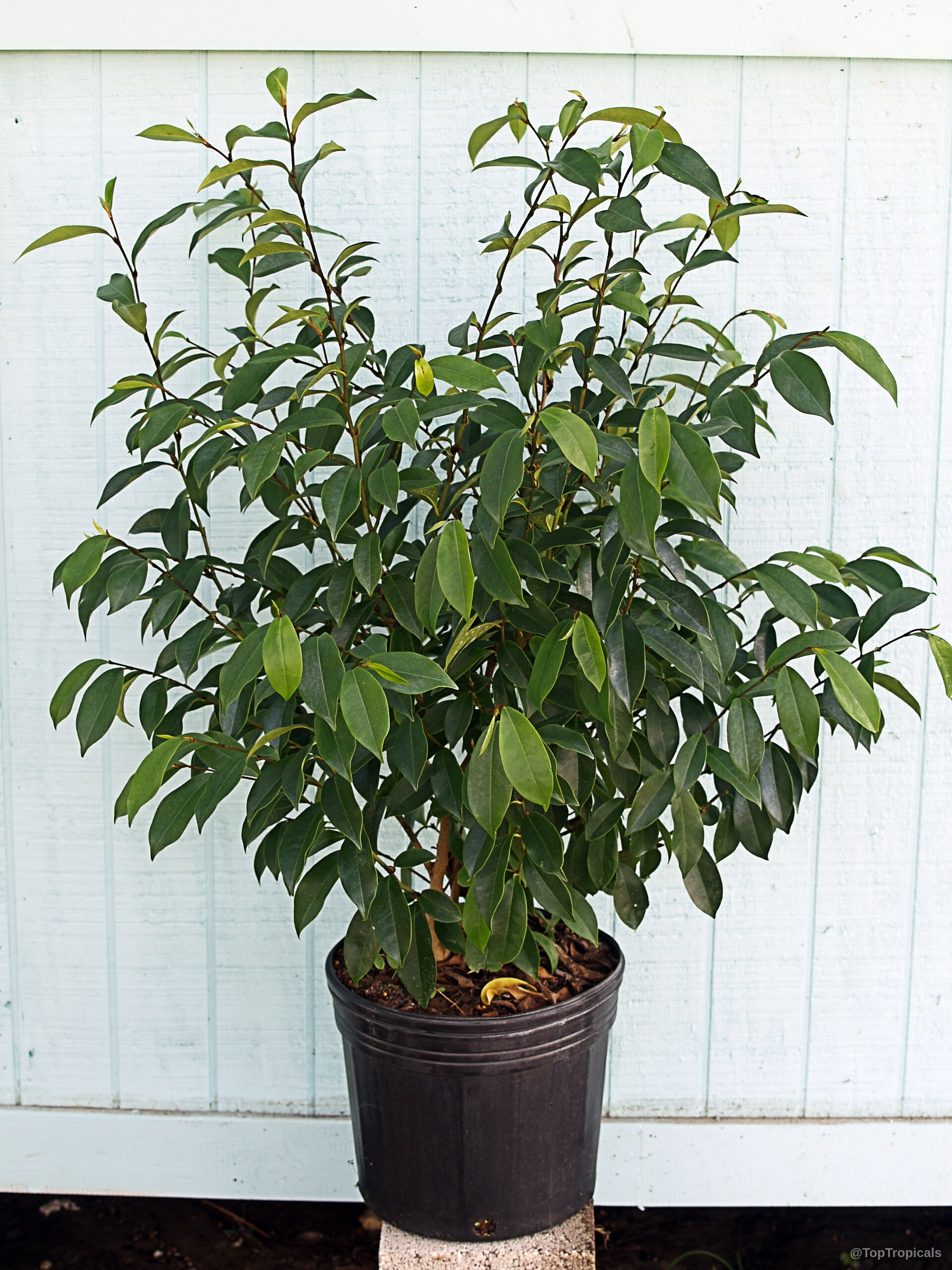
Botanical names: Magnolia figo, Michelia figo, Magnolia fuscata
Common names: Banana Magnolia, Banana Shrub, Port Wine Magnolia
Family: Magnoliaceae
Origin: China
USDA Zone: 7-10

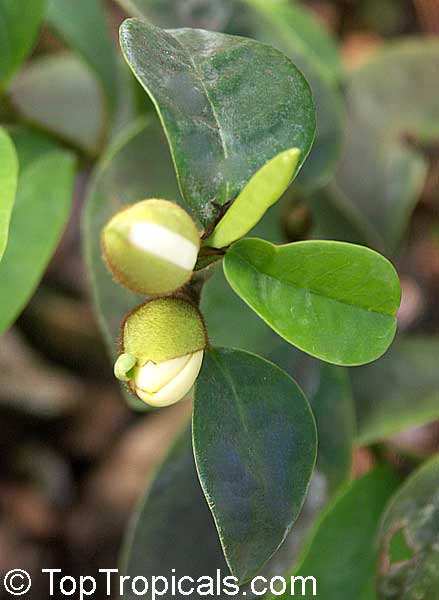
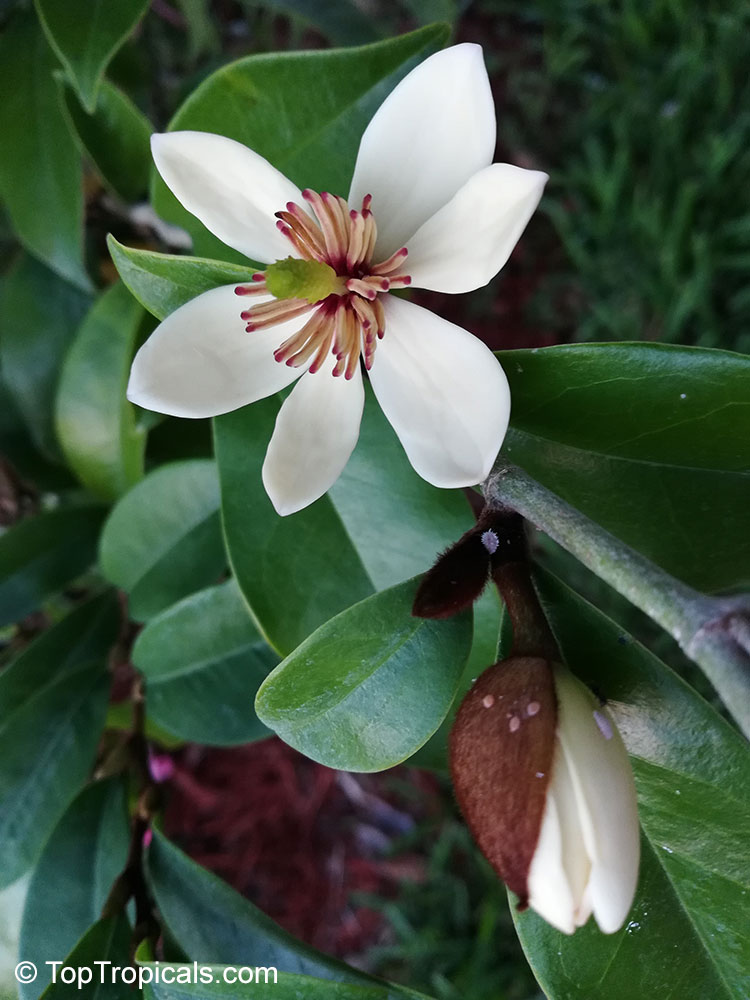
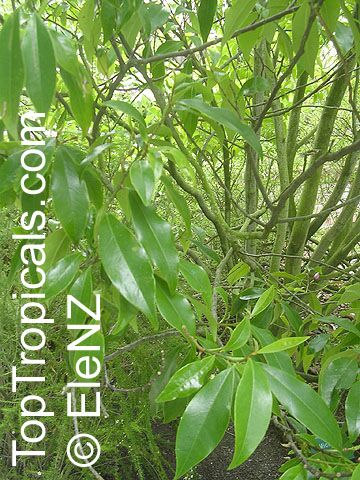
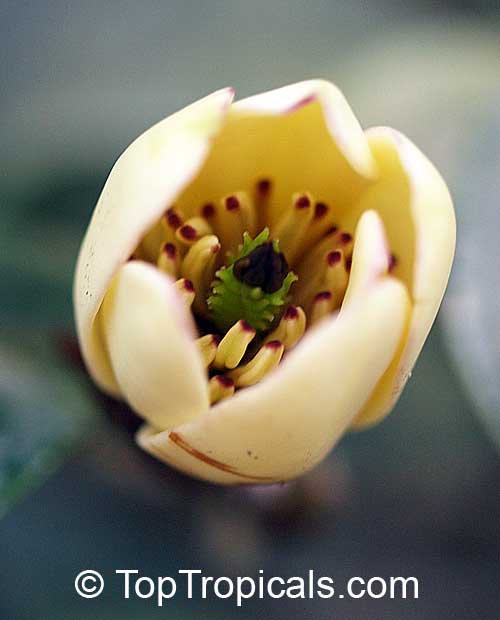
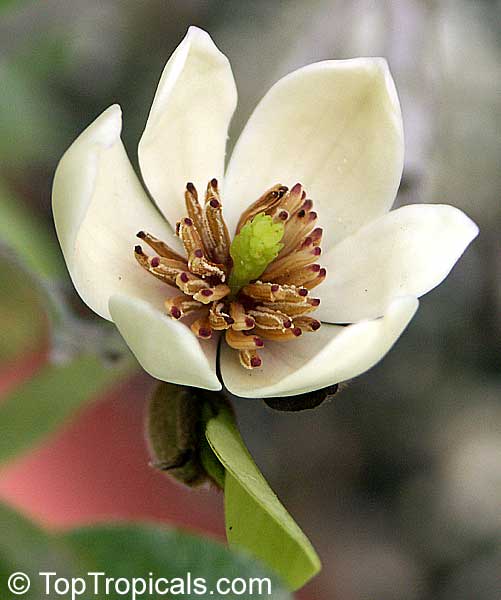
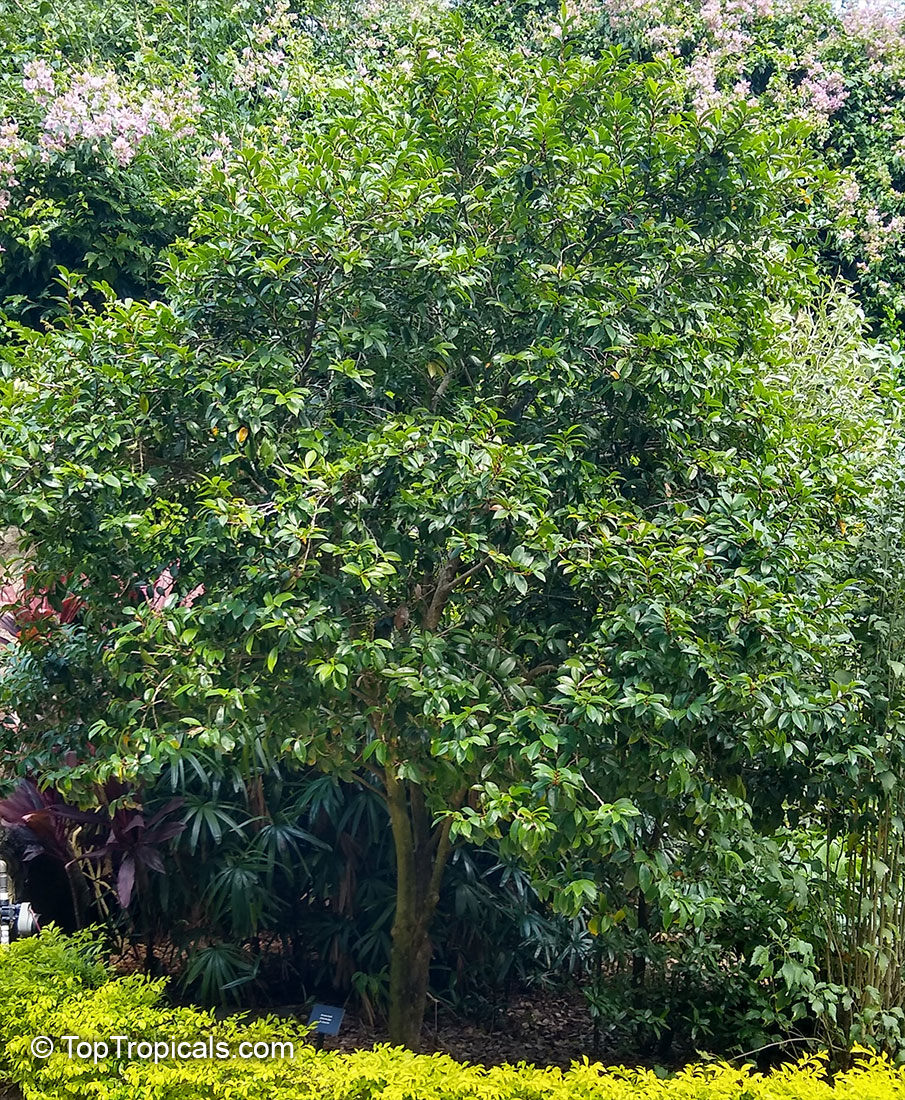
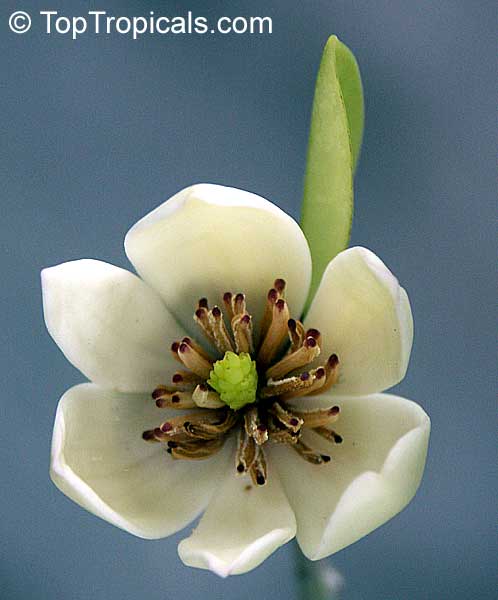
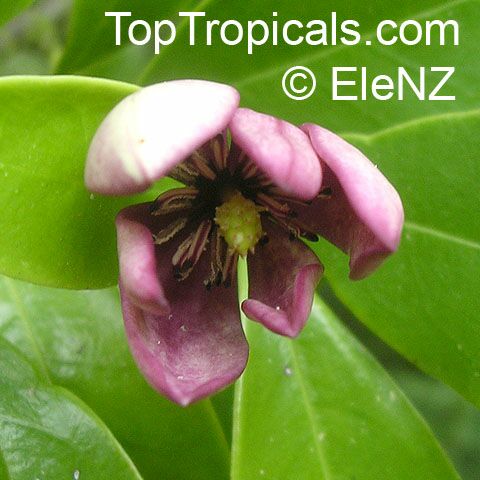
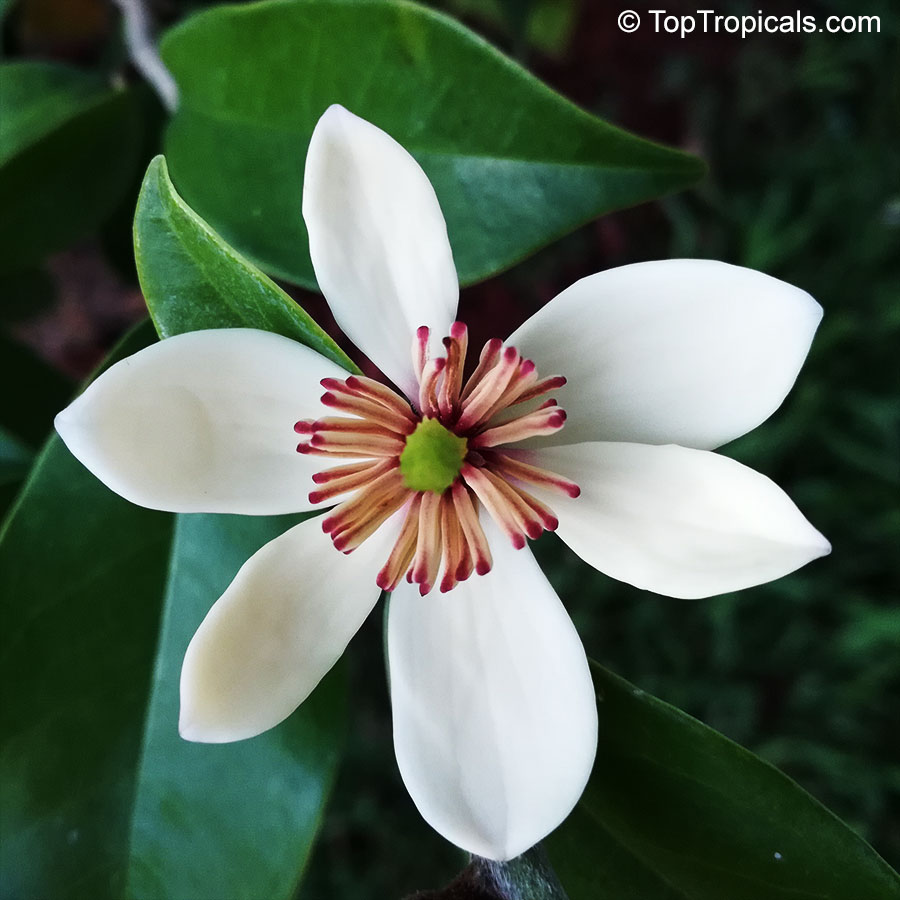
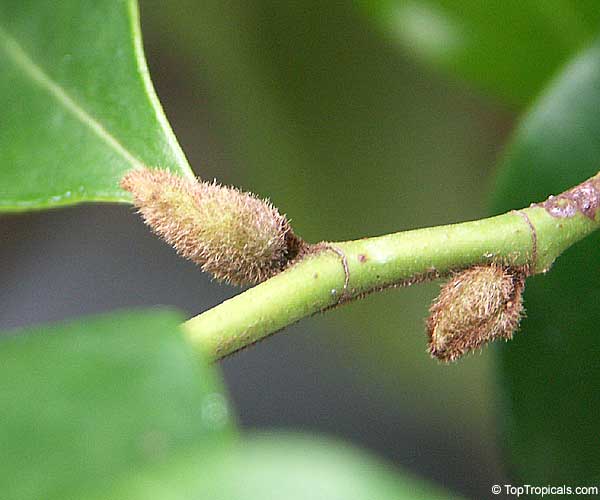
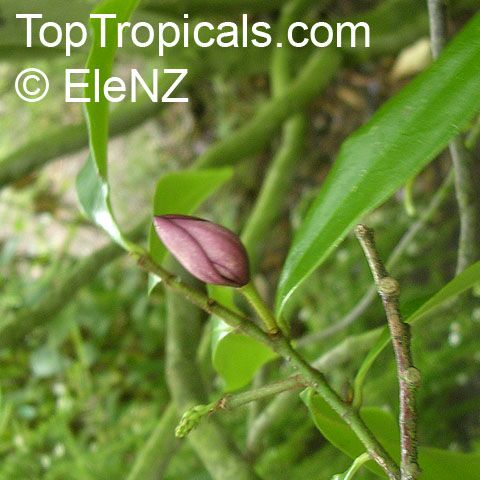
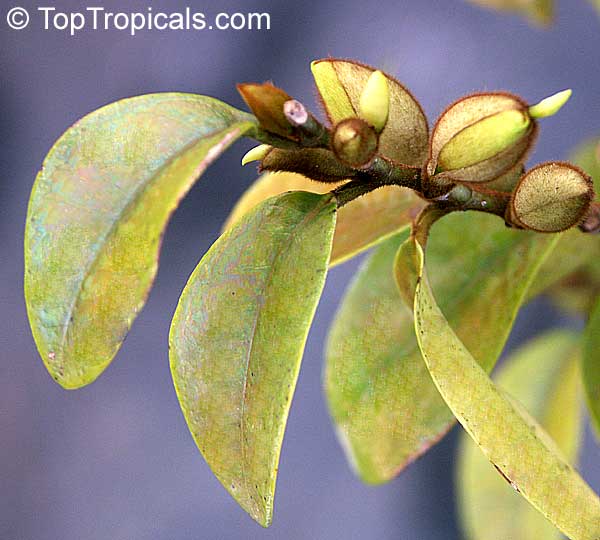
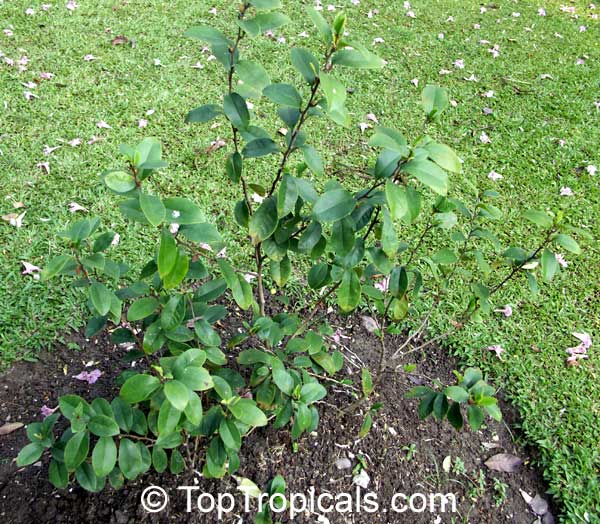
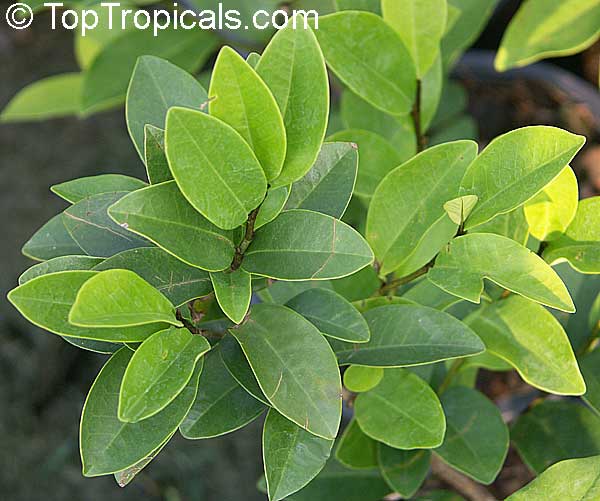
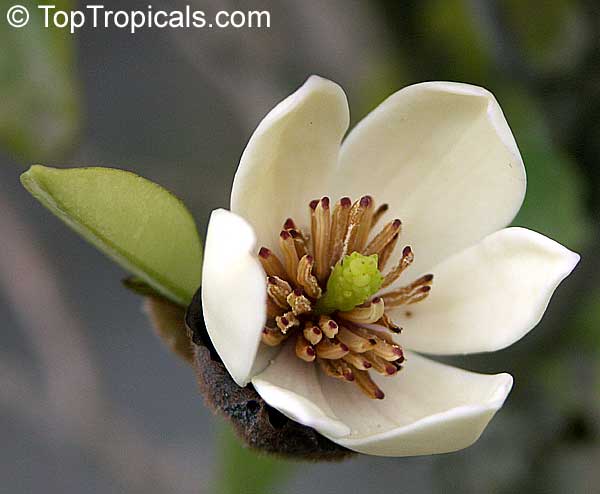
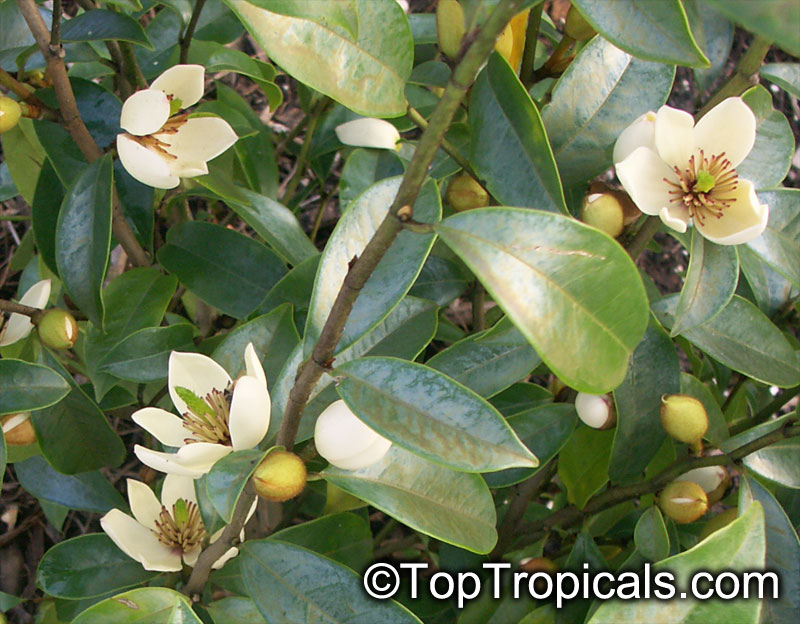
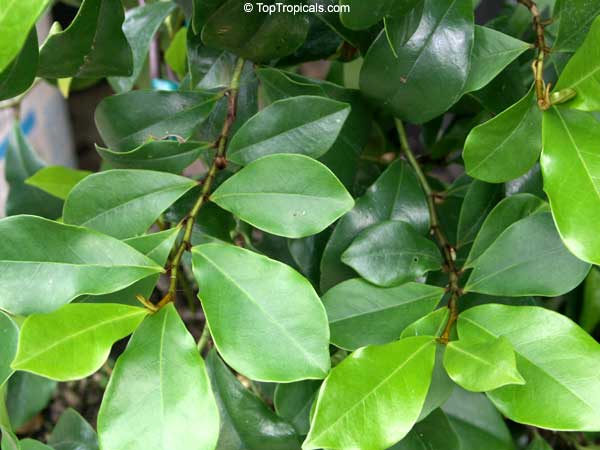
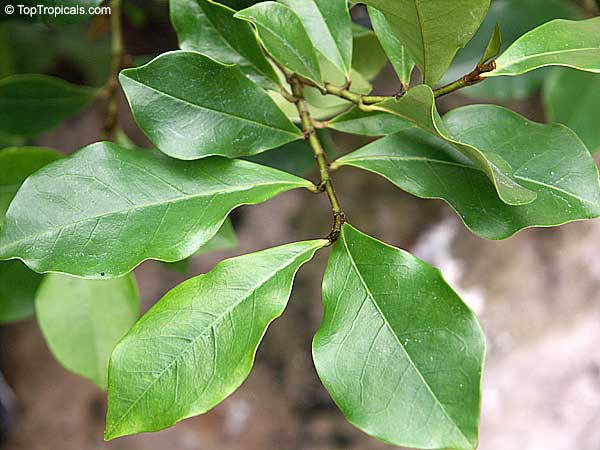
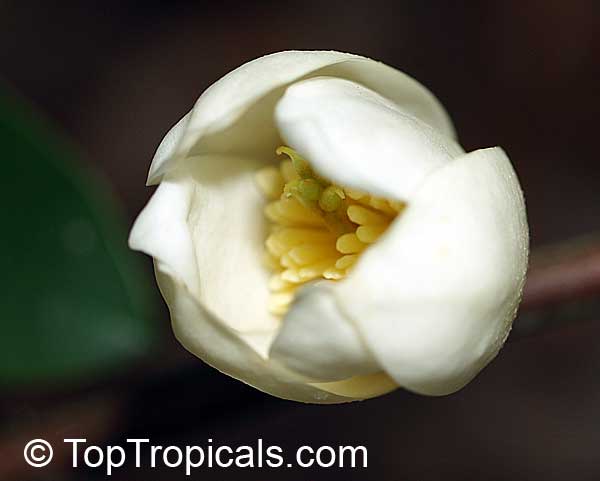
A slow growing, compact shrub. It bears small, shiny deep green leaves and tiny spring-blooming heavily scented cream flowers streaked with purple. Pruning produces abundant new flowering growth. Prefers neutral to acid, humus-rich, well-drained soil; they resent being transplanted. The banana shrub is so called because of the distinctive, sweet banana scent of its flowers. These are formed within interesting fuzzy brown bracts that form a 1 in (2.5 cm) cigar-shaped bud, from which small off-white flowers burst forth from late spring through summer. The blossoms are about 1.5 in (3.8 cm) in diameter with each of six waxy petals delicately outlined in dark red.
See Article about Tropical Magnolias.
See also Plants with scents as heady as incense: Enchanted Magnolias - Joy in your life...



Recommended Fertilizer: SUNSHINE Pikake - Fragrant Flower Booster
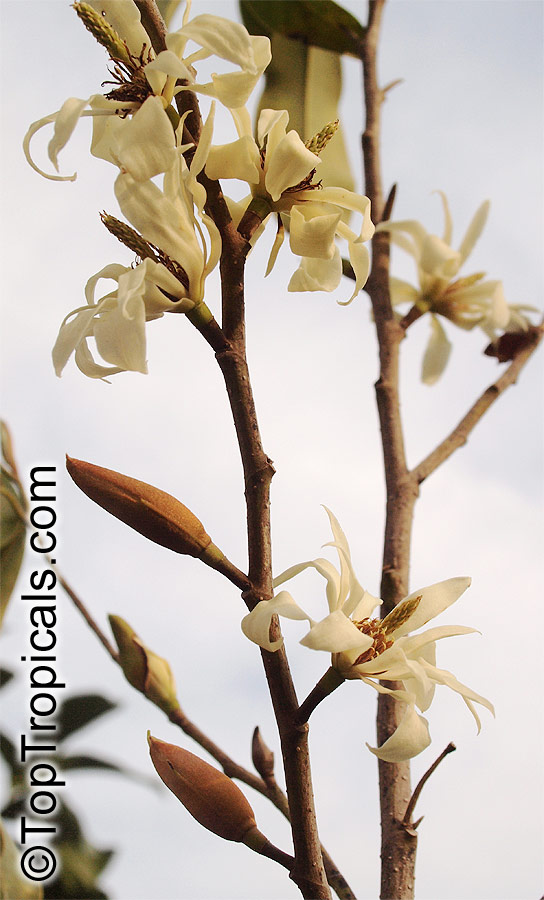
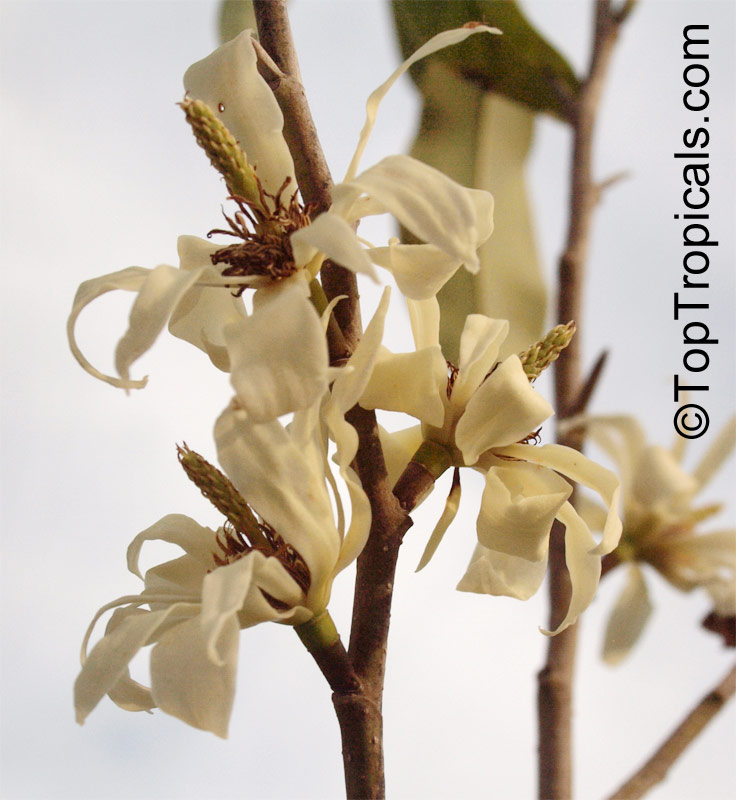
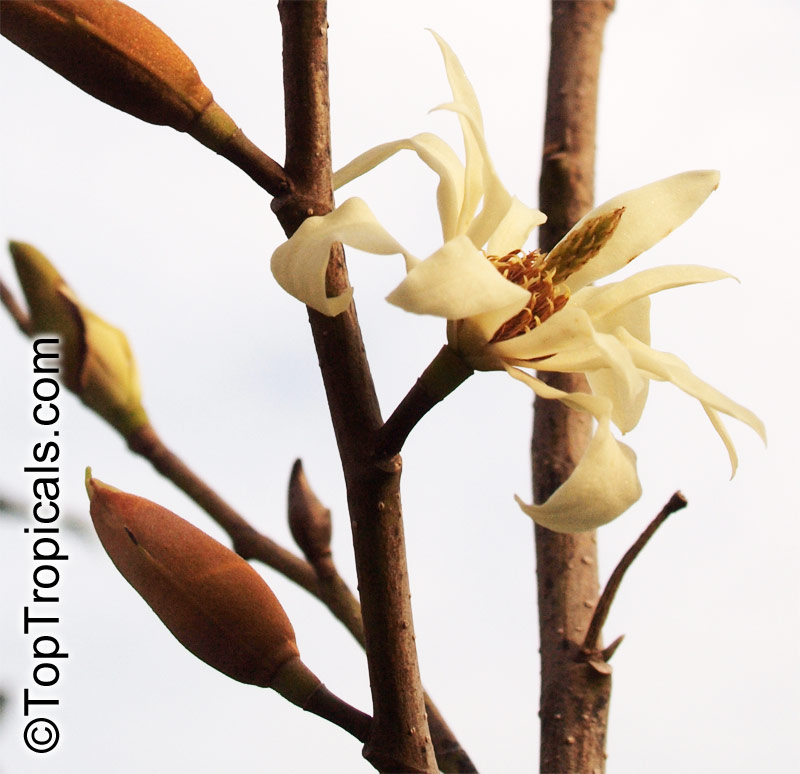
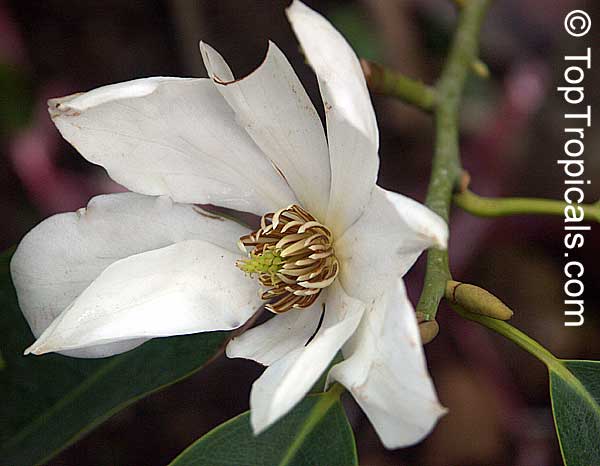
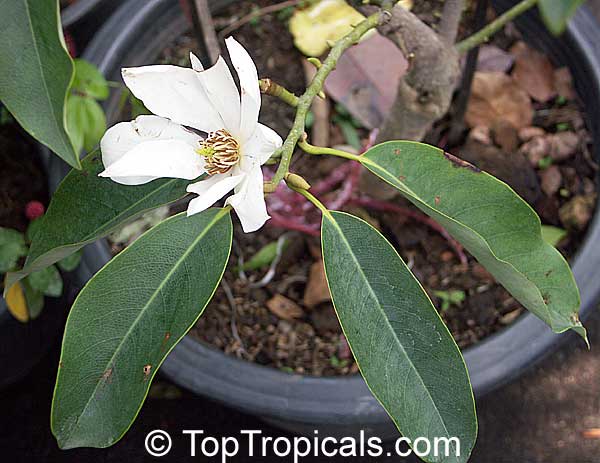
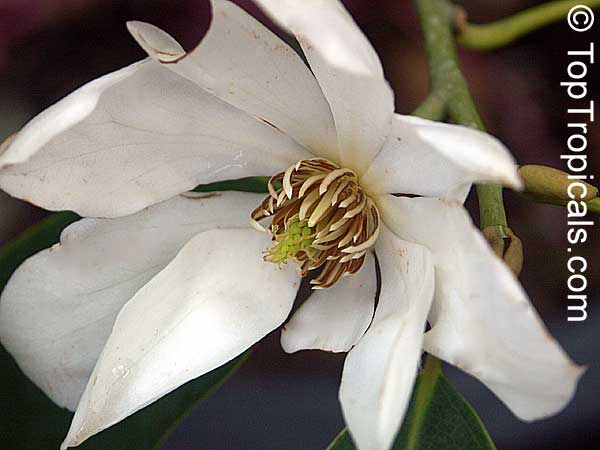
Botanical names: Magnolia floribunda, Michelia floribunda, Magnolia compressa
Common name: Magnolia
Family: Magnoliaceae
Origin: Veitnam, S. China
USDA Zone: 7-9
Cold tolerance: 10°F
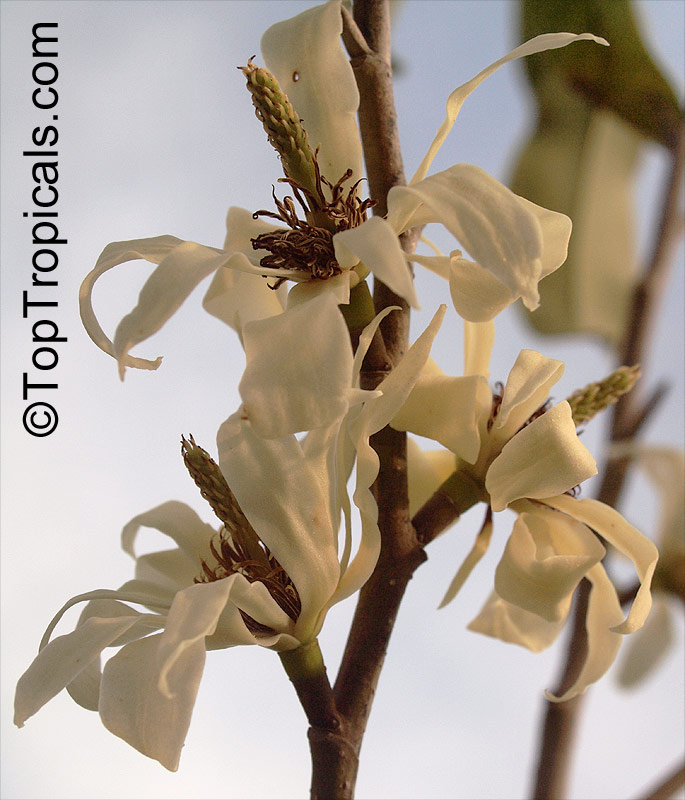
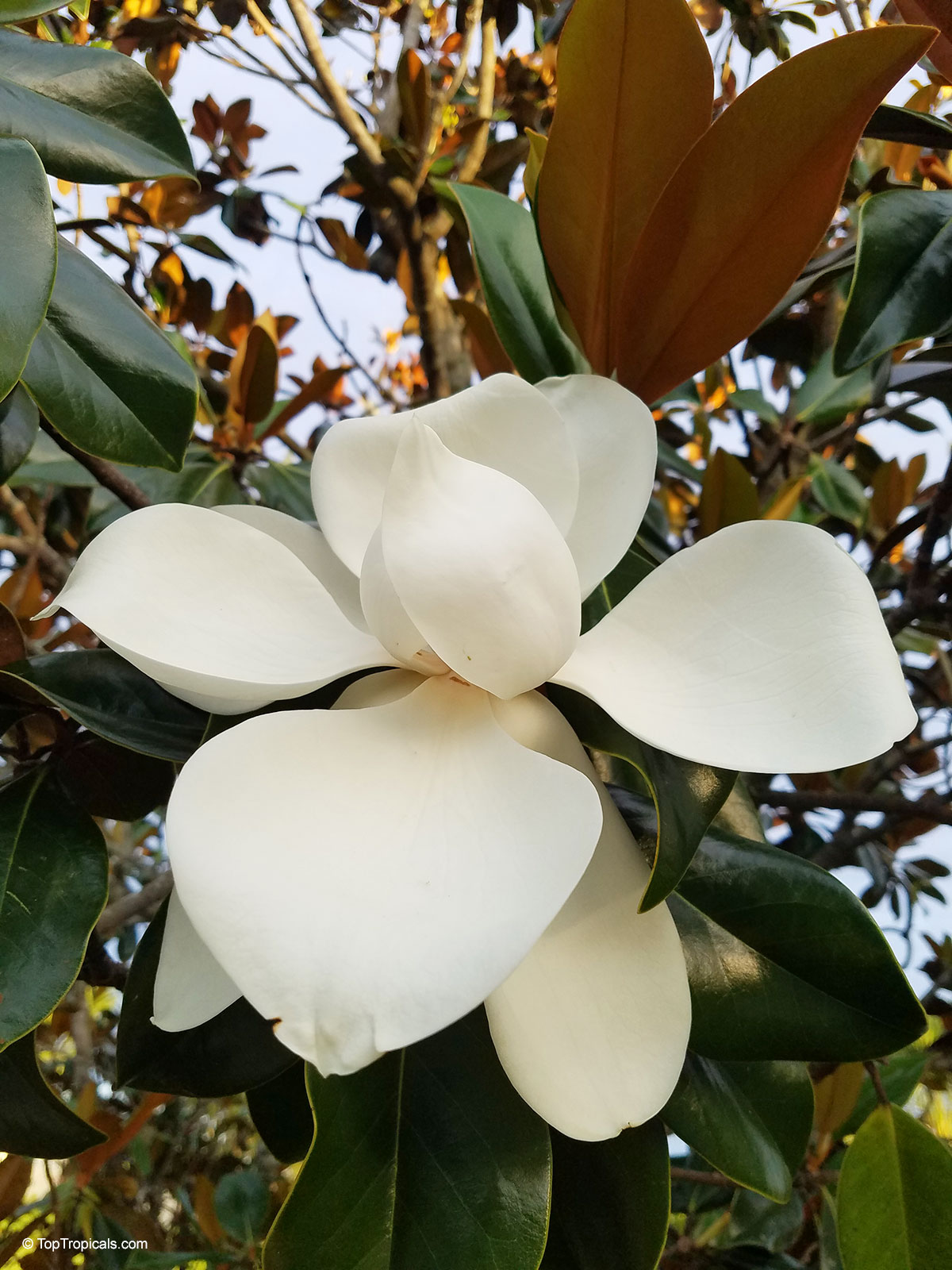
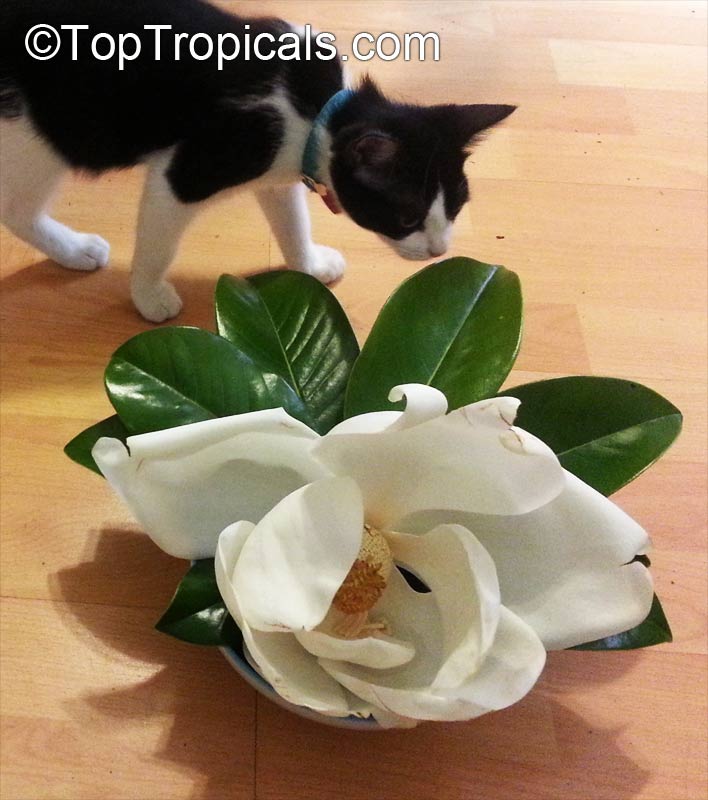
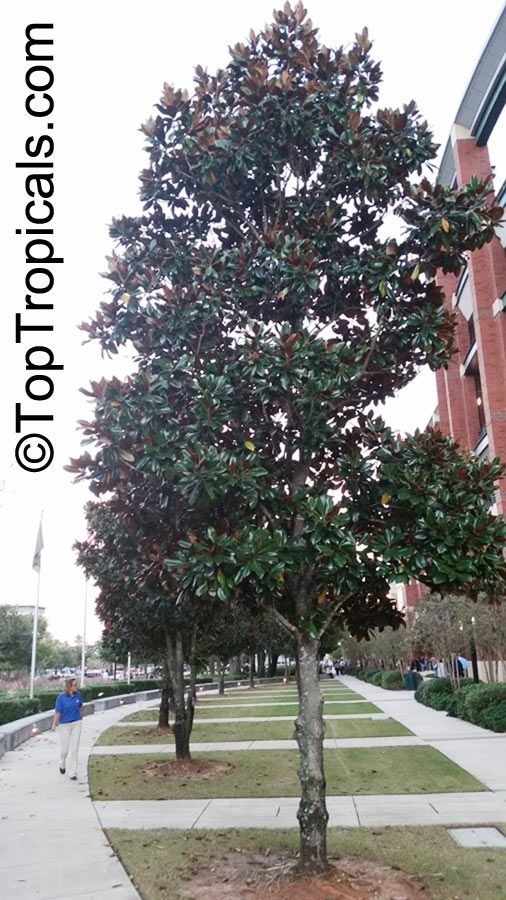
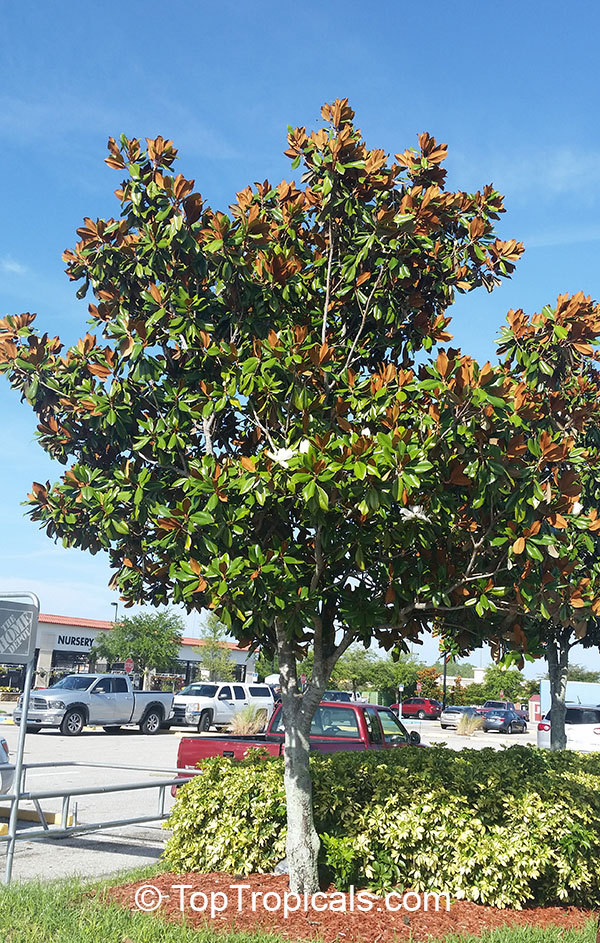
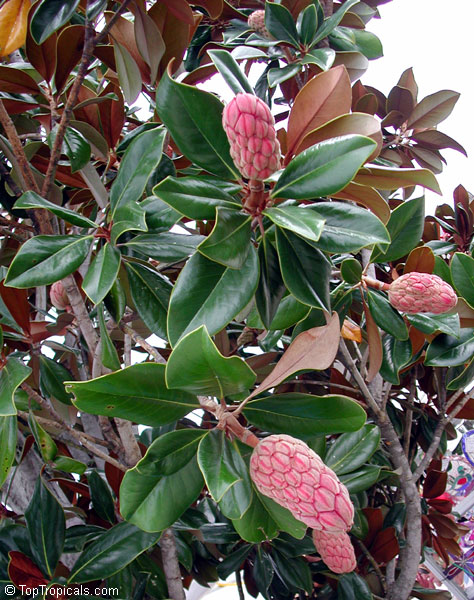
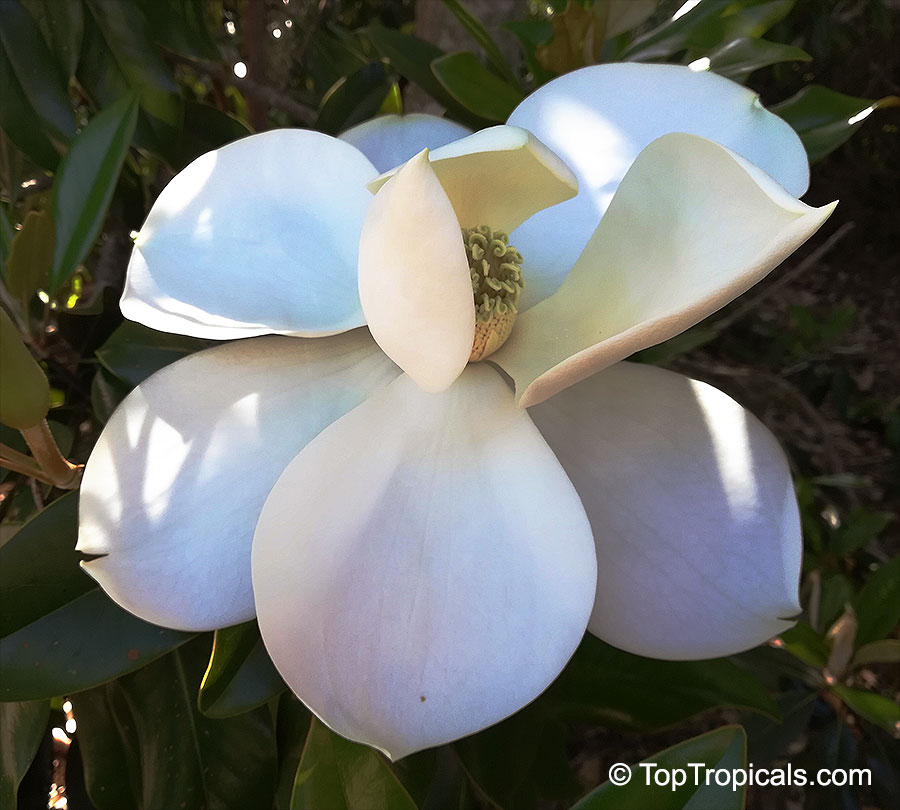
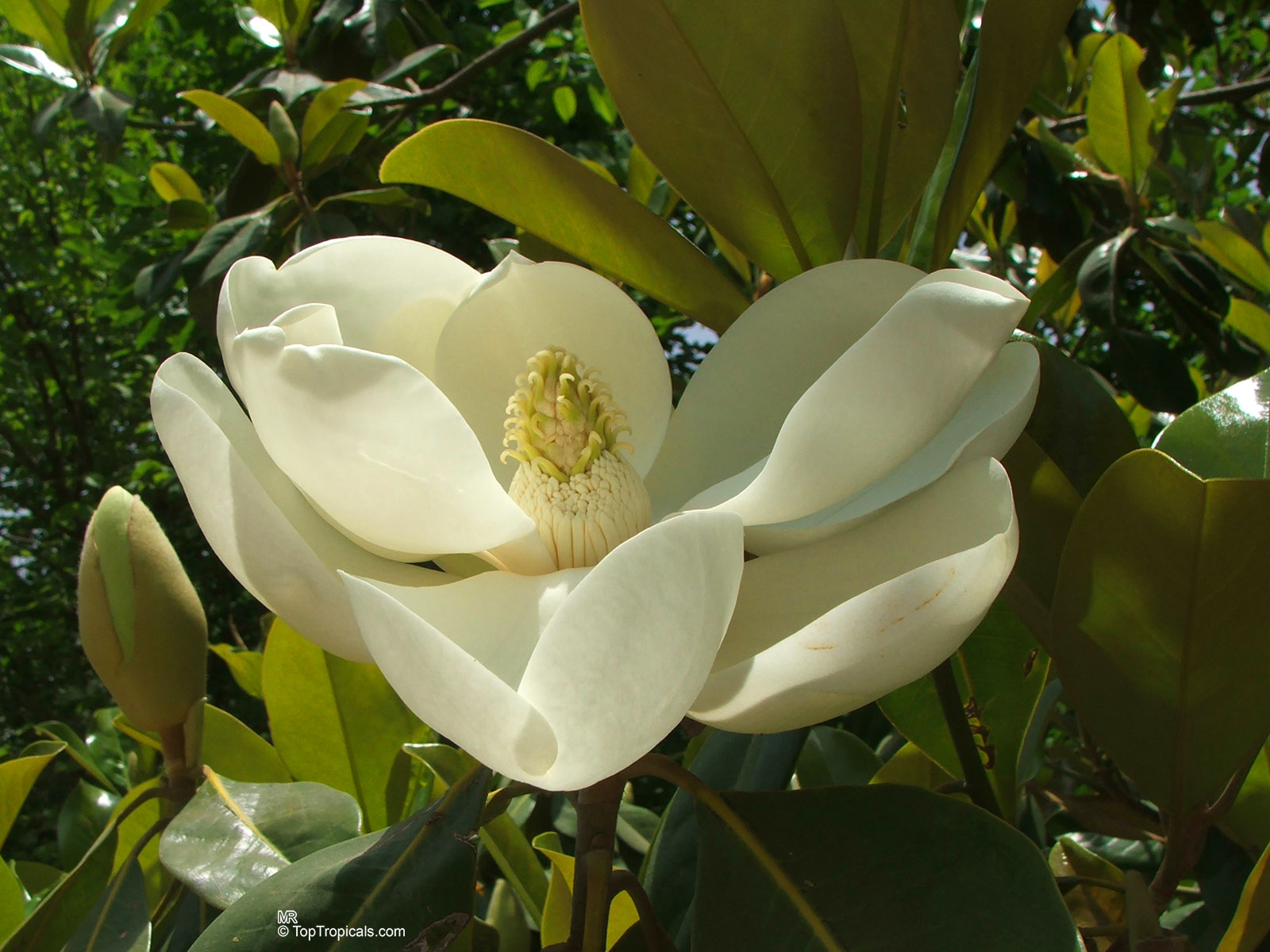
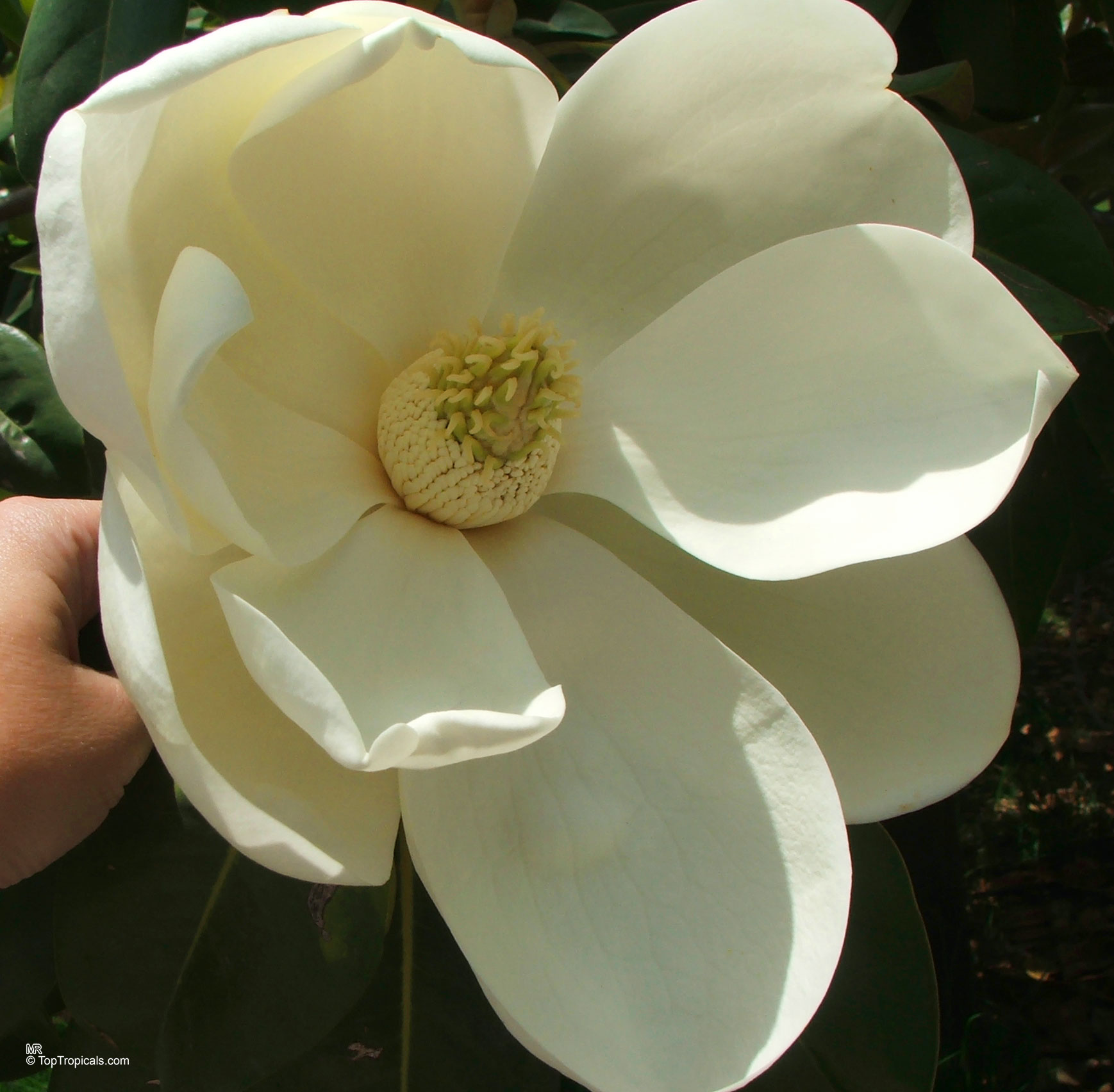
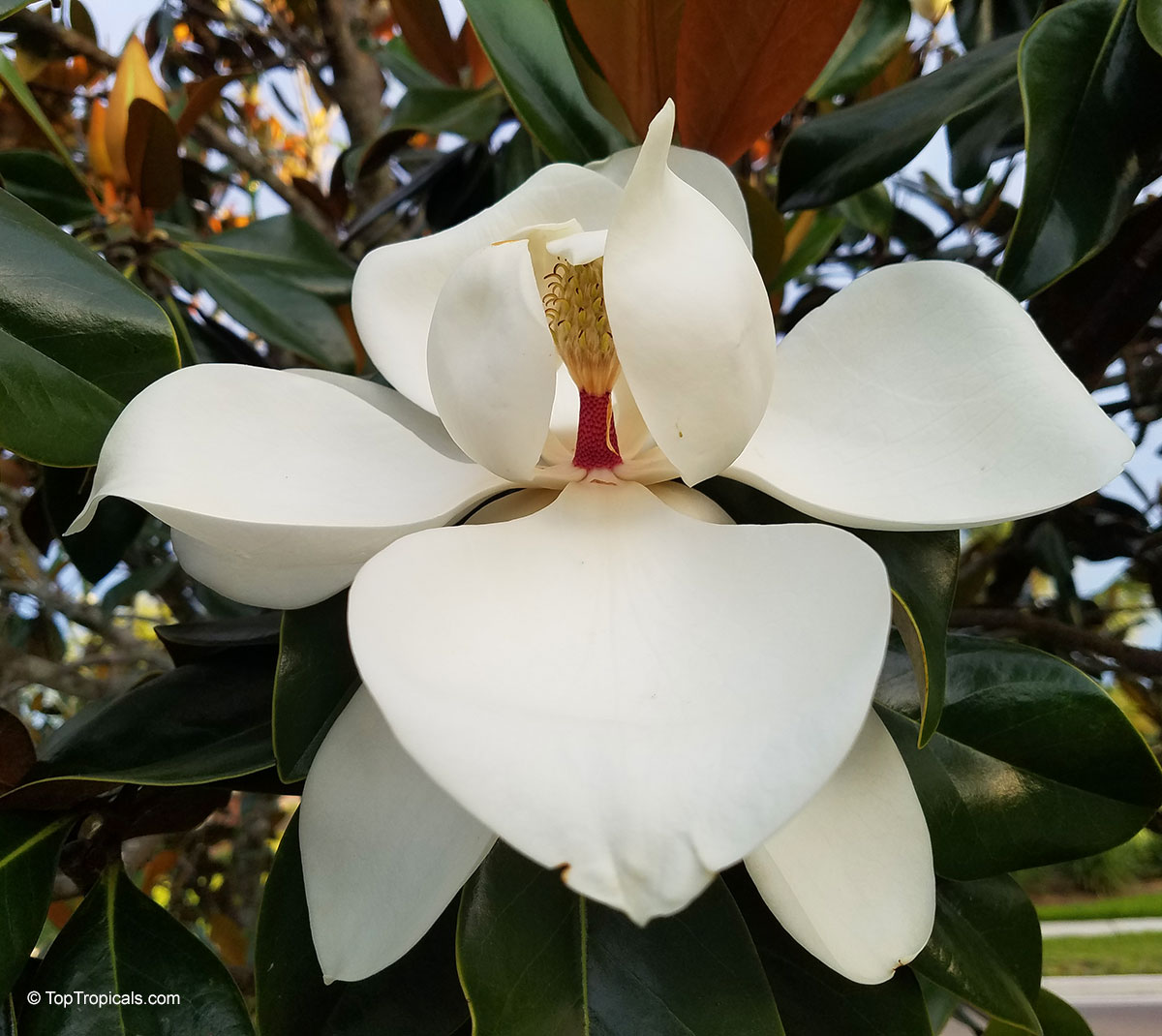
Botanical name: Magnolia grandiflora
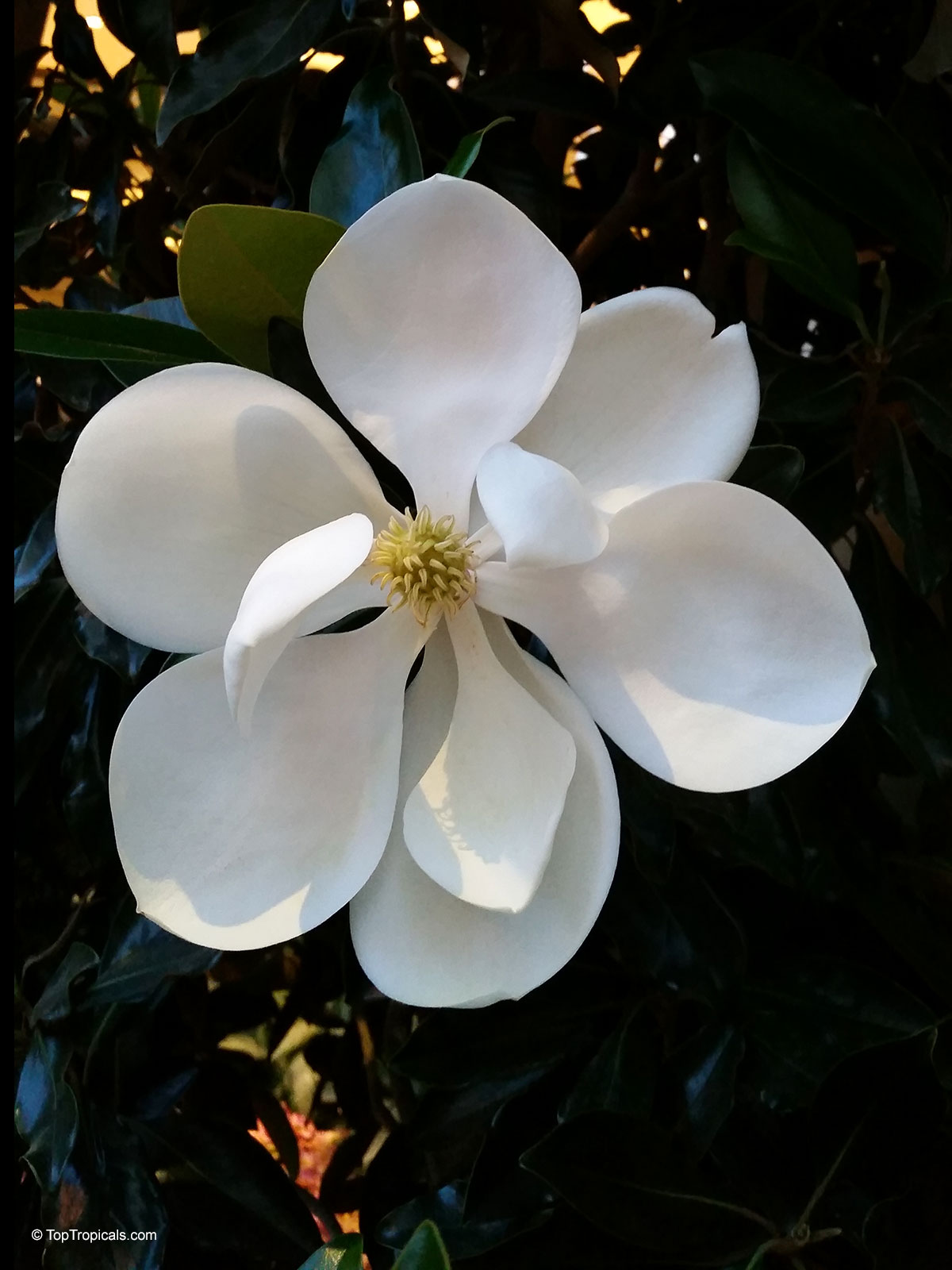
Common names: Southern Magnolia, Bull Bay
Family: Magnoliaceae
USDA Zone: 7-10

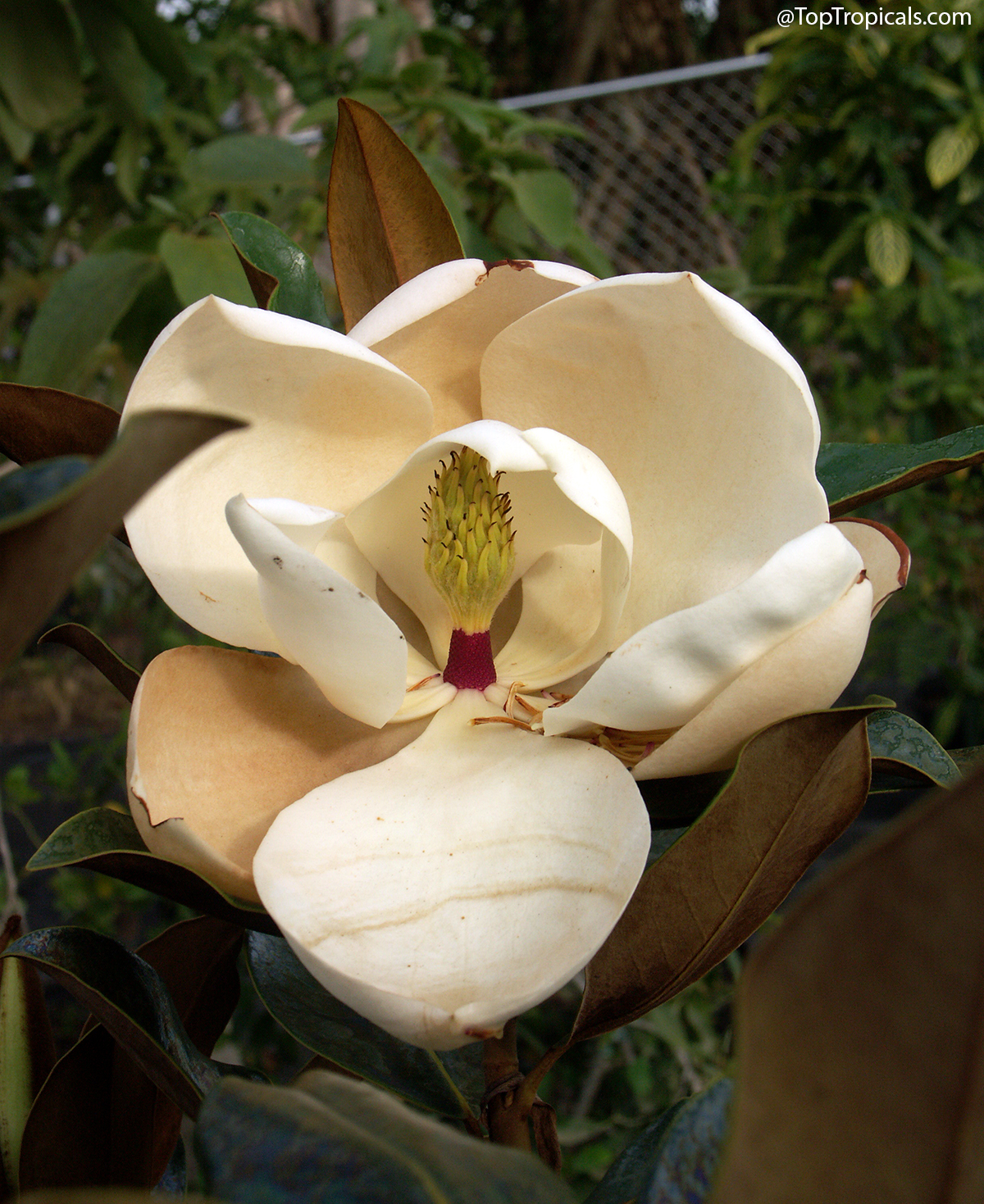
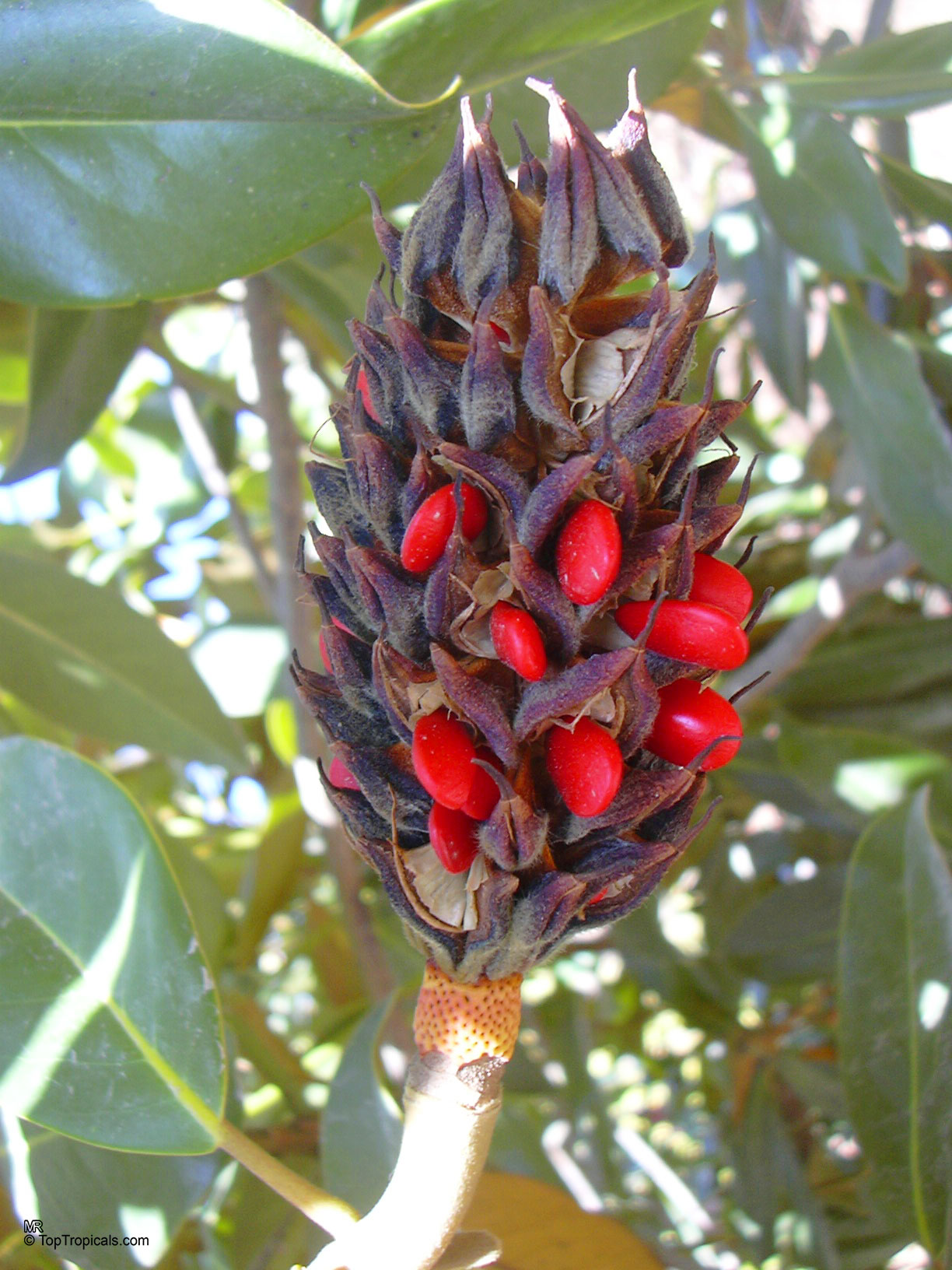
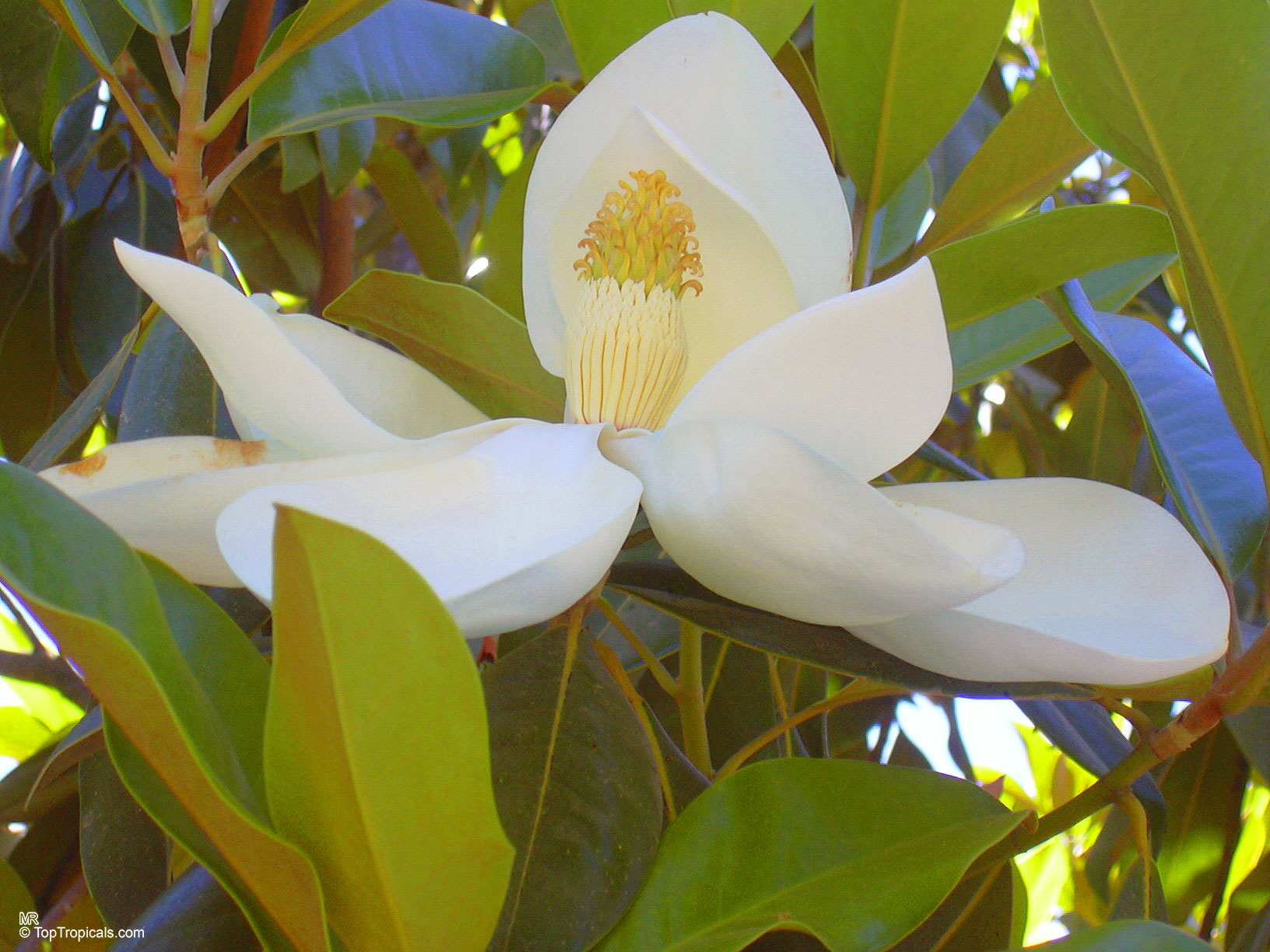
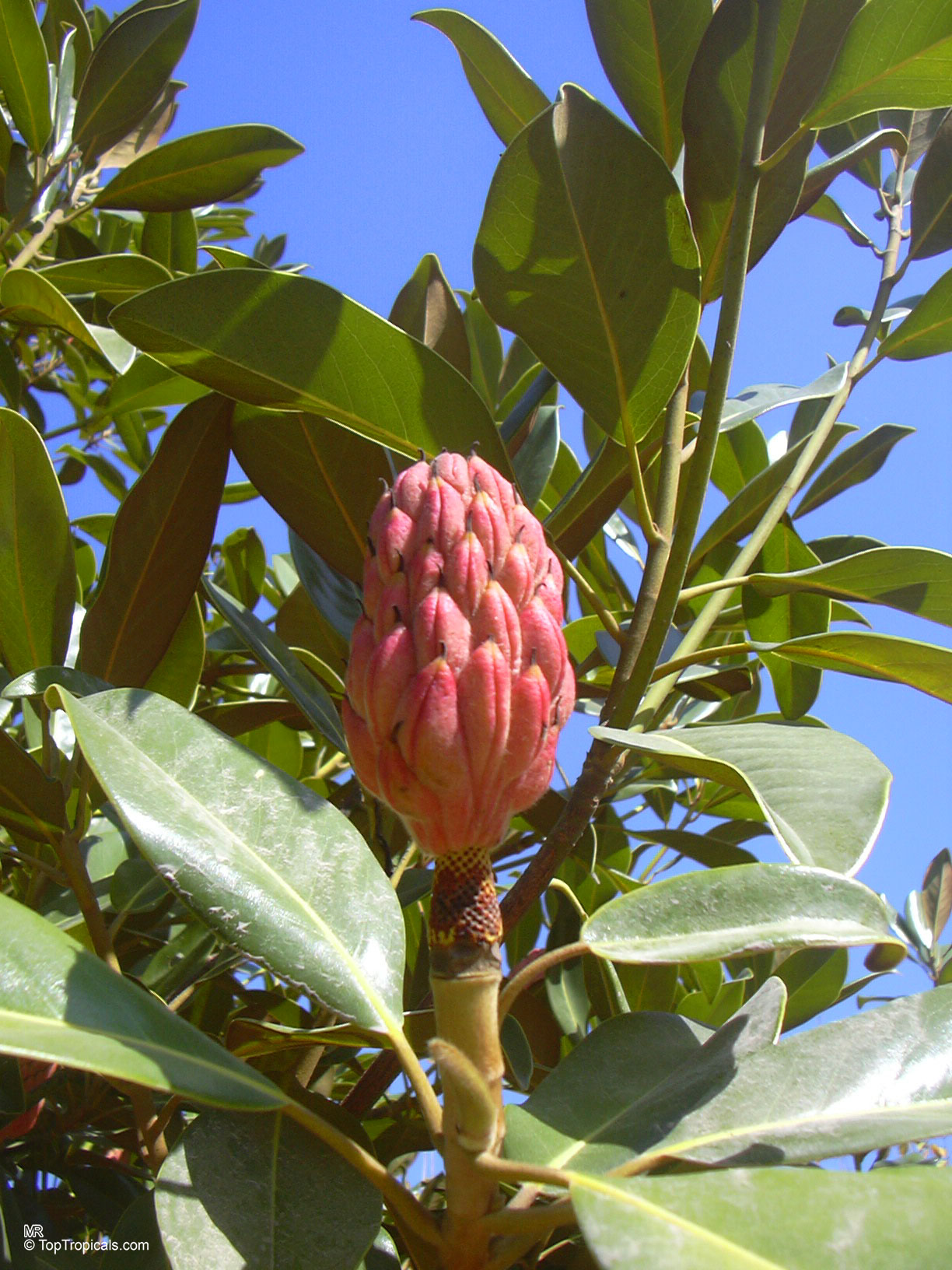
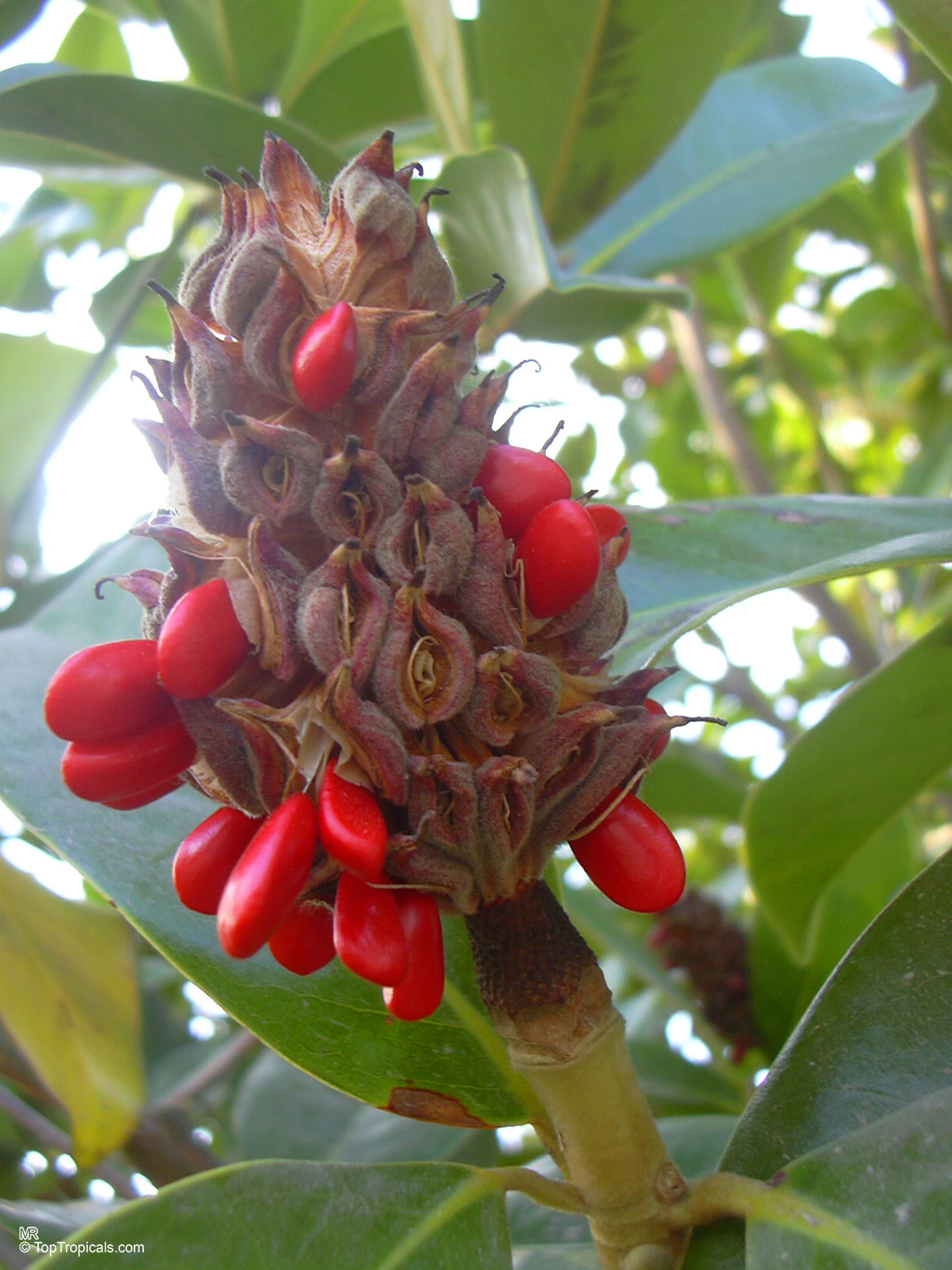
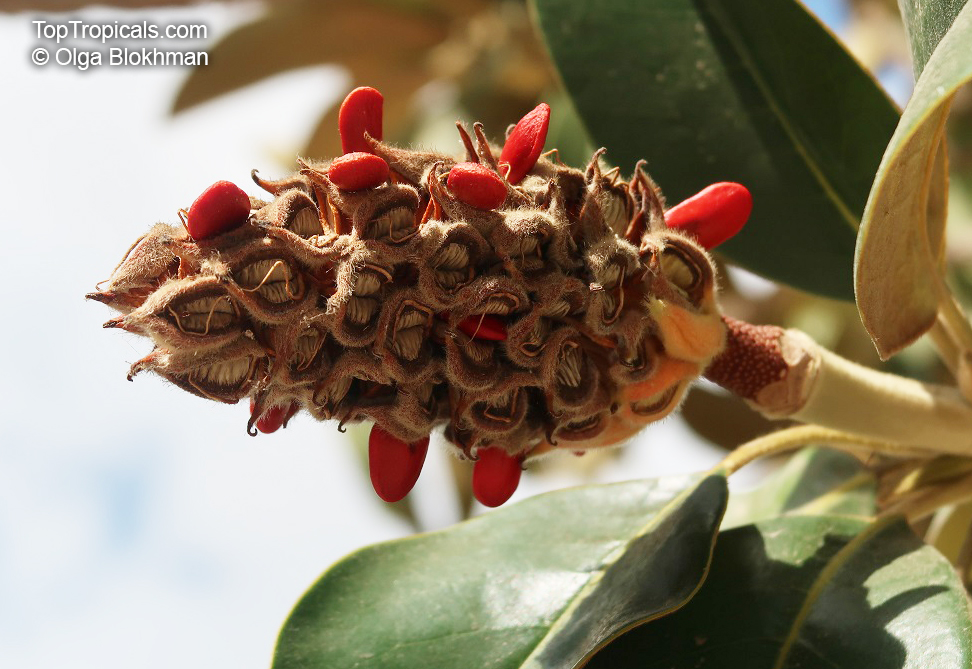
Southern magnolia is a fast-growing, medium-sized, native evergreen tree that grows 60 to 90 feet (18-27 m) tall. The large, white flowers are perfect and fragrant. The seeds are drupelike with a soft, fleshy outer seed coat and an inner stony portion. Southern magnolia develops a deep taproot. As trees grow the root structure changes. Trees of sapling stage and beyond have a rather extensive root system. Older trees develop a fluted base with the ridges corresponding to the attachment of major lateral roots.
The Little Gem Magnolia is a slow-growing hybrid that is sometimes called a "dwarf". It will get tall, but not nearly as tall as the M. grandiflora, and it grows very slowly. It may grow to be 8 - 10' wide. It has blooms on it when it is very young, and in container. The leaves are smaller and some have more "golden rust" color on the underside. These magnolias are prized for small lawns, and their popularity is growing.
See Article about Tropical Magnolias.
See also Plants with scents as heady as incense: Enchanted Magnolias - Joy in your life...

Recommended Fertilizer: SUNSHINE Pikake - Fragrant Flower Booster
Ordering seeds info
RECOMMENDED SUPPLIES:
Seed Germination Mix #3, professional grade
SUNSHINE-Epi - Seeds and cuttings booster
SUNSHINE Bombino - Young Plant Booster
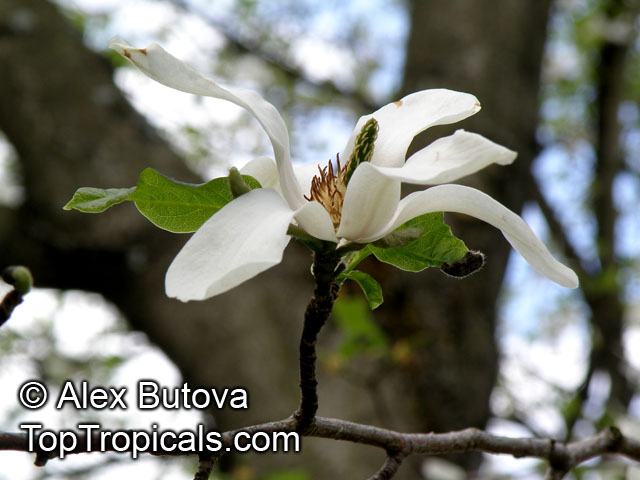
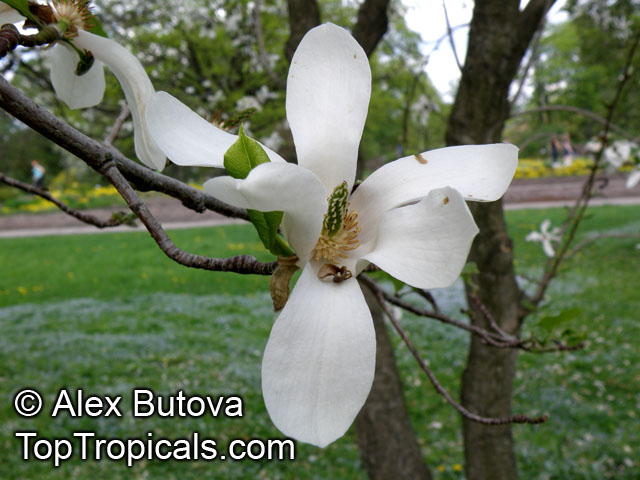
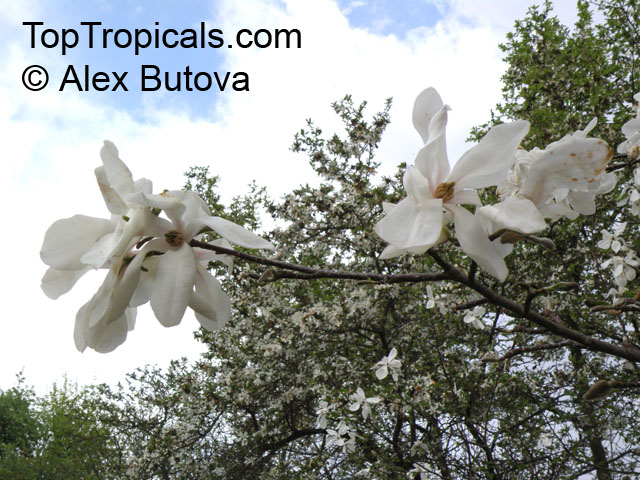
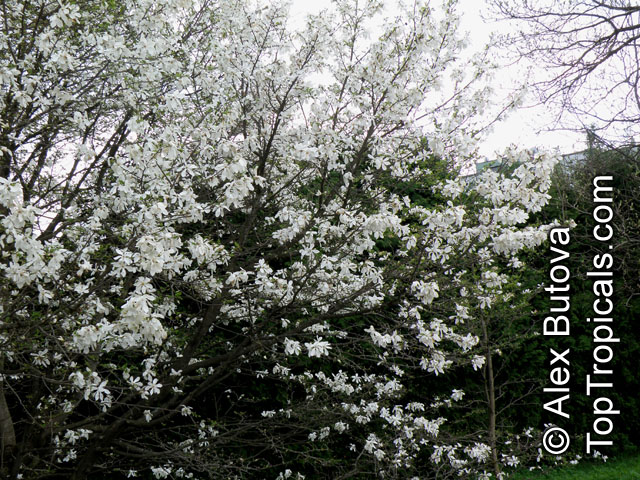
Botanical name: Magnolia kobus
Common name: Kobushi Magnolia
Family: Magnoliaceae
Origin: Japan
USDA Zone: 5-8
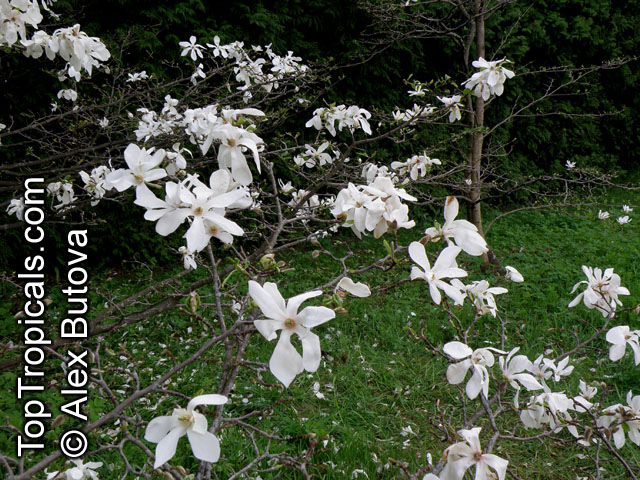
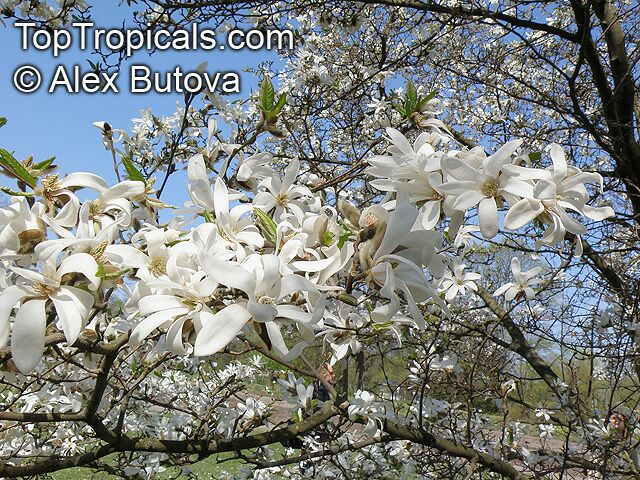
A small to medium deciduous tree or large shrub that is native to forest areas in Japan. As a tree, it is pyramidal when young, maturing to a spreading, dense, rounded form. It typically grows slowly to as much as 25-30' over time with a similar to slightly larger spread. It is noted for its late winter to early spring bloom of goblet-shaped to cup-shaped, fragrant, often pink-tinged, white flowers (each to 4" across) which open in March before the foliage emerges. Obovate, aromatic, dark green leaves (3-6" long) are attractive throughout the growing season but produce little yellowish-brown fall color. Trees flower poorly when young, and may need as much as 25 years before reaching best flowering status. Red seeds form in pods (to 3" long) that split open in fall. Seeds are attractive to birds. Kobus magnolia is similar to Star Magnolia (Magnolia stellata) except larger. Specific epithet comes from the Japanese word "kobushi" meaning fist, in reference to flower bud shape resembling a small fist.
Best grown in moist, organically rich, well-drained loams in full sun to part shade. Generally intolerant of soil extremes (dry or wet). Best sited in a location protected from high winds, but generally avoid southern exposures in full sun where the buds may be induced to open too early in late winter. Among magnolias, this species is one of the earliest to bloom in spring.
Magnolia kobus var. borealis is the hardiest of all magnolias.
Propagate from cuttings.

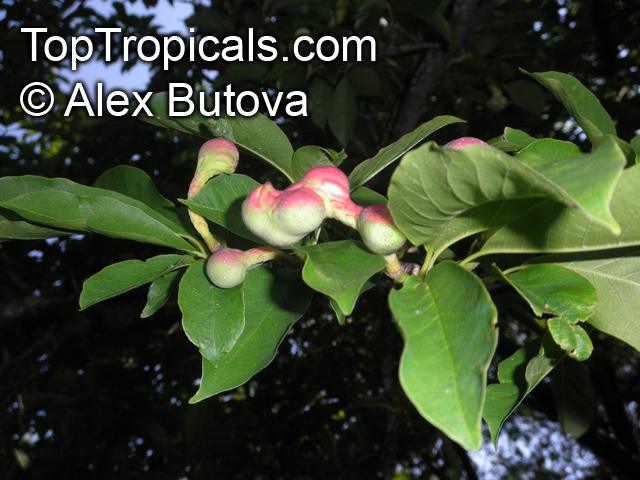
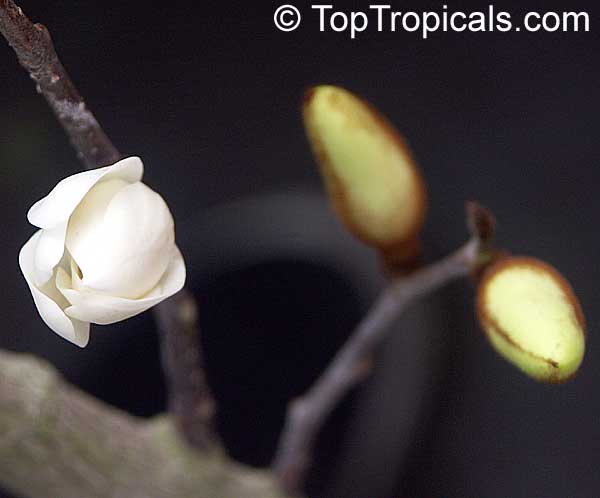
Botanical names: Magnolia laevifolia, Magnolia dianica
Common name: Magnolia shrub
Family: Magnoliaceae
Origin: South-West China
USDA Zone: 7-10
Cold tolerance: 10°F
Similar looking species - Magnolia yunnanensis, Michelia yunnanensis, Parakmeria yunnanensis. See Article about Tropical Magnolias.
See also Plants with scents as heady as incense: Enchanted Magnolias - Joy in your life...
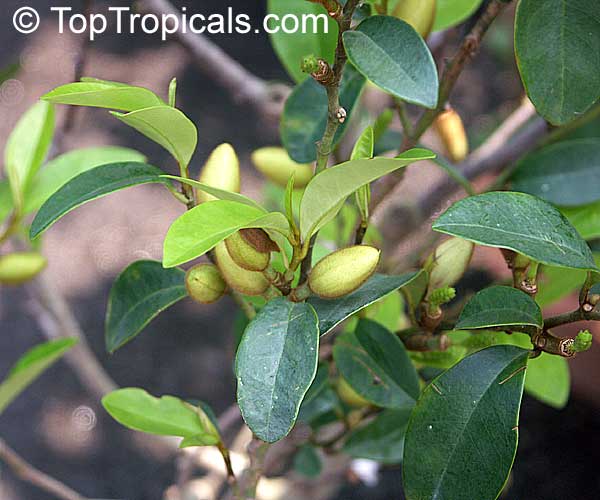
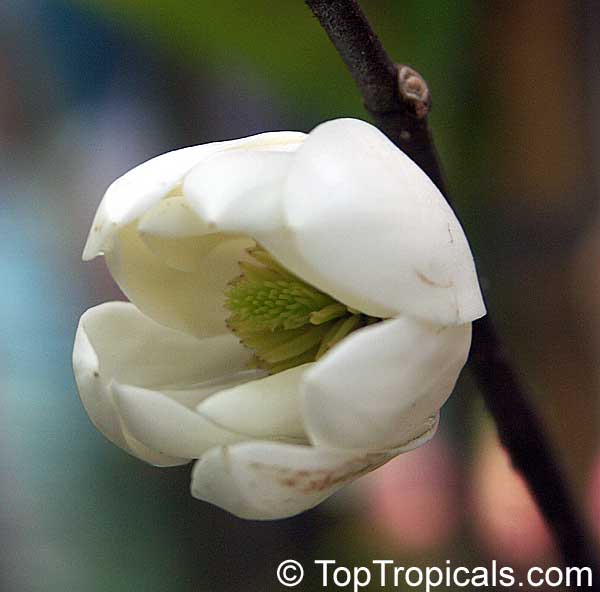
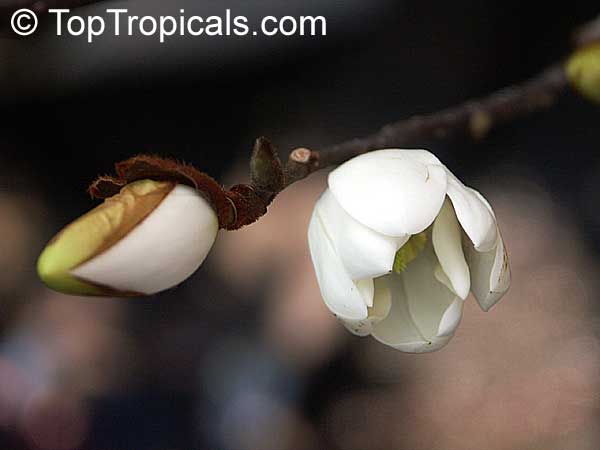
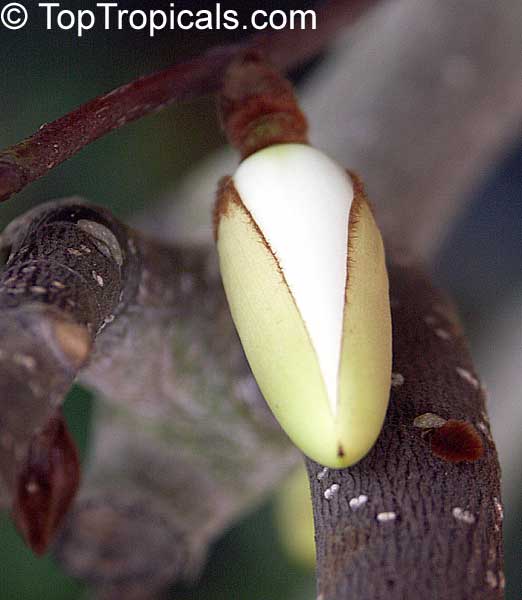
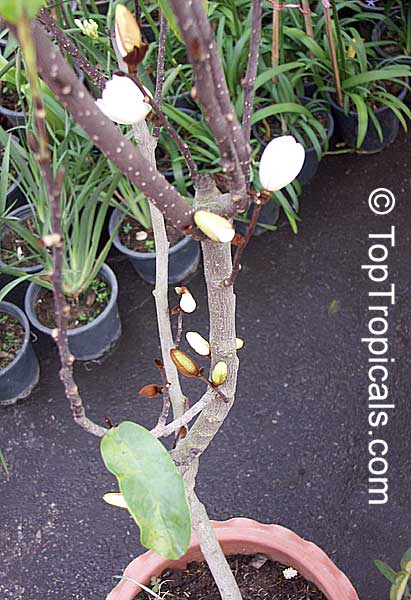
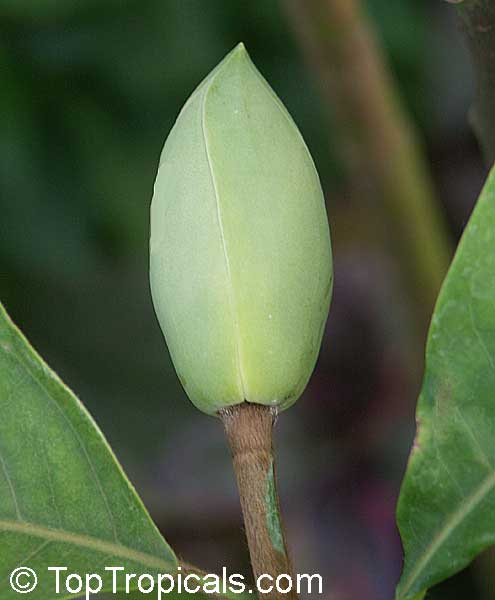
Botanical names: Magnolia liliifera, Talauma candollei
Common names: Magnolita, Egg Magnolia
Family: Magnoliaceae
Origin: Thailand
USDA Zone: 10-11
Cold tolerance: 35°F
Medium size tree with large velvet leaves and fragrant yellowish off-white flowers about 4-5" wide. Before opening, buds have an egg shape. One of the most valuable ornamental fragrant trees of Asia. A highly valued fragrant flower of this small tree or shrub resembles dwarf magnolia flower (magnolia figo, magnolia coco), but the scent is much stronger. Leaves are large, 7-9" long and 4" wide. Can be grown in container in a well-lit spot. Cold sensitive, can not tolerate even light frost. Magnolia liliifera formerly known as Talauma candollei. You can see that they are the same species even though some individuals may have larger leaves or flowers than others. M. lilliifera is similar to M. coco - as both species have those egg shaped flowerbuds. In M. coco however, the bud is shaped more like a baby coconut, hence the name Magnolia coco, Coconut Magnolia.
See Article about Tropical Magnolias.
See also Plants with scents as heady as incense: Enchanted Magnolias - Joy in your life...
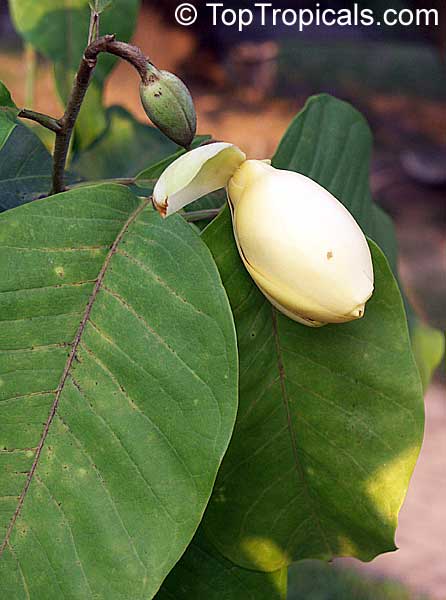
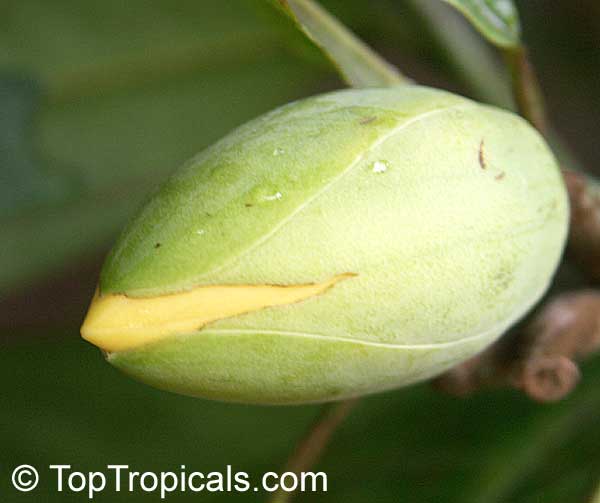
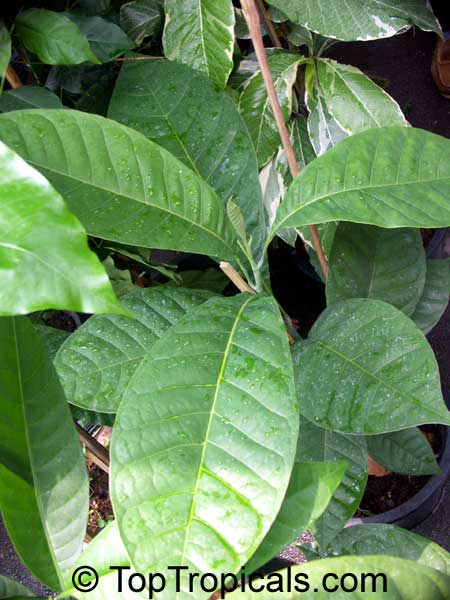
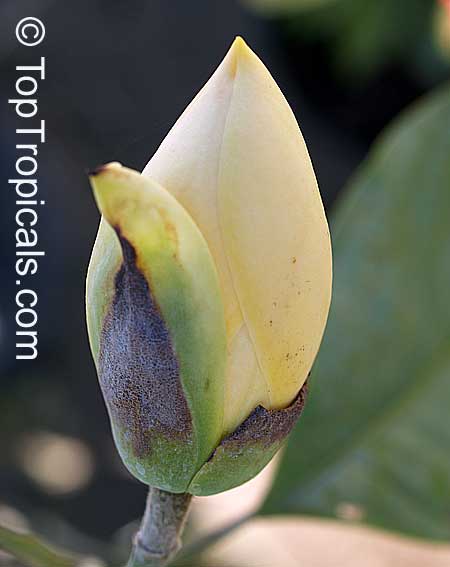
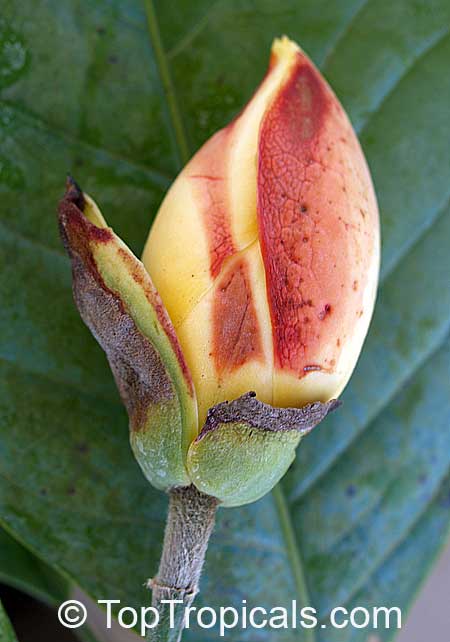

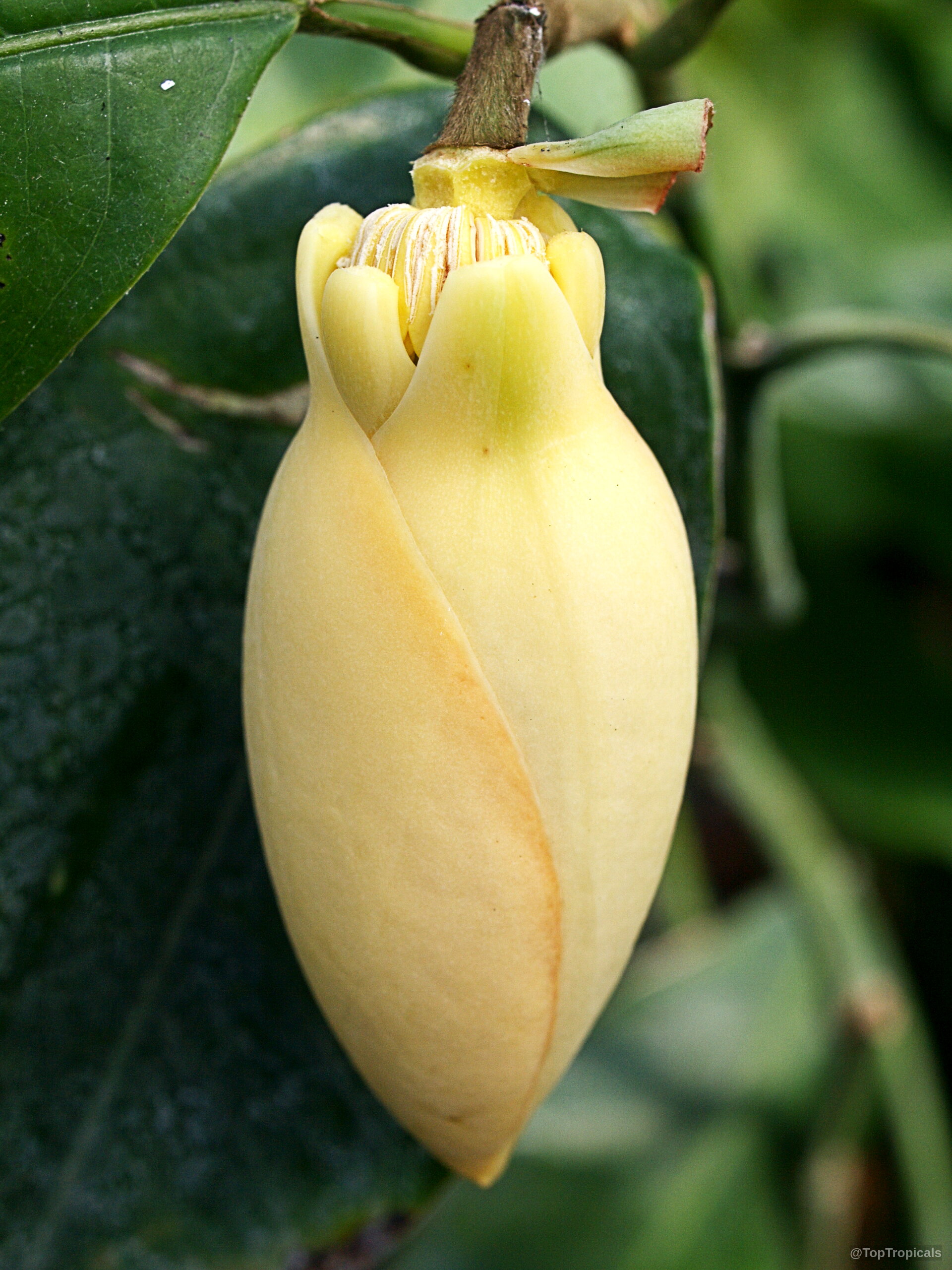
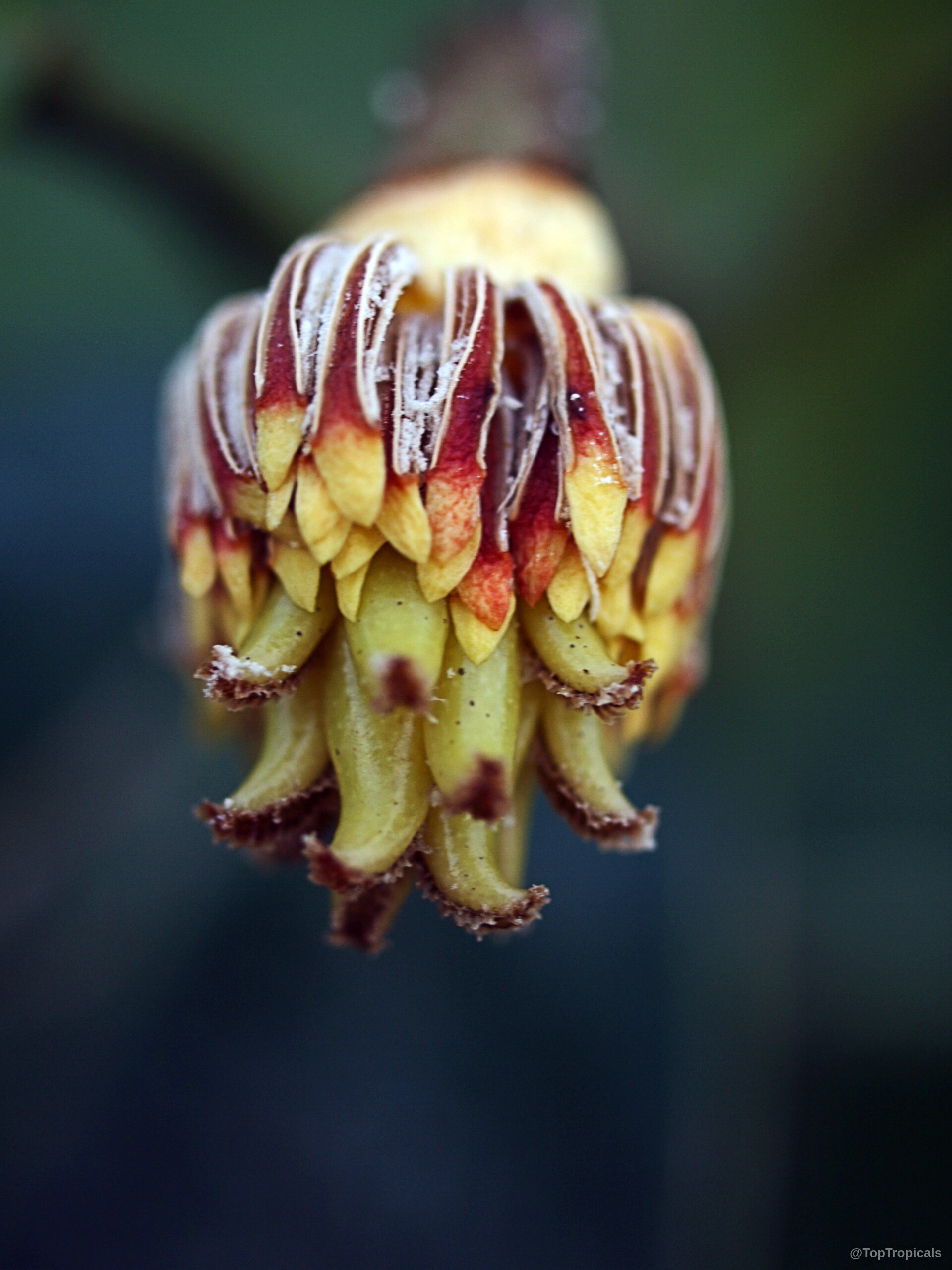
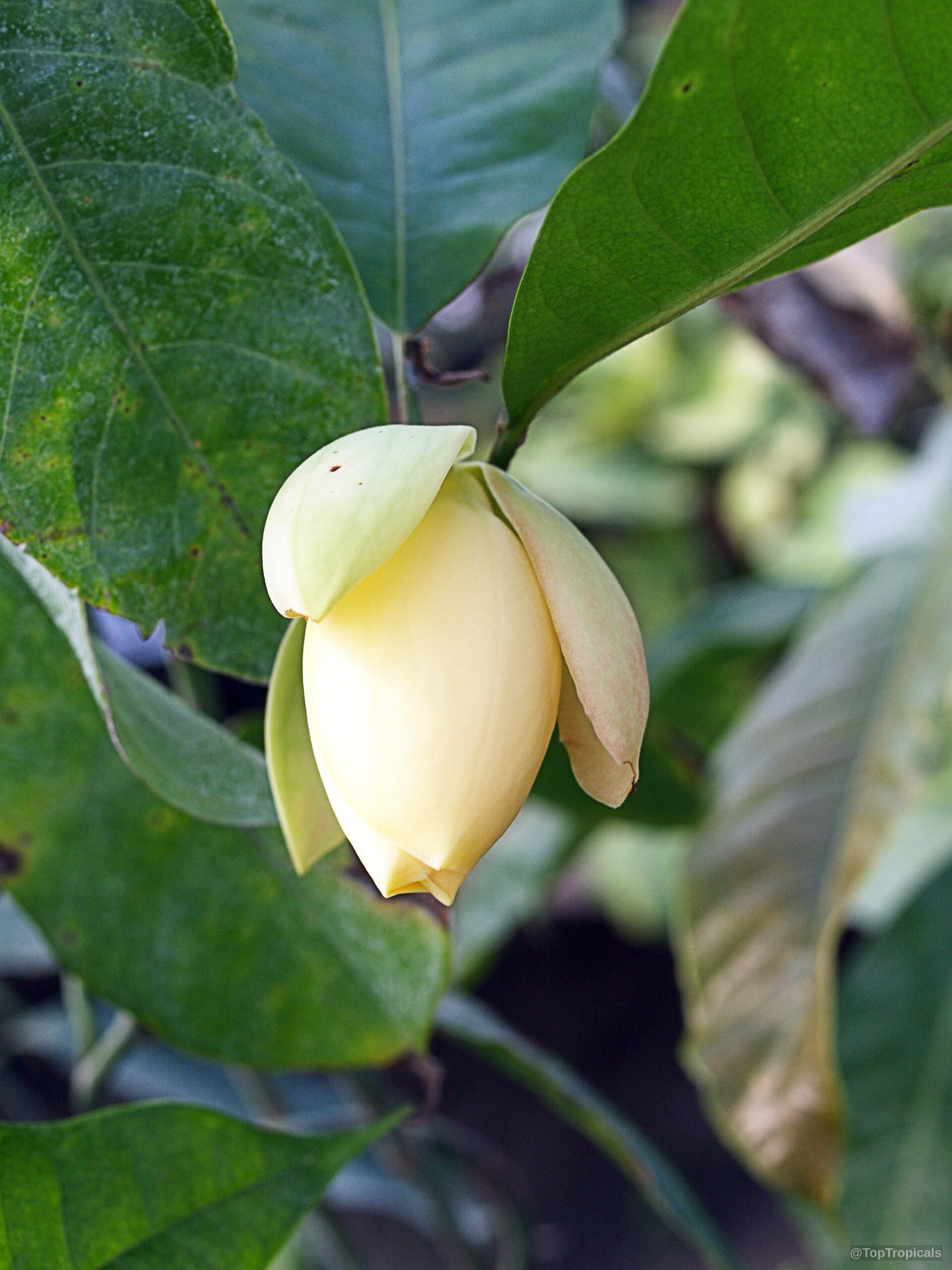
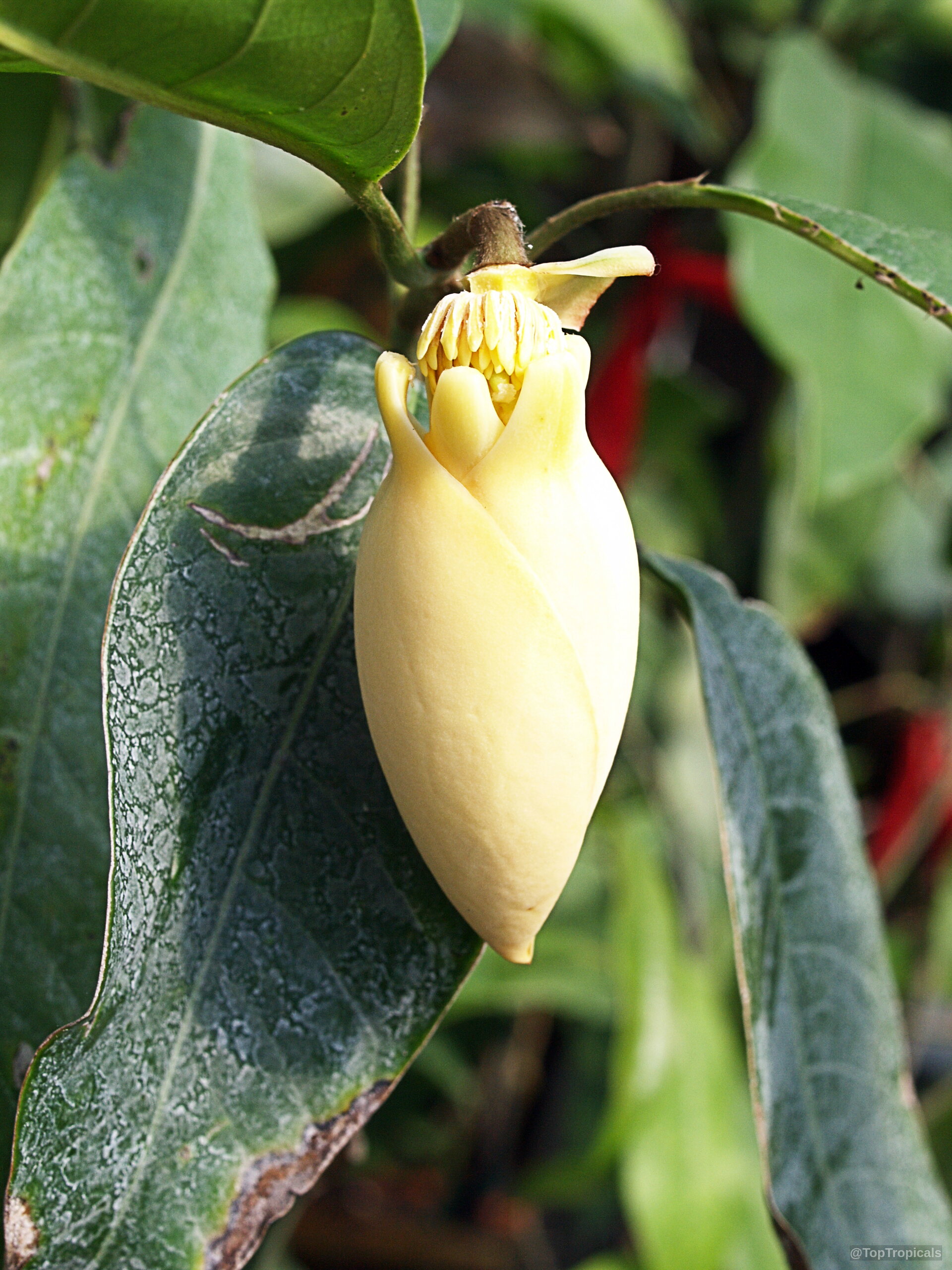

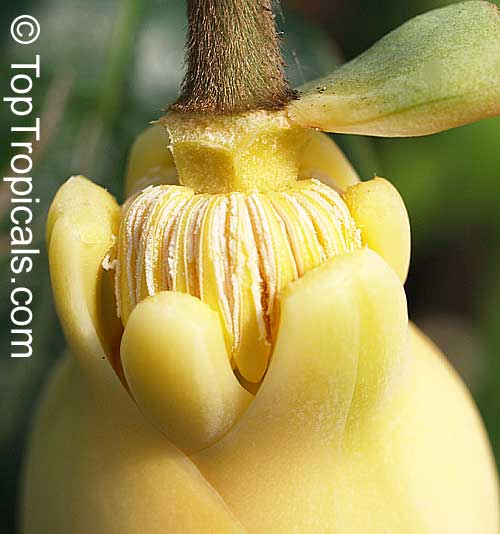
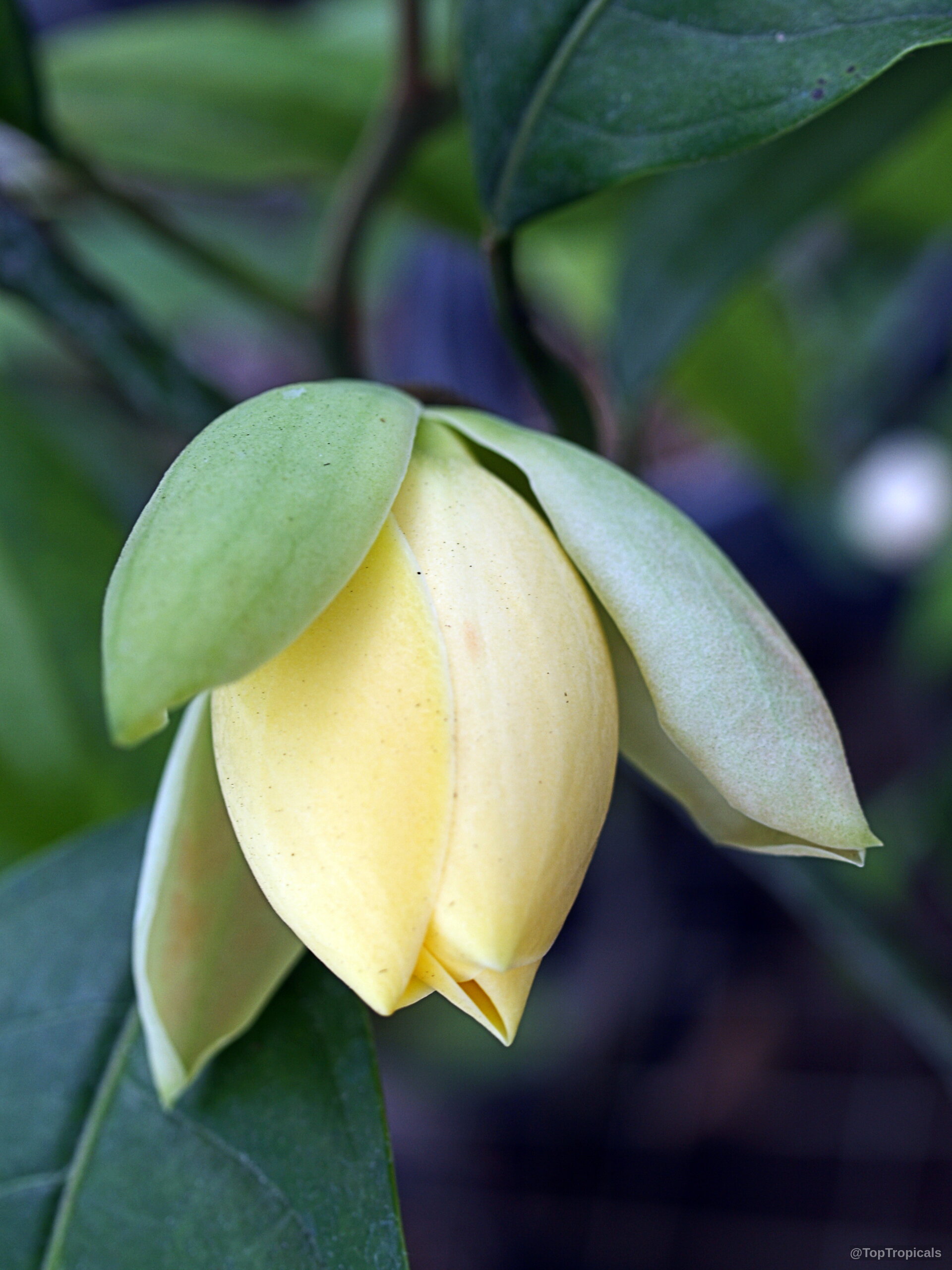
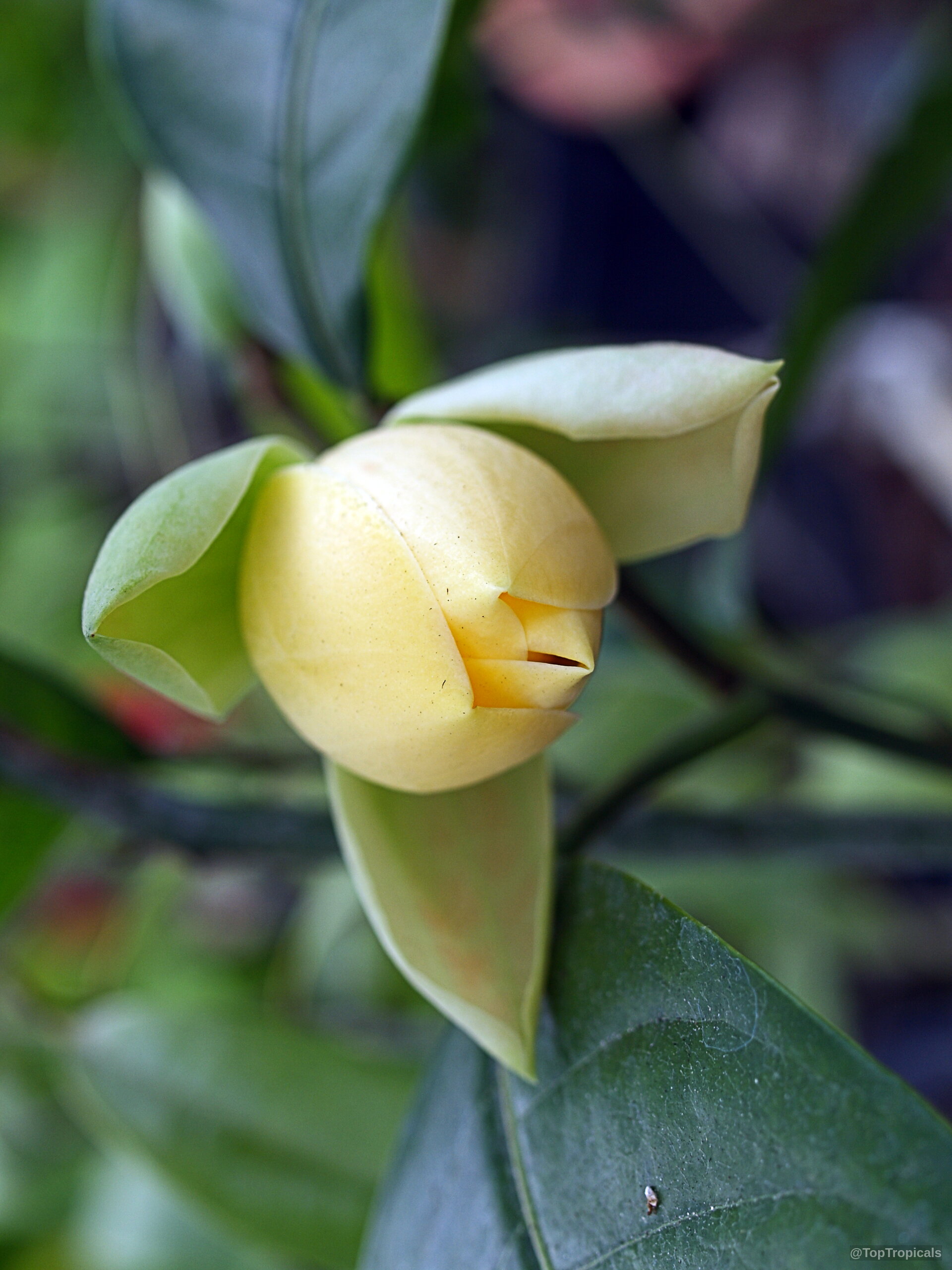

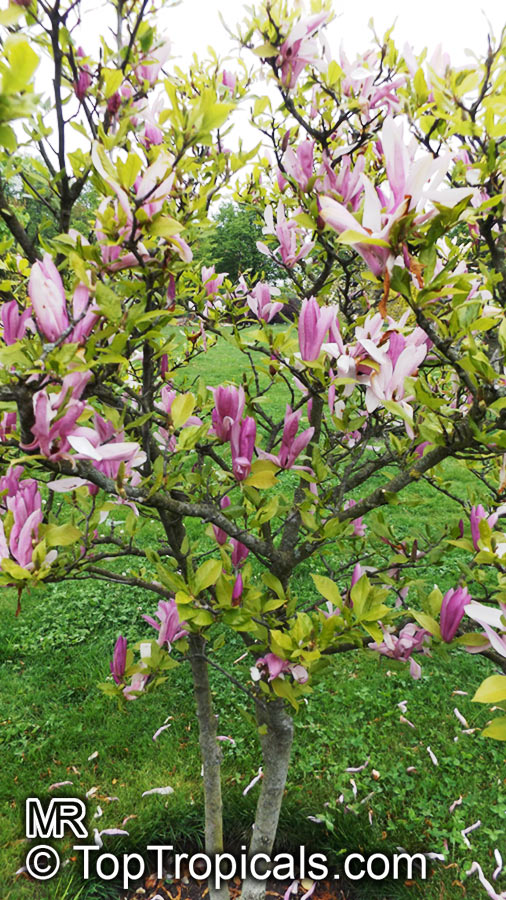
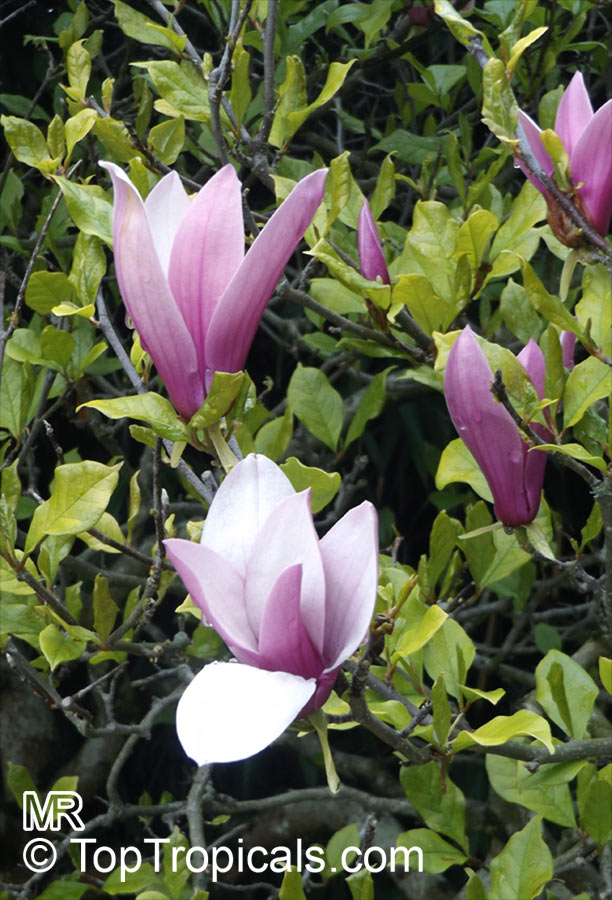
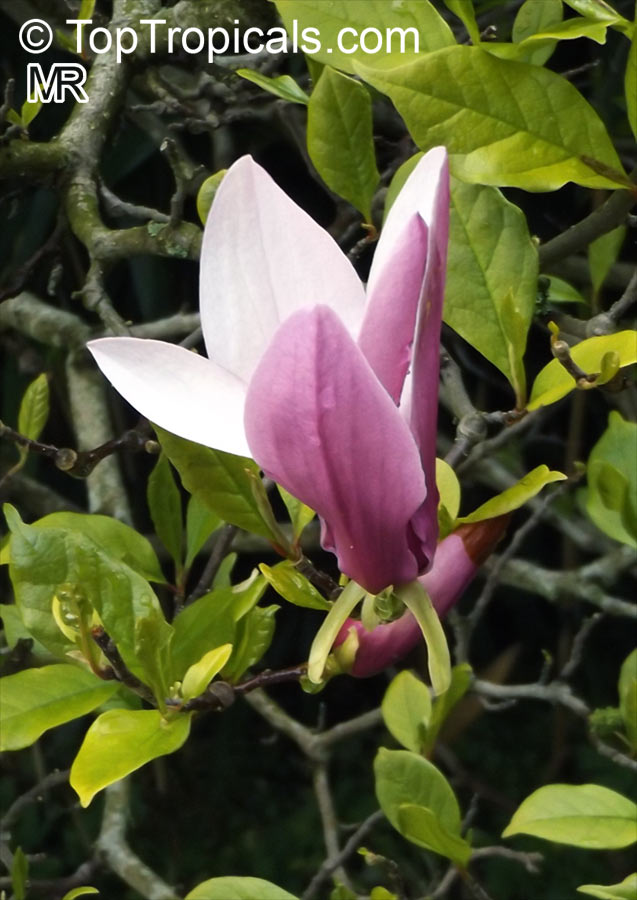
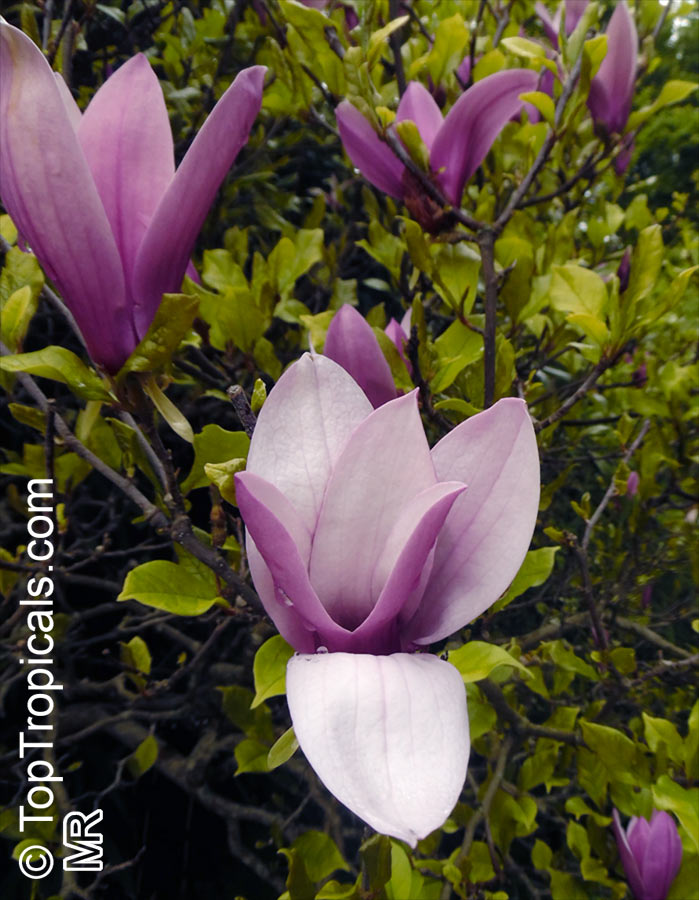
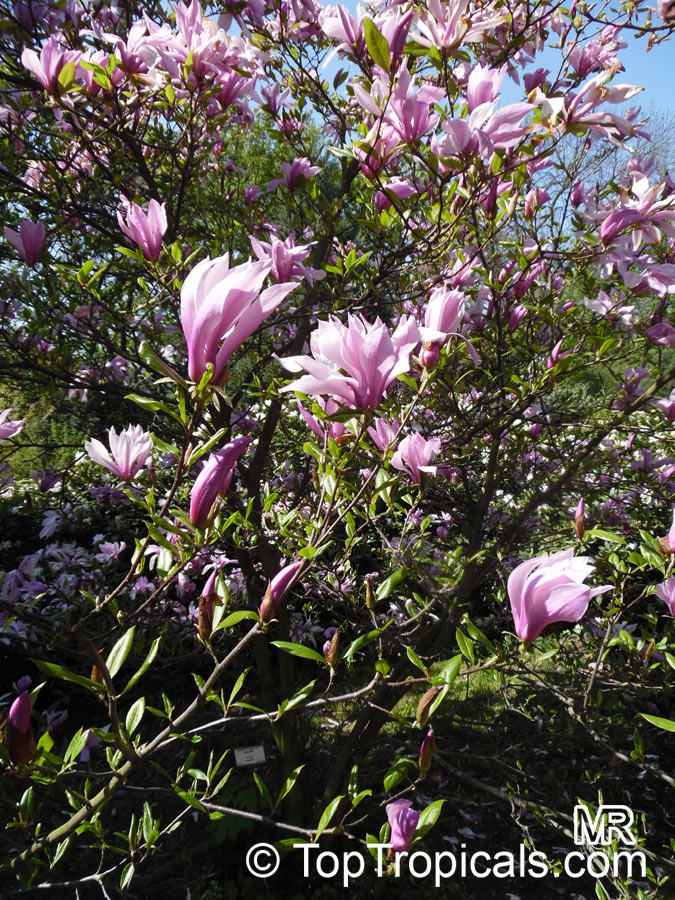
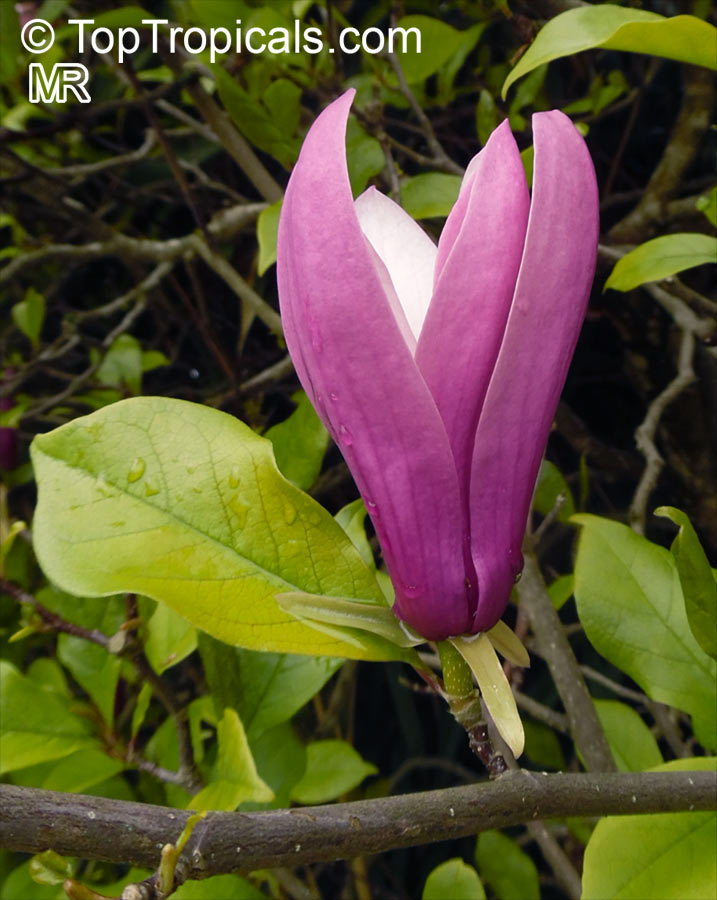
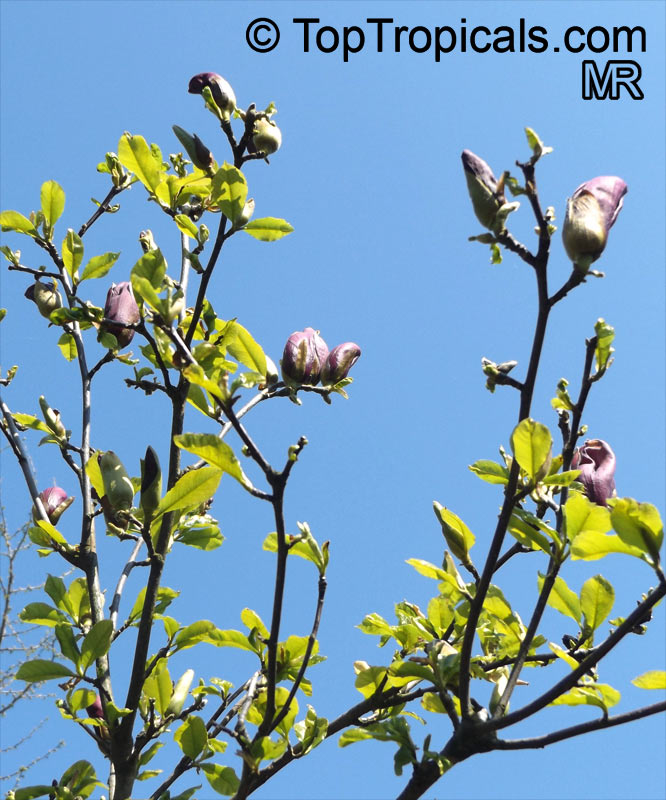
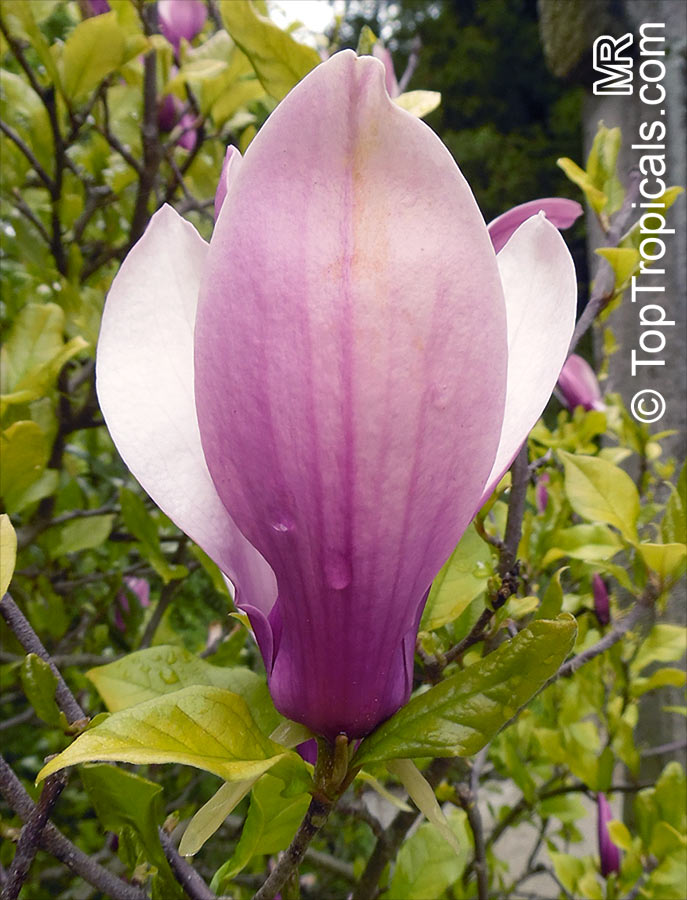
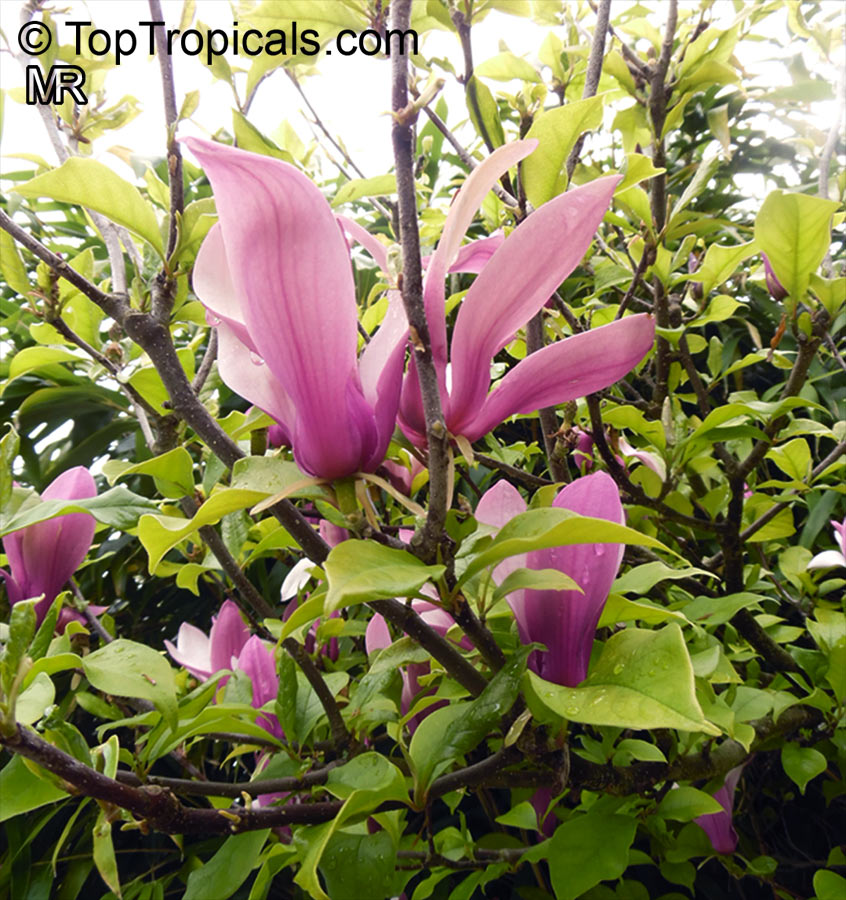
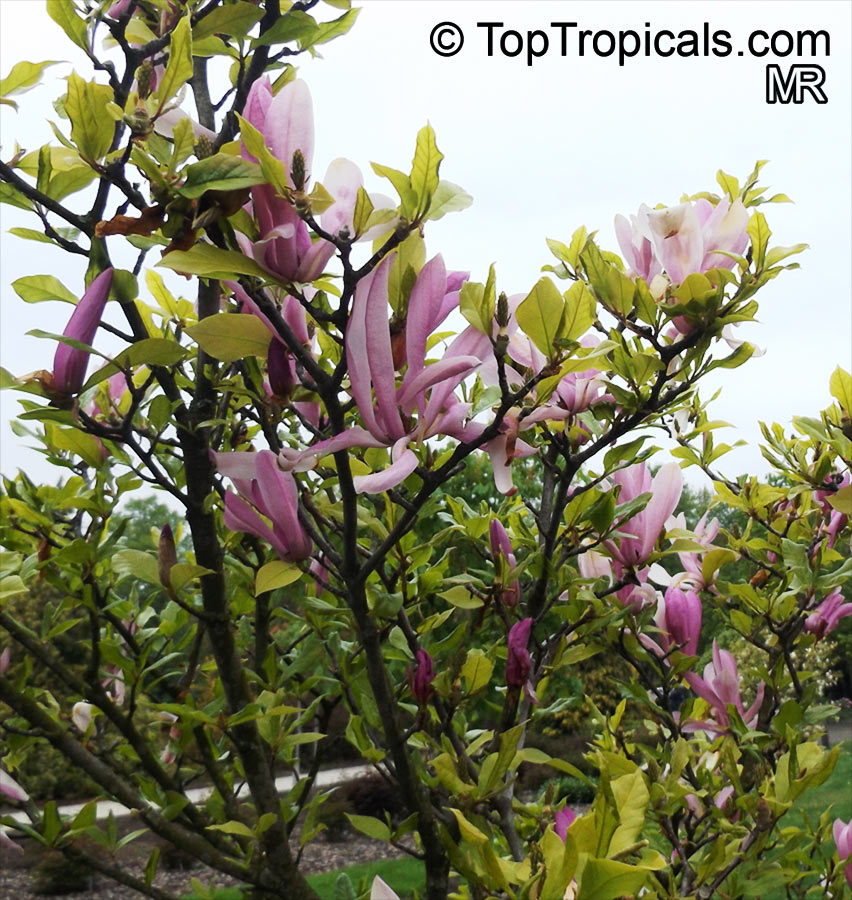
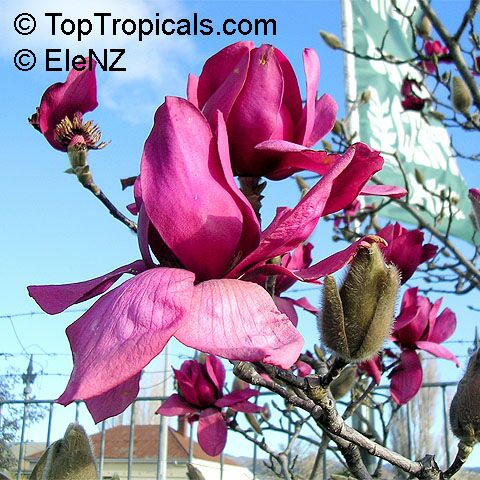
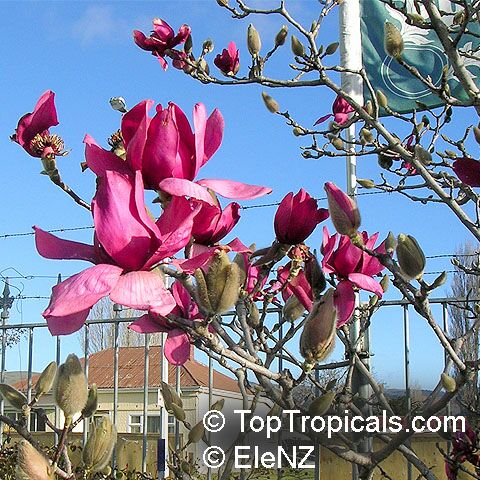
Botanical name: Magnolia liliiflora
Common names: Mulan Magnolia, Purple Magnolia, Red Magnolia, Lily Magnolia, Tulip Magnolia, Jane Magnolia
Family: Magnoliaceae
Origin: Southwest China
USDA Zone: 5-9
Cold tolerance: -10°F

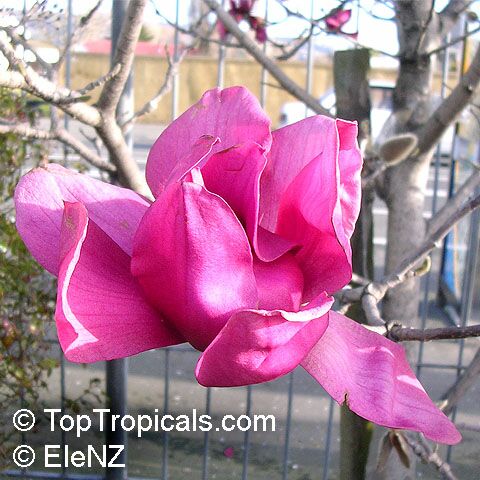
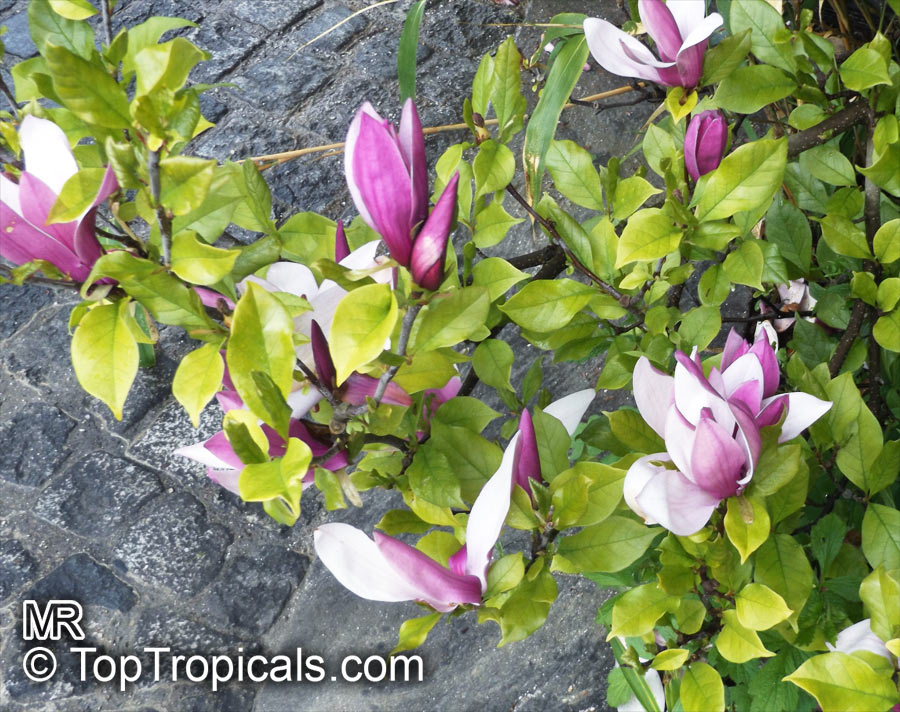
Native to Southwest China, this magnolia species is extremely attractive in both flower, and form, with simple, deep green foliage. As a mature plant, it is cold hardy in USDA Zones 5-9. In optimal cultivation, Magnolia liliiflora can take the form of a large shrub, 5-10 feet tall, or a small tree, 10-20 feet tall. and blooms profusely in early spring with large pink to purple showy flowers, before the leaf buds open.
This plant requires full sun to thrive and needs regular to moderate water. It prefers moist, well-drained soil, but will tolerate dryer conditions once established. During its growing season, mulch can help keep the roots cool and avoid moisture loss due to evaporation.
In colder regions, it is recommended to grow Magnolia liliiflora in pot and brought indoors during colder months.
| Next | |
Use link to repeat this search:
https://toptropicals.com/cgi-bin/garden_catalog/cat.cgi?find=Magnolia&search_op=and&keyword_op=and&language=e&number=10
&no_change_lang=1&user=tt&sale=1&first=0