Arecaceae - Plant Encyclopedia Results
| Number of plants found: 146 | Next | 
|
Go to page: | 1 | 2 | 3 | 4 | 5 | Last |

Botanical names: Adonidia merrillii, Veitchia merrilli
Common name: Christmas Palm
Family: Arecaceae / Palmae
Origin: Philippines
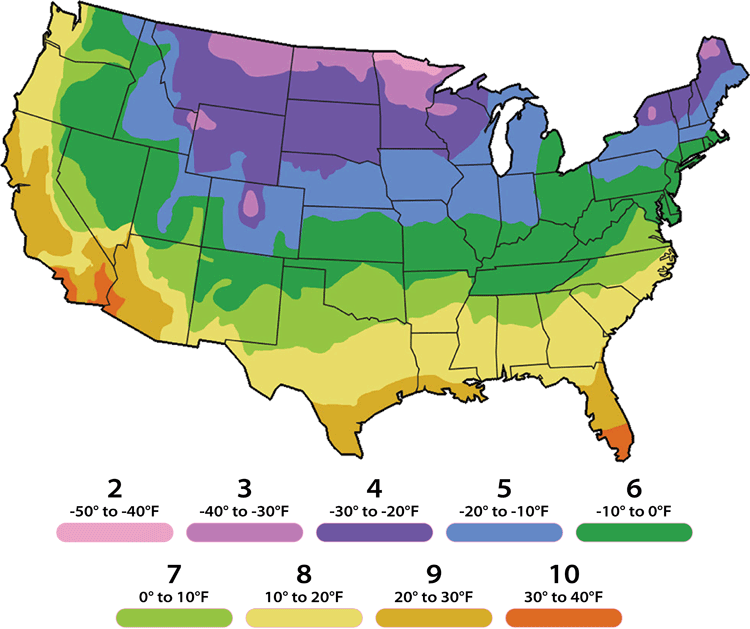
USDA Zone: 10-11
Cold tolerance: 30°F


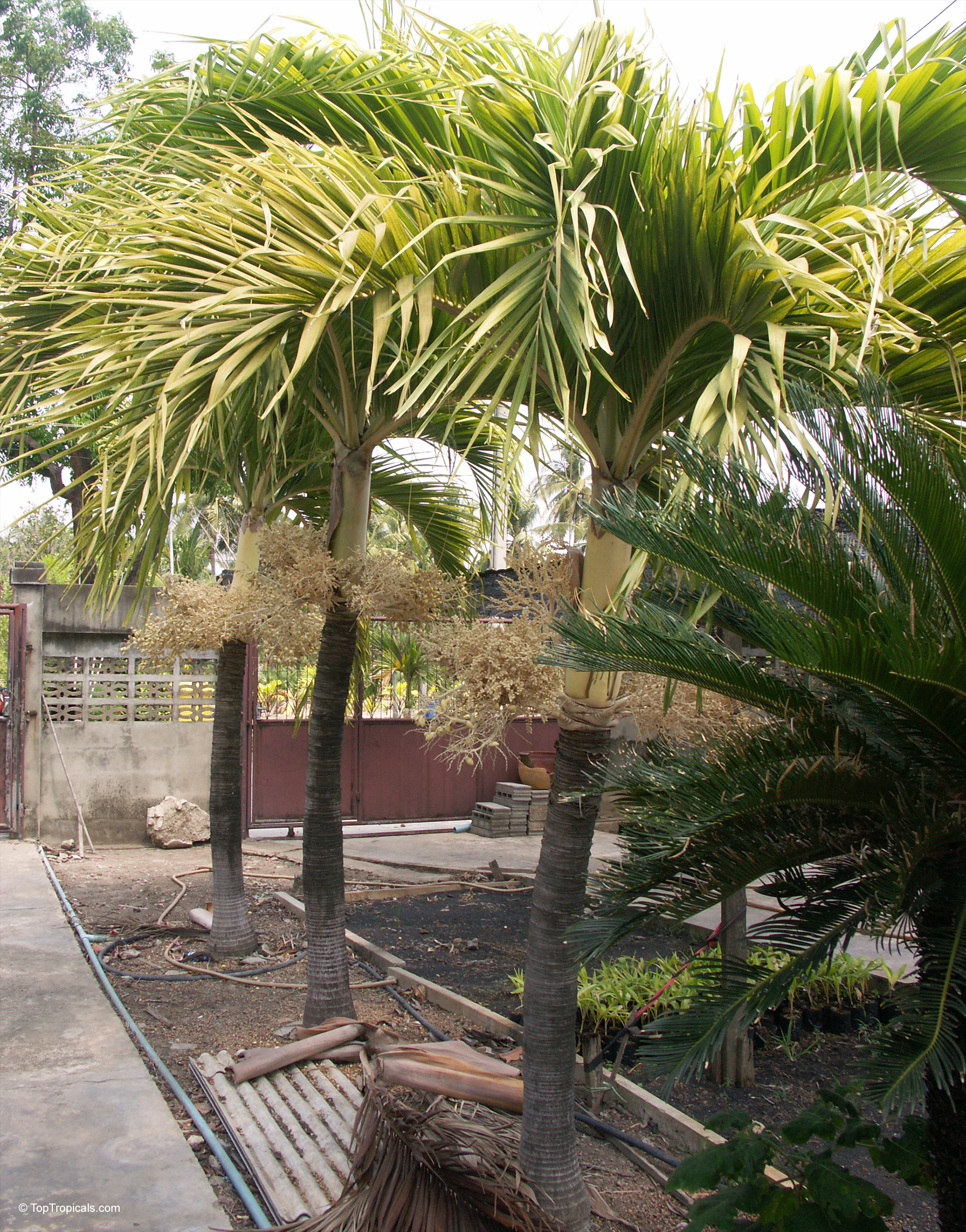
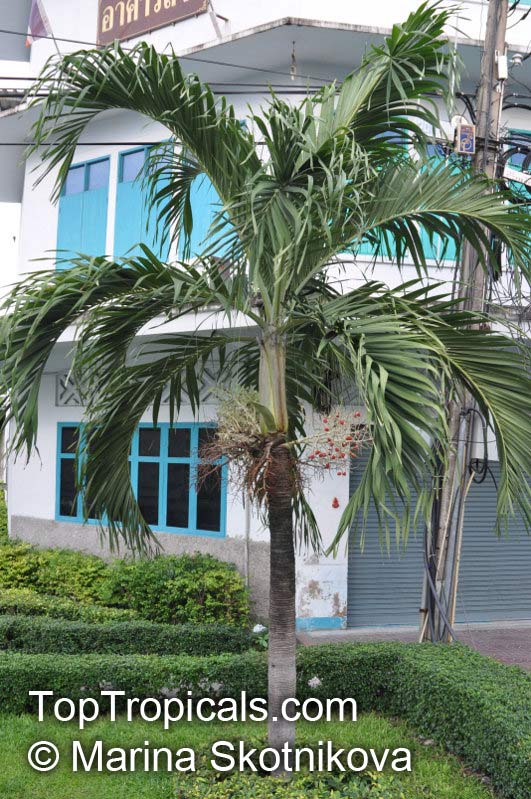
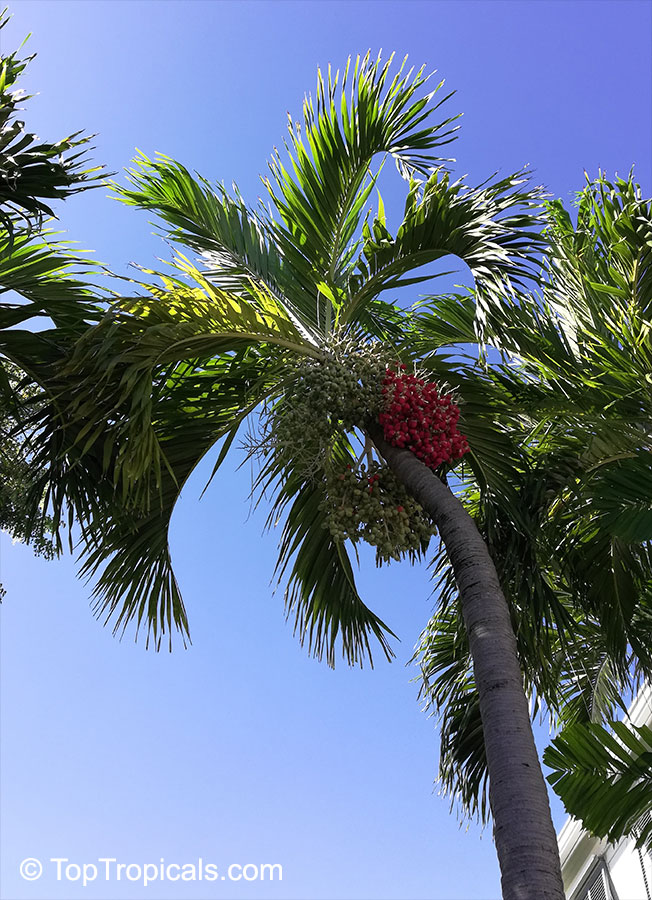
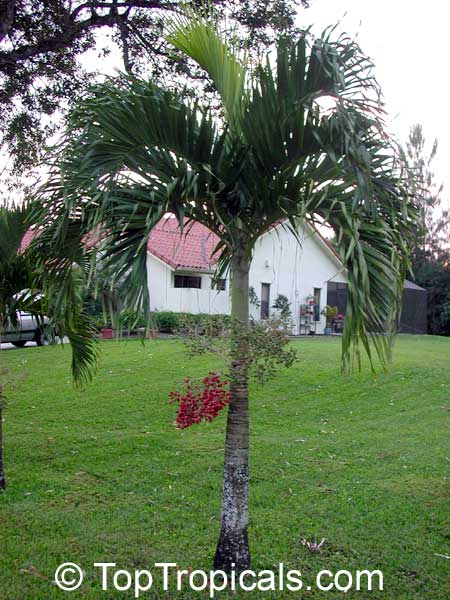
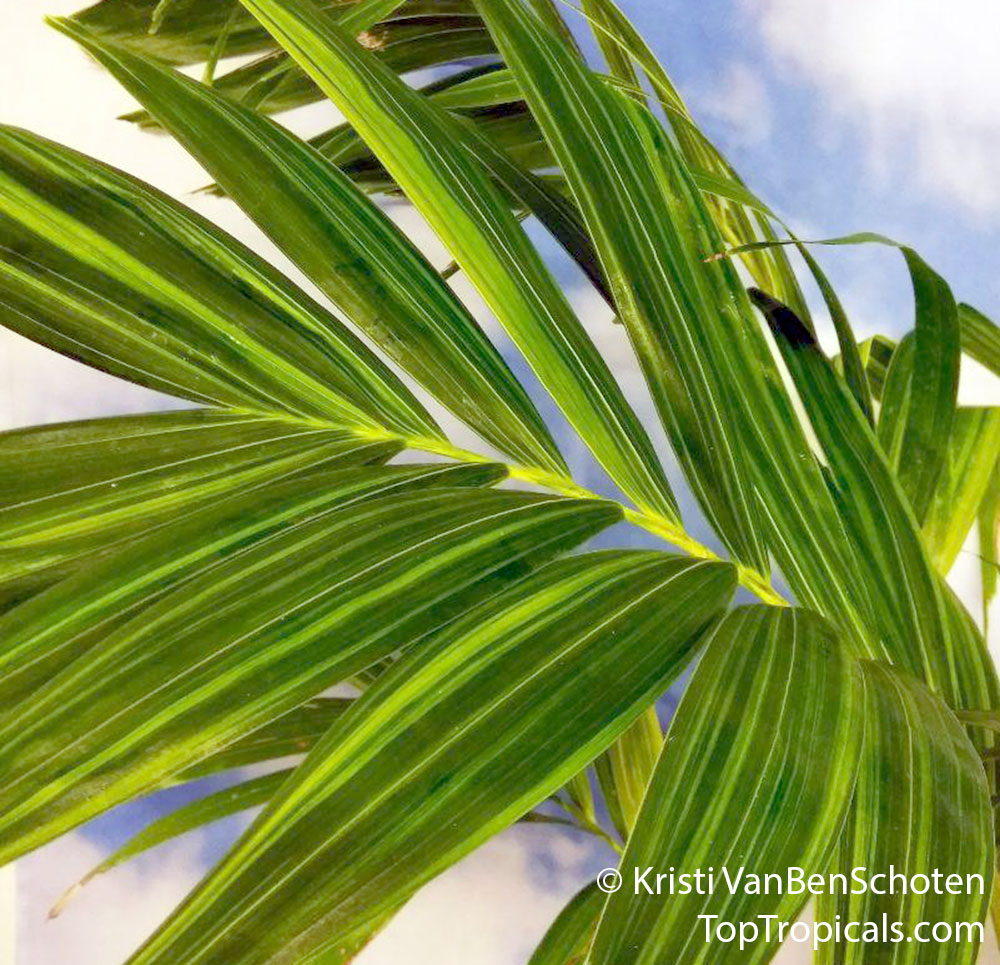
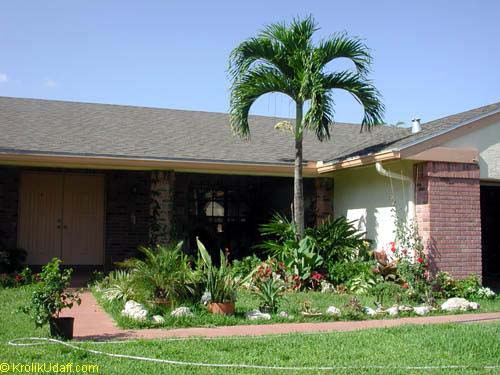
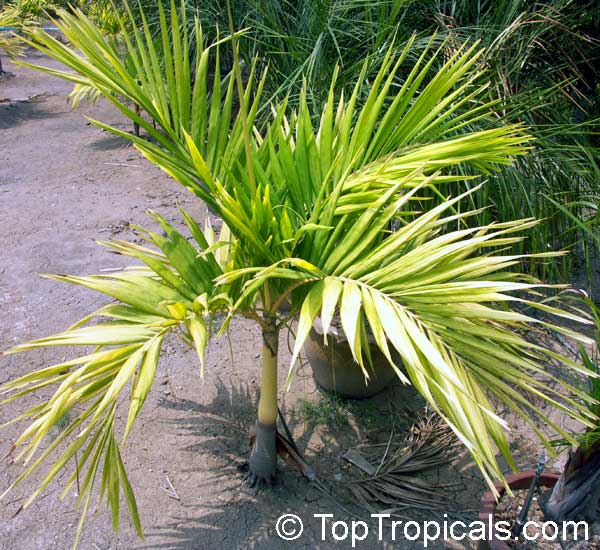
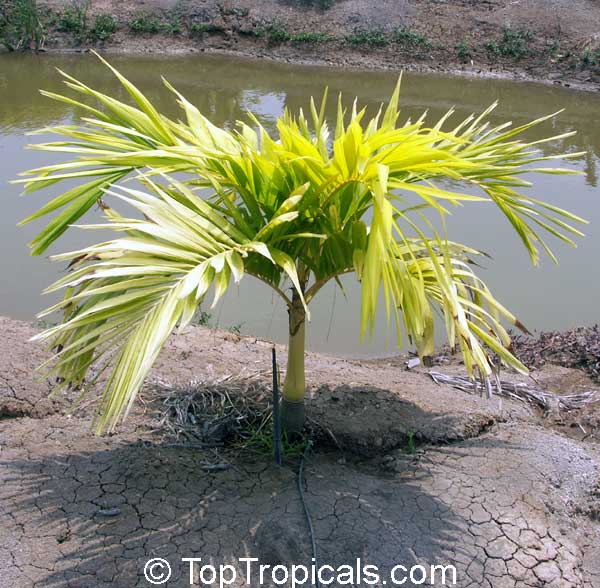
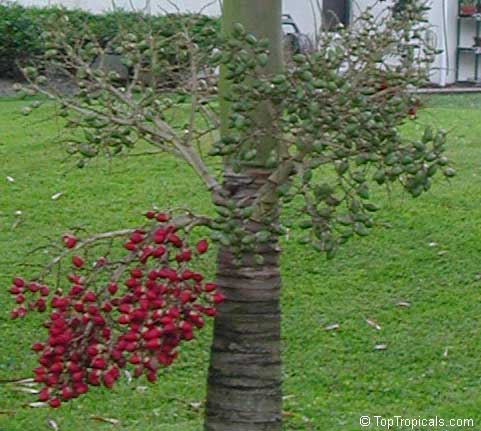
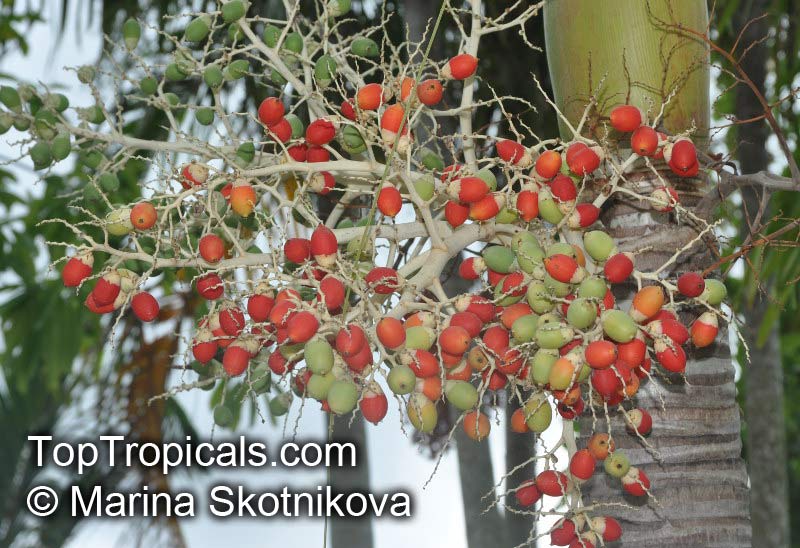
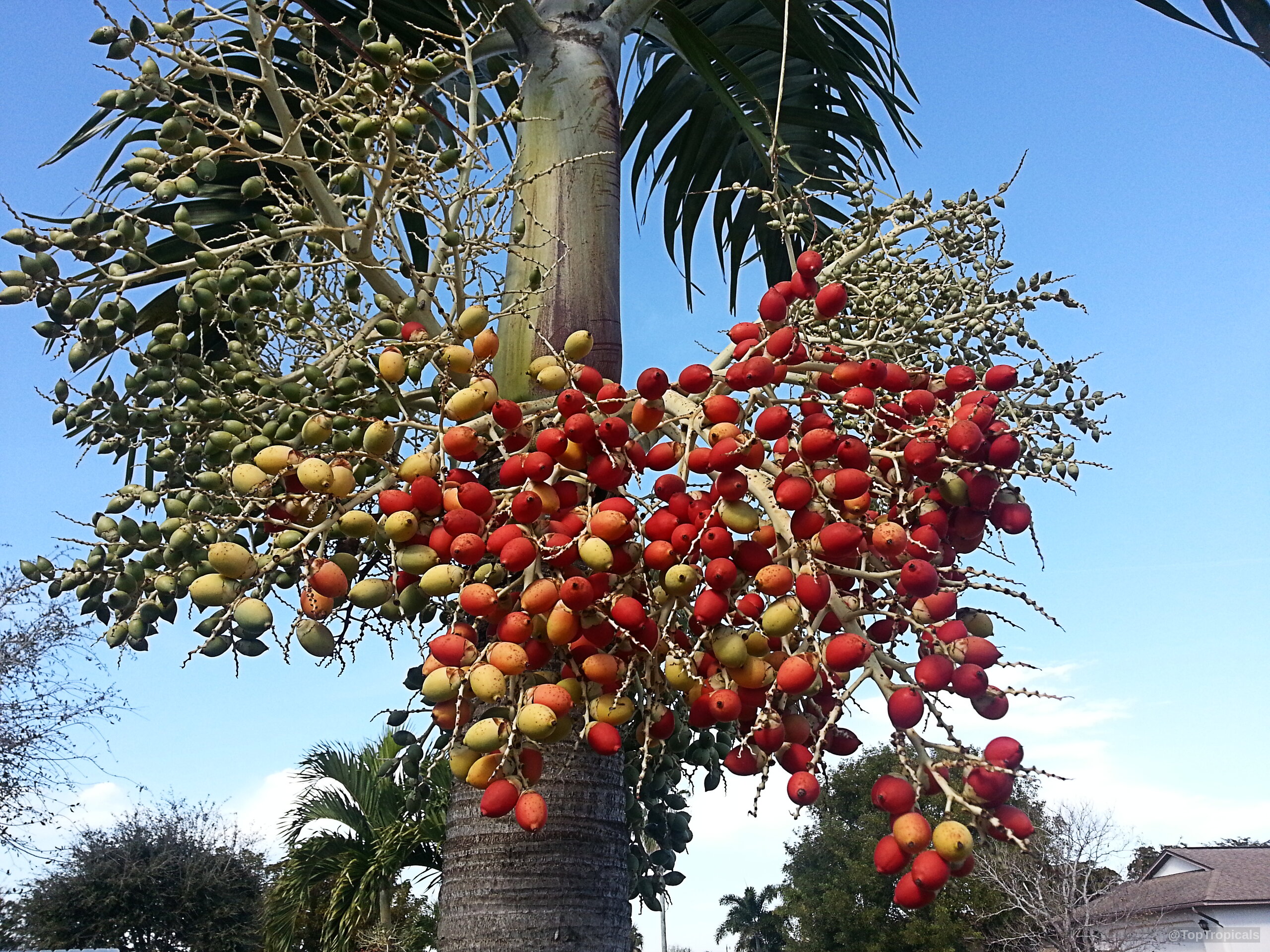
Adonidia merrillii, commonly known as Christmas Palm or Manila Palm, is a graceful tropical palm in the Arecaceae family, native to the Philippines. It develops a smooth, slender gray trunk topped by a compact crown of arching, pinnate green leaves and typically reaches 15-25 ft (4.5-7.5 m) in cultivation. Small cream-colored flowers are produced below the crownshaft, followed by clusters of oval fruits that ripen from green through yellow or orange to bright red, often providing a colorful display around the Christmas season and inspiring the common name. The palm is widely planted in tropical and subtropical landscapes and is particularly attractive in groups of two or three trunks, although each plant naturally has a single trunk.
Christmas Palm grows best in full sun to light shade in fertile, well-drained soil with regular moisture, although established plants tolerate brief dry periods. It is suited to USDA Zones 10-11 and can be damaged by temperatures near freezing. Its relatively compact size makes it useful for small gardens, patios, streetscapes, and large containers when young. Plants respond well to regular palm fertilizer containing magnesium and micronutrients, especially in sandy soils. Adonidia merrillii is sometimes confused with related Veitchia palms, but its smaller stature, compact crown, and conspicuous clusters of red ripe fruits help distinguish it.


Botanical name: Phoenix dactylifera
Common name: Date Palm
Family: Arecaceae / Palmae
Origin: Middle East
USDA Zone: 9-11


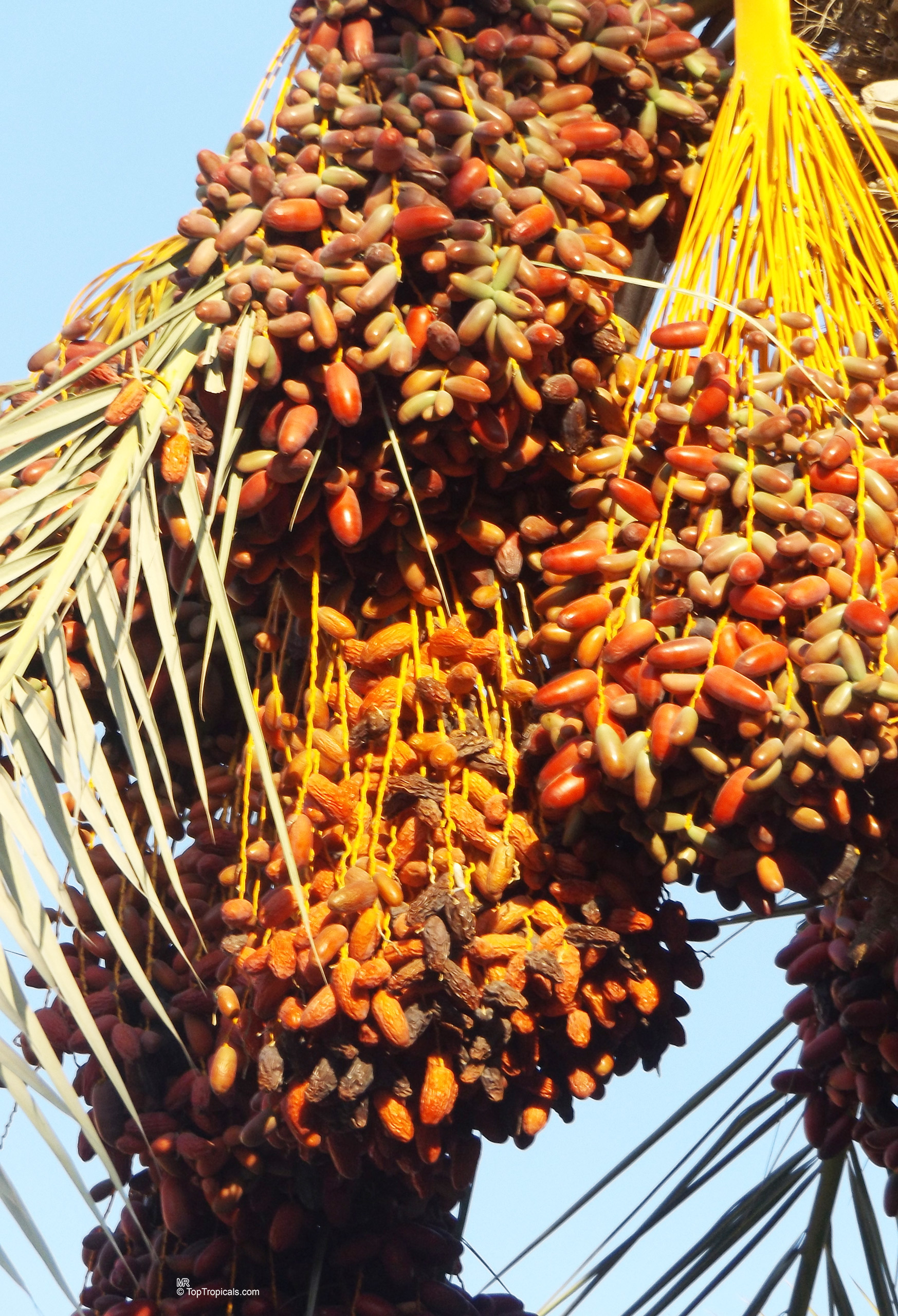
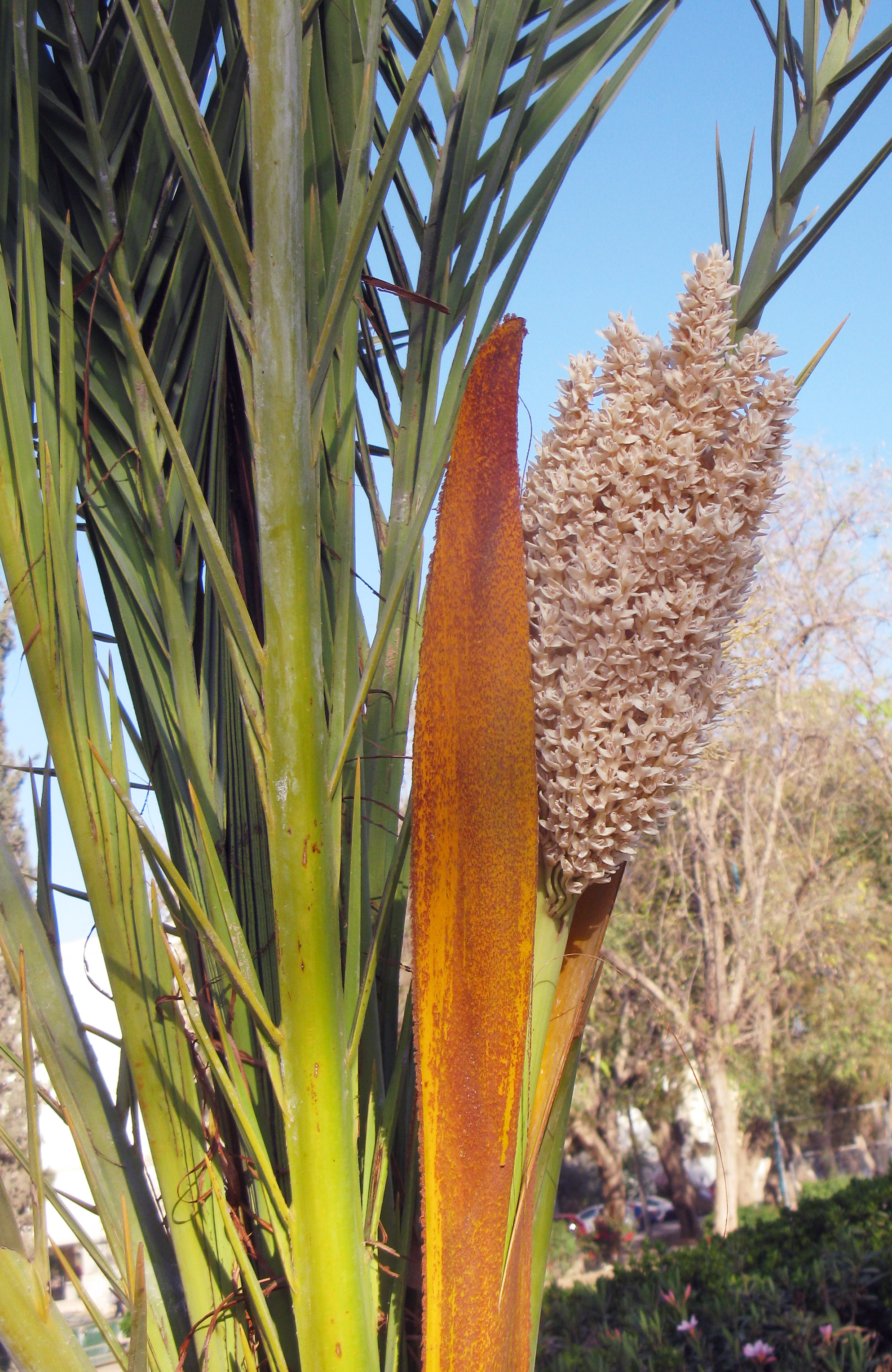
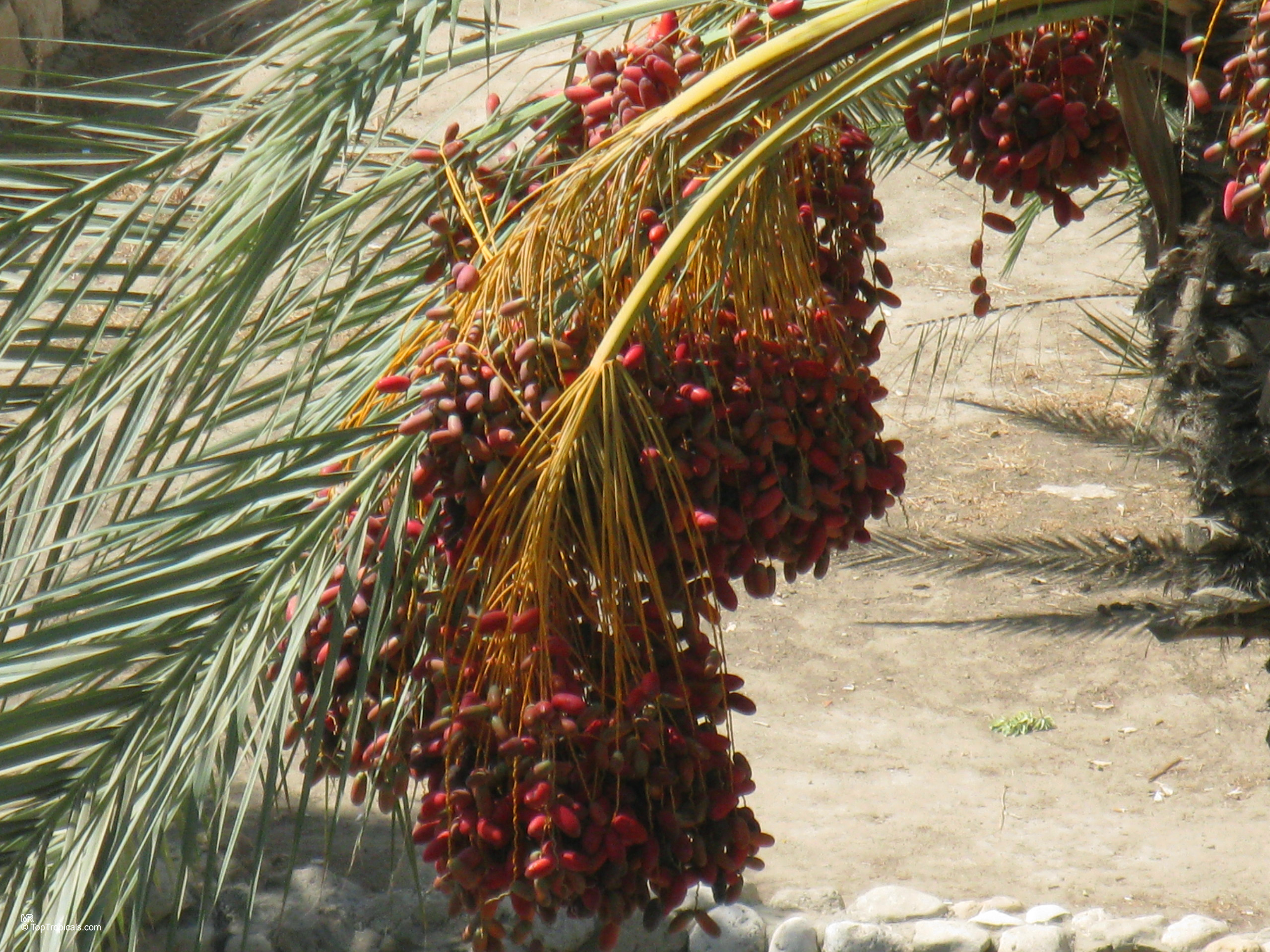
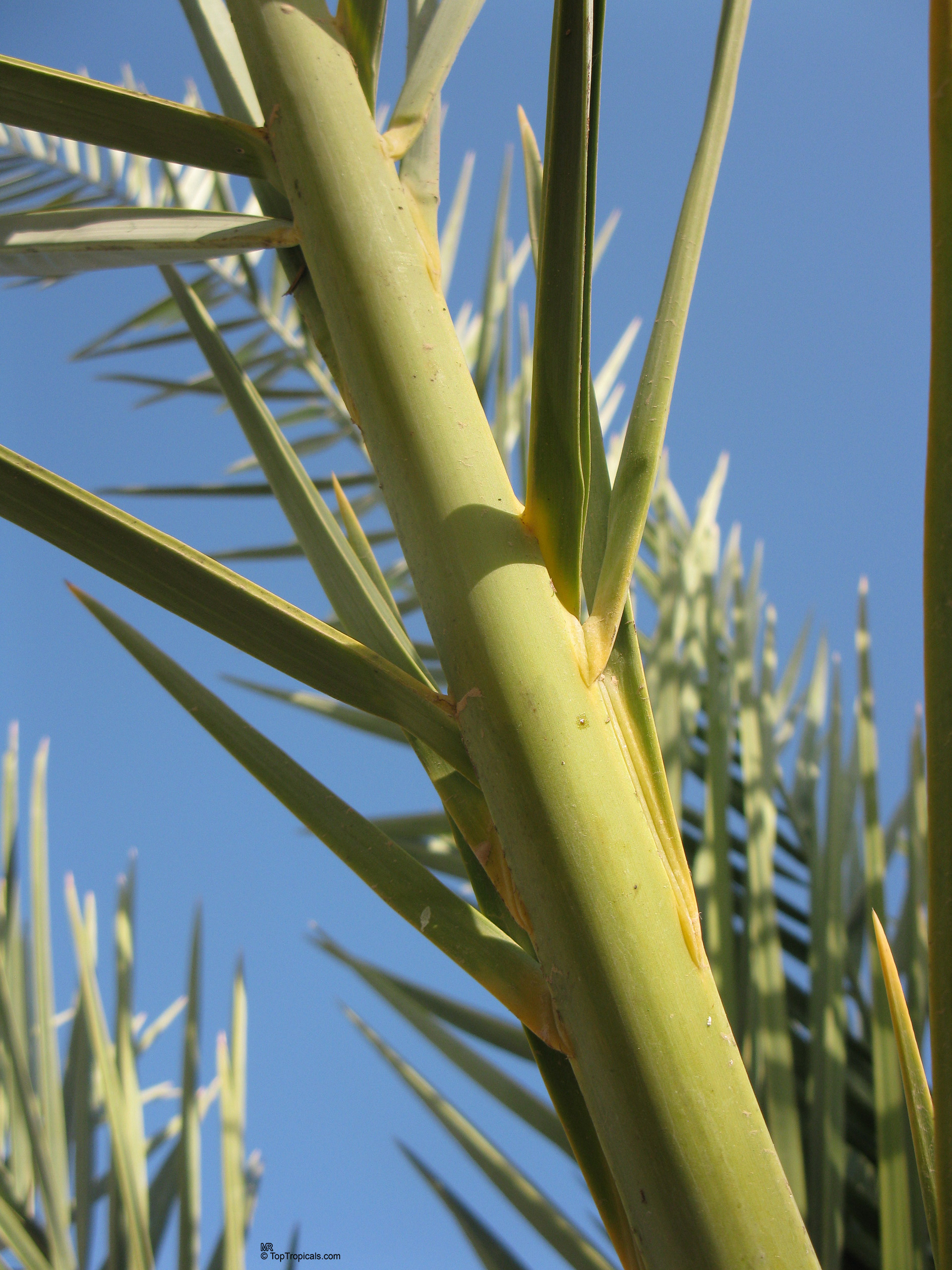
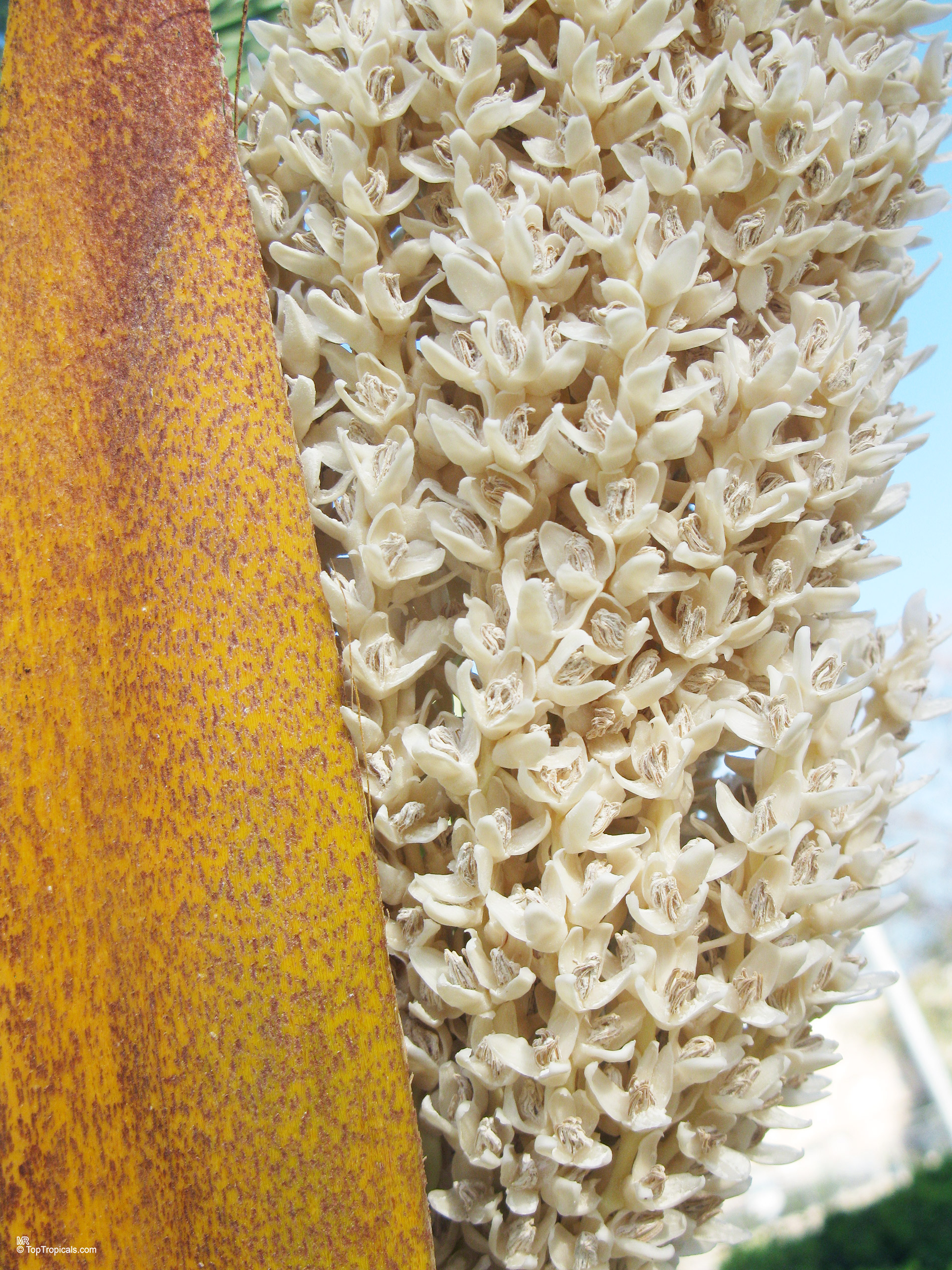
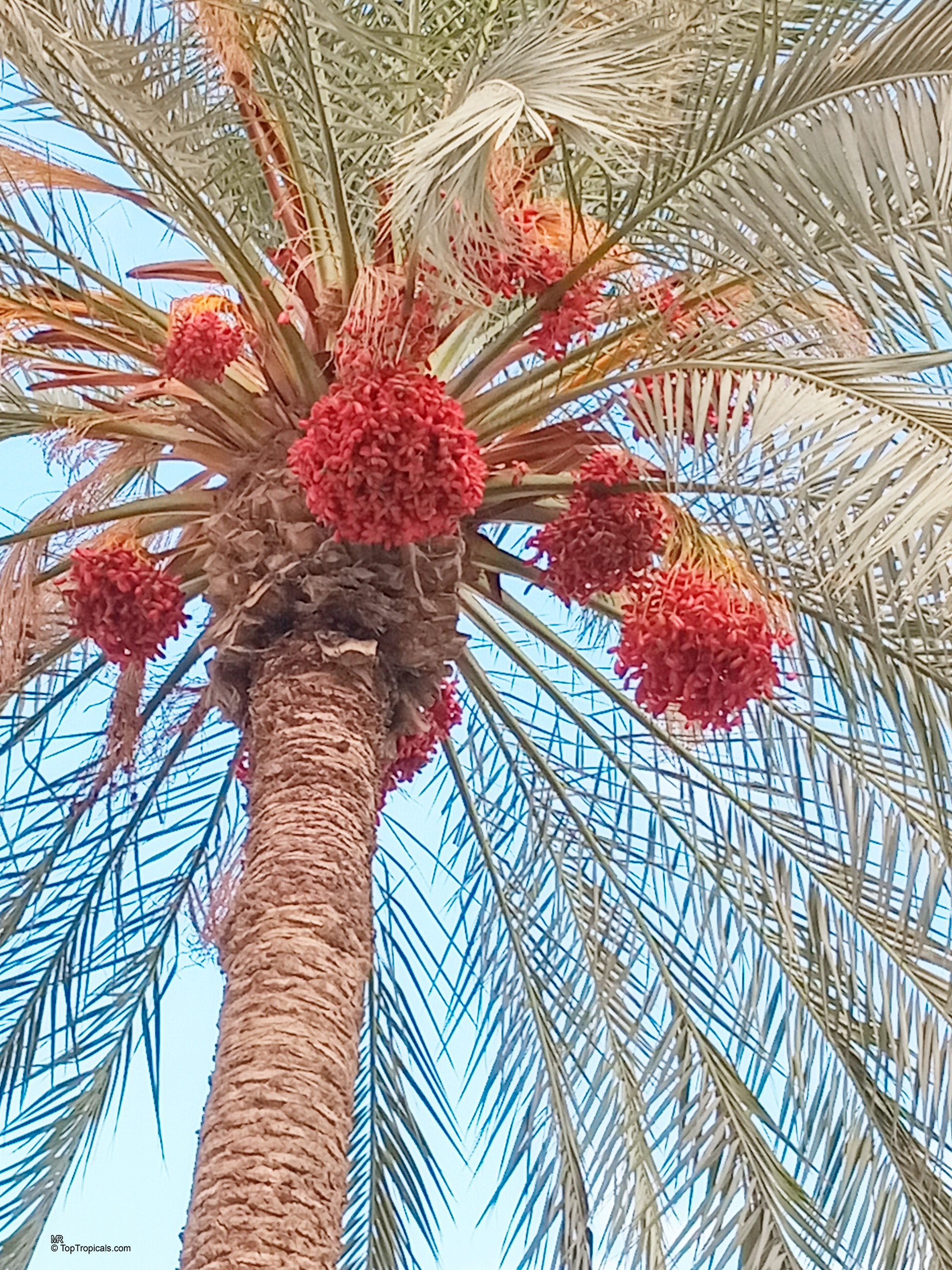
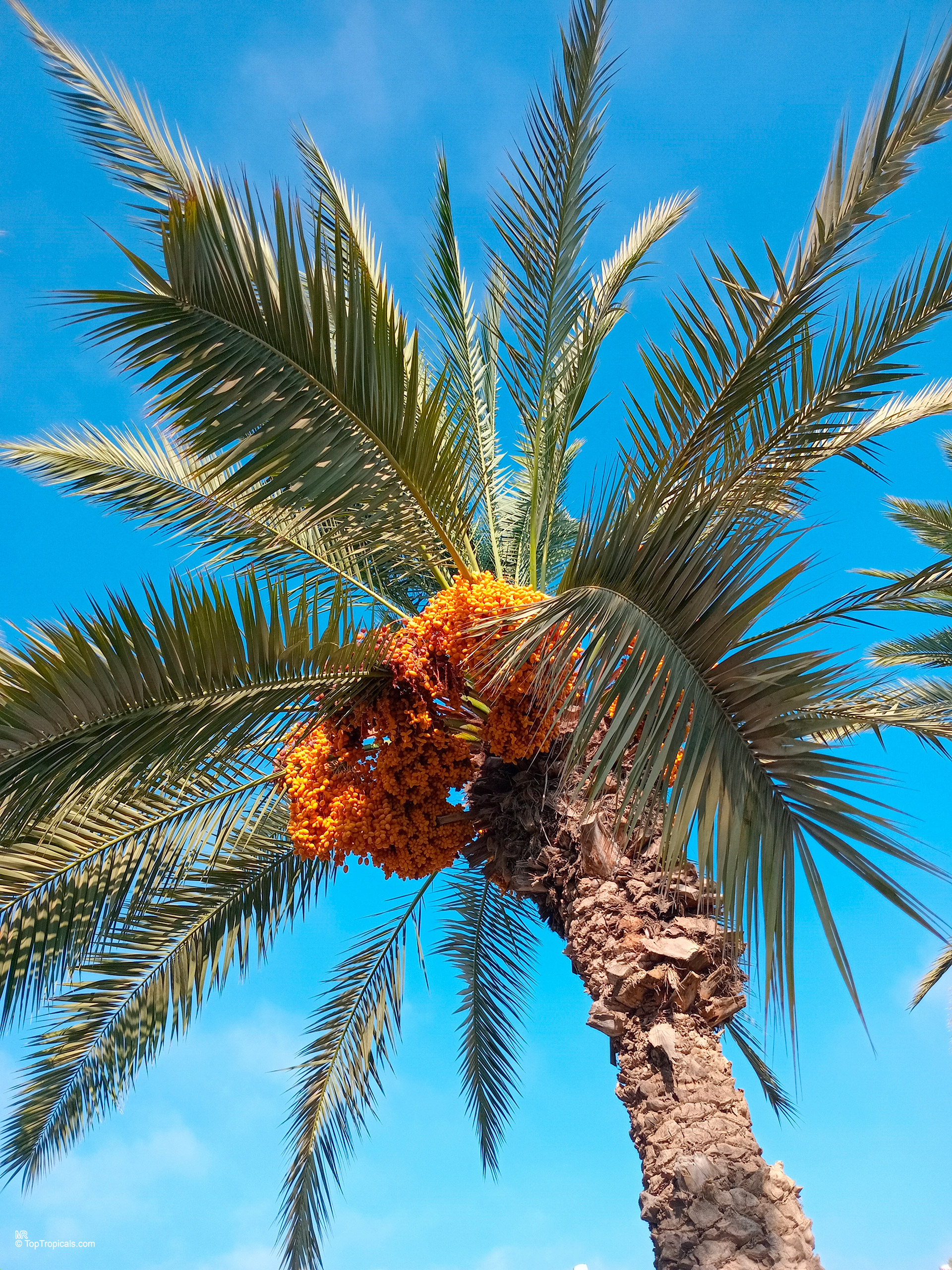
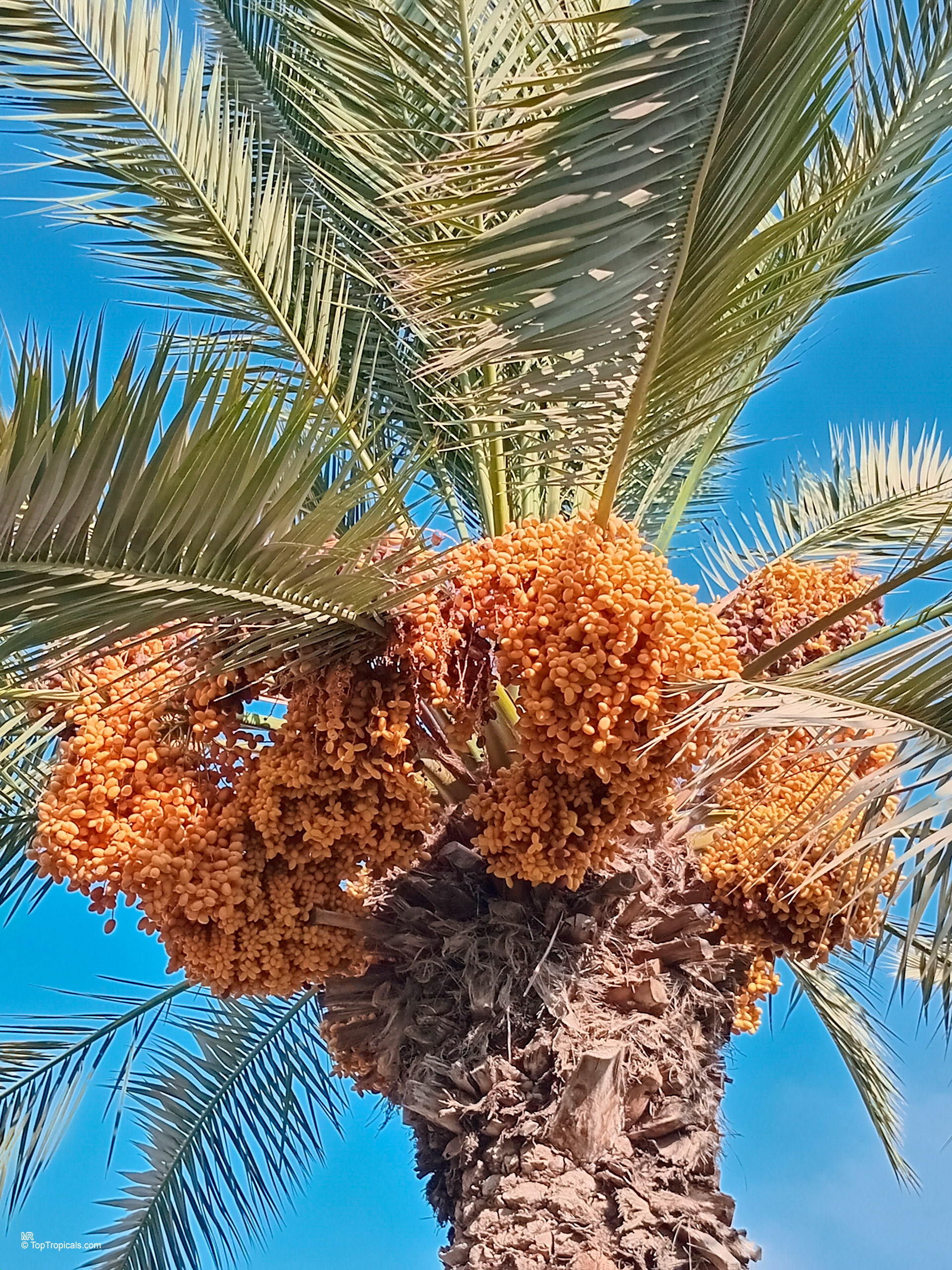
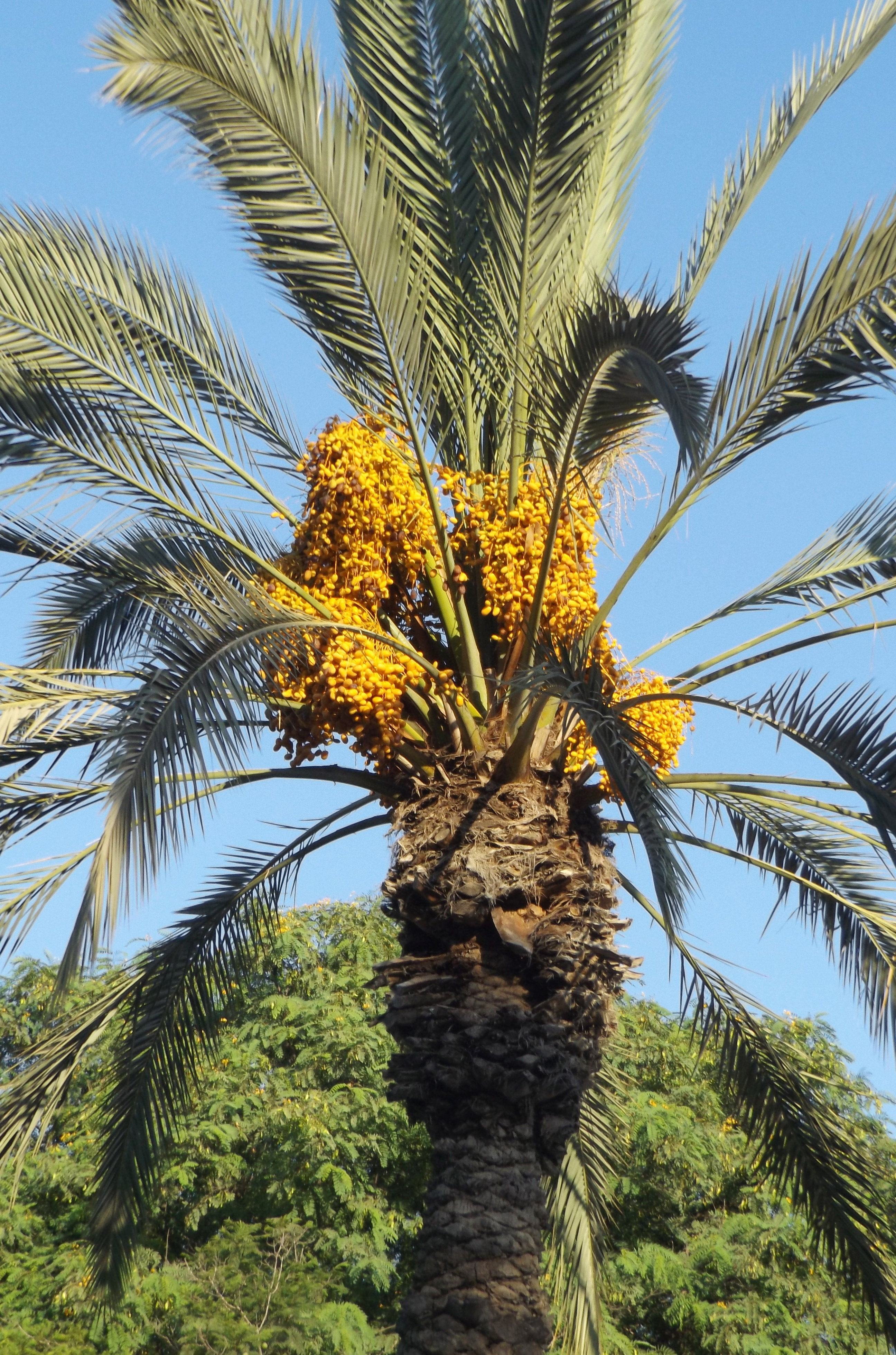
Phoenix dactylifera, commonly known as Date Palm, is a large dioecious palm in the Arecaceae family, cultivated for its edible fruits for thousands of years. Its native range is considered to extend from the Arabian Peninsula through Iran and Iraq to southern Pakistan, although its extremely long history of cultivation makes the details of its early domestication difficult to reconstruct. Mature palms typically reach 50-80 feet (15-25 m) tall, developing a stout trunk topped by a crown of long, pinnate, blue-green to gray-green leaves. Basal offshoots are commonly produced, particularly by younger palms. Male and female flowers occur on separate plants, and commercial plantations therefore require female cultivars together with male pollinizers; hand pollination is widely practiced to ensure reliable fruit production.
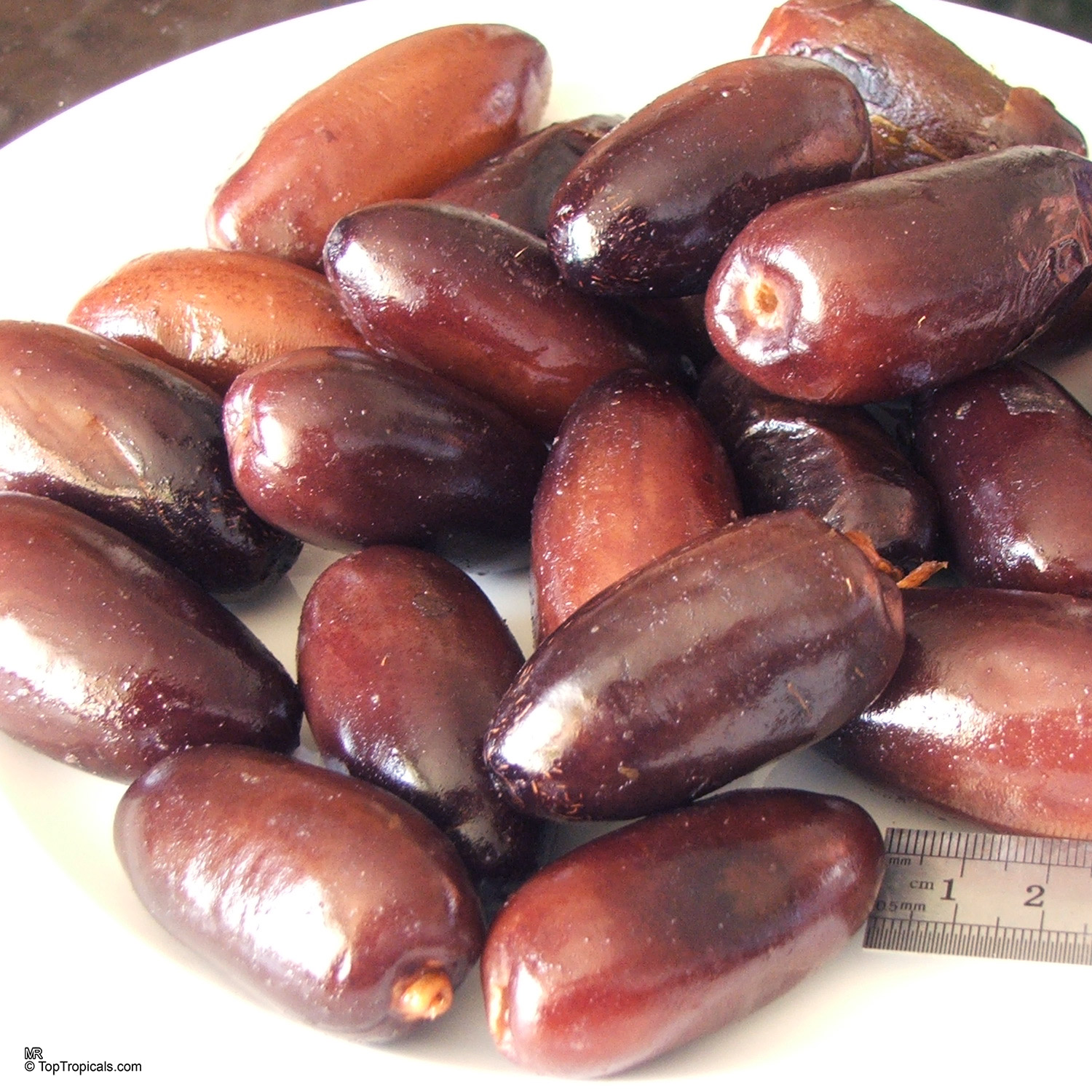
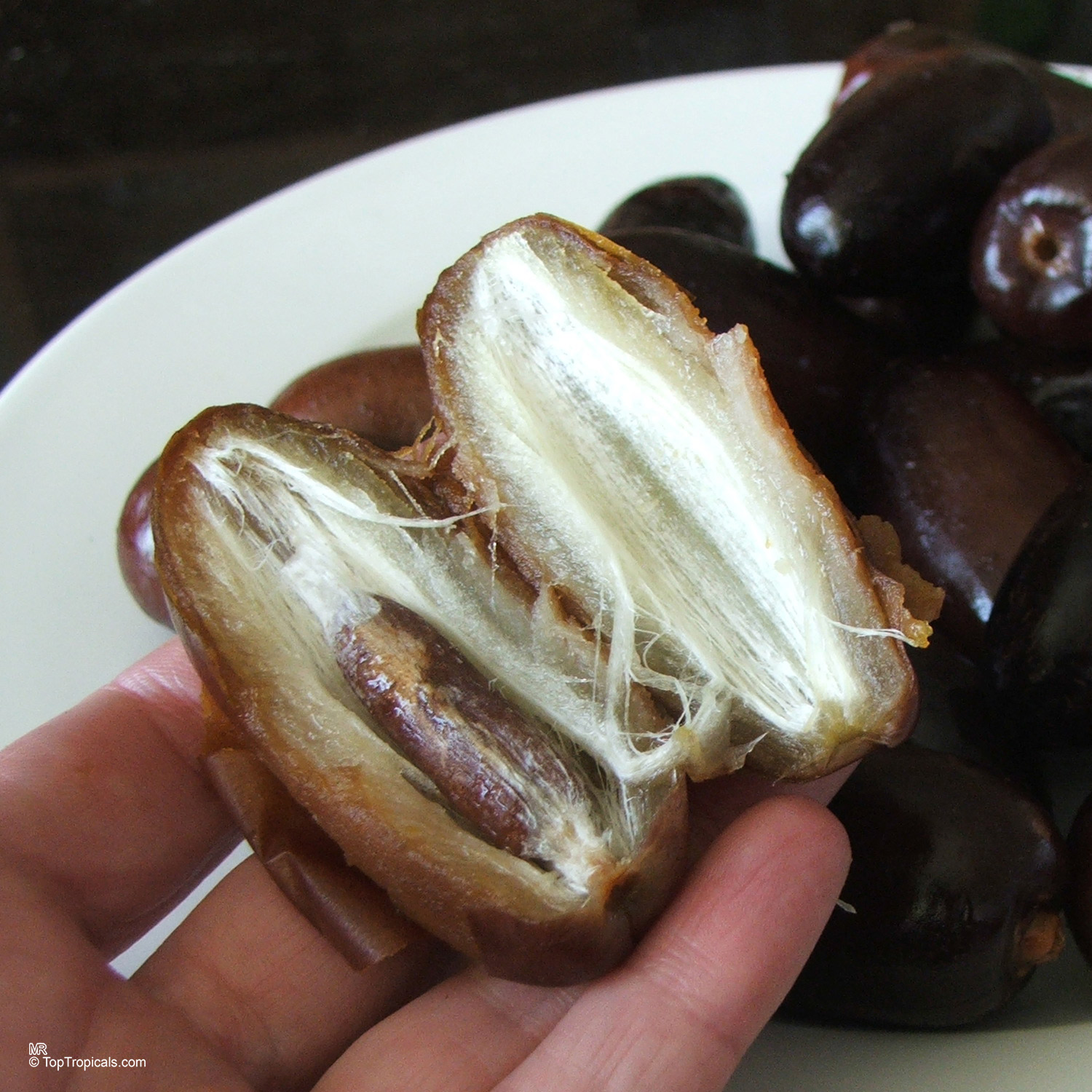
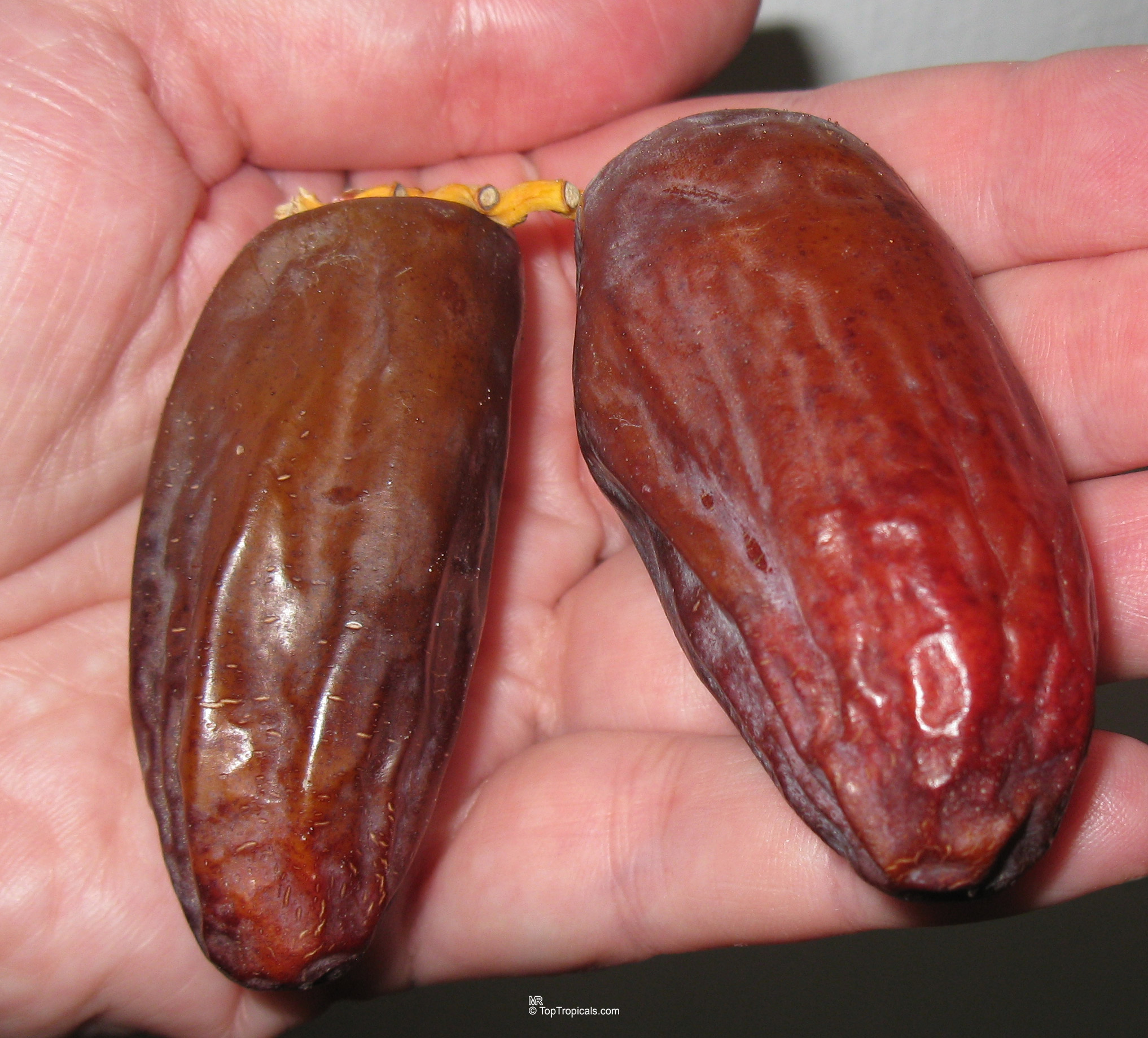
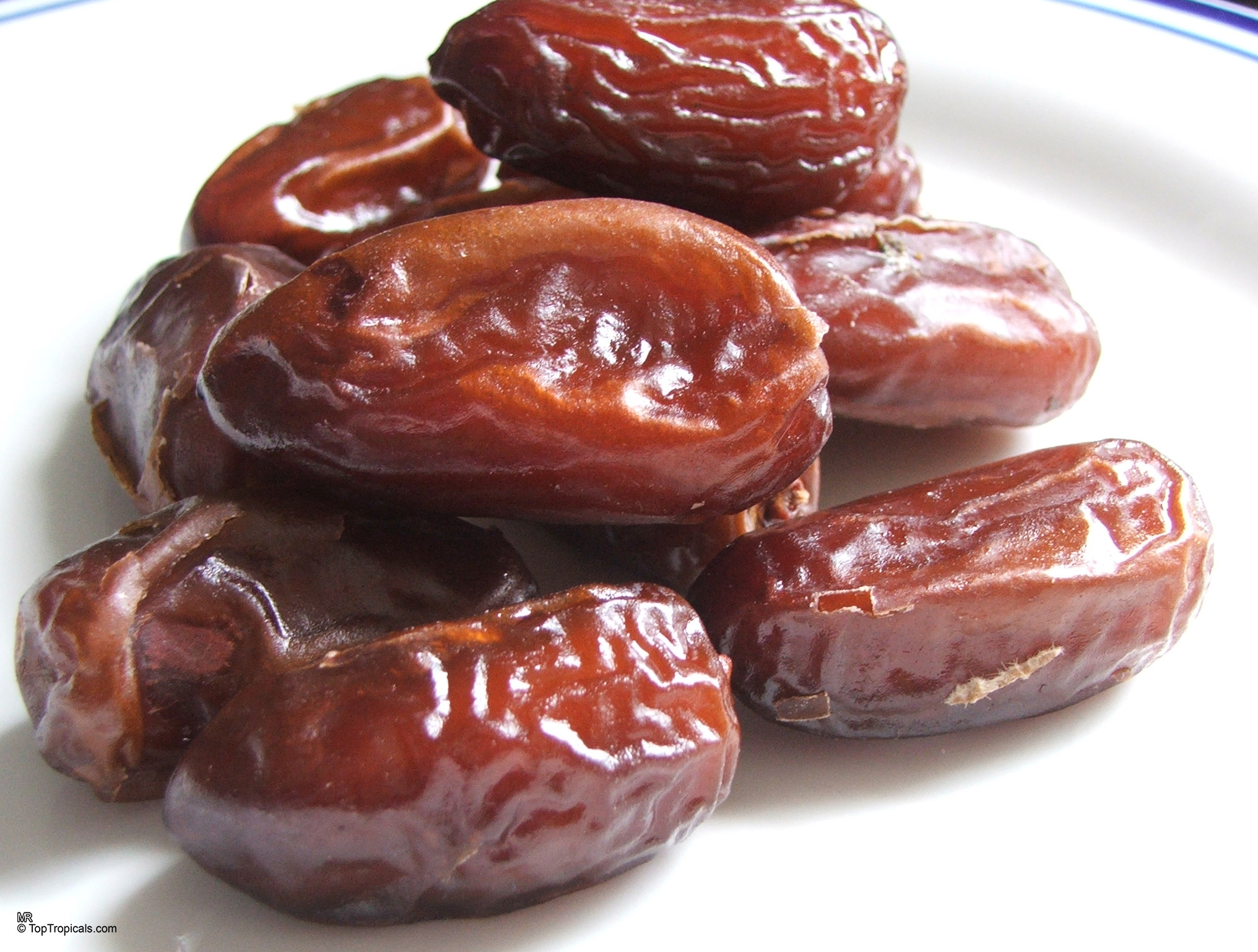
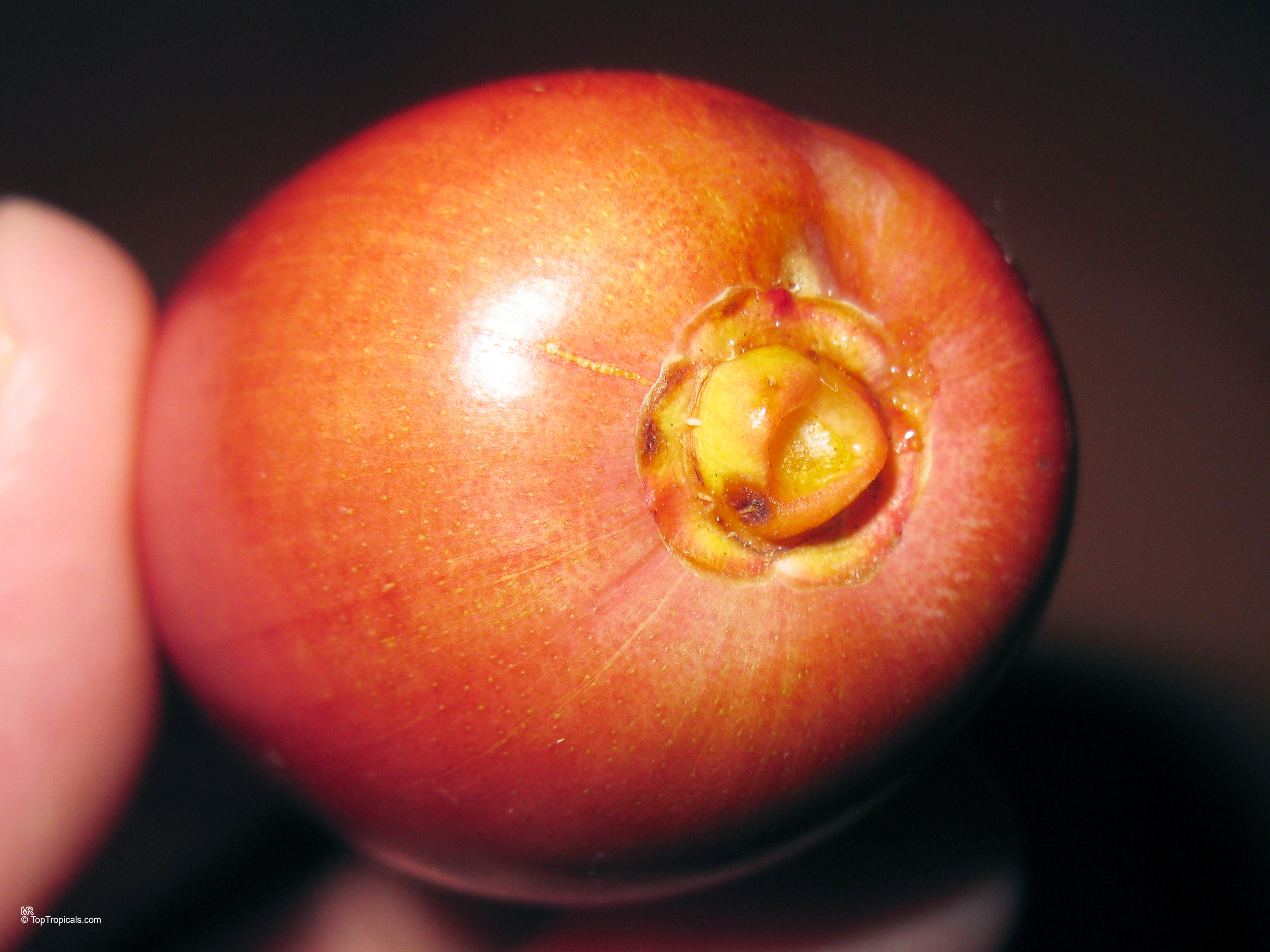
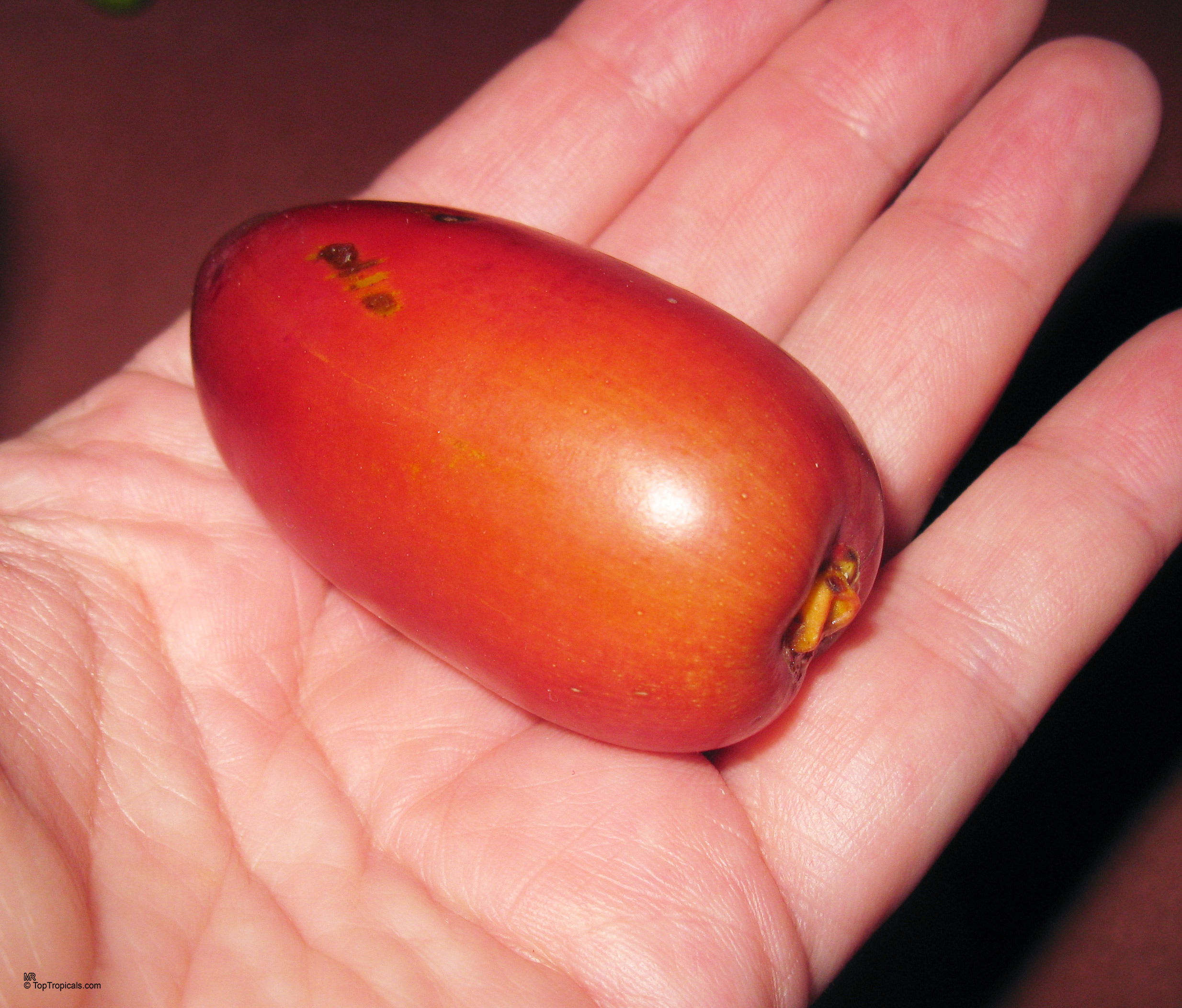
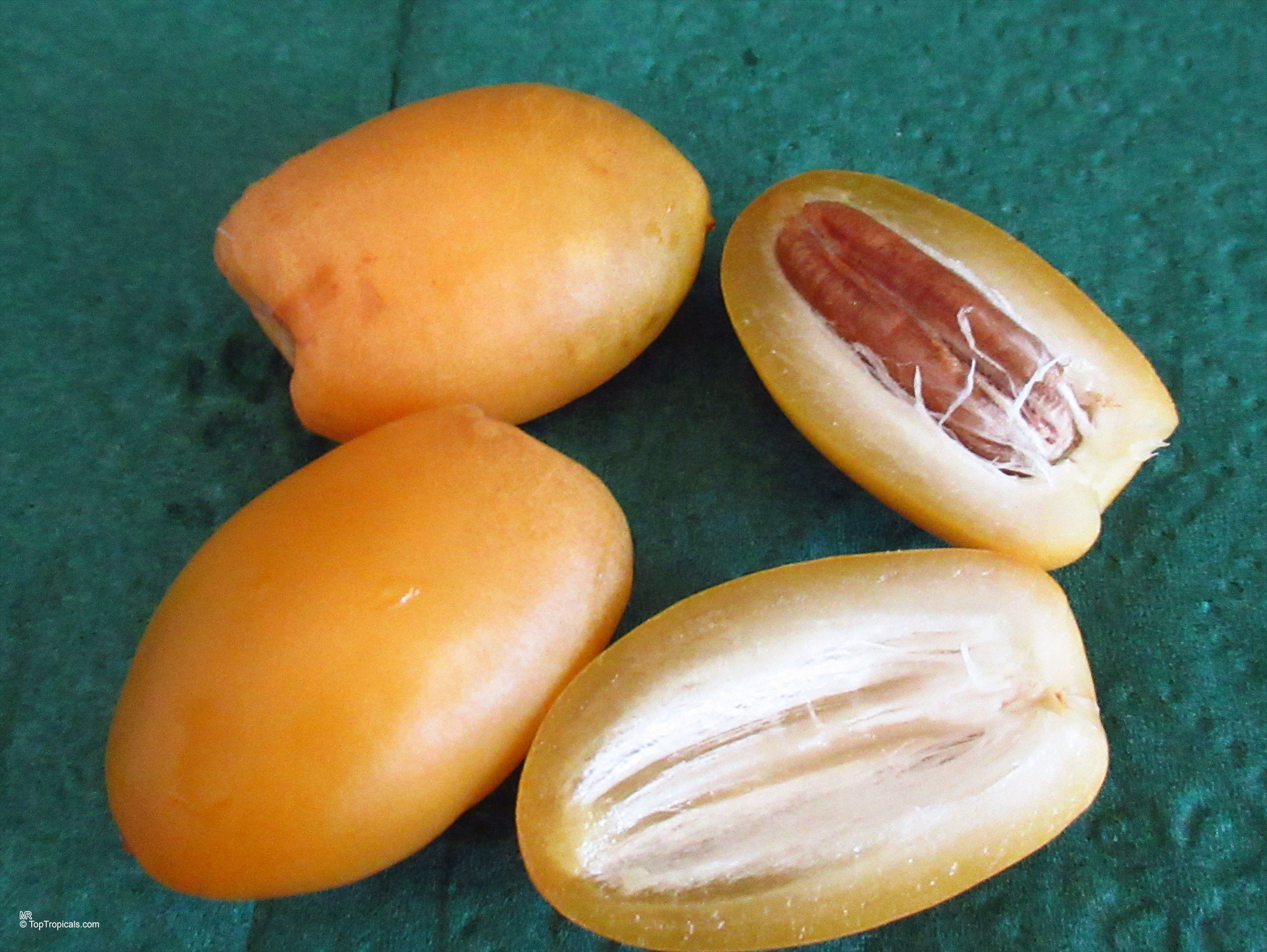
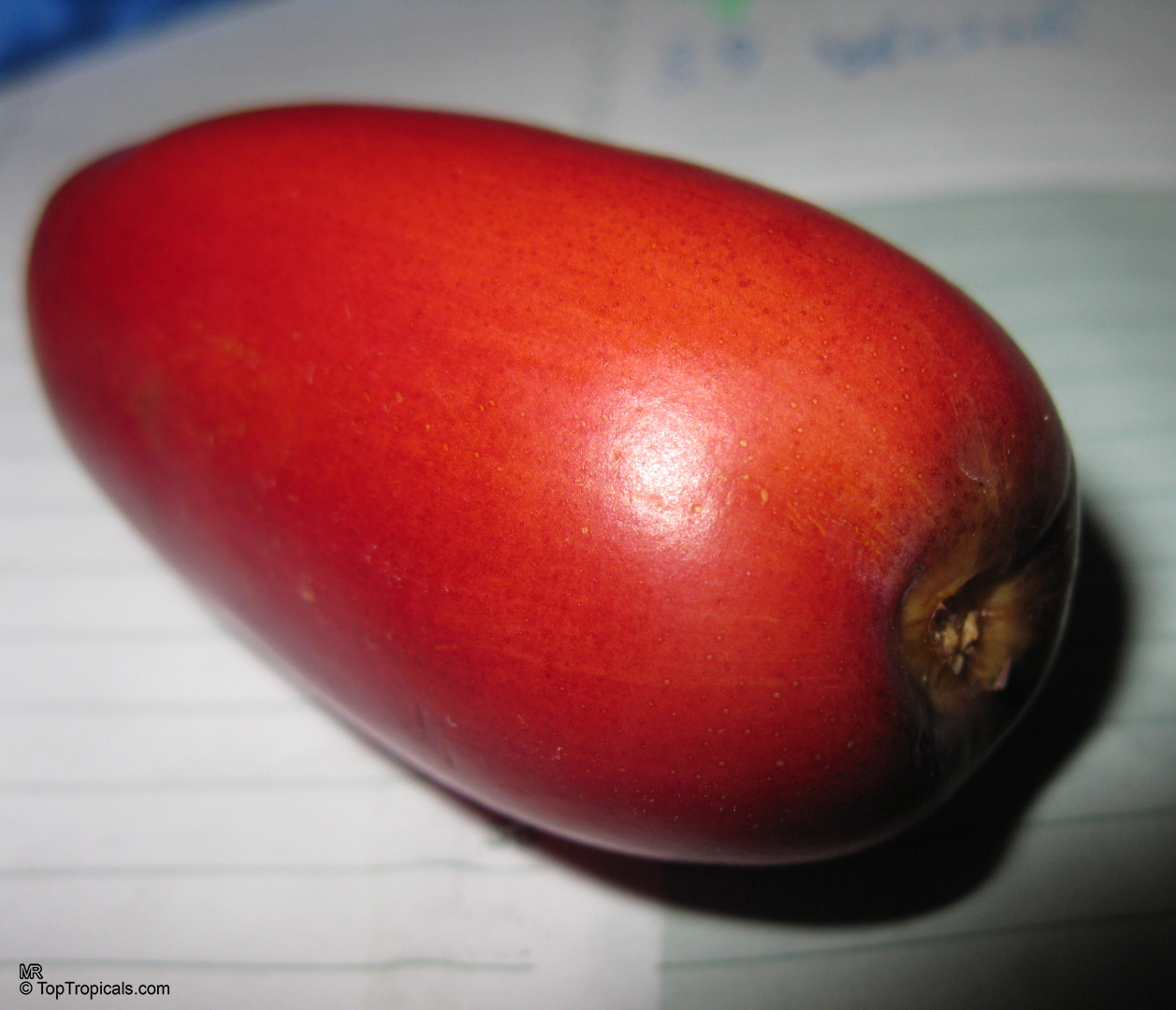
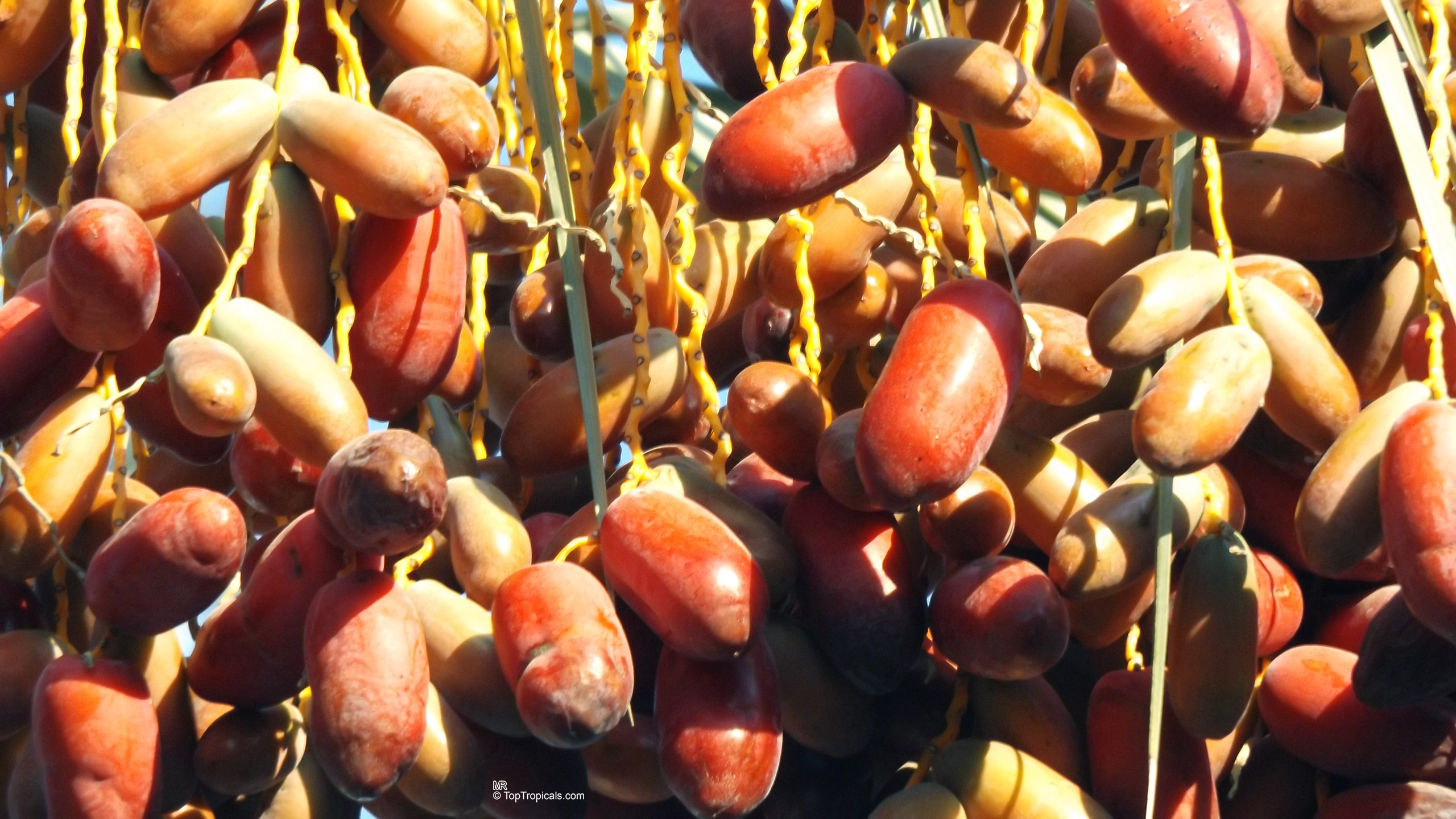
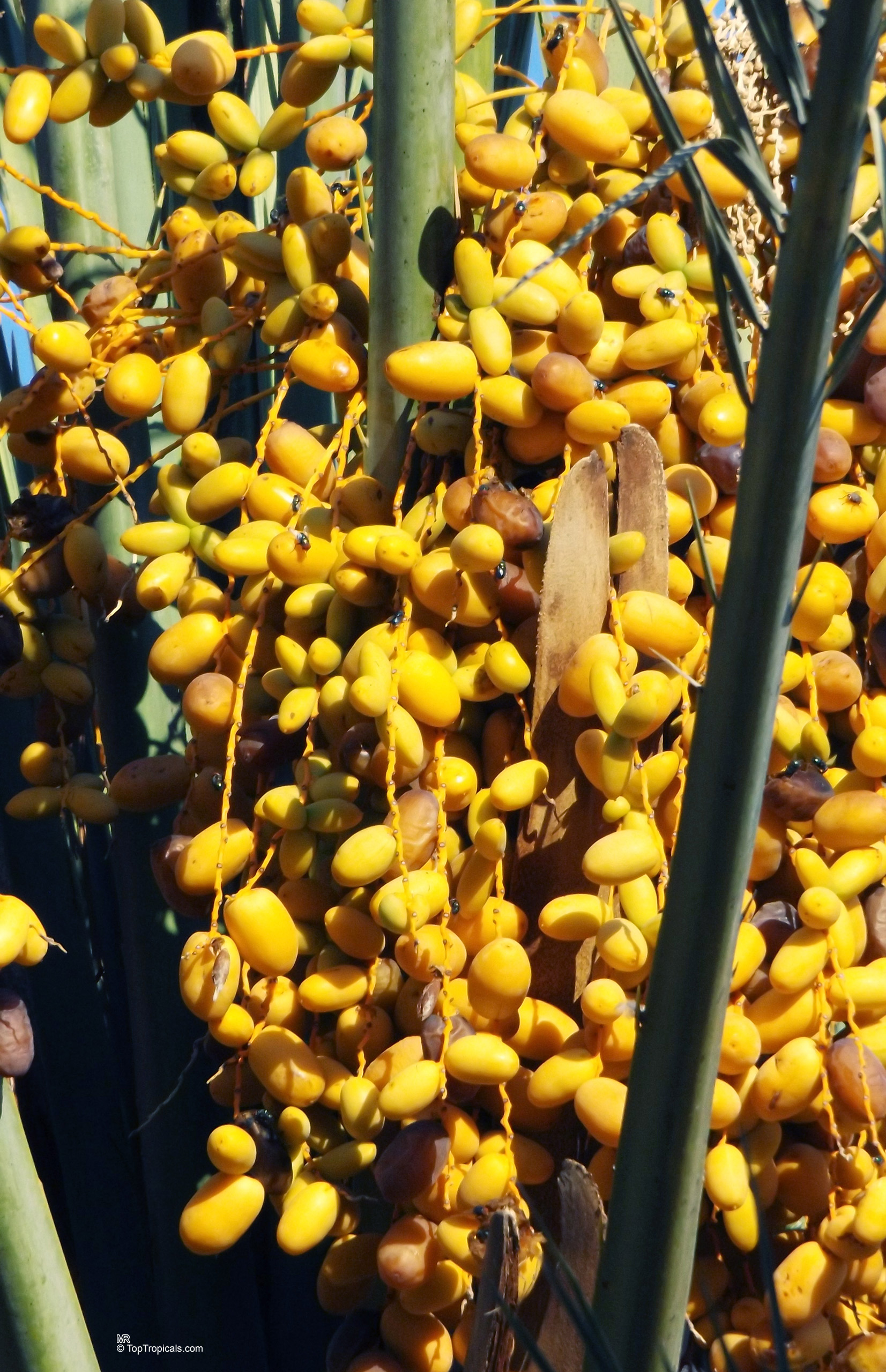
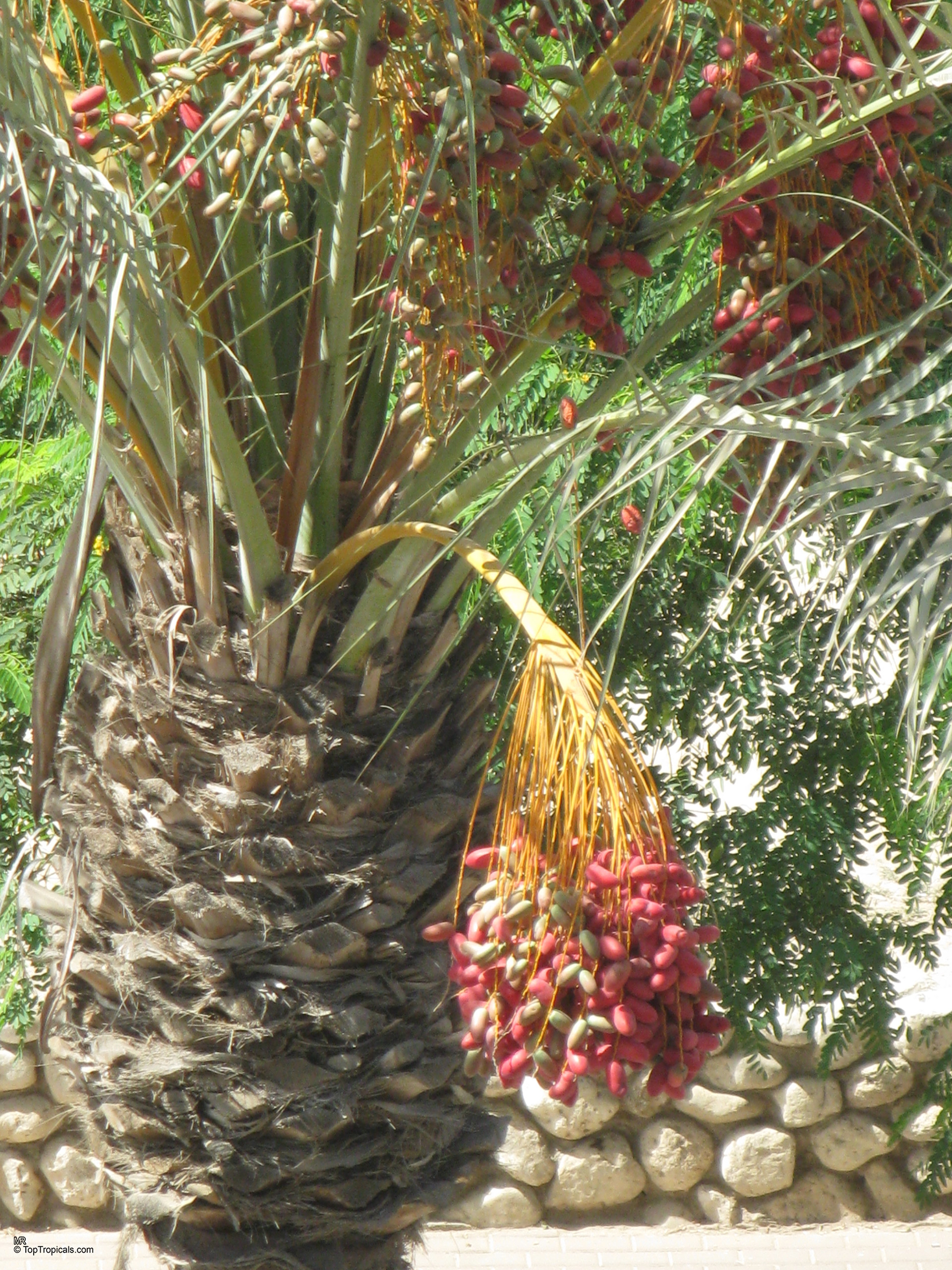
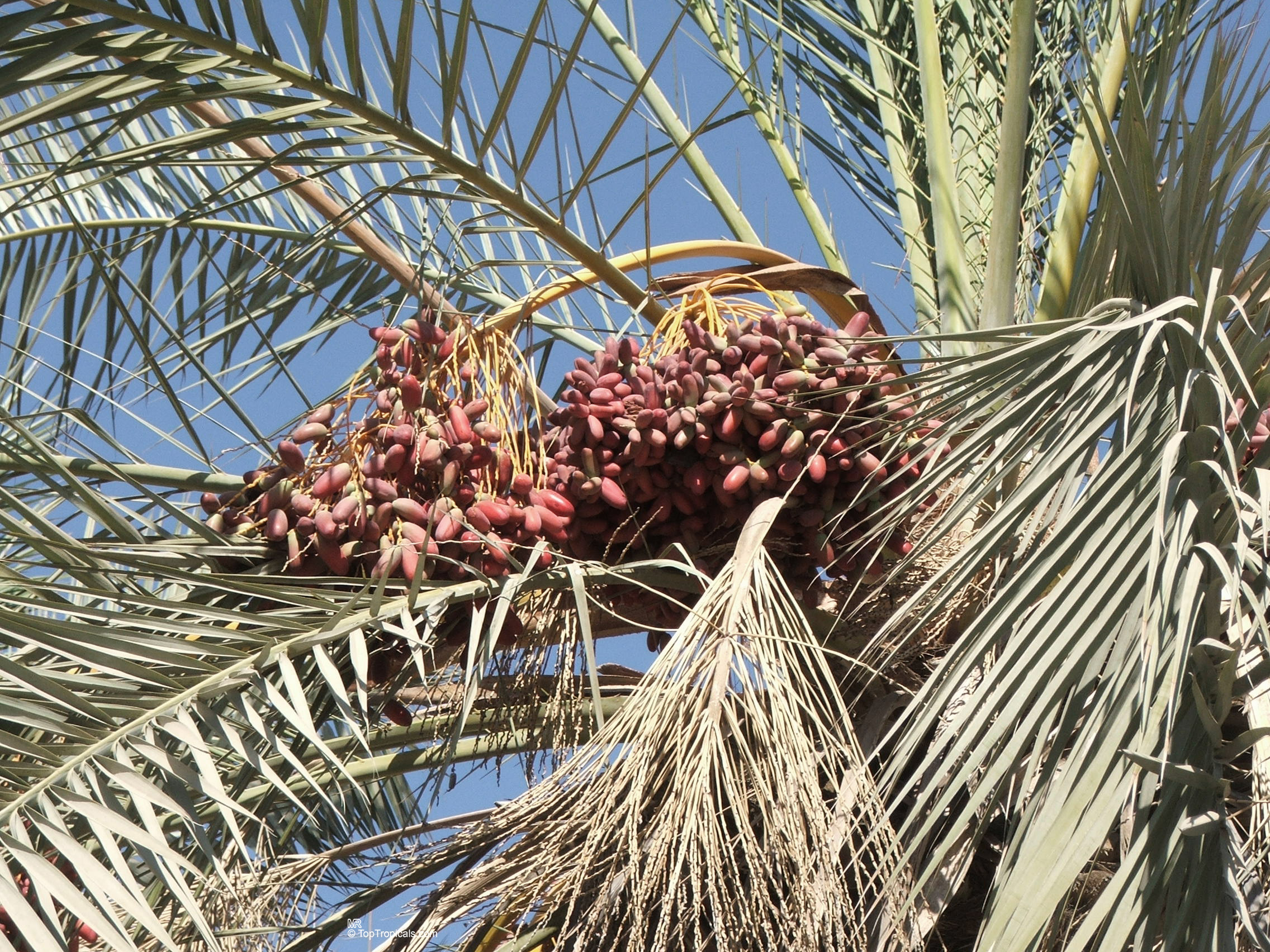
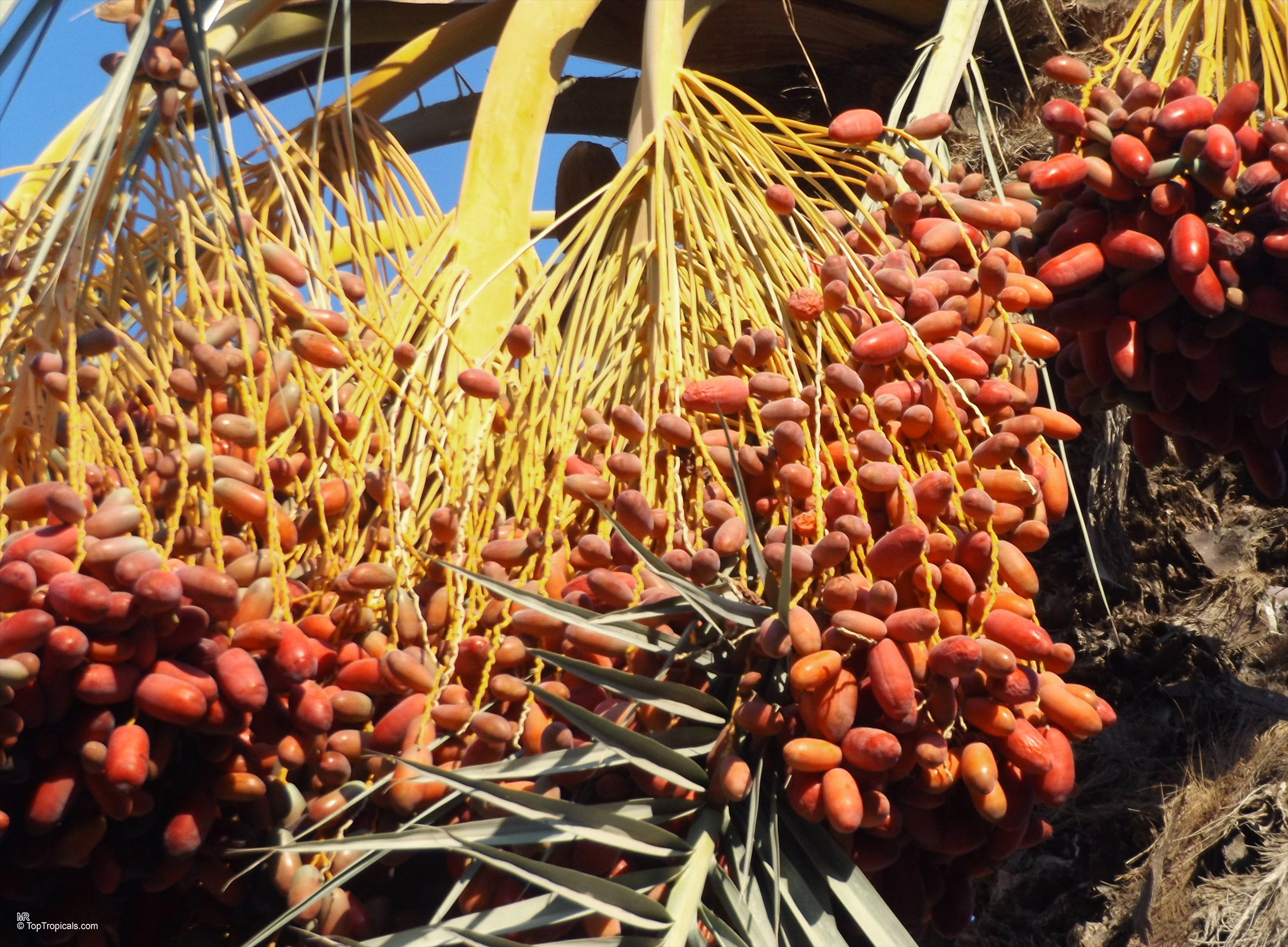
Female palms produce large hanging clusters of oblong dates. Fruit characteristics vary greatly among hundreds of named cultivars, including size, shape, texture, sweetness, and color. When the fruits reach full size but are still firm, they are typically yellow or red, depending on the cultivar; their color changes further as they ripen, passing through progressively softer stages until fully ripe dates may be amber, reddish brown, chestnut, or nearly black. Botanical descriptions of the species reflect this diversity, recording fruits approximately 4-7 cm long and colors ranging from yellow through orange-brown to very dark brown or almost black. 'Medjool' is one of the best-known large-fruited cultivars, with dates commonly about 2 inches (5 cm) long and weighing around 20-25 g, sometimes considerably more.
Named date cultivars must be propagated vegetatively to preserve their characteristics. Traditionally this is done using basal offshoots produced by the mother palm, which are separated and replanted once sufficiently developed. Seed-grown palms do not come true to type and, because the species is dioecious, approximately half of seedlings can be expected to be male. Modern commercial production also uses tissue culture, allowing desirable cultivars to be multiplied in much larger numbers.
Phoenix dactylifera thrives in full sun, intense summer heat, and deep, well-drained soil. Established palms are remarkably drought tolerant, but regular irrigation is necessary for high-quality fruit production, particularly during fruit development. The species performs especially well in hot, dry climates: successful date production requires abundant heat for fruit ripening, while excessive humidity and rainfall during the ripening period can damage the crop. Date Palm is generally suited to USDA Zones 9-11; established palms can withstand brief temperatures below freezing, although foliage and developing fruit may be damaged by stronger or prolonged cold.
Despite their eventual size, Date Palms tolerate transplanting remarkably well, even as large mature specimens. Palms with substantial trunks are routinely dug with an adequate root ball, lifted by crane, transported, and replanted successfully. This ability makes Phoenix dactylifera particularly valuable in urban and commercial landscaping, where mature palms can be installed to create an immediate large-scale landscape effect rather than waiting decades for young specimens to develop.
Date Palm has been one of the fundamental food crops of arid regions of North Africa and the Middle East for millennia, providing fruit that can be eaten fresh, soft, semi-dry, or fully dried and processed into numerous traditional foods. The palm also has an exceptionally long history of practical use for its leaves, fibers, trunks, and other materials. Today Phoenix dactylifera remains both a major commercial fruit crop and one of the most recognizable landscape palms of hot, dry subtropical regions.
Botanical name: Rhapis excelsa
Common name: Lady Palm
Family: Arecaceae / Palmae
Origin: Thailand, China
USDA Zone: 9-11


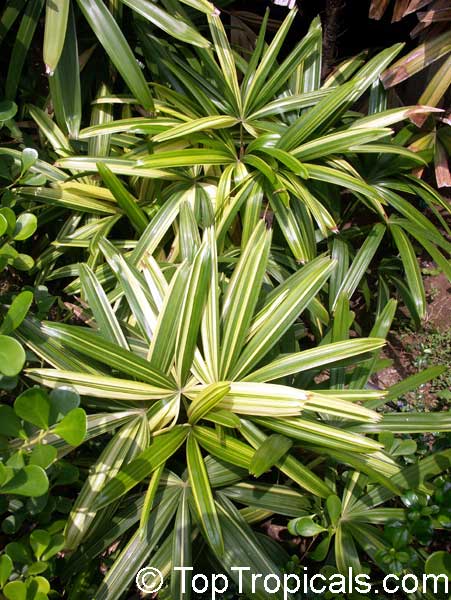
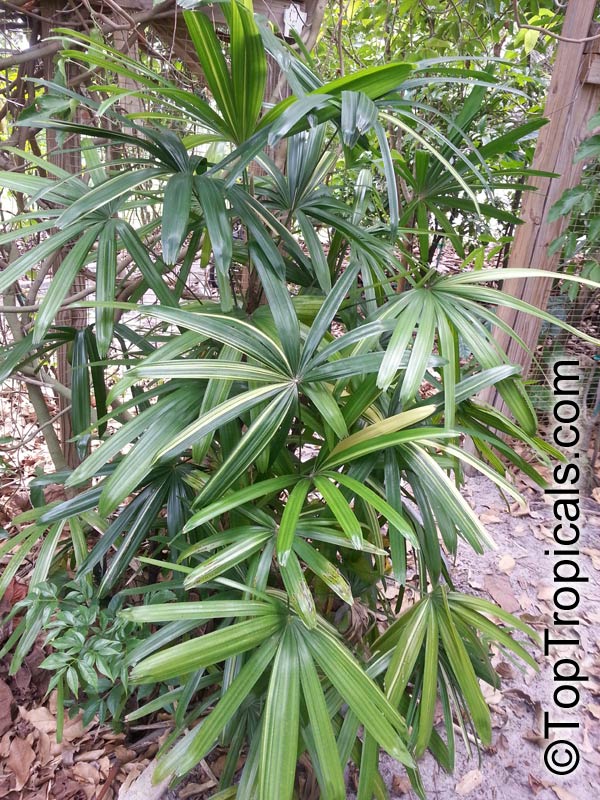
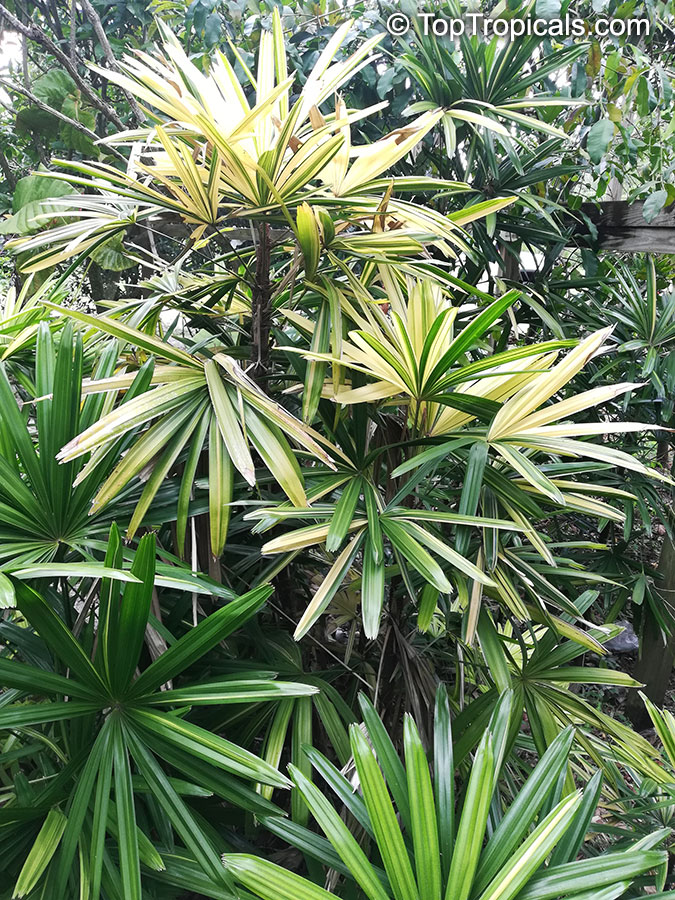
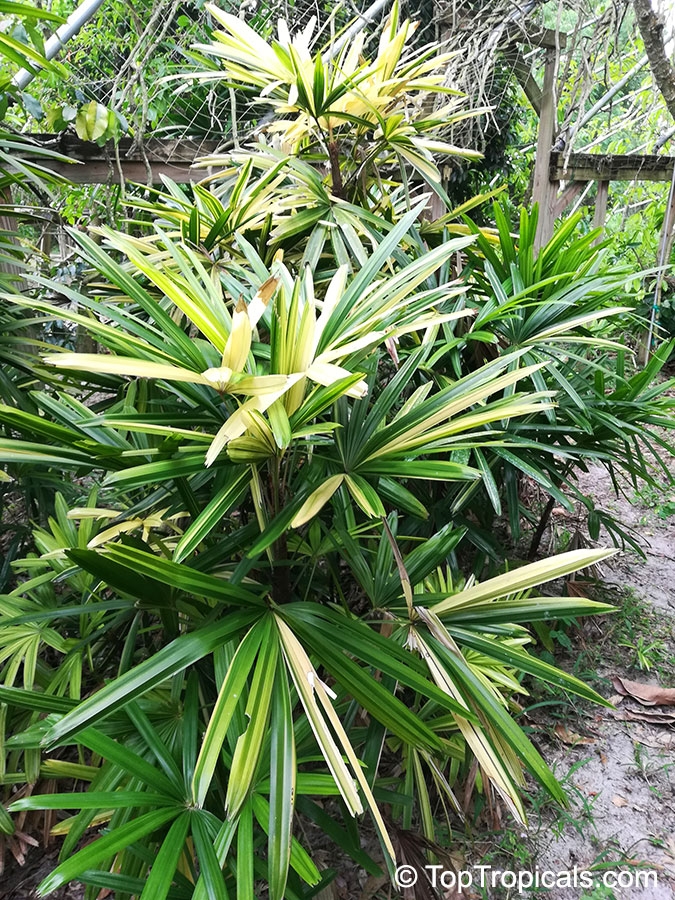
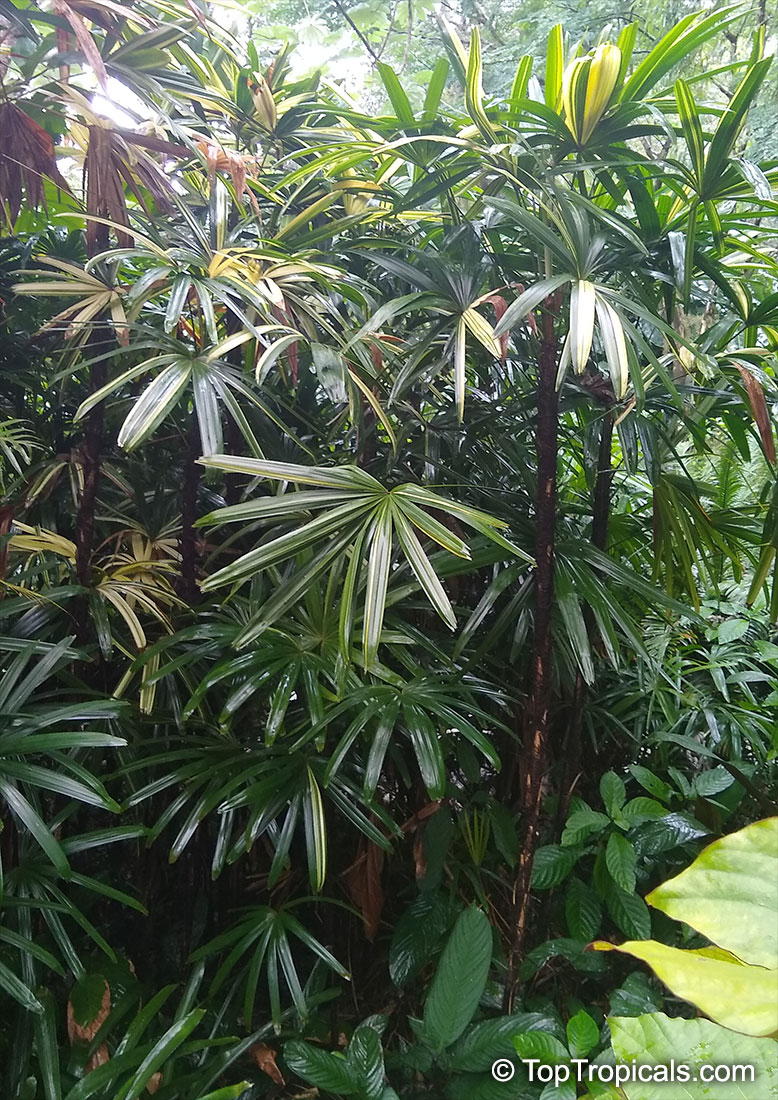
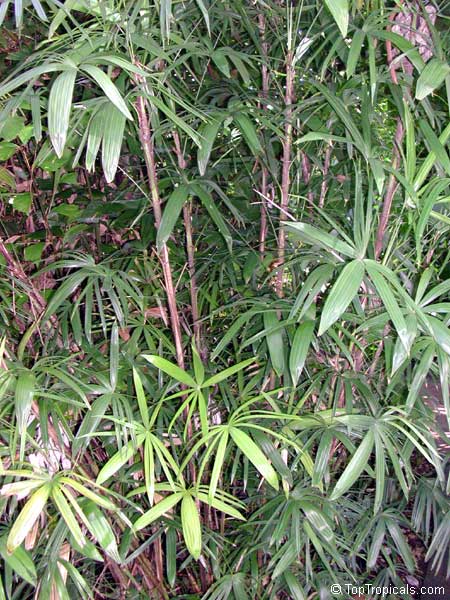
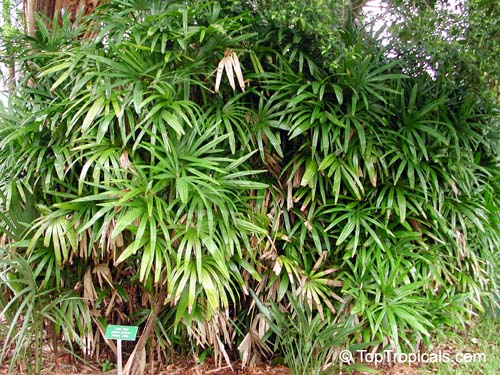
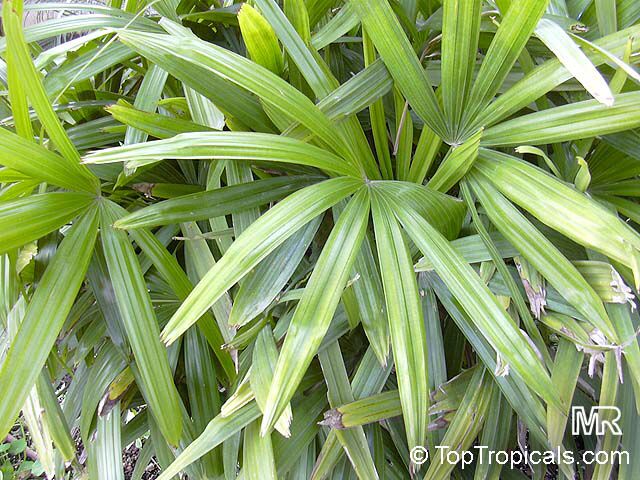
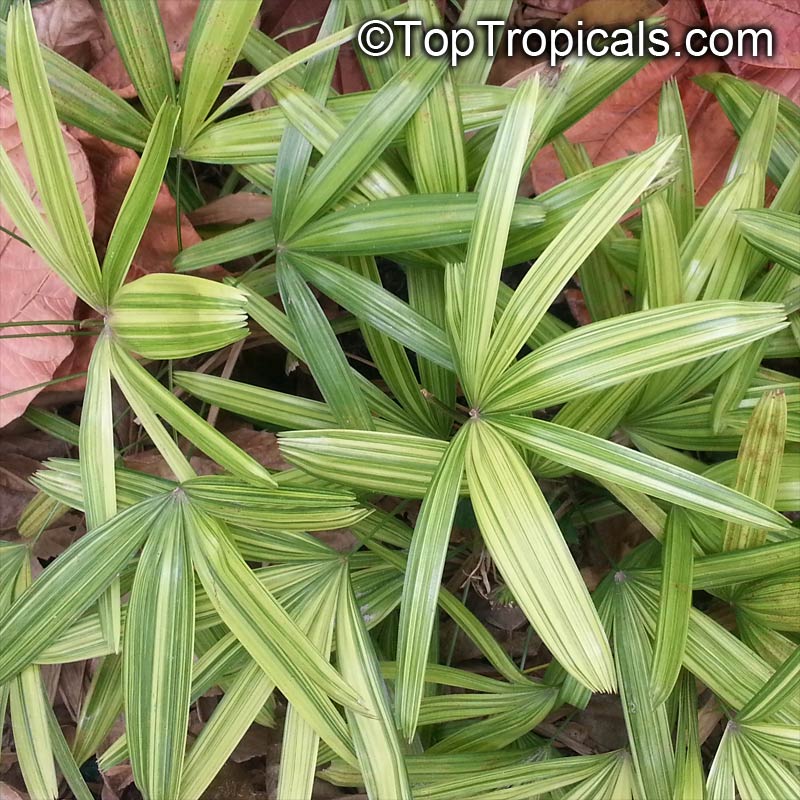
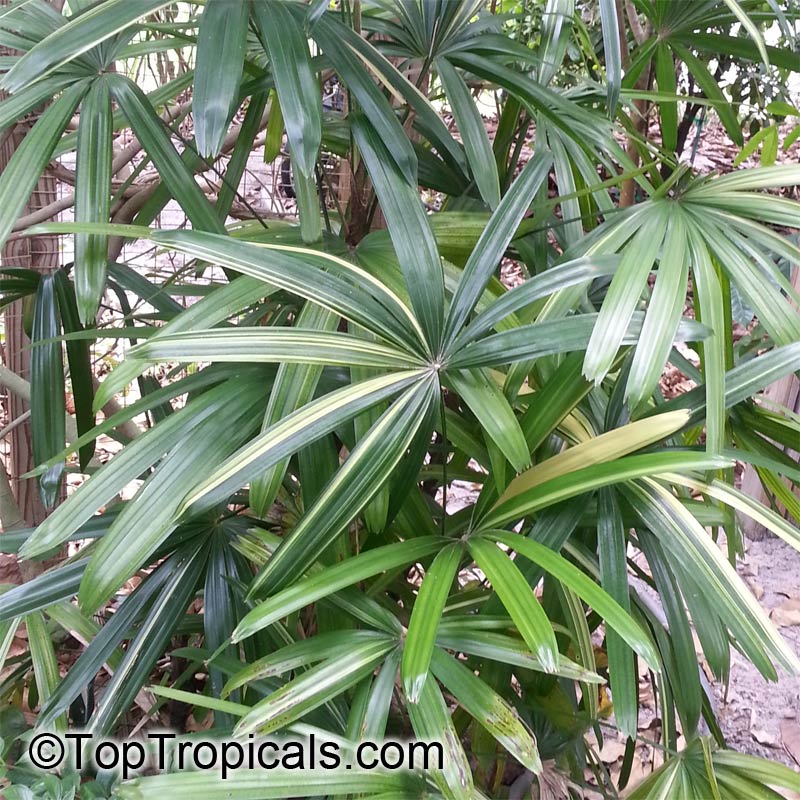
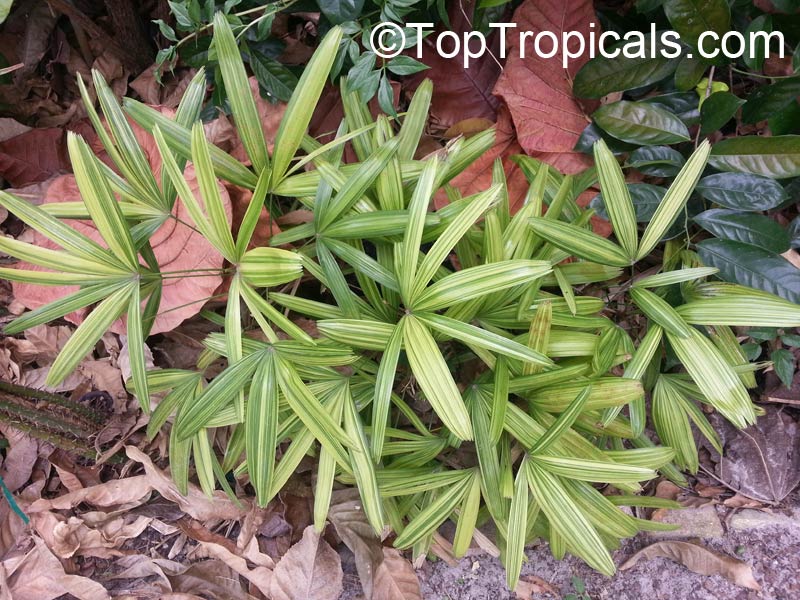
Rhapis excelsa, commonly known as Lady Palm, is a slow-growing clumping palm in the Arecaceae family native to southern China. It forms multiple slender, cane-like stems covered with fibrous leaf bases and typically reaches 6 to 12 ft in height. The leaves are fan-shaped and divided into broad, blunt-tipped segments, creating a dense, upright canopy with a refined, structured appearance. This palm is valued for its adaptability and tolerance of lower light compared to many other palms.
This species prefers partial shade to bright indirect light and well-drained soil with consistent, moderate moisture. Growth rate is slow, especially in containers. Cold tolerance is moderate for a tropical palm, with damage likely below about 25 to 28F; best suited to USDA Zones 9 to 11. Rhapis excelsa performs well as a container plant and is widely used as an indoor palm due to its tolerance of indoor conditions.

Botanical names: Salacca wallichiana, Zalacca rumphii
Common names: Rakum Palm, Sala, Kumbar
Family: Arecaceae / Palmae
Origin: Southeast Asia
USDA Zone: 10-11


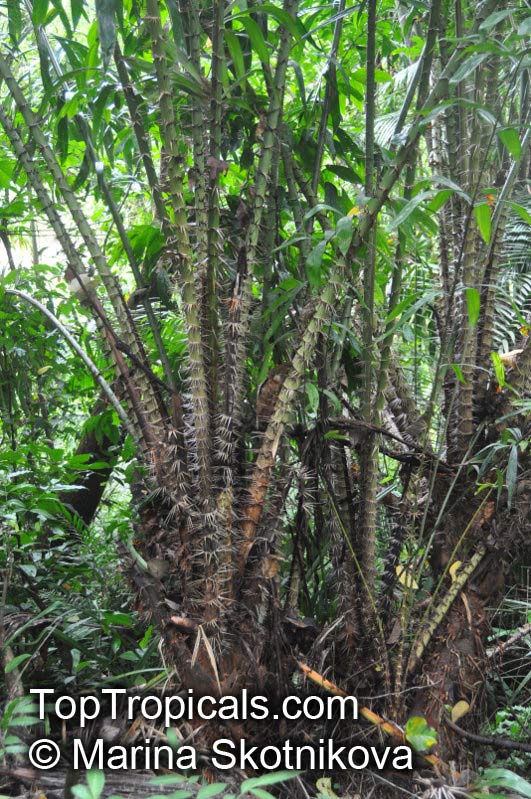
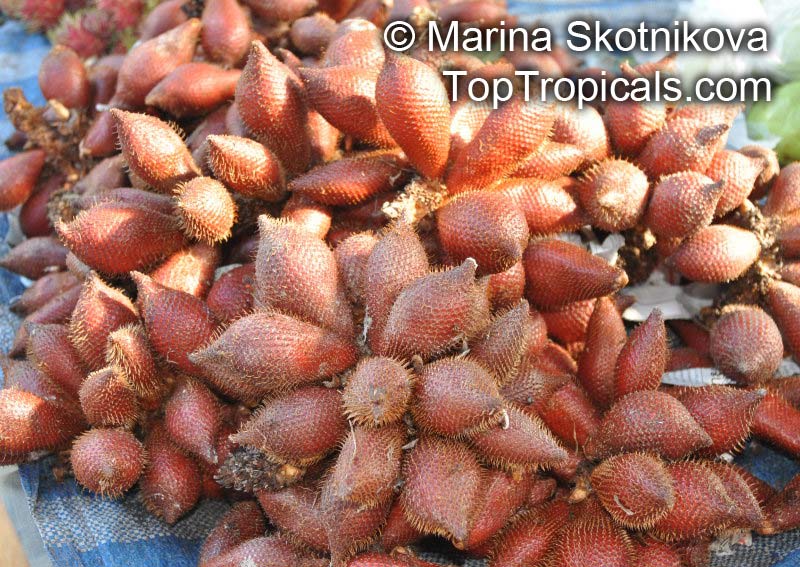
Salacca wallichiana, commonly known as Rakum or Sala, is a clustering, spiny palm in the Arecaceae family, native to Southeast Asia and especially associated with Thailand and neighboring countries. Its short stems are often hidden by persistent leaf bases, while long pinnate leaves and their petioles bear numerous sharp spines. The palm is dioecious, with male and female flowers normally produced on separate plants. Female plants develop clusters of oval to somewhat elongated fruits covered by distinctive overlapping reddish-brown to brown scales. The edible flesh is divided into segments around one or more seeds and may be juicy, aromatic, sweet, and pleasantly acidic. Selected Thai cultivars are grown commercially for improved fruit quality.
Salacca wallichiana thrives in warm, humid tropical conditions and prefers fertile, organic-rich soil with abundant moisture and good drainage. Unlike many palms, it performs well in partial shade, particularly when young, and naturally favors moist lowland conditions. It is best suited to USDA Zones 10b-11 and has little tolerance of frost or prolonged cold. Regular irrigation is important, although permanently stagnant soil should be avoided. Because plants are dioecious, both sexes are normally required for fruit production, and hand pollination may be used in commercial plantings. Its formidable spines make careful placement and handling essential in home gardens.


Botanical name: Acoelorrhaphe wrightii
Common names: Paurotis, Silver Saw Palmetto, Everglades Palm
Family: Arecaceae / Palmae
Origin: Indies, Bahamas, Central and South Florida.
USDA Zone: 9-11

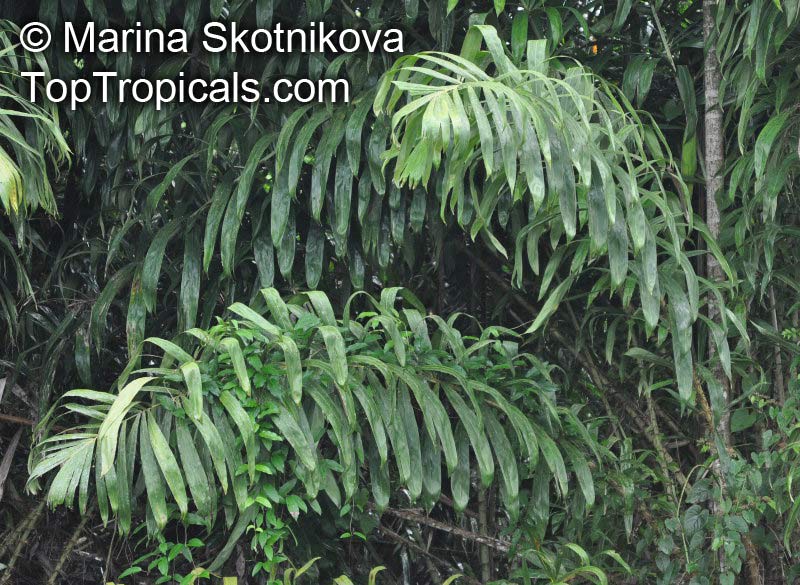
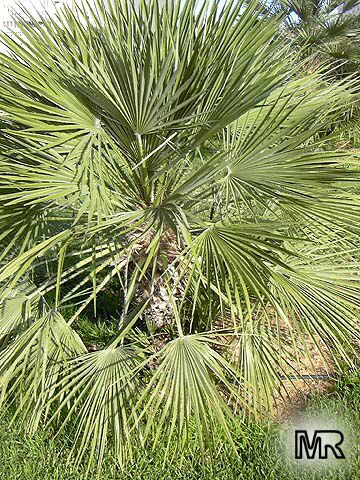
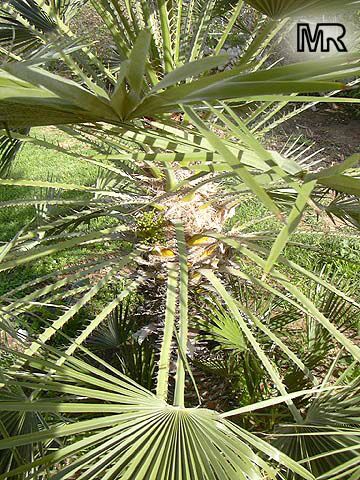
The leaves of the Acoelorraphe wrightii (Paurotis) are light green color, palmate and pinnate. Although it is a small palm, its leaves give it an especially lush and airy texture. Paurotis can tolerate salt wind and slightly salty soils. It is also known to be cold hardy to the low 30s F for a short time, but it must be covered with a blanket or a cover during those times.
It is best to keep the plants moist and then gradually reduce the amount of water as the plant matures. If you are in a cold region and want to grow this plant in a pot, you will need to make sure it is in a well-draining location. The pot should be placed in a semi-shaded area and mulch should used around the base of the pot. Regular watering and feeding should also be given throughout the growing season.
Overall, Acoelorraphe wrightii (Paurotis) is a great palm to grow in USDA zone 9-11. It requires full sun or semi-shade and regular water to thrive, making it an excellent choice for any garden, especially near a seaside location.
Botanical names: Aiphanes horrida, Aiphanes aculeata, Aiphanes caryotifolia, Martinezia truncata
Common names: Devil Palm, Ruffle Palm, Spine Palm
Family: Arecaceae / Palmae
Origin: Trinidad and Tobago
USDA Zone: 9-10
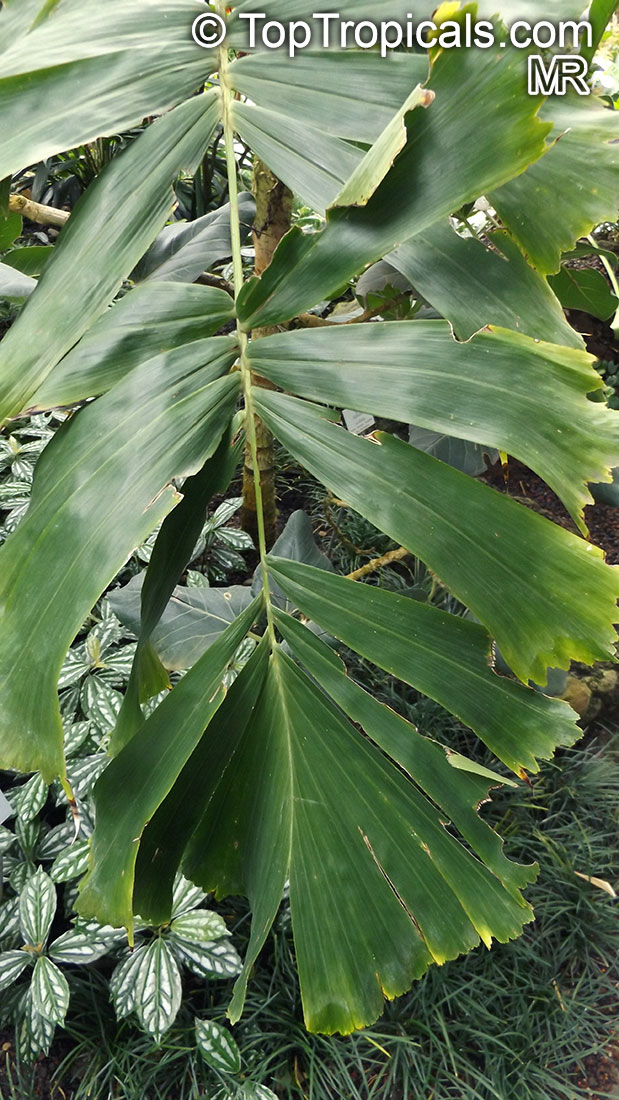
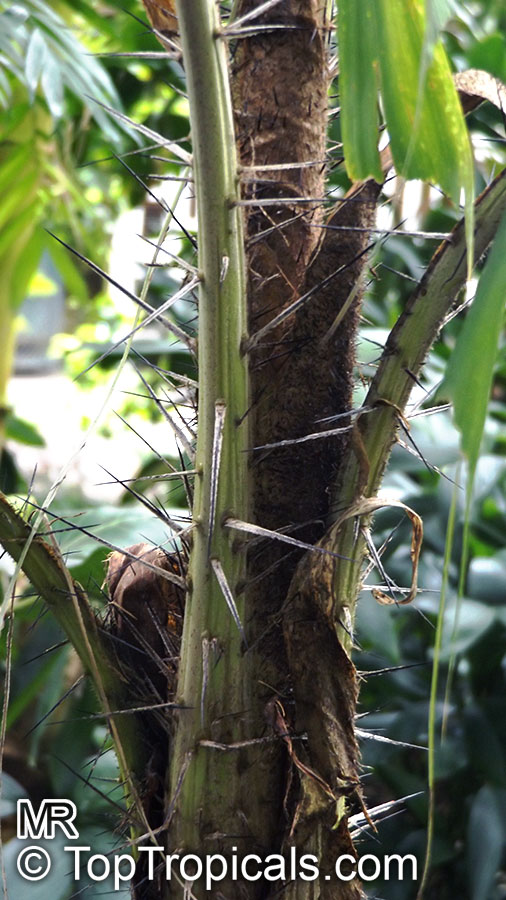
This very different dwarf palm from South America, has attractive spines all over it and fabulous, gracefully arching leaves, covered with white powder, with long, wavy, closely- spaced leaflets. The fragrant flowers produce clusters of red fruit making it ideal for conservatory or a warmer garden where it can actually stand occasional, but not hard freezing.
A solitary, showy spiny small tree. In the wild it grows 9-15 feet tall with a stem diameter of 2-4 inches. The epicarp and mesocarp of the fruit are rich in carotene and are eaten in Colombia, while the seeds are used to make candles.
The range of the species is found in forests of Bolivia, Brazil, Colombia, Peru, Trinidad and Tobago and Venezuela. The species is cultivated as an ornamental throughout the tropics.
Also known as Devil Palm, Corozo, Cocos rura, Mararay, Corozo, Macaguita, Marara, Macahuite, Corozo del Orinoco, Corozo anchame, Mararava, Cubarro, Chonta, Chascaraza, Charascal, Corozo chiquito, Corozo colorado, Pujamo, Gualte, Chonta ruro, Pupunha xicaxica, Coyure palm, Ruffle palm, Aculeata palm and Spine palm.
Scientific Synonyms - Caryota horrida, Aiphanes aculeata, Euterpe aculeata, Martinezia aculeata, Martinezia caryotifolia, Marara caryotifolia, Aiphanes caryotifolia, Tilmia caryotifolia, Bactris premorsa, Aiphanes premorsa, Martinezia truncata, Aiphanes truncata, Martinezia elegans, Aiphanes elegans, Marara bicuspidata, Martinezia ernestii, Aiphanes ernestii, Martinezia killipii, Aiphanes killipii, Aiphanes orinocensis.
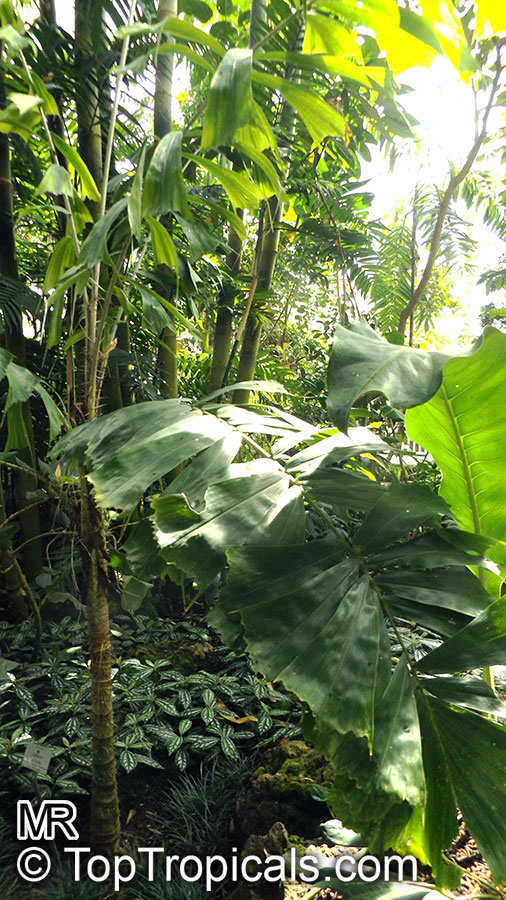
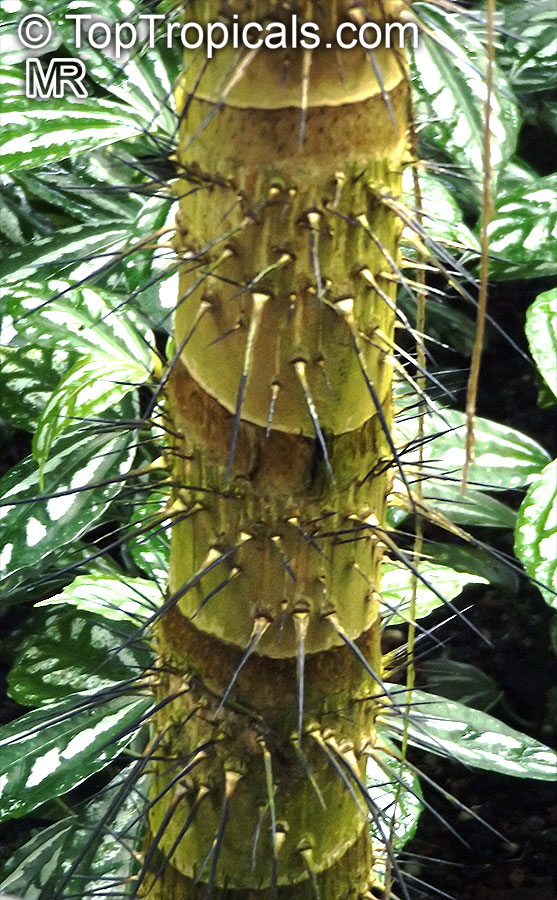
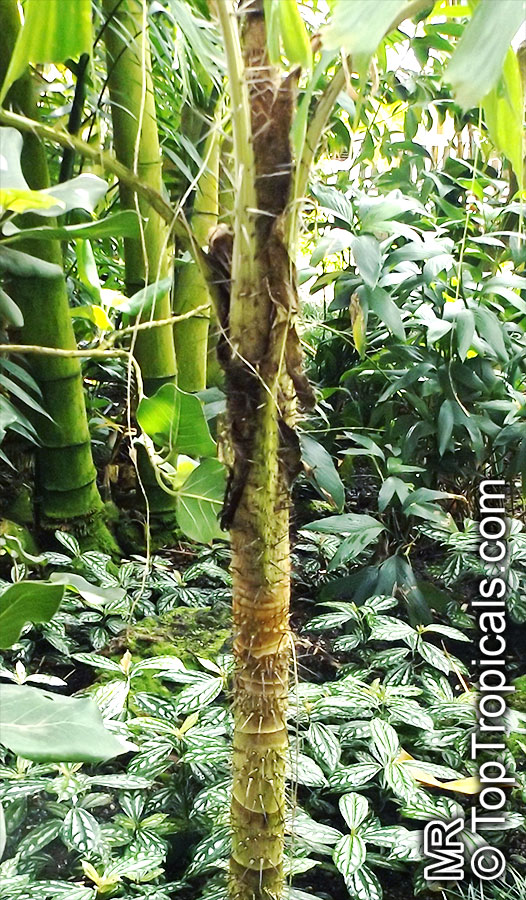
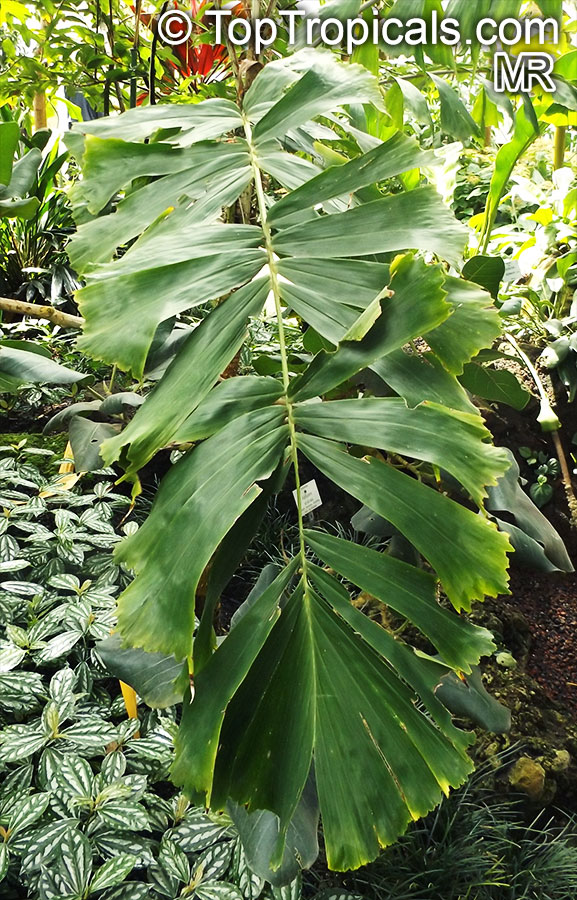
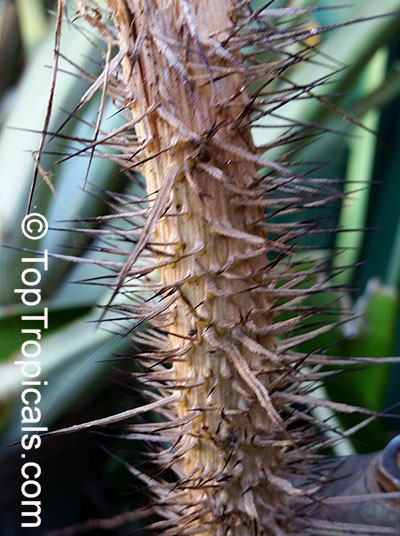
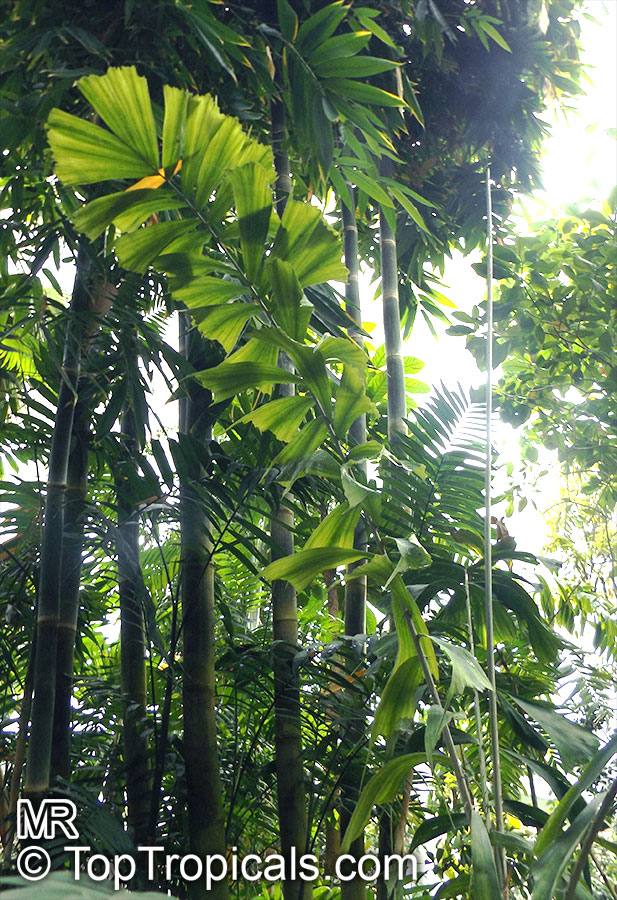
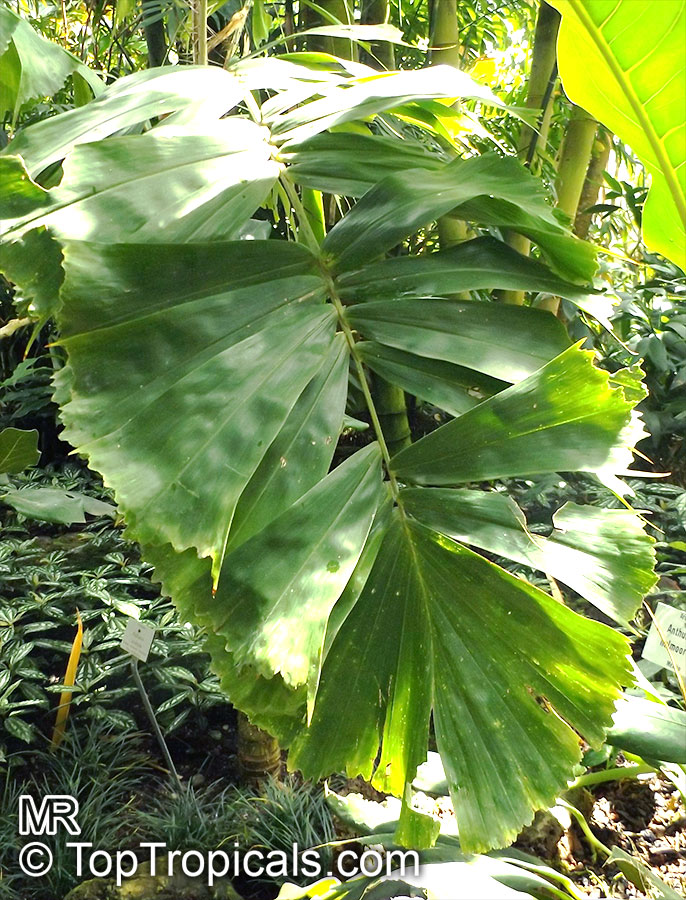
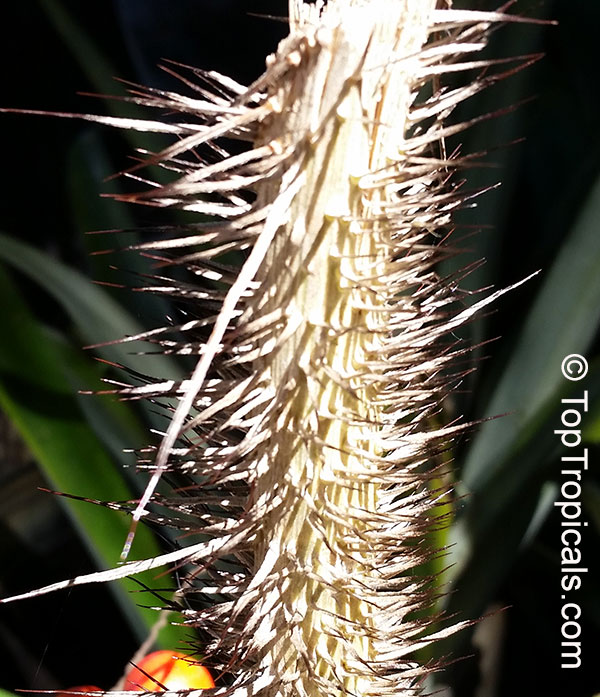
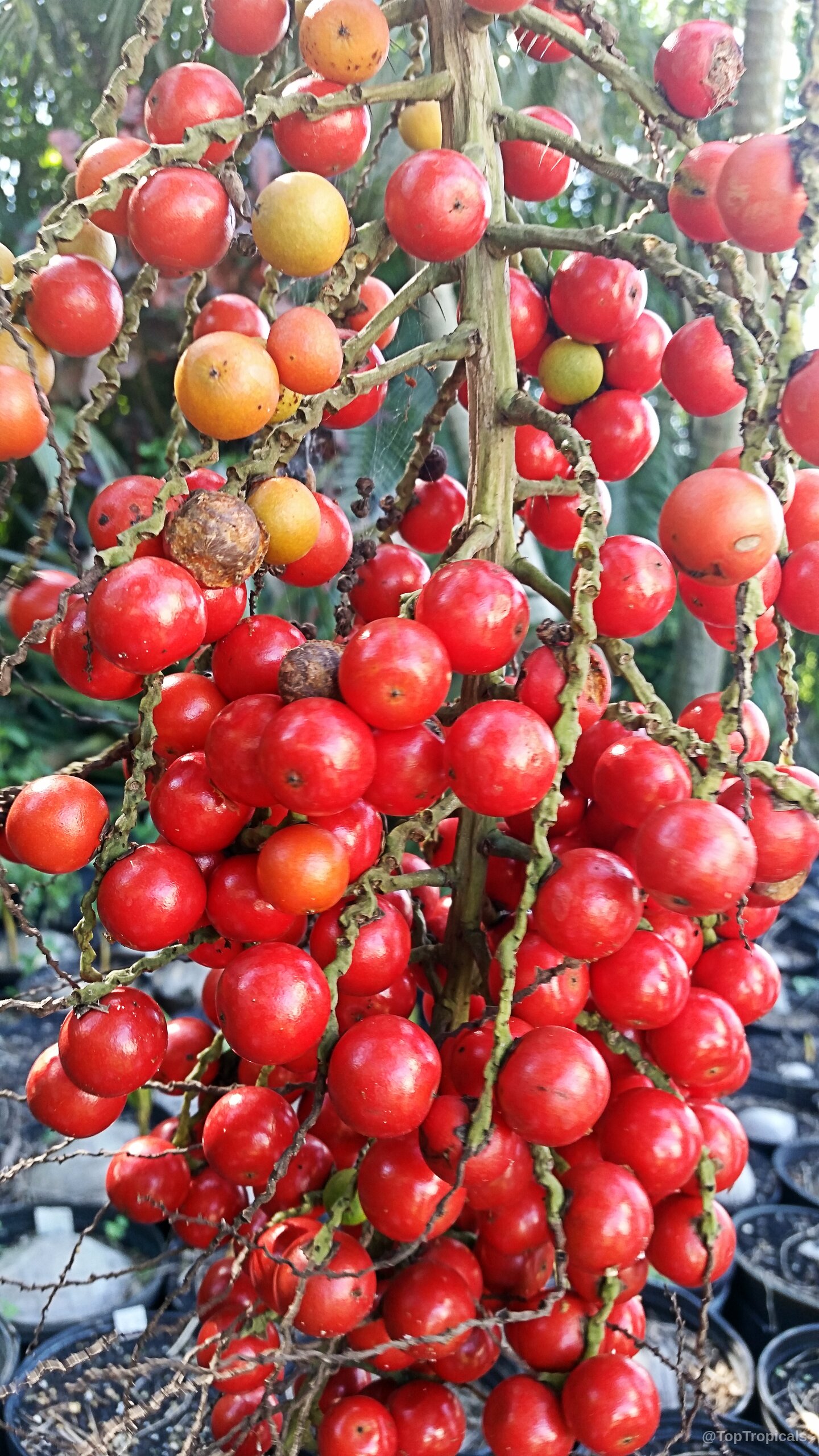
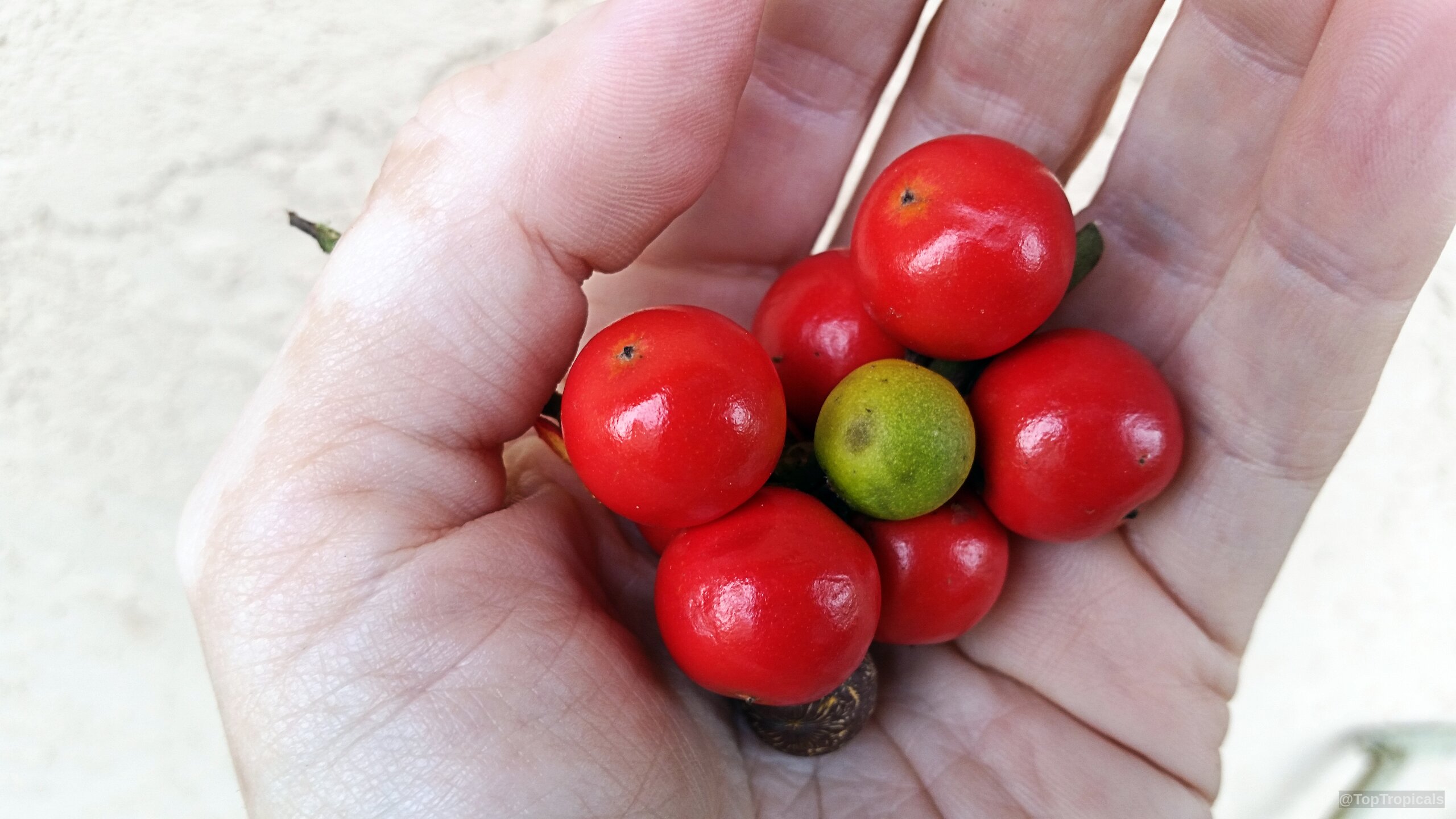
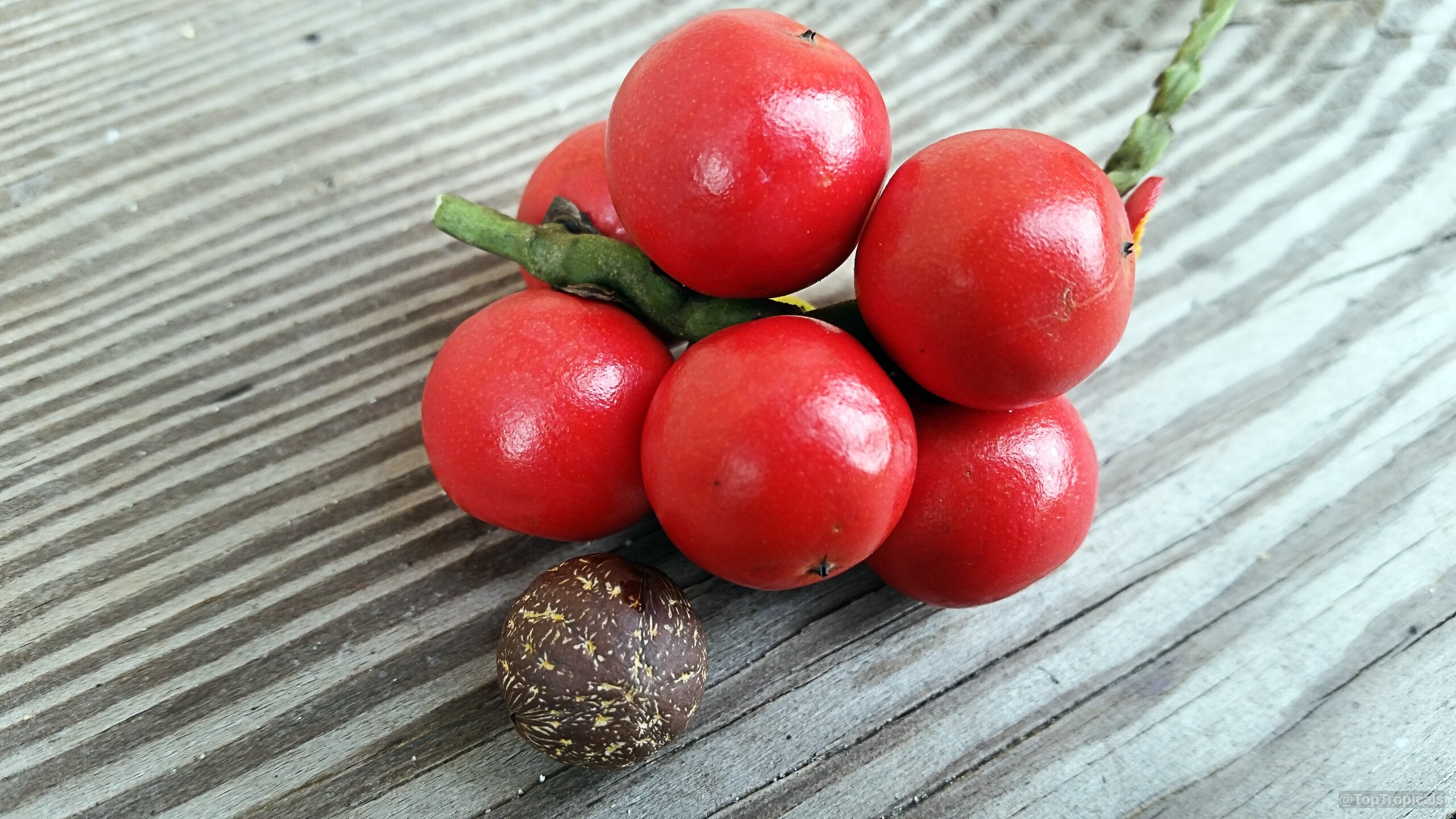
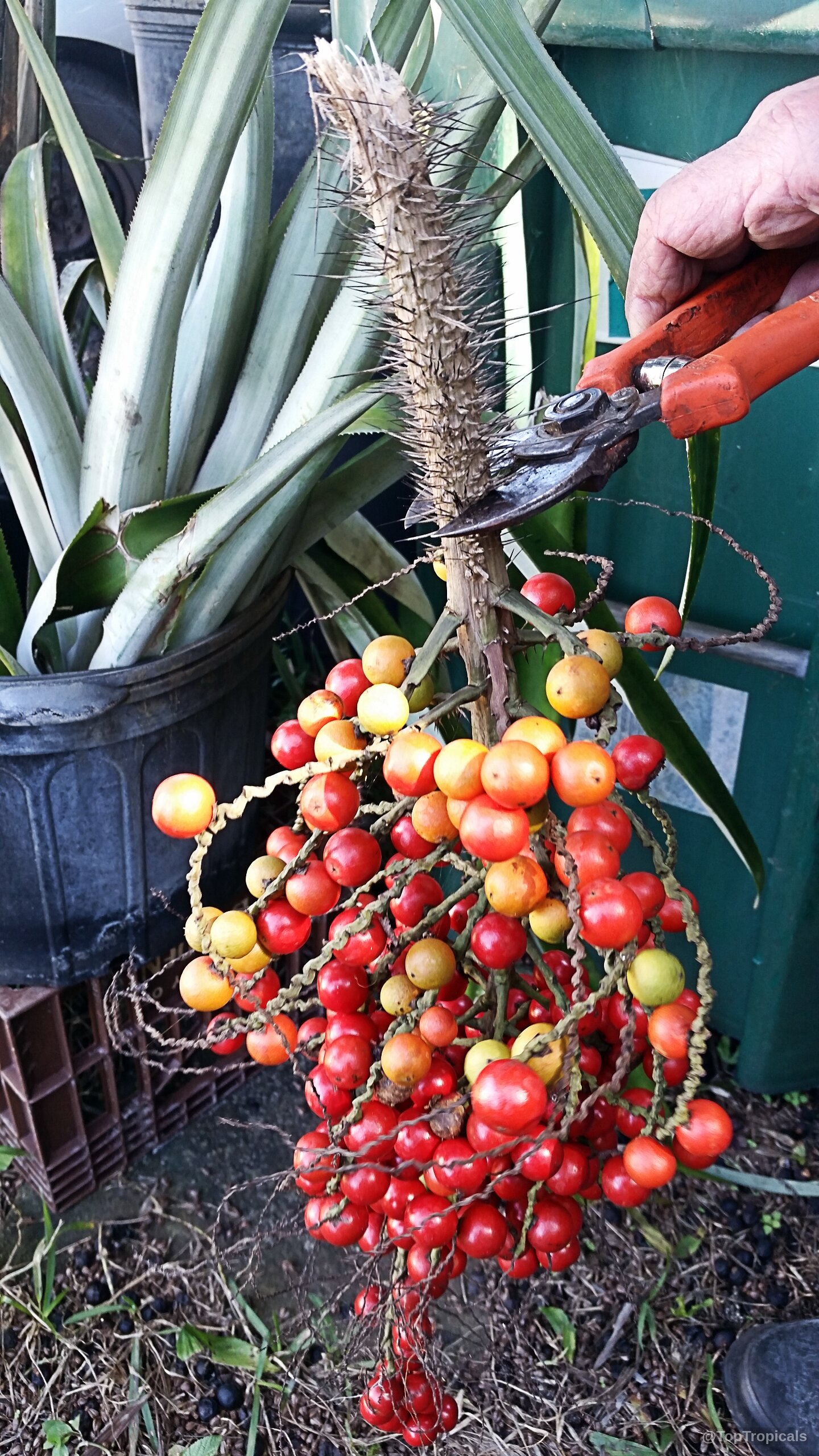
Very tasty coconut-like nuts! Good palm for semi-shade garden.
This very different dwarf palm from South America, has attractive spines all over it and fabulous, gracefully arching leaves, covered with white powder, with long, wavy, closely- spaced leaflets. The fragrant flowers produce clusters of red fruit making it ideal for conservatory or a warmer garden where it can actually stand occasional, but not hard freezing. A solitary, showy spiny small tree. In the wild it grows 9-15 feet tall with a stem diameter of 2-4 inches. The epicarp and mesocarp of the fruit are rich in carotene and are eaten in Colombia, while the seeds are eaten raw or used to make candles.
Recommended Fertilizer: SUNSHINE Robusta - Rapid Growth Booster
Local pickup only. This item is not available for shipping. Local delivery may be available in Ft. Myers or Sebring, Florida. Contact us for an estimate. Non-pickup orders are subject to restocking fees.
 SUNSHINE C-Cibus (NPK 2-2-4) - Crop Booster for every watering.
  SUNSHINE C-Cibus (NPK 2-2-4) - Crop Booster for every watering.
 Last one
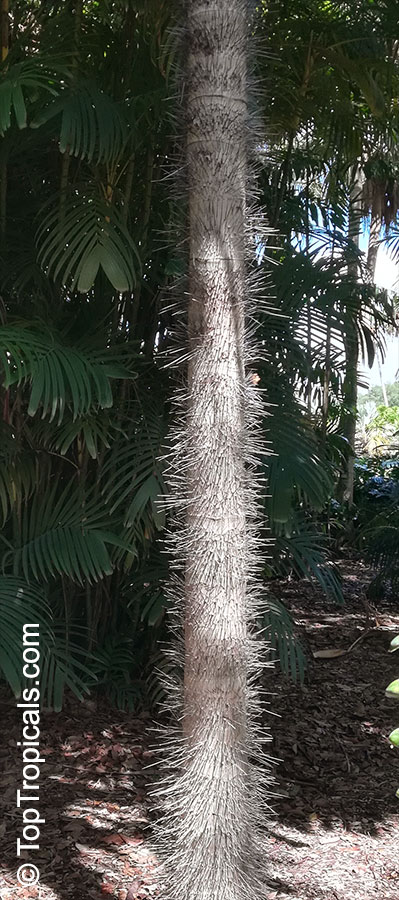
Botanical names: Aiphanes minima, Bactris minima
Common name: Macaw Palm
Family: Arecaceae / Palmae
Origin: Caribbean
USDA Zone: 9-10
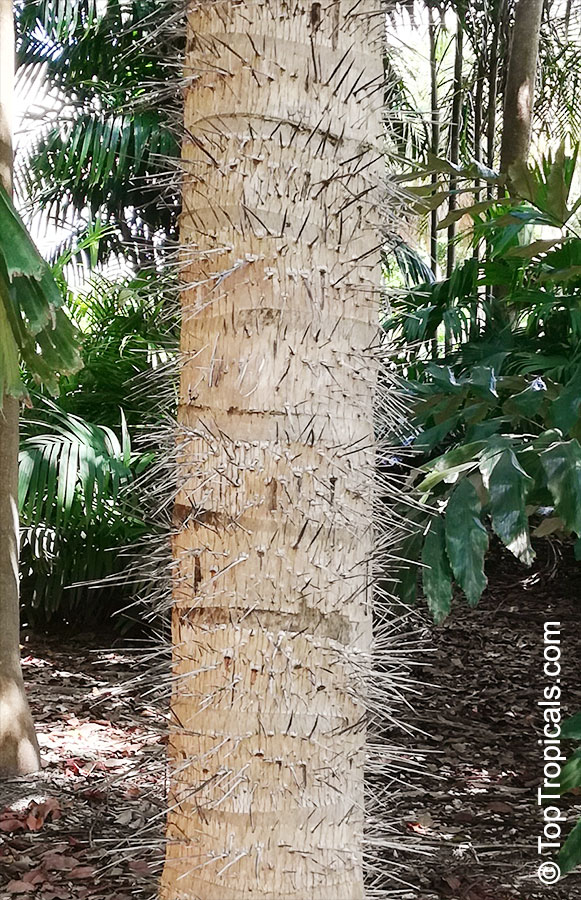
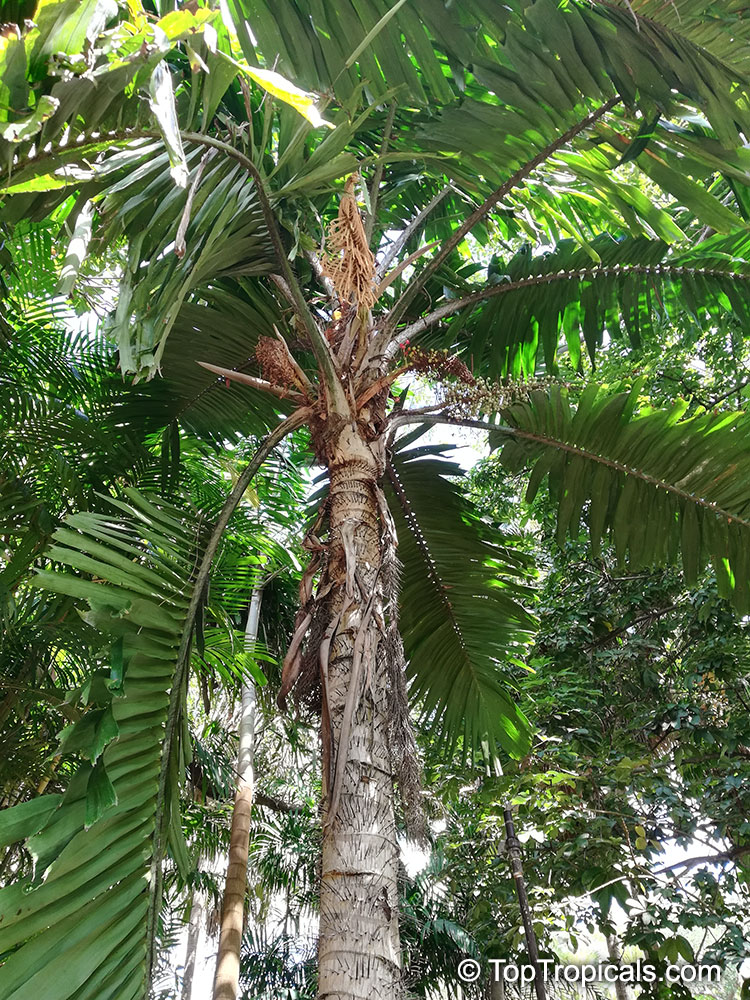
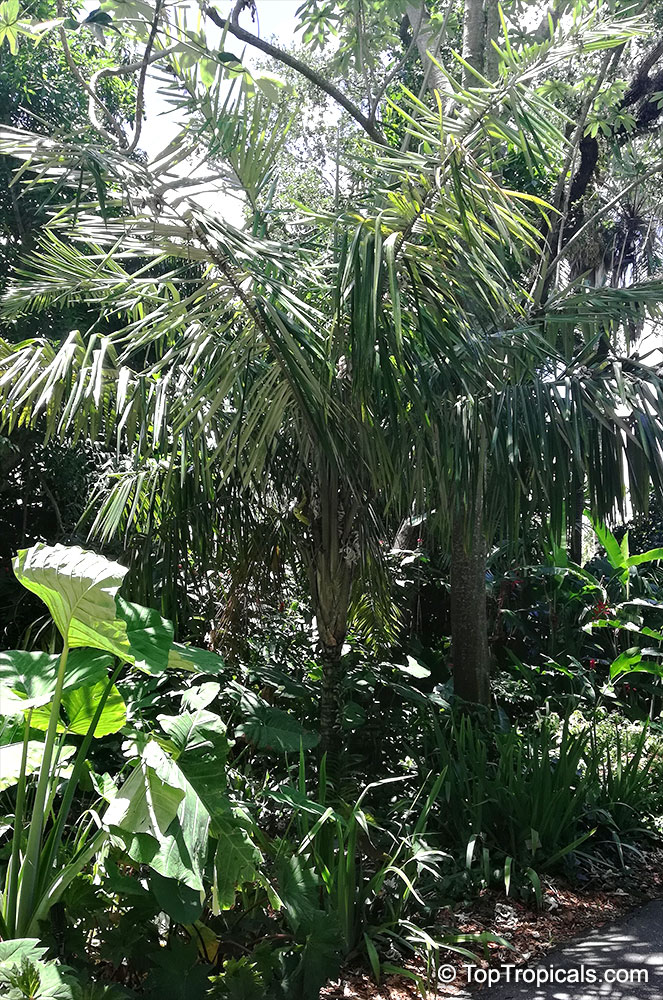
Botanical name: Allagoptera caudescens
Common name: Buri Palm
Family: Arecaceae / Palmae
Origin: Brazil
USDA Zone: 9-10
Allagoptera caudescens is a large, upright, palm growing up to 5-10 feet tall in its native habitat. It prefers full sun and regular watering, although it can tolerate some drought. It is an excellent choice for seaside gardens as it is extremely salt tolerant, making it perfect for areas with wind and salty air. This slow-growing species can be grown in USDA Zones 9-11 and requires moderate water for best results.
In colder regions, outdoors, the Buri Palm does best with winter protection or in a container, as temperatures below 20°F can damage the plant. When growing this species in a container, it is recommended to use a high quality potting mix, making sure it stays well drained, as soggy soils can lead to root rot. During the growing season, water your Allagoptera caudescens regularly, allowing the top few inches of the soil to dry out in between waterings. Apply a balanced liquid fertilizer every few weeks during the active growing season for optimal growth.
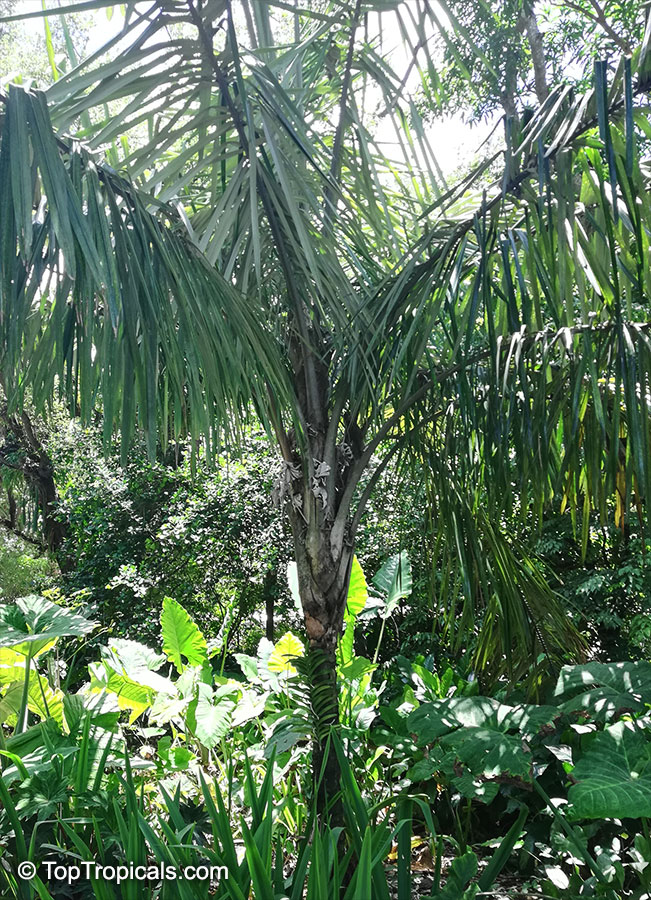
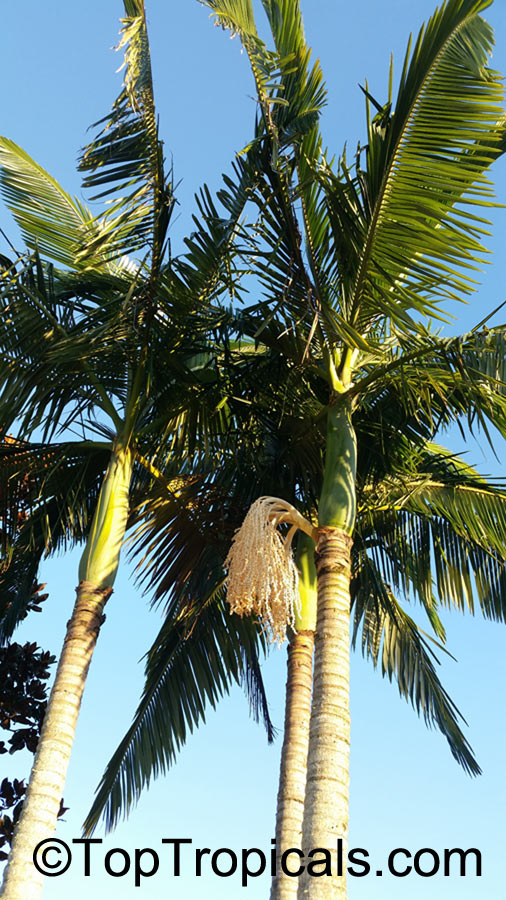
Botanical names: Archontophoenix alexandrae, Ptychosperma alexandrae
Common names: King Palm, Alexandre Palm, Nothern Bangalow Palm
Family: Arecaceae / Palmae
Origin: Northern Australia Tropical rainforest
USDA Zone: 9-10
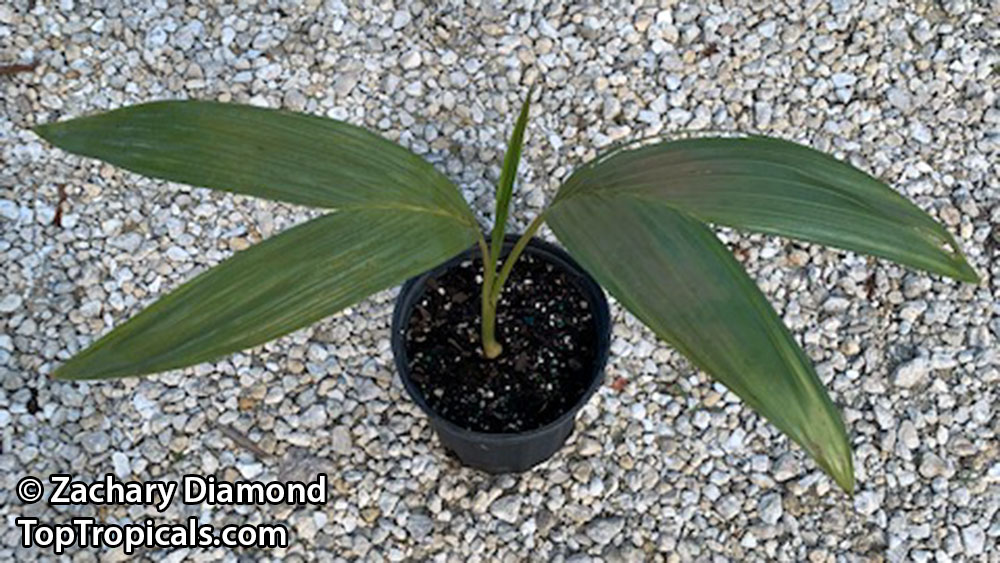
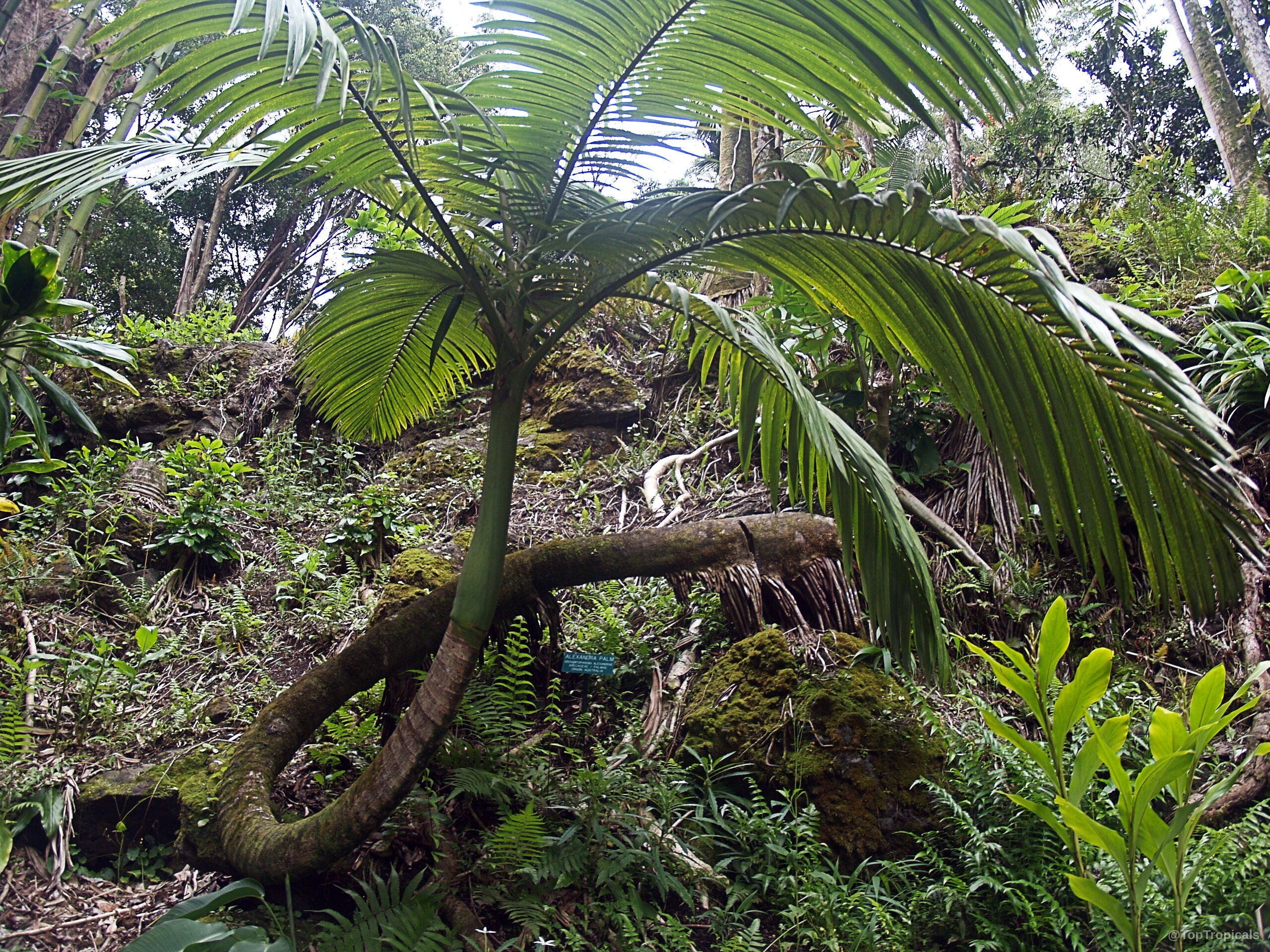
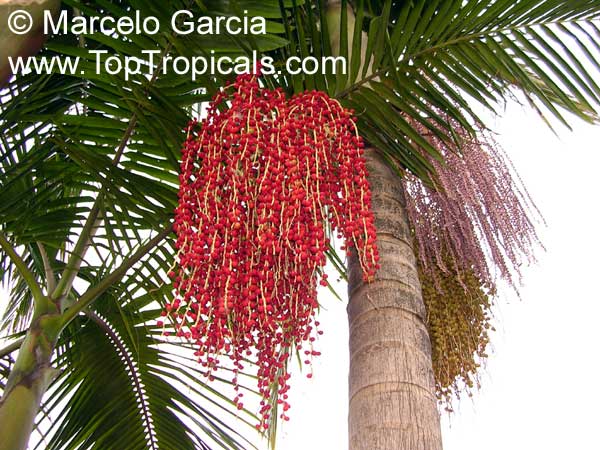
For those lucky enough to live in an area with a climate suitable for Archontophoenix alexandrae (King Palm), it can be a stunning addition to any garden. Native to the Northern Australia tropical rainforest, this species is more commonly known as the King Palm. It is a large palm, typically growing up to 30 feet tall, but some can reach heights of up to 50 feet. The emerald green leaves, often spiraling out from the crown of the trunk and crowned by the glossy green crownshaft, give this palm species a dramatic presence.
This Palm thrives best in full sun or semi-shade, and requires moderate water and lush soil to reach its majestic potential. Fertilizer and mulch are also necessary for optimum growth. If growing in a pot in colder regions, it is important to provide a consistent level of warmth and humidity, and to reduce water in the colder months.
This elegant palm is an excellent choice for any garden. For smaller spaces, the King Palm grows well as a multi-stemmed small tree of 10-20 feet. For larger gardens and landscapes, the bigger specimens of this palms can reach heights of over 20 feet.
No matter the size or shape of your garden, Archontophoenix alexandrae can be the perfect feature for your landscape. With the proper care and attention, this stunning palm is sure to add a statement to your garden for years to come.
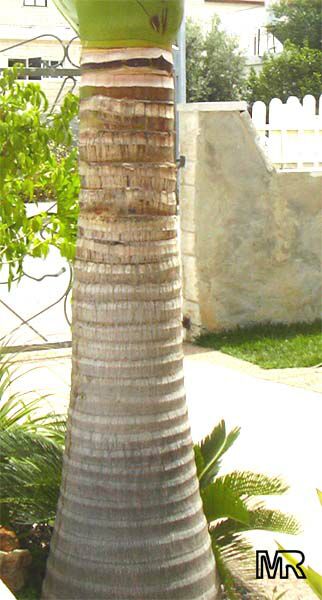
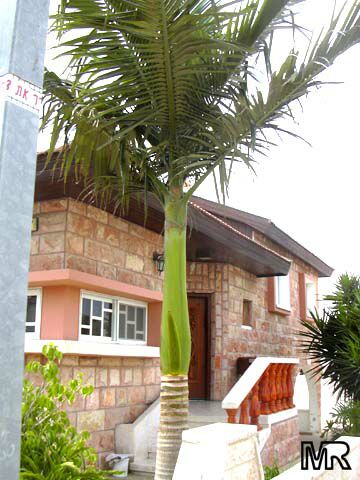
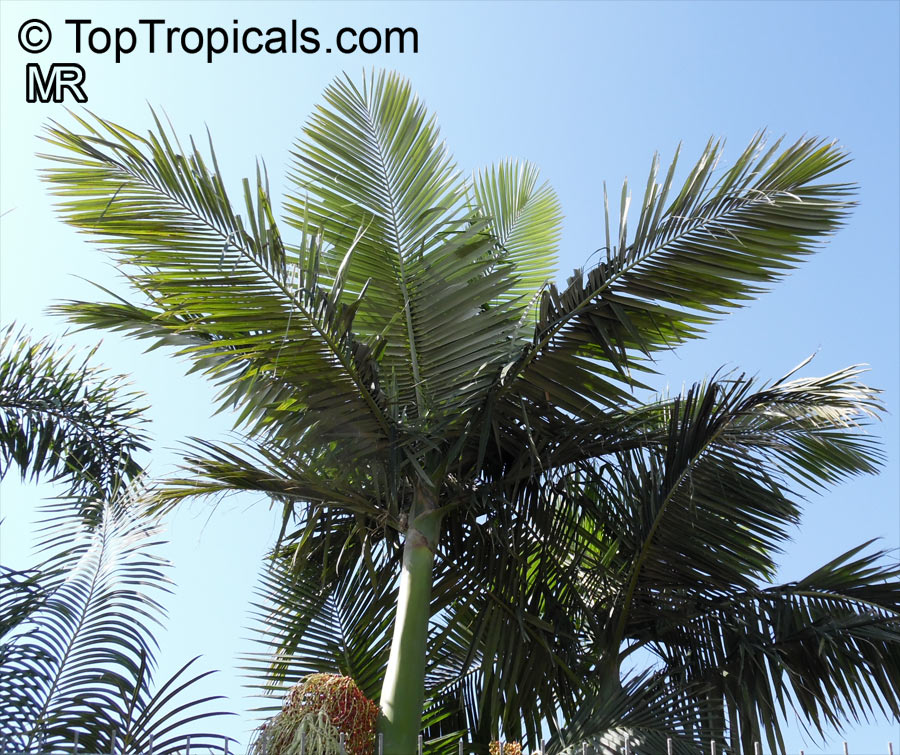
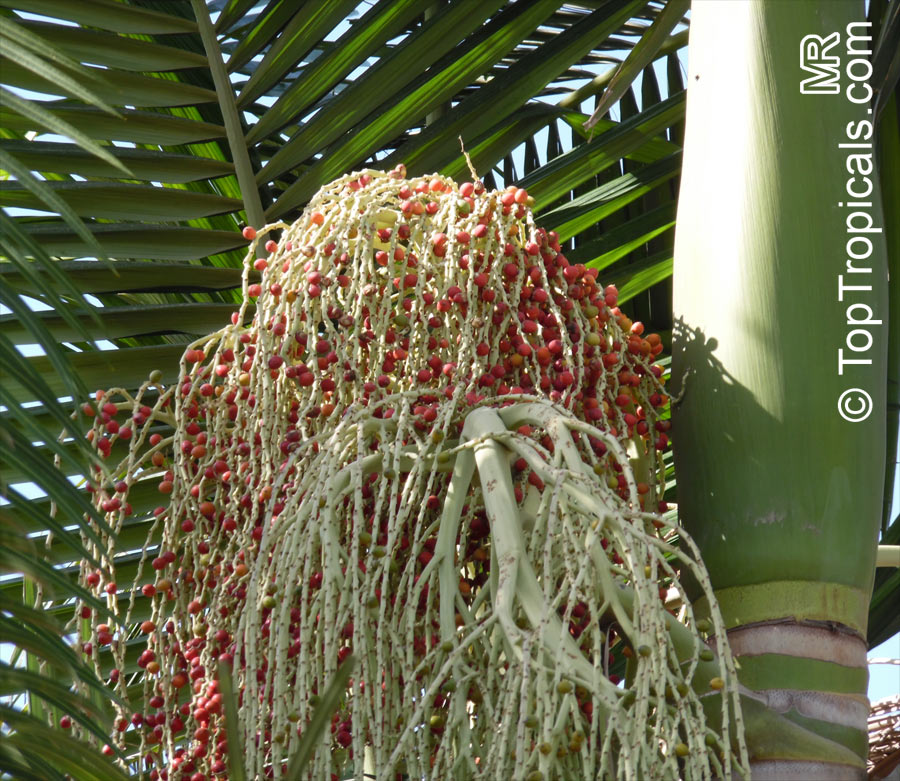
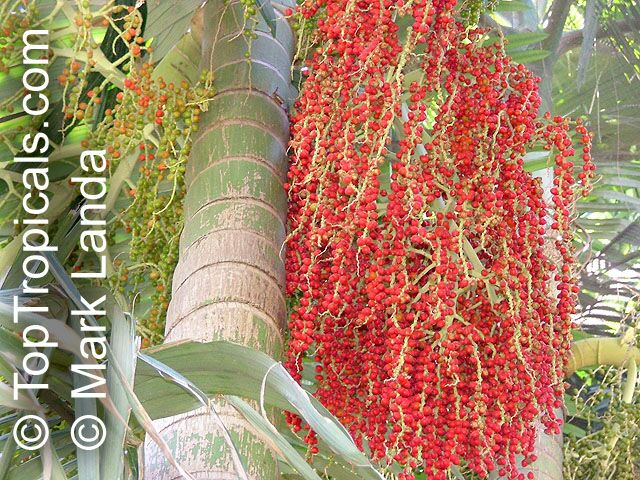
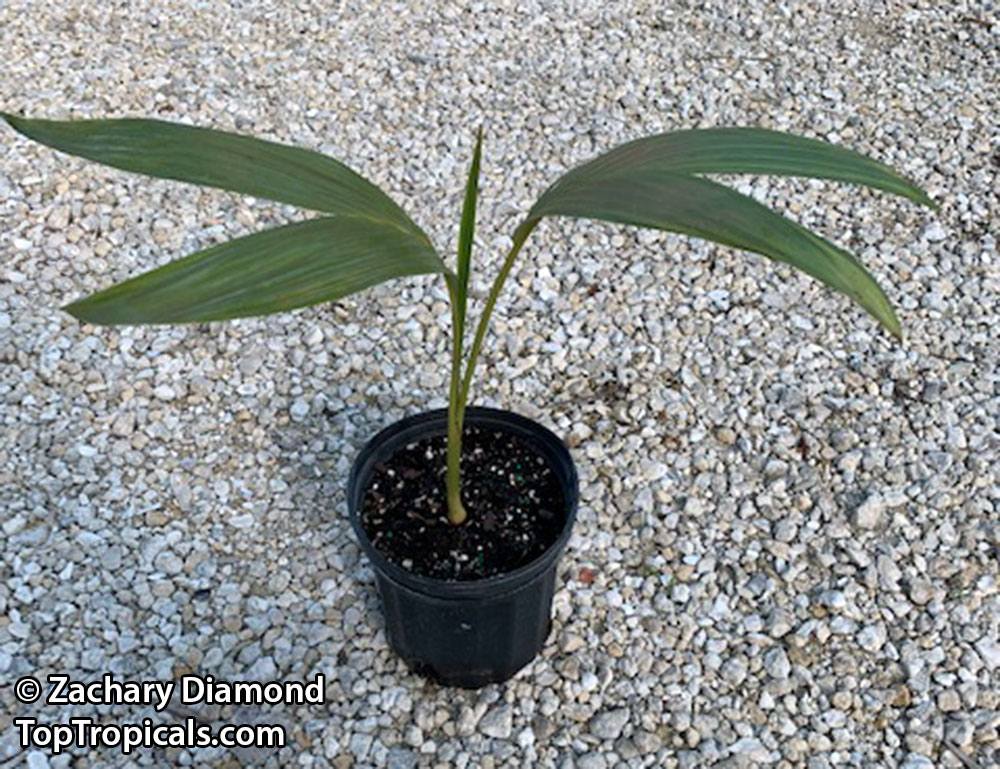

Botanical name: Archontophoenix cunninghamiana
Common names: Bangalow Palm, Seaforthia Palm
Family: Arecaceae / Palmae
Origin: Northern Australia
USDA Zone: 9-10
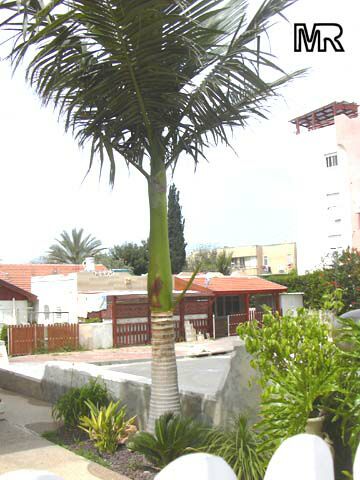
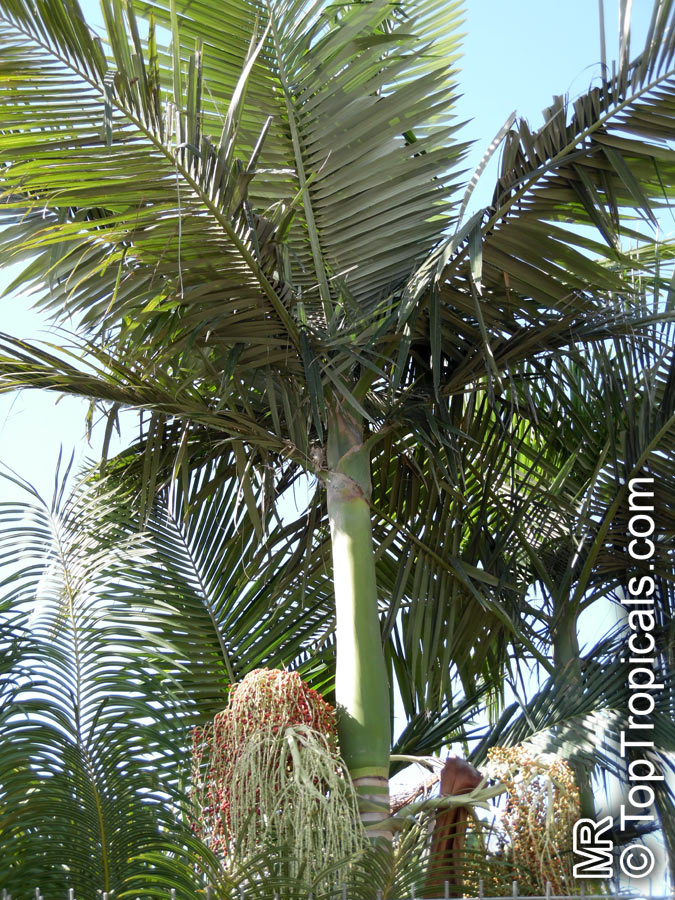
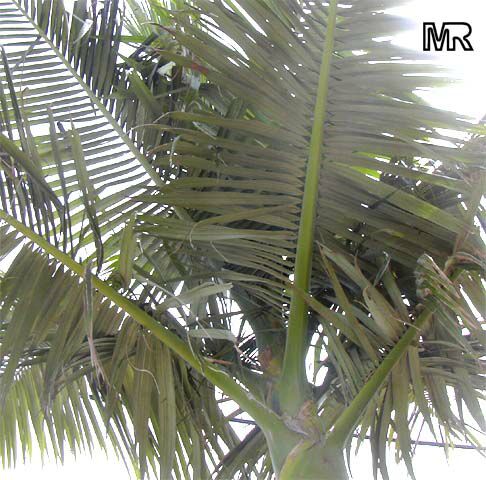
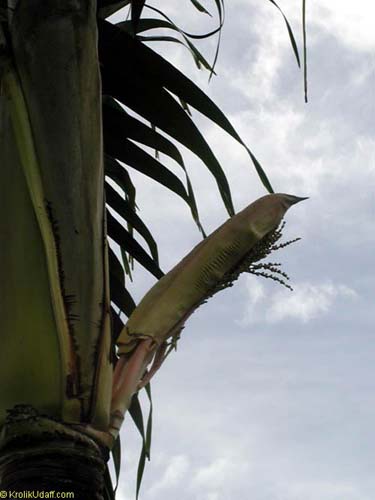
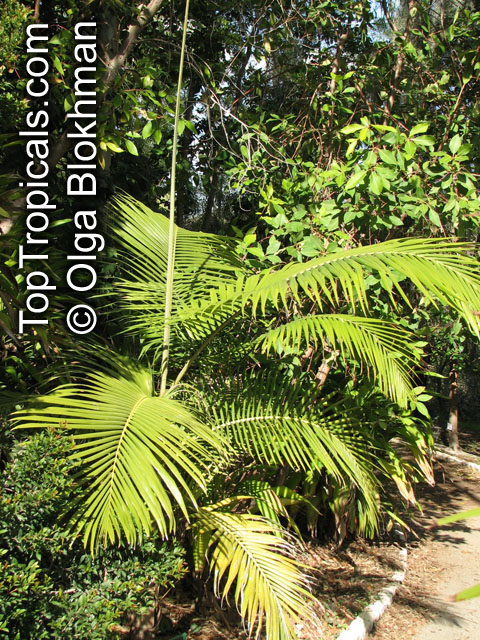
This is a single, slender trunked palm (30 ft). Given a shady spot, they grow slim and elegant, holding a crown of dark green leaves above a green crownshaft. It is slightly hardier than Archontophoenix alexandrae and may be tried in a sheltered corner in full sun in favoured locations. Generally similar in appearance to the foregoing, it makes a good house- or conservatory plant if the light is good.
| Next | |
Use link to repeat this search:
https://toptropicals.com/cgi-bin/garden_catalog/cat.cgi?find=Arecaceae&search_op=and&keyword_op=and&language=e&number=10
&no_change_lang=1&user=tt&sale=1&first=0