Blechnaceae - Botanical Family
| Number of plants found: 8 |
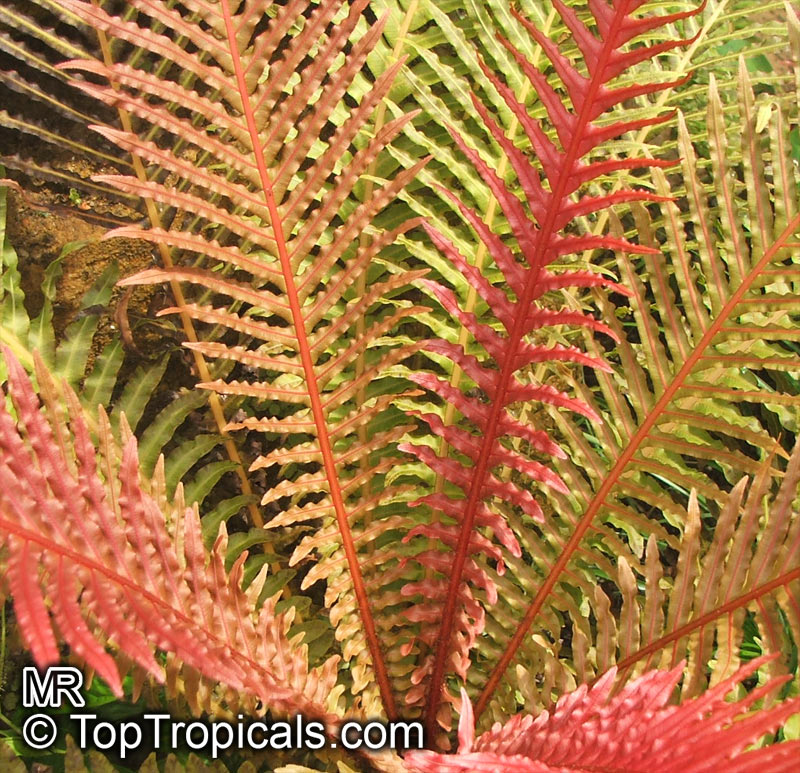
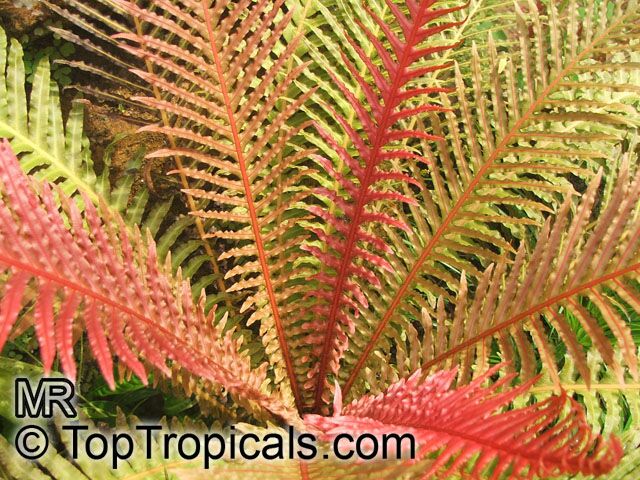
Botanical name: Blechnum brasiliense
Common names: Red Dwarf Tree Fern, Red Brazilian Tree Fern
Family: Blechnaceae
Origin: South America
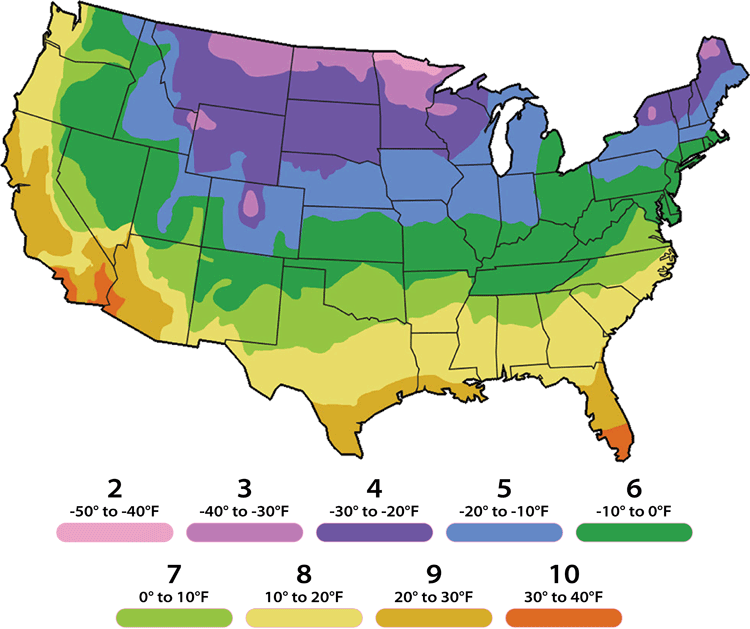
USDA Zone: 9-11


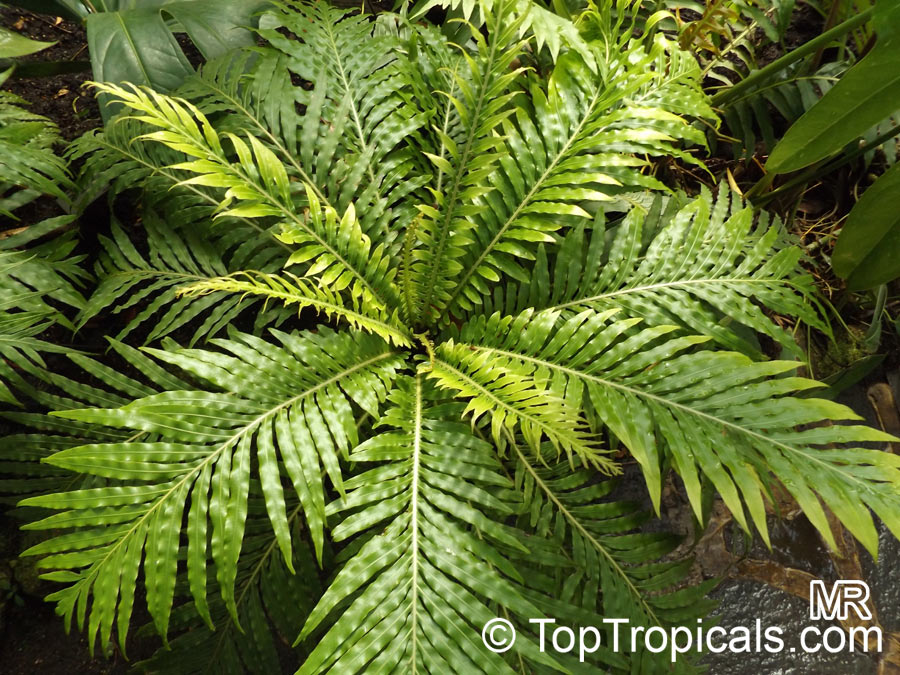
The Red Dwarf Tree Fern (Blechnum brasiliense) is a small perennial plant that originates from South America. It is a lovely ornamental fern with its attractive foliage, typically growing to be between 2 to 5 feet tall. It prefers to grow in partial sun or semi-shade and requires regular watering, however, do not over water it. It is also able to survive temperatures as cold as USDA Zone 9, making it somewhat hardy.
Being an understory fern, the Red Dwarf Tree Fern does best in warmth, humidity, and partial shade. When grown in a pot in colder regions, it is important to provide the fern with enough light that does not exceed the plant's threshold for exposure. The pot should also have a well-draining mix to avoid over-watering and root rot. It is recommended to move the plant indoors during the winter season.
Overall, the Red Dwarf Tree Fern is an excellent choice for those looking for a shade loving fern that is easy to care for and provides a great ornamental value to the garden. Its foliage and size make it a great choice for indoors, as well as a beautiful backdrop to larger outdoor shrubs and trees.
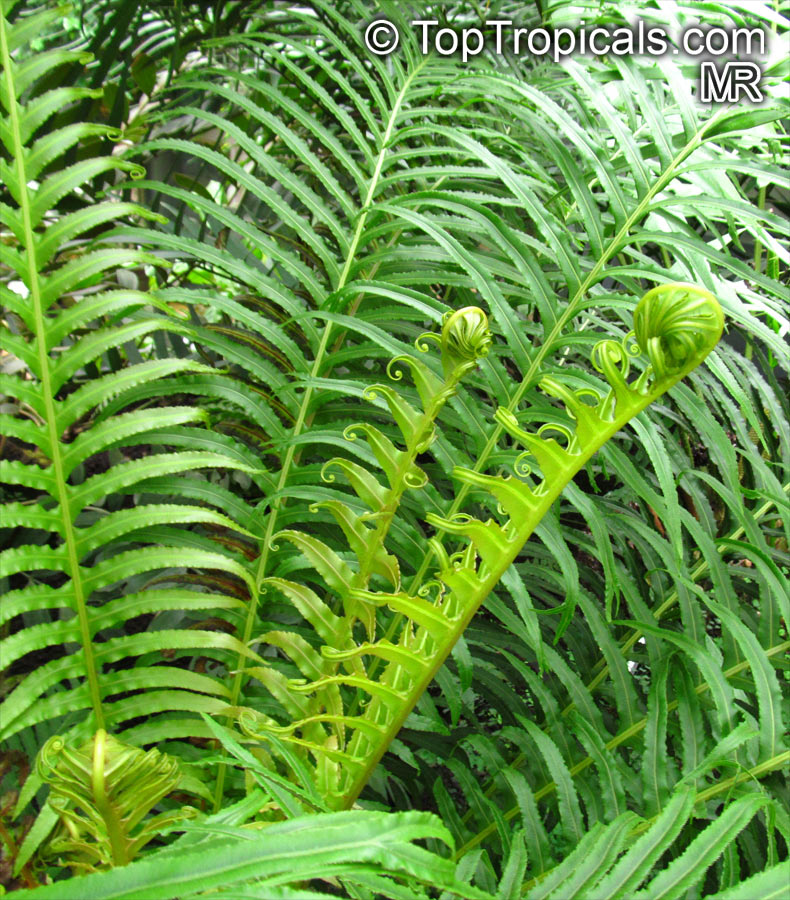
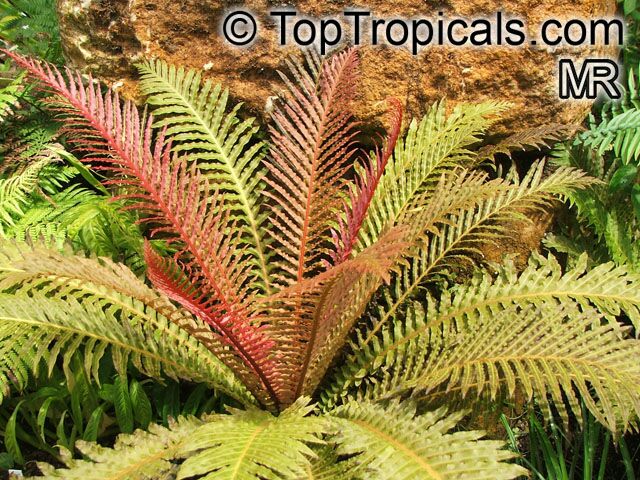
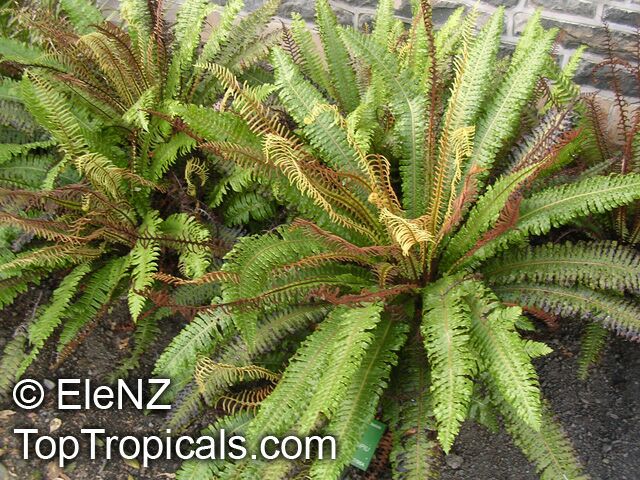
Botanical name: Blechnum discolor
Common name: Crown Fern
Family: Blechnaceae
Origin: New Zealand
USDA Zone: 9-10


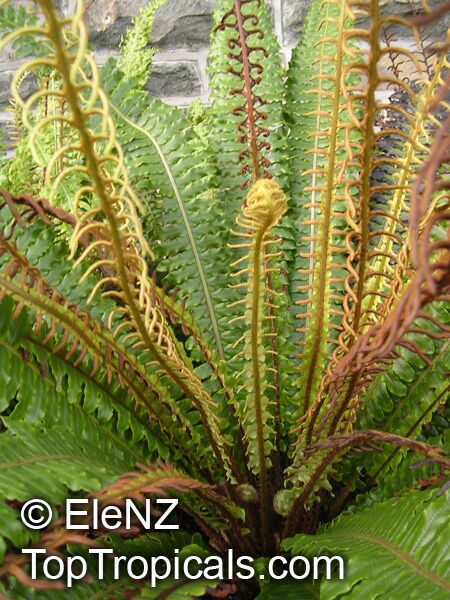
Blechnum Discolor has bright green, upright fronds forming a crown shape. With age, this variety forms a short trunk and establishes an increasing colony around it. Long, dark brown fertile fronds stand upright in the centre of the crown.
This fern is best suited to dappled light - although will tolerate a sunny situation provided the soil is kept moist. It will cope with a wide range of conditions, including dry, frosts, and full sun to shade. Fairly hardy but would need some protection from the cold where temperatures dip below -3C for a period of time.
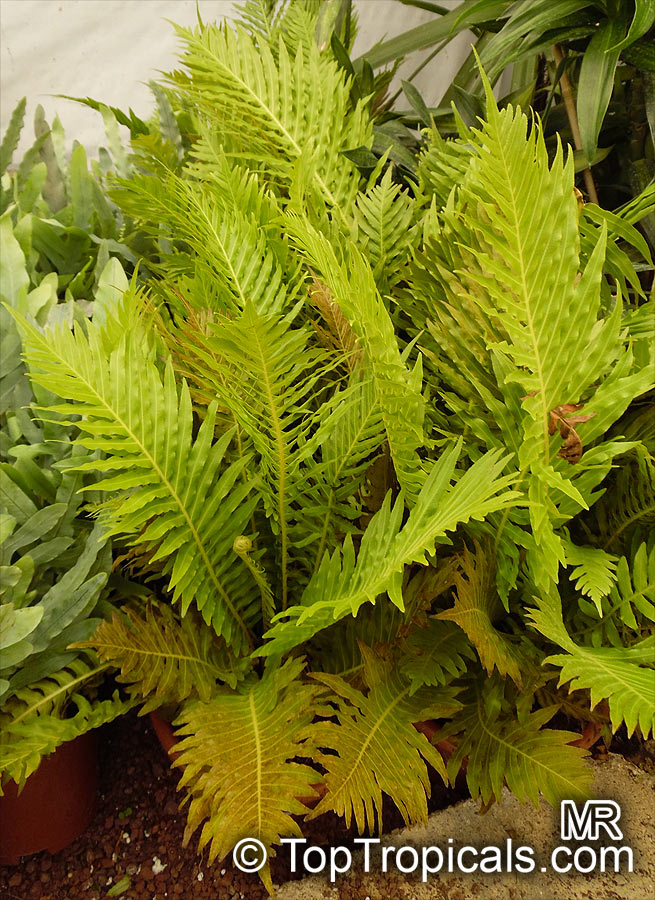
Botanical name: Blechnum gibbum
Common names: Dwarf Tree Fern, Silver Lady Fern
Family: Blechnaceae
Origin: South America
USDA Zone: 9-10
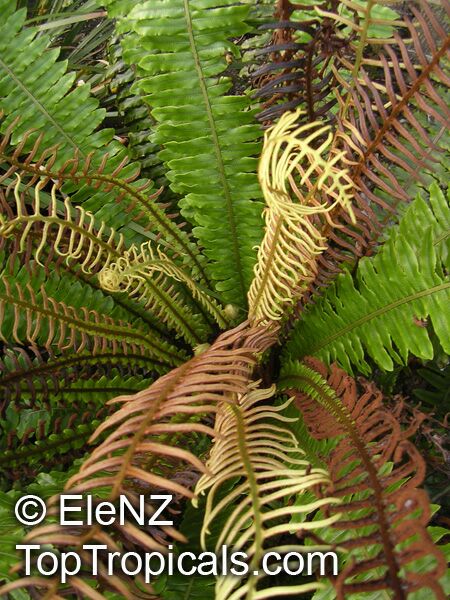
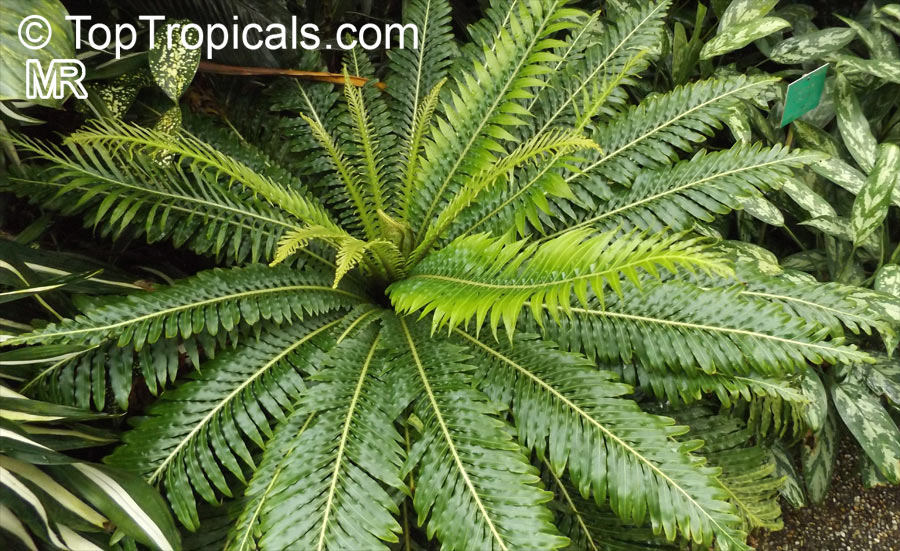
Native to the South Pacific and warm parts of South America, this plant is a popular choice for brightening up shaded outdoor areas. Blechnum gibbum (Dwarf Tree Fern) thrives in a semi-shady position and will reach a height of between 2 and 5 feet tall. Its ornamental foliage is a popular choice for interior landscaping and as a result is widely cultivated and sold.
This is an easy-care fern and will succeed in a wide variety of soils so long as it is kept in a moist, humid environment. Water regularly to keep the soil moist and mist the foliage regularly. It will also benefit from a regular application of liquid fertilizer to its soil.
Grown in USDA Zone 9-11, this fern can be grown in colder regions as long as it is kept in a pot and overwintered in an area that is cool and out of direct sunlight. During the winter months, it is best to water sparingly and mist regularly to ensure that the soil does not dry out. This will help Blechnum gibbum to survive the cooler temperatures and stay healthy.
To keep this fern looking its best, prune away any dead or yellowing leaves. This will help the plant to stay lush and will promote new growth.
Overall, Blechnum gibbum is a small but hardy fern and an ideal choice for an ornamental indoor or outdoor garden. With adequate care and attention, you can be sure that this fern will stay looking its best for many years to come.
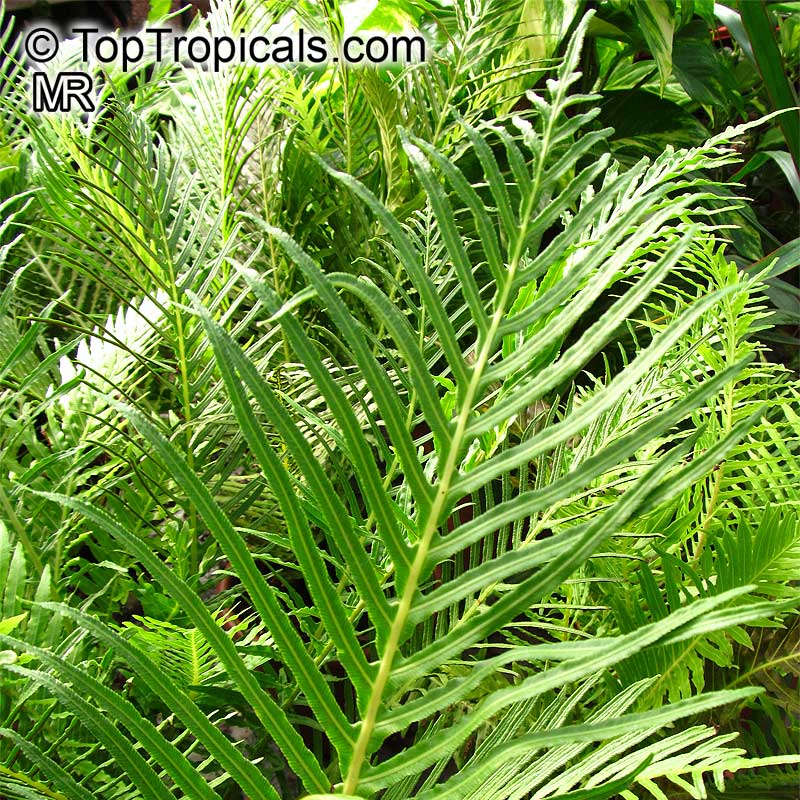
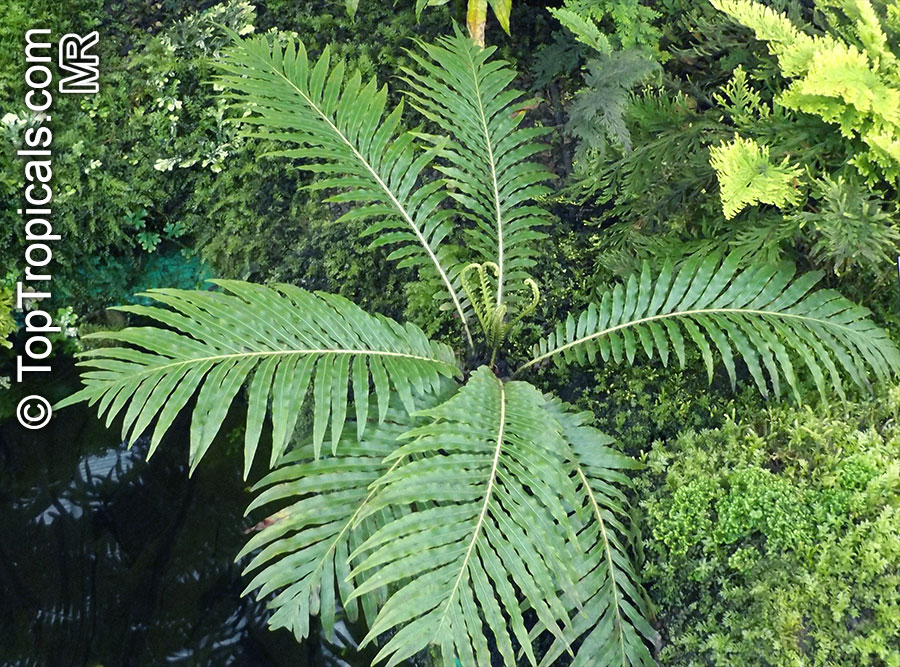
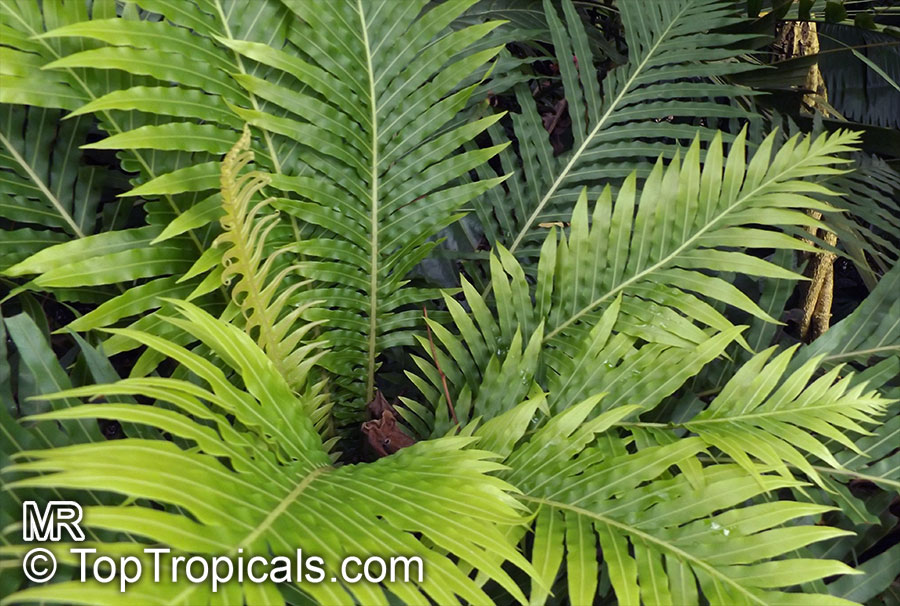
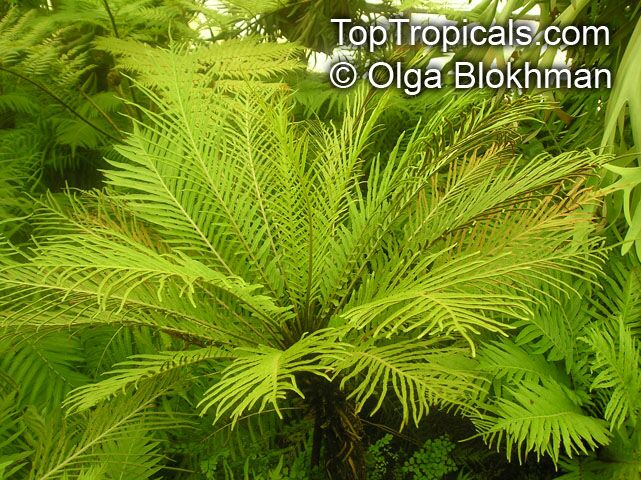


Botanical name: Blechnum moorei
Common name: Brazilian Tree Fern
Family: Blechnaceae
Origin: South America
USDA Zone: 9-10
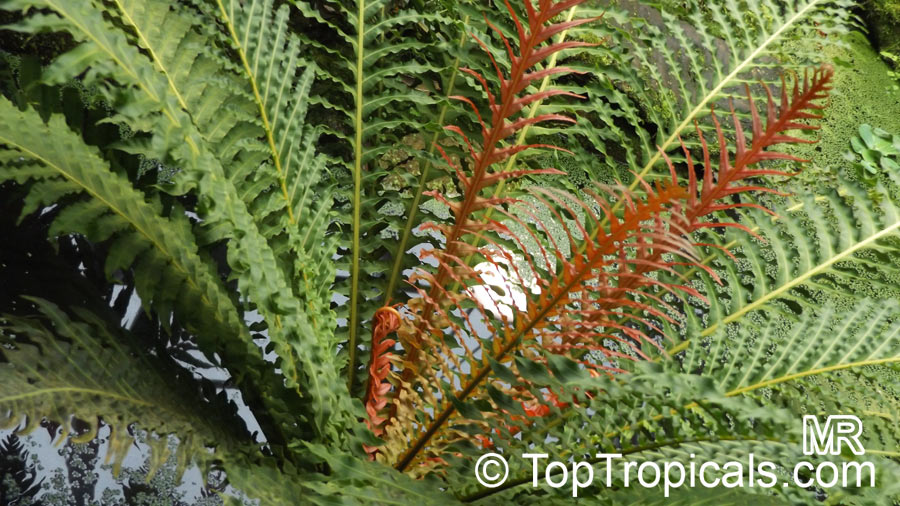
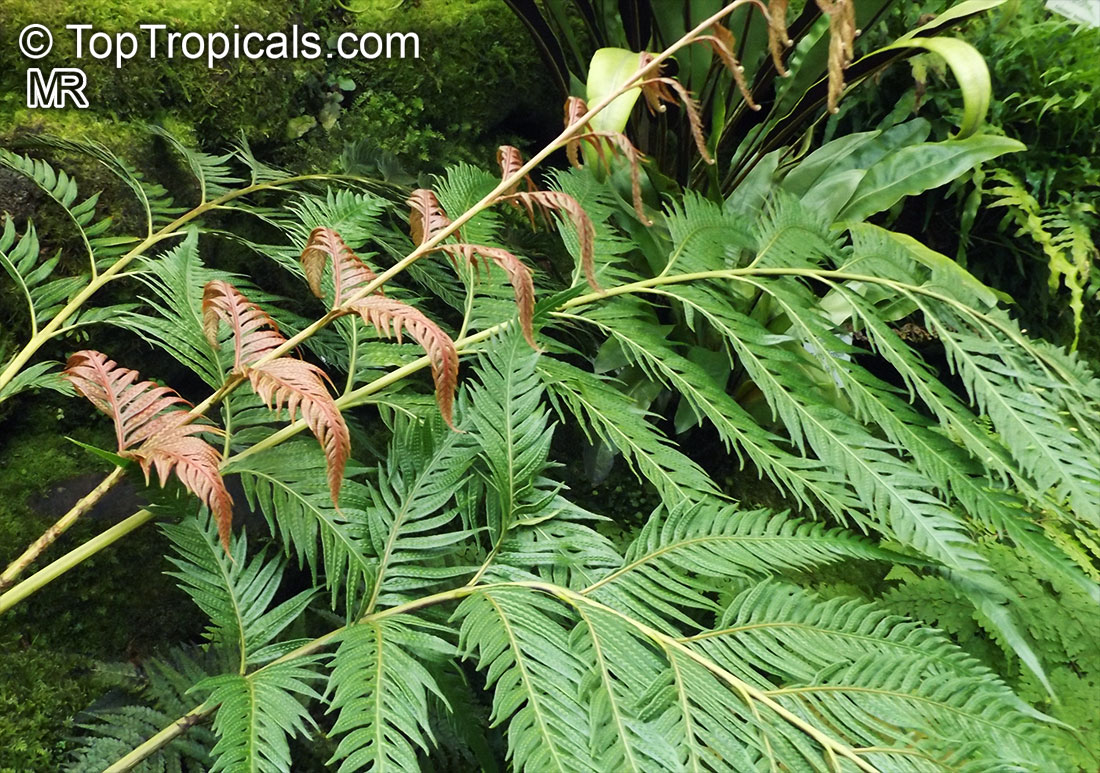
This is one of the better known and more common species of Blechnum in warmer climates. It forms a small trunk. On some forms, the new fronds emerge a beautiful pinkish-red, making the fern very attractive.
Does not like excessive watering, but must not dry out, a free draining potting mix and a high amount of sunlight. This fern is tropical and is hardy to USDA Zone 9.
Close related spacies Blechnum moorei - Brazilian Tree Fern is a compact grower and makes a great house plant.
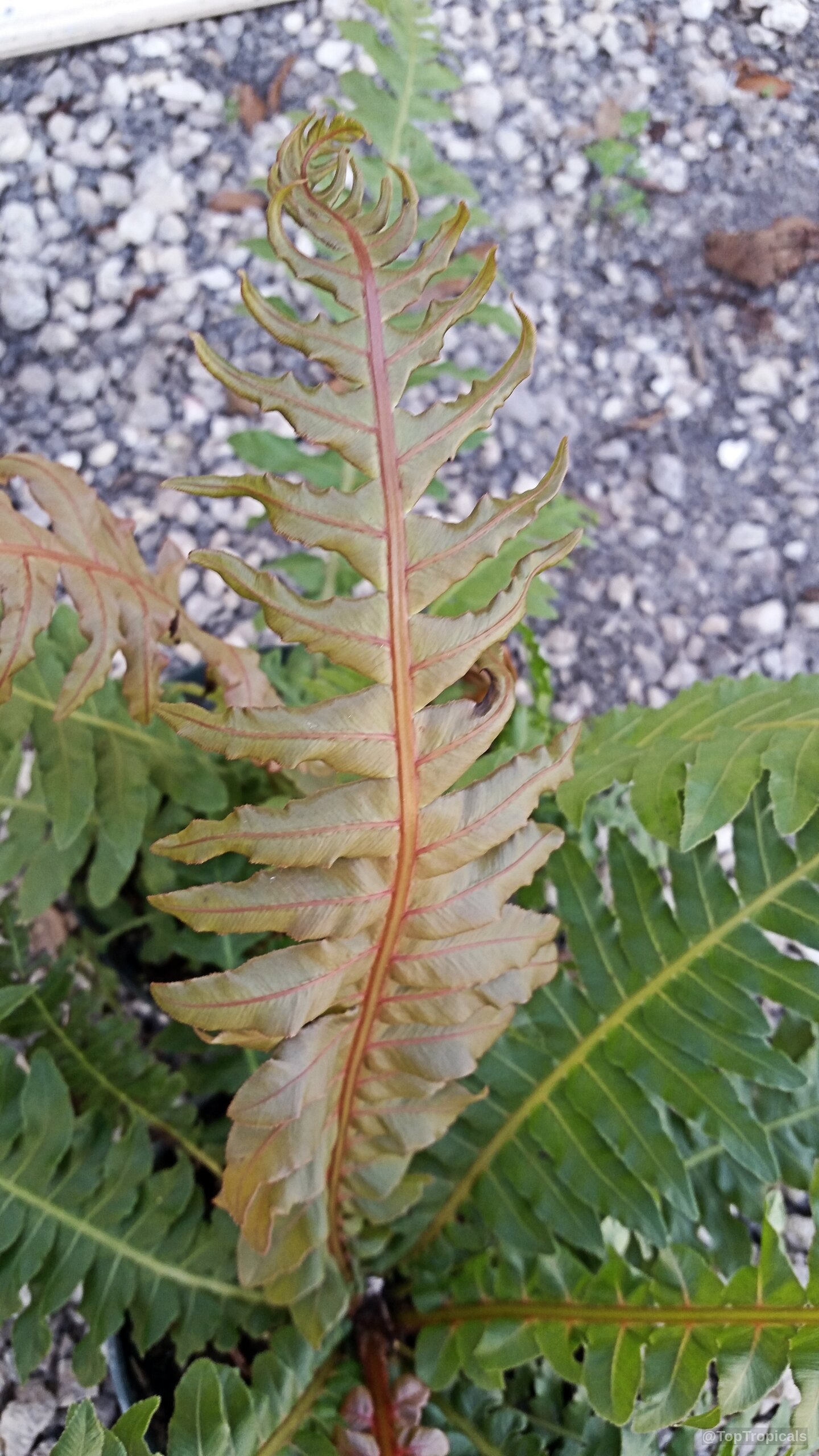
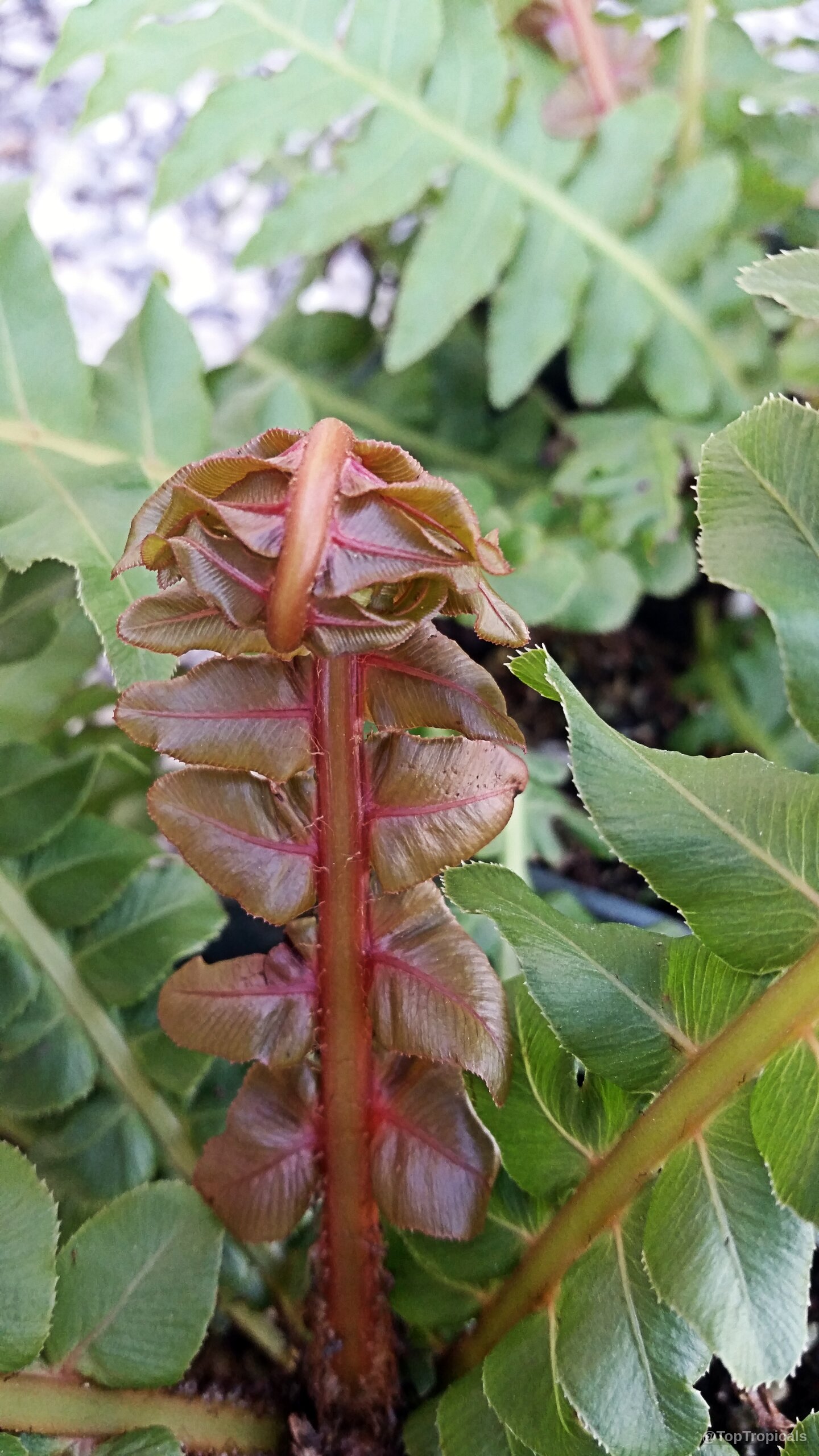
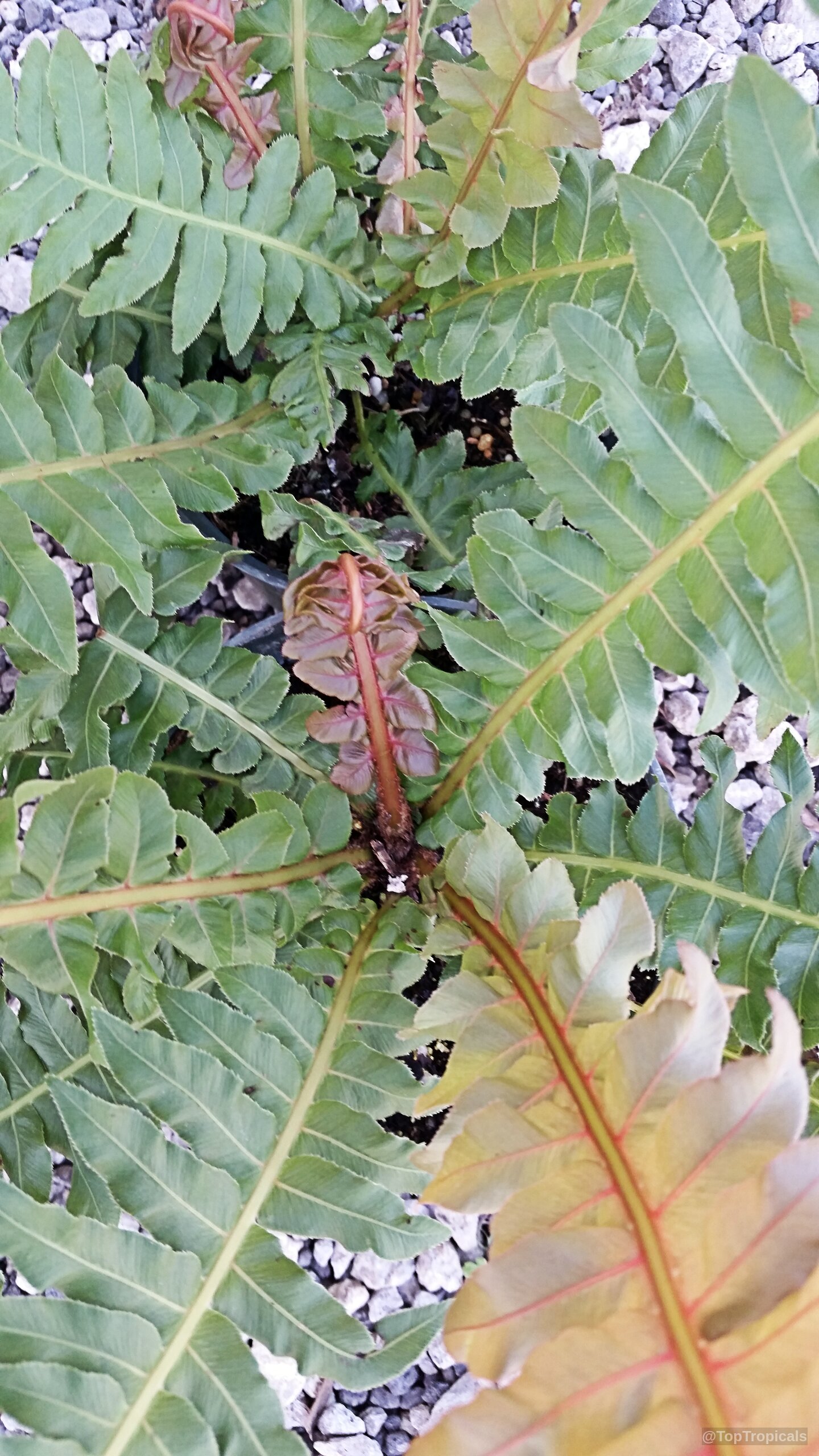
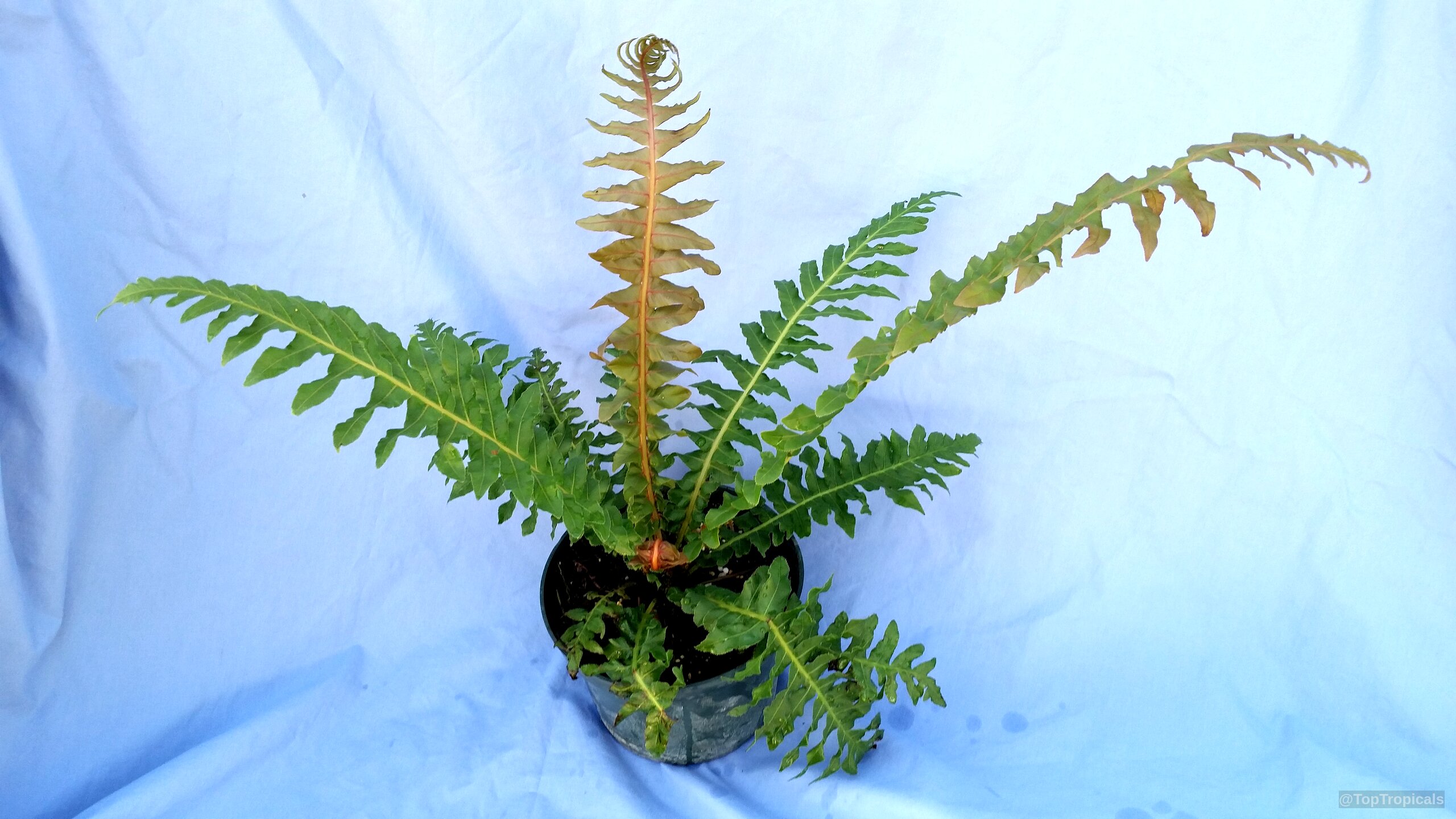
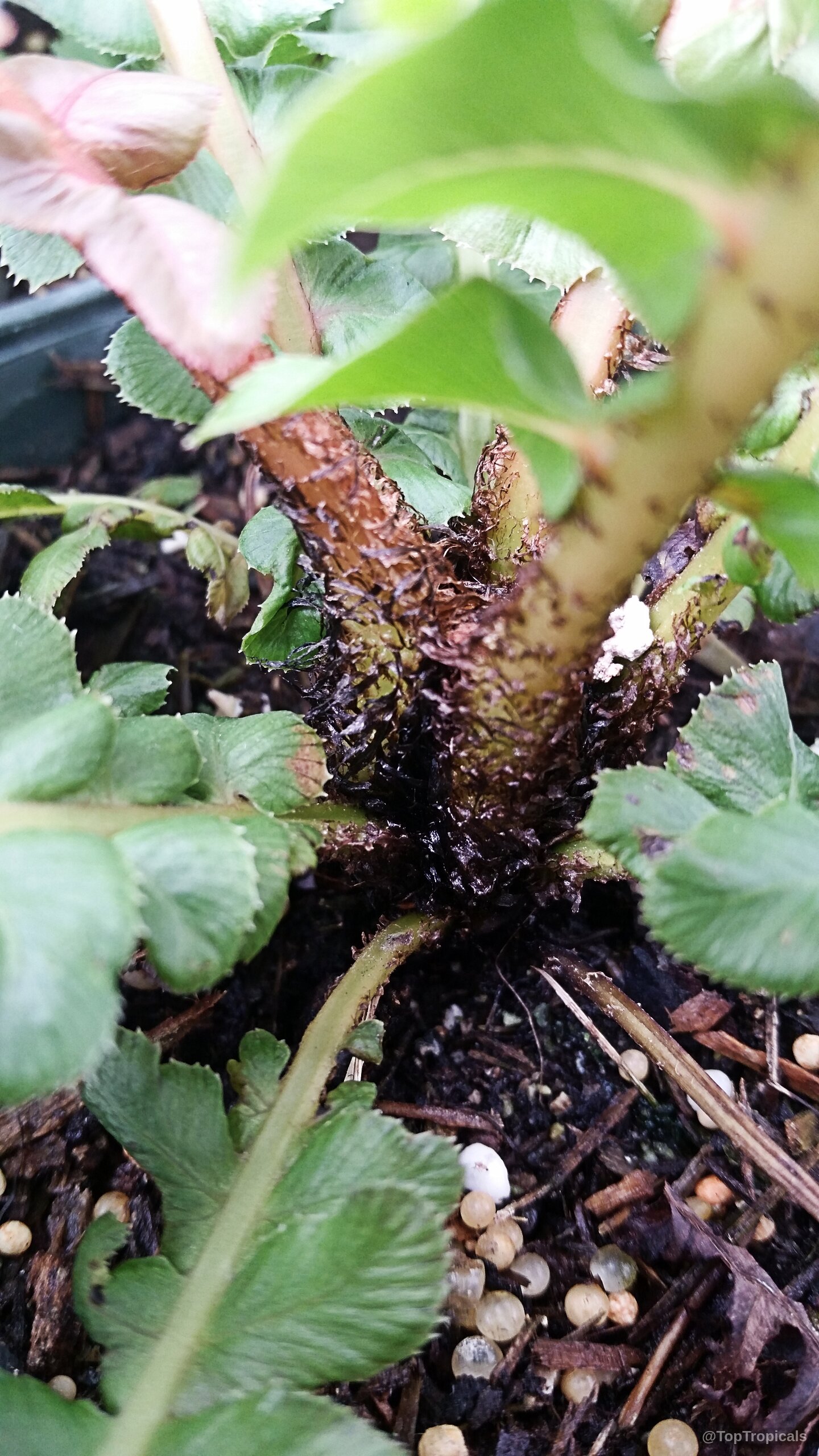
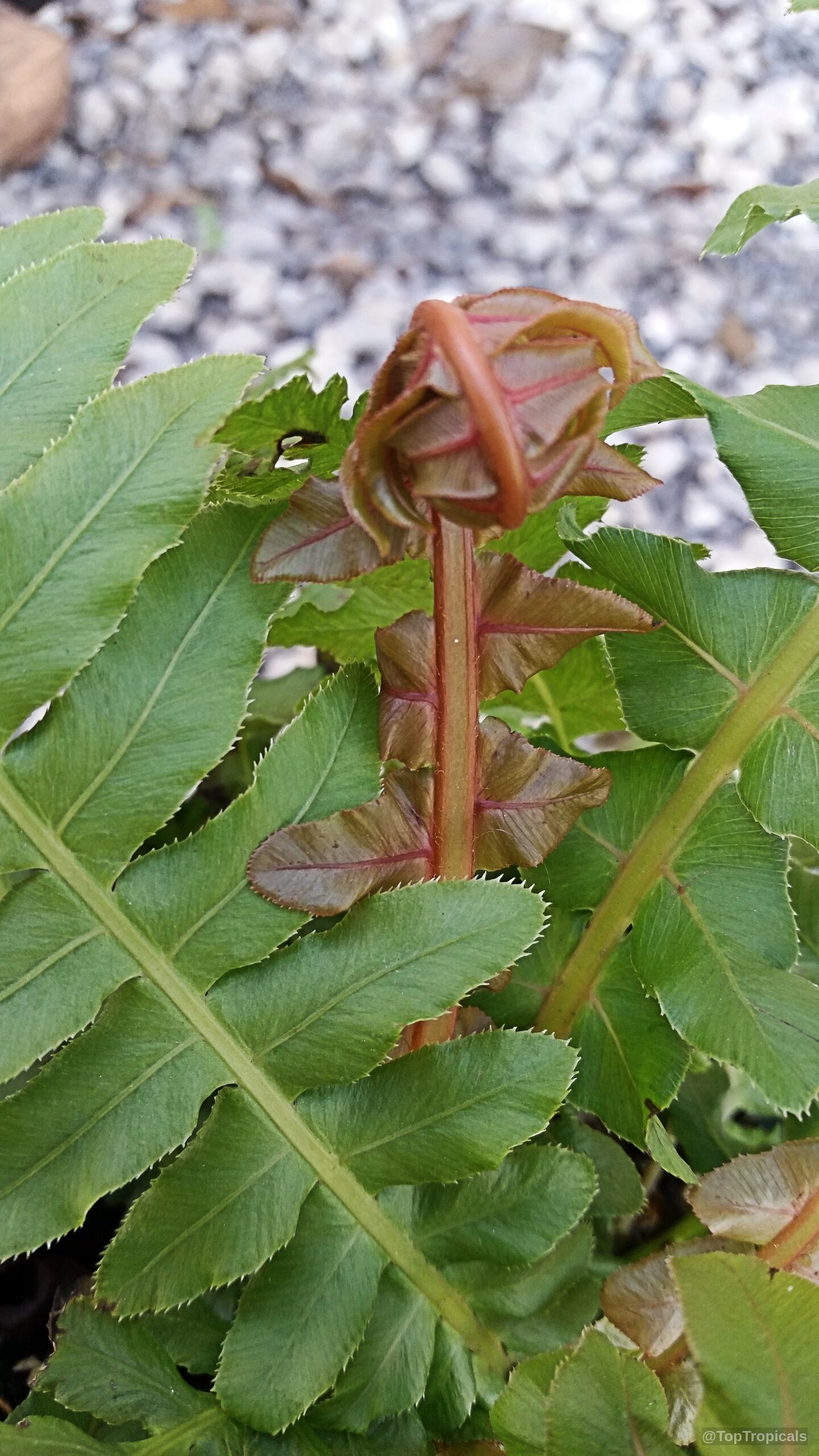

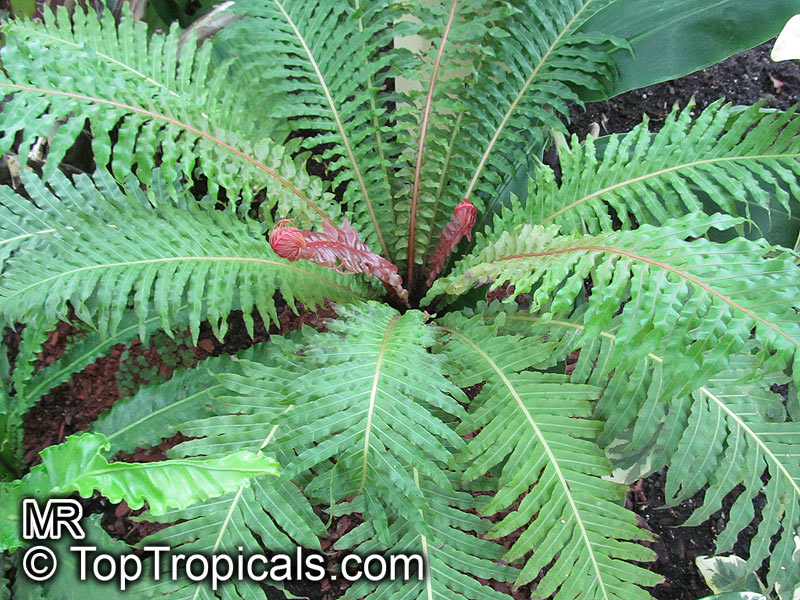
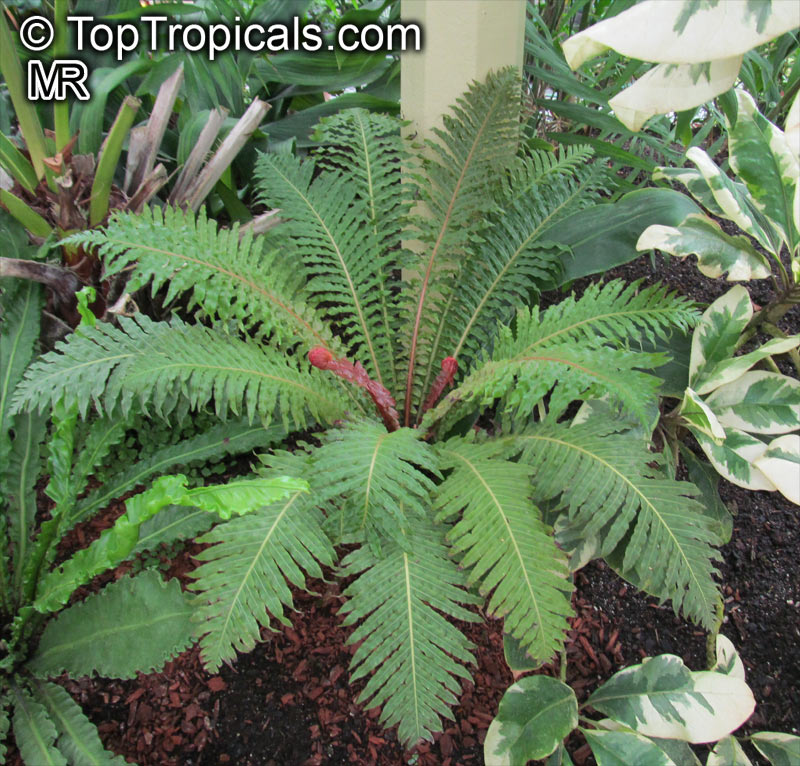

Botanical name: Blechnum sp.
Common name: Hard Fern
Family: Blechnaceae
USDA Zone: 9-10
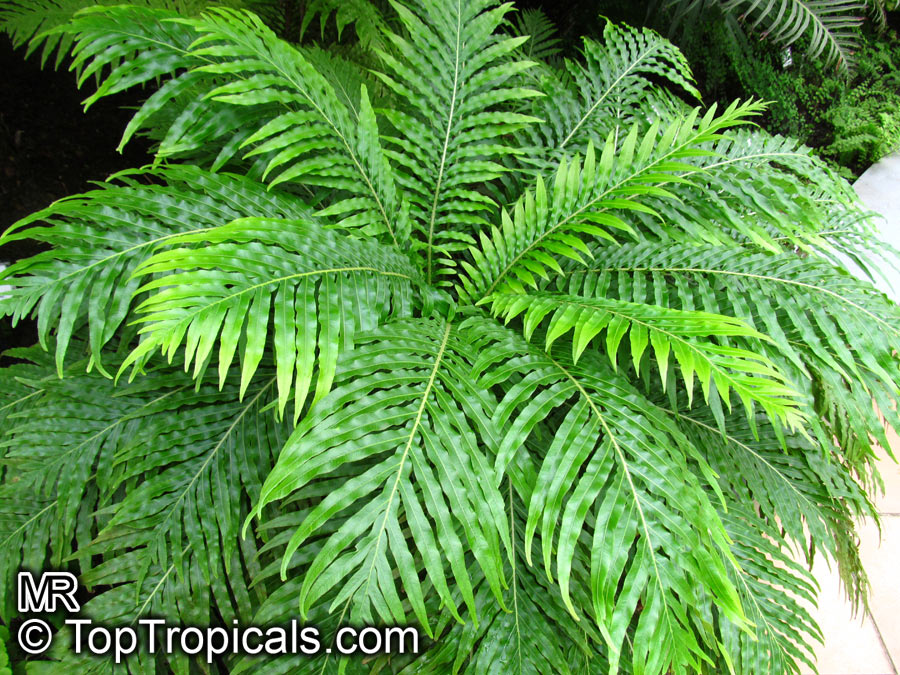
Blechnum is a genus of ferns known for its elegant fronds, diverse growth forms, and wide distribution across tropical, subtropical, and temperate regions of the world.
Species of Blechnum range from small ground-dwelling ferns to impressive trunk-forming plants that resemble miniature tree ferns. They are found in forests, mountain slopes, stream margins, and other moist habitats, with many species forming dense clumps of arching fronds that create a lush, tropical appearance.
A characteristic feature of many Blechnum species is the contrast between fertile and sterile fronds. Fertile fronds are often narrower and bear elongated rows of spores, while sterile fronds tend to be broader and more decorative. New growth may emerge in shades of bronze, copper, pink, or reddish green before maturing to deeper green tones, and some species, such as Blechnum brasiliense, are especially valued for their colorful young fronds.
Blechnums generally prefer partial shade, consistently moist soil, and protection from drying winds. They thrive in humus-rich, well-drained growing media and appreciate regular watering during warm weather. Many species adapt well to container culture and make attractive additions to shaded gardens, conservatories, and tropical landscapes.
USDA Plant Hardiness Zones vary widely depending on the species, generally ranging from 8-11. Tropical species require frost-free conditions, while some temperate members of the genus can tolerate occasional light freezes.
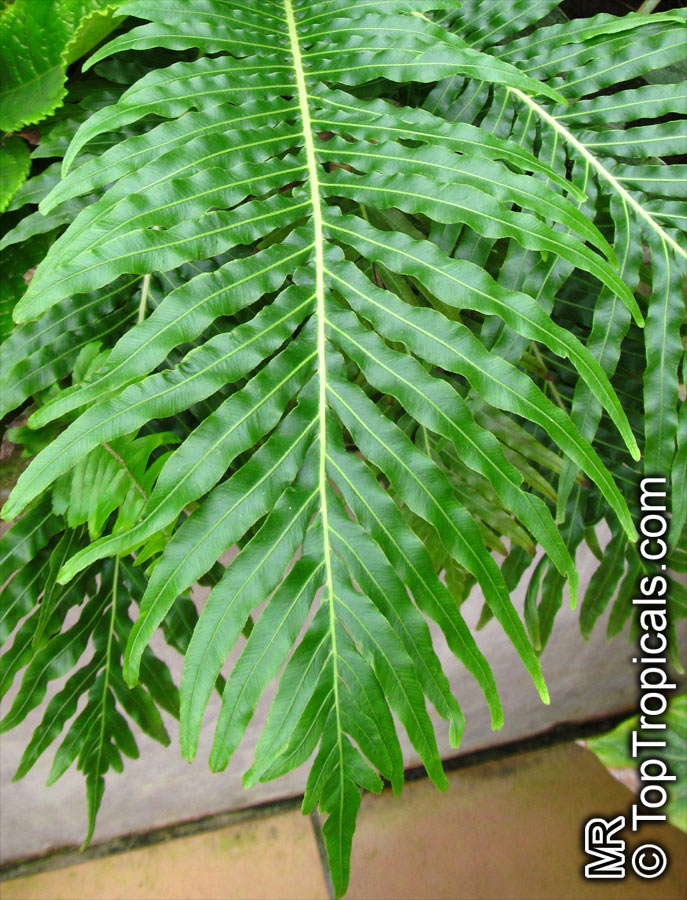
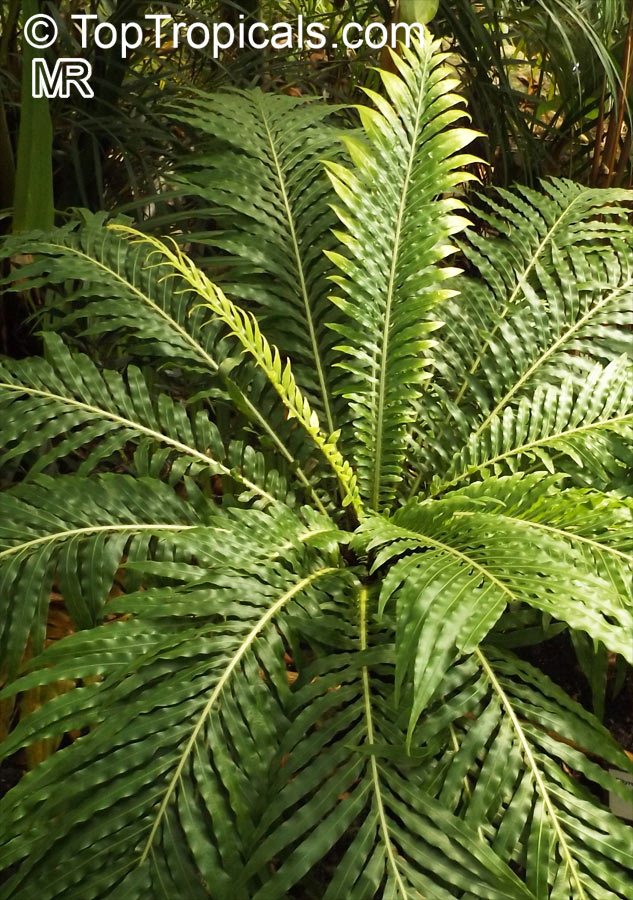
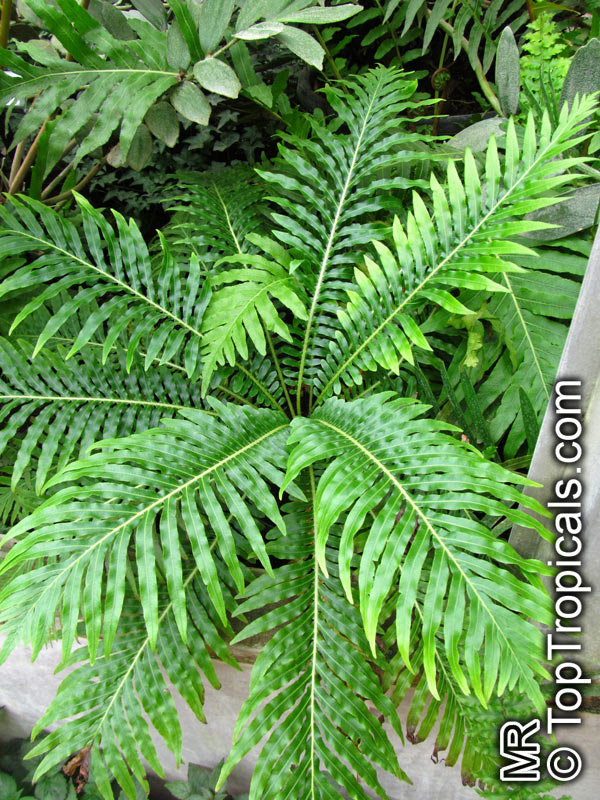
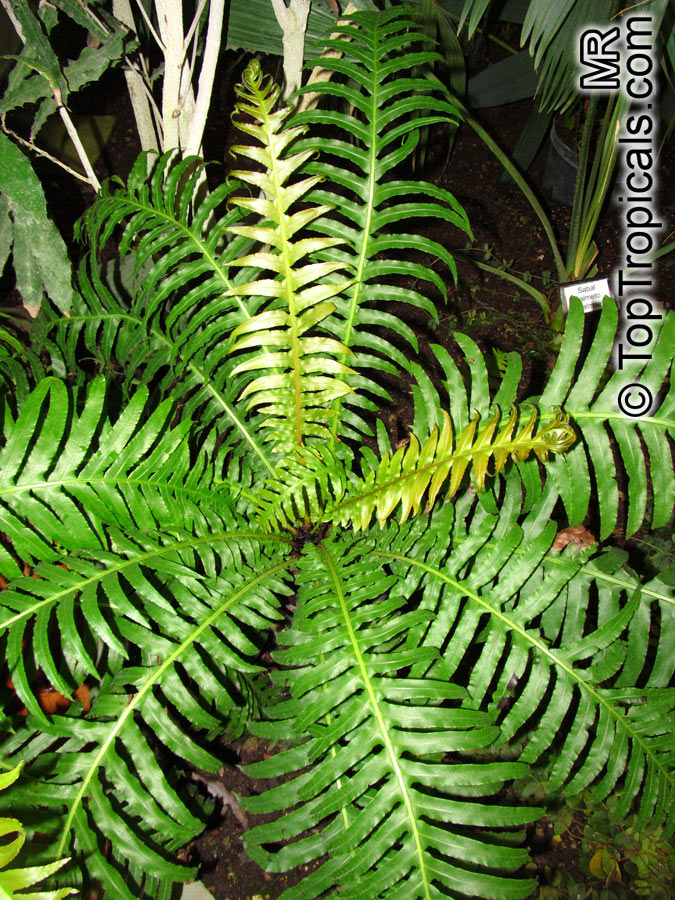
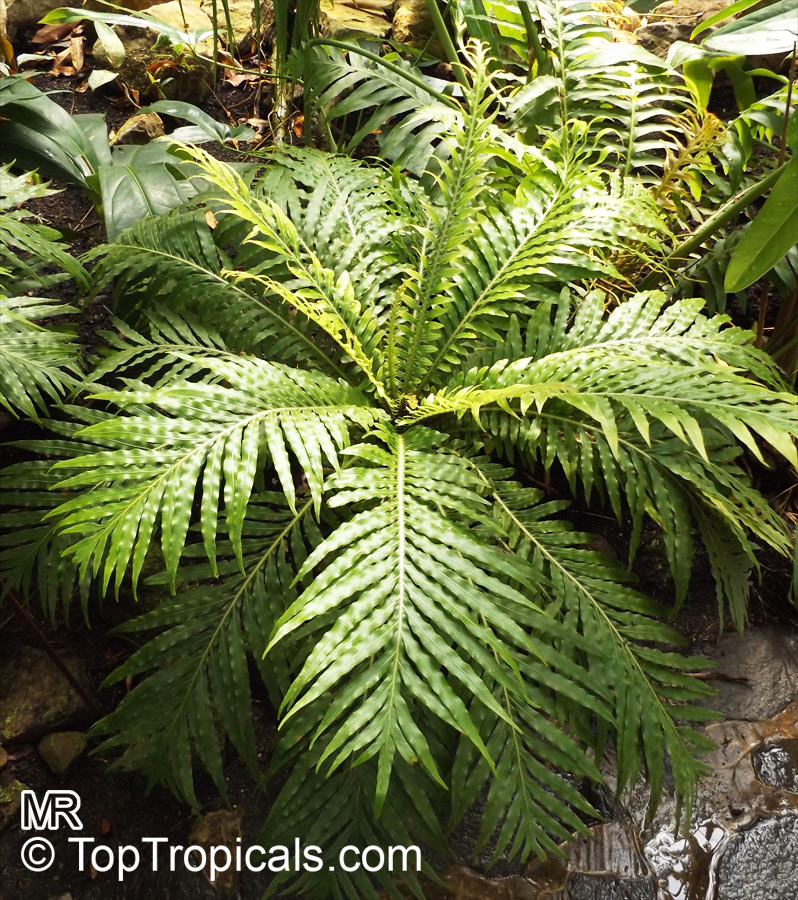
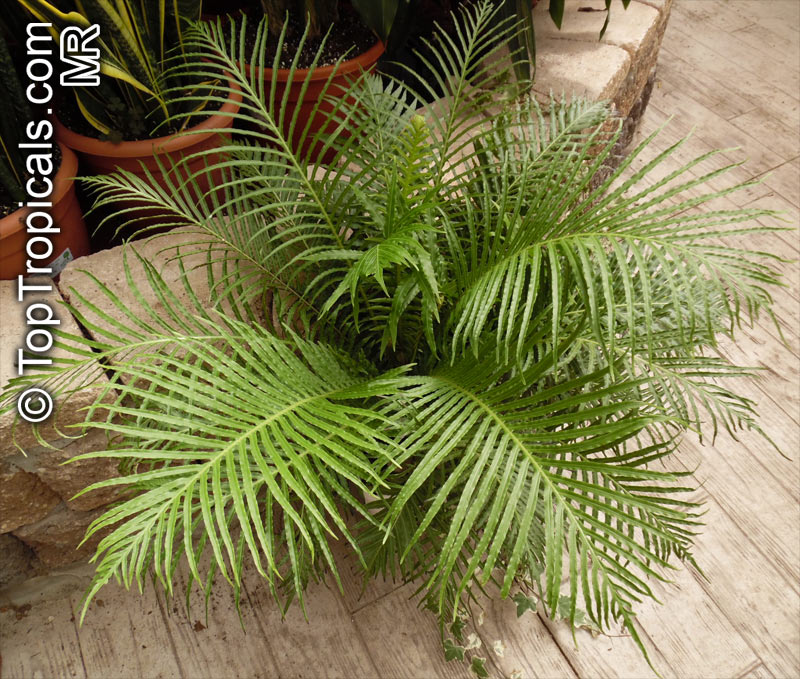
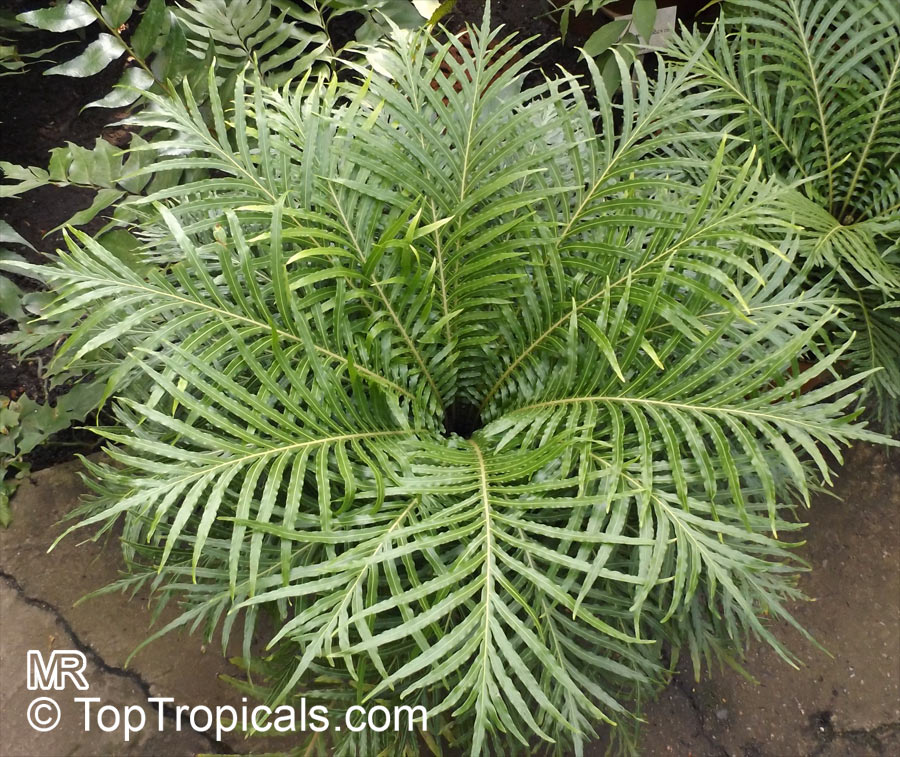
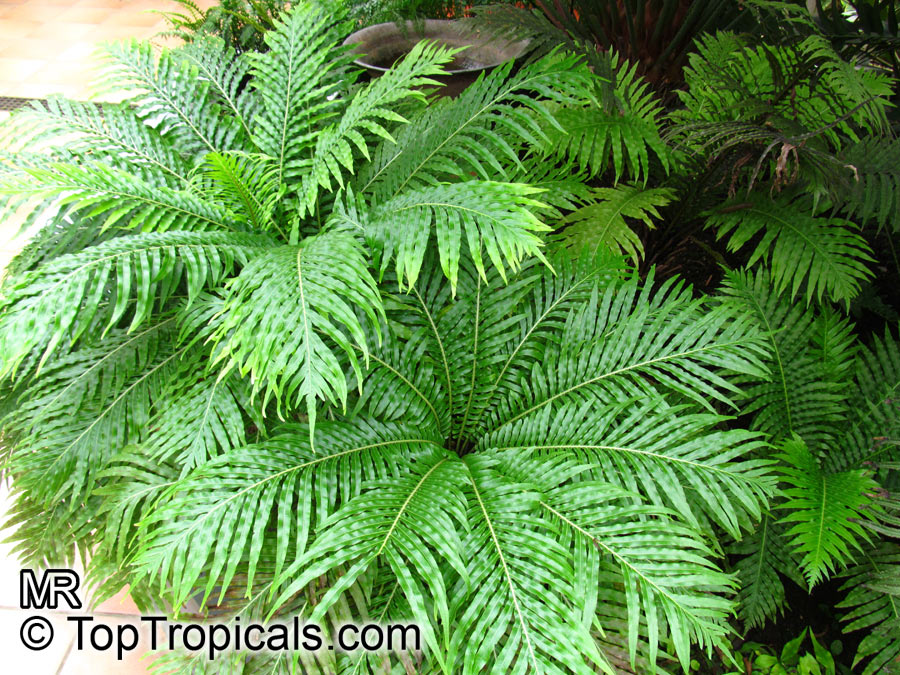
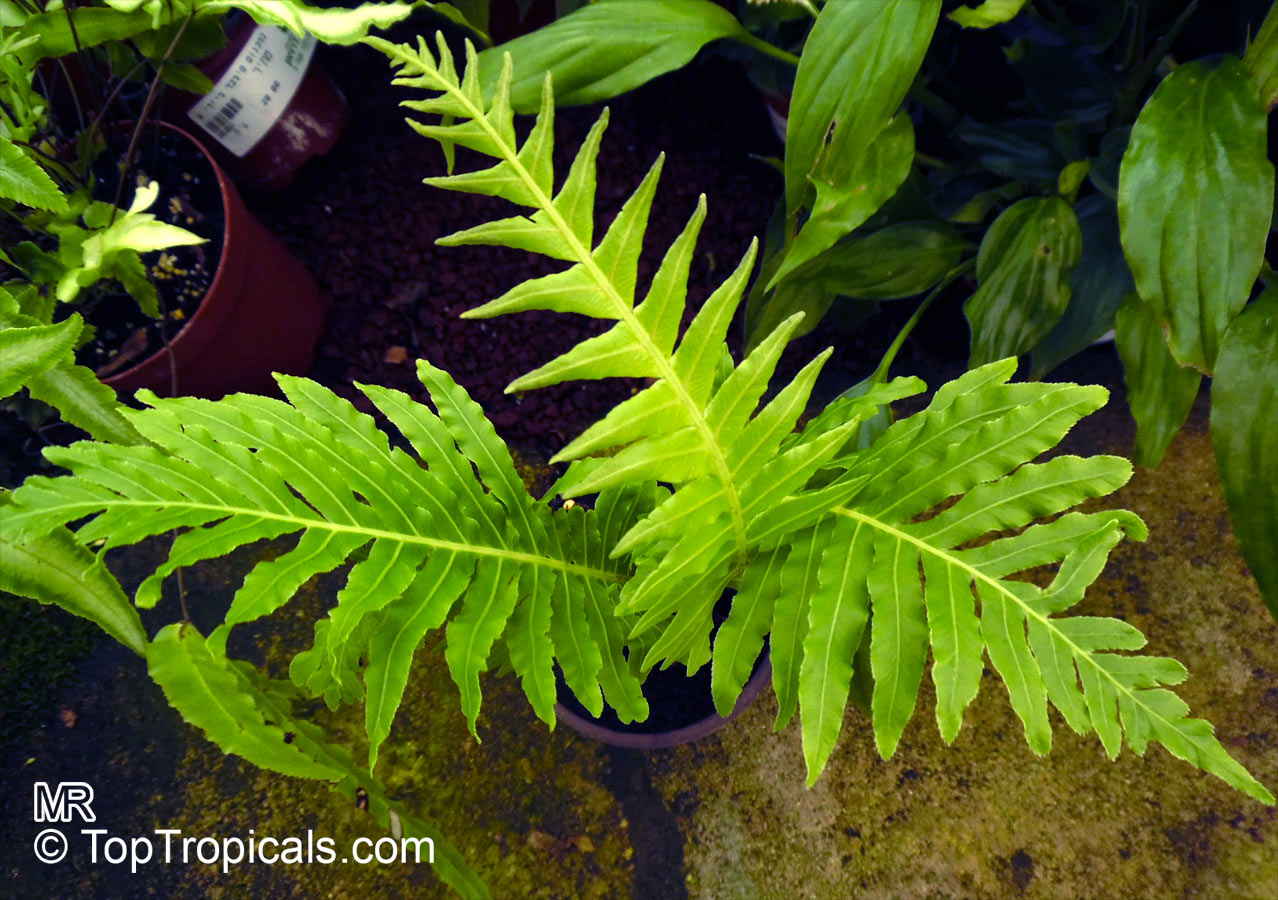
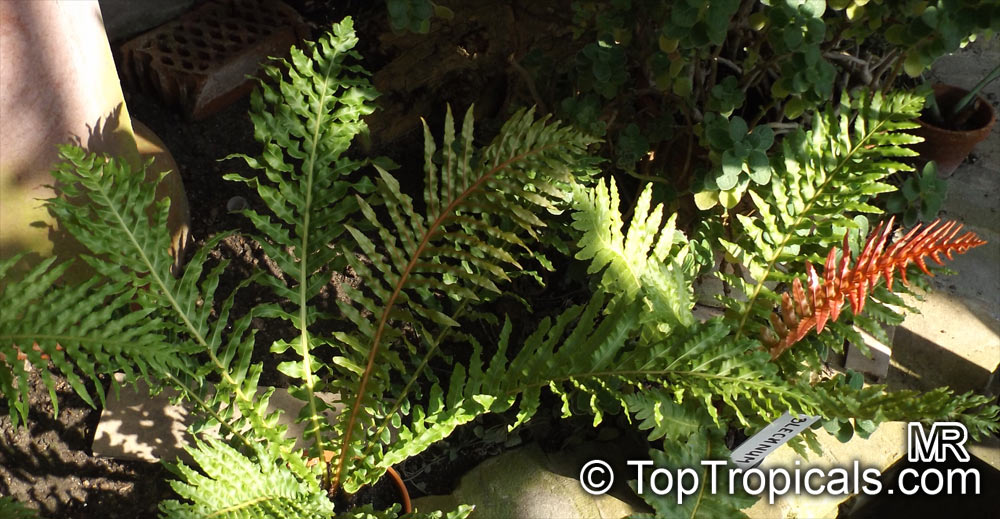
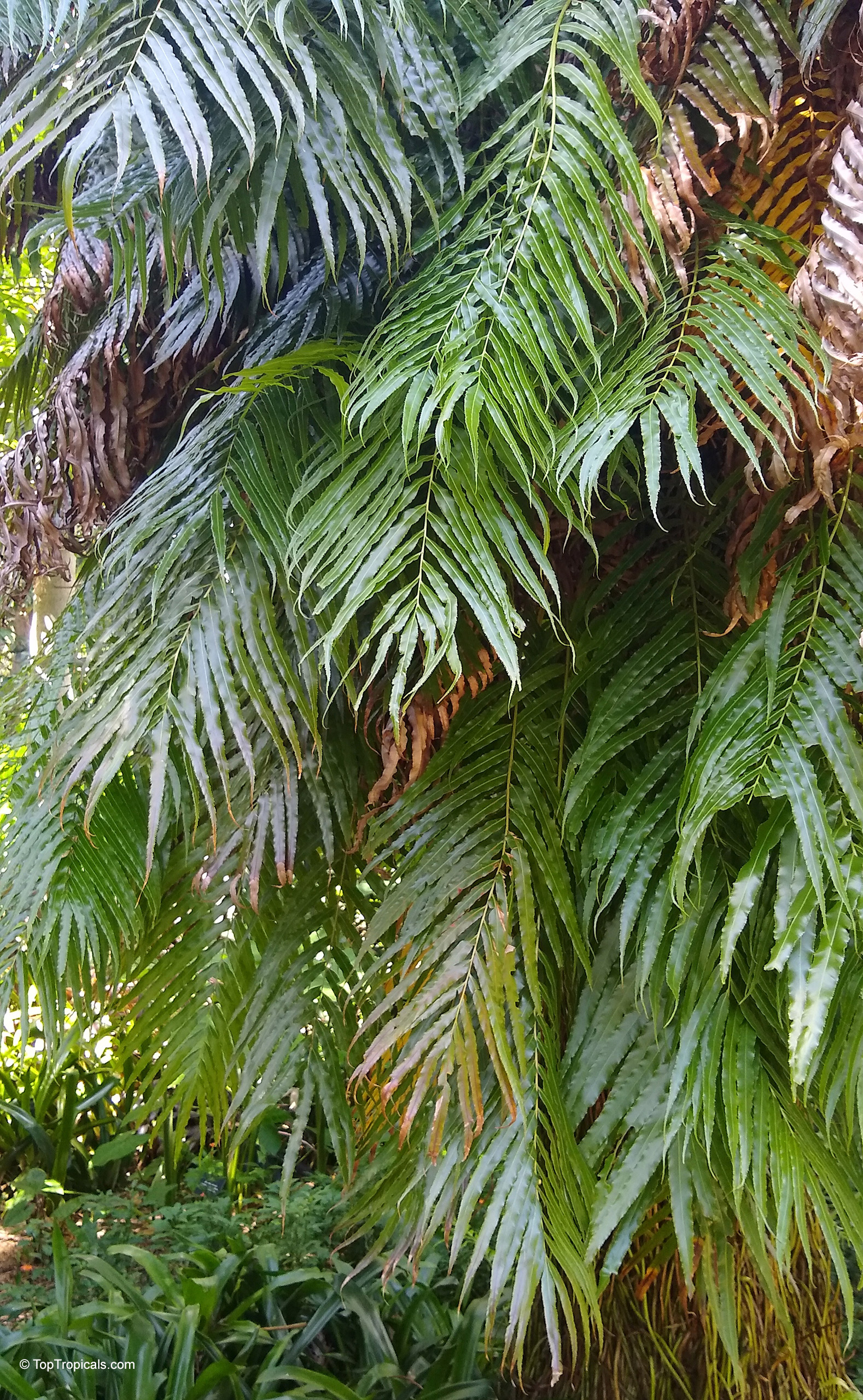
Botanical names: Stenochlaena tenuifolia, Lomariopsis tenuifolia
Common name: African Climbing Fern
Family: Blechnaceae
Origin: Tropical Africa
USDA Zone: 10-11


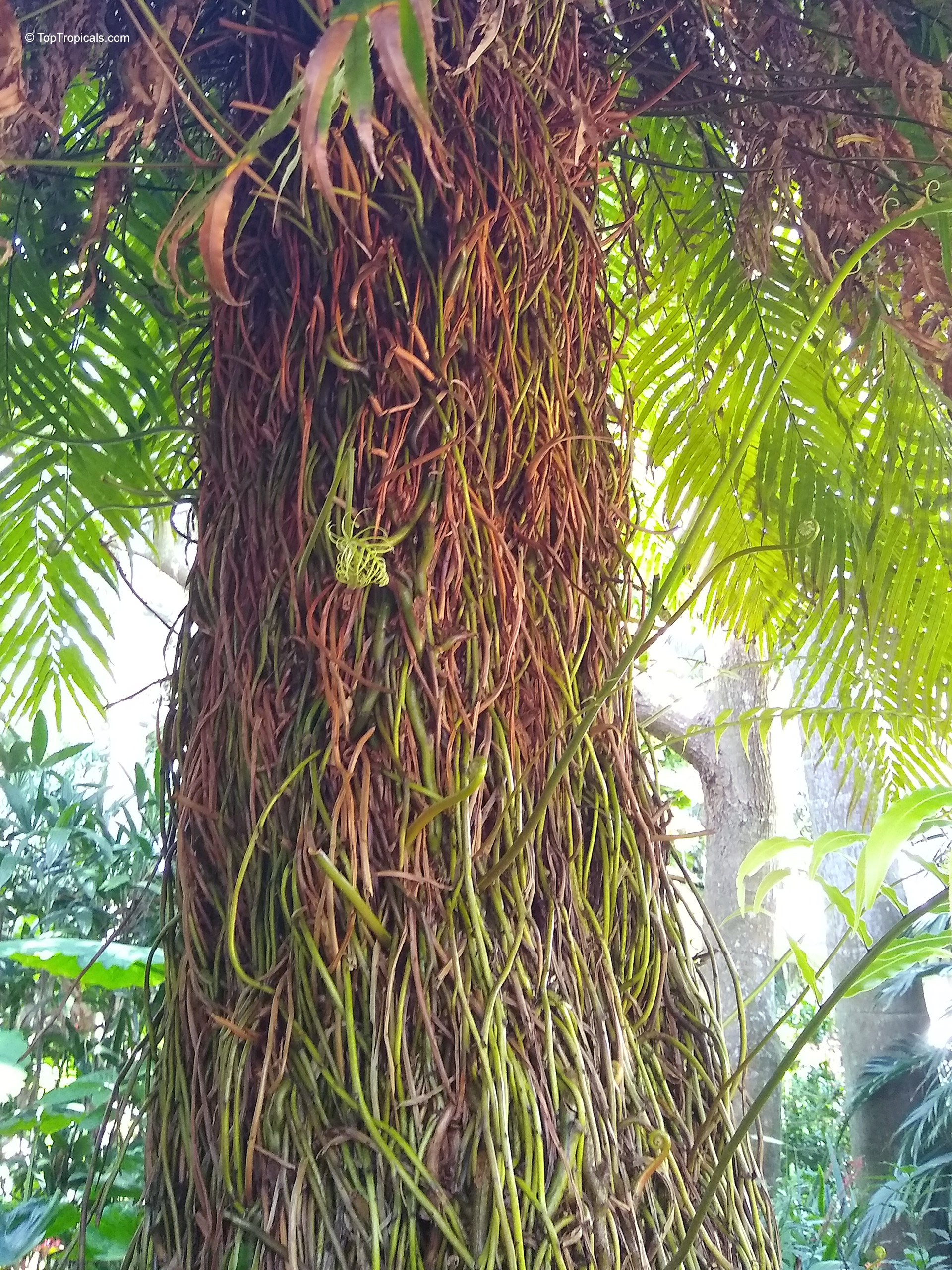
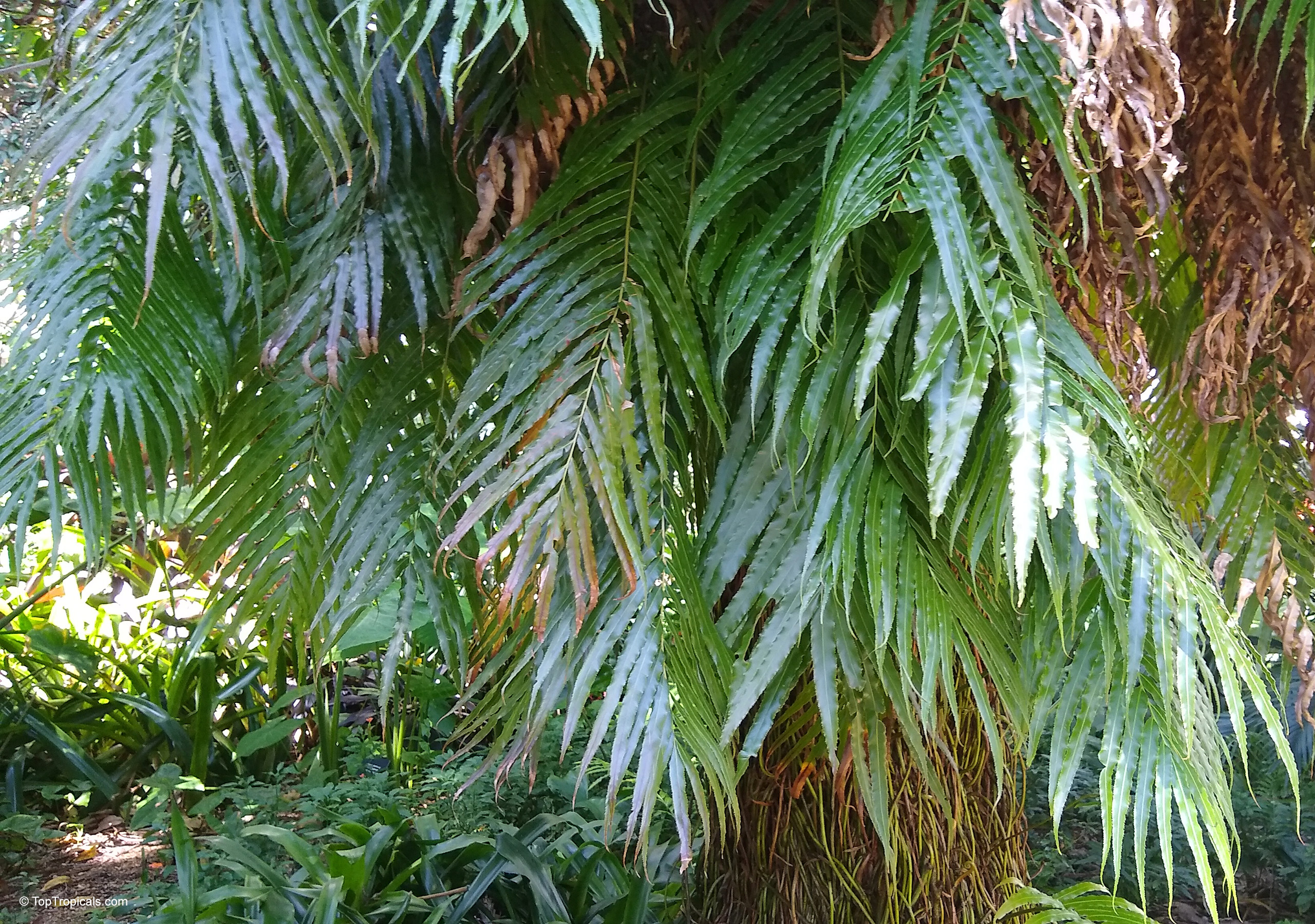
Stenochlaena tenuifolia, commonly known as African Climbing Fern or Giant Vine Fern, is a large climbing fern native to tropical and southern Africa, the Comoros, and Madagascar. It is a vigorous root-climber of wet tropical forests, with a long creeping or climbing rhizome that may extend 20 m or more and ascend high into surrounding trees. The climbing rhizome produces numerous adventitious roots that attach to trunks and other supports, allowing it to continue upward. Fronds are widely spaced along the rhizome and are dimorphic: broad pinnate sterile fronds contrast with much narrower fertile fronds or segments bearing sporangia.
Stenochlaena tenuifolia grows best in warm, humid conditions, partial shade to filtered light, and moist, organic, well-drained soil. It requires a substantial vertical support, such as a tree trunk, where its aerial roots can attach as the rhizome climbs. In suitable tropical conditions it can become a very large, vigorous plant rather than forming the compact clump typical of many ornamental ferns. Best suited to frost-free USDA Zones 10-12, it should be protected from cold and drying conditions. The species was long known as Lomariopsis tenuifolia, a name still widespread in horticulture and older botanical literature, but current taxonomy places it in Stenochlaena; Lomariopsis tenuifolia is now treated as a synonym.
Botanical name: Woodwardia orientalis
Common name: Oriental Chain Fern
Family: Blechnaceae
Origin: Himalayas, Japan, China, Taiwan, Phillipines
USDA Zone: 8-10

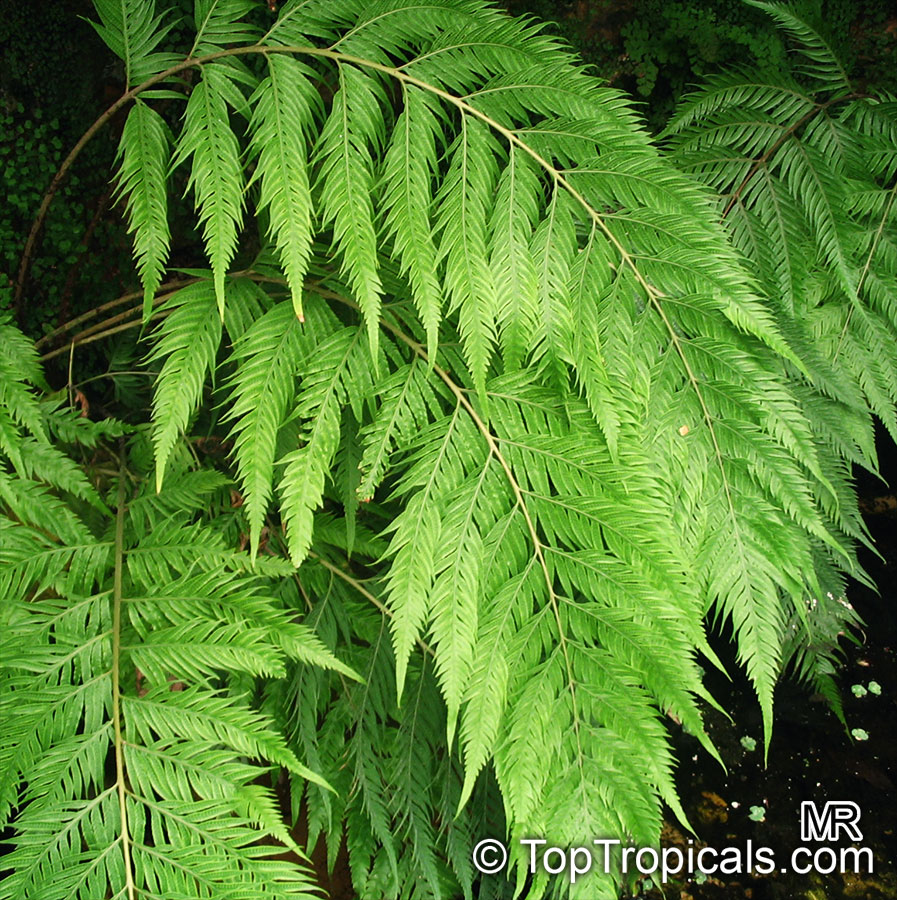
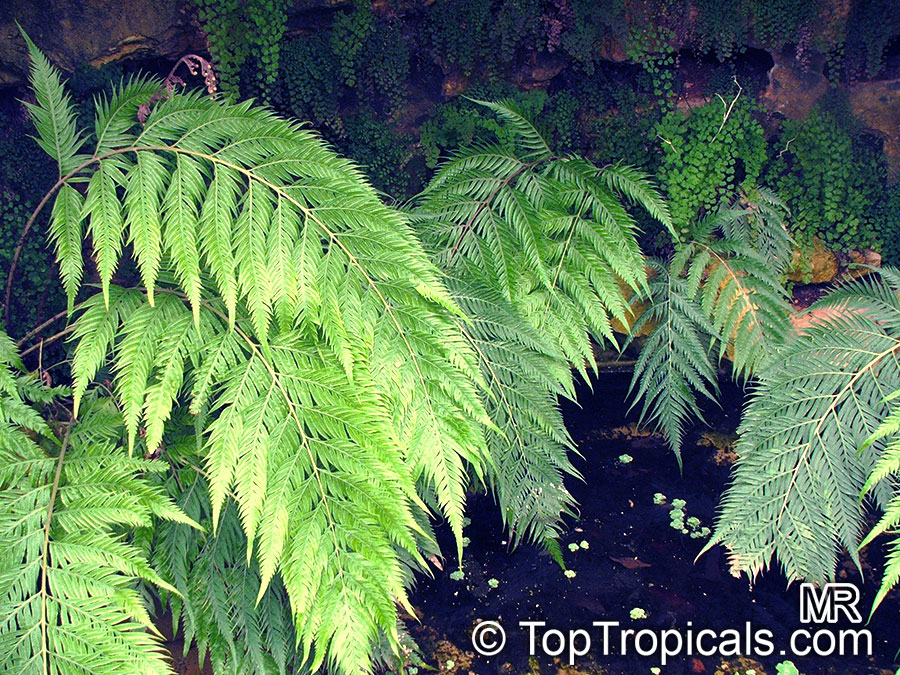
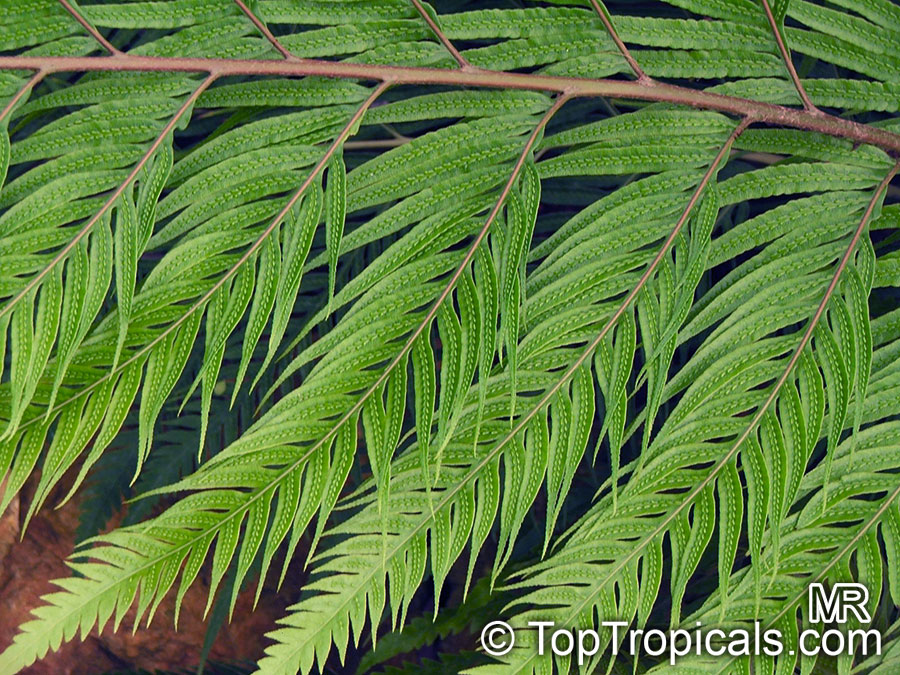
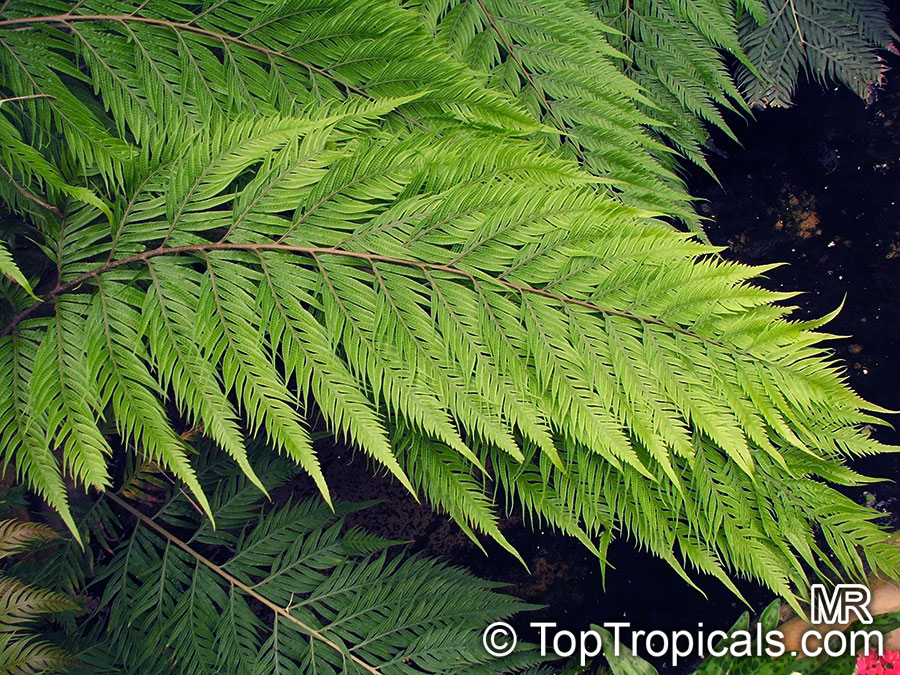
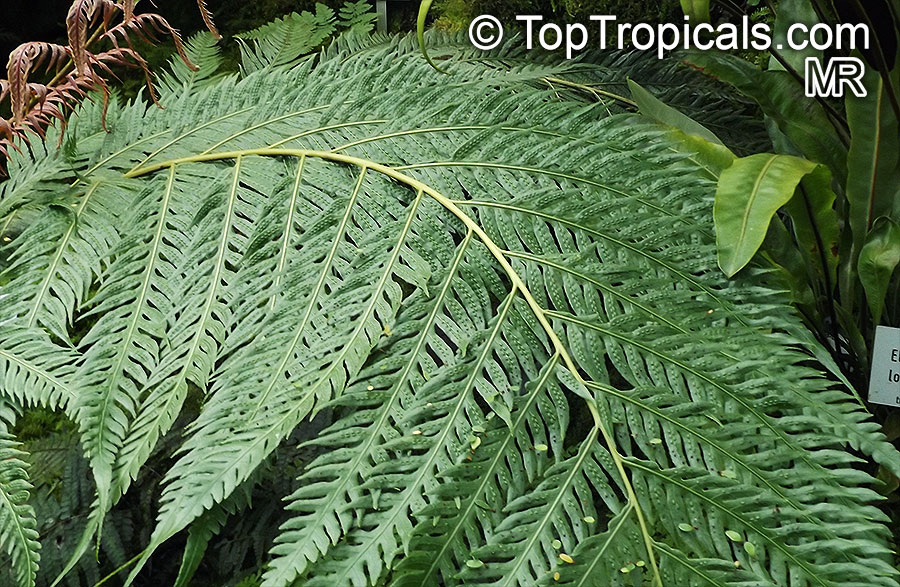
Woodwardia orientalis (Oriental Chain Fern) is a small shrub that usually grows no taller than 2-5ft in height. Native to the Himalayas, Japan, China, Taiwan, and the Philippines, this perennial herbaceous plant is a popular ornamental foliage plant due to its attractive cascading fronds.
For gardeners living in USDA Zones 8-10, this fern is easy to cultivate from bulbs in gardens or containers. It requires partial to full shade to thrive and prefers moist soil. Regular watering is recommended to keep the soil moist but not soggy, as this can cause root rot. It's also important to consider growing in pots if you live in a cold region and to make sure the pots are well-drained during the winter months.
The Oriental Chain Fern is best grown as an accent plant in garden beds, near water features, or around entryways. This sturdy evergreen fern can be planted in groups or clusters, used as a short ground cover, or featured as a solitary specimen. Pruning can be done to shape the fern and to remove any dead growth that may have occurred.
Overall, Woodwardia orientalis (Oriental Chain Fern) is a simple and elegant addition to any garden. Its cascading fronds give the plant a beautiful, multidimensional look and its bulbils are easily detached for replanting and quick propagation. With the right care and conditions, this fern can offer your garden plenty of ornamental beauty that will surely bring you joy!
Use link to repeat this search:
https://toptropicals.com/cgi-bin/garden_catalog/cat.cgi?search_op=and&keyword_op=and&language=e&family=Blechnaceae&number=10
&no_change_lang=1&user=tt&sale=1&first=0