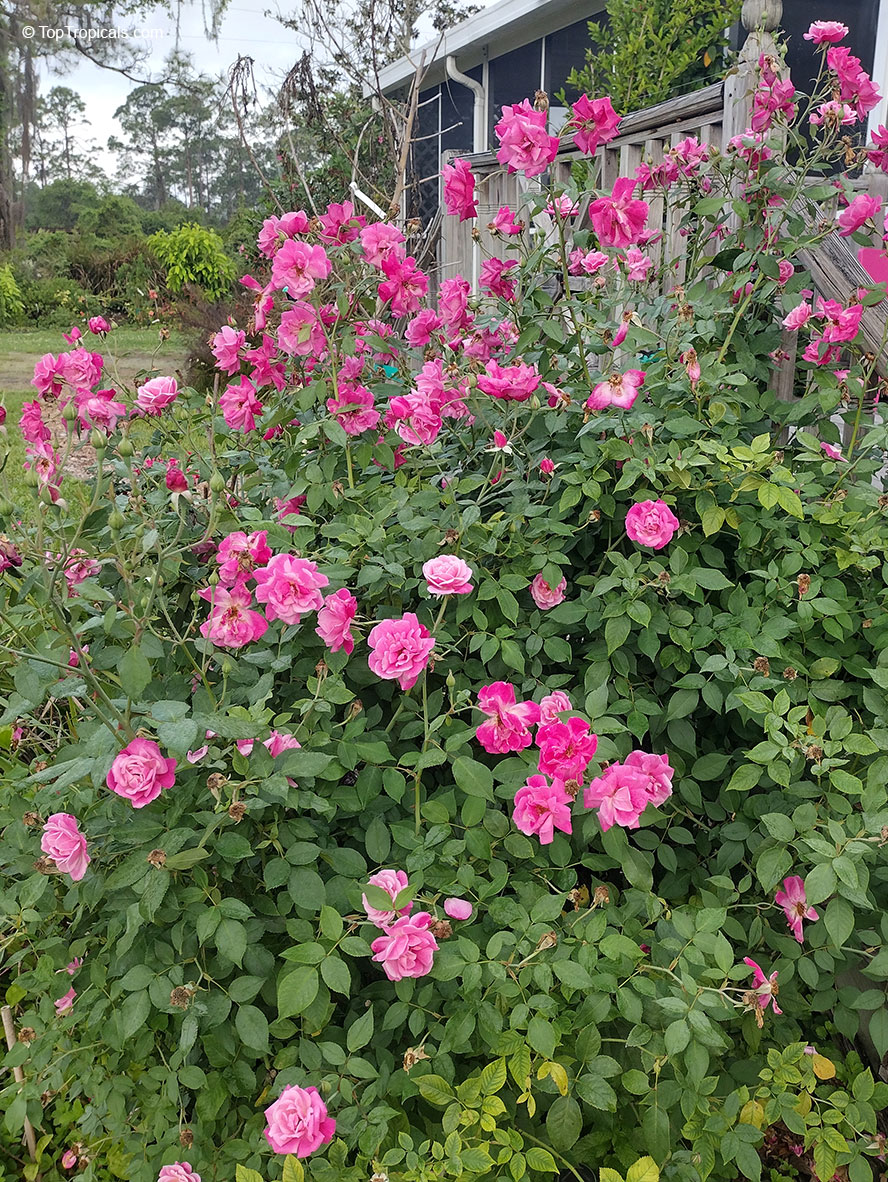
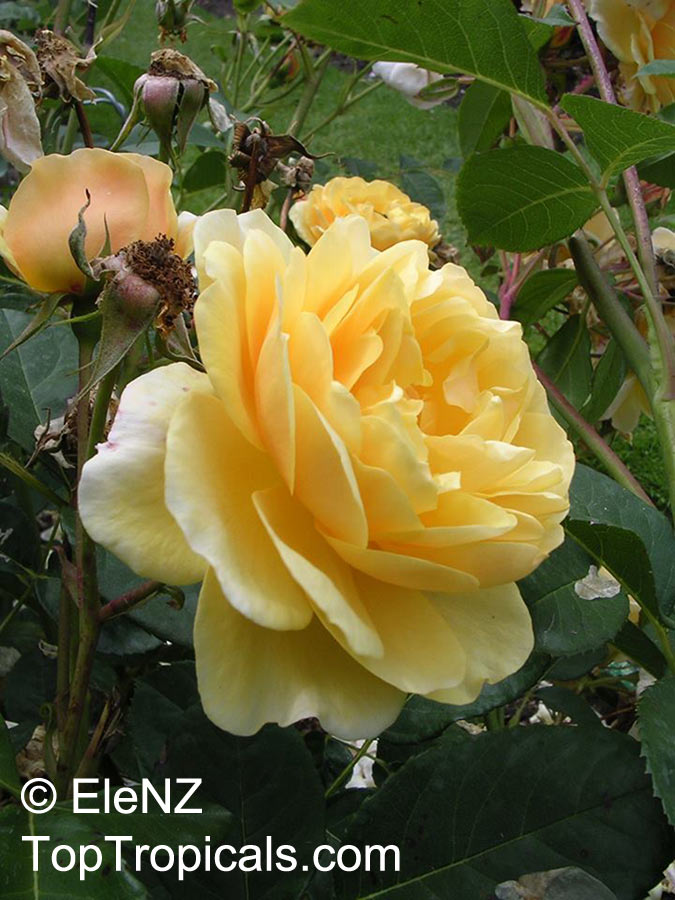
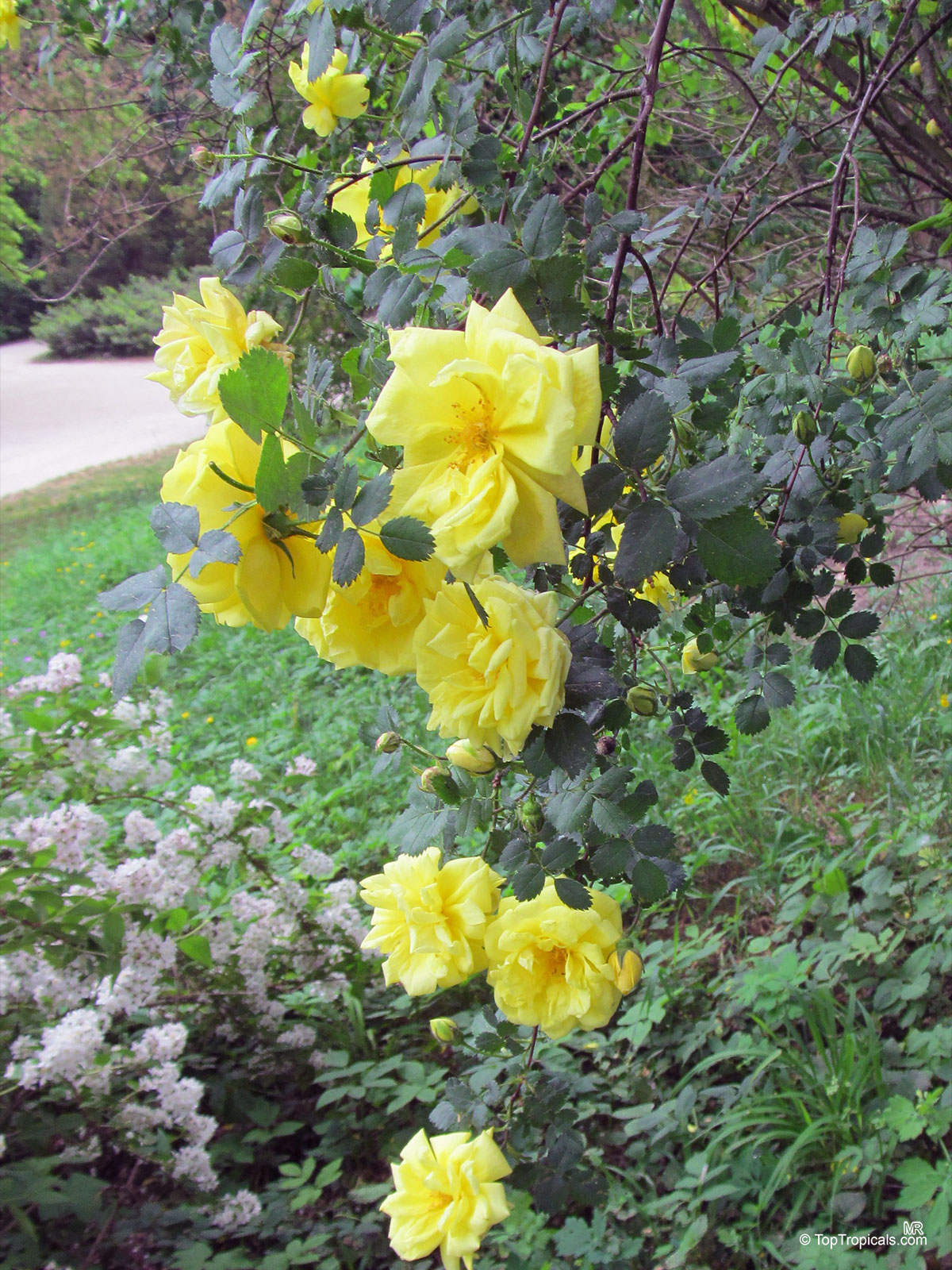
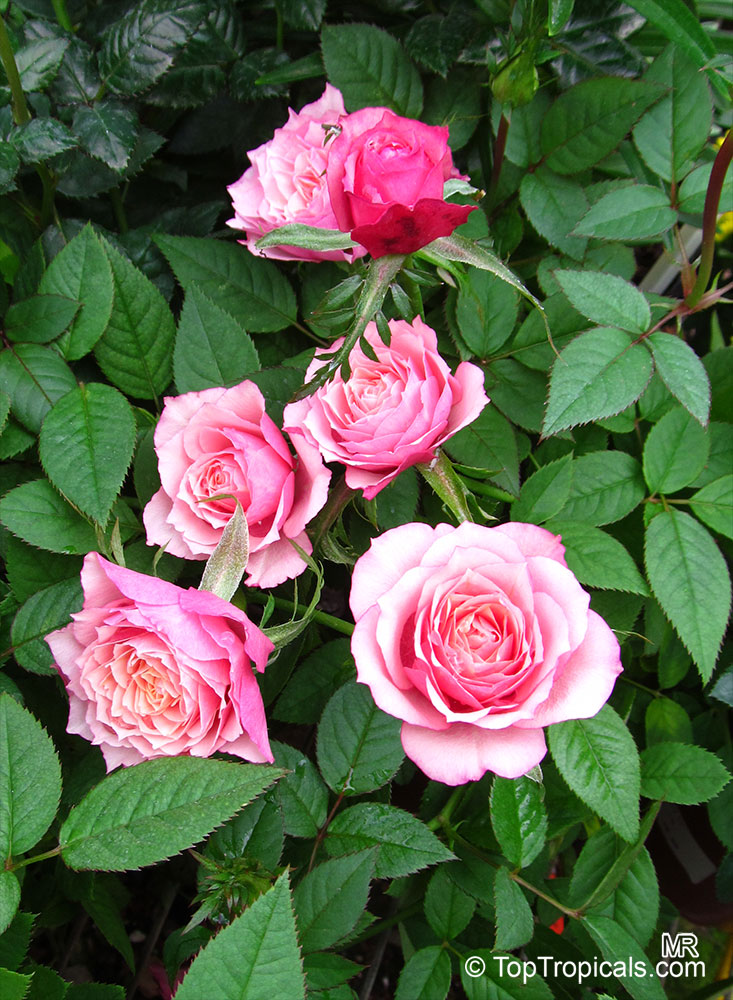
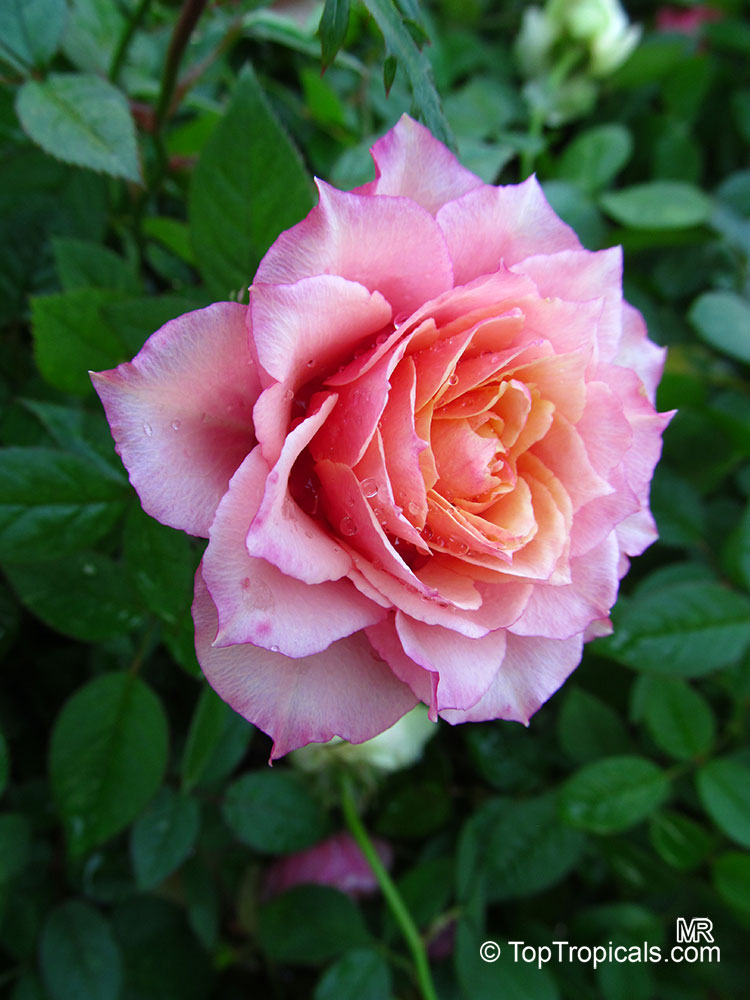
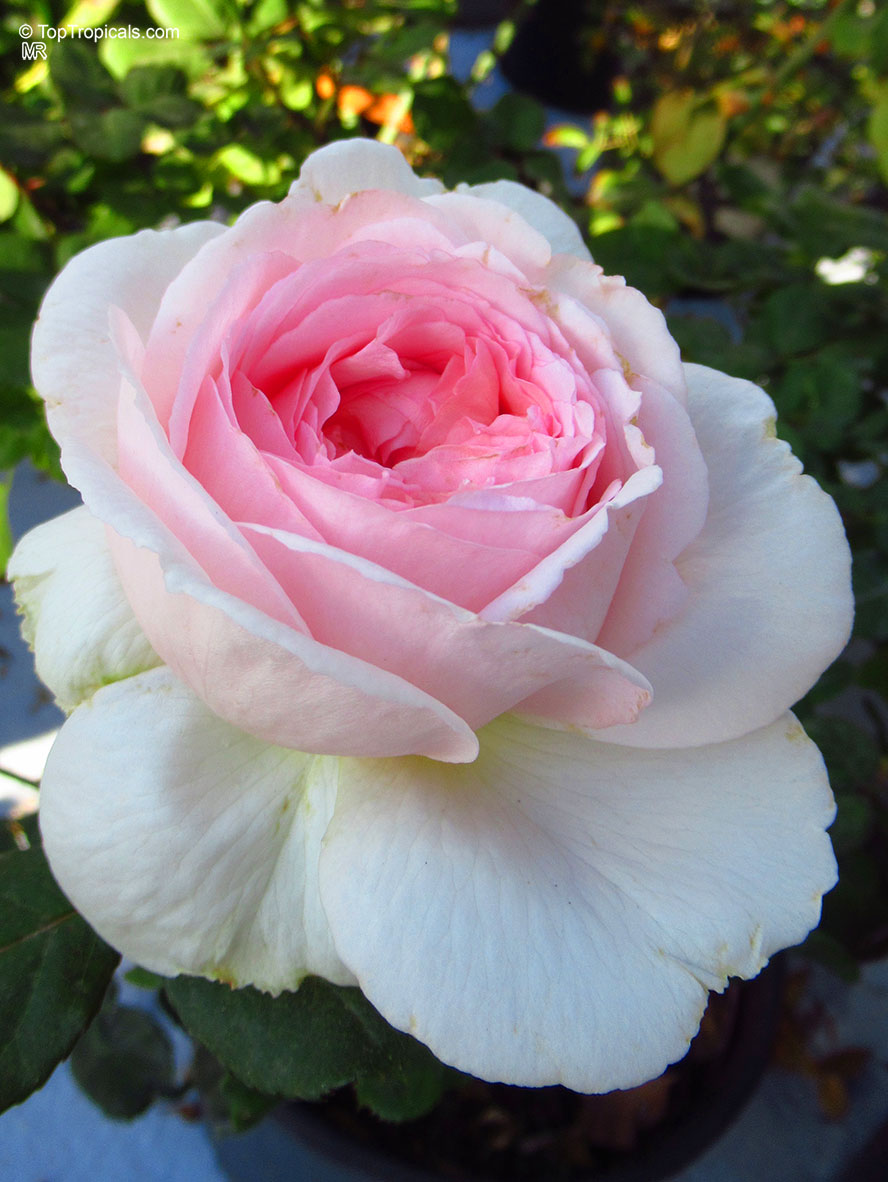
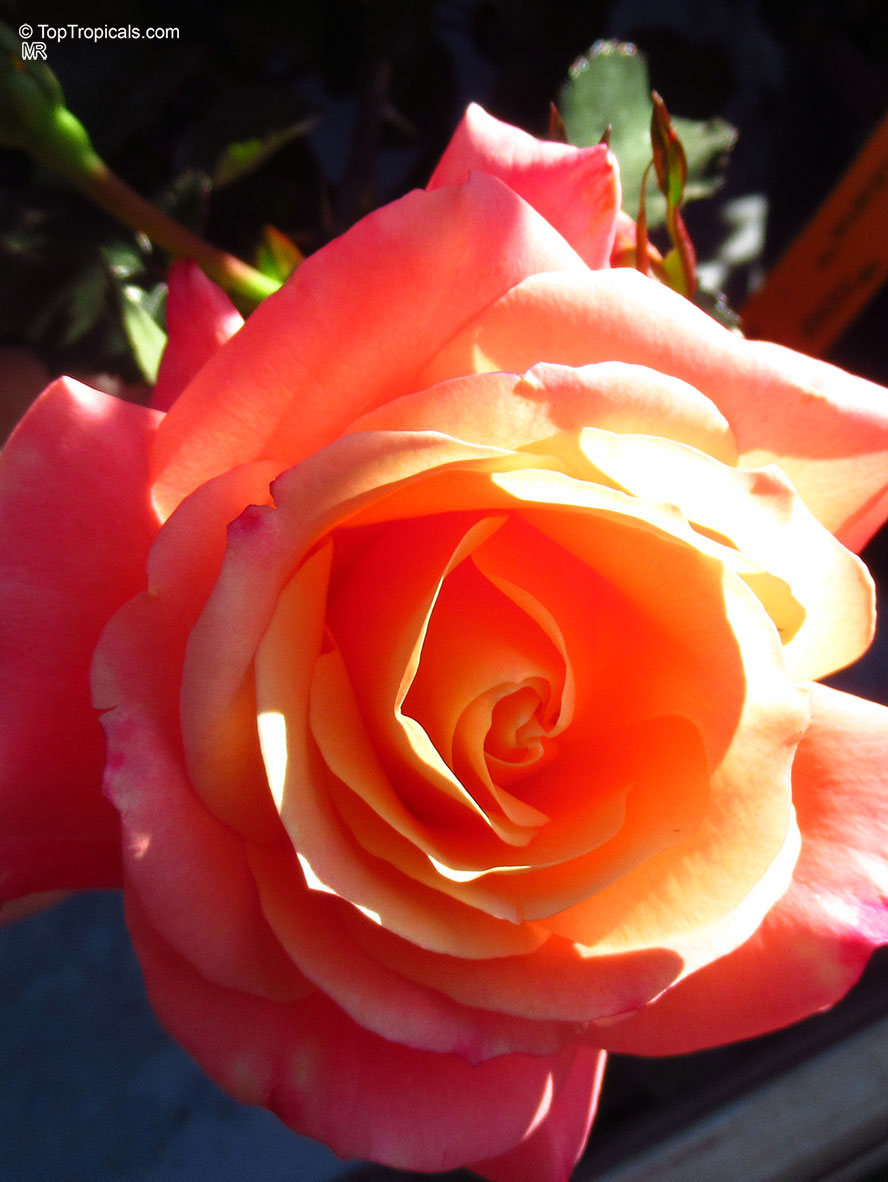
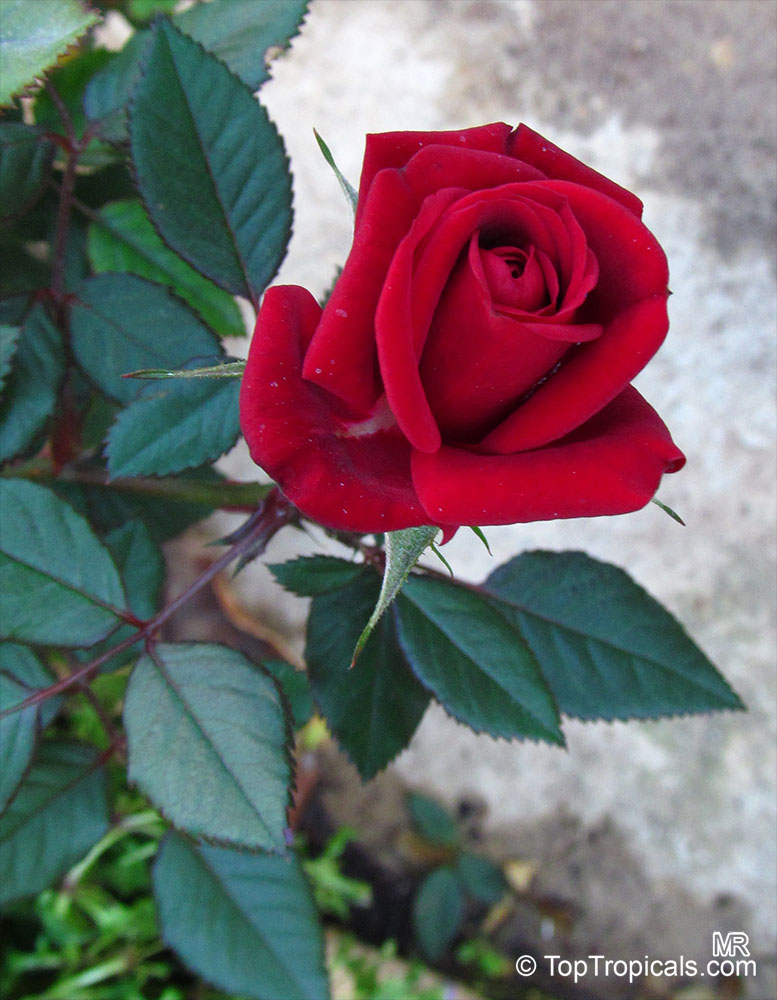
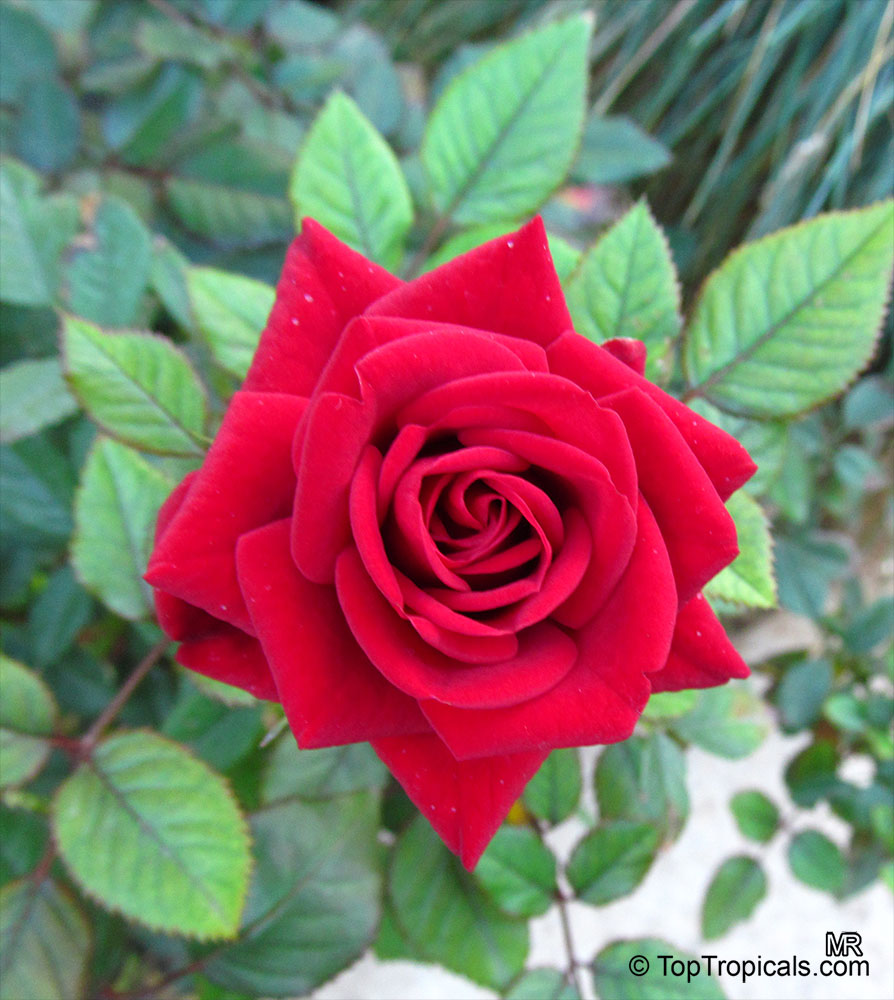
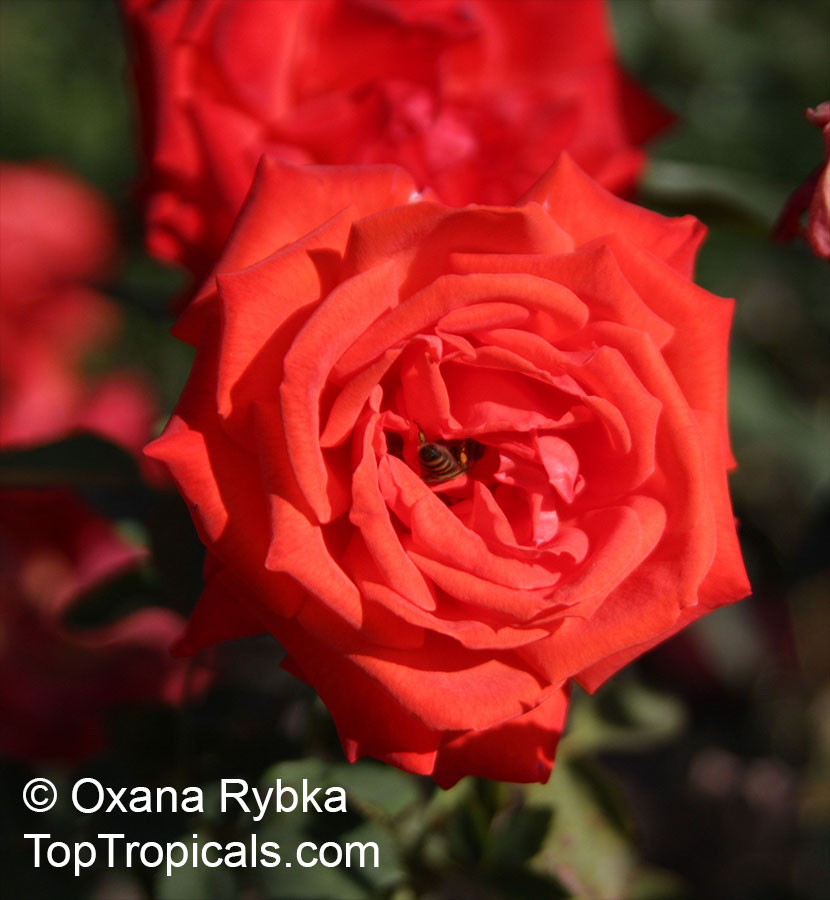
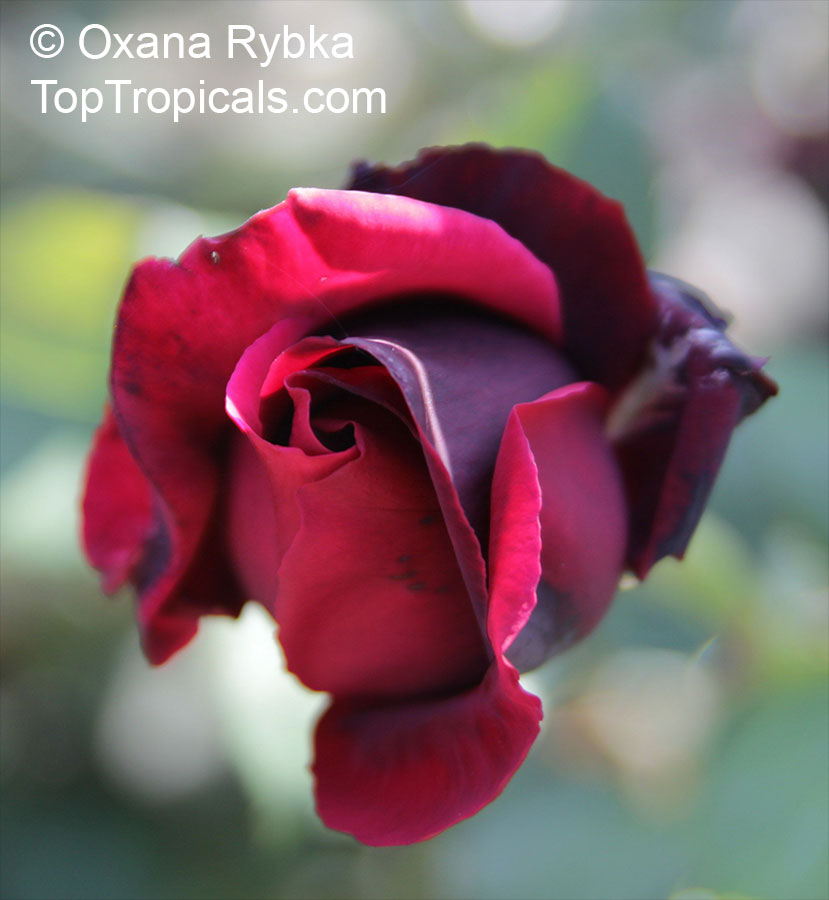
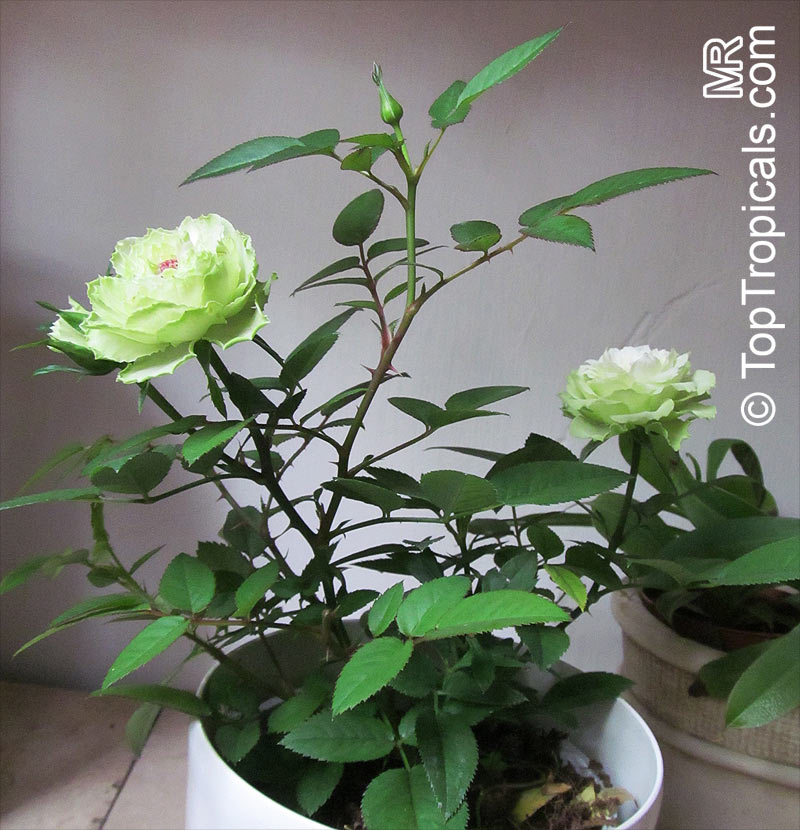
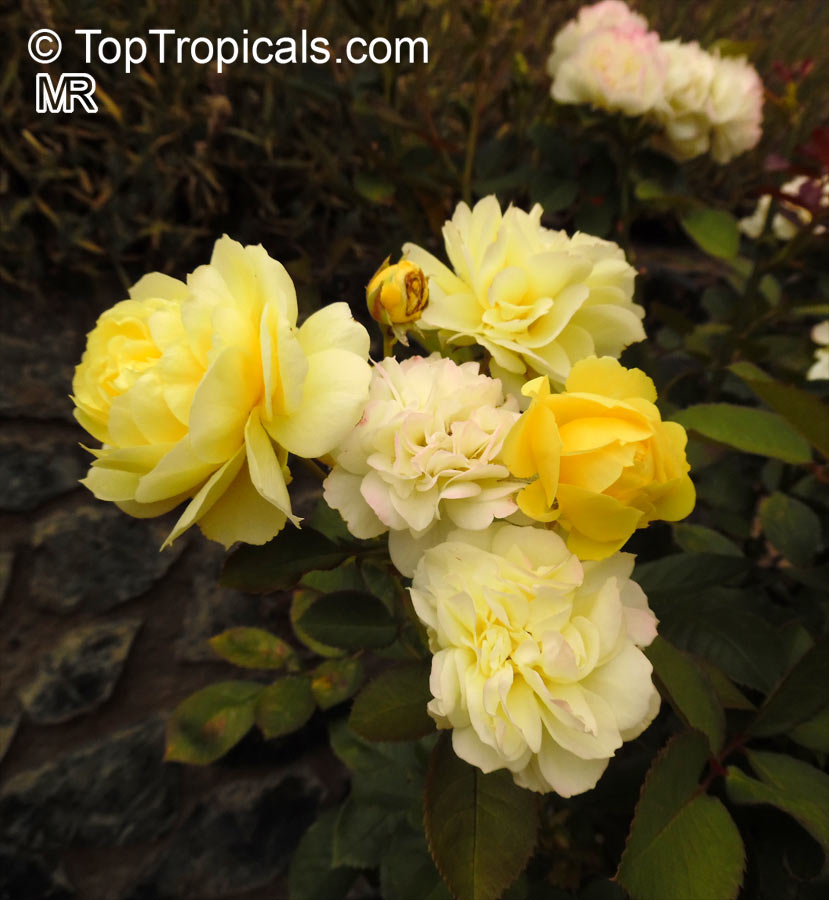
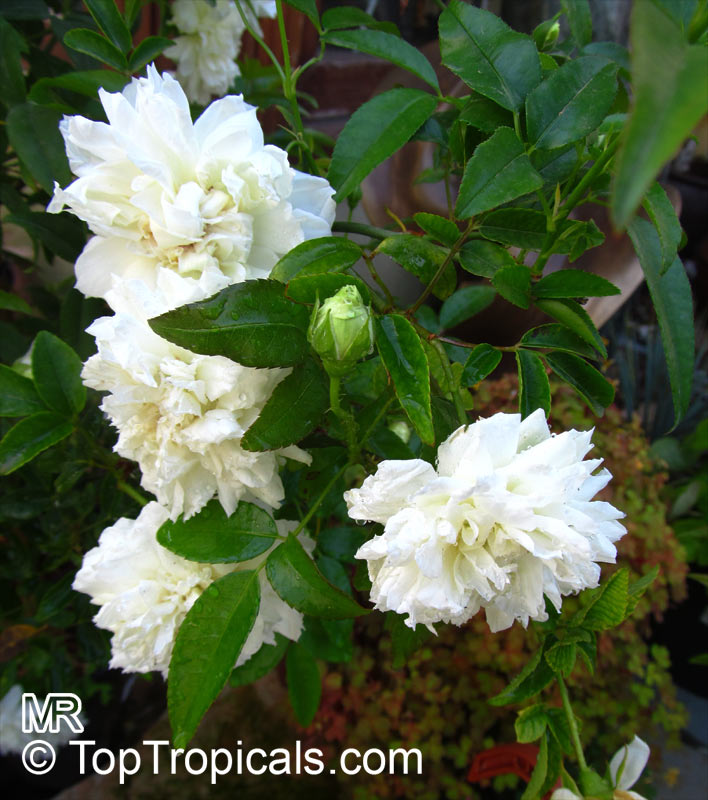
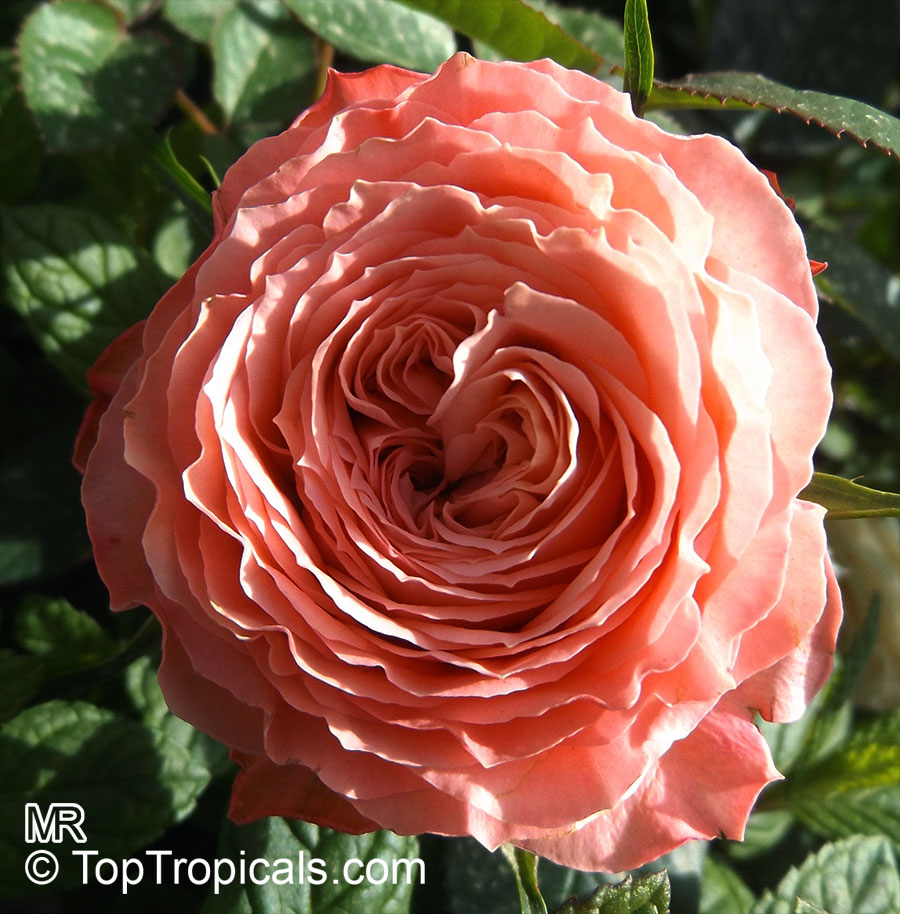
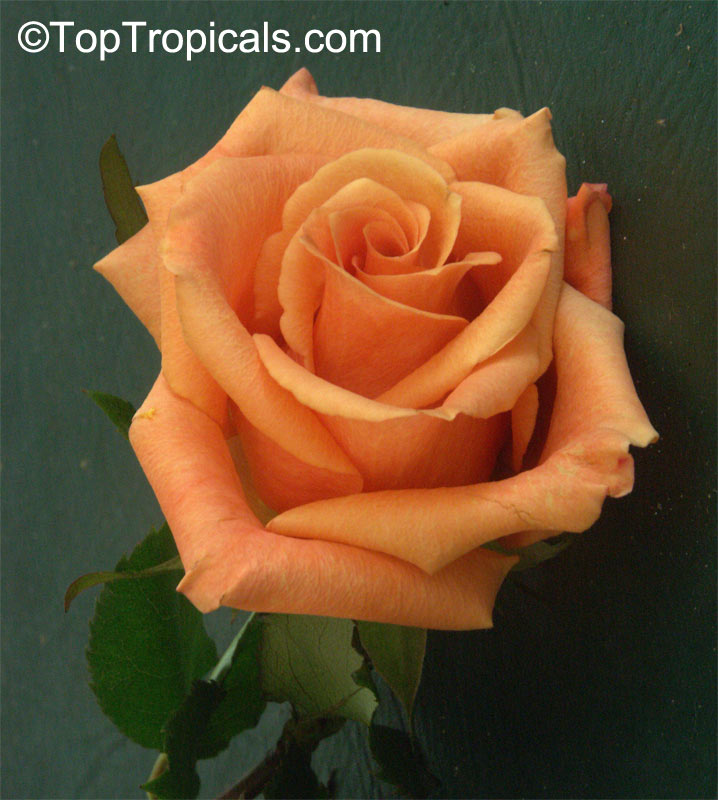
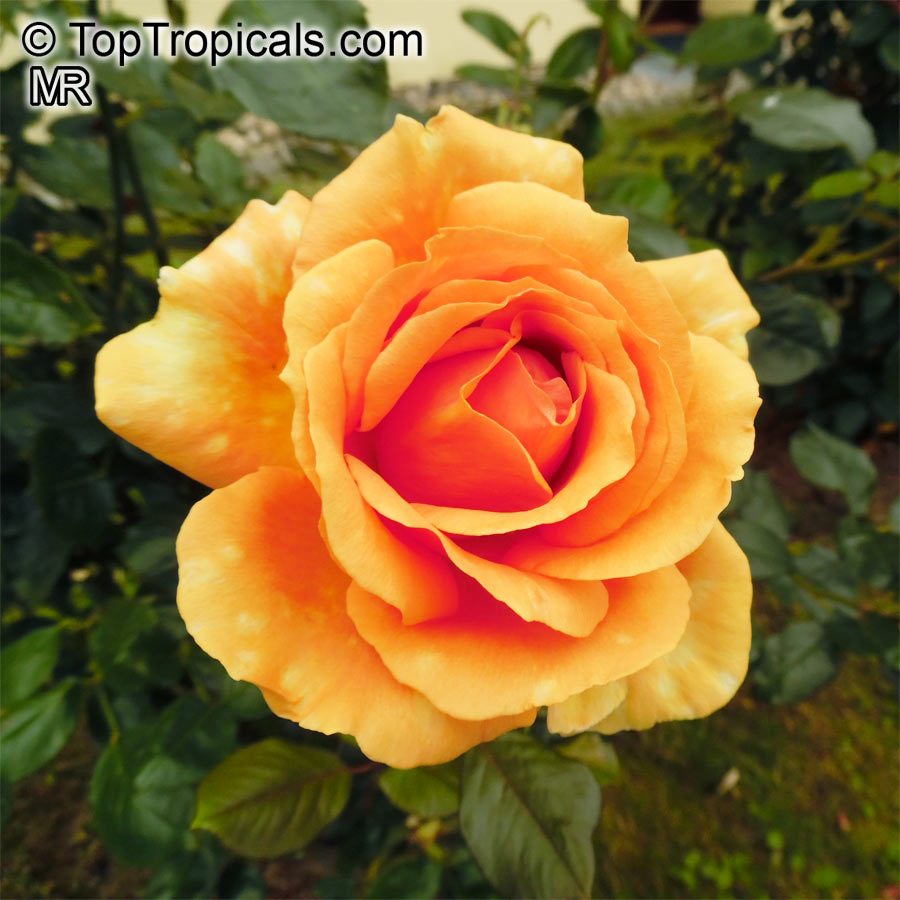
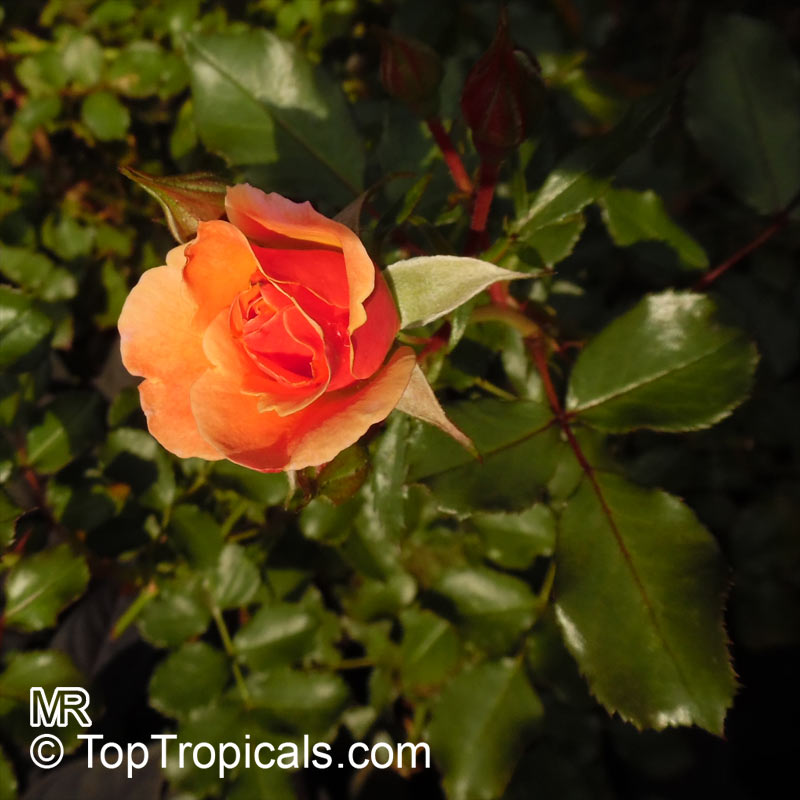
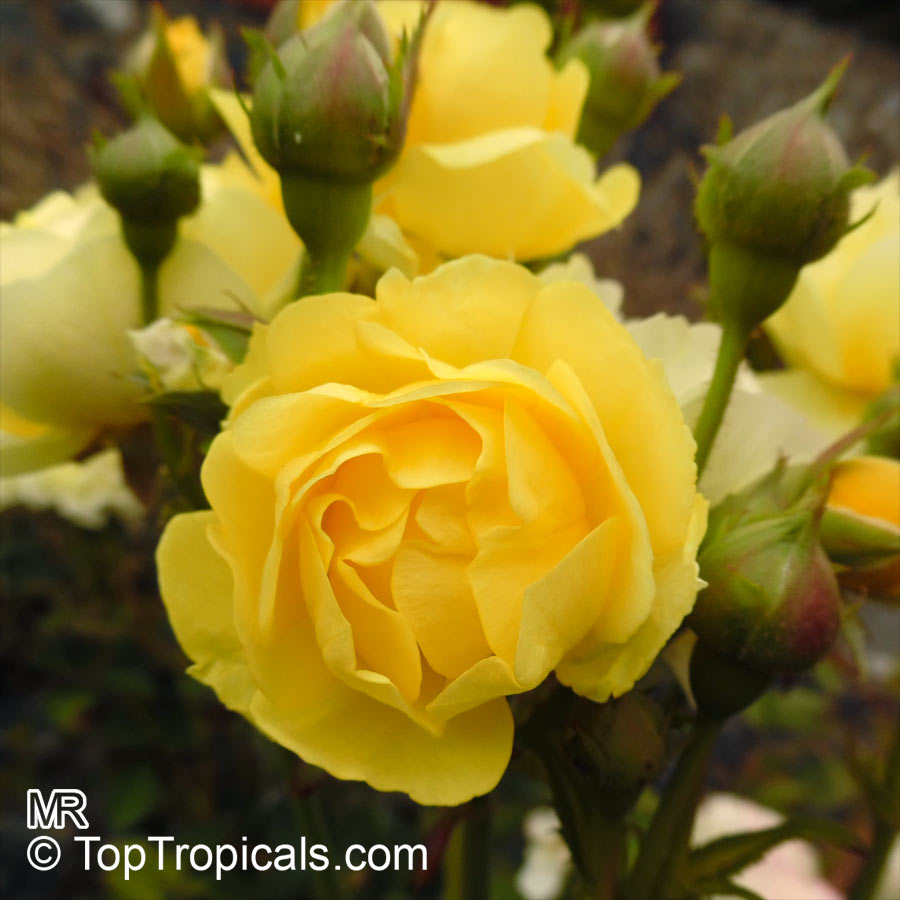
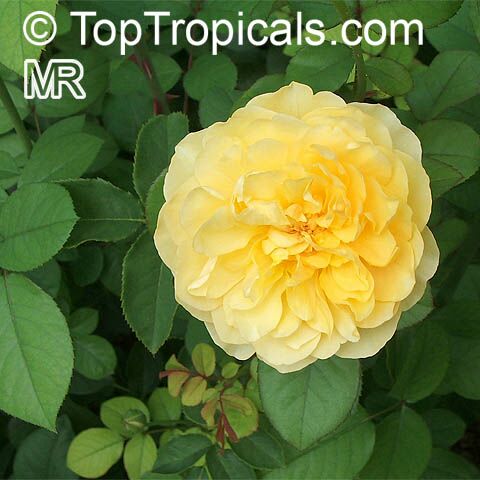
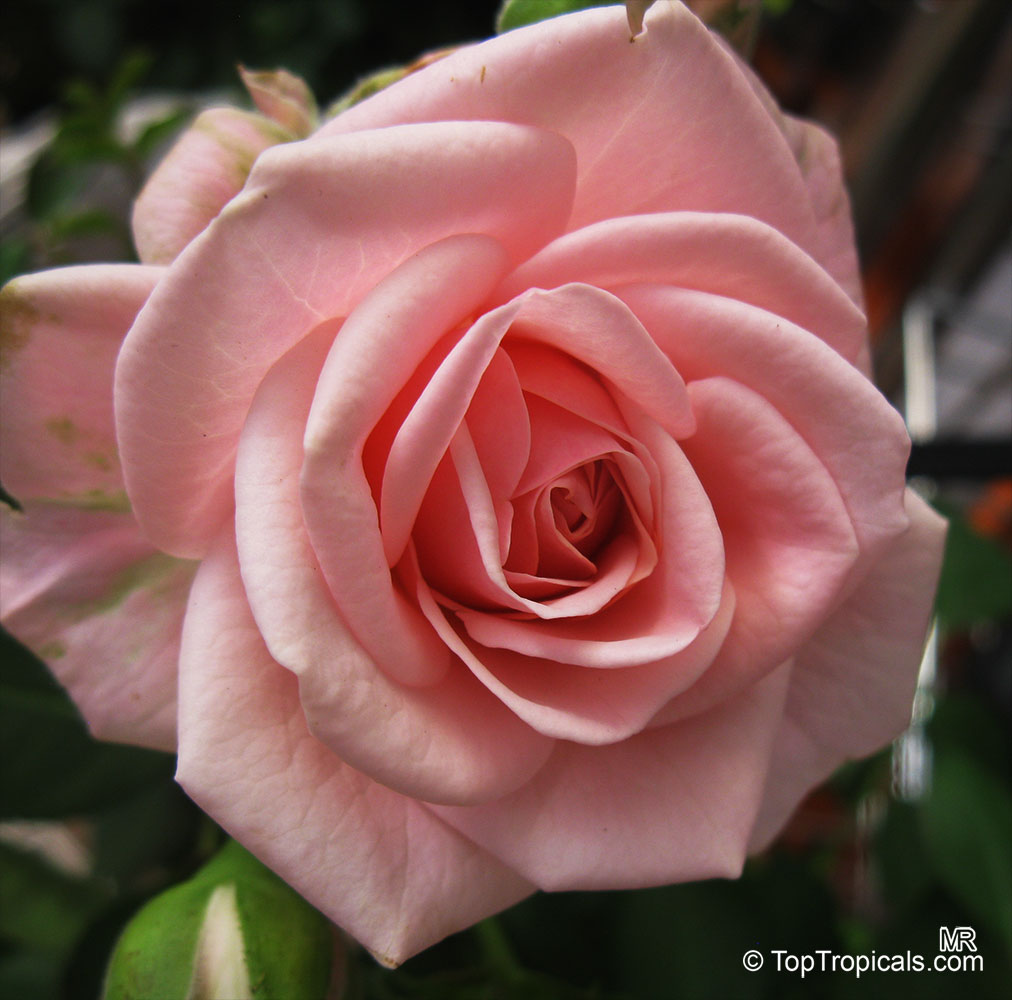
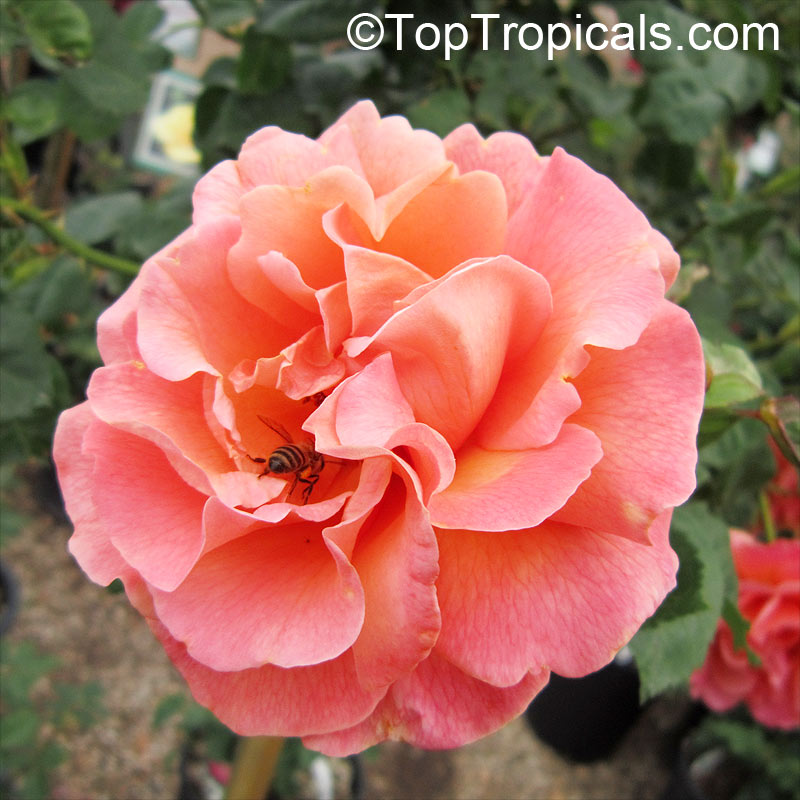
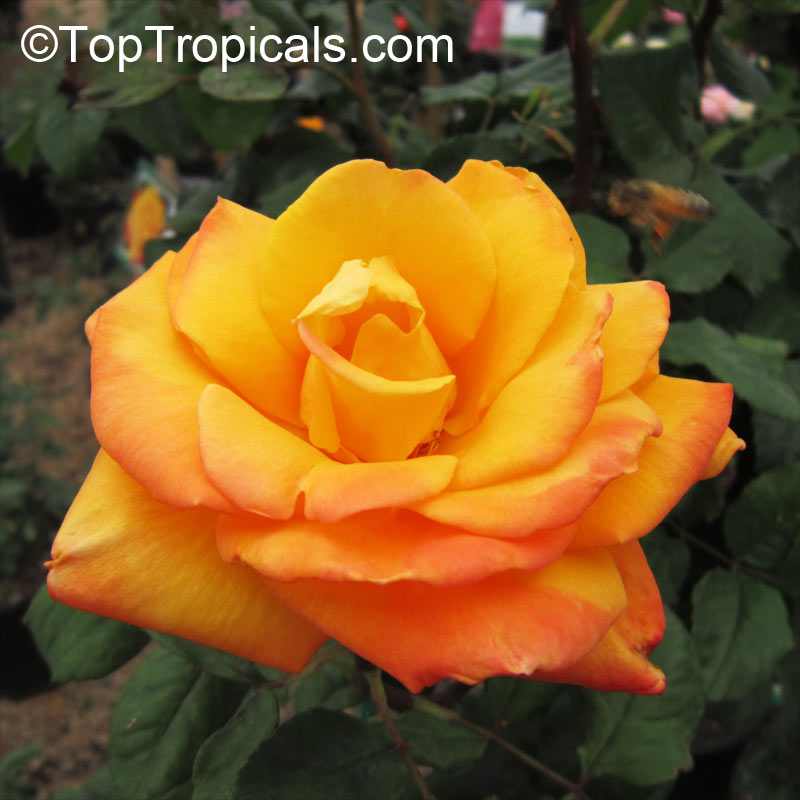
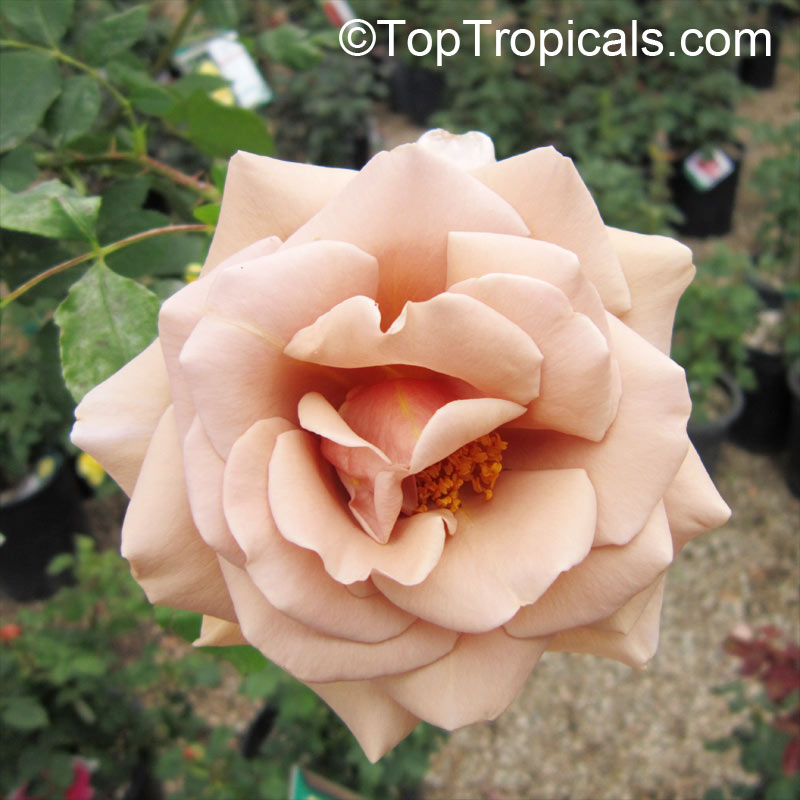
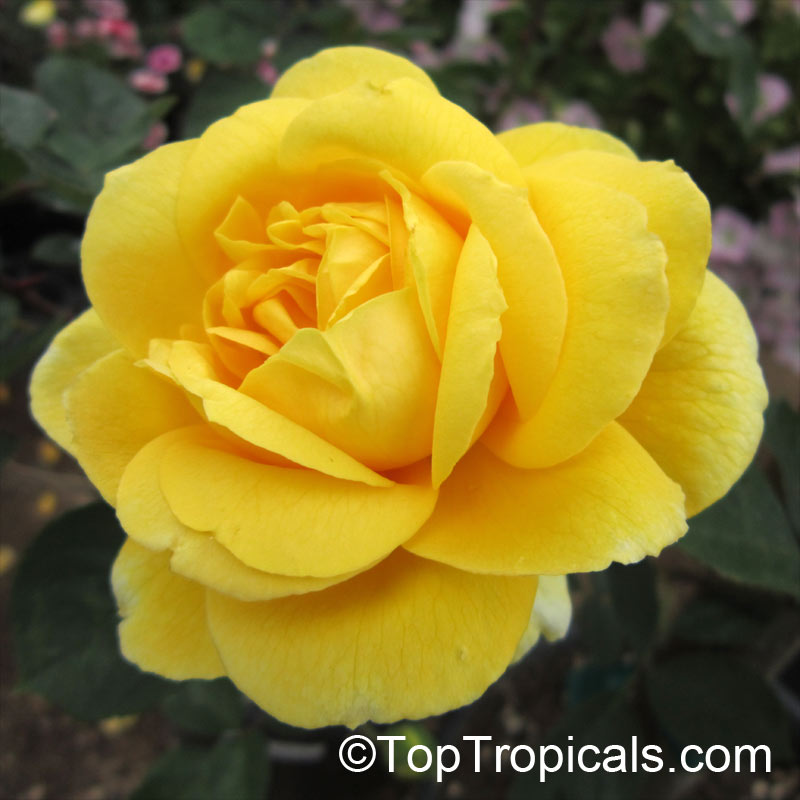
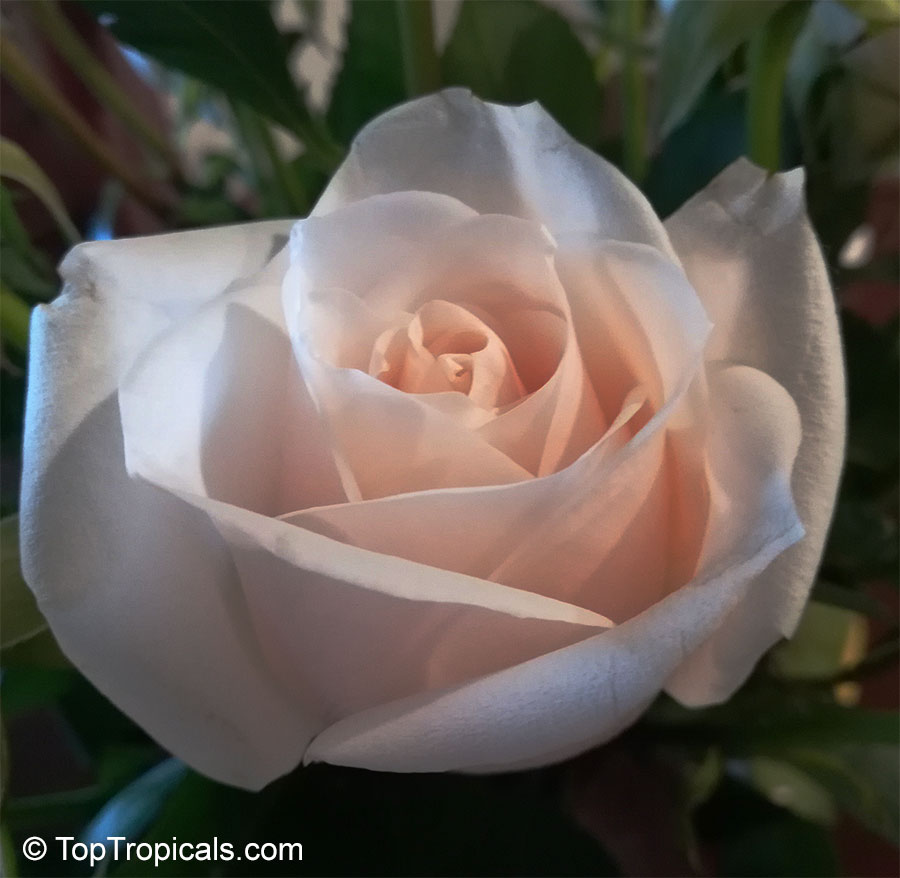
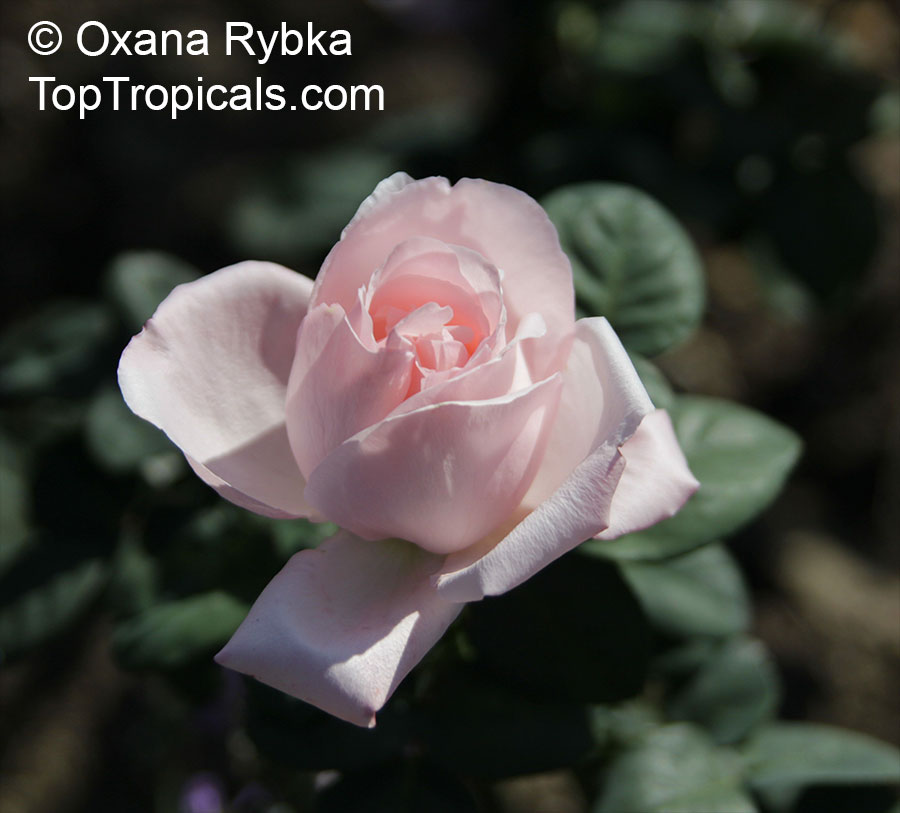
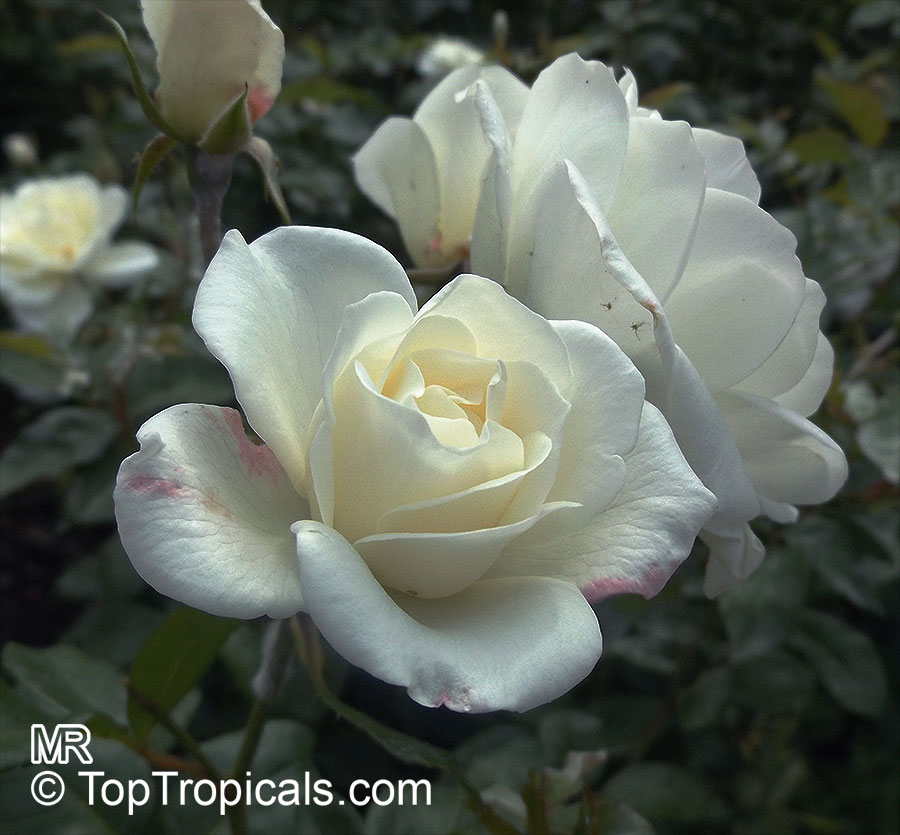
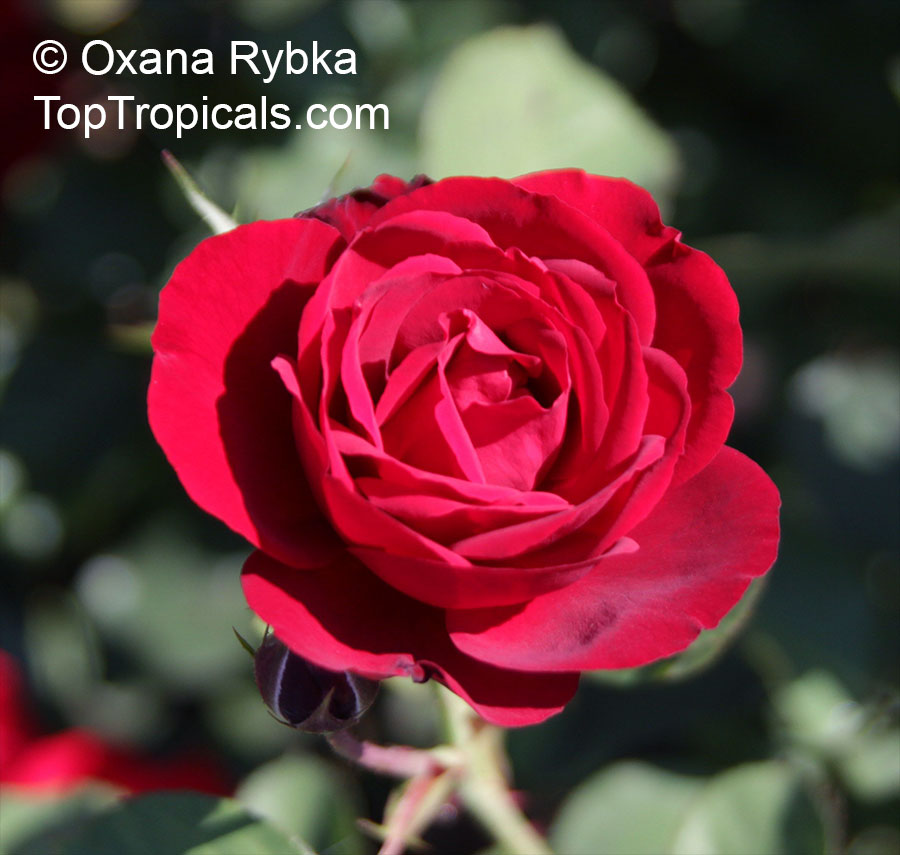
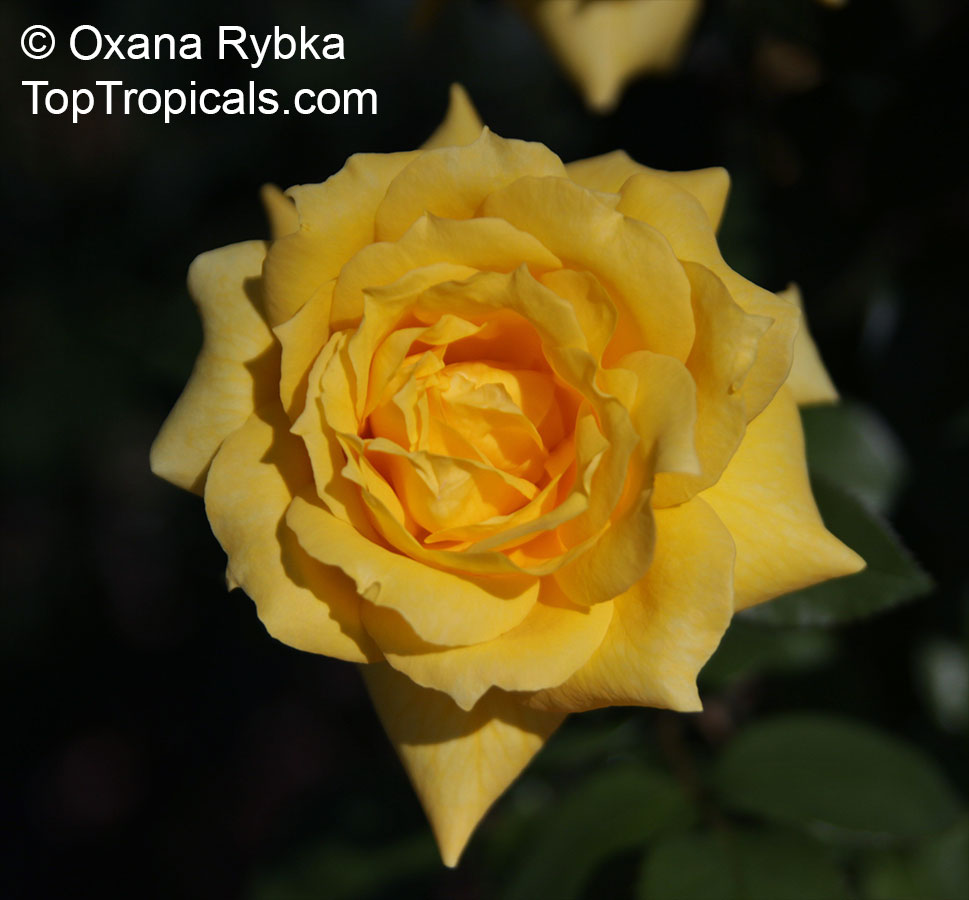
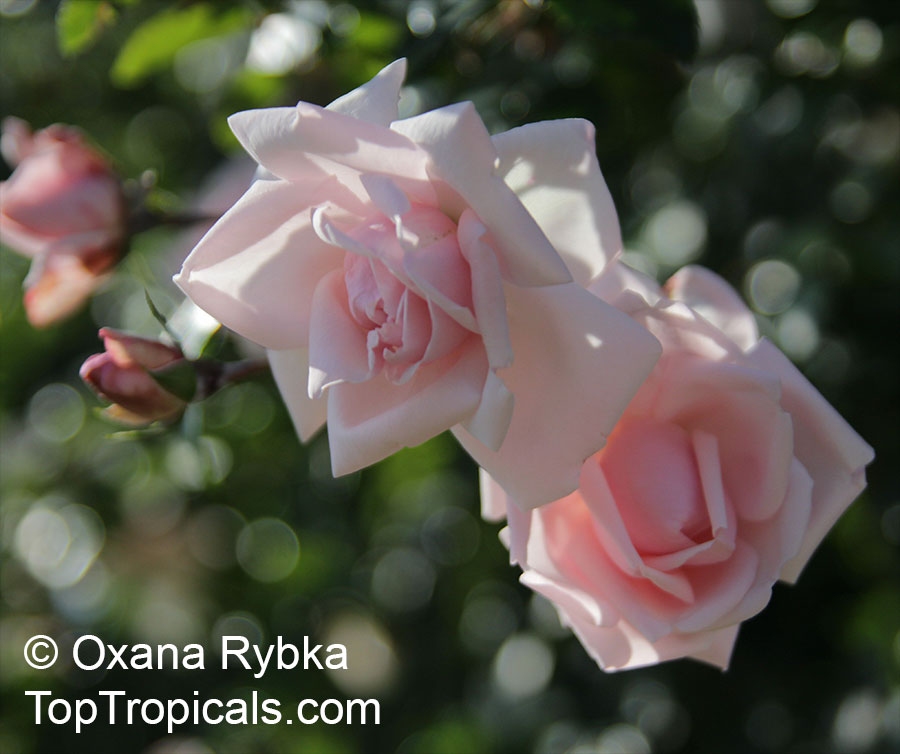
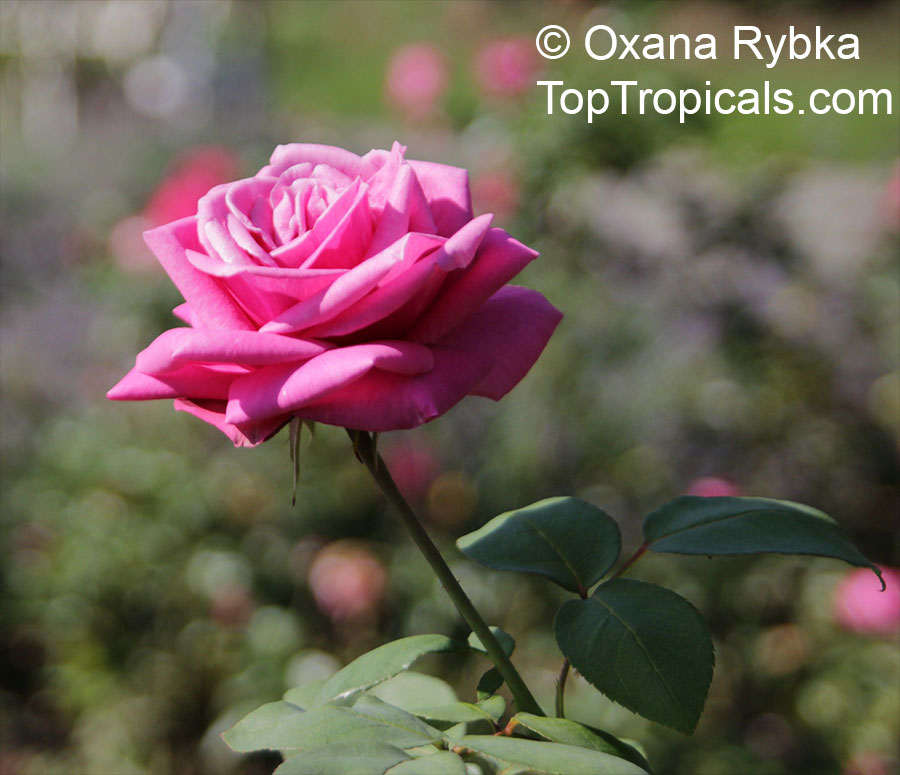
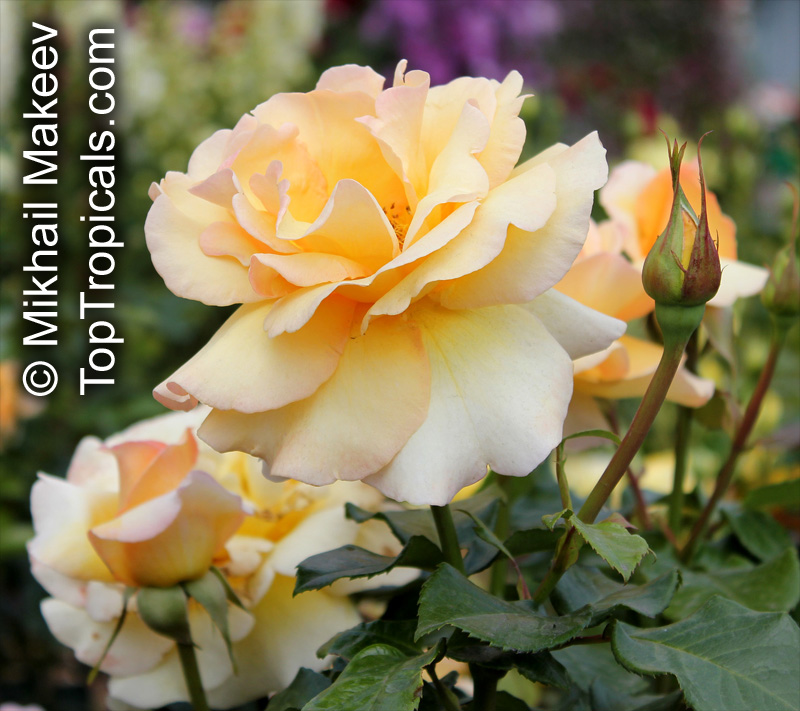
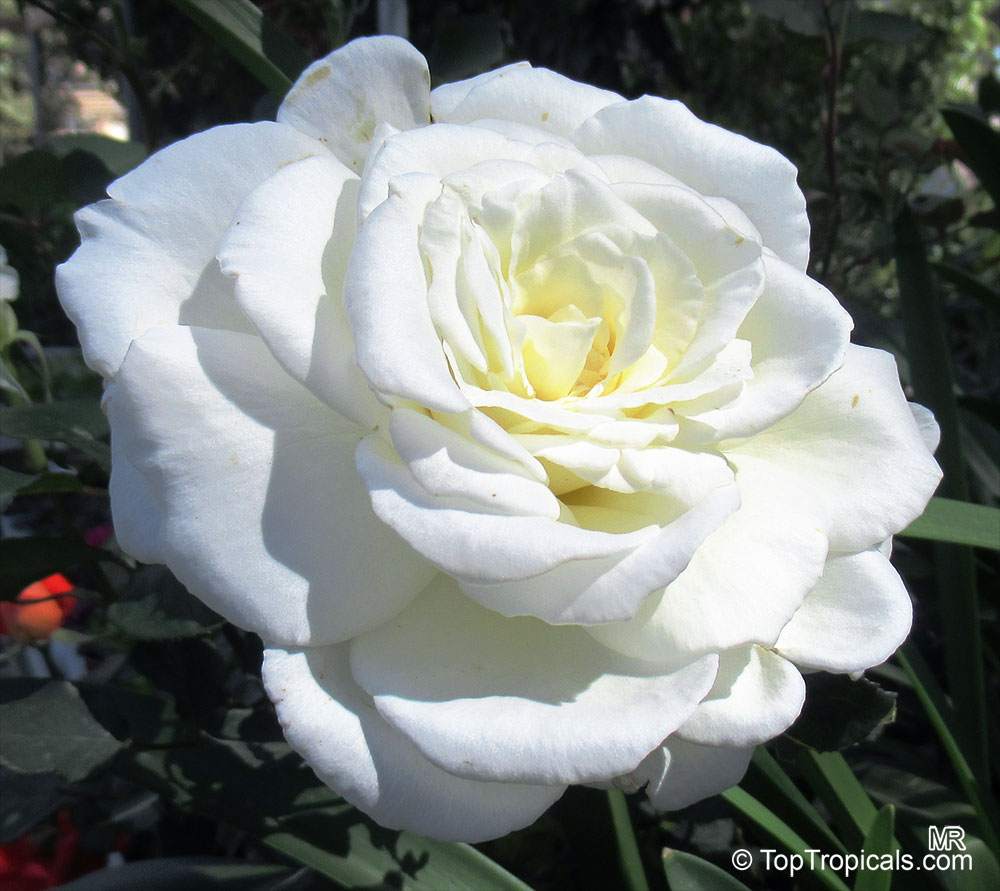
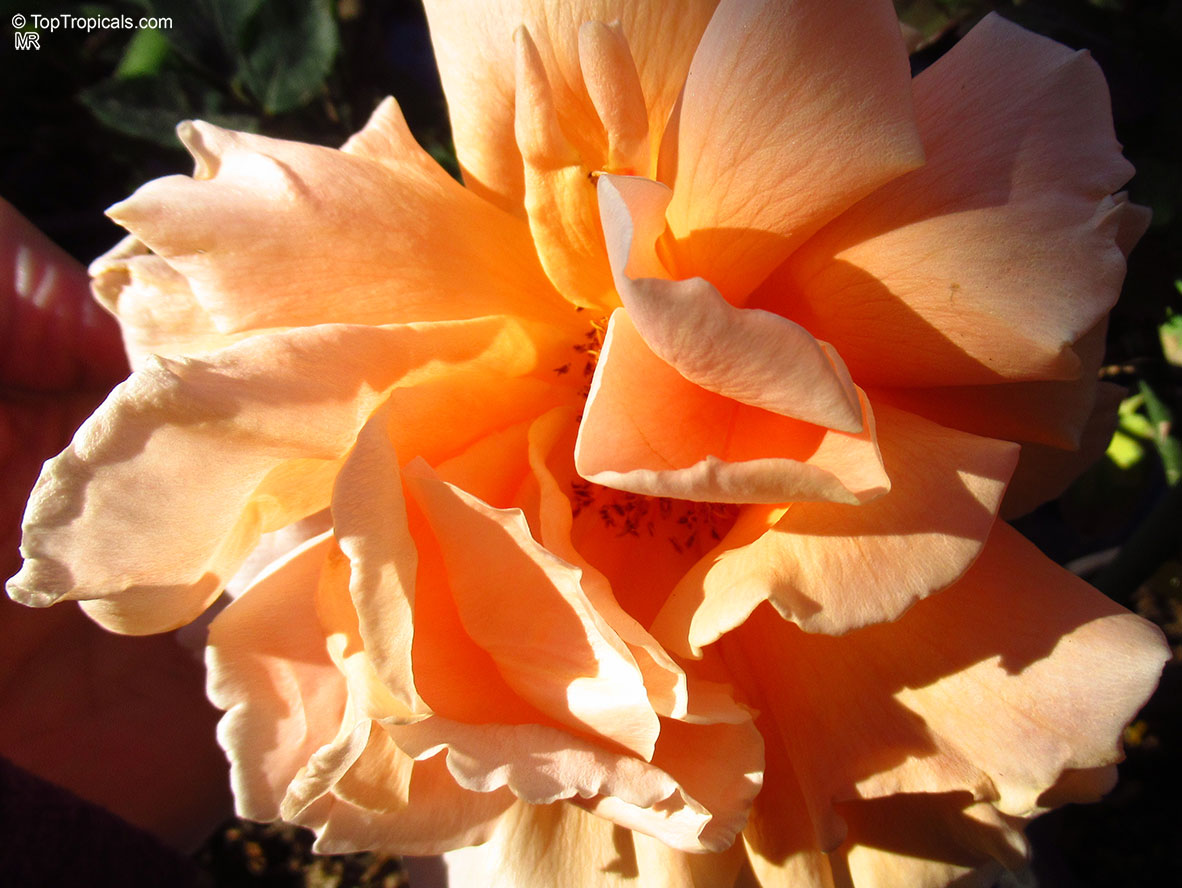
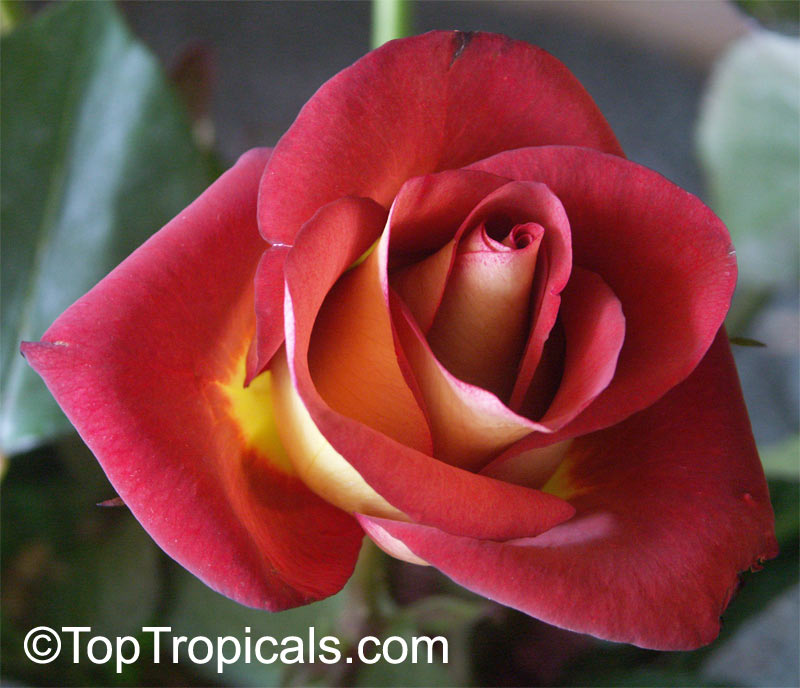
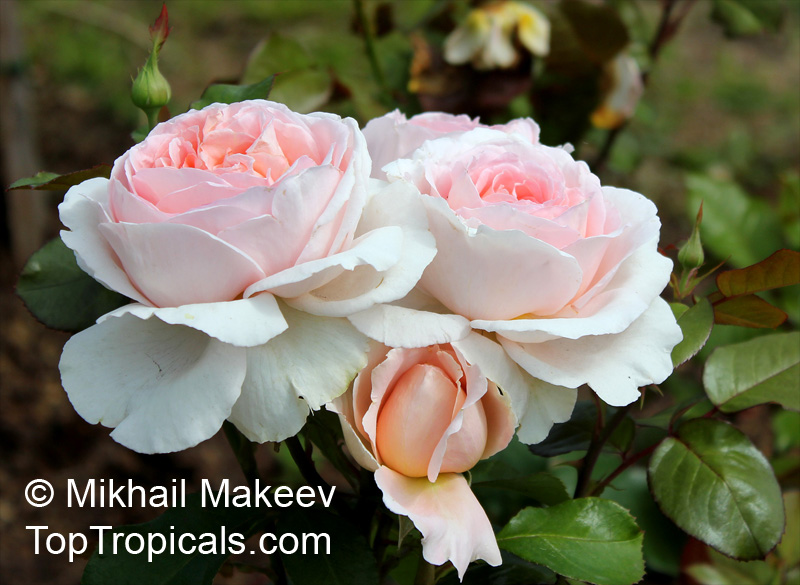
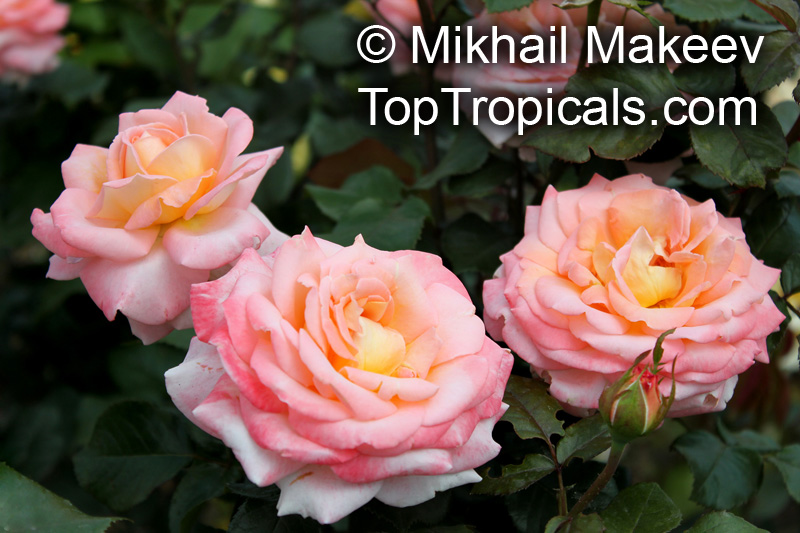
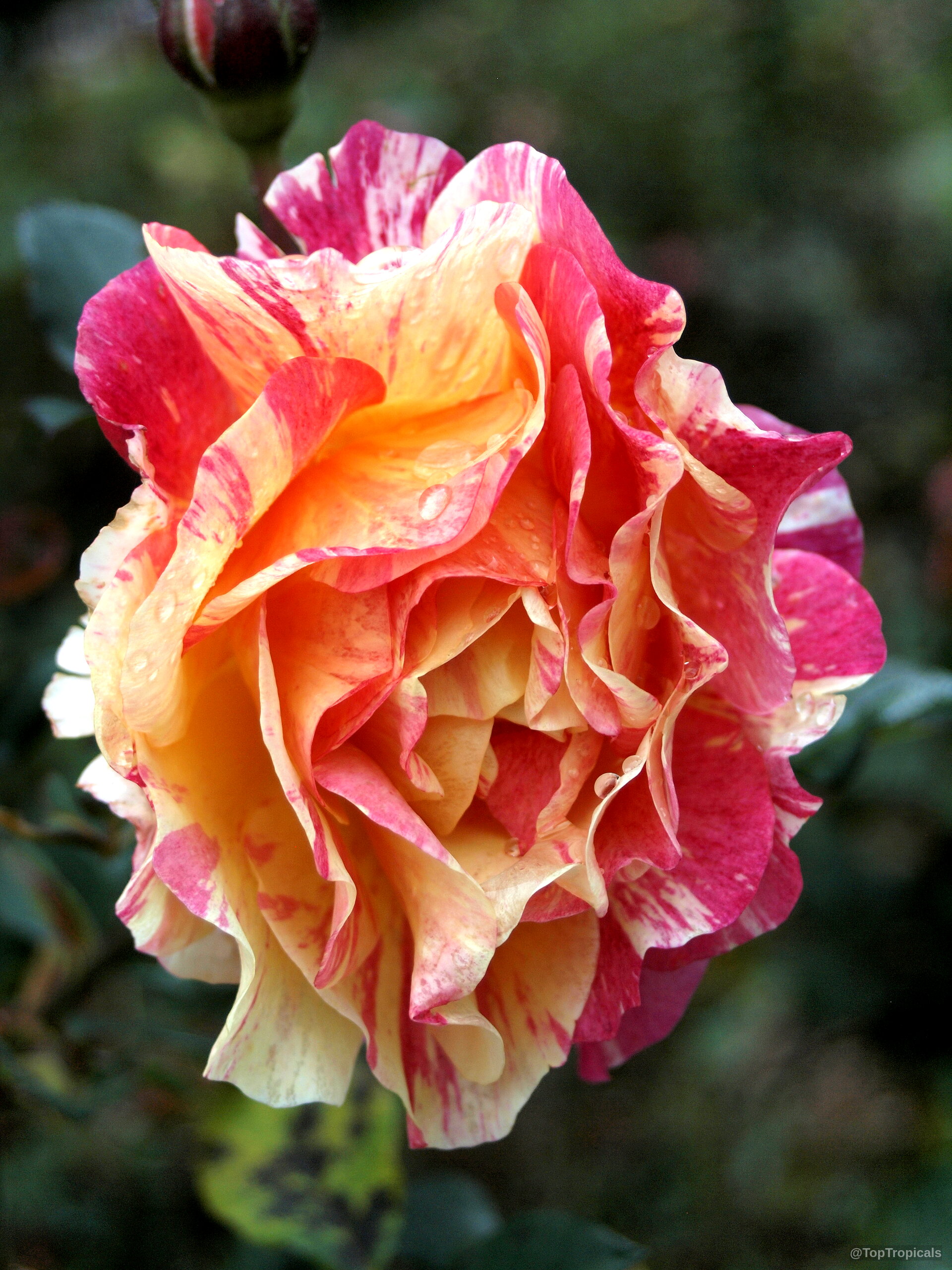
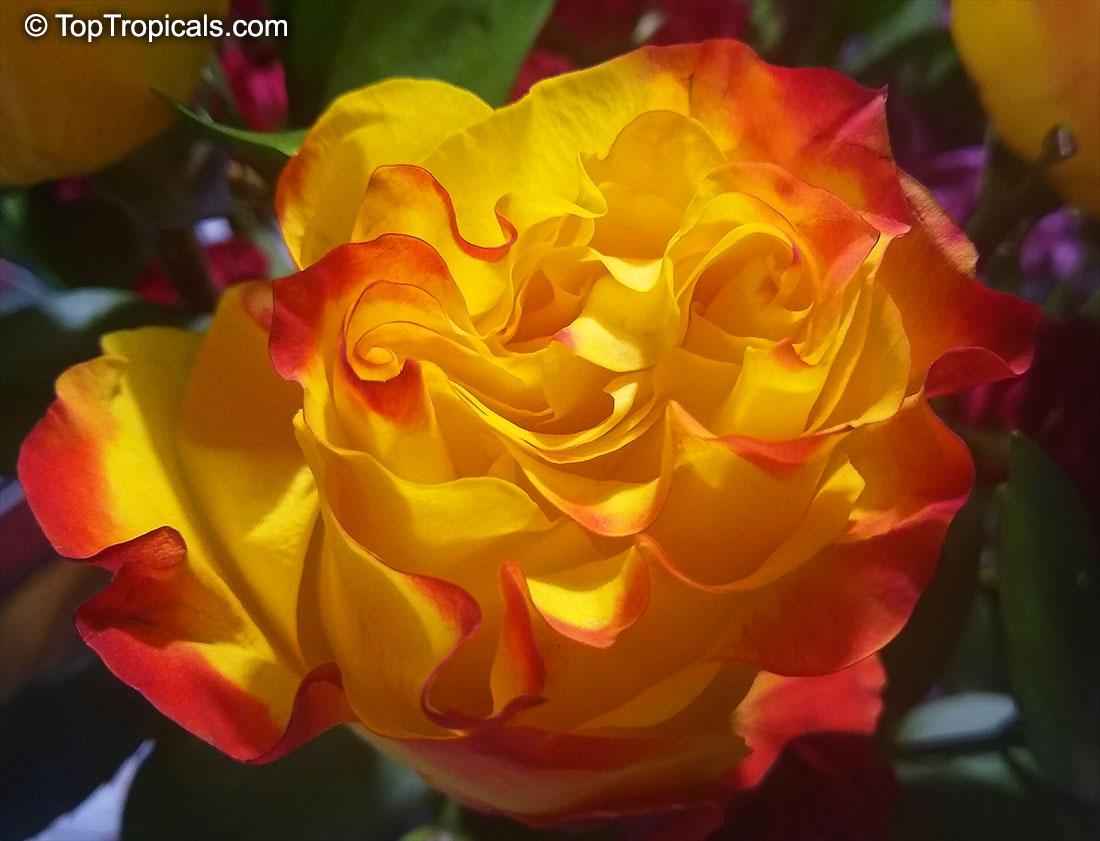
Rosa sp. 'Double Flower' (Rose)
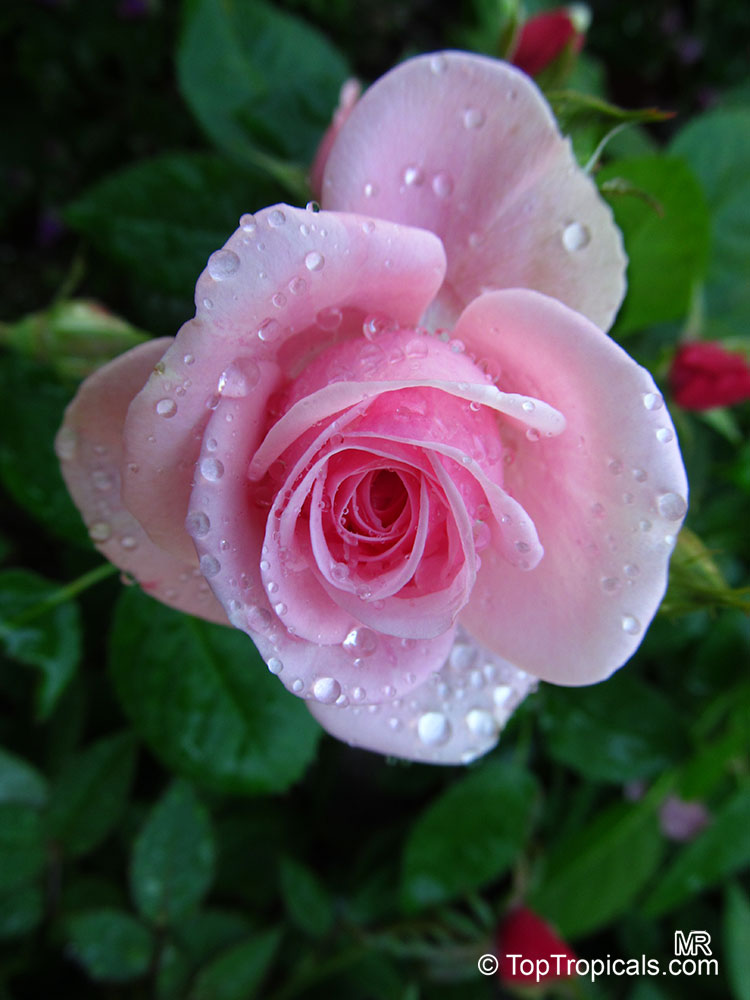
Botanical name: Rosa sp.
Common name: Rose
Cultivar: Double Flower
Family: Rosaceae
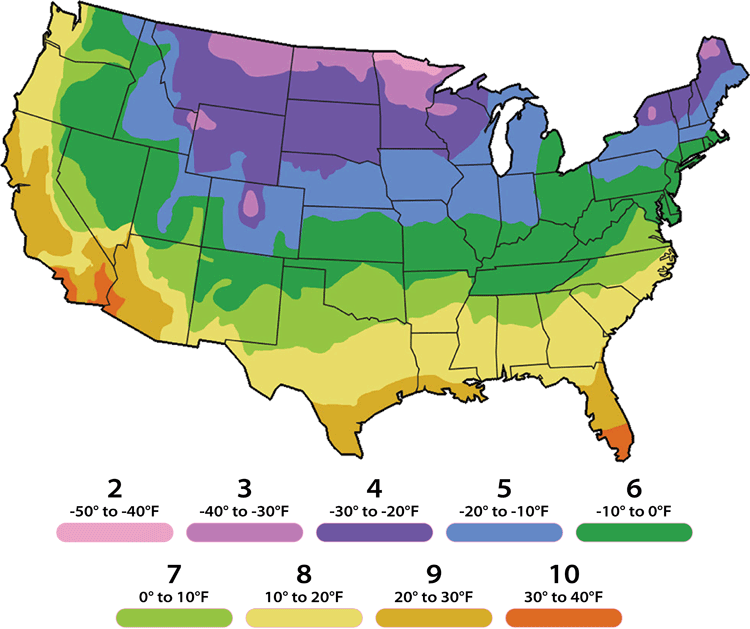
USDA Zone: 3-11
 Plant form: Large bush
 Mature height: 5-10 ft
 Sun exposure: Full sun or bright light indoor; semi-shade
 Cold tolerance: Tolerates light freezing to about 30°F for short periods (mature plants). Young plants must be protected.
 Watering: Regular; moderate


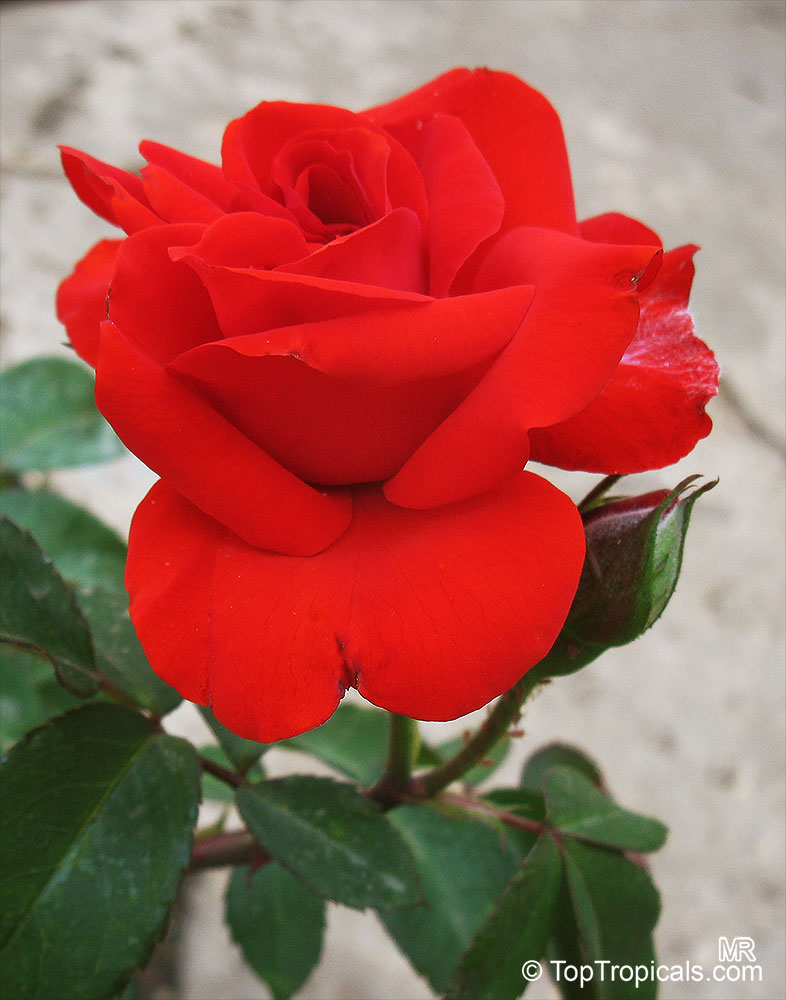
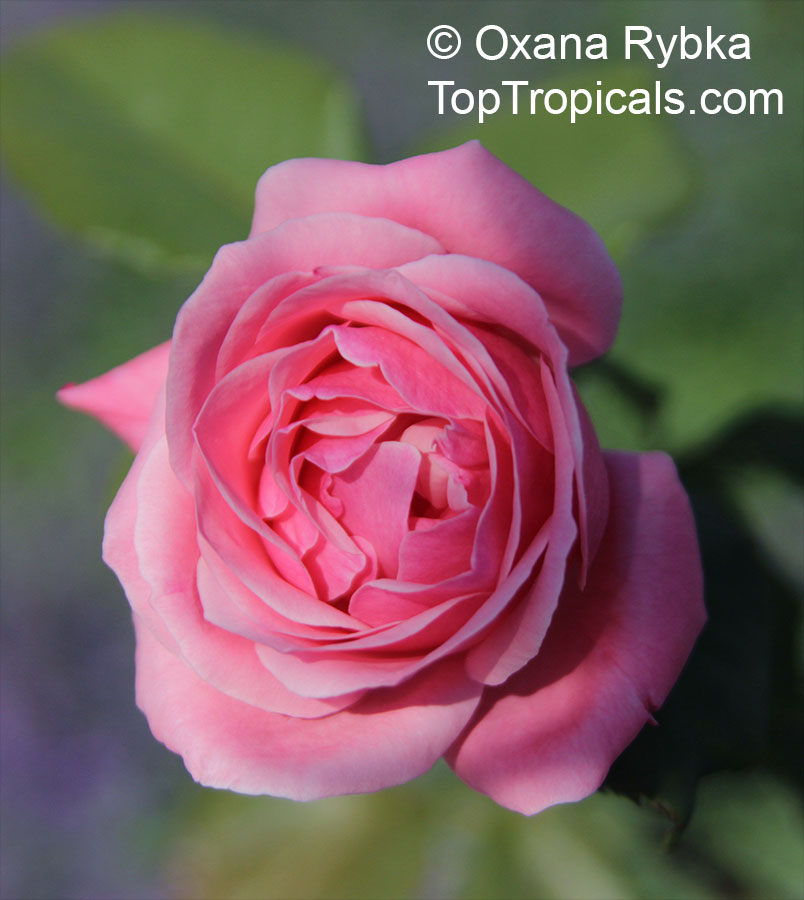
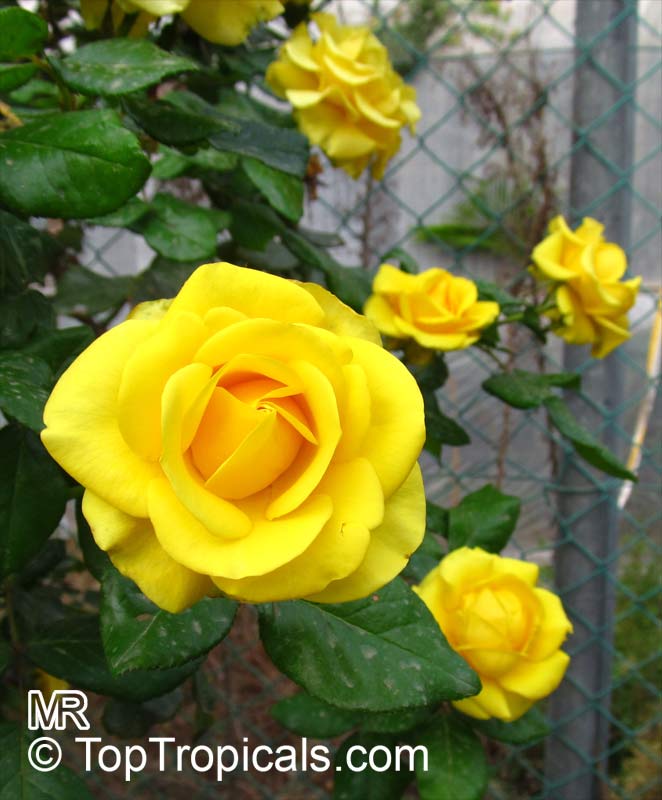
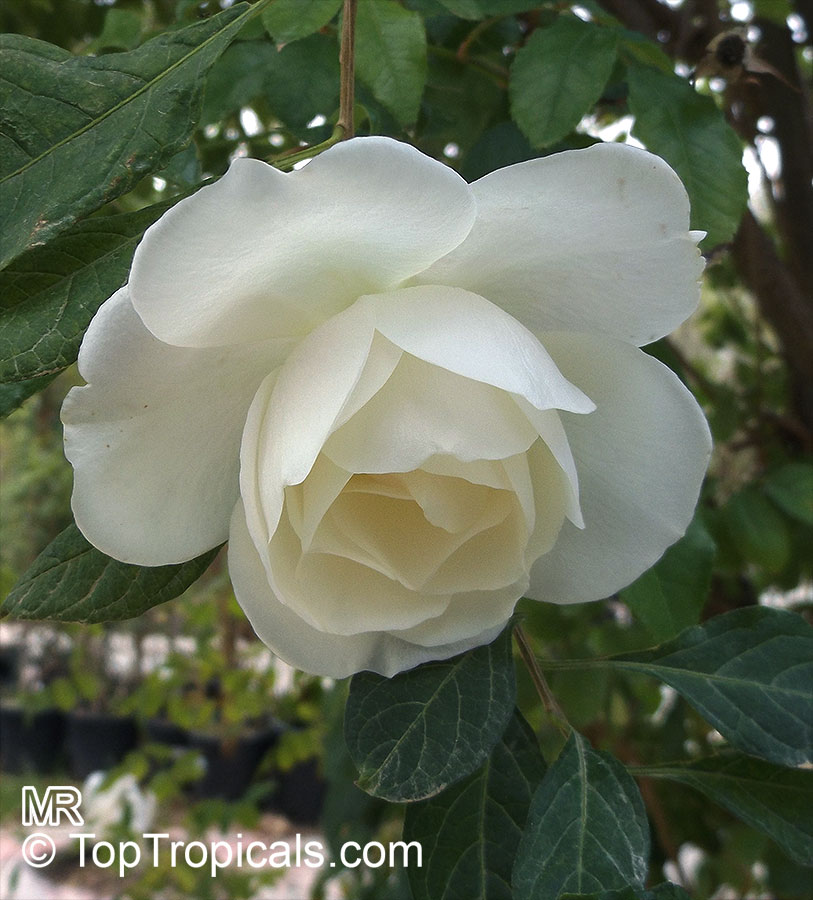
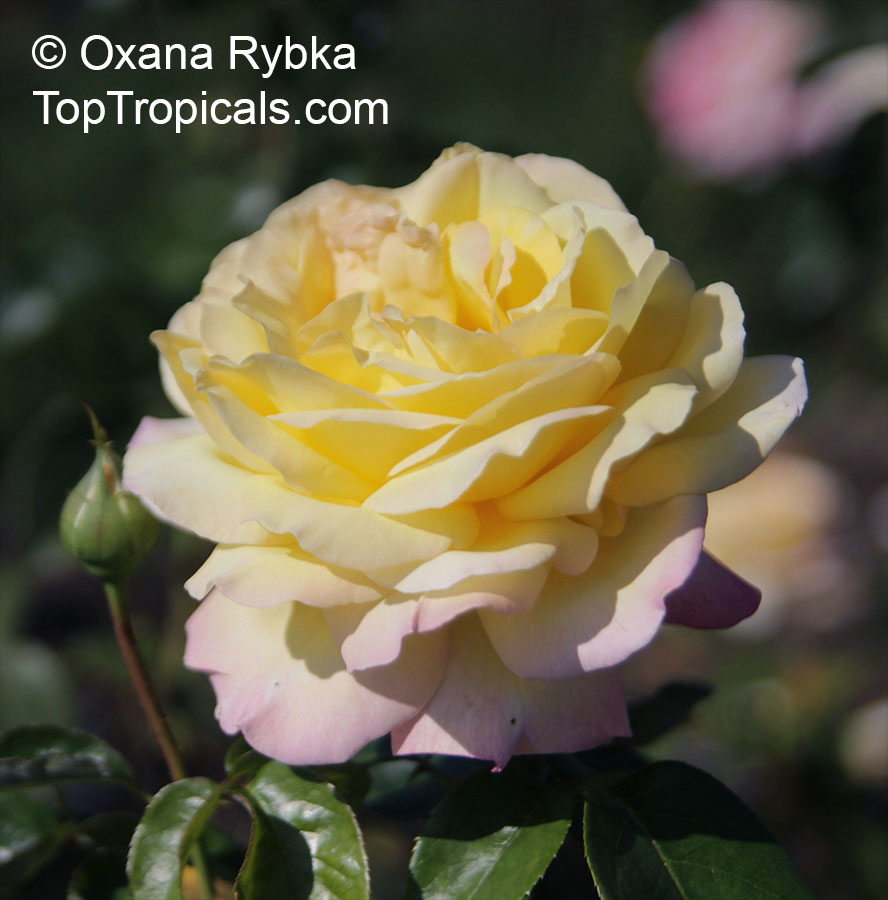
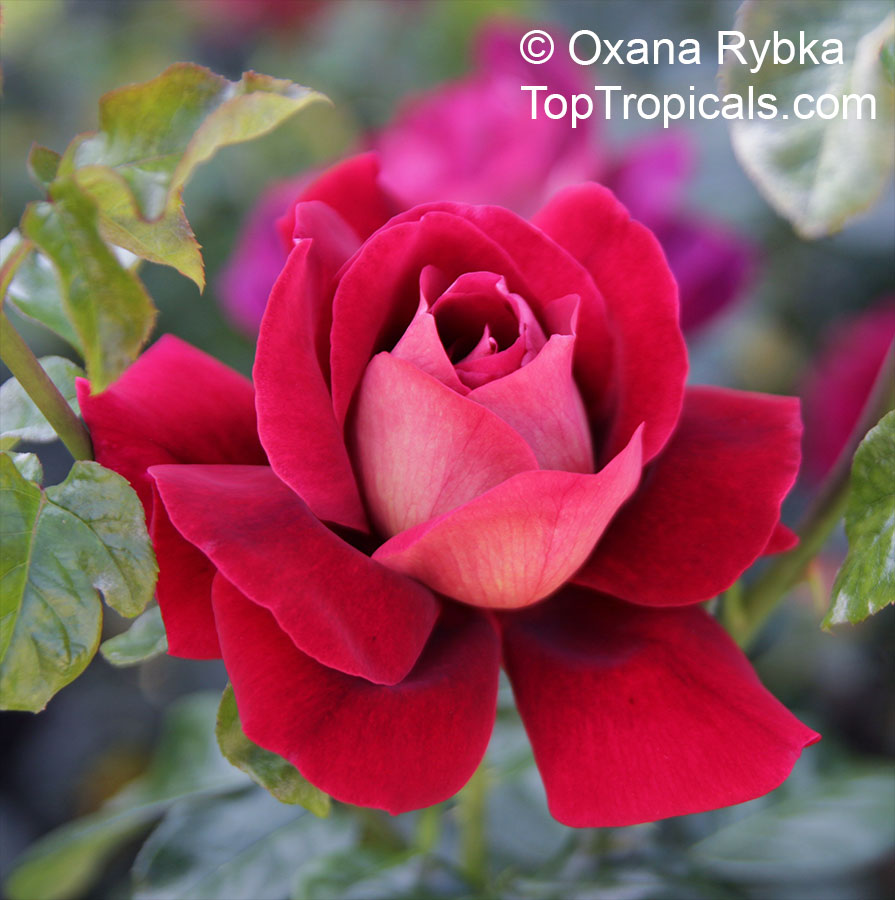
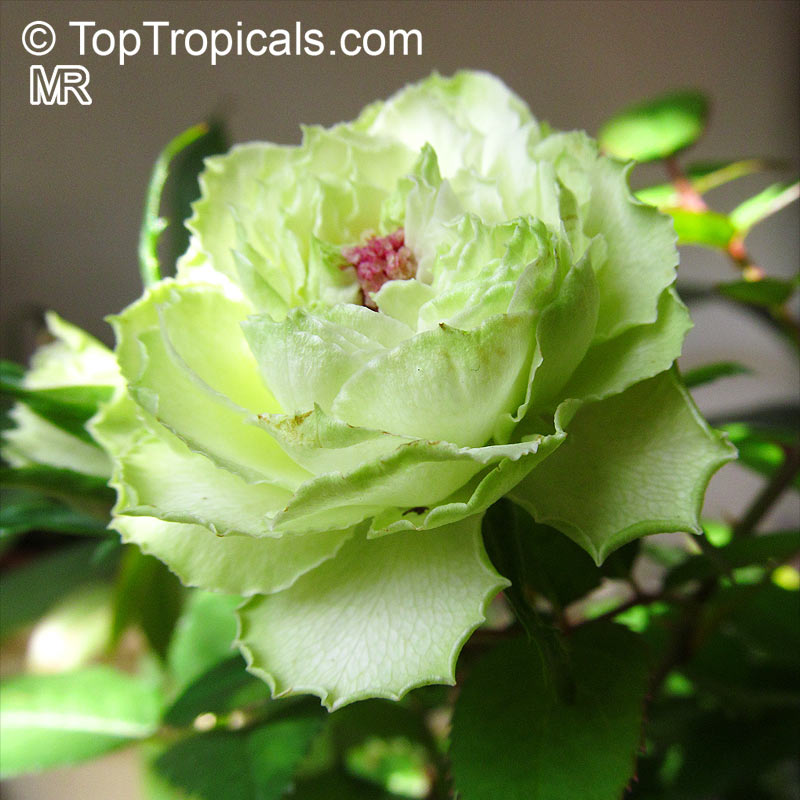
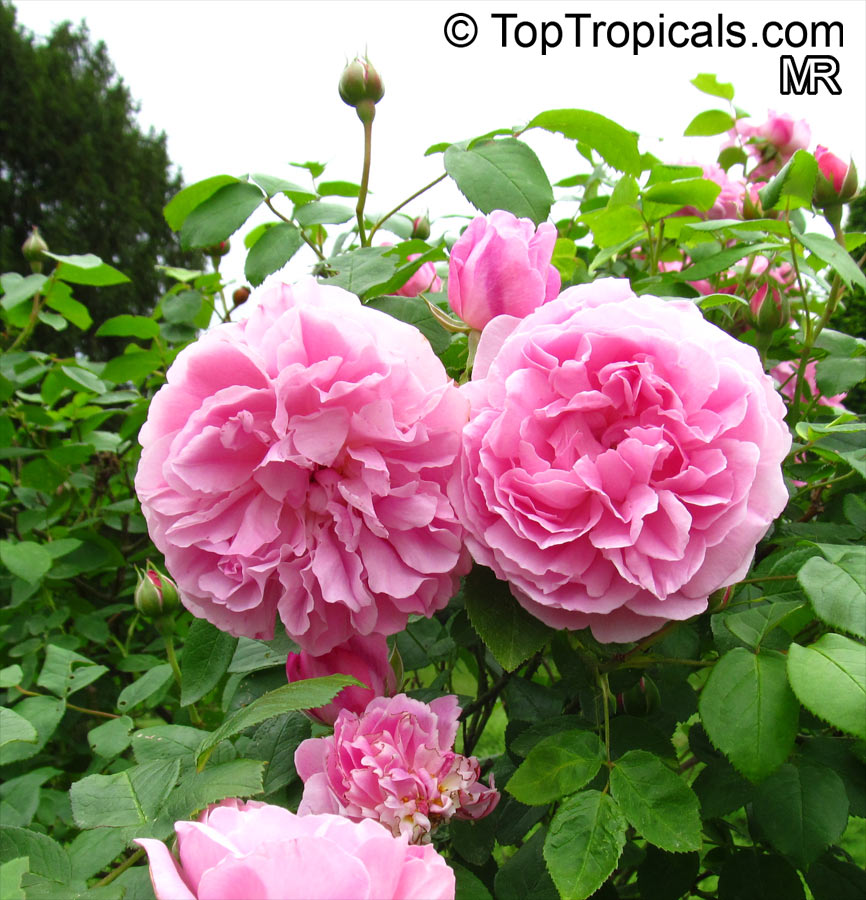
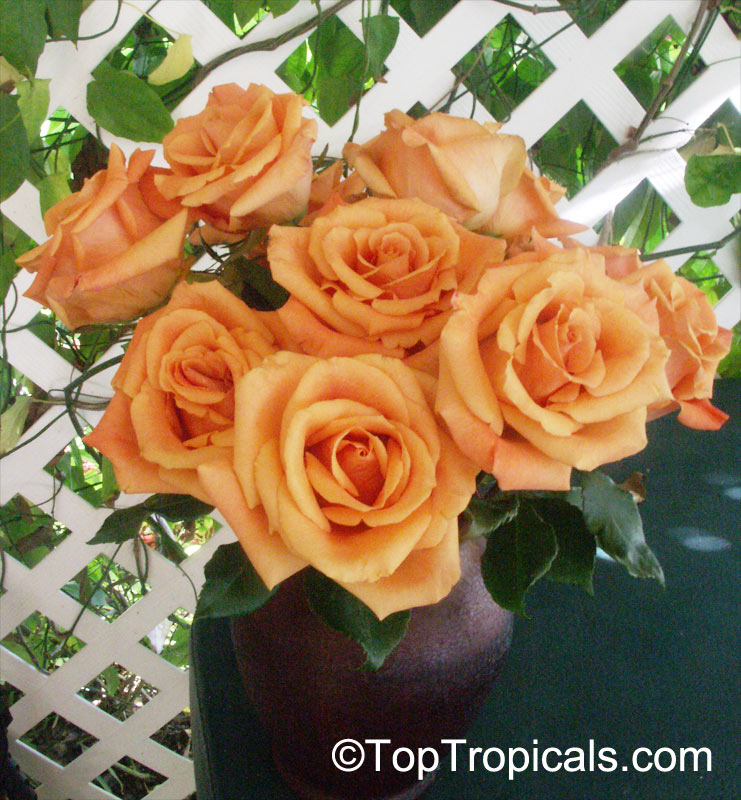
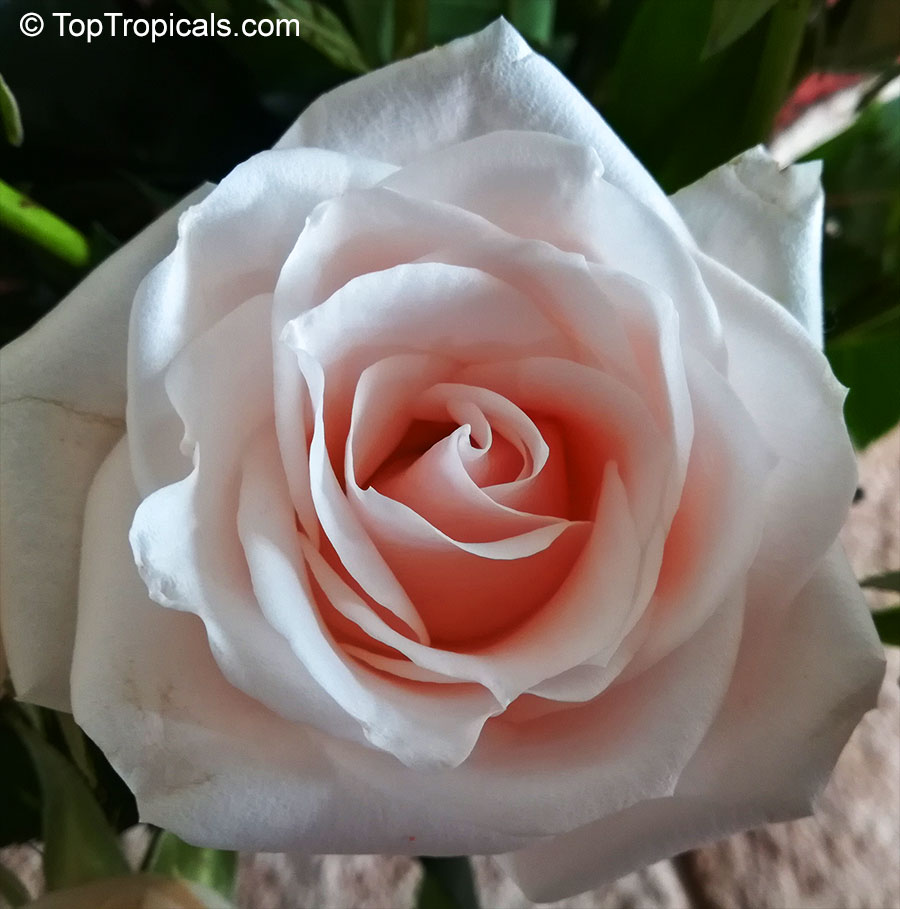
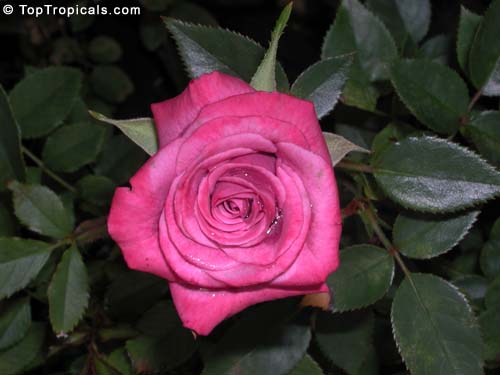
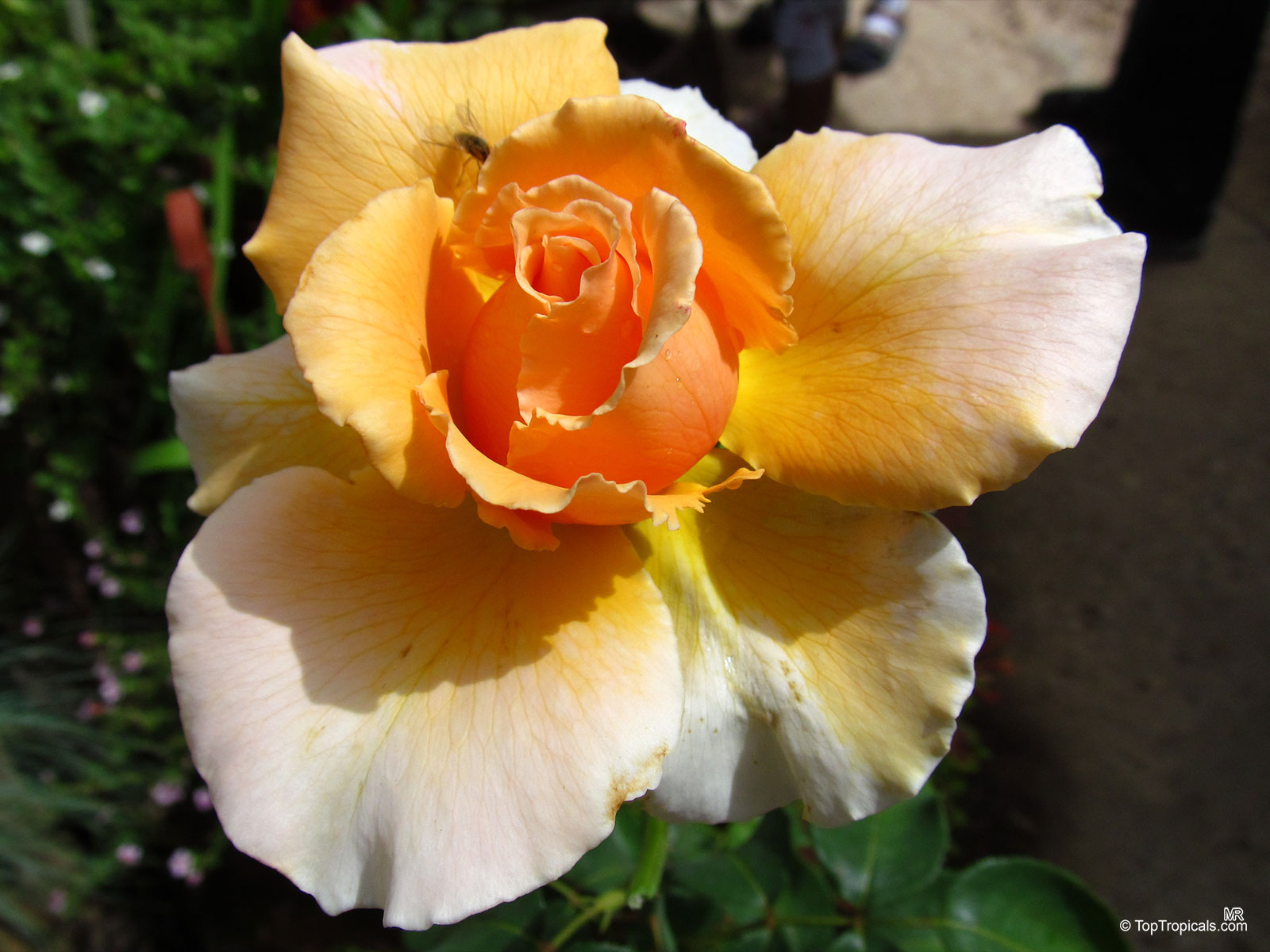
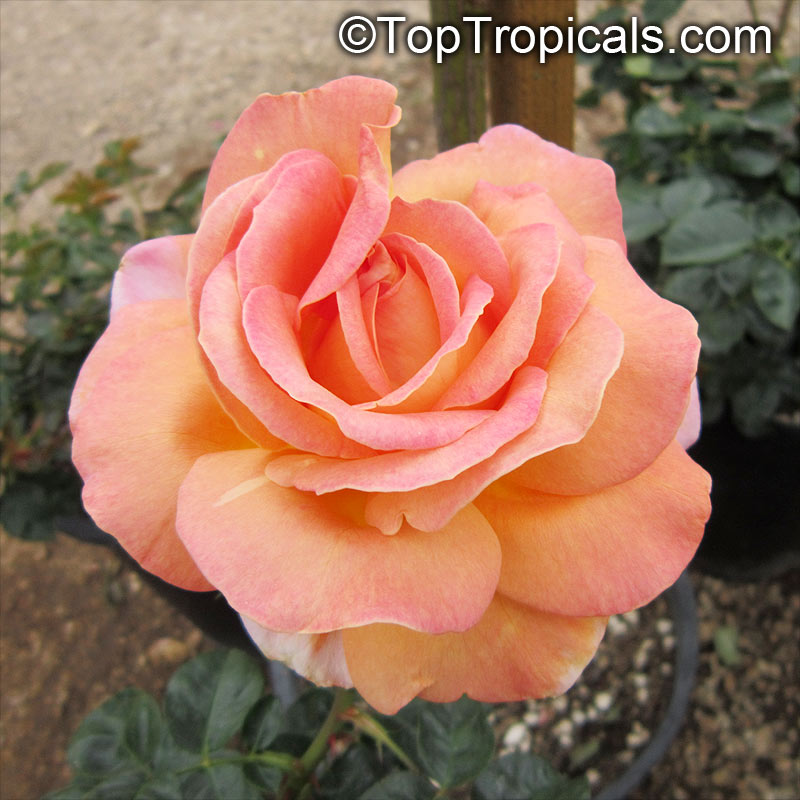
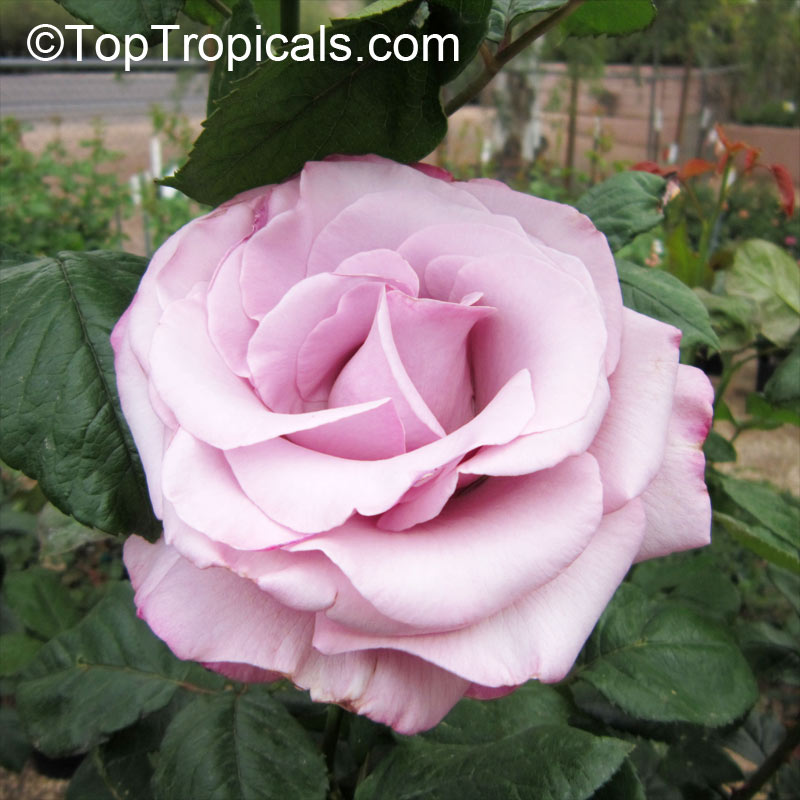
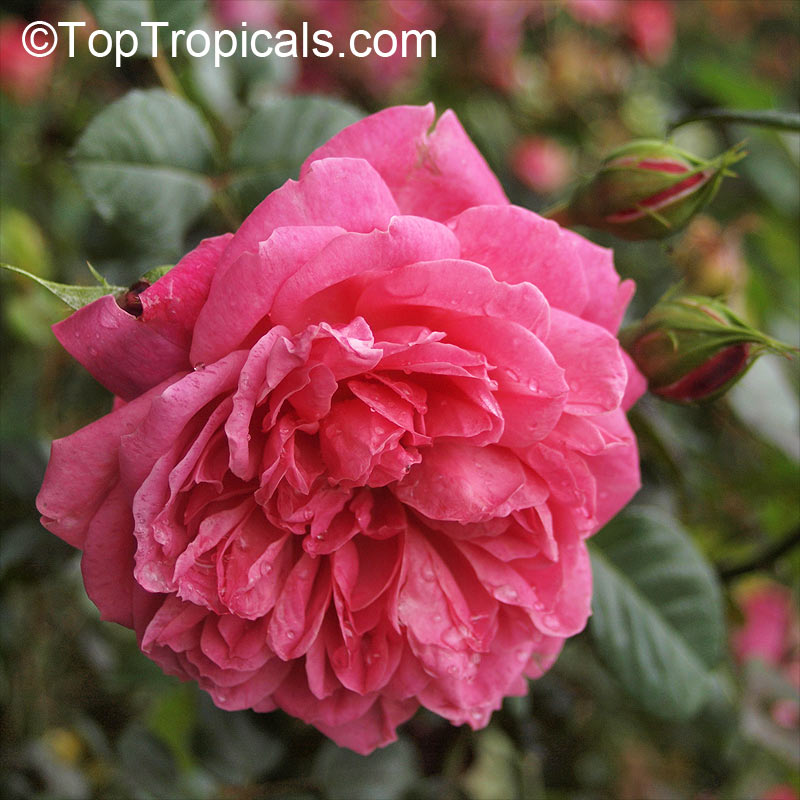
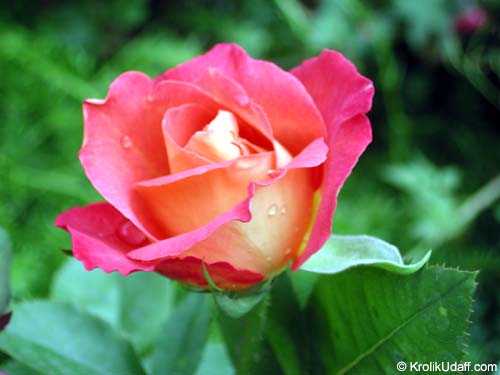
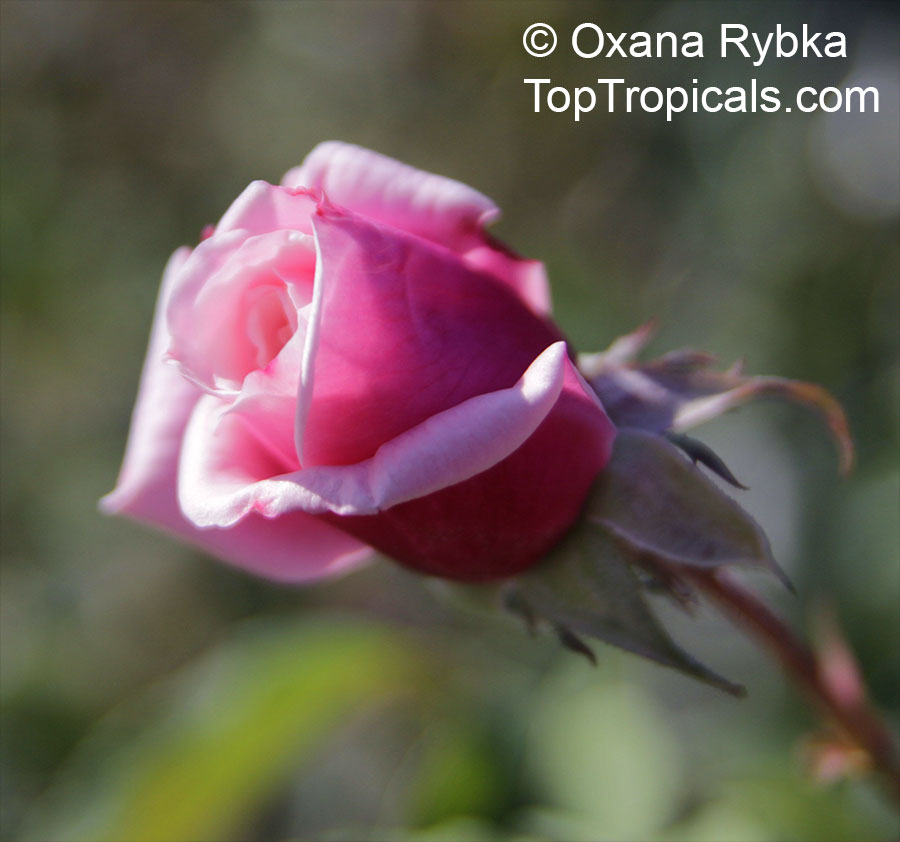
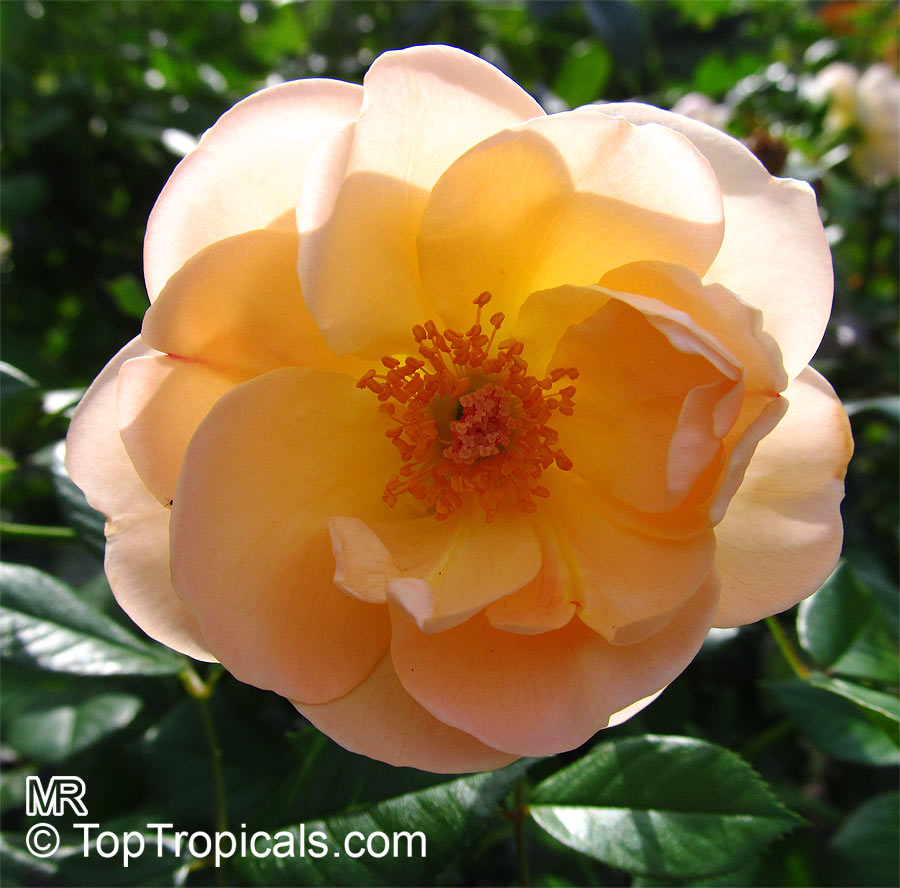
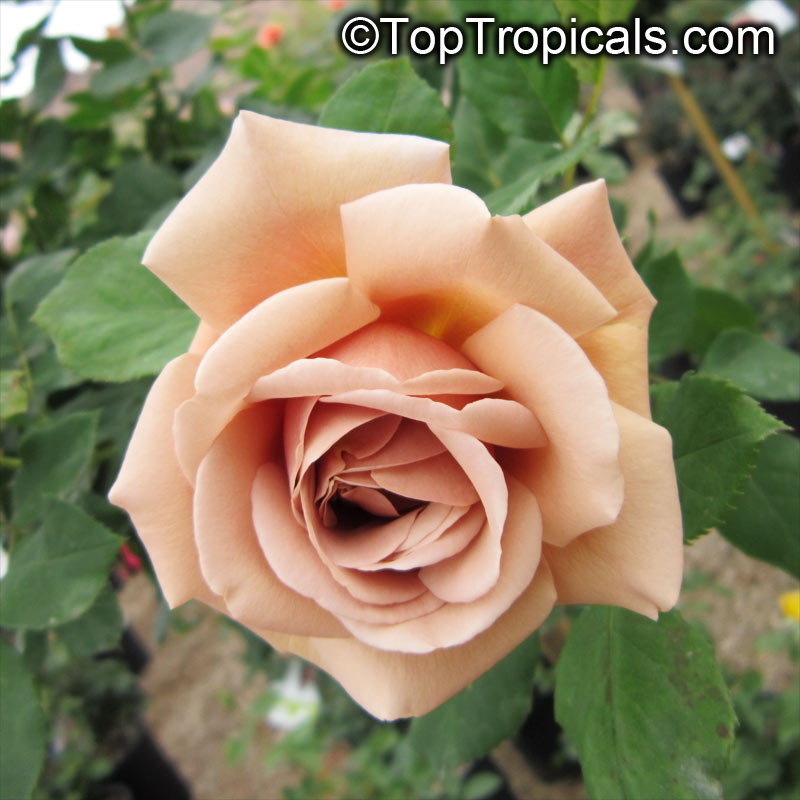
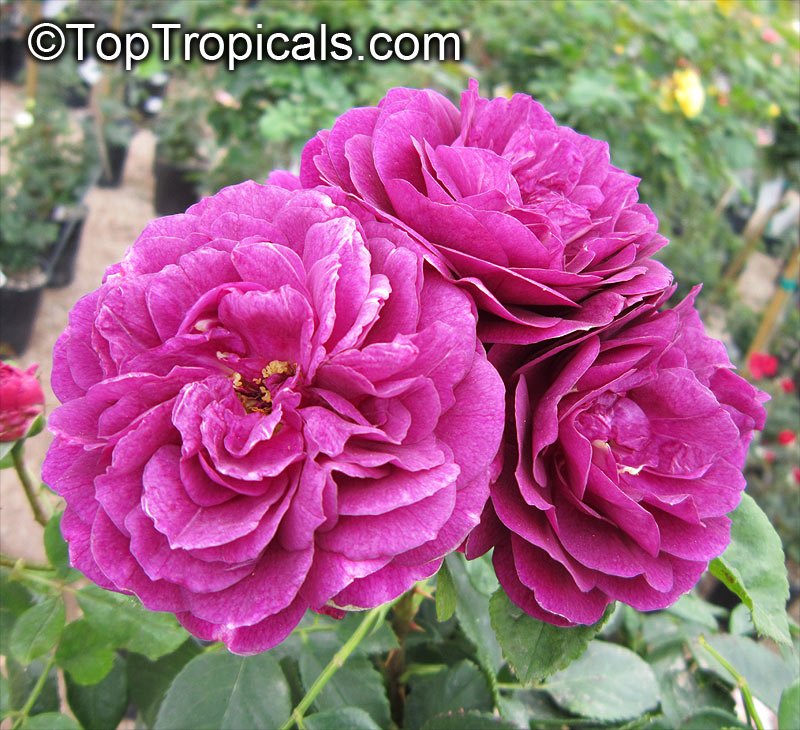
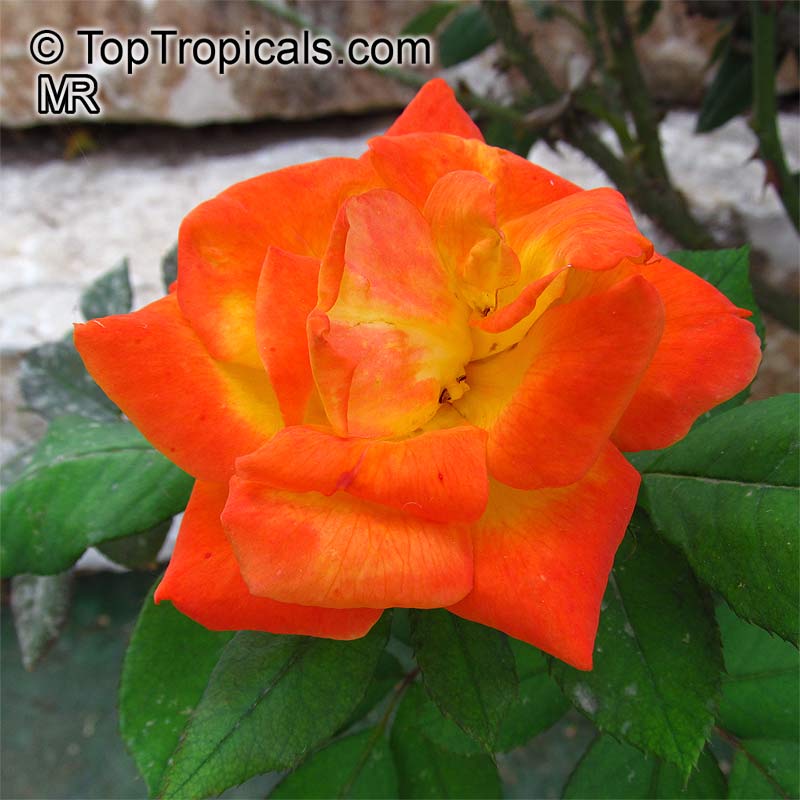
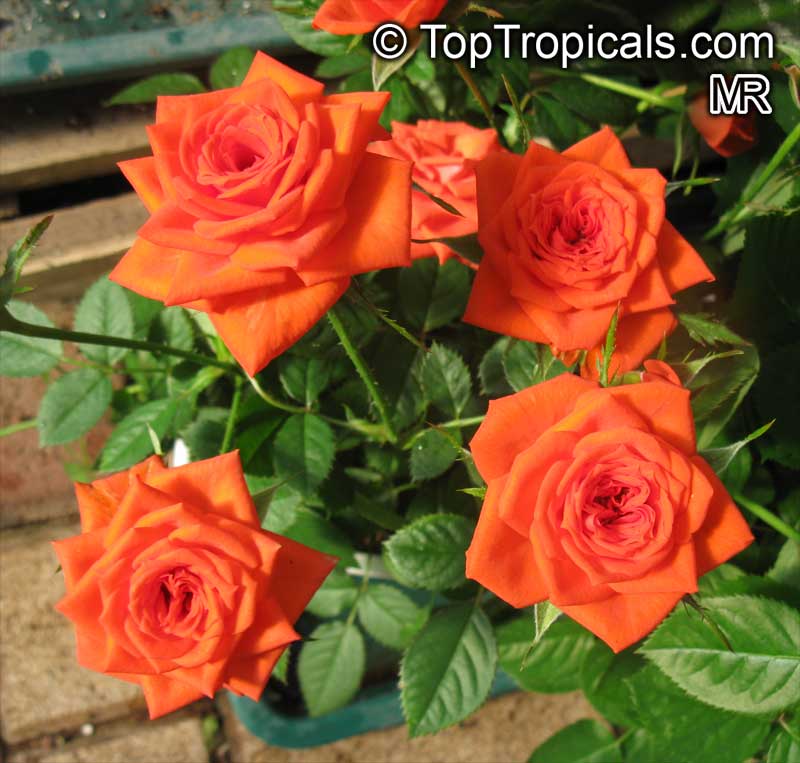
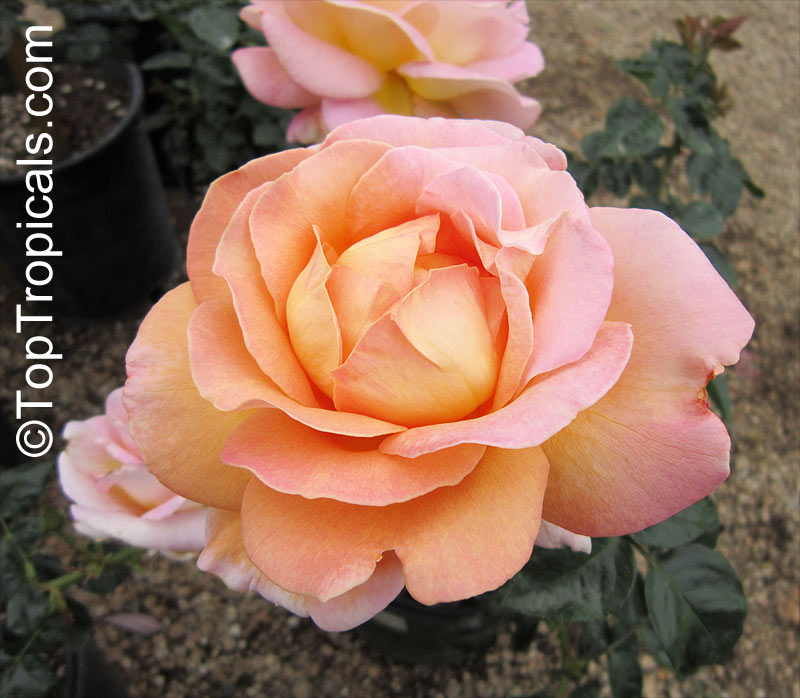
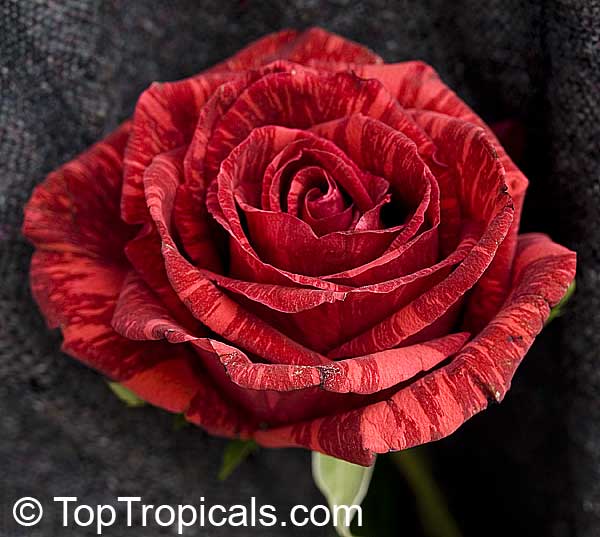
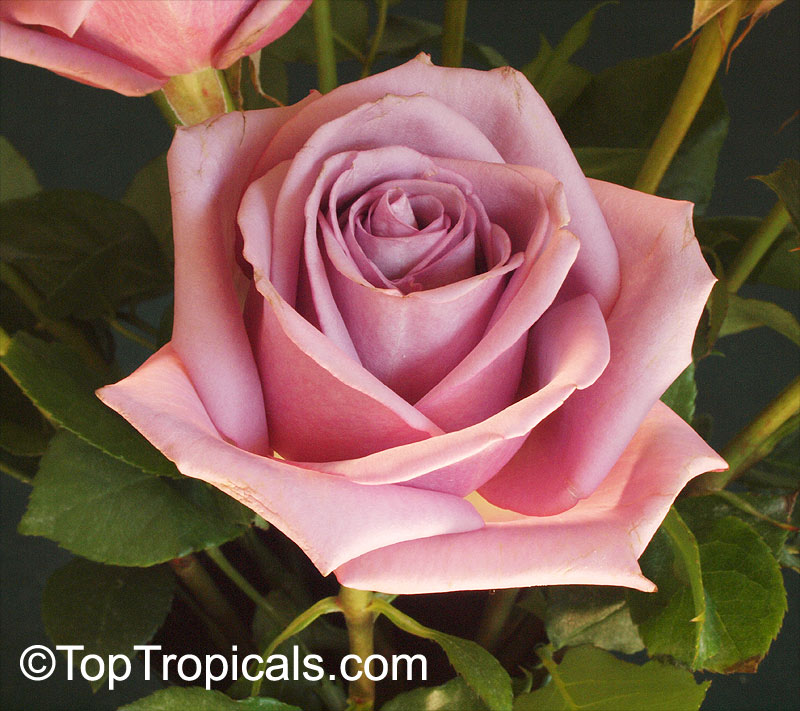
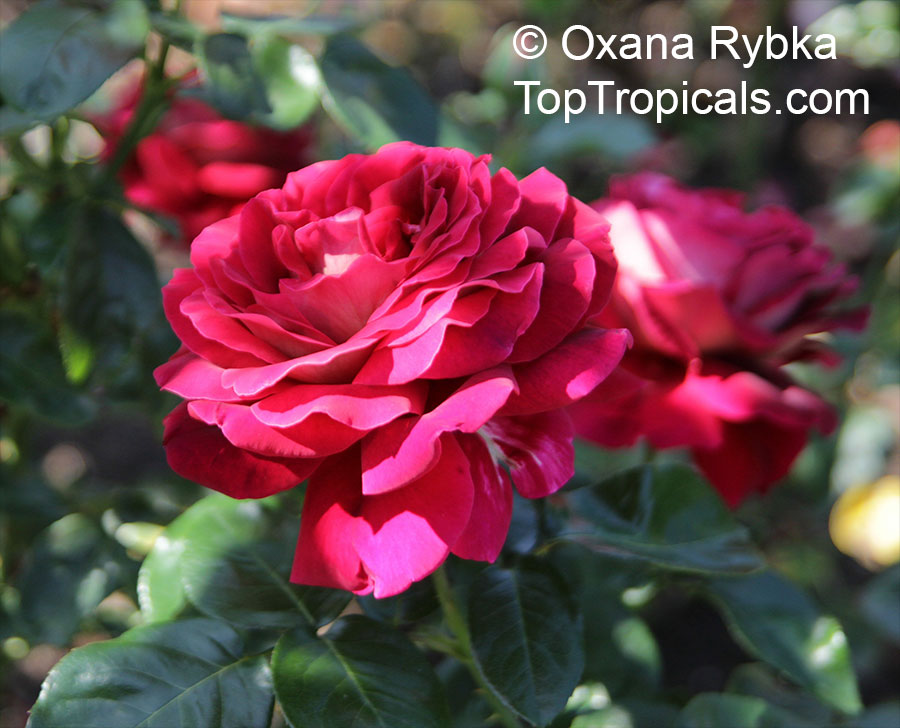
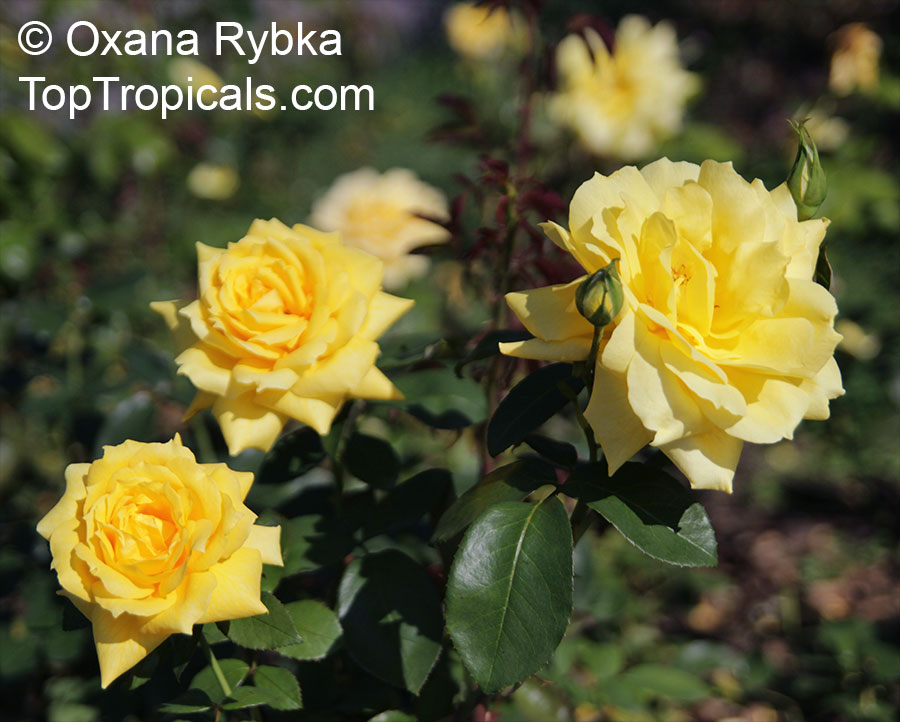
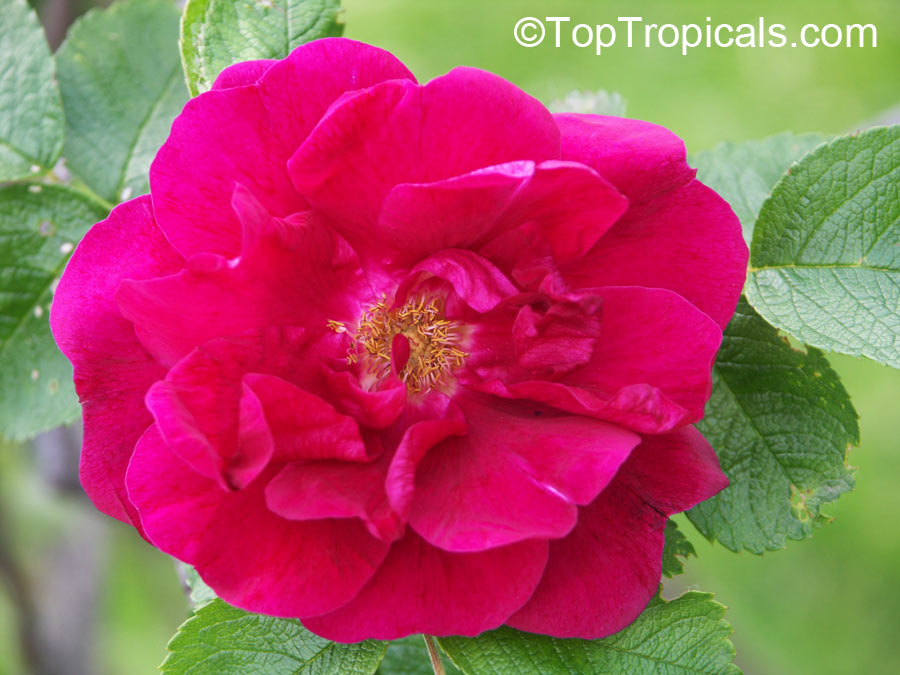
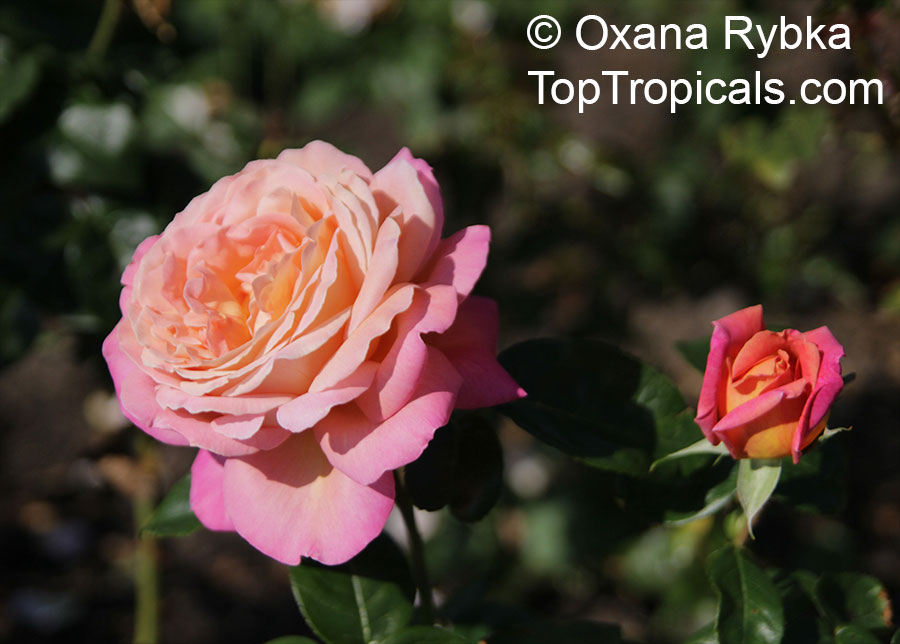
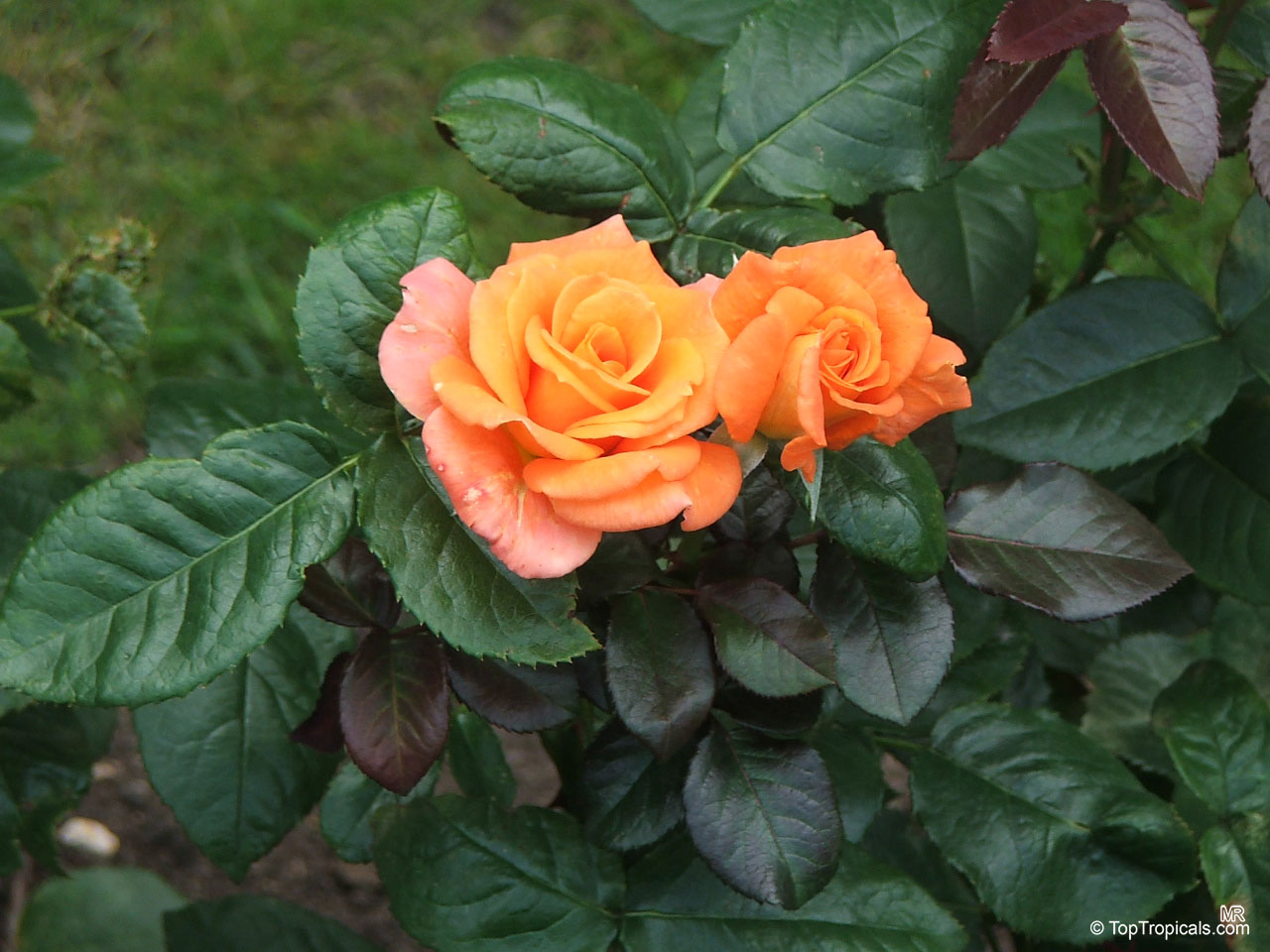
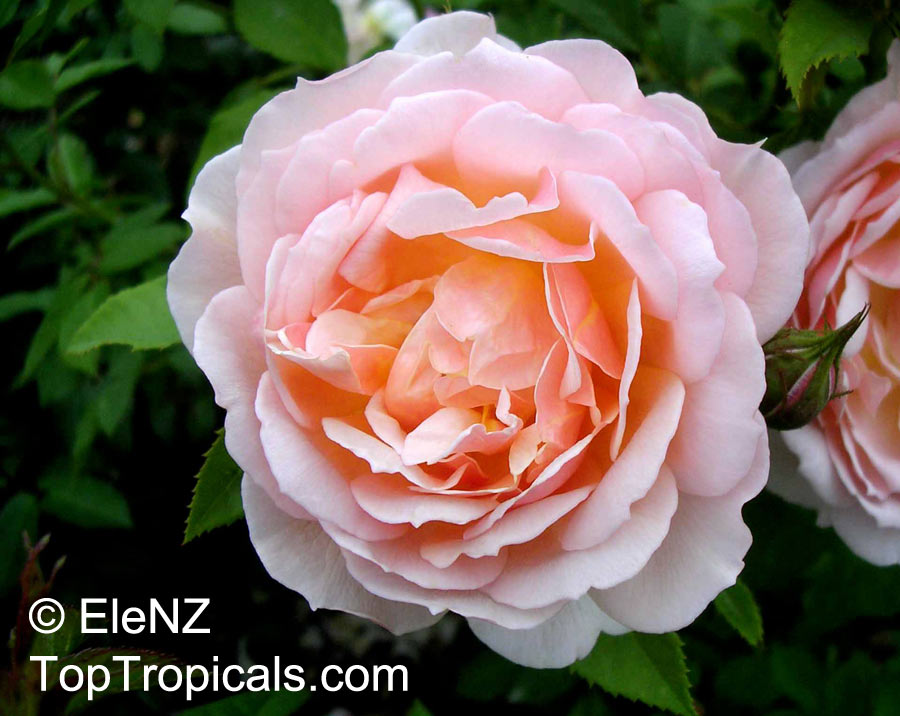
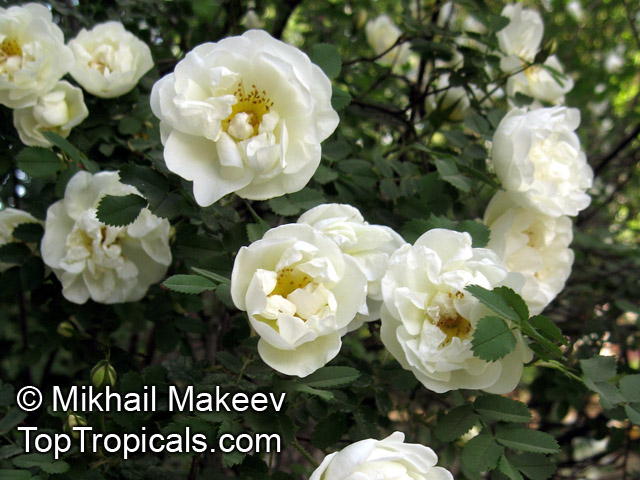
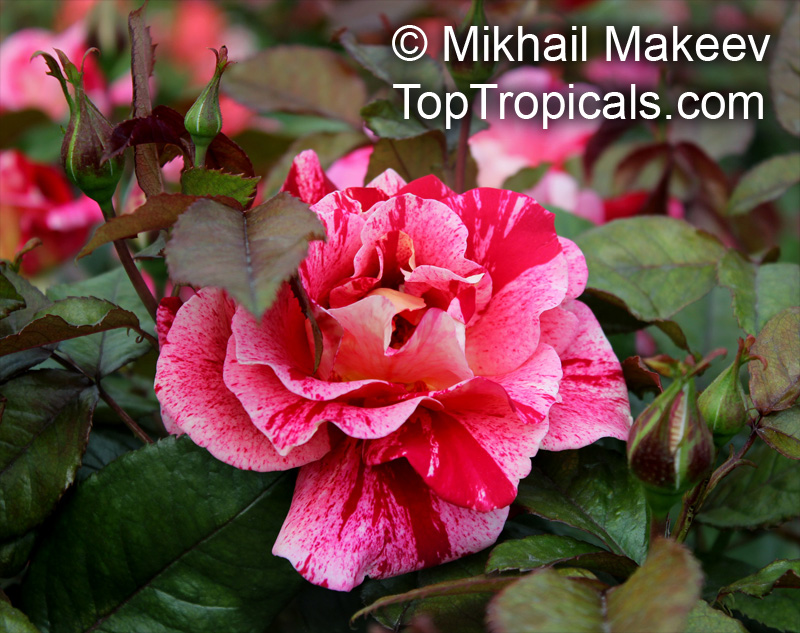
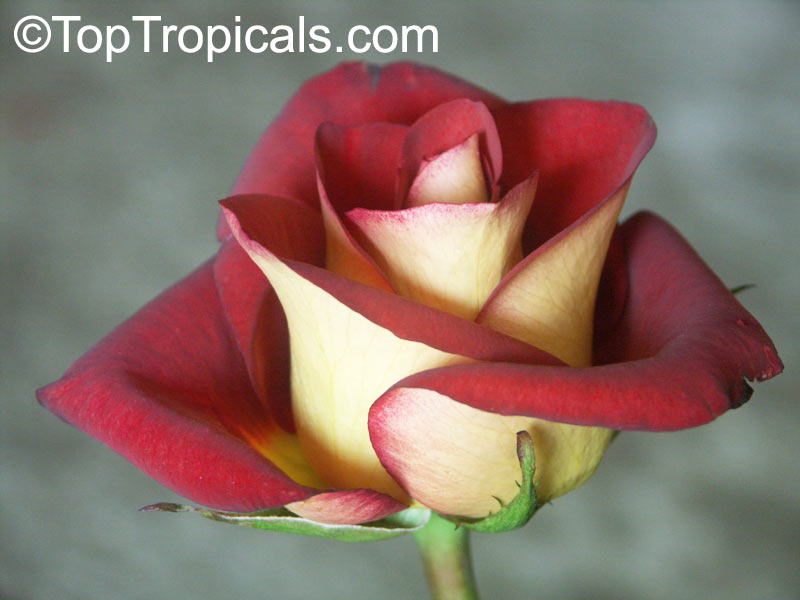
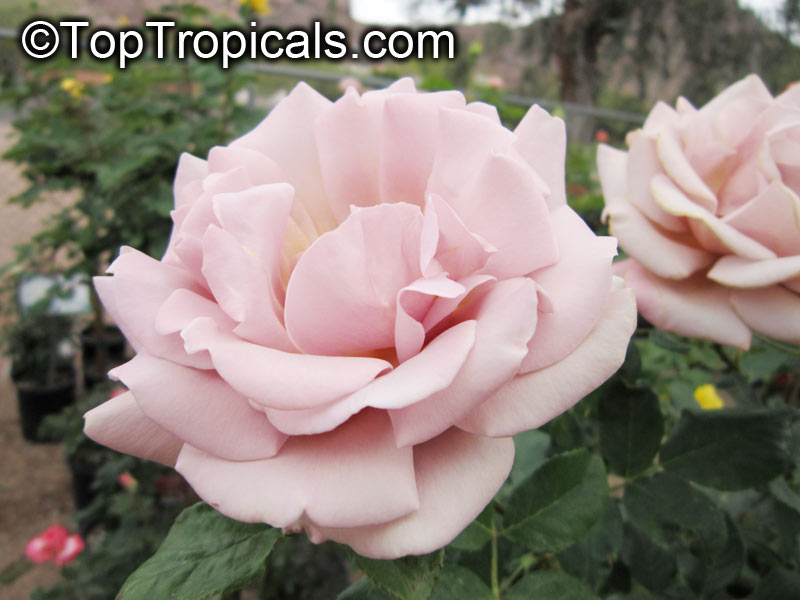
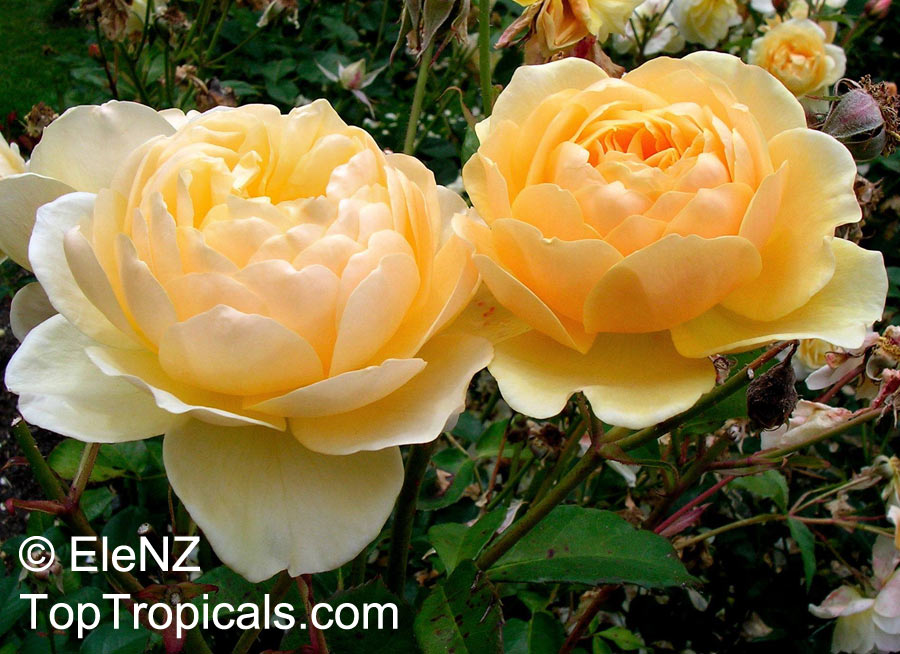
 Flower color: Pink; white and off-white; blue, lavender, purple; red, crimson, vinous; yellow, orange; unusual color
 Suitable for: Outdoors in the suitable USDA zone; small gardens, containers, and indoor growing
 Foliage: Deciduous
 Thorns: Thorny or spiny
 Fragrance: Fragrant; perfume plant
 Wildlife: Attracts butterflies and hummingbirds
The Rose is the most popular garden flower. Highly valued for its form, fragrance and endless variety of color. Tremendous progress has been made in raising new varieties by crossbreeding and selection. New types have arisen; the season of blooming has been prolonged to such an extent that many modern varieties (including climbers) bloom intermittently or in some instances continuously throughout the summer and autumn months. Only a severe frost puts an end to their blooming season. The species of wild Roses are classed under Rosa and a few hybrids that resemble wild kinds, but for garden purposes, the remaining types are grouped in various ways: according to their habits of growth; according to their ancestry; according to the manner in which they are grafted, budded or trained; and in a number of other ways. These groups are not always clear. They often overlap, but are generally convenient and practicable. It's important that the person interested in Roses be familiar with the different types of Roses even though he may not be able, at sight, to place any given Rose in a specific category. The basic of the Rose classes are: Hybrid Teas, Hybrid Perpetuals, Floribunda Roses, Polyanthas, Hybrid Sweetbriers, Miniature Roses, China Roses (Rosa chinensis semperflorens), French Roses (Rosa gallica), Damask Rose, Moss Rose, Shrub Roses, Rugosa Roses, etc. Roses need special care and diligence in the spring and early summer in fighting pests. The most important thing is having deep and rich soil. By digging deeply, adding manure and good loamy soil, Roses of high standard may be grown in any sunny garden. Whether the soil is light or heavy, deep digging is necessary. This consists of breaking up the subsoil or underlayer and replacing the top layer. Light sandy soil needs an addition of fibrous rooted turf that has been stacked for a year or two, with layers of farmyard manure between. Compost is also good. Generous amounts of rotted cow or horse manure is recommended. See Roses Page
Similar plants: Rosa sp. 'Double Flower' (Rose)
- Hibiscus rosa-sinensis (Hibiscus)
- Hibiscus rosa-sinensis ''Kona'' (Hibiscus Double Kona)
- Hibiscus rosa-sinensis ''Celia'' (Double red hibiscus)
- Hibiscus rosa-sinensis ''Aurora'' (Hibiscus Aurora)
- Hibiscus rosa-sinensis ''Fiesta'' (Hibiscus Fiesta)
- Hibiscus rosa-sinensis ''Zephyr'' (Zephyr Hibiscus)
- Hibiscus rosa-sinensis ''Kinchens'' (Hibiscus Kinchens Yellow)
- Hibiscus rosa-sinensis ''Dark Star'' (Hibiscus Dark Star - Double Pink)
- Hibiscus rosa-sinensis ''Myrna Loy'' (Hibiscus Myrna Loy)
- Hibiscus rosa-sinensis ''Tiger Eye'' (Hibiscus Tiger Eye)