Myrciaria glomerata (Cabelluda)
Botanical names: Myrciaria glomerata, Plinia glomerata, Myrciaria glazioviana, Eugenia cabelluda, Eugenia tomentosa, Paramyrciaria glomerata
Common names: Cabelluda, Yellow Jaboticaba, Cabeludinha
Family: Myrtaceae
Origin: Brazil
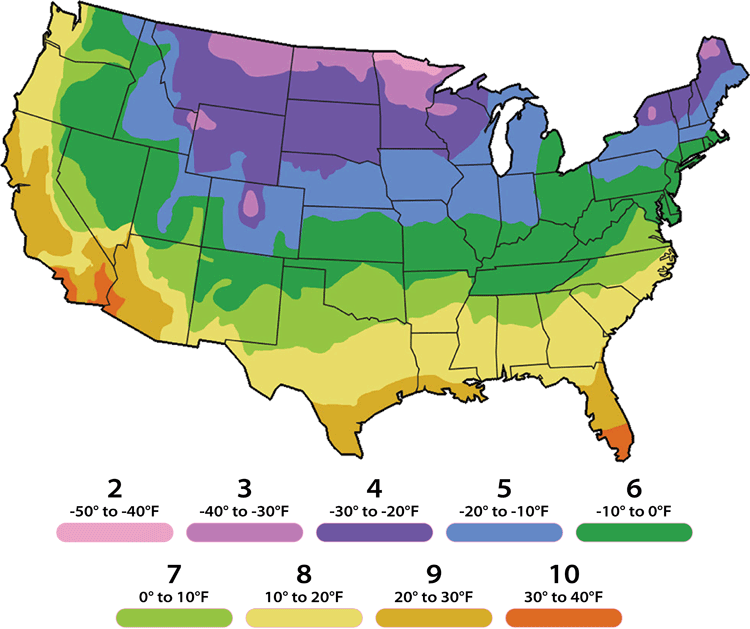
USDA Zone: 9-11

 Plant form: Large bush or small tree
 Mature height: 10-20 ft
 Sun exposure: Full sun or bright light indoor; semi-shade
 Cold tolerance: Frost sensitive. Protect from freezing.
 Watering: Regular
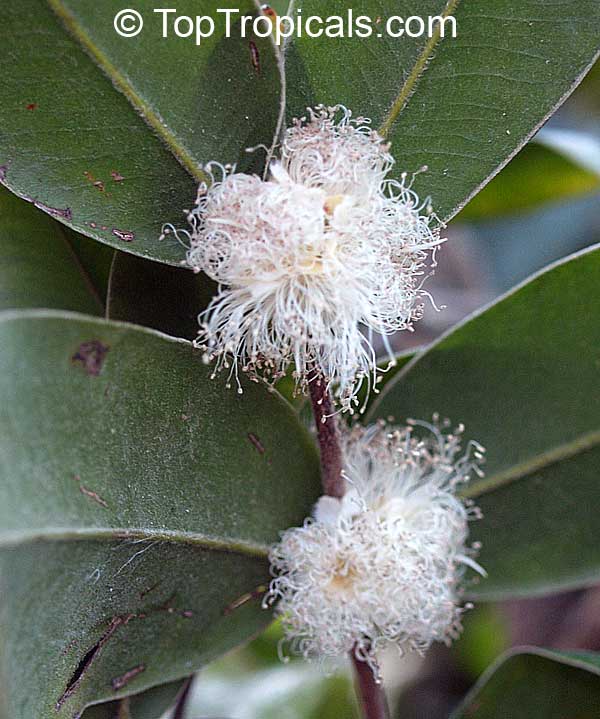
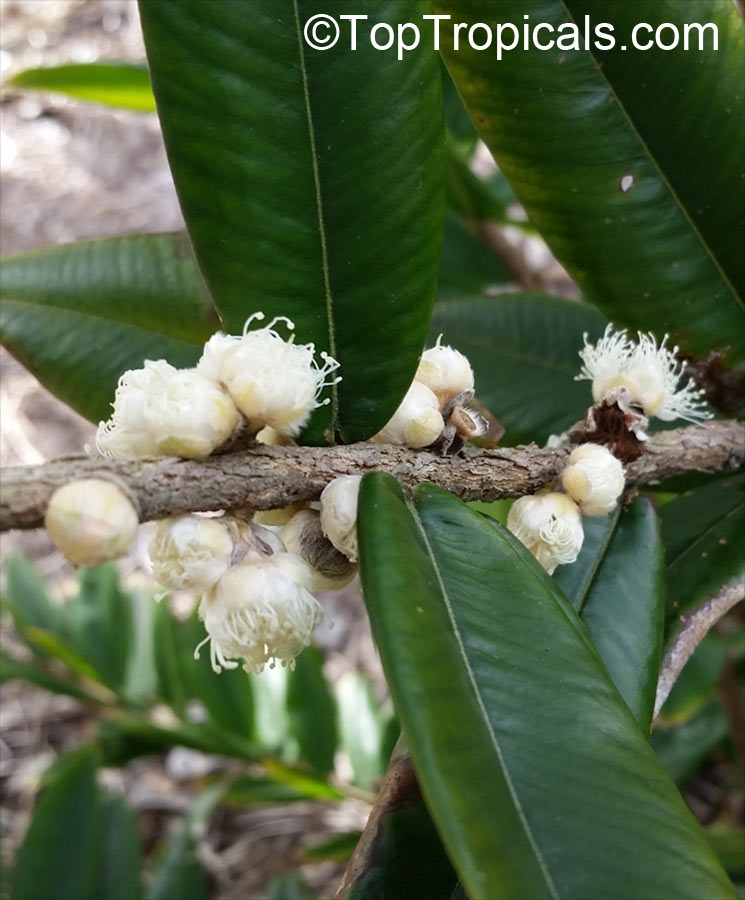
 Flower color: White and off-white
 Suitable for: Outdoors in the suitable USDA zone; small gardens, containers, and indoor growing
 Fragrance: Fragrant; perfume plant
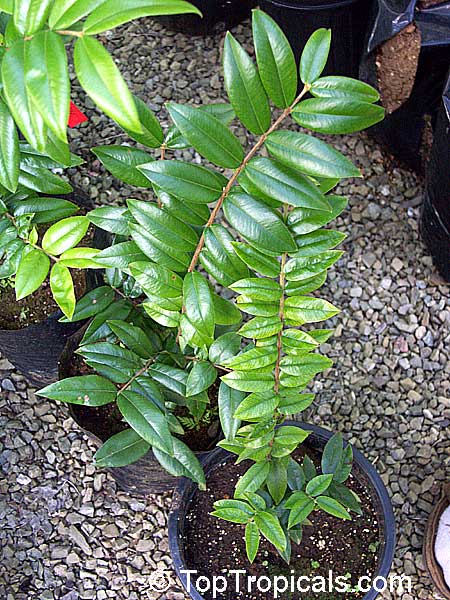
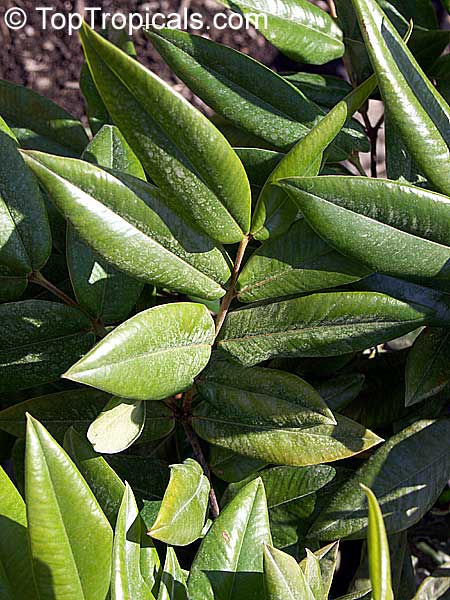
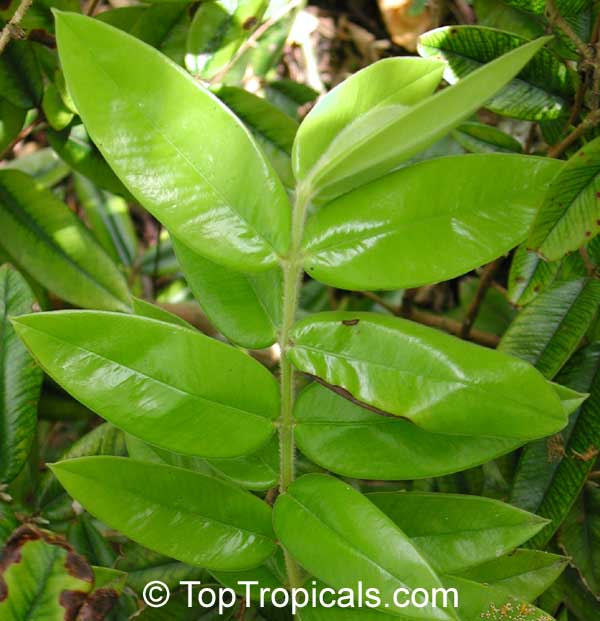
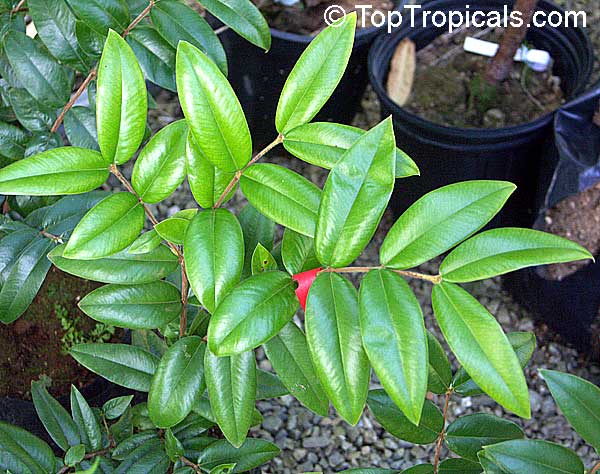
Note: the following latin synonyms for Cabelluda - Eugenia cabelluda, Eugenia tomentosa, Myrciaria glomerata, Paramyrciaria glomerata - may be taxonomically incorrect, although in some sources excepted. Refer to pictures for better identification of this plant.
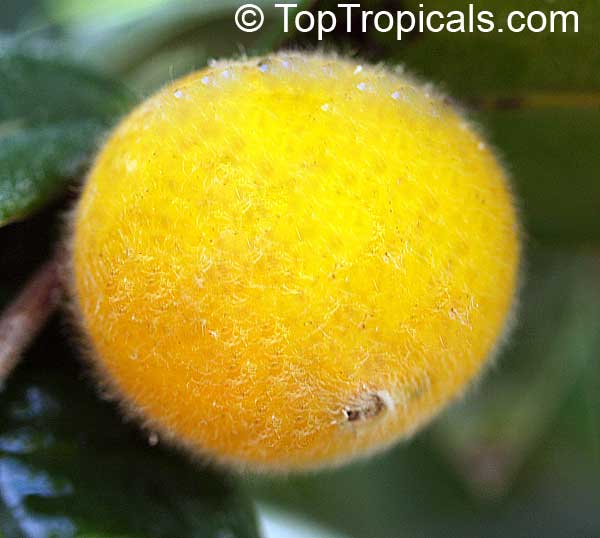
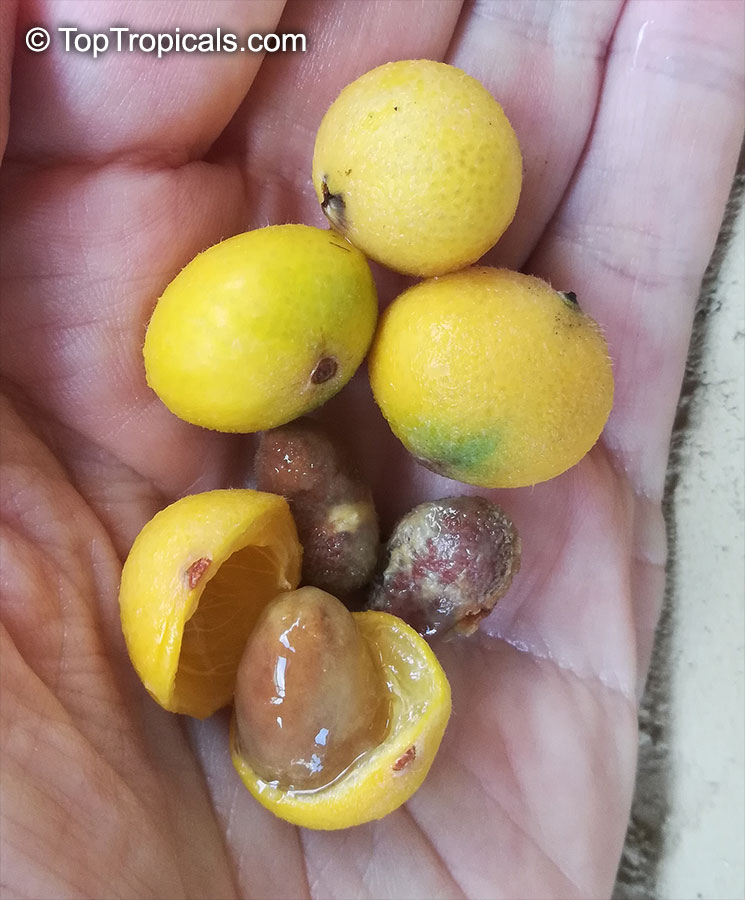
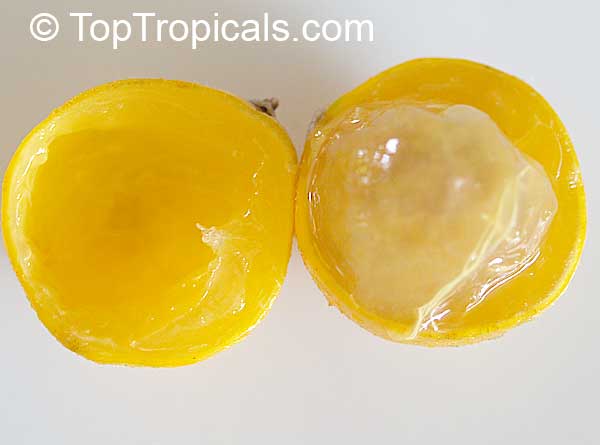
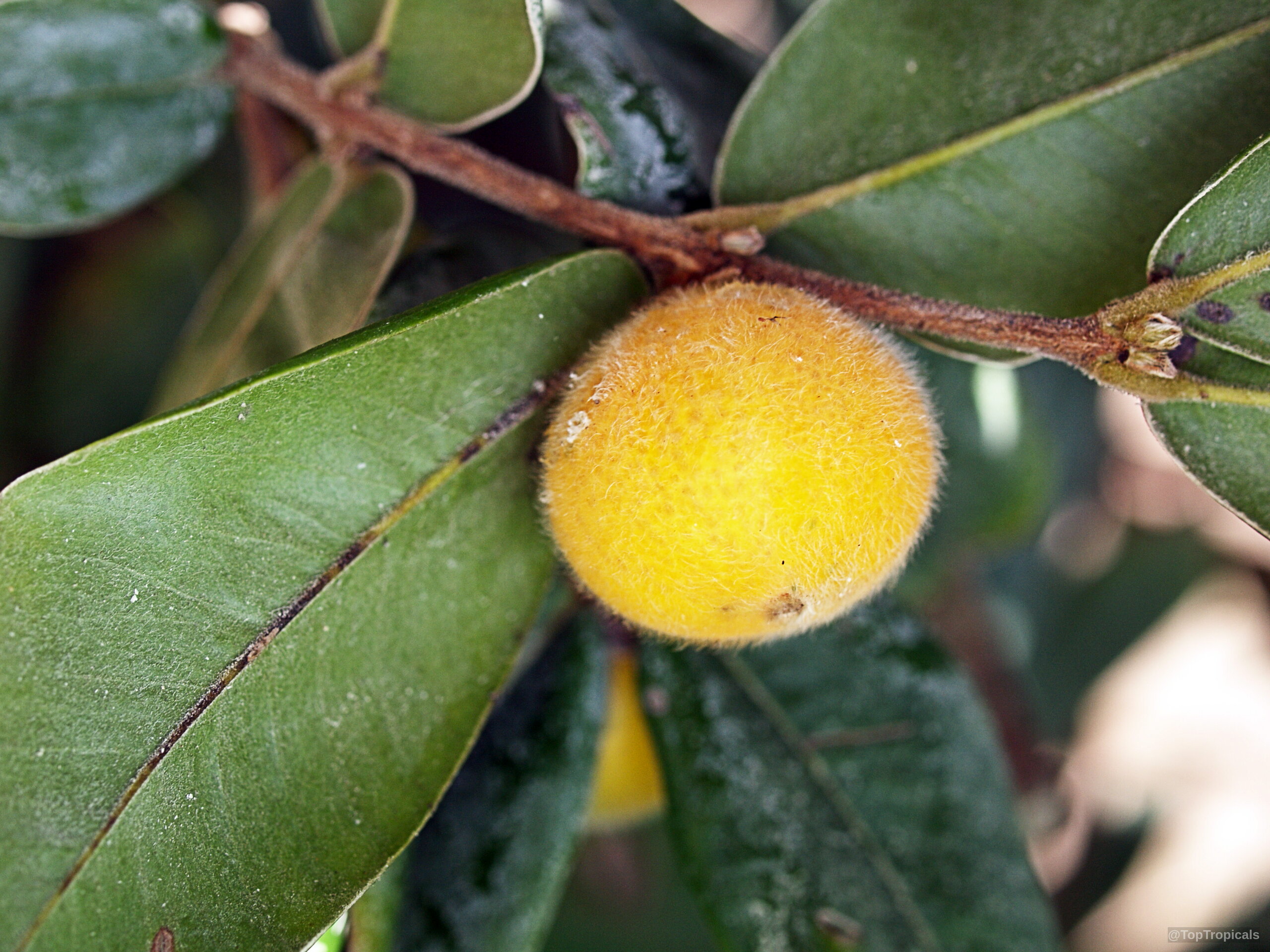
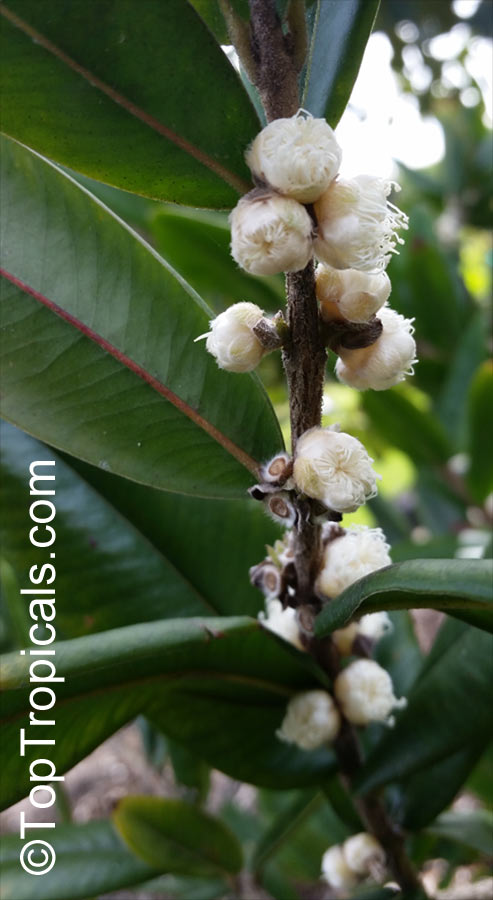
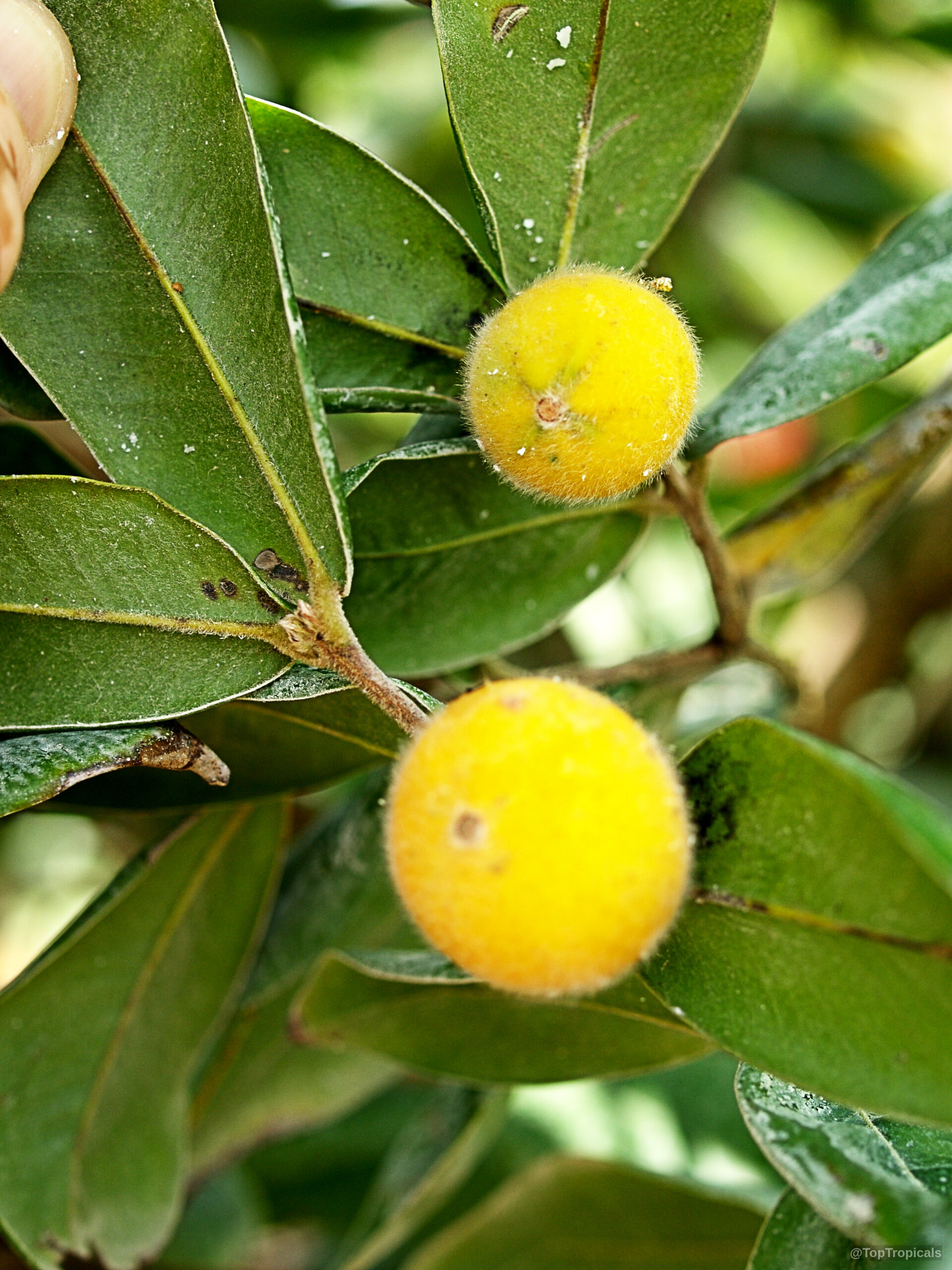
Cabelluda is a large shrub or small tree, 10-20 feet in height, with multiple thin trunks, very handsome and of value as an ornamental plant. The young stems and leaves are pubescent. Small white flowers are perfect and occur in axillary clusters. Fruits are about 1 inch in diameter, round, yellow when fully ripe, pubescent, with one or two seeds. Cabelluda fruits are delicious. They resemble large gooseberries in appearance and are sweet and aromatic, with a flavor similar to apricot. These are eaten fresh, and can also be used for juices and jams. The fruits are very nutritive and rich in vitamins. Fruiting occurs in 2-3 years, when the plant is hardly 3-4 feet tall.
Cabelluda grows best in moist, fertile soils, and fruits well in full sun as well as partial shade. As a tropical tree, it is fairly cold tolerant and can withstand temperatures as low as upper 20's for a short period. Soft young leaves and twigs may get some cold damage, however even if severely damaged, in Spring the plant readily grows back from the roots.
Cabelluda is rare in plant collections, however it is popular in cultivation around Rio de Janeiro, Brazil where its fruit ripen in October-November.
Similar plants: Myrciaria glomerata (Cabelluda)
- Myrciaria cauliflora (Jaboticaba)
- Myrciaria floribunda (Guavaberry)
- Myrciaria vexator (False Jaboticaba)
- Plinia edulis (Cambuca)
- Blepharocalyx salicifolius (Murta)
- Eugenia brasiliensis (Grumichama)
- Eugenia calycina (Savannah Cherry)
- Eugenia confusa (Red Berry Stopper)
- Eugenia foetida (Spanish Stopper)
- Eugenia involucrata (Cherry of the Rio Grande)