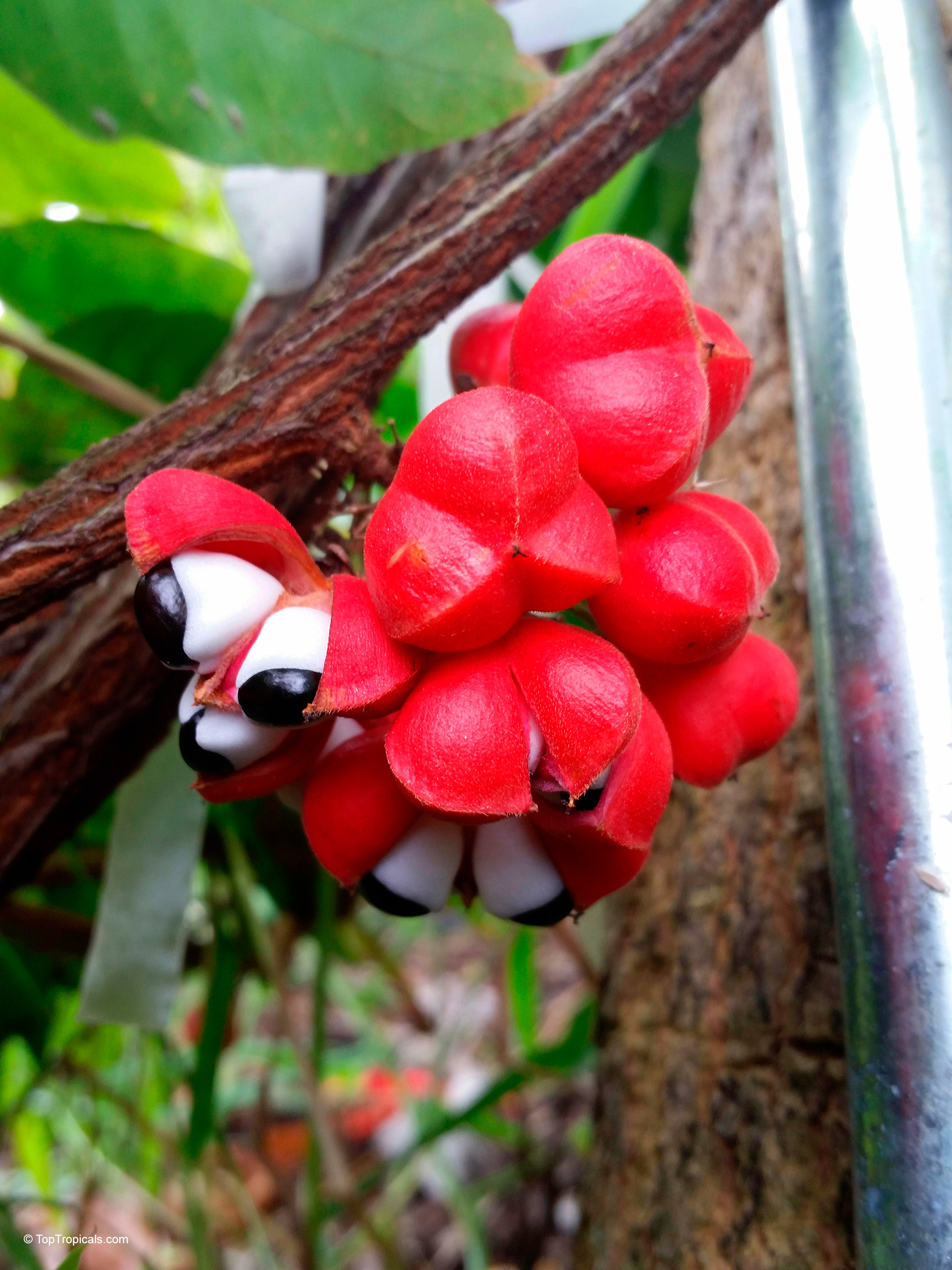
Paullinia cupana (Brazilian cocoa)
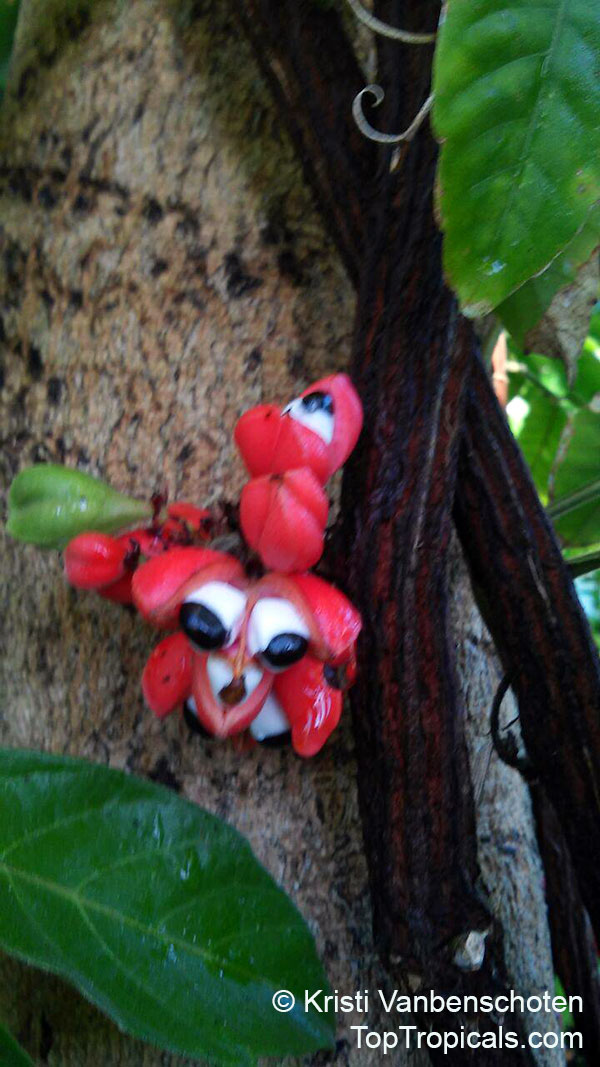
Botanical name: Paullinia cupana
Common names: Brazilian cocoa, Guarana Berry, Paullina
Family: Sapindaceae
Origin: Brazil
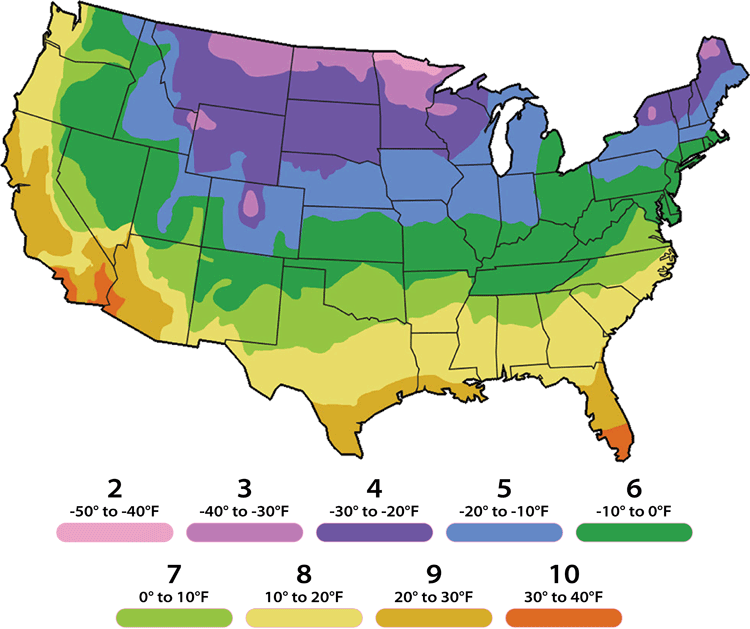
USDA Zone: 10-12


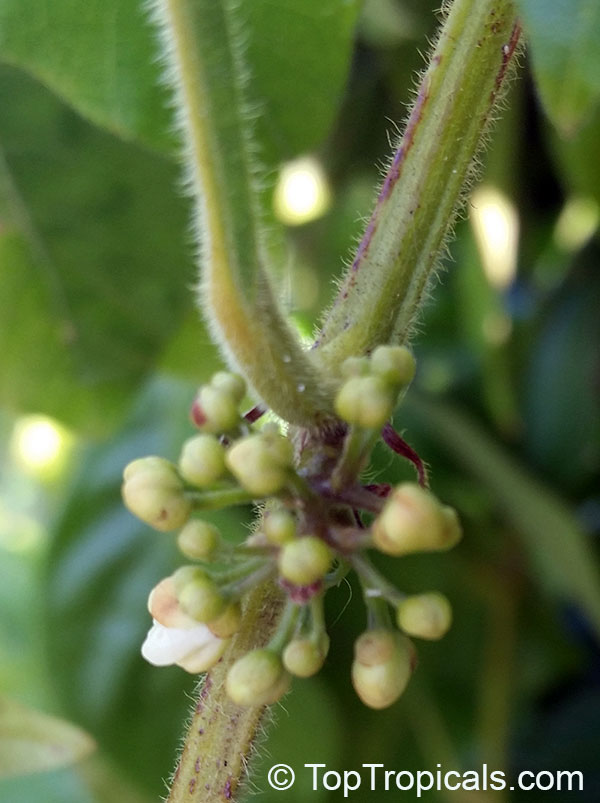
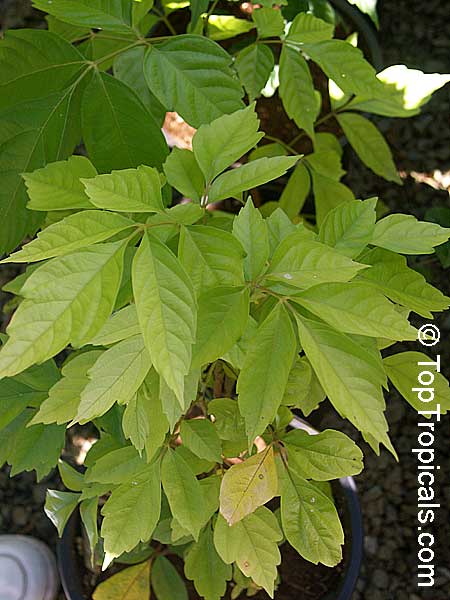
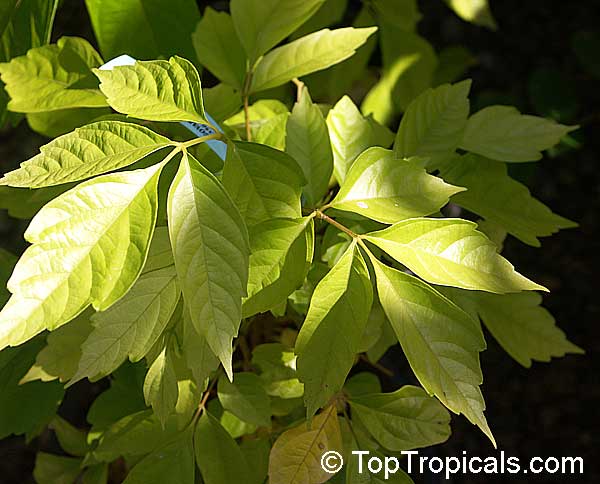
Paullinia cupana, commonly known as Guarana, is an evergreen woody climber in the Sapindaceae family native to the Amazon Basin, particularly Brazil. In the wild it climbs into surrounding vegetation and can develop long stems, while cultivated plants are often pruned and trained as shrubs for easier harvesting. The compound leaves consist of five toothed leaflets, and small greenish-white flowers are produced in elongated clusters. The species has been cultivated for centuries by Indigenous peoples of the Amazon for its distinctive seeds.
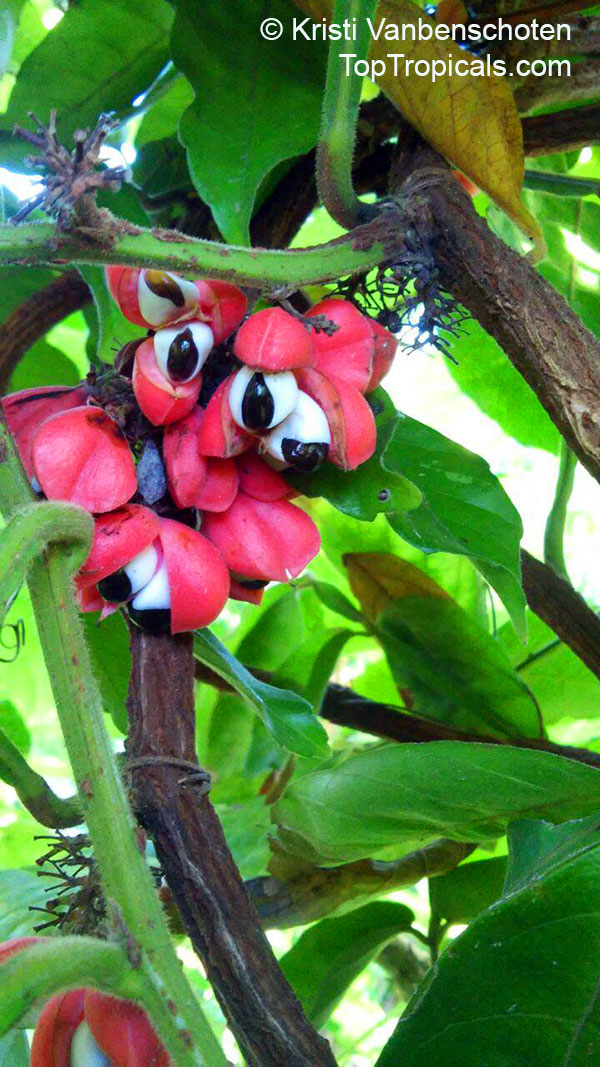
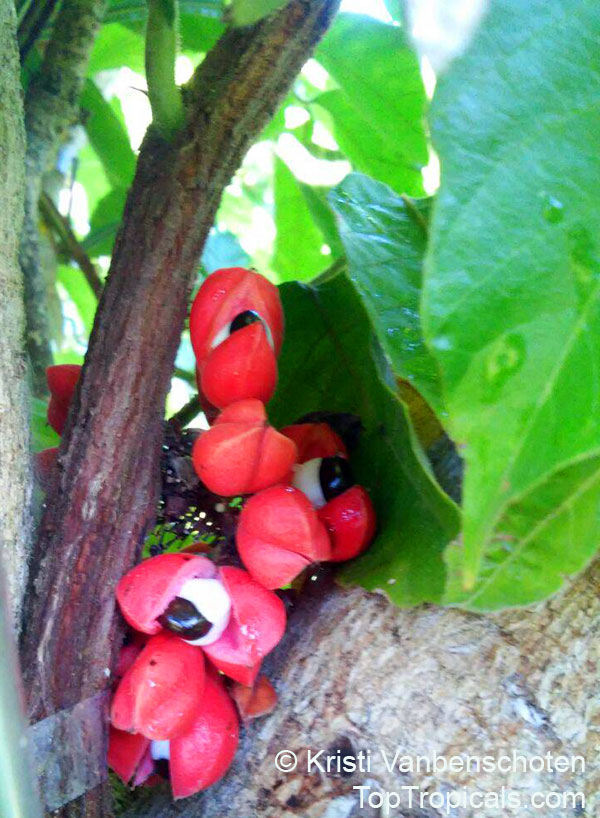
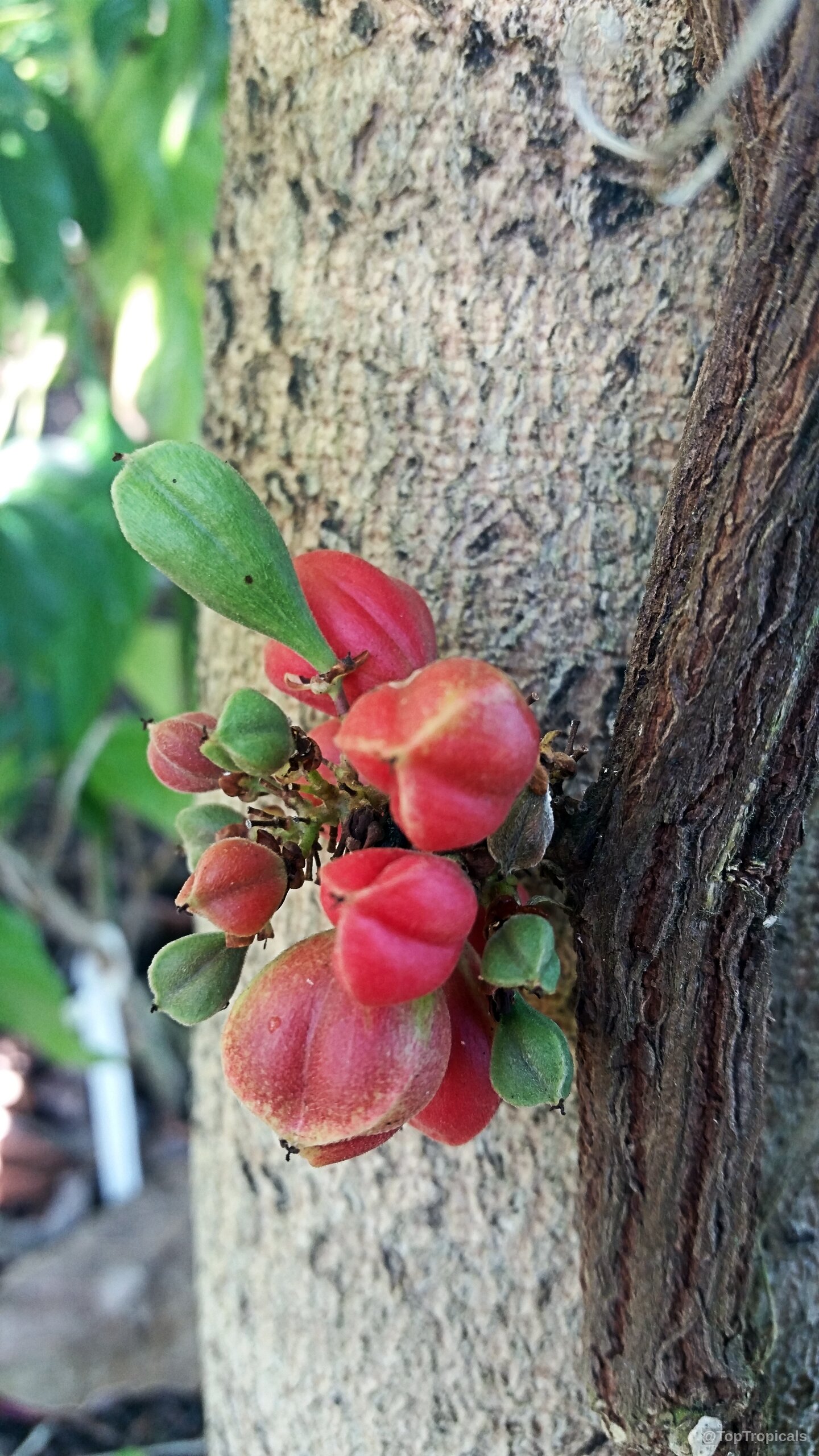
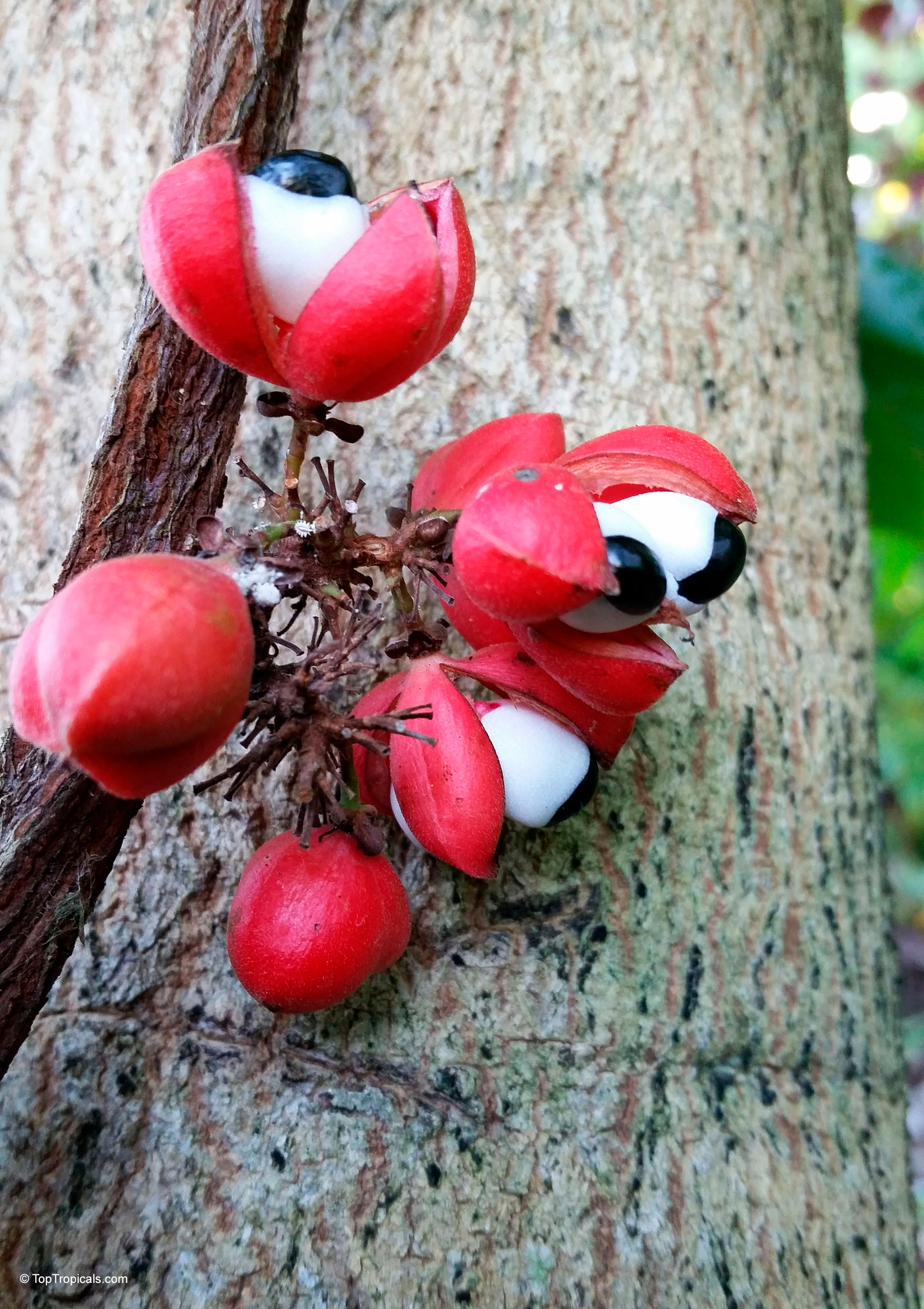
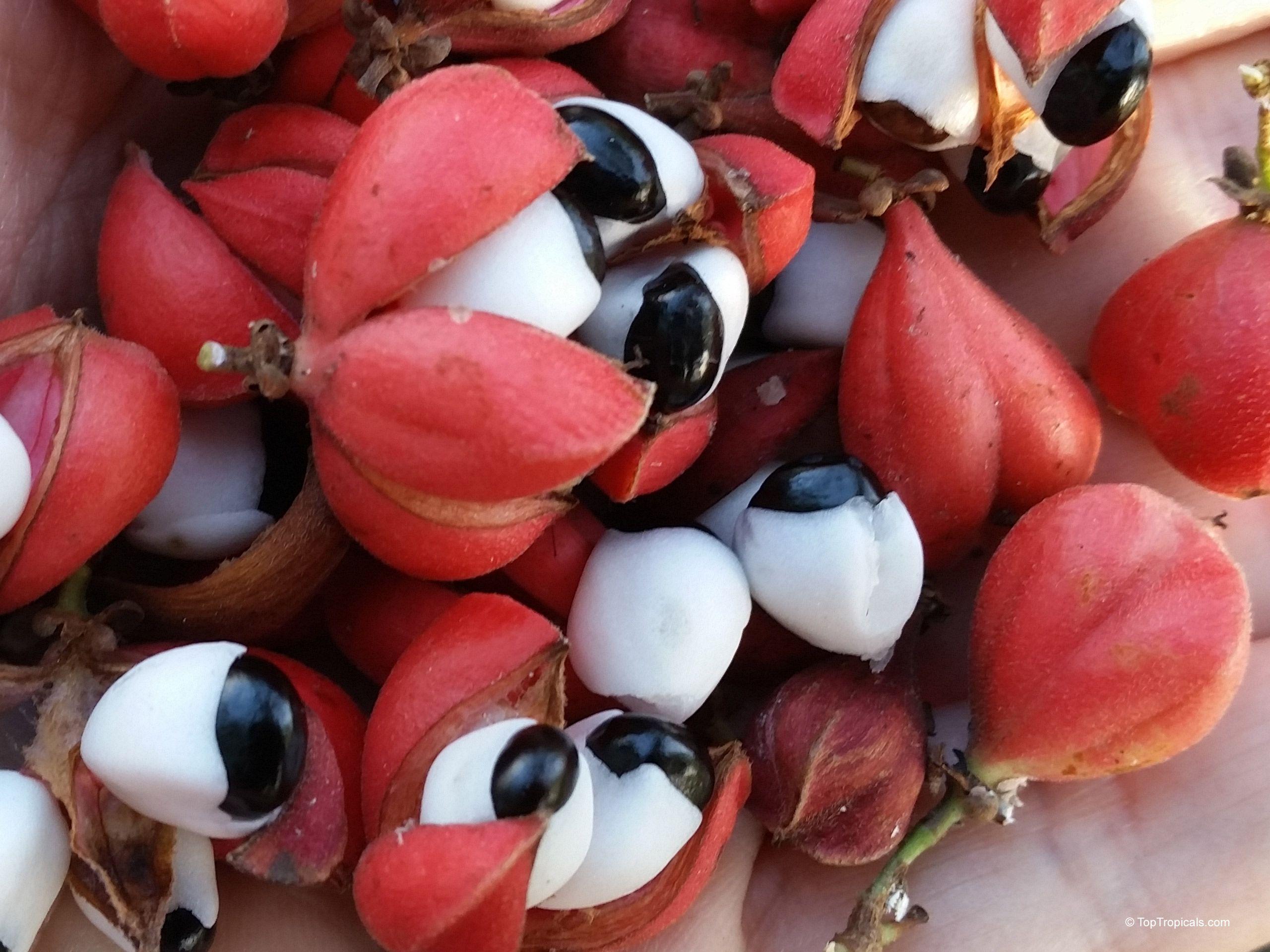
The fruits are bright red to orange capsules that split open when ripe, revealing a black seed partly enclosed in a white aril, creating a characteristic eye-like appearance. The seeds are exceptionally rich in caffeine and are the source of commercial guarana, traditionally processed into beverages and now widely used in soft drinks, energy products, and other preparations. Paullinia cupana grows best in warm, humid conditions with fertile, well-drained soil, regular moisture, and full sun to partial shade. Hardy in USDA Zones 10-12, it requires protection from cold and is best suited to tropical or warm subtropical climates. Paullinia cupana should not be confused with Paullinia alata, a separate related species that is sometimes incorrectly associated with guarana in horticultural and online sources.
Similar plants: Paullinia cupana (Brazilian cocoa)