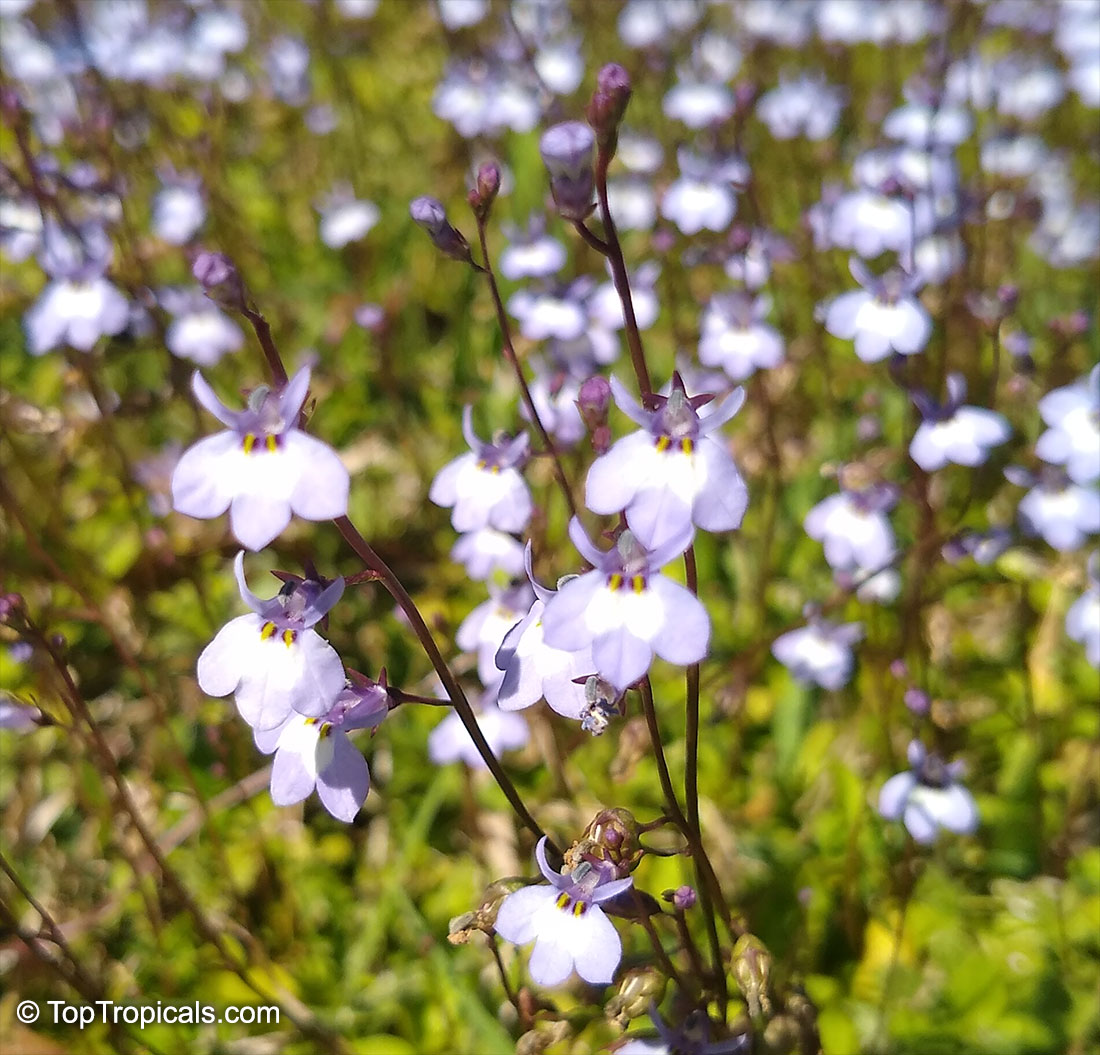
Lobelia sp. (Lobelia)
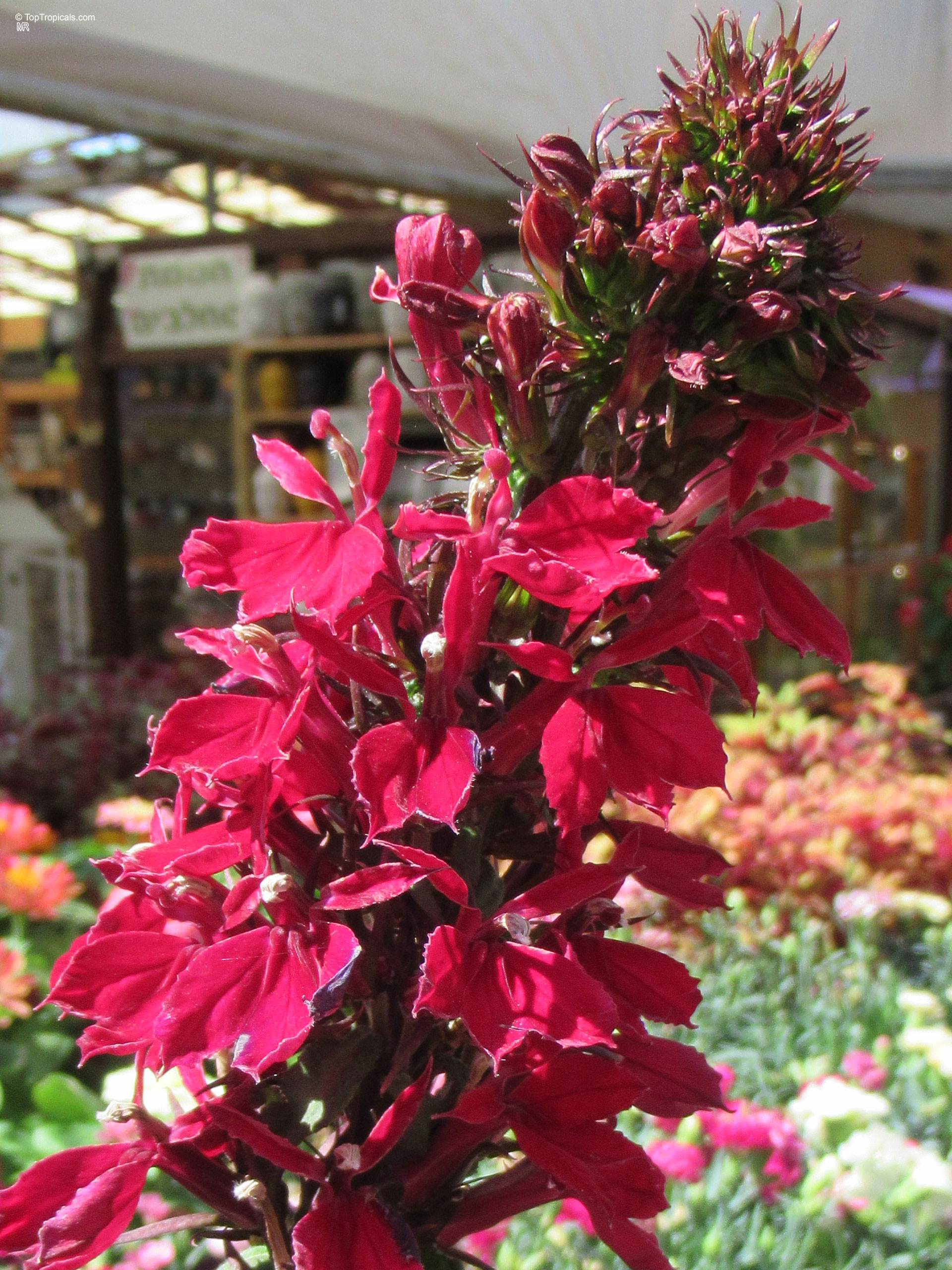
Botanical name: Lobelia sp.
Common names: Lobelia, Asthma Weed, Indian Tobacco, Pukeweed, Cardinal Flower
Family: Campanulaceae
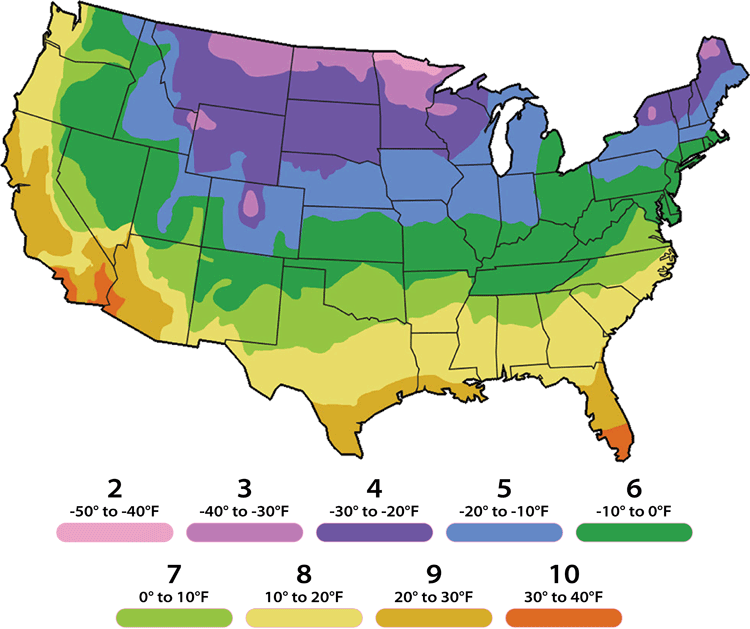
USDA Zone: 3-9
 Plant form: Small
 Mature height: 2-5 ft
 Sun exposure: Full sun or bright light indoor; semi-shade
 Cold tolerance: Frost sensitive. Protect from freezing.
 Watering: Regular


 Flower color: Pink; white and off-white; blue, lavender, purple; red, crimson, vinous
 Suitable for: Outdoors in the suitable USDA zone; small gardens, containers, and indoor growing
 Irritating or toxic: Toxic plant/plant part
 Wildlife: Attracts butterflies and hummingbirds
 Ethnomedical: Ethnomedical plant, traditionally used in folk or indigenous medicine
Lobelia is a diverse genus of flowering plants in the Campanulaceae family, comprising more than 400 species distributed across temperate and tropical regions worldwide. Depending on the species, Lobelias may be annuals, perennials, shrubs, or even small trees, growing in habitats ranging from moist meadows and woodland edges to mountain slopes and wetlands. Their compact habit and profusion of brightly colored flowers have made them popular ornamental plants for borders, containers, hanging baskets, and water gardens.
The flowers are typically two-lipped and appear in shades of vivid blue, violet, purple, red, pink, or white, often covering the plants for an extended blooming season. While compact bedding types usually remain under 12 inches (30 cm) tall, some perennial species can reach 6 feet (1.8 m) or more. Most ornamental Lobelias grow best in full sun to partial shade with consistently moist, well-drained soil, especially in warm climates where afternoon shade helps prolong flowering. Hardy species vary widely, with some thriving in USDA Zones 3-9 and tropical species requiring frost-free conditions. Their nectar-rich blooms attract bees, butterflies, and hummingbirds, making Lobelia an excellent choice for pollinator-friendly gardens.
Similar plants: Lobelia sp. (Lobelia)