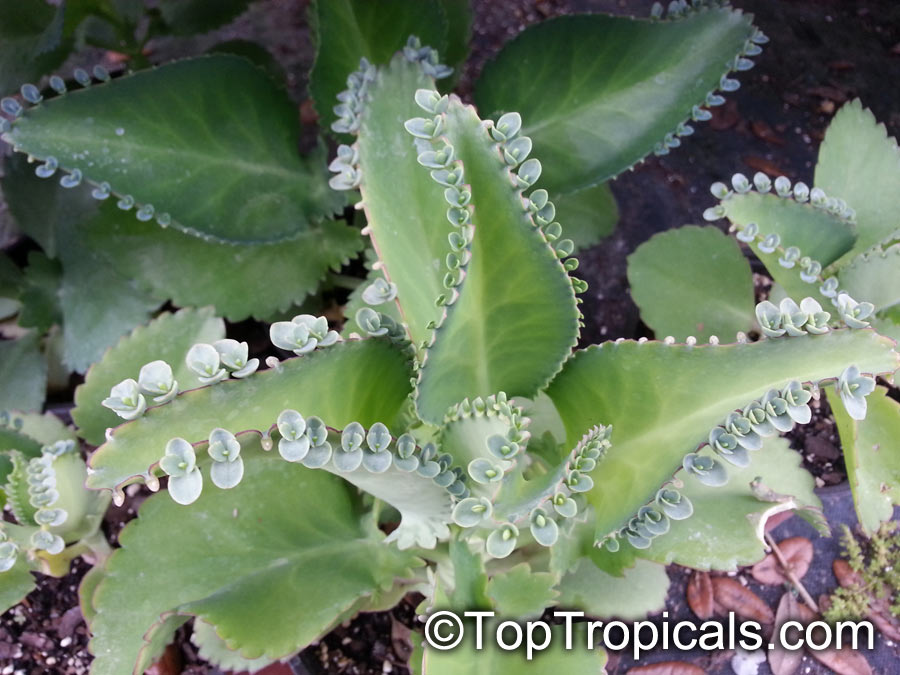
Kalanchoe laetivirens (Mother of Thousands)
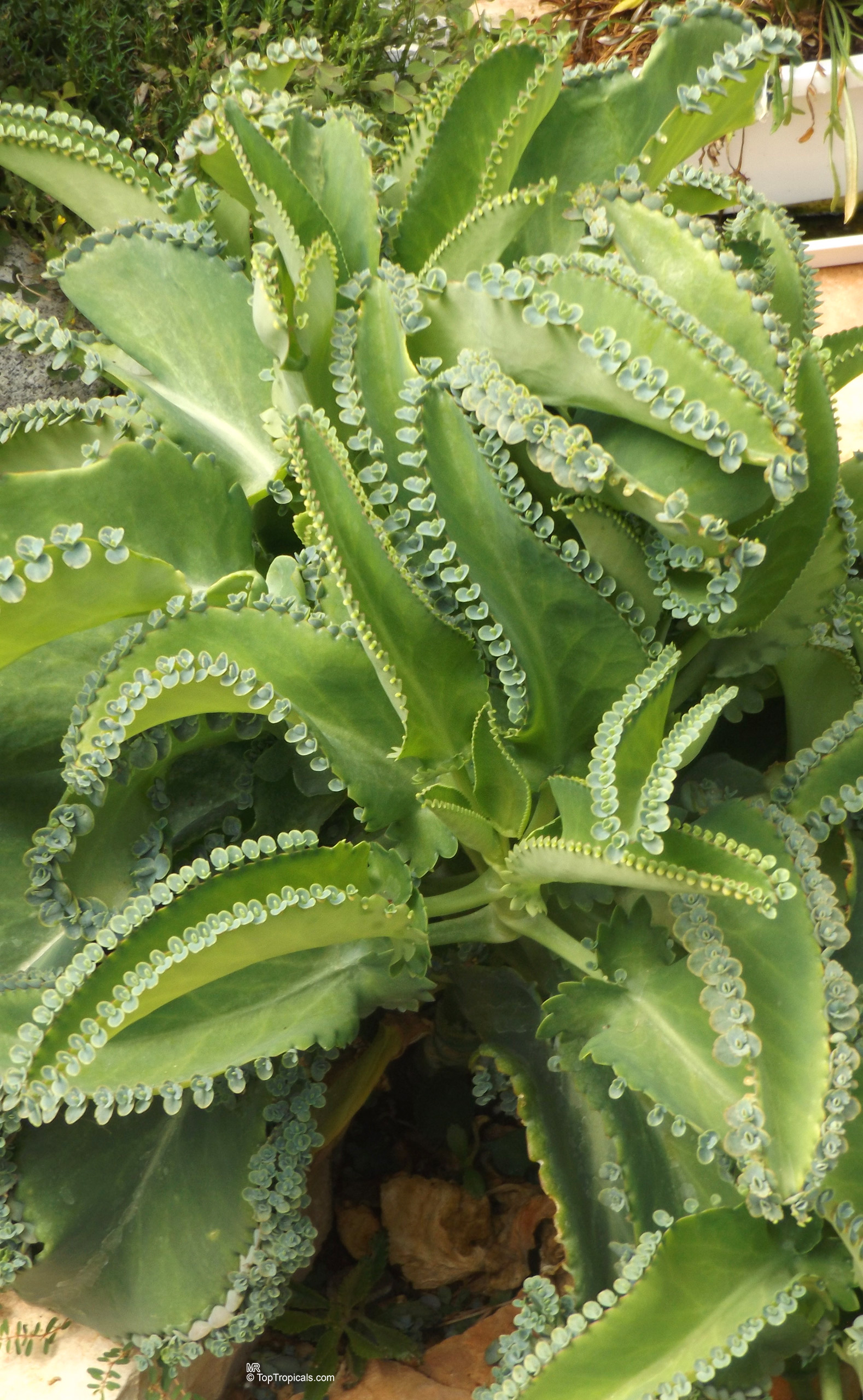
Botanical name: Kalanchoe laetivirens
Common name: Mother of Thousands
Family: Crassulaceae
Origin: Madagascar
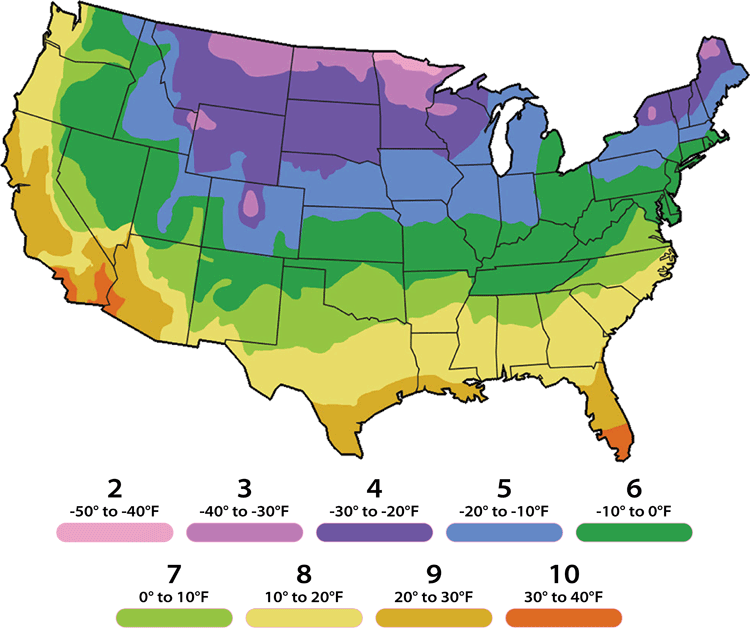
USDA Zone: 10-11
 Plant form: Small
 Mature height: 2-5 ft

 Sun exposure: Full sun or bright light indoor; semi-shade
 Cold tolerance: Frost sensitive. Protect from freezing.
 Watering: Moderate
 Flower color: Pink
 Suitable for: Outdoors in the suitable USDA zone; small gardens, containers, and indoor growing
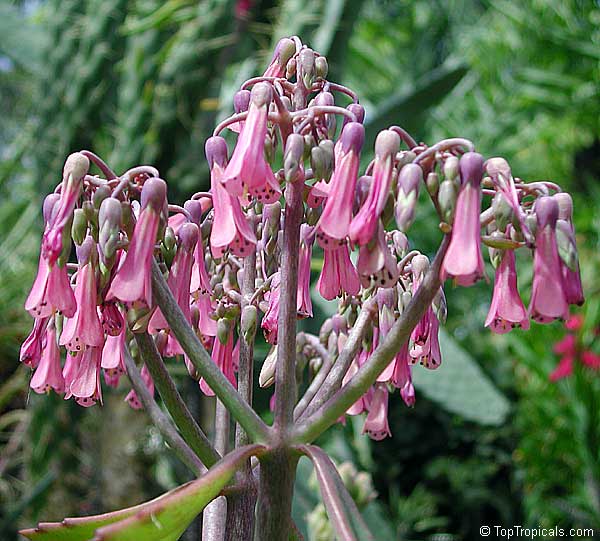
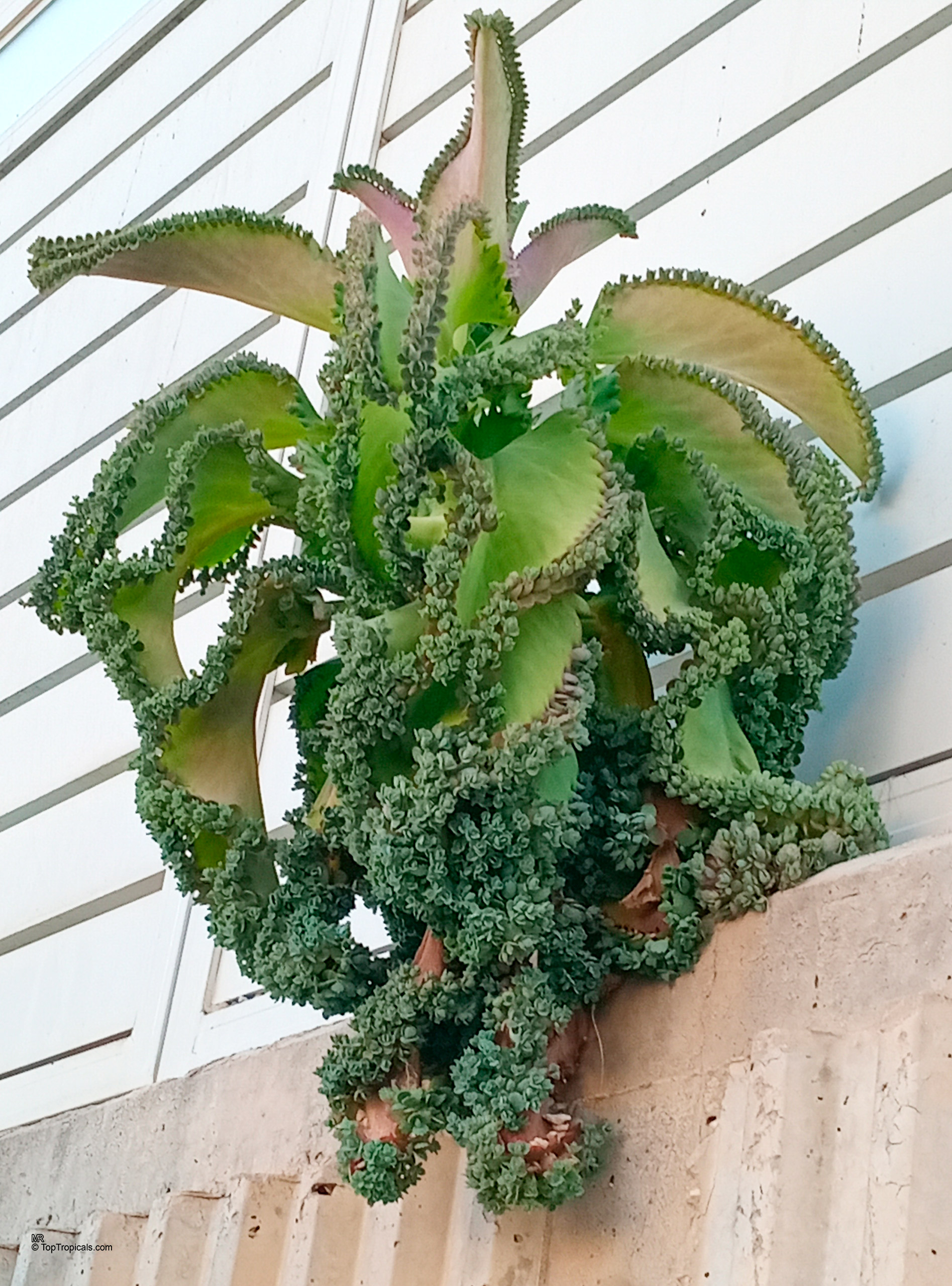
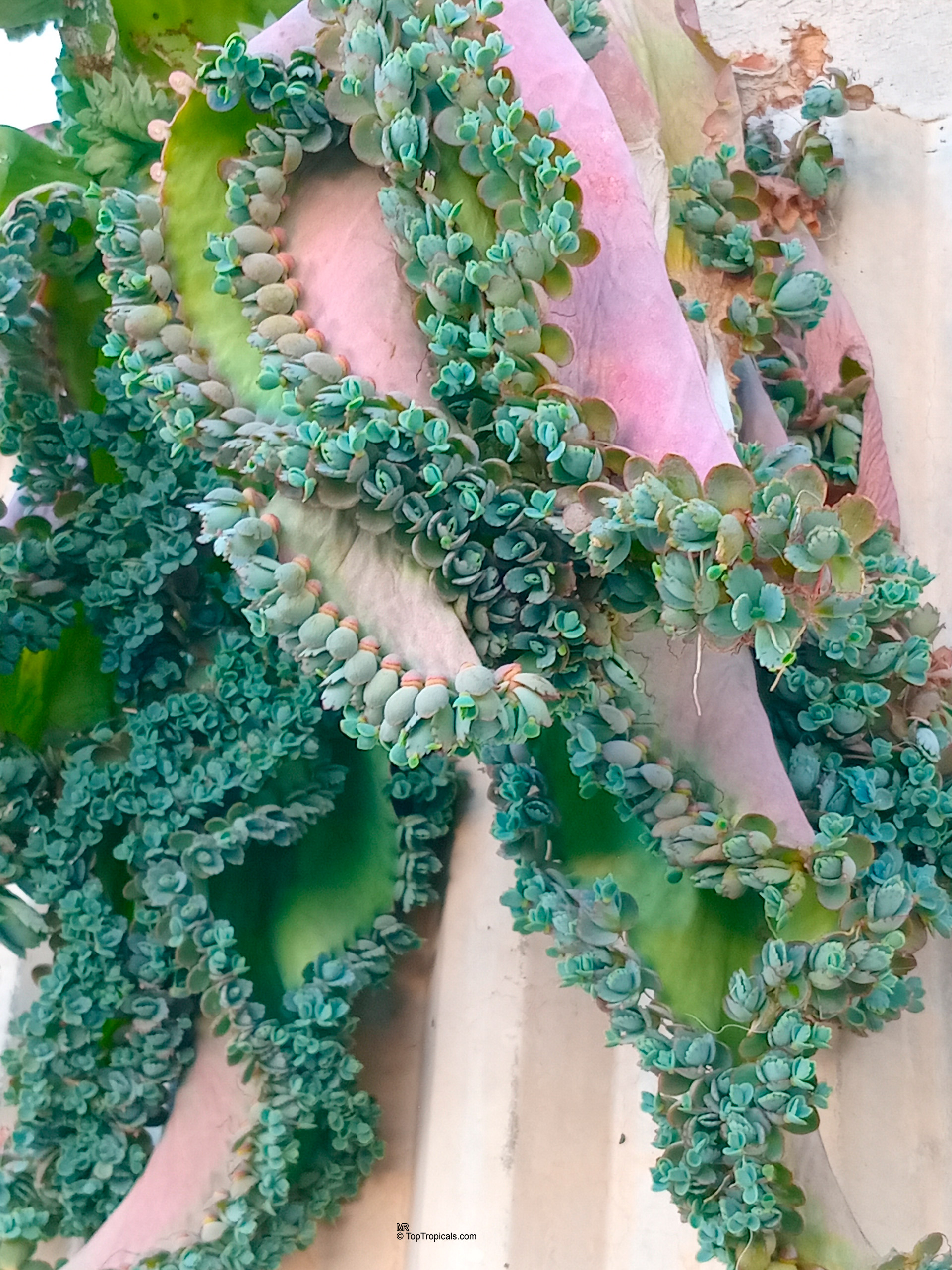
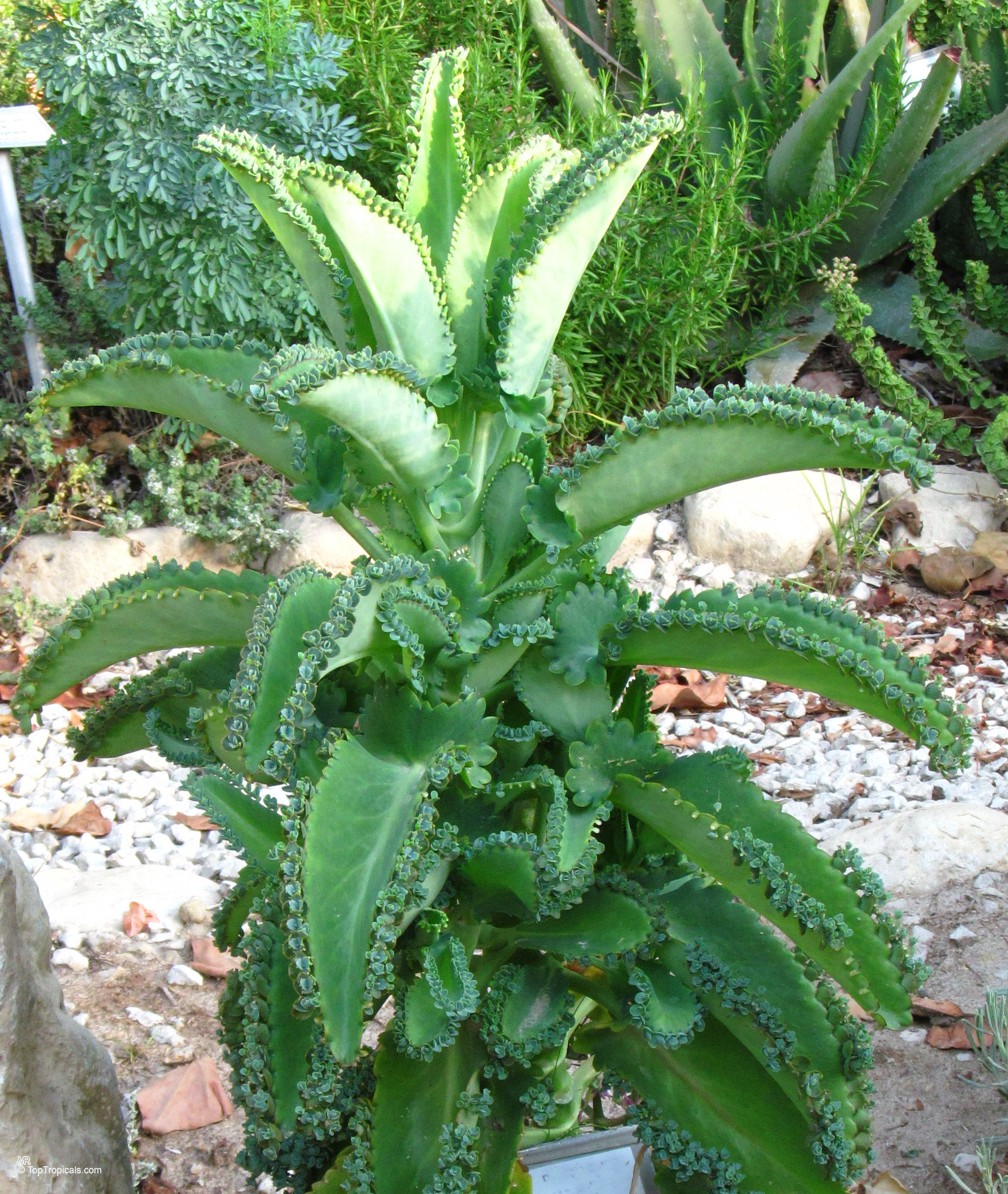
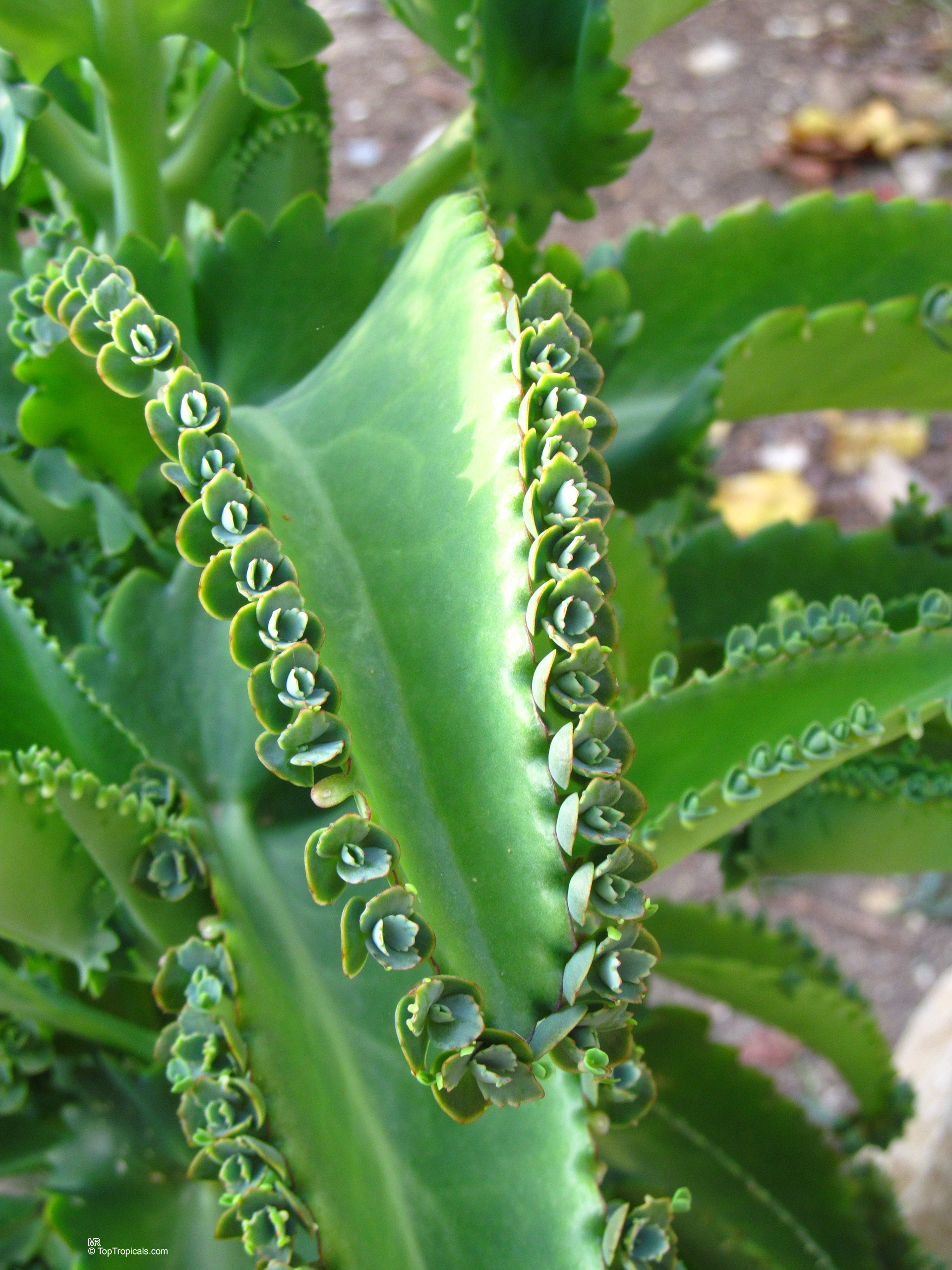
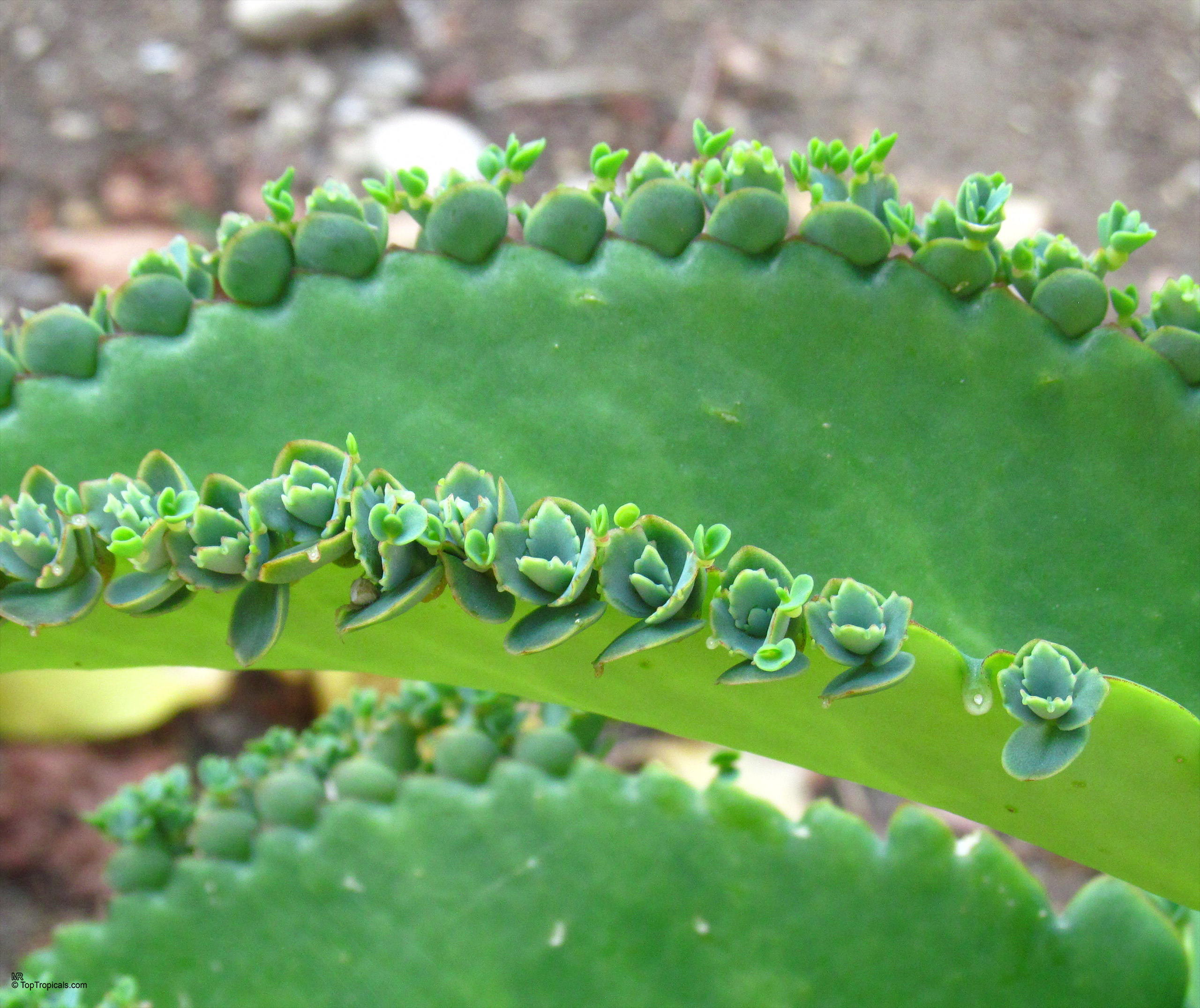
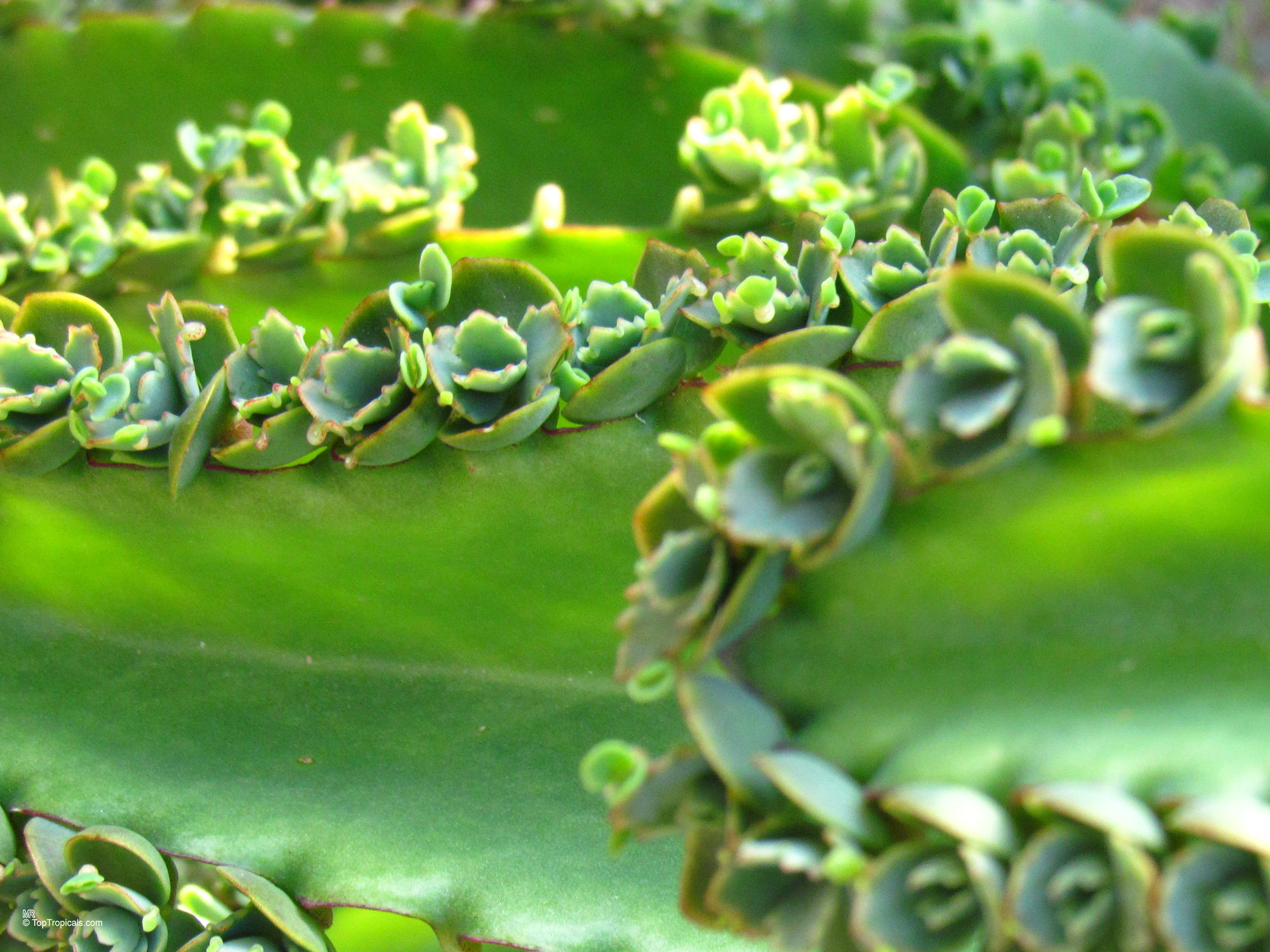
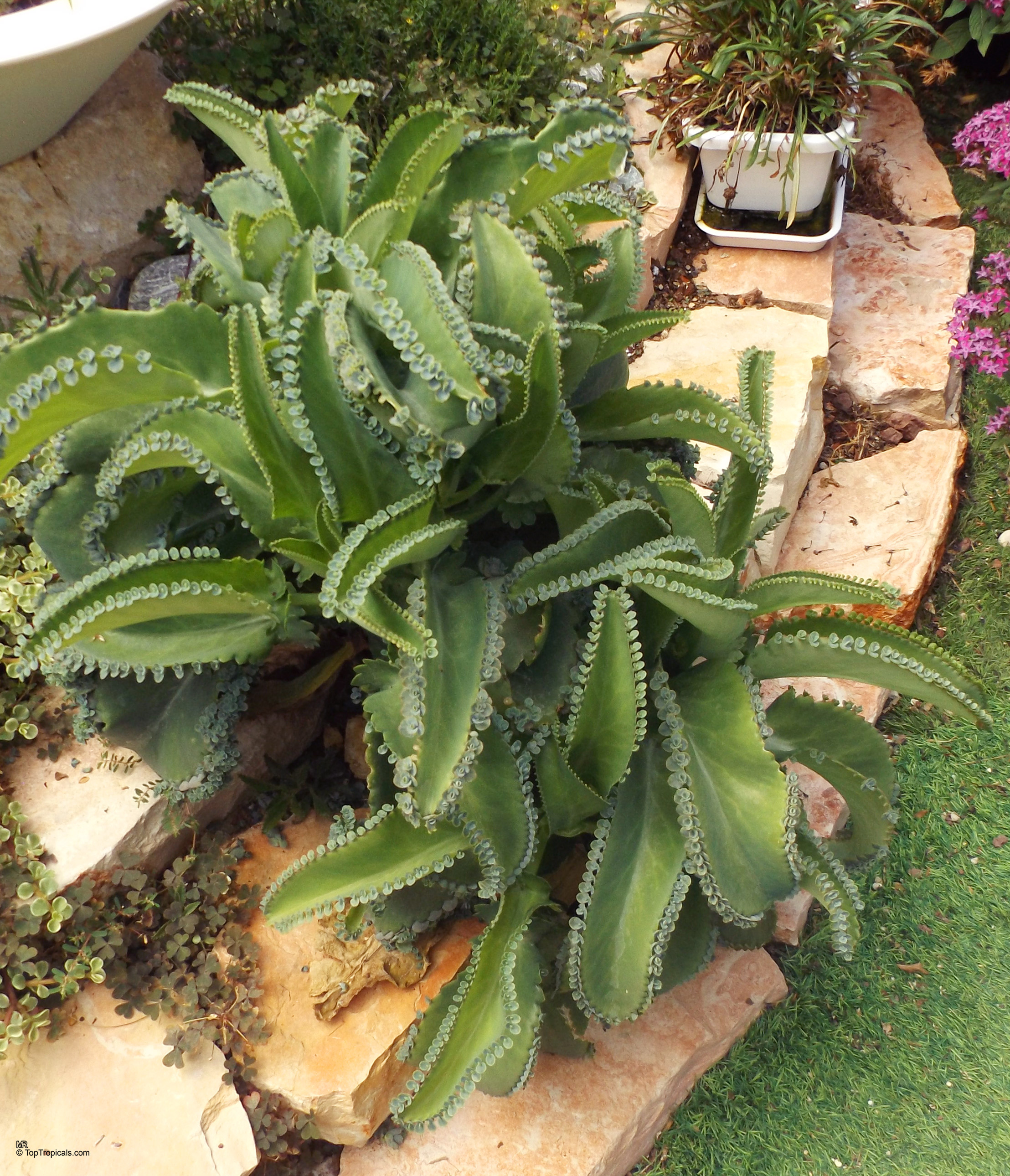
Kalanchoe laetivirens, commonly known as Mother of Thousands or Mother of Millions, is a succulent perennial in the Crassulaceae family, originating from Madagascar. It forms upright stems with large, opposite, fleshy leaves that are broadly triangular to ovate, bluish-green to gray-green, and often covered with a powdery, waxy coating. The leaves have shallowly scalloped margins bearing numerous tiny plantlets, which develop roots while still attached and readily establish themselves after falling. Unlike the narrower, often purple-mottled leaves of Kalanchoe daigremontiana, its foliage is broader, paler, and usually unspotted. Mature plants may produce tall, branched inflorescences with pendent, tubular, pinkish flowers. The species is also known under the synonym Bryophyllum laetivirens.
Kalanchoe laetivirens grows best in bright light to partial sun and well-drained soil, with moderate watering during active growth and reduced moisture in winter. It is frost-sensitive and requires warmer winter conditions than K. daigremontiana, making container cultivation advisable outside frost-free climates. The numerous plantlets spread readily and may become invasive in warm regions. Like other members of this group, the plant contains toxic compounds and should not be consumed. It is frost-tender and best suited to USDA Zones 10b-11; in colder climates, it should be grown in containers and protected from frost.
Similar plants: Kalanchoe laetivirens (Mother of Thousands)
- Bryophyllum beauverdii (Kalanchoe)
- Bryophyllum delagoense (Chandelier plant)
- Bryophyllum fedtchenkoi (Kalanchoe)
- Bryophyllum gastonis-bonnieri (Giant kalanchoe)
- Bryophyllum pinnatum (Bahamas Breath Plant)
- Bryophyllum proliferum (Blooming Boxes)
- Kalanchoe beharensis (Velvet Leaf)
- Kalanchoe blossfeldiana (Flaming Katy)
- Kalanchoe daigremontiana (Mother of Thousands)
- Kalanchoe dinklagei (Kalanchoe)