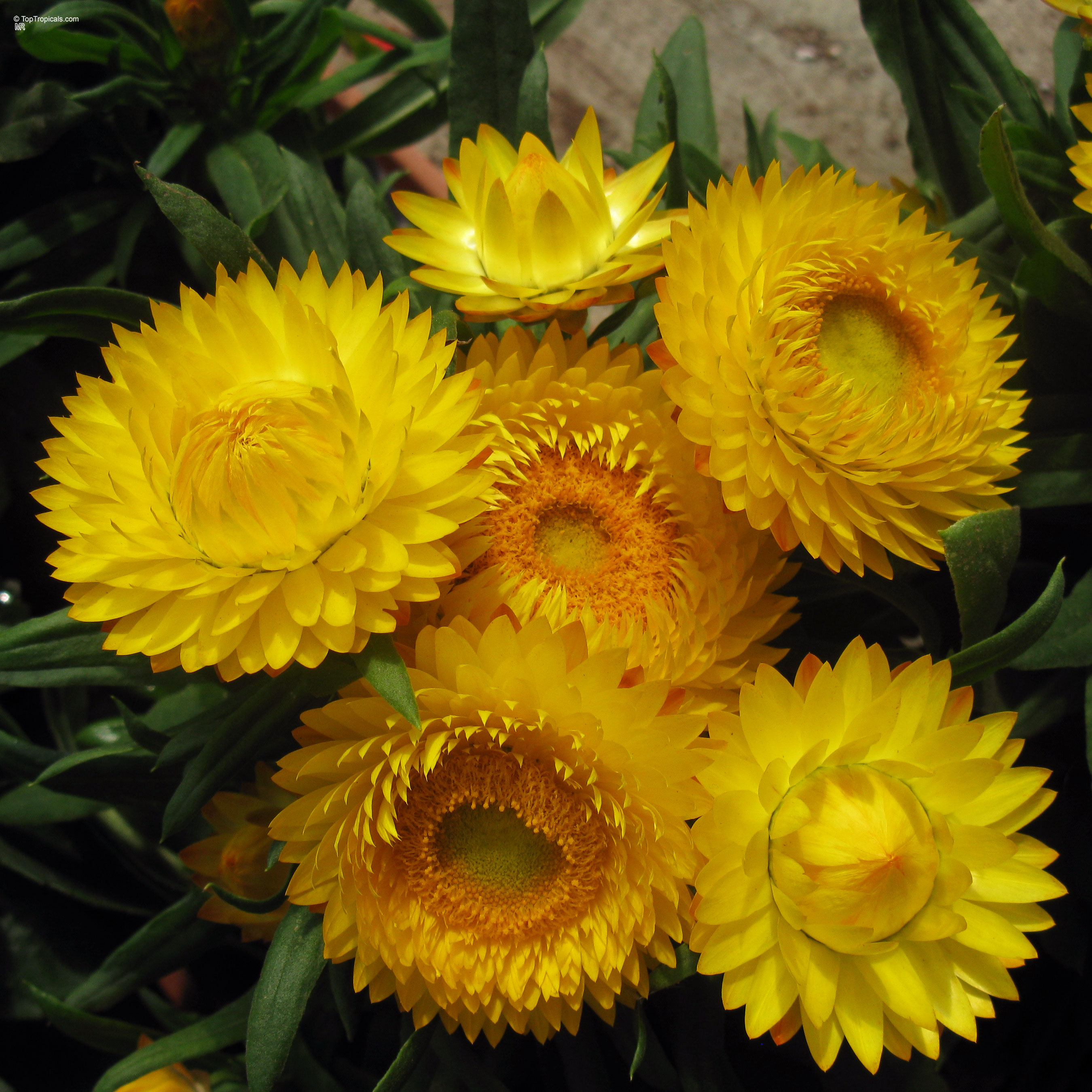
Xerochrysum bracteatum (Strawflower)
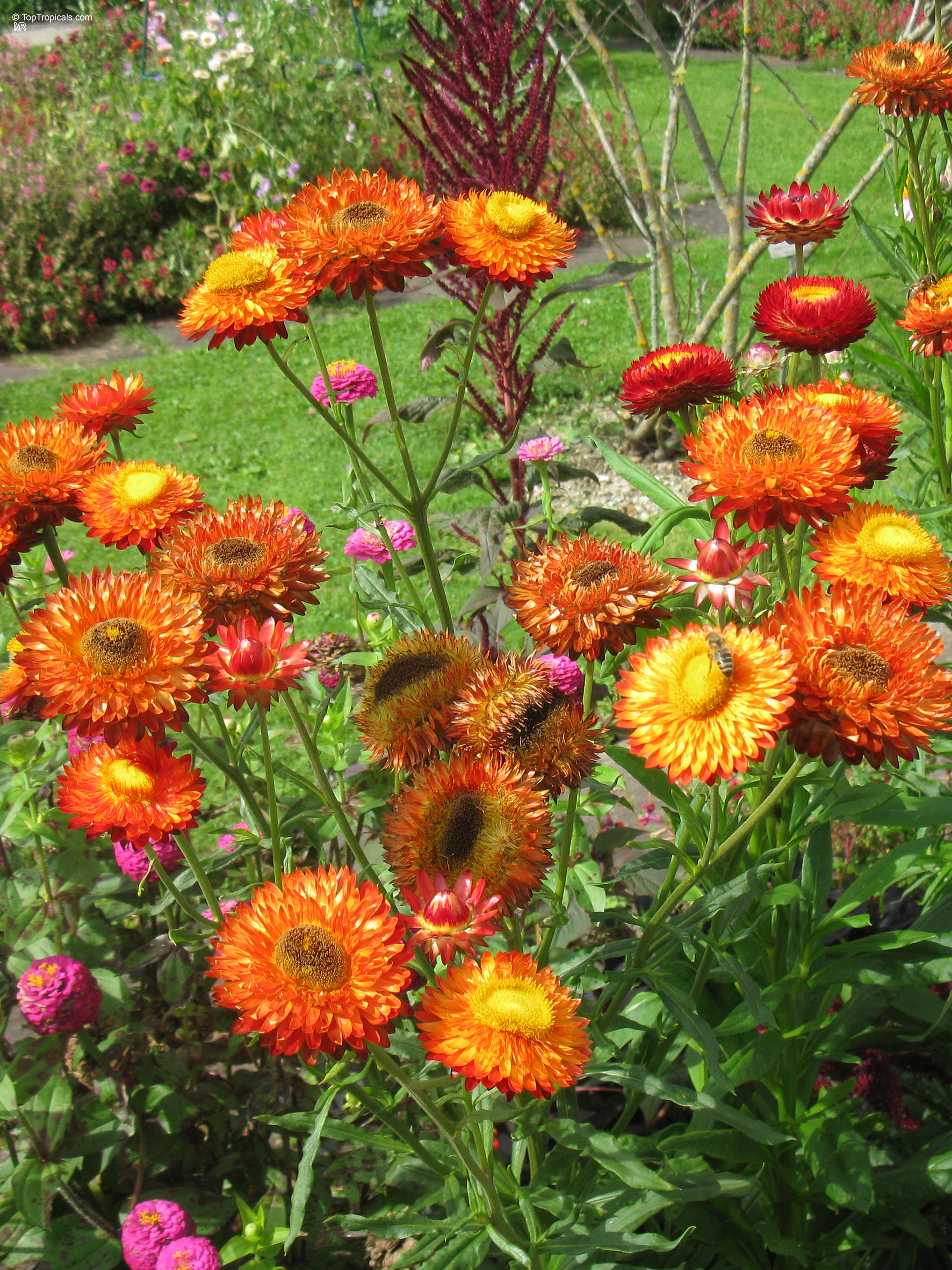
Botanical names: Xerochrysum bracteatum, Helichrysum bracteatum, Bracteantha bracteata
Common names: Strawflower, Paper Daisy, Everlasting Daisy
Family: Asteraceae
Origin: Australia
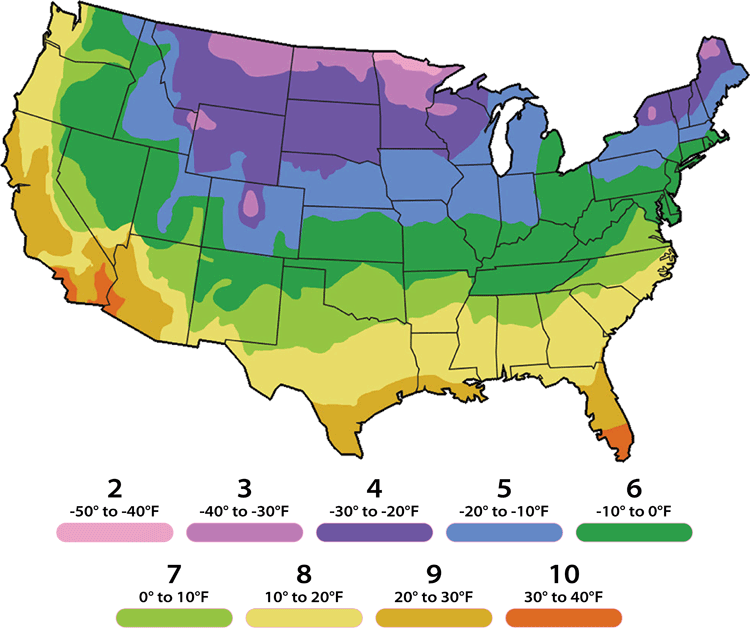
USDA Zone: 8-10
 Plant form: Small
 Mature height: 2-5 ft

 Sun exposure: Full sun or bright light indoor; semi-shade
 Cold tolerance: Tolerates light freezing to about 30°F for short periods (mature plants). Young plants must be protected.

 Watering: Regular; moderate


 Flower color: Pink; white and off-white; red, crimson, vinous; yellow, orange
 Suitable for: Outdoors in the suitable USDA zone; small gardens, containers, and indoor growing
 Wildlife: Attracts butterflies and hummingbirds
Xerochrysum bracteatum, also known as Strawflower, is a popular plant choice for gardeners in USDA zones 8-10. This small plant is easy to care for and produces a showy display of colorful flowers that attract butterflies and hummingbirds. It can be grown in either full sun or semi-shade and requires regular or moderate watering to ensure optimal growth and flowering. The plant comes in a variety of colors, including pink, white, red, yellow, and orange.
When planting Xerochrysum bracteatum in a pot, gardeners in colder regions should take extra care to ensure the plant thrives. Bring the pot indoors during cold winters.
Xerochrysum bracteatum is not only a great addition to a garden but is also excellent for use in dried arrangements.
Xerochrysum bracteatum has been proven to be adaptable to cultivation and was first propagated and developed in Germany in the 1850s. Annual cultivars in a range of color forms, from white to bronze to purple flowers, are widely available.
Similar plants: Xerochrysum bracteatum (Strawflower)