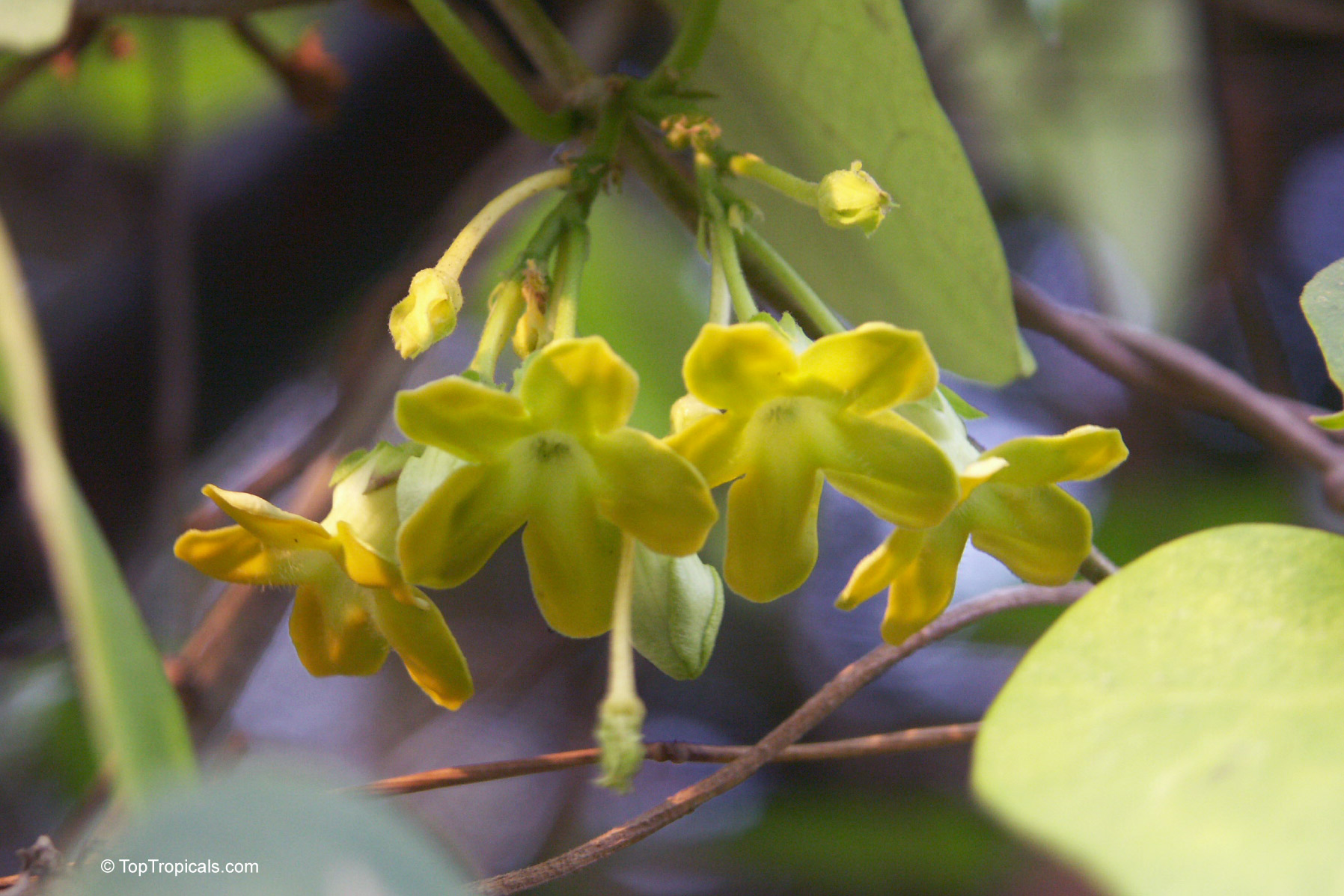
Vatica diospyroides (Chan ka pho)
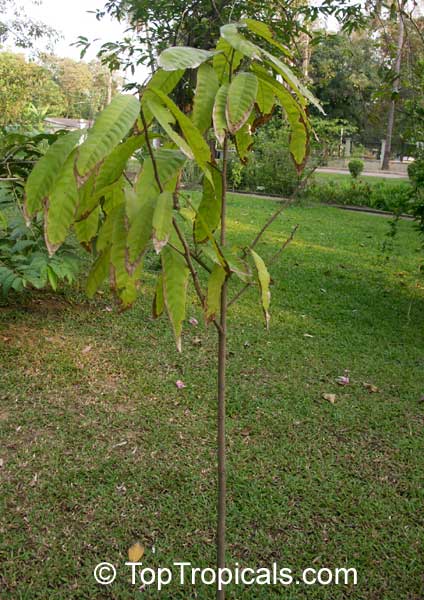
Botanical names: Vatica diospyroides, Vatica cinerea, Synaptea cinerea
Common names: Chan ka pho, Broken Heart Flower
Family: Dipterocarpaceae
Origin: Thailand
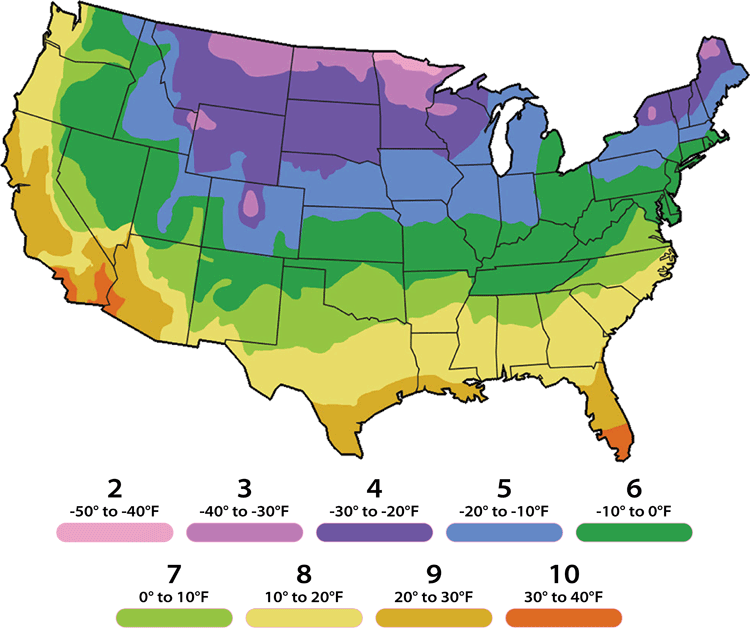
USDA Zone: 10-11
Cold tolerance: 35°F

 Plant form: Large bush or small tree
 Mature height: 10-20 ft
 Sun exposure: Full sun or bright light indoor
 Cold tolerance: Frost sensitive. Protect from freezing.
 Watering: Regular
 Flower color: Yellow, orange
 Suitable for: Outdoors in the suitable USDA zone; small gardens, containers, and indoor growing
 Fragrance: Fragrant; perfume plant
 Ethnomedical: Ethnomedical plant, traditionally used in folk or indigenous medicine
Vatica diospyroides is a tropical evergreen tree in the Dipterocarpaceae family, native to Thailand and Peninsular Malaysia. It is a relatively small member of a family better known for large forest trees, developing a dense crown of leathery, glossy green leaves. Small fragrant flowers are borne in clusters and are creamy white to pale yellow. The fruits are nuts surrounded by enlarged persistent calyx lobes, a characteristic feature of many dipterocarps. In its native range the species occurs naturally in lowland areas, particularly near streams and in seasonally wet or swampy forest.
Vatica diospyroides prefers a warm, humid tropical climate and fertile, moisture-retentive soil with good drainage. Young plants benefit from some protection from intense sun, while established trees tolerate brighter conditions. Regular moisture is important, and the species is poorly suited to prolonged drought or cold. It can be grown as an unusual ornamental tree where tropical conditions can be maintained, although it remains uncommon in cultivation outside Southeast Asia. Frost sensitive, it is best suited to USDA Zones 10b-11 and should be protected from temperatures approaching freezing.
Similar plants: Vatica diospyroides (Chan ka pho)