Terminalia calamansanai (Philippine Almond)
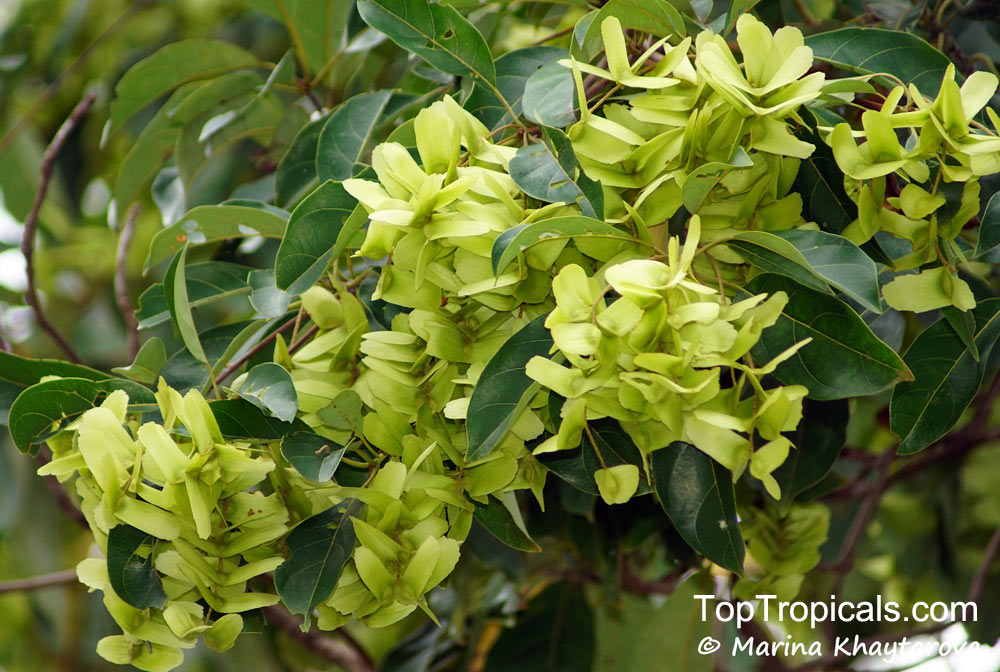
Terminalia calamansanai (Philippine Almond) branch holding clusters of papery winged fruit in light green tones
Botanical name: Terminalia calamansanai
Common names: Philippine Almond, Yellow Terminalia
Family: Combretaceae
Origin: Southeast Asia
USDA Plant Hardiness Zone Map
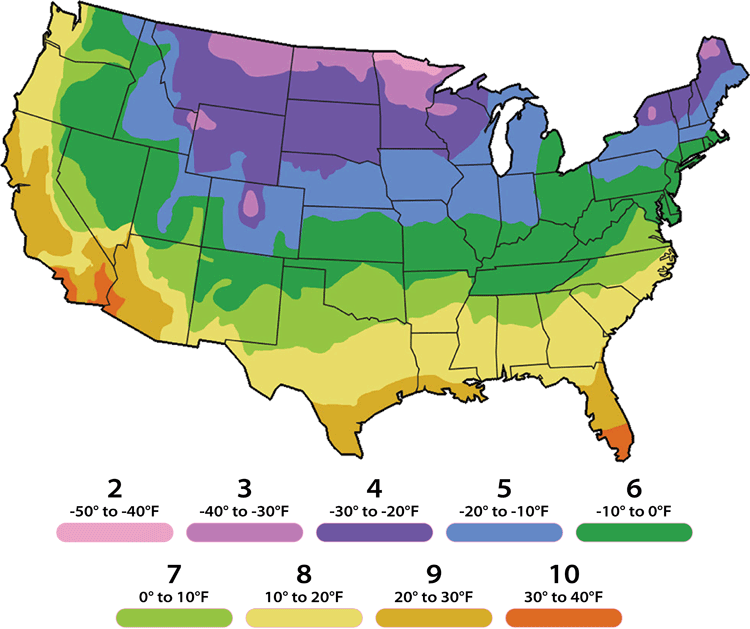
USDA Zone: 9-10
Plant type: Fruit or edible
Fruit type: Fruit or edible
 Plant form: Large tree
 Mature height: 20 ft or more
 Sun exposure: Full sun or bright light indoor
 Cold tolerance: Frost sensitive. Protect from freezing.
 Watering: Regular; moderate
 Flower color: White and off-white
 Suitable for: Outdoors in the suitable USDA zone; large gardens
 Foliage: Deciduous
 Ethnomedical: Ethnomedical plant, traditionally used in folk or indigenous medicine
The seeds are eaten raw or cooked.
Similar plants: Terminalia calamansanai (Philippine Almond)
- Bucida buceras (Florida Black Olive Tree)
- Bucida spinosa (Spiny Black Olive)
- Terminalia bentzoe (Benjoin)
- Terminalia catappa (Tropical Almond)
- Terminalia foetidissima (Terminalia)
- Terminalia ivorensis (Black Afara)
- Terminalia kaernbachii (Okari Nut)
- Terminalia mantaly (Madagascar Almond)
- Terminalia muelleri (Australian almond)
- Terminalia sp. (Terminalia)
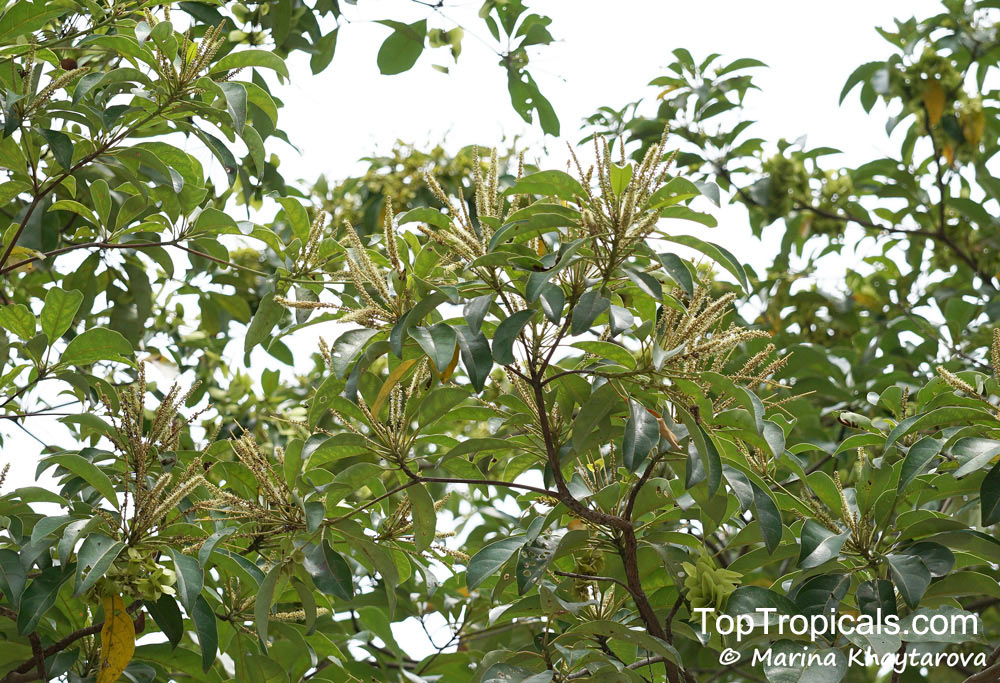
Terminalia calamansanai (Philippine Almond) yellow flowers and green leaves spread across multiple tree branches.
Link to this plant:
https://toptropicals.com/catalog/uid/terminalia_calamansanai.htm