Sambucus sp. (Elder)
Botanical name: Sambucus sp.
Common name: Elder
Family: Adoxaceae
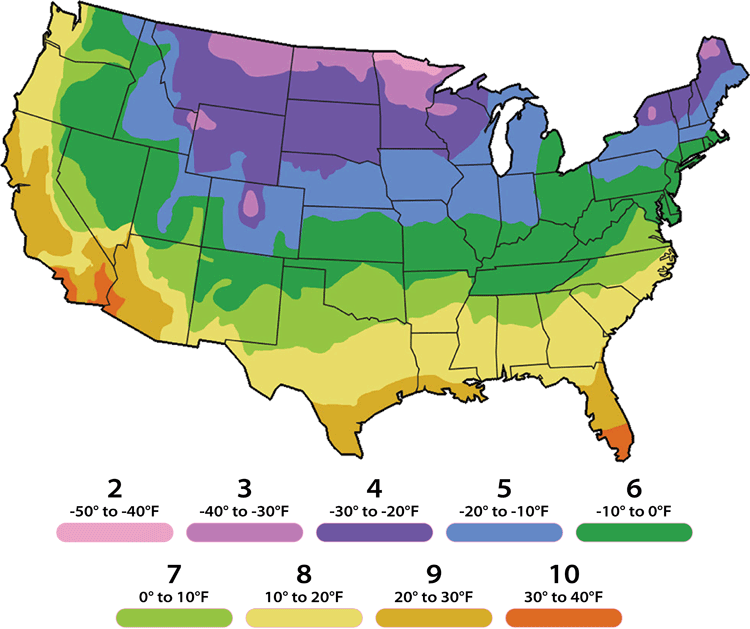
USDA Zone: 3-10

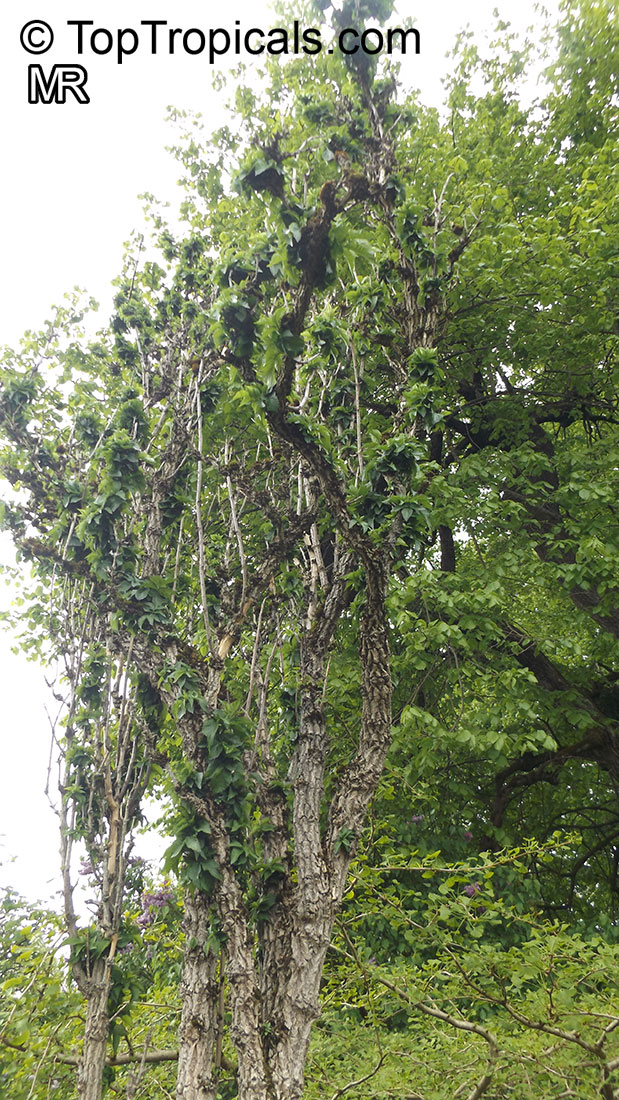
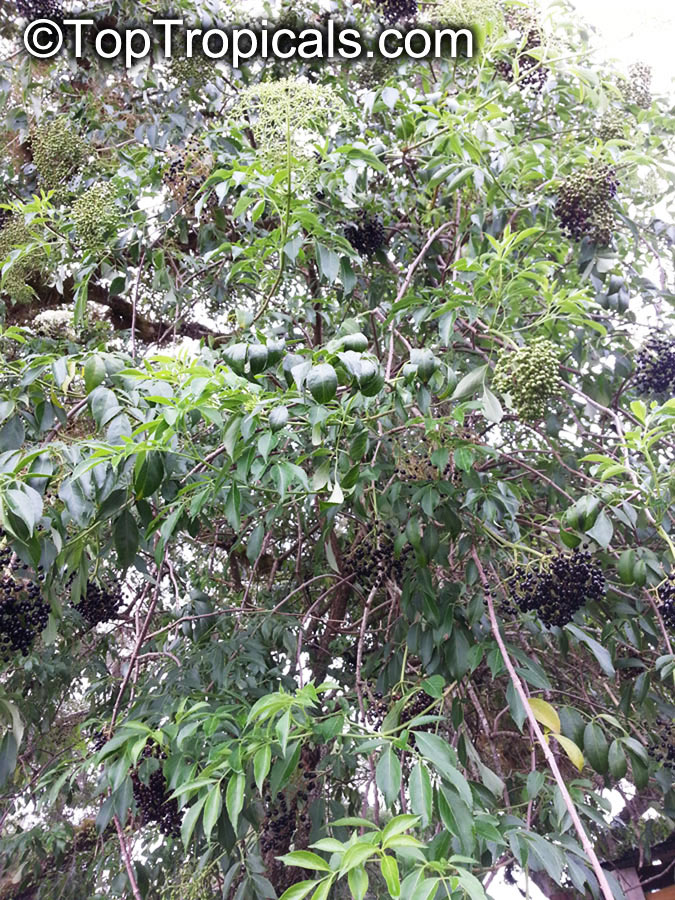
 Plant form: Large bush or small tree
 Mature height: 10-20 ft

 Sun exposure: Full sun or bright light indoor; semi-shade; shade
 Cold tolerance: Tolerates light freezing to about 30°F for short periods (mature plants). Young plants must be protected.
 Watering: Regular; moderate
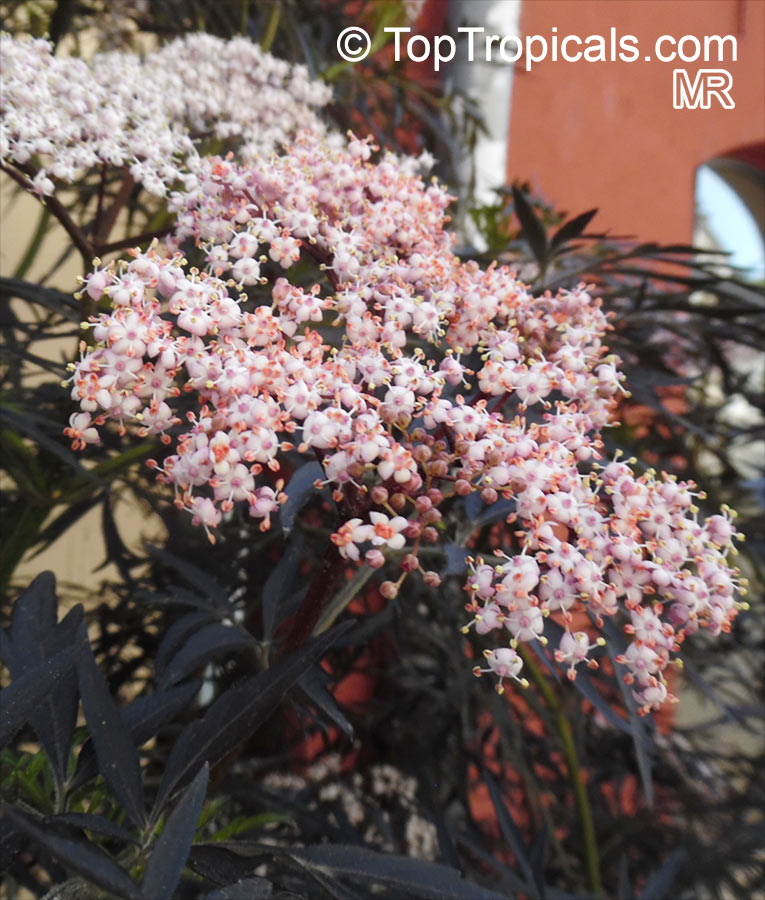
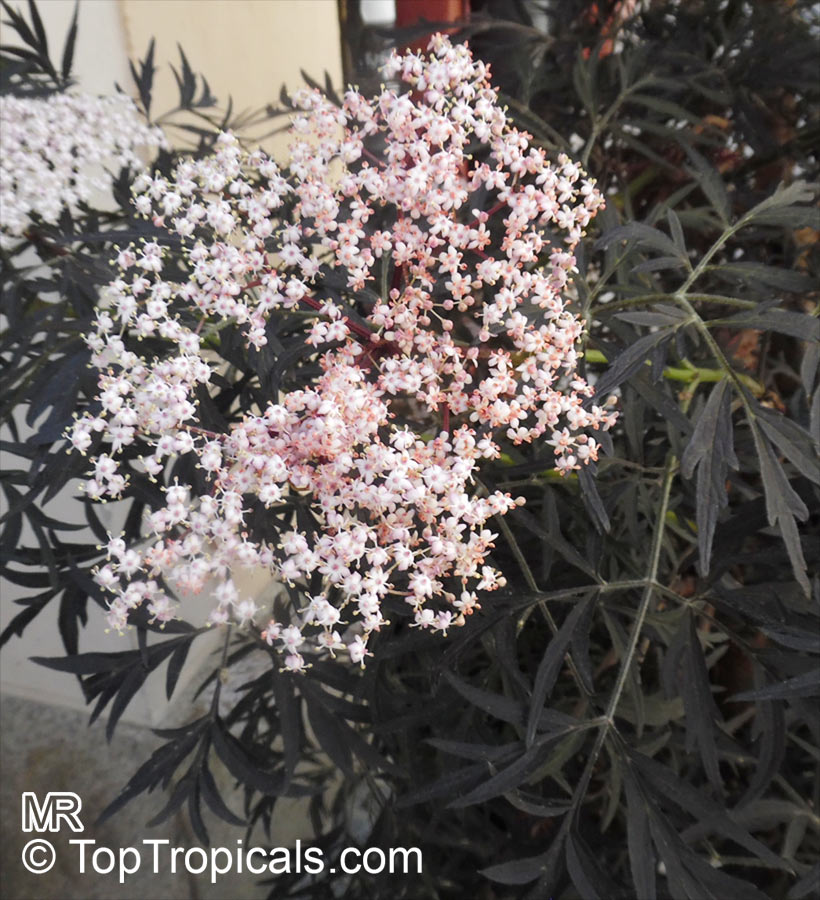
 Flower color: White and off-white; yellow, orange
 Suitable for: Outdoors in the suitable USDA zone; small gardens, containers, and indoor growing
 Fragrance: Fragrant; perfume plant
 Wildlife: Attracts butterflies and hummingbirds
 Ethnomedical: Ethnomedical plant, traditionally used in folk or indigenous medicine
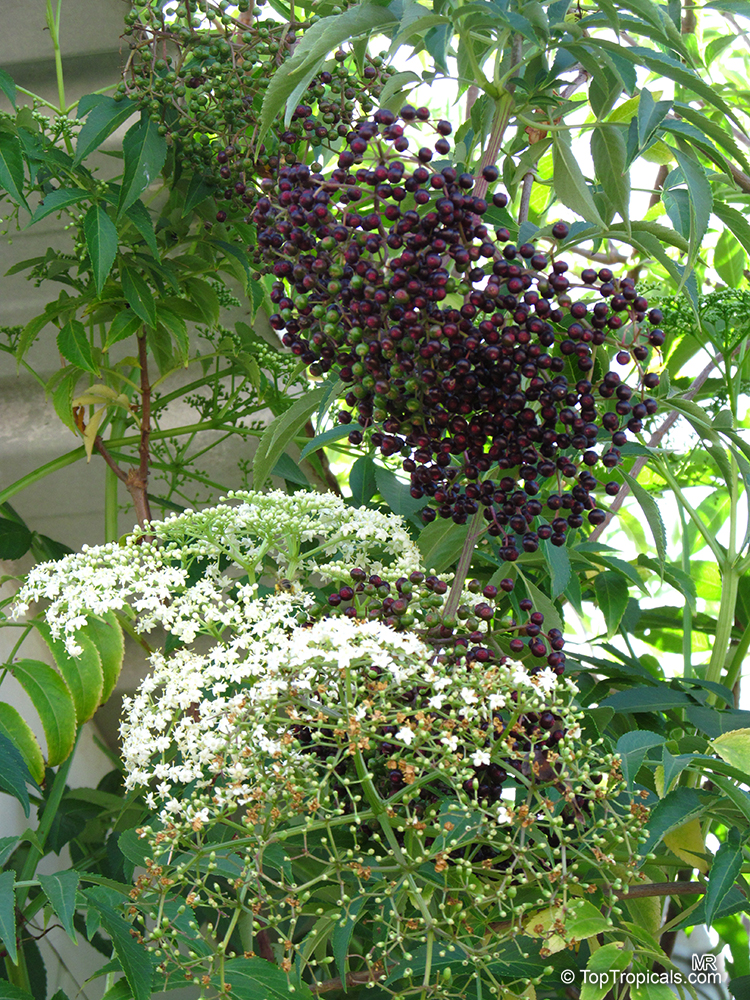
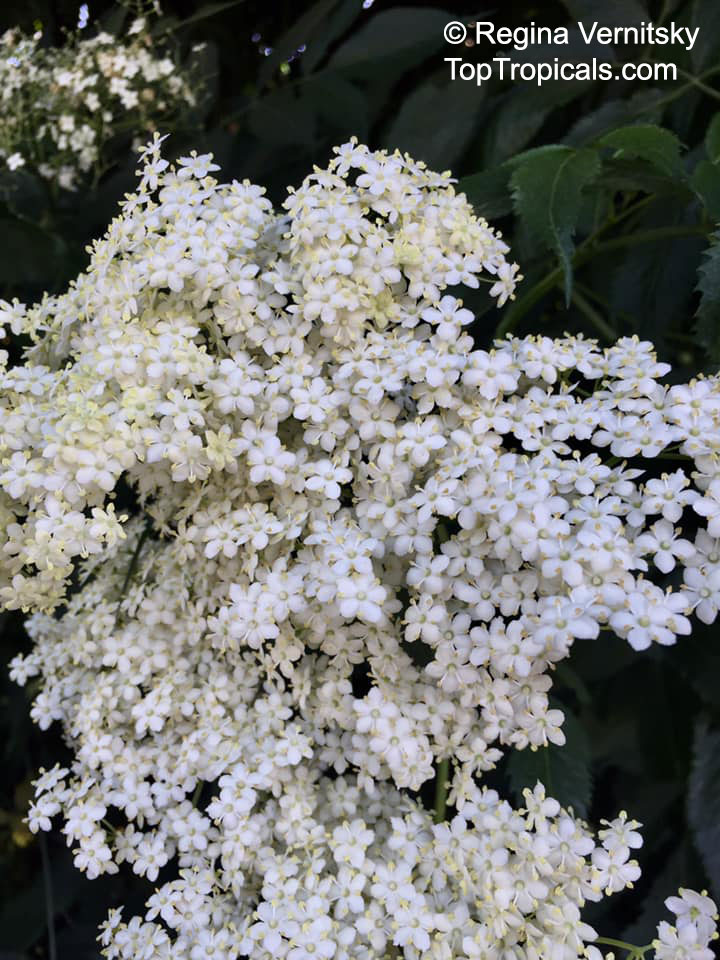
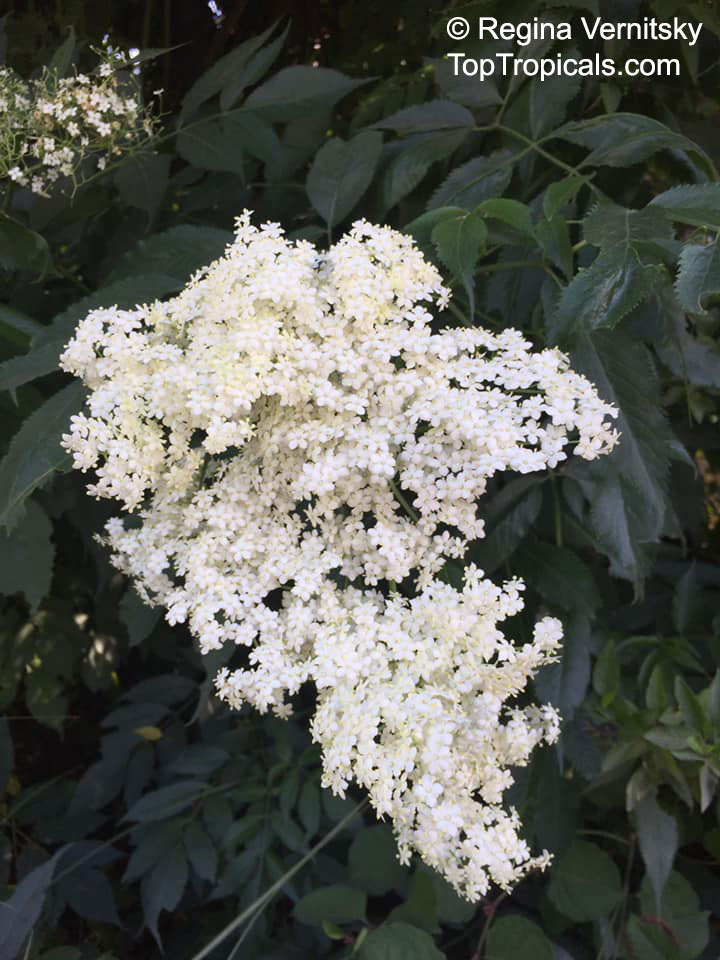
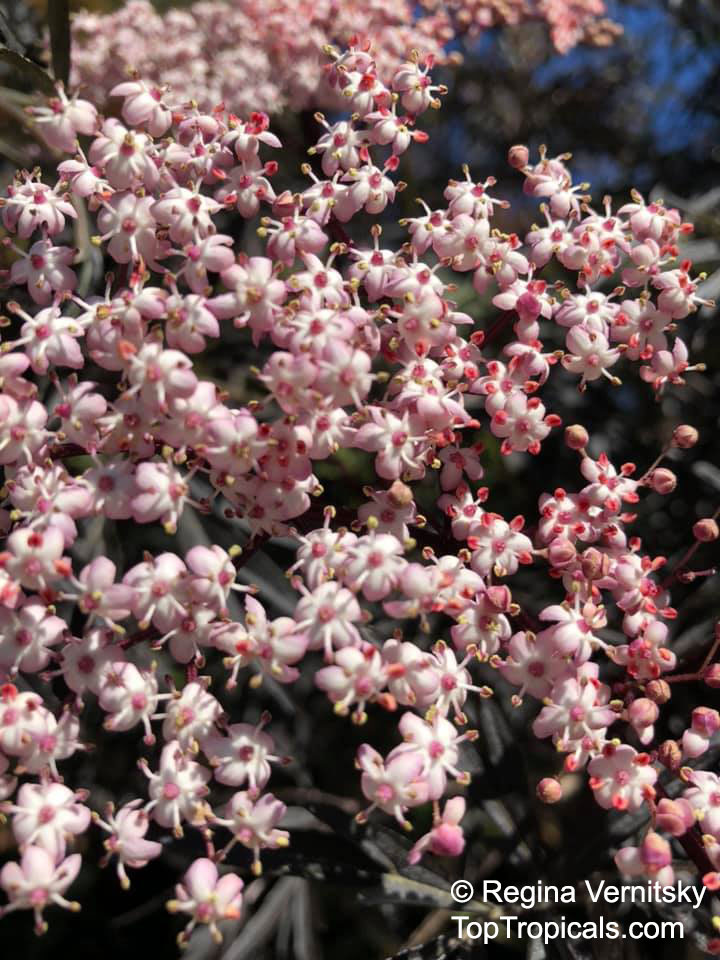
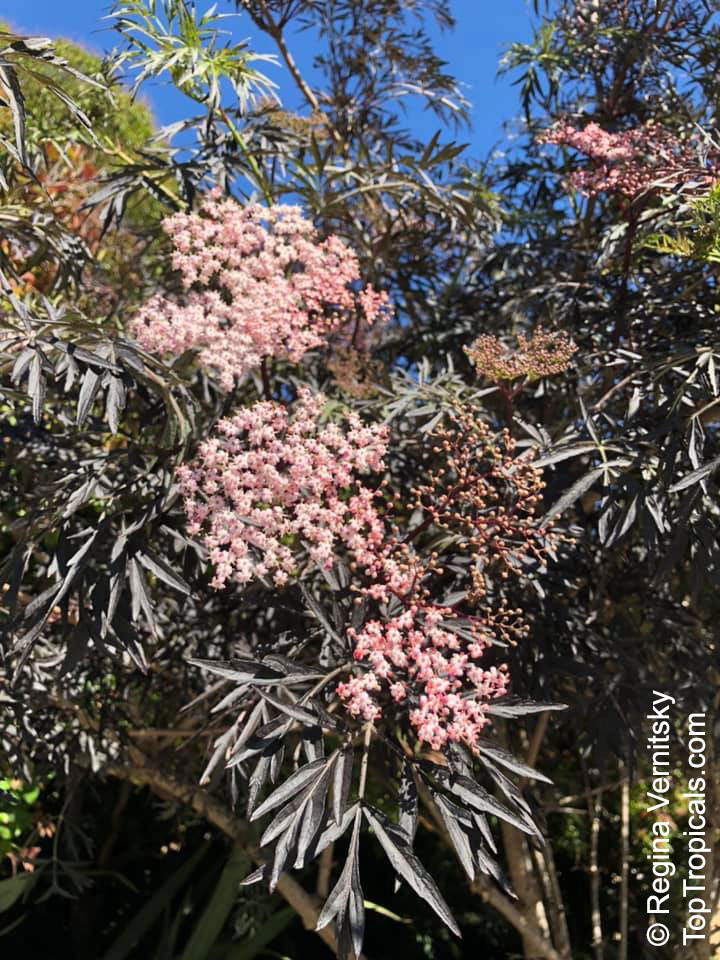
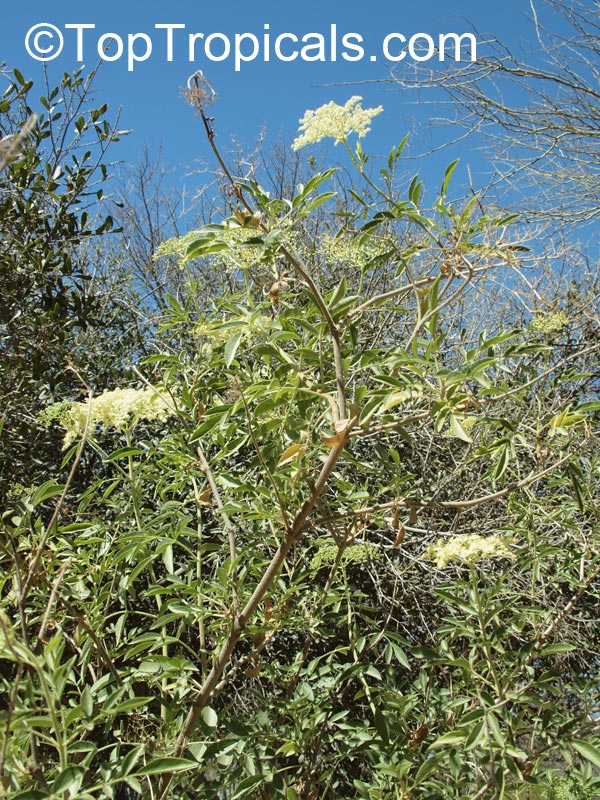
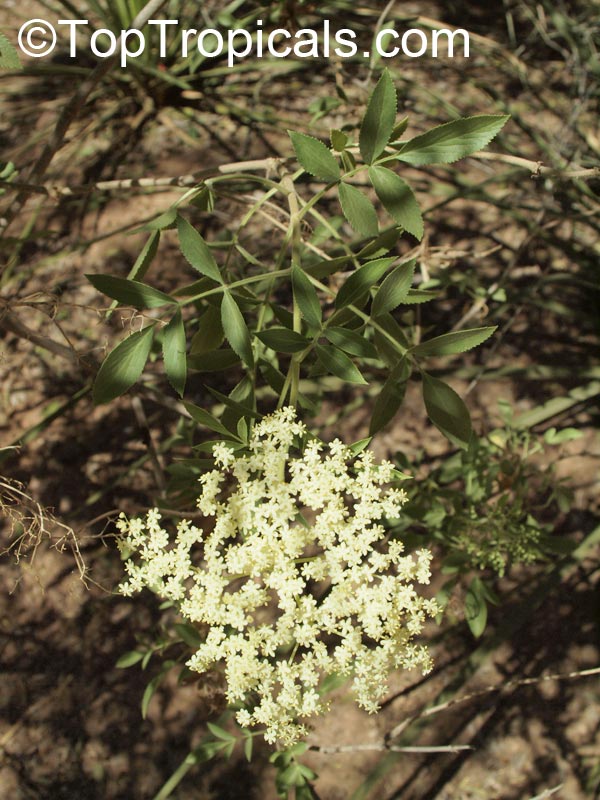
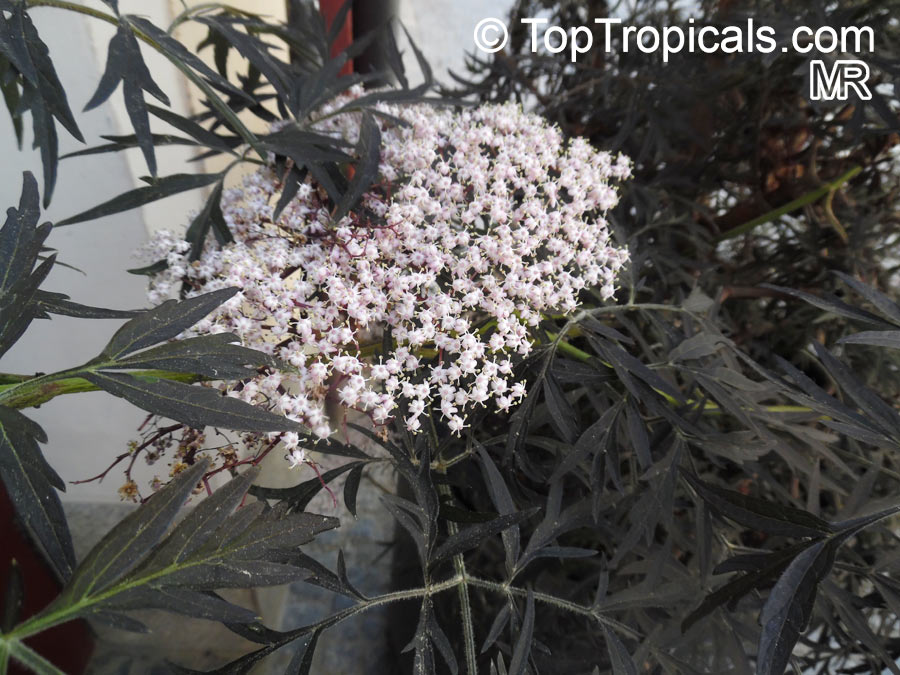
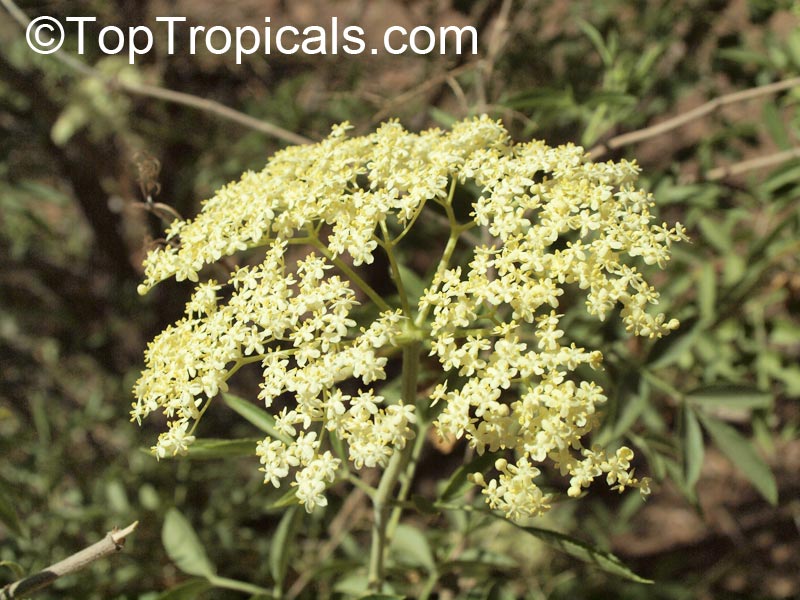
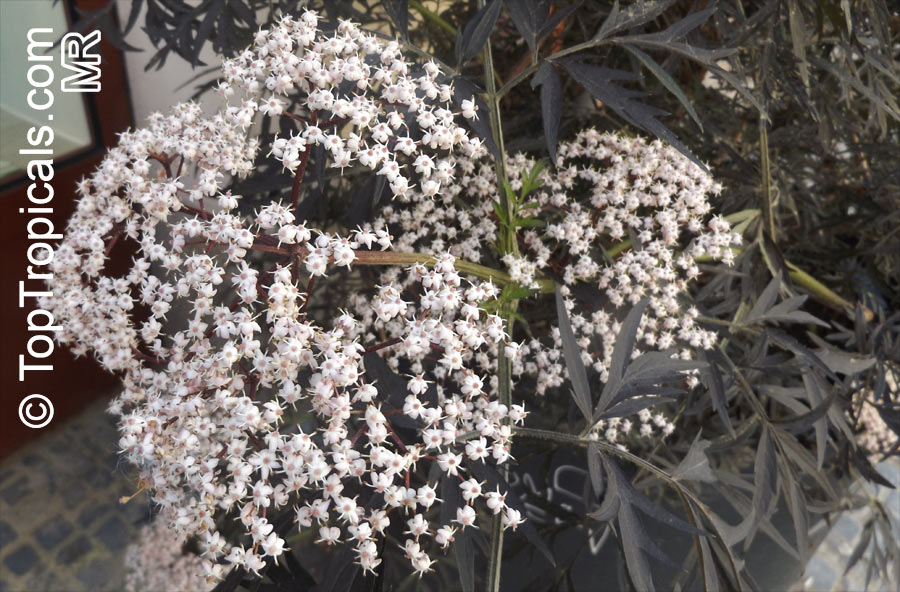
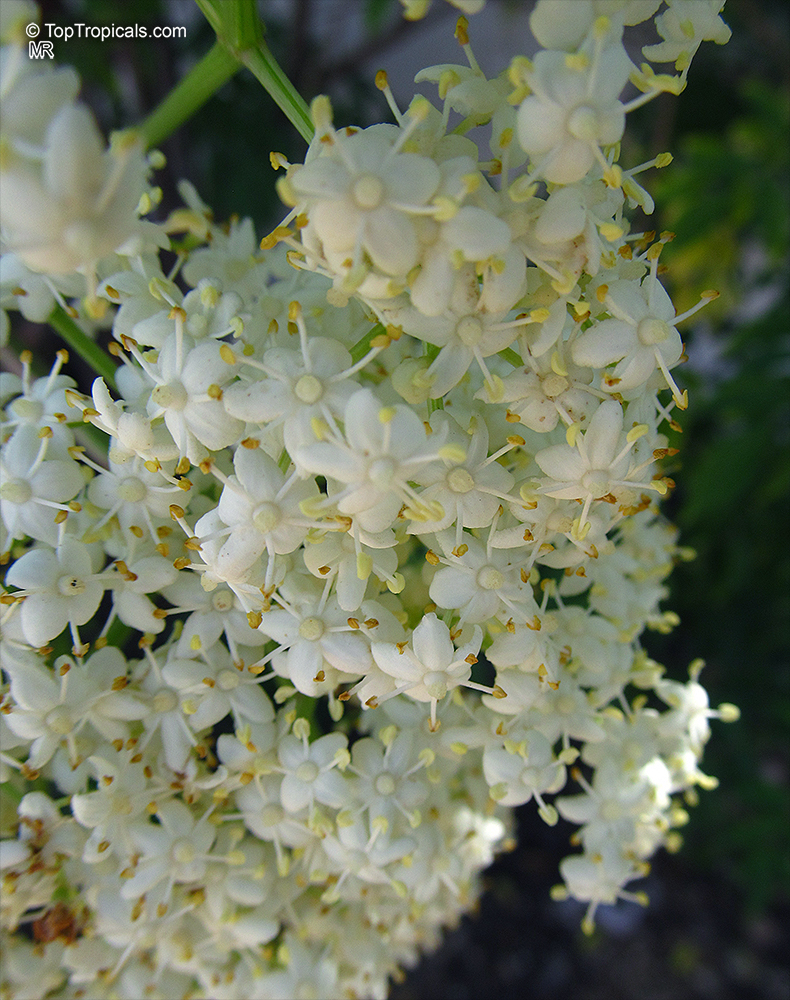
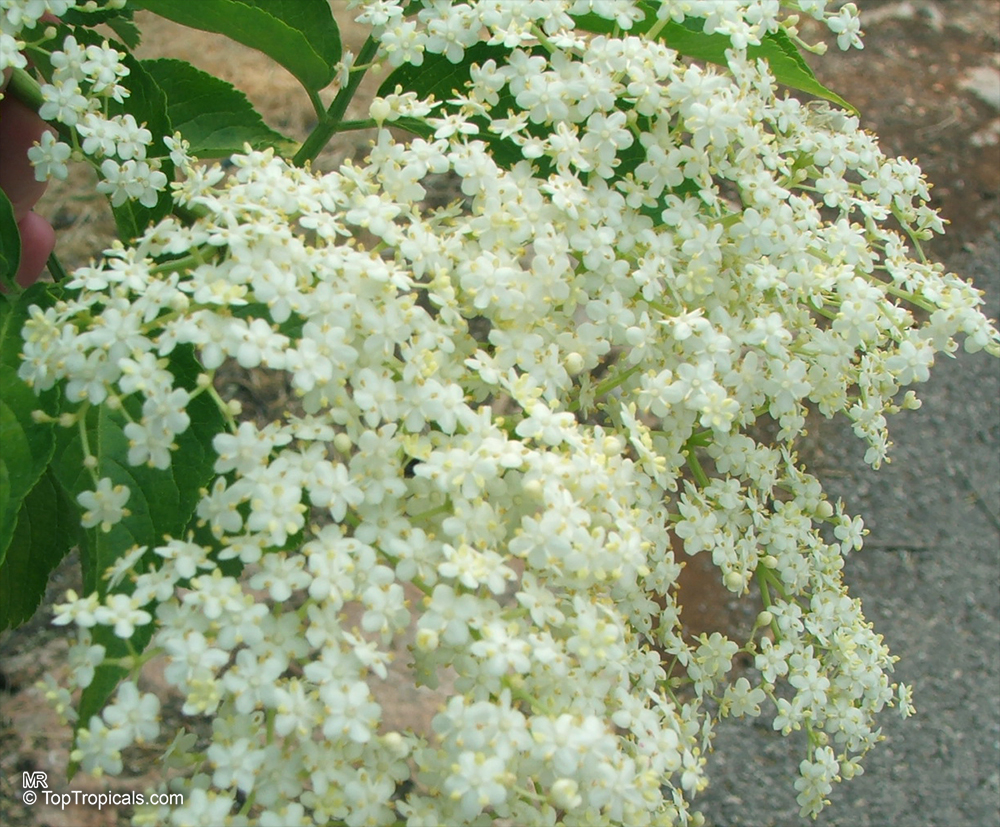
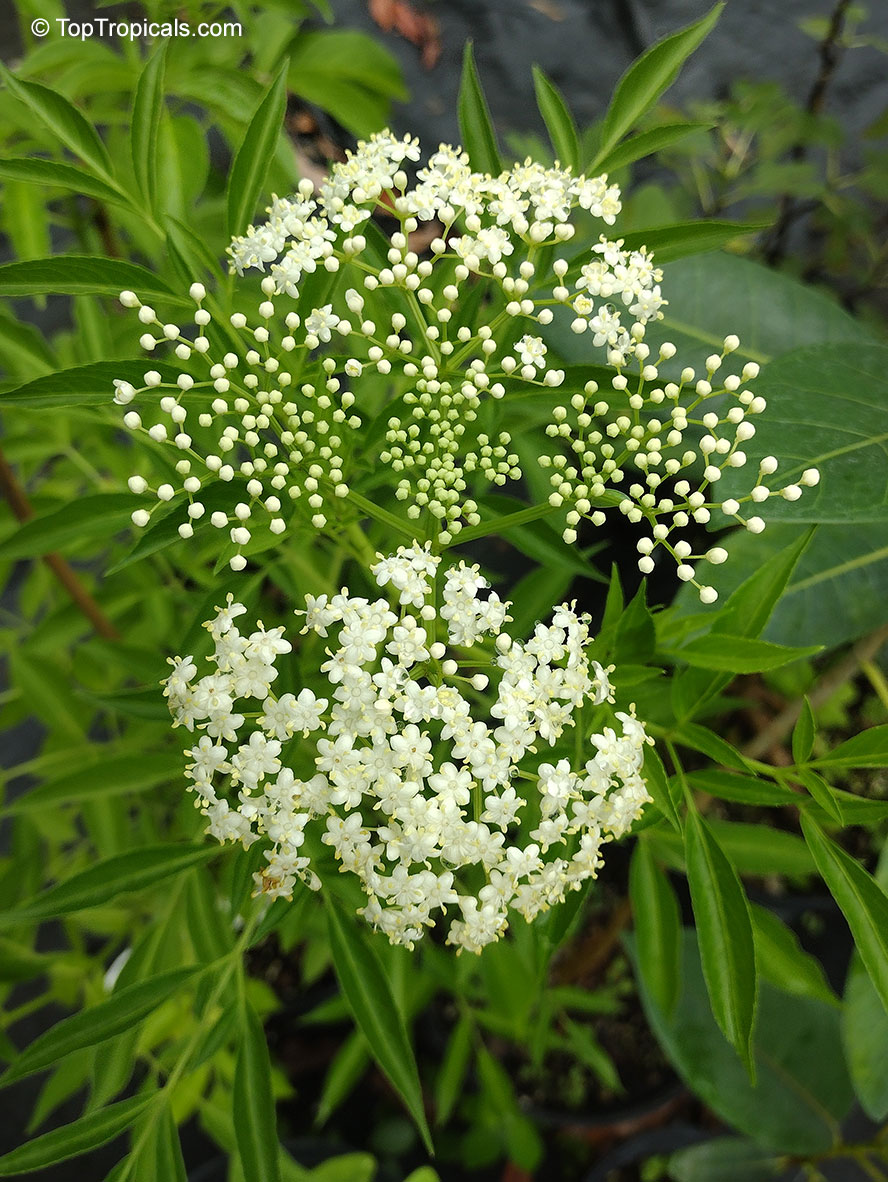
Sambucus sp. (Elder) is a large shrub that typically grows 5-10 feet tall under ideal growing conditions. It likes full sun, but can tolerate semi-shade and prefers regular water, but can also manage with moderate water. In late spring, the shrub is covered with clusters of fragrant white or off-white flowers, with some species having yellow or orange flowers, too. These flowers are attractive to butterflies and hummingbirds.
This ethnomedical plant, also known as elderberry, is grown in USDA zones 3-9.
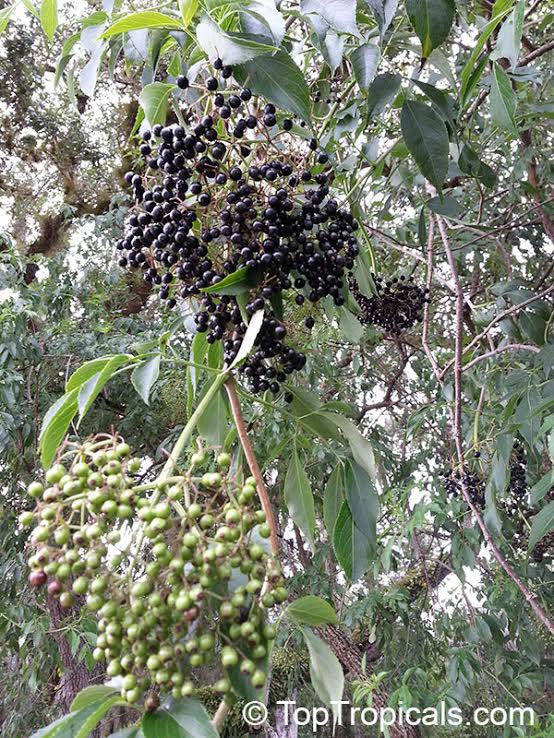
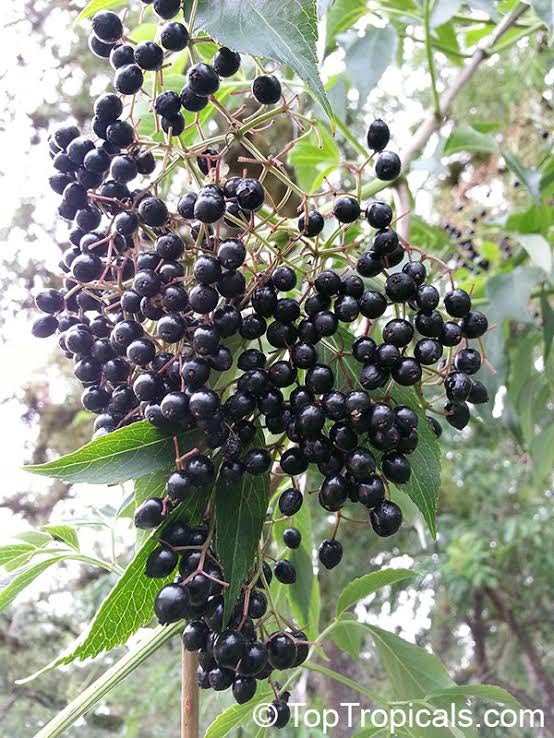
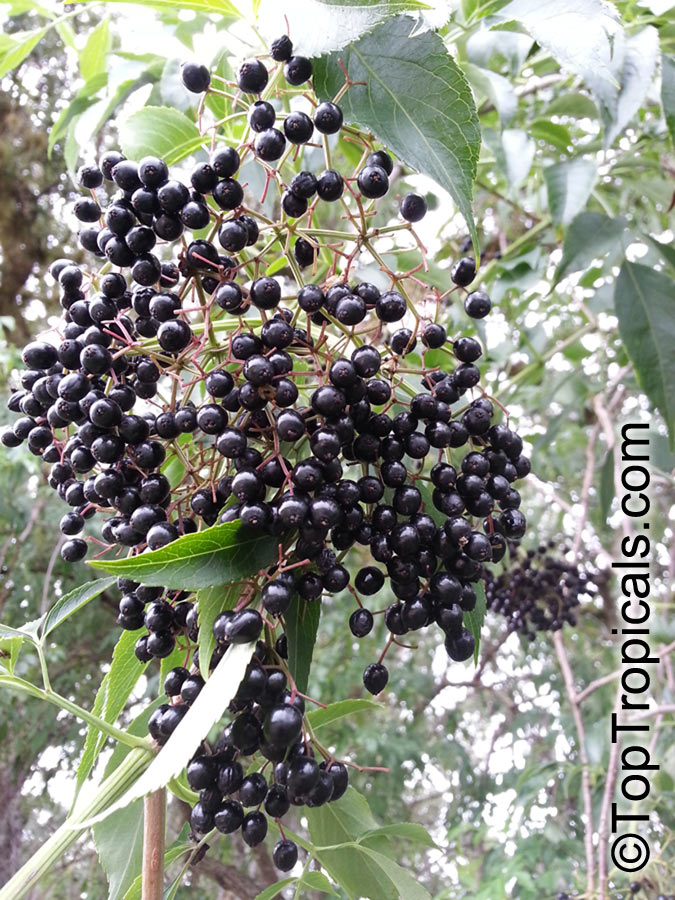
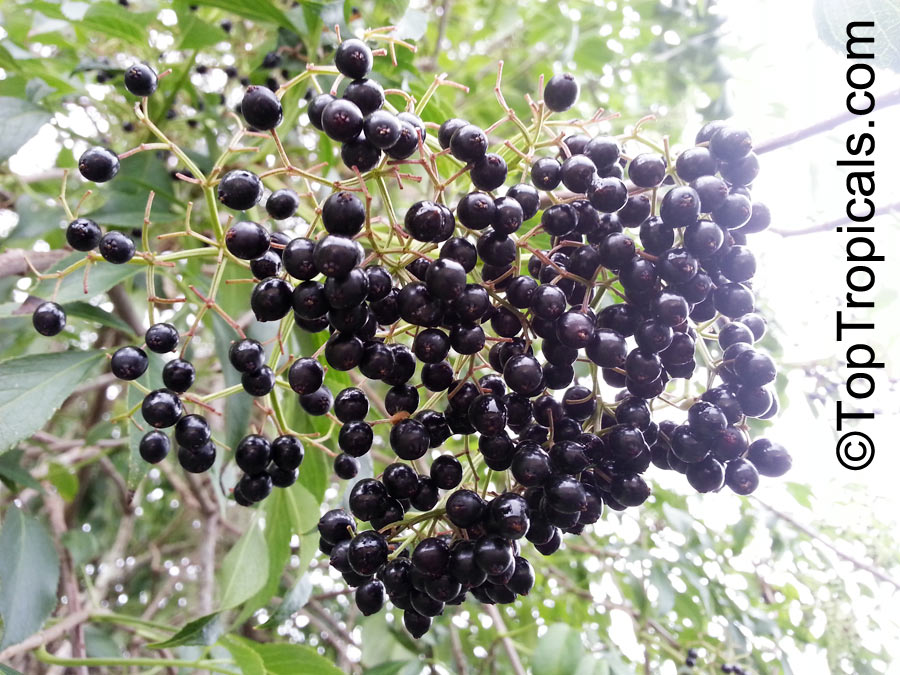
The berries of elderberry, once ripe, have a sweet-tart flavor and can be used to make pies, jams, and wines. Not only are elderberries edible, but they are also very healthy. They are high in vitamins A, B, and C, antioxidants, and the flavonoid anthocyanin, which gives the berries their dark purple color.
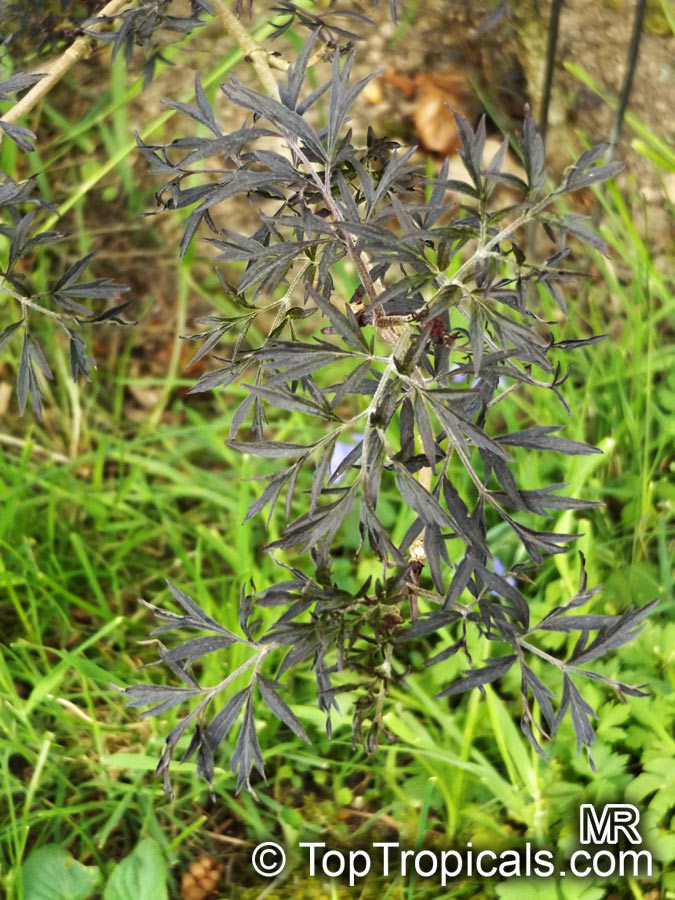
Apart from its edible fruits, the foliage of elderberry has also been used historically for medicinal purposes and to make dyes. In traditional herbalism, it is believed that the leaves and stems of elderberry help to reduce inflammation or fever, regulate and improve digestion, improve cardiovascular health, and reduce stress.