Rhus dentata (Nana-Berry)
Botanical names: Rhus dentata, Searsia dentata
Common name: Nana-Berry
Family: Anacardiaceae
Origin: South Africa
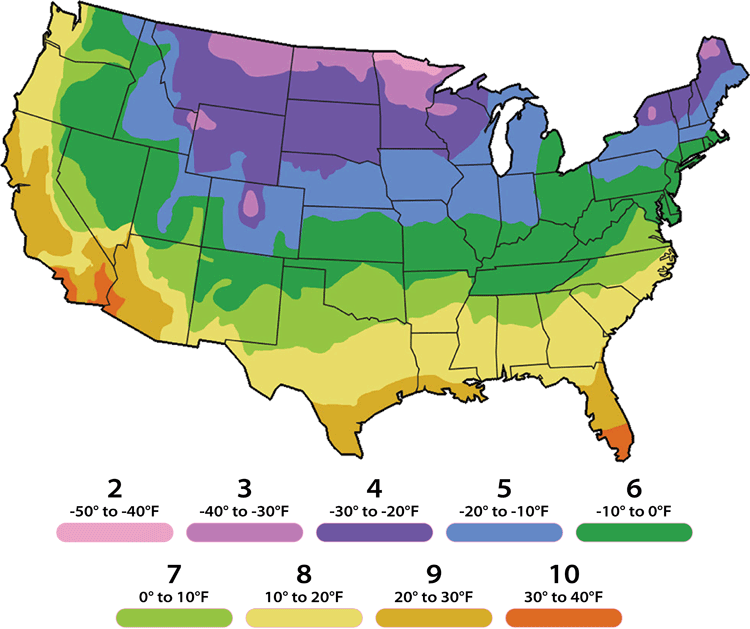
USDA Zone: 8-9


 Plant form: Large bush or small tree; suitable for bonsai
 Mature height: 10-20 ft
 Sun exposure: Full sun or bright light indoor; semi-shade
 Cold tolerance: Tolerates light freezing to about 30°F for short periods (mature plants). Young plants must be protected.
 Watering: Regular; moderate
 Flower color: Yellow, orange
 Suitable for: Outdoors in the suitable USDA zone; small gardens, containers, and indoor growing
 Foliage color: Ornamental foliage
 Wildlife: Attracts butterflies and hummingbirds
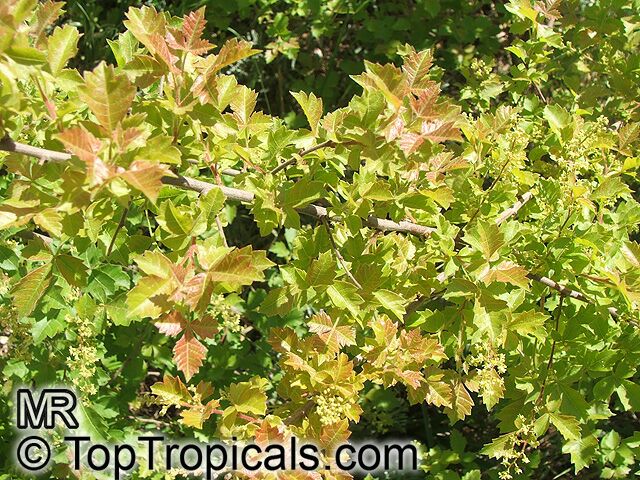
The genus Rhus belongs to the mango family. Nana-Berry is an attractive shrub indigenous with showy, lovely yellow to orange-red foliage in autumn.
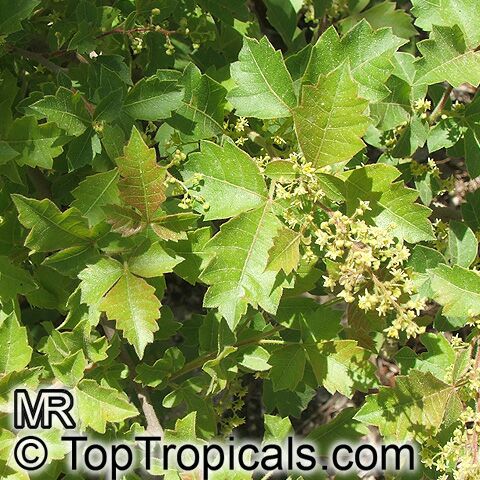
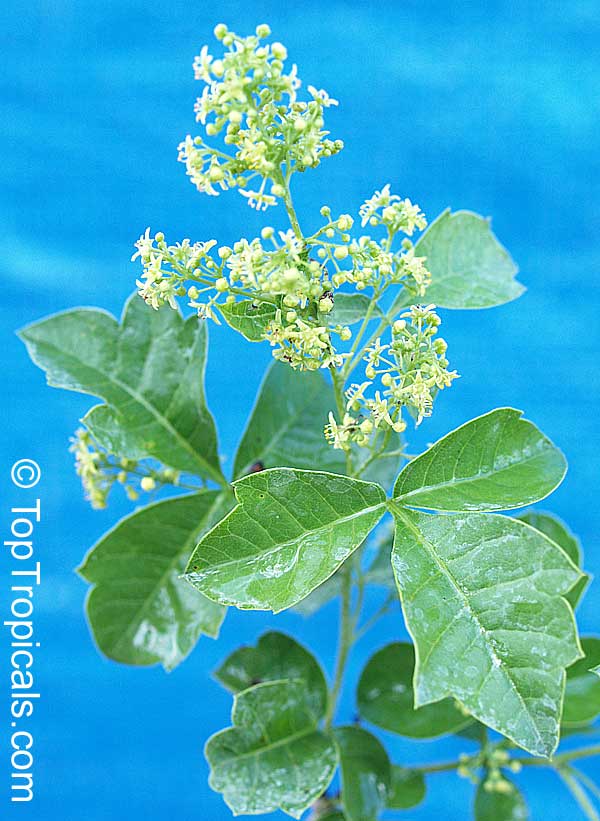
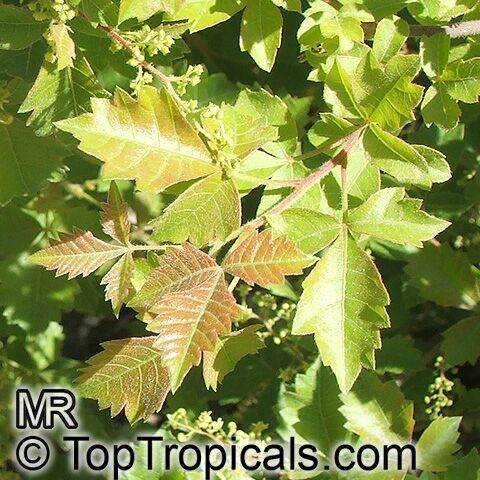
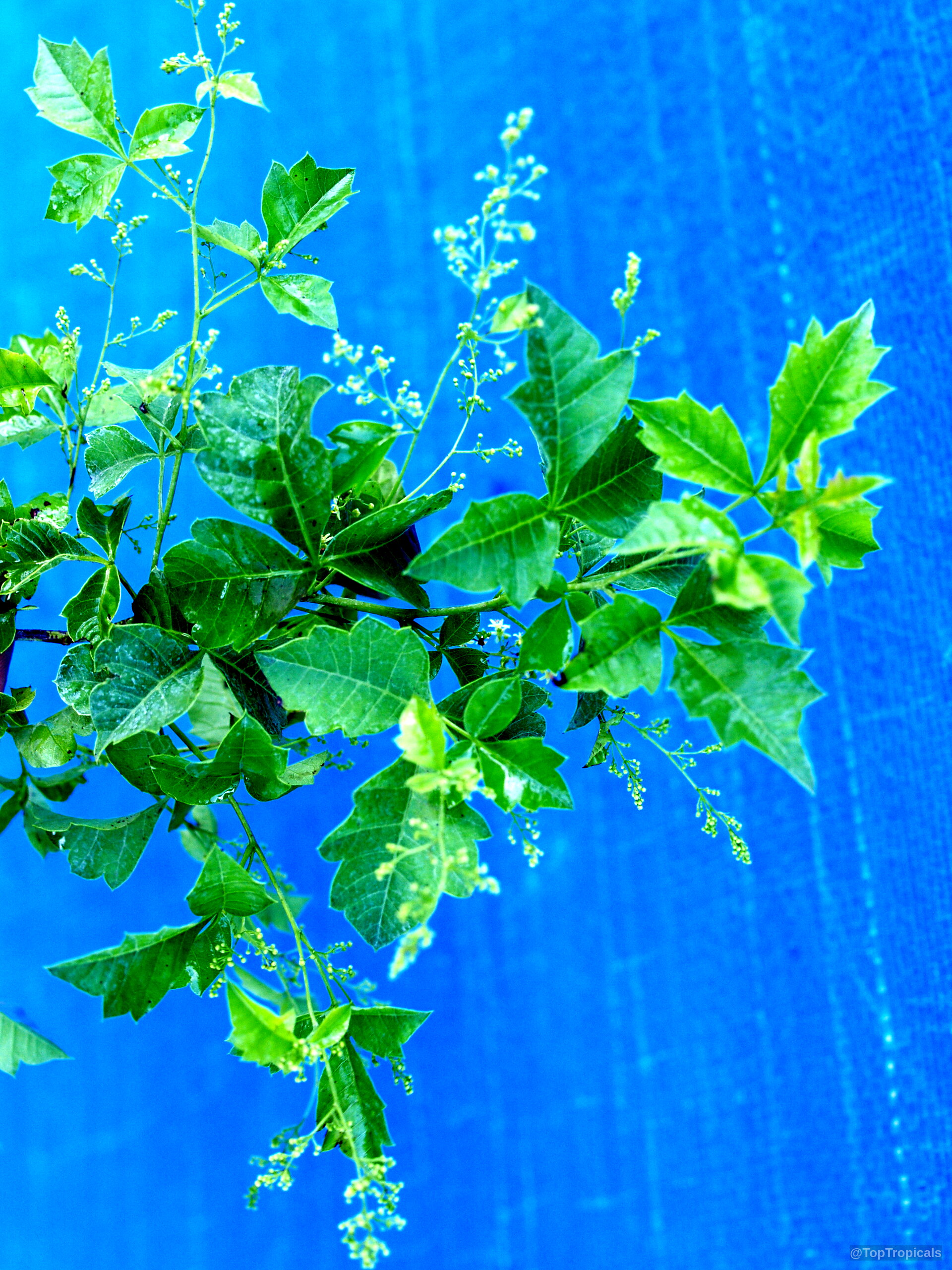
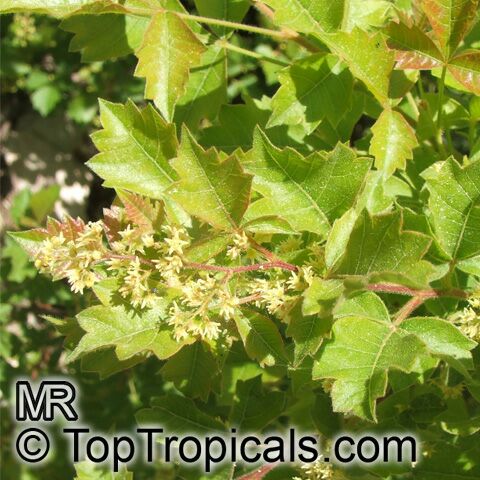
The shrub has smooth, greyish brown bark; the leaves, which are pink when young, turning dull yellow to orange-red in autumn, are trifoliolate, with the two side leaflets smaller than the terminal leaflet, dark green above and paler green below with long hairs.
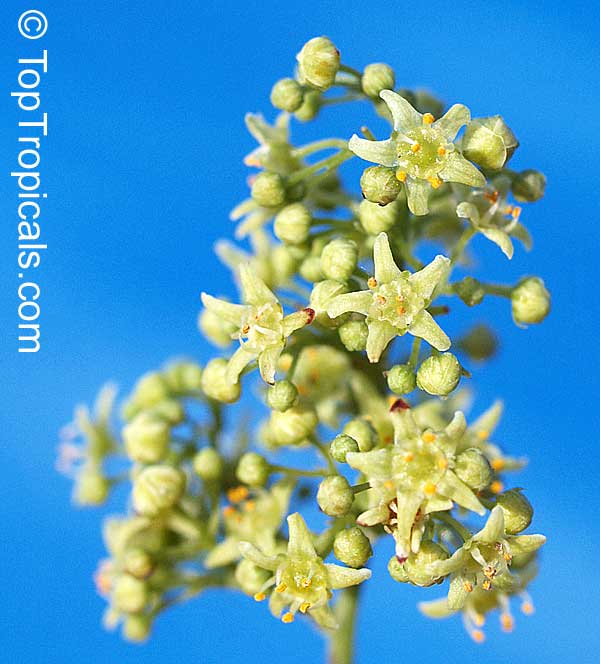
The small, yellowish green flowers are borne in clusters at the end of the branches, wiyh male and female flowers on different plants. The flowers are followed by the shiny, bright red fruits, in heavy clusters.
The nana berry makes an interesting focal point in the garden; the flowers attract butterflies and the attractive fruit brings a host of birds and insects to visit. In autumn the ornamental leaves change color, making this a multi-season garden plant.
This species grows in almost any kind of soil. Young plants need lots of water but once they are established, they do not need much. These plants are therefore good subjects for water-wise gardening. It can be used as a hedge plant and forms akes a very strong barrier if planted closely. It is frost and drought hardy and makes a beautiful container plant.
Similar plants: Rhus dentata (Nana-Berry)