Phyllodium longipes (Phyllodium)

Botanical names: Phyllodium longipes, Desmodium longipes
Common names: Phyllodium, Fish Scales
Family: Fabaceae
Subfamily: Faboideae
Origin: Tropical Asia
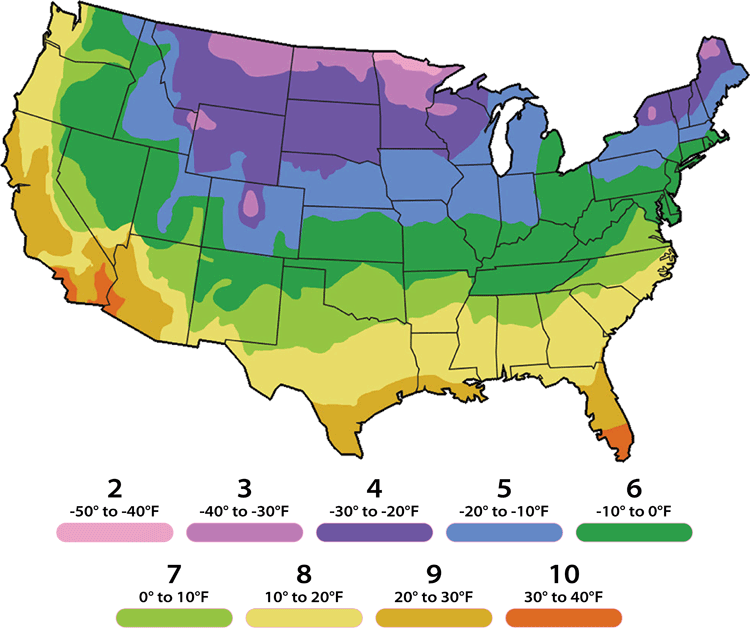
USDA Zone: 10-11
Cold tolerance: 30°F
 Plant form: Large bush
 Mature height: 5-10 ft
 Sun exposure: Full sun or bright light indoor
 Cold tolerance: Frost sensitive. Protect from freezing.

 Watering: Regular; moderate
 Flower color: White and off-white
 Suitable for: Outdoors in the suitable USDA zone; small gardens, containers, and indoor growing
 Ethnomedical: Ethnomedical plant, traditionally used in folk or indigenous medicine
Phyllodium longipes is a tropical shrub in the Fabaceae family, native to South and Southeast Asia. It develops slender, branching stems with trifoliolate leaves composed of a larger terminal leaflet and two smaller lateral leaflets. The small pea-like flowers are produced in compact axillary or terminal clusters and are partly enclosed by conspicuous, persistent, leaf-like bracts, giving the inflorescences a distinctive layered appearance. Flowers are pale whitish to yellowish or greenish, sometimes with pink to purplish markings. The flattened, jointed pods break into single-seeded segments when mature. Plants may reach about 3-6 ft tall and occur naturally in open forest, scrub, grassy slopes, and other seasonally moist habitats.
Phyllodium longipes grows best in warm conditions in full sun to partial shade and adapts to a range of reasonably well-drained soils. Regular moisture encourages vigorous growth, although established plants can tolerate seasonal drying. Its unusual bracted flower clusters and delicate foliage give it ornamental potential, but the species remains uncommon in general horticulture. Propagation is primarily by seed. It is frost sensitive and is best suited to tropical and warm subtropical climates, approximately USDA Zones 10-11.