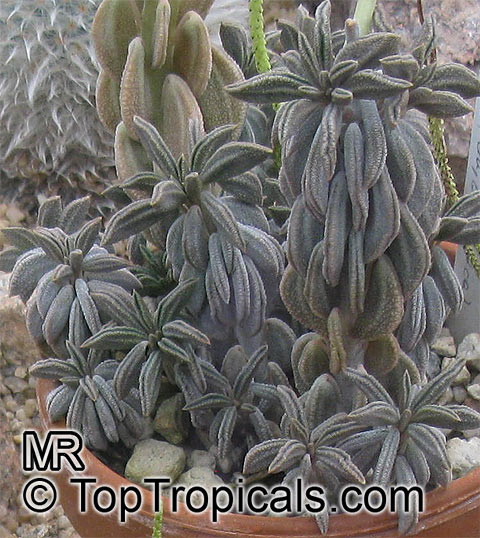
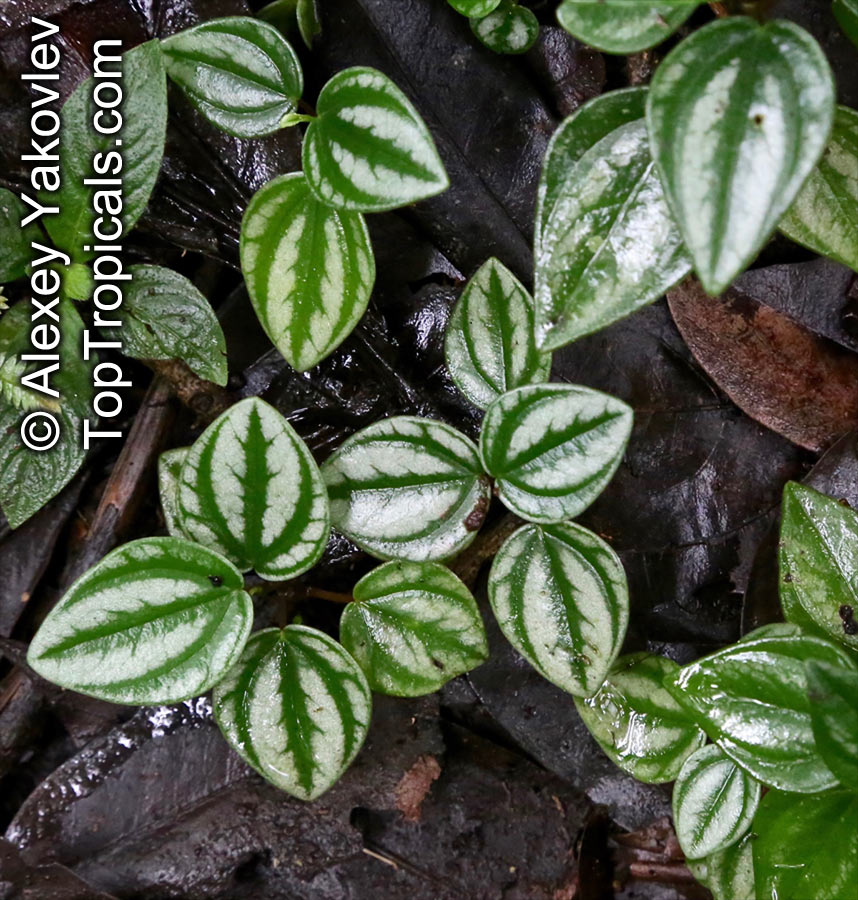
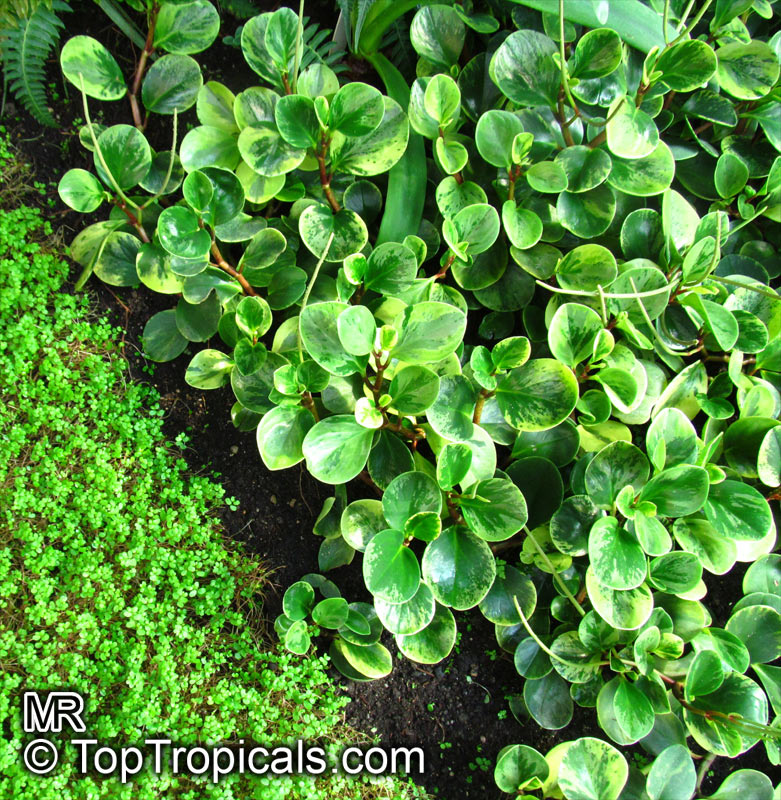
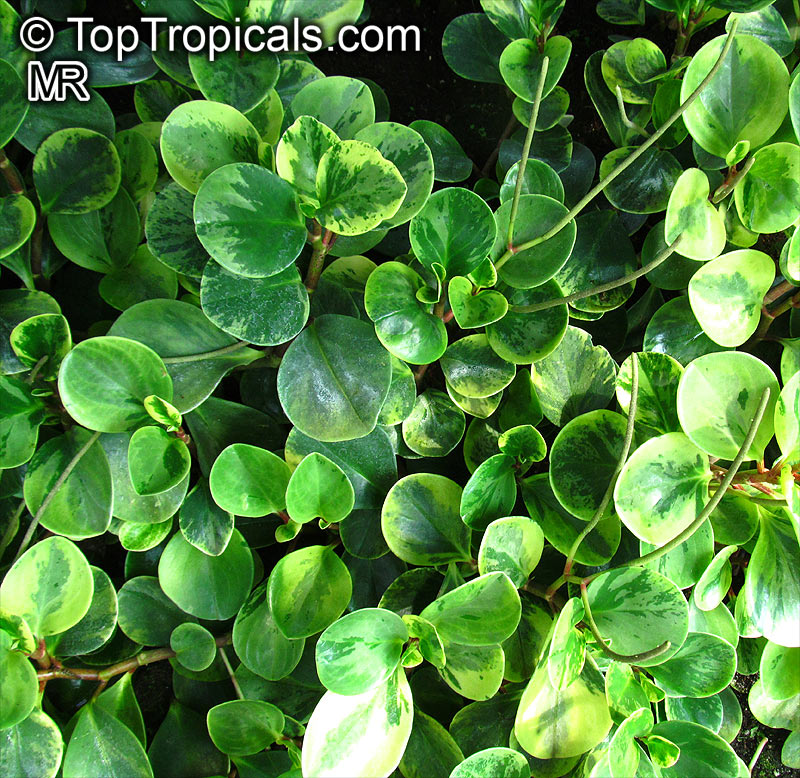
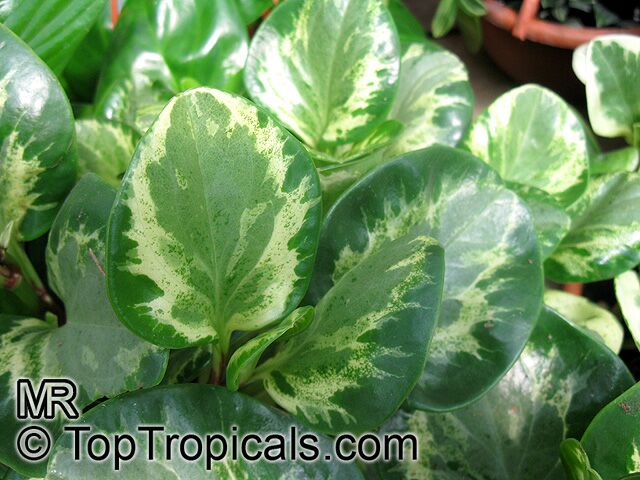
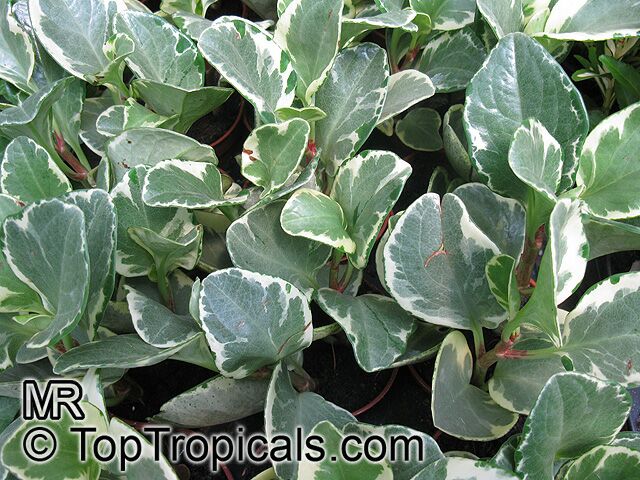
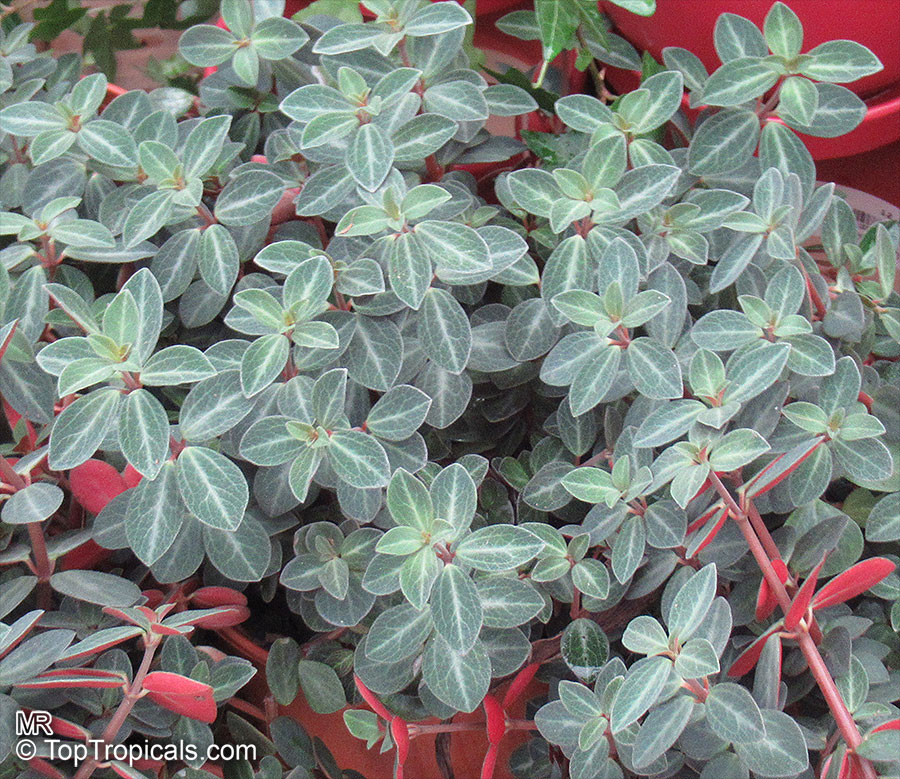
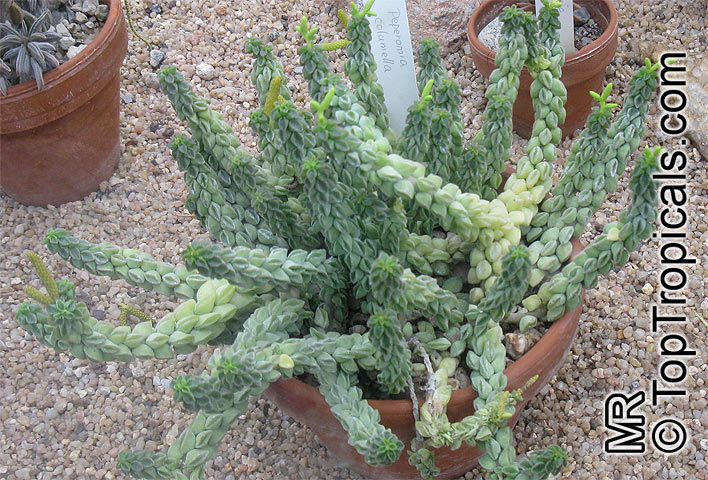
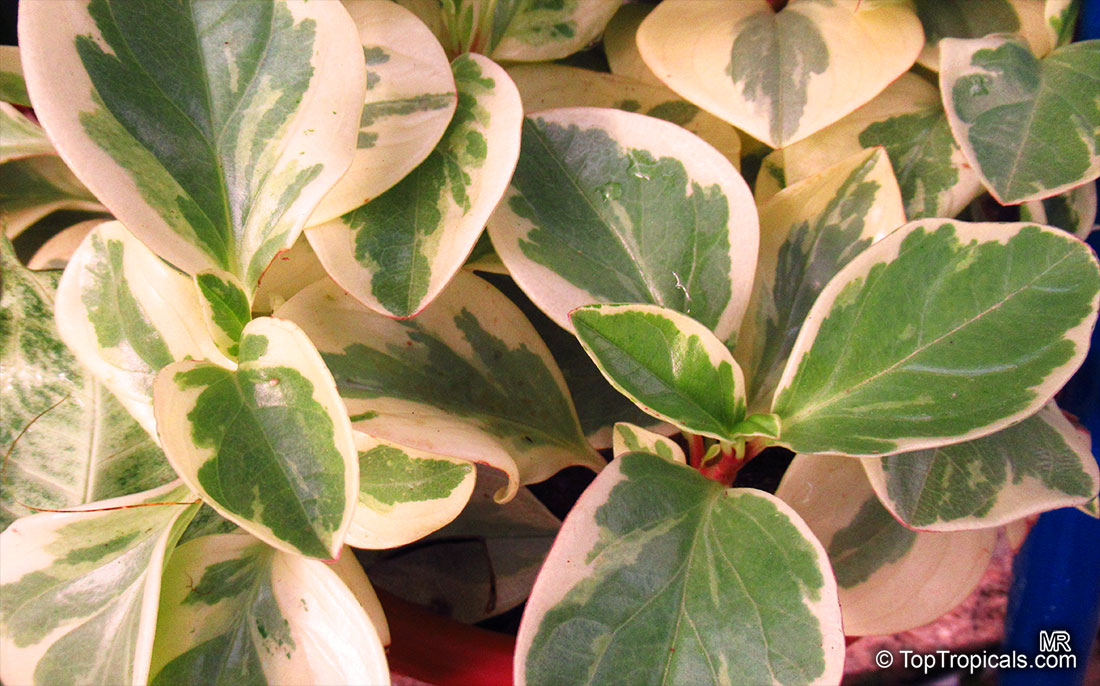
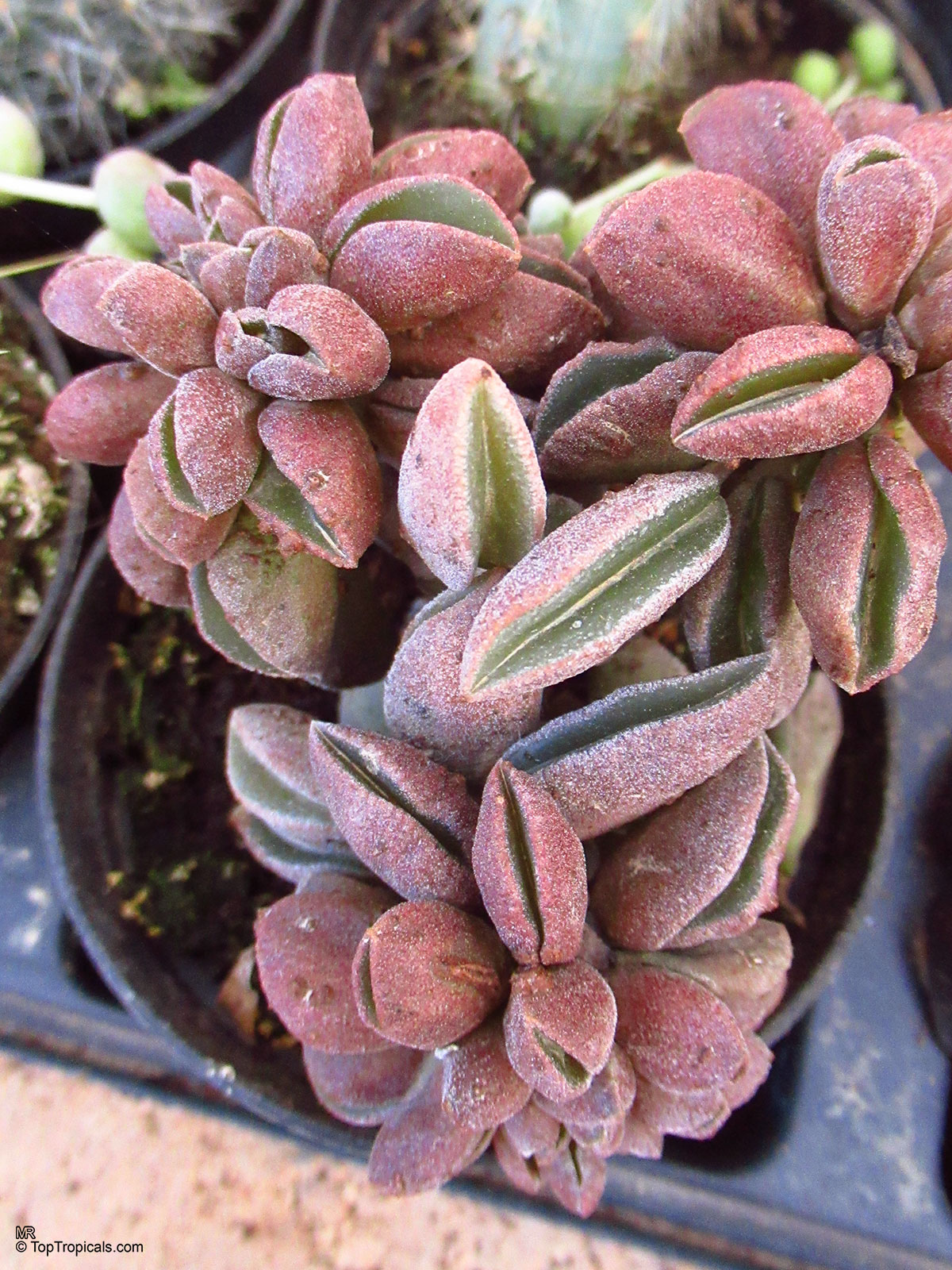
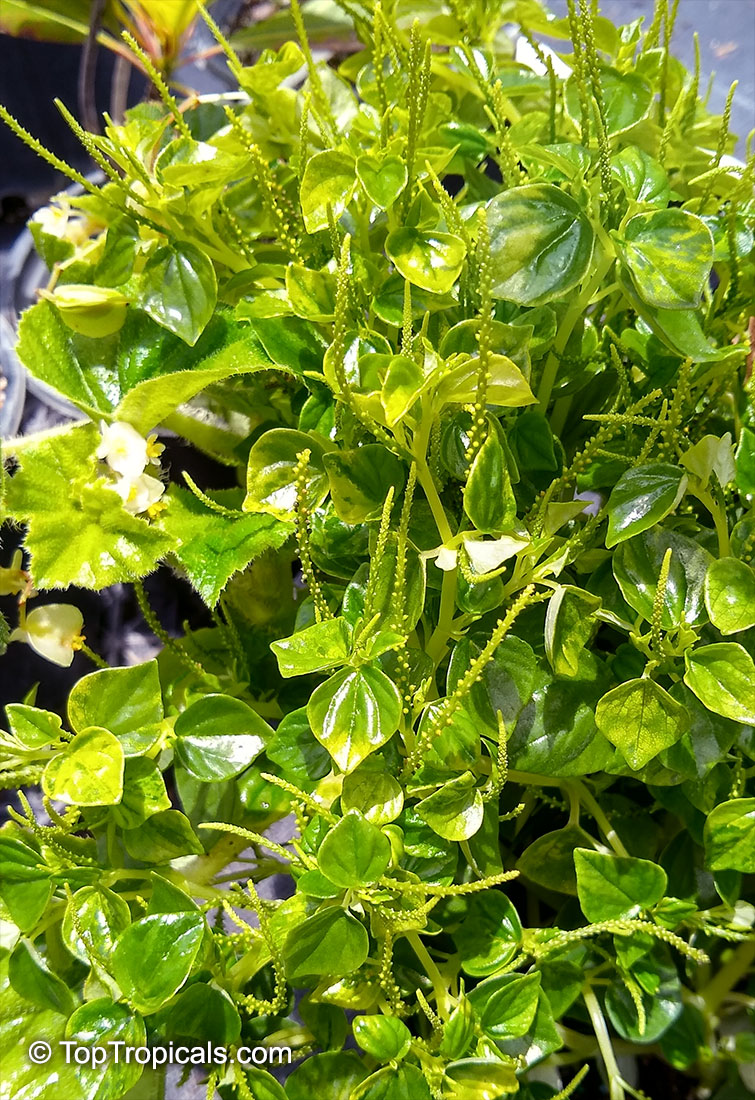
Peperomia sp. (Radiator Plant)
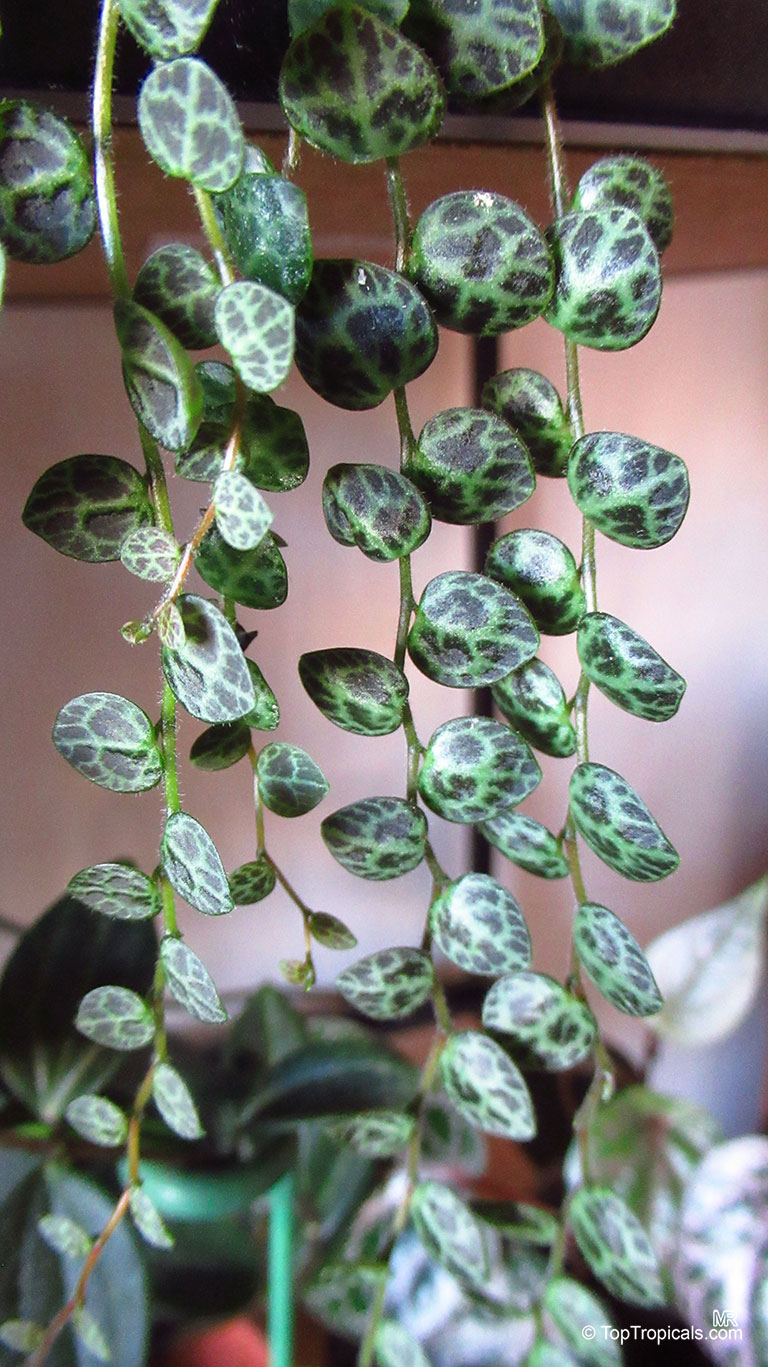
Botanical name: Peperomia sp.
Common name: Radiator Plant
Family: Piperaceae
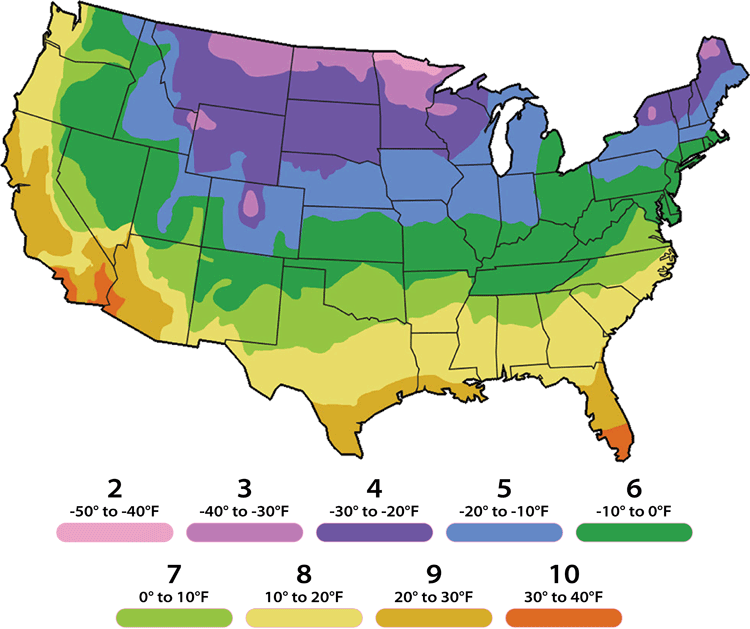
USDA Zone: 9-10
 Plant form: Small
 Mature height: 2-5 ft
 Sun exposure: Semi-shade
 Cold tolerance: Frost sensitive. Protect from freezing.
 Watering: Regular; moderate
 Suitable for: Outdoors in the suitable USDA zone; small gardens, containers, and indoor growing
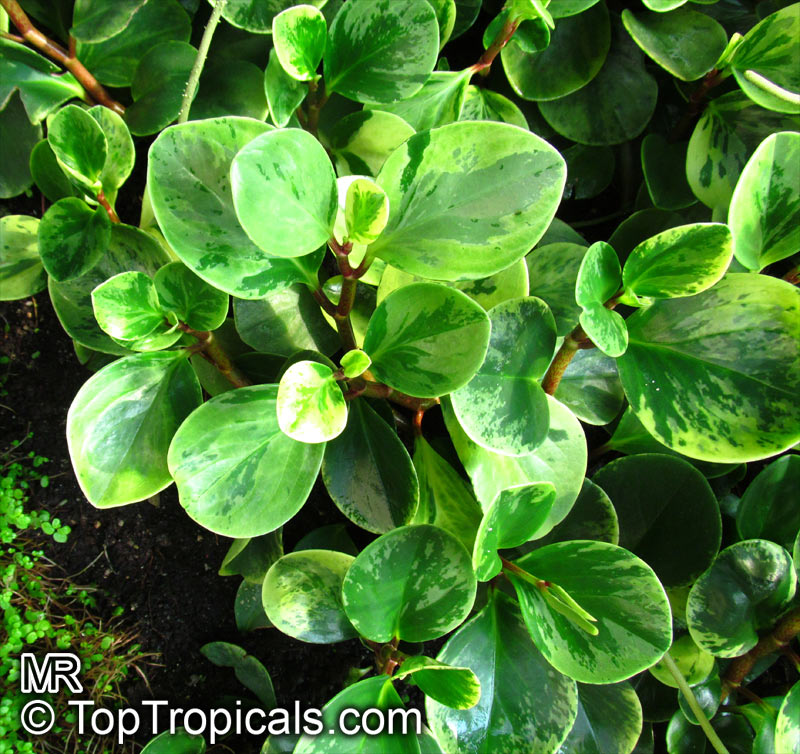
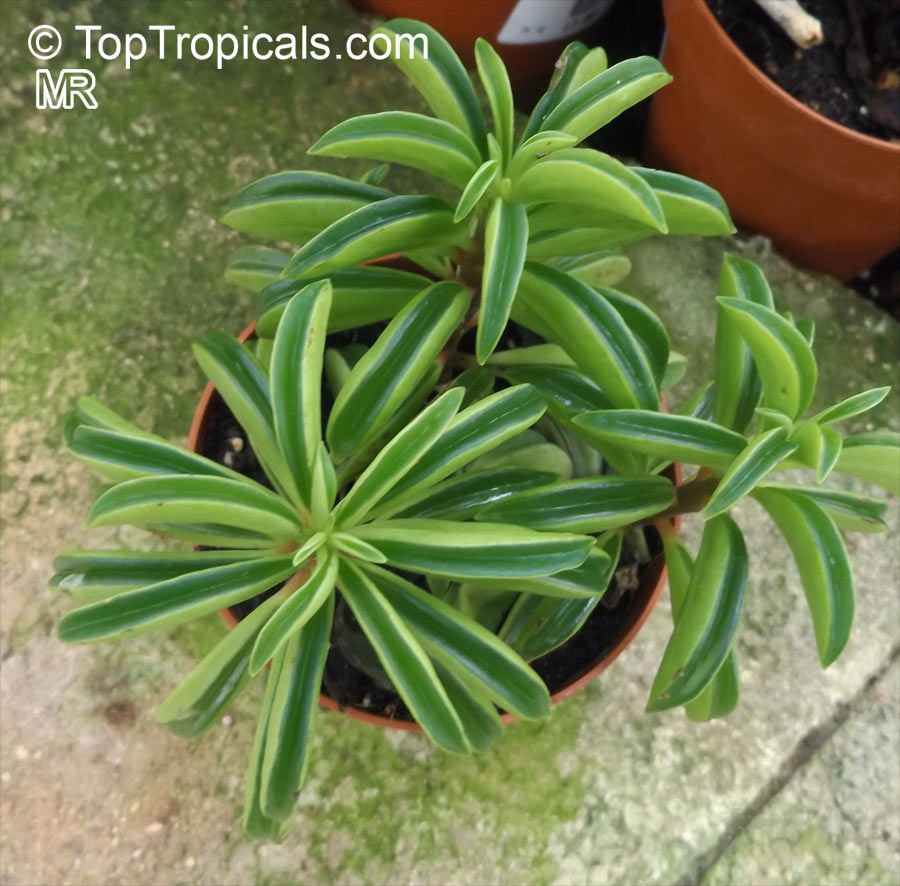
 Foliage color: Ornamental foliage
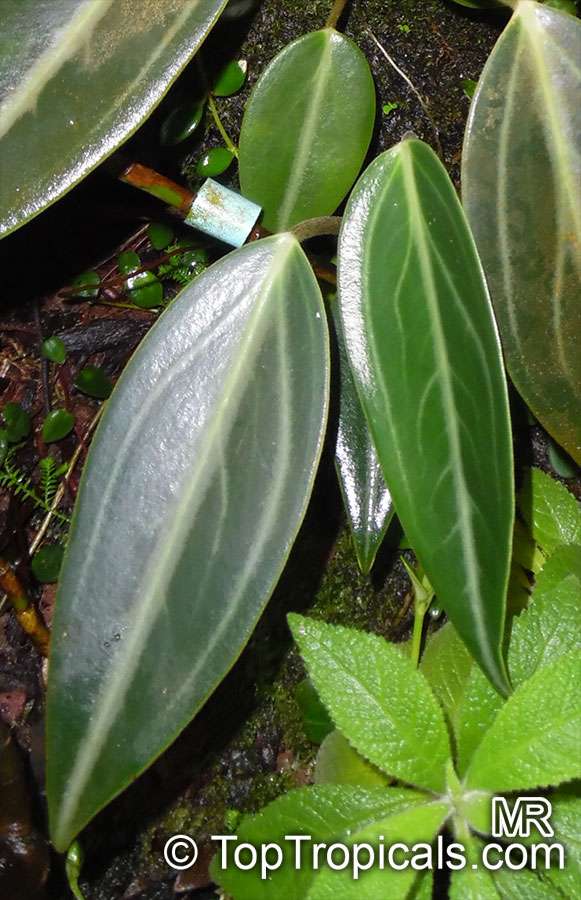
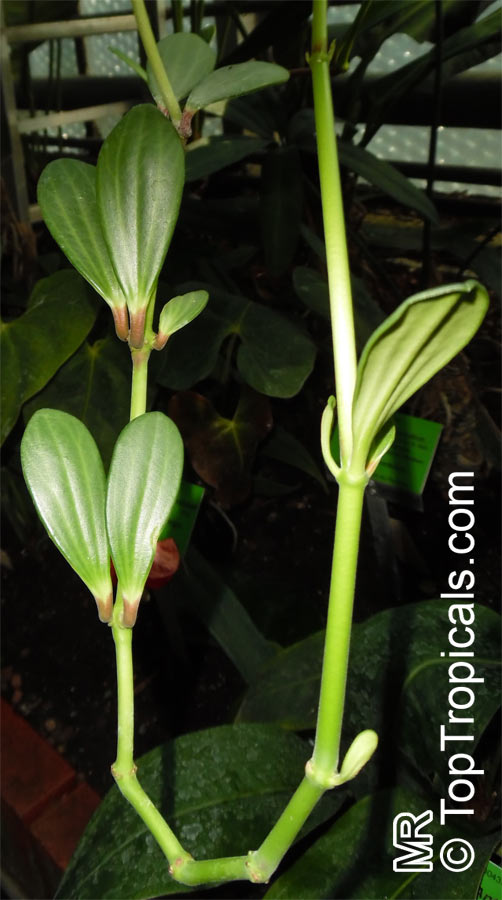
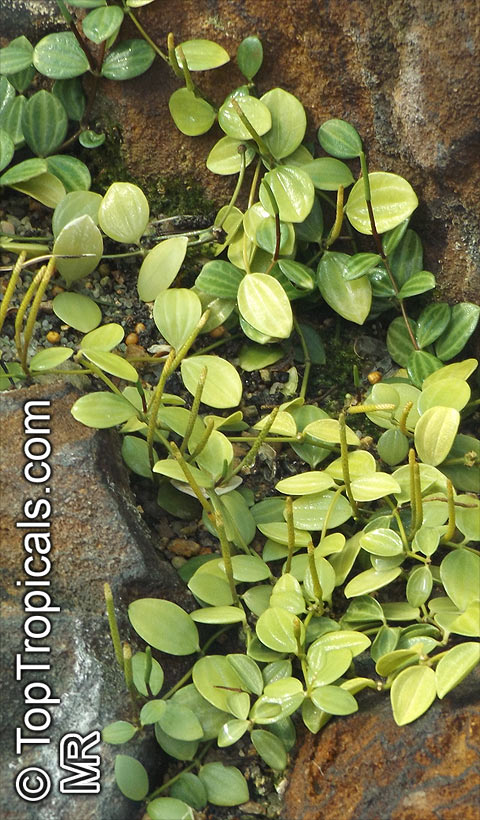
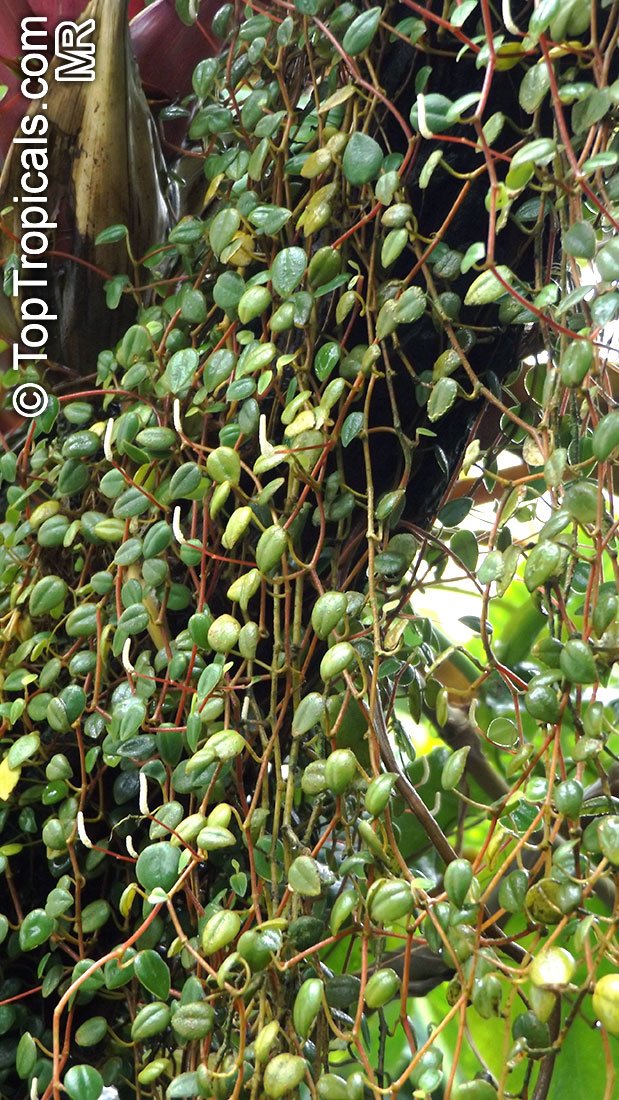
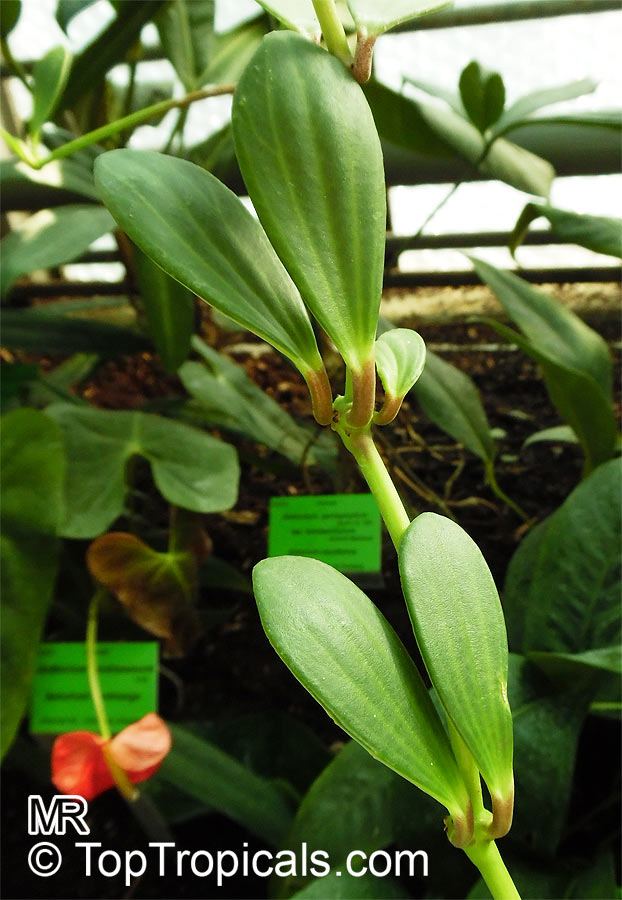
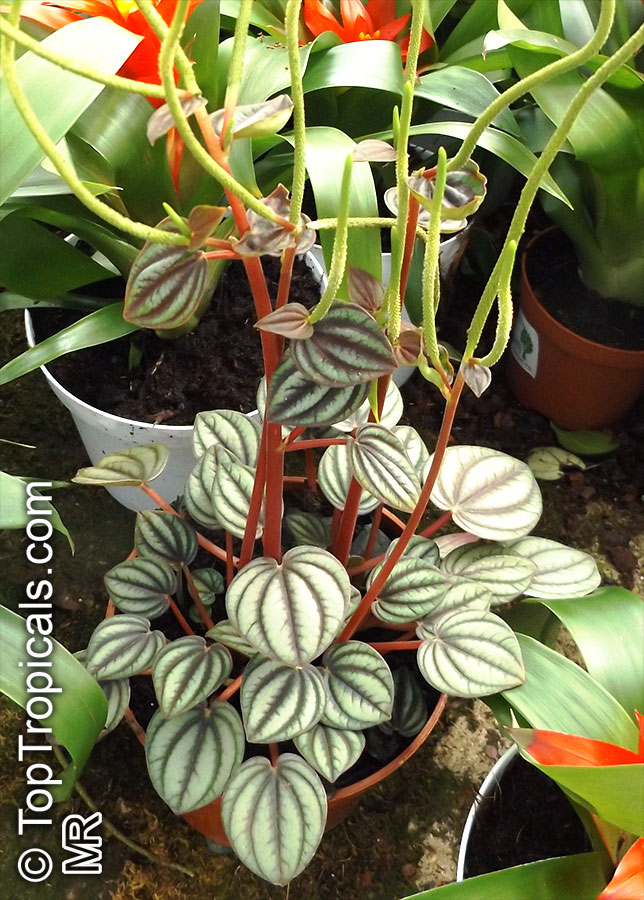
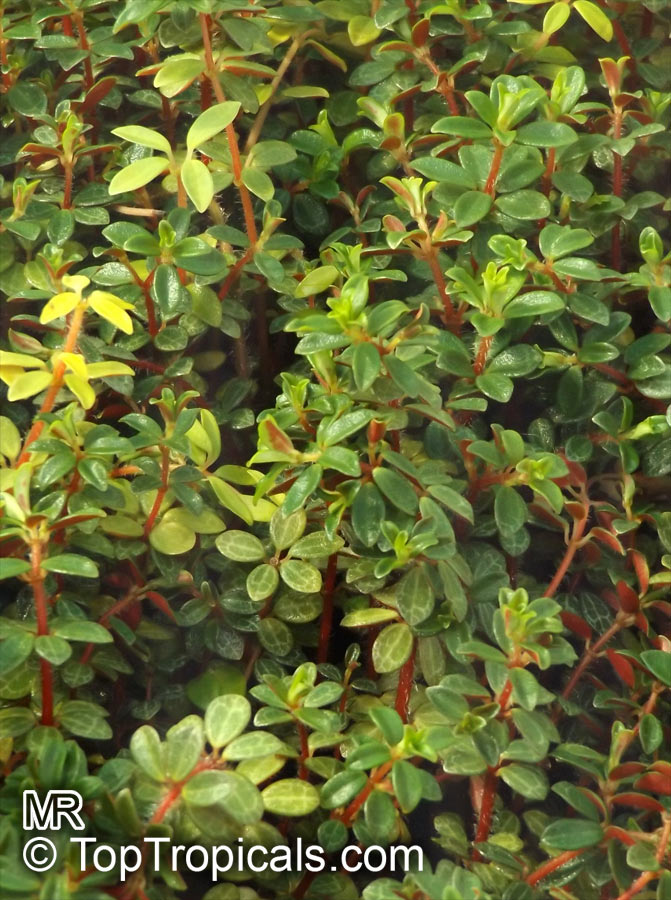
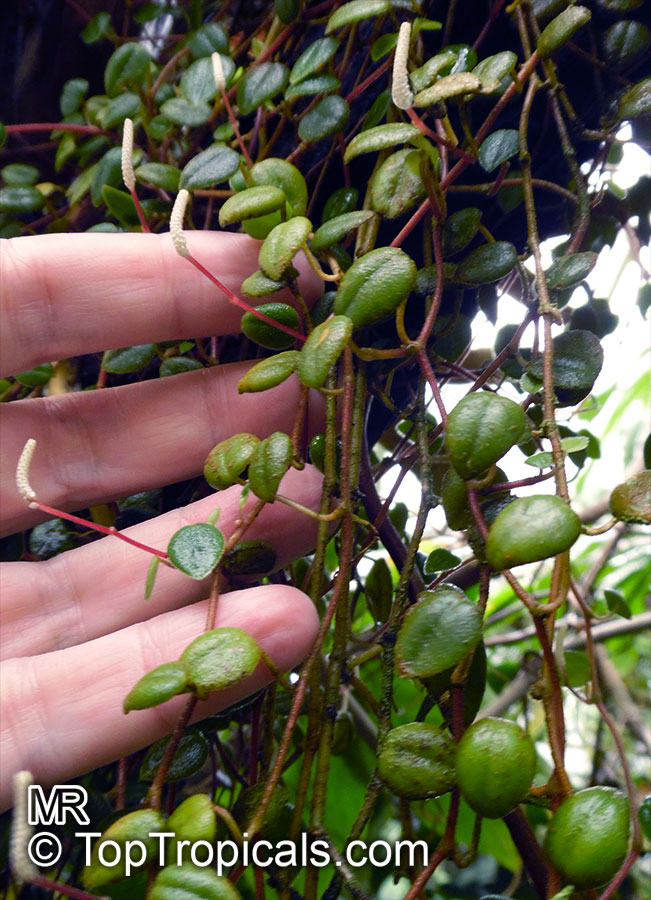
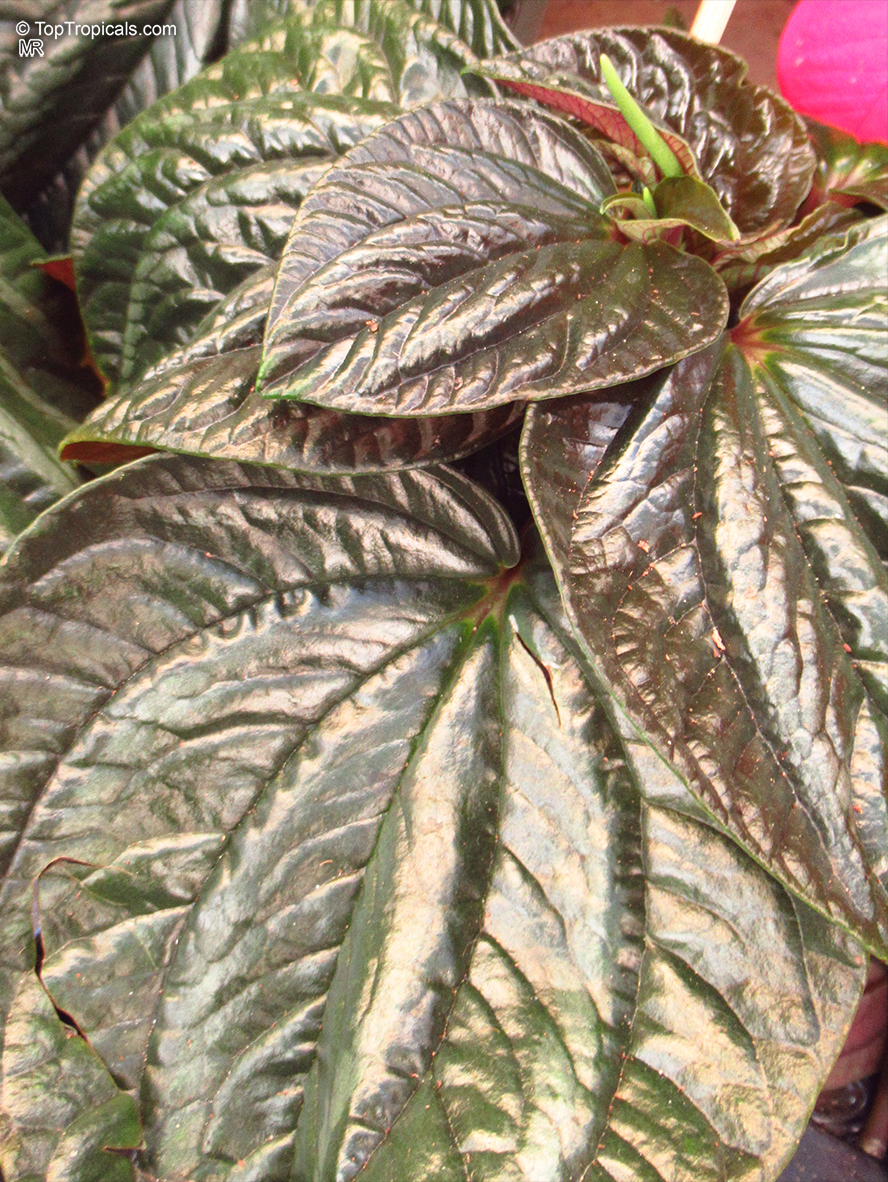
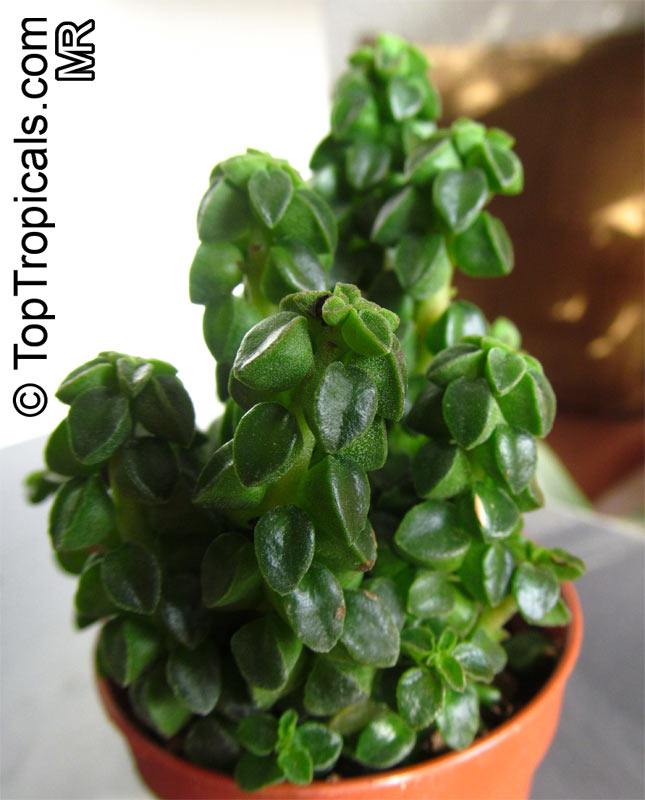
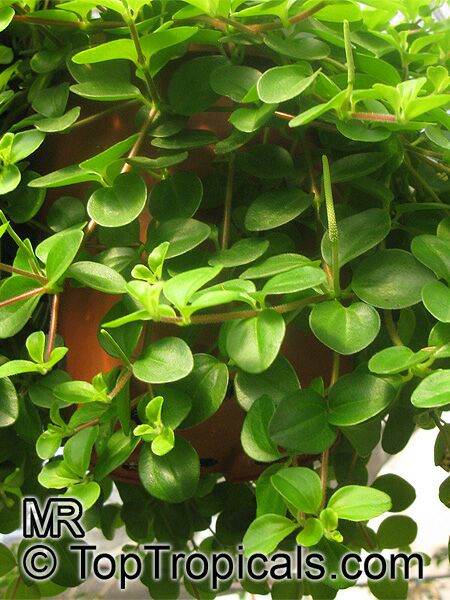
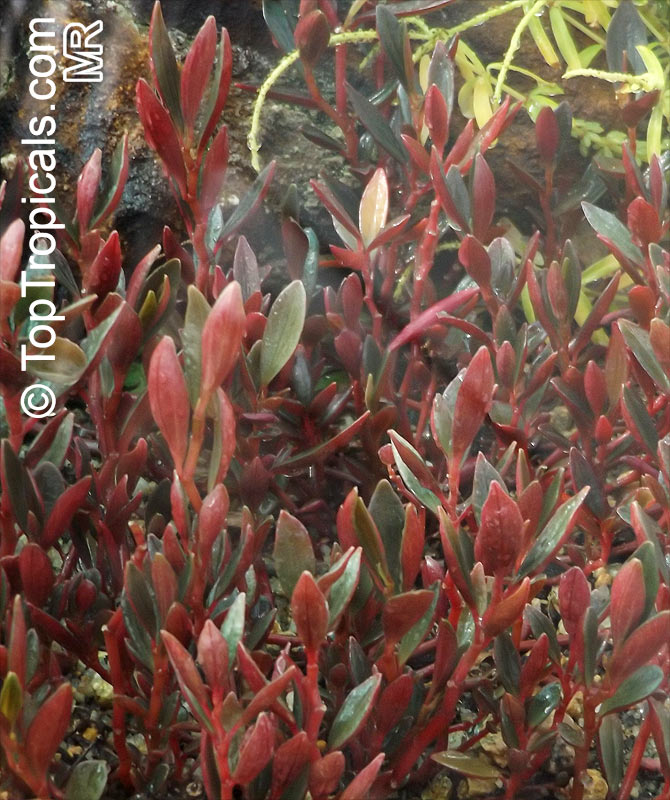
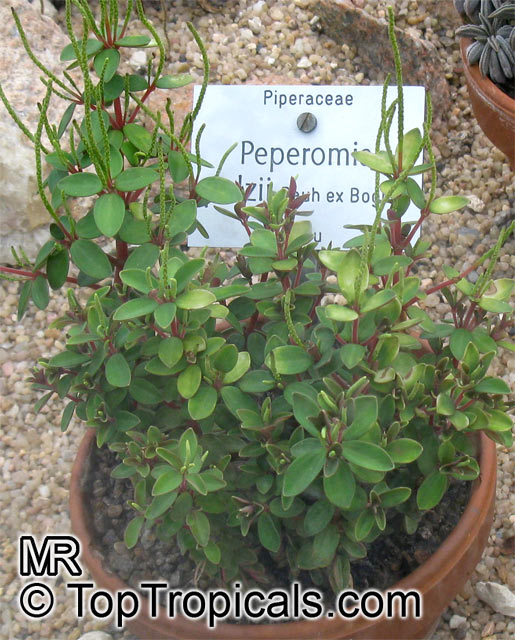
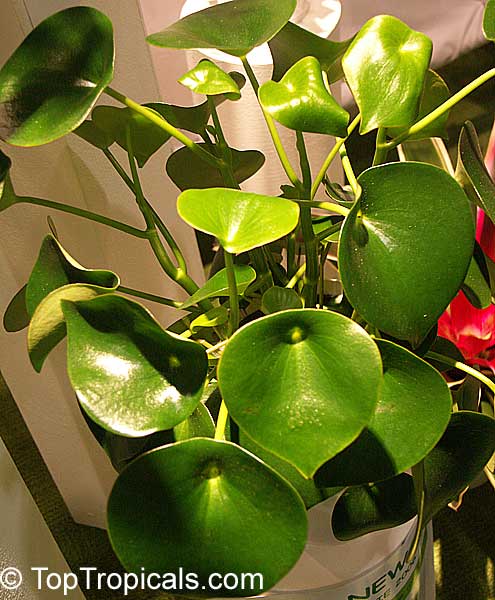
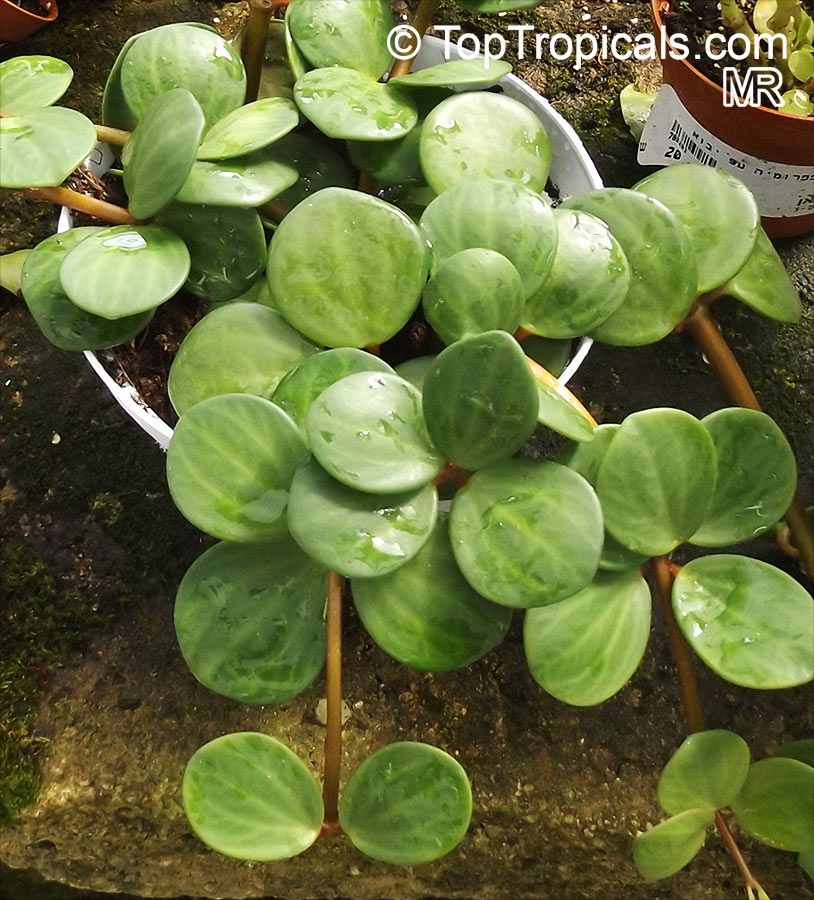
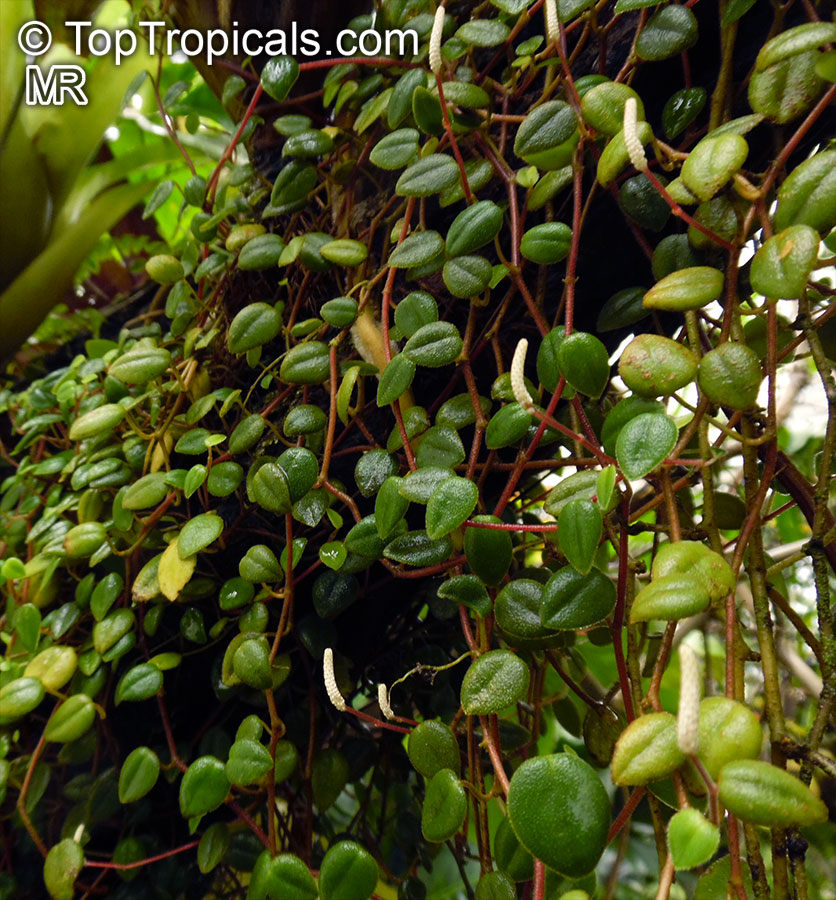
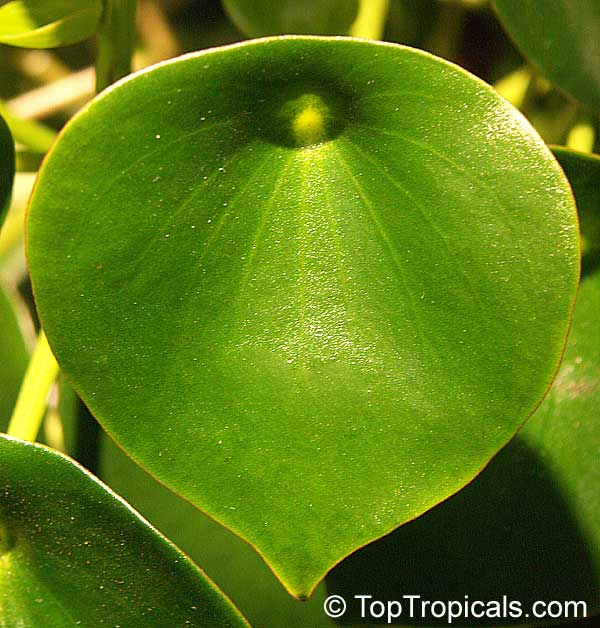
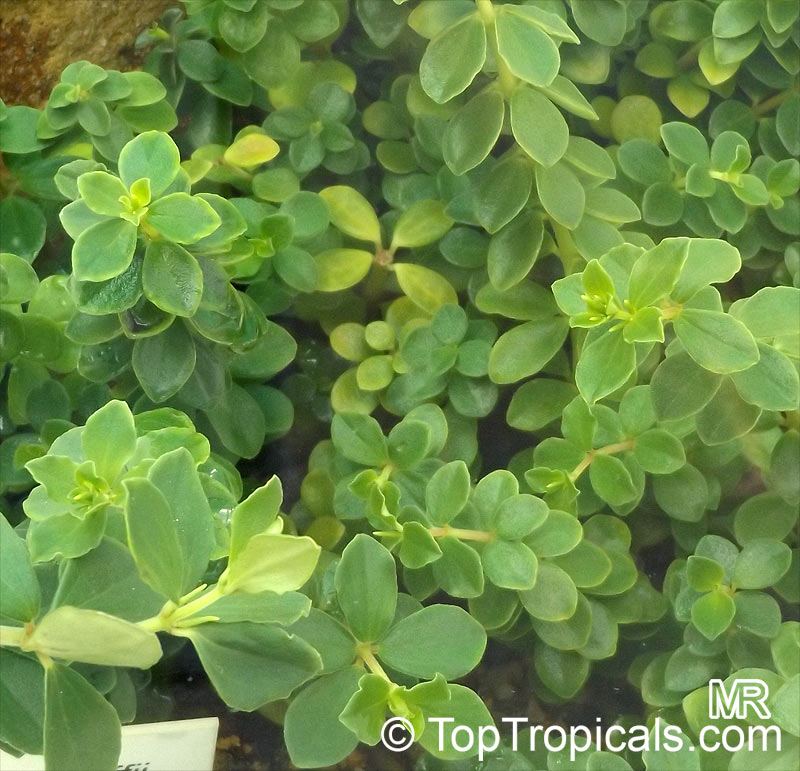
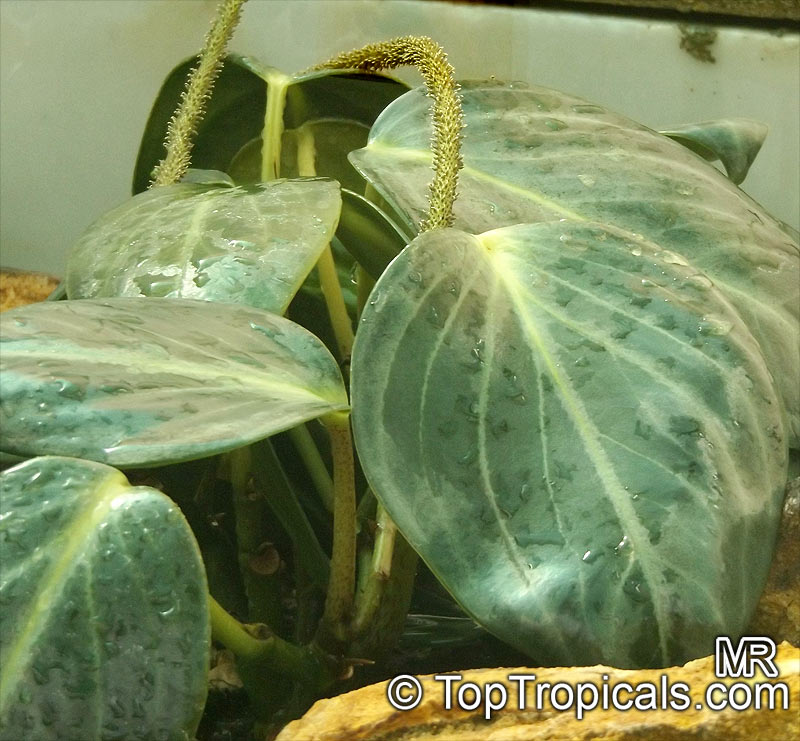
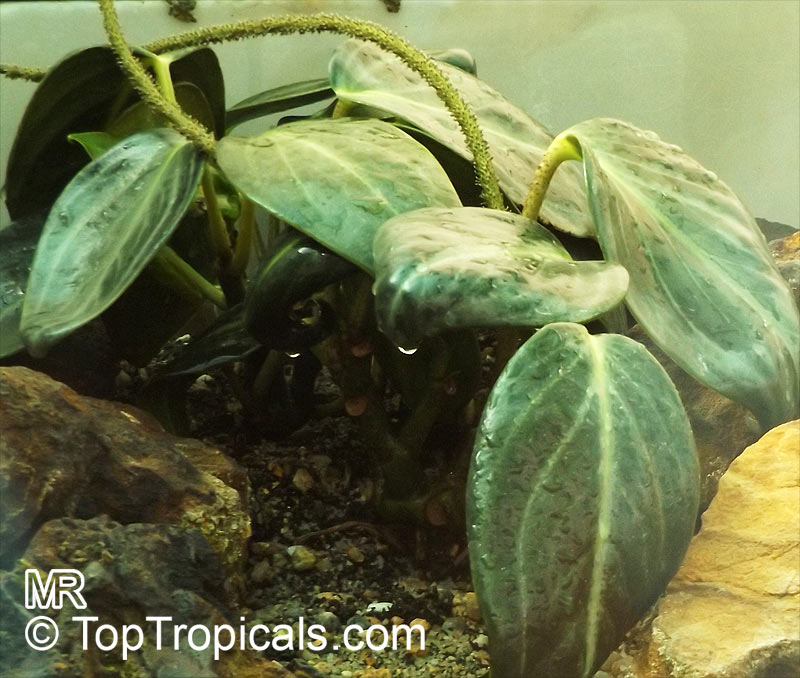
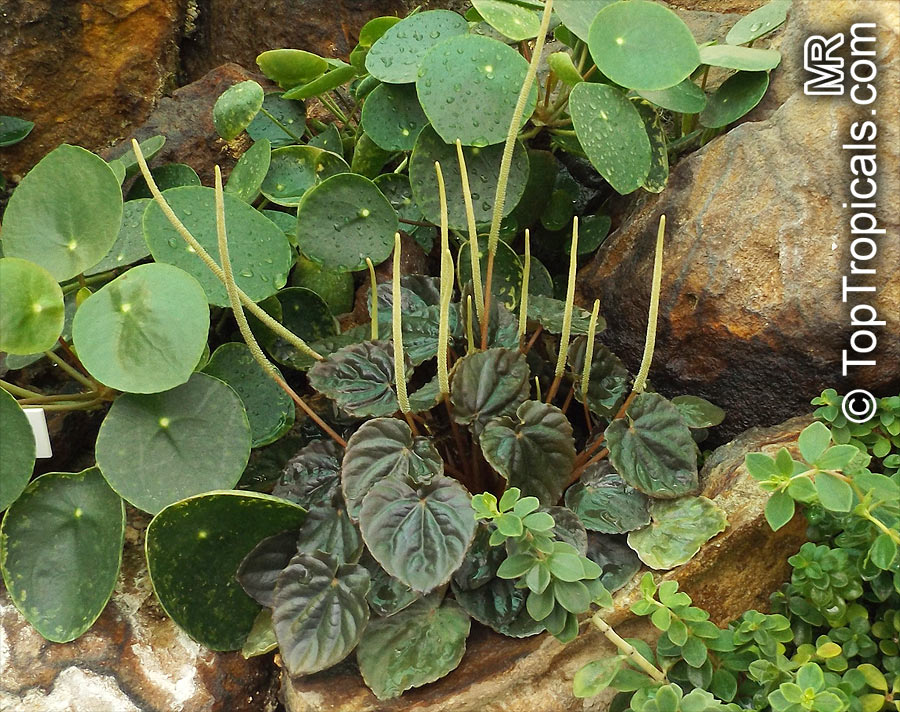
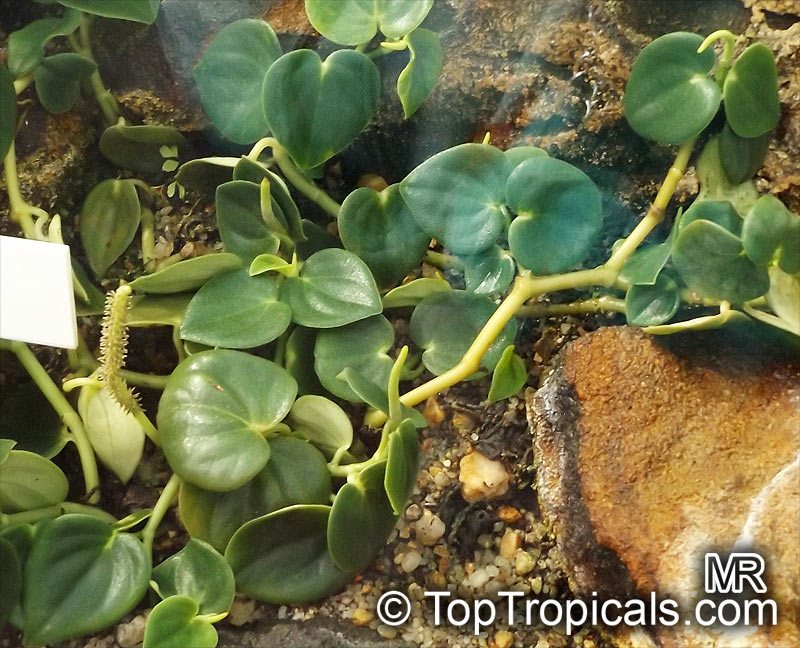
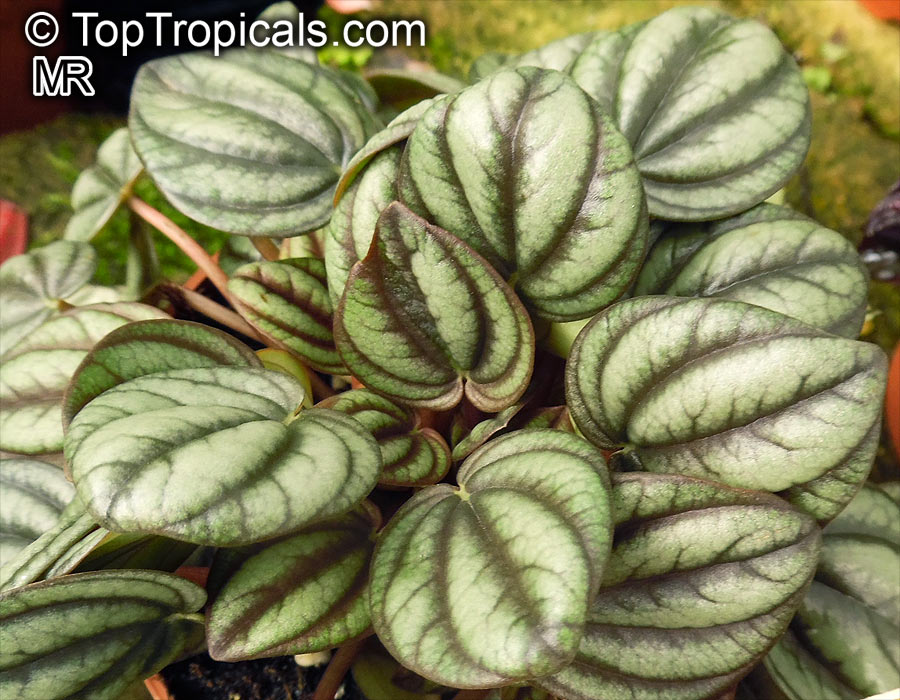
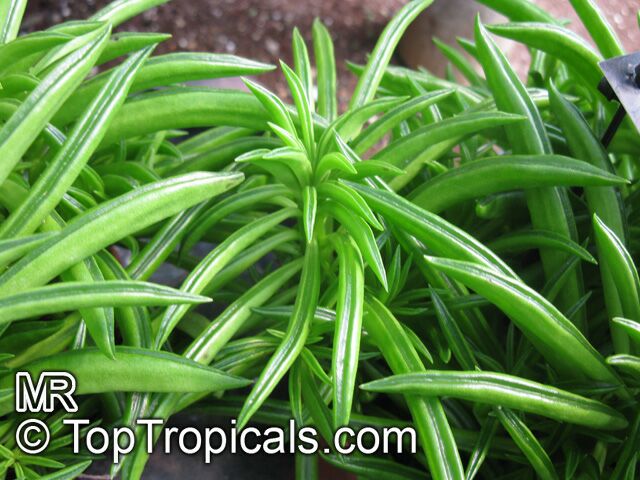
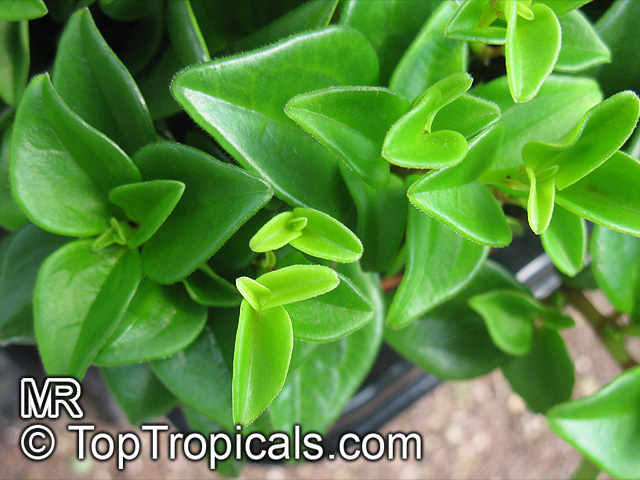
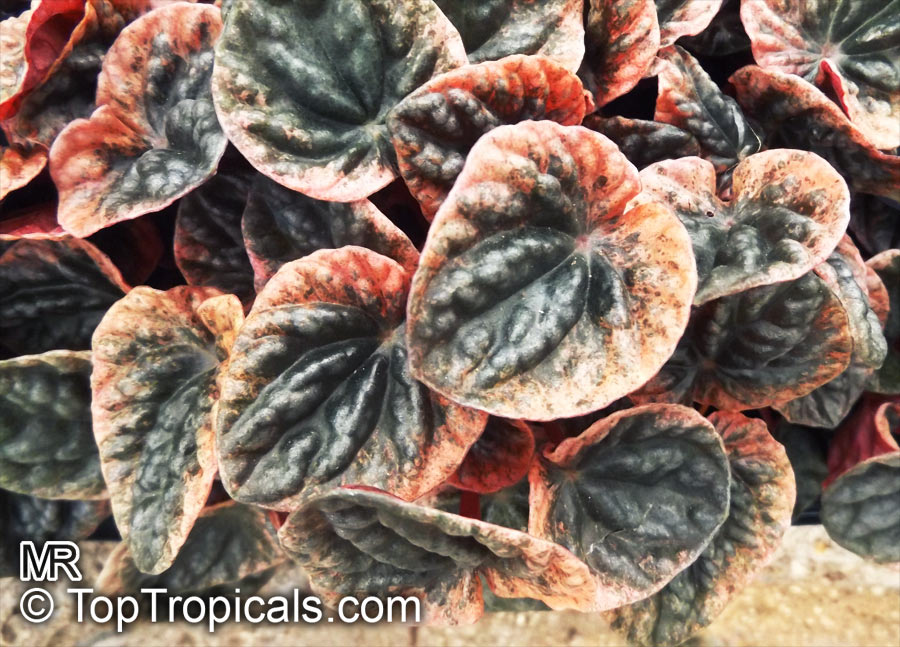
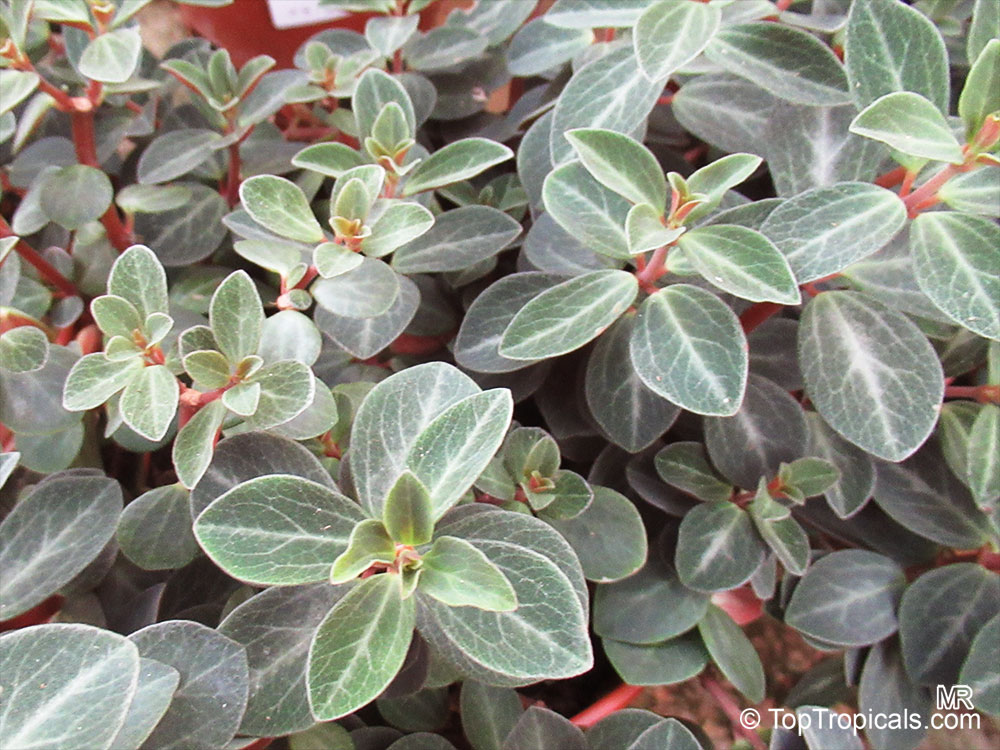
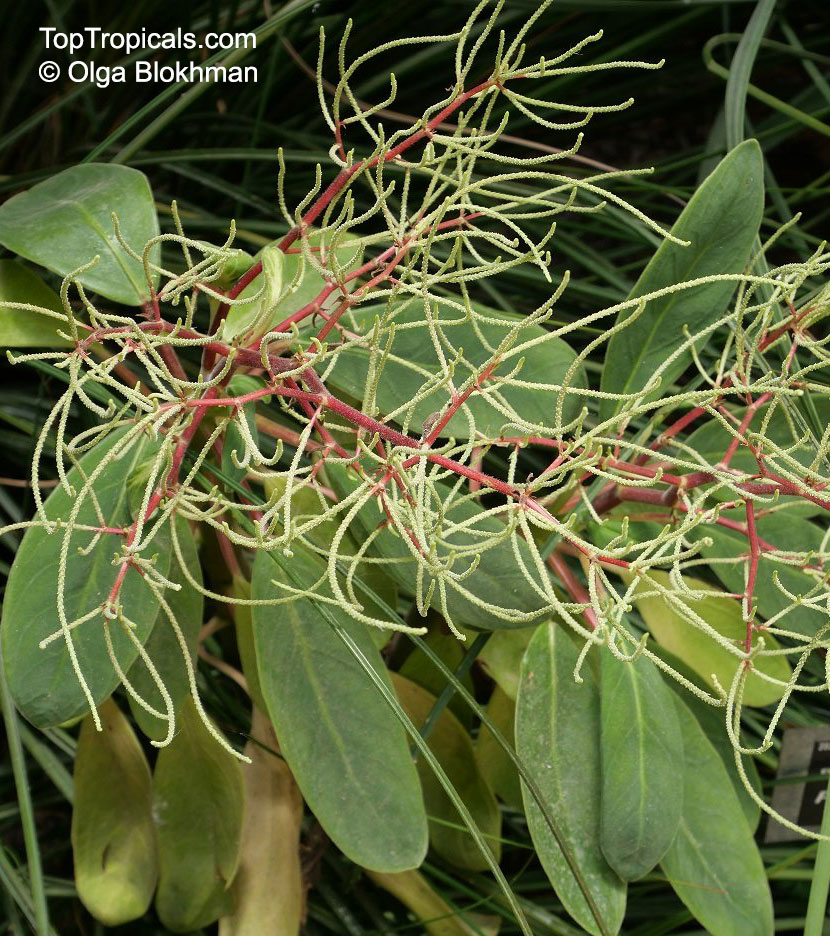
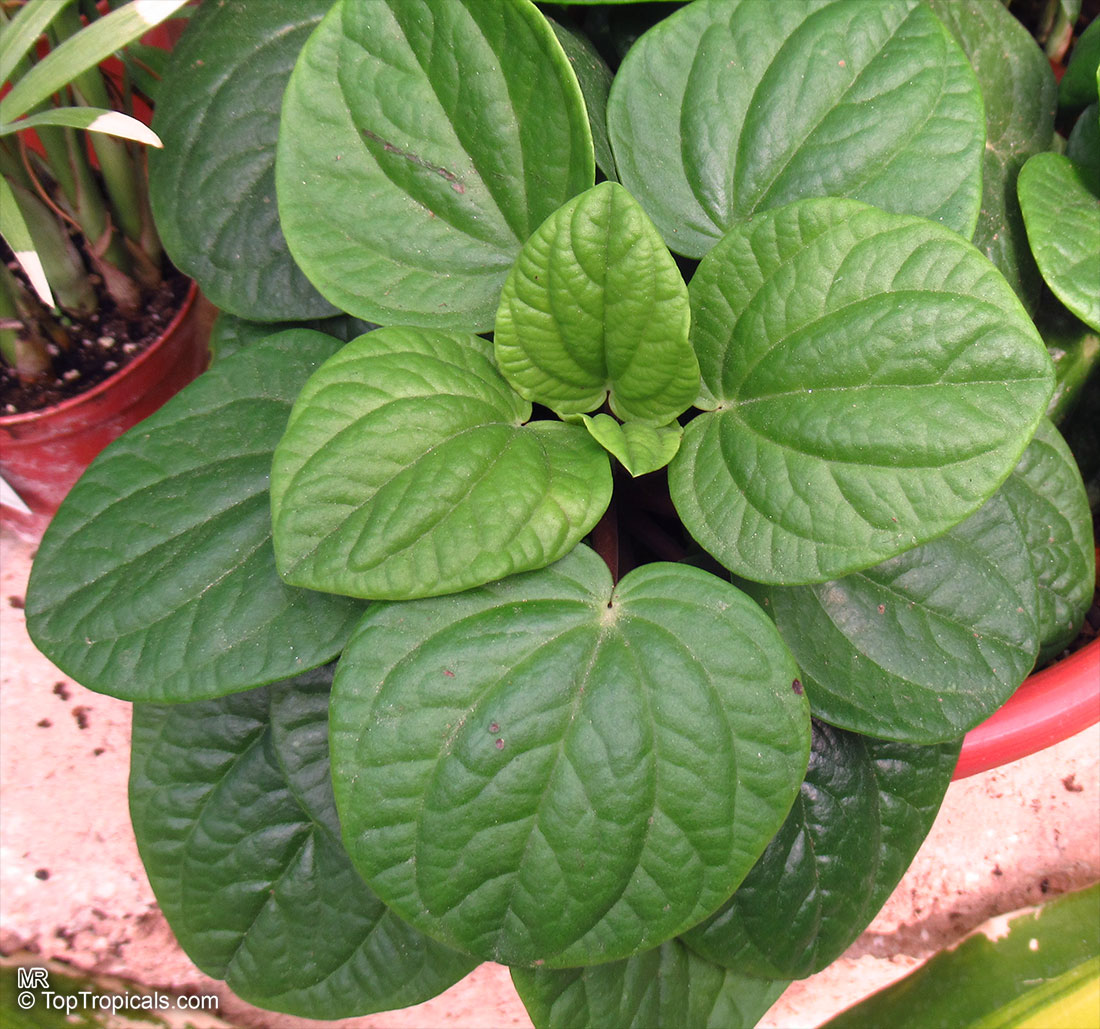
About a thousand species of Peperomias have been described, mainly from South America although a few (17) are found in Africa. Many of these plants are perennial epiphytes growing on rotten logs and they have thick stems and fleshy leaves, some with leaf windows. Most Peperomias have tiny flowers which are packed into a characteristic greenish or brown conical spike like an inverted catkin. A few species have more attractive flowers such as the white scented clusters of spikes produced by P. fraseri.
Peperomias are best cultivated in a light, well drained compost containing plenty of humus and do well in shallow containers. Coming from tropical rain-forest habitats, they love warm humid conditions and most need a minimum temperature of 50 - 55°F. However, the stems and foliage can be prone to rotting and Peperomias should be watered sparingly from below (especially in winter) using soft water, avoiding wetting the crown of the plant.
Similar plants: Peperomia sp. (Radiator Plant)
- Peperomia argyreia (Watermelon Peperomia)
- Peperomia bicolor (Peperomia)
- Peperomia caperata (Emerald Ripple Peperomia)
- Peperomia clusiifolia (Red Edge Peperomia)
- Peperomia congesta (Peperomia)
- Peperomia dahlstedtii (Vining Pepper)
- Peperomia fraseri (Flowering Peperomia)
- Peperomia graveolens (Ruby Glow)
- Peperomia griseoargentea (Radiator Plant)
- Peperomia incana (Felted Peperomia)