Trichodrymonia hypocyrta (Trichodrymonia)

Botanical names: Trichodrymonia hypocyrta, Paradrymonia hypocyrta
Common name: Trichodrymonia
Family: Gesneriaceae
Origin: Ecuador
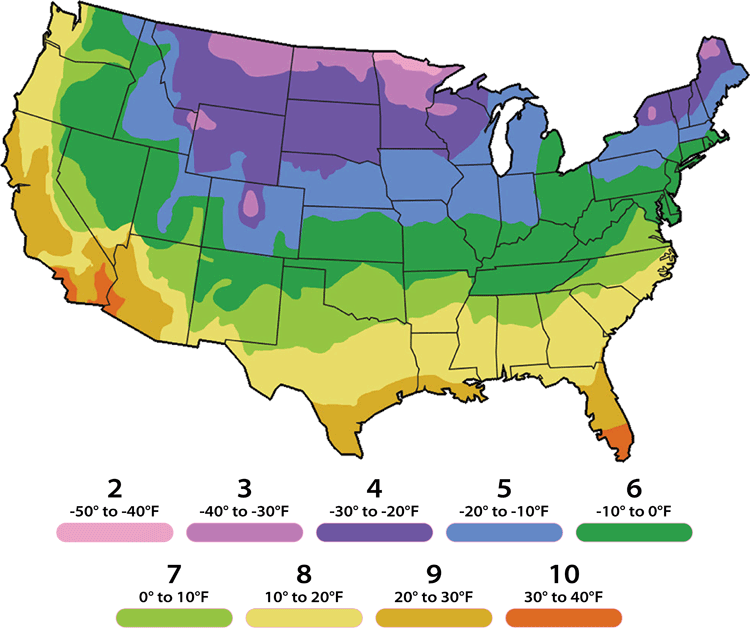
USDA Zone: 11
 Plant form: Small
 Mature height: 2-5 ft

 Sun exposure: Full sun or bright light indoor; semi-shade
 Cold tolerance: Frost sensitive. Protect from freezing.


 Watering: Regular; keep soil moist; epiphyte. Needs light, frequent misting or soaking to stay hydrated.

 Flower color: White and off-white; red, crimson, vinous
 Suitable for: Outdoors in the suitable USDA zone; small gardens, containers, and indoor growing
Trichodrymonia hypocyrta is a tropical perennial herb in the Gesneriaceae family, endemic to Ecuador, where it grows in humid, shaded forest habitats. It develops creeping to ascending stems with pairs of opposite, softly hairy leaves. The foliage is elliptic to ovate, with a textured surface and prominent veins. Its most distinctive feature is the unusual floral structure: the strongly inflated, pouch-like corolla is white to creamy-white, with a finely hairy, almost velvety surface and a relatively narrow opening. It is surrounded by a striking bright scarlet calyx with long, narrow, deeply divided, pointed lobes that spread outward in a star-like arrangement. The vivid contrast between the white, inflated corolla and the dramatically dissected red calyx makes the flowers particularly distinctive.
Trichodrymonia hypocyrta prefers bright, indirect light or partial shade, high humidity, and consistently warm temperatures. It grows best in loose, organic-rich, well-drained soil kept evenly moist without waterlogging. Its spreading habit makes it suitable for hanging baskets, shallow containers, or humid terrarium displays. Best suited to USDA Zones 11-12, it is frost-sensitive and should be protected from temperatures below approximately 55F.
Similar plants: Trichodrymonia hypocyrta (Trichodrymonia)


