Moringa sp. (Moringa)
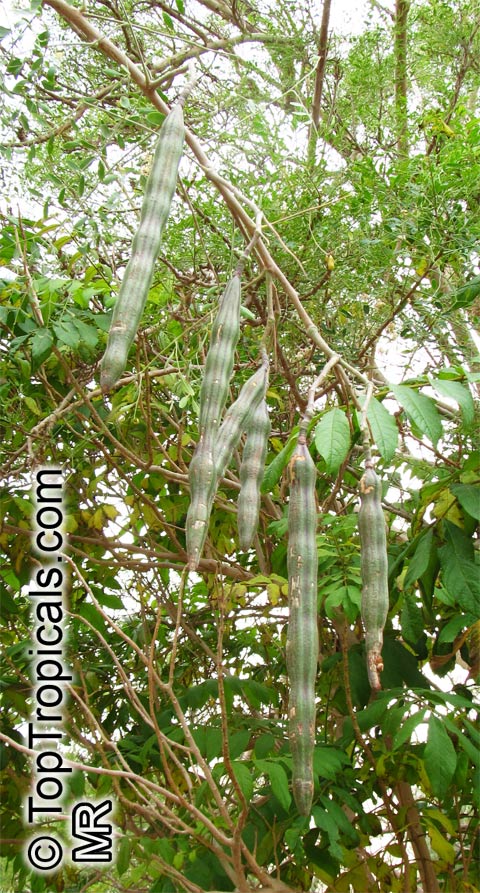
Moringa sp. (Moringa) elongated green pods dangle down from slender branches among small rounded leaves
Botanical name: Moringa sp.
Common name: Moringa
Family: Moringaceae
Origin: western Asia, southern Africa
USDA Plant Hardiness Zone Map
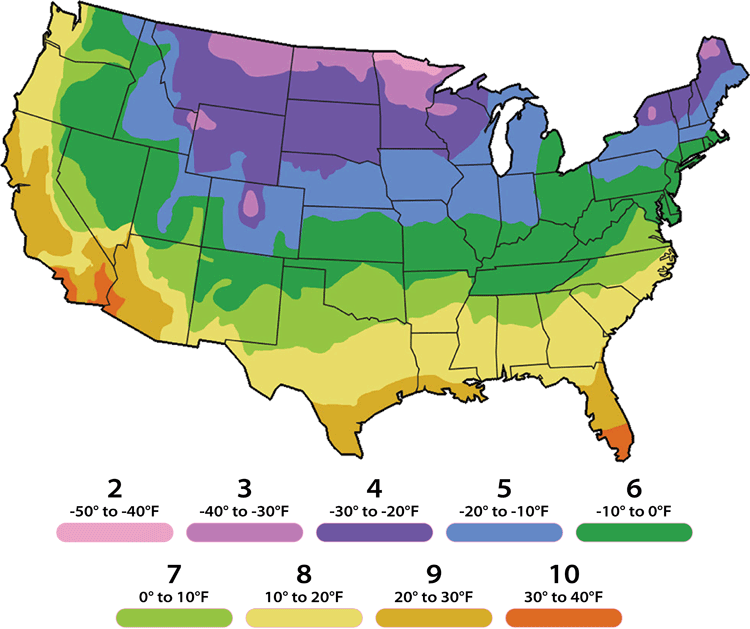
USDA Zone: 9-10
Plant type: Fruit
Fruit type: Ice cream bean


 Plant form: Large tree; plant with caudex; suitable for bonsai
 Mature height: 20 ft or more
 Sun exposure: Full sun or bright light indoor
 Cold tolerance: Frost sensitive. Protect from freezing.
 Watering: Moderate; tolerates dry conditions
 Flower color: Pink; white and off-white
 Suitable for: Outdoors in the suitable USDA zone; large gardens
 Foliage: Deciduous
 Fragrance: Fragrant; perfume plant
 Wildlife: Attracts butterflies and hummingbirds
 Ethnomedical: Ethnomedical plant, traditionally used in folk or indigenous medicine
Moringa is the only genus in the family Moringaceae. This genus comprises 13 species, all of which are trees that grow in tropical and sub-tropical climates.
Species tolerate most soil types and grow well in full sun.
The most popular variety is Moringa oleifera.
Similar plants: Moringa sp. (Moringa)
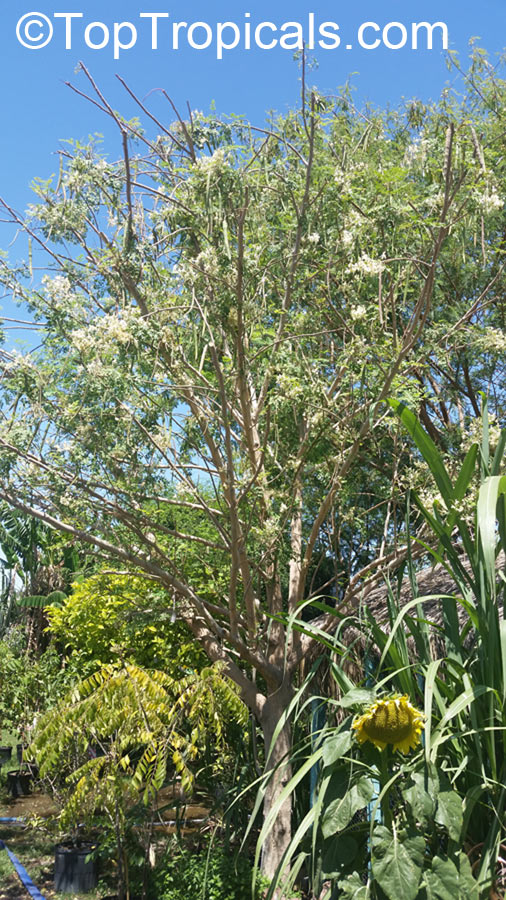
Moringa sp. (Moringa) tree with white flowers and numerous thin branches against a blue sky.
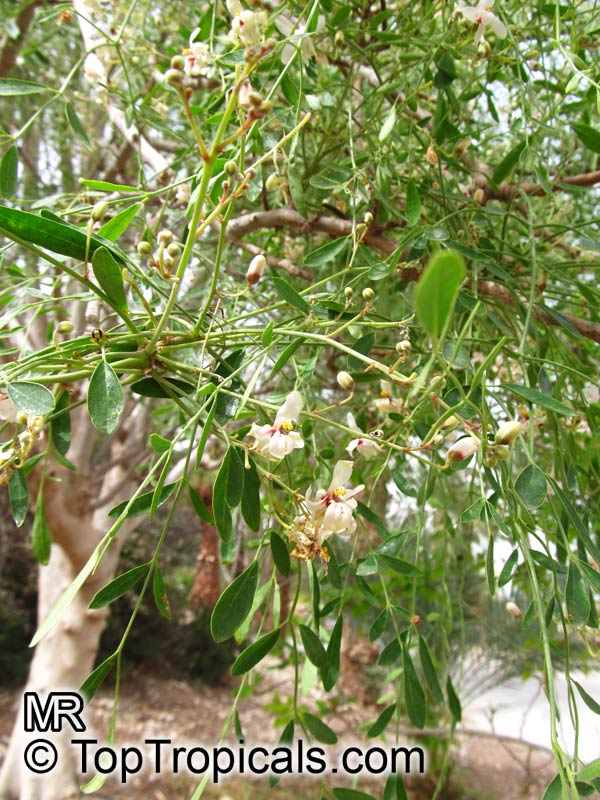
Moringa sp. (Moringa) white flower clusters with green leaves on slender stems on a branch.
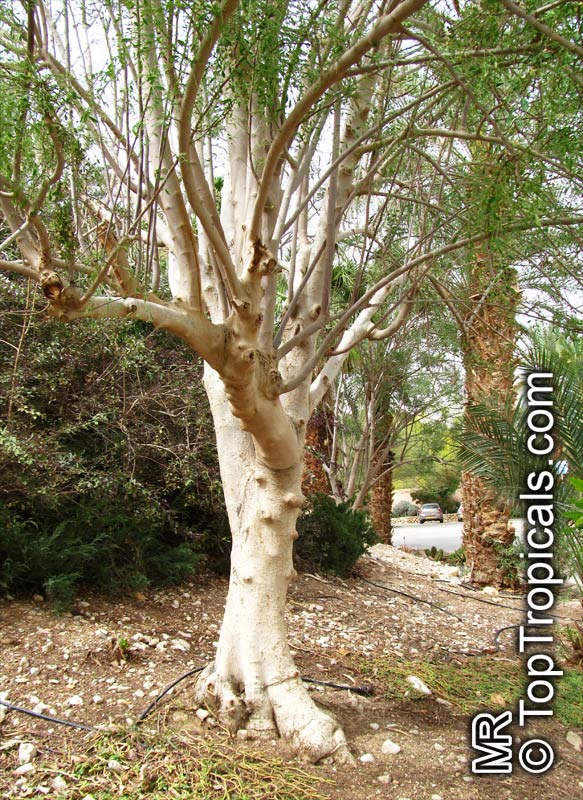
Moringa sp. (Moringa) with thick white bark and thin branches reaching toward the sky.
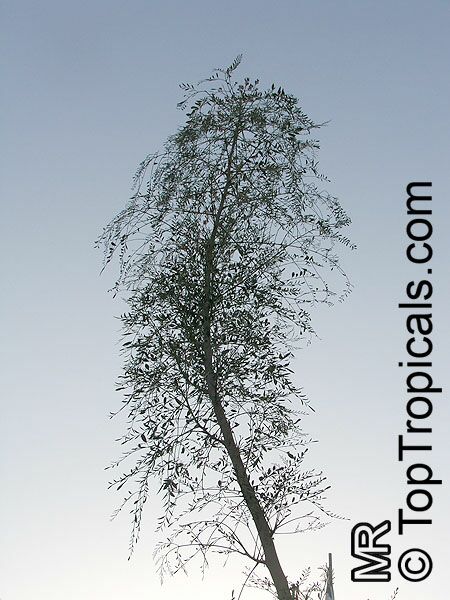
Moringa sp. (Moringa) tree with green leaves and thin branches reaching toward the light.
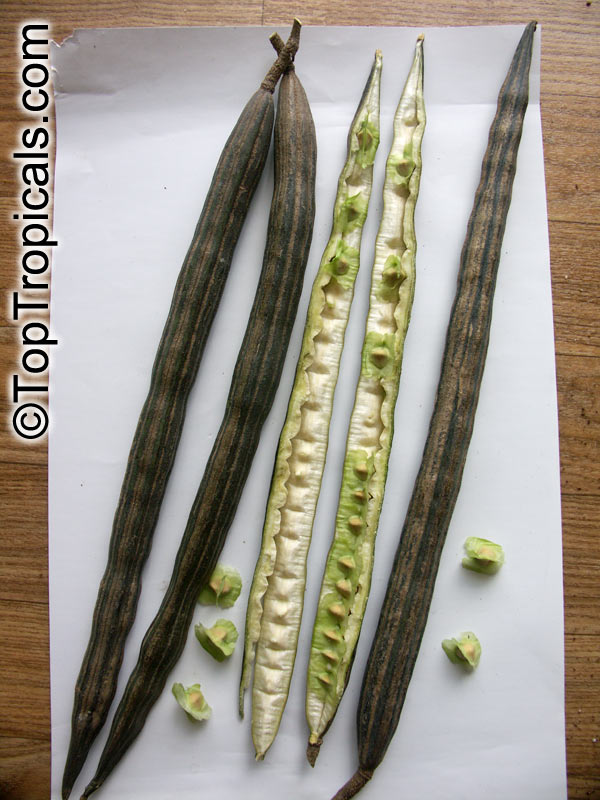
Moringa sp. (Moringa) fruit pods laid open to expose light green seeds on paper.
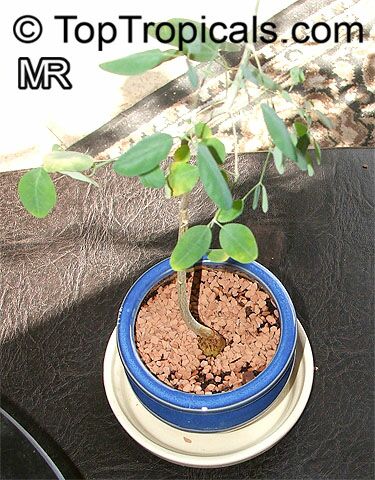
Moringa sp. (Moringa) green plant standing in a small blue pot on a plate.
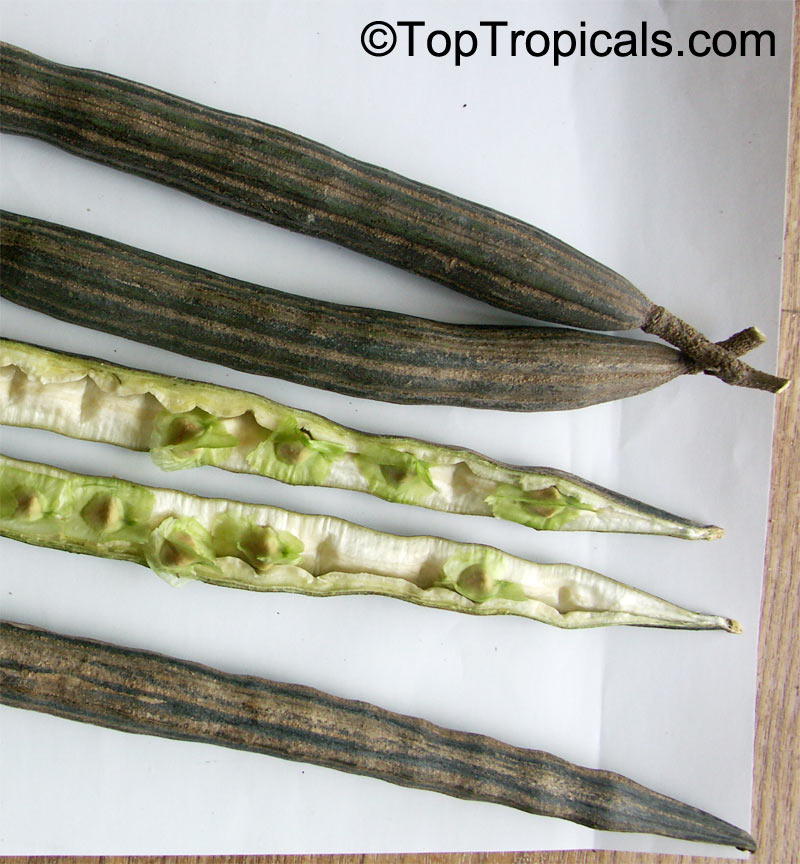
Moringa sp. (Moringa) pods with visible seeds lying on a white surface
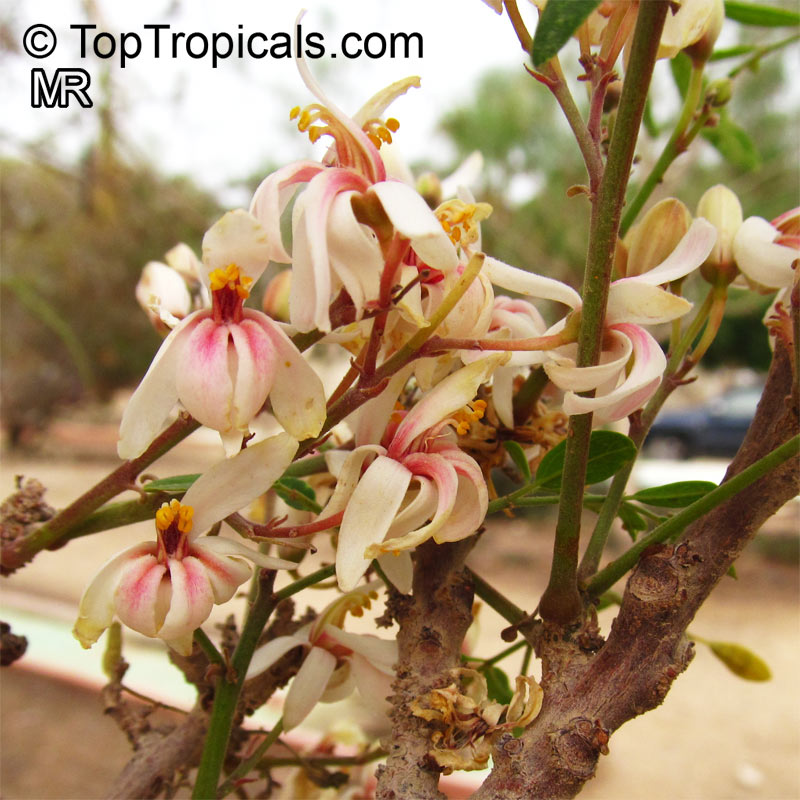
Moringa sp. (Moringa) white flower cluster with soft pink streaks growing on a thin branch.
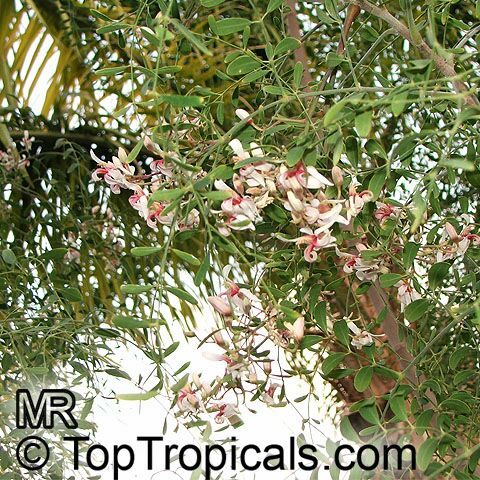
Moringa sp. (Moringa) clusters of delicate pink white flowers hanging down among small green foliage
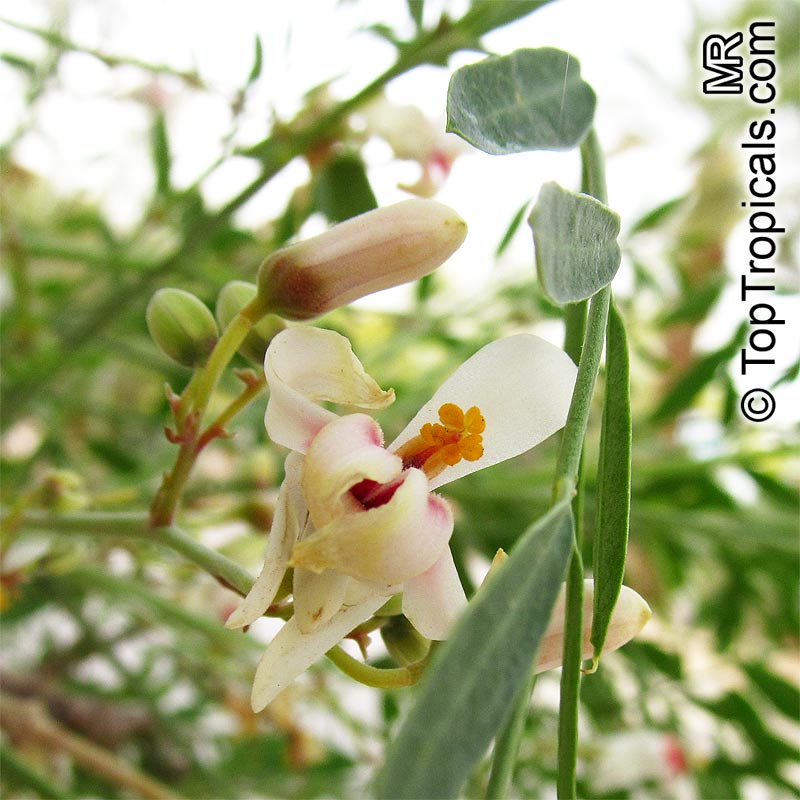
Moringa sp. (Moringa) white flower with yellow center parts on a thin green branch
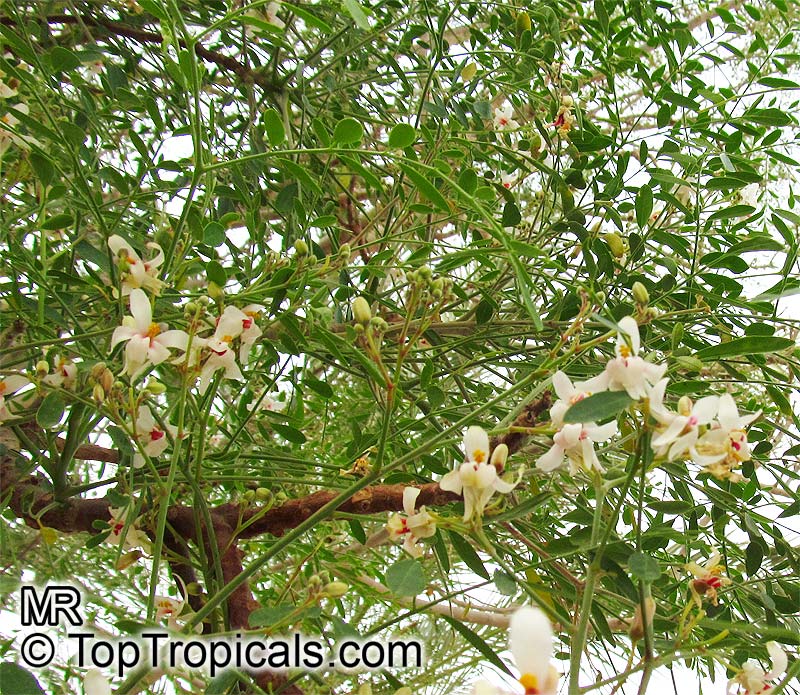
Moringa sp. (Moringa) white flower clusters blooming among many small green leaves on the tree branch
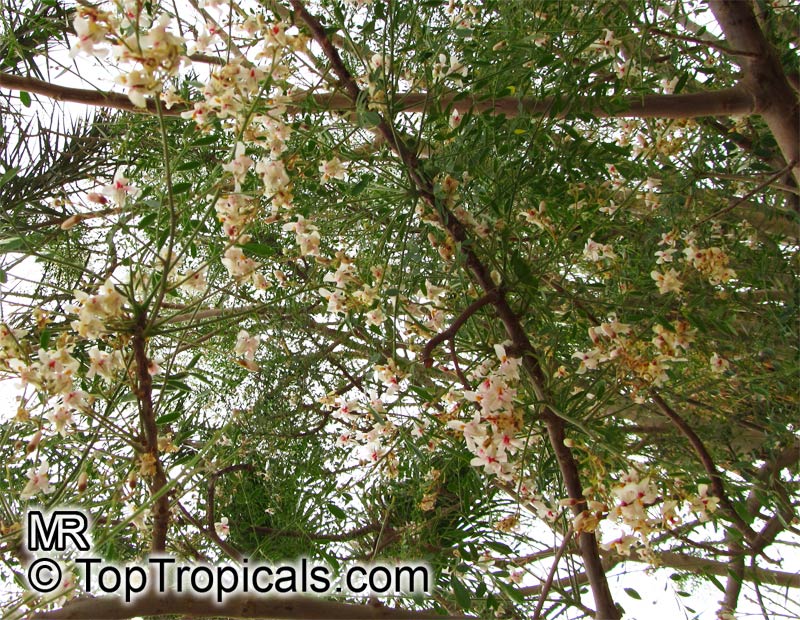
Moringa sp. (Moringa) white flower clusters hanging from thin branches among light green compound leaves
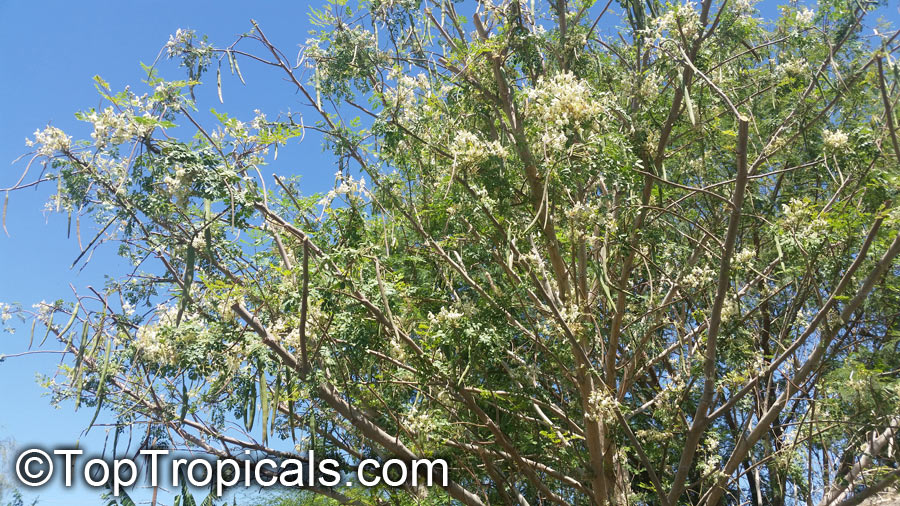
Moringa sp. (Moringa) tree covered in white flowers and long green hanging seed pods.
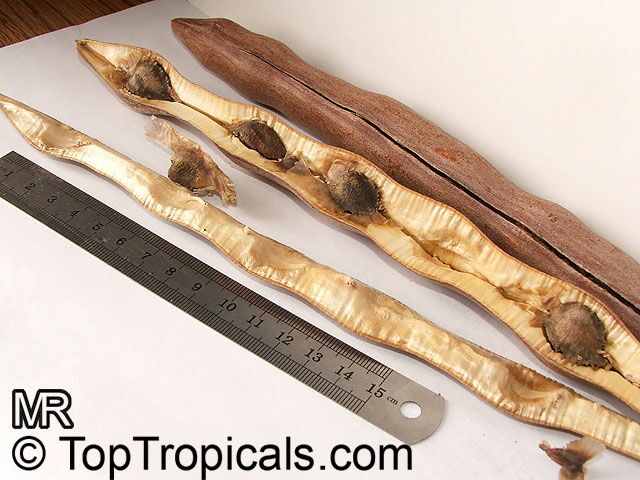
Moringa sp. (Moringa) dry split pods with visible round seeds resting on a flat surface
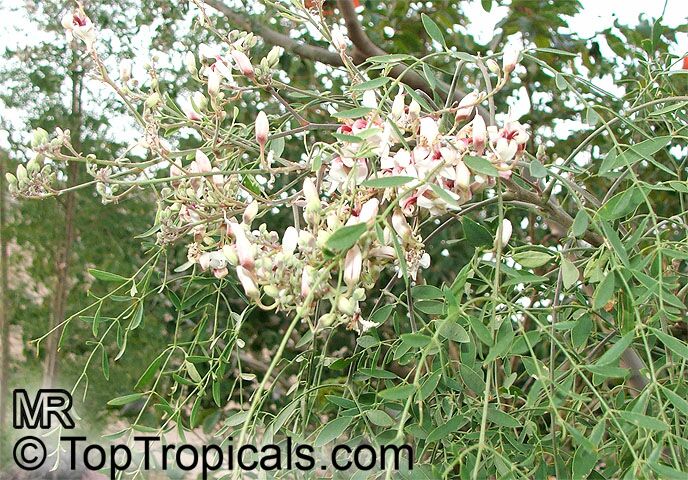
Moringa sp. (Moringa) displaying small white clusters of flower along thin branches with green foliage.
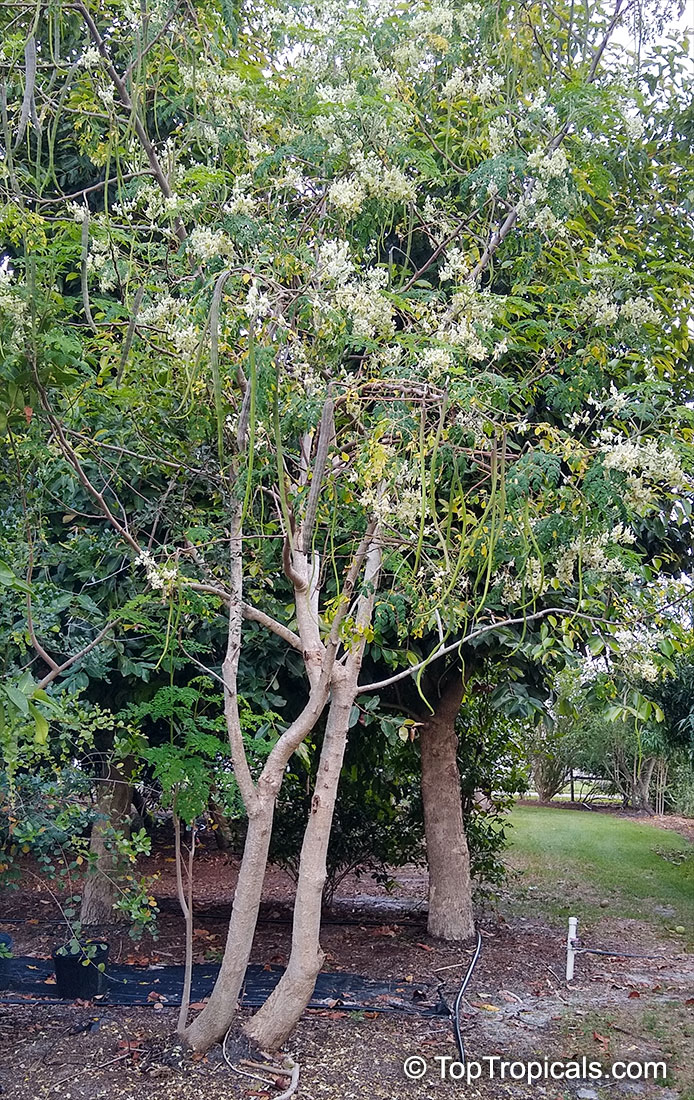
Moringa sp. (Moringa) tree with white flowers and numerous long hanging green seed pods.
Link to this plant:
https://toptropicals.com/catalog/uid/moringa_sp.htm