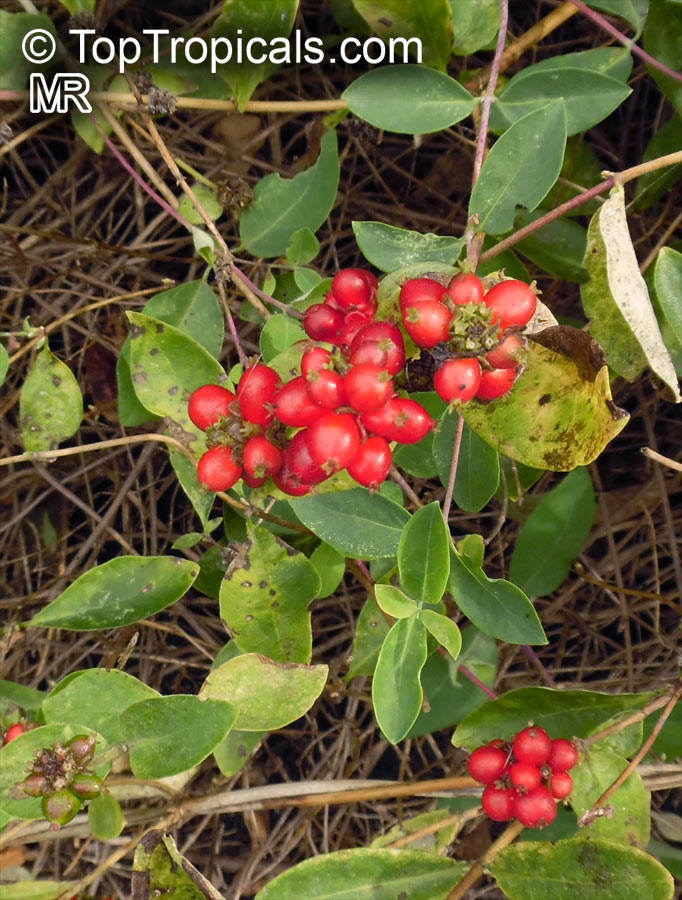
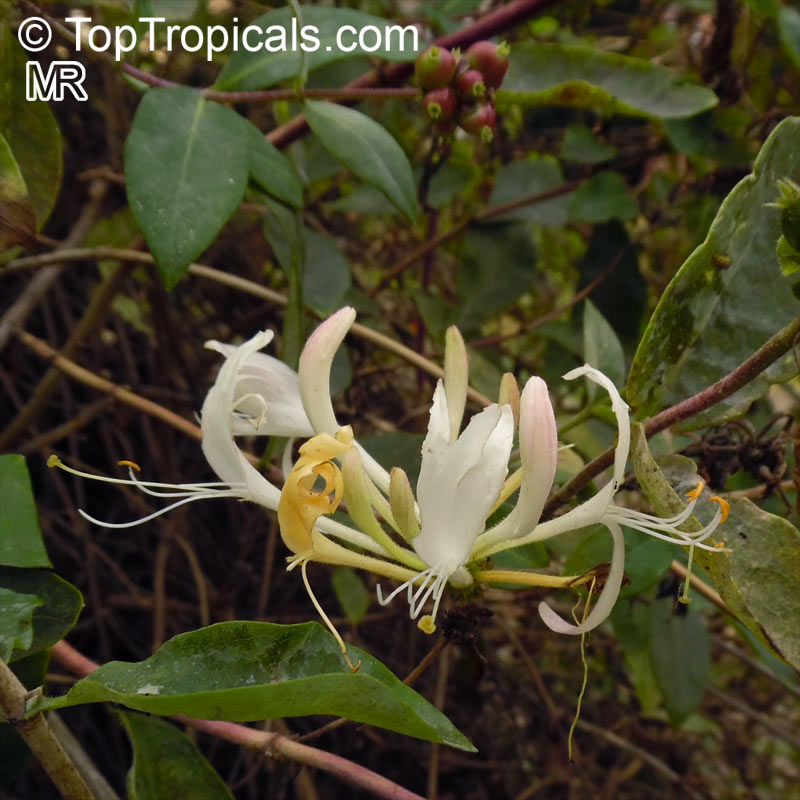
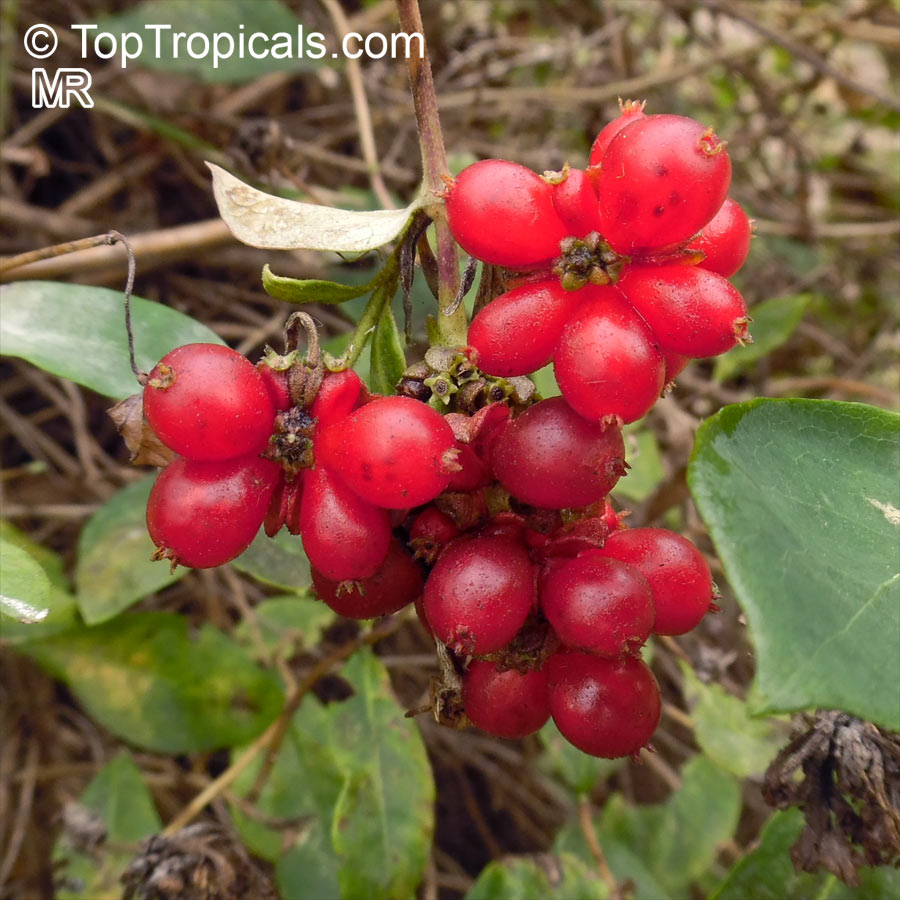
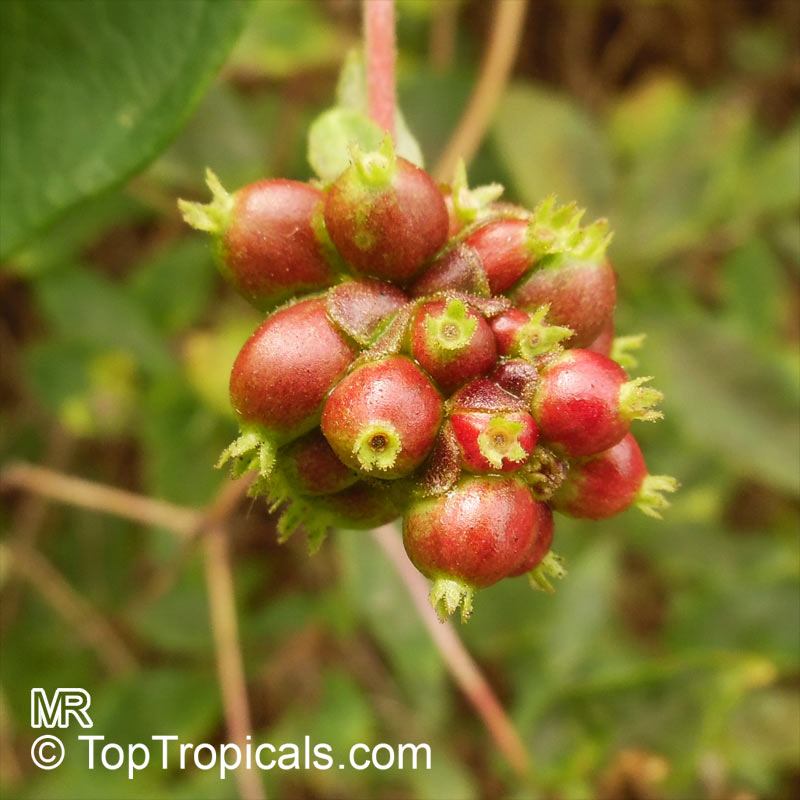
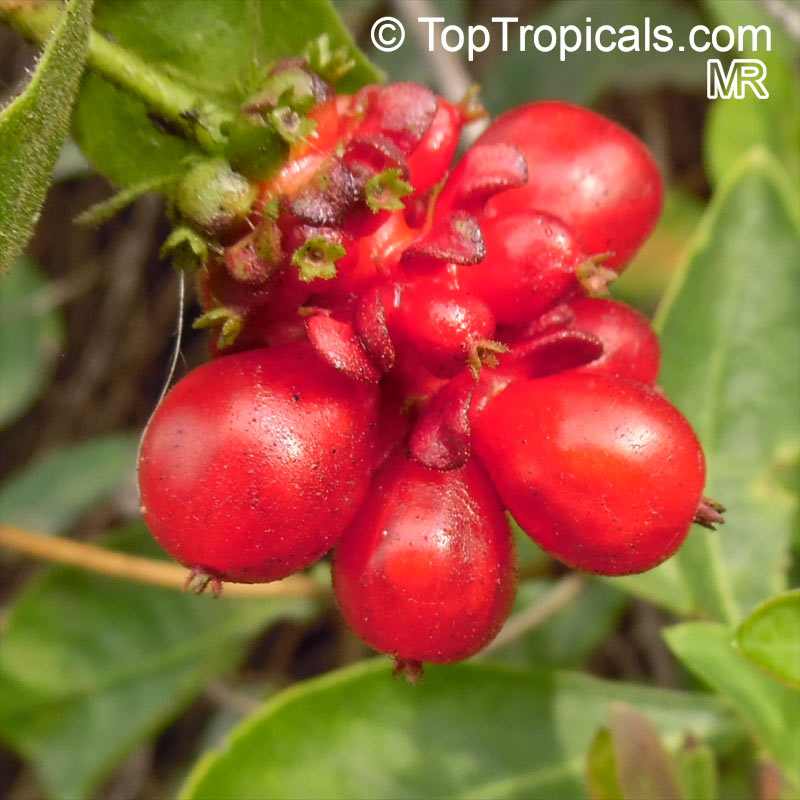
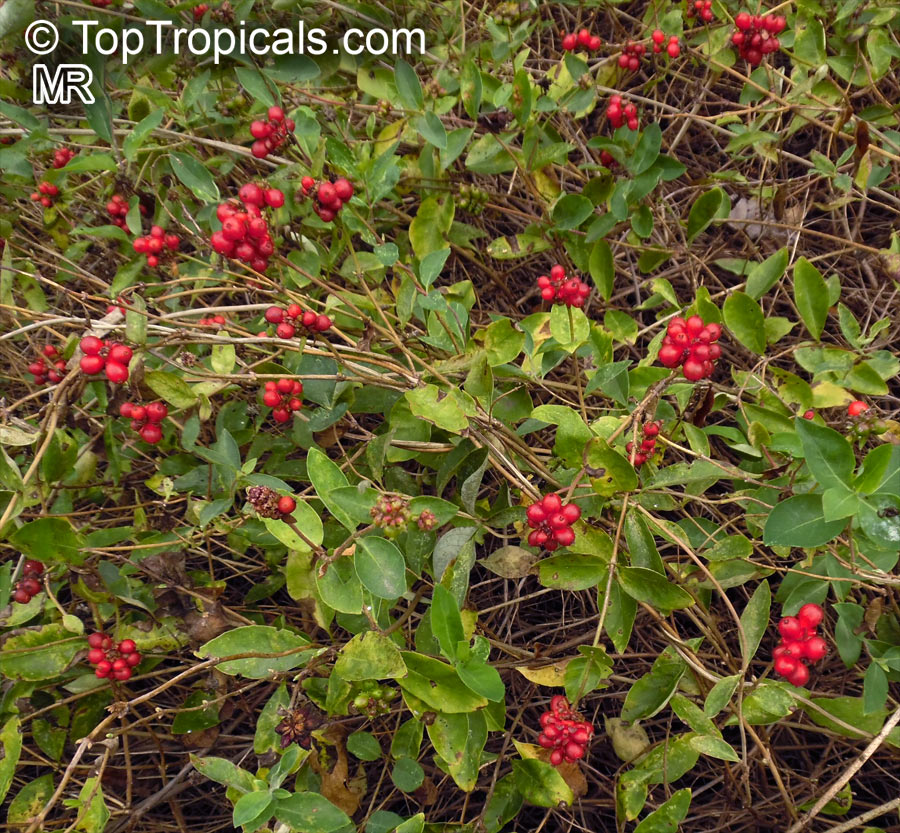
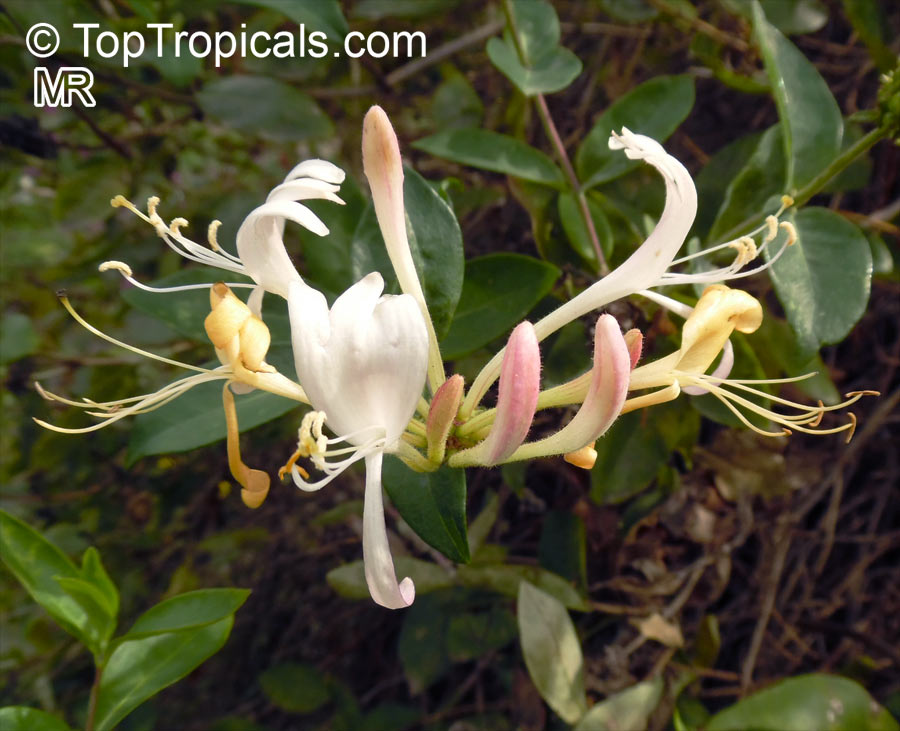
Lonicera periclymenum (European Honeysuckle)
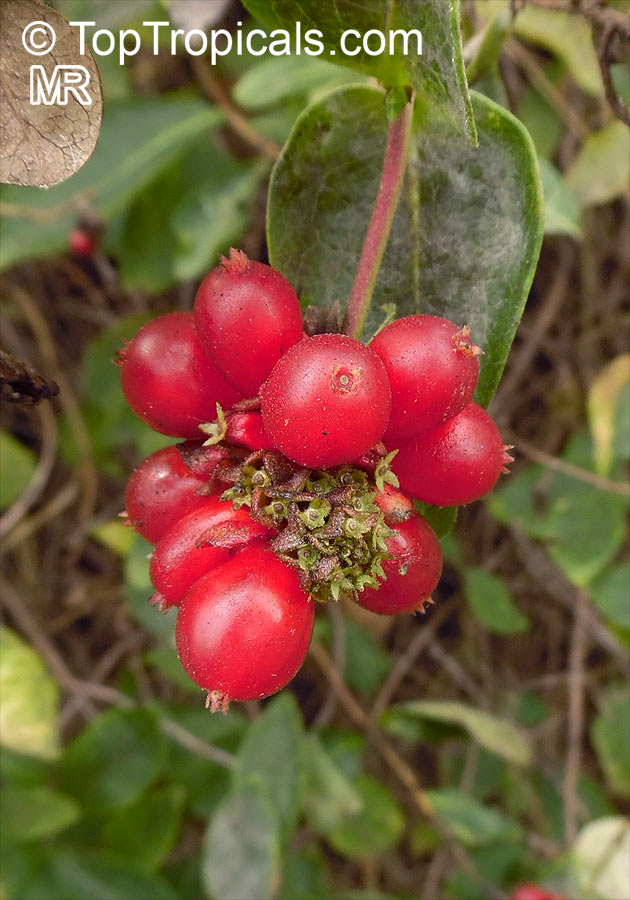
Botanical name: Lonicera periclymenum
Common name: European Honeysuckle
Family: Caprifoliaceae
Origin: Europe
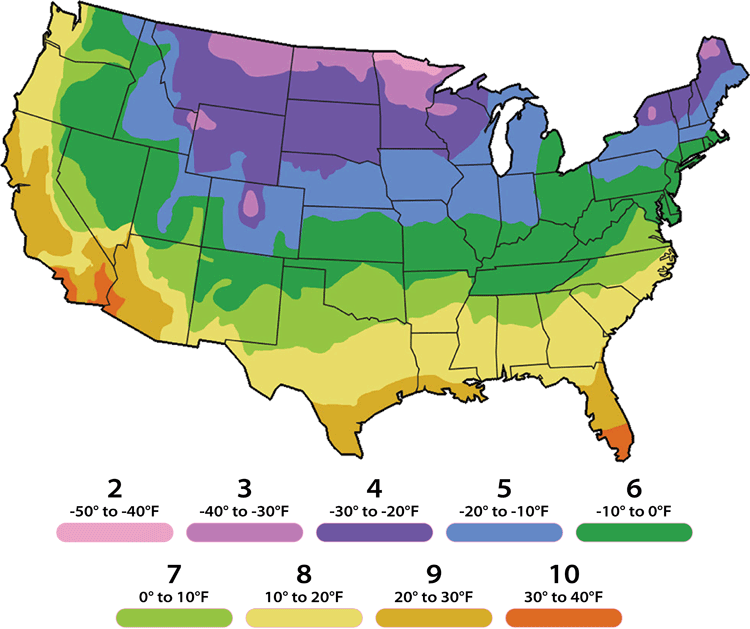
USDA Zone: 4-10
 Plant form: Climbing or creeping vine
 Sun exposure: Full sun or bright light indoor; semi-shade
 Cold tolerance: Tolerates light freezing to about 30°F for short periods (mature plants). Young plants must be protected.
 Watering: Regular; moderate
 Flower color: Pink; white and off-white
 Suitable for: Outdoors in the suitable USDA zone; small gardens, containers, and indoor growing
 Foliage: Deciduous
 Fragrance: Fragrant; perfume plant
 Ethnomedical: Ethnomedical plant, traditionally used in folk or indigenous medicine
Lonicera periclymenum, also known as European Honeysuckle, is a vining or creeper type of plant native to Europe and is grown in USDA hardiness zones 4-10. This deciduous plant is known for its beautiful pink and white or off-white fragrant flowers that appear in the summer. While it can be grown in other areas, European Honeysuckle is best suited for areas where it will not have to endure harsh winters.
European Honeysuckle prefers a sunny location but will also grow in semi-shade. It needs regular watering in warm months but only needs a moderate amount of water during colder months. This plant needs to be planted in a way that its root system is in the shade, but its flowering top is in the sun or light shade.
European Honeysuckle has been used for its ethnomedical properties for centuries and is said to have a very mild action when taken in small doses. However, it has been known to be poisonous in large doses so it is important to be careful when using this plant for medicinal purposes.
When growing European Honeysuckle in cooler climates, it is important to provide extra protection during winter. This can be done by planting the shrub in a pot and bringing it indoors before temperatures reach freezing. The plant should also be placed somewhere with plenty of light so that it can continue to bloom throughout the winter months. It is also important to keep the soil moist but not soggy during the winter months and to only water when the soil begins to dry out.
Similar plants: Lonicera periclymenum (European Honeysuckle)
- Lonicera fragrantissima (Winter Honeysuckle)
- Lonicera japonica (Japanese Honeysuckle)
- Lonicera nitida (Box Honeysuckle)
- Lonicera quinquelocularis (Translucent Honeysuckle)
- Lonicera sempervirens (Coral Honeysuckle)
- Lonicera sp. (Honeysuckle)
- Lonicera thibetica (Tibetan Honeysuckle)
- Lonicera x brownii (Coral Honeysuckle)
- Lonicera x heckrottii (Everblooming Honeysuckle)