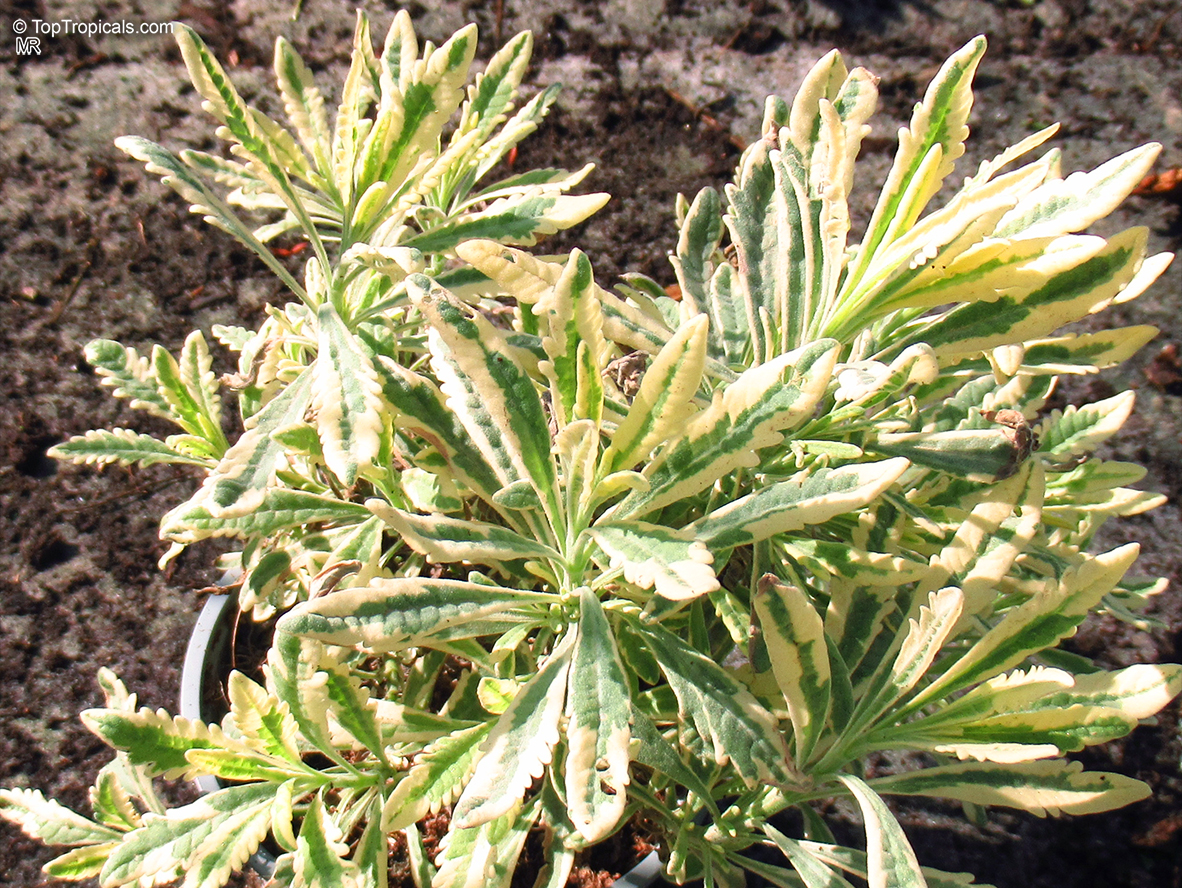
Lavandula sp. (Lavender)
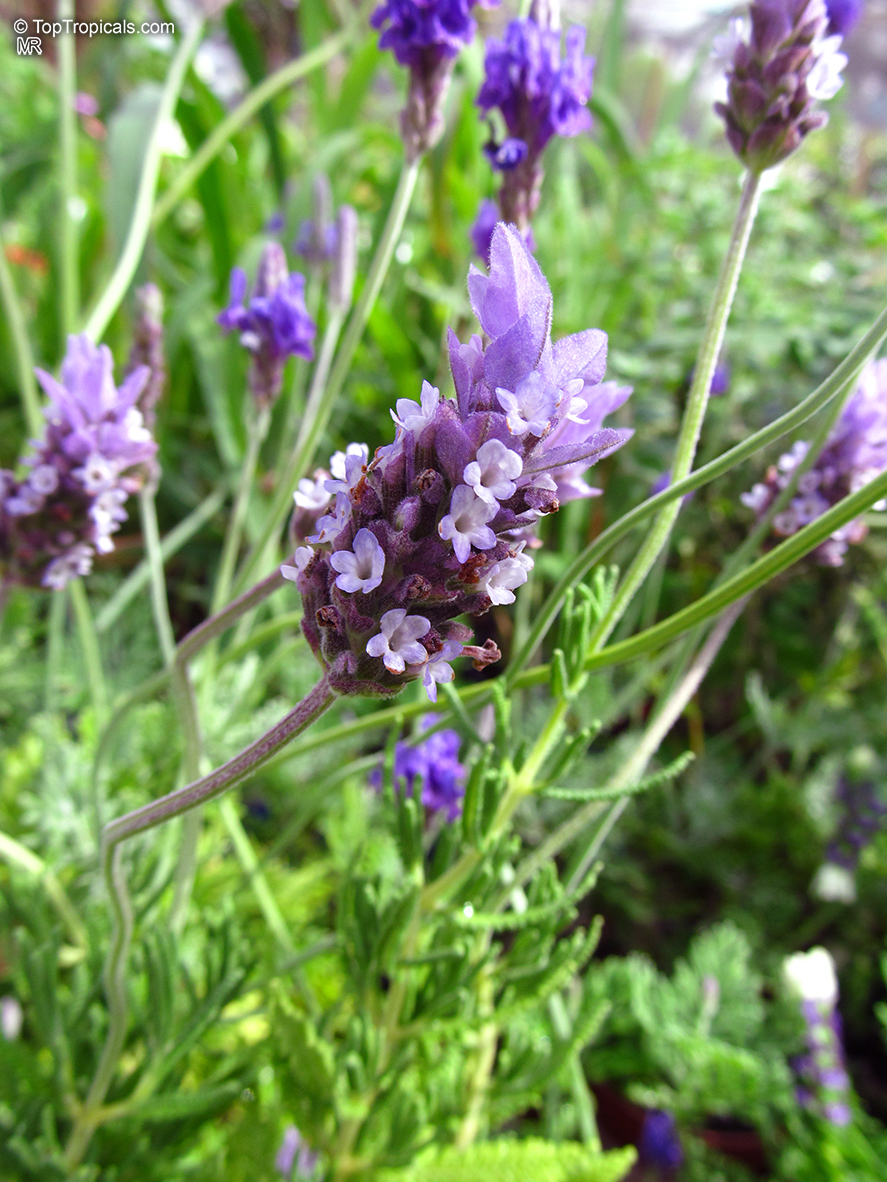
Botanical name: Lavandula sp.
Common name: Lavender
Family: Lamiaceae
Origin: Mediterranean, Canary Islands
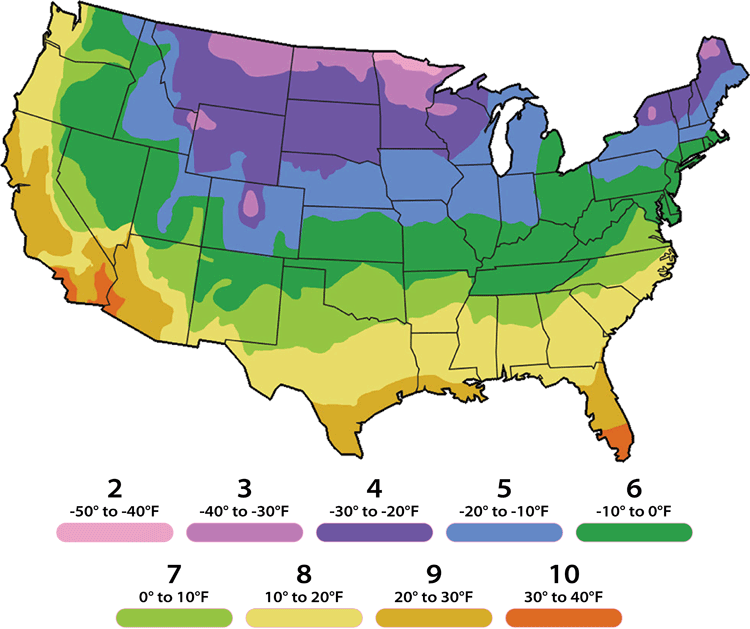
USDA Zone: 5-9
 Plant form: Small
 Mature height: 2-5 ft
 Sun exposure: Full sun or bright light indoor; semi-shade
 Cold tolerance: Tolerates light freezing to about 30°F for short periods (mature plants). Young plants must be protected.
 Watering: Regular; moderate

 Flower color: Pink; white and off-white; blue, lavender, purple
 Suitable for: Outdoors in the suitable USDA zone; small gardens, containers, and indoor growing
 Fragrance: Fragrant; perfume plant
 Wildlife: Attracts butterflies and hummingbirds
 Ethnomedical: Ethnomedical plant, traditionally used in folk or indigenous medicine
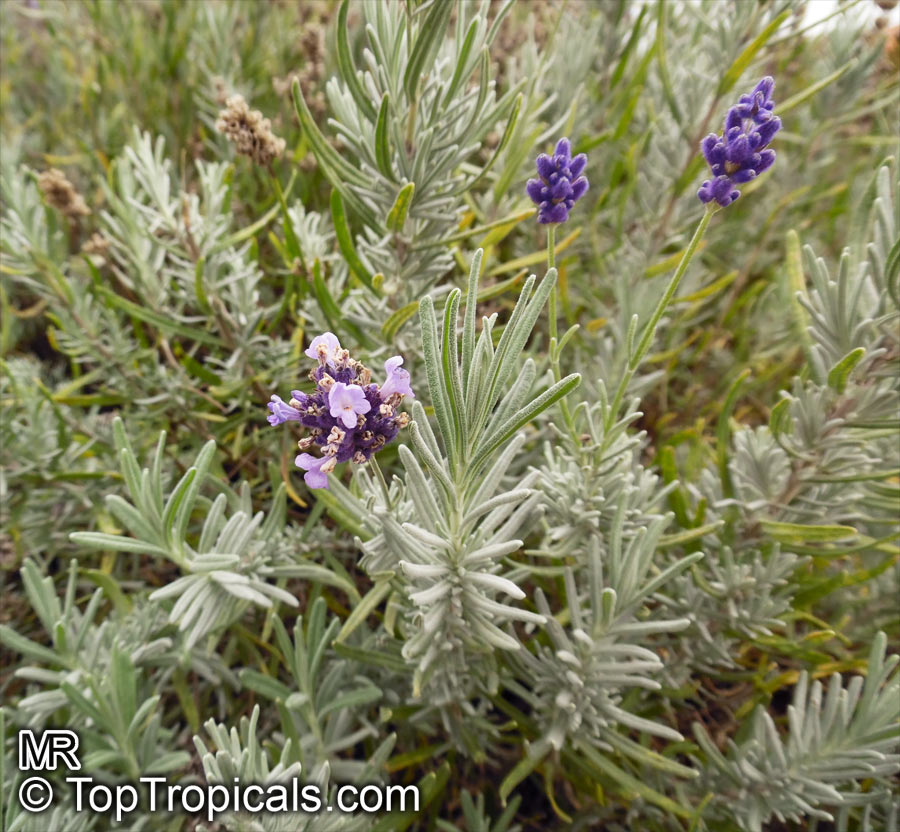
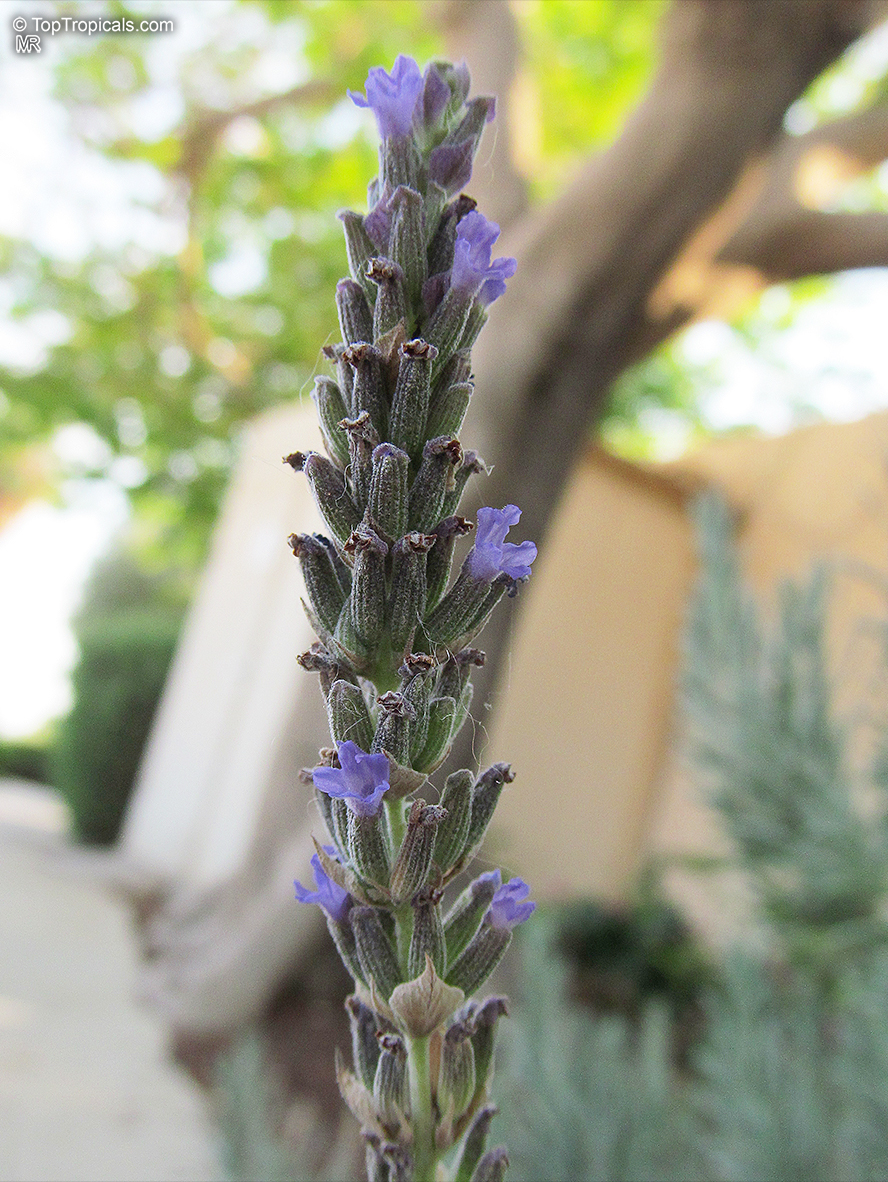
Lavandula, commonly known as lavender, is a genus of aromatic flowering plants valued for its fragrant foliage, colorful flower spikes, and versatility in gardens and landscapes.
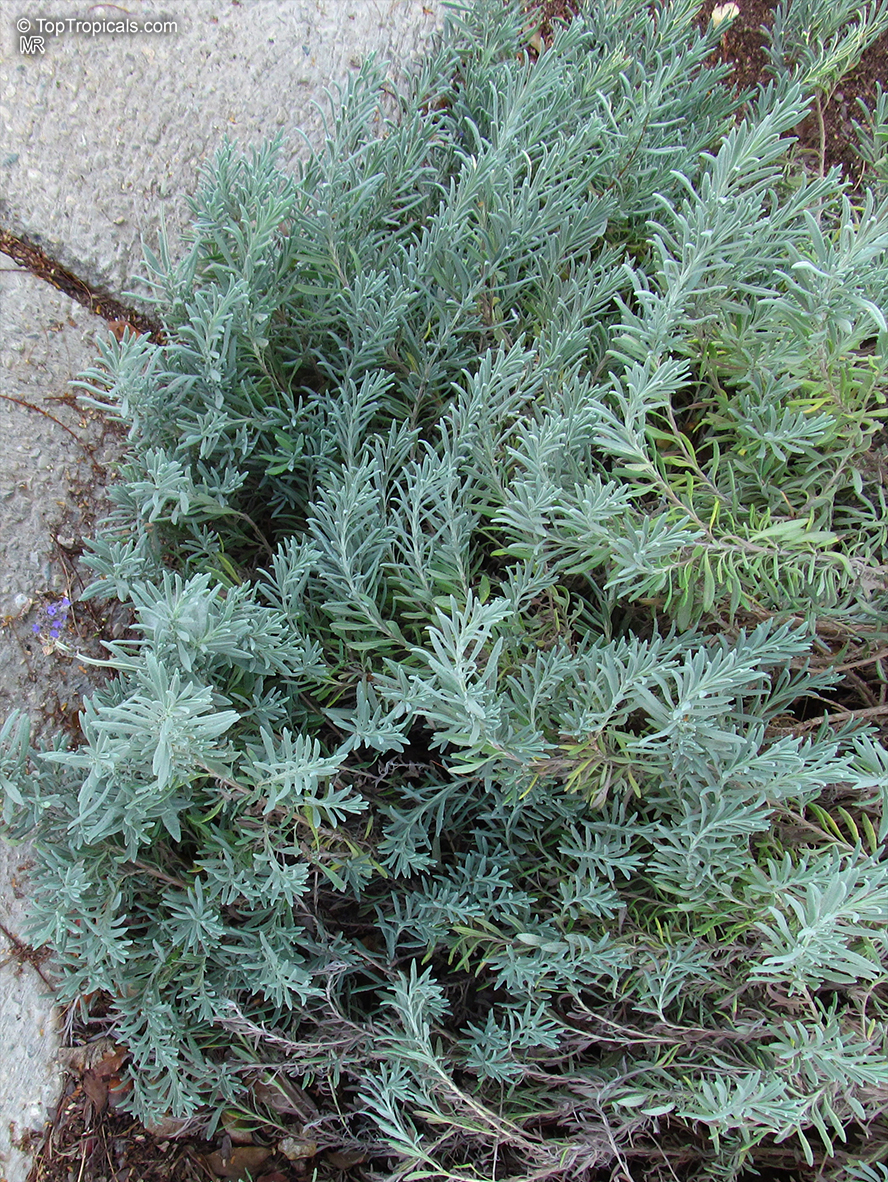
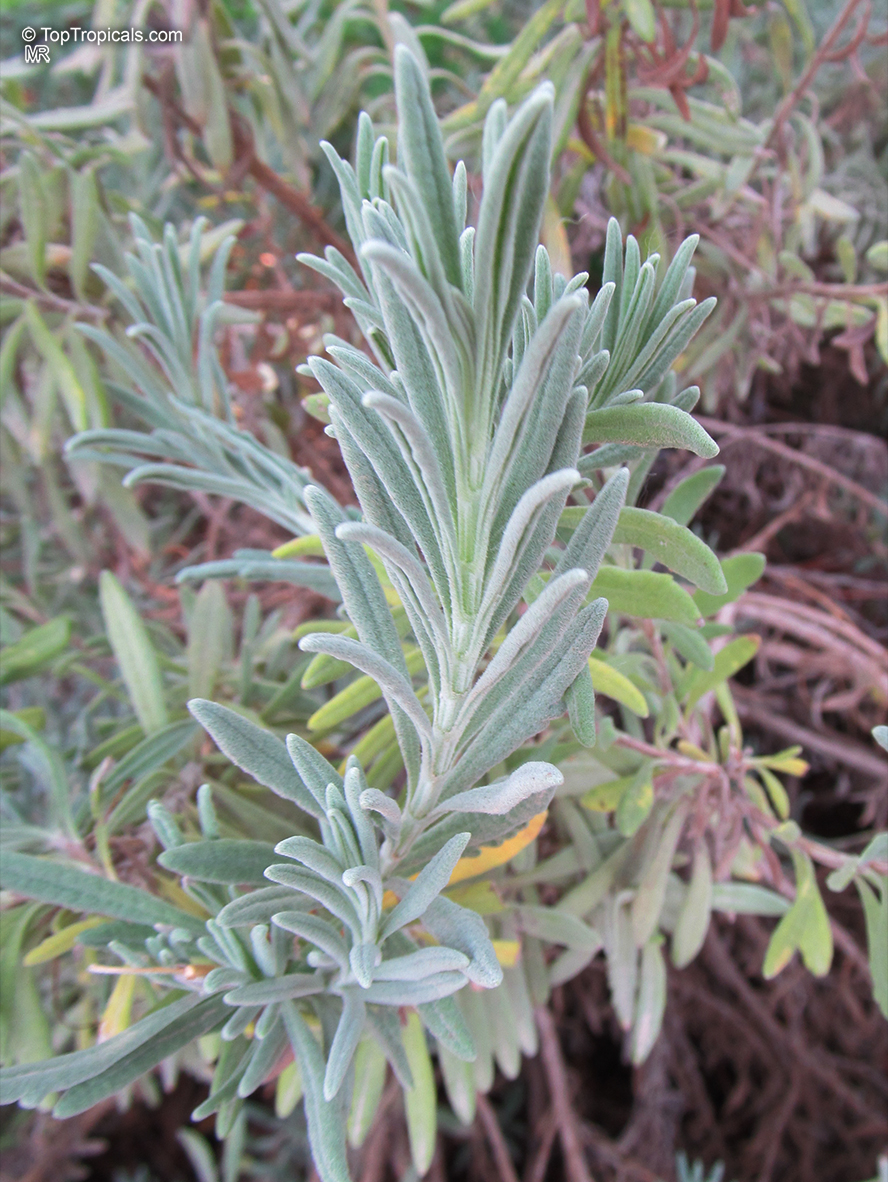
Native to the Mediterranean region, North Africa, and parts of western Asia, lavenders are evergreen or semi-evergreen shrubs belonging to the mint family. They typically form compact mounds of gray-green to silvery foliage topped by spikes of purple, violet, blue, pink, or white flowers that attract bees, butterflies, and other pollinators.
Lavender has been cultivated for centuries for the aromatic oils found in its flowers and foliage, which are widely used in perfumes, cosmetics, sachets, and herbal preparations. Popular garden species include Lavandula angustifolia, Lavandula stoechas, and Lavandula x intermedia, each differing in growth habit, flower form, and cold tolerance.
Lavenders thrive in full sun and well-drained soil. Once established, they are highly drought tolerant and perform especially well in dry climates and coastal gardens. Excessive moisture and poorly drained soils are among the most common causes of decline. Their compact habit makes them excellent choices for borders, herb gardens, containers, and low hedges.
USDA Plant Hardiness Zones vary by species, generally ranging from 5-10. Most lavenders prefer mild winters and dry summer conditions, although some cultivars tolerate colder climates than others.
Similar plants: Lavandula sp. (Lavender)
- Lavandula angustifolia (Lavender)
- Lavandula canariensis (Canary Island Lavender)
- Lavandula dentata (French Lavender)
- Lavandula latifolia (Spike Lavender)
- Lavandula multifida (French Lace Lavender)
- Lavandula pubescens (Downy Lavender)
- Lavandula stoechas (Spanish Lavender)
- Lavandula x intermedia (Hybrid Lavender)