Heritiera littoralis (Dungun)
Botanical name: Heritiera littoralis
Common names: Dungun, Looking-glass Mangrove
Family: Malvaceae
Subfamily: Sterculioideae
Origin: Western Pacific
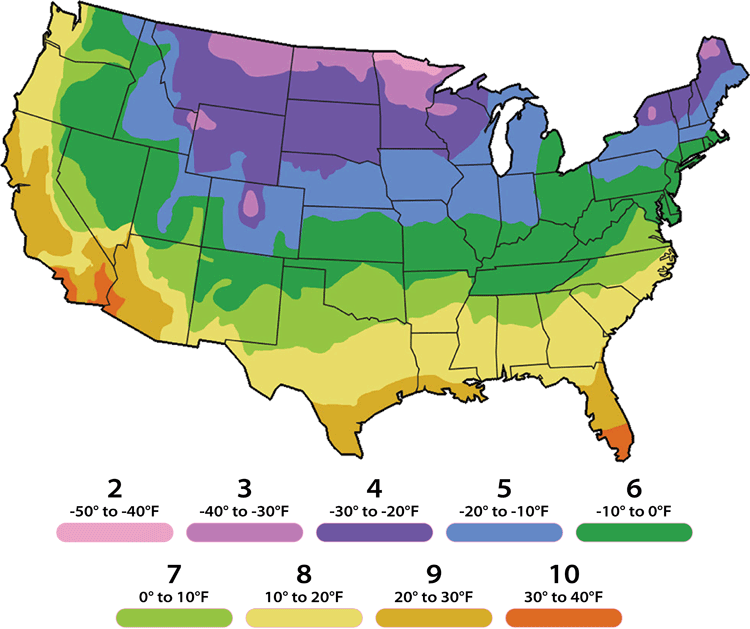
USDA Zone: 9-10

 Plant form: Large or medium tree
 Mature height: 20 ft or more
 Sun exposure: Full sun or bright light indoor; semi-shade
 Cold tolerance: Frost sensitive. Protect from freezing.
 Watering: Regular
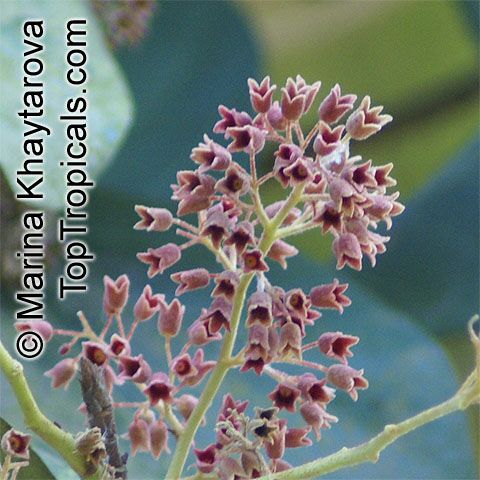
 Flower color: Red, crimson, vinous
 Suitable for: Outdoors in the suitable USDA zone; large gardens
 Flood tolerance: High
 Ethnomedical: Ethnomedical plant, traditionally used in folk or indigenous medicine
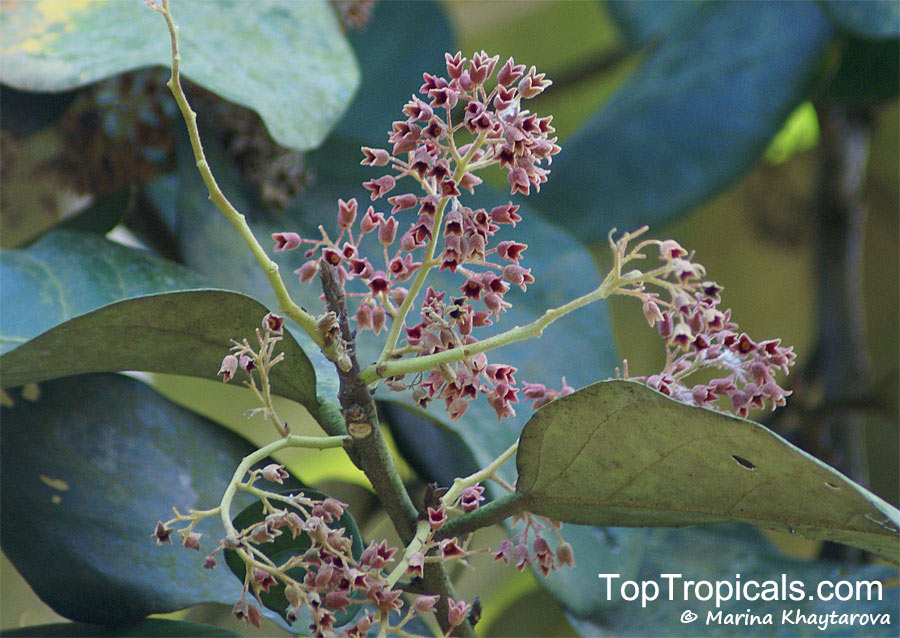
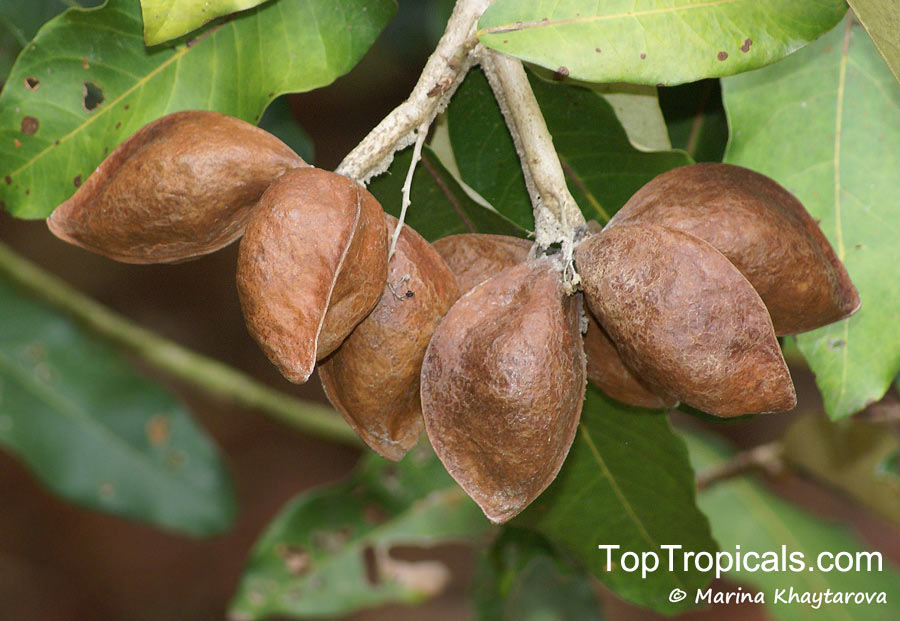
Native to the Western Pacific, Heritiera littoralis (Dungun) is a low, much-branched, evergreen tree that can reach up to 15 m tall. Its trunk is usually adorned with buttresses at the base and ribbon or plank roots. Its bark is pale or gray-ish pink, smooth to the touch and becomes flaky as the tree grows older. The leaves of the Dungun have an oblong to elliptic shape, a dark green upper side, as well as a silvery-white underneath, and wither to an orange-yellow when ripe. This tree has hanging yellowish tassels and bears bright purple to brown fruits with a stiff keel on one side.
The tree is able to grow in zones 9-11 of the USDA hardiness zone and prefers sites that receive full sun and semi-shade, being able to endure a great deal of watering, flooding, and salt conditions. Depending on the site and conditions it grows in, the height of a Dungun can vary from a smaller Trea of 10-20 ft, to a larger one above 20 ft.
When caring for the Dungun plant, it is important not to leave it exposed to cold temperatures, although it is able to withstand temperatures slightly below freezing for short periods of time. In cold regions, the Dungun should be grown in a pot, in order to reduce the negative effects of cold air on the fragile roots of the tree. The soil should be kept moist, but not overly wet, and the tree should be provided with a mild fertilizer regime in the winter.
This tree is ethnomedically used in different parts of the world, thought to have antiseptic, purgative, emetic and tonic properties. The leaves, bark and flowers of the Dungun can be used to make an infusion that can be used to treat venomous snake bites, fever, digestive and skin problems.