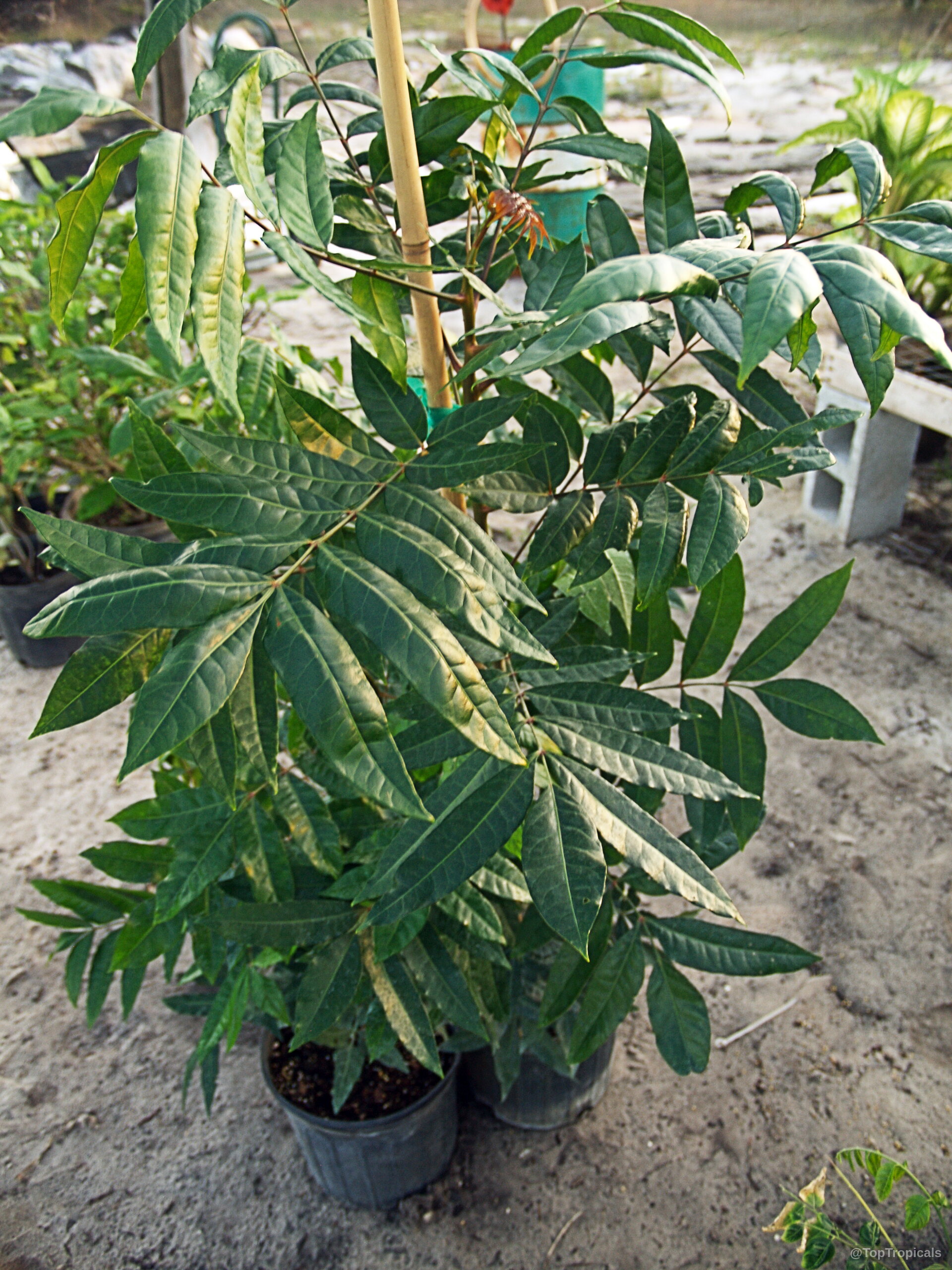
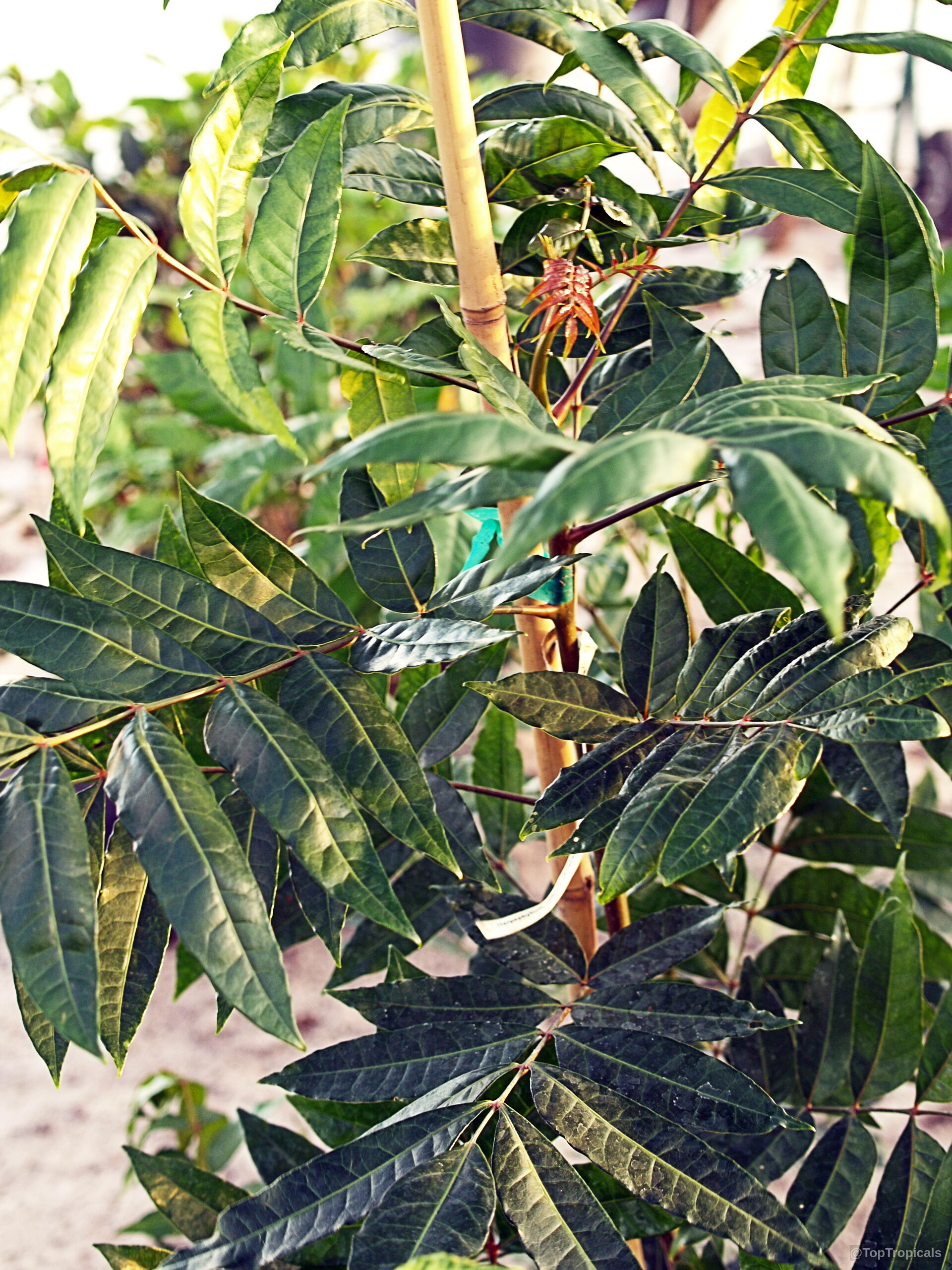
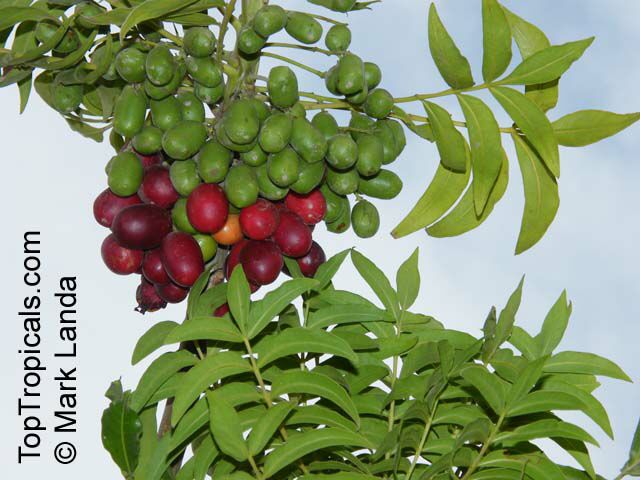
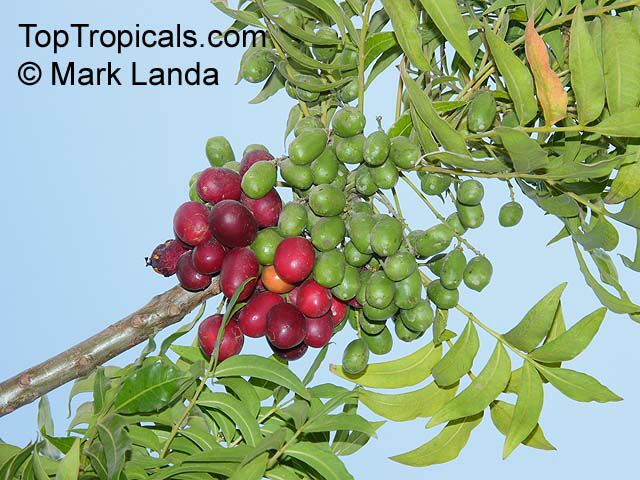
Harpephyllum caffrum (Wild Plum)
Botanical name: Harpephyllum caffrum
Common name: Wild Plum
Family: Anacardiaceae
Origin: South Africa
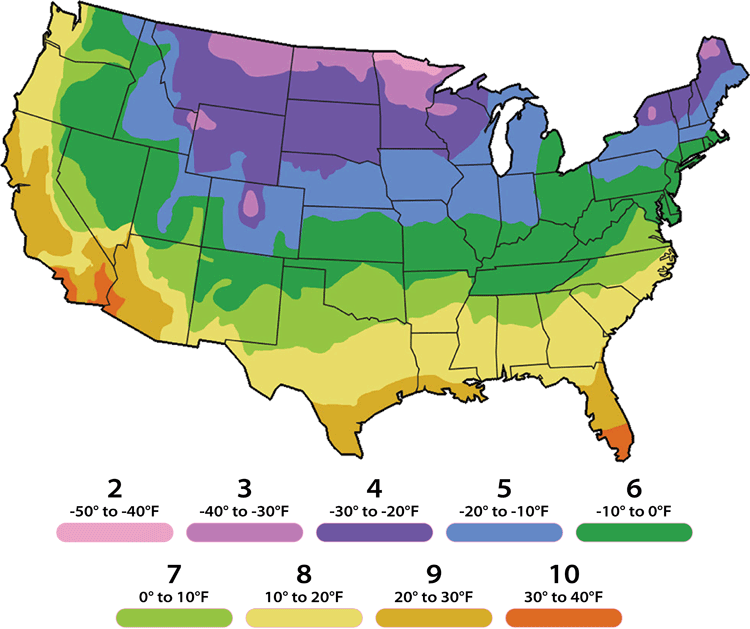
USDA Zone: 9-10
 Plant form: Small tree
 Mature height: 10-20 ft
 Sun exposure: Full sun or bright light indoor
 Cold tolerance: Frost sensitive. Protect from freezing.
 Watering: Moderate
 Suitable for: Outdoors in the suitable USDA zone; small gardens, containers, and indoor growing
 Wildlife: Attracts butterflies and hummingbirds
 Ethnomedical: Ethnomedical plant, traditionally used in folk or indigenous medicine
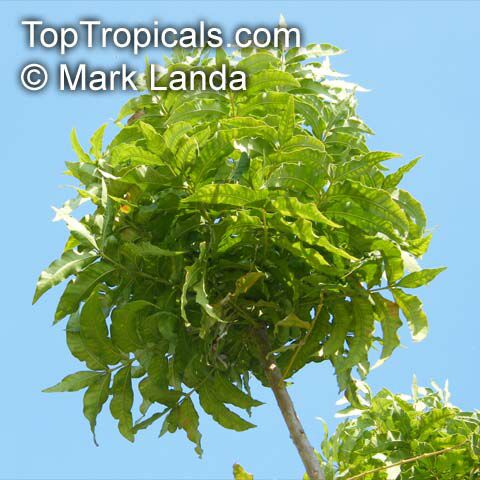
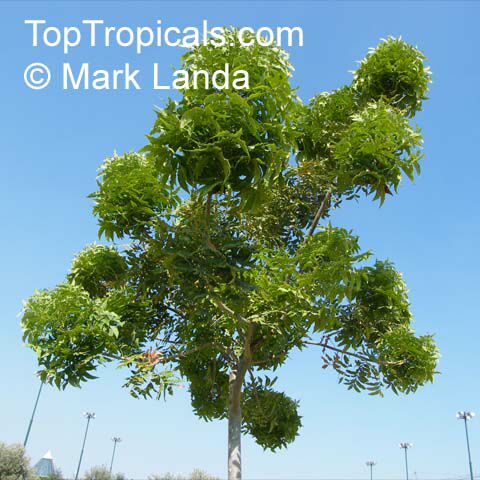
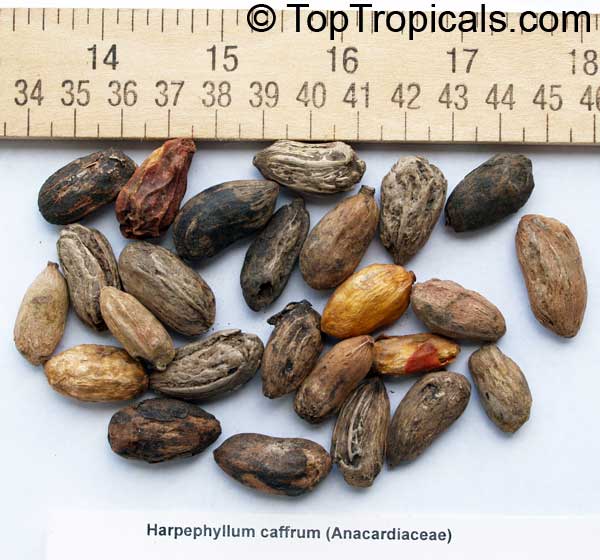
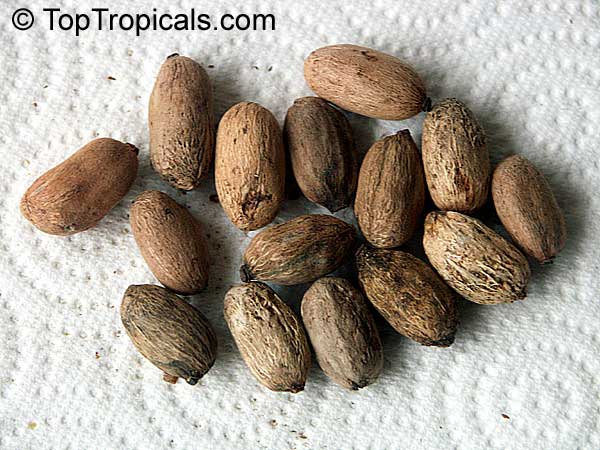
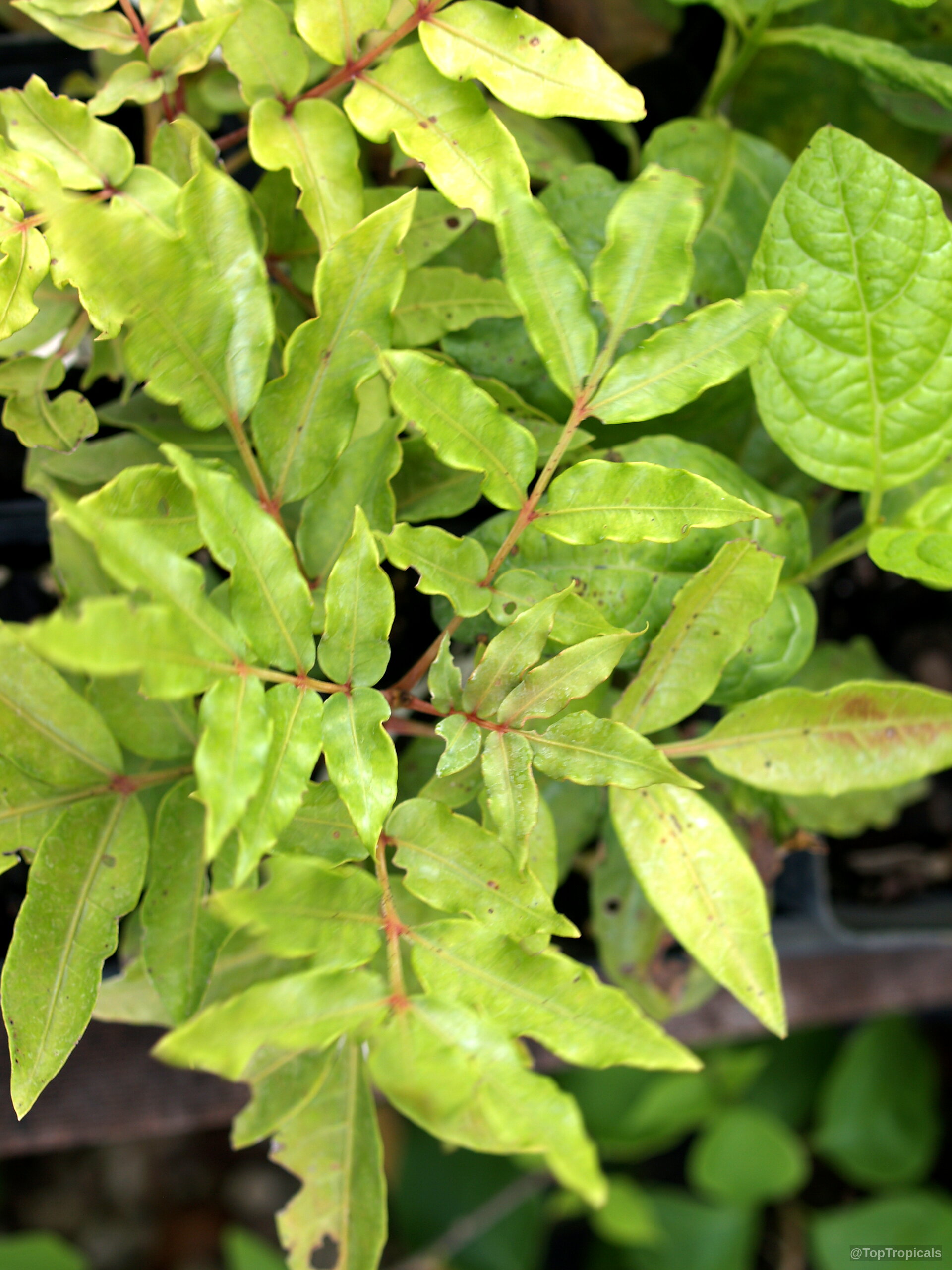
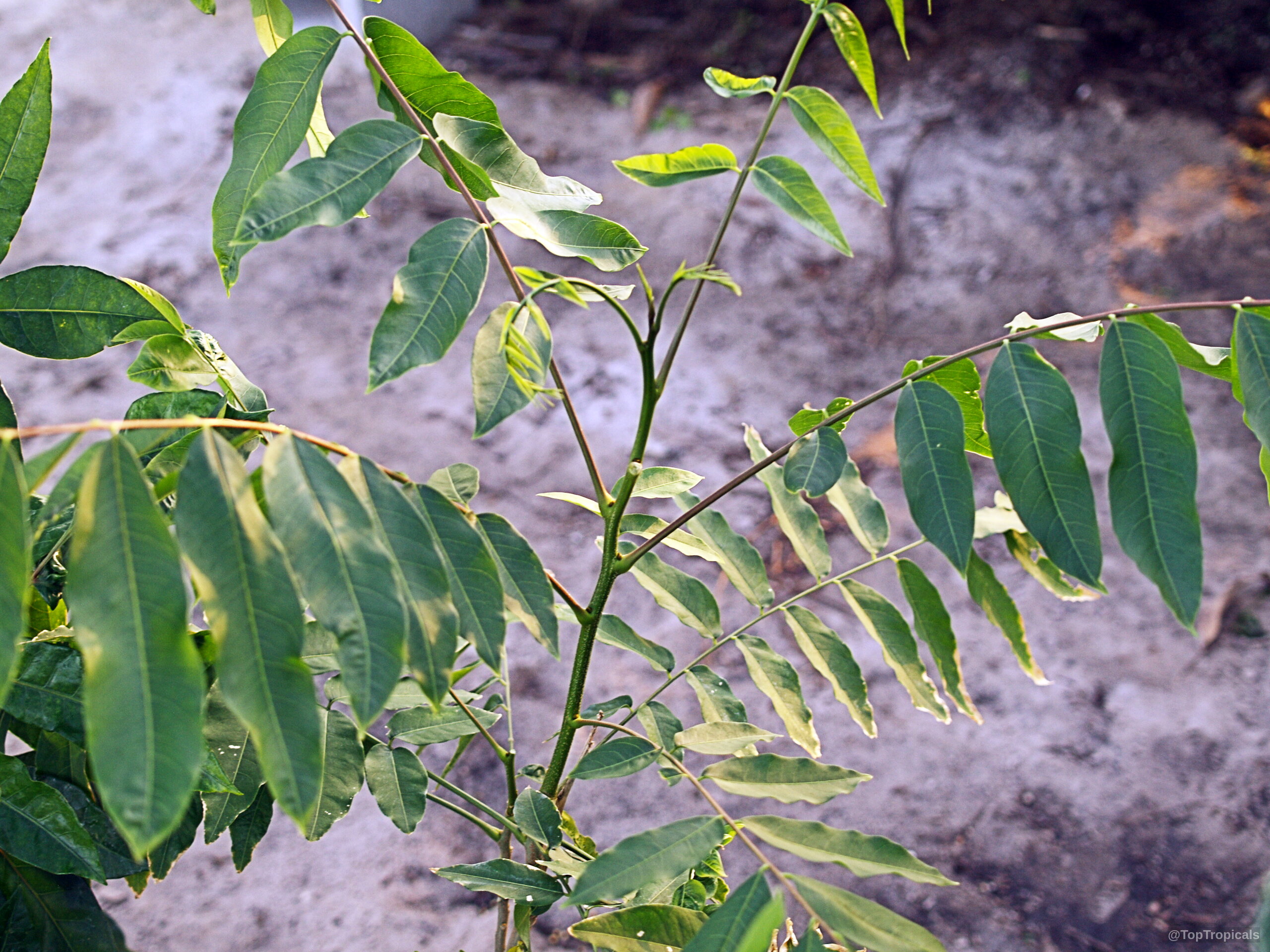
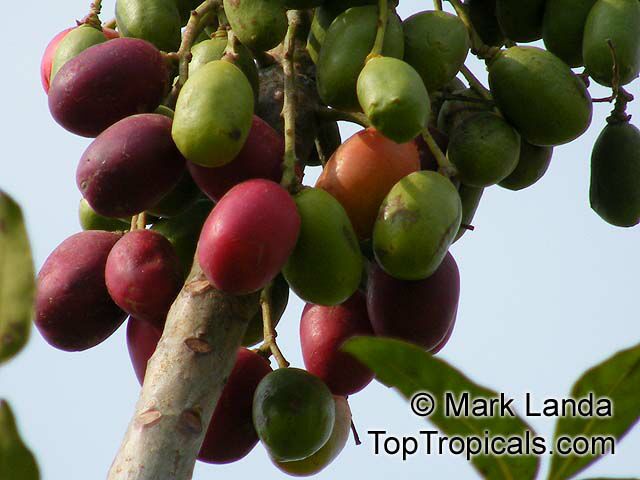
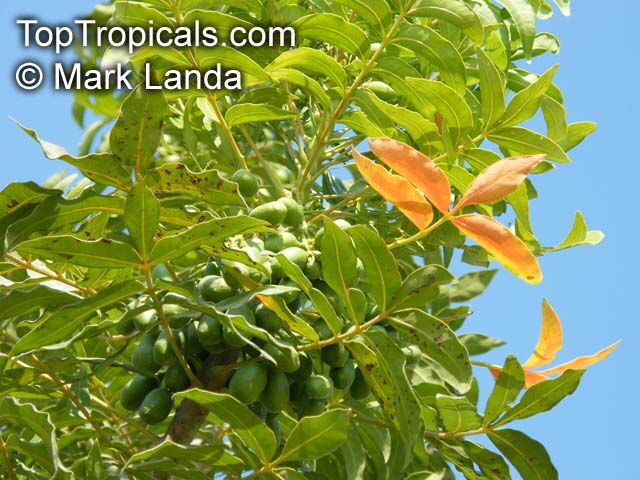
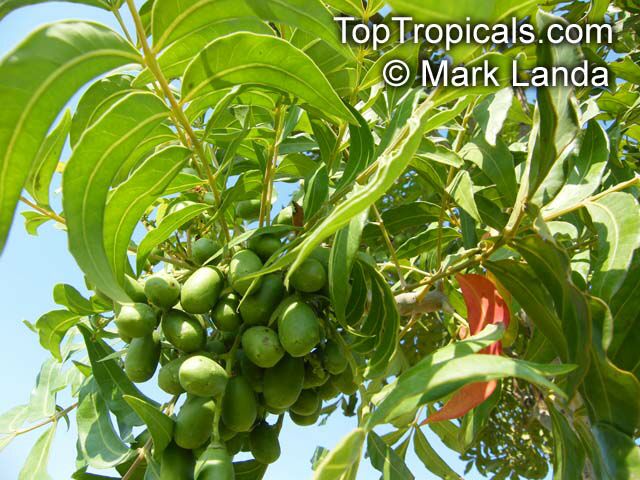
Harpephyllum caffrum or Wild plum is a small tree, growing to a height of 10-20 feet and does best when planted in full sun in well drained soil and is hardy in USDA zones 9-11. It has moderate water requirements, and should be watered regularly during the hottest part of the growing season, but not over-watered. The tree benefits from an occasional pruning to keep it in shape and keep it from becoming too dense in the lower parts. If grown in a pot in cold regions, it needs to be brought indoors during the winter, avoiding drafty locations and bright sunlight.
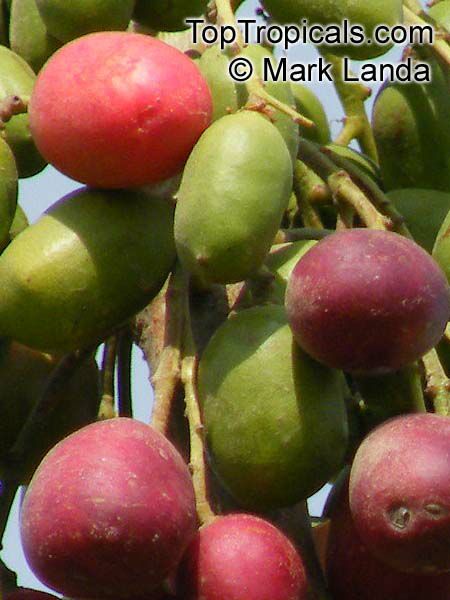
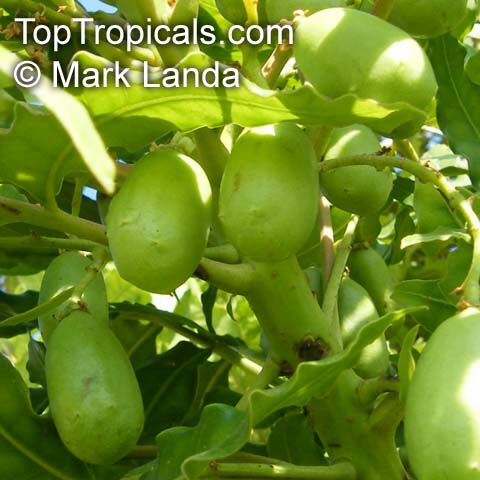
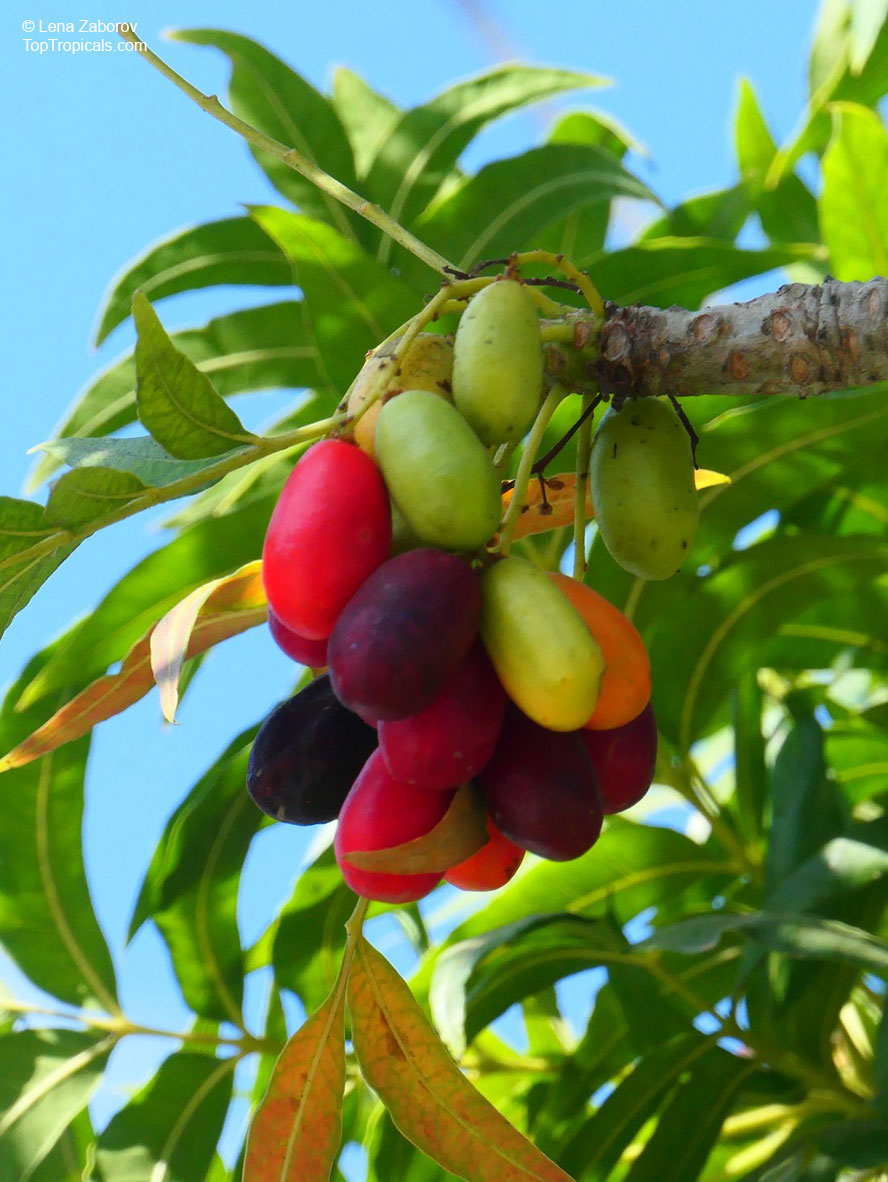
The Wild plum has edible fruits which are packed with nutrients and offer many healthy benefits, such as high levels of dietary fiber, vitamins, minerals and antioxidants. A single wild plum tree is capable of producing up to 50 lbs of fruits in a single season, with each fruit having a diameter of 1 inch. These fruits are used for making jams and jellies. With their sour taste, they are also good to make rose wine. The bark is a popular traditional medicine treating acne and eczema. The health benefits of the wild plum fruits include improved digestion and helping to reduce cholesterol levels.