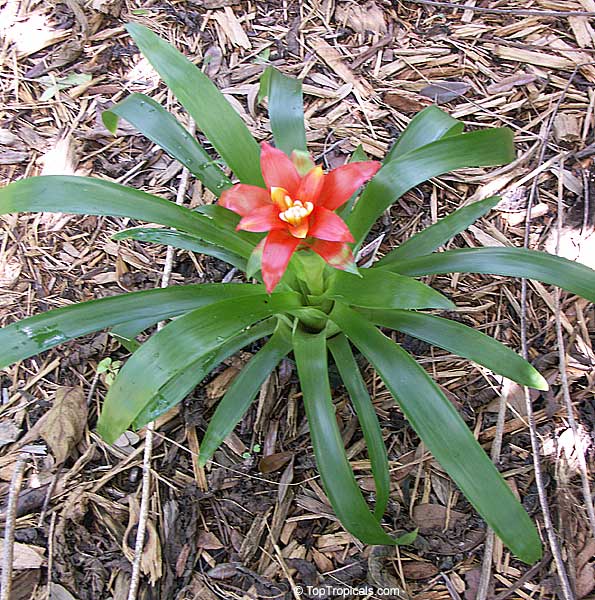
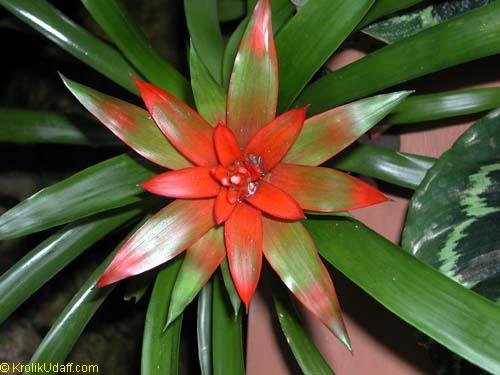
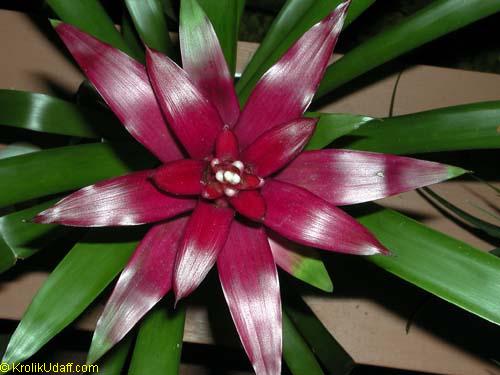
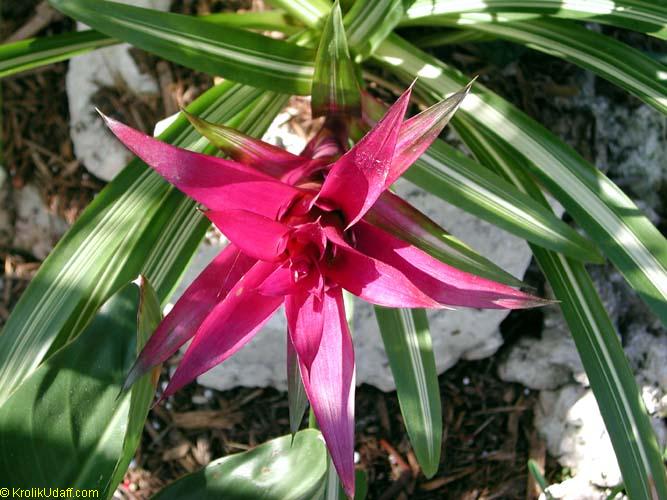
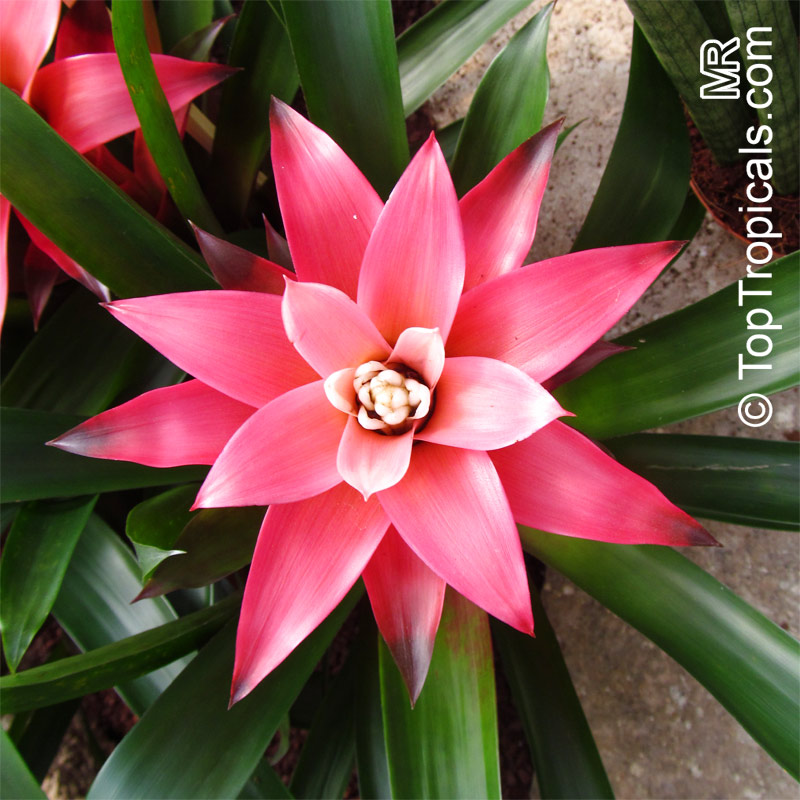
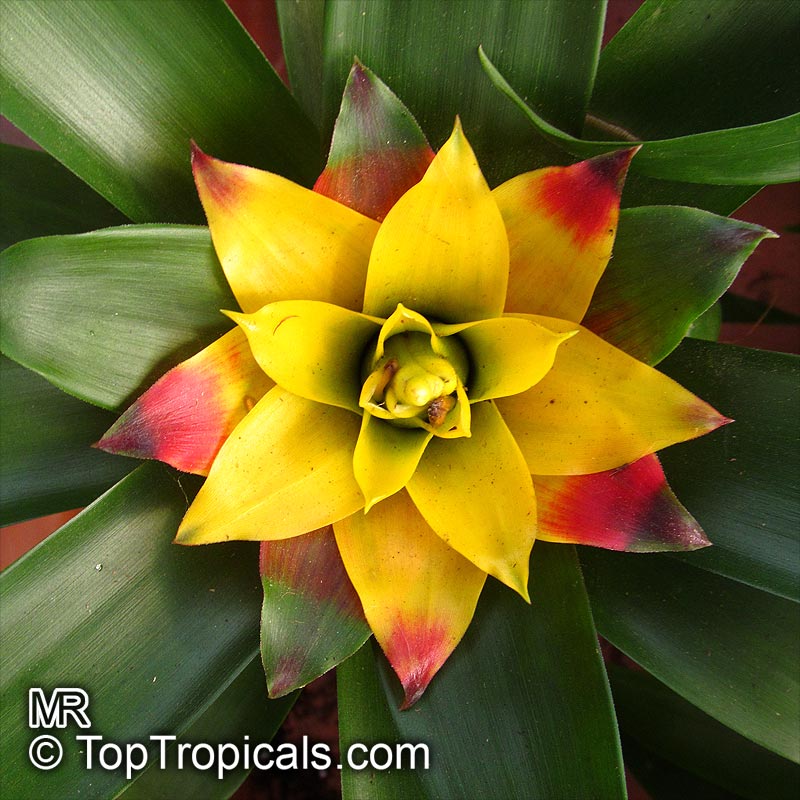
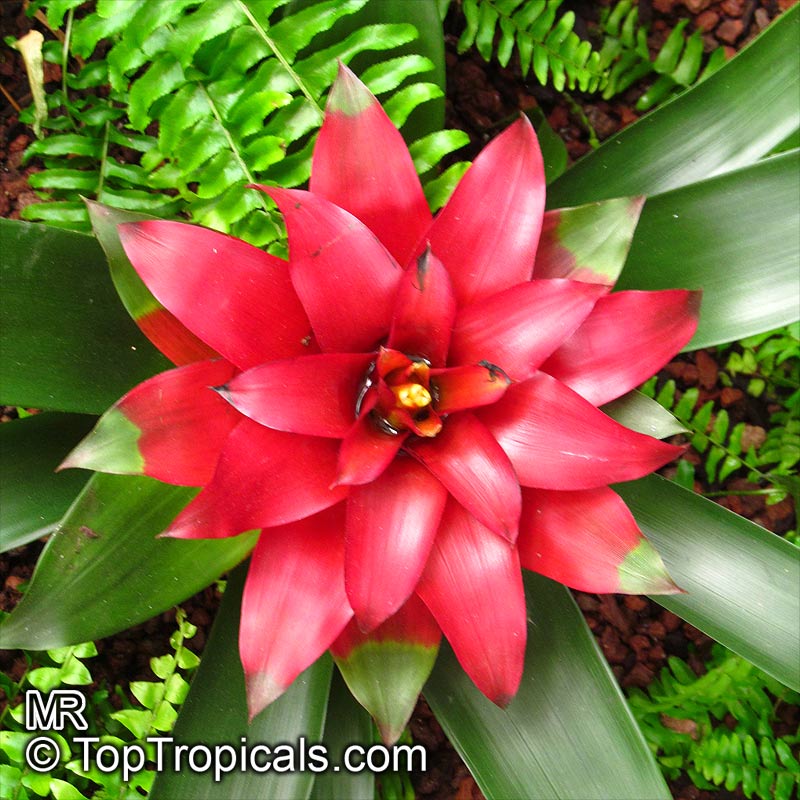
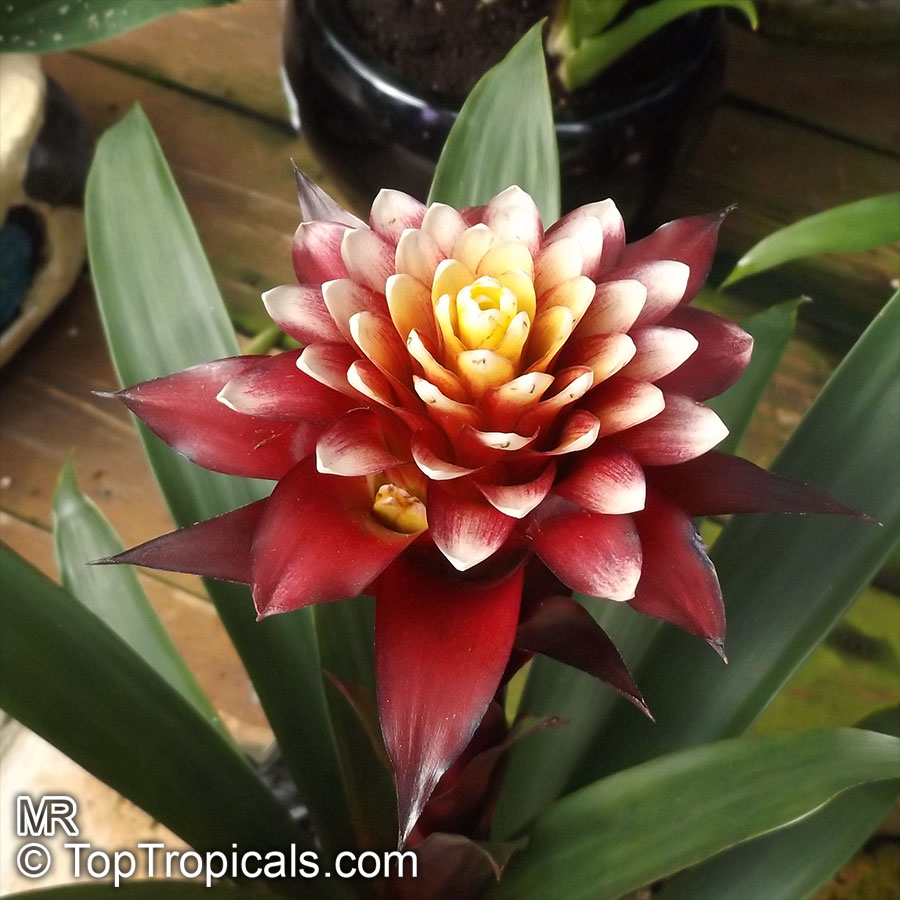
Guzmania sp. (Bromeliad)
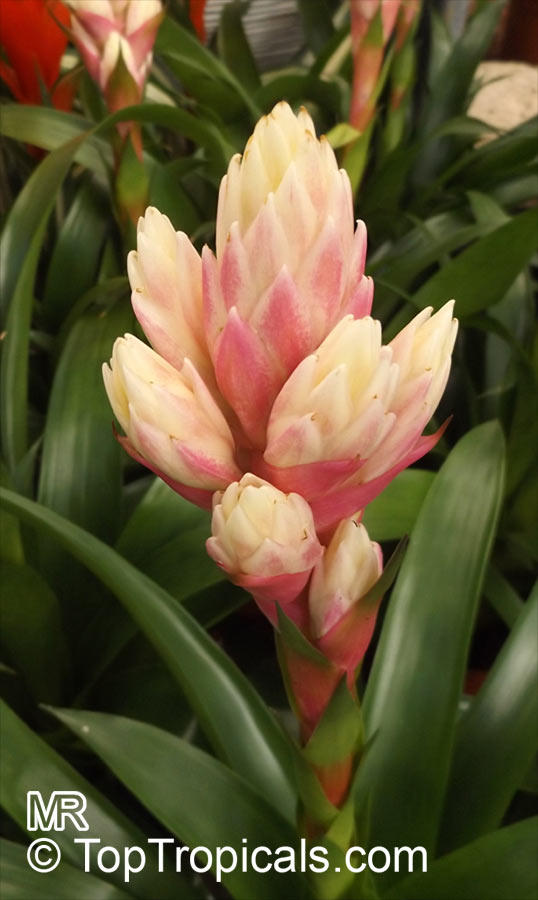
Botanical name: Guzmania sp.
Common name: Bromeliad
Family: Bromeliaceae
Subfamily: Tillandsioideae
Origin: Tropical America
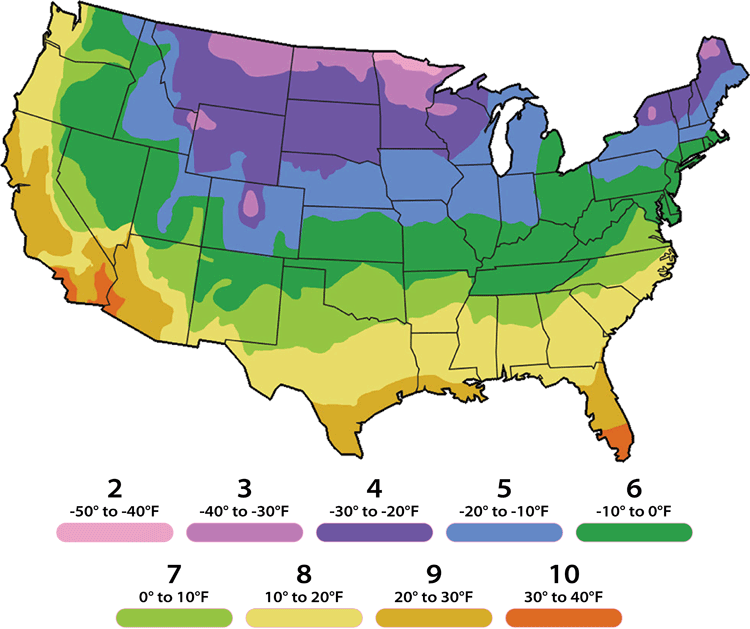
USDA Zone: 9-11
 Plant form: Small
 Mature height: 2-5 ft
 Sun exposure: Semi-shade
 Cold tolerance: Frost sensitive. Protect from freezing.
 Watering: Regular; epiphyte. Needs light, frequent misting or soaking to stay hydrated.
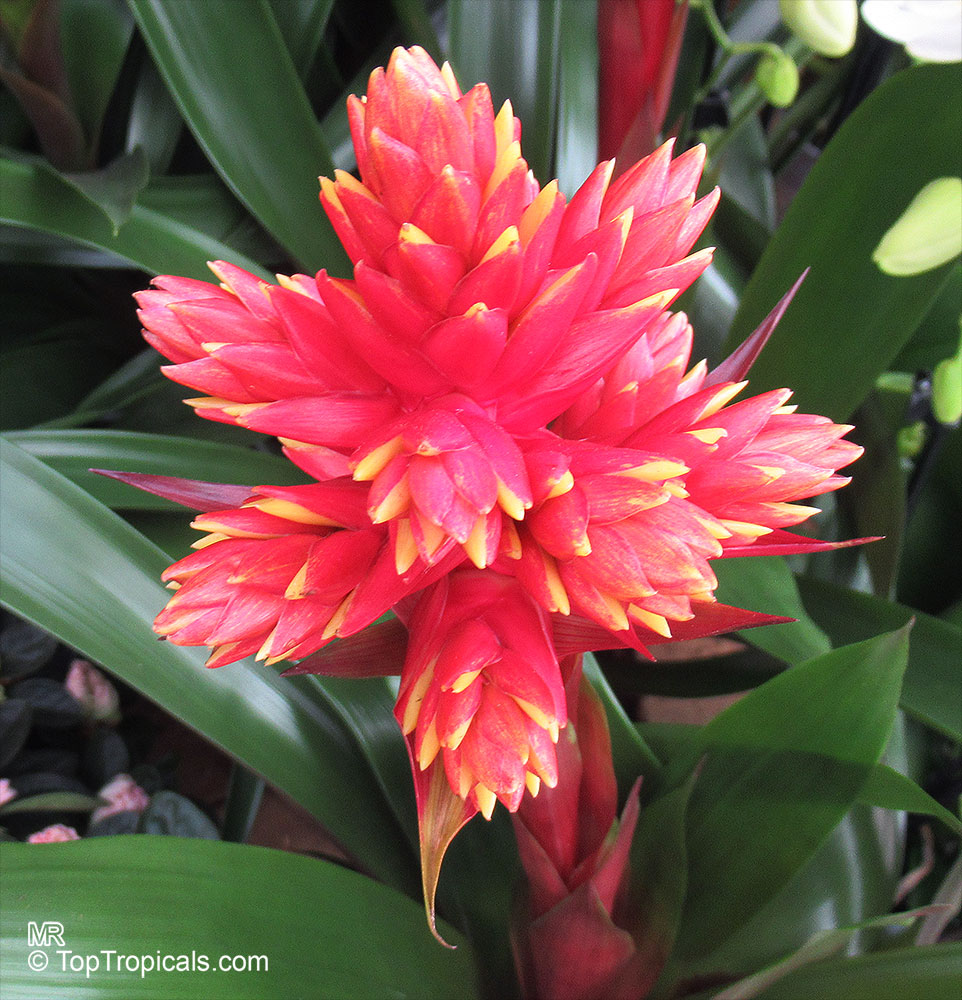
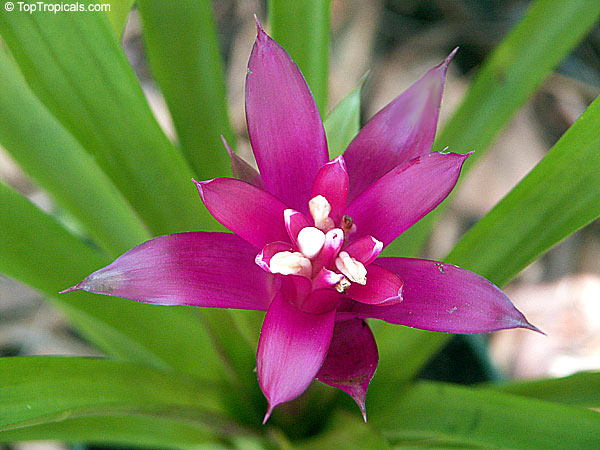
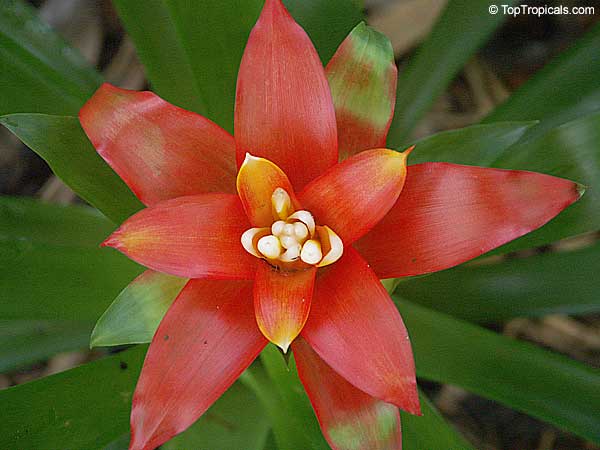
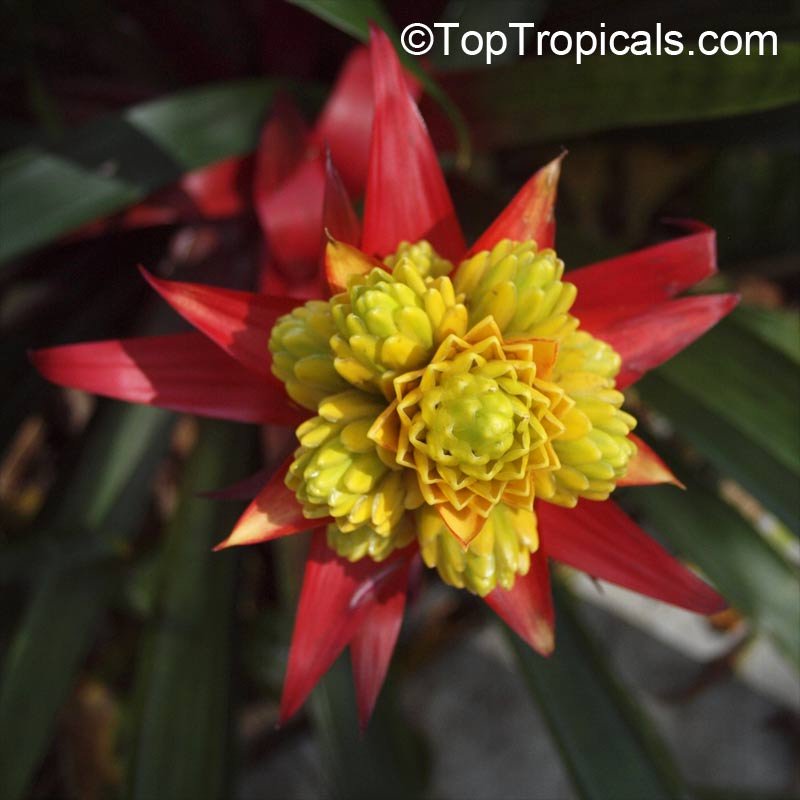
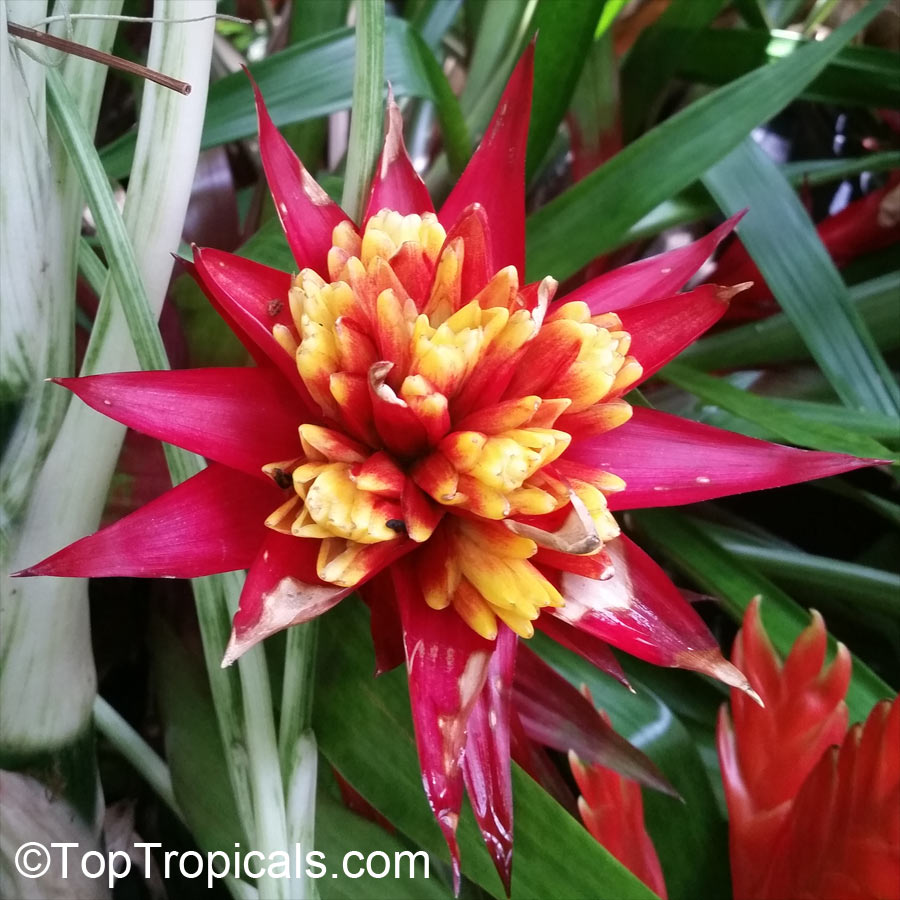
 Flower color: Red, crimson, vinous
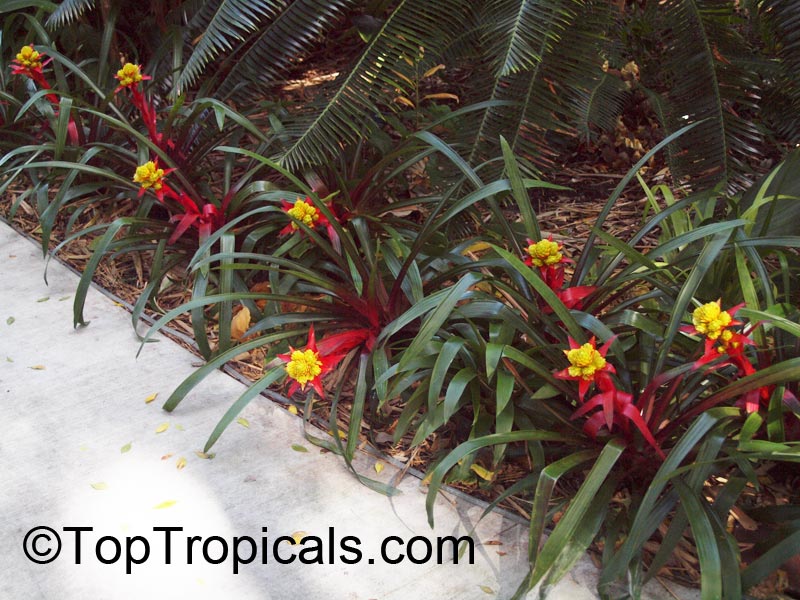
 Suitable for: Outdoors in the suitable USDA zone; small gardens, containers, and indoor growing
 Foliage color: Ornamental foliage
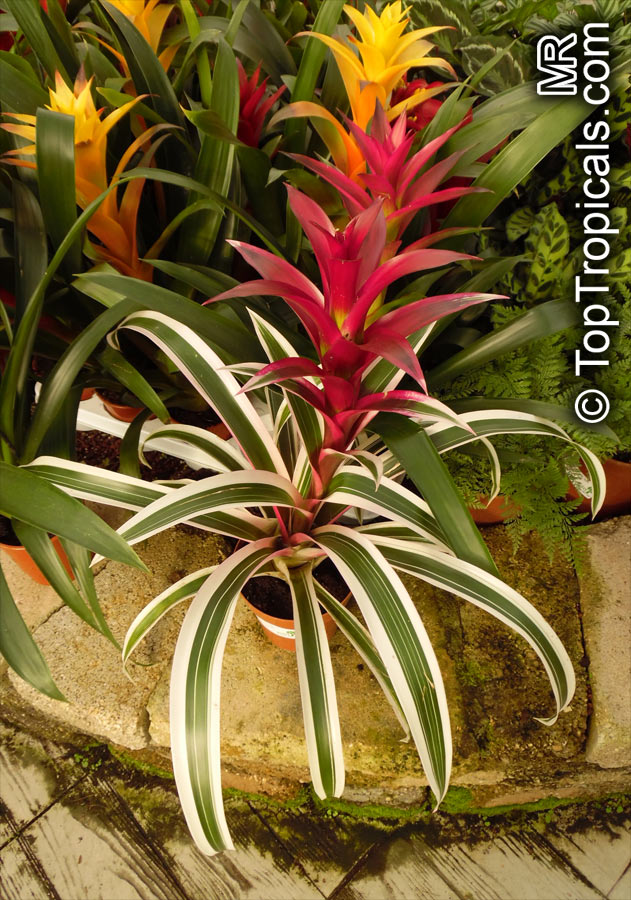
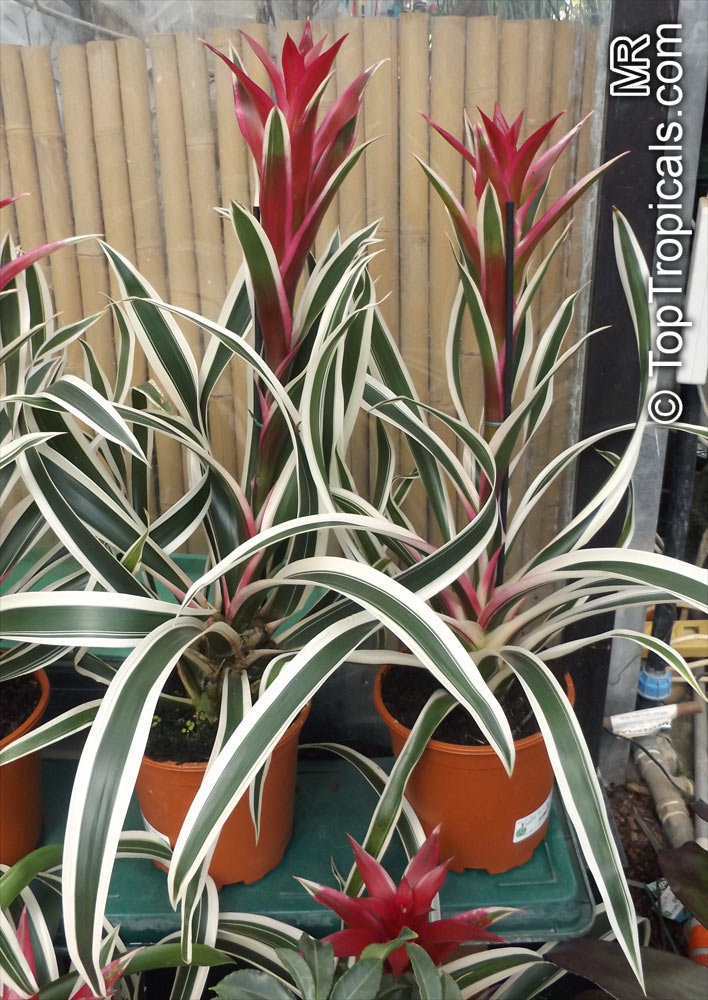
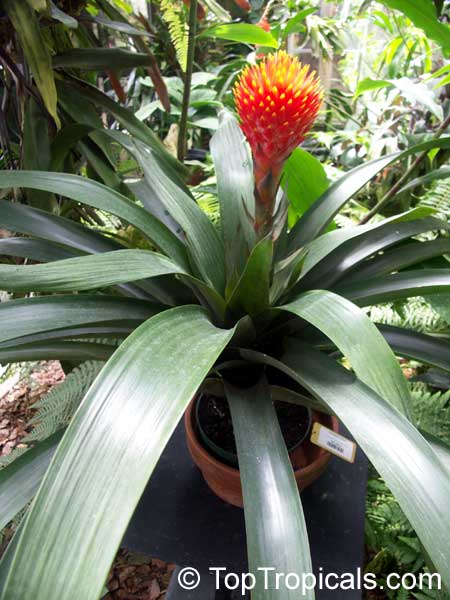
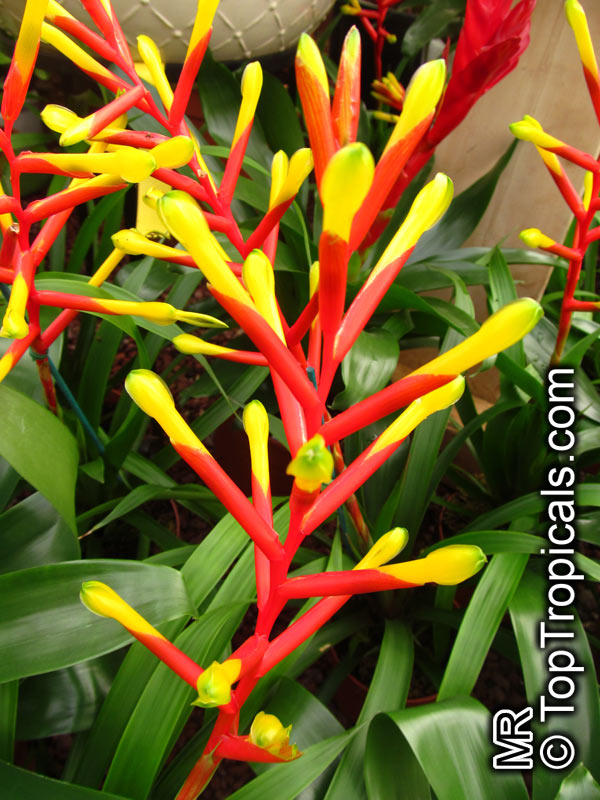
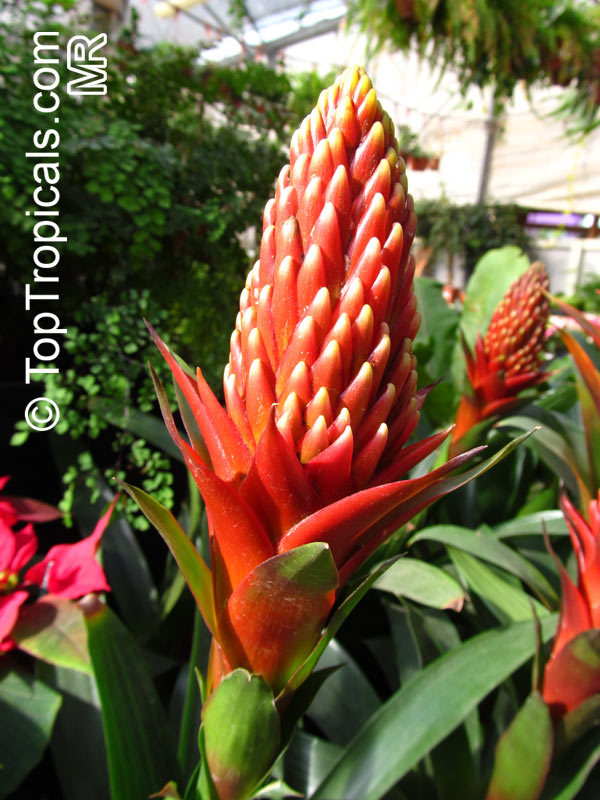
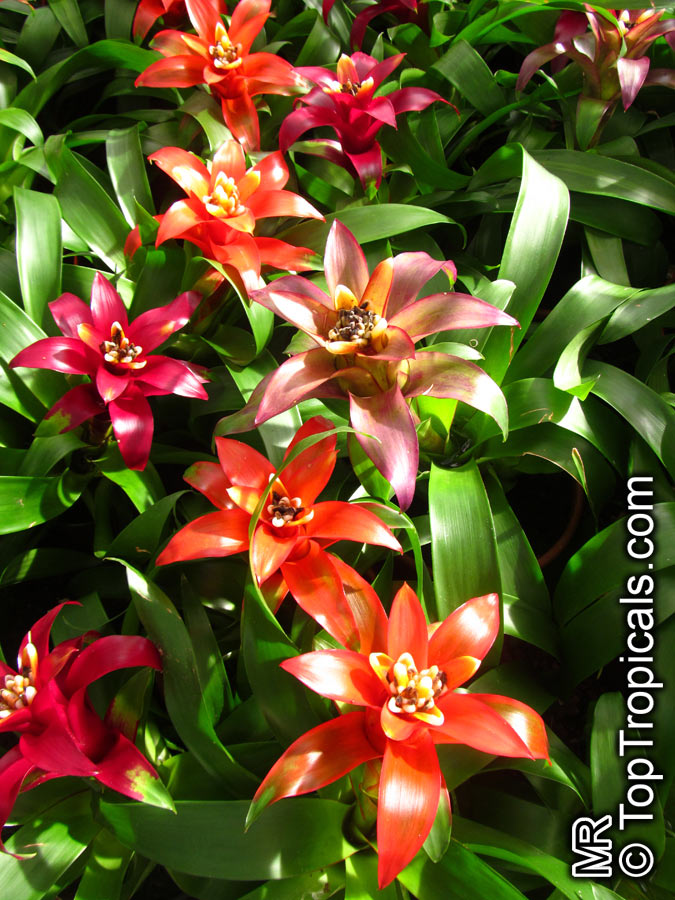
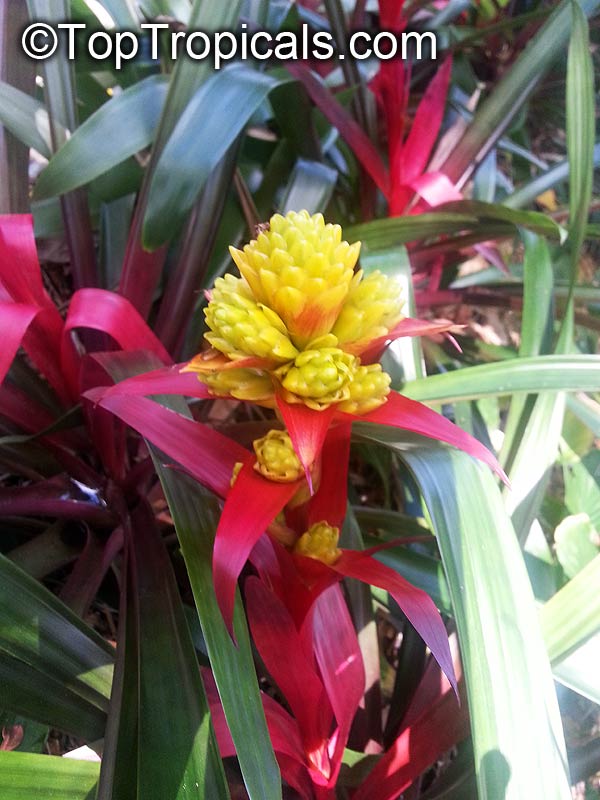
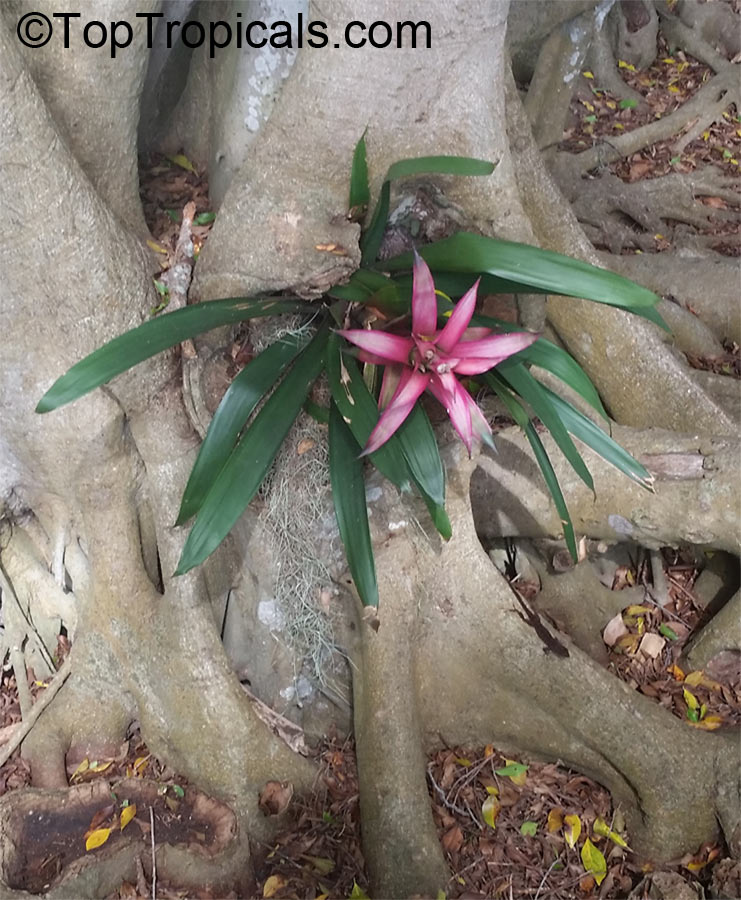
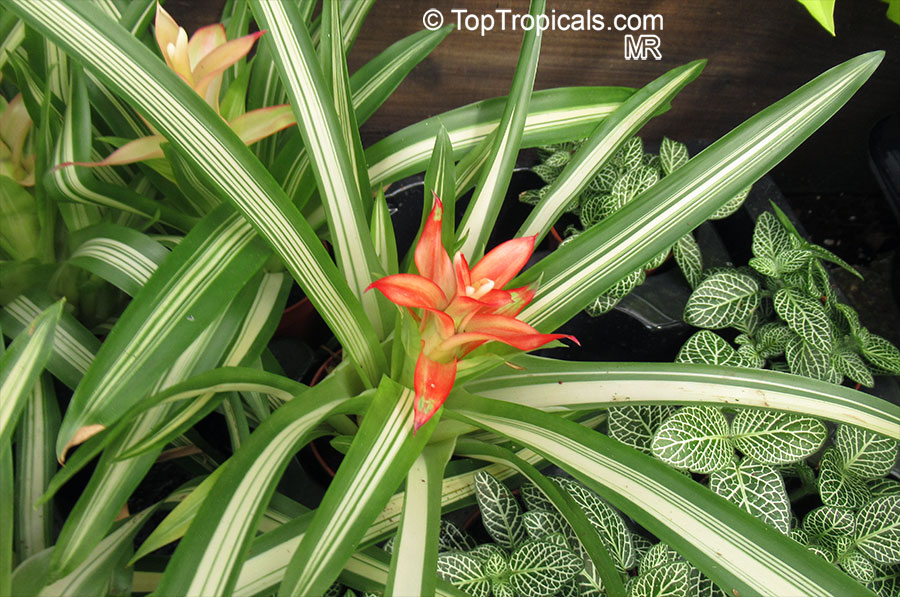
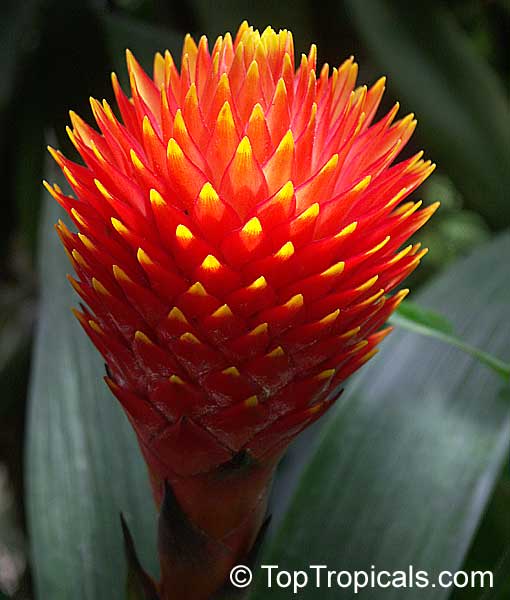
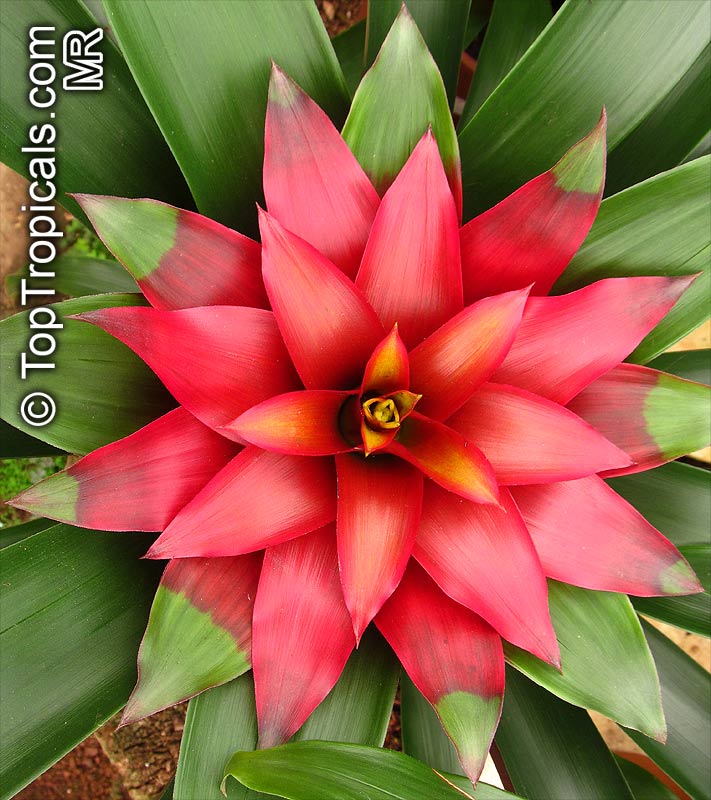
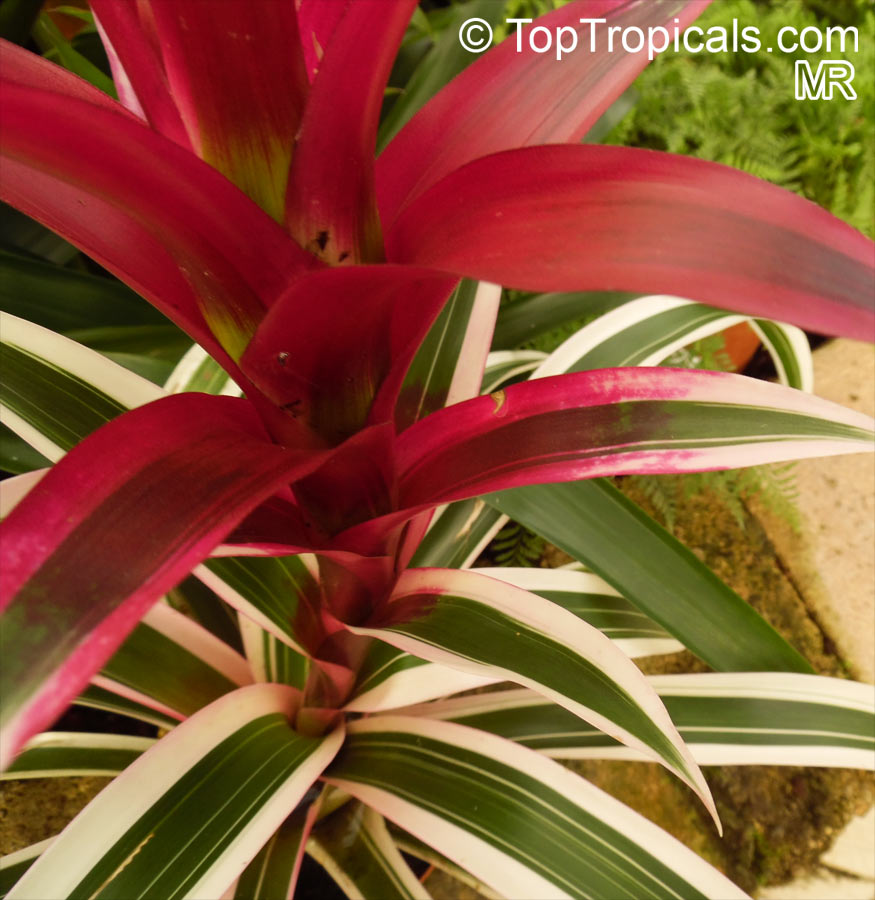
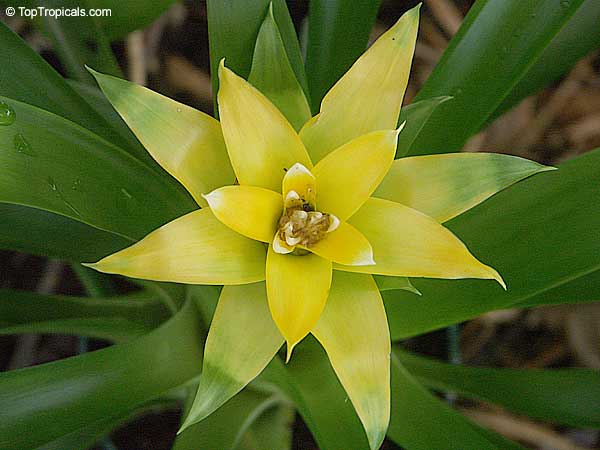
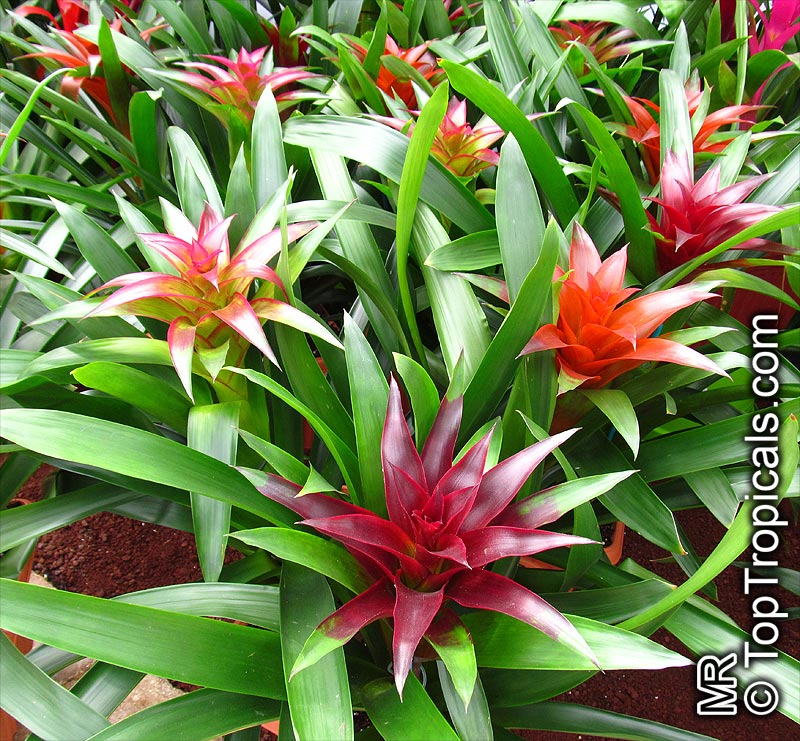
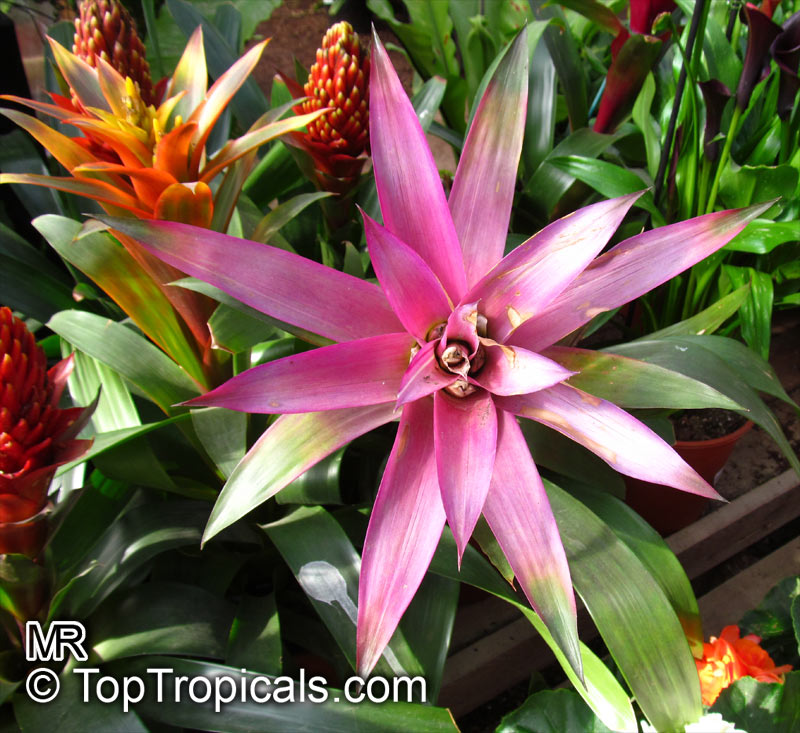
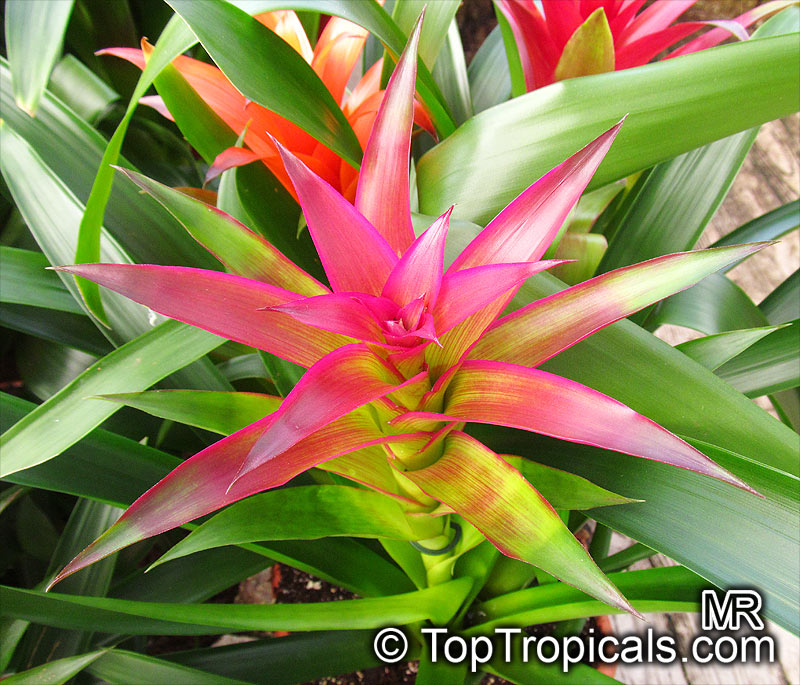
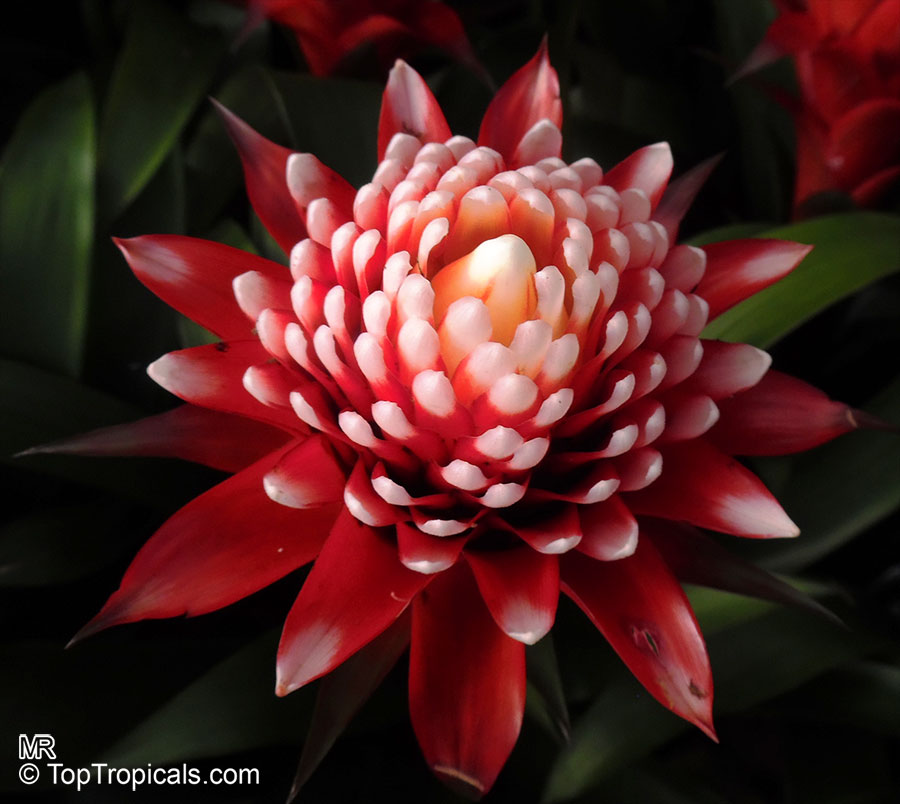
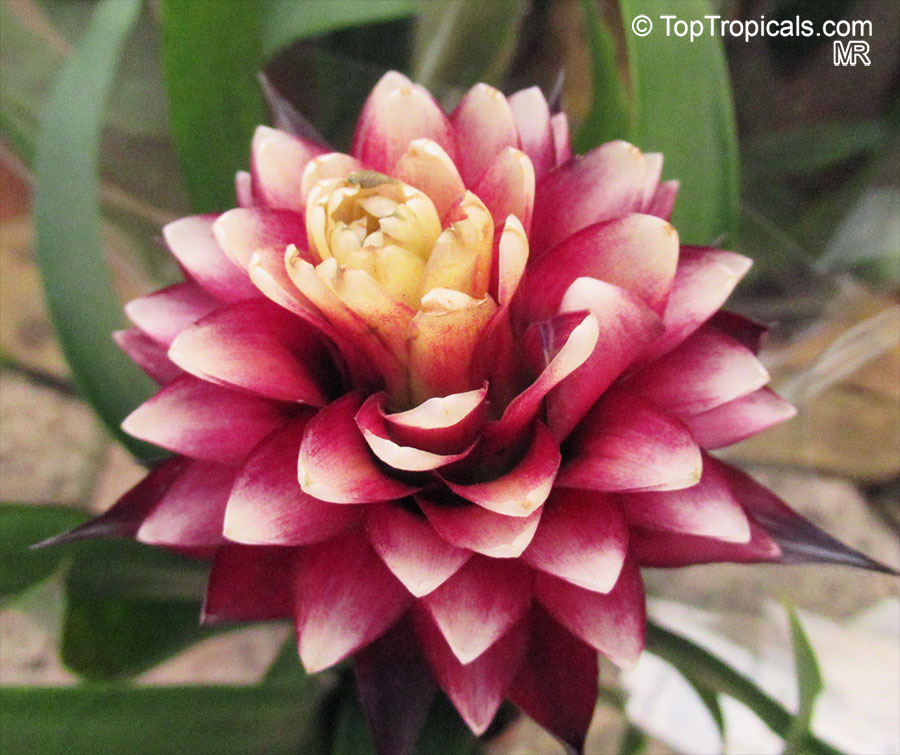
Guzmania is a genus of evergreen bromeliads in the Bromeliaceae family, native to tropical regions of the Americas, with greatest diversity in Central and South America. Most species are epiphytes growing on trees in humid forests, although some grow terrestrially. They form rosettes of smooth, strap-shaped leaves that collect water in a central cup. The true flowers are usually small and short-lived, while the surrounding showy bracts may remain colorful for many weeks or even months. Modern horticulture has transformed Guzmania into one of the most popular indoor bromeliads, with numerous cultivars and hybrids selected for compact growth and brilliant red, orange, yellow, pink, or bicolored bracts.
Guzmanias grow best in bright filtered light, warm temperatures, and moderate to high humidity. Use a loose, well-drained bromeliad or epiphytic mix and avoid keeping the roots constantly wet; a small amount of fresh water may be maintained in the central cup and replaced regularly. After flowering, the original rosette gradually dies but normally produces offsets that can be separated and grown on. Outdoors, Guzmania is suitable mainly for frost-free tropical climates, approximately USDA Zones 10b-11, while elsewhere it is primarily grown as a container or houseplant.