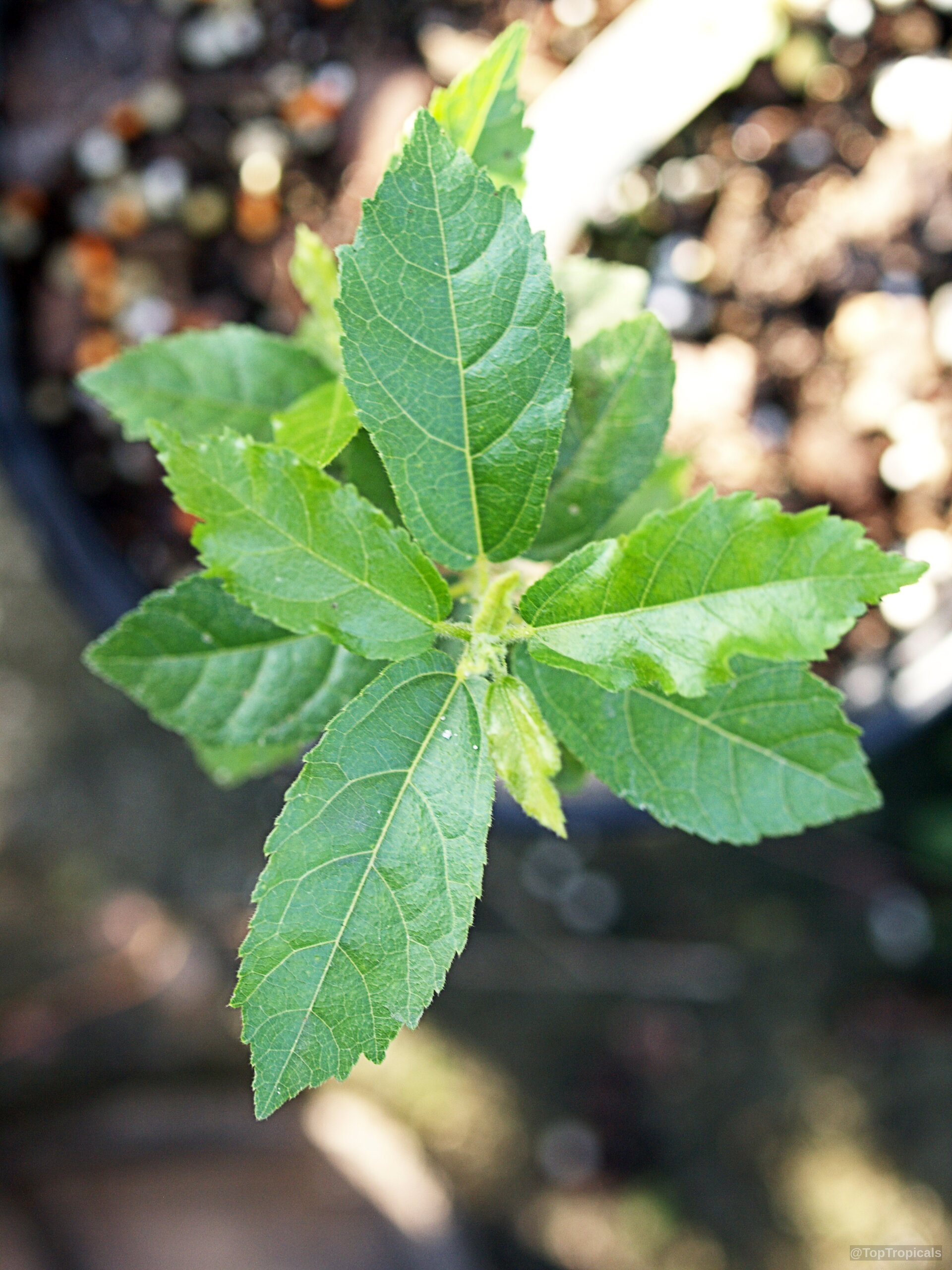
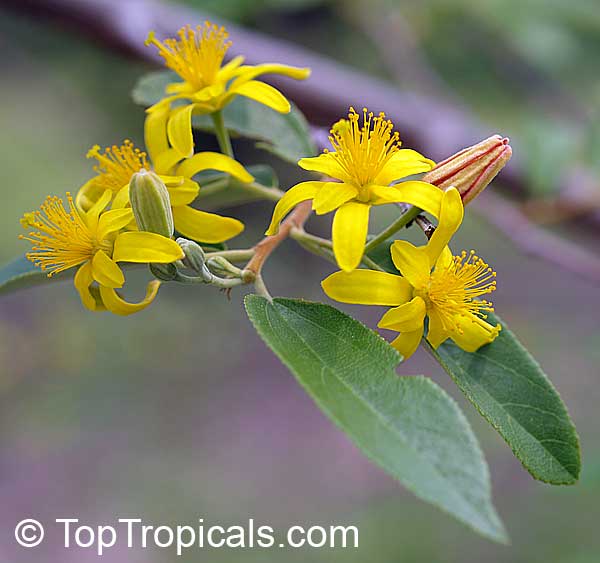
Grewia sp. (Raisin Bush)
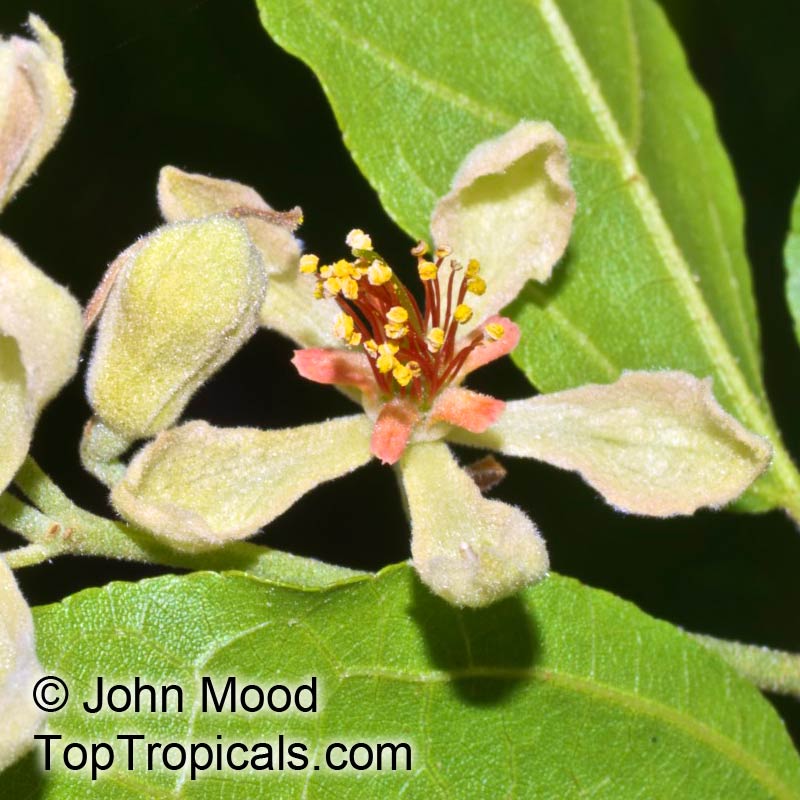
Botanical name: Grewia sp.
Common name: Raisin Bush
Family: Malvaceae
Subfamily: Grewioideae
Origin: South Africa
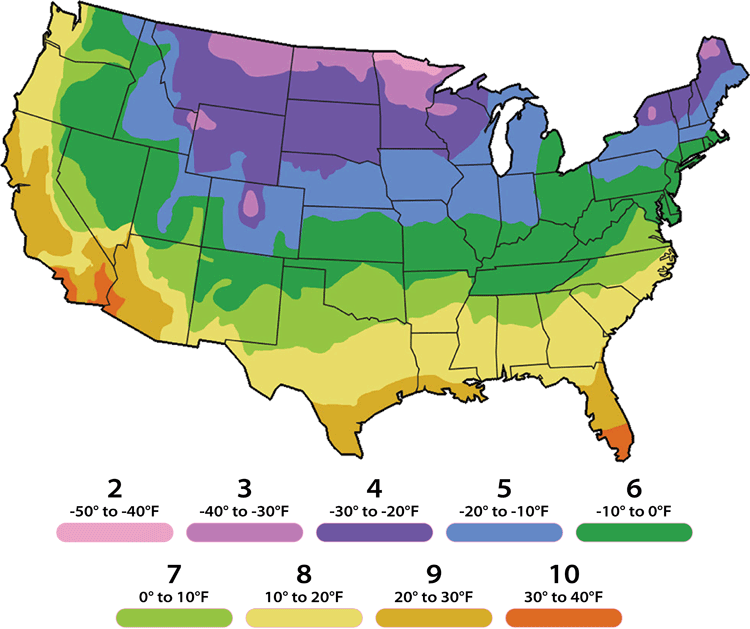
USDA Zone: 8-11


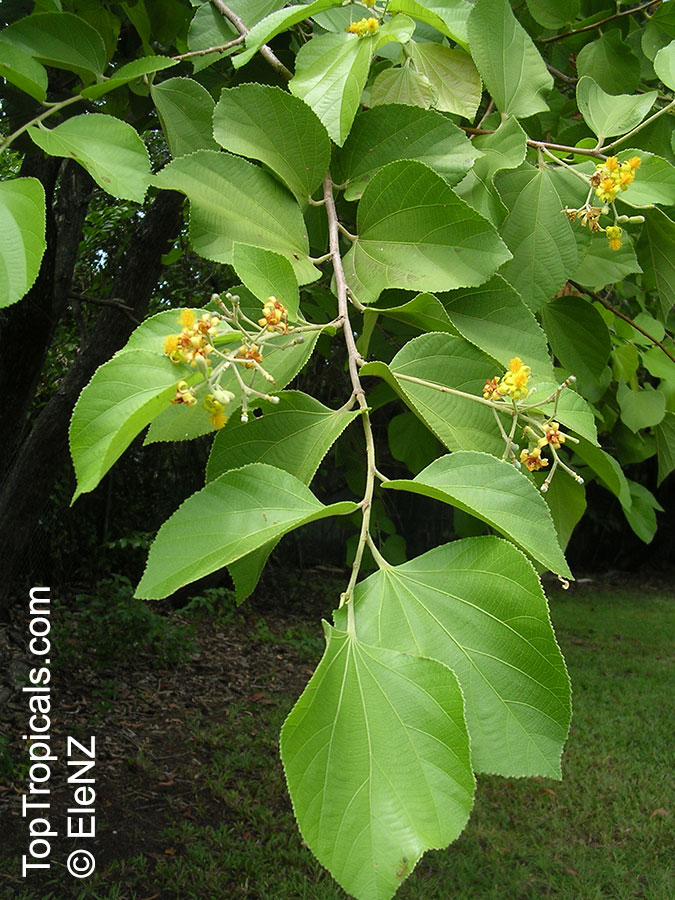
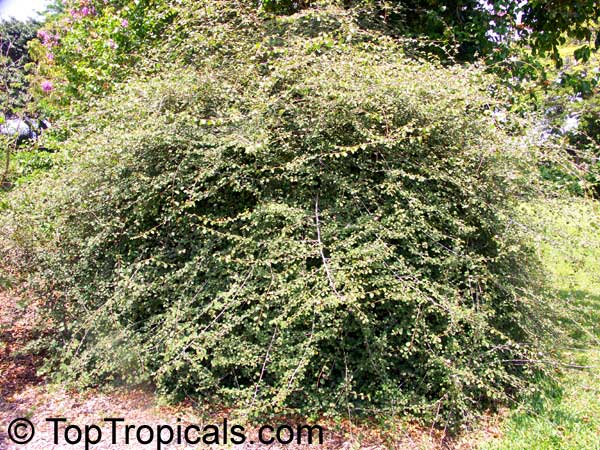
 Plant form: Large bush or small tree; suitable for bonsai
 Mature height: 10-20 ft
 Sun exposure: Full sun or bright light indoor; semi-shade
 Cold tolerance: Tolerates light freezing to about 30°F for short periods (mature plants). Young plants must be protected.
 Watering: Regular; moderate

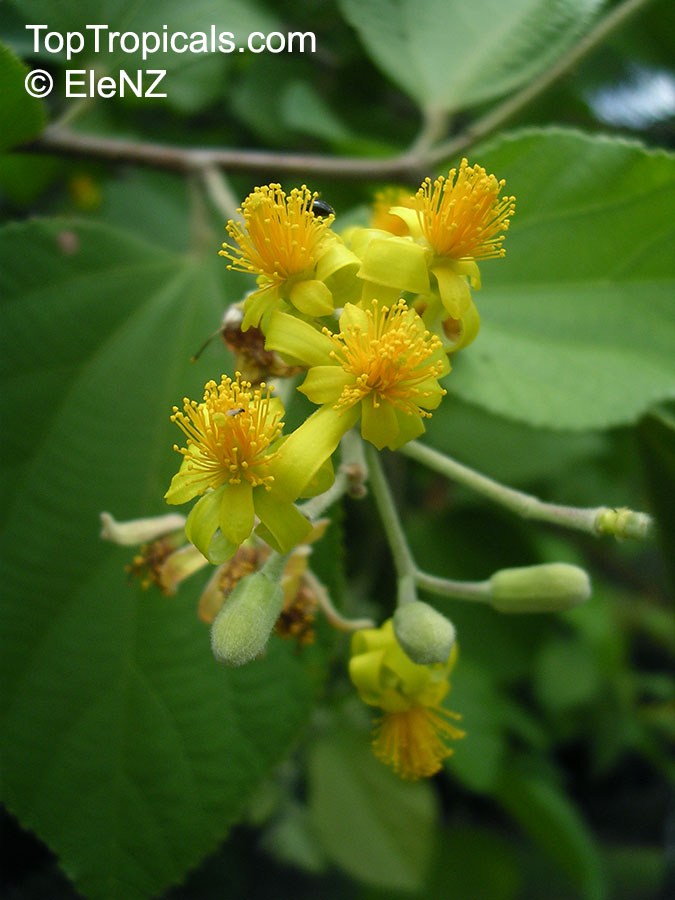
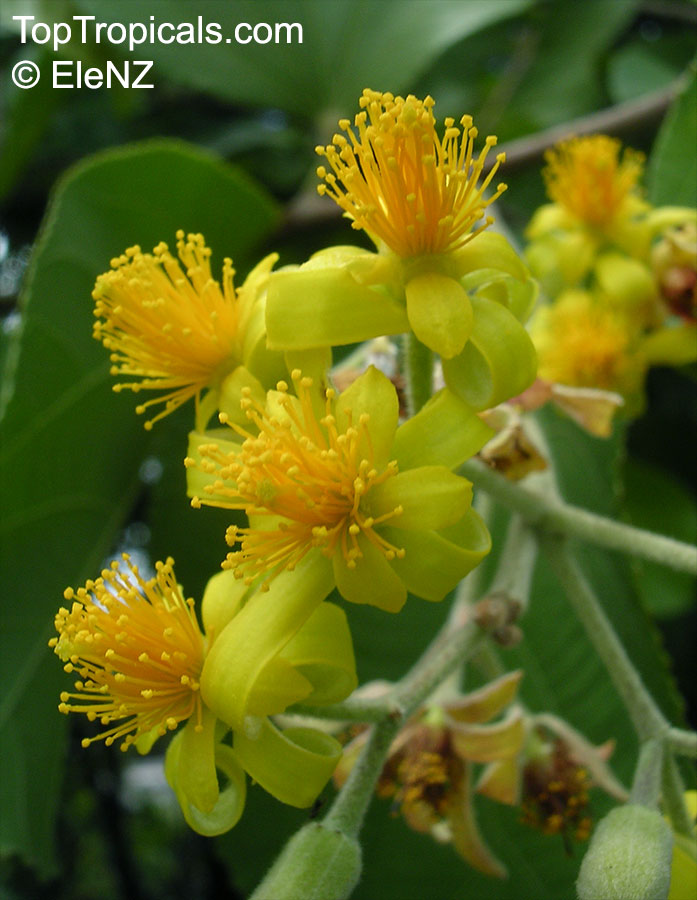
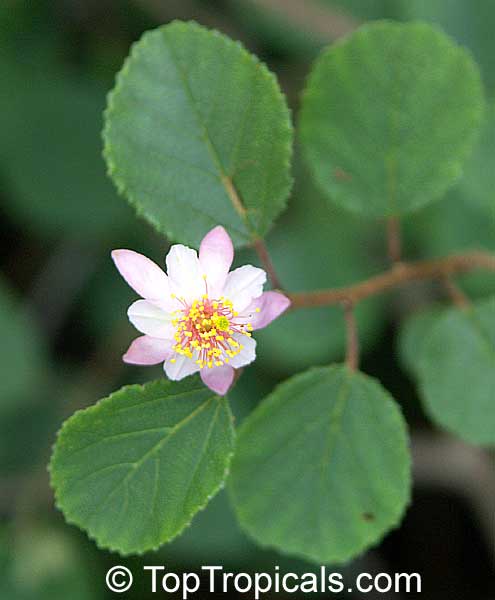
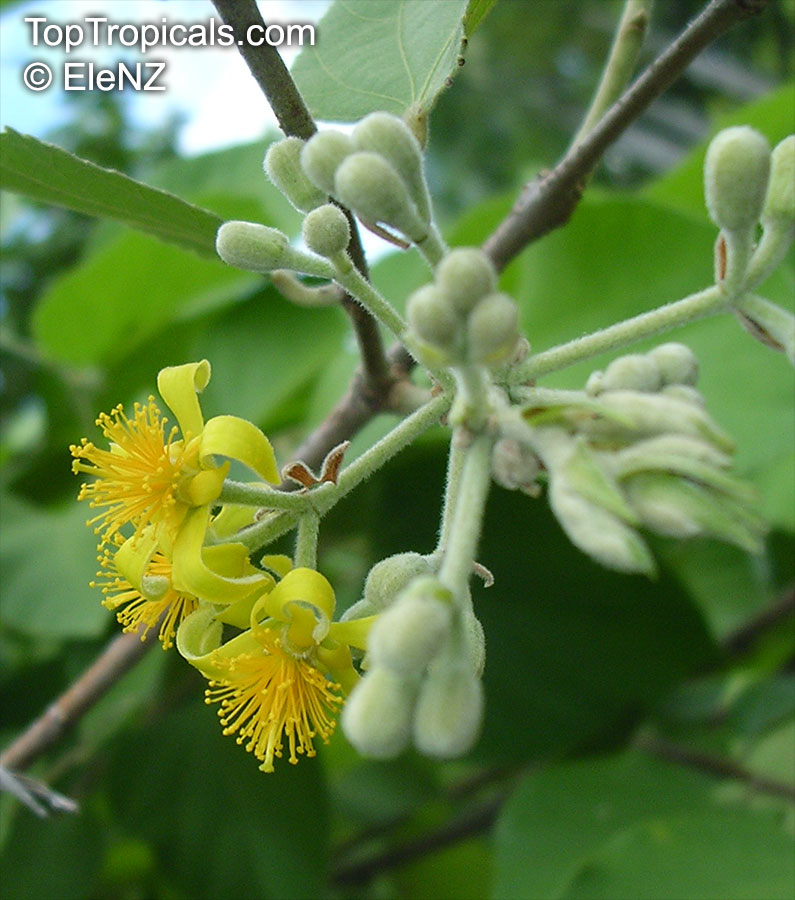
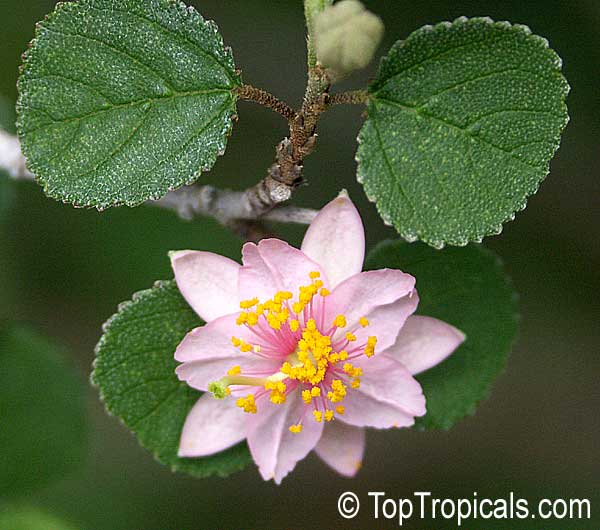
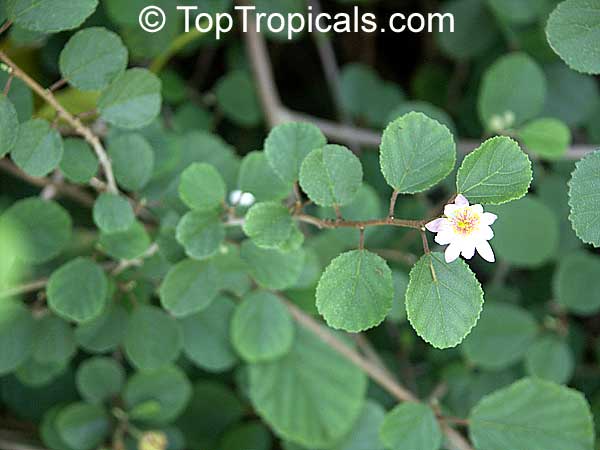
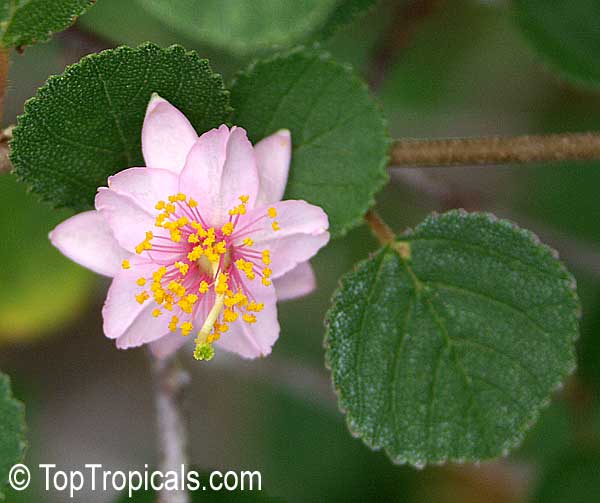
 Flower color: Pink; blue, lavender, purple; yellow, orange
 Suitable for: Outdoors in the suitable USDA zone; small gardens, containers, and indoor growing
 Wildlife: Attracts butterflies and hummingbirds
A deciduous shrub. It is hardy to zone 8 -11. The flowers are hermaphrodite (have both male and female organs).
The plant prefers light sandy, medium loamy and heavy clay soils. The plant prefers acid, neutral and basic soils. It can grow in semi-shade, light woodland or no shade. It requires moist soil. Succeeds in most soils. Propagation: seed - sowing the seed in late winter in a cold frame. When they are large enough to handle, prick the seedlings out into individual pots and grow them on in the greenhouse for at least their first winter. Plant them out into their permanent positions in late spring or early summer, after the last expected frosts.
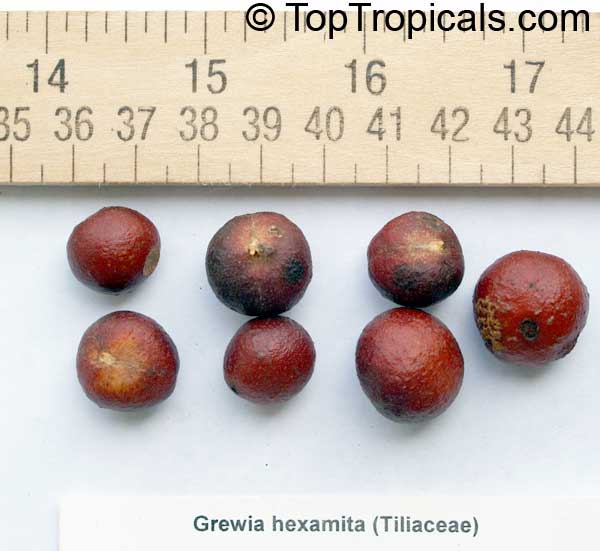
The fruit is about the size of a pea. The fruit are edible raw or cooked, a pleasant acid taste.
Other Uses: fiber, paper, wood. A fibre is obtained from the bark, it is used in paper and rope making but is not very durable. The fibers are 1-1.6mm. Wood - tough and elastic but with a very unpleasant odor when first cut. It is used for making oar shafts, tool handles etc.
Similar plants: Grewia sp. (Raisin Bush)
Recommended Fertilizer: SUNSHINE Megaflor - Bloom Nutrition Booster