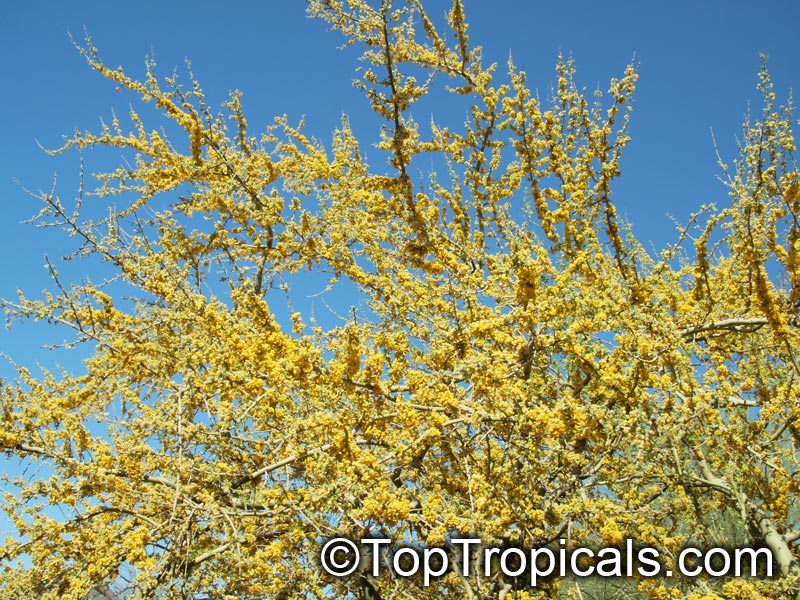
Geoffroea decorticans (Chilean Palo Verde)
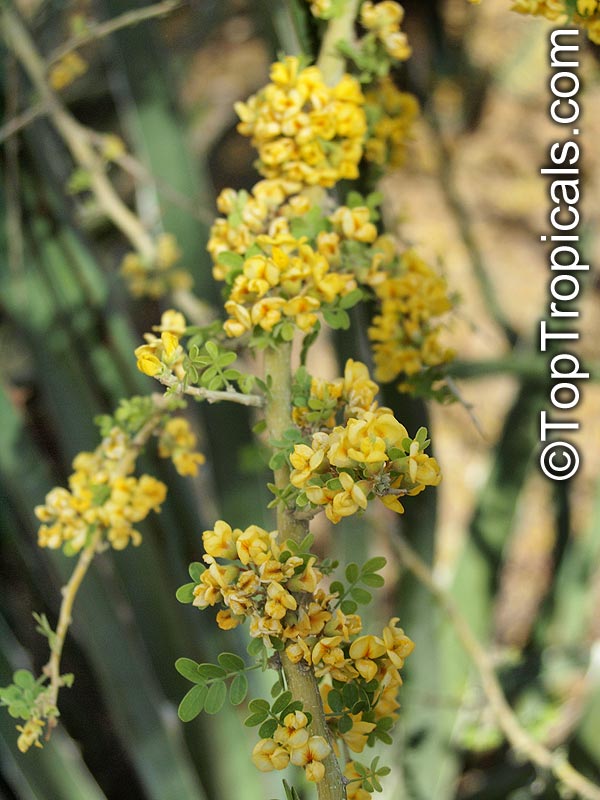
Botanical name: Geoffroea decorticans
Common names: Chilean Palo Verde, Chanar, Kumbaru
Family: Fabaceae
Subfamily: Faboideae
Origin: Bolivia, Brazil, Patagonia and Argentina
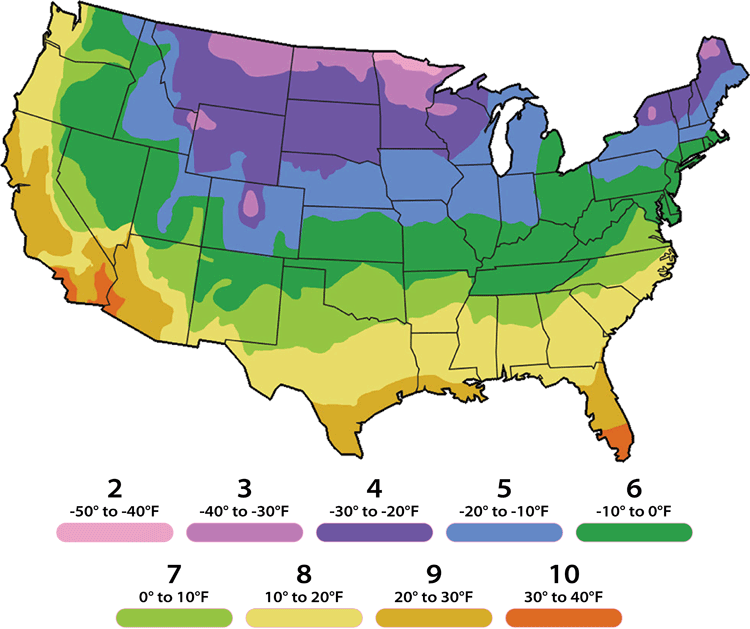
USDA Zone: 8-10


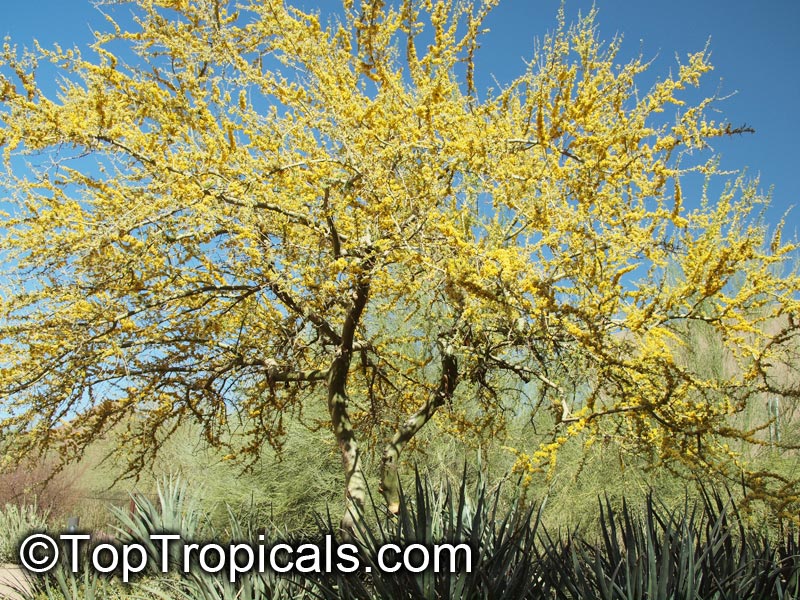
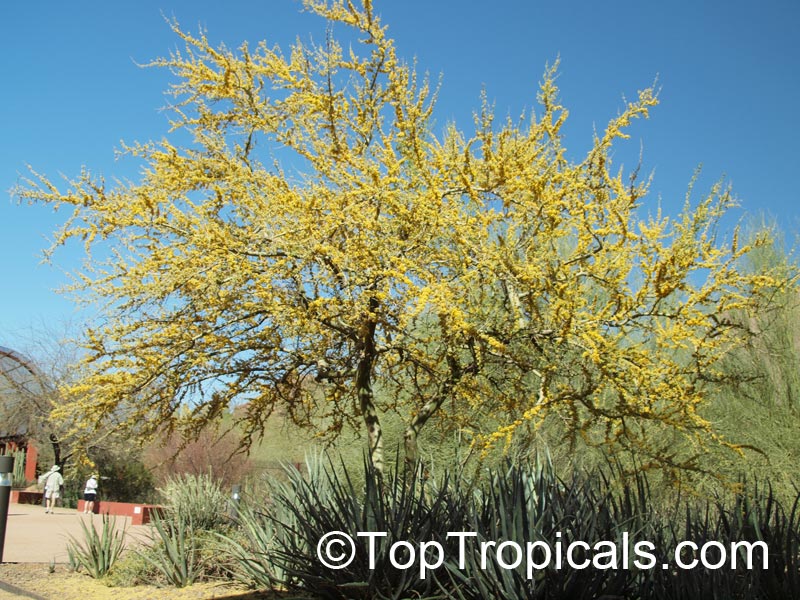
 Plant form: Large or medium tree; suitable for bonsai
 Mature height: 20 ft or more
 Sun exposure: Full sun or bright light indoor
 Cold tolerance: Frost sensitive. Protect from freezing.
 Watering: Moderate
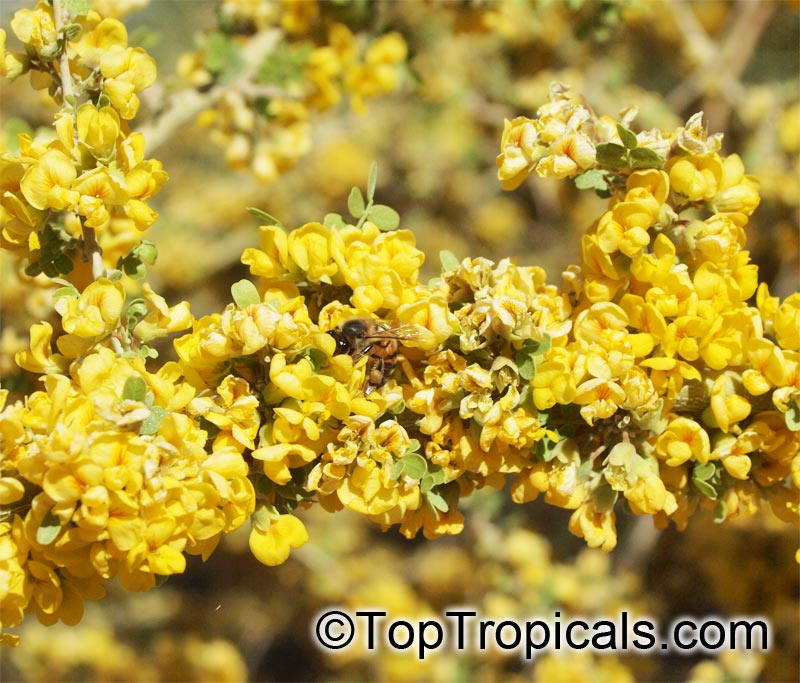
 Flower color: Yellow, orange
 Suitable for: Outdoors in the suitable USDA zone; large gardens
 Foliage: Deciduous
 Wildlife: Attracts butterflies and hummingbirds
 Ethnomedical: Ethnomedical plant, traditionally used in folk or indigenous medicine
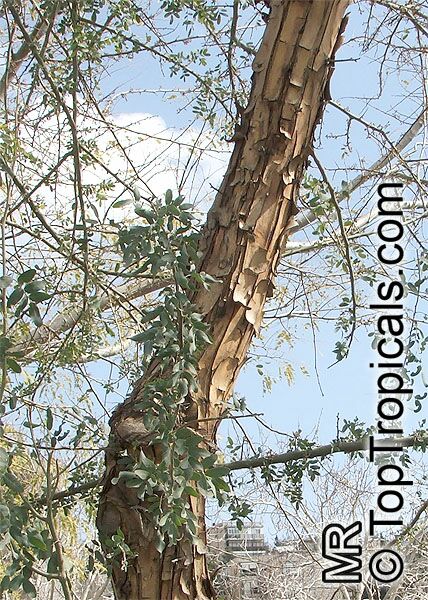
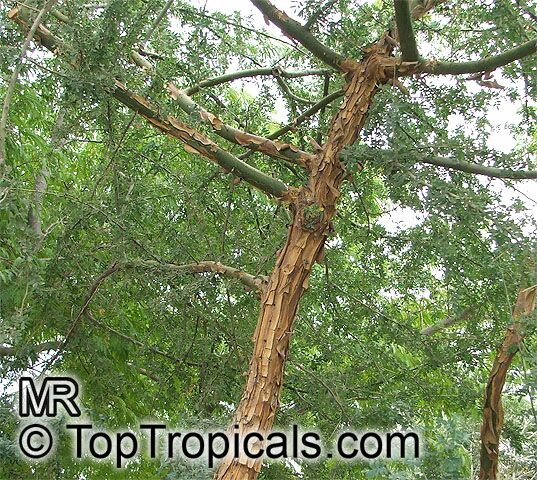
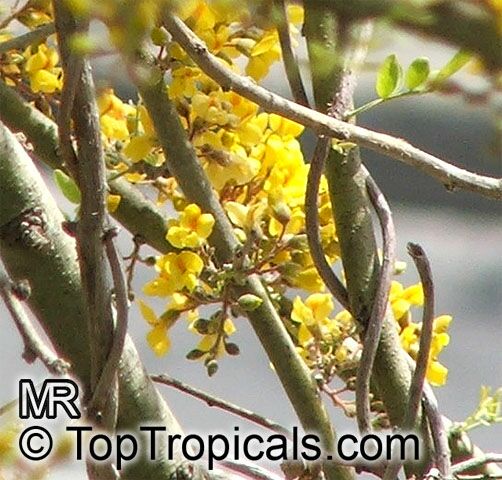
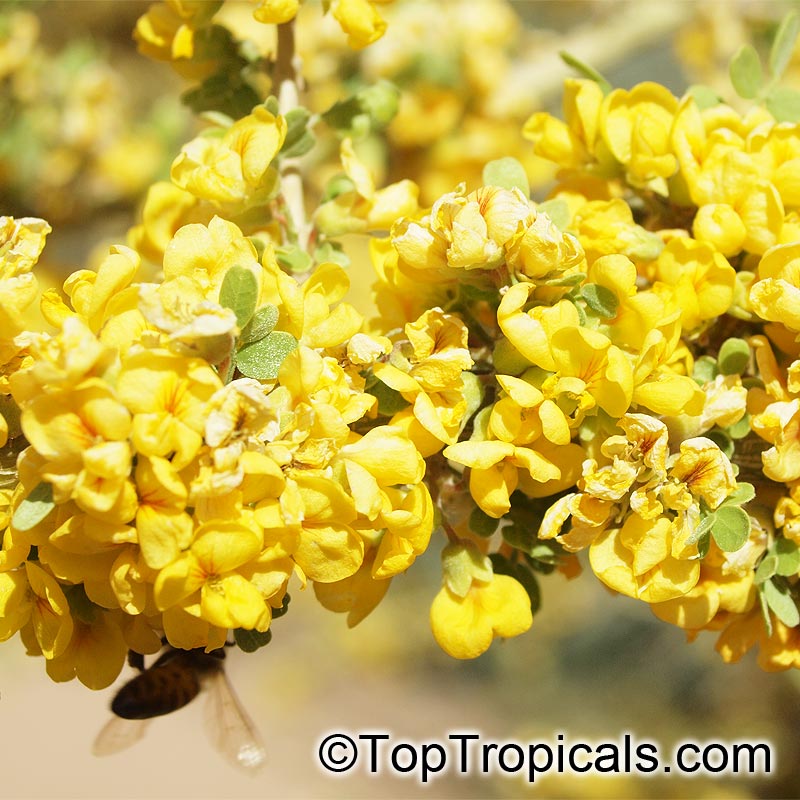
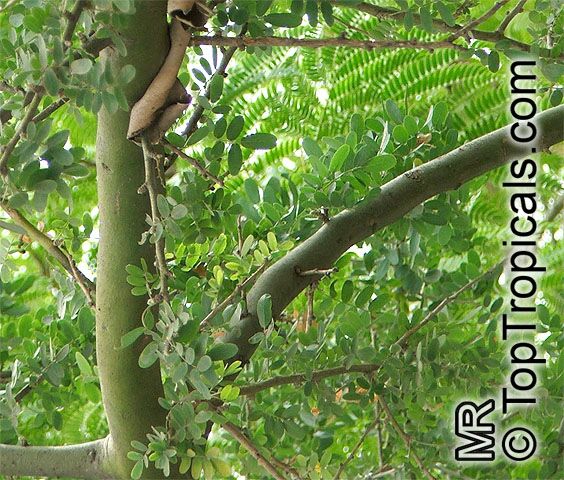
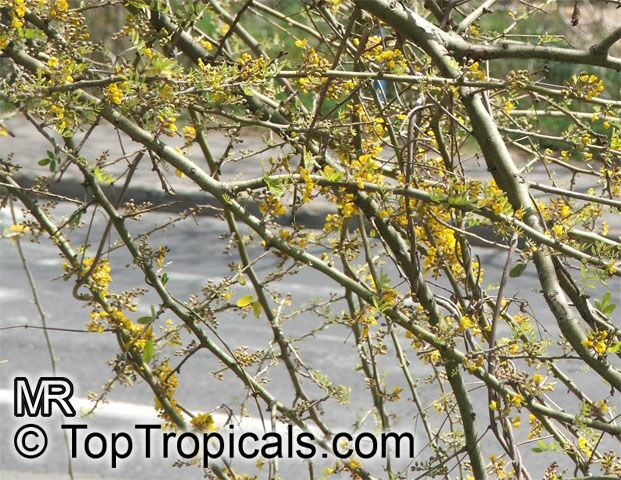
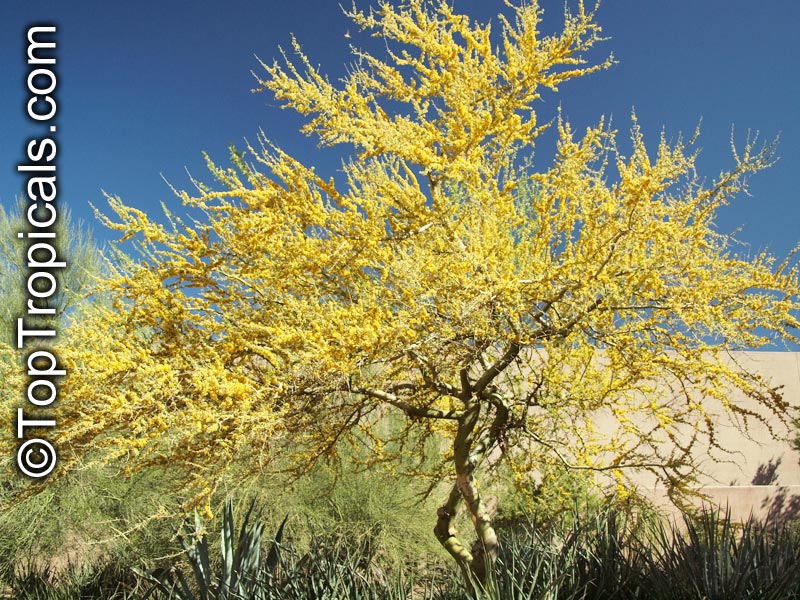
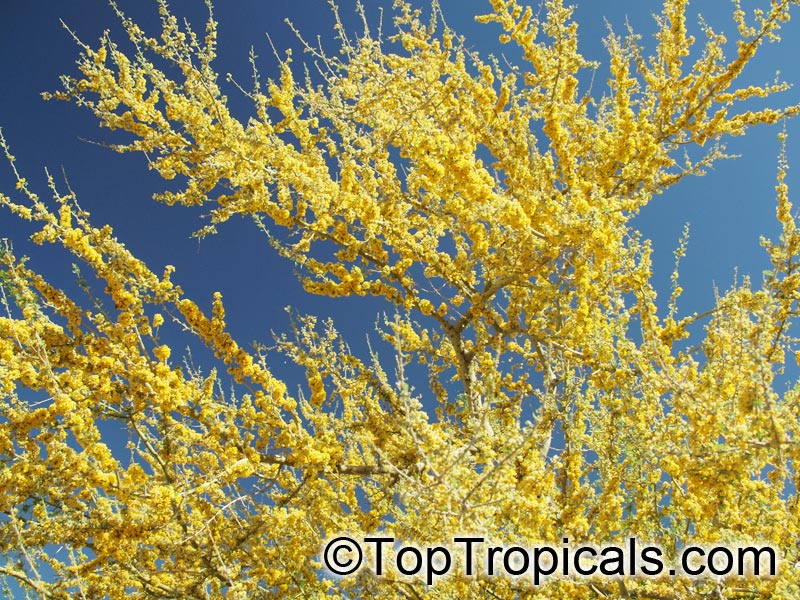
Geoffroea decorticans (Chilean Palo Verde) is a small to large deciduous tree, which has the potential to grow taller than 20 feet. It is ideal for bonsai due to its shocking and eye-catching bark and form. This plant is best suited in full sun and light to moderate water. During spring, its foliage is adorned with small, soft yellow and orange flowers that attract butterflies, bees and hummingbirds.
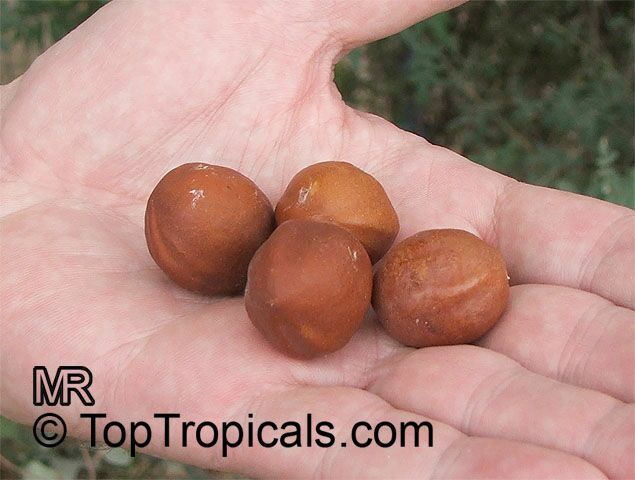
Since it is an ethnomedical plant, its fruits are edible and have healthy benefits. The fruits are oval-shaped, initially green in color and turn orange brown when ripe. One tree can produce up to 100 fruits each year and each fruit contains one seed. It is a rich source of proteins, fibers, fat and carbohydrates. They are often eaten raw as a snack, blended into jams or preserves, and used in traditional medicines.
Geoffroea decorticans is suitable for USDA Zone: 8-10, and it can be easily grown in pot in colder regions. Plant it in well-drained soil and water it once in a week. Feed it with fertilizers to ensure the plant growth is healthy and sturdy. Prune the branches in early spring for additional shape and growth. Protect the seedlings from frost for the best outcome.
Similar plants: Geoffroea decorticans (Chilean Palo Verde)