Flueggea virosa (White Berry Bush)
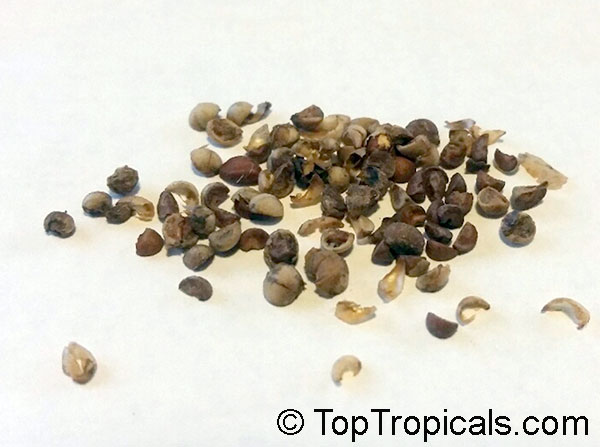
Botanical name: Flueggea virosa
Common names: White Berry Bush, Witbessiesbos, Mutangahuma, Chinese Waterberry
Family: Euphorbiaceae
Origin: Africa
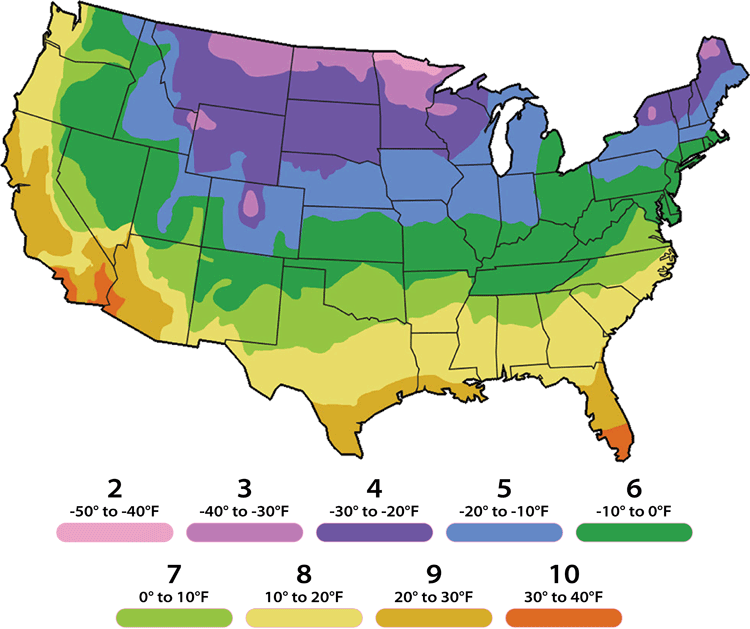
USDA Zone: 10-12
 Plant form: Large bush
 Mature height: 5-10 ft
 Sun exposure: Full sun or bright light indoor
 Cold tolerance: Frost sensitive. Protect from freezing.
 Watering: Moderate
 Flower color: White and off-white
 Suitable for: Outdoors in the suitable USDA zone; small gardens, containers, and indoor growing
 Wildlife: Attracts butterflies and hummingbirds
 Ethnomedical: Ethnomedical plant, traditionally used in folk or indigenous medicine
Flueggea virosa is a dioecious, multistemmed, fast-growing, bushy shrub that is native to southern Africa, but has naturalized in other regions such as Hawaii, Taiwan, and China. It grows best in full sun to partial shade and prefers moderate water, but is also drought tolerant. It should be planted in well-drained soil and given some protection from cold. Mature plants are cold hardy down to temperatures of 30F for a short time.
This plant produces an abundance of large, ovoid, red or white edible fruits year-round. The fruit has a sweet taste similar to grapes and is high in vitamin C, minerals, and dietary fiber. It can be consumed fresh, dried, or processed into syrup, jams, or jellies. All parts of the plant are edible, and the leaves can be used in teas or as seasoning, while the bark can be used as a substitute for cinnamon.
The slender branches of Flueggea virosa are used to make fish traps, and the roots and fruit are believed to be an effective snakebite remedy. A research study has also found that this plant can be used in the treatment of hepatitis C.
This plant is low maintenance and does not require additional feeding once established. It attracts birds and butterflies and can be used for creating a hedge or barrier.