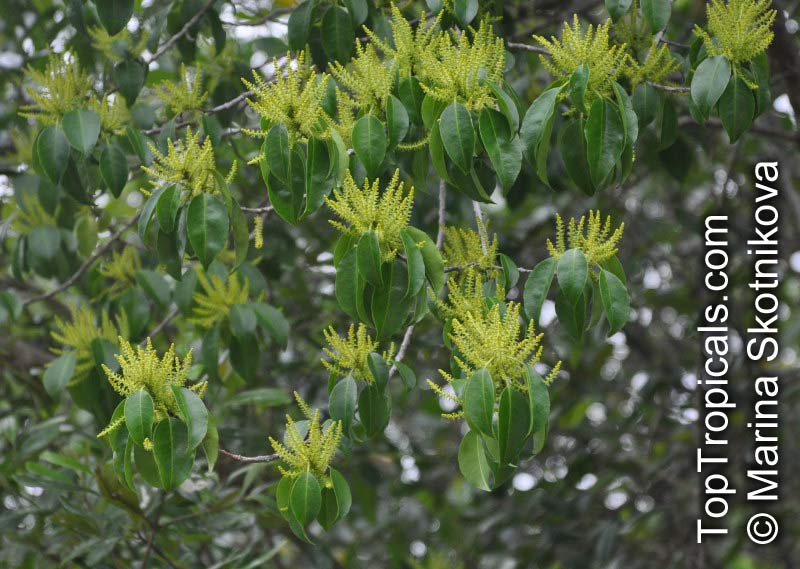
Excoecaria agallocha (Thillai)
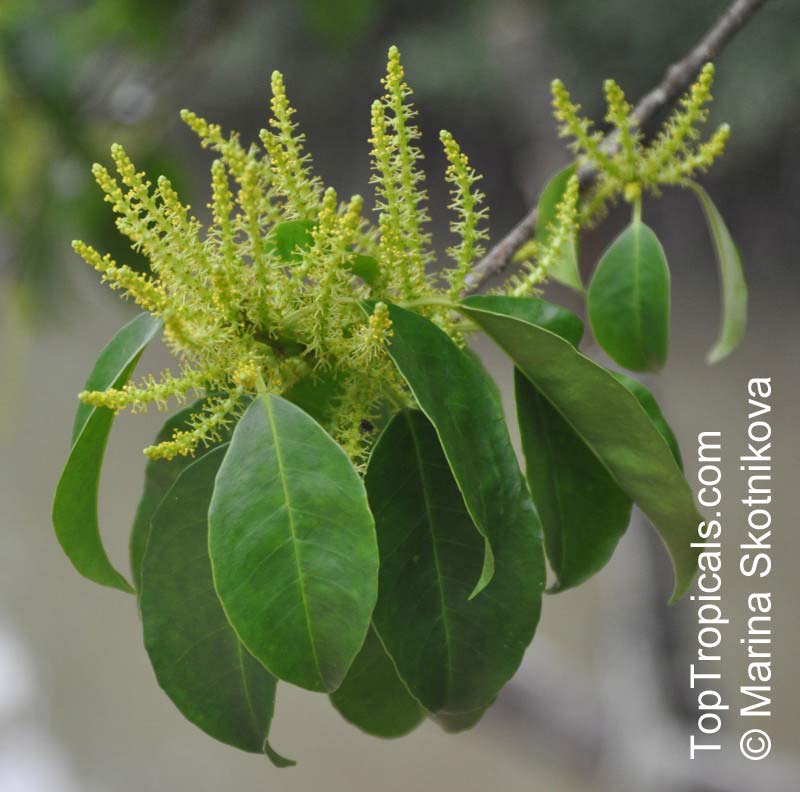
Botanical name: Excoecaria agallocha
Common names: Thillai, Milky Mangrove
Family: Euphorbiaceae
Origin: South India to Southern Japan, Southeast Asia, Pacific Islands
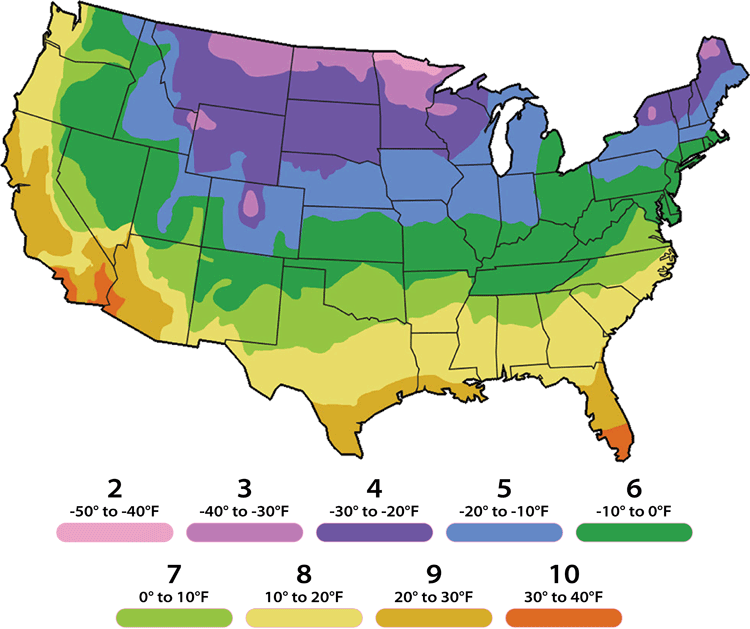
USDA Zone: 9-10
 Plant form: Small tree
 Mature height: 10-20 ft
 Sun exposure: Full sun or bright light indoor
 Cold tolerance: Frost sensitive. Protect from freezing.
 Watering: Regular
 Flower color: Unusual color
 Suitable for: Outdoors in the suitable USDA zone; small gardens, containers, and indoor growing
 Foliage: Deciduous
 Irritating or toxic: Toxic plant/plant part; irritating
 Flood tolerance: High
 Wildlife: Attracts butterflies and hummingbirds
 Ethnomedical: Ethnomedical plant, traditionally used in folk or indigenous medicine
Excoecaria agallocha (Thillai), a small tree native to South India to Southern Japan, Southeast Asia, and Pacific Islands, grows 10-20 ft in height. It is a deciduous plant and requires full sun and regular watering. It is an ethnomedical plant and its wood has various medicinal uses. It can be grown in USDA zones 9-11 and is tolerant of short-term flooding. It is very attractive to butterflies and hummingbirds, but can be poisonous or toxic if touched or ingested.
The tree is quite unusual in having male and female flowers on separate plants, and produces yellow tassels of male flowers that are very scented. Female flowers consist of shorter spikes. Contact with the skin can cause irritation and rapid blistering, while contact with the eyes can result in temporary blindness.
When it comes to growing and caring for Excoecaria agallocha, the tree prefers well-drained, moist soil and full sun. Regular watering and fertilizing throughout the year is recommended for optimal growth, though it should be noted that due to its deciduous nature, it will lose its leaves in autumn and winter. In colder regions, it can be grown in a large pot and brought inside during winter. When potted, it will need more frequent watering, less direct sunlight, and protection from extreme temperatures. With the right care, this small tree can become a showstopper in any garden.
Similar plants: Excoecaria agallocha (Thillai)