Erythrina herbacea (Coral tree)
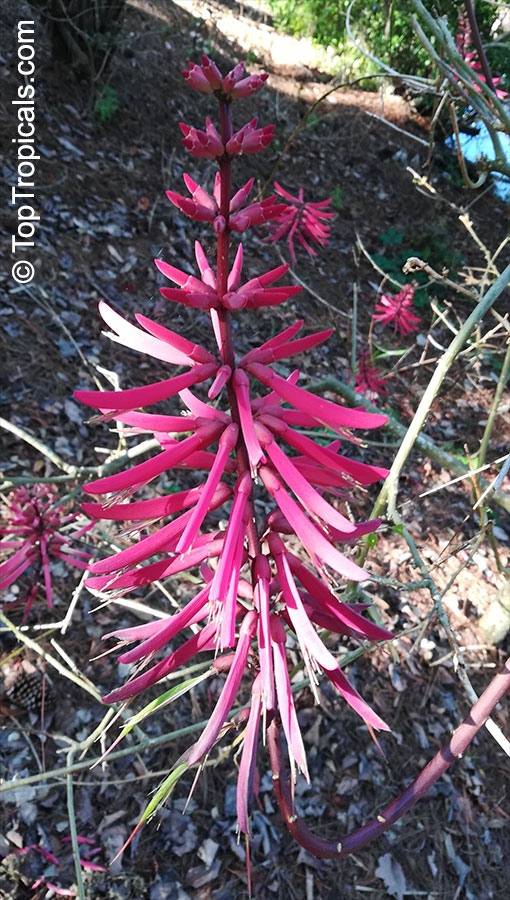
Erythrina herbacea (Coral tree) spike with tubular red flower petals pointing outward along the stem
Botanical name: Erythrina herbacea
Common names: Coral tree, Coral bean, Cardinal-spear, Cherokee-bean
Family: Fabaceae
Subfamily: Faboideae
Origin: Mexico and southern USA
USDA Plant Hardiness Zone Map
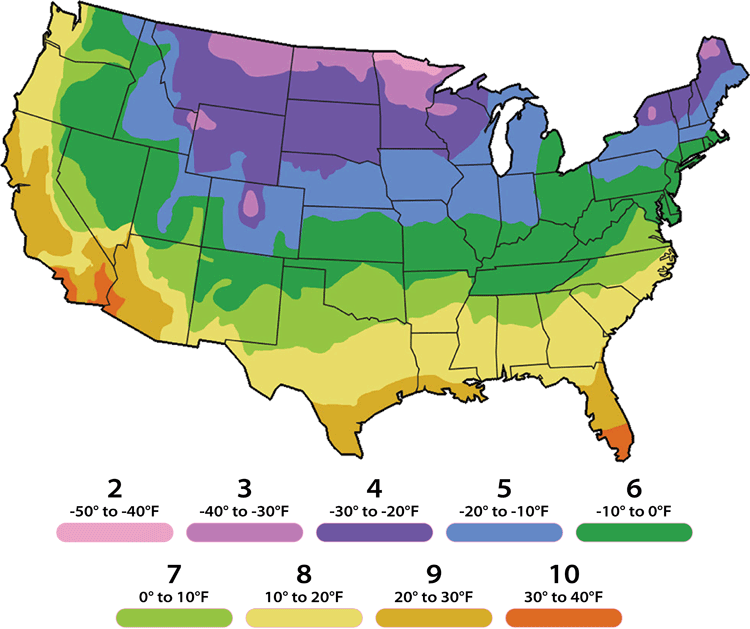
USDA Zone: 7-11
 Plant form: Large bush
 Mature height: 5-10 ft
 Sun exposure: Full sun or bright light indoor; semi-shade
 Cold tolerance: Tolerates light freezing to about 30°F for short periods (mature plants). Young plants must be protected.
 Watering: Moderate
 Flower color: Pink; red, crimson, vinous
 Suitable for: Outdoors in the suitable USDA zone; small gardens, containers, and indoor growing
 Foliage: Deciduous
 Irritating or toxic: Toxic plant/plant part
 Thorns: Thorny or spiny
 Wildlife: Attracts butterflies and hummingbirds
This plant has compound leaves with three leaflets, showy scarlet blossoms in spring, followed by large beans which split to reveal bright red seeds in summer and fall. In nature can be found in a forest or natural area in open sandy woods and clearings; weedy in disturbed areas along roadsides, naturalized; landscape as cultivated herbaceous flowering shrub. Seeds are poisonous, but young leaves and flowers may be cooked and safely eaten.
See article about this plant: Coral Bean - Hummingbird Delight.
Similar plants: Erythrina herbacea (Coral tree)
- Butea monosperma (Flame of the Forest)
- Erythrina abyssinica (Coral Tree)
- Erythrina amazonica (Amazon Coral Tree)
- Erythrina bidwillii (Indian Coral Tree)
- Erythrina caffra (South African Coral tree)
- Erythrina coralloides (Naked Coral Tree)
- Erythrina crista-galli (Cry Baby Tree)
- Erythrina decora (Namib Coral Tree)
- Erythrina edulis (Chachafruto)
- Erythrina fusca (Cape Kaffirboom)
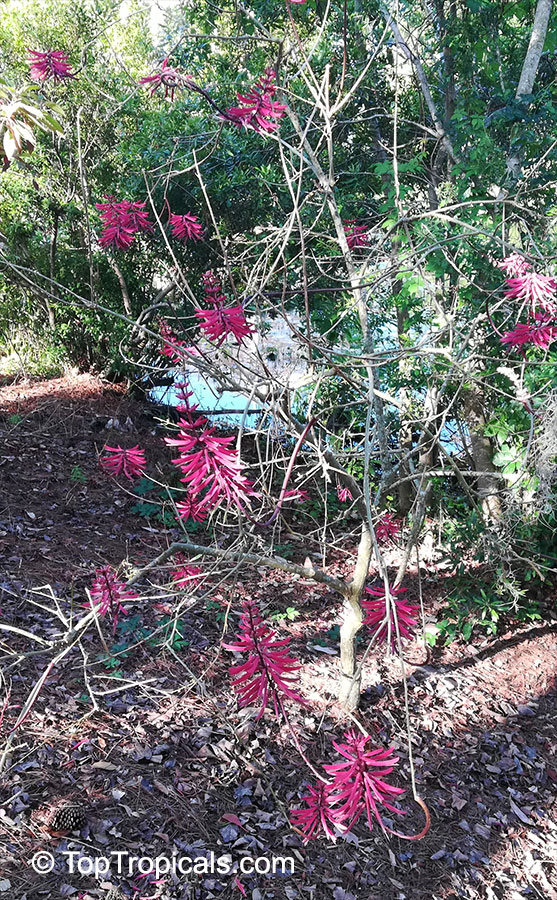
Erythrina herbacea (Coral tree) with slender woody stems and elongated vibrant red flower clusters hanging down
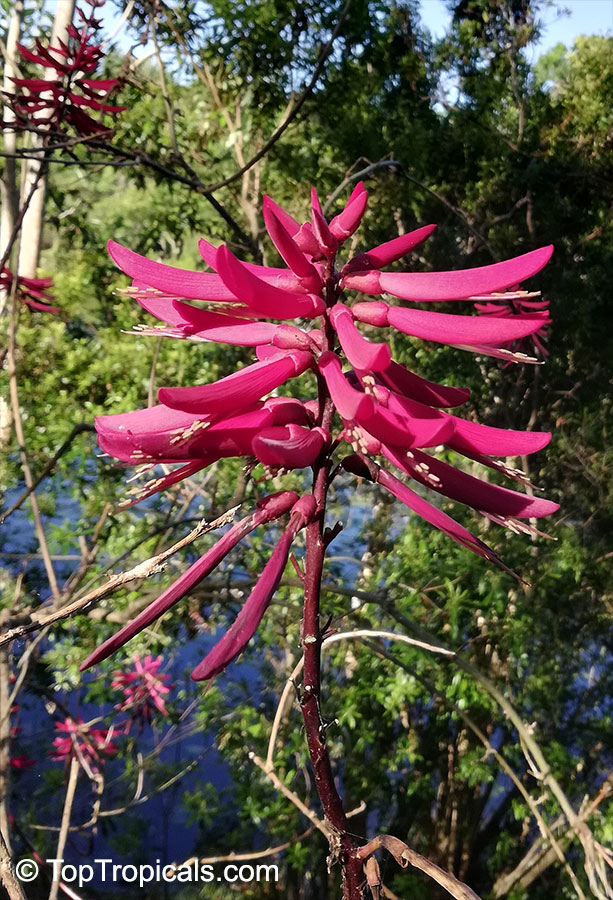
Erythrina herbacea (Coral tree) red flower spike extends from a dark wood branch with green foliage
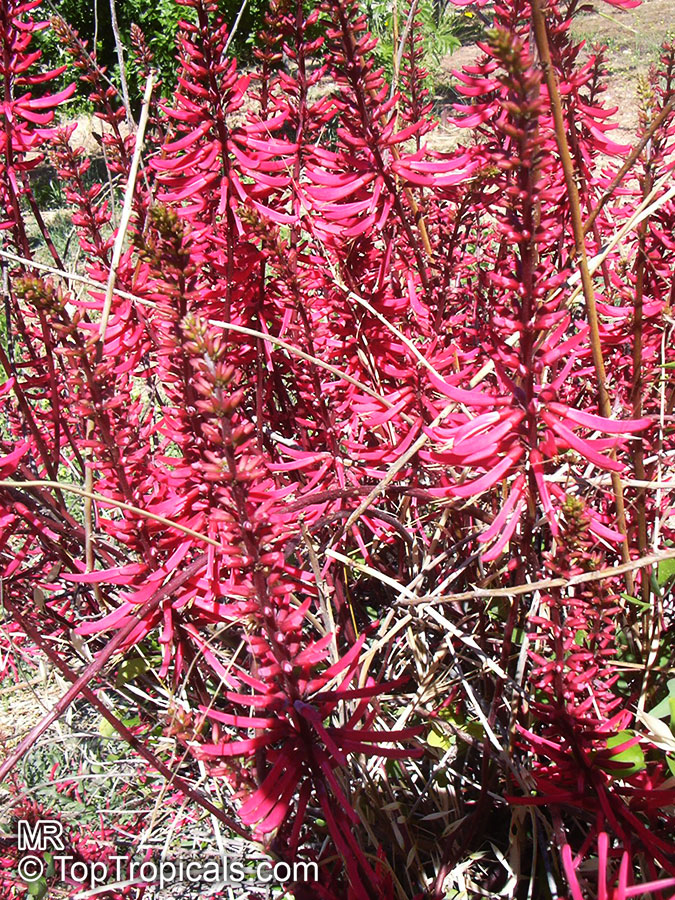
Erythrina herbacea (Coral tree) flower spikes stand upright, covered in many long, thin, deep red petals.
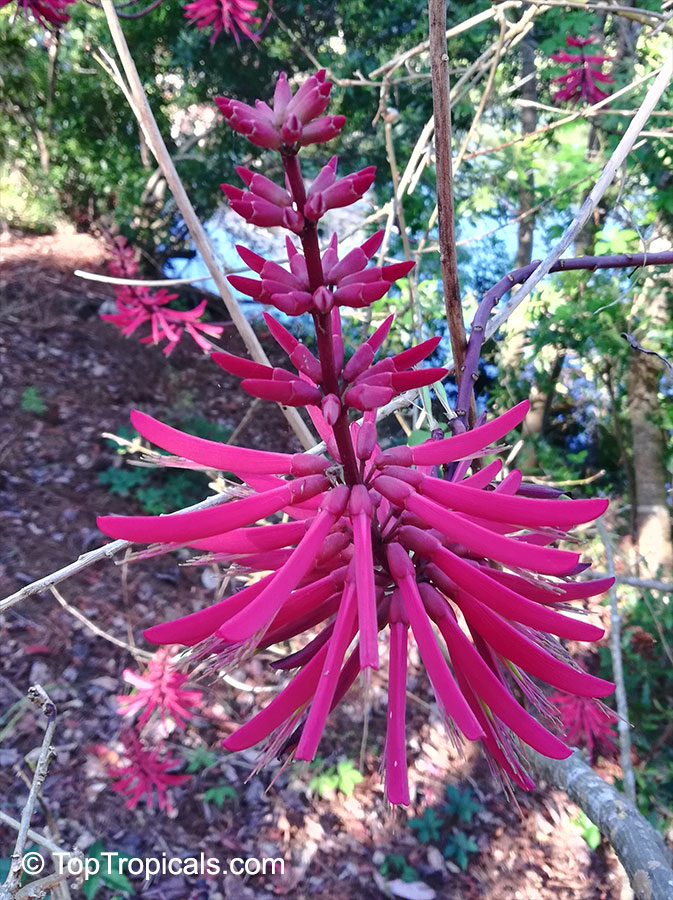
Erythrina herbacea (Coral tree) deep pink tubular flower spikes against a blurred natural background.
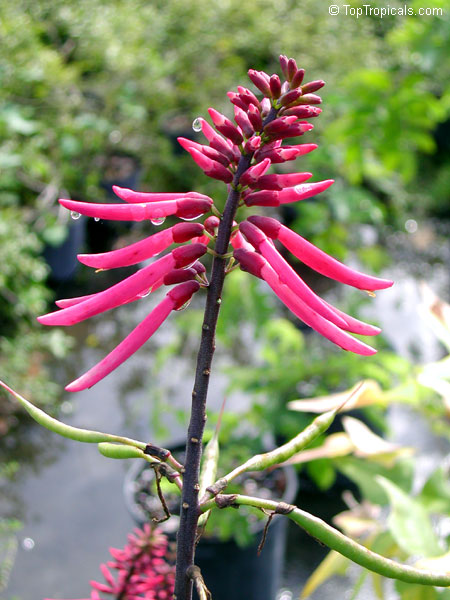
Erythrina herbacea (Coral tree) spike of long red tubular flowers with tiny water droplets attached.
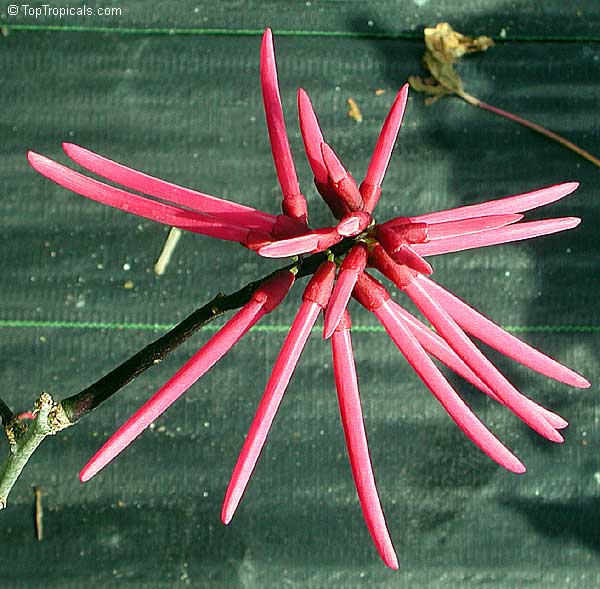
Erythrina herbacea (Coral tree) flower showing clusters of long narrow pink petals extending from center

Erythrina herbacea (Coral tree) with long narrow deep pink flower clusters on a thin branch.
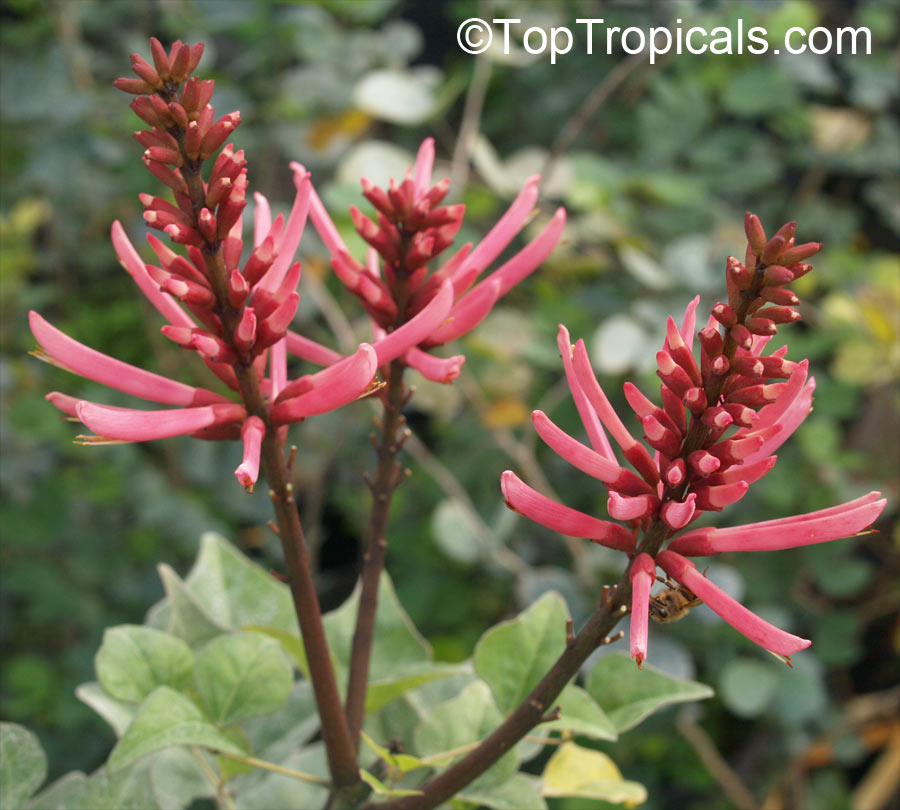
Erythrina herbacea (Coral tree) flower spikes with tubular pink segments rising above green rounded leaves.
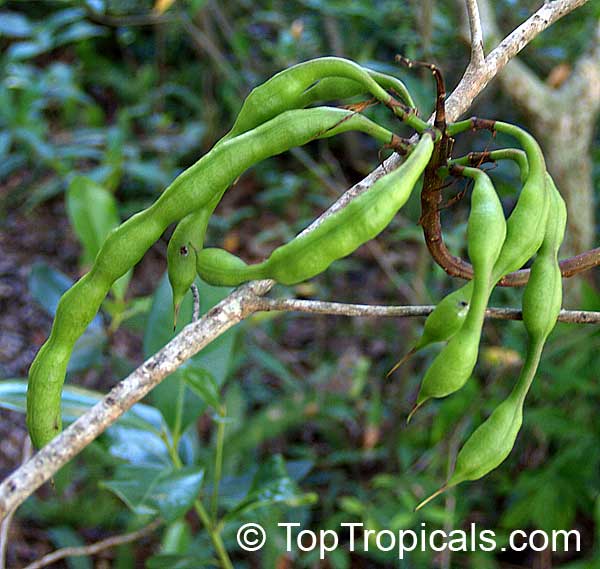
Erythrina herbacea (Coral tree) green seed pods hang down from a thin woody tree branch
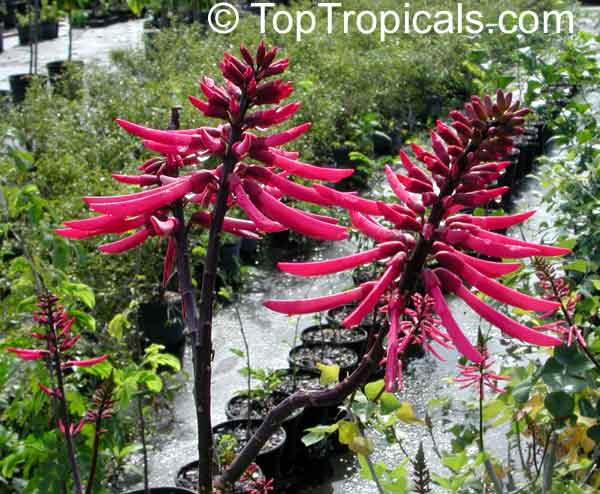
Erythrina herbacea spikes consisting of long narrow red petals pointing in many directions
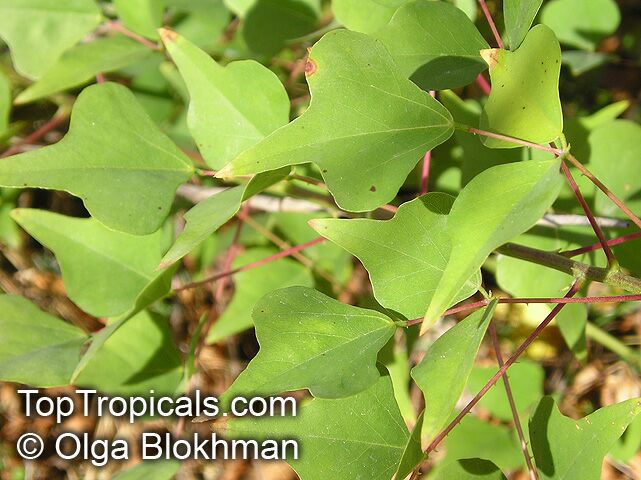
Erythrina herbacea (Coral tree) green arrow-shaped leaves resting on thin reddish colored woody stems
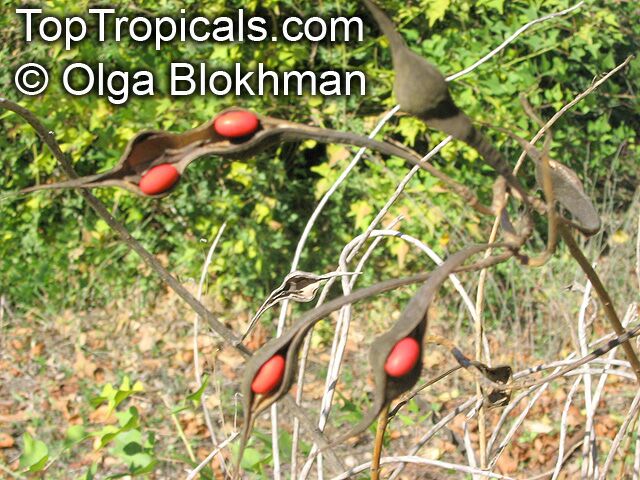
Erythrina herbacea (Coral tree) brown open seed pods revealing round red fruit inside thin branches.
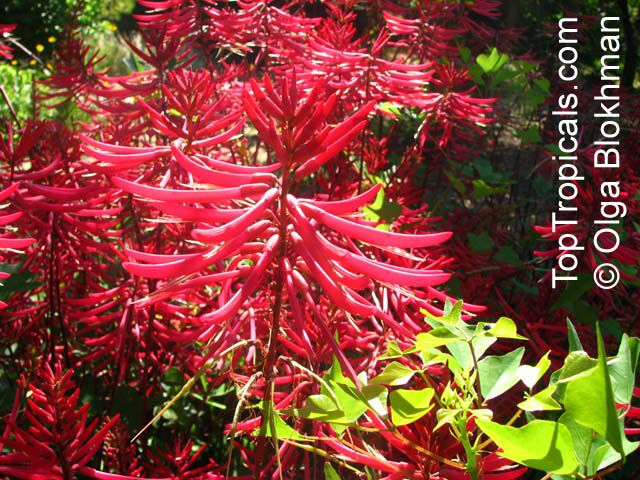
Erythrina herbacea (Coral tree) vertical flower spikes with narrow red petals beside small green leaflets
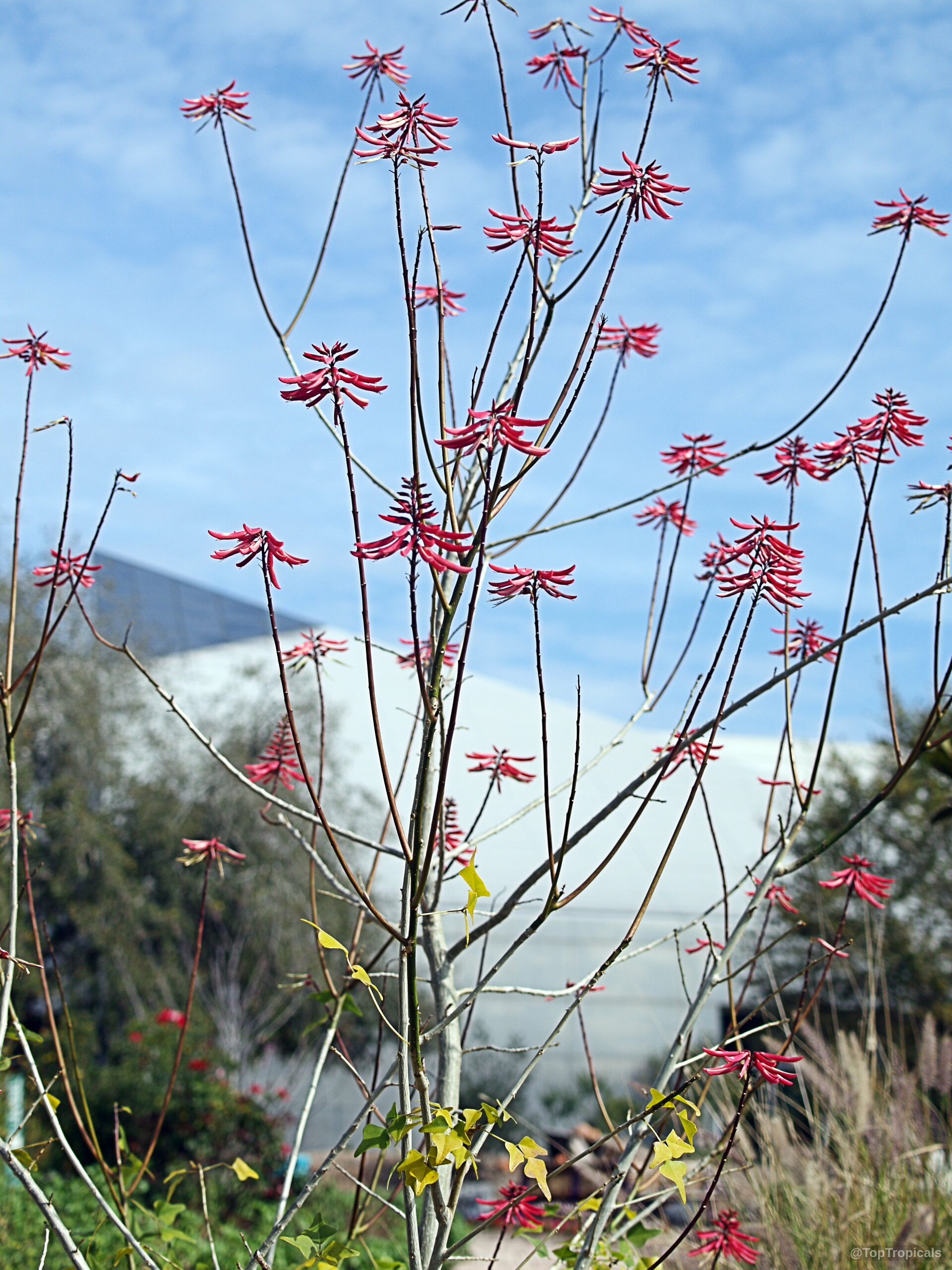
Erythrina herbacea (Coral tree) stems covered in slender flower clusters reach toward the blue sky.
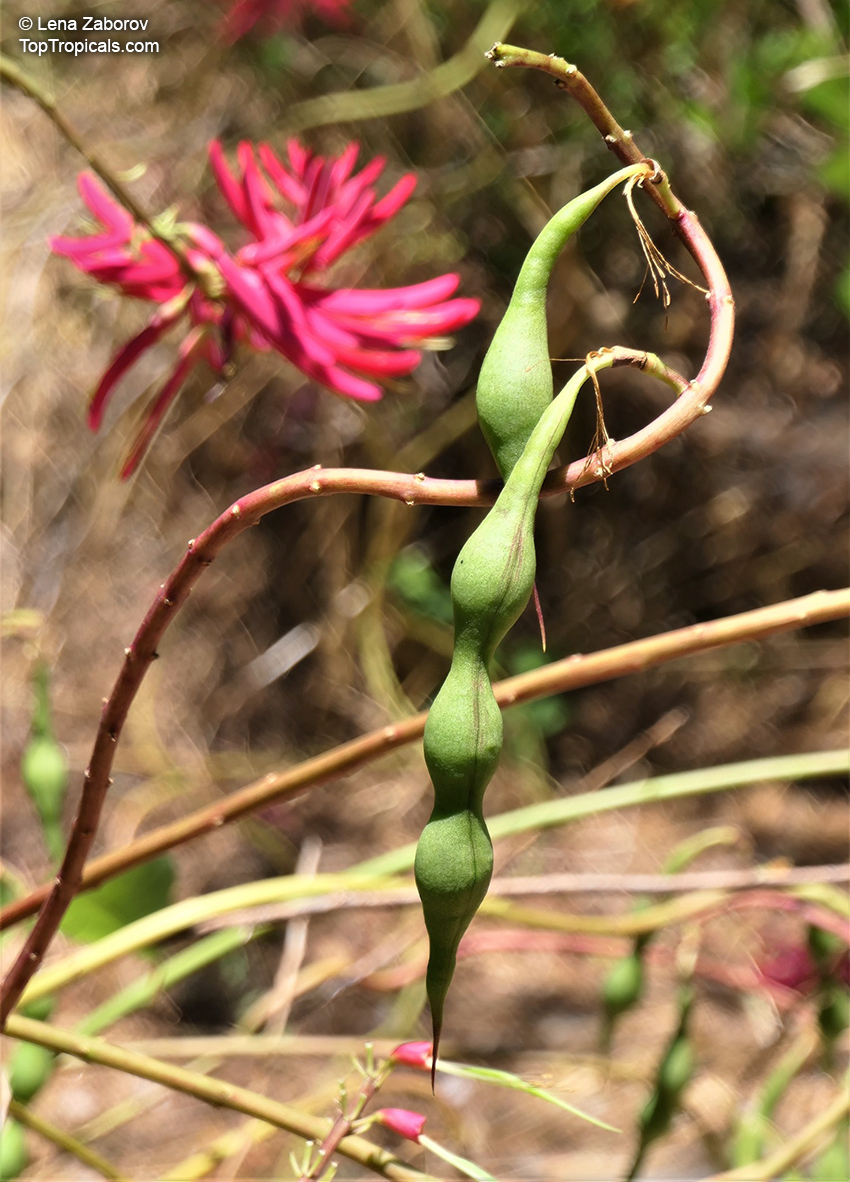
Erythrina herbacea (Coral tree) stem with a segmented green fruit beside a blurry red flower.
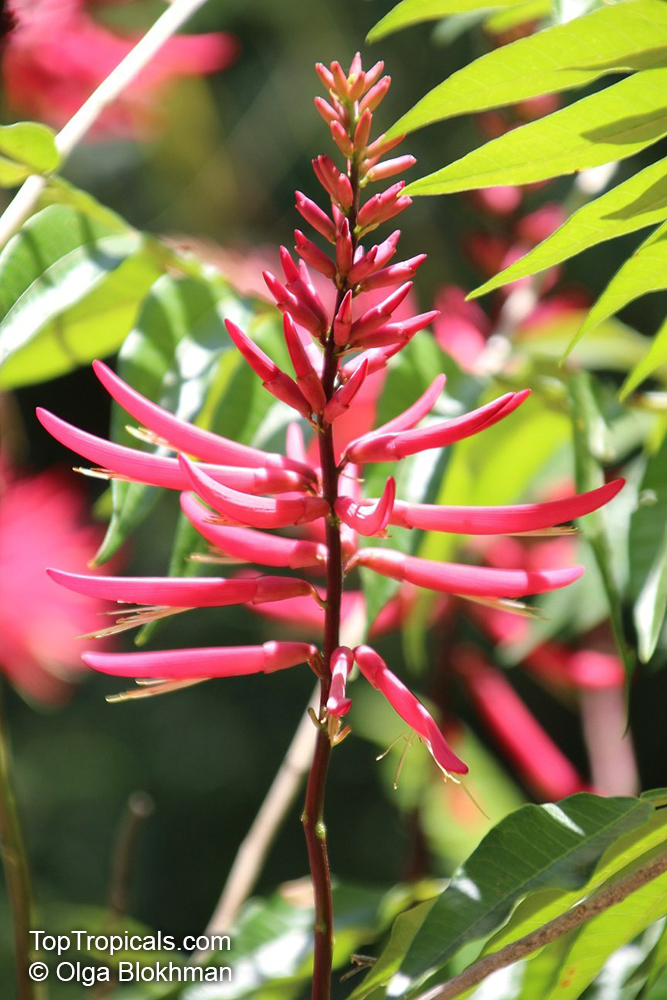
Erythrina herbacea (Coral tree) red flower spike with elongated petals on a green leafy branch
Link to this plant:
https://toptropicals.com/catalog/uid/erythrina_herbacea.htm