Diospyros maritima (Malaysian Persimmon)
Botanical name: Diospyros maritima
Common names: Malaysian Persimmon, Sea Persimmon
Family: Ebenaceae
Origin: Malesian
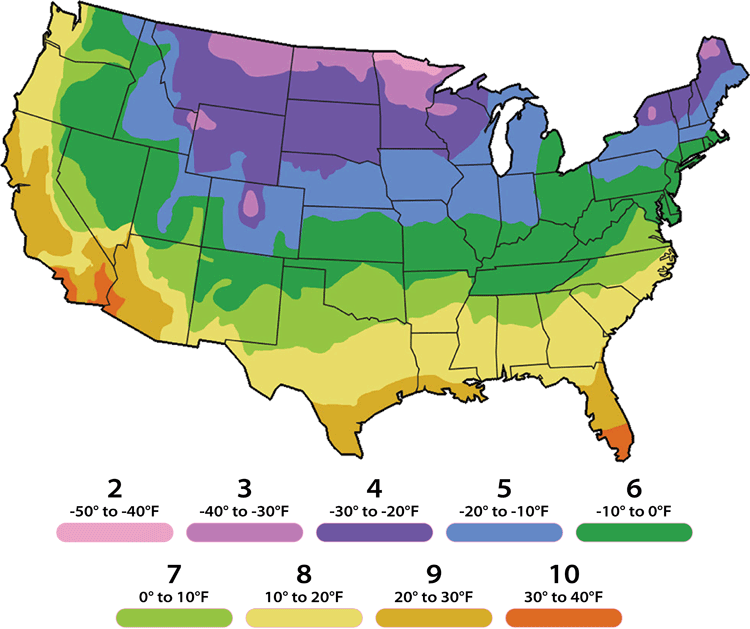
USDA Zone: 9-11
 Plant form: Small tree
 Mature height: 10-20 ft
 Sun exposure: Full sun or bright light indoor
 Cold tolerance: Tolerates light freezing to about 30°F for short periods (mature plants). Young plants must be protected.
 Watering: Regular
 Flower color: White and off-white
 Suitable for: Outdoors in the suitable USDA zone; small gardens, containers, and indoor growing
 Ethnomedical: Ethnomedical plant, traditionally used in folk or indigenous medicine
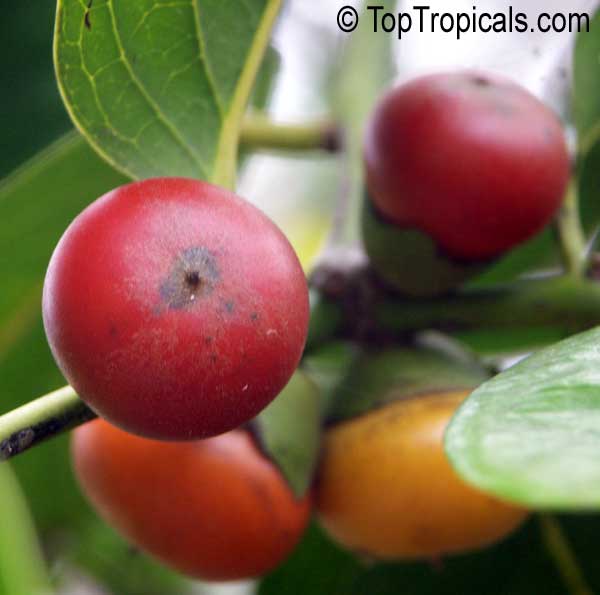
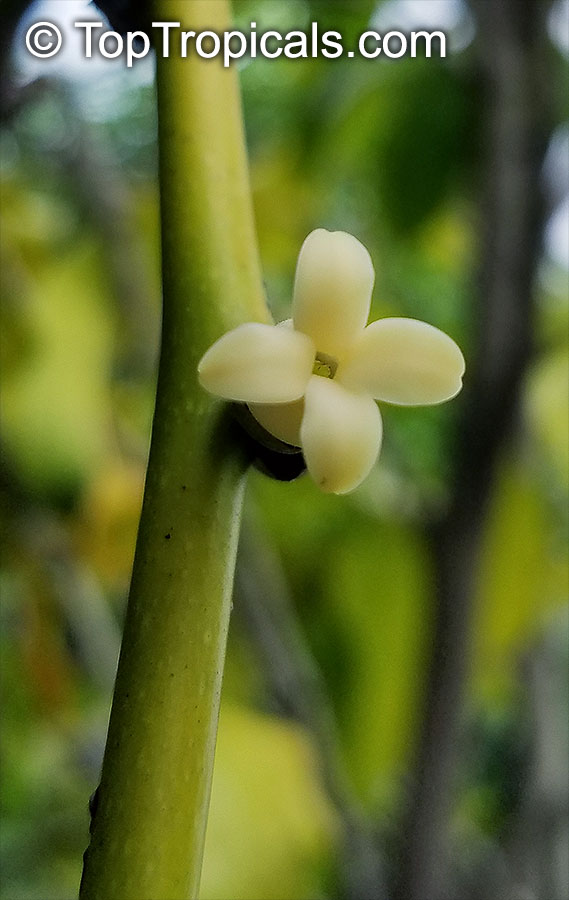
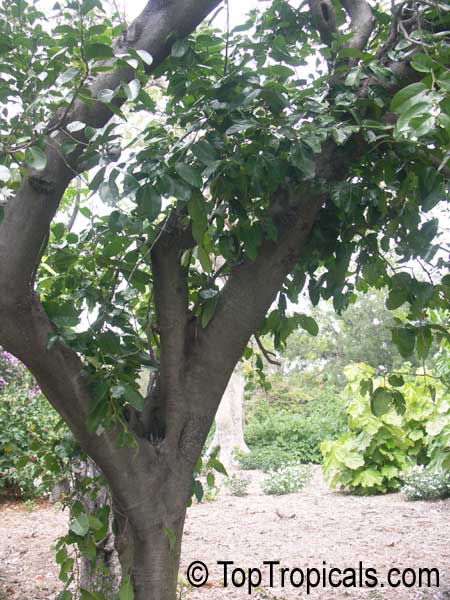
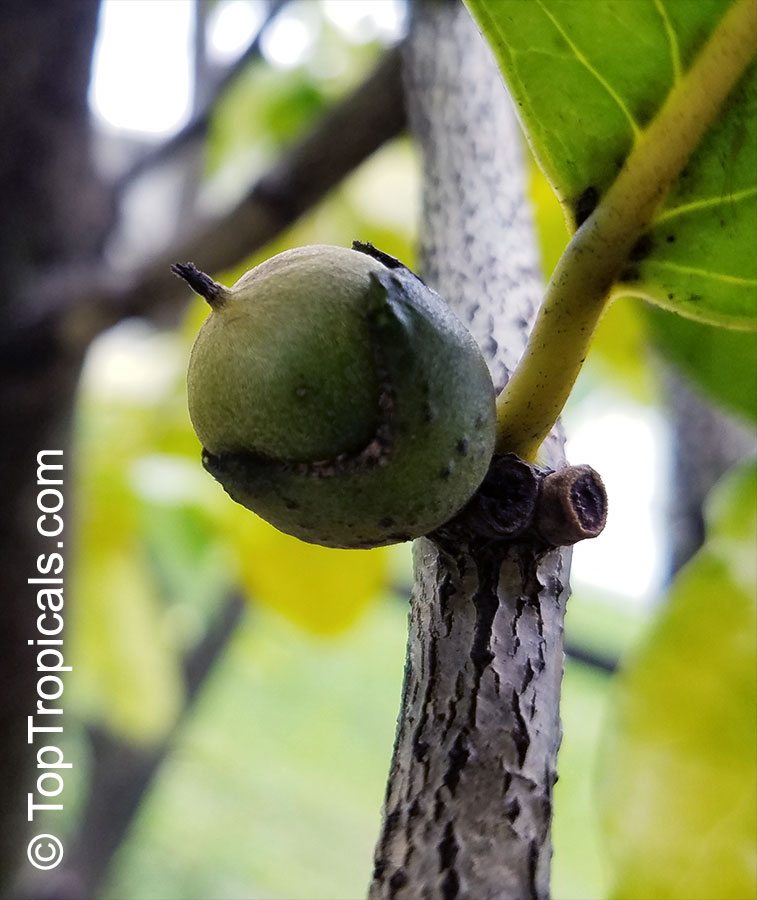
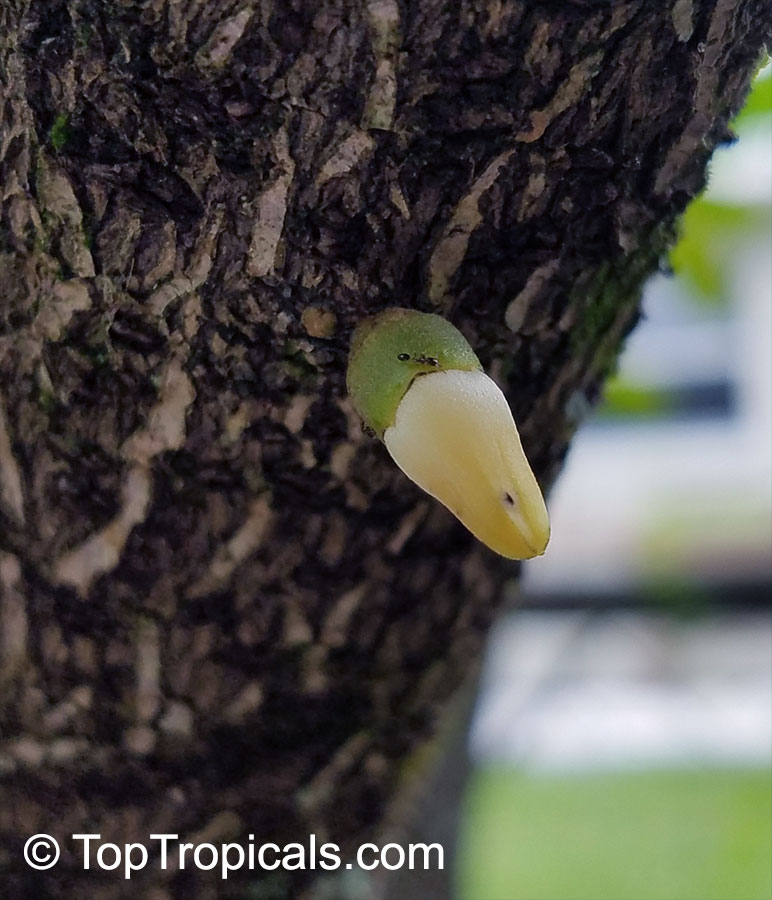
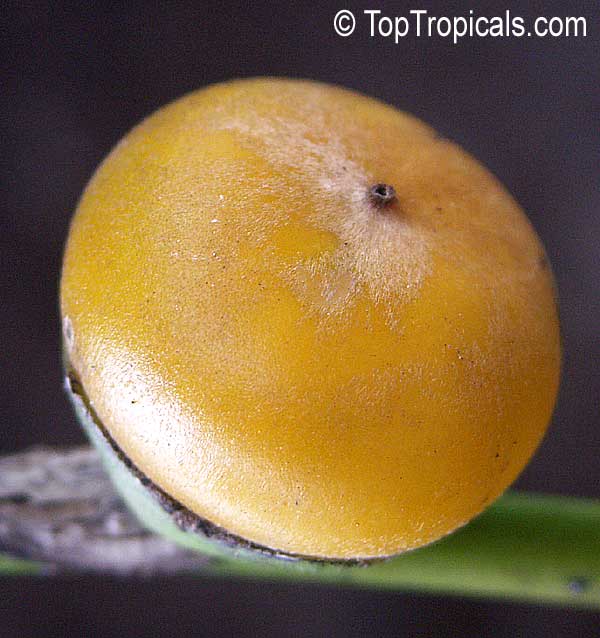
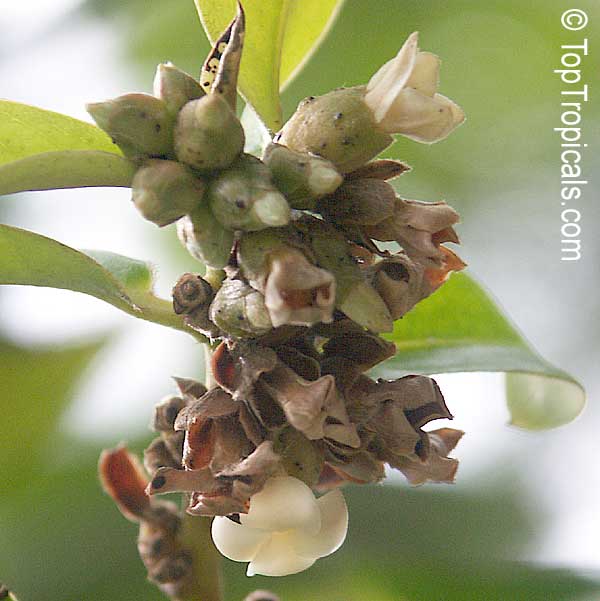
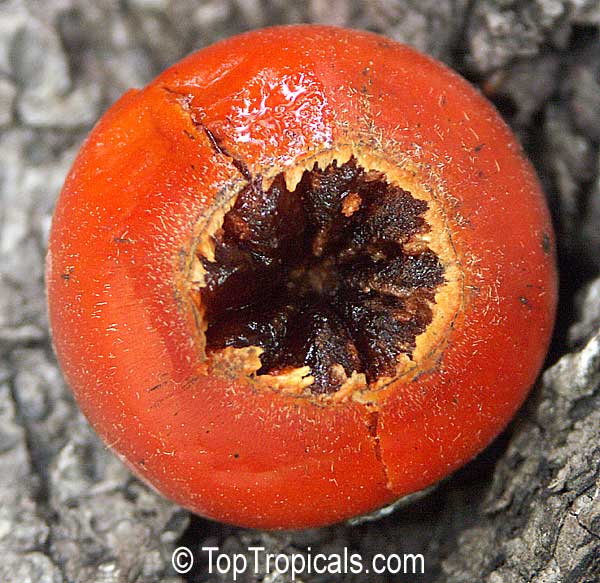
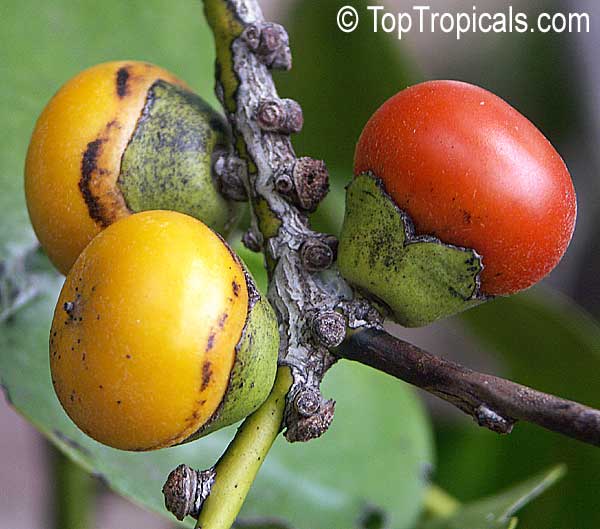
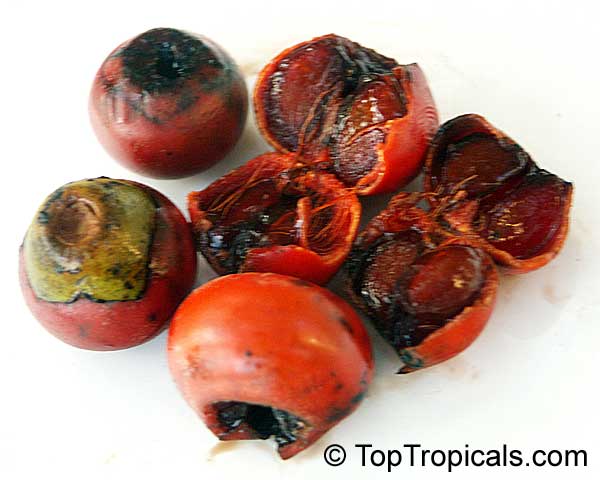
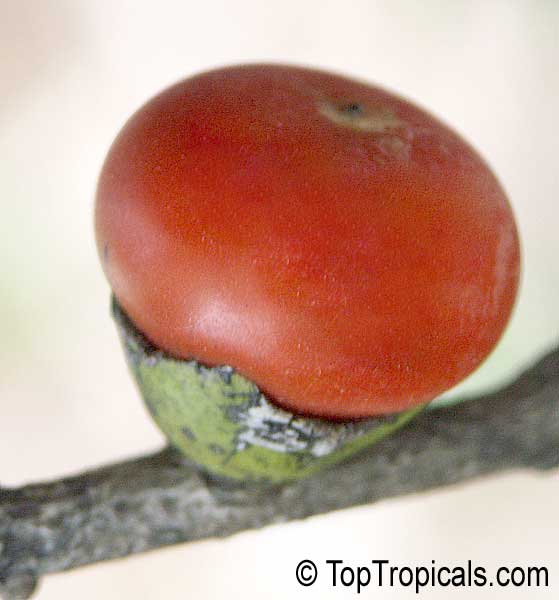
Diospyros maritima, commonly known as Malaysian Persimmon, is a small tree that grows to be 10-20 feet tall and can thrive in full sun with regular watering. It produces white and off-white flowers, which are often considered ornamental, as well as red-orange colored fruits two to three inches in length. Because of its ethnomedical uses and edible fruits, the Malaysian Persimmon is prized and widely liked.
This is a medium size tree that can handle a wide range of soils, including alkaline soils, and can tolerate brief frosts or even cold climates as mature plants can survive in temperatures as low as 30 degrees Fahrenheit for a short period of time. It is suitable for USDA Zones 9-11, and can sometimes be found in coastal forests all around the tropical western Pacific.
The edible pulps of the Malaysian Persimmon's fruits not only give the tree its prized characteristic, but also provide the tree's nutritious benefits. Its fruits are excellent sources of dietary fiber, vitamin C, vitamin A, and omega-3 fatty acids. These can help improve one's eyesight and increase their cardiovascular health. One tree can bear up to a hundred of these fruits each year.
When planting Malaysian Persimmon in cold regions, they should be grown in a pot and be able to be brought indoors when temperatures become too cold. Also, cold can cause the plant to drop its leaves prematurely, so it's best to make sure the plant is sheltered during cold weather. Additionally, if growing in a pot, the pot should be checked for proper drainage after heavy rain.
Similar plants: Diospyros maritima (Malaysian Persimmon)