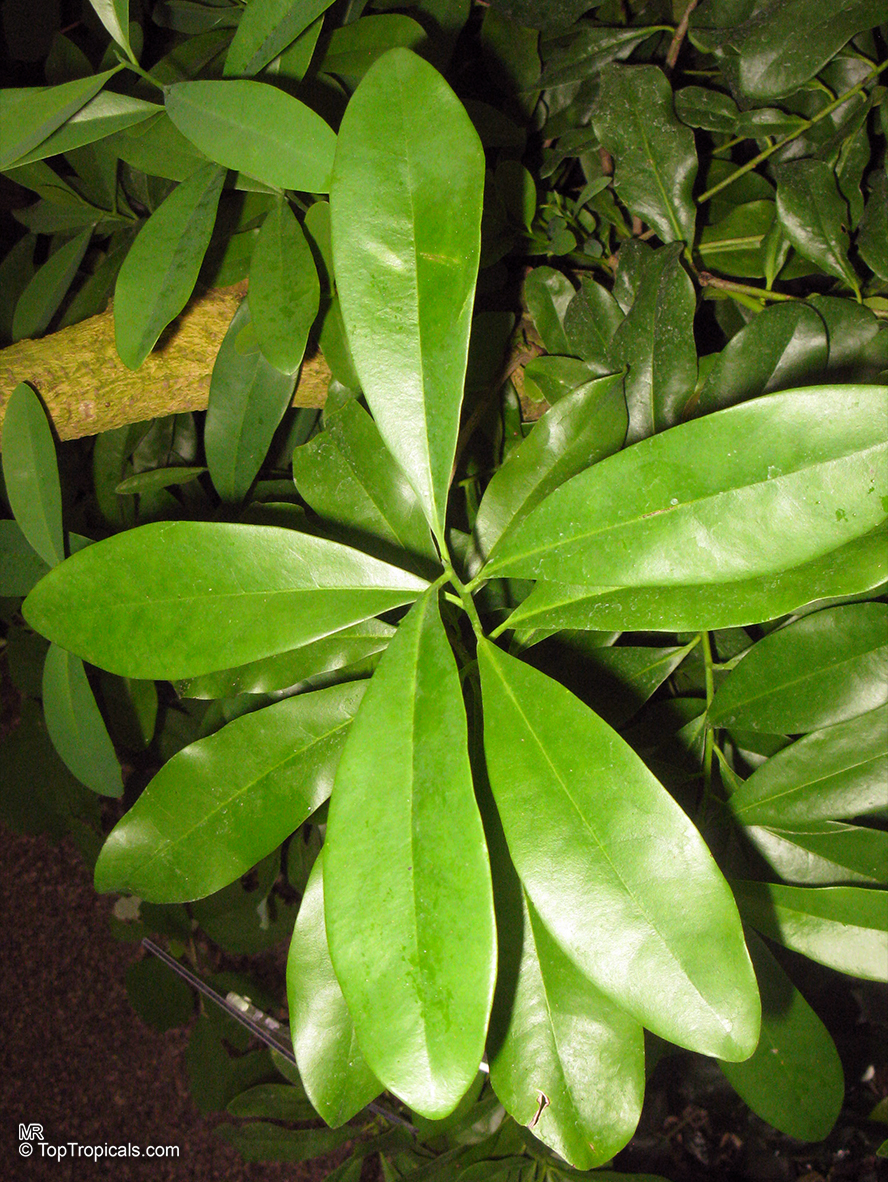
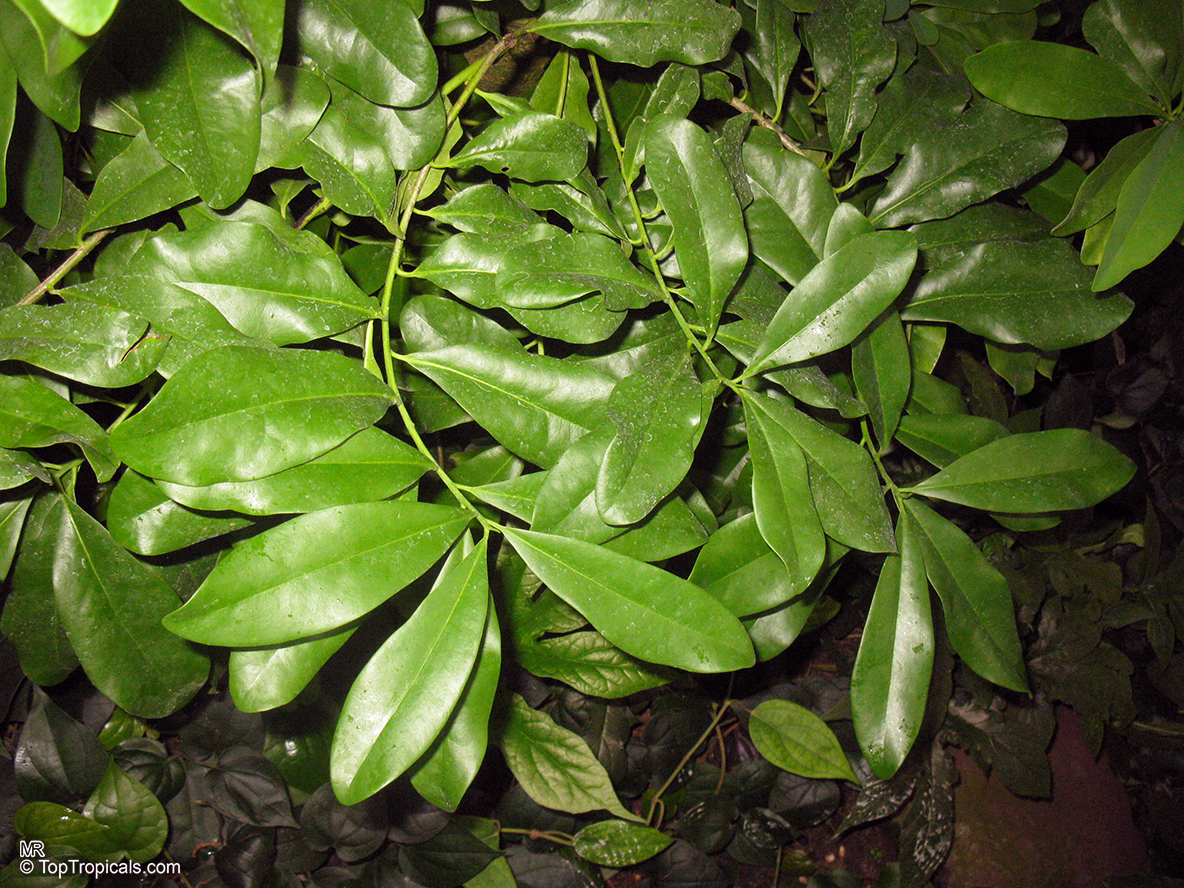
Canella winterana (Winter Cinnamon)
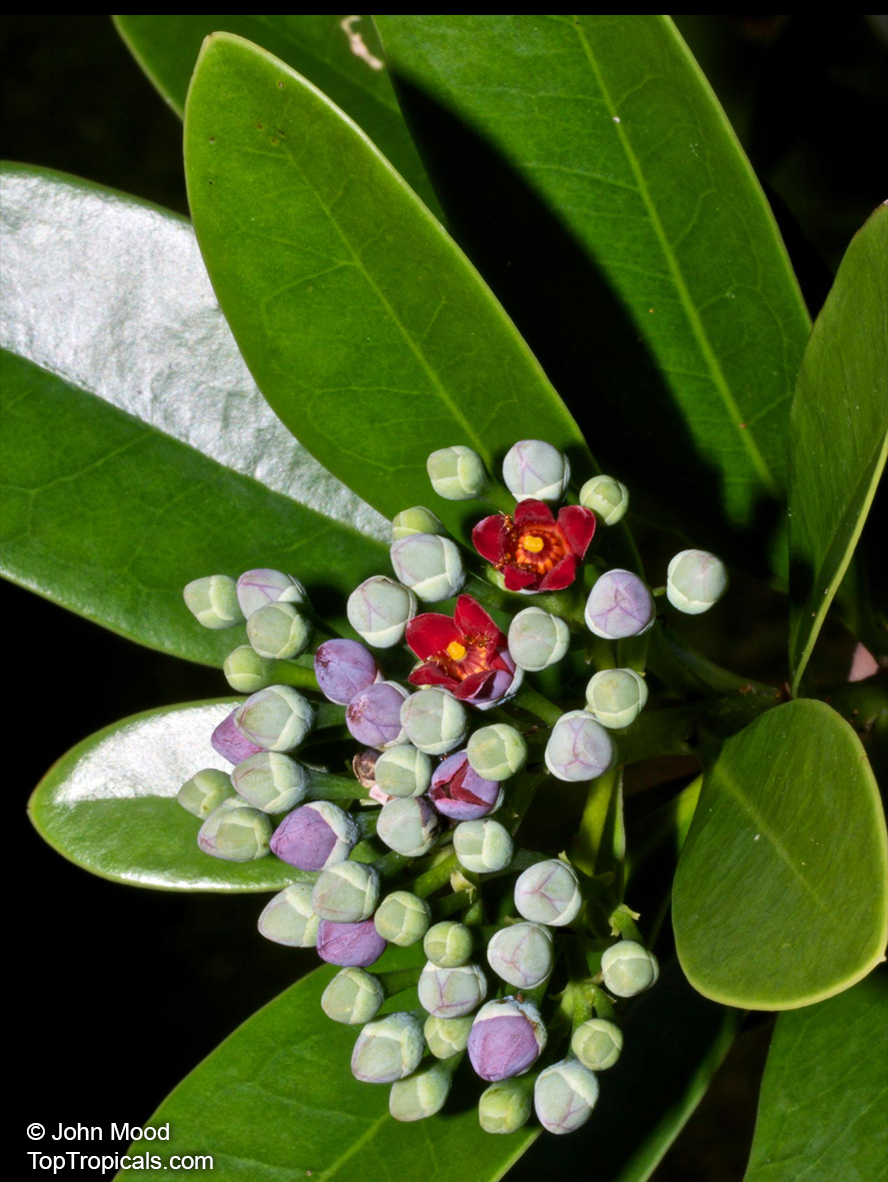
Botanical name: Canella winterana
Common names: Winter Cinnamon, Wild Cinnamon
Family: Canellaceae
Origin: Florida, Tropical America
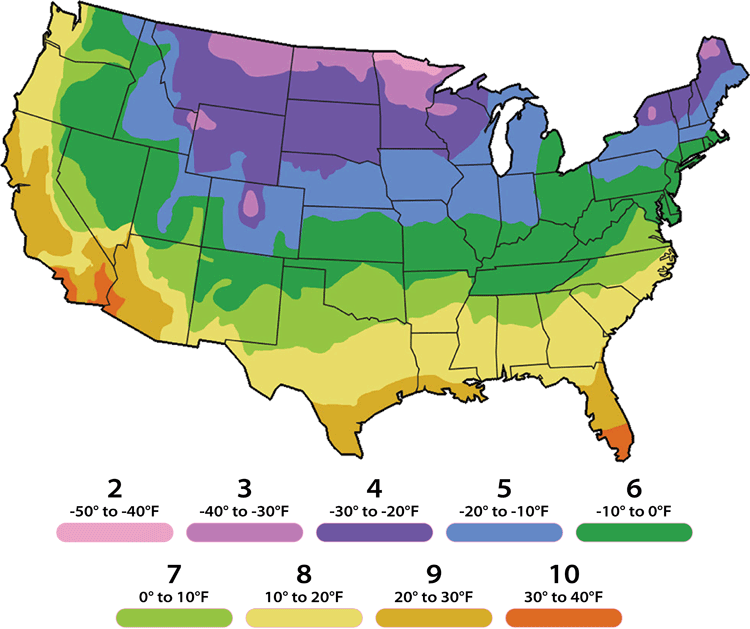
USDA Zone: 10-11

 Plant form: Large bush or small tree
 Mature height: 10-20 ft
 Sun exposure: Full sun or bright light indoor
 Cold tolerance: Frost sensitive. Protect from freezing.
 Watering: Regular
 Flower color: Red, crimson, vinous
 Suitable for: Outdoors in the suitable USDA zone; small gardens, containers, and indoor growing
 Fragrance: Fragrant; perfume plant
 Ethnomedical: Ethnomedical plant, traditionally used in folk or indigenous medicine
During the growing season, regular watering and full sun exposure will help Canella winterana reach its full potential.
In areas with a USDA Hardiness Zone of at least 9, Canella winterana is a showy ornamental with its eye-catching foliage and clusters of fragrant flowers and fruits. The large shrub typically grows up to 5-10 feet in height, while it can reach up to 20 feet if a small tree. Mature trees can withstand temperatures into the 30s F for a short time, and so are suitable for cold winter regions where temperatures stay above the freezing mark.
Canella winterana can also be grown near the sea since it is salt tolerant. This particular species does best in moist soils but does not withstand flooding. If planting in a container or pot, ensure it has plenty of drainage holes, as well as a soil mix that retains some moisture. Additional fertilizer may also be necessary for optimal foliage growth and flowers. Pruning should also be done to ensure it remains in the desired shape and size.
In addition to its ornamental uses, Canella winterana is also an ethnomedical plant with historically used as a spice and herb to treat certain ailments. In modern times it may still be used as an aromatic, fragrant spice and herb in teas and food.