Calodendrum capense (Cape Chestnut)
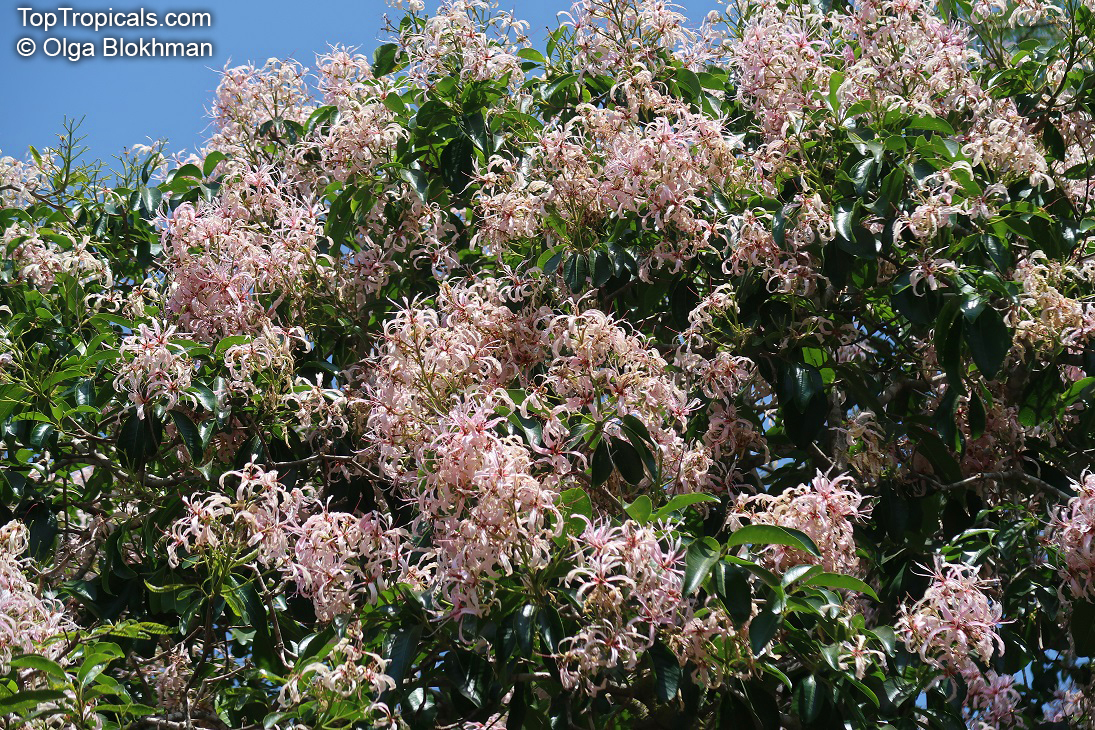
Calodendrum capense (Cape Chestnut) tree covered in dense masses of delicate light pink flower clusters
Botanical names: Calodendrum capense, Dictamnus calodendrum
Common name: Cape Chestnut
Family: Rutaceae
Origin: Southern Africa
USDA Plant Hardiness Zone Map
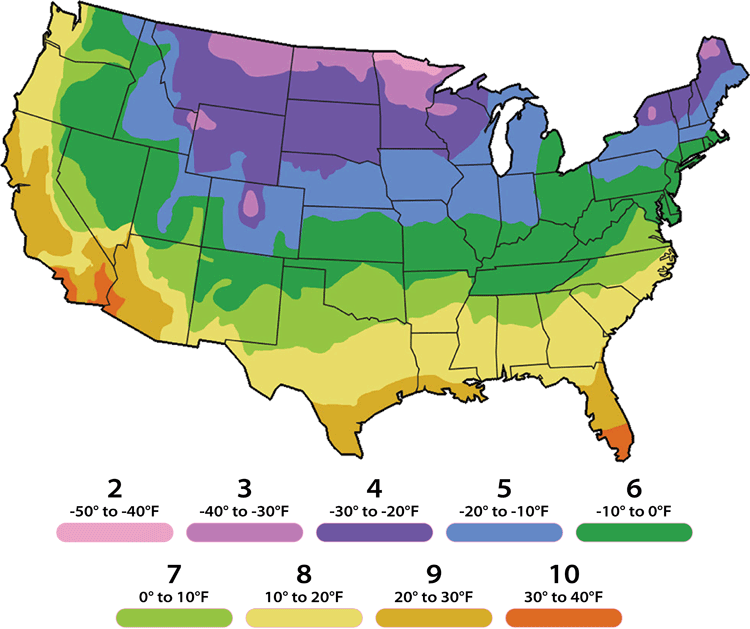
USDA Zone: 9-11
 Plant form: Small tree
 Mature height: 10-20 ft

 Sun exposure: Full sun or bright light indoor; semi-shade; shade
 Cold tolerance: Frost sensitive. Protect from freezing.
 Watering: Regular; moderate
 Flower color: Pink; white and off-white
 Suitable for: Outdoors in the suitable USDA zone; small gardens, containers, and indoor growing
 Foliage: Deciduous
 Wildlife: Attracts butterflies and hummingbirds
 Ethnomedical: Ethnomedical plant, traditionally used in folk or indigenous medicine
Calodendrum capense is a very ornamental tree, suitable for use as a shade or specimen tree in gardens and parks, also as a street tree. It does best in deep fertile, well-composted soil with plenty of moisture, particularly during spring and summer, and requires a warm sunny position. To develop and maintain its shapely canopy, it requires protection from strong, sustained winds.
At the south and east coast of southern Africa this tree is often evergreen, but inland it is deciduous.
Cape chestnut oil, obtained from the seeds, otherwise known as Yangu oil, is a popular oil in African skin care.
Similar plants: Calodendrum capense (Cape Chestnut)
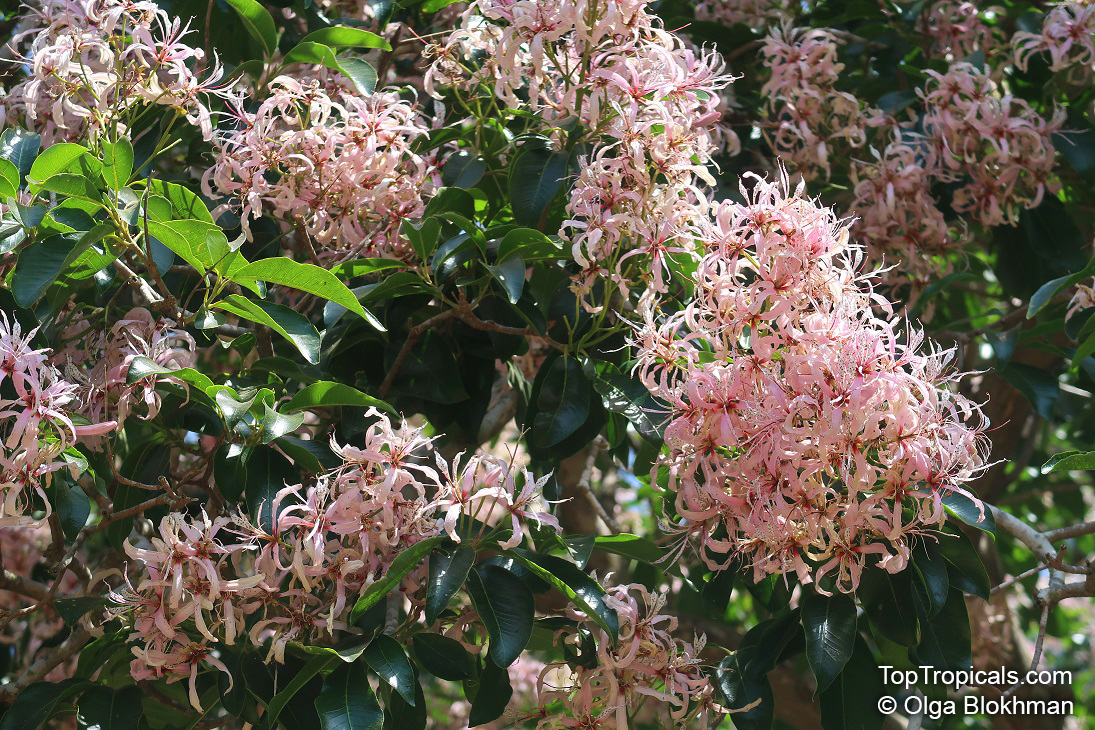
Calodendrum capense (Cape Chestnut) branches covered in abundant clusters of light pink flower petals and foliage.
Calodendrum capense (Cape Chestnut) with delicate pink flower clusters extending from dark green leaves.
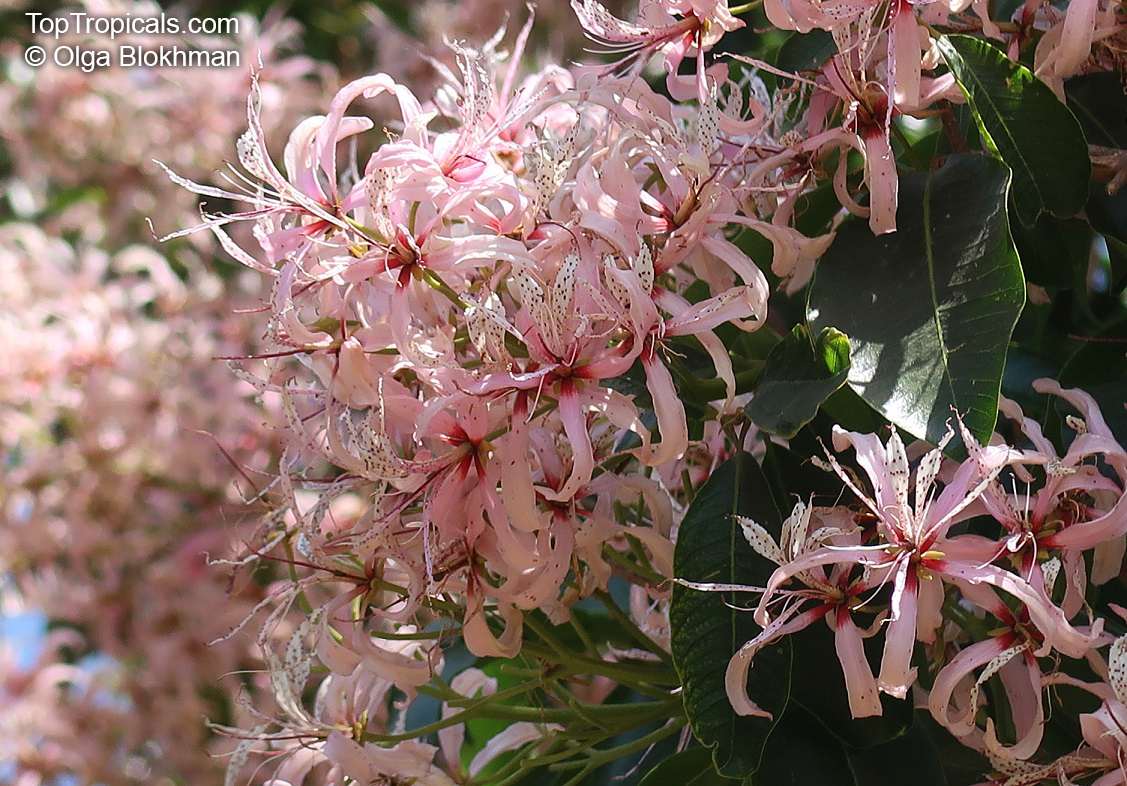
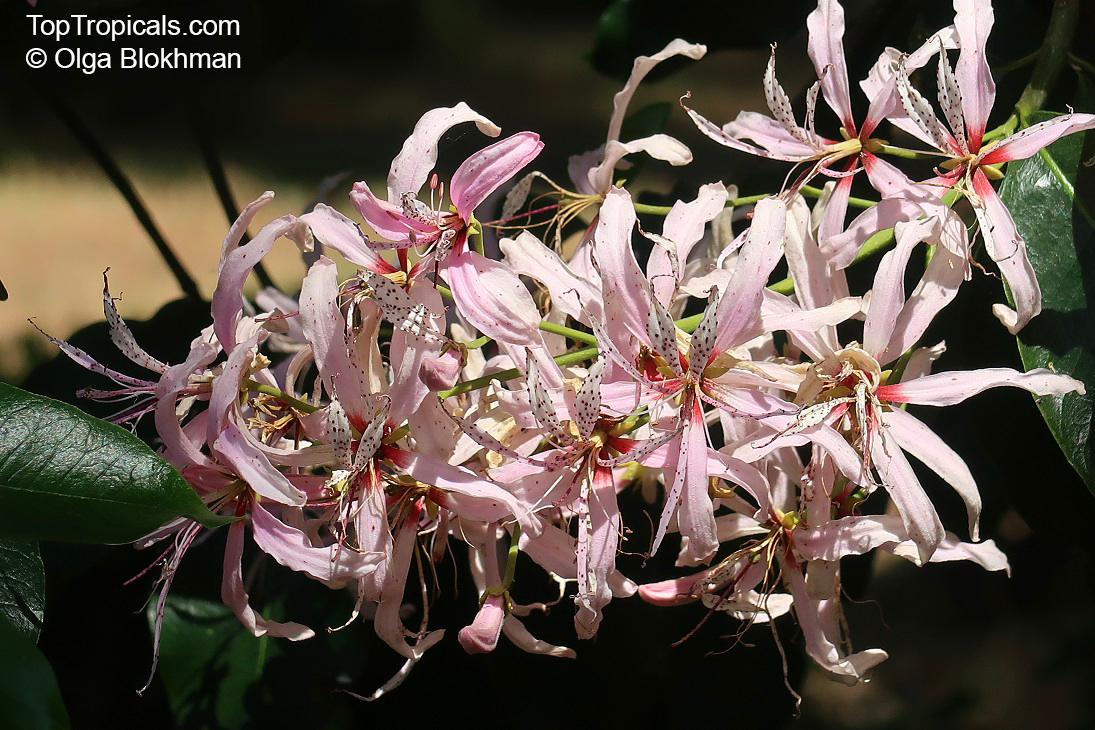
Calodendrum capense (Cape Chestnut) cluster of delicate pink flowers with small purple speckles on petals
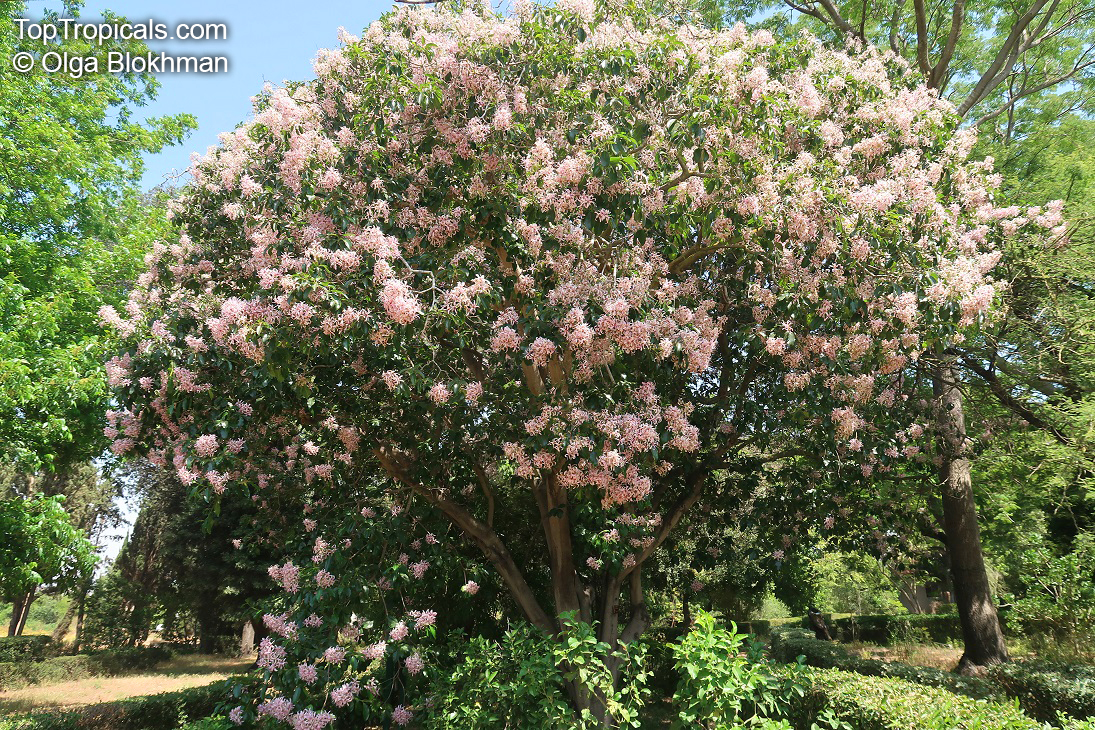
Calodendrum capense (Cape Chestnut) tree covered in dense pink flower clusters amidst deep green foliage.
Link to this plant:
https://toptropicals.com/catalog/uid/calodendrum_capense.htm